

Insulated Siding Michigan Energy Savings: Real Numbers
Discover how insulated siding cuts Michigan energy bills. Real performance data, R-values, and cost analysis from a licensed contractor serving Southeast Michigan since 1988.

Your January gas bill just hit $350 again. You've got the thermostat set to 68°F, but the living room still feels drafty. You crank it up, the furnace runs constantly, and you're burning money while half your house stays cold. Sound familiar?
After 35 years installing house siding in Detroit and across Southeast Michigan, I can tell you this: most homeowners underestimate how much their exterior walls are bleeding heat. And most contractors oversell insulated siding without explaining what it actually does—or doesn't do.
So let's cut through the marketing noise. Here's what insulated siding michigan energy savings actually looks like, backed by real performance data from Michigan homes, not manufacturer brochures.
What Insulated Siding Actually Is
Insulated siding isn't some revolutionary new material. It's vinyl siding with a foam backer laminated to the back. That's it. The foam—usually expanded polystyrene (EPS) or sometimes polyurethane—fills the gap between the siding panel and your wall sheathing.
Traditional vinyl siding hangs on your house with about a half-inch air gap behind it. That gap creates thermal bridging—cold transfers right through your wall studs, bypassing whatever insulation you've got between them. Insulated siding eliminates that gap.
The R-Value Reality
Most insulated vinyl siding adds between R-2 and R-5 to your wall assembly. CertainTeed's Cedar Impressions Insulated Siding, for example, delivers about R-4.6. That might not sound like much compared to your attic's R-49, but here's what matters: it's continuous insulation across your entire wall surface.
Standard 2x4 wall construction with fiberglass batts gives you R-13 in the cavity, but only about R-11 effective once you account for thermal bridging through the studs. Add R-4 continuous insulation on the outside, and you're looking at a real-world wall performance jump of roughly 30-35%.
Michigan Building Code Note: As of 2021, Michigan adopted the 2015 IECC energy code, which requires continuous insulation on walls in Climate Zone 5 (that's us). Insulated siding can help meet that requirement during a re-side, though it's not always mandatory for existing homes.

The Michigan Energy Savings Reality
Let's talk numbers. Not the "up to 20% savings!" claims you see in ads, but what we've actually seen in Southeast Michigan homes over the past decade.
A typical 1,800-square-foot ranch in Sterling Heights with original 1970s vinyl siding and R-11 wall insulation will spend about $1,400-$1,800 annually on heating. After upgrading to insulated siding, most homeowners report heating cost reductions of 12-18% in the first winter—call it $200-$250 saved.
That's real money, but it's not going to change your life. Here's why it matters anyway:
Freeze-Thaw Performance
Michigan's temperature swings are brutal. We'll see 25°F in the morning, 42°F by afternoon, then back down to 18°F overnight. That constant cycling creates condensation inside wall cavities when warm interior air hits cold sheathing.
Insulated siding keeps your sheathing warmer. In practice, this means less moisture accumulation, less risk of rot, and longer life for your wall assembly. That's harder to quantify than BTUs, but it's worth more than most people realize.
Comfort Gains
The bigger benefit isn't always the utility bill—it's that your house feels warmer at the same thermostat setting. Eliminating cold spots near exterior walls means you can actually use those rooms in January. Your furnace cycles less frequently, which extends its lifespan and improves indoor air quality.
We installed insulated siding on a 1965 Colonial in Grosse Pointe Farms two years ago. The homeowner's gas bill dropped about $180 the first year, but what he kept talking about was finally being able to sit at his desk in the front bedroom without wearing a fleece.
Summer Performance: Insulated siding also reduces cooling costs, though the effect is smaller in Michigan. Expect 8-12% savings on AC during July and August—maybe $40-$60 for the season. The foam backer slows heat transfer in both directions.
Insulated vs. Traditional Vinyl Siding
Let's break down the actual performance difference between standard vinyl and insulated vinyl, because this is where the sales pitch often gets fuzzy.
Energy Performance
Traditional vinyl siding: R-value of about 0.6. Essentially decorative from a thermal standpoint.
Insulated vinyl siding: R-value of 2.0 to 5.0, depending on foam thickness and density. CertainTeed's products typically land around R-4 to R-4.6. That's meaningful, but it's not a miracle.
For context, top-rated insulation contractor in Detroit work on attic upgrades delivers R-49 to R-60. Wall insulation matters, but your attic is still the biggest bang for your buck if you're chasing energy savings.
Durability and Impact Resistance
Here's where insulated siding pulls ahead in ways that have nothing to do with R-values. The foam backer makes the panel much more rigid. It doesn't flex, dent, or buckle the way hollow vinyl does.
We've seen hail storms in Macomb County that left traditional vinyl looking like a golf ball. Insulated siding on the same street? Minimal damage. The foam backing absorbs impact energy instead of transferring it to the panel face.
Wind performance is also better. Insulated panels sit flat against the wall with full contact. Traditional vinyl can flutter and pull loose during high winds because there's nothing behind it but air.
Cost Differential
Insulated vinyl siding typically costs 30-50% more than traditional vinyl. For a 1,800-square-foot ranch, you're looking at roughly $12,000-$16,000 for quality traditional vinyl versus $16,000-$22,000 for insulated.
Is that worth it? Depends on your house and your timeline. If you're planning to stay in the home for 10+ years, the energy savings plus durability gains usually justify the upcharge. If you're selling in three years, probably not—buyers won't pay a premium for it.
For a detailed cost breakdown specific to Southeast Michigan, check out our siding replacement cost guide.

Installation Matters More Than You Think
Here's what most homeowners don't realize: the energy performance of insulated siding depends almost entirely on proper installation. Screw it up, and you're paying for R-4 but getting R-2.
Common Installation Mistakes That Kill Efficiency
1. Gaps in the foam backing. If the installer doesn't ensure full contact between the foam and the wall sheathing, you've got air pockets. Air pockets mean thermal bridging. We've torn off jobs from other contractors where the foam was only touching the wall at 60% contact—basically useless.
2. Over-driving fasteners. Vinyl siding needs to float—it expands and contracts with temperature. If you nail it tight, it buckles. But with insulated siding, some installers over-compensate and leave it too loose, creating gaps behind the foam. The fastener should be snug but allow 1/32" movement.
3. Ignoring the weather barrier. Insulated siding isn't a vapor barrier. You still need proper house wrap or building paper underneath. We've seen contractors skip this step because "the foam is waterproof." It's not. Moisture will get behind it, and without a proper drainage plane, you're looking at rot.
4. Poor corner and trim details. The corners, J-channels, and trim pieces don't have foam backing. If these aren't flashed and sealed correctly, you've got thermal leaks at every window, door, and corner. That's where most heat loss happens anyway.
What Good Installation Looks Like
When we install insulated siding, here's the process:
- Remove old siding down to the sheathing and inspect for rot or damage
- Install proper house wrap with taped seams and integrated flashing at all penetrations
- Flash and seal all windows, doors, and trim areas before siding goes on
- Install insulated panels with proper fastener placement—centered in the slot, not over-driven
- Ensure full foam contact with the wall at every panel
- Use insulated trim accessories where available, or add foam backing to standard trim
- Seal all seams and transitions to prevent air infiltration
This is why choosing an experienced Detroit siding company matters. The material is only half the equation. Installation quality determines whether you get the energy savings you're paying for.
When Insulated Siding Makes Sense for Michigan Homes
Insulated siding isn't the right choice for every house. Here's when it makes sense—and when it doesn't.
Best Candidates
1960s-1980s ranch homes and Colonials. These houses were built with minimal wall insulation—often just R-7 or R-11. They have simple wall assemblies, and adding continuous exterior insulation makes a real difference. We've done dozens of these in Sterling Heights, Clinton Township, and Warren with consistently good results.
Homes with no attic access or maxed-out attic insulation. If you've already got R-60 in the attic and you're still cold, your walls are the problem. Insulated siding is one of the few ways to add meaningful wall insulation without tearing into interior drywall.
Houses with ice dam problems. Ice dams form when heat escapes through your walls and roof, melting snow that refreezes at the eaves. Better wall insulation reduces heat loss, which helps prevent ice dams. Combine insulated siding with proper attic insulation in Metro Detroit and you'll solve the problem for good.
Long-term homeowners. If you're planning to stay in your house for 10-15 years, the energy savings and durability gains will pay back the extra cost. You'll also enjoy the comfort improvements every single winter.
When to Skip It
Historic homes with original wood siding. If you've got a 1920s Craftsman with original wood lap siding in good shape, don't cover it with vinyl. Restore it. The character and resale value are worth more than the energy savings. If restoration isn't feasible, consider Southeast Michigan painting professionals for a high-quality paint job instead.
Homes with recent wall insulation upgrades. If you've already got R-13 or better in your walls, adding R-4 on the outside delivers diminishing returns. You'd be better off investing in Detroit window experts for new energy-efficient windows or upgrading your HVAC system.
Short-term ownership. Selling in 2-3 years? Standard vinyl siding will give you the curb appeal boost you need at a lower cost. Buyers won't pay extra for insulated siding—they can't see it or feel it during a showing.
Tight budgets. If the extra $4,000-$6,000 for insulated siding means you can't afford the project at all, go with traditional vinyl. A proper vinyl siding installation with good house wrap and flashing will still improve your home's weather resistance and appearance. You can always add wall insulation from the inside later if needed.
The ROI Timeline
Let's say insulated siding costs $5,000 more than traditional vinyl for your house. You're saving $200-$250 per year on heating and maybe $50 on cooling. That's a 20-year payback on energy savings alone.
But factor in the durability gains—insulated siding lasts longer and requires less maintenance—and the comfort improvements, and the real payback is closer to 12-15 years. Still a long timeline, but reasonable if you're staying put.

Signs Your Current Siding Is Costing You Money
How do you know if your siding is actually contributing to high energy bills? Here are the telltale signs we see on jobs across Macomb and Oakland counties:
1. Drafts Near Exterior Walls
Stand next to an exterior wall on a cold January day. Feel a draft or noticeable temperature difference? That's air infiltration, and it's costing you. Old, poorly installed siding allows air to leak through seams, corners, and trim areas.
Insulated siding won't fix all air leakage—that requires proper house wrap and sealing—but it reduces thermal transfer that makes those drafts feel worse.
2. Ice Dams and Icicles
Big icicles hanging from your gutters might look pretty, but they're a symptom of heat loss. Warm air escaping through your walls and attic melts roof snow, which refreezes at the eaves. Over time, this creates ice dams that back water up under your shingles and into your house.
We've written extensively about this in our guide on seasonal roof and gutter maintenance. The short version: better wall and attic insulation stops the heat loss that causes ice dams. Combine insulated siding with proper seamless gutters in Detroit, MI and you'll prevent expensive water damage.
3. High Heating Bills Despite a New Furnace
Replaced your furnace in the last five years and your gas bills are still high? The furnace isn't the problem—your building envelope is. A 95% AFUE furnace can't overcome a house that's bleeding heat through the walls.
This is especially common in 1960s-1970s ranch homes. They were built when energy was cheap and insulation standards were minimal. Upgrading the siding and wall insulation delivers better ROI than upgrading from a 90% to 96% AFUE furnace.
4. Visible Siding Damage
Cracked, warped, or loose siding panels aren't just ugly—they're compromising your wall assembly. Water gets in, insulation gets wet and compressed, and your R-value drops to near zero in those areas.
If you're seeing damage, don't wait. Get it addressed before it turns into a rot problem. Our team handles exterior siding repair in Metro Detroit regularly, and we can tell you: catching it early saves thousands.
5. Mold or Mildew Inside Exterior Walls
Mold on interior walls, especially along exterior corners or near windows, often indicates moisture problems in your wall cavity. Poor siding installation allows water infiltration, and inadequate insulation creates condensation when warm interior air hits cold sheathing.
Insulated siding addresses the thermal side of this equation by keeping your sheathing warmer, reducing condensation risk. But you still need proper flashing, house wrap, and vapor management. This is a whole-house problem that requires a comprehensive approach—siding, window replacement in Detroit, and proper ventilation.
Other Services That Complement Insulated Siding
Energy efficiency is a systems approach. Insulated siding helps, but you'll get the best results when you address the whole building envelope. Here's what we typically recommend:
Attic insulation upgrades. Your attic is still the biggest source of heat loss in most Michigan homes. Pair insulated siding with blown-in cellulose or spray foam in the attic for maximum impact. Our insulation services in Southeast Michigan include comprehensive attic, wall, and basement solutions.
Window replacement. Old single-pane or leaky double-pane windows undermine even the best siding. Modern double-hung or casement windows with Low-E coatings and argon fill make a huge difference. Check out our breakdown of what good window installation looks like.
Roof and gutter work. A leaking roof or clogged gutters can damage even the best siding installation. We handle Detroit roofing services and seamless gutter systems in Metro Detroit as part of comprehensive exterior projects.
Exterior painting. If you're keeping your existing siding but want to improve its performance, a quality paint job with Sherwin-Williams products can extend its life and improve weather resistance. We're exclusive Sherwin-Williams painting contractors serving Southeast Michigan.
For a full overview of how these services work together, visit our exterior services in Detroit page.
Ready to Get Started?
NEXT Exteriors has been protecting Michigan homes since 1988. Get a free, no-pressure estimate from a team that shows up on time and does the job right.
Get Your Free QuoteOr call us: (844) 770-6398
Frequently Asked Questions
In Southeast Michigan, homeowners typically see heating cost reductions of 12-18% in the first winter after installing insulated siding—roughly $200-$250 annually for an average 1,800-square-foot home. Cooling savings are smaller, around 8-12% or $40-$60 per summer. The exact savings depend on your home's age, existing insulation levels, and how well the siding is installed. Homes built in the 1960s-1970s with minimal wall insulation see the biggest gains.
It depends on your timeline and goals. Insulated vinyl costs 30-50% more than traditional vinyl but delivers better energy performance (R-4 vs. R-0.6), superior impact resistance, and longer durability. If you're staying in your home for 10+ years, the energy savings plus reduced maintenance typically justify the upcharge. If you're selling in 2-3 years, standard vinyl makes more financial sense—buyers won't pay a premium for insulated siding they can't see.
Most quality insulated vinyl siding adds R-2 to R-5, with premium products like CertainTeed Cedar Impressions delivering around R-4.6. That might seem modest compared to attic insulation, but it's continuous insulation across your entire wall surface, which eliminates thermal bridging through studs. For a typical 2x4 wall with R-13 cavity insulation, adding R-4 continuous insulation improves real-world wall performance by 30-35%.
Yes, but it's not a complete solution on its own. Ice dams form when heat escapes through your walls and attic, melting roof snow that refreezes at the eaves. Insulated siding reduces heat loss through walls, which helps, but you also need proper attic insulation and ventilation to fully solve the problem. We've seen the best results when homeowners combine insulated siding with attic upgrades to R-49 or higher and ensure proper roof ventilation.
Quality insulated vinyl siding typically lasts 30-40 years in Michigan when properly installed. The foam backing makes the panels more rigid and impact-resistant than traditional hollow vinyl, so they hold up better to hail, wind, and thermal cycling. The key is proper installation—full foam contact with the wall, correct fastening, and good flashing details. Poor installation can reduce lifespan to 15-20 years due to moisture infiltration and panel failure.
We don't recommend it. Installing over old siding traps moisture, hides rot and structural problems, and prevents proper foam contact with the wall sheathing—which kills the energy performance you're paying for. Best practice is to remove old siding, inspect and repair the wall sheathing, install proper house wrap, then install insulated siding. This ensures you get the full R-value benefit and a long-lasting installation.
We've had excellent results with CertainTeed Cedar Impressions Insulated Siding and Norandex Sagebrush Insulated Siding in Michigan's climate. Both deliver R-4+ performance, have strong warranties, and hold up well to freeze-thaw cycles. The brand matters less than proper installation—even the best product will underperform if it's not installed correctly with full foam contact, proper flashing, and attention to trim details.
LP SmartSide vs James Hardie Siding: Michigan Comparison
LP SmartSide vs James Hardie siding for Michigan homes. Compare costs, durability, and performance in freeze-thaw cycles from a licensed contractor with 35+ years experience.

We get this question at least three times a week: "Should I go with LP SmartSide or James Hardie for my siding?"
Both are premium products. Both perform well in Michigan's freeze-thaw cycles. Both come with strong warranties and manufacturer backing. And both cost significantly more than vinyl — which is exactly why homeowners in Sterling Heights, Rochester Hills, and Grosse Pointe Farms spend hours researching before making a decision.
After 35+ years installing house siding in Detroit and across Southeast Michigan, we've installed hundreds of homes with both products. We've seen how they hold up through Michigan winters, how they respond to lake-effect moisture, and what happens when installation isn't done right.
This isn't a sales pitch for one over the other. It's a breakdown of what each product actually is, how they perform in Michigan's climate, what they cost, and when each one makes the most sense. By the end, you'll know which one fits your home, your budget, and your timeline.
Material Science: What Each Product Actually Is
Understanding what you're actually buying matters. These aren't just "non-vinyl siding options" — they're fundamentally different materials with different strengths and vulnerabilities.
James Hardie: Fiber Cement
James Hardie siding is fiber cement — a composite of Portland cement, sand, and cellulose fibers. Think of it as engineered concrete formed into planks. The material is autoclaved (cured under high pressure and steam), which makes it dimensionally stable and extremely dense.
The density is what gives Hardie its reputation. It's heavy — about 2.5 pounds per square foot for HardiePlank lap siding. That weight translates to impact resistance and sound dampening. A baseball hitting Hardie siding doesn't dent it. Hail storms that destroy vinyl leave Hardie untouched.
Fiber cement is also non-combustible. It won't ignite, won't contribute fuel to a fire, and earns a Class A fire rating. In neighborhoods with tight lot spacing or homes near wooded areas, that's a real advantage.
The downside? Weight and brittleness. Fiber cement doesn't flex. Drop a plank during installation and it can crack. Cut it without proper dust control and you're dealing with silica dust — a serious respiratory hazard that requires specific safety equipment.
LP SmartSide: Engineered Wood
LP SmartSide is engineered wood — specifically, oriented strand board (OSB) treated with a proprietary zinc borate solution and sealed with a SmartGuard coating. It's wood, but it's been engineered to resist the things that destroy regular wood siding: moisture, insects, and fungal decay.
The manufacturing process treats the wood strands before they're pressed and bonded, which means the protection goes all the way through the board, not just on the surface. The SmartGuard coating adds another layer of moisture resistance and UV protection.
LP SmartSide is lighter than Hardie — roughly 40% lighter for comparable profiles. That makes it easier to handle during installation, puts less load on wall framing, and allows for longer plank lengths without sagging.
It's also easier to cut and fasten. Standard carbide-tooth saw blades work fine. Fasteners don't require pre-drilling in most cases. Trim work goes faster because the material machines like wood — because it is wood.
The trade-off? It's still a wood product. Even with treatment and coating, it's more vulnerable to moisture intrusion than fiber cement if the installation isn't done correctly or if the coating gets damaged and isn't maintained.
Performance in Michigan's Climate
Michigan isn't kind to siding. We get freeze-thaw cycles from November through March. We get lake-effect moisture. We get summer heat and humidity that swells wood and expands materials. And we get wind-driven rain that tests every seam and flashing detail.
Here's how each product responds to the conditions that matter most in Macomb County, Oakland County, and St. Clair County.
Freeze-Thaw Cycle Resistance
Both products handle freeze-thaw cycles well — far better than vinyl, which can crack in extreme cold, and infinitely better than untreated wood, which rots.
James Hardie's fiber cement is dimensionally stable across temperature swings. It doesn't expand or contract significantly with temperature changes. Water absorption is minimal (less than 1% by weight), so there's very little moisture inside the material to freeze and cause internal cracking.
LP SmartSide expands and contracts slightly more than fiber cement — it's wood, after all — but the SmartGuard treatment keeps moisture absorption low enough that freeze-thaw damage isn't a concern when it's installed correctly. The key is proper fastening that allows for seasonal movement without binding.
In 35+ years of Michigan installations, we've seen freeze-thaw failures on both products exactly zero times. The failures we do see come from water getting behind the siding due to poor flashing or missing housewrap — and that destroys the sheathing, not the siding itself.
Ice Dam Exposure and Water Management
Ice dams are a Michigan reality. When attic heat melts snow on the roof, water runs down to the cold eaves and refreezes. Ice builds up, water backs up under shingles, and it finds its way into wall cavities — often right behind the siding.
Neither product is waterproof. Both rely on proper installation — drainage plane, flashing, and weep screeds — to manage water that gets behind them.
Fiber cement's low absorption rate means it won't swell or degrade when exposed to water temporarily. LP SmartSide's treatment provides similar protection, but prolonged water exposure (the kind you get from a chronic ice dam that isn't fixed) will eventually compromise the coating and allow moisture into the wood substrate.
The real solution? Fix the ice dam problem. Proper attic insulation in Metro Detroit and ventilation prevent ice dams from forming in the first place. If you're replacing siding on a home with a history of ice dams, address the attic before you spend $20,000 on new siding.
Summer Heat and Humidity
Michigan summers are humid. That humidity drives moisture into wall assemblies, and it tests how well siding materials resist swelling, warping, and fungal growth.
James Hardie doesn't absorb moisture from humidity. It's cement. Humidity doesn't make it swell, warp, or grow mold. The ColorPlus factory finish is baked on and resists fading from UV exposure better than field-applied paint.
LP SmartSide's zinc borate treatment inhibits mold and fungal growth even in humid conditions. The SmartGuard coating keeps moisture from penetrating the surface. But it's still wood underneath, which means proper ventilation behind the siding (using a rainscreen or furring strips) helps long-term performance, especially on south and west exposures that take the most sun and heat.
Wind-Driven Rain
Lake-effect weather doesn't just bring snow. It brings wind-driven rain that hits siding horizontally and finds every gap, every poorly sealed seam, every missing piece of flashing.
Both products shed water well when installed correctly. The key phrase: when installed correctly. That means proper overlap on horizontal lap siding, sealed butt joints on panel products, and flashing at every termination point — windows, doors, corners, and the bottom edge.
We've seen both products fail in wind-driven rain conditions, and it's always an installation issue, not a material issue. Caulk that wasn't applied. Flashing that wasn't installed. Housewrap that was skipped to save time. That's where water gets in, and once it's in, it doesn't matter how good the siding is.
Cost Comparison: Material + Installation
Let's talk numbers. Material cost is only part of the equation — labor matters just as much, and the two products require different amounts of time and skill to install correctly.
Material Costs (2026 Southeast Michigan Pricing)
As of early 2026, here's what we're seeing for material costs on typical residential projects in the Detroit metro area:
| Product | Material Cost per Sq Ft (Installed) | Notes |
|---|---|---|
| LP SmartSide Lap | $6.50 - $8.50 | Primed, requires field painting |
| LP SmartSide (Pre-finished) | $8.00 - $10.00 | Factory finish, limited color options |
| James Hardie Lap (Primed) | $7.50 - $9.50 | Requires field painting |
| James Hardie ColorPlus | $9.50 - $12.00 | Factory finish, 30+ color options |
Those prices include material, labor, trim, flashing, housewrap, and fasteners. They don't include removal of old siding, sheathing repair, or exterior painting in Southeast Michigan if you're going with primed product.
Labor Cost Differences
James Hardie takes longer to install. It's heavier, requires more careful handling, and demands specific cutting procedures to manage silica dust. Cutting fiber cement with a circular saw creates a dust cloud that requires OSHA-compliant respiratory protection and dust containment. Most experienced crews use shears or score-and-snap tools to avoid the dust issue, but that slows down the process.
Fastening also takes more time. Hardie requires pre-drilling in many cases to prevent cracking, especially near plank ends. Fasteners have to hit studs — the material is too dense to rely on sheathing alone.
LP SmartSide installs faster. It's lighter, cuts like wood, and doesn't require pre-drilling for most fasteners. A crew that can side 800 square feet of LP in a day might only get 600 square feet of Hardie done in the same time.
That labor difference shows up in the final price. On a 2,000-square-foot home, the installation cost for Hardie might run $1,500 to $2,500 more than LP SmartSide, even if the material costs are similar.
Long-Term Maintenance Costs
Both products require painting every 10-15 years if you go with primed versions. Factory-finished options (ColorPlus for Hardie, pre-finished for LP) extend that interval significantly — often 20-25 years before repainting is needed.
Hardie's ColorPlus finish is baked on in a controlled factory environment and comes with a 15-year warranty against peeling, cracking, and chipping. It's the most durable factory finish we've seen on any siding product.
LP's pre-finished option uses a coating system that's newer to the market. It performs well, but the track record isn't as long as Hardie's. We've installed it on dozens of homes over the past five years with no issues, but we can't speak to 20-year performance yet because the product hasn't been around that long.
If you're planning to stay in the home long-term, the factory-finished option pays for itself by eliminating one or two paint cycles. If you're selling in 5-10 years, primed siding with a quality paint job from a Southeast Michigan painting professional is the more cost-effective route.
Installation Differences That Matter
Installation quality determines how long your siding lasts. Both products have specific requirements that, if ignored, void the warranty and lead to premature failure.
Weight and Structural Requirements
James Hardie's weight — roughly 2.5 pounds per square foot — means you need solid attachment to framing. Fasteners must hit studs, not just sheathing. On older homes with 24-inch stud spacing (common in pre-1970s construction), that can complicate installation and require additional blocking or furring.
LP SmartSide's lighter weight allows for more flexibility. It can be fastened to sheathing in some applications, though we still prefer hitting studs for long-term hold. The reduced weight also means less stress on wall framing, which matters on older homes where framing might be undersized by modern standards.
Fastening Specs
Both manufacturers publish detailed fastening requirements. Ignoring them voids the warranty.
For James Hardie lap siding:
- Fasteners must be hot-dipped galvanized or stainless steel
- Blind-nail at the top of each plank, 1 inch from the top edge, into studs
- Face-nail only at specific locations (corners, terminations) and only after pre-drilling
- Minimum 1¼-inch penetration into framing
For LP SmartSide lap siding:
- Hot-dipped galvanized or stainless steel fasteners
- Blind-nail at the top, ¾ inch from the top edge
- Face-nailing allowed without pre-drilling in most cases
- Minimum 1½-inch penetration into framing or ¾ inch into sheathing (depending on application)
We see DIY and low-bid contractors skip these specs constantly. They use roofing nails instead of siding nails. They don't hit studs. They over-drive fasteners and crack the material. Then the siding fails in five years, and the homeowner blames the product instead of the installation.
Trim Work and Finish Details
Trim is where craftsmanship shows — or doesn't.
James Hardie offers fiber cement trim boards that match the siding. They're heavy, require careful cutting, and need pre-drilling for fasteners. Corners are typically done with factory-formed outside corner trim or mitered using HardieTrim boards. Mitering fiber cement requires precision — there's no margin for error because the material doesn't flex to close gaps.
LP SmartSide trim machines like wood. Miters are easier. Coping inside corners is straightforward. The material is more forgiving during installation, which means cleaner finished details if the installer knows what they're doing.
Both products require caulking at trim joints, corner boards, and terminations. That caulk needs to be paintable, flexible, and compatible with the siding material. We use Sherwin-Williams Emerald Exterior Acrylic Latex Caulk on both products — it adheres well, flexes with seasonal movement, and doesn't crack after a Michigan winter.
Common Installation Mistakes We Fix
We're called in to fix bad siding jobs several times a year. Here are the mistakes we see most often:
- No drainage plane: Siding installed directly over sheathing with no housewrap or building paper. Water gets behind the siding, the sheathing rots, and the siding fails within 5-10 years.
- Missing flashing: No flashing above windows and doors, no kickout flashing where roof edges meet walls, no drip edge at the bottom. Water runs behind the siding and destroys the wall assembly.
- Wrong fasteners: Roofing nails instead of siding nails. Fasteners that rust out in three years. Over-driven fasteners that crack fiber cement or compress LP too much.
- Improper overlap: Lap siding that doesn't overlap enough, leaving gaps that let water through. Panel joints that aren't caulked or flashed.
- No expansion gaps: Siding butted tight against trim, corner boards, or J-channels with no room for seasonal expansion. The siding buckles in summer heat.
These aren't product failures. They're installation failures. And they're why choosing an experienced contractor matters more than choosing between LP and Hardie.
Warranty Coverage Reality
Warranties sound great in the showroom. Understanding what they actually cover — and what voids them — matters when you're making a decision.
James Hardie Warranty Terms
James Hardie offers a 30-year non-prorated warranty on HardiePlank and HardiePanel products. That covers defects in materials and manufacturing — things like delamination, cracking due to material defects, or premature deterioration.
The ColorPlus finish carries a separate 15-year warranty against peeling, cracking, and chipping of the factory finish.
What voids the warranty:
- Installation that doesn't follow Hardie's published best practices
- Using non-approved fasteners or fastening methods
- Damage from impact, fire, or severe weather (that's what homeowners insurance is for)
- Painting over ColorPlus finish within the warranty period (voids the finish warranty)
The warranty is transferable to a new homeowner, which adds resale value. But transfer requires notifying James Hardie and may involve a fee.
LP SmartSide Warranty Terms
LP SmartSide offers a 50-year prorated warranty on the substrate (the engineered wood itself) and a 5-year warranty on the SmartGuard treatment and primed finish. The pre-finished product carries a 15-year finish warranty.
The 50-year substrate warranty sounds impressive, but it's prorated — coverage decreases over time. After 10 years, you're getting partial coverage. After 25 years, you're getting minimal coverage. It's better than nothing, but it's not a 50-year bumper-to-bumper warranty.
What voids the warranty:
- Installation that doesn't meet LP's installation instructions
- Failure to paint primed product within 180 days of installation
- Using non-approved fasteners or installation methods
- Damage from termites, carpenter ants, or other pests (even though the product is treated to resist them)
LP's warranty is also transferable, and the transfer process is simpler than Hardie's — usually just requires notifying LP with proof of purchase.
The Warranty Reality Check
Here's the truth about siding warranties: they rarely get used. Most siding failures are installation-related, not material defects. And proving that a failure is due to a manufacturing defect — rather than installation error, maintenance neglect, or weather damage — is difficult.
We've filed warranty claims on both products over the years. The process is slow, requires extensive documentation, and often results in partial coverage or denial based on installation technicalities.
The better insurance policy? Hire a contractor who knows how to install the product correctly. That prevents failures in the first place. When we install siding — whether it's LP, Hardie, or any other product — we follow manufacturer specs exactly. Not because we're worried about warranty claims, but because that's how you build something that lasts.

When to Choose Each Product
So which one should you choose? It depends on your priorities, your budget, and your home's specific conditions.
Choose James Hardie If:
- Impact resistance is a priority: Homes near golf courses, ball fields, or areas with frequent hail benefit from Hardie's density and toughness.
- Fire resistance matters: Homes in wooded areas, near wildfire-prone regions (northern Michigan), or in neighborhoods with tight lot spacing get real value from non-combustible siding.
- You want the longest-lasting factory finish: ColorPlus is the most durable factory finish on the market. If you're staying in the home 20+ years and want to minimize maintenance, it's worth the premium.
- You're okay with higher upfront cost: Hardie costs more to buy and install, but it holds value and requires less maintenance over time.
- Your home has modern framing: Newer homes with 16-inch stud spacing and solid sheathing are ideal for Hardie's weight and fastening requirements.
Choose LP SmartSide If:
- Budget is a concern: LP delivers premium performance at a lower cost than Hardie, especially when you factor in faster installation.
- You want easier future repairs: LP is easier to cut, fit, and replace if a section gets damaged. Finding a contractor willing to repair LP is easier than finding one with the tools and skills for Hardie.
- Your home has older framing: Lighter weight means less stress on older wall framing and more flexibility in fastening options.
- You prefer the look of wood grain: LP has a more pronounced wood texture than Hardie. If you like the look of wood siding but want better durability, LP delivers that aesthetic.
- You're working with a tight timeline: Faster installation means less disruption and quicker project completion.
When Either Product Works
For most homes in Macomb County, Oakland County, and St. Clair County, either product will perform well for 30-50 years if installed correctly. The decision often comes down to aesthetics, budget, and contractor availability.
We install both products regularly. We don't push one over the other. We ask about your goals, your budget, and your timeline, and we recommend the product that makes the most sense for your situation.
If you're replacing siding as part of a larger exterior renovation — new windows in Detroit, a roof replacement in Metro Detroit, or updated seamless gutters in Detroit, MI — the siding choice should complement the overall project. Sometimes that means matching the siding to the window trim material. Sometimes it means choosing based on color options that work with your new roof.
Related Services: Siding replacement often pairs with other exterior upgrades. NEXT Exteriors offers comprehensive exterior services in Detroit, including roofing, windows, gutters, insulation, and painting — all from one licensed contractor with 35+ years of experience.
Ready to Get Started?
NEXT Exteriors has been protecting Michigan homes since 1988. We install both LP SmartSide and James Hardie siding, and we'll help you choose the right product for your home, budget, and goals. Get a free, no-pressure estimate from a team that shows up on time and does the job right.
Get Your Free QuoteOr call us: (844) 770-6398
Frequently Asked Questions
James Hardie is typically more expensive — both for materials and labor. In Southeast Michigan, Hardie ColorPlus (factory-finished) runs $9.50-$12.00 per square foot installed, while LP SmartSide pre-finished runs $8.00-$10.00 per square foot. Hardie also takes longer to install due to its weight and cutting requirements, which adds to labor costs. For a 2,000-square-foot home, expect to pay $1,500-$2,500 more for Hardie than LP SmartSide.
Both products last 30-50+ years in Michigan when installed correctly. James Hardie's fiber cement is extremely durable and resistant to freeze-thaw cycles, moisture, and impact. LP SmartSide's engineered wood with SmartGuard treatment performs similarly in Michigan's climate. The key factor isn't the product — it's the installation quality. Proper flashing, drainage plane, and fastening determine longevity more than material choice.
No. LP SmartSide is treated with zinc borate throughout the material (not just on the surface), which prevents rot, fungal decay, and termite damage. The SmartGuard coating adds another layer of moisture protection. We've installed LP SmartSide on hundreds of Michigan homes over the past 15+ years and haven't seen rot issues when the product is installed with proper flashing and drainage. Regular wood siding, by contrast, will rot within 10-15 years in Michigan's climate without constant maintenance.
Yes, but it may void the finish warranty. James Hardie's ColorPlus warranty is voided if you paint over the factory finish within the 15-year warranty period. LP SmartSide's pre-finished warranty has similar restrictions. If you want a custom color not available in factory finishes, go with primed siding and have it painted by a professional using high-quality exterior paint (we use Sherwin-Williams products exclusively). The finish won't be quite as durable as factory-applied, but you'll get the exact color you want.
Both add significant resale value compared to vinyl siding. James Hardie has stronger brand recognition among homebuyers and realtors, which can be an advantage in competitive markets like Grosse Pointe Farms or Rochester Hills. However, LP SmartSide is gaining recognition and delivers similar curb appeal at a lower cost. If you're selling within 5-10 years, either product will recoup 70-85% of the installation cost in increased home value. The bigger factor is condition and appearance — well-maintained siding in a current color sells better than premium siding that looks dated.
Not necessarily, but it's often the most cost-effective time to do it. When we remove old siding, we expose the window trim and flashing — which makes window replacement easier and ensures proper integration between new windows and new siding. If your windows are more than 20 years old, single-pane, or showing signs of seal failure (condensation between panes), replacing them during a siding project makes sense. We offer comprehensive window replacement in Detroit and can coordinate the entire exterior renovation in one project.
Ask to see their installation plan and verify they're following manufacturer specs. Key things to look for: housewrap or building paper behind the siding, flashing above all windows and doors, proper fastener type and placement, and correct overlap on lap siding. A good contractor will walk you through the installation process and show you the details that matter. At NEXT Exteriors, we follow James Hardie Best Practices and LP SmartSide installation guidelines exactly — and we document the process with photos for our records and your peace of mind.
LP SmartSide vs James Hardie Siding Michigan | NEXT Exteriors
LP SmartSide vs James Hardie siding for Michigan homes. Compare durability, cost, and performance in freeze-thaw cycles. Expert advice from NEXT Exteriors.
If you're researching siding for your Michigan home, you've already landed on the two best premium options: LP SmartSide and James Hardie fiber cement. We install both regularly across Southeast Michigan, and homeowners ask us the same question every week: which one should I choose?
The honest answer? It depends on your house, your budget, and what you care about most. Both products will outlast vinyl siding by decades. Both handle Michigan's freeze-thaw cycles better than most alternatives. But they're fundamentally different materials, and that matters when you're making a 30-year decision.
After 35 years installing house siding in Detroit and across Macomb, Oakland, and St. Clair counties, we've seen how each material performs through Michigan winters, summer storms, and the relentless humidity that comes off the lakes. This guide breaks down what you actually need to know — no marketing spin, just what we've learned on thousands of jobs.
Material Composition: What You're Actually Buying
Before we talk about climate performance or cost, you need to understand what these products actually are. The difference in base material drives everything else — durability, weight, installation method, and long-term maintenance.
James Hardie: Fiber Cement
James Hardie siding is fiber cement — a mix of Portland cement, sand, and cellulose fibers. It's essentially thin concrete panels engineered to look like wood lap siding or shingles. The material is dense, heavy, and non-combustible.
Here's what that means in practice:
- Weight: A 12-foot plank of James Hardie HardiePlank weighs about 65 pounds. You're not carrying this up a ladder by yourself.
- Moisture resistance: Fiber cement doesn't absorb water the way wood does. It won't rot, even if the paint fails and water gets behind it.
- Fire rating: Non-combustible. If you're in a high-risk area or near wooded lots, this matters.
- Dimensional stability: It doesn't expand and contract much with temperature swings, which is critical in Michigan where we see 100-degree temperature ranges between January and July.
The downside? It's brittle. Drop a plank and it cracks. Hit it with a ladder and it chips. It requires specific cutting tools (fiber cement shears or a circular saw with a dust-collection system) because the silica dust is a health hazard.
LP SmartSide: Engineered Wood
LP SmartSide is engineered wood — wood strands treated with zinc borate (for rot and insect resistance) and bonded with resins under heat and pressure. It's then primed with a proprietary SmartGuard coating.
What that means on the job:
- Weight: Significantly lighter than fiber cement. A 16-foot LP SmartSide plank weighs about 45 pounds — easier to handle, faster to install.
- Workability: Cuts like wood. Standard circular saw, no special blades, no dust concerns. Faster installation means lower labor costs.
- Impact resistance: More forgiving than fiber cement. It can dent under heavy impact, but it won't shatter.
- Moisture management: The zinc borate treatment prevents rot, but the material is still wood-based. If water gets behind it and sits there long-term (usually from a failed flashing detail or ice dam), it can swell.
LP SmartSide looks more like real wood because it is wood. The grain texture is authentic, not embossed. If you're trying to match a historic home or want that natural wood aesthetic, SmartSide delivers it better than fiber cement.

Michigan Climate Performance: The Real Test
Michigan is brutal on siding. We get freeze-thaw cycles that crack masonry, ice dams that force water under shingles, summer humidity that warps wood, and lake-effect snow that piles against north-facing walls for months. Any siding material that survives here will work anywhere.
Freeze-Thaw Resistance
Both products handle freeze-thaw cycles well, but for different reasons.
James Hardie is essentially concrete. It doesn't absorb water, so there's nothing to freeze and expand. We've seen 20-year-old Hardie installations in Troy and Royal Oak that look nearly new because the material itself doesn't degrade from moisture cycling.
LP SmartSide is treated to resist moisture, but it's still a wood product. The SmartGuard coating and zinc borate treatment do their job — we rarely see rot issues even on homes near Lake St. Clair where humidity is constant. But the key is proper installation. If water gets behind the siding and can't drain (bad flashing, no weep holes, improper housewrap overlap), you'll have problems eventually.
In our experience across Macomb County and Oakland County, both materials perform well if installed correctly. The failures we see are almost always installation errors, not material failures.
Ice Dam Considerations
Ice dams are a Michigan reality, especially on homes with inadequate attic insulation. When water backs up under shingles and runs down the wall, it can get behind siding.
James Hardie won't rot if this happens. The water will eventually dry out, and the siding will be fine (though you might see paint issues if the water sits long enough).
LP SmartSide is more vulnerable here. If water sits behind the siding for extended periods, you can get swelling at the edges. We've seen this on north-facing walls where snow piles up and melts slowly in late winter. It's not common, but it happens.
The real solution for both materials? Fix the ice dam problem at the source. That means proper Detroit roofing services with adequate ventilation and insulation, not just relying on siding to handle water intrusion.
Summer Heat and Humidity
Michigan summers are humid, especially near the lakes. James Hardie doesn't care — fiber cement is dimensionally stable in any humidity level.
LP SmartSide can experience minor expansion and contraction with humidity swings, but it's engineered for this. The key is leaving proper expansion gaps during installation (1/8 inch at butt joints, 1/4 inch at inside corners). We see problems when contractors treat it like fiber cement and butt the joints tight. The material needs room to move.
Michigan-Specific Tip: If you're in a lake-effect zone (St. Clair Shores, Grosse Pointe, Lake Orion), both materials work fine, but installation details matter more. Proper flashing, drainage plane, and ventilation behind the siding are non-negotiable. We've installed both products on lakefront homes with zero issues because we follow the manufacturer's specs exactly.
Installation Requirements and Labor Costs
Installation complexity drives labor costs, and there's a real difference between these two products. If you're getting quotes that seem wildly different for the same square footage, installation difficulty is usually why.
James Hardie Installation
Fiber cement is heavy and requires specific techniques:
- Cutting: You need fiber cement shears or a saw with a HEPA-filtered dust collection system. Cutting dry fiber cement creates silica dust, which is a serious health hazard. OSHA has strict rules about this, and reputable contractors follow them.
- Fastening: James Hardie requires specific nailing patterns and depths. Over-drive a nail and you crack the plank. Under-drive it and the siding can pull loose in high winds. We use pneumatic siding nailers with depth adjustment.
- Handling: The weight slows things down. A two-person crew can install about 200-250 square feet of Hardie per day on a straightforward ranch. Complex details (bay windows, dormers, multiple corners) slow that down.
- Caulking and trim: All joints, corners, and trim interfaces require caulking with an approved sealant. This adds time but is critical for long-term performance.
Labor costs for James Hardie installation in Southeast Michigan typically run $4-$6 per square foot, depending on the complexity of the home.
LP SmartSide Installation
Engineered wood installs faster:
- Cutting: Standard circular saw, no special blades, no dust collection requirements. Faster cuts, less downtime.
- Fastening: Same pneumatic nailers, but the material is more forgiving. You're less likely to crack a plank with a slightly off nail.
- Handling: Lighter weight means faster installation. The same two-person crew can install 300-350 square feet per day on a straightforward job.
- Trim and finishing: LP offers pre-finished trim in matching colors, which eliminates field painting and speeds up the job.
Labor costs for LP SmartSide typically run $3-$5 per square foot in Michigan — about 15-20% less than James Hardie, primarily due to faster installation.
Why Installation Quality Matters More Than Material Choice
We've seen both materials fail because of poor installation. Water intrusion from bad flashing. Buckling from improper nailing. Paint failure from skipped priming steps. The material doesn't matter if the installation is wrong.
When you're comparing quotes, ask specific questions about installation:
- What type of housewrap are you using? (Tyvek DrainWrap or similar is the standard.)
- How are you flashing windows and doors? (Peel-and-stick flashing tape at the head, sill pan at the bottom.)
- What's the ventilation strategy behind the siding? (Rainscreen furring strips or vented starter strip.)
- What caulk are you using? (Should be a paintable, flexible sealant approved by the manufacturer.)
A contractor who can answer these questions without hesitation is a contractor who knows what they're doing. If you get vague answers or pushback, walk away.
Material Costs: 2026 Michigan Pricing
Let's talk real numbers. Pricing varies based on profile (lap siding vs. shakes), color, and trim package, but here's what we're seeing in Southeast Michigan as of early 2026.
James Hardie Material Costs
- HardiePlank lap siding: $2.50-$3.50 per square foot (material only)
- HardieShingle (shake style): $3.50-$4.50 per square foot
- Trim boards: $2.00-$3.00 per linear foot
- ColorPlus (factory-finished): Add $0.75-$1.00 per square foot
James Hardie's ColorPlus factory finish is worth considering. It's a baked-on finish that comes with a 15-year warranty and eliminates the need for immediate painting. In Michigan's climate, that's a significant advantage — you're not painting the house the summer after installation.
LP SmartSide Material Costs
- LP SmartSide lap siding: $1.75-$2.75 per square foot (material only)
- LP SmartSide shakes: $2.50-$3.50 per square foot
- Trim boards: $1.50-$2.50 per linear foot
- ExpertFinish (pre-primed): Standard on all products
LP SmartSide comes pre-primed but requires field painting. You can get pre-finished LP products through some distributors, but availability is limited compared to James Hardie's ColorPlus.
Total Project Costs for a Typical Michigan Home
For a 2,000-square-foot ranch in Sterling Heights or Clinton Township (about 1,800 square feet of siding after subtracting windows and doors), here's the ballpark:
| Item | James Hardie | LP SmartSide |
|---|---|---|
| Material | $5,400-$7,200 | $3,600-$5,400 |
| Labor | $7,200-$10,800 | $5,400-$9,000 |
| Trim & Accessories | $2,000-$3,000 | $1,500-$2,500 |
| Painting (if needed) | $0 (ColorPlus) or $3,500-$5,000 | $3,500-$5,000 |
| Total | $14,600-$21,000 | $14,000-$21,900 |
If you go with James Hardie ColorPlus, you're at the higher end but skip the painting step. If you choose LP SmartSide and paint it yourself or hire a painter separately, you might come in lower.
For detailed pricing on your specific home, we recommend getting a quote from a licensed contractor who can assess your house in person. Our free quote process includes a detailed breakdown so you know exactly what you're paying for.
Maintenance Reality Over 20+ Years
Both products are marketed as "low-maintenance," but that doesn't mean no maintenance. Here's what you're actually signing up for.
James Hardie Maintenance
James Hardie fiber cement is about as low-maintenance as siding gets:
- Painting: If you go with ColorPlus, the factory finish is warrantied for 15 years and typically lasts 20+ years before needing a refresh. If you field-paint, expect to repaint every 10-15 years, same as any painted surface.
- Caulking: Inspect caulk joints every 5-7 years. Caulk degrades faster than the siding itself, especially around windows and corners. Re-caulk as needed.
- Cleaning: Hose it down once a year to remove dirt and pollen. Fiber cement doesn't support mold or algae growth, so you rarely need anything more than water.
- Repairs: If a plank cracks (from impact or improper installation), you'll need to replace it. This is a professional job — you can't just swap out a plank like you can with vinyl.
Over 30 years, you're looking at one or two paint jobs and periodic caulk maintenance. That's it.
LP SmartSide Maintenance
LP SmartSide requires a bit more attention:
- Painting: The pre-primed surface needs to be painted within 180 days of installation per LP's warranty. After that, expect to repaint every 8-12 years, depending on the quality of paint used. We recommend Sherwin-Williams exterior paint — it holds up better in Michigan's climate.
- Inspection: Check for edge swelling or paint failure annually, especially on north-facing walls and areas prone to ice dams. Catch problems early and they're easy to fix.
- Cleaning: Same as Hardie — hose it down annually. LP SmartSide is treated to resist mold, but you might see some surface algae in shaded areas. A mild detergent and soft brush will handle it.
- Repairs: Damaged planks can be replaced, but you'll need to repaint the new plank to match. If you've kept extra paint from the original job, this is straightforward.
Over 30 years, you're looking at three paint jobs and more frequent inspections. It's not a huge difference, but it's something to factor in if you're the type who wants to install and forget.
Cost of Ownership Reality: If you're planning to stay in your home for 20+ years, factor in painting costs. Three paint jobs on a 2,000-square-foot home (at $3,500-$5,000 each) add $10,500-$15,000 to the total cost of LP SmartSide. James Hardie ColorPlus might cost more upfront, but it can be cheaper over the long haul.
Which One We Install More Often (and Why)
After thousands of siding jobs across Southeast Michigan, we install both products regularly. The choice usually comes down to three factors: budget, aesthetics, and how long the homeowner plans to stay in the house.
We Recommend James Hardie When:
- You're staying in the house long-term. The upfront cost is higher, but the lower maintenance and longer lifespan make it a better 30-year investment.
- You want factory-finished siding. ColorPlus eliminates the painting step and gives you a consistent, durable finish out of the gate.
- Fire resistance matters. If you're near wooded areas or in a high-risk zone, fiber cement's non-combustible rating is a real advantage.
- You're matching existing fiber cement. If you're doing an addition or replacing one wall, matching existing Hardie is easier than switching materials.
We Recommend LP SmartSide When:
- Budget is tight but you still want premium performance. LP delivers 90% of the performance at 75-80% of the cost.
- You want the authentic wood look. LP's wood grain texture is real, not embossed. If you're restoring a historic home or want that natural aesthetic, LP is the better choice.
- You're planning to sell in 5-10 years. LP gives you the curb appeal and durability buyers expect without the higher upfront cost of Hardie.
- You're doing a lot of trim work. LP's trim boards are lighter and easier to work with, which matters on complex Colonials with lots of corners and details.
What We're Seeing in 2026
Right now, about 60% of our premium siding jobs in Macomb County and Oakland County are James Hardie, 40% are LP SmartSide. Five years ago, it was closer to 50/50. The shift is driven by more homeowners choosing ColorPlus to avoid the painting step.
But LP SmartSide is gaining ground in the historic neighborhoods of Detroit and Grosse Pointe, where homeowners want that authentic wood look without the maintenance nightmare of real cedar.
Both products are excellent. We stand behind both. The "wrong" choice is usually the one made without understanding what you're actually getting.
Other Exterior Services That Impact Siding Performance
Siding doesn't exist in isolation. The performance and longevity of any siding material — whether LP SmartSide or James Hardie — depends on the rest of your home's exterior systems working correctly.
Proper seamless gutters in Detroit, MI keep water away from your foundation and prevent it from running down walls and behind siding. We see more siding failures from gutter issues than from material defects.
Energy-efficient window replacement in Detroit improves the thermal envelope and reduces condensation issues that can affect siding near window openings. If you're replacing siding, it's often the right time to upgrade windows too.
And if you're planning multiple exterior upgrades, our team handles the full scope of exterior services in Detroit — roofing, siding, windows, gutters, insulation, and painting — so you're working with one contractor who coordinates everything correctly.
Ready to Get Started?
NEXT Exteriors has been protecting Michigan homes since 1988. Whether you choose LP SmartSide or James Hardie, you'll get a detailed quote, honest advice, and installation that's done right the first time. No pressure, no gimmicks — just the information you need to make the right decision for your home.
Get Your Free QuoteOr call us: (844) 770-6398
Frequently Asked Questions: LP SmartSide vs James Hardie in Michigan
Both products are engineered to last 30-50 years in Michigan's climate when installed correctly. James Hardie fiber cement has a slight edge in extreme durability because it's essentially concrete — it won't rot, even if water gets behind it. LP SmartSide is treated to resist moisture and insects, and we see 25-30+ year lifespans regularly. The real determining factor is installation quality and maintenance, not the material itself.
Yes, typically. LP SmartSide material costs run about 20-30% less than James Hardie, and installation labor is also lower because the product is lighter and faster to work with. For a typical 2,000-square-foot home, you might save $2,000-$4,000 on the initial installation by choosing LP. However, if you factor in painting costs over 20-30 years, the gap narrows — especially if you choose James Hardie ColorPlus, which eliminates the need for immediate painting.
Absolutely. LP SmartSide is engineered wood treated with zinc borate to resist moisture, rot, and insects. We've installed it across Southeast Michigan for decades, including lakefront homes in St. Clair Shores and Lake Orion where freeze-thaw cycles are relentless. The key is proper installation — adequate flashing, drainage plane, and expansion gaps. When installed correctly, LP SmartSide handles Michigan winters without issues.
It depends. James Hardie offers two options: pre-primed siding that requires field painting, or ColorPlus factory-finished siding that comes with a baked-on finish and a 15-year warranty. Most Michigan homeowners choose ColorPlus to avoid the painting step and get a more durable finish. If you go with pre-primed Hardie, you'll need to paint it soon after installation and repaint every 10-15 years, just like any painted surface.
LP SmartSide is often the better choice for historic homes because it has authentic wood grain texture — it's real wood, not embossed fiber cement. If you're trying to match the original wood siding on a 1920s Colonial or a Victorian in a historic district, LP delivers that look more convincingly. James Hardie can work too, especially in shake or shingle profiles, but the wood grain on LP is more authentic. We've done both in Grosse Pointe and Detroit's historic neighborhoods, and the choice usually comes down to aesthetics.
For a straightforward 2,000-square-foot ranch, LP SmartSide installation typically takes 5-7 days with a two-person crew. James Hardie takes 7-10 days because the material is heavier and requires more careful handling. Complex homes with lots of corners, dormers, or intricate trim can add several days to either timeline. Weather also plays a role — we can't install siding in rain or freezing temperatures, so Michigan's unpredictable spring and fall weather can extend timelines.
LP SmartSide offers a 50-year prorated limited warranty on the product and a 5-year 100% labor and material replacement coverage (the "5/50" warranty). James Hardie offers a 30-year non-prorated product warranty, plus a 15-year finish warranty on ColorPlus products. Both warranties require proper installation by a certified contractor. In practice, both companies stand behind their products — we rarely see warranty claims because both materials perform well when installed correctly.
Vinyl Siding vs Fiber Cement in Michigan Weather
Vinyl and fiber cement perform differently in Michigan's freeze-thaw cycles. A licensed contractor breaks down what works in Southeast Michigan's brutal weather.
I've been installing siding in Southeast Michigan since 1988, and I can tell you this: the choice between vinyl and fiber cement isn't about which one looks better in a showroom. It's about which one survives 35 Michigan winters without turning into a maintenance nightmare.
Every February, we get calls from homeowners in Sterling Heights and Rochester Hills dealing with cracked fiber cement panels. Every July, we see warped vinyl on south-facing walls in Troy. The truth is, both materials can work in Michigan — but only if you understand how our weather beats them up and what that means for your specific home.
Here's what 35 years of Michigan house siding installation in Detroit has taught us about vinyl versus fiber cement in real-world conditions.
How Michigan Weather Tests Siding Materials
Southeast Michigan doesn't have weather — it has a stress test. We swing from 95°F summer days to -10°F January nights. We get lake-effect snow dumps, ice storms, and spring rains that last for days. Your siding has to handle all of it without falling apart.
Freeze-Thaw Cycles Are the Real Enemy
The National Weather Service in Detroit tracks an average of 60-80 freeze-thaw cycles per winter in Macomb, Oakland, and St. Clair counties. That means the temperature crosses the 32°F threshold 60-80 times between November and March.
Why does this matter? Because materials expand when they warm up and contract when they cool down. Do that 60 times in a season, year after year, and weak points start to fail. Fasteners pull loose. Seams open up. Panels crack.
Vinyl and fiber cement respond to freeze-thaw stress in completely different ways. Vinyl is flexible — it moves with temperature changes. Fiber cement is rigid — it resists movement but can crack under stress. Neither approach is inherently better. It depends on how the material is installed and what your home needs.
Moisture Is Everywhere in Michigan
We don't just get rain. We get humidity from the Great Lakes, ice dams from our Detroit roofing systems, and condensation inside wall cavities when warm indoor air meets cold sheathing.
Siding that can't handle moisture — either by shedding it completely or by absorbing and releasing it without damage — won't last 10 years in Michigan, let alone 30.
UV Exposure and Summer Heat
South and west-facing walls take a beating from the sun. Surface temperatures on dark siding can hit 160°F on a July afternoon. That kind of heat causes vinyl to soften and warp. It causes fiber cement paint to fade and chalk.
If you've got a brick Colonial in Grosse Pointe Farms with a south-facing gable, you need to think about heat exposure. If you're in a wooded lot in Lake Orion with heavy shade, it's less of a concern.
Vinyl Siding Performance in Michigan Climate
Vinyl siding is extruded PVC — the same plastic used in plumbing pipes. It's waterproof, won't rot, and doesn't need paint. It's also the most popular siding choice in Southeast Michigan, and for good reason: it's affordable, low-maintenance, and performs well in our climate when installed correctly.
Thermal Expansion: The Vinyl Siding Wild Card
Vinyl expands and contracts more than any other common siding material. A 12-foot vinyl panel can grow or shrink by up to 1/2 inch between summer and winter. That's why proper installation technique matters so much.
We see this mistake constantly: contractors who nail vinyl panels tight to the wall. The panel can't move, so it buckles in the heat or pulls the fasteners through in the cold. A proper vinyl installation leaves 1/32" between the nail head and the panel, allowing the siding to slide back and forth as temperatures change.
When vinyl is installed right — with proper expansion gaps, correct nailing, and quality fasteners — it handles Michigan's temperature swings without issue. We've got vinyl siding jobs in Clinton Township that we installed 20 years ago that still look great.
Cold Weather Brittleness
Vinyl gets brittle in extreme cold. Below about 0°F, it can crack if you hit it hard — a ladder leaning against the house, a branch falling during an ice storm, a careless snow shovel.
This isn't a dealbreaker. It's just something to be aware of. Higher-quality vinyl formulations (like CertainTeed's premium lines) include impact modifiers that reduce brittleness. Cheap vinyl from the big-box store? That stuff cracks easier.
Moisture Resistance: Vinyl's Biggest Advantage
Vinyl doesn't absorb water. Period. You can leave it submerged in a bucket for a year and it won't swell, rot, or degrade. In a climate where moisture is constant, that's a huge advantage.
This is why vinyl works so well on homes with gutter problems in Detroit or ice dam issues. Even if water gets behind the siding (and it will — no siding system is perfectly sealed), vinyl won't be damaged by it. The water drains down the drainage plane behind the siding and exits at the bottom.
Real-World Example: We replaced siding on a 1960s ranch in Warren last year. The old vinyl had been on there for 30 years. The siding itself was fine — no rot, no warping. The only reason they replaced it was cosmetic. The house had terrible attic insulation, which caused ice dams every winter. Water had been running behind that siding for decades. If it had been wood or fiber cement, the whole wall would have rotted out.
Longevity and Appearance
Good vinyl siding lasts 30-40 years in Michigan. The color is baked into the material, so it won't peel or flake like paint. It will fade over time — especially on south-facing walls — but modern vinyl fades much more evenly than the vinyl from the 1980s.
The downside? Vinyl looks like vinyl. It's gotten better — textured finishes, varied profiles, realistic wood grain — but it still doesn't have the depth and shadow lines of fiber cement or real wood. If curb appeal is your top priority, that matters.
Fiber Cement Siding in Michigan Conditions
Fiber cement — James Hardie is the big name, but LP SmartSide and CertainTeed also make quality products — is a composite of cement, sand, and cellulose fibers. It's dense, heavy, and tough. It looks like real wood siding but won't rot or burn.
Fiber cement has become the premium choice for siding projects in Detroit and the surrounding suburbs, especially on higher-end homes in Bloomfield Hills and Rochester Hills. But it's not a magic bullet. Michigan weather exposes its weaknesses.
Dimensional Stability: Fiber Cement's Strength
Fiber cement barely moves with temperature changes. Its coefficient of thermal expansion is much lower than vinyl. A 12-foot fiber cement plank might expand or contract 1/16 inch over the course of a year — compared to 1/2 inch for vinyl.
That dimensional stability means fiber cement holds paint better, maintains tighter seams, and looks crisp and clean for decades. It's why architects spec it for high-end projects.
Moisture Absorption: The Achilles Heel
Here's the problem: fiber cement absorbs water. Not a lot — James Hardie's HardiePlank absorbs less than 5% of its weight when fully saturated — but enough to matter in Michigan's freeze-thaw cycles.
When water gets into fiber cement and then freezes, it expands. Do that 60 times a winter, and you get micro-cracking along the edges and at fastener holes. Over time, those cracks grow. Paint starts to peel at the cracks. Water infiltration gets worse. The cycle accelerates.
This is why proper installation is critical with fiber cement. You need:
- Factory-primed or pre-finished planks (field-cut edges must be sealed)
- Proper clearance from grade, roof lines, and horizontal surfaces (6-8 inches minimum)
- High-quality caulking at all seams and penetrations
- Correct fastener type and placement (stainless steel or hot-dipped galvanized nails, never roofing nails)
- A continuous drainage plane behind the siding (housewrap or building paper)
We see fiber cement failures in Southeast Michigan almost always trace back to installation mistakes. A contractor who treats fiber cement like vinyl — nailing it through the face, skipping the edge sealing, not leaving proper clearances — creates a siding system that won't last 10 years.
Paint and Maintenance
Fiber cement requires paint. Even pre-finished fiber cement (like James Hardie's ColorPlus) will need repainting eventually — usually in 15-20 years in Michigan's climate.
The good news: fiber cement holds paint extremely well. A proper paint job with high-quality acrylic latex (we use Sherwin-Williams exterior coatings exclusively) can last 15-20 years on fiber cement. The same paint on wood siding might last 7-10 years.
The bad news: painting fiber cement isn't cheap. You're looking at $3-5 per square foot for a quality repaint, including prep work. On a 2,000-square-foot siding job, that's $6,000-10,000 every 15-20 years.
Durability and Impact Resistance
Fiber cement is tough. It won't dent from hail. It won't crack if you lean a ladder against it (unlike cold vinyl). It's rated for 130+ mph wind zones, which is overkill for Southeast Michigan but speaks to its structural integrity.
Woodpeckers won't drill into it. Carpenter bees can't nest in it. It won't support mold or mildew growth (though dirt and organic matter on the surface can, just like any siding).
For homes in areas with heavy tree coverage — where falling branches are a concern — fiber cement's toughness is a real advantage.
Cost Reality for Southeast Michigan Homeowners
Let's talk numbers. These are real-world costs for quality installations in Macomb, Oakland, and St. Clair counties as of 2026.
Vinyl Siding Costs
Material and labor for quality vinyl siding runs $6-12 per square foot installed, depending on the profile, brand, and complexity of the job.
- Basic vinyl (CertainTeed Monogram, standard colors): $6-8/sq ft
- Premium vinyl (CertainTeed Restoration Millwork, deep textures, custom colors): $9-12/sq ft
For a typical 2,000-square-foot siding job (which usually covers about 1,600 square feet of actual wall area after subtracting windows and doors), you're looking at $9,600-19,200 total.
Maintenance costs over 30 years: $500-1,000 (occasional cleaning, maybe replacing a damaged panel or two).
Fiber Cement Siding Costs
Fiber cement runs $12-18 per square foot installed for quality work.
- James Hardie HardiePlank (primed, needs painting): $12-14/sq ft
- James Hardie ColorPlus (pre-finished): $15-18/sq ft
Same 2,000-square-foot job: $19,200-28,800 total.
Maintenance costs over 30 years: $8,000-12,000 (repainting at year 15-20, plus caulking/touch-ups).
Total Cost of Ownership
Over 30 years:
- Vinyl: $10,000-20,000 total (installation + minimal maintenance)
- Fiber cement: $27,000-40,000 total (installation + repainting)
Fiber cement costs roughly 2-2.5x more than vinyl when you factor in the repaint.
Is it worth it? That depends on your goals. If you're planning to sell in 5-10 years and want maximum curb appeal, fiber cement can boost resale value — especially on higher-end homes. If you're staying in the house for 30 years and want the lowest total cost, vinyl makes more sense.
Budget Tip: If you love the look of fiber cement but can't swing the full cost, consider using it on the front of the house (where curb appeal matters) and vinyl on the sides and back. We do hybrid installations like this all the time in Metro Detroit. You get the visual impact where it counts and save $5,000-8,000 on the project.
Which Material Works Best for Your Michigan Home
There's no universal "best" answer. The right choice depends on your home's architecture, exposure, and your priorities.
Choose Vinyl If:
- Budget is your top concern. Vinyl delivers solid performance at half the cost of fiber cement.
- You have moisture issues. Homes with chronic ice dams, poor drainage, or high humidity are better served by vinyl's complete moisture resistance.
- You want zero maintenance. Vinyl never needs painting. Rinse it with a hose every couple years and you're done.
- Your home is a 1960s-80s ranch or Colonial. These homes were designed with vinyl in mind. It fits the aesthetic.
- You're in a heavily wooded area. Less UV exposure means vinyl will fade more slowly. The brittleness issue is less of a concern when there's no extreme cold exposure.
Choose Fiber Cement If:
- Curb appeal is critical. You're selling soon, or you just want the best-looking house on the block. Fiber cement delivers.
- You have a historic or high-end home. Fiber cement's authentic wood-look profiles work better on Craftsman bungalows, Victorian homes, and upscale new construction.
- You're willing to invest in long-term value. Fiber cement lasts 50+ years if maintained. It's a buy-it-for-life material.
- You have excellent drainage and roof systems. Fiber cement performs best when water management is dialed in. If your gutters, roof, and grading are solid, fiber cement will thrive.
- You want fire resistance. Fiber cement is non-combustible. In areas with wildfire risk (not common in Southeast Michigan, but relevant for some rural properties), it's a smart choice.

Architectural Style Matters
Certain home styles just look better with one material or the other:
- Brick Colonials (common in Grosse Pointe, Troy, Birmingham): Fiber cement on gables and trim, or quality vinyl with architectural details. Avoid cheap vinyl — it clashes with brick.
- 1960s-80s Ranches (all over Macomb and Oakland counties): Vinyl works great. It's period-appropriate and cost-effective.
- Craftsman/Bungalow styles: Fiber cement, hands down. The shadow lines and texture are critical to the aesthetic.
- Modern farmhouse (popular in new construction): Fiber cement board-and-batten or shiplap profiles. Vinyl versions exist but don't have the same depth.
Signs Your Siding Is Failing in Michigan Weather
Whether you have vinyl or fiber cement, here's what to watch for. These are the red flags that mean it's time to call a contractor.
Warping or Buckling
Vinyl that's wavy or buckled between fasteners was installed too tight. It can't move with temperature changes, so it deforms. This happens most often on south and west-facing walls.
If you catch it early (within a year or two of installation), it's a warranty issue. If it's been 10+ years, you're looking at a re-side.
Cracking or Splitting
Fiber cement cracks usually start at the bottom edges or around fastener holes. They're hairline at first, then widen over freeze-thaw cycles.
A few small cracks can be repaired with caulk and paint. Widespread cracking means the siding is at the end of its life or was installed incorrectly.
Vinyl cracks are less common but happen in extreme cold or from impact. Individual panels can be replaced without disturbing the rest of the wall.
Moisture Behind the Siding
If you see water stains on interior walls, peeling paint inside the house, or mold growth, water is getting behind your siding and into the wall cavity.
This isn't always a siding failure — it could be a window installation problem, a roof leak, or failed flashing. But it needs to be diagnosed and fixed before the wall sheathing rots out.
Pulling Away from the House
Siding that's pulling away from the wall — gaps at corners, J-channel separating from trim, panels lifting at the bottom — indicates fastener failure or structural movement.
This is more common on older homes with settling foundations or on additions that weren't built to the same standards as the main house.
Fading and Chalking
All siding fades over time. Vinyl fades from UV exposure. Fiber cement paint fades and chalks (develops a powdery surface residue).
Fading is cosmetic, not structural. If you can live with it, you don't need to replace the siding. If it bothers you, vinyl can be painted (though it won't hold paint as well as fiber cement), and fiber cement can be repainted.
When to Call a Contractor: If you see any of the above issues, get a professional assessment. We offer free inspections throughout Southeast Michigan. We'll tell you if it's a simple repair, a partial replacement, or if you need a full re-side. No pressure, no sales pitch — just straight answers from someone who's been doing this since 1988.
Other Services from NEXT Exteriors
Beyond siding installation, NEXT Exteriors provides comprehensive exterior services in Detroit and throughout Southeast Michigan. Our licensed crews handle everything from professional roofing and energy-efficient window replacement to attic and wall insulation upgrades. We install seamless gutter systems to protect your foundation and offer exterior painting services using premium Sherwin-Williams products. Every project is backed by our 35+ years of experience and our commitment to changing contractor culture in Michigan.
Ready to Get Started?
NEXT Exteriors has been protecting Michigan homes since 1988. Get a free, no-pressure estimate from a team that shows up on time and does the job right.
Get Your Free QuoteOr call us: (844) 770-6398
Frequently Asked Questions
Vinyl can become brittle in extreme cold (below 0°F) and crack from hard impacts, but it doesn't crack from temperature changes alone. Quality vinyl with impact modifiers performs well in Michigan winters. We've seen 20-30 year old vinyl installations in Macomb and Oakland counties with zero cracking. The key is using premium-grade vinyl and avoiding impacts during cold snaps.
Properly installed and maintained fiber cement lasts 50+ years in Michigan. James Hardie offers a 30-year non-prorated warranty on their products. The limiting factor is usually the paint, which needs refreshing every 15-20 years. If you stay on top of maintenance — caulking, paint touch-ups, keeping clearances from grade — fiber cement will outlast you.
Yes, but it's not ideal. Vinyl can be painted with 100% acrylic latex paint formulated for vinyl (like Sherwin-Williams VinylSafe). The paint will last 7-10 years in Michigan's climate — less than on fiber cement or wood. The bigger issue: if the vinyl is faded, it's old. Painting might buy you 5-10 more years, but you're better off replacing it if the siding is 25+ years old.
Fiber cement typically adds more to resale value on homes over $400,000, especially in higher-end markets like Bloomfield Hills, Rochester Hills, and Grosse Pointe. For mid-range homes ($200,000-400,000), quality vinyl delivers better ROI because buyers in that price range are more cost-conscious. According to Remodeling Magazine's Cost vs. Value Report, vinyl siding recoups about 69% of its cost at resale in the Detroit metro, while fiber cement recoups about 71% — not a huge difference.
Factory-primed fiber cement should be painted after installation but before exposure to weather. Pre-finished fiber cement (like James Hardie ColorPlus) comes painted from the factory and doesn't need additional coating. We strongly recommend pre-finished fiber cement for Michigan installations — field-applied paint rarely performs as well as factory finishes, especially on cut edges and fastener holes where moisture infiltration is most likely.
Vinyl. Ice dams cause water to back up under shingles and run down behind siding. Vinyl won't be damaged by this water — it's completely waterproof and won't rot or swell. Fiber cement can absorb moisture and develop freeze-thaw damage if repeatedly exposed to ice dam runoff. That said, the real solution is fixing the ice dam problem (usually inadequate attic insulation and ventilation), not just choosing siding that can survive it. We can help with both.
For a typical 2,000-square-foot home (about 1,600 sq ft of actual siding area after subtracting windows and doors), expect to pay $9,600-19,200 for quality vinyl siding or $19,200-28,800 for fiber cement, including materials and professional installation. Prices vary based on siding profile, trim complexity, and whether you're replacing old siding or building new. These are 2026 prices for Southeast Michigan. Get multiple quotes from licensed contractors and verify they're including proper moisture barriers, flashing, and trim work — not just slapping siding over old sheathing.
LP SmartSide vs James Hardie Siding: Michigan Comparison
LP SmartSide vs James Hardie siding for Michigan homes. Compare costs, durability in freeze-thaw cycles, and installation from a licensed contractor serving Southeast Michigan since 1988.
If you're standing in a showroom in Sterling Heights or scrolling through siding options at 11 PM in Rochester Hills, you've probably landed on the same two names: LP SmartSide and James Hardie fiber cement. Both are marketed as premium, both promise decades of protection, and both cost significantly more than vinyl.
So which one actually holds up better when a Michigan winter dumps 18 inches of lake-effect snow on your roof, when spring runoff from ice dams soaks your walls, and when July humidity sits at 80% for a week straight?
We've been installing both products across Southeast Michigan since the early 2000s — on brick Colonials in Grosse Pointe, 1960s ranches in Warren, and new construction in Shelby Township. We've also been called back to fix installations done wrong by other contractors. Here's what 35 years of Detroit siding installation has taught us about these two materials, and which one makes sense for your home.
What LP SmartSide Actually Is (And What It Isn't)
LP SmartSide is engineered wood — not solid wood, not composite, not plastic. It's made from wood strands treated with zinc borate (for termite and fungal resistance), compressed under heat and pressure, then coated with a resin-saturated overlay. LP calls this the SmartGuard process.
The result is a substrate that looks and cuts like wood, holds paint well, and resists rot better than traditional wood siding. It comes in lap siding, panel siding, and trim profiles. Most homeowners choose the 7/16-inch lap siding with a smooth or cedar texture finish.
Here's what matters for Michigan:
- It's dimensionally stable. Engineered wood doesn't warp or split like solid cedar or pine. The resin treatment locks the strands in place.
- It absorbs less moisture than untreated wood. The zinc borate treatment and resin coating slow water penetration, but it's not waterproof. If water gets behind the siding through poor flashing or trim gaps, it can still cause swelling.
- It's lighter than fiber cement. A 16-foot piece of LP SmartSide weighs about 40% less than the same length of James Hardie. That makes installation faster and reduces structural load on older homes.
- It comes primed, not finished. You'll need to paint it after installation. LP recommends a 100% acrylic latex paint applied within 180 days of installation.
The warranty is a 5/50 structure: 5 years of coverage against manufacturing defects (full replacement), then 50 years of prorated coverage. That means if your siding fails in year 25, LP covers a percentage of the replacement cost, not the full amount.
Michigan Reality Check: We've seen LP SmartSide perform well on homes in Troy and Clinton Township when installed correctly — proper flashing, sealed cut ends, 1/8-inch gaps at butt joints. We've also seen it fail spectacularly when contractors skip the trim seal step or don't back-prime cut edges. Water intrusion at trim boards is the most common failure point.
What James Hardie Fiber Cement Brings to the Table
James Hardie is fiber cement — a mix of cement, sand, and cellulose fiber. It's extruded into planks, cured, and either primed or factory-finished with ColorPlus Technology (a baked-on acrylic coating).
Fiber cement has been around since the 1980s, but James Hardie dominates the market because of brand recognition and a strong warranty. HardiePlank lap siding is the most common product we install, typically in the 5/16-inch or 1/4-inch thickness.
Here's what you need to know:
- It's non-combustible. Fiber cement won't ignite. That's a selling point in wildfire zones, less relevant in Michigan, but it does earn you a small insurance discount in some cases.
- It's heavy. A 12-foot HardiePlank weighs about 2.3 pounds per square foot. That's roughly double the weight of LP SmartSide. Installation takes longer, and you need proper fastening into studs — not just sheathing.
- It doesn't absorb water like wood. Fiber cement is porous, but it doesn't swell or rot. Water passes through it without causing structural damage. The paint or ColorPlus finish is what protects the surface from staining and efflorescence (white mineral deposits).
- It can crack. If installed too tight, without expansion gaps, or if fastened incorrectly, fiber cement can crack under thermal expansion. We've seen this on south-facing walls in Royal Oak and Birmingham where summer heat causes the planks to expand.
James Hardie's warranty is 30 years, non-prorated for the product itself, and 15 years for ColorPlus finishes. That's a stronger warranty structure than LP SmartSide's prorated model.
How Each Performs in Michigan's Freeze-Thaw Cycles
This is where the rubber meets the road — or, more accurately, where ice meets your siding at 3 AM in January.
Michigan's freeze-thaw cycle is brutal. Temperatures swing from 15°F overnight to 38°F by noon. Snow melts, water runs down your walls, then refreezes in the evening. That cycle repeats 40-60 times per winter in Southeast Michigan. Any material that absorbs water and then freezes will eventually fail.
LP SmartSide in Freeze-Thaw Conditions
LP SmartSide's engineered wood substrate is treated to resist moisture, but it's not immune. If water gets behind the siding — through a poorly sealed trim joint, a missing kickout flashing at the roof-to-wall transition, or a cracked caulk line — the substrate can absorb moisture. When that moisture freezes, it expands. Over multiple freeze-thaw cycles, that expansion can cause delamination (the overlay separating from the wood core) or edge swelling.
We've seen this most often on north-facing walls in Macomb County, where snow accumulation is highest and sun exposure is lowest. The siding stays wet longer, giving moisture more time to penetrate.
The fix: Proper installation is everything. Every cut end must be sealed with paint or a compatible sealant. Every trim board needs a continuous bead of sealant behind it. Every window and door opening needs proper flashing integrated with the water-resistive barrier. When we install LP SmartSide as part of our exterior services in Detroit, we treat it like a rainscreen system — the siding is the first line of defense, but the flashing and drainage plane behind it are what keep water out of the wall assembly.
James Hardie in Freeze-Thaw Conditions
Fiber cement handles freeze-thaw cycles better than engineered wood because it doesn't absorb water in the same way. Water can pass through the porous cement matrix, but it doesn't cause swelling or structural damage. The paint or ColorPlus finish is what prevents surface degradation.
The failure mode for James Hardie in Michigan is cracking, not rot. If the planks are installed too tight (without the required 1/8-inch gaps at butt joints and end-to-end seams), thermal expansion in summer can cause compression stress. When winter hits and the material contracts, those stress points crack.
We've also seen cracking on homes where the contractor face-nailed the siding instead of blind-nailing it. Face nailing (driving nails through the face of the plank) locks the material in place and prevents natural expansion. Blind nailing (nailing through the top edge, hidden by the next course) allows the plank to move slightly.
The fix: Follow James Hardie's installation manual to the letter. Maintain 1/8-inch gaps, use blind nailing, and caulk all butt joints with a paintable, flexible sealant. If you're in an area with ice dam problems — like Lake Orion or Chesterfield, where attic insulation and ventilation are often substandard — make sure your contractor addresses the roof and attic issues before replacing the siding. Ice dams dump water down walls in volumes that no siding can handle without proper flashing.
Real-World Data: Over 35 years, we've seen fewer callbacks for water damage on James Hardie installations than LP SmartSide. That doesn't mean LP is a bad product — it means the margin for installation error is smaller. One missed seal at a trim board, and you're looking at swelling and delamination within 3-5 years.
Cost Reality: What You'll Actually Pay in Metro Detroit
Let's talk numbers. Homeowners in Southeast Michigan are practical — they want to know what this costs and whether it's worth it.
Material Costs
As of early 2026, here's what we're paying for materials (before markup):
- LP SmartSide lap siding: $1.80–$2.50 per square foot, depending on texture and profile.
- James Hardie HardiePlank (primed): $2.20–$3.00 per square foot.
- James Hardie HardiePlank (ColorPlus factory finish): $3.50–$4.50 per square foot.
So on material alone, LP SmartSide is 20-30% cheaper than primed James Hardie, and 40-50% cheaper than ColorPlus.
Labor Costs
LP SmartSide installs faster because it's lighter and cuts more easily. A typical 2,000-square-foot ranch in Warren takes about 4-5 days to side with LP SmartSide, versus 6-7 days for James Hardie. That translates to lower labor costs — usually $2.00–$3.00 per square foot for LP, versus $3.50–$4.50 per square foot for James Hardie.
But here's the catch: LP SmartSide requires painting after installation. If you're paying a professional to paint it (which we recommend — DIY paint jobs on siding rarely hold up), add another $1.50–$2.50 per square foot. Suddenly, the cost gap narrows.
Total Installed Cost (2,000 sq ft home)
- LP SmartSide (primed, then painted): $14,000–$18,000
- James Hardie HardiePlank (primed, then painted): $16,000–$21,000
- James Hardie ColorPlus (factory finish, no painting): $19,000–$25,000
These numbers include removal of old siding, installation of new water-resistive barrier, flashing, trim, and finish work. They don't include structural repairs (rotted sheathing, framing issues) or window replacement, which often come up during siding jobs on older homes.
Long-Term Costs
LP SmartSide will need repainting every 10-15 years, depending on sun exposure and paint quality. Figure $5,000–$8,000 per repaint for a 2,000-square-foot home.
James Hardie with a quality paint job will last 15-20 years before needing a repaint. ColorPlus finishes are warrantied for 15 years and typically last 20-25 years before showing significant fading.
Over a 30-year period, LP SmartSide will cost you 2-3 repaints. James Hardie will cost you 1-2. That's a difference of $5,000–$10,000 in maintenance costs, which closes the gap between the two products.

Installation Differences (And Why They Matter)
Here's where most contractors cut corners, and where most siding failures originate.
Fastening Requirements
LP SmartSide: Can be nailed or stapled. LP recommends stainless steel or hot-dip galvanized nails, 6-inch spacing along studs, 3/8-inch from edges. Staples are allowed in some applications, which speeds up installation but increases the risk of fastener corrosion over time.
James Hardie: Must be nailed, not stapled. Hardie requires blind nailing for lap siding (nails driven through the top edge, 1 inch from the top, 3/4 inch from ends). Face nailing is only allowed on trim and panel products. Fasteners must penetrate studs by at least 1 inch.
We've fixed dozens of Hardie jobs where contractors face-nailed the planks because it's faster. Those installations crack within 5 years.
Flashing and Trim Details
Both products require proper flashing at all penetrations — windows, doors, vents, light fixtures. But LP SmartSide is more sensitive to water intrusion at trim boards because the wood substrate can swell.
Every LP SmartSide trim board needs a continuous bead of sealant on the back side before installation. Every cut end needs to be sealed with paint or a compatible sealant. Miss one corner board, and you're looking at water damage within 2-3 years.
James Hardie trim is more forgiving because it doesn't swell, but it still needs proper flashing. We use a combination of peel-and-stick flashing tape at all openings, integrated with the water-resistive barrier (usually Tyvek or a similar product). That's standard practice for any house siding installation in Detroit.
Painting and Finishing
LP SmartSide comes primed. You can paint it any color, but LP recommends a 100% acrylic latex paint with a Light Reflective Value (LRV) of 55 or higher. Dark colors (LRV below 55) absorb more heat, which can cause the substrate to expand and contract more aggressively. We've seen edge swelling on LP SmartSide painted dark brown or navy blue on south-facing walls.
James Hardie primed siding also accepts any paint, but if you're going dark, you need to use a paint formulated for fiber cement (higher solids content, better adhesion). Or you can order ColorPlus, which comes pre-finished in 20+ colors. ColorPlus costs more upfront, but it's baked on in a controlled environment and carries a 15-year warranty. It's the best option if you want a dark color — ColorPlus can handle LRVs down to 30 without voiding the warranty.
We partner with Sherwin-Williams for exterior painting on all our siding jobs. Their Duration or Emerald lines hold up well on both LP SmartSide and James Hardie, and they offer a 15-year warranty when applied by a licensed contractor.
Which One We Recommend (And When)
After installing hundreds of homes with both products across Macomb, Oakland, and St. Clair counties, here's our honest take:
Choose LP SmartSide If:
- Budget is your primary concern. LP SmartSide costs 20-30% less than James Hardie upfront, and that gap matters if you're trying to stay under a certain number.
- You're planning to paint it yourself or hire a painter separately. LP SmartSide comes primed and accepts paint easily. If you've got a trusted painter or you're comfortable doing it yourself, you can save money.
- Your home has good roof drainage and no ice dam history. LP SmartSide performs well when water management is handled correctly. If your gutters are clean, your roof is in good shape, and your attic is properly insulated and ventilated, LP is a solid choice.
- You're working on a newer home (built after 2000) with modern flashing details. Newer construction in Shelby Township or Chesterfield typically has better water management built in. LP SmartSide is a good fit for these homes.
Choose James Hardie If:
- You want the longest-lasting, lowest-maintenance option. James Hardie with ColorPlus will outlast LP SmartSide by 5-10 years before needing a repaint, and it's less sensitive to installation errors.
- Your home has ice dam problems or poor roof drainage. Fiber cement handles moisture exposure better than engineered wood. If you're in Lake Orion, Sterling Heights, or another area with heavy snow and ice dam issues, James Hardie is the safer bet.
- You're in a historic district or high-end neighborhood. James Hardie has better brand recognition and perceived value. If you're in Grosse Pointe Farms or Bloomfield Hills, buyers expect to see Hardie on the listing.
- You want a dark color (LRV below 55). ColorPlus handles dark colors better than LP SmartSide. If you want charcoal, navy, or deep red, go with Hardie.
Homes Where Either Works
Most 1960s-1980s ranches and Colonials in Warren, Troy, or Clinton Township can take either product. The deciding factor is usually budget and how much you trust your contractor to install it correctly.
If you're getting quotes and one contractor is pushing LP SmartSide at $12,000 while another is pushing James Hardie at $22,000, ask why. The gap shouldn't be that wide unless one contractor is cutting corners or the other is overcharging.
Red Flag: If a contractor tells you LP SmartSide is "just as good" as James Hardie but doesn't explain the installation differences — flashing, trim sealing, cut-end treatment — walk away. LP SmartSide is a good product when installed correctly, but it requires more attention to detail than fiber cement.
What About Resale Value?
In Southeast Michigan, both LP SmartSide and James Hardie add resale value compared to vinyl siding. Buyers see "engineered wood" or "fiber cement" on the listing and know it's a step up.
James Hardie has slightly better brand recognition, especially in higher-end markets like Rochester Hills or Grosse Pointe. Realtors will mention "James Hardie siding" in the listing description. They're less likely to call out "LP SmartSide" by name.
But here's the truth: most buyers won't know the difference between the two once they're painted. What they'll notice is curb appeal, condition, and whether the siding looks new or tired. A well-installed LP SmartSide job with a quality paint finish will sell just as well as a James Hardie job.
If you're preparing a home for sale and need fast, reliable work, both products are good options. We've worked with realtors across Metro Detroit on pre-sale exterior upgrades, and the feedback is consistent: fresh siding (either product) is one of the highest-ROI improvements you can make.
Other Services to Consider
If you're replacing siding, this is the time to address other exterior issues. We often bundle siding jobs with window replacement in Detroit, insulation upgrades, or seamless gutter installation. Doing it all at once saves money on mobilization and ensures everything is integrated correctly — new windows flashed into new siding, new gutters matched to the new trim color, etc.
Ready to Get Started?
NEXT Exteriors has been protecting Michigan homes since 1988. We install both LP SmartSide and James Hardie siding across Southeast Michigan — and we'll tell you honestly which one makes sense for your home and budget. Get a free, no-pressure estimate from a team that shows up on time and does the job right.
Get Your Free QuoteOr call us: (844) 770-6398
Frequently Asked Questions
Yes, in most cases. LP SmartSide's engineered wood substrate accepts paint more readily than fiber cement because it has a slightly porous surface that allows for better mechanical adhesion. James Hardie requires a primer specifically formulated for fiber cement, and the paint needs higher solids content for proper adhesion. That said, both products hold paint well when the surface is properly prepped and the right paint is used. We use Sherwin-Williams Duration or Emerald on both, and we've seen excellent results. The bigger factor is surface prep — clean, dry, and properly primed.
Yes, if it's installed incorrectly. James Hardie fiber cement expands and contracts with temperature changes. If the planks are installed too tight (without the required 1/8-inch gaps at butt joints and seams), they can't move freely. That creates compression stress in summer and tension stress in winter, leading to cracks. We've seen this on south-facing walls in Royal Oak and Birmingham where summer heat causes maximum expansion. The fix is simple: follow Hardie's installation manual. Maintain gaps, use blind nailing, and caulk all joints with a flexible sealant. When installed correctly, James Hardie handles Michigan winters without cracking.
James Hardie typically lasts longer — 30-50 years versus 25-40 years for LP SmartSide. Fiber cement is more resistant to moisture damage, which is the primary failure mode for siding in Michigan. LP SmartSide can last just as long if it's installed perfectly and maintained well (repainted every 10-15 years, trim joints resealed as needed), but the margin for error is smaller. We've seen 20-year-old James Hardie installations in Clinton Township that still look great. We've also seen 10-year-old LP SmartSide jobs that failed because the contractor skipped the trim sealing step. The product matters, but installation quality matters more.
Yes, by about 20-30% on the installation side. LP SmartSide is lighter and cuts more easily, so labor costs are lower. A typical 2,000-square-foot home takes 4-5 days to side with LP versus 6-7 days for James Hardie. But LP SmartSide requires painting after installation, which adds $1.50–$2.50 per square foot if you hire a professional. James Hardie can be ordered with ColorPlus factory finish, which eliminates the painting step. When you factor in the painting cost, the gap between the two narrows to about 10-15% on total installed cost.
Yes, eventually. LP SmartSide will need repainting every 10-15 years, depending on sun exposure, paint quality, and how well the surface was prepped. James Hardie with a quality paint job lasts 15-20 years before needing a repaint. ColorPlus factory finishes are warrantied for 15 years and typically last 20-25 years before showing significant fading. The repainting process is the same for both products — clean the surface, spot-prime any bare areas, then apply two coats of 100% acrylic latex paint. If you're in a high-sun area (south-facing walls in Sterling Heights or Shelby Township), expect to repaint on the shorter end of those ranges.
James Hardie, for two reasons. First, fiber cement can be milled to match historic profiles — clapboard, shingle, board-and-batten — more accurately than LP SmartSide. Second, James Hardie has better brand recognition in high-end markets, which matters for resale value. If you're in a historic district with strict architectural guidelines, check with your local preservation commission before choosing a product. Some districts require wood siding, period. But if engineered products are allowed, James Hardie is the safer choice. We've worked on several historic homes in Grosse Pointe Farms and Birmingham, and Hardie's Artisan lap siding (which mimics traditional clapboard) gets approved more often than LP SmartSide.
A reputable contractor should offer a workmanship warranty separate from the manufacturer's product warranty. At NEXT Exteriors, we provide a 5-year workmanship warranty on all siding installations, covering installation defects, flashing failures, and trim issues. The manufacturer's warranty (5/50 for LP SmartSide, 30 years for James Hardie) covers product defects — warping, delamination, cracking due to manufacturing issues. But that warranty is void if the siding isn't installed per the manufacturer's specs. That's why contractor selection matters. A cheap installation with no workmanship warranty is a gamble. If something goes wrong in year 3, you're paying out of pocket to fix it.
Vinyl Siding vs Fiber Cement: Michigan Weather Test
After 35 Michigan winters, we break down how vinyl and fiber cement siding actually perform in freeze-thaw cycles, ice storms, and summer heat. Real contractor insight.
After 35 years installing siding across Southeast Michigan, we've seen both vinyl and fiber cement put through every test our climate can throw at them. Ice storms in Sterling Heights. Lake-effect snow in Lake Orion. Summer heat waves in Royal Oak. The question isn't which material is "better" — it's which one makes sense for your specific house, budget, and how long you plan to stay.
Most comparison articles give you manufacturer specs and move on. We're going to walk through what actually happens when Michigan weather hits these materials — the expansion, the cracking, the moisture issues we see every spring when homeowners call us to fix what the previous contractor got wrong.
This isn't theory. It's what we've learned from hundreds of house siding installations in Detroit and across Macomb, Oakland, and St. Clair counties. If you're trying to decide between vinyl and fiber cement for your Michigan home, here's what you actually need to know.
How Freeze-Thaw Cycles Test Both Materials
Michigan's freeze-thaw cycles are brutal. We'll hit 35°F in February, melt snow all day, then drop to 18°F overnight. That cycle can repeat 40-60 times per winter in Southeast Michigan. Water expands when it freezes — that's basic physics — and any material on your house has to handle that stress without cracking, warping, or pulling away from the fasteners.
Vinyl siding is engineered to move. Quality vinyl (like CertainTeed Monogram or Mastic Quest) has a thermal expansion coefficient around 3.0 x 10⁻⁵ per °F. In practical terms, a 12-foot piece of siding can expand or contract up to 1/2 inch between summer and winter temperatures. That's why proper installation requires leaving 1/4-inch gaps at J-channels and trim — the siding needs room to move without buckling.
When vinyl is installed correctly, freeze-thaw cycles don't damage it. The material flexes, contracts in the cold, expands in the heat, and goes right back to its original shape. We've removed 25-year-old vinyl siding in Clinton Township that still looked structurally sound — no cracks, no brittleness.
The problems start when it's installed wrong. Nails driven too tight, no expansion gaps, panels locked into corners — that's when you get buckled siding in July and cracked panels in January. Michigan's temperature swings expose bad installation faster than anywhere with a stable climate.
Contractor Reality: We've been called to fix more buckled vinyl siding in Shelby Township than we can count. In almost every case, the original installer nailed the panels tight to the sheathing instead of leaving the nail in the center of the slot with 1/32-inch play. Vinyl needs to float — lock it down, and Michigan weather will destroy it within five years.
Fiber cement siding (James Hardie, CertainTeed WeatherBoards, LP SmartSide Cement) doesn't expand and contract like vinyl. It's dimensionally stable — temperature changes don't move it much. That sounds like an advantage, and in some ways it is. You're not dealing with buckling or wavy walls.
But fiber cement absorbs moisture. Not a lot — quality products have moisture absorption rates under 10% — but enough that freeze-thaw cycles can cause problems if the siding isn't properly primed, painted, and sealed. Water gets into the edges (especially cut ends), freezes, expands, and can cause edge delamination or cracking over time.
We've seen this on older James Hardie installations where the cut ends weren't sealed with primer before installation. The bottom edges, where snow piles up against the foundation, start to swell and crack after 10-12 Michigan winters. Modern installation protocols require sealing all cut edges with primer — that's non-negotiable in our climate.
The other freeze-thaw issue with fiber cement is around fasteners. If the installer over-drives a nail and cracks the board, moisture can wick into that crack. Over multiple freeze-thaw cycles, that crack can propagate. It's rare with experienced crews, but it happens — especially on rushed jobs where the nail gun pressure isn't dialed in correctly.
Bottom line: Both materials handle Michigan freeze-thaw cycles well when installed correctly. Vinyl needs room to move. Fiber cement needs moisture protection at every cut edge and fastener point. Screw up either one, and you'll see failures within 5-10 years.
Summer Heat and Humidity Performance
Southeast Michigan summers aren't as brutal as the South, but we hit 90°F with 70-80% humidity regularly from June through August. That combination — heat plus moisture — tests siding differently than winter does.
Vinyl siding gets hot. Dark colors especially — a charcoal or navy vinyl panel in direct sun can hit 160-170°F on a 90°F day. At those temperatures, vinyl becomes more pliable. It won't melt (quality vinyl has a melting point around 350°F), but it can sag or distort if it's nailed too tight or if there's no ventilation behind it.
We've seen this on south-facing walls in Troy where homeowners chose dark vinyl without understanding the thermal load. The siding didn't fail, but it developed a slight wave pattern where the panels were locked too tight at the J-channels. Once vinyl distorts from heat stress, it doesn't go back — you're replacing those panels.
The solution is proper installation (again) and choosing lighter colors for walls that get full afternoon sun. Lighter vinyl reflects more heat, stays cooler, and experiences less thermal stress. We typically recommend staying in the lighter half of the color spectrum for Michigan homes — grays, tans, creams, soft blues.
Humidity doesn't affect vinyl directly. It's not porous, doesn't absorb water, and won't support mold or mildew growth on the surface. You might see algae or dirt accumulation on north-facing walls that don't get sun, but that's cosmetic — a pressure wash takes care of it.
Fiber cement siding handles summer heat better than vinyl in one specific way: it doesn't distort. A James Hardie board in direct sun might get warm, but it's not going to warp, sag, or wave. The material is dimensionally stable across a huge temperature range.
But humidity is where you need to pay attention. Fiber cement is porous — it breathes. That's good for moisture management (more on that below), but it means the paint finish is critical. Quality factory-primed fiber cement (like James Hardie ColorPlus or CertainTeed pre-finished) has a baked-on acrylic coating that seals the surface and prevents moisture intrusion.
Field-painted fiber cement (where the contractor paints after installation) is only as good as the paint job. We use Sherwin-Williams Duration or Emerald on every fiber cement project — premium acrylic paints that flex with the substrate and provide a moisture barrier. Cheap paint or a rushed job will lead to peeling, blistering, and moisture problems within 3-5 years in Michigan's humid summers.
One advantage fiber cement has in summer: it doesn't expand. You're not dealing with the movement issues that vinyl has. Trim stays tight, corners stay crisp, and there's no seasonal gap variation. For homeowners who want a clean, consistent look year-round, that's a real benefit.
Ice Storms and Impact Resistance
Ice storms hit Southeast Michigan every few years. We'll get freezing rain, accumulate 1/4 to 1/2 inch of ice on everything, and then the wind picks up. Tree branches snap. Ice sheets slide off roofs. Anything on your exterior gets pelted.
Vinyl siding is surprisingly tough against impact — but only if it's not brittle from cold. Quality vinyl (0.044-inch thickness or better) has good impact resistance at normal temperatures. Hit it with a baseball in July, and it'll flex and bounce back.
Hit it with a branch in January when the panel is 10°F, and it's a different story. Vinyl becomes brittle in extreme cold. We've seen panels crack from impacts that wouldn't have done anything in warmer weather. That's not a flaw — it's the nature of the material. PVC loses flexibility as temperature drops.
The good news: cracked vinyl panels are easy to replace. We keep common colors in stock and can swap out a damaged panel in 20 minutes. The repair is nearly invisible if the siding is less than 10 years old and the color hasn't faded much. For homeowners in areas with a lot of trees (like Bloomfield Hills or Lake Orion), that repairability is a real advantage.
Fiber cement siding is harder and more brittle than vinyl. It won't flex on impact — it either resists the hit or it cracks. The good news: it takes a significant impact to crack a properly installed fiber cement board. We're talking falling branches, not hail or ice.
James Hardie products are tested to ASTM D3746 for impact resistance, and they perform well. A 5/16-inch thick HardiePlank can take a lot of abuse. We've seen houses in Chesterfield hit by storm debris where the fiber cement had dents but no cracks — the board absorbed the impact without structural failure.
The downside: when fiber cement does crack, the repair is more involved than vinyl. You can't just pop out a panel. You're cutting out the damaged section, sistering in blocking behind it, and installing a new piece with careful caulking and paint matching. It's a half-day job, not a 20-minute swap.
For ice dams specifically — where ice builds up at the roof edge and water backs up behind the siding — both materials need proper gutter installation in Southeast Michigan and adequate attic insulation in Metro Detroit to prevent the problem in the first place. The siding itself isn't the issue — it's the water management system around it.

Moisture Management in Michigan Climate
Michigan's humidity swings from 30% in winter (when furnaces dry out indoor air) to 80% in summer. Managing moisture movement through your wall assembly is critical — not just for the siding, but for the sheathing, insulation, and framing behind it.
Vinyl siding is a moisture barrier on the outside, but it's not airtight. Water vapor can escape through the gaps at the panel overlaps and around trim. That's actually good — it allows the wall to dry to the exterior if moisture gets into the wall cavity from interior humidity or a roof leak.
The key with vinyl is proper installation of a weather-resistant barrier (WRB) behind it — typically Tyvek or a similar housewrap. The WRB sheds bulk water (rain that gets behind the siding) while allowing water vapor to pass through. We install WRB on every vinyl siding job, with taped seams and proper flashing at windows and doors.
Where vinyl can cause moisture problems: if there's no ventilation gap between the siding and the sheathing, and moisture gets trapped. This is rare with vinyl because the panel profile creates a natural air gap, but we've seen it on jobs where someone installed rigid foam directly behind vinyl with no drainage plane. Moisture can't escape, condensation builds up, and you get mold on the back of the sheathing.
Fiber cement siding is vapor-permeable — it breathes. That's a big advantage in Michigan's climate because it allows moisture to move through the wall assembly in both directions. If you have interior humidity in winter (from cooking, showers, etc.), water vapor can migrate through the drywall, insulation, and sheathing, and then pass through the fiber cement to the exterior.
But that permeability means you need to manage water carefully. Fiber cement must be installed over a WRB, with a drainage plane (typically 1/4-inch furring strips or a rainscreen system) to allow water to drain and air to circulate behind the siding. Without that gap, you're trapping water against the back of the boards, and that leads to rot in the sheathing.
We install fiber cement with a rainscreen on every job — it's part of James Hardie's best practices, and it's how you get a 30-year lifespan in Michigan. The drainage plane adds about 10% to the material cost but prevents thousands of dollars in future moisture damage.
One moisture issue we see with fiber cement: improper flashing at windows and doors. If the installer doesn't integrate the window flashing with the WRB and siding correctly, water can wick into the fiber cement at the corners and cause edge swelling. This is installer error, not a material flaw — but it happens enough that we check every window detail on our jobs twice.
Cost vs Longevity: The 20-Year View
Let's talk money. For a typical 2,000-square-foot Michigan home (1,800 sq ft of wall area after windows/doors), here's what you're looking at in 2026:
| Material | Installed Cost | Expected Lifespan | Maintenance |
|---|---|---|---|
| Quality Vinyl Siding (CertainTeed Monogram, 0.046" thick) |
$12,000 - $16,000 | 25-30 years | Minimal — wash every 2-3 years |
| Fiber Cement Siding (James Hardie HardiePlank, pre-primed) |
$22,000 - $28,000 | 30-50 years | Repaint every 10-15 years ($4,000-$6,000) |
| Fiber Cement Siding (James Hardie ColorPlus, factory-finished) |
$26,000 - $32,000 | 30-50 years | Minimal — finish warranty 15 years |
The upfront cost difference is significant — fiber cement is roughly 60-80% more expensive than quality vinyl. But the longevity and durability are also better. If you're planning to stay in your house for 20+ years, the math starts to favor fiber cement, especially if you go with a factory-finished product that doesn't need repainting.
If you're planning to sell in 5-10 years, vinyl makes more sense. You'll get most of your investment back in curb appeal and energy efficiency (when paired with energy-efficient windows in Southeast Michigan), and you won't be paying for longevity you won't use.
One cost factor people miss: trim and accessories. Fiber cement trim (corners, fascia, window surrounds) adds 15-20% to the material cost compared to vinyl or aluminum trim. But it's also more durable and looks better — no dents, no fading, no thermal distortion.
For a full breakdown of what siding replacement actually costs in Michigan, including labor, materials, and regional variations, check out our detailed guide on siding replacement costs in Michigan.
Installation Considerations for Michigan
Installation quality matters more than material choice. We've seen $30,000 fiber cement jobs fail in five years because the contractor didn't understand moisture management. We've also seen $12,000 vinyl jobs still looking great after 20 years because the installer did it right.
Vinyl siding installation in Michigan requires understanding thermal movement. Every panel needs to float in the nailing hem — nail in the center of the slot, leave 1/32-inch play, never nail tight. Expansion gaps at J-channels and trim: 1/4 inch in summer, 3/8 inch in winter (because the panels are contracted when cold).
We also insist on proper starter strip installation and level courses. If the first course isn't level, every course above it amplifies the error. By the time you get to the soffit, you're 1/2 inch out of level and the trim looks terrible. A good vinyl crew checks level every third course.
One Michigan-specific detail: we use stainless steel nails in coastal areas near Lake St. Clair (Grosse Pointe, St. Clair Shores) because the salt air accelerates corrosion on standard galvanized nails. It's a small detail, but it prevents rust stains and fastener failure 15 years down the road.
Fiber cement installation requires different skills. You're cutting cement boards with a shear or a saw (which creates silica dust — proper PPE is non-negotiable). Every cut end gets sealed with primer before installation. Fasteners are face-nailed or blind-nailed depending on the profile, and the nail gun pressure has to be dialed in perfectly — too much and you crack the board, too little and it's not secure.
We install fiber cement with a rainscreen — 1/4-inch furring strips over the WRB, then the siding over that. It adds a day to the job, but it's the difference between a 30-year installation and a 15-year installation in Michigan's wet climate.
Flashing is critical with fiber cement. Every window, every door, every penetration gets proper step flashing and sealant. We use Huber ZIP System flashing tape or similar — sticky, waterproof, and it bonds to the WRB permanently. Cheap flashing tape fails in Michigan's freeze-thaw cycles.
Both materials need proper integration with the rest of your exterior services in Detroit — the roof replacement in Metro Detroit, the gutter system, the window flashing. Siding doesn't exist in isolation. A good contractor thinks about the whole building envelope, not just the siding panels.
When to Choose Each Material
Here's the honest breakdown based on 35 years of Michigan installations:
Choose vinyl siding if:
- Your budget is $12,000-$18,000 for a typical home
- You're planning to sell within 10 years and want maximum ROI
- You want minimal maintenance (no painting, just occasional washing)
- Your home is a 1960s-1980s ranch or colonial — vinyl fits the aesthetic
- You're in an area with lots of trees and want easy panel replacement if storm damage occurs
- You prefer lighter colors (grays, tans, whites) that handle thermal stress better
Choose fiber cement siding if:
- Your budget is $22,000-$35,000 and you're planning to stay 15+ years
- You want the most durable option and don't mind higher upfront cost
- You're in a historic district or upscale neighborhood where fiber cement fits the aesthetic better
- You want the option for custom colors and a paint-like finish
- You're doing a whole-house exterior renovation (roof, siding, windows, trim) and want materials that last 30+ years together
- You're willing to invest in quality installation (rainscreen, proper flashing, sealed edges)
There's no wrong choice — just the right choice for your situation. We've installed both materials on everything from 1920s bungalows in Royal Oak to new construction in Shelby Township. The homeowners who are happiest are the ones who understood what they were getting and made an informed decision based on their budget, timeline, and priorities.
If you're still not sure which direction to go, we're happy to walk your property, look at your existing siding, talk about your goals, and give you an honest recommendation. No pressure, no sales pitch — just straight talk about what makes sense for your Michigan home. That's been our approach since 1988, and it's why we've completed 500+ projects with a 5.0-star average rating.
Ready to Get Started?
NEXT Exteriors has been protecting Michigan homes since 1988. Get a free, no-pressure estimate from a team that shows up on time and does the job right.
Get Your Free QuoteOr call us: (844) 770-6398
Beyond siding, we offer comprehensive exterior painting services in Southeast Michigan using Sherwin-Williams premium products — perfect for refreshing fiber cement or giving your trim a clean, updated look that complements your new siding.
Frequently Asked Questions
Quality vinyl siding (0.044-inch thickness or better) doesn't typically crack from cold alone — it's designed to handle Michigan's temperature swings. Cracking usually happens from impact when the vinyl is cold and brittle (like a tree branch hitting it in January) or from improper installation where the panels are nailed too tight and can't contract. Cheap, thin vinyl (under 0.040 inches) is more prone to cold-weather brittleness and should be avoided in Michigan.
Properly installed fiber cement siding (James Hardie, CertainTeed) can last 30-50 years in Michigan's climate. The key is correct installation: sealed cut edges, proper flashing, a drainage plane behind the siding, and quality paint or factory finish. We've seen 25-year-old James Hardie installations in Macomb County that still look and perform like new. The paint or finish typically needs refreshing every 10-15 years (or 15+ years with factory ColorPlus), but the substrate itself is incredibly durable.
Both materials improve resale value, but the ROI differs. Vinyl siding typically recoups 70-80% of its cost at resale and appeals to buyers looking for low maintenance. Fiber cement recoups 65-75% but attracts buyers willing to pay more for premium materials and durability. In upscale markets (Bloomfield Hills, Grosse Pointe), fiber cement may have an edge. In middle-market neighborhoods (Warren, Sterling Heights), quality vinyl performs just as well. The bigger factor is curb appeal and installation quality — a clean, well-executed job in either material will help your home sell faster.
Yes, but with limitations. Vinyl siding can be installed in cold weather, but you need to leave larger expansion gaps (3/8 inch instead of 1/4 inch) because the panels are contracted when cold. Fiber cement installation is more challenging below 40°F — caulks and sealants don't cure properly, and paint won't adhere well in freezing temperatures. We typically install vinyl year-round but schedule fiber cement projects for April-November when temperatures are consistently above 40°F. If you need winter siding work, vinyl is the more practical choice.
It depends on the finish. Factory-finished fiber cement (James Hardie ColorPlus, CertainTeed pre-finished) has a baked-on acrylic coating with a 15-year warranty — it won't need repainting for 15-20 years, and even then it's optional for appearance rather than protection. Field-painted fiber cement (where we paint after installation using Sherwin-Williams Duration or Emerald) typically needs repainting every 10-15 years depending on sun exposure and color choice. Darker colors fade faster. South and west-facing walls need attention sooner than north-facing walls. Budget $4,000-$6,000 for a quality repaint on a typical Michigan home.
For vinyl siding, stay in the lighter half of the color spectrum — grays, tans, creams, soft blues, sage greens. Lighter colors reflect heat, experience less thermal stress, and are less likely to distort on hot summer days. Dark vinyl (charcoal, navy, deep brown) looks great but can reach 160-170°F in direct sun, which increases the risk of warping if installation isn't perfect. For fiber cement, you have more flexibility because the material doesn't distort from heat — darker colors are fine, though they'll fade slightly faster and may need repainting sooner. The most popular colors in Southeast Michigan right now are light grays, warm grays, and greige tones that complement brick and stone.
Ask specific questions: Do they install a weather-resistant barrier (WRB) behind the siding? Do they use a rainscreen or drainage plane with fiber cement? How do they handle expansion gaps with vinyl in different seasons? Do they seal all cut edges on fiber cement with primer? A contractor who understands Michigan's freeze-thaw cycles, humidity swings, and moisture management will give you detailed answers. Also check their credentials — we're a CertainTeed Master Shingle Applicator, BBB A+ rated since 2006, and have a Michigan Residential Builder's License. Look for contractors with manufacturer certifications (James Hardie Preferred, CertainTeed SELECT ShingleMaster) and long-term local presence. Anyone who's been installing siding in Michigan for 10+ years has seen every weather-related failure mode and knows how to prevent them.
LP SmartSide vs James Hardie Siding in Michigan | NEXT Exteriors
LP SmartSide or James Hardie for Michigan homes? Compare costs, durability in freeze-thaw cycles, and real-world performance from a licensed contractor with 35+ years experience.
You've narrowed it down. After ruling out vinyl (because you want something that'll actually last), you're looking at two names that keep coming up: LP SmartSide and James Hardie. Both are premium siding products. Both claim to handle Michigan weather. Both cost more than vinyl—sometimes a lot more.
So which one makes sense for your home in Sterling Heights, Rochester Hills, or Grosse Pointe Farms?
We've been installing both as a Detroit siding company since the late 1990s. We've seen how they perform through 25+ Michigan winters, ice storms, summer humidity, and the relentless freeze-thaw cycles that destroy poorly installed materials. This isn't a sales pitch for one over the other—it's what we've learned on hundreds of jobs across Southeast Michigan.
What LP SmartSide Actually Is (And How It Performs in Michigan)
LP SmartSide is engineered wood—specifically, oriented strand board (OSB) treated with a zinc borate coating and sealed with a proprietary resin called SmartGuard. It's not the same as the old hardboard siding (Masonite) that rotted out on thousands of Michigan homes in the 1980s and 90s. The technology is fundamentally different.
The SmartGuard treatment is baked into the wood strands during manufacturing, not just applied to the surface. This gives it resistance to moisture, fungal decay, and termites—critical in Michigan, where we get everything from lake-effect snow in winter to 90% humidity in July.
How It Holds Up in Michigan Freeze-Thaw Cycles
Michigan's real test isn't just cold—it's the constant cycling between freezing and thawing. January might hit -5°F overnight, then climb to 38°F by noon. Water gets into cracks, freezes, expands, thaws, and repeats. This destroys materials that aren't properly sealed or installed.
LP SmartSide handles this reasonably well when installed correctly. The key is proper flashing, a weather-resistant barrier behind it, and maintaining the factory-applied finish. We've seen 15-year-old LP installations in Shelby Township that still look solid. We've also seen 8-year-old jobs where the painter didn't maintain the edges and moisture crept in.
Michigan-Specific Consideration: LP SmartSide comes pre-primed, but it must be painted within 180 days of installation, and cut edges need field priming before installation. Skip this step, and you're asking for moisture problems within five years. If you're working with Southeast Michigan painting professionals, make sure they understand this requirement.
Weight and Structural Impact
LP SmartSide is lighter than fiber cement—about 2.2 pounds per square foot for 7/16" lap siding. This makes it easier to handle during installation and puts less stress on your home's structure. For older homes in Detroit or Mount Clemens with questionable framing, this can matter.
What James Hardie Fiber Cement Brings to the Table
James Hardie is fiber cement—a mix of cement, sand, and cellulose fibers. It's been around since the 1980s and has become the benchmark for premium siding. HardiePlank (their lap siding product) is what most people think of when they hear "fiber cement."
The material is non-combustible, won't rot, and is impervious to termites and woodpeckers. In Michigan, where we have all four of those concerns (yes, woodpeckers love LP SmartSide and cedar—they largely ignore fiber cement), that's a real advantage.
ColorPlus Technology and Michigan's UV Exposure
James Hardie offers a factory-applied finish called ColorPlus. It's baked on in a controlled environment, which gives it better UV resistance and color retention than field-applied paint. Michigan summers are brutal on south- and west-facing walls—intense UV, high heat, and sudden thunderstorms. ColorPlus holds up better than most field finishes over 15+ years.
The catch? ColorPlus costs more upfront, and you're locked into Hardie's color palette (though it's expanded significantly in recent years). If you want a custom color, you'll need to go with primed HardiePlank and have it painted after installation.
Weight and Installation Complexity
Fiber cement is heavy—about 3.3 pounds per square foot for standard 5/16" lap siding. That's 50% heavier than LP SmartSide. It requires carbide-tipped saw blades, generates silica dust (which means respiratory protection during cutting), and takes longer to install.
For a typical 2,000-square-foot siding job, the labor cost difference can be $1,500 to $3,000 more for James Hardie compared to LP SmartSide, depending on the complexity of the home's architecture. If you're getting quotes from exterior services in Detroit, ask whether they're accounting for the additional labor and equipment needed for fiber cement.
Durability in Michigan Ice Storms
We've installed James Hardie on homes that have taken direct hits from falling tree limbs during ice storms. The siding cracked, but it didn't shatter or compromise the weather barrier behind it. LP SmartSide, in the same scenario, tends to dent or splinter. Neither is indestructible, but fiber cement has a higher impact resistance threshold.
The Real Cost Difference (And What You're Actually Paying For)
Let's talk numbers. These are real-world costs for Southeast Michigan as of early 2026, based on our projects in Macomb and Oakland counties.
| Material | Material Cost (per sq ft) | Labor Cost (per sq ft) | Total Installed Cost |
|---|---|---|---|
| LP SmartSide (primed) | $2.80 - $3.50 | $3.00 - $4.00 | $5.80 - $7.50 |
| LP SmartSide (pre-finished) | $4.00 - $5.00 | $3.00 - $4.00 | $7.00 - $9.00 |
| James Hardie (primed) | $3.50 - $4.50 | $4.00 - $5.50 | $7.50 - $10.00 |
| James Hardie (ColorPlus) | $5.00 - $6.50 | $4.00 - $5.50 | $9.00 - $12.00 |
For a 2,000-square-foot siding job (typical for a two-story Colonial in Troy or Warren), you're looking at:
- LP SmartSide (primed): $11,600 - $15,000
- LP SmartSide (pre-finished): $14,000 - $18,000
- James Hardie (primed): $15,000 - $20,000
- James Hardie (ColorPlus): $18,000 - $24,000
These numbers include tear-off of old siding, new weather-resistant barrier (usually Tyvek or similar), trim work, and basic flashing. They don't include window or door replacement, soffit and fascia work, or painting (for primed products).
What You're Actually Paying For: The price difference isn't just material—it's durability, warranty coverage, and maintenance intervals. LP SmartSide typically needs repainting every 10-12 years. James Hardie ColorPlus can go 15-20 years before needing attention. Factor that into your long-term cost analysis.
Durability Head-to-Head: Freeze-Thaw, Moisture, and Impact
Freeze-Thaw Performance
Both materials handle Michigan's freeze-thaw cycles, but they fail differently when installation goes wrong.
LP SmartSide: If water gets behind the siding (due to poor flashing around windows or missing drip edge), the OSB core can swell. Once it swells, the finish cracks, and you're on a fast track to rot. We've seen this happen on homes where the contractor skipped the step of sealing cut edges or didn't maintain proper clearance above grade.
James Hardie: Fiber cement doesn't absorb water the same way. It can wick moisture, but it won't swell or rot. The failure mode is usually cracking at fastener points or delamination of the finish if the siding wasn't properly back-primed. It's more forgiving of minor installation mistakes.
Ice Dam Resistance
Ice dams are a Michigan reality, especially on homes with poor attic insulation in Metro Detroit. When ice builds up at the eaves and water backs up under the shingles, it can run down behind the siding.
James Hardie's non-porous surface gives it an edge here. LP SmartSide will hold up if the flashing and weather barrier are done right, but fiber cement gives you more margin for error. If you've had ice dam issues in the past, address the root cause (attic insulation and ventilation) before worrying about siding—but if you're replacing siding anyway, Hardie is the safer bet.
Woodpecker and Pest Damage
This sounds minor until you've dealt with it. Woodpeckers love LP SmartSide. They'll peck holes looking for insects (or just because they can). We've seen homes in Lake Orion and Bloomfield Hills where homeowners had to install deterrents or repair sections every spring.
James Hardie? They ignore it. Fiber cement is too hard. If you live near wooded areas or have had woodpecker issues, this alone might tip the scale.

Installation Realities: What Michigan Contractors See on the Job
The quality of the installation matters more than the brand of siding. We've seen expensive James Hardie jobs fail because the contractor didn't follow the installation manual. We've seen budget LP SmartSide jobs last 20+ years because the crew did it right.
LP SmartSide Installation Musts
- Field prime all cut edges before installation. The factory primer doesn't cover cut ends, and moisture will wick in through exposed OSB.
- Maintain 6" clearance above grade and 1" above hard surfaces like decks or concrete. Closer than that, and you're inviting moisture problems.
- Use stainless steel or hot-dipped galvanized nails. Regular nails will rust and stain the siding within a few years.
- Paint within 180 days. The factory primer isn't a finish coat. If you leave it exposed through a Michigan winter, you'll have adhesion problems when you finally paint it.
James Hardie Installation Musts
- Cut with a carbide-tipped blade and proper dust control. Silica dust is a serious health hazard. OSHA has strict rules about this, and any contractor cutting fiber cement indoors or without ventilation is cutting corners.
- Back-prime all cut edges. Just like LP SmartSide, cut edges need sealing. Hardie provides touch-up paint for ColorPlus; use it.
- Use Hardie-approved fasteners. The warranty requires specific nail types and spacing. Deviation voids coverage.
- Leave expansion gaps. Fiber cement expands and contracts with temperature changes. Butt joints need a 1/8" gap, filled with approved caulk.
If you're comparing bids from contractors and one is significantly cheaper, ask what they're skipping. The most common shortcuts we see: no edge priming, wrong fasteners, inadequate flashing around windows and doors, and skipping the weather-resistant barrier. All of these will cost you more in repairs than you saved upfront.
Credential Check: Ask if your contractor is a James Hardie Elite Preferred installer or has manufacturer training for LP SmartSide. These certifications aren't just marketing—they mean the crew has been trained on proper installation techniques and the warranty will actually be honored if something goes wrong.
Which One Makes Sense for Your Michigan Home?
There's no universal answer. It depends on your home, your budget, and what you're optimizing for.
Choose LP SmartSide If:
- You want a premium product but need to keep costs closer to $12,000-$16,000 for a typical job
- Your home has complex architectural details (LP is easier to cut and shape for intricate trim work)
- You're planning to paint it a custom color anyway (primed LP is cheaper than primed Hardie, and the paint job will look the same)
- You're working with an older home where the lighter weight is an advantage
- You don't have woodpecker issues and you're committed to maintaining the finish every 10-12 years
Choose James Hardie If:
- You want the longest possible maintenance interval (15-20 years with ColorPlus)
- Fire resistance is a priority (fiber cement is non-combustible; LP is not)
- You've had woodpecker or termite problems in the past
- You're in an area prone to hail or ice storms (higher impact resistance)
- You want the best resale value—James Hardie has stronger brand recognition among buyers and appraisers
- You're willing to pay $18,000-$24,000 for a premium, low-maintenance solution
What We'd Do on Our Own Homes
Honestly? It depends on the house. For a 1960s ranch in Clinton Township that we're planning to keep for 20+ years, we'd go with James Hardie ColorPlus. The upfront cost hurts, but the maintenance savings and durability make sense for a long-term hold.
For a flip project or a home we're prepping for sale in the next 5 years, LP SmartSide makes more sense. The ROI on the extra $6,000-$8,000 for Hardie doesn't always show up in the sale price, especially in markets where buyers are focused on cosmetics over long-term durability.
For a historic home in Grosse Pointe Farms with intricate trim details, LP SmartSide is easier to work with. We can match existing profiles without custom milling, and the lighter weight is kinder to old framing.
Don't Forget the Rest of the System
Siding doesn't exist in isolation. The performance of LP SmartSide or James Hardie depends on what's behind it and around it:
- Weather-resistant barrier: Tyvek, Typar, or similar. This is your primary water defense. The siding is just the first line.
- Flashing: Properly installed flashing around windows, doors, and penetrations is more important than the siding material itself. We've seen $30,000 James Hardie jobs fail because of $200 worth of missing flashing.
- Ventilation: If your attic isn't properly vented and insulated, you'll have moisture problems regardless of siding choice. Fix the attic first.
- Gutters: Seamless gutters in Detroit, MI that actually work keep water away from your foundation and siding. Clogged or poorly sloped gutters will undermine even the best siding job.
If you're replacing siding, it's worth evaluating your windows, roofing, and insulation at the same time. The cost to add these services while scaffolding is already up is a fraction of what you'd pay to do them separately.
Ready to Get Started?
NEXT Exteriors has been protecting Michigan homes since 1988. We install both LP SmartSide and James Hardie, and we'll tell you honestly which one makes sense for your home—not which one gives us a better margin. Get a free, no-pressure estimate from a team that shows up on time and does the job right.
Get Your Free QuoteOr call us: (844) 770-6398
Frequently Asked Questions
Both handle Michigan winters well when installed correctly, but they fail differently. LP SmartSide is engineered wood with a moisture-resistant coating—it can swell and rot if water gets behind it due to poor flashing or unpainted cut edges. James Hardie is fiber cement and won't rot, but it can crack if not properly fastened or if the substrate shifts. In our 35+ years installing both in Southeast Michigan, Hardie has a slight edge in freeze-thaw durability, but LP performs fine if the installation follows manufacturer specs and the finish is maintained every 10-12 years.
For a typical 2,000-square-foot job in Macomb or Oakland County, expect James Hardie to cost $3,000-$8,000 more than LP SmartSide, depending on whether you choose primed or ColorPlus finish. The higher cost comes from both the material (fiber cement is more expensive to manufacture) and labor (it's heavier, harder to cut, and takes longer to install). Primed LP SmartSide runs about $5.80-$7.50 per square foot installed, while James Hardie ColorPlus is typically $9-$12 per square foot. The gap narrows if you're painting LP anyway, since you'll need to factor in the cost of a quality exterior paint job.
LP SmartSide (primed) must be painted within 180 days of installation, and you'll need to repaint every 10-12 years to maintain the warranty and prevent moisture intrusion. LP also offers a pre-finished option that lasts longer but still needs touch-ups on cut edges. James Hardie primed siding also requires painting after installation, with similar 10-12 year intervals. James Hardie ColorPlus (factory finish) is the exception—it typically lasts 15-20 years before needing repainting, and some sections may go 25+ years depending on sun exposure. In Michigan's UV-intense summers, south- and west-facing walls fade faster regardless of product.
James Hardie wins this one decisively. Fiber cement is too hard for woodpeckers to damage—they'll try once and move on. LP SmartSide, being engineered wood, is a woodpecker magnet. We've seen homes in Lake Orion, Bloomfield Hills, and other wooded areas of Oakland County where homeowners had to install visual deterrents or repair sections every spring. If you live near wooded areas or have had woodpecker issues with your current siding, that alone might justify the extra cost of James Hardie. LP SmartSide is also vulnerable to carpenter bees, though less so than natural cedar.
Technically possible, but we don't recommend it—and most manufacturers void the warranty if you do. Installing over old siding traps moisture, hides structural problems (rot, insect damage, failing sheathing), and creates an uneven substrate that leads to fastener issues and wavy walls. In Michigan, where moisture management is critical due to freeze-thaw cycles and ice dams, you want to inspect what's behind the old siding before covering it up. The cost to tear off and dispose of old siding is typically $1-$2 per square foot—worth it for the peace of mind and proper installation. If budget is tight, it's better to do a smaller section correctly than the whole house incorrectly.
James Hardie has stronger brand recognition among buyers, appraisers, and realtors, which can translate to a 1-3% higher resale value in competitive markets like Rochester Hills, Troy, or Grosse Pointe Farms. National data shows fiber cement siding recoups about 68-75% of its cost at resale, compared to 60-70% for engineered wood. That said, the difference often comes down to curb appeal and condition rather than brand. A well-maintained LP SmartSide home with great color choice and clean trim will sell better than a faded, poorly installed James Hardie job. If you're selling within 5 years, the ROI gap is minimal. If you're holding the home 15+ years, Hardie's lower maintenance costs and longer lifespan give it an edge.
LP SmartSide offers a 50-year prorated limited warranty on the substrate and a 5-year 100% labor and material coverage period (if installed by a certified contractor). The finish warranty varies—primed products get minimal coverage; pre-finished gets 15 years. James Hardie offers a 30-year non-prorated warranty on the product and a 15-year warranty on ColorPlus finish. Both warranties are void if installation doesn't follow manufacturer specs—and both require proof of proper maintenance (painting intervals, etc.). In practice, most warranty claims fail because homeowners can't prove the contractor followed the installation manual. This is why working with a certified installer matters more than the warranty length.
Vinyl Siding vs Fiber Cement in Michigan Weather | NEXT Exteriors
Which siding survives Michigan's freeze-thaw cycles, lake-effect snow, and summer storms? A licensed contractor's honest comparison of vinyl vs fiber cement for Southeast Michigan homes.
You're standing in your driveway in Sterling Heights, looking at the south side of your house. The vinyl siding you installed 15 years ago is starting to warp near the garage. A few panels cracked last winter when the temperature dropped to -8°F. Your neighbor just had James Hardie fiber cement installed, and they won't shut up about it. But it cost them nearly double what you paid for vinyl.
So which one actually holds up better in Michigan?
After 35 years installing house siding in Detroit and across Southeast Michigan, we've seen both materials tested by every weather condition this state can throw at them. Freeze-thaw cycles that crack foundations. Lake-effect snow that buries first-floor windows. Summer storms with 60 mph winds. We've repaired the failures, replaced the worn-out, and heard every homeowner regret story there is.
This isn't a sales pitch for one material over the other. It's an honest breakdown of how vinyl and fiber cement perform in Michigan's climate—what works, what fails, and what you need to know before you write a check to any Detroit siding company.
How Michigan Weather Tests Siding Materials
Michigan doesn't have weather—it has a stress test. If you want to know whether a siding material is actually durable, install it on a house in Macomb County and wait five years. The climate here exposes every weakness in a product.
Here's what siding faces in Southeast Michigan:
Freeze-Thaw Cycles (40-60 Per Winter)
This is the big one. When temperatures swing above and below 32°F—which happens constantly from November through March—moisture trapped in or behind siding expands as it freezes, then contracts as it thaws. Over and over. Most materials can handle a few cycles. Michigan throws 50+ at them every winter.
Vinyl becomes brittle in extreme cold. We've seen panels crack when a ladder leaned against them in January. Fiber cement, if not installed with proper clearances, can absorb moisture and experience edge swelling. Both materials need to be installed by someone who understands how they move.
Lake-Effect Snow and Ice Dam Pressure
Communities near Lake St. Clair—St. Clair Shores, Grosse Pointe Farms—get hammered with lake-effect snow. That means heavy snow loads sitting against siding for weeks, melting during the day, refreezing at night. Ice dams form along the roofline, and meltwater runs down behind the siding if the flashing isn't right.
This is where seamless gutters in Detroit, MI become critical. Properly functioning gutters prevent water from cascading down your siding and finding its way behind the material. We see rot behind both vinyl and fiber cement when gutters fail—it's not the siding's fault, it's poor water management.
Summer Heat, Humidity, and UV Exposure
July in Royal Oak can hit 95°F with 80% humidity. Dark-colored vinyl siding on a south-facing wall can reach 160°F in direct sun. At those temperatures, vinyl expands. If it's nailed too tight or doesn't have proper expansion gaps, it buckles. We've replaced entire walls of siding that looked like a washboard because the installer didn't account for thermal movement.
Fiber cement doesn't expand and contract nearly as much, but UV exposure will fade any paint finish over time. Quality paint systems—like the factory finishes on James Hardie ColorPlus or LP SmartSide FinishPro—hold up significantly better than field-applied paint.
Wind-Driven Rain and Storm Damage
Michigan gets severe thunderstorms with straight-line winds that can hit 70 mph. Wind-driven rain finds every gap in siding. Hail dents vinyl and can crack fiber cement if it's large enough. We've seen vinyl siding ripped off homes in Troy during summer storms because it wasn't fastened correctly.
Both materials need proper installation to resist wind. That means correct nailing patterns, proper overlap, and attention to corners, transitions, and penetrations. A good exterior services contractor in Detroit knows that the details matter more than the material.
Vinyl Siding: Performance in Michigan Conditions
Vinyl siding is polyvinyl chloride (PVC)—the same plastic used in plumbing pipes, but formed into thin panels with a textured finish. It's been the most popular siding in America for 40 years because it's affordable, low-maintenance, and comes in every color you can imagine.
But how does it actually hold up in Michigan?
Material Composition and Thermal Expansion
Vinyl expands and contracts with temperature changes more than almost any other siding material. A 12-foot panel can expand up to 1/2 inch between winter and summer. That's why vinyl has slotted nail holes and why you're supposed to leave a 1/4-inch gap at corners and trim.
Most vinyl siding failures we see aren't the material's fault—they're installation errors. Panels nailed too tight. No expansion gaps. Siding installed in cold weather when it's contracted, then buckling when summer heat expands it. A quality installer knows to nail in the center of the slot, not tight to the wall, and to leave room for movement.
Cold Weather Brittleness and Cracking
Here's the truth: vinyl gets brittle below 20°F. Not unusable, but brittle enough that impact can crack it. We've seen panels crack from:
- Ladders leaning against the house during winter roof work
- Snowblowers throwing chunks of ice against the foundation
- Kids throwing snowballs (seriously—it happens)
- Hail during a January ice storm
Higher-quality vinyl with thicker profiles and better impact modifiers holds up better. Cheap vinyl (0.040-inch thickness) cracks easier than premium vinyl (0.046-inch or thicker). If you're going with vinyl in Michigan, don't go with the cheapest option.
Wind Resistance and Attachment Methods
Vinyl siding is only as strong as its attachment to the house. The panels interlock, but they're not mechanically fastened to each other—they're nailed to the sheathing through a thin nailing hem. If the nails pull out or the hem tears, the panel comes off.
We've seen vinyl siding blow off during storms because:
- The installer used nails that were too short
- The sheathing was old and soft (common in 1960s ranch homes)
- The nailing pattern skipped studs
- The bottom course wasn't locked into the starter strip correctly
Quality vinyl from manufacturers like CertainTeed, GAF, or Mastic, installed correctly, can handle Michigan winds. But installation matters more than the brand name.
Realistic Lifespan in Southeast Michigan
Vinyl siding manufacturers will tell you their product lasts 30-40 years. In Michigan, here's what we actually see:
- Budget vinyl (builder-grade): 15-20 years before significant fading, cracking, or brittleness
- Mid-grade vinyl: 20-25 years with some color fade but still functional
- Premium vinyl (insulated, thicker profiles): 25-30 years if installed correctly
The first thing to go is usually the color. Dark colors fade faster. South and west-facing walls fade faster. By year 15, most vinyl has noticeably faded, even if it's still structurally sound.
Cost Analysis for Michigan Homes
As of 2026, here's what vinyl siding costs in Southeast Michigan for a typical 2,000-square-foot home (material and labor):
- Budget vinyl: $8,000-$12,000
- Mid-grade vinyl: $12,000-$16,000
- Premium insulated vinyl: $16,000-$22,000
That includes removal of old siding, new housewrap, trim, and installation. It doesn't include repairs to sheathing or framing if we find rot—which we do on about 30% of re-siding jobs.
Vinyl is the most affordable option upfront, and it requires almost no maintenance beyond occasional washing. No painting, no staining, no sealing. That's the appeal.
Michigan Reality Check: If you're planning to sell your home in 5-7 years and you're on a tight budget, vinyl makes sense. If you're staying in the house for 20+ years and you want something that holds its appearance longer, fiber cement is worth considering. We've had this conversation with homeowners in Clinton Township and Shelby Township a hundred times—it's about your timeline and your budget, not which material is "better."
Fiber Cement: How It Handles Michigan Extremes
Fiber cement siding—James Hardie, LP SmartSide, CertainTeed Weatherboards—is a composite material made of cement, sand, and cellulose fibers. It's denser, heavier, and more dimensionally stable than vinyl. It's also more expensive and requires more skill to install.
But in Michigan's climate, it has some real advantages.
Freeze-Thaw Resistance and Moisture Management
Fiber cement doesn't absorb water the way wood does, but it's not completely impervious either. Quality fiber cement (James Hardie, for example) is engineered to resist moisture penetration and handle freeze-thaw cycles without cracking or delaminating.
The key is proper installation. Fiber cement needs:
- A 6-inch clearance from grade (soil or concrete)
- A 2-inch clearance from rooflines and horizontal surfaces
- Sealed cut edges (field cuts need primer and paint)
- Proper flashing at windows, doors, and penetrations
When those details are ignored—and we see it ignored by contractors who don't specialize in fiber cement—moisture wicks into the material, and you get edge swelling, paint failure, and eventually rot in the sheathing behind it.
Installed correctly, fiber cement handles Michigan winters better than vinyl. We've seen 20-year-old James Hardie siding in Lake Orion that still looks tight and flat, with no warping or cracking.
Dimensional Stability Across Temperature Swings
Fiber cement expands and contracts about 1/10th as much as vinyl. That means fewer problems with buckling, fewer gaps at trim, and a more consistent appearance year-round. You don't see the wavy, rippled look that poorly installed vinyl gets after a few Michigan summers.
This stability also means fiber cement can be installed in cold weather (as long as the paint cures properly) without worrying about expansion issues when it warms up. Vinyl installed in January can buckle by July if the installer doesn't account for thermal movement.
Wind and Impact Resistance
Fiber cement is significantly more impact-resistant than vinyl. It won't crack from a ladder leaning against it. It won't dent from hail (though large hail can chip the paint). It's rated for higher wind speeds—James Hardie, for example, is rated up to 130 mph when installed per their specifications.
The trade-off is weight. Fiber cement weighs about 2.5 pounds per square foot, compared to 1 pound for vinyl. That means it requires more robust fastening—we use corrosion-resistant nails or screws driven into studs, not just sheathing. On older homes with questionable framing, that can be a consideration.
Long-Term Cost vs. Value
Fiber cement costs more upfront, but it holds its appearance longer and requires less frequent replacement. Here's the cost breakdown for a 2,000-square-foot home in Southeast Michigan (2026 pricing):
- James Hardie (primed, field-painted): $18,000-$24,000
- James Hardie ColorPlus (factory-finished): $22,000-$28,000
- LP SmartSide (primed or FinishPro): $16,000-$24,000
That's roughly 50-80% more than vinyl. But fiber cement typically lasts 30-50 years in Michigan with minimal maintenance. The factory-finished options (ColorPlus, FinishPro) come with 15-year warranties on the paint, compared to vinyl that starts fading in 10-12 years.
If you're planning to stay in the house long-term, the cost-per-year can actually be lower with fiber cement. If you're selling in a few years, vinyl makes more financial sense.
The Real Cost Comparison for Southeast Michigan
Let's break down what you're actually spending over the life of the siding, not just the initial installation. Michigan homeowners are practical—you want to know the total cost of ownership, not just the sticker price.
Material Costs (2026 Pricing)
For a typical 2,000-square-foot two-story home in Macomb or Oakland County:
| Material | Cost Range | Warranty |
|---|---|---|
| Budget vinyl | $8,000-$12,000 | Lifetime (prorated after 10 years) |
| Premium vinyl | $16,000-$22,000 | Lifetime (better fade protection) |
| Fiber cement (primed) | $18,000-$24,000 | 30-50 years (material) |
| Fiber cement (factory-finished) | $22,000-$28,000 | 30-50 years (material) + 15 years (finish) |
These prices include tear-off, disposal, new housewrap, trim, and installation by a licensed contractor. They don't include repairs to underlying structure—if we find rotted sheathing or framing (common in older homes), that's additional.
Installation Complexity and Labor
Vinyl is faster to install. An experienced crew can side a typical house in 3-5 days. Fiber cement takes 5-7 days because it's heavier, requires more precise cutting, and needs more attention to flashing and sealing.
That labor difference is baked into the cost, but it's worth understanding why fiber cement costs more—it's not just the material, it's the time and skill required to install it correctly. We've repaired fiber cement jobs from contractors who treated it like vinyl (no edge sealing, improper clearances, wrong fasteners), and the results are expensive to fix.
Maintenance Requirements Over 20 Years
Vinyl: Wash it once a year with a garden hose and mild detergent. That's it. No painting, no staining, no sealing. Total maintenance cost over 20 years: maybe $200 if you pay someone to pressure-wash it occasionally.
Fiber cement (primed, field-painted): You'll need to repaint every 10-15 years. For a 2,000-square-foot house, that's $4,000-$6,000 per paint job. Over 20 years, that's one repaint. Total maintenance cost: $4,000-$6,000.
Fiber cement (factory-finished): The factory finish (James Hardie ColorPlus, LP SmartSide FinishPro) lasts significantly longer—15-20 years before it needs repainting. You might get 20 years with no maintenance beyond washing. Total maintenance cost: $0-$4,000 depending on how long you wait to repaint.
Energy Efficiency and R-Value Reality
Let's be honest: neither vinyl nor fiber cement adds meaningful insulation to your home. Standard vinyl has an R-value of about 0.6. Fiber cement is around 0.4. Insulated vinyl (with foam backing) gets you to R-2 to R-3, which is better but still not significant compared to attic insulation in Metro Detroit (which should be R-49 to R-60).
If you want to improve your home's energy efficiency, invest in top-rated insulation services in Detroit, air-seal the attic and rim joists, and upgrade to energy-efficient windows in Southeast Michigan. Siding is about weather protection and curb appeal, not thermal performance.
Resale Value Impact in Metro Detroit Market
Both vinyl and fiber cement improve resale value compared to old, failing siding. But fiber cement typically adds slightly more value in higher-end markets—Bloomfield Hills, Rochester Hills, Grosse Pointe Farms—where buyers expect premium materials.
In more budget-conscious markets—Warren, Sterling Heights, parts of Macomb Township—vinyl is perfectly acceptable and won't hurt resale value. Buyers care more about condition and curb appeal than whether it's vinyl or fiber cement.
If you're prepping a house for sale, talk to your realtor. We work with realtors across Southeast Michigan, and the advice is usually the same: clean siding in good condition sells the house. The material matters less than the appearance.
Which Siding Works Best for Your Michigan Home?
There's no universal "best" answer. It depends on your house, your budget, your timeline, and what you value. Here's how we guide homeowners through the decision.
1960s Ranch Homes (Most Common in Macomb County)
These homes—single-story, 1,200-1,600 square feet, built with 2x4 framing and thin sheathing—are all over Clinton Township, Roseville, Warren, and Sterling Heights. They were built fast and cheap, and the sheathing is often soft or deteriorated.
Vinyl works well here because it's light, affordable, and doesn't stress the framing. We often find that the existing sheathing needs repair or replacement, and vinyl's lighter weight means we don't need to reinforce the structure.
If you go with fiber cement on a ranch, make sure the contractor checks the framing and sheathing first. We've had to add blocking or replace sheathing to handle the extra weight.
Brick Colonials (Oakland County Prevalence)
Two-story brick Colonials with siding on the upper level or gable ends are common in Troy, Rochester Hills, and Bloomfield Hills. The brick is typically in good shape, but the siding on the upper level takes a beating from sun and weather.
Fiber cement is a good match here because it complements the brick's durability and appearance. James Hardie's factory-finished options come in colors that pair well with brick, and the material's longevity matches the rest of the house.
Vinyl works too, especially premium insulated vinyl, but the color fade over 15-20 years can make the upper level look tired while the brick still looks solid.
Historic Districts and Architectural Considerations
If you're in a historic district—parts of Mount Clemens, downtown Royal Oak, older neighborhoods in Detroit—you may have restrictions on siding materials. Some districts require wood or fiber cement that mimics historic profiles. Vinyl, even high-quality vinyl, may not be allowed.
Fiber cement can be milled to match historic wood siding profiles (clapboard, shingle, board-and-batten), making it a good choice for historic homes where you want durability but need to maintain architectural character.
Budget-Conscious Decisions
If your budget is tight and you need to replace failing siding now, vinyl is the practical choice. It's affordable, it works, and it'll protect your home for 20+ years if installed correctly.
Don't let anyone shame you for choosing vinyl. It's the most popular siding in America for a reason—it delivers good value for the money. Just make sure you're working with a contractor who installs it right, not someone who's going to nail it tight and skip the expansion gaps.
When to Choose Vinyl vs. Fiber Cement
Choose vinyl if:
- Your budget is $8,000-$16,000 for a typical home
- You're planning to sell in 5-10 years
- You want zero maintenance beyond occasional washing
- Your home is a ranch or single-story with light framing
- You're in a neighborhood where vinyl is the norm
Choose fiber cement if:
- You're staying in the house 15+ years
- You want a material that holds its appearance longer
- You're willing to invest more upfront for lower long-term costs
- Your home is a Colonial, two-story, or has brick that you want to complement
- You're in a higher-end market where buyers expect premium materials
We install both. We're not here to push one over the other—we're here to help you make the right choice for your home and your situation. That's part of what it means to work with a trusted exterior contractor in Detroit.

Signs Your Current Siding Is Failing
How do you know when it's time to replace your siding? Here are the signs we look for during inspections across Macomb, Oakland, and St. Clair counties.
Warping, Buckling, or Loose Panels
If vinyl panels are warped, buckled, or pulling away from the house, that's a sign of improper installation (nailed too tight, no expansion gaps) or material failure. It won't get better—it'll get worse. Warped siding can't protect the sheathing underneath, and water will find its way in.
Fiber cement doesn't warp, but it can crack if it wasn't installed with proper clearances or if the house has settled and created stress points.
Moisture Intrusion and Rot Behind Siding
If you see water stains on interior walls, peeling paint inside the house, or soft spots when you push on the siding, you likely have moisture getting behind it. This is common around windows, doors, and where the siding meets the roofline.
Pull a piece of siding off (carefully) and look at the sheathing. If it's dark, soft, or crumbling, you have rot. That needs to be fixed before you install new siding, or you're just covering up a bigger problem.
Fading and Chalking
Vinyl fades. It's a fact of life in Michigan. If your siding has faded to the point where it looks washed out or chalky (run your hand across it—if white powder comes off, that's chalking), it's reached the end of its aesthetic life. It might still be functional, but it's not doing your home's curb appeal any favors.
Fiber cement with a quality factory finish fades much slower, but even it will eventually need repainting.
Increased Energy Bills
If your heating or cooling bills have crept up and you haven't changed your thermostat habits, failing siding could be part of the problem. Gaps, cracks, or loose panels let air infiltrate, making your HVAC system work harder.
That said, siding is only one piece of the energy efficiency puzzle. Before you blame the siding, check your attic insulation, air-seal the rim joists, and make sure your windows aren't leaking air.
When to Call a Contractor
If you're seeing any of these signs, it's time to get an inspection. We offer free, no-pressure estimates across Southeast Michigan. We'll look at your siding, check the sheathing, and give you an honest assessment of what needs to be done.
We're not going to tell you to replace your siding if it doesn't need replacing. We've been doing this since 1988—we don't need to scare you into a sale. If your siding is fine, we'll tell you. If it's failing, we'll explain why and give you options that fit your budget.
Beyond siding, we handle the full range of exterior services in Detroit—roofing, windows, gutters, insulation, and exterior painting. If your home needs more than just siding, we can handle it all in one project.
Ready to Get Started?
NEXT Exteriors has been protecting Michigan homes since 1988. Get a free, no-pressure estimate from a team that shows up on time and does the job right.
Get Your Free QuoteOr call us: (844) 770-6398
Frequently Asked Questions
Vinyl becomes more brittle below 20°F, which means it's more susceptible to cracking from impact—ladders, snowblowers, hail, or even kids throwing snowballs. Higher-quality vinyl with thicker profiles and better impact modifiers holds up better. Budget vinyl (0.040-inch thickness) is more prone to cracking than premium vinyl (0.046-inch or thicker). Proper installation also matters—panels nailed too tight or without expansion gaps are more likely to crack when temperatures swing.
Quality fiber cement (James Hardie, LP SmartSide) typically lasts 30-50 years in Michigan when installed correctly. The material itself is highly durable and resists freeze-thaw cycles, moisture, and impact better than vinyl. The factory-finished options (ColorPlus, FinishPro) come with 15-year paint warranties and can go 15-20 years before needing a repaint. Primed fiber cement that's field-painted will need repainting every 10-15 years. The key to longevity is proper installation—correct clearances, sealed edges, and proper flashing.
Insulated vinyl adds R-2 to R-3 of insulation value, which is a modest improvement but not a game-changer for energy efficiency. For context, your attic should have R-49 to R-60 of insulation in Michigan. The real benefits of insulated vinyl are improved impact resistance (the foam backing makes it less likely to dent or crack) and a flatter, more rigid appearance. If you're choosing between budget vinyl and insulated vinyl and the cost difference is reasonable, it's worth it. But don't expect dramatic energy savings—focus on attic insulation, air sealing, and windows for real efficiency gains.
Yes, but with some caveats. Fiber cement can be installed in cold weather as long as the temperature is above the paint manufacturer's minimum (usually 35-40°F) and the paint has time to cure properly. Vinyl is trickier—because it contracts in cold weather, it needs to be installed with extra attention to expansion gaps. If vinyl is installed when it's 20°F and contracted, it can buckle when it expands in summer heat. Experienced contractors know how to adjust for temperature, but many prefer to wait until spring. We install year-round, but we're selective about conditions and materials.
Lighter colors fade slower and absorb less heat, which means less thermal expansion and longer-lasting appearance. Dark colors—especially dark grays, blues, and browns—look great initially but will fade faster from UV exposure and can reach higher temperatures in summer sun, causing more expansion in vinyl. If you love dark colors, fiber cement with a factory finish (James Hardie ColorPlus, LP SmartSide FinishPro) holds color significantly better than vinyl. For vinyl, stick with mid-tones or lighter shades if you want the color to last 15+ years without noticeable fading.
Not necessarily, but it's a good time to evaluate it. If your siding is 15+ years old, faded, or showing signs of damage, it makes sense to do both projects together. You'll save on labor (the crew is already there with scaffolding and equipment), and you can coordinate the roof and siding colors for a cohesive look. We often recommend doing both if the siding is near the end of its life—it's more efficient than doing two separate projects a few years apart. If your siding is newer and in good shape, there's no need to replace it just because you're getting a new roof.
Both are excellent fiber cement products that perform well in Michigan. James Hardie is a cement-based product (cement, sand, cellulose fibers), while LP SmartSide is an engineered wood product with a moisture-resistant coating. James Hardie is denser and heavier, with slightly better fire resistance. LP SmartSide is lighter, easier to cut, and often costs a bit less. Both come with factory-finished options (ColorPlus for Hardie, FinishPro for LP) that carry 15-year paint warranties. The choice often comes down to installer preference and availability. We install both and recommend based on your home's specific needs and budget.
LP SmartSide vs James Hardie Siding in Michigan | NEXT Exteriors
Comparing LP SmartSide and James Hardie for Michigan homes. Cost, durability, warranties, and which siding survives freeze-thaw cycles. Real contractor insight.
If you're researching premium siding options for your Michigan home, you've probably narrowed it down to two names: LP SmartSide and James Hardie. Both show up in every "best siding" article online. Both claim superior durability. Both cost significantly more than vinyl.
But here's what those articles don't tell you: these two products perform very differently in Michigan's freeze-thaw cycles, ice dam zones, and humidity swings. After 35+ years installing both as a Detroit siding company, we've seen which one holds up better in Sterling Heights, which one works best on 1960s brick ranches in Royal Oak, and which one actually delivers on its warranty promises when something goes wrong.
This isn't a sales pitch for either brand. We install both. We're certified by both manufacturers. This is a straight comparison based on jobsite reality, not marketing brochures.
Material Science: What Each Product Actually Is
Let's start with what you're actually buying when you choose one over the other.
James Hardie: Fiber Cement
James Hardie siding is fiber cement — a mix of cement, sand, and cellulose fibers formed under high pressure. Think of it like engineered concrete formed into planks. It's heavy (about 2.3 pounds per square foot for HardiePlank), non-combustible, and dimensionally stable. It doesn't expand or contract much with temperature changes.
The ColorPlus finish is a baked-on coating applied at the factory in a controlled environment, designed to last 15 years before needing a repaint. The material itself is moisture-resistant but not waterproof — water can penetrate the edges if they're not properly sealed during installation.
LP SmartSide: Engineered Wood
LP SmartSide is engineered wood — oriented strand board (OSB) treated with zinc borate and sealed with their proprietary SmartGuard process. It's essentially wood strands compressed, bonded with resin, and treated to resist moisture, fungal decay, and termites.
It's lighter than fiber cement (about 1.4 pounds per square foot), which makes it easier to handle and install. It comes primed and ready for paint, or you can order it pre-finished. The wood substrate means it has some natural flex, which can be an advantage or disadvantage depending on your home's framing condition.

The Key Difference
Fiber cement is inorganic. Engineered wood is organic (treated, but still wood-based). That difference matters when you're dealing with Michigan's climate extremes.
Performance in Michigan's Climate
Michigan weather beats the hell out of siding. We're not talking about mild coastal climates or dry desert conditions. We're talking about 40-degree temperature swings in a single day, lake-effect snow dumps, ice dams forming on north-facing walls, and summer humidity that makes everything swell.
Freeze-Thaw Cycles
Southeast Michigan averages 40-60 freeze-thaw cycles per winter. Water gets into cracks, freezes, expands, thaws, and repeats. This is where fiber cement shines. James Hardie doesn't absorb much water (less than 6% by weight), and it doesn't expand or contract significantly with temperature changes. We've seen 20-year-old Hardie installations in Grosse Pointe Farms that still look tight.
LP SmartSide handles freeze-thaw reasonably well, but it's more vulnerable at the edges and fastener points. If water gets behind the SmartGuard coating — through a poorly caulked seam or a nail pop — the wood substrate can absorb moisture and start to swell. We've repaired LP installations in Clinton Township where edge swelling caused buckling after 8-10 years, usually on west-facing walls that take the brunt of winter storms.
Moisture Resistance and Humidity
Both products resist moisture when installed correctly, but "correctly" is doing a lot of work in that sentence.
James Hardie requires careful attention to flashing, caulking, and edge sealing. The material itself won't rot, but if water gets behind it and sits against your OSB sheathing, you've got a different problem. We always install a weather-resistant barrier and ensure proper drainage behind Hardie installations.
LP SmartSide's zinc borate treatment resists fungal decay and termites, but prolonged moisture exposure can still cause problems. Michigan's summer humidity — especially in basements and crawl spaces — can affect engineered wood products over time. If your home has poor ventilation or drainage issues, fiber cement is the safer bet.
Ice Dam Contact Zones
Ice dams are a Michigan reality, especially on older homes with inadequate attic insulation. When ice forms along the roofline and water backs up under shingles, it can run down behind the siding.
Fiber cement handles this better. It won't rot, warp, or delaminate from ice dam water exposure. LP SmartSide can survive it if the installation is perfect and the coating is intact, but we've seen edge damage on homes in Lake Orion where ice dams were a recurring issue.
Contractor Reality Check: No siding product will save you if your attic insulation is inadequate or your gutters are failing. Fix the root cause first. We've seen homeowners spend $30,000 on premium siding only to have ice dams destroy it within five years because they never addressed the gutter system or insulation problems.
Cost Reality: Installation and Long-Term Value
Let's talk money. This is where most homeowners make their decision, and it's where the marketing materials get vague.
Material Cost (2026 Southeast Michigan Pricing)
| Product | Material Cost per Sq Ft | Installed Cost per Sq Ft |
|---|---|---|
| LP SmartSide (primed) | $2.50 - $3.50 | $7.00 - $9.50 |
| LP SmartSide (pre-finished) | $3.50 - $4.50 | $8.00 - $10.50 |
| James Hardie (primed) | $3.00 - $4.00 | $8.50 - $11.00 |
| James Hardie ColorPlus | $4.50 - $5.50 | $10.00 - $13.00 |
These numbers assume a typical 2,000-square-foot home in Macomb County with average trim complexity. Your actual cost depends on home size, architectural details, current siding removal, and whether you're addressing sheathing or insulation issues during the project.
Labor Differences
James Hardie takes longer to install. It's heavier, requires carbide-tipped blades (which wear out faster), and generates silica dust that requires respiratory protection and careful cleanup. A crew that can side a house with LP in three days might need four or five days for Hardie.
LP SmartSide cuts like wood, goes up faster, and doesn't require specialized dust control. But it requires more attention to edge sealing and caulking. If your installer rushes through those details, you'll pay for it later.
Long-Term Maintenance Costs
James Hardie ColorPlus is supposed to last 15 years before repainting. In reality, we see south- and west-facing walls starting to fade or chalk after 10-12 years in Michigan. Repainting fiber cement costs about $4-6 per square foot for professional work using quality Sherwin-Williams paint.
LP SmartSide requires repainting every 10-15 years, depending on exposure and paint quality. The substrate holds paint well if it's properly primed and prepped. Budget $3.50-5.00 per square foot for repainting.
Over a 30-year period, the total cost difference between the two is smaller than most people think — maybe $2,000-4,000 on a typical home when you factor in repainting cycles.
ROI for Resale
In Metro Detroit's real estate market, premium siding adds value, but buyers don't distinguish much between LP and Hardie. What they notice is: Does it look good? Is it clean? Are there visible problems?
We work with realtors across Oakland and Macomb counties who prepare homes for sale. Both products sell well if they're in good condition. Vinyl siding is where you lose perceived value, not in the LP vs. Hardie debate.
Warranty Comparison
Warranties look impressive in the brochure. Here's what they actually cover.
James Hardie Warranty
James Hardie offers a 30-year non-prorated product warranty covering defects in materials and manufacturing. The ColorPlus finish has a 15-year warranty against peeling, cracking, and chipping.
What's covered: Manufacturing defects, material failure, finish failure (ColorPlus only).
What's not covered: Installation errors, improper flashing, damage from ice dams, normal weathering, fading beyond specified limits, damage from impact or settling.
Transferability: Yes, the warranty transfers to the next homeowner if you sell, which is a selling point for resale.
LP SmartSide Warranty
LP offers a 5-year 100% replacement warranty (labor and materials) and a 50-year prorated product warranty (the "5/50" structure).
What's covered: Defects in materials and manufacturing, fungal decay, termite damage (if the SmartGuard treatment fails).
What's not covered: Installation errors, edge swelling from moisture intrusion, normal weathering, damage from improper painting or maintenance.
Transferability: Yes, but the 5-year full coverage period doesn't reset — it's based on the original installation date.
The Reality
Both warranties are solid, but most claims we've seen over 35 years come down to installation quality, not product defects. If your installer doesn't follow the manufacturer's installation guidelines — proper fastening, edge clearances, flashing details — the warranty won't help you.
This is why choosing a contractor with manufacturer certifications matters. NEXT Exteriors is certified by both LP and James Hardie, which means we're trained on proper installation methods and our work is backed by the manufacturers.
Installation Differences That Matter
The quality of the installation determines how well either product performs. Here's what separates a good job from a mediocre one.
Weight Considerations
James Hardie is heavy — about 60% heavier than LP SmartSide. On older Michigan homes, especially 1960s ranches with brick veneer and aging framing, that weight matters. We always inspect the sheathing and framing condition before recommending Hardie on older homes. If the OSB sheathing is soft or the studs are compromised, we'll recommend LP or address the structural issues first.
Fastening and Thermal Movement
James Hardie requires specific fastening — blind nailing through the overlap zone, not face nailing. The planks need room to expand and contract (even though they don't move much), so you can't overdrive fasteners or cinch them down tight.
LP SmartSide is more forgiving with fastening, but it still requires attention to edge clearances and proper nail placement. Overdriven nails can compress the OSB substrate and create weak points where moisture can enter.
Trim Work and Corner Details
Both products require careful trim work. James Hardie trim boards are heavy and need to be properly supported. LP trim is lighter and easier to work with, but it requires more attention to caulking and edge sealing.
We see more problems with corner boards and trim joints than with the siding itself. If those details aren't caulked properly with a high-quality sealant, water gets behind the siding and you've got problems regardless of which product you chose.
Paint vs. Pre-Finished
James Hardie ColorPlus is factory-finished with a baked-on coating. It looks great out of the box and requires no painting. But if you ever need to repaint (after 15 years or if you want to change colors), you're painting over a very smooth, hard surface. It requires proper prep and the right primer.
LP SmartSide comes primed or pre-finished. The primed version requires two coats of quality paint. We use Sherwin-Williams Duration or Emerald for LP installations — the paint quality directly affects how long the finish lasts.
Installer Insight: We've seen $40,000 siding jobs fail because the homeowner hired the cheapest painter they could find for the finish coats. If you're going with primed LP, budget for professional painting. It's not the place to cut corners.
Which One We Recommend (And When)
After installing both products on hundreds of homes across Southeast Michigan, here's when we recommend each one.
Choose James Hardie If:
- Your home has chronic ice dam issues and you can't fully resolve them with insulation upgrades. Fiber cement is more forgiving of ice dam water exposure.
- You're in a high-wind area near the lake or on an exposed lot. Hardie's rigidity and weight make it more wind-resistant (it's rated for 130+ mph winds when properly installed).
- You want a factory finish and don't plan to repaint for 15+ years. ColorPlus is the best pre-finished option available.
- Your home has solid framing and good sheathing. Hardie's weight isn't an issue on newer construction or well-maintained older homes.
- Fire resistance matters. Fiber cement is non-combustible, which can lower insurance premiums in some cases.
Choose LP SmartSide If:
- Your budget is tighter and you want premium performance without the premium price. LP delivers 85-90% of Hardie's durability at 75-80% of the cost.
- Your home has older framing or questionable sheathing. LP's lighter weight is easier on aging structures.
- You want more color flexibility or plan to repaint in a different color down the road. LP takes paint beautifully and is easier to repaint than ColorPlus.
- You're working with a tight timeline. LP installs faster, which matters if you're preparing a home for sale or dealing with weather constraints.
- You're installing on a complex architectural style with lots of trim, gables, and detail work. LP trim boards are easier to work with than Hardie trim.
What We Install Most Often
In Southeast Michigan, we probably install LP SmartSide on 60% of our premium siding projects and James Hardie on 40%. LP wins on budget and versatility. Hardie wins when the homeowner prioritizes maximum durability and has the budget for it.
Both are excellent products. The "wrong" choice is usually vinyl siding on a home that deserves better, or choosing either LP or Hardie and pairing it with a low-bid installer who doesn't follow the manufacturer's guidelines.
Signs Your Current Siding Is Failing
Whether you have LP, Hardie, vinyl, or wood siding, here are the warning signs that it's time for a replacement or serious repair.
Moisture Infiltration
- Water stains on interior walls near exterior walls
- Peeling paint or wallpaper on interior walls
- Musty odors in rooms along exterior walls
- Visible mold or mildew on interior surfaces
Paint Failure Patterns
- Peeling, cracking, or bubbling paint on siding
- Excessive chalking (powdery residue when you touch it)
- Fading or color inconsistency, especially on south- and west-facing walls
- Paint failure near seams, corners, or trim joints
Warping, Buckling, or Separation
- Siding planks that are bowed, cupped, or wavy
- Gaps between planks or at corner boards
- Planks that are pulling away from the house
- Loose or missing trim boards
Edge Damage
- Swelling or delamination at plank edges (common with LP if moisture gets in)
- Cracking or chipping at corners or cut edges (common with Hardie)
- Soft spots or rot at the bottom edges near the foundation
Increased Energy Bills
If your heating or cooling costs have jumped and you haven't changed your thermostat habits, failing siding could be letting conditioned air escape. Combine siding replacement with energy-efficient windows and proper insulation for maximum savings.
If you're seeing any of these signs, get an inspection from a licensed contractor. Waiting too long can turn a siding replacement into a sheathing and framing repair, which costs a lot more.
When to Call: If you're not sure whether your siding needs replacement or just maintenance, we'll give you an honest assessment. We've been in business since 1988 because we don't sell people work they don't need. Call (844) 770-6398 or request a free inspection.
Other Services from NEXT Exteriors
Beyond siding, NEXT Exteriors provides comprehensive exterior services in Detroit and Southeast Michigan. Whether you need roof replacement, window installation, seamless gutter systems, or attic insulation upgrades, we handle it all with the same attention to detail and old-school work ethic. We're also the go-to exterior painting professionals in Southeast Michigan, using only Sherwin-Williams products for long-lasting results.
Ready to Get Started?
NEXT Exteriors has been protecting Michigan homes since 1988. Get a free, no-pressure estimate from a team that shows up on time and does the job right.
Get Your Free QuoteOr call us: (844) 770-6398
Frequently Asked Questions
LP SmartSide performs well in Michigan winters when properly installed, but James Hardie has a slight edge in extreme freeze-thaw conditions and ice dam zones. Hardie's fiber cement composition doesn't absorb water like engineered wood can, making it more forgiving in high-moisture situations. That said, LP's SmartGuard treatment and zinc borate protection handle Michigan weather very well — we've seen 15-20 year old LP installations in Macomb County that still look great. The key is installation quality and addressing underlying moisture issues (gutters, insulation, ventilation).
For a typical 2,000-square-foot home in Metro Detroit, expect to pay $14,000-19,000 for LP SmartSide (installed) and $17,000-26,000 for James Hardie ColorPlus (installed). These numbers include removal of old siding, installation of weather-resistant barrier, new siding, trim, and caulking. The range depends on architectural complexity, current siding condition, and whether you need sheathing repairs. Homes with lots of gables, dormers, or intricate trim work cost more. Always get at least three quotes from licensed contractors and make sure they're bidding the same scope of work.
LP SmartSide is often the better choice for older Michigan homes (1960s ranches, brick Colonials with aging framing) because it's lighter and puts less stress on the structure. James Hardie's weight can be an issue if the sheathing is soft or the framing is compromised. We always inspect the substrate before recommending Hardie on homes built before 1980. If the bones are solid, Hardie is fine. If there's any question about structural integrity, LP is the safer bet. Both products perform well on older homes when paired with proper flashing, a good weather barrier, and attention to ventilation.
Yes, eventually. James Hardie ColorPlus is designed to last 15 years before repainting, though we typically see fading or chalking on south- and west-facing walls after 10-12 years in Michigan. LP SmartSide (whether primed or pre-finished) needs repainting every 10-15 years depending on sun exposure and paint quality. Both products hold paint well if properly prepped. Budget $3.50-6.00 per square foot for professional repainting with quality Sherwin-Williams paint. The good news: both products are much easier to repaint than vinyl siding (which you can't repaint) or old wood siding (which requires extensive prep).
We don't recommend it. Both LP and James Hardie require a flat, solid substrate for proper installation. Installing over old siding (vinyl, aluminum, or wood) traps moisture, hides structural problems, and voids the manufacturer's warranty. The right way is to remove the old siding, inspect the sheathing, make any necessary repairs, install a weather-resistant barrier, and then install the new siding. Yes, it costs more upfront, but it's the only way to ensure the new siding performs as designed and lasts 30+ years. We've removed too many failed "over-siding" jobs where water damage went undetected for years.
James Hardie has a slight advantage in lake-effect snow areas (western Wayne County, parts of Macomb County near the lake) because fiber cement doesn't absorb moisture and won't swell or delaminate from prolonged snow contact. That said, LP SmartSide performs well in these conditions if the installation is done right — proper flashing, adequate clearance from the ground, and good drainage. The bigger issue in lake-effect areas is ice dams and roof drainage. Make sure your gutters are properly sized, your attic insulation is adequate, and your roof ventilation is correct. No siding will save you if water is cascading down your walls from ice dams every winter.
For a typical 2,000-square-foot home in Southeast Michigan, LP SmartSide takes 3-5 days to install (including old siding removal and trim work). James Hardie takes 4-6 days because it's heavier, requires more careful cutting (silica dust control), and takes longer to handle. Complex homes with lots of gables, dormers, or architectural details take longer. Weather delays are common in Michigan — we don't install siding in rain, and we avoid installation when temperatures drop below 40°F (adhesives and caulks don't cure properly in cold weather). A reputable contractor will give you a realistic timeline and communicate delays promptly.
Vinyl Siding vs Fiber Cement in Michigan Weather
Michigan contractor compares vinyl siding vs fiber cement for freeze-thaw cycles, ice dams, and lake-effect snow. Real performance data from 35+ years in Southeast Michigan.
If you're choosing between vinyl siding and fiber cement for your Michigan home, you're not just picking a color scheme. You're deciding which material can handle 35 winters of freeze-thaw punishment, lake-effect snow dumps, summer humidity that breeds mold, and wind-driven rain that finds every seam.
We've installed both materials on hundreds of homes across Macomb, Oakland, and St. Clair counties since 1988. We've come back to repair vinyl that cracked in February cold snaps. We've replaced fiber cement that absorbed moisture and split along the grain. And we've seen both materials perform beautifully when installed correctly and matched to the right home.
This isn't a sales pitch for one over the other. It's a breakdown of how each material actually behaves in Michigan conditions, what they cost in 2026, and which one makes sense for your specific situation. Whether you're upgrading a 1960s ranch in Sterling Heights or restoring a brick Colonial in Grosse Pointe Farms, the right choice depends on more than just the brochure.
Let's start with what Michigan weather actually does to siding — because understanding the problem is half the battle.
How Michigan Weather Tests Siding Materials
Southeast Michigan doesn't have the worst weather in the country, but it has some of the most punishing conditions for exterior materials. The combination of extreme temperature swings, high humidity, and persistent moisture creates a stress test that reveals every weakness in siding installation and material choice.
Freeze-Thaw Cycles: The Silent Killer
We get 80 to 100 freeze-thaw cycles every winter in Metro Detroit. That's 80 times the temperature crosses the freezing point, expanding and contracting everything on your home's exterior. Water that gets behind siding freezes, expands, and pushes materials apart. When it thaws, it seeps deeper. Repeat that 80 times, and you understand why poorly installed siding fails in five years instead of twenty-five.
Vinyl expands and contracts with temperature changes — up to half an inch on a 12-foot panel. Fiber cement moves much less, but it's not immune. If water gets trapped in the material and freezes, it can cause delamination or cracking along the edges.
Lake-Effect Snow and Ice Dams
When lake-effect snow piles up on your roof and melts from attic heat, the water runs down and refreezes at the eaves. Ice dams push water up under shingles and behind siding. If your gutter system isn't managing melt properly, that water finds its way into wall cavities.
Both vinyl and fiber cement need proper flashing and water-resistant barriers behind them. The siding itself is just the first line of defense. We see ice dam damage most often on north-facing walls and anywhere gutters are undersized or clogged.
Summer Heat and UV Exposure
Michigan summers aren't Arizona, but we still get stretches in the 90s with high humidity. Dark-colored siding on south and west exposures can reach 160°F in direct sun. Vinyl softens at high temperatures, which can lead to warping if it was installed too tight. Fiber cement doesn't warp, but the paint can fade or chalk if it's not a quality factory finish.
UV degradation is cumulative. After 15 years, lower-quality vinyl starts to look chalky and brittle. Premium vinyl with UV inhibitors and capstock technology holds up much better. Fiber cement with a baked-on factory finish like James Hardie ColorPlus maintains color longer than field-painted products.
Wind-Driven Rain from Great Lakes Storms
When storms roll off Lake Huron or Lake St. Clair, the wind doesn't just blow — it drives rain horizontally into every seam and joint. Properly installed siding with overlapping joints and sealed penetrations handles this fine. Sloppy installation lets water migrate behind the siding, where it rots sheathing and studs.
This is where our house siding installation process matters as much as the material choice. We use housewrap or rainscreen systems on every job, flash every window and door, and make sure J-channels and trim pieces shed water away from the wall, not into it.
Vinyl Siding Performance in Michigan Conditions
Vinyl siding is the most common exterior cladding in Southeast Michigan for a reason: it's affordable, low-maintenance, and when installed correctly with quality products, it lasts 25 to 30 years. But not all vinyl is created equal, and Michigan weather exposes the difference between builder-grade and premium products fast.
Thermal Expansion and Contraction
Vinyl moves. A lot. A standard 12-foot panel can expand up to half an inch between a zero-degree January night and an 85-degree July afternoon. That's why proper installation requires leaving a 1/4-inch gap at trim pieces and never nailing the panels tight. The nails go in the center of the slots, not driven flush, so the panel can slide as it expands and contracts.
When we see vinyl siding that's buckled or wavy, it's almost always because someone nailed it too tight or didn't leave expansion gaps. The material itself is fine — the installation wasn't.
Cold Weather Brittleness
Vinyl gets brittle when temperatures drop below 20°F. If you try to cut or handle it in cold weather without warming it first, it can crack. More relevant for homeowners: if something impacts the siding in winter — a ladder, a branch, a kid's hockey puck — it's more likely to crack than it would be in summer.
Premium vinyl products like CertainTeed Monogram or Mastic Ovation have impact modifiers and thicker profiles (0.046" to 0.052") that resist cold-weather cracking better than thin builder-grade vinyl (0.040" or less). We've installed both, and the difference in durability is measurable.
UV Resistance and Color Retention
Cheap vinyl fades. Good vinyl doesn't — at least not noticeably for 15 to 20 years. The difference is in the formulation. Premium vinyl uses titanium dioxide and UV stabilizers throughout the material, not just on the surface. Capstock technology adds a protective outer layer that's even more fade-resistant.
Dark colors fade faster than light colors on any material, vinyl included. If you're choosing a deep charcoal or navy, expect some color shift over time. Lighter grays, tans, and whites hold their color better in Michigan sun.
Moisture Resistance
Vinyl doesn't absorb water. It won't rot, warp from moisture, or support mold growth on its surface. This makes it a good choice for homes near water or in areas with persistent humidity. The caveat: vinyl is just a rain screen. It's not waterproof. Water will get behind it through seams, vents, and trim joints. That's why the water-resistant barrier and flashing details matter so much.
We install vinyl over Tyvek or a similar housewrap on every job, and we flash every penetration. The vinyl keeps most of the water out. The housewrap handles the rest.
Wind Rating and Storm Performance
Quality vinyl siding is rated for wind speeds up to 200 mph when properly installed. The key phrase is "properly installed." If the nails are driven too tight or the panels aren't locked together correctly, a strong gust can pull them loose. We've repaired vinyl siding after summer storms where the installer didn't follow the manufacturer's specs.
Our crews use the nailing schedule and fastener spacing specified by the manufacturer. It takes longer, but it's the difference between siding that stays put in a 60 mph gust and siding that ends up in your neighbor's yard.
Real-World Durability
In our experience across 500+ projects in Southeast Michigan, quality vinyl siding lasts 25 to 30 years with minimal maintenance. The first thing to fail is usually the caulk around windows and trim, not the siding itself. We've seen CertainTeed and Mastic products from the early 2000s that still look good — a little faded, maybe, but structurally sound.
Builder-grade vinyl from big-box stores? That's a different story. Thin profiles, poor color retention, and cracking within 10 to 15 years. You get what you pay for.
Fiber Cement Siding Performance in Michigan Conditions
Fiber cement siding — James Hardie, LP SmartSide, CertainTeed FiberCement — is the premium choice for homeowners who want the look of wood without the rot, or the durability of masonry without the weight. It costs more, takes longer to install, and requires more maintenance than vinyl. But in the right application, it's the best exterior cladding you can buy.
Dimensional Stability in Freeze-Thaw
Fiber cement doesn't expand and contract with temperature changes the way vinyl does. It's a composite of cement, sand, and cellulose fibers, and it moves very little across seasonal temperature swings. This makes it a good choice for homes where tight reveals and clean lines matter — historic restorations, modern designs, or anywhere you're trying to match existing masonry or trim details.
The downside: it's rigid. If the substrate moves — say, the sheathing swells from moisture or the framing settles — fiber cement can crack. Proper installation requires flat, stable sheathing and careful attention to fastener placement. We use corrosion-resistant siding nails and follow the manufacturer's nailing pattern to the letter.
Moisture Absorption and Freeze Damage Risk
Fiber cement absorbs a small amount of water — typically 10% to 15% by weight when fully saturated. In most conditions, this isn't a problem. The material dries out, and there's no damage. But if water gets trapped in the material and freezes before it can dry, you can get edge cracking or delamination.
This is most common on horizontal surfaces where water can pool — window sills, horizontal trim, or anywhere the siding is installed without proper slope for drainage. We see it on homes where the installer didn't seal cut edges or where the paint failed and allowed water to wick into the material.
James Hardie's HZ10 product line is formulated specifically for freeze-thaw climates. It has better moisture resistance than standard fiber cement and comes with a 30-year warranty against freeze-thaw damage. We use it on most of our Michigan projects.
Impact Resistance in Hail and Ice
Fiber cement is tough. It won't dent from hail, crack from a ladder leaning against it, or split when a branch falls on it. This makes it a good choice for homes with large trees nearby or in areas prone to hail damage. We've seen vinyl siding with dents and cracks after a severe hailstorm, while fiber cement on the same street looked untouched.
The caveat: fiber cement can crack if it's hit hard enough in the right spot. It's not indestructible. But it's significantly more impact-resistant than vinyl, wood, or aluminum.
Paint Retention and Warranty Coverage
Fiber cement can be field-painted or factory-finished. Field-painted products require repainting every 10 to 15 years, just like wood siding. Factory-finished products like James Hardie ColorPlus or LP SmartSide ExpertFinish come with a baked-on finish that's warranted for 15 years and typically lasts 20 to 25 years before needing a refresh.
The factory finish costs more upfront, but it saves you the cost and hassle of repainting. We recommend it for most homeowners unless you're planning to change colors or you're working with a historic color palette that requires custom matching.
For homeowners who do want to paint, we partner with Sherwin-Williams for exterior painting and use their Duration or Emerald lines for maximum durability on fiber cement substrates.
Real-World Durability
Quality fiber cement siding lasts 30 to 50 years in Michigan. We've seen James Hardie installations from the 1990s that still look great — no rot, no warping, minimal fading. The paint may need refreshing, but the substrate is solid.
The key is proper installation and maintenance. Fiber cement requires sealed cut edges, proper flashing, and periodic inspection of caulk joints and paint. If you skip those steps, you'll have problems. But if you do it right, it's the longest-lasting siding material short of brick or stone.
Cost Reality: Installation and Long-Term Value
Let's talk money. Vinyl and fiber cement are in different price brackets, and the gap is significant enough that it drives most homeowners' decisions. But cost isn't just the installation invoice — it's the total expense over the life of the material, including maintenance, energy performance, and resale value.
Vinyl Siding Costs in Southeast Michigan (2026)
For a typical 2,000-square-foot home in Macomb, Oakland, or St. Clair County, expect to pay:
- Builder-grade vinyl: $8,000 to $12,000 installed ($4 to $6 per square foot)
- Premium vinyl (CertainTeed Monogram, Mastic Ovation): $12,000 to $16,000 installed ($6 to $8 per square foot)
That includes removal of old siding, installation of housewrap, new vinyl siding, trim, soffit, and fascia. It does not include window or door replacement, structural repairs, or insulation upgrades.
The difference between builder-grade and premium vinyl is about $4,000 on an average home. For that extra cost, you get thicker panels, better color retention, longer warranties, and improved wind resistance. We recommend spending the extra money if you're planning to stay in the home more than 10 years.
Fiber Cement Siding Costs in Southeast Michigan (2026)
For the same 2,000-square-foot home:
- James Hardie fiber cement (primed): $16,000 to $22,000 installed ($8 to $11 per square foot)
- James Hardie with ColorPlus finish: $20,000 to $28,000 installed ($10 to $14 per square foot)
Fiber cement costs roughly double what premium vinyl costs. The labor is more intensive — the material is heavier, requires specialized cutting tools, and takes longer to install. The material itself costs more. And if you're going with a factory finish, that adds another $2 to $3 per square foot.
Labor Complexity Differences
Vinyl siding is faster to install. A skilled crew can side an average home in 3 to 5 days. Fiber cement takes 5 to 7 days for the same house. The material is heavier (2.5 pounds per square foot vs. 1 pound for vinyl), requires carbide-tipped saw blades, and generates silica dust that requires respiratory protection and dust control measures.
We charge more for fiber cement installation because it's more labor-intensive and requires more safety equipment and site management. That cost gets passed to the homeowner, but you're also getting a more durable product with a longer lifespan.
Maintenance Costs Over 20 Years
Vinyl siding requires almost no maintenance beyond occasional washing. You might need to recaulk trim joints every 10 years, but that's a $200 job, not a $5,000 project. Total maintenance cost over 20 years: under $500.
Fiber cement with a factory finish requires periodic washing and caulk inspection, but no painting. Total maintenance cost over 20 years: under $1,000.
Fiber cement with a field-applied paint job requires repainting every 10 to 15 years. For a 2,000-square-foot home, that's $5,000 to $8,000 per paint job. Total maintenance cost over 20 years: $8,000 to $12,000.
This is why we recommend factory-finished fiber cement for most homeowners. The upfront cost is higher, but the long-term savings are significant.
ROI at Resale
According to Remodeling Magazine's 2025 Cost vs. Value Report, vinyl siding replacement recoups about 68% of its cost at resale in the Detroit metro area. Fiber cement siding recoups about 69% — essentially the same.
The difference is in buyer perception. In higher-end neighborhoods like Bloomfield Hills or Grosse Pointe, fiber cement is expected. Vinyl might hurt resale value. In middle-market neighborhoods like Sterling Heights or Clinton Township, vinyl is perfectly acceptable and may even be preferred for its low maintenance.
Talk to a realtor in your specific area before making a decision based on resale value. The right answer depends on your neighborhood and price point.
Which Material Works Better for Your Michigan Home?
There's no universal "best" siding material. The right choice depends on your home's architecture, your budget, your neighborhood, and how long you plan to stay. Here's how we guide homeowners through the decision when they call us for a quote.
Best Use Cases for Vinyl Siding
Vinyl makes sense if:
- You're on a budget. If you need to replace failing siding and you don't have $25,000 to spend, quality vinyl gives you a durable, low-maintenance solution for half the cost of fiber cement.
- You have a ranch or split-level home. Simple architectural styles with long, uninterrupted wall sections are ideal for vinyl. The material installs fast, looks clean, and doesn't require the tight reveals and detail work that fiber cement excels at.
- You're in a middle-market neighborhood. In most of Sterling Heights, Warren, or Clinton Township, vinyl is the norm. It won't hurt resale value, and it's what buyers expect.
- You want zero maintenance. Vinyl doesn't need painting, sealing, or periodic inspection. Wash it once a year and forget about it.
- You're planning to sell within 10 years. If you're not staying long-term, the lower upfront cost of vinyl makes more financial sense. You'll recoup most of the cost at resale, and you won't be around long enough to benefit from fiber cement's longer lifespan.
Best Use Cases for Fiber Cement Siding
Fiber cement makes sense if:
- You have a Colonial, Craftsman, or historic home. Fiber cement can replicate wood lap siding, shingle siding, or board-and-batten details with a level of realism vinyl can't match. It's the best choice for homes where architectural authenticity matters.
- You're in a high-end neighborhood. In Bloomfield Hills, Grosse Pointe, or Lake Orion's premium subdivisions, fiber cement is expected. Vinyl might be seen as a downgrade.
- You're staying long-term. If this is your forever home, the higher upfront cost of fiber cement is offset by its 30- to 50-year lifespan and minimal maintenance (with a factory finish).
- You want maximum durability. Fiber cement won't crack in cold weather, dent from hail, or warp from heat. It's the most impact-resistant siding material short of masonry.
- You're matching existing materials. If you're adding onto a home that already has fiber cement or wood siding, matching with new fiber cement is easier than trying to blend vinyl into the existing aesthetic.
Neighborhood Considerations
Walk your neighborhood before you decide. What are your neighbors using? If every home on the street has vinyl, fiber cement might look out of place (and vice versa). If you're in a historic district with design guidelines, you may be required to use fiber cement or wood — vinyl won't be approved.
In Oakland County, some HOAs have strict exterior material requirements. Check your covenants before you sign a contract. We've had homeowners in Troy and Rochester Hills who had to switch from vinyl to fiber cement mid-project because of HOA rules they didn't know existed.
Combining Materials
You don't have to choose one or the other for the whole house. We've done projects where the front and street-facing sides get fiber cement for curb appeal, and the back and sides get vinyl to save money. This works well on Colonials and two-stories where the front facade is the focal point.
Just make sure the materials are installed in a way that makes architectural sense. Don't mix them on the same wall plane — it looks like you ran out of money halfway through.
NEXT Exteriors Recommendation: For most homeowners in Southeast Michigan, premium vinyl siding offers the best balance of cost, durability, and low maintenance. If you're in a high-end neighborhood, have a historic home, or plan to stay 20+ years, fiber cement is worth the investment. Either way, the installation quality matters more than the material choice. We've seen expensive fiber cement fail in five years because of poor installation, and we've seen budget vinyl last 25 years when it was done right.
Signs Your Current Siding Is Failing
Whether you have vinyl, fiber cement, wood, or aluminum siding, there are clear signs that it's time for replacement. Ignoring them doesn't make them go away — it just lets water get deeper into your walls, where it rots sheathing, studs, and insulation.
Warping or Buckling (Vinyl)
If your vinyl siding has wavy sections, buckled panels, or pieces that look like they're pulling away from the wall, the installation was done wrong. Panels were nailed too tight, expansion gaps weren't left, or the substrate wasn't flat. This won't get better on its own, and it's letting water behind the siding.
Cracking or Delamination (Fiber Cement)
Fiber cement that's cracked along the edges, delaminating (the outer layer is peeling away), or showing white powdery deposits has a moisture problem. Water got into the material, froze, and caused internal damage. If it's happening in multiple spots, the whole installation may be compromised.
Water Intrusion Behind Siding
If you see water stains on interior walls, peeling paint near windows or corners, or mold growth in wall cavities, water is getting past the siding. This is an emergency. The longer water sits in your walls, the more expensive the repair becomes. We've seen homes where delayed siding replacement turned into a $30,000 structural repair because the studs and sheathing rotted out.
Visible Mold or Rot on Sheathing
If you can see mold or rot on the sheathing behind the siding (look in the attic, basement, or anywhere siding has been removed), the water barrier has failed. The siding needs to come off, the sheathing needs to be replaced, and the whole assembly needs to be rebuilt with proper flashing and drainage.
This is where our experience with exterior services in Detroit and the surrounding counties comes into play. We don't just replace the siding — we fix the underlying problem so it doesn't happen again.
Energy Bills Climbing
If your heating and cooling bills have increased significantly over the past few years, failing siding may be part of the problem. Gaps, cracks, and poor insulation behind the siding let conditioned air escape and outside air infiltrate. Replacing the siding and adding wall insulation can cut your energy bills by 15% to 25%.
We often combine siding replacement with insulation upgrades — spray foam or rigid foam board behind the new siding. It costs more upfront, but the energy savings pay for it over time, and the comfort improvement is immediate.
When to Call a Contractor
If you're seeing any of the signs above, don't wait. Water damage gets worse, not better. And the longer you wait, the more expensive the repair becomes.
We offer free inspections and estimates for homeowners in Macomb, Oakland, and St. Clair counties. We'll tell you honestly whether you need a full replacement or just a repair, and we'll explain exactly what's wrong and how to fix it. No pressure, no gimmicks — just straight talk from someone who's been doing this work in Michigan for 35 years.
Ready to Get Started?
NEXT Exteriors has been protecting Michigan homes since 1988. Whether you choose vinyl or fiber cement, you'll get honest advice, quality materials, and installation that's done right the first time. Get a free, no-pressure estimate from a team that shows up on time and does the job right.
Get Your Free QuoteOr call us: (844) 770-6398
Other Services from NEXT Exteriors
Siding is just one part of your home's exterior system. We also provide comprehensive roofing services in Detroit and throughout Southeast Michigan, including roof replacements, repairs, and storm damage restoration. If your windows are drafty or outdated, our window replacement experts can help you choose energy-efficient options that work in Michigan's climate. And don't forget about your gutters — properly installed seamless gutters are critical for managing water runoff and protecting your foundation and siding from moisture damage.
Frequently Asked Questions
James Hardie Siding Installers Metro Detroit | NEXT Exteriors
Looking for certified James Hardie siding installers in Metro Detroit? NEXT Exteriors is a CertainTeed Master Applicator serving Southeast Michigan since 1988.
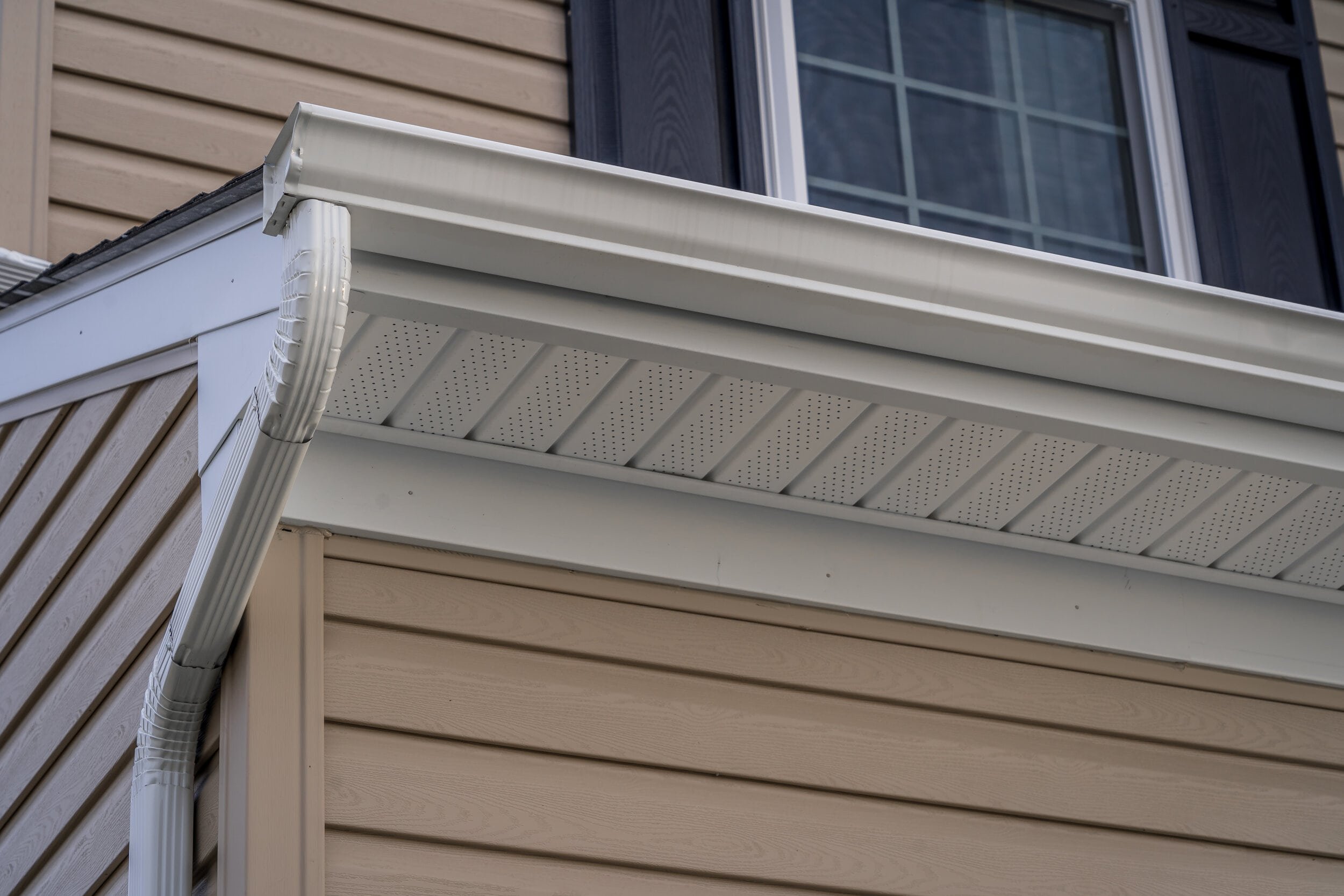
Not every contractor who hangs James Hardie siding is actually certified to install it. That distinction matters more in Michigan than almost anywhere else in the country. Our freeze-thaw cycles, lake-effect moisture, and summer humidity will find every shortcut, every missed flashing detail, every place where the installer didn't follow the spec book.
We've been installing house siding in Detroit since 1988, and we've seen what happens when fiber cement gets installed by crews who learned vinyl techniques and figured "it's just thicker boards." Water gets behind the siding. Trim boards crack at fasteners. Paint fails in two years instead of fifteen.
James Hardie's Elite Preferred contractor program exists because fiber cement installation is different from vinyl, and Michigan's climate doesn't forgive mistakes. Here's what that certification actually means, and why it matters when you're comparing james hardie siding installers metro detroit for your Sterling Heights ranch or Bloomfield Hills Colonial.
What Makes a James Hardie Elite Preferred Installer
James Hardie doesn't hand out Elite Preferred status for buying a certain volume of product. The certification requires documented training, proven installation quality, and ongoing compliance with their Best Practices manual. Here's what separates certified installers from general contractors who "also do siding."
Training Requirements
Elite Preferred installers complete James Hardie's installation training program, which covers fiber cement-specific techniques that don't apply to vinyl or wood. This includes proper fastening schedules (which vary by wind zone and substrate), flashing requirements at transitions, and the drainage plane details that prevent moisture problems.
The training isn't theoretical. It walks through the physics of why fiber cement expands and contracts differently than vinyl, why you can't caulk horizontal lap joints, and how Michigan's temperature swings affect installation tolerances. Most importantly, it covers the warranty requirements — the specific installation steps James Hardie requires for their 30-year non-prorated warranty to remain valid.
Insurance and Licensing Standards
To maintain Elite Preferred status, contractors must carry general liability insurance with minimum coverage limits and maintain all required state licenses. In Michigan, that means a valid Residential Builder's License through LARA (Department of Licensing and Regulatory Affairs). NEXT Exteriors has held our Michigan builder's license continuously since 1988, and we're BBB A+ Accredited since 2006.
These aren't just bureaucratic checkboxes. Proper licensing means the contractor has demonstrated knowledge of Michigan building codes, carries workers' compensation insurance, and can legally pull permits for siding work. When you're investing $15,000-$35,000 in a siding project, you want someone who's accountable to state regulators, not just disappearing after the final payment.
What to ask: "Are you a James Hardie Elite Preferred contractor, and can I see your current certification?" Then verify it on James Hardie's contractor locator. Also ask for their Michigan builder's license number and verify it through LARA's public database.
Warranty Coverage Differences
When an Elite Preferred contractor installs James Hardie siding, you get access to enhanced warranty coverage that isn't available with non-certified installers. The standard James Hardie product warranty covers manufacturing defects, but it doesn't cover installation errors. The Elite Preferred warranty adds coverage for labor and installation-related issues for a specific period.
More importantly, James Hardie will only honor warranty claims if the siding was installed according to their specifications. If you use a non-certified installer who takes shortcuts, you might void the product warranty entirely. We've seen homeowners in Clinton Township discover this the hard way when trying to claim warranty coverage for paint failure — James Hardie inspected the installation, found improper clearances and missing flashing, and denied the claim because the installation didn't meet their standards.
Why Fiber Cement Works in Michigan Weather
Michigan sits in IECC Climate Zone 5A, which means cold winters, humid summers, and more freeze-thaw cycles than almost anywhere else in the lower 48. Our weather tests siding materials in ways that don't happen in Georgia or Arizona. James Hardie fiber cement handles these conditions better than vinyl, but only if it's installed correctly.
Freeze-Thaw Cycle Performance
Southeast Michigan typically sees 40-60 freeze-thaw cycles per winter. The temperature crosses the 32°F threshold multiple times per week from December through March. This cycling is brutal on siding materials because water absorbed during the day freezes at night, expands, and creates pressure inside the material.
Vinyl siding doesn't absorb water, but it becomes brittle in cold temperatures and cracks easily from impact. Wood siding absorbs moisture and rots. Fiber cement — which is essentially Portland cement, sand, and cellulose fibers — is dimensionally stable through freeze-thaw cycles because it doesn't absorb significant moisture when properly sealed and painted.
The key phrase is "properly sealed and painted." Fiber cement that's cut on-site must have all cut edges primed and sealed before installation. Nail holes must be set correctly so they don't create water entry points. This is where Detroit roofing services experience matters — understanding water management and drainage principles carries over to siding work.
Moisture Resistance vs. Moisture Management
James Hardie markets fiber cement as "moisture resistant," which is accurate but incomplete. The material itself resists moisture absorption better than wood or OSB, but no siding is waterproof. The real protection comes from proper installation that manages moisture through drainage and ventilation.
In Michigan, this means installing a weather-resistant barrier (WRB) behind the siding, flashing all penetrations and transitions, and leaving proper clearances at the bottom of walls for drainage. The siding itself is the first line of defense, but the WRB and flashing system are what actually keep water out of your wall cavities.
We see this principle violated constantly by non-certified installers who treat fiber cement like vinyl. They'll install it directly over old siding without a proper drainage plane, or they'll caulk the horizontal lap joints (which James Hardie explicitly prohibits because it traps water). These mistakes don't show up immediately — they reveal themselves three to five years later when you start seeing paint failure, soft spots in the wall sheathing, or mold in the basement.
Wind Resistance in Summer Storms
Southeast Michigan gets severe thunderstorms every summer, with straight-line winds occasionally hitting 70-80 mph. Fiber cement siding, when properly fastened, has significantly higher wind resistance than vinyl. James Hardie products are rated for winds up to 130 mph in high-wind zones when installed per their specifications.
The catch is "when installed per their specifications." That means fasteners driven into studs (not just sheathing), proper fastener spacing, and correct edge clearances. A non-certified installer might use the same fastening schedule they use for vinyl, which isn't adequate for the weight and rigidity of fiber cement. We've seen James Hardie planks rip off houses in Warren during storms because they were only fastened to 7/16" OSB, not the studs behind it.
The Installation Process That Protects Your Investment
The difference between a 15-year siding job and a 50-year siding job comes down to installation details most homeowners never see. Here's what happens on a proper James Hardie installation in Southeast Michigan, and why each step matters.
Pre-Installation: Assessing the Substrate
Before any new siding goes up, we strip the old siding and inspect the wall sheathing. On homes built before 2000, we're often finding OSB or plywood that's been wet for years from failed flashing or missing WRB. If the sheathing is soft, delaminated, or showing black staining (mold), it gets replaced before we proceed.
This step separates professional siding contractors in Southeast Michigan from the guys who just cover up problems. Putting $20,000 worth of James Hardie over rotted sheathing is like putting new tires on a car with a cracked frame — you're not fixing anything, you're just hiding it until it fails worse.
We also verify that wall cavities have adequate insulation. Michigan code requires R-20 in 2x6 walls or R-13 in 2x4 walls. If your home was built in the 1960s or 70s, there's a decent chance the walls have no insulation or inadequate insulation. This is the time to address it, before the new siding goes on. Our insulation services in Southeast Michigan team can dense-pack cellulose into wall cavities through small access holes before we close everything up.
Weather-Resistant Barrier and Flashing
Once the substrate is sound, we install a code-compliant WRB over the entire wall surface. In Michigan, that typically means Tyvek HomeWrap or a similar product rated for our climate zone. The WRB goes on with proper overlaps (upper sheets overlap lower sheets, like roof shingles) and all seams get taped.
Then comes flashing — the most critical and most commonly skipped step in siding installation. We use peel-and-stick flashing (not just felt paper) around every window and door, at the foundation line, and at any wall transitions or penetrations. The flashing integrates with the WRB to create a continuous drainage plane that directs any water that gets behind the siding back to the exterior.
This is where James Hardie training makes a measurable difference. The Best Practices manual specifies exactly how to flash different types of transitions — inside corners, outside corners, window heads, window sills. Non-certified installers often skip these details or use techniques that work for vinyl but fail with fiber cement's different expansion characteristics.
Trim Installation and Starter Strips
James Hardie trim boards go up before the siding planks. This includes corner boards, window and door casings, and any decorative trim. The trim establishes the drainage paths and provides backing for the siding edges. All trim gets back-primed (primer on the back surface) even if it's pre-finished ColorPlus material, and all cut edges get sealed with primer before installation.
Starter strips go on next, establishing the correct angle for the first course of siding. The starter strip must be level and properly fastened, because every subsequent course builds off it. If the starter strip isn't level, you'll end up with gaps or waves in the siding by the time you reach the top of the wall.
Hanging the Siding: Fastening and Clearances
James Hardie planks get fastened with hot-dipped galvanized or stainless steel nails (never staples, never Brad nails). Fasteners must hit studs, not just sheathing. On 16-inch stud spacing, that means a fastener every 16 inches along the top edge of each plank. On 24-inch spacing, we add intermediate fasteners to maintain the required schedule.
Fastener placement matters. Too close to the edge and you risk cracking the board. Too far from the edge and the board can cup or bow. James Hardie specifies fastener locations based on plank width and exposure — typically 3/4" to 1" from the top edge, and at least 3/8" from the ends.
Clearances are equally critical. Fiber cement expands and contracts with temperature and moisture changes, so you need gaps between board ends (1/8" minimum) and at vertical transitions (1/4" minimum). These gaps get filled with paintable caulk, which flexes with the material movement. Horizontal lap joints never get caulked — they need to drain and breathe.
Every cut edge — whether it's a board end, a utility penetration, or a trim cut — gets sealed with primer before installation. Unsealed cut edges will wick moisture into the fiber cement core, leading to swelling and paint failure. This step takes time, which is why non-certified installers skip it.
Final Caulking and Touch-Up
After all siding and trim are installed, we caulk vertical joints and trim transitions with a high-quality paintable acrylic caulk. The caulk needs to be flexible enough to handle Michigan's temperature swings without cracking. We use products rated for at least 25% joint movement.
If we're installing unprimed James Hardie (rare now, since ColorPlus pre-finished is standard), this is when the painting happens. Two coats of 100% acrylic latex paint, applied per the paint manufacturer's specs. Most of our James Hardie installations now use ColorPlus factory-finished boards, which come with a 15-year finish warranty and don't require field painting.
The final step is a detailed walkthrough with the homeowner, pointing out drainage paths, explaining maintenance requirements, and documenting the installation for warranty purposes. We provide photos of the flashing and WRB installation before it gets covered, so you have proof of proper installation if you ever need to file a warranty claim.
Cost Reality: James Hardie vs. Vinyl in Southeast Michigan
The question we get most often: "How much more does James Hardie cost than vinyl, and is it worth it?" The answer depends on your timeline and what you value, but here are the real numbers for Southeast Michigan in 2026.
Upfront Installation Costs
For a typical 2,000-square-foot ranch home in Macomb County, vinyl siding installation runs $8,000-$14,000 depending on siding quality and trim complexity. The same house in James Hardie fiber cement runs $16,000-$26,000. So yes, James Hardie costs roughly double upfront.
That price difference reflects both material cost and labor intensity. Fiber cement weighs more, requires more precise cutting and fastening, and takes longer to install correctly. A vinyl siding job might take 3-4 days. The same house in James Hardie takes 5-7 days when you include proper flashing, trim work, and detail finishing.
The price also varies significantly based on trim complexity. A simple ranch with minimal trim and few windows might hit the lower end of the range. A two-story Colonial with bay windows, gables, and detailed trim work will push toward the higher end. When you're comparing james hardie siding installers metro detroit quotes, make sure you're comparing identical scope — some contractors will lowball the quote by skipping trim upgrades or using vinyl trim instead of fiber cement.
Long-Term Value: Maintenance and Replacement Cycles
Vinyl siding in Michigan typically lasts 20-30 years before it needs replacement. It becomes brittle from UV exposure and freeze-thaw cycles, fades (especially darker colors), and eventually cracks or warps. You'll also deal with maintenance issues — vinyl can blow off in windstorms, and it's easily damaged by lawn equipment, hail, or impacts.
James Hardie fiber cement, when properly installed, lasts 50+ years. The material doesn't rot, doesn't attract insects, and maintains its dimensional stability through Michigan's weather extremes. ColorPlus pre-finished boards come with a 15-year finish warranty, and even after that, you can repaint them with standard exterior acrylic paint.
Run the math over 30 years: If you install vinyl at $12,000 and replace it once at $14,000 (accounting for inflation), you're at $26,000 total. If you install James Hardie at $22,000 and it lasts 50 years with no replacement, the James Hardie is cheaper over time — and that's before factoring in the energy savings from better insulation value and air sealing.
Energy Performance and Comfort
Fiber cement siding provides slightly better insulation value than vinyl — not dramatically better, but measurable. The real energy benefit comes from the installation process. Because James Hardie requires proper WRB installation and attention to air sealing, a correctly installed fiber cement job typically performs better at reducing air infiltration than a typical vinyl job.
We measure this with blower door testing on homes where we're also doing window replacement in Detroit or attic insulation in Metro Detroit. Homes with properly installed James Hardie over a sealed WRB consistently show lower air leakage rates than homes with vinyl siding, especially on older homes where the original building envelope was leaky.
That translates to lower heating and cooling costs — typically 5-10% reduction in energy bills compared to the old siding, depending on how leaky the original envelope was. Over 20-30 years, that's thousands of dollars in savings that offset the higher upfront cost.
Resale Value Impact
Real estate agents in Southeast Michigan consistently report that James Hardie siding commands higher resale prices than vinyl. The material signals quality and low maintenance to buyers, especially buyers in the $400K+ price range who are comparing homes in Rochester Hills, Bloomfield Hills, or Grosse Pointe Farms.
The exact ROI varies by neighborhood and market conditions, but Remodeling Magazine's Cost vs. Value report typically shows fiber cement siding recouping 70-80% of its cost at resale, compared to 60-70% for vinyl. In high-demand markets, you might recoup 90-100% if the siding is part of a broader exterior refresh that includes roof replacement in Metro Detroit and gutter installation in Southeast Michigan.
More importantly, James Hardie siding can be the difference between getting an offer or sitting on the market. Buyers see vinyl and assume "cheap builder-grade." They see James Hardie and assume "quality construction." That perception matters, especially in competitive markets.
Signs Your Home Needs Siding Replacement
Most homeowners wait too long to replace siding. They see cosmetic issues — fading, small cracks, a few loose boards — and figure it can wait another year. Meanwhile, water is getting behind the siding and rotting the sheathing. By the time they call us, what could have been a straightforward siding replacement has turned into a siding-plus-sheathing-plus-insulation project.
Here are the signs that your Michigan home needs siding replacement now, not next year.
Visible Damage or Deterioration
Cracked, warped, or loose siding boards are obvious indicators, but pay attention to the pattern. One or two damaged boards from a storm or lawn equipment impact can be repaired. Widespread cracking, especially on south and west-facing walls that get the most sun exposure, means the material is at the end of its life.
On vinyl siding, look for brittleness — if you can push on a panel and it cracks or flexes abnormally, the material has degraded from UV exposure and freeze-thaw cycles. On wood siding, look for soft spots, peeling paint, or visible rot. On old fiber cement (pre-2000s formulations), look for delamination where the surface layer is separating from the core.
Paint Failure on Fiber Cement or Wood
If you have old fiber cement or wood siding and the paint is peeling, bubbling, or failing in large sections, that's a sign of moisture intrusion. Paint fails when water gets into the substrate, either from the back (failed WRB or flashing) or from the front (failed caulk or unsealed cut edges).
Repainting might buy you a few years, but if the underlying moisture problem isn't fixed, the paint will fail again. At that point, you're better off replacing the siding with new James Hardie ColorPlus, which comes pre-finished and includes a proper WRB and flashing system that addresses the moisture issues.
High Energy Bills or Drafty Rooms
If your heating and cooling bills have been creeping up, or if certain rooms are consistently drafty, your siding and building envelope might be the problem. Old siding installations often lack proper air sealing, and the WRB (if there is one) has degraded over time.
This is especially common on homes built in the 1960s-1980s, before Michigan adopted more stringent energy codes. The original siding might be over tar paper or nothing at all, with no continuous air barrier. Replacing the siding gives you the opportunity to install a modern WRB, seal air leaks, and add wall insulation if needed.
We often combine siding replacement with insulation services in Metro Detroit to maximize energy performance. Dense-pack cellulose in the wall cavities, plus a sealed WRB behind new James Hardie siding, can cut heating bills by 15-20% on older homes.
Interior Signs: Mold, Staining, or Soft Drywall
If you're seeing mold on interior walls, water staining near windows or corners, or soft spots in drywall, you likely have water getting behind the siding. This is an emergency, not a cosmetic issue. Water intrusion leads to structural rot, mold that affects indoor air quality, and damage that spreads the longer it goes unaddressed.
We see this most often around windows and doors, where flashing was improperly installed or has failed over time. The fix requires removing the siding in the affected areas, replacing any rotted sheathing, installing proper flashing, and then re-siding. If the problem is widespread, full siding replacement is usually more cost-effective than piecemeal repairs.
Age and Obsolescence
If your vinyl siding is 25+ years old, or your wood siding is 30+ years old, it's near the end of its design life even if it looks okay. Materials degrade from UV exposure, moisture cycling, and thermal stress long before they show obvious damage. By the time vinyl starts cracking or wood starts rotting, the damage behind the siding is often extensive.
Proactive replacement — before visible failure — lets you control the project timeline and budget. You can schedule the work during the ideal season (late spring or early fall in Michigan), choose exactly the style and color you want, and address any underlying issues before they become emergencies. Reactive replacement — after a storm, after discovering rot, after the siding is falling off — means you're working under pressure, possibly during winter, and dealing with additional damage you didn't budget for.
Ready to Get Started?
NEXT Exteriors has been protecting Michigan homes since 1988. As a James Hardie Elite Preferred contractor and CertainTeed Master Shingle Applicator, we bring 35+ years of building science knowledge to every project. Get a free, no-pressure estimate from a team that shows up on time and does the job right.
Get Your Free QuoteOr call us: (844) 770-6398
Frequently Asked Questions
Properly installed James Hardie fiber cement siding lasts 50+ years in Michigan's climate. The material is engineered to handle freeze-thaw cycles, moisture exposure, and UV radiation without rotting, warping, or cracking. ColorPlus pre-finished boards come with a 15-year finish warranty, and the siding can be repainted after that with standard exterior acrylic paint. The key is proper installation with correct flashing, WRB, and clearances — shortcuts will reduce the lifespan significantly.
James Hardie allows installation over one layer of existing siding if the substrate is sound and properly prepared, but we don't recommend it in Michigan. Installing over old siding means you can't inspect the sheathing for rot or moisture damage, you can't install a proper WRB, and you're adding weight to a wall that wasn't designed for it. Stripping to the sheathing lets us address any underlying problems, install modern moisture management systems, and ensure the new siding performs for decades. The cost difference is minimal compared to the risk of covering up problems.
James Hardie Elite Preferred contractors have completed factory training on fiber cement installation techniques, maintain required licensing and insurance, and follow the James Hardie Best Practices manual. This training covers Michigan-specific details like proper flashing in freeze-thaw climates, correct fastening schedules for wind resistance, and the clearances needed for thermal expansion. Elite Preferred status also gives you access to enhanced warranty coverage that isn't available with non-certified installers. If the installation doesn't meet James Hardie specs, they can void your product warranty — so using a certified installer protects your investment.
James Hardie fiber cement typically costs about double vinyl upfront — roughly $16,000-$26,000 for a 2,000-square-foot home versus $8,000-$14,000 for vinyl. The price difference reflects both material cost and labor intensity (fiber cement takes longer to install correctly). However, James Hardie lasts 50+ years versus 20-30 for vinyl, requires less maintenance, provides better energy performance, and commands higher resale value. Over a 30-year timeline, James Hardie is often cheaper when you factor in replacement costs and energy savings.
James Hardie offers both primed (unpainted) and ColorPlus pre-finished siding. Most installations in Southeast Michigan now use ColorPlus, which comes factory-finished in a wide range of colors with a baked-on finish that carries a 15-year warranty. ColorPlus doesn't need painting for 15+ years, and when it eventually does, you can repaint it with standard exterior acrylic latex paint. Primed James Hardie requires two coats of 100% acrylic paint before or immediately after installation, and all cut edges must be primed and sealed to prevent moisture intrusion.
Yes, fiber cement is one of the best siding materials for Michigan's freeze-thaw cycles. Unlike wood (which rots) or vinyl (which becomes brittle in cold), James Hardie maintains dimensional stability through temperature extremes. However, ice dams are a roof and attic insulation problem, not a siding problem. If you're getting ice dams, the issue is heat loss through your attic melting snow on the roof. That melted water can run down behind the siding if your flashing and gutters aren't properly installed. The solution is fixing the attic insulation and ventilation, plus ensuring proper flashing at the roof-to-wall transition. Our exterior services in Detroit team addresses both issues together.
James Hardie siding is low-maintenance but not no-maintenance. Annual tasks include inspecting caulk at trim joints and re-caulking any gaps (caulk degrades over time from UV and temperature cycling), cleaning the siding with a garden hose or soft brush (avoid pressure washing above 1,500 PSI), and checking that gutters and downspouts are directing water away from the foundation. Every 5-10 years, inspect for any damaged boards or failed paint, and address issues promptly to prevent water intrusion. ColorPlus pre-finished siding typically doesn't need repainting for 15-20 years, while field-painted fiber cement may need repainting every 10-15 years depending on sun exposure and paint quality.
LP SmartSide vs James Hardie Siding: Michigan Contractor Guide
LP SmartSide or James Hardie for Michigan weather? A licensed contractor compares cost, durability, and performance for Southeast Michigan homes.
If you're researching premium siding for your Michigan home, you've probably landed on two names: LP SmartSide and James Hardie. They're the heavyweights in the engineered wood and fiber cement categories, and for good reason — both perform well in Southeast Michigan's punishing weather.
But here's what 35 years of installing both products has taught us: they're not interchangeable. One isn't "better" than the other across the board. They're different tools for different jobs, and the right choice depends on your home, your budget, and how long you plan to stay.
We're NEXT Exteriors, a Detroit siding company that's been protecting homes in Macomb, Oakland, and St. Clair counties since 1988. We've installed thousands of squares of both LP SmartSide and James Hardie on everything from 1960s brick ranches in Sterling Heights to lakefront Colonials in Grosse Pointe. We don't sell one over the other — we install what makes sense for your situation.
This guide breaks down the real differences between LP SmartSide and James Hardie siding for Michigan homeowners. We'll cover composition, cost, performance in freeze-thaw cycles, installation nuances, and when each product makes the most sense. No sales pitch — just contractor truth from the jobsite.
What LP SmartSide Actually Is (And What It Isn't)
Let's clear up the biggest misconception first: LP SmartSide is not traditional wood siding. It's engineered wood — specifically, oriented strand board (OSB) treated with a proprietary process called SmartGuard.
The substrate is made from wood strands (not sawdust or chips) that are aligned for strength, then bonded with resins under heat and pressure. The SmartGuard treatment infuses zinc borate throughout the material — not just on the surface — which resists termites, fungal decay, and moisture damage. This is a critical distinction from older composite products that failed in the 1990s.
LP SmartSide comes primed and ready for paint. The factory primer is integrated during manufacturing, so you're not just getting a spray-on coat that can peel. Most homeowners paint it within a few weeks of installation, though the primer alone will hold up for several months if needed.
The product line includes lap siding (in various widths), panel siding (4x8 sheets with texture options), trim boards, and soffit. It's dimensionally stable — meaning it doesn't shrink or swell significantly with moisture changes — and it holds fasteners well. You can work it with standard carpentry tools, which matters more than you'd think when we get to installation costs.
Michigan Reality Check: LP SmartSide has been on the market since the mid-1990s, but the current formulation with SmartGuard treatment dates to around 2000. We've been installing it in Southeast Michigan for over 20 years. The early batches performed well — homes we sided in 2005 in Clinton Township and Rochester Hills still look solid with minimal maintenance.
What James Hardie Fiber Cement Brings to the Table
James Hardie fiber cement siding is a different animal entirely. The substrate is a mix of Portland cement, ground sand, and cellulose fiber. It's formed into boards, cured, and then either primed or finished with ColorPlus Technology (Hardie's factory finish).
Fiber cement is dense and heavy — about 2.5 to 3 pounds per square foot compared to LP SmartSide's 1 to 1.5 pounds. That weight translates to durability and impact resistance. It's non-combustible, which matters for insurance in some high-risk areas. It won't rot, warp, or attract pests.
The ColorPlus finish is baked on in a controlled environment, then top-coated with a UV-resistant layer. It's not paint in the traditional sense — it's more like a ceramic coating. Hardie warranties it for 15 years, and in practice, it holds color better than field-applied paint on any substrate.
James Hardie's product line mirrors LP's: lap siding (HardiePlank), vertical panels (HardiePanel), trim (HardieTrim), and soffit. The company has been making fiber cement since 1901 in Australia and entered the U.S. market in the 1980s. By the 2000s, it became the default "premium" siding choice for builders and remodelers.
Hardie engineered their product specifically for climate zones. In Michigan, we use the "HZ5" climate-rated version, which is formulated to handle freeze-thaw cycles. That's not marketing — the moisture content and curing process are adjusted for northern climates. It matters.
How Michigan Weather Tests Both Products
Southeast Michigan puts siding through hell. We get 60 to 80 freeze-thaw cycles every winter — days where the temperature crosses 32°F. That's more than most of the northern U.S. Add lake-effect snow, ice dams, summer humidity that sits in the 70-80% range, and UV exposure that degrades paint and finishes, and you've got a stress test few climates can match.
Both LP SmartSide and James Hardie handle freeze-thaw well, but they do it differently. LP SmartSide's engineered wood substrate has some flex. When moisture gets behind it (and moisture always finds a way), the material can absorb a small amount without catastrophic failure. The zinc borate treatment prevents rot even if the siding stays damp for extended periods — which happens in Michigan, especially on north-facing walls that never see sun.
James Hardie's fiber cement is rigid and non-porous. It doesn't absorb water the way wood does, so freeze-thaw cycles don't cause the same expansion and contraction. But that rigidity means installation has to be perfect. If you don't leave proper clearances at butt joints and corners, or if you overdrive fasteners, you'll get cracks. We see this on DIY jobs and with contractors who don't specialize in fiber cement.
Ice Dam Reality: Ice dams are a fact of life in Metro Detroit. When they form, meltwater backs up under shingles and runs down the wall. Both LP and Hardie will survive this if the insulation in your attic is correct and the siding is installed with proper flashing. But if water sits against the substrate for weeks, LP's wood base is more vulnerable than Hardie's cement. We've replaced LP siding damaged by chronic ice dam leaks; we've rarely seen Hardie fail the same way.
Wind-driven rain is another test. Michigan gets storms that hit from the west and northwest, driving rain horizontally into siding joints. Both products rely on proper installation — housewrap, flashing, and sealed joints — but Hardie's density gives it an edge in high-exposure situations. LP SmartSide performs well when installed correctly, but if there's a gap or failed caulk joint, water penetration can lead to swelling at the edges.
UV exposure affects both, but differently. LP SmartSide needs paint, and paint needs maintenance. In full sun (south and west walls), you're looking at repainting every 7-10 years in Michigan. Hardie's ColorPlus finish lasts longer — 15-20 years before you see noticeable fading on high-exposure walls. Primed Hardie that you paint yourself performs similarly to LP in terms of paint longevity.
Cost Reality: What You'll Actually Pay in Southeast Michigan
Let's talk numbers. These are 2026 installed costs for a typical Michigan home in Macomb or Oakland County. Your actual price will vary based on home size, complexity, and current material costs, but this gives you a realistic baseline.
| Product | Material Cost per Sq Ft | Installed Cost per Sq Ft | Typical 2,000 Sq Ft Home |
|---|---|---|---|
| LP SmartSide (primed) | $2.50 - $3.50 | $8.00 - $11.00 | $16,000 - $22,000 |
| LP SmartSide (painted) | $2.50 - $3.50 | $10.00 - $13.00 | $20,000 - $26,000 |
| James Hardie (primed) | $3.50 - $4.50 | $10.00 - $13.00 | $20,000 - $26,000 |
| James Hardie (ColorPlus) | $4.50 - $5.50 | $12.00 - $16.00 | $24,000 - $32,000 |
The installed cost includes removal of old siding, housewrap, flashing, trim, and labor. It does not include window replacement, gutter replacement, or roof work — those are separate line items.
Why the labor cost difference? James Hardie weighs more, requires carbide-tipped blades (standard blades dull in minutes), and demands precise installation. Fasteners have to be flush, not overdriven. Joints need 1/8" gaps for expansion. Cutting fiber cement creates silica dust, so crews need dust management systems. All of this adds time and cost.
LP SmartSide installs faster. It's lighter, cuts with standard tools, and is more forgiving during installation. A skilled crew can side a 2,000-square-foot home in 4-5 days. The same home in Hardie takes 6-7 days.
Budget Reality: If you're choosing LP SmartSide primed and painting it yourself, you can save $4,000-$6,000 compared to Hardie ColorPlus on a typical home. If you're hiring a professional painting contractor (which we recommend — we use Sherwin-Williams exclusively), the gap narrows to $2,000-$4,000.
Installation Differences That Matter
Installation quality determines how long your siding lasts, regardless of which product you choose. But the two materials have different requirements, and not every contractor handles both well.
Weight and Handling: James Hardie's weight is a real factor. A 12-foot HardiePlank board weighs about 60 pounds. LP SmartSide's equivalent weighs 25-30 pounds. On a two-story home, that difference adds up. Crews need more people, and the physical toll is higher. This is why Hardie installation costs more — it's harder work.
Fastening: LP SmartSide uses standard ring-shank nails, spaced 16 inches on center along studs. You can hand-nail or use a pneumatic nailer. Hardie requires specific fasteners — either stainless steel nails or approved screws — and they must be driven flush, not countersunk. Overdrive a nail, and you've created a stress point that can crack the board. This is where inexperienced contractors fail.
Cutting and Dust: LP cuts like wood — table saw, miter saw, circular saw. Fiber cement creates silica dust, which is a respiratory hazard. OSHA requires dust control, which means wet saws or vacuum-equipped tools. Most professional crews use shears for straight cuts and a wet saw for angles. It's slower and requires more setup.
Trim and Corners: Both products offer trim boards, but LP's are easier to work with for complex architectural details. You can rip them, bevel them, and route them like wood. Hardie trim is rigid — you can cut it, but you can't shape it. For homes with lots of decorative trim (common in older Michigan Colonials and Cape Cods), LP gives you more flexibility.
Painting: If you're painting either product in the field, the process is the same: prime any cut edges, caulk joints, and apply two coats of 100% acrylic latex paint. The difference is that Hardie's ColorPlus option eliminates this step entirely, which is a huge time and cost saver if you're okay with the available colors.
When LP SmartSide Makes More Sense
LP SmartSide is a smart choice in several scenarios. It's not a "budget" product — it's a premium engineered wood siding that costs less than fiber cement but performs well in Michigan's climate. Here's when it makes the most sense:
1. Budget-Conscious Projects with Quality Expectations: If you want to step up from vinyl but can't justify the cost of Hardie ColorPlus, LP SmartSide primed and painted delivers excellent value. You're getting a durable, warranted product for $4,000-$8,000 less than Hardie on a typical home.
2. Homes with Complex Architectural Details: Older Michigan homes — especially 1920s-1940s Colonials and Tudor Revivals — have lots of trim, corner boards, and decorative elements. LP's workability makes it easier (and cheaper) to match existing details. We've done full restorations in historic districts in Royal Oak and Birmingham where LP SmartSide was the right call because we could replicate original trim profiles.
3. Remodels Where Weight Is a Concern: If you're re-siding over existing sheathing or adding siding to a structure that wasn't designed for heavy cladding (like a converted porch or addition), LP's lighter weight is an advantage. Hardie's extra 1-1.5 pounds per square foot adds up — on a 1,000-square-foot addition, that's an extra 1,000-1,500 pounds of dead load.
4. Homeowners Who Want Custom Colors: Hardie's ColorPlus line offers about 25 colors. If you want something outside that palette, you're painting anyway. LP SmartSide gives you the same flexibility at a lower starting cost. We've worked with homeowners who wanted specific Sherwin-Williams colors to match brick or stone — LP made that easy.
5. Specific Michigan Home Styles: Ranch homes, Cape Cods, and mid-century modern homes often look better with the slightly softer texture of painted wood siding. LP SmartSide delivers that aesthetic at a price point that makes sense for these home styles, which tend to have large wall areas but simpler details.
When James Hardie Is Worth the Premium
James Hardie costs more, but in certain situations, it's the better long-term investment. Here's when the premium makes sense:
1. Long-Term Investment Homes: If you're planning to stay in your home for 20+ years, Hardie's durability and low maintenance pay off. The ColorPlus finish lasts 15-20 years before it needs attention, compared to 7-10 years for painted LP. Over two decades, you're saving a repaint cycle, which can cost $8,000-$12,000 in Southeast Michigan.
2. High-Exposure Locations: Lakefront homes, homes on open lots with no windbreaks, and homes in areas with severe weather (like the Thumb region of St. Clair County) benefit from Hardie's density and impact resistance. We've installed Hardie on lakefront properties in Lake Orion and St. Clair Shores where wind-driven rain and ice are constant issues — it holds up better than any other product.
3. Homes in Historic Districts with Strict Standards: Some historic districts and HOAs in Metro Detroit require fiber cement for fire resistance or longevity. Grosse Pointe, Birmingham, and parts of Bloomfield Hills have strict architectural review boards. Hardie's reputation and non-combustibility often satisfy requirements that LP doesn't.
4. Buyers Wanting the Lowest Maintenance Option: If you're not interested in painting every decade and want to minimize exterior maintenance, Hardie ColorPlus is the closest thing to "install and forget" that exists in siding. You'll still need to caulk joints and inspect flashing, but the finish itself is remarkably durable.
5. Insurance Considerations in High-Risk Areas: Some insurance carriers offer discounts for non-combustible siding in areas with wildfire risk (less common in Michigan) or in older neighborhoods with dense housing. Hardie's Class A fire rating can lower premiums in certain situations. It's worth asking your agent before making a decision.
Warranty Comparison: What's Actually Covered
Warranties sound great in marketing materials, but the fine print matters. Here's what LP SmartSide and James Hardie actually cover — and what they don't.
LP SmartSide Warranty: LP offers a 5/50 prorated warranty. The first 5 years are full coverage for manufacturing defects. Years 6-50 are prorated, meaning the coverage decreases each year. The warranty covers material defects — delamination, rot, termite damage — but not installation errors, paint failure, or damage from improper maintenance.
The warranty is transferable once to a new homeowner, which adds resale value. But here's the catch: LP requires that the siding be installed by a contractor (DIY installs void the warranty), and they require specific installation practices — proper flashing, clearances, and fastening. If you file a claim, they'll inspect the installation. If it's not up to their standards, the claim gets denied.
James Hardie Warranty: Hardie offers a 30-year non-prorated warranty on the product and a 15-year warranty on the ColorPlus finish. Non-prorated means full coverage for the entire term — if a board fails in year 29, Hardie replaces it at no cost (minus labor). The warranty covers manufacturing defects, including cracking, rotting, and delamination.
The ColorPlus warranty covers peeling, cracking, and flaking of the factory finish, but not fading. Hardie defines "excessive fading" as more than a certain Delta E color shift (a technical measurement), and in practice, they rarely pay claims for fading alone. The warranty is transferable to one subsequent owner, which is a selling point.
Like LP, Hardie requires professional installation and adherence to their installation manual. They also require that the siding be installed in the correct climate zone (HZ5 for Michigan). If you file a claim, they'll want proof of proper installation and maintenance.
Warranty Reality: Both warranties are good, but they're not insurance policies. They cover manufacturing defects, not installation errors, weather damage, or neglect. In 35 years, we've filed a handful of claims with both companies, and both honored them when the installation was correct. But the vast majority of siding failures we see are installation-related — improper flashing, missing housewrap, or incorrect fastening. No warranty covers that.
The Contractor Truth About Both Products
After installing thousands of squares of both LP SmartSide and James Hardie across Southeast Michigan, here's what we tell homeowners who ask which one we'd put on our own homes:
Neither is "better" — they're different tools for different jobs. LP SmartSide is a high-performance engineered wood product that offers excellent value, workability, and durability. James Hardie is a premium fiber cement product that offers the lowest maintenance and longest lifespan. Both will protect your home for decades if installed correctly.
The choice comes down to budget, maintenance expectations, and how long you plan to stay. If you're planning to move in 5-10 years, LP SmartSide makes financial sense — you'll recoup most of the cost in resale value without paying the Hardie premium. If you're staying 20+ years, Hardie's longevity and low maintenance justify the higher upfront cost.
Installation quality matters more than product choice. A perfectly installed LP SmartSide job will outlast a poorly installed Hardie job every time. We've seen Hardie siding fail in 10 years due to improper flashing and fastening. We've seen LP siding last 25+ years with proper installation and maintenance. Choose your contractor carefully — ask for references, check their work, and make sure they're licensed and insured in Michigan.
At NEXT Exteriors, we install both products regularly. We're a certified James Hardie installer and an LP SmartSide preferred contractor. We don't push one over the other — we walk you through the pros and cons based on your specific home, budget, and goals. Our crews are trained on both products, and we follow manufacturer specs to the letter. That's how you get a 30-year siding job, regardless of which material you choose.
If you're trying to decide between LP SmartSide and James Hardie for your Michigan home, we're happy to walk the property with you and give you an honest assessment. We've been doing this since 1988, and we're not going anywhere. That's the kind of contractor you want for a project this important.
Beyond siding, we offer comprehensive exterior services in Detroit and throughout Southeast Michigan, including roofing, windows, gutters, and insulation. We handle full exterior renovations, so if you're planning multiple projects, we can coordinate everything under one contract.
Ready to Get Started?
NEXT Exteriors has been protecting Michigan homes since 1988. Get a free, no-pressure estimate from a team that shows up on time and does the job right. We'll walk you through LP SmartSide, James Hardie, and any other options that make sense for your home and budget.
Get Your Free QuoteOr call us: (844) 770-6398
Frequently Asked Questions: LP SmartSide vs James Hardie in Michigan
LP SmartSide typically lasts 30-40 years in Michigan when properly installed and maintained. The SmartGuard treatment resists rot and termites, and the engineered wood substrate handles freeze-thaw cycles well. You'll need to repaint every 7-10 years to maintain the finish, but the substrate itself is durable. We've seen LP siding from the early 2000s in Clinton Township and Sterling Heights that's still performing well with routine maintenance.
It depends on your timeline and maintenance expectations. If you're staying in your home for 20+ years and want minimal maintenance, James Hardie ColorPlus is worth the premium — you'll save a repaint cycle and get better long-term durability. If you're planning to move within 10 years, LP SmartSide offers better value. Both products perform well in Michigan's climate, so the decision comes down to budget and how long you plan to own the home.
We don't recommend it unless you have professional carpentry experience. Both products require proper flashing, housewrap installation, and precise fastening to perform correctly. LP SmartSide is more DIY-friendly than Hardie, but mistakes in installation can lead to moisture damage, warranty voids, and costly repairs. James Hardie specifically requires professional installation for warranty coverage. If you're trying to save money, get multiple quotes from licensed contractors rather than attempting a DIY install.
James Hardie has a slight edge in chronic ice dam situations because fiber cement doesn't absorb water like engineered wood. However, both products will survive ice dams if the installation includes proper flashing and the attic insulation is correct. The real solution to ice dam damage isn't the siding choice — it's fixing the attic insulation and ventilation so ice dams don't form in the first place. We see more siding damage from poor attic conditions than from the siding material itself.
Painting either product costs about the same — $2.50-$4.00 per square foot for professional work, depending on home size and prep requirements. For a 2,000-square-foot home, expect $5,000-$8,000 for a full repaint. The difference is that James Hardie ColorPlus doesn't need painting for 15-20 years, while LP SmartSide (or primed Hardie) needs repainting every 7-10 years in Michigan's climate. Over 20 years, you'll save one full paint cycle with Hardie ColorPlus, which is a $6,000-$10,000 savings.
Some insurance carriers offer small discounts for non-combustible siding like James Hardie, especially in older neighborhoods or areas with wildfire risk (less common in Michigan). LP SmartSide is combustible, though it has a Class C fire rating when installed over proper sheathing. The discount is typically 1-3% on the dwelling coverage, which might save $50-$150 per year. It's worth asking your insurance agent, but it's rarely a deciding factor for most Michigan homeowners.
Technically yes, but we don't recommend it unless there's a specific reason (like matching an addition to existing siding). The two products have different expansion rates, textures, and paint requirements. If you're re-siding the entire house, stick with one product for consistency. If you're doing an addition and the existing siding is in good shape, we can match it with the same product. Mixing products on the same wall plane creates maintenance headaches and looks inconsistent.
Vinyl Siding vs Fiber Cement: Michigan Weather Test
Which siding wins in Michigan's brutal freeze-thaw cycles? A licensed contractor's honest comparison of vinyl vs fiber cement for Southeast Michigan homes.
We've been installing siding in Southeast Michigan since 1988. That's 37 winters. Hundreds of freeze-thaw cycles. Countless lake-effect snowstorms. And more than 500 homes that have taught us exactly what works here — and what doesn't.
So when homeowners in Troy, Rochester Hills, or Shelby Township ask us whether they should choose vinyl or fiber cement siding, we don't pull out a sales pitch. We pull out weather data and project photos.
Because here's the truth: both materials can work in Michigan. But they perform very differently in our climate. One handles our freeze-thaw cycles better. The other resists summer storms with less maintenance. And if you're spending $15,000 to $30,000 on new siding, you need to know which one makes sense for your home.
This isn't a generic comparison. This is what we've learned from decades of installing, repairing, and replacing both vinyl and fiber cement siding across Macomb, Oakland, and St. Clair counties.
How Michigan Weather Destroys Siding
Before we compare materials, you need to understand what we're comparing them against. Michigan doesn't just test siding — it tortures it.
Freeze-Thaw Cycles: The Real Killer
Southeast Michigan averages 50 to 70 freeze-thaw cycles every winter. That's 50 to 70 times the temperature crosses the 32°F threshold, causing moisture to freeze, expand, thaw, and contract.
For siding, this means:
- Moisture infiltration: Snow melts during the day, seeps behind siding, then freezes at night and expands.
- Material stress: Every freeze-thaw cycle puts stress on fasteners, seams, and the material itself.
- Paint failure: On painted materials (like fiber cement), this cycle accelerates paint cracking and peeling.
We see the damage every spring. Cracked vinyl panels. Warped fiber cement boards. Loose trim. It's predictable, and it's why proper installation matters so much in our climate.
Lake-Effect Snow and Ice Accumulation
If you're near Lake St. Clair or within 30 miles of the Great Lakes, you know what lake-effect snow does. Heavy, wet snow that clings to vertical surfaces. Ice dams that back up under siding. Wind-driven precipitation that finds every gap.
This isn't just an aesthetic problem. When snow accumulates against siding and melts, it creates sustained moisture contact — exactly what you don't want with any cladding material.
Summer Heat, UV, and Storms
Michigan summers aren't gentle either. We get:
- High UV exposure: Especially on south- and west-facing walls, which can fade or degrade certain siding materials.
- Thermal expansion: Summer temps can hit 90°F+, causing materials to expand. Then they contract again at night. Repeat for three months.
- Severe storms: Hail, high winds (50+ mph gusts), and driving rain that tests wind resistance and water intrusion barriers.
The bottom line? Michigan weather demands siding that can handle temperature swings from -10°F to 95°F, resist moisture intrusion, and stay dimensionally stable through it all. Not every material can.
Vinyl Siding in Michigan: The Reality
Vinyl siding is the most popular choice in Southeast Michigan, and for good reason. It's affordable, low-maintenance, and when installed correctly, it performs well in our climate. But it's not perfect.
Here's what 35+ years of vinyl installations have taught us.
Cold Weather Brittleness and Cracking
Vinyl gets brittle in cold weather. Below 20°F, it loses flexibility. That's why we see cracked panels after harsh winters — especially on homes where the siding was installed improperly or where it's been hit by ice, ladders, or lawn equipment.
Quality matters here. Premium vinyl from manufacturers like CertainTeed or GAF uses higher-grade PVC with better impact resistance. Cheap vinyl? It cracks easier and fades faster.
We've replaced plenty of budget vinyl that cracked after 10 years. The good stuff? We've seen it last 30+ years without major issues.
Thermal Expansion and Contraction
Vinyl expands and contracts more than most siding materials — up to 1/2 inch over a 12-foot panel when temperatures swing from winter to summer.
That's why proper installation is critical. Every panel needs:
- Correct nailing: Nails centered in the slots, not driven tight. Vinyl needs room to move.
- Expansion gaps: 1/4 inch at corners, J-channels, and trim pieces.
- Proper overlap: Panels must overlap correctly to allow movement without creating gaps.
When we see wavy, buckled vinyl siding, 90% of the time it's because someone nailed it too tight or didn't leave expansion gaps. The material is fine — the installation wasn't.
Our team at NEXT Exteriors' Detroit siding division has been installing vinyl the right way for decades. We follow manufacturer specs to the letter, because we know what happens when you don't.
Wind Resistance in Michigan Storms
Properly installed vinyl siding can handle Michigan's wind. Most premium vinyl is rated for wind speeds up to 110 mph when installed per manufacturer guidelines.
But here's the catch: that rating assumes perfect installation. If the nailing is wrong, the starter strip isn't level, or the panels aren't locked together correctly, wind can get under the siding and rip it off.
We've done storm damage repairs after every major windstorm in Southeast Michigan. The homes that lose siding? Almost always poor installation, not poor material.
Lifespan and Maintenance
In Michigan, quality vinyl siding lasts 25 to 35 years with minimal maintenance. You'll need to:
- Wash it occasionally: Power wash (low pressure) every few years to remove dirt, mildew, and pollen.
- Inspect after storms: Check for cracks, loose panels, or wind damage.
- Replace damaged panels: Individual panels can be replaced without redoing the whole wall.
Vinyl doesn't need painting, doesn't rot, and resists insects. For most Michigan homeowners, that's a huge advantage.
Cost Reality
Vinyl is the most budget-friendly option. For a typical 2,000-square-foot Michigan home, expect:
- Standard vinyl: $8,000 to $12,000 installed
- Premium vinyl (CertainTeed, GAF): $12,000 to $18,000 installed
That includes tear-off, insulation board (if needed), and proper trim details. If your home has complex architecture — multiple gables, bay windows, stone or brick accents — add 20% to 30%.
For homeowners in Warren, Clinton Township, or Sterling Heights looking for a reliable, affordable siding upgrade, vinyl is hard to beat. We've installed it on hundreds of homes, and when done right, it performs.
Pro Tip: Don't cheap out on vinyl quality to save $2,000. The difference between budget vinyl and premium vinyl is massive in Michigan's climate. Spend the extra money — it'll last twice as long and look better doing it.
Fiber Cement in Michigan: What We've Learned
Fiber cement siding — brands like James Hardie, LP SmartSide, and CertainTeed — has grown in popularity over the past 15 years. It's durable, fire-resistant, and gives you the look of wood without the rot.
But it's not a magic bullet. In Michigan, fiber cement has specific strengths and weaknesses you need to understand before you commit.
Freeze-Thaw Performance
Fiber cement handles freeze-thaw cycles better than you'd expect — but only if it's installed correctly and kept sealed.
The material itself is dimensionally stable. It doesn't expand and contract like vinyl. But it can absorb moisture if the edges aren't sealed or if the paint fails. Once moisture gets in and freezes, you'll see edge cracking, spalling, and paint failure.
We've seen this on older fiber cement installations where the paint wasn't maintained. After 10 to 15 years, if the paint starts peeling and moisture gets in, freeze-thaw damage accelerates fast.
The fix? Keep it painted. Touch up any chips or cracks immediately. Don't let water sit against the boards.
Moisture Absorption and Painting Requirements
Fiber cement is porous. It needs paint or a factory finish to protect it from moisture. In Michigan's wet climate, that means:
- Factory-finished is better: James Hardie's ColorPlus finish is baked on and comes with a 15-year warranty. It performs better than field-applied paint.
- Field-painted needs maintenance: If you paint it yourself or have it painted on-site, expect to repaint every 10 to 15 years.
- Edge sealing is critical: Every cut edge must be sealed with paint or primer before installation. Skip this, and moisture will wick in.
This is where vinyl has an advantage. Vinyl is through-color — no painting, no edge sealing, no maintenance. Fiber cement requires more attention.
Installation Requirements for Cold Climates
Installing fiber cement in Michigan is more labor-intensive than vinyl. Here's why:
- It's heavy: Fiber cement weighs 2.5 to 3 pounds per square foot. You need proper fasteners and, in some cases, additional structural support.
- It requires specialized cutting: You can't cut it with a knife like vinyl. You need shears or a saw with a carbide blade, and cutting creates silica dust (respirators required).
- It needs proper clearances: Fiber cement must be kept at least 6 inches above grade and 2 inches above rooflines, decks, and concrete. Moisture contact = problems.
- Fastener placement matters: Nails or screws must be placed correctly (typically 3/4 inch from edges, 1 inch from ends) to prevent cracking.
Because of this, fiber cement installation costs more. You're paying for skilled labor, specialized tools, and more time on the job.
At NEXT Exteriors, we've installed fiber cement on dozens of homes across Southeast Michigan. We know the installation details that prevent long-term problems, and we don't cut corners.
Durability and Lifespan
When properly installed and maintained, fiber cement can last 40 to 50 years in Michigan. It's one of the most durable siding materials available.
It resists:
- Fire: Fiber cement is non-combustible. Some insurance companies offer discounts for homes with fiber cement siding.
- Insects: Termites and carpenter ants can't eat it.
- Impact: It's harder to dent or crack than vinyl (though it can crack if hit hard enough).
- Rot: It won't rot like wood, even in prolonged moisture exposure.
But again — it needs paint maintenance. If you let the paint fail, moisture will get in, and you'll see problems.
Cost Comparison
Fiber cement costs significantly more than vinyl. For the same 2,000-square-foot Michigan home:
- James Hardie (factory-finished): $18,000 to $28,000 installed
- LP SmartSide or CertainTeed fiber cement: $16,000 to $24,000 installed
That's 50% to 80% more than premium vinyl. You're paying for material cost, labor intensity, and long-term durability.
Is it worth it? For some homeowners, yes. If you want the look of wood, plan to stay in the home long-term, and don't mind occasional paint touch-ups, fiber cement is a great choice.
For others — especially those on a tighter budget or planning to sell in 5 to 10 years — vinyl makes more sense.
The Verdict: Which Works Better Here
After thousands of installations across Southeast Michigan, here's our honest take on vinyl siding vs fiber cement in Michigan weather.
Performance Comparison
| Factor | Vinyl Siding | Fiber Cement |
|---|---|---|
| Freeze-Thaw Resistance | Good (if installed correctly) | Excellent (if painted/sealed) |
| Cold Weather Performance | Can become brittle below 20°F | Stable in all temps |
| Moisture Resistance | Excellent (non-porous) | Good (requires paint barrier) |
| Wind Resistance | Good (110 mph rated) | Excellent (130+ mph rated) |
| Maintenance | Minimal (wash occasionally) | Moderate (repaint every 10-15 years) |
| Lifespan in Michigan | 25-35 years | 40-50 years |
| Cost (2,000 sq ft home) | $8,000 - $18,000 | $16,000 - $28,000 |
| Installation Complexity | Moderate | High |
Best Use Cases for Vinyl
Choose vinyl siding if:
- Budget is a primary concern: Vinyl delivers excellent value for the cost.
- You want low maintenance: No painting, no sealing, just occasional washing.
- Your home has standard architecture: Ranch homes, Colonials, and typical suburban layouts are perfect for vinyl.
- You're planning to sell in 5-15 years: Vinyl offers great ROI without the higher upfront cost of fiber cement.
We install vinyl on the majority of homes in Macomb County, St. Clair Shores, and Chesterfield. It works, it lasts, and homeowners are happy with it.
Best Use Cases for Fiber Cement
Choose fiber cement if:
- You want maximum durability: Fiber cement outlasts vinyl by 10 to 20 years.
- You prefer the look of wood: Fiber cement can mimic wood grain and takes paint beautifully.
- Your home is in a high-wind area: Near the lakes or in exposed areas, fiber cement's wind resistance is superior.
- You're staying long-term: The higher upfront cost pays off over decades.
- You want fire resistance: Non-combustible siding can lower insurance premiums.
We've installed fiber cement on historic homes in Grosse Pointe Farms, upscale properties in Bloomfield Hills, and lakefront homes in Lake Orion. When homeowners want the best and are willing to invest, fiber cement is the answer.
What We Install Most Often (and Why)
Honestly? About 70% of our siding projects are vinyl, 25% are fiber cement, and 5% are engineered wood or other materials.
Vinyl wins on cost, ease of installation, and low maintenance. For most Michigan homeowners, it's the smart choice.
But when clients want something more durable, more fire-resistant, or closer to the look of traditional wood siding, we recommend fiber cement — and we install it right.
Both materials work in Michigan. The question isn't which one is "better" — it's which one is better for your home, your budget, and your goals.
Our Recommendation: If you're replacing siding on a typical Michigan home and want the best balance of cost, performance, and longevity, go with premium vinyl from CertainTeed or GAF. If budget allows and you want maximum durability, James Hardie fiber cement is worth the investment.
Signs Your Siding Is Failing
Whether you have vinyl, fiber cement, or something else, Michigan weather will eventually take its toll. Here's how to know when it's time to repair or replace.
Visual Inspection Checklist
Walk around your home and look for:
- Cracks or holes: Any visible damage lets moisture in. Replace damaged panels immediately.
- Warping or buckling: Usually caused by poor installation (vinyl nailed too tight) or moisture behind the siding.
- Fading or discoloration: Severe fading indicates UV damage. On fiber cement, check for paint peeling or chipping.
- Loose or missing panels: Wind damage or failed fasteners. Repair before water gets behind the siding.
- Mold or mildew: Dark spots, especially near the foundation or under eaves, indicate moisture problems.
- Rot around windows or doors: If trim is rotting, moisture is getting in. Check the siding and flashing.
When to Repair vs. Replace
Repair if:
- Damage is localized (one or two panels)
- The siding is less than 15 years old
- The rest of the siding is in good condition
Replace if:
- Damage is widespread (multiple walls)
- The siding is 25+ years old
- You're seeing rot, mold, or structural issues behind the siding
- Energy bills are climbing (poor insulation, air leaks)
Not sure? Get a free inspection from NEXT Exteriors. We'll tell you honestly whether you need a repair or a full replacement — no pressure, no gimmicks.
Storm Damage Indicators
After a major storm, check for:
- Dents or dings: Hail can dent vinyl and crack fiber cement.
- Blown-off panels: High winds can rip siding off if it wasn't installed correctly.
- Water intrusion: Check your attic and basement for new leaks. If water got behind the siding, you may have hidden damage.
If you suspect storm damage, document it with photos and contact your insurance company. We work with homeowners on insurance claims regularly and can provide detailed damage assessments.
Our team also handles Detroit roofing services, so if your roof and siding both took a hit, we can assess and repair both in one project.

Other Services from NEXT Exteriors
Siding is just one part of protecting your Michigan home. At NEXT Exteriors, we offer a full range of exterior services in Detroit and throughout Southeast Michigan.
If you're upgrading your siding, it's often the perfect time to address other exterior needs:
- Window replacement: Old windows leak air and drive up energy costs. We install energy-efficient double-hung, casement, and bay windows that perform in Michigan's climate.
- Seamless gutters: Properly functioning gutters protect your foundation and prevent water damage. We custom-fabricate seamless gutters on-site for a perfect fit.
- Insulation services: Upgrading insulation in your attic, walls, or basement can cut heating costs by 20% to 40%. We install spray foam, blown-in, and batt insulation.
- Exterior painting: If you're keeping your current siding or have fiber cement that needs a refresh, we're Sherwin-Williams exclusive contractors with the skills to do it right.
Every project is backed by our Michigan Residential Builder's License, decades of experience, and a commitment to doing the job right the first time.
Ready to Get Started?
NEXT Exteriors has been protecting Michigan homes since 1988. Get a free, no-pressure estimate from a team that shows up on time and does the job right.
Get Your Free QuoteOr call us: (844) 770-6398
Frequently Asked Questions
Vinyl can crack in extreme cold (below 20°F), especially if it's low-quality material or if it's been impacted by ice, ladders, or debris. Premium vinyl from manufacturers like CertainTeed or GAF is more impact-resistant and handles Michigan winters better. Proper installation also matters — vinyl needs room to expand and contract, so nailing it too tight increases the risk of cracking. We've seen quality vinyl last 30+ years in Michigan without cracking issues.
It depends on your priorities. Fiber cement costs 50% to 80% more than vinyl but lasts 40 to 50 years compared to vinyl's 25 to 35 years. It's more fire-resistant, more durable, and gives you the look of wood without the rot. If you're staying in your home long-term, want maximum durability, and don't mind occasional paint maintenance, fiber cement is worth it. If budget is tight or you're planning to sell within 10 years, vinyl offers better value.
In Michigan's climate, quality vinyl siding lasts 25 to 35 years with minimal maintenance. Fiber cement lasts 40 to 50 years if properly painted and maintained. Both require proper installation to reach those lifespans. Budget vinyl may only last 15 to 20 years, especially if exposed to harsh freeze-thaw cycles. We've replaced plenty of cheap vinyl after just 10 years, but we've also seen premium vinyl and fiber cement perform beautifully for decades.
Yes, and we do it often. A common approach is to use fiber cement on highly visible areas (front facade, around the entry) for curb appeal, and vinyl on the sides and back to save money. You can also use fiber cement for accent features (gables, dormers, trim) and vinyl for the main body of the house. Just make sure the transition details are done right so water doesn't get in at the seams. We've installed mixed-material siding on dozens of Michigan homes — it works well if planned correctly.
Vinyl siding typically comes with a lifetime limited warranty on the material, but it usually doesn't cover labor, fading beyond a certain percentage, or damage from improper installation. Fiber cement warranties vary — James Hardie offers a 30-year non-prorated warranty on the product and a 15-year warranty on their ColorPlus factory finish. The key word is "limited" — most warranties don't cover damage from Michigan's freeze-thaw cycles, hail, wind, or improper installation. That's why choosing an experienced contractor matters. We stand behind our work and handle warranty claims when they're legitimate.
Not always, but it's a smart time to consider it. When we remove old siding, we can inspect the wall cavity and see if your insulation is adequate. Many older Michigan homes have little to no wall insulation, which drives up heating costs. Adding insulation board or upgrading to spray foam insulation during a siding project can improve energy efficiency significantly. We offer full insulation services and can give you an honest assessment of whether it's worth doing at the same time.
Ask to see their Michigan Residential Builder's License. Ask for references and photos of completed projects. For vinyl, check that they're leaving expansion gaps, nailing in the center of slots (not tight against the house), and using proper starter strips. For fiber cement, make sure they're sealing cut edges, maintaining proper clearances from grade and rooflines, and following manufacturer fastener specs. A good contractor will explain the process, show you the materials they're using, and answer your questions. At NEXT Exteriors, we've been doing this since 1988 — we're happy to walk you through every step.
LP SmartSide vs James Hardie Siding in Michigan | NEXT Exteriors
Comparing LP SmartSide and James Hardie siding for Michigan homes. Real-world performance, cost differences, and what works best in freeze-thaw cycles.
If you're researching siding for your Michigan home, you've probably narrowed it down to two names: LP SmartSide and James Hardie. Both are premium products. Both claim superior durability. Both cost significantly more than vinyl.
But here's what most homeowners don't realize until they're deep into the process: these products are fundamentally different materials, and they perform differently in Michigan's freeze-thaw cycles, humidity swings, and ice-dam conditions.
We've been installing both products across Southeast Michigan since the late 1990s — from brick Colonials in Grosse Pointe Farms to 1960s ranches in Sterling Heights. We've seen how each holds up after 10, 15, 20 Michigan winters. And we've learned when to recommend one over the other.
This isn't a sales pitch. It's a breakdown of what actually matters when you're choosing house siding in Detroit and the surrounding counties. Let's get into the material science, the cost reality, and the decision framework.
Material Science: Engineered Wood vs Fiber Cement
Understanding what these products are made of explains everything about how they behave on your house.
LP SmartSide: Engineered Wood Strand Technology
LP SmartSide is made from wood strands — essentially compressed and treated wood fibers. The strands are coated with a zinc borate treatment (for termite and fungal resistance), then bonded with resins and wax. The result is a wood-based product that's more stable and rot-resistant than traditional wood siding, but it's still fundamentally wood.
Key characteristics:
- Lighter weight: Easier to handle during installation, less structural load
- Workability: Cuts like wood, accepts nails without pre-drilling, easier to trim and fit
- Texture: Embossed wood grain that looks and feels like real cedar
- Moisture behavior: Can absorb moisture if the factory finish is compromised, but the treatment prevents rot
LP SmartSide comes pre-primed or pre-finished with a SmartFinish coating. The pre-finished option (available in about 30 colors) has a 5-year finish warranty and a 50-year limited product warranty.
James Hardie: Fiber Cement Composite
James Hardie siding is fiber cement — a mix of cement, sand, and cellulose fibers. It's essentially a masonry product shaped to look like lap siding or shingles. It's non-combustible, dimensionally stable, and completely inert when it comes to moisture absorption.
Key characteristics:
- Heavier: Weighs significantly more than LP SmartSide, requires more labor to install
- Hardness: Extremely durable surface, resists impact damage better than wood-based products
- Moisture resistance: Won't rot, warp, or swell — moisture passes through without affecting the substrate
- Finish: Requires painting (comes pre-primed), but holds paint exceptionally well
James Hardie offers a 30-year non-prorated product warranty and a 15-year finish warranty if you use their ColorPlus factory-applied finish.
How Each Performs in Michigan's Climate
This is where theory meets reality. Michigan's weather is brutal on exterior materials: freeze-thaw cycles from November through March, summer humidity that can hit 80%, ice dams, lake-effect snow in some areas, and temperature swings of 60+ degrees in a single week.
Freeze-Thaw Cycles
Both products handle freeze-thaw well, but for different reasons.
James Hardie is essentially a masonry product. It doesn't absorb water the way wood does. When moisture does get into the substrate (through cut edges or fastener holes), it doesn't expand enough to cause cracking or warping. This is why fiber cement performs so well in coastal climates and northern regions.
LP SmartSide has a treated wood core that resists moisture absorption, but it's not immune. If water gets behind the factory finish — through a bad cut, a poorly sealed corner, or a damaged edge — the wood strands can swell slightly. In most cases, the zinc borate treatment prevents rot, but you can see minor edge swelling in poorly installed jobs after 10-15 years.
The key with LP SmartSide is proper installation: sealed cuts, correct fastener placement, and quality flashing. When installed correctly by an experienced Detroit siding company, it handles Michigan winters without issue.
Ice Dams and Roof Runoff
Ice dams are a Michigan reality, especially on homes with inadequate attic insulation in Metro Detroit. When ice builds up at the eaves and meltwater backs up under shingles, it often runs down behind the siding.
James Hardie's inert substrate means this water doesn't cause damage — it just drains through the wall cavity (assuming proper drainage plane and flashing). LP SmartSide handles this well too, as long as the factory finish is intact and the installation includes a quality weather-resistive barrier.
The real issue isn't the siding material — it's the installation details. We see more problems from missing kickout flashing and improper J-channel installation than we do from the siding itself.
Paint Retention and UV Exposure
Michigan summers bring intense UV exposure, and both products need a quality finish to protect them.
James Hardie ColorPlus (factory finish) is baked on in a controlled environment and comes with a 15-year warranty. It holds up exceptionally well — we've seen 12-year-old Hardie installations in Troy and Rochester Hills that still look sharp.
LP SmartSide SmartFinish (also factory-applied) has a 5-year finish warranty, which is shorter. That said, we've seen LP SmartFinish hold up well beyond the warranty period when the home isn't in direct, all-day sun exposure. South and west-facing walls see more fading over time.
If you're painting either product on-site, use a high-quality acrylic paint. We work exclusively with Sherwin-Williams painting contractor-grade products, and we typically recommend Duration or Emerald for siding applications.
Installation Differences That Matter
The material differences translate directly into installation complexity, labor costs, and long-term performance.
Cutting and Fastening
LP SmartSide cuts like wood. You can use a standard circular saw with a carbide blade. It accepts nails without pre-drilling (though you still need to follow the manufacturer's fastener schedule). Trimming corners, fitting around windows, and making adjustments on-site is straightforward.
James Hardie requires carbide-tipped blades and generates silica dust when cut, which means dust control measures (wet saws or HEPA vacuums) are required by OSHA. Fastening requires either hand-nailing with specific nail placement or pneumatic nailers set to the correct depth. It's more labor-intensive.
This isn't a knock on Hardie — it's just the reality of working with a cement-based product. Experienced crews handle it without issue, but it does add time to the job.
Flashing and Water Management
Both products require the same level of attention to flashing, drainage planes, and water management. This is where most siding failures happen — not because of the product, but because of poor installation.
Critical details:
- Kickout flashing at roof-to-wall transitions (prevents water from running behind siding)
- Window and door head flashing (properly integrated with the weather-resistive barrier)
- Corner boards and J-channel sealed with quality caulk (we use Sherwin-Williams Emerald Exterior Acrylic Latex Caulk)
- Proper fastener placement (both products specify nailing zones and spacing)
We've torn off siding jobs where the product was fine, but the installation was a disaster. The material doesn't matter if the fundamentals aren't right.
Cost Reality: Material, Labor, and Long-Term Value
Let's talk numbers. Both products are premium options, and both cost significantly more than vinyl siding. But there are cost differences between them, and those differences matter when you're budgeting for a siding installation in Southeast Michigan.
Material Costs
As of 2026, here's what we're seeing for material costs (this varies by distributor and order volume):
| Product | Cost per Square Foot (Material Only) |
|---|---|
| LP SmartSide (pre-primed) | $1.80 - $2.40 |
| LP SmartSide (SmartFinish pre-finished) | $2.60 - $3.20 |
| James Hardie (pre-primed) | $2.20 - $2.80 |
| James Hardie (ColorPlus pre-finished) | $3.00 - $3.80 |
LP SmartSide is generally 10-20% less expensive at the material level, especially when comparing pre-finished options.
Labor Costs
This is where the gap widens. James Hardie takes longer to install because of the cutting requirements, weight, and fastener precision. On a typical 2,000-square-foot siding job, we'll spend about 15-20% more labor hours on Hardie compared to LP SmartSide.
That translates to real dollars. If labor is $3.50-$4.50 per square foot installed (which is typical for quality work in Oakland and Macomb counties), the Hardie job will cost more.
Total Installed Cost (2026 Southeast Michigan Pricing)
For a typical 2,000-square-foot siding replacement on a two-story Colonial in Sterling Heights or Clinton Township:
| Product | Total Installed Cost |
|---|---|
| LP SmartSide (pre-primed, field-painted) | $14,000 - $18,000 |
| LP SmartSide (SmartFinish pre-finished) | $16,000 - $20,000 |
| James Hardie (pre-primed, field-painted) | $16,000 - $21,000 |
| James Hardie (ColorPlus pre-finished) | $18,000 - $24,000 |
These numbers include tear-off of existing siding, house wrap, trim, and installation. They don't include soffit/fascia replacement, which adds another $2,000-$4,000 depending on the home.
Budget Reality: If you're comparing pre-finished products (which most homeowners prefer), LP SmartSide typically comes in $2,000-$4,000 less than James Hardie on a full-house re-side. That's real money, and it's worth considering alongside performance and longevity.
Long-Term Value
Both products last 30+ years with proper maintenance. The difference is in the maintenance schedule:
- James Hardie ColorPlus: Minimal maintenance. Wash it once a year. Touch up any damaged areas. Expect to repaint in 20-25 years if you want to refresh the look.
- LP SmartSide SmartFinish: Same wash-and-inspect routine. You'll likely want to repaint in 12-15 years, especially on south and west exposures.
If you're planning to stay in the home for 20+ years, the Hardie finish holds up longer. If you're planning to sell in 10-15 years, the LP SmartSide finish will still look good and you'll have saved upfront.
Warranty and Longevity Comparison
Warranties tell you what the manufacturer is willing to stand behind. Here's the breakdown:
LP SmartSide Warranty
- Product warranty: 5-year limited warranty (covers defects in material and manufacturing), plus a 50-year prorated limited warranty (covers substrate integrity against rot and termite damage)
- Finish warranty: 5-year limited warranty on SmartFinish pre-finished products (covers excessive fading, peeling, and cracking)
The 50-year warranty sounds impressive, but it's prorated — meaning the coverage decreases over time. By year 20, you're getting a fraction of the original coverage value.
James Hardie Warranty
- Product warranty: 30-year non-prorated limited warranty (covers defects in material and manufacturing)
- Finish warranty: 15-year limited warranty on ColorPlus pre-finished products (covers excessive fading, peeling, and cracking)
The non-prorated structure means full coverage for 30 years, which is stronger than LP's prorated approach. The 15-year finish warranty is also significantly longer than LP's 5-year coverage.
That said, we rarely see warranty claims on either product when they're installed correctly. The real issue is usually installation errors — flashing failures, improper fastening, or water intrusion — and those aren't covered by product warranties.
When to Choose Which Product
So which one should you choose? It depends on your home, your budget, and your priorities.
Choose LP SmartSide If:
- You want the look and texture of real wood without the maintenance of cedar
- Budget is a primary concern and you want to save $2,000-$4,000 on the total project
- You're planning to sell in 10-15 years and want a quality product that delivers strong ROI without the premium cost
- Your home has complex architectural details (bay windows, gables, dormers) where LP's workability makes installation easier and cleaner
- You're okay with repainting in 12-15 years to keep the finish looking sharp
Choose James Hardie If:
- You're staying in the home long-term (20+ years) and want the absolute lowest maintenance option
- You live in a high-wind area or a location with significant hail risk (Hardie's impact resistance is superior)
- You want the longest finish warranty available (15 years with ColorPlus)
- Fire resistance is a priority (Hardie is non-combustible, which matters in certain insurance situations)
- You're willing to pay a premium for a product with a 30-year non-prorated warranty
Our Take: We install both products regularly, and we don't push one over the other. For most Michigan homeowners, LP SmartSide delivers excellent value — it performs well in our climate, looks great, and costs less. But if you're in a forever home and want the absolute longest-lasting finish, Hardie ColorPlus is worth the premium.
Signs It's Time to Replace Your Siding
Whether you're leaning toward LP SmartSide or James Hardie, the first question is whether you actually need new siding. Here's what we look for when evaluating a home in Macomb, Oakland, or St. Clair counties:
- Visible rot or soft spots: Press on the siding near corners, windows, and the foundation. If it feels soft or punky, moisture has compromised the substrate.
- Warping or buckling: Siding that's pulling away from the wall or warping at the seams indicates water intrusion or improper installation.
- Paint failure: If you're repainting every 5-6 years and the paint still peels, the siding substrate is likely failing.
- High energy bills: If your heating and cooling costs have crept up and your Detroit window experts have confirmed the windows are fine, the siding and insulation may be the issue.
- Mold or mildew behind the siding: Dark staining or mold growth visible through seams indicates trapped moisture.
- Cracked or missing panels: Storm damage, impact damage, or just age can cause cracks that let water in.
If you're seeing two or more of these signs, it's time to talk to a contractor. We offer free inspections and estimates — no pressure, just an honest assessment of what your home needs.
Other Services That Pair with Siding Replacement
When you're replacing siding, it's the perfect time to address other exterior issues. Here's what we typically recommend bundling:
Window replacement in Detroit: If your windows are 20+ years old, replacing them during a siding job saves on labor costs (we're already removing trim and working around openings). New windows also improve energy efficiency and curb appeal.
Seamless gutters in Detroit, MI: Old gutters often get damaged during siding removal. Installing new seamless gutters with proper downspout placement prevents water from running down your new siding.
Insulation upgrades: When the siding comes off, the wall cavities are exposed. Adding blown-in insulation or spray foam insulation at this stage is far cheaper than doing it as a separate project.
Roofing services: If your roof is approaching 15-20 years old and you're already investing in siding, consider replacing both. The scaffolding and site setup costs are shared, and you'll have a complete exterior refresh.
We handle all of these services in-house as part of our exterior services in Detroit and Southeast Michigan. That means one crew, one timeline, and one point of contact.
Ready to Get Started?
NEXT Exteriors has been protecting Michigan homes since 1988. We install both LP SmartSide and James Hardie, and we'll help you choose the right product for your home, your budget, and your goals. Get a free, no-pressure estimate from a team that shows up on time and does the job right.
Get Your Free QuoteOr call us: (844) 770-6398
Frequently Asked Questions
Yes, when installed correctly. LP SmartSide's treated wood core resists moisture and rot, and we've seen installations in Southeast Michigan that are 15+ years old with no issues. The key is proper flashing, sealed cuts, and quality installation. James Hardie has an edge in extreme moisture exposure because it's a cement-based product, but for typical Michigan conditions, both perform well.
LP SmartSide typically costs 10-20% less than James Hardie for a full siding replacement. On a 2,000-square-foot home in Sterling Heights or Troy, you're looking at roughly $2,000-$4,000 in savings with LP SmartSide (pre-finished) compared to James Hardie ColorPlus. The gap comes from both material costs and labor — Hardie is heavier and more time-intensive to install.
James Hardie ColorPlus (factory finish) holds paint longer — typically 15-20 years before you need to repaint. LP SmartSide SmartFinish (also factory-applied) holds up well for 10-12 years, but you'll see more fading on south and west exposures. If you're field-painting either product, use high-quality acrylic paint (we recommend Sherwin-Williams Duration or Emerald) and expect to repaint every 10-15 years regardless of substrate.
Properly installed LP SmartSide does not warp or swell. The zinc borate treatment and resin coating prevent moisture absorption. However, if water gets into unsealed cut edges or improperly flashed areas, you can see minor edge swelling over time. This is an installation issue, not a product defect. We seal all cut edges and follow LP's fastener schedule to prevent this.
We don't recommend it. Installing over existing siding traps moisture, hides structural issues, and voids most manufacturer warranties. The right approach is to remove the old siding, inspect the sheathing and framing for rot or damage, repair as needed, install a quality weather-resistive barrier, and then install the new siding. This adds cost upfront but prevents expensive problems down the road.
A typical full-house siding replacement on a 2,000-square-foot two-story home takes 5-7 days with a professional crew. That includes tear-off, prep, installation, and cleanup. James Hardie jobs tend to run slightly longer (6-8 days) because of the cutting and fastening requirements. Weather delays can add time — we don't install siding in rain or when temperatures drop below 40°F.
Late spring through early fall (May through October) is ideal. Temperatures are stable, rain is less frequent, and crews can work efficiently. We do install siding in winter when necessary, but cold temperatures slow down caulk curing and make handling materials more difficult. If you're planning a siding project, book it in early spring — summer and fall are our busiest seasons.
James Hardie Siding Installers Metro Detroit | NEXT Exteriors
Looking for certified James Hardie siding installers in Metro Detroit? NEXT Exteriors is a licensed contractor with 35+ years installing fiber cement siding across Southeast Michigan.
You've done your homework. You know James Hardie fiber cement siding is the best material you can put on a Michigan home. It won't warp in summer humidity, crack during freeze-thaw cycles, or fade after a decade like vinyl does. But here's what most homeowners don't realize until it's too late: the material is only half the equation. The installation is what determines whether you get 30 years of performance or 5 years of warranty headaches.
We've been installing siding in Detroit since 1988, and we've seen what happens when James Hardie gets installed by crews who treat it like vinyl. Moisture gets behind the boards. Trim pieces crack at the corners. The warranty gets voided because the fastening pattern was wrong. The homeowner is left holding the bag.
This isn't a sales pitch for NEXT Exteriors — though we'll tell you why we're qualified at the end. This is a breakdown of what certified James Hardie installation actually means, why it matters in Southeast Michigan's climate, and what to look for when you're comparing house siding companies in Detroit.
Why James Hardie Installation Certification Matters in Michigan
James Hardie doesn't certify installers because it makes them feel special. They do it because fiber cement siding requires specific techniques that are completely different from vinyl, wood, or aluminum. Get it wrong, and the product fails. Get it right, and it outlasts everything else on the market.
Here's what certification actually means:
Warranty Protection. James Hardie's 30-year non-prorated warranty only applies if the siding is installed by a certified contractor following their Best Practices Manual. If your installer isn't certified, you're not covered. Period. We've had homeowners call us years after a bad install, thinking James Hardie will fix moisture damage or cracked boards. They won't — not if the installer cut corners or didn't follow the specs.
Material-Specific Training. Certified installers are trained on fastening patterns, flashing details, expansion gaps, and moisture management systems that are unique to fiber cement. Vinyl siding flexes — you can get away with sloppy work because the material moves. Fiber cement doesn't forgive. If you don't leave the right expansion gap, the boards will crack when they expand in summer humidity. If you overdrive a nail, the board can fracture during the next freeze-thaw cycle.
Michigan Climate Knowledge. Southeast Michigan puts siding through hell. We get 40°F temperature swings in a single day during spring. Lake-effect moisture drives humidity into wall cavities. Ice dams push water up under improperly flashed trim. A certified installer who's worked in this climate knows how to detail the job so water doesn't get trapped behind the siding. That's not something you learn from a YouTube video.
Pro Tip: Ask any contractor you're considering for their James Hardie certification documentation. It's a simple request. If they hesitate or say "we've installed it before," that's not the same thing. Certification is verifiable.
What Makes James Hardie Fiber Cement Different
If you're comparing siding options, you've probably heard the pitch: "Fiber cement is more durable than vinyl." True, but let's get specific about why that matters in Metro Detroit.
Composition and Performance. James Hardie siding is made from cement, sand, and cellulose fibers. It's engineered to resist moisture, won't ignite if embers land on it during a fire, and holds paint better than any other siding material. The HardiePlank product line is specifically formulated for freeze-thaw climates — they call it HZ10 technology, which means it's rated for the harshest weather zones in North America. Michigan qualifies.
How It Handles Michigan Weather. Vinyl siding expands and contracts with temperature swings. In July, a 12-foot vinyl panel can grow nearly half an inch. In January, it shrinks back. Over time, that movement loosens fasteners, creates gaps, and lets moisture in. Fiber cement is dimensionally stable — it doesn't move like vinyl does. When we install it correctly with proper flashing and drainage planes, water can't get behind it.
Freeze-thaw cycles are the real test. Water gets into cracks, freezes, expands, and blows the material apart. Vinyl cracks. Wood rots. Fiber cement doesn't absorb water the way wood does, and it doesn't become brittle like vinyl in cold temps. We've installed James Hardie on homes in Sterling Heights and Shelby Township that have gone through 15+ Michigan winters without a single board failure.
Paint and Color Retention. James Hardie's ColorPlus Technology is a baked-on finish applied in a controlled factory environment. It's not field-applied paint. The finish is warranted for 15 years, and in practice, it holds up far longer than that. Compare that to vinyl, which fades within 5-7 years in direct sun, or wood siding, which needs repainting every 3-5 years. If you're hiring Southeast Michigan painting professionals every few years to keep your siding looking good, you're spending more in the long run than if you'd just installed fiber cement from the start.
Aesthetic Flexibility. Fiber cement can replicate the look of wood grain, smooth lap siding, or even cedar shakes. You get the curb appeal of traditional materials without the maintenance. That matters if you're in a historic neighborhood in Grosse Pointe Farms or Royal Oak where HOA guidelines require a specific aesthetic. We've used James Hardie to match original wood siding profiles on century-old homes — you can't tell the difference from the curb, but the performance is night and day.
The Installation Process: What Separates Good from Bad
This is where most contractors fail. They treat James Hardie like vinyl because it's faster and cheaper. The job looks fine for the first year, then the problems start. Here's what proper installation looks like, and why each step matters.
Moisture Management and Flashing
Water is the enemy. If moisture gets behind the siding and can't escape, it rots the sheathing, grows mold, and eventually destroys the wall assembly. Proper James Hardie installation includes a drainage plane — typically a weather-resistant barrier like Tyvek or Typar — that goes on before the siding. This creates a gap where water can drain down and out.
Flashing is critical at every penetration: windows, doors, trim joints, and corners. We use metal flashing at the top of every window and door, lapped over the weather barrier, so water can't sneak in. At inside corners, we use corner boards with caulk joints that are tooled to shed water. At outside corners, we either use corner boards or metal corners, depending on the aesthetic. Every joint gets caulked with a high-quality sealant rated for exterior use in freeze-thaw climates.
This is where uncertified installers cut corners. They skip the flashing. They use cheap caulk. They don't lap the weather barrier correctly. Two years later, the homeowner has water stains on the interior drywall and doesn't understand why.
Fastening Patterns and Expansion Gaps
James Hardie specifies exactly how to fasten their products: what type of nail, how deep to drive it, and how far apart to space fasteners. The nails need to penetrate into solid framing — not just sheathing — and they need to be flush with the surface, not overdriven. Overdriven nails fracture the board. Underdriven nails don't hold. We use pneumatic nailers with depth adjustment and train every crew member on proper technique.
Expansion gaps are non-negotiable. Fiber cement expands and contracts with moisture and temperature changes — not as much as vinyl, but enough that you need to leave space. James Hardie specifies 1/8" gaps at butt joints and 1/4" gaps at inside corners and trim. If you don't leave those gaps, the boards will push against each other and crack. We've repaired jobs where the installer butted the boards tight together — every single joint cracked within two years.
Trim and Detail Work
Trim is where you see the difference between a craftsman and a hack. Proper James Hardie installation uses trim boards made from the same fiber cement material — not vinyl, not wood, not PVC. The trim gets flashed, caulked, and fastened according to the same specs as the siding.
At corners, we miter the trim boards and seal the joint. At window and door casings, we flash the head and extend the sill to create a drip edge. Every detail is designed to shed water away from the wall assembly. This is the kind of work you don't notice when it's done right, but you definitely notice when it's done wrong.
What to Watch For: If a contractor says they can install James Hardie faster than everyone else, that's a red flag. Proper installation takes time. Flashing, caulking, and fastening to spec can't be rushed. If the price seems too good to be true, it probably is.
Real Costs for James Hardie Siding in Metro Detroit (2026)
Let's talk numbers. James Hardie is more expensive than vinyl — there's no getting around that. But the cost difference is smaller than most people think, and the long-term value is significantly higher.
Material Costs. James Hardie HardiePlank lap siding runs between $1.50 and $3.00 per square foot for the material alone, depending on the profile and finish. ColorPlus pre-finished siding costs more than primed siding that you'll paint later. Vinyl siding, by comparison, runs $0.80 to $1.50 per square foot. So you're looking at roughly double the material cost.
Labor Costs. Installation labor for James Hardie is higher because it takes more time and requires specialized skills. A typical single-story ranch home (1,500 square feet of siding) might cost $8,000-$12,000 for vinyl installation. The same house in James Hardie will run $14,000-$22,000, depending on trim details, the number of corners, and how many windows need flashing.
For a two-story Colonial in Troy or Rochester Hills (2,500 square feet of siding), you're looking at $20,000-$35,000 for a complete James Hardie installation, including removal of old siding, new weather barrier, flashing, trim, and finish work.
What Affects the Price. Several factors drive cost variations:
- Siding profile: Smooth lap siding is less expensive than textured or shake profiles.
- Pre-finished vs. primed: ColorPlus adds $1-$2 per square foot but saves you the cost of painting later.
- Trim complexity: Homes with lots of corners, gables, and architectural details require more trim and labor.
- Existing siding removal: Tearing off old siding and disposing of it adds $1-$2 per square foot.
- Sheathing repairs: If we find rotted sheathing or framing during tear-off, that needs to be fixed before new siding goes on.
Long-Term ROI. Here's where the math gets interesting. Vinyl siding lasts 15-20 years in Michigan before it needs replacement. James Hardie lasts 30-50 years. Over a 30-year period, you'll replace vinyl siding at least once, possibly twice. Factor in the cost of two vinyl replacements ($16,000-$24,000), and James Hardie starts to look like the cheaper option.
Add in the fact that you never have to paint fiber cement if you go with ColorPlus, and you're saving $5,000-$8,000 every decade compared to wood siding or primed fiber cement. The resale value bump is real, too — homes with James Hardie siding sell faster and command higher prices than comparable homes with vinyl.
If you're planning other exterior services in Detroit like a roof replacement or new windows, bundling them with siding can reduce overall project costs. We often coordinate siding, roofing services, and window replacement in Detroit to minimize disruption and give homeowners a complete exterior refresh in one shot.
Signs You Need Siding Replacement
Not sure if your home needs new siding? Here are the indicators we look for during inspections in Southeast Michigan:
Visible Damage. Cracks, holes, warping, or rot are obvious signs. If you can see daylight through gaps in the siding, or if boards are pulling away from the house, you've got a problem. Vinyl that's cracked or brittle (especially on the south and west sides that take the most sun) needs replacement. Wood siding with soft spots, peeling paint, or visible rot is past its service life.
Moisture Issues Inside the Home. Water stains on interior walls, mold growth in wall cavities, or peeling paint on interior drywall near exterior walls are all signs that moisture is getting past the siding. This is common in homes with old aluminum or vinyl siding that was installed without a proper weather barrier.
High Energy Bills. If your heating and cooling costs have been climbing and your HVAC system is in good shape, the problem might be your walls. Old siding with no insulation or a failed weather barrier lets conditioned air escape. Replacing siding and adding insulation services in Southeast Michigan — whether that's rigid foam board behind the siding or blown-in wall insulation — can cut energy costs by 15-25%.
Age of the Siding. Vinyl siding installed in the 1990s or early 2000s is at the end of its life. If your home was built or re-sided 20+ years ago, it's time to budget for replacement. Wood siding older than 15 years without recent paint is likely rotting from the inside out, even if it looks okay from the curb.
Curb Appeal. Faded, outdated siding kills resale value. If you're planning to sell in the next few years, new siding is one of the highest-ROI improvements you can make. Realtors in Metro Detroit consistently tell us that homes with fresh James Hardie siding sell faster and for more money than comparable homes with tired vinyl.
Why NEXT Exteriors for James Hardie Installation
We're not the only James Hardie installer in Metro Detroit, but here's why homeowners in Macomb County, Oakland County, and St. Clair County keep calling us.
35+ Years in Southeast Michigan. We've been doing this since 1988 under Premier Builder Inc. We're not a franchise. We're not a national chain. We're a Michigan-licensed residential builder (we can show you the license) with deep roots in the communities we serve. We've installed siding on everything from 1920s brick Colonials in Detroit to new construction in Lake Orion. We know what works here.
James Hardie Certified. Our crews are trained and certified by James Hardie. That means the installation follows the Best Practices Manual, and your warranty is protected. We can provide certification documentation before you sign a contract — no guessing, no hoping.
Full-Service Exterior Contractor. Siding doesn't exist in a vacuum. When we're on your roof or replacing your siding, we're looking at the whole envelope. We'll tell you if your gutters in Detroit, MI are undersized, if your soffit vents are blocked, or if your attic insulation is inadequate. We offer attic insulation in Metro Detroit, seamless gutter installation, and exterior painting in Detroit — all coordinated so you're not dealing with five different contractors.
No Sales Gimmicks. We don't do high-pressure sales. We don't offer fake discounts if you "sign today." We give you a detailed estimate, explain what we're doing and why, and let you make the decision. If you want to get three other bids, we encourage it. We're confident our pricing is fair and our work speaks for itself.
Proven Track Record. We've completed 500+ projects across Southeast Michigan. We're BBB A+ Accredited since 2006. We have a 5.0-star average rating across 87+ reviews. We're active in the community — we work with Habitat for Humanity of Oakland County and LifeBUILDERS in Detroit. This isn't a side hustle for us. It's what we do, every day.
If you want to see what our work looks like, check out our project gallery or use the home visualizer to see how different James Hardie colors and profiles would look on your house.
Ready to Get Started?
NEXT Exteriors has been protecting Michigan homes since 1988. Get a free, no-pressure estimate from a team that shows up on time and does the job right.
Get Your Free QuoteOr call us: (844) 770-6398
Frequently Asked Questions
James Hardie fiber cement siding lasts 30-50 years in Michigan when installed correctly. The product is engineered specifically for freeze-thaw climates and carries a 30-year non-prorated warranty. We've seen James Hardie installations from the early 2000s that still look and perform like new. Compare that to vinyl siding, which typically lasts 15-20 years in our climate before it needs replacement.
Technically yes, but we don't recommend it. James Hardie allows installation over one layer of existing siding if it's flat and in good condition, but you lose the opportunity to inspect and repair the sheathing, upgrade the weather barrier, and ensure proper drainage. In Michigan, where moisture management is critical, we always recommend removing old siding. It adds cost, but it's the right way to do the job.
Primed James Hardie siding comes with a factory-applied primer and needs to be painted after installation. ColorPlus siding has a baked-on finish applied in a controlled factory environment — it's more durable than field-applied paint and carries a 15-year warranty. ColorPlus costs more upfront but eliminates the need for painting and holds color better over time. If you're planning to paint anyway, primed siding gives you unlimited color options.
James Hardie siding typically costs 1.5 to 2 times more than vinyl upfront. For a typical 1,500-square-foot home, vinyl might cost $8,000-$12,000 installed, while James Hardie runs $14,000-$22,000. However, James Hardie lasts twice as long, requires no repainting if you choose ColorPlus, and adds more resale value. Over a 30-year period, the total cost of ownership is often lower with James Hardie.
James Hardie siding is low-maintenance, but not no-maintenance. You should rinse it with a garden hose once or twice a year to remove dirt and pollen. Inspect caulk joints annually and re-caulk if you see gaps. If you have primed siding that you painted, you'll need to repaint every 10-15 years. ColorPlus siding doesn't need repainting. Avoid pressure washing — high pressure can damage the finish and drive water behind the siding.
James Hardie siding itself doesn't provide significant insulation, but the installation process creates an opportunity to upgrade your wall assembly. We typically install a weather-resistant barrier and can add rigid foam insulation board behind the siding, which increases your wall's R-value and reduces thermal bridging. Combined with proper air sealing and attic insulation, a complete exterior upgrade can reduce heating and cooling costs by 15-25%.
A typical single-story ranch takes 5-7 days from tear-off to completion. A two-story Colonial can take 10-14 days, depending on complexity. Weather affects the timeline — we can't install siding in rain or when temperatures are below freezing. We'll give you a detailed schedule before we start and keep you updated if weather delays the job. Proper installation can't be rushed, and we'd rather take an extra day to do it right than cut corners to hit a deadline.
Vinyl Siding vs Fiber Cement in Michigan Weather | NEXT Exteriors
Michigan contractor with 35+ years experience compares vinyl siding vs fiber cement for freeze-thaw cycles, ice dams, and lake-effect snow. Real costs, real performance.
We've installed siding on over 500 homes across Southeast Michigan since 1988. Every spring, we get the same question from homeowners in Sterling Heights, Rochester Hills, and Grosse Pointe Farms: "Should I go with vinyl or fiber cement?"
The answer isn't simple, and anyone who tells you otherwise hasn't spent three decades watching how different materials hold up through Michigan's freeze-thaw cycles, lake-effect snow, and summer humidity. This isn't about which material is "better" — it's about which one makes sense for your home, your budget, and the specific weather conditions in Southeast Michigan.
Here's what we've learned from installing both house siding in Detroit and the surrounding counties, backed by real project data and manufacturer specifications that matter in Michigan's climate.
How Michigan Weather Tests Siding Materials
Before we compare vinyl and fiber cement, you need to understand what Michigan weather actually does to exterior materials. This isn't California or North Carolina — our climate is uniquely punishing.
Freeze-thaw cycles are the real killer. Southeast Michigan experiences 40 to 60 freeze-thaw cycles every winter. The temperature crosses the 32°F threshold repeatedly, causing any moisture in or behind your siding to expand and contract. This constant movement stresses fasteners, opens seams, and can crack brittle materials.
We see this most dramatically after a January thaw followed by a hard freeze. Homes with improperly installed siding — regardless of material — show buckling, separation at seams, and moisture infiltration by March.
Lake-effect reality: Homes within 30 miles of Lake St. Clair or the Detroit River face higher humidity year-round and heavier snow accumulation. This affects both material selection and installation details — proper flashing and water management become critical.
Summer heat and UV exposure are equally important. Michigan summers regularly hit 85-95°F with high humidity. Dark-colored siding on south and west exposures can reach surface temperatures of 160-180°F. This thermal cycling — from -10°F in January to 180°F in July — is a 190-degree temperature swing that tests material stability.
Vinyl expands and contracts with temperature changes. Fiber cement doesn't. Both behaviors have consequences we'll explain below.
Wind-driven rain from summer storms and nor'easters pushes water behind siding if your seamless gutters in Detroit, MI aren't functioning properly or if flashing details are wrong. We've torn off siding on 1960s ranch homes in Clinton Township where the original builder skipped house wrap entirely — the sheathing underneath was rotted through.
Vinyl Siding in Michigan: Real-World Performance
Vinyl siding is extruded PVC — polyvinyl chloride — with colorant mixed throughout. Quality matters enormously. We install CertainTeed and other premium vinyl products because the material formulation and thickness directly impact performance in Michigan weather.
How Vinyl Handles Freeze-Thaw Cycles
Here's the truth: properly installed vinyl siding handles Michigan winters extremely well. Vinyl doesn't absorb water, so freeze-thaw cycles don't cause the material itself to crack or degrade. The problems we see with vinyl in winter come from installation errors, not material failure.
Thermal expansion is real. Vinyl siding expands and contracts roughly 1/2 inch over a 12-foot length when temperature swings from 0°F to 90°F. That's why we never nail vinyl tight to the sheathing — the fastener goes in the center of the slot, and we leave 1/32" gap between the nail head and the siding. This allows the material to move.
When contractors nail vinyl too tight (usually to save time), you get buckling in summer and cracking in winter. We see this constantly on homes where the previous installer didn't understand thermal movement.
Color Retention and UV Exposure
Premium vinyl siding from manufacturers like CertainTeed uses capstock technology — a protective outer layer that resists UV degradation and color fade. After 15 years in Michigan sun, quality vinyl shows minimal color change. Cheaper vinyl without capstock will chalk and fade noticeably within 7-10 years.
Dark colors (deep blues, browns, charcoals) are now available in vinyl, but they require thicker material and special formulations to handle the heat buildup. We don't recommend dark vinyl on south or west exposures unless you're using a product specifically rated for high-temperature performance.
Real project data: We installed CertainTeed Monogram vinyl on a Colonial in Bloomfield Hills in 2011. Fifteen years later, the siding shows no warping, minimal fade, and zero water infiltration. Total maintenance over that period: washing it once with a garden hose.
Cost Reality for Southeast Michigan Homes
Vinyl siding installation in Metro Detroit typically runs $4.50 to $7.50 per square foot installed, depending on the product line, home complexity, and whether we're removing old siding or building over it (which we don't recommend).
For a typical 2,000-square-foot two-story Colonial with 1,800 square feet of siding area, you're looking at $8,100 to $13,500 for quality vinyl. That includes house wrap, trim, and proper flashing details.
Vinyl requires virtually no maintenance. No painting, no caulking (if installed correctly), no sealing. You wash it when it gets dirty. That's it. Over a 30-year lifespan, maintenance costs are near zero.
Fiber Cement Siding in Michigan: The Trade-Offs
Fiber cement siding — James Hardie is the dominant brand, though LP SmartSide and others exist — is a composite material made from cement, sand, and cellulose fibers. It's dimensionally stable, fire-resistant, and extremely durable in Michigan weather. It's also heavier, more expensive, and requires periodic maintenance.
Superior Freeze-Thaw Performance
Fiber cement doesn't expand and contract with temperature changes the way vinyl does. It's dimensionally stable across Michigan's temperature range. This means no thermal movement issues, no buckling, no concerns about nailing technique related to expansion.
James Hardie products are specifically engineered and tested for freeze-thaw cycles. The material can absorb minimal moisture (less than 1% by weight), but the freeze-thaw testing shows no cracking or delamination after hundreds of cycles. We've installed James Hardie on homes in Lake Orion and Chesterfield that have seen 15+ Michigan winters with zero material degradation.
The catch: Fiber cement must be installed correctly with proper clearances from grade, rooflines, and horizontal surfaces. Water management is critical. If water sits on fiber cement edges (like at the bottom of a wall), it can wick into the material and cause edge swelling or paint failure.
Paint Durability vs Vinyl Color-Through
This is where opinions diverge. Fiber cement comes either primed (you paint it) or with factory-applied ColorPlus finish (James Hardie's baked-on coating). The factory finish carries a 15-year warranty and genuinely holds up well in Michigan's UV and weather conditions.
But here's the reality: fiber cement will eventually need repainting. Even ColorPlus, which is excellent, will show wear after 15-20 years on high-exposure elevations. When that happens, you're hiring Southeast Michigan painting professionals to repaint your entire house exterior — a project that costs $4,000 to $8,000 depending on home size.
Vinyl's color goes all the way through the material. It never needs painting. Scratches don't show a different color underneath. This is a genuine long-term advantage.
Weight and Structural Considerations
Fiber cement weighs significantly more than vinyl — roughly 2.5 pounds per square foot vs 1 pound for vinyl. For most homes, this isn't a structural concern. But on older homes with questionable sheathing or framing, the additional weight matters.
We've worked on 1920s brick Colonials in Grosse Pointe Farms where the original wood sheathing was deteriorated. In those cases, we had to address the sheathing before installing fiber cement — adding cost and complexity. Vinyl would have been more forgiving.
Fiber cement also requires carbide-tipped saw blades and generates silica dust during cutting, which means respiratory protection and careful job site management. Installation takes longer and requires more skill than vinyl.
Cost Reality for Michigan Homeowners
James Hardie fiber cement siding installation in Southeast Michigan runs $9 to $13 per square foot installed. For that same 1,800-square-foot siding area, you're looking at $16,200 to $23,400.
That's roughly double the cost of quality vinyl. The material itself is more expensive, installation takes longer, and the labor skill required is higher.
Add in the eventual repainting cost 15-20 years down the line, and the lifetime cost gap widens further. This doesn't make fiber cement a bad choice — but you need to understand the total cost of ownership.
Cost Comparison: What You'll Actually Pay
Let's break down real numbers for a typical Southeast Michigan home. We're using a 2,000-square-foot two-story Colonial with 1,800 square feet of siding area — a common profile in Sterling Heights, Troy, and Warren.
| Material | Installed Cost | Expected Lifespan | Maintenance Costs (30 years) | Total 30-Year Cost |
|---|---|---|---|---|
| Premium Vinyl | $10,800 | 30-40 years | $500 (washing only) | $11,300 |
| James Hardie Fiber Cement | $19,800 | 50+ years | $10,000 (2 repaints) | $29,800 |
These numbers assume quality installation by a licensed contractor. Cutting corners on installation — skipping house wrap, using improper flashing, nailing vinyl too tight — will destroy the performance of either material.
ROI for home value: Both materials add curb appeal and protect your home's structure. In Metro Detroit's real estate market, new siding typically returns 70-85% of cost at resale, regardless of material. Fiber cement may have a slight edge in high-end markets (Bloomfield Hills, Grosse Pointe), but in most Southeast Michigan neighborhoods, quality vinyl delivers equivalent buyer appeal.
Insurance consideration: Fiber cement's fire resistance can sometimes reduce homeowner's insurance premiums. Check with your insurance provider — the savings might offset some of the cost premium over 20-30 years.
When to Choose Vinyl vs Fiber Cement
After 500+ siding projects across Macomb, Oakland, and St. Clair counties, here's when we recommend each material.
Choose Vinyl Siding When:
- Budget is a primary concern. Vinyl delivers excellent performance at half the cost of fiber cement. For most Michigan homeowners, this is the deciding factor.
- You want zero-maintenance exterior. Vinyl never needs painting, sealing, or anything beyond occasional washing. If you're not interested in ongoing maintenance, vinyl wins.
- Your home has standard architecture. Ranch homes, Colonials, Cape Cods — vinyl looks great on traditional Michigan residential architecture.
- You're planning to sell within 10-15 years. Vinyl delivers strong ROI and buyer appeal without the cost premium of fiber cement.
- Your existing sheathing is marginal. Vinyl's lighter weight is more forgiving on older homes with questionable structure.
Choose Fiber Cement Siding When:
- You're in a historic or upscale neighborhood. Fiber cement can replicate wood siding profiles and textures that vinyl can't match. In areas like Grosse Pointe or Birmingham, fiber cement fits the architectural context better.
- You want maximum durability. Fiber cement's 50+ year lifespan and superior impact resistance make it the choice for "install it and forget it for decades."
- Fire resistance matters. If you're near wooded areas or in a high-risk zone, fiber cement's non-combustible properties provide genuine protection.
- You're staying in the home long-term. The higher upfront cost makes sense if you're planning to live there 20+ years and value the material's longevity.
- You want deep, rich colors. Fiber cement handles dark colors better than vinyl without heat-related concerns.
We've installed both materials on identical homes on the same street in Rochester Hills. Five years later, both look great. The homeowner who chose vinyl saved $9,000 upfront. The homeowner who chose fiber cement has a slightly more premium look and won't think about repainting for another decade. Both made the right choice for their situation.
Your decision should be based on your budget, how long you plan to stay in the home, and your tolerance for future maintenance. There's no wrong answer — just the right answer for your specific circumstances.
Signs Your Current Siding Is Failing
Whether you have vinyl, fiber cement, or old wood siding, here are the warning signs that it's time to call a Detroit siding company for an assessment.
Warping and Buckling
Vinyl that's warped or buckled — especially near windows or at mid-wall — indicates improper installation or thermal expansion issues. This won't get better. It means water can get behind the siding, and you're risking sheathing damage.
Fiber cement shouldn't warp at all. If you see bowing or cupping, it's either a manufacturing defect (rare) or severe moisture infiltration (more common). Either way, it needs immediate attention.
Moisture Infiltration and Interior Damage
Water stains on interior walls, especially near windows or at corners, often trace back to siding failure. We've found this on homes where the original installer skipped flashing at window heads or used improper j-channel details.
If your attic insulation in Metro Detroit is damp or you're seeing mold in wall cavities, the water is getting in somewhere — and siding failure is a common culprit.
Fading and Color Loss
Vinyl that's faded to a chalky, washed-out appearance is reaching end-of-life. This happens with cheap vinyl after 10-15 years of Michigan sun exposure. Premium vinyl shouldn't show significant fade for 20-25 years.
Fiber cement paint that's peeling, cracking, or showing bare substrate needs repainting. This is maintenance, not failure — but if you ignore it, moisture will get into the material and cause real damage.
Increased Energy Bills
If your heating and cooling costs have crept up and your Detroit window experts have confirmed the windows are fine, failing siding could be the cause. Gaps, separations, and moisture infiltration all reduce your home's thermal envelope performance.
We often find this paired with inadequate or damaged insulation. When we're replacing siding, it's the perfect time to upgrade your wall and attic insulation for maximum energy efficiency.
When to Call a Contractor
Don't wait until you have interior water damage. If you're seeing any of the signs above, get a professional assessment. We offer free inspections across Macomb, Oakland, and St. Clair counties — we'll tell you honestly whether you need immediate replacement, can wait a few years, or just need minor repairs.
At NEXT Exteriors, we've built our reputation on straight talk and quality work. We're not going to sell you a full siding replacement if a repair will solve the problem. But we're also not going to tell you your failing siding is fine when it's letting water into your walls.
Related services: Siding replacement often coincides with other exterior upgrades. If your siding is 20+ years old, your Detroit roofing services are probably due for inspection too. And if your gutters are pulling away from the fascia, now's the time to upgrade to properly installed seamless gutters that protect your new siding investment.
We also frequently bundle siding projects with exterior painting for trim and accents, creating a complete exterior refresh. And if you're concerned about energy costs, we can assess your insulation services in Southeast Michigan at the same time.
The goal is a comprehensive approach to your home's exterior — not just selling you siding, but making sure every component works together to protect your home and reduce your long-term maintenance burden.
Ready to Get Started?
NEXT Exteriors has been protecting Michigan homes since 1988. Whether you choose vinyl or fiber cement, you'll get honest advice, quality materials, and installation that's done right the first time. Get a free, no-pressure estimate from a team that shows up on time and does the job right.
Get Your Free QuoteOr call us: (844) 770-6398
Frequently Asked Questions
Quality vinyl siding doesn't crack in Michigan winters when properly installed. Vinyl is flexible and doesn't absorb water, so freeze-thaw cycles don't cause material failure. The problems we see — cracking, splitting — come from installation errors like nailing too tight or using cheap, thin vinyl. Premium vinyl from manufacturers like CertainTeed handles Michigan's temperature swings without issue. We've got installations from the 1990s that are still performing perfectly.
James Hardie fiber cement siding typically lasts 50+ years in Michigan's climate. The material itself is extremely durable and handles freeze-thaw cycles, UV exposure, and moisture without degrading. The factory ColorPlus finish carries a 15-year warranty and often lasts 20+ years before needing a repaint. Even then, the substrate is still sound — you're just refreshing the finish. We've inspected 30-year-old fiber cement installations that show zero material deterioration.
Both vinyl and fiber cement add comparable value in most Southeast Michigan markets. New siding typically returns 70-85% of cost at resale, regardless of material. Fiber cement may have a slight edge in upscale neighborhoods like Grosse Pointe or Bloomfield Hills where buyers expect premium materials. In most Metro Detroit suburbs, quality vinyl delivers equivalent buyer appeal at lower cost. The real value driver is condition and curb appeal — not material choice.
Yes, but with limitations. Vinyl becomes brittle below 40°F and can crack during cutting and nailing, so we avoid vinyl installation when temperatures are consistently below freezing. Fiber cement can be installed year-round since it doesn't have thermal brittleness issues. That said, most siding projects in Michigan happen April through November when weather is more predictable and we can ensure proper caulking and sealant cure times. If you need winter installation, fiber cement is the better choice.
Lighter and mid-tone colors perform best in Michigan's climate. Light grays, beiges, whites, and soft blues handle UV exposure well and don't absorb excessive heat in summer. Dark colors (deep browns, charcoals, navy) are increasingly popular and available in both vinyl and fiber cement, but they require premium materials rated for high-temperature performance. On south and west exposures, dark vinyl can reach 170°F+ in summer sun, which stresses the material. If you want dark siding, fiber cement is the safer long-term choice.
Factory-finished fiber cement (like James Hardie ColorPlus) comes with a baked-on finish that lasts 15-20 years before needing a repaint. Primed fiber cement needs to be painted immediately after installation. Either way, fiber cement will eventually require repainting — it's not a lifetime finish like vinyl's color-through material. Budget $4,000-$8,000 for a full exterior repaint 15-20 years after installation. This is the trade-off for fiber cement's superior durability and appearance.
Neither siding material directly prevents ice dams — that's an attic insulation and ventilation issue. However, proper siding installation includes correct water management details (flashing, house wrap, drainage plane) that prevent ice dam meltwater from infiltrating your walls. Both vinyl and fiber cement work fine in this regard when installed correctly. The real ice dam solution is adequate attic insulation (R-49+ in Michigan) and proper ventilation. If you're replacing siding, it's the perfect time to upgrade your insulation and address the root cause of ice dams.
James Hardie Siding Installers Metro Detroit | NEXT Exteriors
Looking for certified James Hardie siding installers in Metro Detroit? NEXT Exteriors has 35+ years installing fiber cement siding built for Michigan winters.
We've been installing James Hardie fiber cement siding in Southeast Michigan since before most homeowners knew what it was. Back in the early 1990s, vinyl was king and contractors looked at us sideways when we recommended this "concrete board" stuff. Fast forward three decades, and every third siding project in Sterling Heights, Rochester Hills, and Grosse Pointe involves James Hardie.
The reason? Michigan weather destroys everything else eventually. Vinyl cracks in our January cold snaps. Wood siding rots behind ice dams. Aluminum dents from hail and fades from UV exposure bouncing off snow. James Hardie fiber cement was engineered for exactly the punishment our climate delivers — freeze-thaw cycles, lake-effect moisture, summer storms that come out of nowhere.
But here's what most homeowners don't realize: the material is only half the equation. A bad James Hardie installation will fail just as spectacularly as cheap vinyl. We've torn off plenty of fiber cement jobs done by crews who didn't understand flashing details, moisture management, or proper fastener schedules. The siding looked fine from the curb — until water got behind it and turned the sheathing into mush.
This isn't a sales pitch. It's what 35 years of house siding installation in Detroit taught us about James Hardie, Michigan homes, and why installation quality matters more than the product name on the box.
Why James Hardie Dominates Michigan Siding Projects
James Hardie fiber cement siding is made from Portland cement, ground sand, and cellulose fibers. It's formed under high pressure and heat-cured to create a dimensionally stable board that won't expand, contract, or warp the way organic materials do. In building science terms, it has near-zero moisture movement — critical in a climate where your siding goes from 90°F and humid in July to -5°F and bone-dry in January.
The HardiePlank line (their lap siding) comes with a 30-year non-prorated warranty against cracking, rotting, and hail damage up to 1.25 inches in diameter. That's not marketing fluff — we've seen 20-year-old installations in Macomb County that still look sharp. No fade, no buckle, no rot around window trim where vinyl would have cracked or wood would have swelled.
Here's why it works in Michigan:
- Freeze-thaw resistance: Fiber cement doesn't absorb water like wood or crack like brittle vinyl. When moisture does penetrate (and it will, through fastener holes or end cuts), the material doesn't swell or delaminate.
- Impact resistance: We get hailstorms every summer. James Hardie is rated for 1.25-inch hail without damage. Vinyl dents. Aluminum dents worse. Wood splits.
- Fire resistance: It's a Class A non-combustible material. Matters if you're near wooded areas or if your neighbor's grill gets too close to the property line.
- Dimensional stability: It doesn't expand and contract with temperature swings the way vinyl does. That means fewer gaps, less noise during temperature shifts, and trim that stays tight.
The downside? Weight. James Hardie is heavy — about 2.3 pounds per square foot for 5/16-inch HardiePlank. That means proper fastening into studs, not just sheathing. It also means more labor time, which drives up installation costs. But for homeowners planning to stay in their Sterling Heights ranch or Rochester Hills colonial for the next 20 years, it's the right call.
We also work with other premium siding materials through our exterior services in Detroit, including LP SmartSide engineered wood, but James Hardie remains the gold standard for durability in Michigan's climate.
What Separates Good Installers from Weekend Warriors
James Hardie publishes a Best Practices Installation Guide that's 60+ pages long. Most homeowners never see it. Most contractors skim it. We keep printed copies in every crew truck because the details in that manual are the difference between a 30-year installation and a callback in year five.
Here's what matters:
Moisture Barrier and Flashing
James Hardie requires a weather-resistive barrier (WRB) behind the siding — typically house wrap like Tyvek or a peel-and-stick membrane. But the real work is in the flashing details. Every window, every door, every penetration needs proper flashing tape and kick-out flashing at roof-to-wall transitions. We use Vycor or similar self-adhering flashing tape, applied shingle-style so water drains out, not in.
On brick-to-siding transitions (common on Michigan Colonials), we install a two-piece Z-flashing system that creates a capillary break. Skip this, and water wicks up from the brick into the fiber cement. Three years later, you've got rot in the wall cavity.
Fastener Schedule
James Hardie specifies fasteners every 16 inches on studs, with specific edge distances and depth requirements. Use a nail gun set too deep, and you crack the board. Set it too shallow, and the siding rattles in the wind. We use stainless steel ring-shank siding nails, not the cheap galvanized brads some crews use. Costs more. Doesn't rust out in ten years.
End Cuts and Caulking
Every cut edge on fiber cement siding needs to be sealed with James Hardie-approved caulk or touch-up paint. The factory edges are sealed; your cuts aren't. Water penetration through an unsealed end cut will wick into the board and cause edge swelling. We prime and paint every cut edge before installation. Takes extra time. Prevents callbacks.
Clearances
James Hardie requires a 6-inch clearance from finished grade to the bottom of the siding, and a 2-inch clearance from horizontal surfaces like decks or roof lines. This keeps splash-back and standing water away from the siding. On Michigan homes with shallow crawl spaces or low foundation walls, meeting that 6-inch clearance sometimes means regrading or adding a gravel drainage strip. Most homeowners don't want to hear it, but it's in the warranty.
Pro Tip: If a James Hardie installer doesn't mention flashing details or clearances during the estimate, they're either cutting corners or don't know the installation manual. Either way, find someone else.
Proper installation also ties into other exterior systems. If your seamless gutters in Detroit, MI are undersized or clogged, water overflows and runs down the siding. If your attic insulation in Metro Detroit is inadequate, ice dams form and water backs up behind the siding at the roofline. Siding doesn't exist in isolation — it's part of a building envelope system.
Real Cost Breakdown for Metro Detroit Homes
Let's talk numbers. James Hardie siding costs more than vinyl, less than custom millwork or natural stone. For a typical 2,000-square-foot Michigan ranch with standard trim and no complex architectural details, here's what we're seeing in 2026:
- Material cost: $8,000–$12,000 for James Hardie HardiePlank lap siding, trim boards, and corner boards. Includes house wrap, flashing tape, fasteners, and caulk.
- Labor cost: $10,000–$15,000 for removal of old siding, installation of new moisture barrier and flashing, James Hardie installation, trim work, and cleanup.
- Paint/finish: $3,000–$5,000 if you're using ColorPlus pre-finished siding (factory-applied finish with 15-year warranty). Add $2,000–$4,000 if you're field-painting with Sherwin-Williams exterior paint.
Total project cost: $21,000–$32,000 for a full siding replacement on a 2,000-square-foot home.
For a larger 2,800-square-foot Colonial with two stories, bay windows, and brick accents, add 30-40% to those numbers. Complex rooflines, dormers, and intricate trim details drive up labor hours.
What Drives the Cost?
Three things make James Hardie more expensive than vinyl:
- Material weight: Fiber cement is heavy. That means more labor time for handling, cutting, and installation. It also means more waste — you can't just toss scraps in a dumpster like vinyl. Disposal costs are higher.
- Specialized tools: Cutting fiber cement creates silica dust, which requires proper dust control equipment and respirators. We use shears and score-and-snap tools where possible, but complex cuts need a saw with dust extraction. Not every contractor has that equipment or knows how to use it safely.
- Installation precision: Vinyl is forgiving. You can fudge measurements, overlap seams, and hide mistakes. James Hardie isn't. Every cut needs to be exact. Every fastener needs to be placed correctly. Every flashing detail needs to be right. That precision takes time.
Is it worth it? For most homeowners in Shelby Township, Troy, or Lake Orion planning to stay in their home for 15+ years, yes. The material lasts longer, looks better, and holds resale value better than vinyl. For someone flipping a house or planning to move in five years, vinyl might make more financial sense.
If you're also considering a roof upgrade, bundling it with siding can save on setup and scaffolding costs. Our Detroit roofing services often coordinate with siding projects to maximize efficiency and minimize disruption.
Michigan-Specific Installation Challenges
Every region has quirks. In Michigan, we deal with:
Freeze-Thaw Cycles
Southeast Michigan averages 60-80 freeze-thaw cycles per winter. Water gets into cracks, freezes, expands, and pries things apart. That's why proper flashing and sealant details matter. We use polyurethane sealants rated for -40°F to +180°F. Cheap acrylic caulk cracks in two winters.
Ice Dam Zones
Homes with inadequate attic insulation develop ice dams — ridges of ice at the roof edge that trap meltwater. That water backs up under shingles and behind siding at the roofline. On James Hardie installations, we extend the house wrap up and over the top plate, then flash it to the roof underlayment. Creates a continuous moisture barrier. Costs an extra hour of labor. Prevents $5,000 in water damage repairs.
If you're dealing with ice dams, the real fix is better attic insulation and air sealing. Siding can't fix a thermal envelope problem.
Brick Transitions
Half the homes in Metro Detroit have brick on the first floor and siding on the second. That transition is a water entry point. We install a two-piece Z-flashing system: one leg tucks into the brick mortar joint, the other extends under the house wrap. Then we seal the top edge with polyurethane. Done right, it's invisible and bulletproof. Done wrong, it's a rot magnet.
Lake-Effect Moisture
Homes near Lake St. Clair or in St. Clair Shores deal with higher ambient humidity and wind-driven rain. We use heavier-gauge house wrap (Tyvek DrainWrap or similar) that creates a drainage plane behind the siding. Costs $200 more in materials. Worth every penny in coastal zones.
Historic District Requirements
Parts of Grosse Pointe, Birmingham, and Royal Oak have historic district regulations that dictate siding profiles, colors, and trim details. James Hardie offers several profiles that match traditional wood lap siding, but you need to get approval before ordering materials. We've navigated historic district reviews on dozens of projects — it's doable, but add 4-6 weeks to the timeline for approvals.
Proper window installation in Detroit also matters when you're re-siding. New siding often reveals gaps around old window frames that need flashing and sealing. We coordinate window and siding projects to ensure proper integration.
How to Vet Your James Hardie Installer
Not all James Hardie installers are equal. Here's how to separate the pros from the pretenders:
1. Verify James Hardie Preferred Contractor Status
James Hardie has a network of Preferred Contractors who've completed training and agree to follow installation best practices. It's not a guarantee of quality, but it's a baseline. Ask for proof. Check the James Hardie website to confirm the contractor is listed.
2. Check Michigan Builder's License
Every contractor doing siding work in Michigan needs a Residential Builder's License. Verify the license number through the State of Michigan's online database. We're licensed under Premier Builder Inc., license #2101163607. It's public record. If a contractor won't give you their license number, walk away.
3. Review Insurance and Bonding
Ask for certificates of insurance for both general liability and workers' compensation. Minimum $1 million in general liability coverage. Workers' comp protects you if someone gets hurt on your property. If a contractor says they're "insured" but won't provide certificates, they're not insured.
4. Inspect Past Projects
Ask to see completed James Hardie installations in Southeast Michigan, preferably within the past 2-3 years. Look for:
- Clean, consistent trim work with tight miters
- Proper clearance from grade and horizontal surfaces
- No visible fastener heads (should be flush, not overdriven)
- Smooth, consistent reveal (the exposed portion of each siding course)
- Proper flashing at windows, doors, and roof lines
If the contractor can't show you local work, that's a red flag.
5. Get Installation Details in Writing
The contract should specify:
- James Hardie product line and profile (HardiePlank, HardieShingle, etc.)
- House wrap brand and weight
- Flashing tape brand (Vycor, Grace, etc.)
- Fastener type (stainless steel ring-shank nails)
- Adherence to James Hardie Best Practices Installation Guide
- Warranty registration (James Hardie requires registration within 60 days of installation)
If the contract just says "install siding per manufacturer specs," push for specifics.
6. Ask About Dust Control
Cutting fiber cement creates silica dust, which is a respiratory hazard. OSHA requires dust control measures. Ask what tools and safety equipment the crew uses. We use shears for straight cuts and saws with HEPA dust extractors for complex cuts. Crews wear respirators. If a contractor says "we just cut it outside and it's fine," they're either ignorant or reckless.
Red Flag: If a contractor pressures you to sign the same day or offers a "discount if you sign now," walk away. Legitimate contractors don't use high-pressure sales tactics. We've been in business since 1988 because we don't play those games.
You can learn more about our approach and credentials on our story page, or browse completed projects in our gallery.
Signs Your Current Siding Is Failing
Not sure if you need new siding? Here's what to look for:
Visible Damage
- Cracks or splits: Common in vinyl after 15-20 years, especially on south and west exposures. UV degradation makes vinyl brittle.
- Warping or buckling: Indicates improper installation (nailed too tight) or moisture intrusion behind the siding.
- Rot or soft spots: Wood siding and trim. Poke it with a screwdriver. If it sinks in, you've got rot.
- Peeling paint: On wood or fiber cement. Indicates moisture intrusion or poor surface prep during the last paint job.
Water Intrusion
- Stains on interior walls: Near windows, doors, or corners. Indicates water getting behind the siding.
- Mold or mildew inside: Especially in wall cavities or attic spaces adjacent to exterior walls.
- Peeling wallpaper or bubbling paint: On interior walls near exterior walls. Sign of moisture migration.
Energy Efficiency Issues
- Drafts around windows and doors: Indicates gaps in the siding or failed caulking.
- High heating/cooling bills: Poor siding allows air infiltration, forcing your HVAC system to work harder.
- Ice dams in winter: Often a sign of inadequate attic insulation, but can also indicate siding and flashing failures at the roofline.
If you're seeing multiple signs, it's time to call a professional. We offer free inspections and honest assessments — if you don't need new siding, we'll tell you. You can request an estimate through our quote page.
Sometimes the issue isn't the siding itself but related systems. For example, failing gutters can cause water to cascade down siding and cause premature deterioration. We look at the whole exterior system, not just one component.
Why NEXT Exteriors for James Hardie
We're not the only James Hardie installer in Metro Detroit. But here's what sets us apart:
35+ Years in Southeast Michigan
We've been operating since 1988 under Premier Builder Inc. We've seen every type of Michigan home — brick Colonials in Grosse Pointe, 1960s ranches in Warren, modern builds in Rochester Hills. We know the local building quirks, the historic district requirements, the soil conditions that cause foundation settlement. That experience matters when you're flashing a brick-to-siding transition or dealing with a home that's settled 2 inches over 50 years.
CertainTeed Master Shingle Applicator
We hold the highest credential in roofing — CertainTeed Master Shingle Applicator status. That's relevant to siding because roof-to-wall transitions are critical water entry points. We understand how roofing, siding, and flashing integrate. Most siding-only contractors don't. That's why we can coordinate roof and siding projects seamlessly.
No-Pressure Estimates
We don't do high-pressure sales. We show up, inspect your home, explain what needs to be done, and give you a written estimate. No gimmicks, no "sign today for a discount," no fake urgency. If you want to think about it for a month, that's fine. The estimate doesn't expire.
Manufacturer Partnerships
We're authorized installers for James Hardie, CertainTeed, GAF, Owens Corning, and LP SmartSide. That means we have direct access to technical support, warranty backing, and factory training. If a detail in the installation manual is unclear, we can call the manufacturer's tech line. Most contractors can't.
BBB A+ Accredited Since 2006
We've held an A+ rating with the Better Business Bureau for 18 years. That's not marketing — it's a track record. We resolve issues, honor warranties, and stand behind our work.
5.0-Star Average Rating
Based on 87+ reviews across Google, Facebook, and industry platforms. Read them. They're from real homeowners in Clinton Township, Shelby Township, St. Clair Shores, and Bloomfield Hills. They'll tell you what it's like to work with us.
Community Involvement
We support Habitat for Humanity of Oakland County and LifeBUILDERS in Detroit. We believe in giving back to the communities we serve. That's not a marketing angle — it's who we are.
Ready to Get Started?
NEXT Exteriors has been protecting Michigan homes since 1988. Get a free, no-pressure estimate from a team that shows up on time and does the job right.
Get Your Free QuoteOr call us: (844) 770-6398
Frequently Asked Questions
James Hardie fiber cement siding typically lasts 30-50 years in Michigan's climate when properly installed and maintained. The material itself is warranted for 30 years against cracking, rotting, and hail damage. We've inspected 20-year-old installations that still look excellent with no structural degradation. The ColorPlus factory finish carries a 15-year warranty and can last 20+ years before needing repainting. In contrast, vinyl siding typically lasts 15-25 years in Michigan before UV degradation and freeze-thaw cycles cause brittleness and cracking.
Yes, but with limitations. James Hardie allows installation down to 40°F, but we typically don't install below 45°F because caulks and sealants don't cure properly in cold temperatures. The fiber cement itself isn't affected by cold, but moisture management becomes critical — any water that gets into wall cavities during installation can freeze before the building envelope is sealed. We prefer to schedule James Hardie installations between April and November in Southeast Michigan. If you need winter installation, we use cold-weather sealants and take extra precautions to protect open wall cavities overnight.
For most homeowners planning to stay in their home 10+ years, yes. James Hardie costs 30-50% more than quality vinyl upfront, but it lasts twice as long, holds color better, resists impact damage, and adds more resale value. In Michigan's harsh climate, vinyl becomes brittle and cracks after 15-20 years, especially on south and west exposures. James Hardie maintains structural integrity for 30-50 years. The return on investment shows up in lower maintenance costs, better curb appeal, and higher resale value. If you're flipping a house or planning to move in 5 years, vinyl might make more financial sense. For long-term homeowners, James Hardie is the better investment.
James Hardie offers two options: primed siding that you paint after installation, or ColorPlus pre-finished siding with factory-applied finish. ColorPlus comes with a 15-year finish warranty and typically lasts 20+ years before needing repainting. If you choose primed siding, you'll need to paint it within 180 days of installation (per warranty requirements). We use Sherwin-Williams Duration or Emerald exterior paints, which are specifically formulated for fiber cement and carry 15-25 year warranties. Field-painted siding typically needs repainting every 10-15 years depending on exposure and color choice. Dark colors fade faster than light colors in Michigan's UV exposure.
James Hardie is low-maintenance but not no-maintenance. Rinse it with a garden hose once or twice a year to remove dirt, pollen, and organic growth. For stubborn stains, use a soft-bristle brush and mild detergent — never use a pressure washer above 1,500 PSI or hold the nozzle closer than 12 inches, as high pressure can damage the finish. Inspect caulk joints annually and re-caulk any gaps or cracks using polyurethane sealant rated for exterior use. Check for damaged boards after severe storms — hail impacts or falling branches can crack fiber cement. Keep vegetation trimmed back at least 12 inches from the siding to prevent moisture accumulation. That's it. No painting, no scraping, no rot repairs if it's installed correctly.
James Hardie is fiber cement (cement, sand, cellulose fibers). LP SmartSide is engineered wood (wood strands, resin, wax). Both are excellent products, but they perform differently. James Hardie is heavier, more impact-resistant, and completely non-combustible. It doesn't absorb moisture or support mold growth. LP SmartSide is lighter, easier to cut, and looks more like natural wood with deeper grain texture. It's treated to resist moisture and rot, but it's still an organic material that can degrade over time if water gets behind it. In Michigan's climate, we see James Hardie lasting longer with less maintenance. LP SmartSide is a good choice if you want a wood aesthetic and plan to maintain it carefully. For most Metro Detroit homeowners, James Hardie is the safer long-term bet.
Siding itself has minimal insulating value — James Hardie has an R-value of about 0.5, which is negligible. However, a new siding installation gives us the opportunity to upgrade the building envelope. We remove old siding, inspect and repair sheathing, install a high-quality weather-resistive barrier, seal all penetrations, and ensure proper flashing around windows and doors. That air sealing and moisture management can significantly reduce drafts and heat loss. For even better energy performance, we can add rigid foam insulation behind the new siding, boosting the wall assembly's R-value by 5-10 depending on thickness. Combined with proper attic insulation and air sealing, new siding as part of a comprehensive envelope upgrade can cut heating and cooling costs by 15-25%.
Vinyl Siding vs Fiber Cement in Michigan Weather | NEXT Exteriors
Which siding survives Michigan's freeze-thaw cycles? Licensed contractor compares vinyl and fiber cement performance, cost, and longevity in Southeast Michigan weather.
Here's the question we hear constantly from homeowners in Sterling Heights, Troy, and across Southeast Michigan: "Which siding material will actually hold up to our winters?"
It's a smart question. Michigan doesn't have mild weather. We get 40 to 60 freeze-thaw cycles every winter. Lake-effect snow dumps moisture on homes for months. Summer storms bring hail and wind-driven rain. Your siding doesn't just sit there looking pretty — it's getting hammered year-round.
After 35+ years installing both vinyl and fiber cement siding across Macomb, Oakland, and St. Clair counties, we've seen what works and what fails. We've replaced siding that cracked after one hard winter. We've also seen 20-year-old vinyl that still looks solid. The difference isn't luck — it's understanding how materials respond to Michigan's climate.
This isn't a sales pitch for one product over another. Both vinyl and fiber cement can work here, but they behave differently in cold weather, cost different amounts upfront and over time, and suit different home styles and budgets. If you're a homeowner researching house siding in Detroit or the surrounding areas, you need the real story — not marketing copy.
How Michigan Weather Tests Siding Materials
Before we compare vinyl and fiber cement, let's talk about what they're up against. Michigan weather isn't just "cold" — it's a specific combination of conditions that stress exterior materials in ways that don't happen in, say, Georgia or Arizona.
Freeze-Thaw Cycles: The Real Enemy
This is the big one. When temperatures swing above and below freezing repeatedly — which happens constantly from November through March in Southeast Michigan — any moisture trapped in or behind your siding expands when it freezes, then contracts when it thaws. Do this 50 times a winter for 15 years, and you're asking a lot from a material.
Vinyl and fiber cement respond to this completely differently. Vinyl is flexible and doesn't absorb water, so freeze-thaw cycles don't crack it (though extreme cold can make it brittle). Fiber cement is rigid and can absorb moisture if not properly sealed, which means freeze-thaw damage is a real risk if installation isn't done right.
Thermal Expansion and Contraction
Materials expand in heat and contract in cold. In Michigan, you might see a 100°F temperature swing from a July afternoon (95°F) to a January night (-5°F). Vinyl has a relatively high thermal expansion coefficient — it moves noticeably. That's why proper installation with the right nail placement and spacing is critical. Fiber cement moves much less, which sounds good, but it also means it's less forgiving if moisture gets trapped.
Ice Dams and Moisture Infiltration
Ice dams form when heat escapes through your roof, melts snow, and the runoff refreezes at the eaves. Water backs up under shingles and can find its way behind siding, especially around windows and trim. If you've dealt with ice dams (and if you live in Michigan, you probably have), you know the damage they cause. We've written about how gutters play a role in ice dam problems, but your siding's ability to shed water and resist moisture penetration matters just as much.
UV Exposure and Summer Heat
People forget this part. Michigan summers are sunny and hot. UV radiation breaks down materials over time, and dark-colored siding can reach 150°F on a July afternoon. Vinyl can fade and warp if it's low-quality or improperly installed. Fiber cement holds color better but can develop surface cracks if the paint fails and moisture gets in.
Vinyl Siding Performance in Michigan Climate
Vinyl siding is polyvinyl chloride (PVC) — essentially plastic. It's been the most popular siding material in the U.S. for decades, and for good reason: it's affordable, low-maintenance, and when installed correctly, it holds up well in cold climates.
How Vinyl Handles Cold Weather
Vinyl doesn't absorb water, which is a huge advantage in Michigan. No moisture absorption means no freeze-thaw damage. It won't rot, and it won't support mold or mildew growth the way wood-based products can.
The downside: vinyl becomes brittle in extreme cold. If you try to cut or nail vinyl siding when it's 10°F outside, it can crack. That's why experienced contractors (like our crews) don't install vinyl in the dead of winter unless it's been stored in a heated space and handled carefully. It's also why impact damage — a ladder leaning against the house, a baseball, hail — is more likely to crack vinyl in January than in July.
Thermal Movement: Why Installation Matters
Vinyl expands and contracts more than most siding materials. A 12-foot panel can expand over half an inch between summer and winter. That's why proper installation is everything. Panels need to be nailed in the center of the nail slots, not tight against the wall. There needs to be a gap at the ends to allow for movement. If a contractor nails vinyl too tight or doesn't leave expansion gaps, you'll see buckling and warping within a year.
We've replaced plenty of vinyl siding in Sterling Heights and Clinton Township that was installed by crews who didn't understand this. The material wasn't the problem — the installation was.
Vinyl Longevity and Maintenance
Good vinyl siding lasts 20 to 30 years in Michigan if it's installed correctly. Premium vinyl with a lifetime warranty (like CertainTeed Monogram or Mastic Quest) can go longer. You don't need to paint it, seal it, or do much beyond hosing it off once a year.
The catch: cheaper vinyl fades, especially dark colors. If you're looking at builder-grade vinyl with a thin profile and no UV protection, expect noticeable fading in 10 years. Premium vinyl costs more upfront but holds color much better.
Michigan Contractor Tip: If you're considering vinyl, ask about the thickness (minimum .044" for durability) and whether it has a capstock layer for fade resistance. Not all vinyl is created equal, and the cheap stuff shows its age fast in Michigan sun and cold.
Cost Reality for Vinyl Siding
Vinyl is the most affordable siding option. For a typical 2,000-square-foot Michigan ranch home, you're looking at $8,000 to $14,000 installed, depending on quality and whether you're replacing trim, soffit, and fascia. Premium vinyl with insulated backing pushes that higher, but you're still under what fiber cement costs.
If budget is tight and you need to replace failing siding now, vinyl makes sense. It's not a compromise — it's a proven material that works in Michigan when installed by someone who knows what they're doing.
Fiber Cement Siding in Michigan Conditions
Fiber cement siding — James Hardie is the big name, but LP SmartSide and others make it too — is a composite of cement, sand, and cellulose fibers. It's dense, rigid, and extremely durable. It also costs more and requires more careful installation than vinyl.
Dimensional Stability in Temperature Swings
Fiber cement barely moves with temperature changes. It has a low thermal expansion coefficient, which means it doesn't buckle or warp like vinyl can if installed incorrectly. That's a real advantage in Michigan's temperature extremes.
But here's the thing: because it doesn't flex, it's less forgiving. If moisture gets behind it and freezes, or if the substrate shifts, fiber cement can crack. Proper flashing, a weather-resistant barrier, and correct fastening are non-negotiable.
Moisture Absorption: The Installation Challenge
Fiber cement can absorb moisture if edges aren't sealed properly. The cut ends of boards are particularly vulnerable. When we install James Hardie or LP SmartSide, we seal every cut edge with primer or caulk before it goes up. If you don't do this and moisture wicks into the material, freeze-thaw cycles can cause edge cracking and delamination.
This is where fiber cement installation gets more technical than vinyl. It's not a forgiving material. You need to follow the manufacturer's specs exactly — correct fasteners, correct spacing, correct clearances from rooflines and grade. A crew that's used to installing vinyl can't just switch to fiber cement without training. We've seen botched fiber cement jobs in Troy and Shelby Township where contractors didn't understand the material, and the homeowner paid the price.
Durability and Impact Resistance
Fiber cement is tough. It resists impact damage better than vinyl, won't crack from a stray baseball or hail (within reason), and holds up to wind-driven rain. It's also non-combustible, which matters if you're in a wooded area or near other homes.
It's a 30- to 50-year material if installed correctly. You'll need to repaint it every 10 to 15 years (factory finishes last longer than field-applied paint), but the substrate itself will outlast vinyl.
Fiber Cement in Michigan's Climate: The Verdict
Fiber cement works well in Michigan if it's installed by someone who knows what they're doing. It handles freeze-thaw cycles better than wood, resists moisture better than OSB-based products, and holds up to UV exposure without fading like cheap vinyl.
But it's not bulletproof. Poor installation — especially around windows, doors, and corners where water can get behind the siding — leads to problems. And because it's more expensive, a failed fiber cement job hurts more than a failed vinyl job.
Real Cost Comparison for Southeast Michigan Homes
Let's talk numbers. These are real-world costs for a typical 2,000-square-foot Michigan home (think a 1960s ranch or a two-story Colonial with brick on the front). Prices include labor, materials, trim, soffit, fascia, and removal of old siding. This is what homeowners in Macomb and Oakland counties actually pay in 2026.
Vinyl Siding Costs
- Builder-grade vinyl: $8,000 to $11,000 installed
- Premium vinyl (CertainTeed, Mastic, Alside): $11,000 to $14,000 installed
- Insulated vinyl: $13,000 to $16,000 installed
Vinyl has almost no maintenance costs. You'll spend maybe $50 a year on cleaning solution and an afternoon with a garden hose. Over 20 years, that's $1,000 in maintenance — basically nothing.
Fiber Cement Siding Costs
- James Hardie or LP SmartSide: $16,000 to $24,000 installed
- Prefinished fiber cement (ColorPlus): $18,000 to $26,000 installed
Fiber cement requires repainting every 10 to 15 years. If you hire it out, expect $4,000 to $6,000 for a full exterior paint job using quality Sherwin-Williams products (which we use exclusively for our exterior painting in Southeast Michigan). Over 30 years, that's two repaints — add $10,000 to $12,000 to the lifetime cost.
Energy Efficiency Considerations
Insulated vinyl adds a foam backing that increases the R-value slightly — maybe R-2 to R-3. It's not a game-changer, but it does reduce thermal bridging and can make rooms feel a bit more comfortable. If your walls have little to no insulation (common in older Michigan homes), insulated vinyl is worth considering.
Fiber cement has no inherent insulation value, but it's often installed over a continuous insulation layer or rigid foam sheathing, which improves the wall assembly's overall R-value. If you're doing a deep energy retrofit and replacing siding anyway, fiber cement over continuous insulation is a solid approach. We handle insulation services in Southeast Michigan as part of our exterior work, so we can coordinate siding and insulation upgrades in one project.
ROI and Resale Value
New siding — vinyl or fiber cement — recoups about 75% to 85% of its cost when you sell, according to Remodeling Magazine's Cost vs. Value report. Fiber cement has a slightly higher perceived value, especially in upscale neighborhoods like Bloomfield Hills or Grosse Pointe Farms. But in most Southeast Michigan markets, well-maintained vinyl siding doesn't hurt resale value at all.
If you're planning to sell within five years, vinyl makes financial sense. If you're staying in the house for 20+ years and want a premium look, fiber cement is worth the investment.
| Factor | Vinyl Siding | Fiber Cement |
|---|---|---|
| Upfront Cost (2,000 sq ft home) | $8,000 - $16,000 | $16,000 - $26,000 |
| Lifespan | 20-30 years | 30-50 years |
| Maintenance Cost (20 years) | ~$1,000 | ~$10,000 (repainting) |
| Freeze-Thaw Resistance | Excellent (no moisture absorption) | Good (if installed correctly) |
| Impact Resistance | Moderate (brittle in cold) | High |
| Color Retention | Good to excellent (premium vinyl) | Excellent |
Which Siding Works Best for Your Michigan Home?
There's no universal answer. The right choice depends on your home's style, your budget, how long you're staying, and what matters most to you. Here's how we guide homeowners through the decision when they call us for a quote.
Ranch Homes (1960s-1980s Construction)
These are all over Southeast Michigan — single-story, simple lines, often with aluminum or old vinyl siding. For a ranch, vinyl makes sense. It's cost-effective, the style suits the home, and you're not trying to achieve a high-end architectural look. Go with premium vinyl in a neutral color, replace the trim and soffit at the same time, and you've got a solid 25-year solution for $12,000 to $14,000.
Brick Colonials (Partial Siding Replacement)
A lot of Michigan homes are brick on the front, siding on the sides and back. If you're only replacing the siding portions, fiber cement gives you a cleaner, more upscale look that complements the brick better than vinyl. It also holds up better if you've got mature trees and branches scraping the siding in windstorms.
Historic Districts and Architectural Considerations
If you're in a historic district (parts of Royal Oak, Mount Clemens, or Detroit), you may have restrictions on siding materials. Fiber cement can be milled to look like wood clapboard, which often satisfies historic preservation requirements. Vinyl typically doesn't.
Lake-Effect Snow Zones (St. Clair County, Coastal Areas)
If you're near Lake St. Clair or in areas that get hammered with lake-effect snow, moisture management is critical. Both vinyl and fiber cement work, but installation quality matters even more. Make sure your contractor understands proper flashing, drainage planes, and how to detail around windows and doors. Poor installation in high-moisture areas leads to rot behind the siding, regardless of the material.
What We Tell Homeowners: If budget is your main concern and you want low maintenance, go with premium vinyl. If you want the most durable option and plan to stay in the house for decades, fiber cement is worth the investment. Either way, installation quality matters more than the material itself.
Signs Your Siding Is Failing in Michigan Weather
Whether you have vinyl, fiber cement, aluminum, or wood siding, Michigan weather will eventually take its toll. Here's what to watch for — and when to call a contractor.
Warping, Buckling, or Loose Panels
If vinyl siding is warping or buckling, it's usually an installation problem (nailed too tight, no expansion gaps) or heat damage from a grill or reflected sunlight. Fiber cement doesn't warp, but panels can come loose if fasteners fail or the substrate deteriorates.
Either way, loose or warped siding lets water and pests behind the wall. Fix it before it becomes a bigger problem.
Water Infiltration Around Windows
Water stains on interior walls near windows, peeling paint, or mold growth are signs that water is getting past your siding and window flashing. This is common in Michigan because freeze-thaw cycles open up gaps in caulk and sealant. If you're seeing this, your siding (or the flashing behind it) isn't doing its job.
Increased Heating Costs
If your heating bills have crept up and your furnace is running more, failing siding could be part of the problem. Gaps, cracks, and missing insulation behind siding let cold air infiltrate your walls. Replacing siding is an opportunity to add insulation and improve your home's thermal envelope. We coordinate insulation upgrades in Metro Detroit with siding projects all the time.
Visible Cracks, Holes, or Rot
Fiber cement can crack if it's impacted or if moisture gets in and freezes. Vinyl can crack in cold weather. Wood siding rots. If you're seeing visible damage, get it assessed. A small repair now is cheaper than replacing an entire wall later.
When to Call a Contractor
If your siding is more than 20 years old and you're seeing multiple issues — fading, cracks, warping, water damage — it's time for a replacement. Don't wait until you've got water in the walls and rotted sheathing. That turns a $12,000 siding job into a $20,000 siding-and-framing job.
As a Detroit siding company with 35+ years in business, we've seen what happens when homeowners put off siding replacement. Michigan weather doesn't wait. Neither should you.
Other Services That Complement Siding Replacement
When you're replacing siding, it's the right time to address other exterior issues. Here's what we often bundle together:
- Window replacement: Old windows leak air and water. If your siding is coming off anyway, replacing windows at the same time saves labor costs and ensures proper flashing. Our Detroit window experts handle everything from double-hung to bay windows.
- Gutter replacement: Failing gutters contribute to water damage behind siding. If your gutters are sagging or leaking, replace them when you replace siding. We install seamless gutters in Detroit, MI that are custom-fitted and properly pitched.
- Roofing: If your roof is nearing the end of its life, coordinate roof and siding replacement. It's more efficient, and you only disrupt your home once. We're a CertainTeed Master Shingle Applicator, and our Detroit roofing services cover everything from asphalt shingles to metal roofing.
- Exterior painting: If you're keeping your existing siding but it needs a refresh, professional painting can add 10 years to its life. We use Sherwin-Williams products exclusively for our Southeast Michigan painting projects.
For a full overview of what we offer, check out our exterior services in Detroit page.
Ready to Get Started?
NEXT Exteriors has been protecting Michigan homes since 1988. Get a free, no-pressure estimate from a team that shows up on time and does the job right.
Get Your Free QuoteOr call us: (844) 770-6398
Frequently Asked Questions
James Hardie Siding Installers Metro Detroit | NEXT Exteriors
Looking for certified James Hardie siding installers in Metro Detroit? NEXT Exteriors explains what separates qualified installers from the rest in Southeast Michigan.
You've done your homework. You know James Hardie fiber cement siding is the gold standard — it won't rot, warp, or melt like vinyl, and it holds paint longer than wood. You've read the reviews, seen the before-and-after photos, and you're ready to pull the trigger on a siding replacement for your home in Sterling Heights, Troy, or Rochester Hills.
But here's what most homeowners don't realize until it's too late: the installer matters more than the product.
James Hardie's 30-year warranty? It's void if the siding isn't installed correctly. That beautiful ColorPlus finish? It'll crack and peel if the installer doesn't follow proper flashing and moisture management protocols. And in Michigan, where freeze-thaw cycles and lake-effect moisture put siding through hell every winter, poor installation shows up fast.
We've been installing house siding in Detroit and across Southeast Michigan since 1988, and we've seen what happens when homeowners choose a contractor based on the lowest bid instead of actual qualifications. This guide breaks down what separates qualified james hardie siding installers metro detroit from the crews who treat fiber cement like vinyl and leave you with a warranty nightmare.
Why the Installer Matters More Than the Product
James Hardie fiber cement is engineered to last 50+ years in harsh climates. But that lifespan assumes the siding is installed according to the manufacturer's specifications — and those specs are detailed, technical, and unforgiving.
Here's what goes wrong when an installer treats James Hardie like vinyl siding:
- Moisture intrusion: Fiber cement needs proper flashing, drainage planes, and air gaps behind the siding. Skip these steps, and water gets trapped between the siding and the sheathing. In Michigan's freeze-thaw cycles, that trapped moisture expands, cracks the siding, and rots the wall framing.
- Cracked planks: James Hardie requires specific fastener types, spacing, and placement. Nail too close to the edge, use the wrong gauge, or overdrive the fasteners, and the planks crack — sometimes immediately, sometimes a year later when winter hits.
- Voided warranty: James Hardie's warranty is explicit: improper installation voids coverage. If your installer doesn't follow the manual, you're on your own when problems show up.
- Paint failure: Even with ColorPlus pre-finished siding, improper joint sealing and flashing cause moisture to wick into cut edges, leading to paint blistering and peeling.
We've torn off James Hardie siding that was only five years old because the original installer didn't use housewrap, didn't flash the windows, and face-nailed the planks instead of blind-nailing. The homeowner thought they were getting a 30-year product. They got a $25,000 problem.
Michigan Reality Check: Our freeze-thaw cycles are brutal. Water that seeps behind improperly installed siding freezes, expands, and cracks the fiber cement. By spring, you've got visible damage. By the second winter, you're looking at rot in the wall framing. Proper installation isn't optional here — it's the difference between a 50-year siding job and a 5-year disaster.
What James Hardie Certification Actually Means
James Hardie offers a tiered contractor program. The highest level — Preferred Remodeler — requires contractors to complete manufacturer training, demonstrate installation competency, and maintain specific insurance and licensing standards.
Here's what that certification actually involves:
Training Requirements
Preferred Remodelers complete hands-on training covering:
- Proper substrate preparation and moisture barrier installation
- Fastener selection, placement, and depth
- Flashing techniques for windows, doors, and trim
- Joint sealing and caulking protocols
- Climate-specific installation adjustments (critical for Michigan)
This isn't a one-day seminar. It's technical training on building science — how moisture moves through wall assemblies, why air gaps matter, and how to detail transitions between materials.
Insurance and Licensing
To maintain Preferred Remodeler status, contractors must carry:
- General liability insurance (minimum $1 million)
- Workers' compensation coverage
- Valid state contractor's license
In Michigan, that means a Residential Builder's License issued by the state. NEXT Exteriors has held our Michigan license continuously since 1988, and we maintain Preferred Remodeler status with James Hardie because we install their products correctly every single time.
Why It Matters
Non-certified installers can buy James Hardie siding from a distributor and install it on your home. There's no law against it. But when something goes wrong — and with fiber cement, improper installation always causes problems — you have no recourse. The warranty is void, and the contractor has no accountability to James Hardie.
A Preferred Remodeler, on the other hand, is accountable both to you and to the manufacturer. If there's an installation defect, James Hardie can pull the contractor's certification. That keeps installers honest.
Michigan-Specific Installation Challenges
Installing James Hardie siding in Arizona is different from installing it in Michigan. The manufacturer provides climate-specific guidelines, but many contractors ignore them because they're used to working in milder climates or they're cutting corners to save time.
Here's what makes Michigan installations harder:
Freeze-Thaw Cycles
Southeast Michigan goes through 40-60 freeze-thaw cycles every winter. Water that gets behind the siding freezes, expands, and puts pressure on the planks. If the installer didn't leave proper expansion gaps or used the wrong fasteners, the siding cracks.
Proper installation requires:
- 1/8" gaps at all butt joints to allow for thermal expansion
- Flashing at every horizontal joint to direct water outward
- Drainage plane (housewrap or building paper) behind the siding with proper lapping
We see contractors skip the drainage plane because it adds a day to the job. That's fine in dry climates. In Michigan, it's a guaranteed callback in two years.
Lake-Effect Moisture
Homes near Lake St. Clair or in Oakland County's lake communities deal with higher ambient moisture. Fiber cement is moisture-resistant, not moisture-proof. If the installer doesn't seal cut edges and doesn't flash penetrations (light fixtures, outlets, hose bibs), moisture wicks into the core of the planks.
Once moisture gets in, freeze-thaw cycles crack the siding from the inside out. You won't see it until the paint starts bubbling.
Wind-Driven Rain
Michigan storms come from the west and northwest, driving rain horizontally into siding. If the installer didn't use kickout flashing at roof-to-wall intersections or didn't properly lap the housewrap, water runs down the wall and gets behind the siding.
We've torn off siding on homes in Grosse Pointe Farms where the original installer didn't flash the roofline. Every rain event sent water straight into the wall cavity. By the time the homeowner called us, the OSB sheathing was black with mold.
Brick and Stone Transitions
Many Michigan homes — especially Colonials and ranches built in the 1960s and 70s — have brick on the first floor and siding on the second. The transition between brick and siding is a critical detail. If the installer doesn't use a proper Z-flashing and doesn't seal the joint, water runs down the brick, hits the siding, and gets trapped.
This is one of the most common failure points we see when we inspect exterior services in Detroit homes. The original installer either didn't know how to flash the transition or didn't want to spend the time doing it right.
Red Flags When Vetting Siding Contractors
Not every contractor who says they install James Hardie is qualified to do it correctly. Here's what to watch for:
They Can't Produce Proof of Certification
Ask to see their James Hardie Preferred Remodeler certificate. If they hesitate, change the subject, or say "we install it all the time" without showing proof, walk away. Certification is public information — if they have it, they'll show it.
They Quote Significantly Lower Than Everyone Else
Proper James Hardie installation takes time. You're paying for substrate prep, flashing, drainage planes, and careful fastening. If a contractor's bid is 30-40% lower than others, they're cutting corners — skipping the housewrap, using cheaper fasteners, or rushing the job.
We've seen homeowners save $5,000 on installation and spend $30,000 fixing the damage three years later.
They Don't Mention Moisture Management
A qualified installer will talk about housewrap, flashing, and drainage. If the contractor's pitch focuses only on the siding itself and doesn't mention what goes behind it, they don't understand building science.
They Suggest Face-Nailing
James Hardie lap siding must be blind-nailed (nailed through the top edge, hidden by the plank above). Face-nailing — where the nail goes through the visible face of the plank — causes the siding to crack when it expands and contracts. If a contractor suggests face-nailing to "save time," they're not qualified.
They Don't Pull Permits
In most Michigan municipalities, siding replacement requires a building permit. Permits ensure the work is inspected and meets code. If a contractor suggests skipping the permit to "save you money," they're either unlicensed or planning to do substandard work they don't want inspected.
NEXT Exteriors pulls permits on every job. We want the inspector to see our work.
The Real Cost of James Hardie Installation in Metro Detroit
Let's talk numbers. Homeowners in Southeast Michigan typically pay $12-$18 per square foot for James Hardie siding installation, including removal of old siding, substrate repair, and trim.
For a 2,000-square-foot home (typical two-story Colonial in Sterling Heights or Rochester Hills), that's $24,000-$36,000.
What Affects the Price
- Home style: Homes with complex architecture — multiple gables, dormers, bay windows — cost more because they require more cuts, more flashing, and more labor.
- Substrate condition: If we tear off the old siding and find rotted sheathing or framing, that needs repair before new siding goes on. This is common on homes built before 1990 where the original siding wasn't properly flashed.
- Trim and details: James Hardie trim (window casings, corner boards, fascia) costs more than PVC or wood, but it matches the siding and lasts just as long. Many homeowners upgrade the trim during a siding job.
- ColorPlus vs. primed: ColorPlus siding comes pre-finished from the factory with a baked-on finish that's more durable than field-applied paint. It costs 15-20% more upfront but eliminates the need to paint the siding after installation.
Why Cheap Bids Are Expensive
If you get a bid for $10,000 to side a 2,000-square-foot home, the contractor is either:
- Not removing the old siding (layering new siding over old creates moisture traps)
- Skipping the housewrap or drainage plane
- Using unqualified labor
- Planning to cut corners on flashing and trim
You'll pay for those shortcuts later — in callbacks, warranty claims, and eventually a full re-side.
What You're Paying For: When you hire a qualified james hardie siding installers metro detroit contractor, you're paying for substrate prep, proper moisture barriers, correct fastening, detailed flashing, and a crew that knows how to handle fiber cement. That's not where you cut costs. The siding itself is a 50-year product — the installation needs to match that lifespan.
What Proper Installation Looks Like
Here's the step-by-step process for a correct James Hardie installation. If your contractor skips any of these steps, the job isn't done right.
Step 1: Remove Old Siding and Inspect Substrate
We tear off the existing siding and inspect the sheathing. If we find rot, water damage, or missing sheathing, we replace it. You can't put new siding over bad substrate — the new siding will fail just as fast as the old siding did.
Step 2: Install Moisture Barrier
We install housewrap or building paper over the sheathing, lapping each course so water drains outward. The moisture barrier goes on before any flashing, windows, or siding. This is the drainage plane — it keeps water that gets behind the siding from reaching the sheathing.
Step 3: Flash All Penetrations
Every window, door, outlet, light fixture, and hose bib gets flashed before siding goes on. We use adhesive flashing tape or metal flashing depending on the detail. This step takes time, but it's what keeps water out.
Step 4: Install Starter Strip and First Course
James Hardie requires a starter strip at the bottom of the wall to support the first course of siding and create the proper angle. The first course is blind-nailed 1" from the bottom edge and 3/4" from each end.
Step 5: Install Subsequent Courses
Each plank overlaps the one below by 1-1/4". We blind-nail through the nailing strip at the top of each plank, leaving a 1/8" gap at all butt joints for expansion. Nails are driven flush, not overdriven — overdriving cracks the siding.
Step 6: Install Trim and Seal Joints
We install corner boards, window casings, and fascia trim, then caulk all joints with a paintable, flexible sealant. Cut edges on the siding get sealed to prevent moisture intrusion.
Step 7: Final Inspection
We walk the job with the homeowner, check every detail, and clean up the site. If we pulled a permit, the city inspector signs off on the work.
This process takes 5-10 days for a typical home, depending on size and complexity. Contractors who promise to finish in 2-3 days are skipping steps.
Questions to Ask Before Hiring
When you're vetting james hardie siding installers metro detroit, ask these questions. The answers will tell you whether the contractor knows what they're doing.
1. Are You a James Hardie Preferred Remodeler?
If yes, ask to see the certificate. If no, ask why they're not certified and whether they've completed manufacturer training. "We've installed it for years" is not a substitute for certification.
2. Do You Hold a Michigan Residential Builder's License?
Ask for the license number and verify it with the state. Unlicensed contractors can't pull permits and have no accountability if something goes wrong.
3. What Moisture Barrier Do You Use?
The correct answer is housewrap or building paper, installed with proper lapping. If they say "we don't need it" or "the old siding is the moisture barrier," walk away.
4. How Do You Handle Flashing?
Ask specifically about window flashing, roof-to-wall flashing, and penetrations. A qualified installer will describe the flashing details in depth. A contractor who gives a vague answer doesn't understand moisture management.
5. What Fasteners Do You Use?
James Hardie requires hot-dipped galvanized or stainless steel nails, minimum 6d siding nails. If the contractor says "we use whatever's cheapest" or can't name the fastener type, they're not following the installation manual.
6. Do You Pull Permits?
The answer should be yes. If they suggest skipping the permit, they're either unlicensed or planning to do work they don't want inspected.
7. Can I See a Local Project Portfolio?
Ask to see completed James Hardie jobs in Southeast Michigan. A qualified installer will have dozens of local references and photos. If they can't show you local work, they're either new to the area or don't have a track record.
8. What's Your Warranty?
James Hardie's product warranty covers defects in the siding itself. The installer's workmanship warranty covers installation errors. Ask for the workmanship warranty in writing — if they won't provide one, they're not confident in their work.
At NEXT Exteriors, we provide a written workmanship warranty on every job. We've been doing this since 1988, and we stand behind our installations.
Why NEXT Exteriors for James Hardie Siding in Metro Detroit
We're not the cheapest option. We're the option that does the job right the first time.
Here's what sets us apart:
- James Hardie Preferred Remodeler: We've completed manufacturer training and maintain certification because we install James Hardie products according to the manual, not according to what's fastest.
- Michigan Licensed Since 1988: We've been installing siding in Southeast Michigan for 35+ years. We understand Michigan's climate, building codes, and the specific challenges of freeze-thaw cycles and lake-effect moisture.
- BBB A+ Accredited: We've held an A+ rating with the Better Business Bureau since 2006 because we treat homeowners fairly and stand behind our work.
- 5.0-Star Average Rating: Our 87+ reviews reflect the quality of our installations and the way we treat customers. We don't upsell, we don't rush, and we don't cut corners.
We also offer a full range of exterior services in Detroit and across Southeast Michigan, including Detroit roofing services, window replacement, seamless gutters, insulation, and exterior painting. When you work with NEXT Exteriors, you're working with a team that handles every aspect of your home's exterior, not just one trade.
Ready to Get Started?
NEXT Exteriors has been protecting Michigan homes since 1988. Get a free, no-pressure estimate from a team that shows up on time and does the job right.
Get Your Free QuoteOr call us: (844) 770-6398
Frequently Asked Questions
When properly installed, James Hardie fiber cement siding lasts 50+ years in Michigan's climate. The key phrase is "properly installed" — improper installation voids the warranty and causes premature failure. Michigan's freeze-thaw cycles and moisture exposure require strict adherence to flashing, drainage, and fastening protocols. We've seen correctly installed James Hardie siding from the 1990s that still looks and performs like new.
Yes, if you're planning to stay in the home long-term or want the best resale value. James Hardie costs about 50% more upfront than vinyl, but it lasts twice as long, holds paint better, and doesn't warp, melt, or crack like vinyl does in Michigan's temperature swings. It also adds more to resale value — buyers recognize the quality difference. For a 2,000-square-foot home, you're looking at $24,000-$36,000 for James Hardie vs. $15,000-$22,000 for vinyl. The difference pays for itself in longevity and curb appeal.
No. James Hardie requires removal of old siding so the installer can inspect the substrate, install a proper moisture barrier, and flash all penetrations. Layering new siding over old creates moisture traps and prevents proper fastening. Any contractor who suggests installing James Hardie over existing siding is not following manufacturer guidelines and will void your warranty. We always tear off old siding, inspect and repair the substrate, and install the moisture barrier before any new siding goes on.
ColorPlus is pre-finished at the factory with a baked-on finish that's more durable than field-applied paint. It comes with a 15-year finish warranty and doesn't need to be painted after installation. Primed siding comes with a primer coat and needs to be painted on-site after installation. ColorPlus costs 15-20% more upfront but saves the cost of painting and lasts longer. For Michigan homes, we usually recommend ColorPlus because the finish holds up better in freeze-thaw cycles and UV exposure.
Ask the contractor to show their Preferred Remodeler certificate. You can also verify their status directly with James Hardie by calling their contractor services line or checking their website's contractor locator. A legitimate Preferred Remodeler will have no problem providing proof — it's a credential they've earned through training and demonstrated competency. If a contractor hesitates or changes the subject when you ask, they're not certified.
Improper installation voids the James Hardie warranty and causes premature failure. Common problems include cracked planks (from incorrect fastening), moisture intrusion (from missing flashing or drainage planes), paint failure (from unsealed cut edges), and rot in the wall framing (from trapped moisture). In Michigan's climate, these problems show up within 2-5 years. Fixing them requires removing and reinstalling the siding correctly — essentially paying for the job twice. That's why choosing a qualified installer matters more than getting the lowest bid.
Yes. We serve all of Macomb County, Oakland County, and St. Clair County, including Sterling Heights, Troy, Rochester Hills, Royal Oak, Grosse Pointe Farms, Bloomfield Hills, Lake Orion, Shelby Township, Clinton Township, Warren, St. Clair Shores, and surrounding communities. We've been installing James Hardie siding across Southeast Michigan since 1988, and we're familiar with the specific building codes, architectural styles, and climate challenges in every municipality we serve.
Siding Replacement Cost Michigan 2026: Real Pricing Breakdown
What does siding replacement actually cost in Michigan? A licensed contractor breaks down 2026 pricing for vinyl, fiber cement, and engineered wood siding across Southeast Michigan.
If you're researching siding replacement cost in Michigan for 2026, you're probably tired of seeing vague price ranges that don't actually help you budget. "It depends" isn't an answer when you're trying to figure out if you can afford to replace the rotting wood siding on your 1960s ranch in Royal Oak or whether fiber cement is worth the extra money for your brick Colonial in Grosse Pointe Farms.
We've been installing siding across Southeast Michigan since 1988. We've worked on everything from small Cape Cods in Mount Clemens to sprawling two-stories in Bloomfield Hills. And after 35+ years and 500+ projects, we can tell you exactly what siding replacement costs in Michigan right now — and why those costs vary so much from one home to the next.
This isn't a sales pitch. It's the pricing conversation we have with homeowners every week, laid out in detail so you can walk into estimates with realistic expectations and the right questions ready.
What Actually Goes Into Siding Replacement Cost
Before we get to the numbers, let's break down what you're actually paying for when you hire a house siding company in Detroit. Siding replacement isn't just slapping new panels over the old ones. Here's what a legitimate contractor includes in their estimate:
Material Costs
The siding itself — vinyl, fiber cement, or engineered wood — is the most visible line item. But it's not just the panels. You're also paying for:
- Starter strips (the foundation that holds the first course of siding)
- J-channel (trim around windows and doors)
- Corner posts (inside and outside corners)
- Soffit and fascia (if they're being replaced or wrapped)
- Trim boards (around windows, doors, and at the roofline)
- Flashing (critical for water management behind windows and doors)
- House wrap or moisture barrier (Tyvek, Typar, or similar — non-negotiable in Michigan's climate)
Quality matters here. CertainTeed vinyl siding performs differently than builder-grade vinyl from a big box store. James Hardie fiber cement comes with a 30-year non-prorated warranty because it's engineered to handle freeze-thaw cycles. LP SmartSide engineered wood has a proprietary treatment that resists moisture and fungal decay. These aren't marketing claims — they're material science differences that show up in how your siding performs after 10 Michigan winters.
Labor and Installation Complexity
Installation labor is the second-biggest cost driver, and it varies wildly based on your home's characteristics. A single-story ranch with minimal trim is straightforward. A two-story Victorian with decorative gables, bay windows, and intricate trim work? That's a different project entirely.
Labor costs also reflect skill level. A licensed Michigan contractor with decades of experience charges more than a handyman with a truck, but you're paying for proper installation techniques — overlapping panels correctly, maintaining consistent reveal, installing flashing that actually keeps water out, and knowing how to handle Michigan's temperature swings without creating buckling or gaps.
Removal and Disposal
Old siding has to come off before new siding goes on. That means:
- Carefully removing existing siding without damaging the substrate
- Disposing of old materials (vinyl, aluminum, wood, asbestos in older homes)
- Hauling debris to the appropriate disposal facility
Asbestos siding, common in homes built before the 1980s, requires special handling and disposal. That adds cost, but it's not optional — it's a legal and safety requirement.
Prep Work and Substrate Repairs
This is where honest contractors separate themselves from the lowballers. Once the old siding comes off, you see what's really going on underneath. In Michigan, that often means:
- Rotted sheathing from ice dam damage or failed flashing
- Water-damaged OSB or plywood around windows and doors
- Deteriorated house wrap or missing moisture barriers
- Structural issues with rim joists or wall framing
A legitimate contractor prices in reasonable substrate repair. A bad contractor gives you a low estimate, then hits you with change orders once the siding is off and you're committed. We've seen homeowners in Sterling Heights get quoted $12,000 for siding, only to end up paying $18,000 after "unexpected" repairs that any experienced contractor should have anticipated.
2026 Siding Costs in Southeast Michigan: By Material
Here's what siding installation in Southeast Michigan actually costs in 2026, broken down by material type. These are real numbers from projects we're bidding and completing right now, not national averages that don't account for Michigan labor rates or material availability.
Vinyl Siding
Cost range: $7,500–$15,000 for an average 1,500 sq ft home
Vinyl remains the most popular siding choice in Michigan, and for good reason — it's affordable, low-maintenance, and performs well in our climate when installed correctly. But not all vinyl is created equal.
Builder-grade vinyl (0.040"–0.042" thickness) runs $3.50–$5.00 per square foot installed. It'll last 15-20 years, but it fades faster, can become brittle in extreme cold, and doesn't hold up as well to hail or wind-driven debris. We don't recommend it unless budget is the absolute deciding factor.
Premium vinyl (0.044"–0.046" thickness) from manufacturers like CertainTeed or GAF runs $5.50–$8.00 per square foot installed. This is what we install on most projects. Thicker panels resist warping and impact damage better. Better color retention means your siding still looks good after 10 years. Enhanced wind ratings (110+ mph) matter when summer storms roll through Oakland County.
CertainTeed's Monogram line, for example, includes their ColorMax technology — a fade-resistant finish that actually holds up to Michigan's UV exposure and temperature swings. That's not marketing fluff. We've been back to homes we sided 15 years ago, and the difference between premium vinyl and builder-grade is obvious.
Michigan Reality Check: Vinyl siding expands and contracts with temperature changes. In Michigan, that means we see 100°F+ swings between summer heat and winter cold. Proper installation requires leaving expansion gaps at corners and trim. Contractors who don't understand this create buckling and warping issues within a few years.
Fiber Cement Siding (James Hardie)
Cost range: $14,000–$28,000 for an average 1,500 sq ft home
James Hardie fiber cement is the gold standard for durability in harsh climates. It's what we recommend for homeowners who want siding they'll never have to replace again. Installed cost runs $9.00–$15.00 per square foot, depending on profile and trim complexity.
Why does it cost nearly twice as much as vinyl? Several reasons:
- Material cost: Fiber cement is heavier, more expensive to manufacture, and costs more to ship
- Labor intensity: Each panel must be cut with a specialized saw, pre-drilled, and nailed precisely. Installation takes longer than vinyl
- Trim work: James Hardie trim boards (around windows, doors, corners) are part of the system and add to material costs
- Painting: While James Hardie comes pre-primed and factory-finished in most cases, some installations require field painting, which adds cost
But here's what you get for that investment: a 30-year non-prorated warranty, resistance to rot and insect damage, fire resistance (Class A rating), and siding that won't crack, warp, or deteriorate through Michigan's freeze-thaw cycles. We've installed James Hardie on homes in Lake Orion and Chesterfield that still look flawless 20 years later.
James Hardie also performs exceptionally well in Michigan's humidity. Unlike wood-based products, fiber cement doesn't absorb moisture, which means no swelling, no rot, and no substrate damage from trapped water vapor.
Engineered Wood Siding (LP SmartSide)
Cost range: $11,000–$22,000 for an average 1,500 sq ft home
LP SmartSide sits between vinyl and fiber cement in both cost and performance. Installed pricing runs $7.00–$12.00 per square foot. It's an engineered wood product — strand lumber treated with zinc borate (for termite and fungal resistance) and sealed with a proprietary SmartGuard process.
LP SmartSide gives you the look of real wood without the maintenance headaches. It's lighter than fiber cement, which makes installation faster (and slightly less expensive). It holds paint extremely well — better than natural wood — and comes pre-primed or factory-finished.
The trade-off? It's still a wood product. While the treatment process dramatically improves moisture resistance, it's not as impervious as fiber cement. In Michigan, that means proper installation — with flashing, drainage planes, and moisture barriers — is critical. Done right, LP SmartSide performs beautifully. Done wrong, you'll see edge swelling and paint failure within a few years.
We've installed LP SmartSide on dozens of homes in Shelby Township and Troy. Homeowners love the authentic wood grain texture and the fact that it's significantly more affordable than real cedar. The 5/50 warranty (5 years full coverage, 50 years prorated) reflects LP's confidence in the product.
How Your Home Affects the Final Price
Two 1,500 square foot homes can have wildly different siding replacement costs. Here's why:
Square Footage and Stories
More square footage means more material and more labor. But height matters even more than area. A two-story home requires scaffolding or staging, which adds both equipment costs and labor time. A ranch with the same square footage is faster and cheaper to side.
Gable ends add complexity. A simple rectangular home is straightforward. A home with multiple gables, dormers, or complex rooflines requires more cuts, more flashing, and more time. That shows up in the estimate.
Architectural Complexity
Trim-heavy homes cost more to side. Bay windows, decorative shutters, ornamental trim around doors and windows, and intricate soffit and fascia details all require custom cutting and fitting. A Victorian in downtown Mount Clemens with original trim work might cost 30-40% more to side than a simple Colonial with the same square footage.
Brick accents also affect cost. Many Michigan homes have brick on the front facade and siding on the sides and back. Transitioning from brick to siding requires careful flashing and trim work to prevent water intrusion.
Existing Condition and Repairs
This is where the biggest cost surprises happen. If your existing siding is failing, there's often underlying damage. Common issues we encounter:
- Rotted sheathing: Especially around windows, doors, and at the roofline where ice dams cause water backup
- Failed house wrap: Older homes may not have a proper moisture barrier, or it may have deteriorated
- Insect damage: Carpenter ants and termites love Michigan's wood-frame homes
- Structural settling: Older homes shift over time, which can create gaps and alignment issues
Repairing sheathing runs $3–$6 per square foot. Installing new house wrap adds $0.50–$1.00 per square foot. These aren't optional repairs — they're part of doing the job right.
Michigan-Specific Factors
Our climate creates unique challenges that affect both installation and cost:
Freeze-thaw cycles: Michigan sees dozens of freeze-thaw cycles each winter. Water gets behind siding, freezes, expands, and causes damage. Proper flashing and drainage planes aren't optional here — they're the difference between siding that lasts 30 years and siding that fails in 10.
Ice dam damage: Homes with poor attic insulation develop ice dams, which force water under shingles and behind siding at the roofline. We often discover this damage when removing old siding. If your home has a history of ice dams, expect additional costs for sheathing repair and improved attic insulation in Metro Detroit.
Wind exposure: Homes near Lake St. Clair or in open areas face higher wind loads. That requires upgraded fastening schedules and wind-rated materials, which cost more but prevent blow-offs during storms.
What You're Actually Paying For (Beyond Materials)
The lowest bid isn't always the best value. Here's what separates a professional Detroit siding company from a guy with a truck:
Licensed Contractor Credentials
In Michigan, residential builders must be licensed. That license requires proof of insurance, a clean record, and ongoing education. It's not just a piece of paper — it's accountability. If something goes wrong, you have legal recourse. With an unlicensed contractor, you don't.
NEXT Exteriors operates under a Michigan Residential Builder's License through Premier Builder Inc. We carry general liability insurance and workers' compensation coverage. If a crew member is injured on your property, you're protected. If we damage your landscaping or your neighbor's fence, we fix it. That protection costs money, and it's reflected in our pricing.
Proper Installation Techniques
Siding installation looks simple. It's not. Proper installation in Michigan's climate requires:
- Correct fastening: Nails must be driven flush, not over-driven or under-driven. Over-driven nails create stress points that crack vinyl in cold weather. Under-driven nails allow panels to move and create noise in wind
- Expansion gaps: Vinyl siding must have room to expand and contract. Corners, trim, and J-channel all require specific gap measurements
- Water management: Every window and door opening needs proper flashing. Water must be directed away from the substrate, not trapped behind the siding
- Substrate preparation: The surface must be flat, clean, and structurally sound. Siding installed over rotted sheathing fails quickly
These details don't show in a finished photo, but they determine whether your siding lasts 15 years or 30.
Warranty Coverage
Material warranties are only as good as the installation. CertainTeed offers a lifetime limited warranty on their vinyl siding — but only when installed by a certified contractor following their specifications. James Hardie's 30-year warranty requires approved installation methods and specific fastening schedules.
We're a CertainTeed Master Shingle Applicator (their highest roofing credential) and a certified installer for James Hardie and LP SmartSide. That means our installations qualify for full manufacturer warranties. A handyman installing the same materials doesn't provide that protection.
We also warranty our labor. If a panel comes loose due to installation error, we fix it at no cost. If flashing fails because we didn't install it correctly, we make it right. That's part of what you're paying for.
Insurance and Liability Protection
Siding replacement involves working at height, using power tools, and removing heavy materials. Accidents happen. General liability insurance protects you if we damage your property. Workers' compensation protects you if a crew member is injured.
Unlicensed contractors often skip insurance to keep prices low. If someone gets hurt on your property, you could be liable. That risk isn't worth saving $2,000 on a siding job.
What We've Learned in 35+ Years: The homeowners who regret their siding choice aren't the ones who paid more for quality installation. They're the ones who went with the lowest bid and ended up with moisture problems, warranty issues, or callbacks that never got resolved. Siding is a 20-30 year investment. Treat it like one.
Signs Your Home Needs Siding Replacement
Not every siding issue requires full replacement. Sometimes repairs are sufficient. But here are the signs that tell us it's time for new siding:
Visible Damage
- Cracked or broken panels: A few damaged panels can be replaced. Widespread cracking means the siding is brittle and failing
- Warping or buckling: Panels that wave or buckle indicate moisture problems or improper installation
- Rot or soft spots: If you can push a screwdriver into the siding or substrate, you have rot. That means water is getting in
- Loose or missing panels: Siding that's pulling away from the house isn't protecting the structure underneath
Energy Efficiency Issues
Failing siding shows up on your energy bills. Signs include:
- Drafts around windows and doors
- Cold walls in winter
- Higher heating and cooling costs
- Difficulty maintaining consistent indoor temperatures
Old siding often lacks proper insulation and air sealing. Replacing it — especially with insulated vinyl or adding rigid foam behind new siding — can dramatically improve your home's energy performance. We often recommend pairing siding replacement with insulation services in Southeast Michigan for maximum efficiency gains.
Moisture and Rot Problems
Water intrusion is the enemy of any home. Signs of moisture problems behind siding:
- Peeling paint inside the home: Especially on exterior walls
- Water stains on interior walls or ceilings: Near windows, doors, or at the roofline
- Mold or mildew inside or outside: Indicates trapped moisture
- Soft or spongy spots: When you press on the siding or trim
In Michigan, moisture problems often start small — a failed flashing around a window, a gap at a corner — and escalate over years of freeze-thaw cycles. By the time you see interior damage, there's usually significant substrate deterioration.
Age Considerations
Siding has a lifespan. Here's what to expect:
- Vinyl siding: 20-30 years for premium products, 15-20 for builder-grade
- Fiber cement: 30-50 years with proper maintenance
- Engineered wood: 25-30 years if installed correctly
- Aluminum siding: 30-40 years, but prone to denting and fading
- Wood siding: 20-40 years depending on maintenance and species
If your siding is approaching the end of its expected lifespan and showing signs of wear, replacement is usually more cost-effective than ongoing repairs.
Getting an Accurate Quote in Michigan
Here's how to get a realistic estimate and avoid surprises:
What to Expect from a Professional Estimate
A legitimate contractor will:
- Conduct an on-site inspection: No one can give you an accurate quote from photos or over the phone. We need to see your home, measure it, assess the condition of existing siding and substrate, and understand the scope of work
- Provide a detailed written estimate: Line items for materials, labor, removal/disposal, trim work, and any anticipated repairs. Vague quotes like "siding replacement - $15,000" don't give you enough information
- Explain material options: We'll walk you through vinyl, fiber cement, and engineered wood options with real cost differences and performance characteristics for each
- Discuss timeline: How long the project will take, when we can start, and what weather considerations might affect scheduling
- Review warranty coverage: Both manufacturer warranties and our labor warranty
At NEXT Exteriors, we also provide references, show you photos of similar projects we've completed, and walk you through our process so you know exactly what to expect. No pressure, no gimmicks — just honest information so you can make the right decision for your home.
Red Flags in Contractor Pricing
Watch out for:
- Quotes that are significantly lower than others: If three contractors bid $14,000-$16,000 and one bids $9,000, something's missing from that low bid
- Pressure to sign immediately: "This price is only good today" is a sales tactic, not a legitimate business practice
- Cash-only discounts: Legitimate contractors don't avoid paper trails
- No written contract: Everything should be in writing — scope of work, materials, timeline, payment schedule, warranty
- Large upfront deposits: In Michigan, contractors can't require more than 1/3 down or $1,000, whichever is less, until work begins
- No license or insurance: Ask for proof. A Michigan builder's license number can be verified through the state
Questions to Ask Before Signing
Before you commit to a contractor, ask:
- "What's your Michigan builder's license number?" Verify it at michigan.gov/lara
- "Can I see proof of insurance?" Both general liability and workers' comp
- "What's included in the warranty?" Get specifics on both material and labor coverage
- "How do you handle substrate repairs?" Are they included in the estimate or charged separately?
- "What's your payment schedule?" Should be tied to project milestones, not arbitrary dates
- "Can you provide local references?" Talk to homeowners in Sterling Heights, Clinton Township, or Warren who've had similar work done
- "How long have you been working in Southeast Michigan?" Experience in our specific climate matters
We've been answering these questions for 35+ years. We're not offended when homeowners ask for proof of credentials or want to see past projects — we expect it. If a contractor gets defensive about basic due diligence questions, that's a red flag.
Our Recommendation: Get at least three estimates from licensed contractors. Compare not just price, but scope of work, materials specified, warranty coverage, and timeline. The middle bid is often the most realistic. And trust your gut — if something feels off about a contractor's approach or communication, move on.
Other Services from NEXT Exteriors
Siding replacement often goes hand-in-hand with other exterior improvements. While you've got scaffolding up and crews on site, it's the ideal time to address related projects. NEXT Exteriors offers comprehensive exterior services in Detroit and throughout Southeast Michigan, so you can tackle multiple projects with one trusted contractor.
Many homeowners pair siding replacement with window replacement in Detroit — new energy-efficient windows complement new siding and maximize your home's thermal performance. If your roof is showing its age, our Detroit roofing services include everything from minor repairs to complete tear-offs and replacements, all backed by our CertainTeed Master Shingle Applicator certification.
Gutters are another critical component of your home's water management system. Failing gutters can undermine even the best siding installation by directing water against your foundation or allowing overflow to saturate the substrate behind your siding. Our seamless gutters in Detroit, MI are custom-fabricated on site for a perfect fit and proper drainage.
Once your siding is installed, exterior painting professionals in Southeast Michigan can finish the job with Sherwin-Williams premium coatings. We're a Sherwin-Williams exclusive contractor, which means you get access to their best products and longest-lasting finishes. Whether you're painting fiber cement, engineered wood, or trim details, proper surface prep and quality paint make all the difference in longevity.
Ready to Get Started?
NEXT Exteriors has been protecting Michigan homes since 1988. Get a free, no-pressure estimate from a team that shows up on time and does the job right. We'll walk you through your options, give you honest pricing, and answer every question you have.
Get Your Free QuoteOr call us: (844) 770-6398
Frequently Asked Questions About Siding Replacement Cost in Michigan
For a typical 1,500 square foot home in Southeast Michigan, expect to pay $7,500-$15,000 for vinyl siding, $14,000-$28,000 for James Hardie fiber cement, or $11,000-$22,000 for LP SmartSide engineered wood. The final cost depends on the number of stories, architectural complexity, existing condition, and the level of substrate repair needed. Homes with extensive trim work, multiple gables, or significant rot damage will be at the higher end of these ranges.
Yes, if you're planning to stay in your home long-term. James Hardie fiber cement costs nearly twice as much as premium vinyl, but it lasts 30-50 years with minimal maintenance, resists Michigan's freeze-thaw cycles without cracking or warping, and won't rot or deteriorate from moisture exposure. It also increases resale value more than vinyl. If you're planning to sell within 5-10 years, premium vinyl makes more financial sense. If you're staying for 20+ years, fiber cement pays for itself in longevity and reduced maintenance.
Late spring through early fall (May through October) is ideal. Vinyl siding should be installed when temperatures are above 40°F — cold weather makes vinyl brittle and difficult to cut and nail properly. Fiber cement and engineered wood have more flexible temperature ranges, but extreme cold still makes installation challenging. We work year-round when weather permits, but scheduling is tightest in summer and early fall. Book early if you want a specific timeframe.
Most residential siding projects take 5-10 days from start to finish. A simple ranch might be done in 5-7 days. A two-story home with complex trim and gables could take 10-14 days. Weather delays, substrate repairs, and material availability can extend timelines. We'll give you a realistic schedule during the estimate and keep you updated if anything changes. The actual work is continuous once we start — we don't leave projects half-finished.
Technically yes, but we don't recommend it. Installing new siding over old hides existing problems — rot, moisture damage, insect infestation — and prevents proper inspection and repair of the substrate. It also creates a less stable nailing surface, which can lead to installation problems down the road. The only time we consider it is when the existing siding is in excellent condition, the substrate is confirmed sound, and the homeowner understands the risks. In most cases, proper removal and disposal of old siding is the right approach.
Yes. Siding replacement typically recoups 70-80% of its cost in increased home value, according to Remodeling Magazine's Cost vs. Value report. In Southeast Michigan's real estate market, homes with new siding sell faster and for higher prices than comparable homes with old, worn siding. Fiber cement and engineered wood siding add more value than vinyl, but even premium vinyl makes a significant difference in curb appeal and buyer perception. If you're preparing to sell, new siding is one of the best investments you can make.
Usually material quality, installation standards, and scope of work. A $10,000 job might use builder-grade vinyl, skip substrate repairs, and cut corners on flashing and moisture barriers. A $20,000 job uses premium materials (fiber cement or high-grade vinyl), includes proper substrate preparation and repair, installs house wrap and flashing correctly, and is backed by a licensed contractor with insurance and warranty coverage. The cheaper job might look fine for 5 years. The more expensive job will still look good in 20 years. You're not just paying for materials — you're paying for expertise, accountability, and long-term performance.