

LP SmartSide vs James Hardie Siding: Michigan Contractor Guide
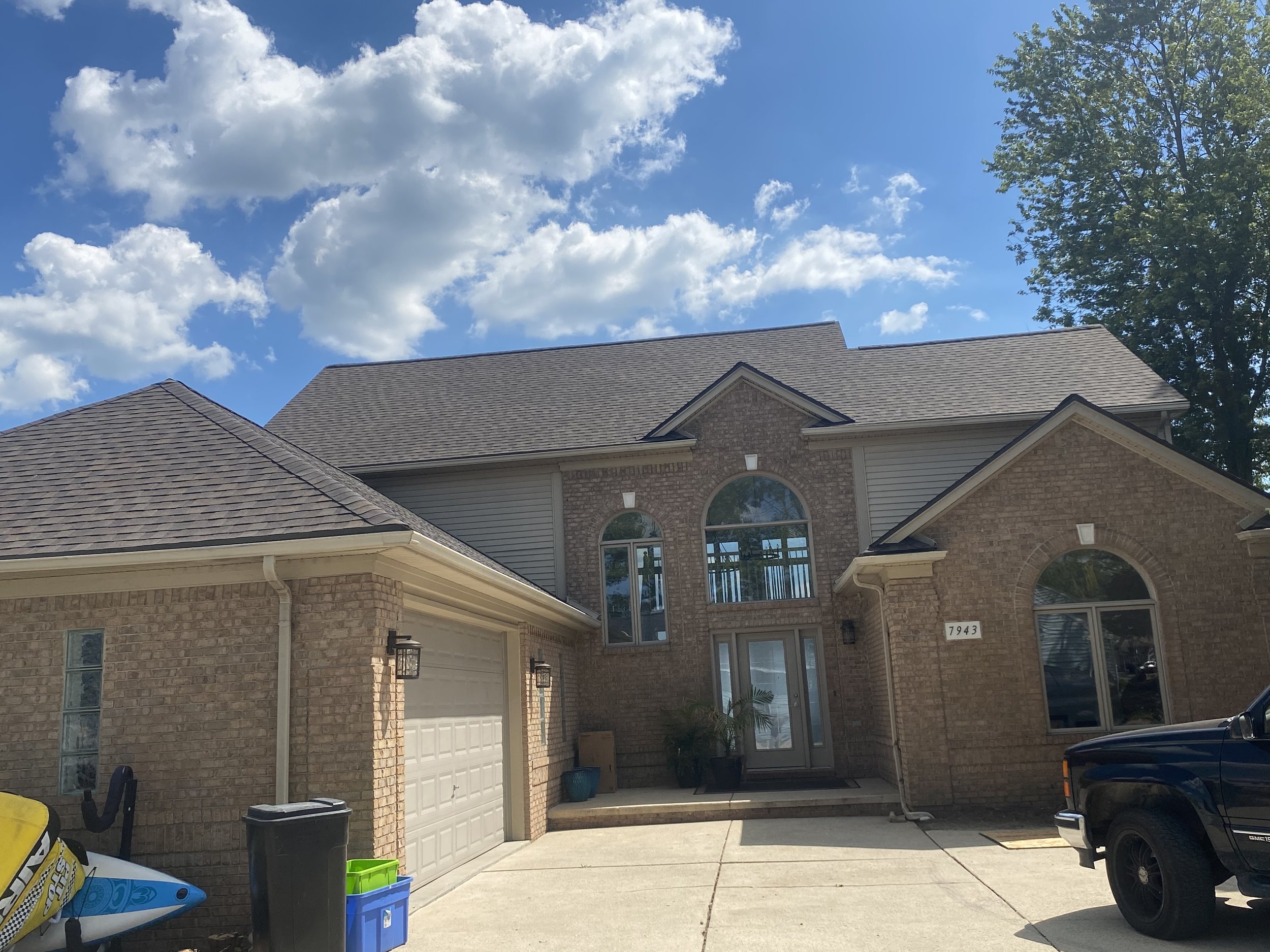
If you're researching premium siding for your Michigan home, you've probably landed on two names: LP SmartSide and James Hardie. They're the heavyweights in the engineered wood and fiber cement categories, and for good reason — both perform well in Southeast Michigan's punishing weather.
But here's what 35 years of installing both products has taught us: they're not interchangeable. One isn't "better" than the other across the board. They're different tools for different jobs, and the right choice depends on your home, your budget, and how long you plan to stay.
We're NEXT Exteriors, a Detroit siding company that's been protecting homes in Macomb, Oakland, and St. Clair counties since 1988. We've installed thousands of squares of both LP SmartSide and James Hardie on everything from 1960s brick ranches in Sterling Heights to lakefront Colonials in Grosse Pointe. We don't sell one over the other — we install what makes sense for your situation.
This guide breaks down the real differences between LP SmartSide and James Hardie siding for Michigan homeowners. We'll cover composition, cost, performance in freeze-thaw cycles, installation nuances, and when each product makes the most sense. No sales pitch — just contractor truth from the jobsite.
What LP SmartSide Actually Is (And What It Isn't)
Let's clear up the biggest misconception first: LP SmartSide is not traditional wood siding. It's engineered wood — specifically, oriented strand board (OSB) treated with a proprietary process called SmartGuard.
The substrate is made from wood strands (not sawdust or chips) that are aligned for strength, then bonded with resins under heat and pressure. The SmartGuard treatment infuses zinc borate throughout the material — not just on the surface — which resists termites, fungal decay, and moisture damage. This is a critical distinction from older composite products that failed in the 1990s.
LP SmartSide comes primed and ready for paint. The factory primer is integrated during manufacturing, so you're not just getting a spray-on coat that can peel. Most homeowners paint it within a few weeks of installation, though the primer alone will hold up for several months if needed.
The product line includes lap siding (in various widths), panel siding (4x8 sheets with texture options), trim boards, and soffit. It's dimensionally stable — meaning it doesn't shrink or swell significantly with moisture changes — and it holds fasteners well. You can work it with standard carpentry tools, which matters more than you'd think when we get to installation costs.
Michigan Reality Check: LP SmartSide has been on the market since the mid-1990s, but the current formulation with SmartGuard treatment dates to around 2000. We've been installing it in Southeast Michigan for over 20 years. The early batches performed well — homes we sided in 2005 in Clinton Township and Rochester Hills still look solid with minimal maintenance.
What James Hardie Fiber Cement Brings to the Table
James Hardie fiber cement siding is a different animal entirely. The substrate is a mix of Portland cement, ground sand, and cellulose fiber. It's formed into boards, cured, and then either primed or finished with ColorPlus Technology (Hardie's factory finish).
Fiber cement is dense and heavy — about 2.5 to 3 pounds per square foot compared to LP SmartSide's 1 to 1.5 pounds. That weight translates to durability and impact resistance. It's non-combustible, which matters for insurance in some high-risk areas. It won't rot, warp, or attract pests.
The ColorPlus finish is baked on in a controlled environment, then top-coated with a UV-resistant layer. It's not paint in the traditional sense — it's more like a ceramic coating. Hardie warranties it for 15 years, and in practice, it holds color better than field-applied paint on any substrate.
James Hardie's product line mirrors LP's: lap siding (HardiePlank), vertical panels (HardiePanel), trim (HardieTrim), and soffit. The company has been making fiber cement since 1901 in Australia and entered the U.S. market in the 1980s. By the 2000s, it became the default "premium" siding choice for builders and remodelers.
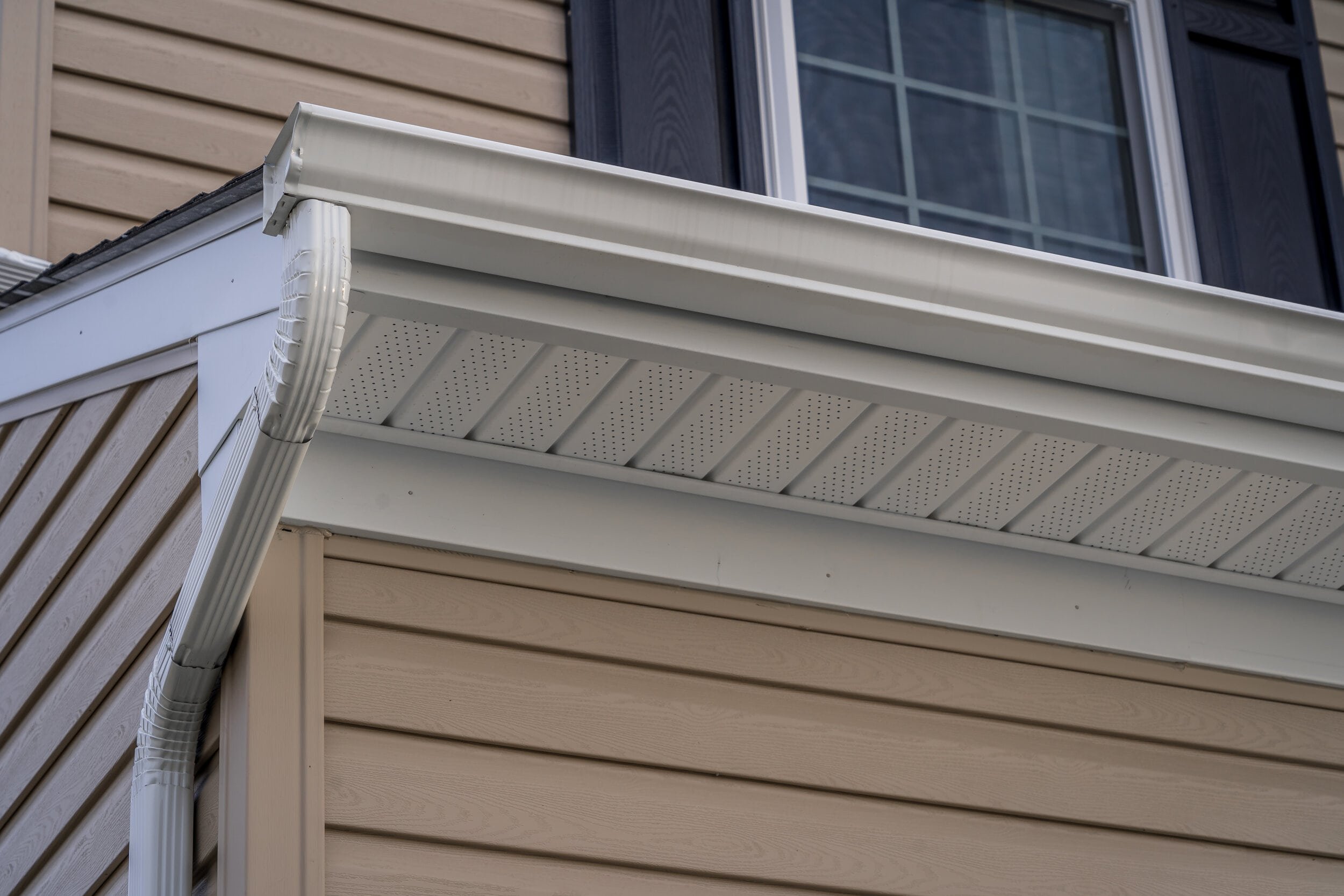
Hardie engineered their product specifically for climate zones. In Michigan, we use the "HZ5" climate-rated version, which is formulated to handle freeze-thaw cycles. That's not marketing — the moisture content and curing process are adjusted for northern climates. It matters.
How Michigan Weather Tests Both Products
Southeast Michigan puts siding through hell. We get 60 to 80 freeze-thaw cycles every winter — days where the temperature crosses 32°F. That's more than most of the northern U.S. Add lake-effect snow, ice dams, summer humidity that sits in the 70-80% range, and UV exposure that degrades paint and finishes, and you've got a stress test few climates can match.
Both LP SmartSide and James Hardie handle freeze-thaw well, but they do it differently. LP SmartSide's engineered wood substrate has some flex. When moisture gets behind it (and moisture always finds a way), the material can absorb a small amount without catastrophic failure. The zinc borate treatment prevents rot even if the siding stays damp for extended periods — which happens in Michigan, especially on north-facing walls that never see sun.
James Hardie's fiber cement is rigid and non-porous. It doesn't absorb water the way wood does, so freeze-thaw cycles don't cause the same expansion and contraction. But that rigidity means installation has to be perfect. If you don't leave proper clearances at butt joints and corners, or if you overdrive fasteners, you'll get cracks. We see this on DIY jobs and with contractors who don't specialize in fiber cement.
Ice Dam Reality: Ice dams are a fact of life in Metro Detroit. When they form, meltwater backs up under shingles and runs down the wall. Both LP and Hardie will survive this if the insulation in your attic is correct and the siding is installed with proper flashing. But if water sits against the substrate for weeks, LP's wood base is more vulnerable than Hardie's cement. We've replaced LP siding damaged by chronic ice dam leaks; we've rarely seen Hardie fail the same way.
Wind-driven rain is another test. Michigan gets storms that hit from the west and northwest, driving rain horizontally into siding joints. Both products rely on proper installation — housewrap, flashing, and sealed joints — but Hardie's density gives it an edge in high-exposure situations. LP SmartSide performs well when installed correctly, but if there's a gap or failed caulk joint, water penetration can lead to swelling at the edges.
UV exposure affects both, but differently. LP SmartSide needs paint, and paint needs maintenance. In full sun (south and west walls), you're looking at repainting every 7-10 years in Michigan. Hardie's ColorPlus finish lasts longer — 15-20 years before you see noticeable fading on high-exposure walls. Primed Hardie that you paint yourself performs similarly to LP in terms of paint longevity.
Cost Reality: What You'll Actually Pay in Southeast Michigan
Let's talk numbers. These are 2026 installed costs for a typical Michigan home in Macomb or Oakland County. Your actual price will vary based on home size, complexity, and current material costs, but this gives you a realistic baseline.
| Product | Material Cost per Sq Ft | Installed Cost per Sq Ft | Typical 2,000 Sq Ft Home |
|---|---|---|---|
| LP SmartSide (primed) | $2.50 - $3.50 | $8.00 - $11.00 | $16,000 - $22,000 |
| LP SmartSide (painted) | $2.50 - $3.50 | $10.00 - $13.00 | $20,000 - $26,000 |
| James Hardie (primed) | $3.50 - $4.50 | $10.00 - $13.00 | $20,000 - $26,000 |
| James Hardie (ColorPlus) | $4.50 - $5.50 | $12.00 - $16.00 | $24,000 - $32,000 |
The installed cost includes removal of old siding, housewrap, flashing, trim, and labor. It does not include window replacement, gutter replacement, or roof work — those are separate line items.
Why the labor cost difference? James Hardie weighs more, requires carbide-tipped blades (standard blades dull in minutes), and demands precise installation. Fasteners have to be flush, not overdriven. Joints need 1/8" gaps for expansion. Cutting fiber cement creates silica dust, so crews need dust management systems. All of this adds time and cost.
LP SmartSide installs faster. It's lighter, cuts with standard tools, and is more forgiving during installation. A skilled crew can side a 2,000-square-foot home in 4-5 days. The same home in Hardie takes 6-7 days.
Budget Reality: If you're choosing LP SmartSide primed and painting it yourself, you can save $4,000-$6,000 compared to Hardie ColorPlus on a typical home. If you're hiring a professional painting contractor (which we recommend — we use Sherwin-Williams exclusively), the gap narrows to $2,000-$4,000.
Installation Differences That Matter
Installation quality determines how long your siding lasts, regardless of which product you choose. But the two materials have different requirements, and not every contractor handles both well.
Weight and Handling: James Hardie's weight is a real factor. A 12-foot HardiePlank board weighs about 60 pounds. LP SmartSide's equivalent weighs 25-30 pounds. On a two-story home, that difference adds up. Crews need more people, and the physical toll is higher. This is why Hardie installation costs more — it's harder work.
Fastening: LP SmartSide uses standard ring-shank nails, spaced 16 inches on center along studs. You can hand-nail or use a pneumatic nailer. Hardie requires specific fasteners — either stainless steel nails or approved screws — and they must be driven flush, not countersunk. Overdrive a nail, and you've created a stress point that can crack the board. This is where inexperienced contractors fail.
Cutting and Dust: LP cuts like wood — table saw, miter saw, circular saw. Fiber cement creates silica dust, which is a respiratory hazard. OSHA requires dust control, which means wet saws or vacuum-equipped tools. Most professional crews use shears for straight cuts and a wet saw for angles. It's slower and requires more setup.

Trim and Corners: Both products offer trim boards, but LP's are easier to work with for complex architectural details. You can rip them, bevel them, and route them like wood. Hardie trim is rigid — you can cut it, but you can't shape it. For homes with lots of decorative trim (common in older Michigan Colonials and Cape Cods), LP gives you more flexibility.
Painting: If you're painting either product in the field, the process is the same: prime any cut edges, caulk joints, and apply two coats of 100% acrylic latex paint. The difference is that Hardie's ColorPlus option eliminates this step entirely, which is a huge time and cost saver if you're okay with the available colors.
When LP SmartSide Makes More Sense
LP SmartSide is a smart choice in several scenarios. It's not a "budget" product — it's a premium engineered wood siding that costs less than fiber cement but performs well in Michigan's climate. Here's when it makes the most sense:
1. Budget-Conscious Projects with Quality Expectations: If you want to step up from vinyl but can't justify the cost of Hardie ColorPlus, LP SmartSide primed and painted delivers excellent value. You're getting a durable, warranted product for $4,000-$8,000 less than Hardie on a typical home.
2. Homes with Complex Architectural Details: Older Michigan homes — especially 1920s-1940s Colonials and Tudor Revivals — have lots of trim, corner boards, and decorative elements. LP's workability makes it easier (and cheaper) to match existing details. We've done full restorations in historic districts in Royal Oak and Birmingham where LP SmartSide was the right call because we could replicate original trim profiles.
3. Remodels Where Weight Is a Concern: If you're re-siding over existing sheathing or adding siding to a structure that wasn't designed for heavy cladding (like a converted porch or addition), LP's lighter weight is an advantage. Hardie's extra 1-1.5 pounds per square foot adds up — on a 1,000-square-foot addition, that's an extra 1,000-1,500 pounds of dead load.
4. Homeowners Who Want Custom Colors: Hardie's ColorPlus line offers about 25 colors. If you want something outside that palette, you're painting anyway. LP SmartSide gives you the same flexibility at a lower starting cost. We've worked with homeowners who wanted specific Sherwin-Williams colors to match brick or stone — LP made that easy.
5. Specific Michigan Home Styles: Ranch homes, Cape Cods, and mid-century modern homes often look better with the slightly softer texture of painted wood siding. LP SmartSide delivers that aesthetic at a price point that makes sense for these home styles, which tend to have large wall areas but simpler details.
When James Hardie Is Worth the Premium
James Hardie costs more, but in certain situations, it's the better long-term investment. Here's when the premium makes sense:
1. Long-Term Investment Homes: If you're planning to stay in your home for 20+ years, Hardie's durability and low maintenance pay off. The ColorPlus finish lasts 15-20 years before it needs attention, compared to 7-10 years for painted LP. Over two decades, you're saving a repaint cycle, which can cost $8,000-$12,000 in Southeast Michigan.
2. High-Exposure Locations: Lakefront homes, homes on open lots with no windbreaks, and homes in areas with severe weather (like the Thumb region of St. Clair County) benefit from Hardie's density and impact resistance. We've installed Hardie on lakefront properties in Lake Orion and St. Clair Shores where wind-driven rain and ice are constant issues — it holds up better than any other product.
3. Homes in Historic Districts with Strict Standards: Some historic districts and HOAs in Metro Detroit require fiber cement for fire resistance or longevity. Grosse Pointe, Birmingham, and parts of Bloomfield Hills have strict architectural review boards. Hardie's reputation and non-combustibility often satisfy requirements that LP doesn't.
4. Buyers Wanting the Lowest Maintenance Option: If you're not interested in painting every decade and want to minimize exterior maintenance, Hardie ColorPlus is the closest thing to "install and forget" that exists in siding. You'll still need to caulk joints and inspect flashing, but the finish itself is remarkably durable.
5. Insurance Considerations in High-Risk Areas: Some insurance carriers offer discounts for non-combustible siding in areas with wildfire risk (less common in Michigan) or in older neighborhoods with dense housing. Hardie's Class A fire rating can lower premiums in certain situations. It's worth asking your agent before making a decision.
Warranty Comparison: What's Actually Covered
Warranties sound great in marketing materials, but the fine print matters. Here's what LP SmartSide and James Hardie actually cover — and what they don't.
LP SmartSide Warranty: LP offers a 5/50 prorated warranty. The first 5 years are full coverage for manufacturing defects. Years 6-50 are prorated, meaning the coverage decreases each year. The warranty covers material defects — delamination, rot, termite damage — but not installation errors, paint failure, or damage from improper maintenance.
The warranty is transferable once to a new homeowner, which adds resale value. But here's the catch: LP requires that the siding be installed by a contractor (DIY installs void the warranty), and they require specific installation practices — proper flashing, clearances, and fastening. If you file a claim, they'll inspect the installation. If it's not up to their standards, the claim gets denied.
James Hardie Warranty: Hardie offers a 30-year non-prorated warranty on the product and a 15-year warranty on the ColorPlus finish. Non-prorated means full coverage for the entire term — if a board fails in year 29, Hardie replaces it at no cost (minus labor). The warranty covers manufacturing defects, including cracking, rotting, and delamination.
The ColorPlus warranty covers peeling, cracking, and flaking of the factory finish, but not fading. Hardie defines "excessive fading" as more than a certain Delta E color shift (a technical measurement), and in practice, they rarely pay claims for fading alone. The warranty is transferable to one subsequent owner, which is a selling point.
Like LP, Hardie requires professional installation and adherence to their installation manual. They also require that the siding be installed in the correct climate zone (HZ5 for Michigan). If you file a claim, they'll want proof of proper installation and maintenance.
Warranty Reality: Both warranties are good, but they're not insurance policies. They cover manufacturing defects, not installation errors, weather damage, or neglect. In 35 years, we've filed a handful of claims with both companies, and both honored them when the installation was correct. But the vast majority of siding failures we see are installation-related — improper flashing, missing housewrap, or incorrect fastening. No warranty covers that.
The Contractor Truth About Both Products
After installing thousands of squares of both LP SmartSide and James Hardie across Southeast Michigan, here's what we tell homeowners who ask which one we'd put on our own homes:
Neither is "better" — they're different tools for different jobs. LP SmartSide is a high-performance engineered wood product that offers excellent value, workability, and durability. James Hardie is a premium fiber cement product that offers the lowest maintenance and longest lifespan. Both will protect your home for decades if installed correctly.
The choice comes down to budget, maintenance expectations, and how long you plan to stay. If you're planning to move in 5-10 years, LP SmartSide makes financial sense — you'll recoup most of the cost in resale value without paying the Hardie premium. If you're staying 20+ years, Hardie's longevity and low maintenance justify the higher upfront cost.
Installation quality matters more than product choice. A perfectly installed LP SmartSide job will outlast a poorly installed Hardie job every time. We've seen Hardie siding fail in 10 years due to improper flashing and fastening. We've seen LP siding last 25+ years with proper installation and maintenance. Choose your contractor carefully — ask for references, check their work, and make sure they're licensed and insured in Michigan.

At NEXT Exteriors, we install both products regularly. We're a certified James Hardie installer and an LP SmartSide preferred contractor. We don't push one over the other — we walk you through the pros and cons based on your specific home, budget, and goals. Our crews are trained on both products, and we follow manufacturer specs to the letter. That's how you get a 30-year siding job, regardless of which material you choose.
If you're trying to decide between LP SmartSide and James Hardie for your Michigan home, we're happy to walk the property with you and give you an honest assessment. We've been doing this since 1988, and we're not going anywhere. That's the kind of contractor you want for a project this important.
Beyond siding, we offer comprehensive exterior services in Detroit and throughout Southeast Michigan, including roofing, windows, gutters, and insulation. We handle full exterior renovations, so if you're planning multiple projects, we can coordinate everything under one contract.
Ready to Get Started?
NEXT Exteriors has been protecting Michigan homes since 1988. Get a free, no-pressure estimate from a team that shows up on time and does the job right. We'll walk you through LP SmartSide, James Hardie, and any other options that make sense for your home and budget.
Get Your Free QuoteOr call us: (844) 770-6398
Frequently Asked Questions: LP SmartSide vs James Hardie in Michigan
LP SmartSide typically lasts 30-40 years in Michigan when properly installed and maintained. The SmartGuard treatment resists rot and termites, and the engineered wood substrate handles freeze-thaw cycles well. You'll need to repaint every 7-10 years to maintain the finish, but the substrate itself is durable. We've seen LP siding from the early 2000s in Clinton Township and Sterling Heights that's still performing well with routine maintenance.
It depends on your timeline and maintenance expectations. If you're staying in your home for 20+ years and want minimal maintenance, James Hardie ColorPlus is worth the premium — you'll save a repaint cycle and get better long-term durability. If you're planning to move within 10 years, LP SmartSide offers better value. Both products perform well in Michigan's climate, so the decision comes down to budget and how long you plan to own the home.
We don't recommend it unless you have professional carpentry experience. Both products require proper flashing, housewrap installation, and precise fastening to perform correctly. LP SmartSide is more DIY-friendly than Hardie, but mistakes in installation can lead to moisture damage, warranty voids, and costly repairs. James Hardie specifically requires professional installation for warranty coverage. If you're trying to save money, get multiple quotes from licensed contractors rather than attempting a DIY install.
James Hardie has a slight edge in chronic ice dam situations because fiber cement doesn't absorb water like engineered wood. However, both products will survive ice dams if the installation includes proper flashing and the attic insulation is correct. The real solution to ice dam damage isn't the siding choice — it's fixing the attic insulation and ventilation so ice dams don't form in the first place. We see more siding damage from poor attic conditions than from the siding material itself.
Painting either product costs about the same — $2.50-$4.00 per square foot for professional work, depending on home size and prep requirements. For a 2,000-square-foot home, expect $5,000-$8,000 for a full repaint. The difference is that James Hardie ColorPlus doesn't need painting for 15-20 years, while LP SmartSide (or primed Hardie) needs repainting every 7-10 years in Michigan's climate. Over 20 years, you'll save one full paint cycle with Hardie ColorPlus, which is a $6,000-$10,000 savings.
Some insurance carriers offer small discounts for non-combustible siding like James Hardie, especially in older neighborhoods or areas with wildfire risk (less common in Michigan). LP SmartSide is combustible, though it has a Class C fire rating when installed over proper sheathing. The discount is typically 1-3% on the dwelling coverage, which might save $50-$150 per year. It's worth asking your insurance agent, but it's rarely a deciding factor for most Michigan homeowners.
Technically yes, but we don't recommend it unless there's a specific reason (like matching an addition to existing siding). The two products have different expansion rates, textures, and paint requirements. If you're re-siding the entire house, stick with one product for consistency. If you're doing an addition and the existing siding is in good shape, we can match it with the same product. Mixing products on the same wall plane creates maintenance headaches and looks inconsistent.