

How to Choose Window Styles for Curb Appeal in Michigan
📅 February 19, 2026
👤 NEXT Exteriors
⏱ 12 min read

We've replaced windows on hundreds of Michigan homes over the past 35 years, and I can tell you this: the wrong window style can make even a well-maintained home look awkward. The right choice? It transforms curb appeal instantly.
The challenge isn't finding good windows — it's matching the style to your home's architecture. A Colonial in Grosse Pointe Farms has different requirements than a mid-century Ranch in Sterling Heights or a Modern build in Rochester Hills. Get it right, and your home looks intentional, balanced, and worth more. Get it wrong, and it looks like someone grabbed windows from the clearance bin.
Here's what 35 Michigan winters have taught us about choosing window styles that actually improve curb appeal, based on your home's architecture.
Understanding Your Home's Architectural Style
Before you look at window catalogs, you need to identify what you're working with. Michigan's housing stock is diverse — we've got brick Colonials from the 1940s, sprawling Ranches from the 1960s and 70s, and newer Modern builds that break all the old rules.
Colonial homes are all about symmetry and proportion. They're typically two stories with a centered front door, evenly spaced windows, and a formal presence. Think Bloomfield Hills and Grosse Pointe — these homes demand windows that respect traditional proportions and grille patterns.
Ranch homes emphasize horizontal lines and casual living. They're single-story (or split-level), with low-pitched roofs and wide facades. These homes dominated Michigan suburbs in the post-war boom, and they're everywhere from Warren to Clinton Township. The windows should reinforce that horizontal emphasis, not fight it.
Modern homes (Contemporary, Craftsman-influenced new builds, etc.) play with asymmetry, large glass expanses, and clean lines. They're less common in older Michigan neighborhoods but increasingly popular in new construction. These homes give you the most freedom — but that doesn't mean anything goes.
The key principle: your windows should look like they were always part of the home's original design. That means understanding the architectural language your house speaks and choosing windows that fit the conversation.
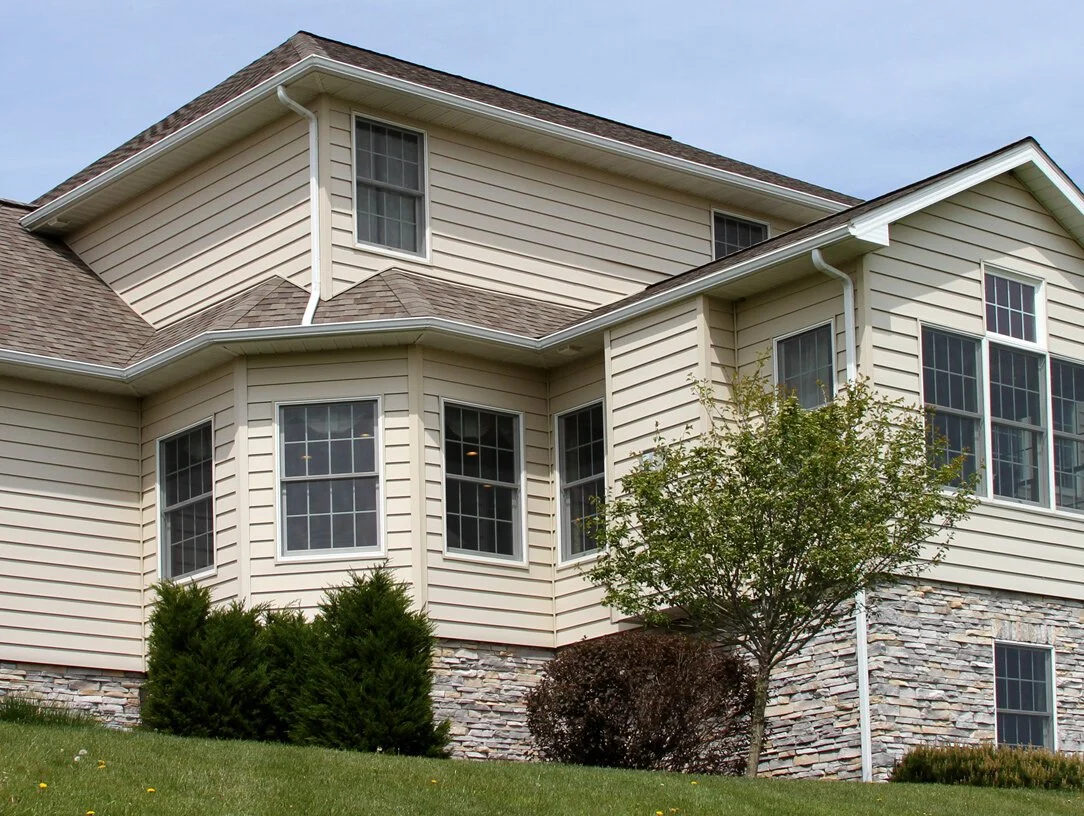
Window Styles for Colonial Homes
Colonial architecture demands double-hung windows — that's non-negotiable if you want authentic curb appeal. These are the classic windows with two operable sashes that slide vertically. They've been the standard for Colonial homes since the 18th century, and there's a reason: they fit the formal, symmetrical aesthetic perfectly.
Grille Patterns Matter
The grille configuration (also called muntins or divided lites) defines the window's character. For traditional Colonial homes, you're looking at:
6-over-6: Six panes over six panes. This is the most common traditional pattern and works on nearly all Colonial styles.
8-over-8: More formal, often seen on larger or higher-end Colonial homes.
9-over-9: Less common, but appropriate for some Georgian or Federal-style Colonials.
Here's the critical detail most homeowners miss: grille-between-glass (GBG) looks cleaner but simulated-divided-lite (SDL) looks more authentic. GBG has the grilles sealed inside the glass unit — easier to clean, but it lacks the depth and shadow lines of real divided lites. SDL has grilles applied to both the interior and exterior glass surfaces, creating that three-dimensional look that matches historic windows.
If your Colonial home is in a historic district or you're aiming for high-end curb appeal, SDL is worth the upgrade. If ease of maintenance is your priority and your home is more suburban than historic, GBG works fine.
Symmetry Is Non-Negotiable
Colonial homes are built on balance. Your front facade should have evenly spaced windows flanking the entry door. If you're replacing windows, maintain the existing proportions and alignment. Don't try to enlarge windows or add new openings on the front — it destroys the architectural integrity.
Side and rear elevations can be more flexible, but the front facade is sacred.
Michigan-Specific Consideration: Many older Michigan Colonials have original wood windows with true divided lites. If you're replacing them with vinyl or fiberglass, choose SDL grilles to maintain that authentic look. The difference is visible from the street, and it matters for resale value in neighborhoods like Royal Oak or Lake Orion.
Our Detroit window experts have replaced hundreds of Colonial home windows, and the homes that maintain traditional grille patterns consistently show better curb appeal than those that went with plain glass or mismatched configurations.
Window Styles for Ranch Homes
Ranch homes are the opposite of Colonial formality — they're about casual living, indoor-outdoor flow, and horizontal emphasis. Your window choices should reinforce that low, wide aesthetic.
Horizontal Sliding Windows
Sliding windows (also called gliders) are the natural fit for Ranch architecture. They open horizontally, which mirrors the home's horizontal lines. They're practical for Michigan — easy to operate, good ventilation, and they don't protrude into landscaping or walkways when open.
Sliders work especially well on the sides and rear of Ranch homes, where you want ventilation but don't need the formality of double-hung windows.
Picture Windows with Flanking Casements
The classic Ranch front window configuration is a large picture window (fixed, non-operable) flanked by narrow casement windows on each side. This creates a wide, horizontal expanse of glass that brings in light and frames outdoor views — exactly what Ranch architecture is about.
The picture window is purely for light and views. The casement windows (which hinge on the side and crank open) provide ventilation. This combination gives you the best of both worlds: maximum glass area and functional airflow.
Bay and Bow Windows
Ranch homes are also great candidates for bay or bow windows, especially on the front facade or dining room. These windows project outward, creating interior space and adding architectural interest to what can otherwise be a plain, flat facade.
Bay windows: Three-sided, with a center picture window and angled side windows (usually casements or double-hungs). More angular and traditional.
Bow windows: Four or more windows arranged in a gentle curve. Softer, more contemporary look.
Both add curb appeal and interior space, but they're a significant investment — plan on $3,000–$6,000+ installed for a quality unit in Southeast Michigan.
Avoid These Mistakes
Don't install tall, vertical windows on a Ranch home. They fight the horizontal architecture and look out of place. Also, avoid over-grilling Ranch windows — simple grilles (if any) work best. Ranch homes aren't formal, and heavy grille patterns make them look confused.

Window Styles for Modern Homes
Modern and Contemporary homes give you the most creative freedom, but that doesn't mean anything goes. The goal is clean lines, intentional asymmetry, and windows that function as design elements, not just functional openings.
Casement Windows for Clean Lines
Casement windows are the go-to for Modern architecture. They hinge on the side and crank open, creating a clean, uninterrupted glass surface when closed. No visible sashes, no horizontal dividers — just glass and frame.
Casements also offer excellent energy performance (they compress against the frame when closed, creating a tight seal) and full ventilation (they open 90 degrees). In Michigan, where you want maximum airflow during the short summer and tight seals during the long winter, casements deliver.
Large Fixed Panes for Light
Modern homes often feature large picture windows or fixed glass panels — sometimes floor-to-ceiling. These maximize natural light and create dramatic sight lines, but they require careful placement.
In Michigan, large glass areas mean higher heating costs in winter unless you invest in high-performance glazing (Low-E coatings, triple-pane glass, etc.). The upfront cost is higher, but the energy savings and comfort are worth it.
Black or Dark Frames as Design Elements
One of the defining trends in Modern architecture is black or dark bronze window frames. They create strong contrast against light-colored siding or brick, and they give the home a contemporary, high-end look.
Most vinyl and fiberglass windows are available in black or bronze exterior finishes. The frames cost 10–15% more than white, but the visual impact is significant. If you're building or renovating a Modern home in Troy or Rochester Hills, dark frames are worth considering.
Mixing Window Types Strategically
Modern homes often mix window types — casements, fixed panes, awning windows (hinged at the top), and even corner windows (where two glass panes meet at a 90-degree angle with no vertical post). This creates visual interest and emphasizes the home's custom, architect-designed character.
The key is intentionality. Don't mix window types randomly — use them to highlight specific architectural features or functional needs (e.g., awning windows above a kitchen sink for ventilation while keeping rain out).
Michigan Reality Check: Modern homes with large glass areas need serious attention to insulation and air sealing. We've seen beautiful Modern builds in Oakland County with stunning windows that are expensive to heat because the rest of the envelope wasn't properly insulated. Windows are part of a system — if you're investing in high-performance windows, make sure your insulation contractor is doing their job too.
Energy Performance Matters in Michigan
Curb appeal is important, but windows also need to perform in Michigan's climate — which means cold winters, hot summers, and everything in between. The good news: you don't have to sacrifice aesthetics for energy efficiency. You just need to know what to look for.
U-Factor: The Critical Number
U-factor measures heat loss — lower is better. For Michigan (ENERGY STAR Northern climate zone), you want a U-factor of 0.30 or lower. This is non-negotiable if you care about heating costs and comfort.
Most modern vinyl and fiberglass windows hit this target easily, but cheaper builder-grade windows don't. When you're comparing quotes, ask for the U-factor — if the contractor can't tell you, that's a red flag.
Low-E Coatings and Argon Gas
Low-E (low-emissivity) coatings are microscopically thin metallic layers applied to the glass. They reflect heat back into your home in winter and block solar heat gain in summer. For Michigan, you want Low-E² or Low-E³ coatings (the numbers refer to which glass surface has the coating).
Argon gas fills replace the air between the glass panes with argon, a denser gas that reduces heat transfer. It's standard in quality windows and adds minimal cost.
Together, Low-E coatings and argon fills can improve a window's U-factor by 30–40% compared to basic dual-pane glass. That's the difference between a window that pays for itself in energy savings and one that doesn't.
Balancing Aesthetics and Performance
Here's the good news: high-performance windows don't look different from standard windows. Low-E coatings are invisible (or have a slight tint that most people don't notice). Argon gas is invisible. Triple-pane windows are slightly thicker, but not noticeably so once installed.
You can have traditional Colonial grilles, Modern black frames, or Ranch-style sliders — all with excellent energy performance. The aesthetic and the performance are independent choices.
Our exterior services in Detroit include energy-efficient window installation across all architectural styles, and we help homeowners balance curb appeal with real-world performance in Michigan's climate.
Cost Considerations by Style and Material
Window replacement is a significant investment, and costs vary widely based on style, material, size, and installation complexity. Here's what we're seeing in Southeast Michigan as of 2026.
Vinyl vs. Fiberglass: The Material Decision
Vinyl windows are the most common and most affordable. They're low-maintenance, energy-efficient, and available in a wide range of styles and colors. For most Michigan homeowners, quality vinyl windows are the right choice.
Cost: $400–$700 per window installed for standard double-hung or casement windows
Pros: Affordable, durable, no painting or staining required
Cons: Can't be repainted if you want to change color; cheaper vinyl can warp in extreme heat (rare in Michigan)
Fiberglass windows are more expensive but offer superior strength and longevity. They're dimensionally stable (don't expand/contract with temperature changes), can be painted, and have a more refined appearance.
Cost: $600–$1,000+ per window installed
Pros: Stronger frames (allowing more glass area), paintable, long lifespan
Cons: Higher upfront cost, fewer color options out of the box
For high-end homes (Bloomfield Hills, Grosse Pointe) or Modern designs where frame aesthetics matter, fiberglass is worth considering. For most Colonial and Ranch homes, quality vinyl delivers excellent performance and curb appeal at a lower cost.
Custom Sizes and Specialty Shapes
Standard-size windows (common double-hung and casement sizes) are manufactured in volume and cost less. Custom sizes, bay/bow windows, and specialty shapes (arched tops, trapezoids, etc.) are made to order and cost significantly more.
Bay/bow windows: $3,000–$6,000+ installed
Large picture windows: $800–$1,500+ installed
Custom shapes: $1,000–$2,500+ each
If you're replacing windows in an older Michigan home with non-standard openings, expect custom pricing. This is common in Colonials from the 1940s–50s and some Ranch homes with unique window configurations.
Installation Complexity by Home Type
Colonial homes: Second-story windows require scaffolding or lifts, which adds labor cost. Brick exteriors (common in Michigan) require careful flashing and sealing around window openings.
Ranch homes: Generally easier to install (single-story access), but large picture windows and bay/bow units require multiple installers and careful handling.
Modern homes: Large fixed panes and custom configurations can be complex to install and require experienced crews. Corner windows and floor-to-ceiling glass are specialty installations.

Real Numbers for Southeast Michigan
For a typical Michigan home (15–20 windows), you're looking at:
Full replacement with vinyl windows: $8,000–$15,000
Full replacement with fiberglass windows: $12,000–$20,000+
Partial replacement (5–8 windows): $3,000–$6,000
These are ballpark figures. Actual costs depend on window sizes, styles, material choices, and installation complexity. The only way to get accurate pricing is to have a contractor measure your openings and provide a detailed quote.
We've been providing transparent, no-pressure quotes for Michigan homeowners since 1988. No gimmicks, no high-pressure sales tactics — just honest pricing based on what your home actually needs. Our Detroit siding company often works alongside window replacements, and we can coordinate both projects to save you time and hassle.
Signs It's Time to Replace Your Windows
Even if your windows aren't broken, they might be costing you money and comfort. Here's when it's time to call a contractor.
Drafts and Energy Loss
If you feel cold air around your windows in winter or hot air in summer, your windows are leaking. This is common in homes with original 1960s–1980s windows — they simply don't seal like modern units.
You can test this with a candle or incense stick on a windy day. Hold it near the window frame and watch for movement. If the smoke wavers, you're losing conditioned air (and money).
Condensation Between Panes
If you see fog or moisture between the glass panes (not on the interior surface), the seal has failed. This means the insulating gas has leaked out and moisture has gotten in. The window has lost its thermal performance, and it's not coming back.
Condensation between panes is a clear sign the window needs replacement. Don't bother trying to "fix" it — it can't be repaired.
Difficulty Operating
Windows should open and close smoothly. If you're fighting with stuck sashes, broken balances, or cranks that won't turn, it's time for an upgrade. This is especially common in older double-hung windows where the balance mechanisms have worn out.
Visible Damage or Rot
Wood windows in Michigan are prone to rot, especially around the sill and bottom rail. If you see soft, spongy wood or peeling paint that reveals decay, the window is compromised structurally and thermally.
Vinyl and fiberglass windows don't rot, but they can crack or warp if they're low-quality or improperly installed. If you see cracks in the frame or sashes that don't close flush, replacement is the fix.
Michigan-Specific Issue: Freeze-thaw cycles are brutal on windows. Water gets into small cracks or gaps, freezes, expands, and makes the damage worse. If your windows are showing any signs of failure, don't wait — Michigan winters will accelerate the problem.
Beyond windows, other exterior components work together to protect your home. Our Detroit roofing services address the critical barrier above your windows, while our seamless gutters in Detroit, MI ensure water drains properly away from window openings. For homes that need comprehensive exterior updates, our Southeast Michigan painting professionals can refresh your home's appearance once the windows are in place.
Ready to Upgrade Your Windows?
NEXT Exteriors has been installing energy-efficient, architecturally appropriate windows in Southeast Michigan since 1988. We'll help you choose the right styles for your home's architecture and provide honest, transparent pricing. No pressure, no gimmicks — just quality work from a team that shows up on time and does the job right.
Or call us: (844) 770-6398
Frequently Asked Questions
What window style is best for a brick Colonial home in Michigan?
+
Double-hung windows with simulated-divided-lite (SDL) grilles in a 6-over-6 or 8-over-8 configuration are the traditional choice for brick Colonial homes. They maintain the formal, symmetrical appearance that defines Colonial architecture. For Michigan's climate, choose windows with a U-factor of 0.30 or lower, Low-E coatings, and argon gas fills to ensure energy efficiency without compromising the classic aesthetic.
Can I mix different window styles on my Ranch home?
+
Yes, but do it strategically. A common and effective approach is to use a picture window flanked by casements on the front facade for maximum light and view, while using horizontal sliding windows on the sides and rear for ventilation. The key is maintaining the horizontal emphasis that defines Ranch architecture. Avoid tall, vertical windows that fight the home's low, wide profile.
Are black window frames more expensive than white?
+
Yes, but not dramatically. Black or dark bronze exterior frames typically cost 10–15% more than standard white vinyl or fiberglass windows. The upcharge covers the specialized finish and the fact that darker colors absorb more heat, requiring higher-quality vinyl formulations to prevent warping. For Modern homes where dark frames significantly enhance curb appeal, the modest additional cost is usually worth it.
How long do vinyl windows last in Michigan's climate?
+
Quality vinyl windows should last 20–30 years in Michigan, even with our freeze-thaw cycles and temperature extremes. The key is proper installation with correct flashing and sealing to prevent water intrusion. Cheaper builder-grade vinyl windows may show problems sooner — warping, discoloration, or seal failures within 10–15 years. Fiberglass windows typically last even longer (30–40+ years) due to their superior dimensional stability.
Should I replace all my windows at once or do them in phases?
+
If budget allows, replace all windows at once. You'll get better pricing (contractors offer discounts for full-house projects), consistent appearance, and immediate energy savings throughout the home. If you need to phase the project, prioritize windows that face prevailing winds (typically west and north in Michigan), windows with visible damage or seal failures, and windows in the most-used rooms (bedrooms, living areas). Front facade windows should all be replaced together to maintain consistent curb appeal.
Do I need permits to replace windows in Metro Detroit?
+
It depends on the municipality and the scope of work. In most Southeast Michigan communities, simple window replacement (same size, same location) doesn't require a permit. However, if you're changing window sizes, adding new openings, or altering structural framing, permits are typically required. Some historic districts have additional review requirements. A licensed contractor will know the local requirements and handle permits if needed — that's part of what you're paying for.
What's the ROI on window replacement for curb appeal?
+
According to Remodeling Magazine's Cost vs. Value Report, vinyl window replacement in the Midwest typically recoups 70–75% of the cost at resale. However, the actual ROI depends heavily on your home's condition and market. If you're replacing failing 1970s windows on a well-maintained Colonial in a desirable neighborhood, the ROI can be even higher because the new windows bring the home up to buyer expectations. If you're installing high-end windows on a modest Ranch in a lower-price-point neighborhood, you may not recoup the full cost. The energy savings and comfort improvements are also part of the value equation.