

Fall Roof Prep: Stop Leaks Before Snow Season Hits
By:
NEXT Exteriors
Published:
February 19, 2026
Reading time:
12 minutes

Every October, I get the same calls. A homeowner in Troy noticed a dark spot on their ceiling. Someone in Sterling Heights found water dripping into their garage after the first hard rain. A family in Clinton Township watched ice dams form along their eaves last winter and hoped the problem would magically disappear.
Here's what 35 years of Detroit roofing services has taught me: your roof doesn't fail in winter. It fails in the months leading up to winter when small problems go unnoticed, and then Michigan's freeze-thaw cycles turn those small problems into expensive disasters.
Fall is your last chance to catch those problems. Once snow starts accumulating and temperatures drop below freezing for good, your options shrink dramatically. Emergency repairs in January cost more, take longer to schedule, and often require temporary fixes that you'll need to address again in spring.
This isn't a scare tactic. It's just the reality of building science in a climate where we see 90-degree summers and sub-zero winters, where a single November storm can dump eight inches of wet snow on a roof that wasn't ready for it.
What Michigan Winters Do to Unprepared Roofs
Let's talk about what actually happens when snow hits a roof that isn't ready. It's not just about weight, though a cubic foot of wet snow weighs around 20 pounds and your roof needs to handle that load. The real damage comes from the freeze-thaw cycle that defines Michigan weather from November through March.
Here's the sequence: Daytime temperatures climb into the mid-30s. Snow on your roof melts. That water runs down toward the eaves. When the sun goes down, temperatures drop back below freezing. The water refreezes. This happens dozens of times each winter.
If your shingles have even minor damage—a small crack, a lifted edge, a missing granule layer—that freeze-thaw cycle forces water into places it shouldn't go. Water expands when it freezes. That expansion widens cracks, lifts shingles, and eventually penetrates through to your roof deck.
Ice Dams: The Most Expensive Winter Roof Problem
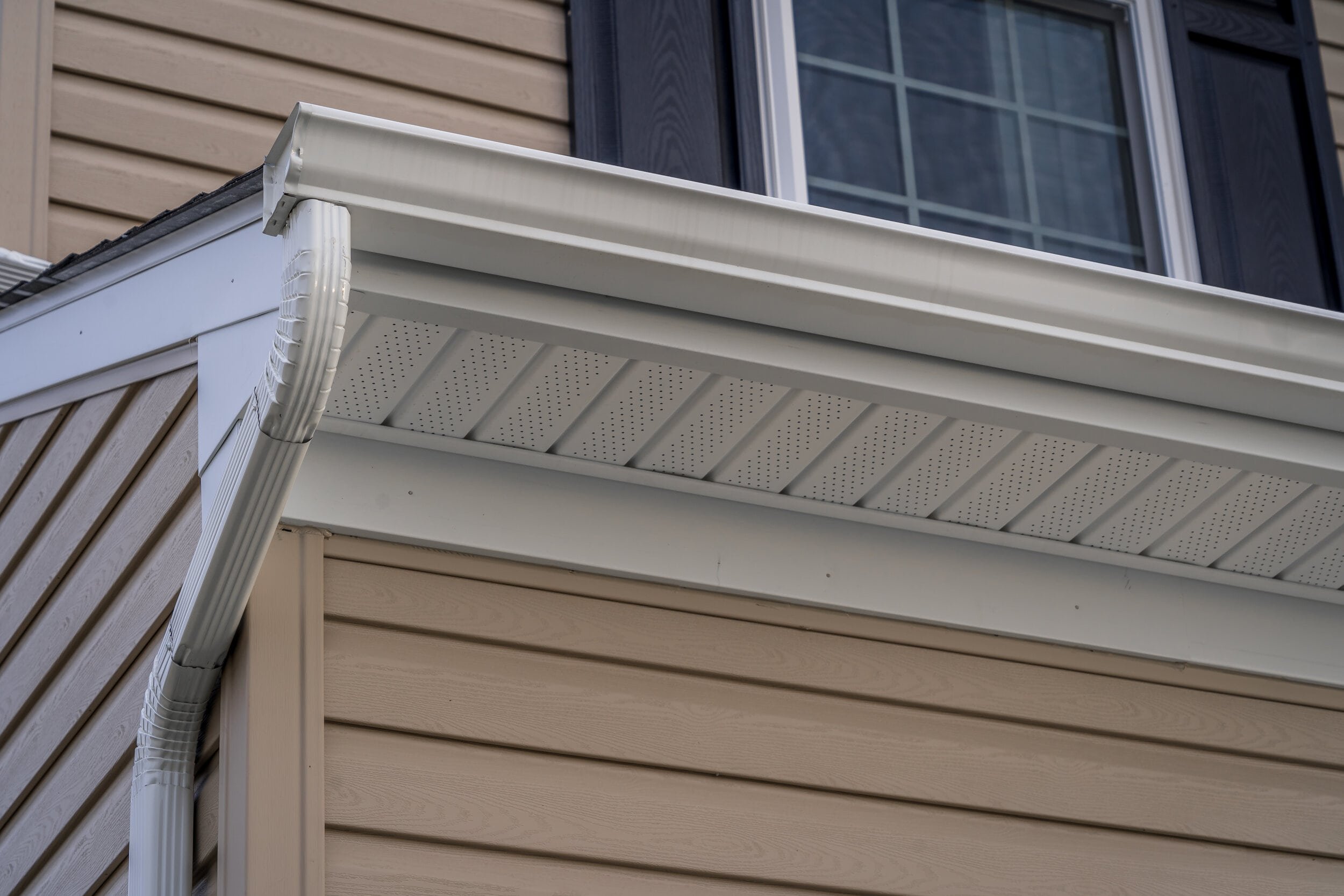
Ice dams form when heat escaping from your attic melts snow on the upper portions of your roof. That melted water runs down to the eaves—the coldest part of your roof because they overhang the house and don't get attic heat. The water refreezes at the eaves, creating a dam. More water backs up behind it. Eventually, that backed-up water finds its way under your shingles.
I've seen ice dams cause tens of thousands of dollars in damage to homes in Rochester Hills and Bloomfield Hills. Water seeps through the roof deck, saturates insulation, runs down inside walls, damages ceilings, ruins drywall, and creates mold problems that persist long after the ice is gone.
The frustrating part? Ice dams are almost entirely preventable with proper attic insulation in Metro Detroit and ventilation. But you can't fix those problems once snow is already on your roof.
Wind Damage in Lake-Effect Snow Conditions
Southeast Michigan gets lake-effect snow from Lake Huron and, depending on wind patterns, Lake Erie. Those storms bring sustained winds of 25-35 mph with gusts up to 50 mph. If your shingles aren't properly sealed or if you have older three-tab shingles that have lost their flexibility, those winds will lift and tear them.
A single missing shingle creates a vulnerable spot. Wind-driven snow works its way under adjacent shingles. Water follows. By spring, what started as one missing shingle has become a section of compromised roof deck that needs replacement, not just a simple repair.
Real Example: Last November, we got a call from a homeowner in Shelby Township who'd lost several shingles during an early-season windstorm. They wanted to wait until spring to address it because the leak wasn't "that bad." By March, water damage had extended to the attic insulation and ceiling drywall in two rooms. A $600 repair became a $4,200 project.
The Fall Roof Inspection Checklist
You don't need to be a roofer to spot most of the warning signs that your roof isn't ready for winter. You do need to know what to look for and where to look. Here's the systematic approach we use when we assess a roof in fall, adapted for homeowners who want to do an initial inspection themselves.
Shingle Condition Assessment (From the Ground)
Start with binoculars and a walk around your house. You're looking for:
Missing shingles: Obvious gaps in the roof surface, especially along edges and ridges
Curling or cupping: Shingle edges that lift up or curl down, indicating age or poor installation
Cracked or broken shingles: Visible damage, often in a line pattern if caused by impact
Granule loss: Bare spots where the protective granule layer has worn away, leaving exposed asphalt
Dark streaks or discoloration: Can indicate algae growth, moisture problems, or granule loss
Pay extra attention to the south and west-facing slopes. These take the most sun exposure and weather the fastest. If you have architectural shingles from CertainTeed, GAF, or Owens Corning that are less than 15 years old, they should look relatively uniform. Significant variation in color or texture is a red flag.
Flashing Inspection Points
Flashing is the metal or composite material that seals joints where your roof meets vertical surfaces—chimneys, vent pipes, dormers, and walls. It's also one of the most common failure points because it relies on both proper installation and sealant that degrades over time.
Look for:
Gaps or separation: Visible space between flashing and the surface it's supposed to seal
Rust or corrosion: Especially on older galvanized steel flashing
Cracked or missing sealant: The caulk or roof cement that backs up the flashing
Bent or damaged flashing: Often caused by ice dams or improper snow removal
Chimney flashing is particularly vulnerable. We see more chimney leaks in winter than any other flashing-related problem. If your chimney flashing is more than 20 years old, have a professional inspect it even if it looks okay from the ground.
Ventilation and Soffit Checks
Proper attic ventilation prevents ice dams and extends your roof's lifespan. Michigan building code requires a balanced system: intake vents at the soffits and exhaust vents at or near the ridge.
Walk around your house and check:
Soffit vents: Are they clear of debris, paint, and insulation? Can you see through the perforations?
Ridge vents: Are they intact? Any visible damage or gaps?
Gable vents: If you have them, are they screened and clear?
A common problem in older Michigan homes: Someone finished the attic or added insulation and blocked the soffit vents. Your attic needs to breathe. If it can't, heat builds up, snow melts, ice dams form, and your shingles age prematurely.
Attic Moisture Signs
Go into your attic on a sunny day. Bring a flashlight. Look up at the underside of your roof deck. You're checking for:
Light penetration: Any daylight coming through means a hole or gap that needs sealing
Water stains: Dark marks on the wood indicate current or past leaks
Mold or mildew: Visible growth means moisture problems
Frost accumulation: In winter, frost on the underside of the roof deck indicates poor ventilation and air leakage from the living space
Insulation condition: Is it compressed, wet, or unevenly distributed?
If you see any of these signs, you have a problem that needs professional attention before winter. These aren't cosmetic issues. They indicate active failure of your roof system or attic envelope.
Critical Repairs to Make Before the First Freeze
Not all roof problems require immediate attention, but some absolutely do if you want to avoid winter damage. Here's how to prioritize what needs to happen before snow flies versus what can wait until spring.
Priority 1: Active Leaks and Missing Shingles
If you have a leak—even a small one—it needs to be fixed now. Water doesn't get better on its own. It gets worse. Every rain event, every freeze-thaw cycle, every snow melt expands the damage.
Missing shingles are the same priority. An exposed roof deck will absorb water. That water will saturate the plywood or OSB sheathing. Once that happens, you're not just replacing shingles anymore. You're replacing decking, potentially dealing with mold remediation, and facing a much larger repair bill.
These repairs are straightforward for a professional crew and relatively inexpensive if caught early. NEXT Exteriors can typically handle missing shingle replacement and minor leak repairs in a few hours. Wait until spring, and you're looking at days of work and exponentially higher costs.
Priority 2: Compromised Flashing
Flashing problems are insidious because they often don't show symptoms until significant water has penetrated. By the time you see a stain on your ceiling near a chimney or dormer, water has been getting in for weeks or months.
Fall is the ideal time to address flashing because the work requires sealants that need moderate temperatures to cure properly. Once we're consistently below 40 degrees, many roofing sealants don't perform as specified. Some won't cure at all.
If your inspection revealed any flashing issues—gaps, rust, separation, or damaged sealant—get them repaired in October or early November. Don't wait.
Priority 3: Gutter and Downspout Issues
I'm putting this in the critical category because gutter problems directly cause roof problems. When seamless gutters in Detroit, MI clog or fail, water backs up under shingles at the eaves. That's exactly where ice dams form. You're creating a perfect storm of winter roof damage.
Before the first freeze:
Clean all gutters and downspouts thoroughly
Check for proper slope (gutters should pitch 1/4 inch per 10 feet toward downspouts)
Verify that gutters are securely attached to fascia boards
Ensure downspouts direct water at least 6 feet away from your foundation
Consider gutter guards if you have significant tree coverage
If your gutters are sagging, pulling away from the house, or showing rust-through, replacement is a better investment than repair. Modern seamless aluminum gutters will outlast your roof and require minimal maintenance.
Priority 4: Attic Insulation Gaps
This one surprises homeowners, but inadequate attic insulation is a roof problem, not just an energy efficiency issue. Heat escaping through your attic causes snow melt, which causes ice dams, which causes roof leaks.
Michigan code requires R-49 insulation in attics for our climate zone. That's roughly 14-16 inches of blown-in fiberglass or cellulose. Most homes built before 2000 have significantly less. Many 1960s and 1970s ranches in Macomb County have R-19 or less—barely a third of what's needed.
Adding attic insulation in fall is smart timing. The work can be done in a day for most homes. The cost is reasonable. And the benefits are immediate: lower heating bills, more comfortable rooms, and dramatically reduced ice dam risk.
Our top-rated insulation contractor in Detroit services include attic assessments and blown-in insulation installation. We can typically schedule this work within a week or two in fall, versus the multi-month wait you'll face if you call in January after ice dams have already formed.
The Attic Insulation Connection
Most homeowners think of their roof as the shingles they can see. But your roof is a system, and the most important part of that system for winter performance is your attic.
Here's the building science: Your living space generates heat. That heat rises. If your attic floor (the ceiling of your living space) isn't properly insulated and air-sealed, that heat escapes into the attic. The attic warms up. The underside of your roof deck warms up. Snow on your roof melts even when the outdoor temperature is well below freezing.
That's how ice dams start. It's not the snow. It's not the cold. It's heat escaping from your living space because your attic insulation is inadequate or improperly installed.
R-Value Requirements for Michigan
The 2021 Michigan Residential Code specifies R-49 for attic insulation in our climate zone (Zone 5). That's not a suggestion. It's the minimum standard for new construction and should be the target for existing homes.
What does R-49 actually mean in practical terms?
Blown-in fiberglass: Approximately 14-16 inches depth
Blown-in cellulose: Approximately 13-14 inches depth
Batt insulation: Multiple layers totaling R-49 (rarely practical in existing attics)
Spray foam: 7-8 inches of closed-cell foam (expensive but effective for cathedral ceilings)
If you go into your attic and can see the tops of your ceiling joists, you don't have enough insulation. Period. Most ceiling joists are 8-10 inches deep. R-49 insulation should completely cover them with several inches to spare.
Ventilation Balance
Insulation and ventilation work together. You need both. Adding insulation without proper ventilation can actually make problems worse by trapping moisture in your attic.
Michigan code requires 1 square foot of net free ventilation area for every 150 square feet of attic space (with a balanced intake/exhaust system). For a typical 1,500-square-foot ranch, that's 10 square feet of ventilation—split between soffit intake and ridge exhaust.
When we add attic insulation, we always verify that soffit vents aren't blocked and install baffles to maintain an air channel between the insulation and the roof deck. This allows cold air to enter at the soffits, flow up along the underside of the roof deck, and exit at the ridge. That air flow keeps your roof deck cold, prevents ice dams, and removes moisture.

Air Sealing: The Missing Piece
Here's what most insulation jobs miss: air sealing. You can have R-60 insulation in your attic, but if there are gaps around recessed lights, plumbing penetrations, the attic hatch, or HVAC ducts, warm air will bypass that insulation and flow directly into the attic.
Before adding insulation, we seal all penetrations with expanding foam or caulk. We weatherstrip the attic access hatch. We seal around ductwork and chimney chases. This air sealing is often more important than the insulation itself for preventing ice dams.
A blower door test can identify exactly where air is leaking, but even without that diagnostic tool, sealing the obvious penetrations makes a measurable difference.
Gutter Prep: The Overlooked Roof Protection System
Gutters don't get the attention they deserve. Most homeowners think of them as something that catches leaves and needs occasional cleaning. But your gutter system is the first line of defense against water damage to your roof, siding, foundation, and basement.
When gutters fail—whether from clogs, improper slope, or inadequate capacity—water backs up at your roof eaves. In summer, that might cause minor fascia rot. In winter, that backed-up water freezes and contributes directly to ice dam formation.
Why Clean Gutters Matter for Roof Health
A clogged gutter acts like a dam. Water can't flow to the downspouts, so it sits in the gutter trough. In fall, that standing water is full of decomposing leaves and organic matter. When temperatures drop, that sludge freezes solid.
Once frozen, the gutter can't function at all. Any snow melt or rain has nowhere to go except back up under your shingles or over the gutter edge. Water that backs up under shingles at the eaves will find its way through to your roof deck and into your soffit and fascia boards.
I've seen fascia boards completely rotted out because homeowners went several years without cleaning gutters. The repair isn't just cleaning the gutters at that point. It's replacing rotted wood, potentially replacing damaged roof decking at the eaves, and then installing new gutters.
Downspout Extensions and Drainage
Your downspouts need to direct water at least 6 feet away from your foundation. Closer than that, and you're creating basement water problems, foundation settling issues, and landscaping erosion.
In winter, this becomes even more critical. Water that pools near your foundation will freeze and thaw repeatedly, potentially causing frost heave and foundation cracks. If you have a basement, that water will find its way in through any available crack or gap.
Simple downspout extensions are inexpensive and effective. We typically recommend rigid extensions rather than the flexible corrugated type, which trap debris and collapse under snow load.
Ice Dam Prevention at the Eaves
Even with perfect attic insulation and ventilation, the eaves of your roof are vulnerable to ice dams because they overhang the house and don't benefit from attic heat. This is by design—you want your eaves cold—but it means ice can form there even when the rest of your roof is performing correctly.
Properly functioning gutters help by channeling water away before it can freeze at the eaves. But if you have a history of ice dam problems, there are additional measures:
Ice and water shield: A self-adhering membrane installed under shingles at the eaves (required by code in Michigan for new roofs)
Heated cables: Installed along the eaves and in gutters to prevent ice formation (high energy cost but effective for problem areas)
Improved attic insulation: The best long-term solution
If you're getting a roof replacement, make sure your contractor installs ice and water shield at least 3 feet up from the eaves. This is code in Michigan but wasn't always, so older roofs may not have it. It's cheap insurance against ice dam damage.
When to Replace vs. Clean
Gutter cleaning is annual maintenance. Gutter replacement is a capital improvement. How do you know which you need?
Replace your gutters if:
They're sagging or pulling away from the fascia in multiple locations
You see rust-through holes or significant corrosion
Seams are separating (common with sectional gutters)
They're undersized for your roof area (5-inch gutters on a large roof should be upgraded to 6-inch)
They're more than 20 years old and showing multiple issues
Modern seamless aluminum gutters are a significant upgrade over older sectional systems. They have no seams to leak, they're custom-formed on-site to fit your exact roof dimensions, and they'll last 30+ years with minimal maintenance. When we install seamless gutters in Detroit, MI, we typically complete the job in a single day for most homes.
When to Call a Professional vs. DIY
I'm not going to tell you that every roof task requires a professional. Some don't. But I am going to be honest about what's safe and practical for a homeowner to do versus what should be left to someone with the right equipment, insurance, and experience.
What Homeowners Can Safely Do
From the ground or from a stable ladder that doesn't require getting on the roof:
Visual inspection with binoculars: You can spot most shingle damage, flashing issues, and obvious problems without ever leaving the ground
Gutter cleaning: If you're comfortable on a ladder and your gutters are accessible, this is reasonable DIY work (though many homeowners hire it out for convenience)
Attic inspection: Going into your attic to check insulation and look for signs of leaks is safe and informative
Clearing debris from roof valleys: If you can reach them safely from a ladder without getting on the roof
What Requires a Professional
Anything that involves getting on the roof or making repairs:
Shingle replacement: Even replacing a few shingles requires knowing how to break the seal strip, lift surrounding shingles without damaging them, and properly nail and seal the replacement
Flashing repair: This requires specialized tools, materials, and knowledge of proper water management details
Any work on a steep roof: Anything over a 6/12 pitch (6 inches of rise per 12 inches of run) is dangerous without proper safety equipment
Any work above a single story: Two-story homes require staging or scaffolding for safe access
Any work in questionable weather: Wet or icy roofs are deadly
The safety issue is real. Falls from roofs are one of the leading causes of construction-related deaths. Professional roofers have harness systems, proper footwear, experience reading roof conditions, and insurance that covers them if something goes wrong. You don't.
Red Flags That Require Immediate Professional Assessment
Call a professional immediately if you see:
Active water intrusion—dripping, staining, or visible water in your attic or living space
Sagging roof deck (visible from inside the attic or as a dip in the roof line from outside)
Large sections of missing or damaged shingles
Significant granule loss across large areas of the roof
Daylight visible through the roof deck from inside the attic
Evidence of animal intrusion (squirrels, raccoons, bats accessing your attic through roof damage)
These aren't problems that can wait until spring. They're actively causing damage every day they're not addressed. A professional assessment will tell you exactly what needs to happen and what it will cost. Our free quote process includes a thorough inspection and detailed explanation of any issues we find.
What to Expect: Cost and Timeline for Fall Roof Work
Let's talk numbers. Michigan homeowners are practical people who want to know what they're getting into before they pick up the phone. Here's what roof work actually costs in Southeast Michigan and how long it takes.
Typical Repair Costs
These are 2024 ranges for common fall roof repairs in Macomb, Oakland, and St. Clair counties:
Missing shingle replacement (5-10 shingles): $300-$600
Chimney flashing repair: $400-$800
Valley flashing replacement: $500-$1,200
Small leak repair (localized damage): $400-$1,000
Gutter cleaning (typical home): $150-$300
Seamless gutter replacement (per linear foot): $8-$15
Attic insulation upgrade (blown-in, typical 1,500 sq ft attic): $1,500-$2,500
These costs assume the damage is caught early. If water has penetrated to the roof deck or caused interior damage, costs escalate quickly. Replacing a section of rotted roof decking adds $500-$1,500 depending on the extent. Interior drywall and paint repair adds another $800-$2,000.
This is why fall maintenance is cost-effective. A $500 repair in October prevents a $3,000 emergency in February.
Full Replacement Considerations
Sometimes the inspection reveals that repairs aren't the right answer. If your roof is 20+ years old, has multiple problem areas, or has widespread granule loss, replacement is the better investment.
Full roof replacement costs in Southeast Michigan (2024):
Architectural shingles (CertainTeed, GAF, Owens Corning): $8,000-$15,000 for a typical 2,000 sq ft roof
Premium shingles (CertainTeed Landmark Pro, GAF Timberline HDZ): $10,000-$18,000
Designer shingles (high-end architectural): $15,000-$25,000
These prices include tear-off of existing shingles, ice and water shield at eaves and valleys, new ridge vent, all flashing, and proper disposal. They assume a standard gable or hip roof with moderate complexity. Steep roofs, multiple dormers, or difficult access increase costs.
As a CertainTeed Master Shingle Applicator, NEXT Exteriors can offer enhanced warranties that aren't available from standard installers. That credential means we've demonstrated the highest level of installation expertise and maintain specific training and quality standards.
Fall Scheduling Advantages
Fall is the best time to schedule roof work for several reasons:
Moderate temperatures: Shingles seal properly in 50-80°F weather. Too cold and they won't seal. Too hot and they're difficult to work with.
Lower humidity: Fall weather in Michigan is typically drier than spring or summer, which is better for roofing work.
Contractor availability: We're busy in fall, but not as slammed as we are in spring when everyone who waited is calling at once.
Material availability: Supply chains are more reliable in fall than in peak spring season.
For minor repairs, we can typically schedule work within 1-2 weeks of your call. For full replacements, expect 2-4 weeks from estimate to completion, depending on material selection and weather windows.
Wait until spring, and those timelines extend to 4-8 weeks because we're booked solid with emergency repairs and homeowners who didn't prepare in fall.
Insurance Claims and Storm Damage
If you have storm damage—wind-blown shingles, hail damage, or tree impact—your homeowner's insurance may cover the repair or replacement. Fall storms are common in Michigan, and we work with insurance adjusters regularly.
The process:
Document the damage with photos
Contact your insurance company to file a claim
Get a professional inspection (we provide detailed reports for insurance purposes)
Meet with the adjuster
Receive approval and proceed with work
Insurance claims can take 2-4 weeks to process. If you have obvious damage and winter is approaching, ask your adjuster about emergency tarping or temporary repairs while the claim is pending. Most policies cover reasonable measures to prevent further damage.
NEXT Exteriors has worked with every major insurance carrier operating in Michigan. We know what documentation they need, how to write estimates in their format, and how to advocate for proper repairs rather than shortcuts.
Beyond Roofing: While you're addressing roof prep, consider a full exterior assessment. Our exterior services in Detroit include siding inspection and repair, window weatherization, and painting—all of which contribute to your home's winter performance. We often find that homeowners who call about one issue discover related problems that are worth addressing at the same time.
Ready to Get Your Roof Winter-Ready?
NEXT Exteriors has been protecting Michigan homes since 1988. We're CertainTeed Master Shingle Applicators with an A+ BBB rating and 5-star reviews. Get a free, no-pressure assessment from a team that shows up on time and does the job right.
Or call us: (844) 770-6398
Before we wrap up, here's what else NEXT Exteriors can help with as you prepare your home for winter. If your house siding in Detroit is showing cracks or gaps, that's another entry point for cold air and moisture. If your windows in Southeast Michigan are drafty, you're losing heat and money all winter long. And if you're planning any exterior painting in Detroit, fall is actually ideal—temperatures are moderate and humidity is low, which helps paint cure properly before winter hits.
Frequently Asked Questions
When should I schedule a fall roof inspection in Michigan?
Schedule your fall roof inspection in late September or early October, before the first hard freeze. This gives you time to complete any necessary repairs before winter weather arrives. In Southeast Michigan, we typically see the first sustained freezing temperatures in mid-to-late November, so you want repairs done by early November at the latest. Many roofing materials and sealants require temperatures above 40°F to install properly, which becomes increasingly difficult as we move into late fall.
Can I wait until spring if I don't see obvious damage?
Waiting until spring is risky. Many roof problems aren't obvious from the ground but will worsen significantly over winter. Small cracks in shingles become major leaks after freeze-thaw cycles. Minor flashing gaps allow water penetration that leads to interior damage. Inadequate attic insulation causes ice dams that can cost thousands to repair. A fall inspection costs nothing (we offer free assessments), but waiting until spring after damage has occurred can cost you 5-10 times more in repairs. The question isn't whether you can wait—it's whether you want to gamble with a much larger repair bill.
How do I know if my attic insulation is adequate for Michigan winters?
Go into your attic and look at your insulation depth. Michigan requires R-49 insulation, which translates to roughly 14-16 inches of blown-in fiberglass or cellulose. If you can see the tops of your ceiling joists (typically 8-10 inches tall), you don't have enough insulation. Other signs of inadequate insulation include: ice dams forming on your roof, uneven snow melt patterns (some areas clear while others stay covered), cold spots in upstairs rooms, and high heating bills. A professional assessment can measure your current R-value and recommend specific improvements. Most homes built before 2000 have significantly less than the current code requirement.
What's the difference between a roof repair and a roof replacement?
A roof repair addresses specific damage—replacing a few missing shingles, fixing flashing around a chimney, sealing a small leak. Repairs are appropriate when damage is localized and the rest of the roof is in good condition. A roof replacement removes all existing shingles and installs a completely new roof system. Replacement is necessary when your roof is near the end of its lifespan (20-25 years for architectural shingles), has widespread damage, or has multiple problem areas. The rule of thumb: if repairs would cost more than 30% of replacement cost, or if your roof is over 20 years old with multiple issues, replacement is the better investment. We provide honest assessments and will tell you if repairs are sufficient—we're not interested in selling you a new roof if your current one can be properly maintained.
Do gutters really affect my roof's lifespan?
Absolutely. Clogged or malfunctioning gutters cause water to back up at your roof eaves, which leads to rot in fascia boards and roof decking, and contributes directly to ice dam formation in winter. When water can't drain properly through gutters, it either flows over the edge (causing foundation problems and landscaping erosion) or backs up under shingles at the eaves (causing roof leaks). In winter, backed-up water freezes in the gutters and at the eaves, creating the perfect conditions for ice dams. Properly functioning gutters can add years to your roof's lifespan by preventing water damage at the most vulnerable areas. We consider gutter maintenance and replacement an essential part of roof system care, not an optional add-on.
How long does a typical fall roof repair take?
Most fall roof repairs can be completed in a single day, often in just a few hours. Replacing missing shingles, repairing flashing, or fixing a small leak are straightforward jobs for a professional crew. Gutter cleaning and minor repairs typically take 2-4 hours. More extensive work—like replacing a section of roof decking or addressing multiple problem areas—might take 1-2 days. Full roof replacements typically take 2-4 days depending on the size and complexity of your roof. Weather is the main variable. We don't work in rain or on wet roofs, so if we get a multi-day storm, the schedule extends. Fall weather in Michigan is generally cooperative, which is one reason we recommend scheduling repairs in October rather than waiting until late November when weather becomes less predictable.
Will my homeowner's insurance cover pre-winter roof repairs?
It depends on the cause of the damage. Insurance covers sudden, accidental damage—wind-blown shingles from a storm, hail damage, tree impact, or damage from a covered peril. Insurance does not cover normal wear and tear, aging, or maintenance issues. If you have storm damage from a recent weather event, file a claim immediately and