

Double-Pane vs Triple-Pane Windows in Michigan | NEXT Exteriors
📅 February 19, 2026
👤 NEXT Exteriors Team
⏱ 12 min read
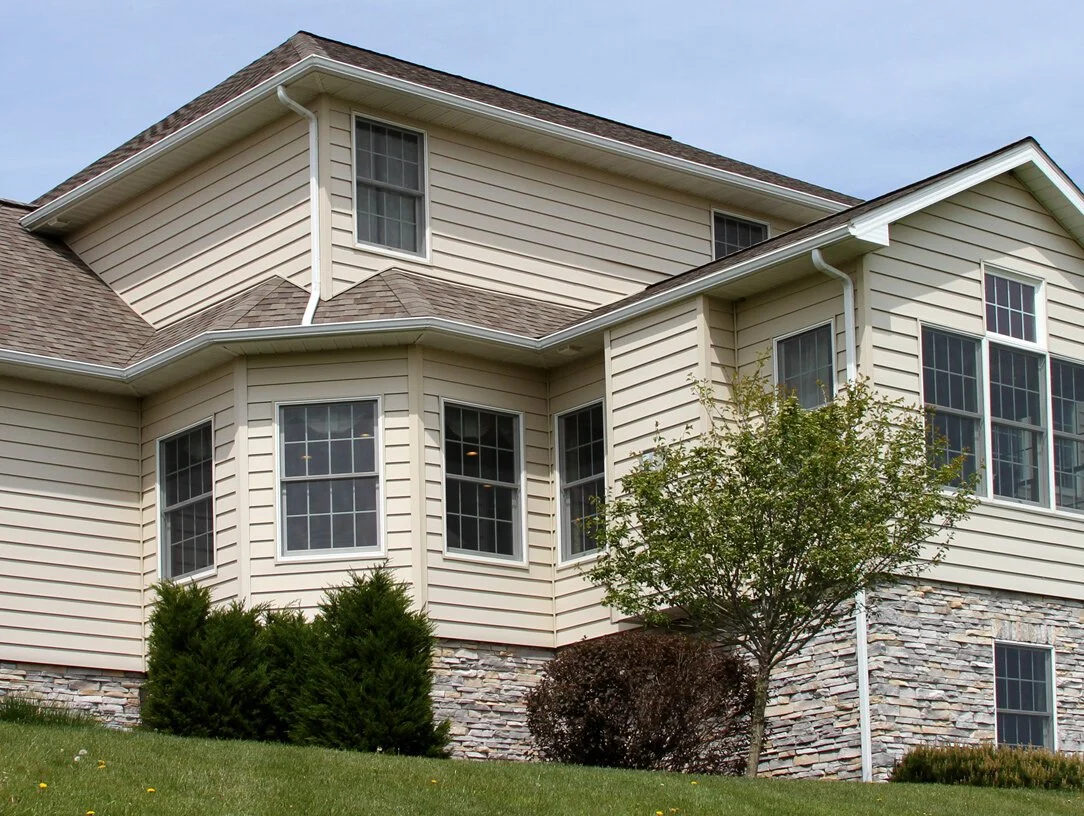
We've been installing windows in Southeast Michigan since 1988, and the triple-pane question comes up on nearly every estimate. Homeowners want to know if that third pane of glass is worth the extra $150 to $300 per window. The honest answer? It depends on your house, your heating bills, and how long you plan to stay.
Here's what 35 Michigan winters have taught us: triple-pane windows deliver measurable energy savings, but they don't make sense for every home. A 1960s ranch in Warren with minimal insulation and drafty attic access benefits differently than a well-sealed Colonial in Rochester Hills with spray foam and proper air sealing. This isn't a one-size-fits-all decision.
This guide breaks down the real performance differences, the actual costs you'll pay in 2026, and which Michigan homes see the fastest payback. No sales pitch — just the building science and math you need to make the right call for your house.
The Real Difference Between Double-Pane and Triple-Pane Windows
Strip away the marketing and here's what you're actually buying: double-pane windows have two sheets of glass with one insulating air space between them. Triple-pane windows have three sheets of glass with two insulating spaces. That extra pane and air gap change the thermal performance in ways that matter during Michigan's coldest weeks.
The performance metric that matters most is U-factor — lower numbers mean better insulation. A standard double-pane window with low-E coating and argon gas fill typically runs a U-factor around 0.28 to 0.32. A comparable triple-pane window drops that to 0.17 to 0.22. For context, ENERGY STAR's Northern Zone requirement (which includes Michigan) is U-factor ≤ 0.27.
Here's what that difference means in your house: U-factor measures how much heat escapes through the window. A window with U-factor 0.30 loses nearly twice as much heat as one with U-factor 0.17. On a January night when it's 5°F outside and 70°F inside, that gap adds up across 15 or 20 windows.
The Technical Breakdown:
Double-Pane: Two glass panes, one sealed air space (typically 1/2" to 5/8"), low-E coating on one surface, argon gas fill. U-factor: 0.28-0.32. Weight: ~6-7 lbs per square foot.
Triple-Pane: Three glass panes, two sealed air spaces (typically 1/2" each), low-E coatings on multiple surfaces, argon or krypton gas fill. U-factor: 0.17-0.22. Weight: ~9-11 lbs per square foot.
The extra pane also improves sound dampening. If you live near I-75, I-696, or under the flight path into Coleman Young International, triple-pane windows cut exterior noise noticeably better than double-pane. It's not soundproofing, but the difference is real.
The tradeoff? Weight and light transmission. Triple-pane windows are roughly 50% heavier, which can affect operation on larger casement or awning units. They also block slightly more visible light — typically 5-10% less light transmission than double-pane. In north-facing rooms or homes with mature tree cover, that can feel noticeable.
When you're evaluating window replacement in Detroit and surrounding areas, understanding these technical differences helps you match the product to your home's specific needs rather than defaulting to the most expensive option.

Michigan Climate Reality: When That Third Pane Matters
Michigan's climate creates specific conditions where triple-pane windows deliver measurable benefits — and other conditions where they're overkill. We're talking about a state with 6,500+ heating degree days annually in Southeast Michigan, lake-effect snow bands, and freeze-thaw cycles that run from November through March.
The biggest performance gap shows up during cold snaps. When overnight lows drop below 10°F — which happens 15-25 nights per winter in Macomb and Oakland counties — the interior surface temperature of your windows drops significantly. With double-pane windows, that interior glass surface might hit 45-50°F. With triple-pane, it stays closer to 55-60°F.
Why does that matter? Condensation. When interior glass drops below the dew point (usually around 50-55°F in a home kept at 70°F with normal humidity), moisture condenses on the glass. You see it as fog, frost patterns, or water pooling on the sill. Over time, that moisture damages wood trim, causes mold growth, and stains drywall. Triple-pane windows dramatically reduce condensation problems.
The second benefit is comfort near the window. Stand next to a double-pane window on a January morning and you feel the cold radiating off the glass. That radiant heat loss makes rooms feel colder than the thermostat suggests, which prompts homeowners to crank up the furnace. Triple-pane windows reduce that radiant loss, making rooms feel more comfortable at lower thermostat settings.
Michigan-Specific Conditions Where Triple-Pane Excels:
North-facing bedrooms and living rooms (minimal solar gain, maximum heat loss)
Homes near Lake St. Clair or within 5 miles of Lake Huron (lake-effect wind and moisture)
Rooms above garages or bonus rooms over unheated spaces (harder to heat, more exposed)
Historic homes in Grosse Pointe Farms or Birmingham with limited insulation options
Homes with large window walls or floor-to-ceiling glass (proportionally higher heat loss)
But here's where the math gets less compelling: if you're replacing windows in a home with poor attic insulation, air leaks around doors, or an outdated furnace, fixing those problems first delivers better ROI than upgrading to triple-pane windows. A poorly insulated attic loses more heat in a month than your windows lose all winter.
That's why we typically recommend addressing insulation services in Southeast Michigan before upgrading to premium windows. The combined effect of proper attic insulation, air sealing, and quality double-pane windows often outperforms triple-pane windows in a leaky house.
The lake-effect factor also plays a role. Homes in St. Clair Shores, Harrison Township, or anywhere within 10 miles of Lake St. Clair face stronger winter winds and higher moisture exposure. Triple-pane windows handle wind-driven rain and snow better because the extra air space provides more thermal separation between exterior and interior glass surfaces.
Energy Savings: The Math Michigan Homeowners Need
Let's talk real numbers. A typical 1,800-square-foot home in Sterling Heights with 15 windows (average size 3' x 5') switching from old single-pane windows to double-pane saves roughly $300-400 annually on heating costs. Switching from those same single-pane windows to triple-pane saves about $400-500 annually. The incremental savings from double to triple? Around $100-150 per year.
That incremental savings matters because triple-pane windows cost $150-300 more per window than comparable double-pane units. On a 15-window replacement, you're looking at an additional $2,250-$4,500 upfront. Simple payback math: $3,375 extra cost ÷ $125 annual savings = 27 years to break even.
That's why we're honest with homeowners: if you're planning to sell within 10 years, triple-pane windows probably won't pay for themselves through energy savings alone. If you're staying 20+ years, the math works better — especially if natural gas prices continue climbing.
Real-World Savings Example (2026 Southeast Michigan):
House: 1,800 sq ft Colonial in Clinton Township, 15 windows, natural gas heat, current bill $180/month average
Replacing Old Single-Pane with Double-Pane: Annual savings ~$350, payback in 8-10 years
Replacing Old Single-Pane with Triple-Pane: Annual savings ~$450, payback in 10-12 years
Upgrading from New Double-Pane to Triple-Pane: Annual savings ~$100, payback in 25-30 years
The equation changes if you're building new or doing a gut renovation. When you're already paying for window installation labor, the incremental material cost for triple-pane drops to $100-150 per window instead of $200-300. That cuts payback time nearly in half.
Energy savings also compound with other improvements. A home that gets new triple-pane windows, upgraded attic insulation, and air sealing in the same year often sees 30-40% reductions in heating costs. That's because you're addressing multiple heat loss pathways simultaneously rather than fixing one weak link in a leaky system.
One factor most online calculators miss: comfort value. The energy savings might take 25 years to break even, but the elimination of cold drafts, condensation problems, and exterior noise happens immediately. For homeowners in Royal Oak near Woodward Avenue or in homes backing up to I-94, that quality-of-life improvement has real value that doesn't show up on the utility bill.
Homes that combine energy-efficient windows in Southeast Michigan with comprehensive attic insulation in Metro Detroit see the fastest payback periods because they're optimizing the building envelope as a system rather than treating windows as an isolated upgrade.
Which Michigan Homes Benefit Most from Triple-Pane
After installing windows in hundreds of Southeast Michigan homes, we've identified clear patterns for which properties see the biggest benefit from triple-pane upgrades. It's not about budget — it's about building science and how your specific house loses heat.
Older homes with limited insulation options: Many brick Colonials and Tudor-style homes in Grosse Pointe, Birmingham, and Rochester Hills were built in the 1920s-1950s with solid masonry walls. You can't easily add wall insulation without gutting the interior. In these homes, windows represent a proportionally larger share of total heat loss. Upgrading to triple-pane delivers outsized returns because you're addressing one of the few envelope components you can meaningfully improve.
Homes with large window walls or floor-to-ceiling glass: Contemporary homes with expansive south-facing glass or walkout basements with full-height sliding doors lose significant heat through those large glazed areas. A 6' x 8' sliding door is 48 square feet of potential heat loss. Triple-pane construction cuts that loss nearly in half compared to standard double-pane.
Bonus rooms and finished attics: Second-story additions, dormered bedrooms, and converted attic spaces are notoriously hard to heat. They're surrounded by exterior walls and roof surfaces on multiple sides, creating more thermal boundary than a typical first-floor room. Triple-pane windows in these spaces reduce the heating load enough that existing HVAC systems can maintain comfortable temperatures without expensive ductwork modifications.

North-facing rooms with minimal solar gain: Bedrooms, home offices, and bathrooms on the north side of the house receive almost no direct sunlight from November through February. Without passive solar gain to offset heat loss, these rooms rely entirely on your furnace. Triple-pane windows reduce the heating demand enough that you'll notice the difference in both comfort and energy bills.
Homes near water or in wind-exposed locations: Properties in Chesterfield Township along the Clinton River, homes in Lake Orion with water views, or houses on hilltops in Shelby Township face higher wind speeds and wind-chill effects. Triple-pane windows provide better wind resistance and reduce infiltration around the frame during winter storms.
When Double-Pane Is Usually Sufficient:
Ranch homes built after 1980 with adequate attic and wall insulation
South-facing rooms with significant solar gain during winter months
Homes where you're replacing windows but not planning other efficiency upgrades
Rental properties or homes you plan to sell within 5-7 years
Garages, sunrooms, or three-season spaces that aren't climate-controlled year-round
The decision also depends on your existing HVAC system. If you have an older furnace running at 80% efficiency, upgrading windows won't deliver maximum savings until you replace the furnace. Conversely, if you've recently installed a 96% efficient furnace and upgraded your attic insulation, triple-pane windows become the logical next step to minimize heat loss.
We often recommend a hybrid approach for larger projects: triple-pane on north-facing bedrooms and problem rooms, double-pane on south-facing spaces and smaller windows. This strategy captures most of the performance benefit at 60-70% of the cost of going all-triple-pane.
For homeowners considering comprehensive exterior upgrades, coordinating Detroit window experts with house siding in Detroit and roof replacement in Metro Detroit creates opportunities to optimize the entire building envelope at once — often with better financing terms and project coordination than tackling each component separately.
Cost Reality: What You'll Actually Pay in Southeast Michigan
Let's cut through the price fog. As of early 2026, here's what window replacement actually costs in Macomb, Oakland, and St. Clair counties when you're working with a licensed contractor who's pulling permits and doing the work right.
Double-pane vinyl windows (mid-grade): $450-650 per window installed for standard sizes (3' x 5' double-hung). This includes removal of old windows, proper flashing and air sealing, interior and exterior trim, and disposal. Brands at this tier: Simonton, Alside, Milgard.
Double-pane vinyl windows (premium): $650-850 per window installed. Better hardware, thicker frames, lifetime warranties, and improved low-E coatings. Brands: Pella 250 Series, Andersen 100 Series, Marvin Essential.
Triple-pane vinyl windows (mid-grade): $600-800 per window installed. This is the sweet spot for homeowners who want triple-pane performance without premium brand pricing.
Triple-pane vinyl windows (premium): $850-1,200 per window installed. Top-tier brands with the best U-factors (0.17-0.19), multiple low-E coatings, krypton gas fill, and commercial-grade hardware. Brands: Pella Lifestyle Series, Andersen A-Series, Marvin Ultimate.
Real Project Cost Example (15-Window Replacement, Sterling Heights):
Mid-Grade Double-Pane: $7,500-9,000 total
Premium Double-Pane: $9,750-12,750 total
Mid-Grade Triple-Pane: $9,000-12,000 total
Premium Triple-Pane: $12,750-18,000 total
All prices include removal, installation, flashing, trim, and disposal. Prices assume standard rectangular windows. Bay windows, bows, and custom shapes run 30-60% higher.
The cost gap between double and triple-pane narrows when you move up the quality ladder. A premium double-pane window might cost $750 installed, while a mid-grade triple-pane costs $700. At that point, you're getting better thermal performance for less money — but you're sacrificing brand reputation and warranty coverage.
Installation labor represents 40-50% of total project cost. That's why it rarely makes sense to cheap out on materials once you're paying for professional installation. The labor to install a $400 window is identical to the labor for a $700 window, so the marginal cost of upgrading is lower than most homeowners expect.
Financing changes the equation for many homeowners. A $12,000 window replacement financed over 10 years at 6.5% costs about $135/month. If those new windows save $35/month on heating costs, your net monthly cost is $100 — and you've improved comfort, eliminated condensation problems, and increased home value.
One cost factor that surprises homeowners: window size and configuration. A standard 3' x 5' double-hung costs significantly less than a 4' x 6' casement or a 6' x 8' sliding door. When we're estimating projects, we measure every opening and price each window individually rather than using per-window averages.
Trim and finishing work also varies. If your existing interior trim is in good shape and you want to preserve it, installation takes longer and costs more. If we're removing old trim and installing new PVC or wood casing, the labor is faster but material costs increase. Most homeowners in Southeast Michigan opt for new trim on the exterior (PVC or aluminum-wrapped wood) and preserve existing interior trim if it's solid wood in good condition.
For homeowners planning multiple exterior projects, bundling services often reduces overall cost. When you're scheduling exterior services in Detroit that include windows, siding, and trim work, we can coordinate material deliveries, reduce mobilization costs, and complete the work more efficiently than three separate projects scheduled months apart.
Signs Your Current Windows Are Failing
Before you decide between double-pane and triple-pane, make sure you actually need new windows. We've walked into plenty of homes where the windows are fine but the homeowner is reacting to a single problem that could be fixed with weather-stripping or a sash adjustment.
Here are the signs that indicate actual window failure — not just maintenance issues:
Condensation between the panes: If you see fog, moisture, or a cloudy film between the glass layers, the seal has failed. This means the insulating gas (argon or krypton) has leaked out and moisture has entered the sealed space. Once this happens, the window has lost most of its insulating value. You can't fix this — the insulated glass unit needs replacement.
Persistent condensation or frost on interior glass: If you're getting heavy condensation or frost buildup on the inside surface of the glass during cold weather, your windows are losing too much heat. This is especially common with old single-pane windows or early-generation double-pane units without low-E coatings. The condensation itself causes secondary problems: mold growth on sills, water damage to drywall, and staining on wood trim.
Drafts you can feel with your hand: Stand next to a closed window on a windy day and hold your hand near the frame. If you feel moving air, the weather-stripping has failed or the window isn't closing properly. On older windows, this often means the sash has warped or the balance system has failed. On vinyl windows, it usually indicates weather-stripping deterioration.
Difficulty opening, closing, or locking windows: Windows should operate smoothly with minimal force. If you're struggling to open a double-hung window, the balance springs have likely failed. If a casement window won't close tightly, the operator mechanism is worn or the sash has sagged. These aren't just annoyances — they're safety and security issues.

Visible rot or damage to frames and sills: Wood rot around window frames is common in Michigan because of our freeze-thaw cycles and summer humidity. If you can push a screwdriver into the wood and it feels soft or crumbles, the structural integrity is compromised. This is especially common on south-facing windows that get direct rain and sun exposure.
Peeling paint or water stains below windows: If paint is peeling or you see water stains on the wall below a window, water is getting past the window or through failed caulking. This indicates either improper installation, failed flashing, or window deterioration. Left unchecked, this leads to sheathing rot and interior wall damage.
Spiking energy bills without explanation: If your heating costs have increased 15-20% over two or three years and you haven't changed your thermostat settings, your windows may be losing efficiency. This is gradual and hard to notice day-to-day, but the cumulative effect shows up in your utility bills.
Problems You Can Fix Without Replacing Windows:
Worn weather-stripping (replaceable on most windows for $20-50 per window)
Failed sash balances on double-hung windows (repairable for $75-150 per window)
Loose or missing exterior caulking (DIY project with quality caulk)
Painted-shut windows (can be freed and made operable with proper tools and technique)
Minor condensation during extreme cold (often a humidity control issue, not a window problem)
One diagnostic we recommend: thermal imaging. A thermal camera (or even a smartphone with a FLIR attachment) reveals exactly where you're losing heat. Point it at your windows on a cold night and you'll see temperature differences that indicate air leaks, failed seals, or inadequate insulation. This takes the guesswork out of deciding which windows need replacement versus which just need maintenance.
For homes showing multiple signs of window failure, coordinating replacement with other exterior work makes sense. When you're already addressing Detroit siding company needs or planning seamless gutters in Detroit, MI installation, replacing windows at the same time reduces overall project cost and minimizes disruption to your home.
What We Install (And Why)
We don't push one brand or one window type on every project. After 35 years installing windows across Southeast Michigan, we've learned that the right answer depends on your house, your budget, and what you're trying to solve. That said, here's what we typically recommend and why.
For most residential projects in Macomb and Oakland counties, we install vinyl windows from manufacturers we've worked with for decades: Pella, Andersen, Marvin, and Simonton. These aren't the cheapest options, but they're backed by real warranties, available parts, and local service networks. When a homeowner calls us five years after installation with a hardware issue, we can get replacement parts in days, not weeks.
On double-pane installations, we default to mid-to-upper-tier products with low-E coatings and argon gas fill. This typically means a U-factor around 0.28-0.30, which exceeds ENERGY STAR requirements for Michigan and delivers solid energy performance without premium pricing. For most homes built after 1980 with decent insulation, this hits the sweet spot between performance and cost.
For triple-pane projects, we focus on products with U-factors below 0.20. At that performance level, you're getting meaningful improvement over double-pane — enough to justify the cost premium. Anything above 0.22 U-factor is technically triple-pane but doesn't deliver enough incremental benefit to make sense for most Michigan homeowners.
Our Standard Installation Process:
Complete removal of old windows including interior stops and exterior trim
Inspection of rough opening for rot, water damage, or structural issues (repairs quoted separately if needed)
Installation of new window with proper shimming and leveling
Flashing and air sealing using high-quality flexible flashing tape and low-expansion foam
Exterior trim with PVC or aluminum-wrapped wood (paintable or pre-finished)
Interior trim reinstallation or new casing as specified
Caulking, final adjustments, and operation check
The installation matters as much as the window itself. We see plenty of premium windows that fail prematurely because they were installed without proper flashing or air sealing. In Michigan's climate, water intrusion and air leakage will destroy even the best window if the installation is sloppy.
We use a continuous flashing membrane (not just caulk) at the head and sill, and we integrate that flashing with the water-resistive barrier behind your siding. This creates a drainage plane that directs water away from the window opening even if wind-driven rain gets past the window itself. It takes an extra 20 minutes per window, but it's the difference between a 20-year installation and a 40-year installation.
For air sealing, we use low-expansion foam around the frame perimeter — not the high-expansion stuff you buy at Home Depot. High-expansion foam can bow window frames and cause operation problems. Low-expansion foam fills gaps without creating pressure on the frame, and we back it up with interior caulking where the window meets the drywall or trim.
One detail we insist on: proper head flashing. This is the metal or plastic cap that sits on top of the window and directs water away from the opening. Many installers skip this or rely on caulk alone. That works until the caulk fails — which it will, usually within 5-7 years in Michigan's UV exposure and temperature swings. Proper head flashing is permanent and requires no maintenance.
For homeowners combining window replacement with other exterior work, we coordinate with our siding and painting crews to ensure proper integration. When you're installing new siding installation in Southeast Michigan, we can integrate window flashing directly with the new water-resistive barrier and trim details for a seamless, leak-free result.
Similarly, when we're doing comprehensive exterior work that includes exterior painting in Detroit or professional roofing in Southeast Michigan, we schedule window installation to align with those projects so trim painting and flashing integration happen in the right sequence.
We don't sell windows over the phone or give ballpark estimates without seeing the house. Every project starts with an on-site visit where we measure every opening, assess the condition of existing framing and trim, and discuss your priorities. That conversation determines whether you need double-pane, triple-pane, or a hybrid approach — and it ensures you're getting an accurate price, not a lowball number that gets revised once we start the work.
Ready to Get Started?
NEXT Exteriors has been protecting Michigan homes since 1988. Get a free, no-pressure estimate from a team that shows up on time and does the job right. We'll measure your windows, assess your home's specific needs, and give you honest recommendations about whether double-pane, triple-pane, or a hybrid approach makes sense for your house and budget.
Or call us: (844) 770-6398
Frequently Asked Questions
Are triple-pane windows worth it in Michigan?
+
Triple-pane windows are worth it for specific Michigan homes: older homes with limited insulation options, north-facing rooms, bonus rooms over garages, and homes near water or in wind-exposed locations. For most well-insulated homes built after 1980, quality double-pane windows deliver excellent performance at lower cost. The decision depends on your heating bills, how long you plan to stay, and whether you're addressing other efficiency issues like attic insulation and air sealing. Payback on the cost premium typically runs 20-30 years through energy savings alone, but comfort improvements happen immediately.
How much do triple-pane windows cost compared to double-pane in Southeast Michigan?
+
As of 2026, mid-grade double-pane windows cost $450-650 installed per window, while comparable triple-pane windows run $600-800 installed. For a typical 15-window replacement project, the cost difference is $2,250-$4,500. Premium triple-pane windows (U-factor below 0.20) cost $850-1,200 installed. The gap narrows when comparing premium double-pane to mid-grade triple-pane — sometimes triple-pane actually costs less while delivering better performance. Installation labor is identical for both, so the cost difference is purely in the window unit itself.
Do triple-pane windows reduce condensation problems?
+
Yes, significantly. Triple-pane windows keep the interior glass surface 5-10°F warmer than double-pane during cold weather. This warmer surface temperature stays above the dew point, preventing condensation and frost buildup. In Michigan homes with humidity levels between 30-40% (normal for winter), double-pane windows often show condensation when outdoor temps drop below 10°F. Triple-pane windows typically stay clear down to -10°F or colder. This eliminates water damage to sills and trim, prevents mold growth, and improves comfort near windows. If you're currently dealing with persistent condensation, triple-pane windows solve the problem without requiring you to run your home uncomfortably dry.
What's the payback period for triple-pane windows in Michigan?
+
For homes upgrading from old single-pane windows, triple-pane installations typically pay back in 10-12 years through energy savings. For homes upgrading from existing double-pane to triple-pane, the payback extends to 25-30 years because the incremental energy savings are smaller ($100-150 annually). However, this calculation only considers utility bill savings. When you factor in condensation elimination, improved comfort, noise reduction, and increased home value, the effective payback is faster. The best ROI comes from new construction or gut renovations where the incremental material cost is lower because you're already paying for installation labor.
Can I mix double-pane and triple-pane windows in the same house?
+
Absolutely, and we recommend this approach for many projects. Install triple-pane on north-facing rooms, bedrooms over garages, and problem areas where you currently experience condensation or comfort issues. Use quality double-pane on south-facing rooms with solar gain and smaller windows where heat loss is minimal. This hybrid strategy captures 70-80% of the performance benefit at 50-60% of the cost of going all-triple-pane. From the exterior, you can't tell the difference between double and triple-pane windows, so there's no aesthetic compromise. Just make sure both types come from the same manufacturer and product line so the appearance, color, and hardware match perfectly.
Do triple-pane windows block more light than double-pane?
+
Yes, but the difference is subtle. Triple-pane windows typically transmit 5-10% less visible light than comparable double-pane units because light passes through three panes of glass instead of two, and triple-pane units often have multiple low-E coatings. In bright, south-facing rooms, you won't notice the difference. In north-facing rooms or homes with mature tree cover, the reduced light transmission can be noticeable. If natural light is a priority, choose triple-pane windows with high visible transmittance ratings (VT above 0.50) or stick with double-pane in rooms where maximizing daylight matters more than maximizing insulation value.
How long do triple-pane windows last in Michigan's climate?
+
Quality triple-pane windows from reputable manufacturers last 25-30 years in Michigan's climate when properly installed. The sealed insulating glass units (IGUs) carry 20-year warranties against seal failure, and the frames and hardware are typically warrantied for life. The extra pane and additional sealed air space don't reduce longevity — if anything, triple-pane units are slightly more durable because the center pane is protected from temperature extremes. The key to longevity is proper installation with correct flashing and air sealing. Windows that are poorly installed fail in 10-15 years regardless of whether they're double or triple-pane. We've seen 30-year-old double-pane windows still performing well and 10-year-old premium windows failing because of installation mistakes.