

Condensation on Windows: Normal vs Replacement Sign | NEXT
By NEXT Exteriors
•
February 19, 2026
•
12 min read
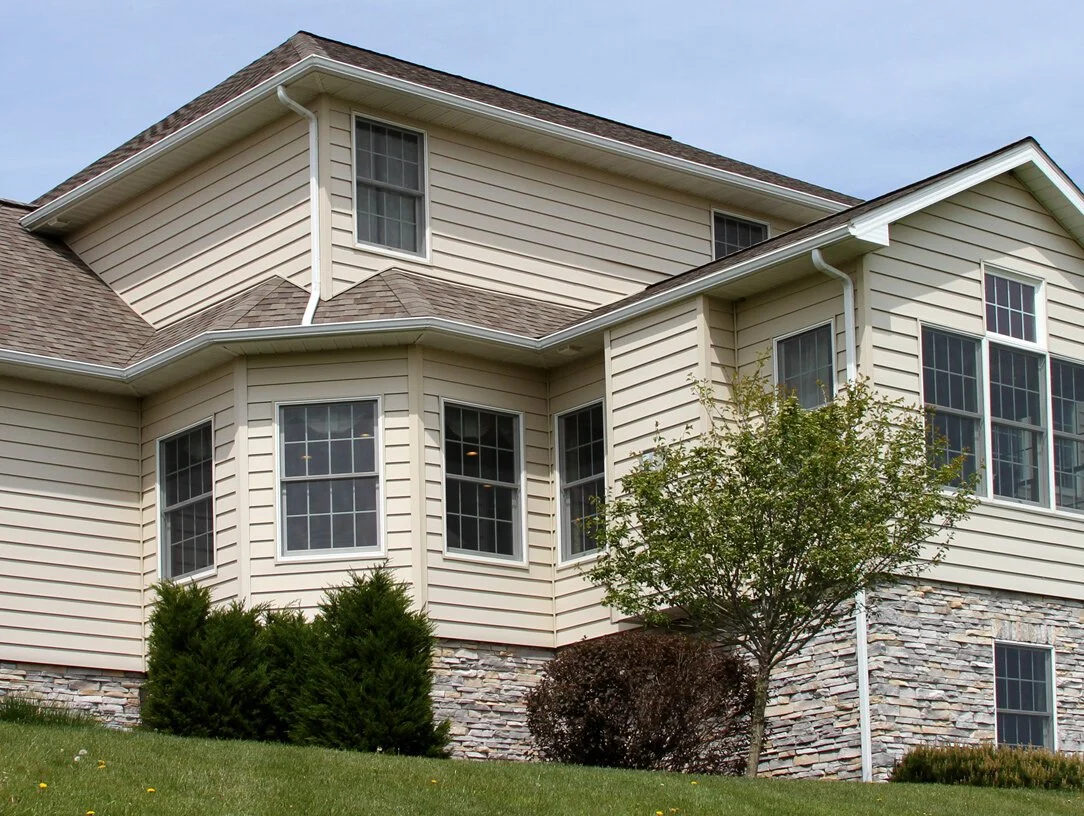
You walk into your kitchen on a cold January morning in Sterling Heights, coffee in hand, and notice water droplets streaming down the inside of your windows. Is this normal? A sign of poor ventilation? Or evidence that your windows are failing and need replacement?
After 35+ years installing energy-efficient windows in Southeast Michigan, we've answered this question hundreds of times. The truth is: it depends entirely on where the condensation appears. Understanding the difference between normal condensation and a seal failure can save you from unnecessary worry—or help you catch a real problem before it gets worse.
In this article, we'll break down the three types of window condensation, explain the building science behind each, and show you exactly when condensation signals it's time for window replacement.
Understanding Window Condensation: The Building Science
Condensation happens when warm, moist air contacts a cold surface and the water vapor in that air converts back to liquid. It's the same principle that makes a cold glass of iced tea "sweat" on a summer day—except in winter, your window glass is the cold surface and your indoor air is the warm, humid element.
The technical term is dew point—the temperature at which air can no longer hold all its moisture. When your window glass drops below the dew point of your indoor air, condensation forms.
Michigan winters create perfect condensation conditions. When it's 15°F outside and 70°F inside your Royal Oak home, that temperature differential is extreme. Add typical indoor humidity from cooking, showers, laundry, and even breathing, and you've got all the ingredients for window condensation.
Key Factor: Indoor relative humidity above 40% during Michigan winters significantly increases condensation risk on older, less-efficient windows. Modern double or triple-pane windows with low-E coatings keep the interior glass surface warmer, reducing condensation even at higher humidity levels.
But not all condensation means the same thing. Where it appears determines whether it's normal, beneficial, or a sign your windows have failed.
Interior Condensation: Usually Normal (With Exceptions)
Condensation on the inside of your windows—the surface you can touch from inside your home—is the most common type Michigan homeowners see. In most cases, it's temporary and harmless.
When Interior Condensation Is Normal
You'll typically see interior condensation:
After cooking or showering: Activities that release moisture into the air raise indoor humidity temporarily
In bathrooms and kitchens: These rooms naturally have higher humidity levels
On extremely cold mornings: When outdoor temperatures drop below 10°F, even good windows can show some condensation
In tightly sealed homes: Modern energy-efficient homes with excellent attic insulation and air sealing retain more indoor moisture
This type of condensation usually disappears as your home warms up or humidity levels drop. You can wipe it away with a towel. It's annoying, but it doesn't mean your windows are broken.

When Interior Condensation Signals a Problem
Interior condensation becomes concerning when it's:
Excessive and persistent: Heavy condensation that appears daily, even when you're not cooking or showering
Causing water damage: Pooling on sills, running down walls, creating mold or rot
Happening on newer windows: Quality double-pane windows shouldn't show heavy interior condensation under normal conditions
Accompanied by ice buildup: Ice forming on the interior glass surface indicates either extremely poor window performance or dangerously high indoor humidity
In these cases, you're dealing with one of two issues:
1. Excessive indoor humidity. Your home's humidity level may be too high for your window's insulating ability. Solutions include running exhaust fans longer, using a dehumidifier, or improving ventilation. Many homes in Clinton Township and Warren built in the 1960s and '70s have poor ventilation systems that trap moisture indoors.
2. Underperforming windows. Single-pane windows or old double-pane units with failed seals can't keep the interior glass surface warm enough. The glass temperature drops too close to the dew point, causing constant condensation. In this case, window replacement is the permanent solution.
Quick Fixes for Interior Condensation
Before replacing windows, try these steps:
Run bathroom and kitchen exhaust fans for 15-20 minutes after showers and cooking
Use a dehumidifier to maintain 30-40% relative humidity in winter
Open window coverings during the day to allow air circulation across the glass
Check that dryer vents exhaust outside (not into the basement or crawl space)
Ensure your attic insulation and ventilation are properly balanced
If these steps don't resolve persistent condensation, your windows likely lack the thermal performance needed for Michigan's climate.
Exterior Condensation: Actually a Good Sign
Condensation on the outside of your windows—the surface facing the elements—might seem alarming, but it's actually evidence your windows are performing extremely well.
Why Modern Windows Get Exterior Condensation
High-performance windows with low-E coatings and argon or krypton gas fills are designed to keep heat inside your home. They're so effective at blocking heat transfer that very little warmth reaches the exterior glass surface.
On cool spring or fall mornings in Bloomfield Hills or Lake Orion, when overnight temperatures drop into the 40s or 50s but daytime humidity is high, the exterior glass can cool below the outdoor air's dew point. When the sun rises and warms the humid air, that moisture condenses on your cold window glass.
This is the same phenomenon that creates dew on your car or lawn—and it means your windows are doing their job by keeping indoor heat where it belongs.
When You'll See Exterior Condensation
Exterior condensation typically appears:
In spring and fall: When nights are cool but days are humid
Early morning: Before the sun warms the glass surface
On north-facing windows: These receive less direct sunlight and stay cooler longer
After installing new energy-efficient windows: Homeowners often notice this for the first time after upgrading from old single-pane units
Exterior condensation is temporary and harmless. It evaporates as the glass warms. You can't wipe it away from inside because it's on the outdoor surface. And unlike interior condensation, it won't damage your windows, sills, or walls.
Pro Insight: If you're seeing exterior condensation after a recent window replacement, congratulations—your new windows have a low U-factor (excellent insulating value). This is especially common with triple-pane windows or units with U-factors below 0.25.
Between-Pane Condensation: Time for Replacement
Now we get to the type of condensation that definitively signals window failure: moisture between the panes of a double or triple-pane insulated glass unit (IGU).
If you see fog, condensation, or moisture trapped inside the glass assembly—between the two or three panes where you can't reach it—your window seal has failed. This is not fixable. The window needs replacement.

How Insulated Glass Units Work (and Fail)
Modern windows use two or three panes of glass separated by a sealed airspace filled with argon or krypton gas. This design dramatically improves insulation compared to single-pane windows. The edge of the glass unit is sealed with a flexible material that keeps the gas in and moisture out.
Over time—typically 15 to 25 years, sometimes sooner—these seals can fail due to:
Thermal cycling: Repeated expansion and contraction from Michigan's temperature swings (90°F summer days, -5°F winter nights)
UV exposure: Sunlight degrades seal materials, especially on south and west-facing windows
Water infiltration: Poor installation or failed siding or roofing can allow water to contact and degrade seals
Manufacturing defects: Lower-quality windows may have inadequate seal materials or poor quality control
When the seal fails, outside air (which contains moisture) enters the space between the panes. The insulating gas escapes. Moisture condenses on the interior surfaces of the glass panes, creating fog or water droplets you can see but can't wipe away.
What Seal Failure Looks Like
Between-pane condensation appears as:
Persistent fog or haze that doesn't clear
Water droplets trapped between glass layers
Mineral deposits or staining between panes (from repeated condensation cycles)
A milky or cloudy appearance that obscures your view
This issue won't resolve on its own. The seal is broken, the insulating gas is gone, and the window has lost most of its energy efficiency. You're essentially left with a double-pane window performing like a single-pane unit.
Why You Can't Fix It (Only Replace)
Some companies advertise "defogging" services that drill holes in the glass, extract moisture, and inject new gas. In our experience serving Macomb County and Oakland County since 1988, these repairs are temporary at best. The original seal is still broken. Moisture will return.
The proper solution is replacing the insulated glass unit (IGU) or, if the window frame is also old or damaged, replacing the entire window. This restores both clarity and energy performance.
When we perform window replacement in Detroit and surrounding communities, we assess whether the frame is salvageable. If it's in good condition, we can often replace just the glass unit, which costs less than a full window replacement. But if the frame shows rot, air leaks, or operational issues, replacing the entire window makes more sense.
Signs Your Windows Need Replacement Beyond Condensation
Between-pane condensation is a clear-cut replacement indicator, but it's not the only sign your windows are failing. Watch for these additional red flags:
Drafts and Air Leaks
Hold your hand near the window frame on a windy day. Feel air movement? That's conditioned air escaping and outdoor air infiltrating. Air leaks waste energy and make your heating and cooling systems work harder. They also indicate failed weatherstripping or gaps in the frame—issues that worsen over time.
Difficulty Opening, Closing, or Locking
Windows should operate smoothly. If you're struggling to open a double-hung window, forcing a casement crank, or can't get the lock to engage, the frame may be warped, the hardware may be worn, or the sashes may be out of alignment. In Michigan's freeze-thaw climate, wood frames are especially prone to warping and rot.
Visible Damage
Inspect your window frames for:
Rot or decay: Soft, spongy wood that crumbles when pressed
Cracked or broken glass: Compromises both security and insulation
Peeling paint or finish: May indicate moisture intrusion damaging the frame
Broken hardware: Locks, cranks, or balances that no longer function
These issues often coincide with other exterior problems. If you're also noticing siding damage or gutter issues, it may be time for a comprehensive exterior assessment.
Rising Energy Bills
Old, inefficient windows are a major source of heat loss in winter and heat gain in summer. If your energy bills have crept up despite no change in usage, your windows may be the culprit. Replacing single-pane windows with modern double or triple-pane units can cut window-related heat loss by 50% or more.
Outside Noise
Quality windows provide sound insulation. If you're hearing every car, lawnmower, or conversation outside your Grosse Pointe Farms home, your windows aren't blocking sound effectively—which also means they're not blocking air and heat transfer effectively.
When Repair Makes Sense vs. Replacement
Minor issues—broken locks, torn screens, damaged weatherstripping—can often be repaired. But if your windows are more than 20 years old, showing multiple symptoms, or have failed seals, replacement is usually more cost-effective than ongoing repairs.
Modern windows from manufacturers like Pella, Andersen, or Marvin offer dramatically better energy performance, easier operation, and lower maintenance than windows from the 1980s or '90s. The upfront investment pays back through lower energy bills, improved comfort, and increased home value.
What Window Replacement Costs in Southeast Michigan
Let's talk numbers. Window replacement is a significant investment, and Michigan homeowners deserve straight answers about cost.
Typical Price Ranges (2026)
For quality window replacement in Macomb, Oakland, and St. Clair counties, expect to pay:
Double-hung vinyl windows: $450–$750 per window installed
Casement windows: $550–$900 per window installed
Sliding windows: $500–$800 per window installed
Bay or bow windows: $2,500–$5,000+ installed (depending on size and configuration)
Fiberglass or composite windows: Add 20–40% to vinyl prices
These ranges include the window unit, professional installation, trim, insulation, and disposal of old windows. Prices vary based on window size, brand, glass package (standard low-E vs. triple-pane), and installation complexity.

Factors That Affect Cost
Window size: Larger windows cost more. A standard 3'x5' double-hung is less expensive than a 4'x6' picture window.
Style and operation: Specialty shapes (arched, circular) and complex operating styles (bay, bow) cost more than standard rectangles.
Glass package: Upgrading from standard double-pane to triple-pane or high-performance low-E glass adds $75–$150 per window but significantly improves energy efficiency.
Frame material: Vinyl is most affordable. Fiberglass and composite offer better durability and thermal performance at a higher cost. Wood and clad-wood windows are premium options.
Installation complexity: Brick homes, second-story windows, or situations requiring structural repairs increase labor costs.
Energy Savings and ROI
Quality window replacement typically recoups 70–80% of its cost in added home value. Beyond resale value, you'll see immediate benefits:
Lower energy bills: Homeowners in Southeast Michigan often save $200–$400 annually on heating and cooling after replacing old single-pane windows
Improved comfort: Eliminating drafts and cold spots makes your home more livable
Reduced maintenance: Modern vinyl or fiberglass windows never need painting and require minimal upkeep
Better curb appeal: New windows dramatically improve your home's appearance
If you're also considering other improvements—like siding replacement, roof replacement, or exterior painting—bundling projects can save on overall labor costs and create a cohesive exterior transformation.
Financing Options
Many Michigan homeowners finance window replacement through:
Home equity lines of credit (HELOCs)
Contractor financing programs (we work with several lenders offering competitive rates)
Energy-efficiency rebates and tax credits (check current federal and utility company programs)
Don't let sticker shock prevent you from getting a quote. We've helped hundreds of homeowners find solutions that fit their budgets while delivering the quality and performance Michigan's climate demands.
How NEXT Exteriors Approaches Window Replacement
We've been installing windows in Southeast Michigan since 1988. Over 35+ years and 500+ projects, we've learned what works in this climate—and what doesn't.
Our Assessment Process
When you contact us about window condensation or replacement, we start with a thorough evaluation:
On-site inspection: We examine all windows showing condensation, test for air leaks, check frame condition, and assess operation
Diagnosis: We determine whether you're dealing with interior condensation (fixable with ventilation/humidity control), exterior condensation (normal for efficient windows), or seal failure (requires replacement)
Honest recommendation: If your windows don't need replacement yet, we'll tell you. We're not interested in selling you something you don't need. If replacement makes sense, we'll explain why and present options
Product Options
We work with top manufacturers including Pella, Andersen, Marvin, and Simonton. We'll help you choose:
Frame material: Vinyl (low-maintenance, affordable), fiberglass (superior strength and insulation), or composite (best of both worlds)
Glass package: Double-pane with low-E coating (standard), triple-pane (maximum efficiency), or specialized glass for noise reduction or UV protection
Style: Double-hung (classic, versatile), casement (excellent ventilation and sealing), sliding (space-saving), or custom shapes to match your home's architecture
We focus on windows rated for Michigan's climate zone—products that can handle temperature extremes, resist condensation, and deliver long-term performance.
Installation Standards
Proper installation is as important as product quality. Our process includes:
Complete removal of old windows: We don't cut corners with insert installations unless the existing frame is in perfect condition
Structural inspection and repair: We check for rot, water damage, or framing issues and address them before installing new windows
Insulation and air sealing: We use low-expansion foam insulation around the frame and seal all gaps to prevent air infiltration
Proper flashing: Critical for preventing water intrusion—especially important when coordinating with siding installation
Interior and exterior trim: We finish the job with quality trim that matches your home's style
Our crews show up on time, protect your home during the work, and clean up thoroughly when finished. No surprises, no excuses.
Warranty Coverage
You're protected by:
Manufacturer warranties: Typically 20 years to lifetime on the window unit, 10 years on glass seal failure
NEXT Exteriors installation warranty: We stand behind our workmanship
Ongoing support: If you have questions or concerns after installation, we're here—not disappeared like some contractors
We're a Michigan-licensed residential builder (operating under Premier Builder Inc.) with an A+ BBB rating since 2006. We've built our reputation on doing right by homeowners, and we intend to keep it that way.
Ready to Get Started?
NEXT Exteriors has been protecting Michigan homes since 1988. Whether you're dealing with window condensation, seal failure, or just want to improve your home's energy efficiency, we'll give you an honest assessment and a fair price. Get a free, no-pressure estimate from a team that shows up on time and does the job right.
Or call us: (844) 770-6398
Frequently Asked Questions
Is condensation on windows normal in Michigan winters?
+
Interior condensation can be normal, especially after cooking, showering, or on extremely cold mornings. It's caused by warm, humid indoor air contacting cold glass. However, persistent heavy condensation may indicate excessive indoor humidity or underperforming windows. Exterior condensation is actually a good sign—it means your windows are keeping heat inside effectively. Between-pane condensation is never normal and indicates seal failure requiring replacement.
Can I fix condensation between window panes?
+
No, between-pane condensation cannot be permanently fixed. It indicates the insulated glass unit's seal has failed, allowing outside air and moisture to enter the space between panes. While some companies offer "defogging" services, these are temporary solutions. The only permanent fix is replacing the insulated glass unit or the entire window. We recommend full window replacement if the frames are also old or showing signs of damage.
How do I reduce interior window condensation?
+
First, manage indoor humidity by running exhaust fans during and after cooking or showering, using a dehumidifier to maintain 30-40% relative humidity in winter, and ensuring your dryer vents outside. Open window coverings during the day to improve air circulation across the glass. If these steps don't help, your windows may lack adequate insulating value for Michigan's climate. Upgrading to modern double or triple-pane windows with low-E coatings keeps the interior glass surface warmer, reducing condensation even at normal humidity levels.
What does window replacement cost in Southeast Michigan?
+
For quality window replacement in 2026, expect $450–$750 per double-hung vinyl window installed, $550–$900 for casement windows, and $2,500–$5,000+ for bay or bow windows. Prices include the window unit, professional installation, insulation, trim, and old window disposal. Costs vary based on window size, style, glass package (double vs. triple-pane), frame material, and installation complexity. We provide detailed written estimates with no hidden fees.
How long do modern windows last in Michigan?
+
Quality vinyl or fiberglass windows professionally installed typically last 20-30 years in Michigan's climate. The insulated glass seal—the most vulnerable component—usually carries a 10-20 year warranty. Factors affecting lifespan include window quality, installation quality, exposure to sun and weather, and maintenance. Wood windows require more upkeep but can last even longer with proper care. We've seen well-maintained windows from the 1990s still performing well, while poorly installed windows fail in 10-15 years.
Should I replace all my windows at once or do it in stages?
+
Both approaches work. Replacing all windows at once saves on labor costs (one mobilization instead of multiple), ensures consistent appearance and performance, and gets the full energy-saving benefit immediately. However, staging replacement over 2-3 years spreads out the cost and lets you prioritize problem areas first. We often recommend starting with the most-used rooms (living areas, bedrooms) or windows with the worst performance (north-facing, seal failures). Either way, we can create a plan that fits your budget and goals.
Do new windows really save money on energy bills?
+
Yes, especially if you're replacing single-pane or failed double-pane windows. Homeowners in Southeast Michigan typically save $200–$400 annually on heating and cooling after window replacement. The exact savings depend on your current windows' condition, your home's size and insulation level, and your heating/cooling costs. Beyond direct energy savings, new windows eliminate drafts, reduce hot and cold spots, and make your HVAC system work less hard—extending its lifespan. Combined with other improvements like proper attic insulation, window replacement significantly improves home energy performance.