

Downspout Extensions: The Cheapest Fix for Water Near Your Foundation
By:
NEXT Exteriors
Published:
February 19, 2026
Reading Time:
8 minutes
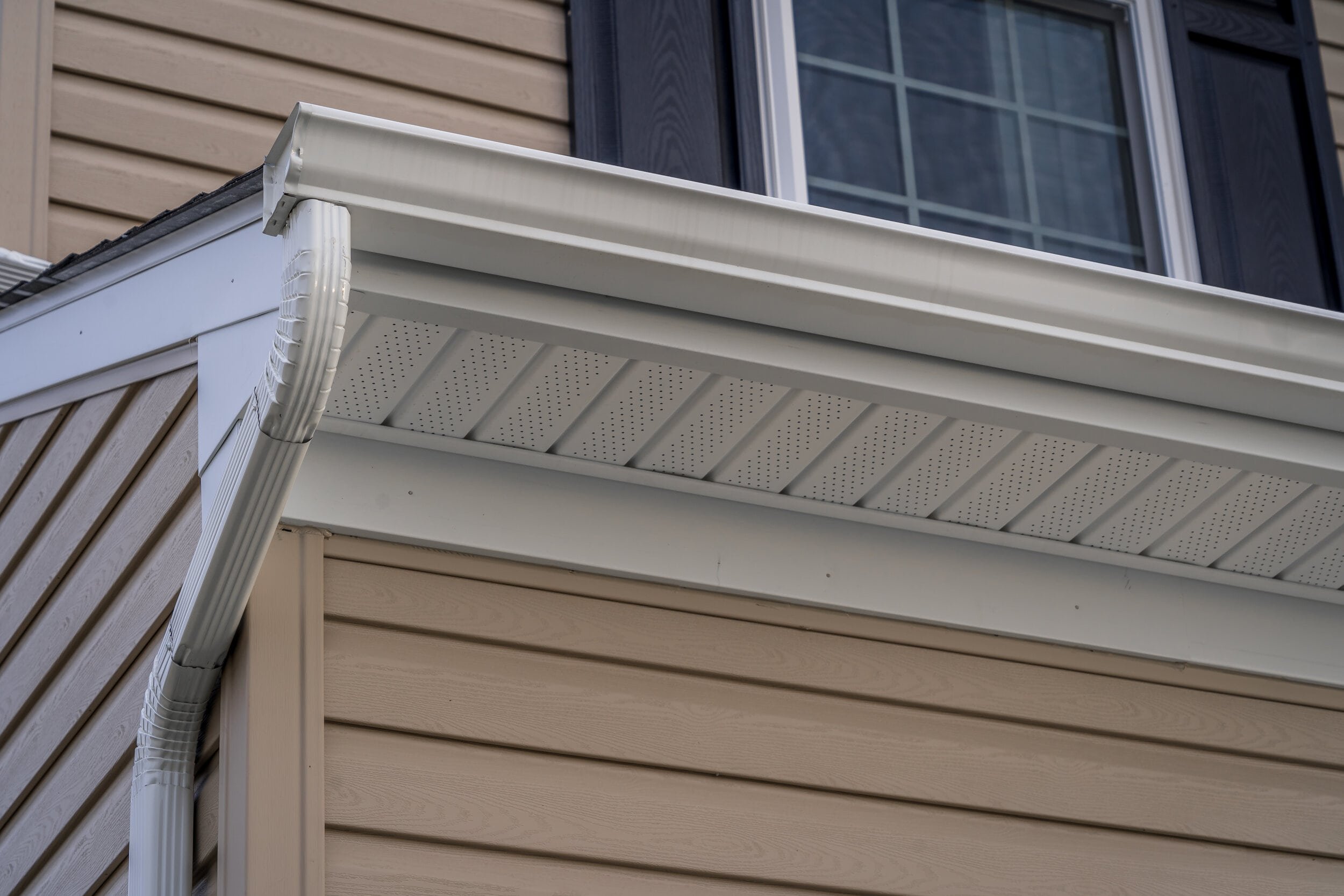
You walk outside after a Michigan rainstorm and there it is again: a puddle sitting right next to your foundation. Maybe it's near the basement window. Maybe it's soaking into the soil where your foundation meets the ground. You know it's not good, but foundation work sounds expensive, and waterproofing quotes make your head spin.
Here's the truth: most foundation water problems don't start with a foundation issue. They start with water that's supposed to be carried away by your gutters — but isn't going far enough. And the fix? It's about as simple as home improvement gets.
Downspout extensions are the cheapest, most effective way to protect your foundation from water damage. For $10 to $50 in materials per downspout — or a few hundred dollars if you hire a pro — you can redirect thousands of gallons of water away from your home every year. After 35+ years installing seamless gutters in Detroit, MI and across Southeast Michigan, we've seen this simple fix prevent tens of thousands of dollars in foundation repairs.
Let's talk about why water near your foundation is a problem, how downspout extensions work, what your options are, and what you need to know if you're dealing with Michigan's clay soil and freeze-thaw cycles.
Why Water Near Your Foundation Is a Problem
Your roof is designed to shed water. Your gutters are designed to collect it. But if that water dumps out right next to your foundation, you've just moved the problem from your roof to the most expensive part of your house to fix.
Here's what happens when water pools near your foundation:
Foundation settling and cracks. Michigan soil — especially the heavy clay we have across Macomb County, Oakland County, and St. Clair County — expands when it gets wet and contracts when it dries. That constant movement puts pressure on your foundation walls. Over time, you get cracks. Those cracks let water into your basement. Now you're not just dealing with wet soil — you're dealing with a wet basement.
Basement flooding. Water follows the path of least resistance. If it's sitting next to your foundation, it's going to find a way in — through cracks, through the joint where your foundation wall meets the footing, or through porous concrete. We've been in plenty of basements in Sterling Heights and Clinton Township where the "mysterious" water problem was just a downspout dumping water three feet from the house.
Erosion and landscaping damage. That constant flow of water washing over the same spot? It's carving channels in your soil, washing away mulch, killing plants, and creating low spots that hold even more water. You'll spend more money replacing landscaping every spring than you would've spent on extensions in the first place.
Ice dams and winter damage. In Michigan winters, water near your foundation doesn't just sit there — it freezes. That ice expands, putting even more pressure on foundation walls. And if it's freezing and thawing repeatedly (which it does every March), you're accelerating damage. Ice buildup near the foundation also creates slip hazards and can damage exterior siding or exterior paint in Southeast Michigan.
Real Talk: We've seen foundation repair quotes ranging from $3,000 to $15,000+ for problems that could have been prevented with $100 worth of downspout extensions. This isn't a "nice to have" — it's basic home maintenance that saves you serious money.
How Downspout Extensions Work
The concept is dead simple: move water farther away from your house.
Your gutters collect water from your roof and channel it to downspouts. Those downspouts drop the water at ground level. If there's nothing attached to the bottom of the downspout, that water lands right next to your foundation. A downspout extension is just a pipe or tube that carries that water 6, 10, or even 20 feet away from your house, where it can soak into the ground safely.
How far is far enough? The minimum is 6 feet from your foundation. That's the bare minimum to keep water from immediately soaking back toward the house. But 10 feet is better, especially if you have clay soil (which most of Southeast Michigan does). Clay doesn't absorb water quickly, so you need more distance to give it time to percolate down instead of pooling up.
Slope matters. Extensions need to slope away from the house — at least a 2% grade (that's about 1/4 inch of drop per foot). If your extension is flat or slopes back toward the house, water will sit in the pipe or flow backward. Gravity does the work, but only if you give it a path.
Where does the water go? Ideally, it drains into your yard, a drainage swale, or a rain garden. Some homeowners connect extensions to underground drains that empty into the street or a storm sewer (check local codes first — some municipalities have rules about this). The goal is to get water away from the structure and let it soak into the ground or flow to an appropriate drainage point.

Types of Downspout Extensions
Not all extensions are created equal. Here's what you'll find at the hardware store or what a contractor might recommend, along with the pros and cons of each:
Flexible Corrugated Extensions
These are the accordion-style tubes you see everywhere — usually black, white, or green plastic. They're cheap (around $10-15), easy to install, and flexible enough to route around obstacles like shrubs or walkways.
Pros: Inexpensive, easy DIY install, flexible routing.
Cons: They're ugly. They get kinked. They crack in Michigan winters if you don't remove them before the ground freezes. Lawnmowers destroy them. They're a temporary solution at best.
Best for: Quick fixes, renters, or temporary drainage while you plan a permanent solution.
Rigid PVC or Vinyl Extensions
These are solid plastic pipes that attach to the bottom of your downspout and extend out in a fixed direction. They're more durable than flexible extensions and look cleaner. Cost: $15-30 per downspout.
Pros: More durable than flexible, better appearance, can handle Michigan winters if installed correctly.
Cons: Less flexible routing, can be tripping hazards if they extend across walkways, still visible.
Best for: Homeowners who want a cleaner look and don't mind a visible extension.
Roll-Out or Retractable Extensions
These are flat tubes that roll out when it rains and retract when dry. They attach to the downspout and unroll automatically with water pressure. Cost: $20-40.
Pros: Out of sight when not in use, no tripping hazard, decent for mowing around.
Cons: They don't always roll out fully, can get clogged with debris, and Michigan freeze-thaw cycles can damage the mechanism. They're clever but not always reliable.
Best for: Homeowners who want something less visible but aren't ready to go underground.
Underground Drainage Pipes
This is the permanent solution. A buried PVC pipe runs from the downspout underground to a pop-up emitter, drainage swale, or storm sewer connection 10-20+ feet away. Cost: $200-500+ per downspout, depending on distance and excavation.
Pros: Completely invisible, no tripping hazards, won't get damaged by lawnmowers or weather, permanent fix.
Cons: More expensive, requires excavation (which can damage landscaping), needs proper slope and installation to avoid clogs.
Best for: Homeowners planning long-term, especially if you're already doing landscaping work or have serious drainage issues.
Pop-Up Emitters
These work with underground drainage. The pipe terminates in a pop-up emitter — a small plastic cap that sits flush with the ground when dry and "pops up" to release water when it flows through. Cost: $10-20 per emitter.
Pros: Clean look, prevents debris from entering the pipe, mower-friendly.
Cons: Can freeze shut in winter, may need to be cleared of leaves in fall.
Best for: Pairing with underground drainage systems.
What we recommend: For most Michigan homeowners, start with rigid PVC extensions if you're doing it yourself and want something that works now. If you're serious about a permanent fix and have the budget, underground drainage with pop-up emitters is the gold standard. We install both as part of our exterior services in Detroit and across Southeast Michigan.
Cost Reality: What You'll Actually Pay
Let's talk numbers. Downspout extensions are one of the few home improvements where the DIY and professional options are both genuinely affordable.
DIY Materials Cost
Flexible corrugated extensions: $10-15 per downspout
Rigid PVC extensions: $15-30 per downspout
Roll-out extensions: $20-40 per downspout
Underground drainage (DIY): $50-150 per downspout (pipe, fittings, emitter, gravel)
Most homes have 4-8 downspouts, so you're looking at $40-$320 for a whole-house DIY solution using above-ground extensions, or $200-$1,200 if you're burying pipes yourself.
Professional Installation Cost
Above-ground extensions: $100-200 per downspout (includes materials, labor, proper slope setup)
Underground drainage: $300-600 per downspout (includes excavation, pipe, gravel, pop-up emitter, backfill, and cleanup)
For a typical Michigan home with 6 downspouts, professional installation of underground drainage might run $1,800-$3,600 total. That sounds like a lot until you compare it to foundation repair.
What Foundation Repairs Actually Cost
Here's the reality check:
Minor foundation crack repair: $500-$1,500
Basement waterproofing (interior): $3,000-$7,000
Exterior waterproofing and drainage: $8,000-$15,000+
Foundation underpinning or stabilization: $10,000-$30,000+
Spending $300 on downspout extensions now can save you $10,000+ in foundation work later. That's not an exaggeration — we've watched it happen on jobs across Royal Oak, Troy, and Warren for decades. The homeowners who take drainage seriously upfront are the ones who aren't calling foundation contractors five years later.

Michigan-Specific Considerations
Michigan weather isn't kind to half-done drainage solutions. If you're installing downspout extensions in Southeast Michigan, here's what you need to account for:
Freeze-Thaw Cycles
We freeze. We thaw. We freeze again. Sometimes in the same week. That cycle is brutal on anything that holds water — including downspout extensions. Flexible extensions crack. Rigid extensions can heave if they're not anchored properly. Underground pipes can freeze solid if they're not sloped correctly or if water sits in them.
What to do: If you're using above-ground extensions, remove flexible ones before winter or accept that you'll replace them every couple years. Rigid extensions should be secured with stakes so frost heave doesn't shift them. Underground drainage must have proper slope so water doesn't sit in the pipe and freeze.
Clay Soil Drainage
Most of Southeast Michigan sits on heavy clay soil. Clay is terrible at absorbing water quickly — it holds moisture, expands, and creates drainage problems. That's why the "6 feet minimum" rule isn't enough here. You need 10+ feet, and you need to think about where that water is actually going.
What to do: Extend farther than you think you need to. If your yard has a natural slope, use it — route extensions so water flows downhill away from the house. If your yard is flat or slopes toward the house, consider underground drainage to a lower point or a rain garden designed to handle clay soil.
Ice Buildup and Winter Drainage
In winter, water doesn't stop flowing just because it's cold. Snowmelt from your Detroit roofing during sunny days or mild spells runs into gutters and down downspouts. If that water dumps next to your foundation and freezes, you've got an ice problem. Ice buildup can damage house siding in Detroit, create slip hazards, and put pressure on foundation walls.
What to do: Make sure extensions drain to an area where ice buildup won't be a problem — away from walkways, driveways, and the foundation. If you're burying drainage, ensure it's below the frost line (about 42 inches in Michigan) so it doesn't freeze solid.
Landscaping and Grading
Michigan homes — especially the brick Colonials and 1960s ranches common in Macomb and Oakland counties — often have landscaping that slopes the wrong way or flat yards with poor drainage. Adding downspout extensions doesn't help if the water just pools 10 feet away instead of 3 feet away.
What to do: Check your yard grading. Water should flow away from the house. If it doesn't, you may need to regrade or add a drainage swale. This is where a professional assessment helps — we've solved plenty of drainage problems in Shelby Township and Chesterfield that required more than just extensions.
Signs You Need Downspout Extensions
Not sure if you need extensions? Here are the clear signs:
Water pooling near the foundation after rain. If you see puddles within a few feet of your house, your downspouts aren't moving water far enough.
Basement moisture, dampness, or flooding. If your basement smells musty, has water stains on the walls, or floods during heavy rain, poor drainage is often the culprit.
Soil erosion or channels near downspouts. If water is carving paths in your mulch or soil, it's washing away the ground near your foundation.
Foundation cracks. New or widening cracks in your foundation walls or floor can be a sign of water pressure and soil movement.
Mold or mildew smell in the basement. Moisture in the basement creates mold. If you smell it, you have a water problem.
Ice buildup near the foundation in winter. If you see ice forming where your downspouts drain, that water is too close to the house.
Gutters that overflow but downspouts that drain right next to the house. Your gutters might be working fine — they're just dumping water in the wrong place.
If you're seeing any of these signs, downspout extensions are a good first step. They won't fix everything (you might also need attic insulation in Metro Detroit if ice dams are part of the problem, or window replacement in Detroit if moisture is getting in around old frames), but they'll address the biggest source of foundation water problems.
When to Call a Professional
You can DIY simple above-ground extensions. But call a contractor if:
You want underground drainage (excavation and proper slope are critical)
Your yard has complicated grading or drainage issues
You're already seeing foundation cracks or basement water
You're not sure where the water should drain to
You're doing other exterior work (new gutters, siding, landscaping) and want to handle drainage at the same time
We've installed seamless gutters and drainage solutions on hundreds of Michigan homes. A proper assessment takes 20 minutes, and we'll tell you exactly what you need — not what we want to sell you. That's the NEXT Exteriors difference.
Ready to Protect Your Foundation?
NEXT Exteriors has been solving drainage problems for Michigan homeowners since 1988. Whether you need simple extensions or a full underground drainage system, we'll give you an honest assessment and a fair price. No gimmicks. No pressure. Just straight answers from people who've been doing this for 35+ years.
Or call us: (844) 770-6398
Frequently Asked Questions
How far should downspout extensions be from the foundation?
+
Minimum 6 feet, but 10 feet is better for Michigan's clay soil. The goal is to give water enough distance to soak into the ground before it can flow back toward the foundation. If your yard slopes toward the house or has poor drainage, you may need even more distance or underground drainage to a lower point.
Can I install downspout extensions myself?
+
Yes, above-ground extensions are easy DIY projects. You can buy flexible or rigid extensions at any hardware store and attach them to your existing downspouts in under an hour. Just make sure they slope away from the house and extend at least 6-10 feet. Underground drainage is more complex and usually requires professional excavation and installation to ensure proper slope and drainage.
Do downspout extensions work in Michigan winters?
+
Yes, but they need to be installed correctly. Flexible extensions can crack in freezing temps and should be removed before winter or replaced as needed. Rigid PVC extensions hold up better if they're secured properly. Underground drainage works year-round as long as it's sloped correctly so water doesn't sit and freeze in the pipes. Expect some ice buildup at the outlet during freeze-thaw cycles — that's normal.
What if I don't have space to extend my downspouts?
+
If your yard is tight or landscaping is in the way, underground drainage is your best option. A buried pipe can run under walkways, gardens, or driveways to reach a safe drainage point. You can also use pop-up emitters that sit flush with the lawn so they're not visible or in the way. We've solved drainage problems on small lots in St. Clair Shores and Grosse Pointe Farms where space was tight — there's almost always a solution.
How often should I check my downspout extensions?
+
Check them twice a year — once in spring after snowmelt and once in fall after leaves drop. Make sure they're still connected, sloped correctly, and not clogged with debris. If you have underground drainage, check the pop-up emitters to make sure they're not blocked by leaves or dirt. After heavy storms, do a quick walk around the house to confirm water is draining away from the foundation, not pooling near it.
Will downspout extensions fix my basement flooding?
+
If the flooding is caused by water pooling near the foundation, yes — extensions will help significantly. But if you have other issues like foundation cracks, a high water table, or poor yard grading, you may need additional solutions like interior or exterior waterproofing, sump pump installation, or regrading. Extensions are the first step and often solve 80% of basement water problems, but they're not a cure-all. We'll assess your specific situation and tell you what you actually need.
Can I connect downspout extensions to the storm sewer?
+
Maybe — it depends on your local municipality. Some cities in Southeast Michigan allow it, others don't. In many areas, you're required to manage stormwater on your own property rather than directing it to the street or storm sewer. Check with your city's building or public works department before connecting extensions to any public drainage system. We can help you figure out what's allowed in your area.