

James Hardie Siding Installers Metro Detroit | NEXT Exteriors
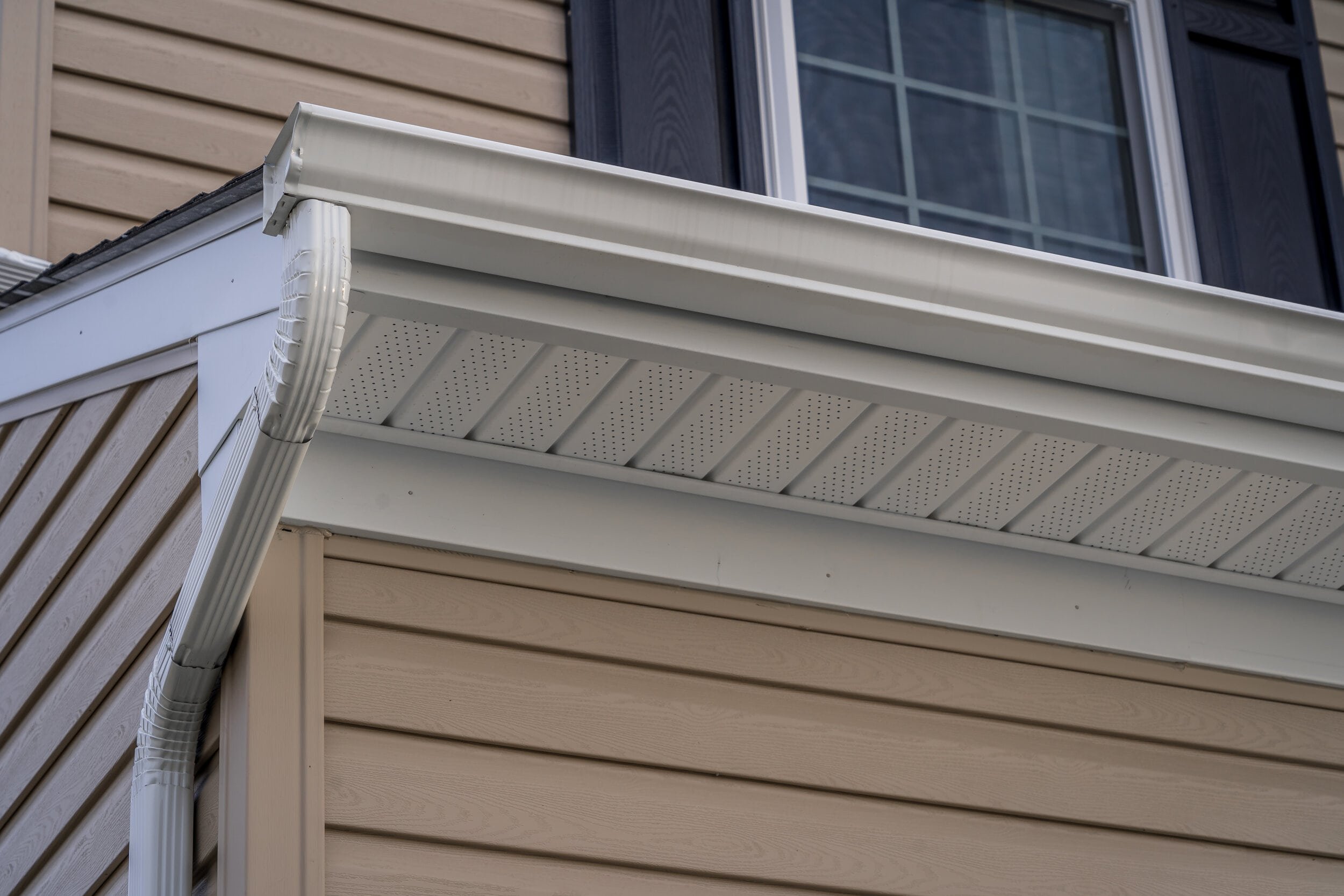
Not every contractor who hangs James Hardie siding is actually certified to install it. That distinction matters more in Michigan than almost anywhere else in the country. Our freeze-thaw cycles, lake-effect moisture, and summer humidity will find every shortcut, every missed flashing detail, every place where the installer didn't follow the spec book.
We've been installing house siding in Detroit since 1988, and we've seen what happens when fiber cement gets installed by crews who learned vinyl techniques and figured "it's just thicker boards." Water gets behind the siding. Trim boards crack at fasteners. Paint fails in two years instead of fifteen.
James Hardie's Elite Preferred contractor program exists because fiber cement installation is different from vinyl, and Michigan's climate doesn't forgive mistakes. Here's what that certification actually means, and why it matters when you're comparing james hardie siding installers metro detroit for your Sterling Heights ranch or Bloomfield Hills Colonial.
What Makes a James Hardie Elite Preferred Installer
James Hardie doesn't hand out Elite Preferred status for buying a certain volume of product. The certification requires documented training, proven installation quality, and ongoing compliance with their Best Practices manual. Here's what separates certified installers from general contractors who "also do siding."
Training Requirements
Elite Preferred installers complete James Hardie's installation training program, which covers fiber cement-specific techniques that don't apply to vinyl or wood. This includes proper fastening schedules (which vary by wind zone and substrate), flashing requirements at transitions, and the drainage plane details that prevent moisture problems.
The training isn't theoretical. It walks through the physics of why fiber cement expands and contracts differently than vinyl, why you can't caulk horizontal lap joints, and how Michigan's temperature swings affect installation tolerances. Most importantly, it covers the warranty requirements — the specific installation steps James Hardie requires for their 30-year non-prorated warranty to remain valid.
Insurance and Licensing Standards
To maintain Elite Preferred status, contractors must carry general liability insurance with minimum coverage limits and maintain all required state licenses. In Michigan, that means a valid Residential Builder's License through LARA (Department of Licensing and Regulatory Affairs). NEXT Exteriors has held our Michigan builder's license continuously since 1988, and we're BBB A+ Accredited since 2006.
These aren't just bureaucratic checkboxes. Proper licensing means the contractor has demonstrated knowledge of Michigan building codes, carries workers' compensation insurance, and can legally pull permits for siding work. When you're investing $15,000-$35,000 in a siding project, you want someone who's accountable to state regulators, not just disappearing after the final payment.
What to ask: "Are you a James Hardie Elite Preferred contractor, and can I see your current certification?" Then verify it on James Hardie's contractor locator. Also ask for their Michigan builder's license number and verify it through LARA's public database.
Warranty Coverage Differences
When an Elite Preferred contractor installs James Hardie siding, you get access to enhanced warranty coverage that isn't available with non-certified installers. The standard James Hardie product warranty covers manufacturing defects, but it doesn't cover installation errors. The Elite Preferred warranty adds coverage for labor and installation-related issues for a specific period.
More importantly, James Hardie will only honor warranty claims if the siding was installed according to their specifications. If you use a non-certified installer who takes shortcuts, you might void the product warranty entirely. We've seen homeowners in Clinton Township discover this the hard way when trying to claim warranty coverage for paint failure — James Hardie inspected the installation, found improper clearances and missing flashing, and denied the claim because the installation didn't meet their standards.

Why Fiber Cement Works in Michigan Weather
Michigan sits in IECC Climate Zone 5A, which means cold winters, humid summers, and more freeze-thaw cycles than almost anywhere else in the lower 48. Our weather tests siding materials in ways that don't happen in Georgia or Arizona. James Hardie fiber cement handles these conditions better than vinyl, but only if it's installed correctly.
Freeze-Thaw Cycle Performance
Southeast Michigan typically sees 40-60 freeze-thaw cycles per winter. The temperature crosses the 32°F threshold multiple times per week from December through March. This cycling is brutal on siding materials because water absorbed during the day freezes at night, expands, and creates pressure inside the material.
Vinyl siding doesn't absorb water, but it becomes brittle in cold temperatures and cracks easily from impact. Wood siding absorbs moisture and rots. Fiber cement — which is essentially Portland cement, sand, and cellulose fibers — is dimensionally stable through freeze-thaw cycles because it doesn't absorb significant moisture when properly sealed and painted.
The key phrase is "properly sealed and painted." Fiber cement that's cut on-site must have all cut edges primed and sealed before installation. Nail holes must be set correctly so they don't create water entry points. This is where Detroit roofing services experience matters — understanding water management and drainage principles carries over to siding work.
Moisture Resistance vs. Moisture Management
James Hardie markets fiber cement as "moisture resistant," which is accurate but incomplete. The material itself resists moisture absorption better than wood or OSB, but no siding is waterproof. The real protection comes from proper installation that manages moisture through drainage and ventilation.
In Michigan, this means installing a weather-resistant barrier (WRB) behind the siding, flashing all penetrations and transitions, and leaving proper clearances at the bottom of walls for drainage. The siding itself is the first line of defense, but the WRB and flashing system are what actually keep water out of your wall cavities.
We see this principle violated constantly by non-certified installers who treat fiber cement like vinyl. They'll install it directly over old siding without a proper drainage plane, or they'll caulk the horizontal lap joints (which James Hardie explicitly prohibits because it traps water). These mistakes don't show up immediately — they reveal themselves three to five years later when you start seeing paint failure, soft spots in the wall sheathing, or mold in the basement.
Wind Resistance in Summer Storms
Southeast Michigan gets severe thunderstorms every summer, with straight-line winds occasionally hitting 70-80 mph. Fiber cement siding, when properly fastened, has significantly higher wind resistance than vinyl. James Hardie products are rated for winds up to 130 mph in high-wind zones when installed per their specifications.
The catch is "when installed per their specifications." That means fasteners driven into studs (not just sheathing), proper fastener spacing, and correct edge clearances. A non-certified installer might use the same fastening schedule they use for vinyl, which isn't adequate for the weight and rigidity of fiber cement. We've seen James Hardie planks rip off houses in Warren during storms because they were only fastened to 7/16" OSB, not the studs behind it.
The Installation Process That Protects Your Investment
The difference between a 15-year siding job and a 50-year siding job comes down to installation details most homeowners never see. Here's what happens on a proper James Hardie installation in Southeast Michigan, and why each step matters.
Pre-Installation: Assessing the Substrate
Before any new siding goes up, we strip the old siding and inspect the wall sheathing. On homes built before 2000, we're often finding OSB or plywood that's been wet for years from failed flashing or missing WRB. If the sheathing is soft, delaminated, or showing black staining (mold), it gets replaced before we proceed.
This step separates professional siding contractors in Southeast Michigan from the guys who just cover up problems. Putting $20,000 worth of James Hardie over rotted sheathing is like putting new tires on a car with a cracked frame — you're not fixing anything, you're just hiding it until it fails worse.
We also verify that wall cavities have adequate insulation. Michigan code requires R-20 in 2x6 walls or R-13 in 2x4 walls. If your home was built in the 1960s or 70s, there's a decent chance the walls have no insulation or inadequate insulation. This is the time to address it, before the new siding goes on. Our insulation services in Southeast Michigan team can dense-pack cellulose into wall cavities through small access holes before we close everything up.
Weather-Resistant Barrier and Flashing
Once the substrate is sound, we install a code-compliant WRB over the entire wall surface. In Michigan, that typically means Tyvek HomeWrap or a similar product rated for our climate zone. The WRB goes on with proper overlaps (upper sheets overlap lower sheets, like roof shingles) and all seams get taped.
Then comes flashing — the most critical and most commonly skipped step in siding installation. We use peel-and-stick flashing (not just felt paper) around every window and door, at the foundation line, and at any wall transitions or penetrations. The flashing integrates with the WRB to create a continuous drainage plane that directs any water that gets behind the siding back to the exterior.
This is where James Hardie training makes a measurable difference. The Best Practices manual specifies exactly how to flash different types of transitions — inside corners, outside corners, window heads, window sills. Non-certified installers often skip these details or use techniques that work for vinyl but fail with fiber cement's different expansion characteristics.

Trim Installation and Starter Strips
James Hardie trim boards go up before the siding planks. This includes corner boards, window and door casings, and any decorative trim. The trim establishes the drainage paths and provides backing for the siding edges. All trim gets back-primed (primer on the back surface) even if it's pre-finished ColorPlus material, and all cut edges get sealed with primer before installation.
Starter strips go on next, establishing the correct angle for the first course of siding. The starter strip must be level and properly fastened, because every subsequent course builds off it. If the starter strip isn't level, you'll end up with gaps or waves in the siding by the time you reach the top of the wall.
Hanging the Siding: Fastening and Clearances
James Hardie planks get fastened with hot-dipped galvanized or stainless steel nails (never staples, never Brad nails). Fasteners must hit studs, not just sheathing. On 16-inch stud spacing, that means a fastener every 16 inches along the top edge of each plank. On 24-inch spacing, we add intermediate fasteners to maintain the required schedule.
Fastener placement matters. Too close to the edge and you risk cracking the board. Too far from the edge and the board can cup or bow. James Hardie specifies fastener locations based on plank width and exposure — typically 3/4" to 1" from the top edge, and at least 3/8" from the ends.
Clearances are equally critical. Fiber cement expands and contracts with temperature and moisture changes, so you need gaps between board ends (1/8" minimum) and at vertical transitions (1/4" minimum). These gaps get filled with paintable caulk, which flexes with the material movement. Horizontal lap joints never get caulked — they need to drain and breathe.
Every cut edge — whether it's a board end, a utility penetration, or a trim cut — gets sealed with primer before installation. Unsealed cut edges will wick moisture into the fiber cement core, leading to swelling and paint failure. This step takes time, which is why non-certified installers skip it.
Final Caulking and Touch-Up
After all siding and trim are installed, we caulk vertical joints and trim transitions with a high-quality paintable acrylic caulk. The caulk needs to be flexible enough to handle Michigan's temperature swings without cracking. We use products rated for at least 25% joint movement.
If we're installing unprimed James Hardie (rare now, since ColorPlus pre-finished is standard), this is when the painting happens. Two coats of 100% acrylic latex paint, applied per the paint manufacturer's specs. Most of our James Hardie installations now use ColorPlus factory-finished boards, which come with a 15-year finish warranty and don't require field painting.
The final step is a detailed walkthrough with the homeowner, pointing out drainage paths, explaining maintenance requirements, and documenting the installation for warranty purposes. We provide photos of the flashing and WRB installation before it gets covered, so you have proof of proper installation if you ever need to file a warranty claim.
Cost Reality: James Hardie vs. Vinyl in Southeast Michigan
The question we get most often: "How much more does James Hardie cost than vinyl, and is it worth it?" The answer depends on your timeline and what you value, but here are the real numbers for Southeast Michigan in 2026.
Upfront Installation Costs
For a typical 2,000-square-foot ranch home in Macomb County, vinyl siding installation runs $8,000-$14,000 depending on siding quality and trim complexity. The same house in James Hardie fiber cement runs $16,000-$26,000. So yes, James Hardie costs roughly double upfront.
That price difference reflects both material cost and labor intensity. Fiber cement weighs more, requires more precise cutting and fastening, and takes longer to install correctly. A vinyl siding job might take 3-4 days. The same house in James Hardie takes 5-7 days when you include proper flashing, trim work, and detail finishing.
The price also varies significantly based on trim complexity. A simple ranch with minimal trim and few windows might hit the lower end of the range. A two-story Colonial with bay windows, gables, and detailed trim work will push toward the higher end. When you're comparing james hardie siding installers metro detroit quotes, make sure you're comparing identical scope — some contractors will lowball the quote by skipping trim upgrades or using vinyl trim instead of fiber cement.
Long-Term Value: Maintenance and Replacement Cycles
Vinyl siding in Michigan typically lasts 20-30 years before it needs replacement. It becomes brittle from UV exposure and freeze-thaw cycles, fades (especially darker colors), and eventually cracks or warps. You'll also deal with maintenance issues — vinyl can blow off in windstorms, and it's easily damaged by lawn equipment, hail, or impacts.
James Hardie fiber cement, when properly installed, lasts 50+ years. The material doesn't rot, doesn't attract insects, and maintains its dimensional stability through Michigan's weather extremes. ColorPlus pre-finished boards come with a 15-year finish warranty, and even after that, you can repaint them with standard exterior acrylic paint.
Run the math over 30 years: If you install vinyl at $12,000 and replace it once at $14,000 (accounting for inflation), you're at $26,000 total. If you install James Hardie at $22,000 and it lasts 50 years with no replacement, the James Hardie is cheaper over time — and that's before factoring in the energy savings from better insulation value and air sealing.
Energy Performance and Comfort
Fiber cement siding provides slightly better insulation value than vinyl — not dramatically better, but measurable. The real energy benefit comes from the installation process. Because James Hardie requires proper WRB installation and attention to air sealing, a correctly installed fiber cement job typically performs better at reducing air infiltration than a typical vinyl job.
We measure this with blower door testing on homes where we're also doing window replacement in Detroit or attic insulation in Metro Detroit. Homes with properly installed James Hardie over a sealed WRB consistently show lower air leakage rates than homes with vinyl siding, especially on older homes where the original building envelope was leaky.
That translates to lower heating and cooling costs — typically 5-10% reduction in energy bills compared to the old siding, depending on how leaky the original envelope was. Over 20-30 years, that's thousands of dollars in savings that offset the higher upfront cost.
Resale Value Impact
Real estate agents in Southeast Michigan consistently report that James Hardie siding commands higher resale prices than vinyl. The material signals quality and low maintenance to buyers, especially buyers in the $400K+ price range who are comparing homes in Rochester Hills, Bloomfield Hills, or Grosse Pointe Farms.
The exact ROI varies by neighborhood and market conditions, but Remodeling Magazine's Cost vs. Value report typically shows fiber cement siding recouping 70-80% of its cost at resale, compared to 60-70% for vinyl. In high-demand markets, you might recoup 90-100% if the siding is part of a broader exterior refresh that includes roof replacement in Metro Detroit and gutter installation in Southeast Michigan.
More importantly, James Hardie siding can be the difference between getting an offer or sitting on the market. Buyers see vinyl and assume "cheap builder-grade." They see James Hardie and assume "quality construction." That perception matters, especially in competitive markets.

Signs Your Home Needs Siding Replacement
Most homeowners wait too long to replace siding. They see cosmetic issues — fading, small cracks, a few loose boards — and figure it can wait another year. Meanwhile, water is getting behind the siding and rotting the sheathing. By the time they call us, what could have been a straightforward siding replacement has turned into a siding-plus-sheathing-plus-insulation project.
Here are the signs that your Michigan home needs siding replacement now, not next year.
Visible Damage or Deterioration
Cracked, warped, or loose siding boards are obvious indicators, but pay attention to the pattern. One or two damaged boards from a storm or lawn equipment impact can be repaired. Widespread cracking, especially on south and west-facing walls that get the most sun exposure, means the material is at the end of its life.
On vinyl siding, look for brittleness — if you can push on a panel and it cracks or flexes abnormally, the material has degraded from UV exposure and freeze-thaw cycles. On wood siding, look for soft spots, peeling paint, or visible rot. On old fiber cement (pre-2000s formulations), look for delamination where the surface layer is separating from the core.
Paint Failure on Fiber Cement or Wood
If you have old fiber cement or wood siding and the paint is peeling, bubbling, or failing in large sections, that's a sign of moisture intrusion. Paint fails when water gets into the substrate, either from the back (failed WRB or flashing) or from the front (failed caulk or unsealed cut edges).
Repainting might buy you a few years, but if the underlying moisture problem isn't fixed, the paint will fail again. At that point, you're better off replacing the siding with new James Hardie ColorPlus, which comes pre-finished and includes a proper WRB and flashing system that addresses the moisture issues.
High Energy Bills or Drafty Rooms
If your heating and cooling bills have been creeping up, or if certain rooms are consistently drafty, your siding and building envelope might be the problem. Old siding installations often lack proper air sealing, and the WRB (if there is one) has degraded over time.
This is especially common on homes built in the 1960s-1980s, before Michigan adopted more stringent energy codes. The original siding might be over tar paper or nothing at all, with no continuous air barrier. Replacing the siding gives you the opportunity to install a modern WRB, seal air leaks, and add wall insulation if needed.
We often combine siding replacement with insulation services in Metro Detroit to maximize energy performance. Dense-pack cellulose in the wall cavities, plus a sealed WRB behind new James Hardie siding, can cut heating bills by 15-20% on older homes.
Interior Signs: Mold, Staining, or Soft Drywall
If you're seeing mold on interior walls, water staining near windows or corners, or soft spots in drywall, you likely have water getting behind the siding. This is an emergency, not a cosmetic issue. Water intrusion leads to structural rot, mold that affects indoor air quality, and damage that spreads the longer it goes unaddressed.
We see this most often around windows and doors, where flashing was improperly installed or has failed over time. The fix requires removing the siding in the affected areas, replacing any rotted sheathing, installing proper flashing, and then re-siding. If the problem is widespread, full siding replacement is usually more cost-effective than piecemeal repairs.
Age and Obsolescence
If your vinyl siding is 25+ years old, or your wood siding is 30+ years old, it's near the end of its design life even if it looks okay. Materials degrade from UV exposure, moisture cycling, and thermal stress long before they show obvious damage. By the time vinyl starts cracking or wood starts rotting, the damage behind the siding is often extensive.
Proactive replacement — before visible failure — lets you control the project timeline and budget. You can schedule the work during the ideal season (late spring or early fall in Michigan), choose exactly the style and color you want, and address any underlying issues before they become emergencies. Reactive replacement — after a storm, after discovering rot, after the siding is falling off — means you're working under pressure, possibly during winter, and dealing with additional damage you didn't budget for.
Ready to Get Started?
NEXT Exteriors has been protecting Michigan homes since 1988. As a James Hardie Elite Preferred contractor and CertainTeed Master Shingle Applicator, we bring 35+ years of building science knowledge to every project. Get a free, no-pressure estimate from a team that shows up on time and does the job right.
Get Your Free QuoteOr call us: (844) 770-6398
Frequently Asked Questions
Properly installed James Hardie fiber cement siding lasts 50+ years in Michigan's climate. The material is engineered to handle freeze-thaw cycles, moisture exposure, and UV radiation without rotting, warping, or cracking. ColorPlus pre-finished boards come with a 15-year finish warranty, and the siding can be repainted after that with standard exterior acrylic paint. The key is proper installation with correct flashing, WRB, and clearances — shortcuts will reduce the lifespan significantly.
James Hardie allows installation over one layer of existing siding if the substrate is sound and properly prepared, but we don't recommend it in Michigan. Installing over old siding means you can't inspect the sheathing for rot or moisture damage, you can't install a proper WRB, and you're adding weight to a wall that wasn't designed for it. Stripping to the sheathing lets us address any underlying problems, install modern moisture management systems, and ensure the new siding performs for decades. The cost difference is minimal compared to the risk of covering up problems.
James Hardie Elite Preferred contractors have completed factory training on fiber cement installation techniques, maintain required licensing and insurance, and follow the James Hardie Best Practices manual. This training covers Michigan-specific details like proper flashing in freeze-thaw climates, correct fastening schedules for wind resistance, and the clearances needed for thermal expansion. Elite Preferred status also gives you access to enhanced warranty coverage that isn't available with non-certified installers. If the installation doesn't meet James Hardie specs, they can void your product warranty — so using a certified installer protects your investment.
James Hardie fiber cement typically costs about double vinyl upfront — roughly $16,000-$26,000 for a 2,000-square-foot home versus $8,000-$14,000 for vinyl. The price difference reflects both material cost and labor intensity (fiber cement takes longer to install correctly). However, James Hardie lasts 50+ years versus 20-30 for vinyl, requires less maintenance, provides better energy performance, and commands higher resale value. Over a 30-year timeline, James Hardie is often cheaper when you factor in replacement costs and energy savings.
James Hardie offers both primed (unpainted) and ColorPlus pre-finished siding. Most installations in Southeast Michigan now use ColorPlus, which comes factory-finished in a wide range of colors with a baked-on finish that carries a 15-year warranty. ColorPlus doesn't need painting for 15+ years, and when it eventually does, you can repaint it with standard exterior acrylic latex paint. Primed James Hardie requires two coats of 100% acrylic paint before or immediately after installation, and all cut edges must be primed and sealed to prevent moisture intrusion.
Yes, fiber cement is one of the best siding materials for Michigan's freeze-thaw cycles. Unlike wood (which rots) or vinyl (which becomes brittle in cold), James Hardie maintains dimensional stability through temperature extremes. However, ice dams are a roof and attic insulation problem, not a siding problem. If you're getting ice dams, the issue is heat loss through your attic melting snow on the roof. That melted water can run down behind the siding if your flashing and gutters aren't properly installed. The solution is fixing the attic insulation and ventilation, plus ensuring proper flashing at the roof-to-wall transition. Our exterior services in Detroit team addresses both issues together.
James Hardie siding is low-maintenance but not no-maintenance. Annual tasks include inspecting caulk at trim joints and re-caulking any gaps (caulk degrades over time from UV and temperature cycling), cleaning the siding with a garden hose or soft brush (avoid pressure washing above 1,500 PSI), and checking that gutters and downspouts are directing water away from the foundation. Every 5-10 years, inspect for any damaged boards or failed paint, and address issues promptly to prevent water intrusion. ColorPlus pre-finished siding typically doesn't need repainting for 15-20 years, while field-painted fiber cement may need repainting every 10-15 years depending on sun exposure and paint quality.