

LP SmartSide vs James Hardie Siding in Michigan | NEXT Exteriors

If you're researching siding for your Michigan home, you've probably narrowed it down to two names: LP SmartSide and James Hardie. Both are premium products. Both claim superior durability. Both cost significantly more than vinyl.
But here's what most homeowners don't realize until they're deep into the process: these products are fundamentally different materials, and they perform differently in Michigan's freeze-thaw cycles, humidity swings, and ice-dam conditions.
We've been installing both products across Southeast Michigan since the late 1990s — from brick Colonials in Grosse Pointe Farms to 1960s ranches in Sterling Heights. We've seen how each holds up after 10, 15, 20 Michigan winters. And we've learned when to recommend one over the other.
This isn't a sales pitch. It's a breakdown of what actually matters when you're choosing house siding in Detroit and the surrounding counties. Let's get into the material science, the cost reality, and the decision framework.
Material Science: Engineered Wood vs Fiber Cement
Understanding what these products are made of explains everything about how they behave on your house.
LP SmartSide: Engineered Wood Strand Technology
LP SmartSide is made from wood strands — essentially compressed and treated wood fibers. The strands are coated with a zinc borate treatment (for termite and fungal resistance), then bonded with resins and wax. The result is a wood-based product that's more stable and rot-resistant than traditional wood siding, but it's still fundamentally wood.
Key characteristics:
- Lighter weight: Easier to handle during installation, less structural load
- Workability: Cuts like wood, accepts nails without pre-drilling, easier to trim and fit
- Texture: Embossed wood grain that looks and feels like real cedar
- Moisture behavior: Can absorb moisture if the factory finish is compromised, but the treatment prevents rot
LP SmartSide comes pre-primed or pre-finished with a SmartFinish coating. The pre-finished option (available in about 30 colors) has a 5-year finish warranty and a 50-year limited product warranty.
James Hardie: Fiber Cement Composite
James Hardie siding is fiber cement — a mix of cement, sand, and cellulose fibers. It's essentially a masonry product shaped to look like lap siding or shingles. It's non-combustible, dimensionally stable, and completely inert when it comes to moisture absorption.
Key characteristics:
- Heavier: Weighs significantly more than LP SmartSide, requires more labor to install
- Hardness: Extremely durable surface, resists impact damage better than wood-based products
- Moisture resistance: Won't rot, warp, or swell — moisture passes through without affecting the substrate
- Finish: Requires painting (comes pre-primed), but holds paint exceptionally well
James Hardie offers a 30-year non-prorated product warranty and a 15-year finish warranty if you use their ColorPlus factory-applied finish.
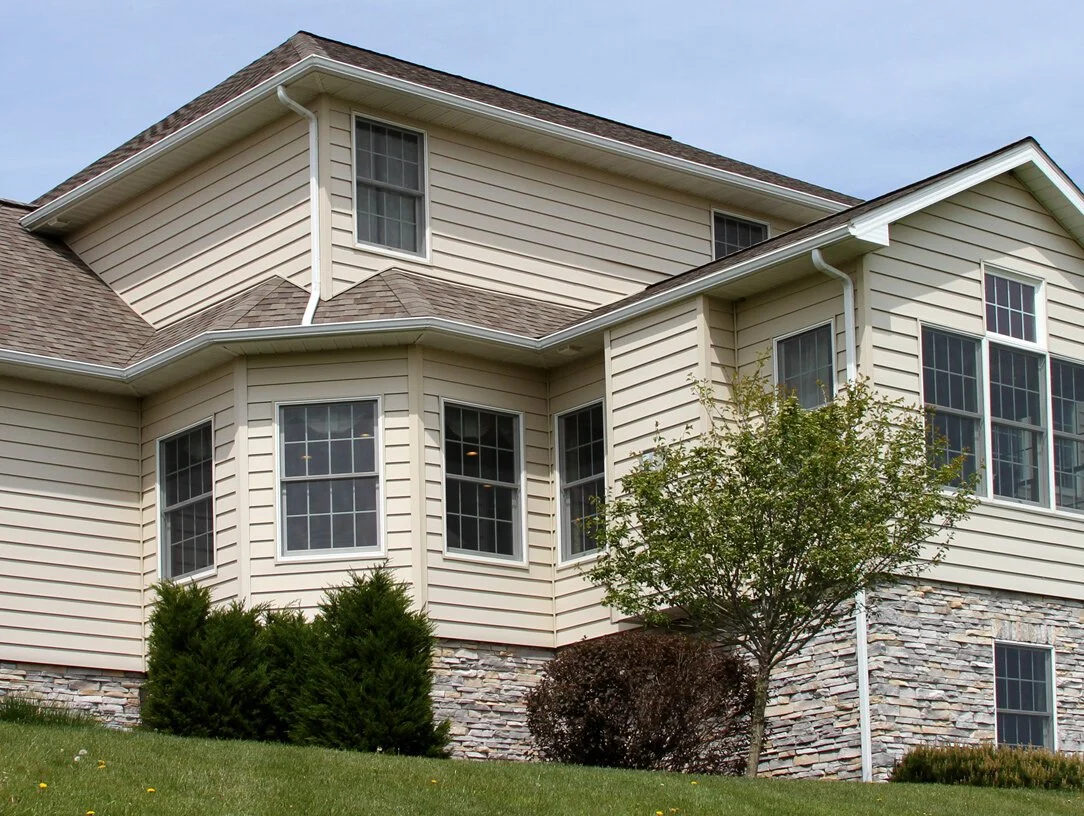
How Each Performs in Michigan's Climate
This is where theory meets reality. Michigan's weather is brutal on exterior materials: freeze-thaw cycles from November through March, summer humidity that can hit 80%, ice dams, lake-effect snow in some areas, and temperature swings of 60+ degrees in a single week.
Freeze-Thaw Cycles
Both products handle freeze-thaw well, but for different reasons.
James Hardie is essentially a masonry product. It doesn't absorb water the way wood does. When moisture does get into the substrate (through cut edges or fastener holes), it doesn't expand enough to cause cracking or warping. This is why fiber cement performs so well in coastal climates and northern regions.
LP SmartSide has a treated wood core that resists moisture absorption, but it's not immune. If water gets behind the factory finish — through a bad cut, a poorly sealed corner, or a damaged edge — the wood strands can swell slightly. In most cases, the zinc borate treatment prevents rot, but you can see minor edge swelling in poorly installed jobs after 10-15 years.
The key with LP SmartSide is proper installation: sealed cuts, correct fastener placement, and quality flashing. When installed correctly by an experienced Detroit siding company, it handles Michigan winters without issue.
Ice Dams and Roof Runoff
Ice dams are a Michigan reality, especially on homes with inadequate attic insulation in Metro Detroit. When ice builds up at the eaves and meltwater backs up under shingles, it often runs down behind the siding.
James Hardie's inert substrate means this water doesn't cause damage — it just drains through the wall cavity (assuming proper drainage plane and flashing). LP SmartSide handles this well too, as long as the factory finish is intact and the installation includes a quality weather-resistive barrier.
The real issue isn't the siding material — it's the installation details. We see more problems from missing kickout flashing and improper J-channel installation than we do from the siding itself.
Paint Retention and UV Exposure
Michigan summers bring intense UV exposure, and both products need a quality finish to protect them.
James Hardie ColorPlus (factory finish) is baked on in a controlled environment and comes with a 15-year warranty. It holds up exceptionally well — we've seen 12-year-old Hardie installations in Troy and Rochester Hills that still look sharp.
LP SmartSide SmartFinish (also factory-applied) has a 5-year finish warranty, which is shorter. That said, we've seen LP SmartFinish hold up well beyond the warranty period when the home isn't in direct, all-day sun exposure. South and west-facing walls see more fading over time.
If you're painting either product on-site, use a high-quality acrylic paint. We work exclusively with Sherwin-Williams painting contractor-grade products, and we typically recommend Duration or Emerald for siding applications.
Installation Differences That Matter
The material differences translate directly into installation complexity, labor costs, and long-term performance.
Cutting and Fastening
LP SmartSide cuts like wood. You can use a standard circular saw with a carbide blade. It accepts nails without pre-drilling (though you still need to follow the manufacturer's fastener schedule). Trimming corners, fitting around windows, and making adjustments on-site is straightforward.
James Hardie requires carbide-tipped blades and generates silica dust when cut, which means dust control measures (wet saws or HEPA vacuums) are required by OSHA. Fastening requires either hand-nailing with specific nail placement or pneumatic nailers set to the correct depth. It's more labor-intensive.
This isn't a knock on Hardie — it's just the reality of working with a cement-based product. Experienced crews handle it without issue, but it does add time to the job.
Flashing and Water Management
Both products require the same level of attention to flashing, drainage planes, and water management. This is where most siding failures happen — not because of the product, but because of poor installation.
Critical details:
- Kickout flashing at roof-to-wall transitions (prevents water from running behind siding)
- Window and door head flashing (properly integrated with the weather-resistive barrier)
- Corner boards and J-channel sealed with quality caulk (we use Sherwin-Williams Emerald Exterior Acrylic Latex Caulk)
- Proper fastener placement (both products specify nailing zones and spacing)
We've torn off siding jobs where the product was fine, but the installation was a disaster. The material doesn't matter if the fundamentals aren't right.
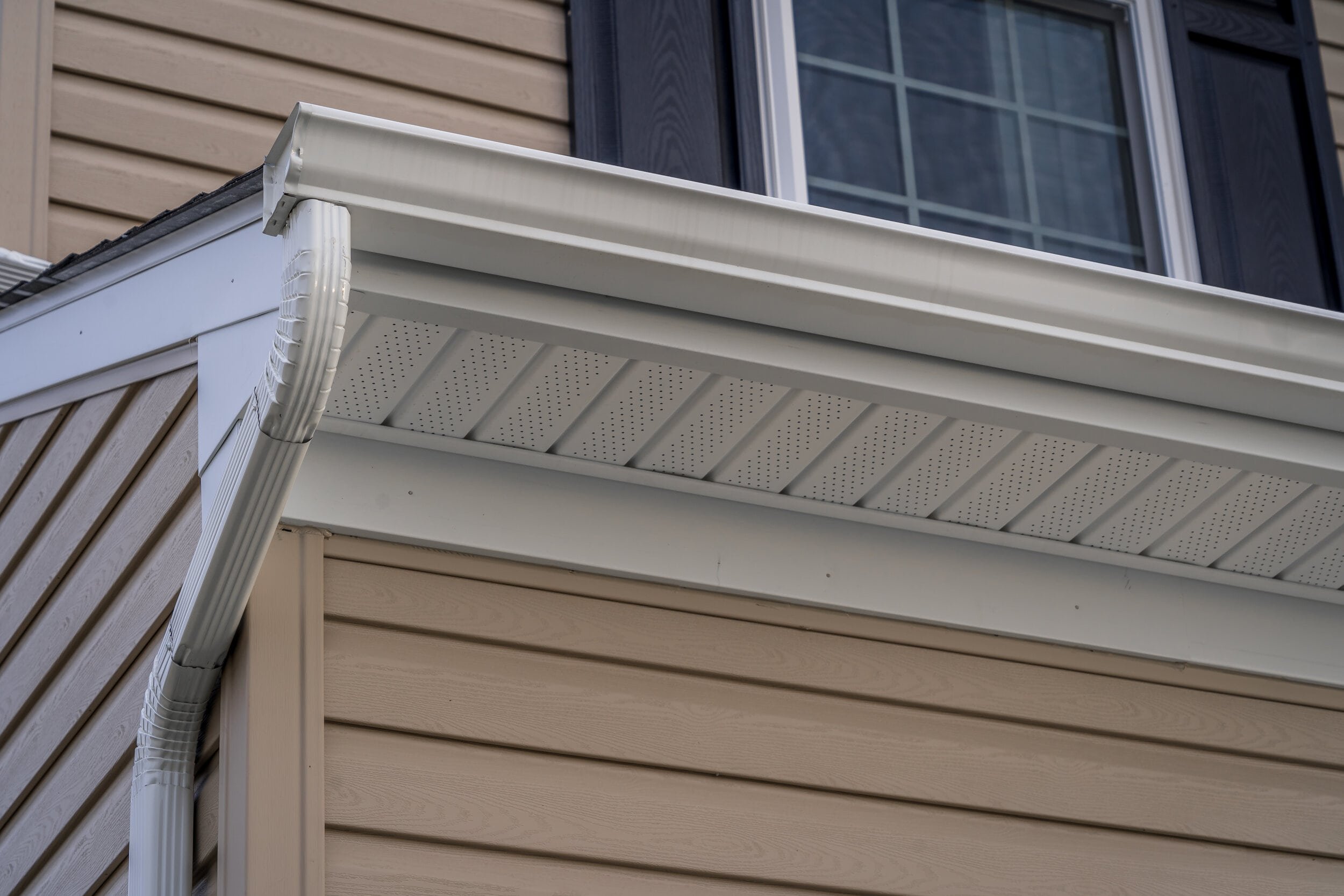
Cost Reality: Material, Labor, and Long-Term Value
Let's talk numbers. Both products are premium options, and both cost significantly more than vinyl siding. But there are cost differences between them, and those differences matter when you're budgeting for a siding installation in Southeast Michigan.
Material Costs
As of 2026, here's what we're seeing for material costs (this varies by distributor and order volume):
| Product | Cost per Square Foot (Material Only) |
|---|---|
| LP SmartSide (pre-primed) | $1.80 - $2.40 |
| LP SmartSide (SmartFinish pre-finished) | $2.60 - $3.20 |
| James Hardie (pre-primed) | $2.20 - $2.80 |
| James Hardie (ColorPlus pre-finished) | $3.00 - $3.80 |
LP SmartSide is generally 10-20% less expensive at the material level, especially when comparing pre-finished options.
Labor Costs
This is where the gap widens. James Hardie takes longer to install because of the cutting requirements, weight, and fastener precision. On a typical 2,000-square-foot siding job, we'll spend about 15-20% more labor hours on Hardie compared to LP SmartSide.
That translates to real dollars. If labor is $3.50-$4.50 per square foot installed (which is typical for quality work in Oakland and Macomb counties), the Hardie job will cost more.
Total Installed Cost (2026 Southeast Michigan Pricing)
For a typical 2,000-square-foot siding replacement on a two-story Colonial in Sterling Heights or Clinton Township:
| Product | Total Installed Cost |
|---|---|
| LP SmartSide (pre-primed, field-painted) | $14,000 - $18,000 |
| LP SmartSide (SmartFinish pre-finished) | $16,000 - $20,000 |
| James Hardie (pre-primed, field-painted) | $16,000 - $21,000 |
| James Hardie (ColorPlus pre-finished) | $18,000 - $24,000 |
These numbers include tear-off of existing siding, house wrap, trim, and installation. They don't include soffit/fascia replacement, which adds another $2,000-$4,000 depending on the home.
Budget Reality: If you're comparing pre-finished products (which most homeowners prefer), LP SmartSide typically comes in $2,000-$4,000 less than James Hardie on a full-house re-side. That's real money, and it's worth considering alongside performance and longevity.
Long-Term Value
Both products last 30+ years with proper maintenance. The difference is in the maintenance schedule:
- James Hardie ColorPlus: Minimal maintenance. Wash it once a year. Touch up any damaged areas. Expect to repaint in 20-25 years if you want to refresh the look.
- LP SmartSide SmartFinish: Same wash-and-inspect routine. You'll likely want to repaint in 12-15 years, especially on south and west exposures.
If you're planning to stay in the home for 20+ years, the Hardie finish holds up longer. If you're planning to sell in 10-15 years, the LP SmartSide finish will still look good and you'll have saved upfront.
Warranty and Longevity Comparison
Warranties tell you what the manufacturer is willing to stand behind. Here's the breakdown:
LP SmartSide Warranty
- Product warranty: 5-year limited warranty (covers defects in material and manufacturing), plus a 50-year prorated limited warranty (covers substrate integrity against rot and termite damage)
- Finish warranty: 5-year limited warranty on SmartFinish pre-finished products (covers excessive fading, peeling, and cracking)
The 50-year warranty sounds impressive, but it's prorated — meaning the coverage decreases over time. By year 20, you're getting a fraction of the original coverage value.
James Hardie Warranty
- Product warranty: 30-year non-prorated limited warranty (covers defects in material and manufacturing)
- Finish warranty: 15-year limited warranty on ColorPlus pre-finished products (covers excessive fading, peeling, and cracking)
The non-prorated structure means full coverage for 30 years, which is stronger than LP's prorated approach. The 15-year finish warranty is also significantly longer than LP's 5-year coverage.
That said, we rarely see warranty claims on either product when they're installed correctly. The real issue is usually installation errors — flashing failures, improper fastening, or water intrusion — and those aren't covered by product warranties.
When to Choose Which Product
So which one should you choose? It depends on your home, your budget, and your priorities.
Choose LP SmartSide If:
- You want the look and texture of real wood without the maintenance of cedar
- Budget is a primary concern and you want to save $2,000-$4,000 on the total project
- You're planning to sell in 10-15 years and want a quality product that delivers strong ROI without the premium cost
- Your home has complex architectural details (bay windows, gables, dormers) where LP's workability makes installation easier and cleaner
- You're okay with repainting in 12-15 years to keep the finish looking sharp
Choose James Hardie If:
- You're staying in the home long-term (20+ years) and want the absolute lowest maintenance option
- You live in a high-wind area or a location with significant hail risk (Hardie's impact resistance is superior)
- You want the longest finish warranty available (15 years with ColorPlus)
- Fire resistance is a priority (Hardie is non-combustible, which matters in certain insurance situations)
- You're willing to pay a premium for a product with a 30-year non-prorated warranty
Our Take: We install both products regularly, and we don't push one over the other. For most Michigan homeowners, LP SmartSide delivers excellent value — it performs well in our climate, looks great, and costs less. But if you're in a forever home and want the absolute longest-lasting finish, Hardie ColorPlus is worth the premium.
Signs It's Time to Replace Your Siding
Whether you're leaning toward LP SmartSide or James Hardie, the first question is whether you actually need new siding. Here's what we look for when evaluating a home in Macomb, Oakland, or St. Clair counties:
- Visible rot or soft spots: Press on the siding near corners, windows, and the foundation. If it feels soft or punky, moisture has compromised the substrate.
- Warping or buckling: Siding that's pulling away from the wall or warping at the seams indicates water intrusion or improper installation.
- Paint failure: If you're repainting every 5-6 years and the paint still peels, the siding substrate is likely failing.
- High energy bills: If your heating and cooling costs have crept up and your Detroit window experts have confirmed the windows are fine, the siding and insulation may be the issue.
- Mold or mildew behind the siding: Dark staining or mold growth visible through seams indicates trapped moisture.
- Cracked or missing panels: Storm damage, impact damage, or just age can cause cracks that let water in.
If you're seeing two or more of these signs, it's time to talk to a contractor. We offer free inspections and estimates — no pressure, just an honest assessment of what your home needs.

Other Services That Pair with Siding Replacement
When you're replacing siding, it's the perfect time to address other exterior issues. Here's what we typically recommend bundling:
Window replacement in Detroit: If your windows are 20+ years old, replacing them during a siding job saves on labor costs (we're already removing trim and working around openings). New windows also improve energy efficiency and curb appeal.
Seamless gutters in Detroit, MI: Old gutters often get damaged during siding removal. Installing new seamless gutters with proper downspout placement prevents water from running down your new siding.
Insulation upgrades: When the siding comes off, the wall cavities are exposed. Adding blown-in insulation or spray foam insulation at this stage is far cheaper than doing it as a separate project.
Roofing services: If your roof is approaching 15-20 years old and you're already investing in siding, consider replacing both. The scaffolding and site setup costs are shared, and you'll have a complete exterior refresh.
We handle all of these services in-house as part of our exterior services in Detroit and Southeast Michigan. That means one crew, one timeline, and one point of contact.
Ready to Get Started?
NEXT Exteriors has been protecting Michigan homes since 1988. We install both LP SmartSide and James Hardie, and we'll help you choose the right product for your home, your budget, and your goals. Get a free, no-pressure estimate from a team that shows up on time and does the job right.
Get Your Free QuoteOr call us: (844) 770-6398
Frequently Asked Questions
Yes, when installed correctly. LP SmartSide's treated wood core resists moisture and rot, and we've seen installations in Southeast Michigan that are 15+ years old with no issues. The key is proper flashing, sealed cuts, and quality installation. James Hardie has an edge in extreme moisture exposure because it's a cement-based product, but for typical Michigan conditions, both perform well.
LP SmartSide typically costs 10-20% less than James Hardie for a full siding replacement. On a 2,000-square-foot home in Sterling Heights or Troy, you're looking at roughly $2,000-$4,000 in savings with LP SmartSide (pre-finished) compared to James Hardie ColorPlus. The gap comes from both material costs and labor — Hardie is heavier and more time-intensive to install.
James Hardie ColorPlus (factory finish) holds paint longer — typically 15-20 years before you need to repaint. LP SmartSide SmartFinish (also factory-applied) holds up well for 10-12 years, but you'll see more fading on south and west exposures. If you're field-painting either product, use high-quality acrylic paint (we recommend Sherwin-Williams Duration or Emerald) and expect to repaint every 10-15 years regardless of substrate.
Properly installed LP SmartSide does not warp or swell. The zinc borate treatment and resin coating prevent moisture absorption. However, if water gets into unsealed cut edges or improperly flashed areas, you can see minor edge swelling over time. This is an installation issue, not a product defect. We seal all cut edges and follow LP's fastener schedule to prevent this.
We don't recommend it. Installing over existing siding traps moisture, hides structural issues, and voids most manufacturer warranties. The right approach is to remove the old siding, inspect the sheathing and framing for rot or damage, repair as needed, install a quality weather-resistive barrier, and then install the new siding. This adds cost upfront but prevents expensive problems down the road.
A typical full-house siding replacement on a 2,000-square-foot two-story home takes 5-7 days with a professional crew. That includes tear-off, prep, installation, and cleanup. James Hardie jobs tend to run slightly longer (6-8 days) because of the cutting and fastening requirements. Weather delays can add time — we don't install siding in rain or when temperatures drop below 40°F.
Late spring through early fall (May through October) is ideal. Temperatures are stable, rain is less frequent, and crews can work efficiently. We do install siding in winter when necessary, but cold temperatures slow down caulk curing and make handling materials more difficult. If you're planning a siding project, book it in early spring — summer and fall are our busiest seasons.