

James Hardie Siding Installers Metro Detroit | NEXT Exteriors

You've done your homework. You know James Hardie fiber cement siding is the gold standard — it won't rot, warp, or melt like vinyl, and it holds paint longer than wood. You've read the reviews, seen the before-and-after photos, and you're ready to pull the trigger on a siding replacement for your home in Sterling Heights, Troy, or Rochester Hills.
But here's what most homeowners don't realize until it's too late: the installer matters more than the product.
James Hardie's 30-year warranty? It's void if the siding isn't installed correctly. That beautiful ColorPlus finish? It'll crack and peel if the installer doesn't follow proper flashing and moisture management protocols. And in Michigan, where freeze-thaw cycles and lake-effect moisture put siding through hell every winter, poor installation shows up fast.
We've been installing house siding in Detroit and across Southeast Michigan since 1988, and we've seen what happens when homeowners choose a contractor based on the lowest bid instead of actual qualifications. This guide breaks down what separates qualified james hardie siding installers metro detroit from the crews who treat fiber cement like vinyl and leave you with a warranty nightmare.
Why the Installer Matters More Than the Product
James Hardie fiber cement is engineered to last 50+ years in harsh climates. But that lifespan assumes the siding is installed according to the manufacturer's specifications — and those specs are detailed, technical, and unforgiving.
Here's what goes wrong when an installer treats James Hardie like vinyl siding:
- Moisture intrusion: Fiber cement needs proper flashing, drainage planes, and air gaps behind the siding. Skip these steps, and water gets trapped between the siding and the sheathing. In Michigan's freeze-thaw cycles, that trapped moisture expands, cracks the siding, and rots the wall framing.
- Cracked planks: James Hardie requires specific fastener types, spacing, and placement. Nail too close to the edge, use the wrong gauge, or overdrive the fasteners, and the planks crack — sometimes immediately, sometimes a year later when winter hits.
- Voided warranty: James Hardie's warranty is explicit: improper installation voids coverage. If your installer doesn't follow the manual, you're on your own when problems show up.
- Paint failure: Even with ColorPlus pre-finished siding, improper joint sealing and flashing cause moisture to wick into cut edges, leading to paint blistering and peeling.
We've torn off James Hardie siding that was only five years old because the original installer didn't use housewrap, didn't flash the windows, and face-nailed the planks instead of blind-nailing. The homeowner thought they were getting a 30-year product. They got a $25,000 problem.
Michigan Reality Check: Our freeze-thaw cycles are brutal. Water that seeps behind improperly installed siding freezes, expands, and cracks the fiber cement. By spring, you've got visible damage. By the second winter, you're looking at rot in the wall framing. Proper installation isn't optional here — it's the difference between a 50-year siding job and a 5-year disaster.
What James Hardie Certification Actually Means
James Hardie offers a tiered contractor program. The highest level — Preferred Remodeler — requires contractors to complete manufacturer training, demonstrate installation competency, and maintain specific insurance and licensing standards.
Here's what that certification actually involves:
Training Requirements
Preferred Remodelers complete hands-on training covering:
- Proper substrate preparation and moisture barrier installation
- Fastener selection, placement, and depth
- Flashing techniques for windows, doors, and trim
- Joint sealing and caulking protocols
- Climate-specific installation adjustments (critical for Michigan)
This isn't a one-day seminar. It's technical training on building science — how moisture moves through wall assemblies, why air gaps matter, and how to detail transitions between materials.
Insurance and Licensing
To maintain Preferred Remodeler status, contractors must carry:
- General liability insurance (minimum $1 million)
- Workers' compensation coverage
- Valid state contractor's license
In Michigan, that means a Residential Builder's License issued by the state. NEXT Exteriors has held our Michigan license continuously since 1988, and we maintain Preferred Remodeler status with James Hardie because we install their products correctly every single time.
Why It Matters
Non-certified installers can buy James Hardie siding from a distributor and install it on your home. There's no law against it. But when something goes wrong — and with fiber cement, improper installation always causes problems — you have no recourse. The warranty is void, and the contractor has no accountability to James Hardie.
A Preferred Remodeler, on the other hand, is accountable both to you and to the manufacturer. If there's an installation defect, James Hardie can pull the contractor's certification. That keeps installers honest.

Michigan-Specific Installation Challenges
Installing James Hardie siding in Arizona is different from installing it in Michigan. The manufacturer provides climate-specific guidelines, but many contractors ignore them because they're used to working in milder climates or they're cutting corners to save time.
Here's what makes Michigan installations harder:
Freeze-Thaw Cycles
Southeast Michigan goes through 40-60 freeze-thaw cycles every winter. Water that gets behind the siding freezes, expands, and puts pressure on the planks. If the installer didn't leave proper expansion gaps or used the wrong fasteners, the siding cracks.
Proper installation requires:
- 1/8" gaps at all butt joints to allow for thermal expansion
- Flashing at every horizontal joint to direct water outward
- Drainage plane (housewrap or building paper) behind the siding with proper lapping
We see contractors skip the drainage plane because it adds a day to the job. That's fine in dry climates. In Michigan, it's a guaranteed callback in two years.
Lake-Effect Moisture
Homes near Lake St. Clair or in Oakland County's lake communities deal with higher ambient moisture. Fiber cement is moisture-resistant, not moisture-proof. If the installer doesn't seal cut edges and doesn't flash penetrations (light fixtures, outlets, hose bibs), moisture wicks into the core of the planks.
Once moisture gets in, freeze-thaw cycles crack the siding from the inside out. You won't see it until the paint starts bubbling.
Wind-Driven Rain
Michigan storms come from the west and northwest, driving rain horizontally into siding. If the installer didn't use kickout flashing at roof-to-wall intersections or didn't properly lap the housewrap, water runs down the wall and gets behind the siding.
We've torn off siding on homes in Grosse Pointe Farms where the original installer didn't flash the roofline. Every rain event sent water straight into the wall cavity. By the time the homeowner called us, the OSB sheathing was black with mold.
Brick and Stone Transitions
Many Michigan homes — especially Colonials and ranches built in the 1960s and 70s — have brick on the first floor and siding on the second. The transition between brick and siding is a critical detail. If the installer doesn't use a proper Z-flashing and doesn't seal the joint, water runs down the brick, hits the siding, and gets trapped.
This is one of the most common failure points we see when we inspect exterior services in Detroit homes. The original installer either didn't know how to flash the transition or didn't want to spend the time doing it right.
Red Flags When Vetting Siding Contractors
Not every contractor who says they install James Hardie is qualified to do it correctly. Here's what to watch for:
They Can't Produce Proof of Certification
Ask to see their James Hardie Preferred Remodeler certificate. If they hesitate, change the subject, or say "we install it all the time" without showing proof, walk away. Certification is public information — if they have it, they'll show it.
They Quote Significantly Lower Than Everyone Else
Proper James Hardie installation takes time. You're paying for substrate prep, flashing, drainage planes, and careful fastening. If a contractor's bid is 30-40% lower than others, they're cutting corners — skipping the housewrap, using cheaper fasteners, or rushing the job.
We've seen homeowners save $5,000 on installation and spend $30,000 fixing the damage three years later.
They Don't Mention Moisture Management
A qualified installer will talk about housewrap, flashing, and drainage. If the contractor's pitch focuses only on the siding itself and doesn't mention what goes behind it, they don't understand building science.
They Suggest Face-Nailing
James Hardie lap siding must be blind-nailed (nailed through the top edge, hidden by the plank above). Face-nailing — where the nail goes through the visible face of the plank — causes the siding to crack when it expands and contracts. If a contractor suggests face-nailing to "save time," they're not qualified.
They Don't Pull Permits
In most Michigan municipalities, siding replacement requires a building permit. Permits ensure the work is inspected and meets code. If a contractor suggests skipping the permit to "save you money," they're either unlicensed or planning to do substandard work they don't want inspected.
NEXT Exteriors pulls permits on every job. We want the inspector to see our work.
The Real Cost of James Hardie Installation in Metro Detroit
Let's talk numbers. Homeowners in Southeast Michigan typically pay $12-$18 per square foot for James Hardie siding installation, including removal of old siding, substrate repair, and trim.
For a 2,000-square-foot home (typical two-story Colonial in Sterling Heights or Rochester Hills), that's $24,000-$36,000.
What Affects the Price
- Home style: Homes with complex architecture — multiple gables, dormers, bay windows — cost more because they require more cuts, more flashing, and more labor.
- Substrate condition: If we tear off the old siding and find rotted sheathing or framing, that needs repair before new siding goes on. This is common on homes built before 1990 where the original siding wasn't properly flashed.
- Trim and details: James Hardie trim (window casings, corner boards, fascia) costs more than PVC or wood, but it matches the siding and lasts just as long. Many homeowners upgrade the trim during a siding job.
- ColorPlus vs. primed: ColorPlus siding comes pre-finished from the factory with a baked-on finish that's more durable than field-applied paint. It costs 15-20% more upfront but eliminates the need to paint the siding after installation.
Why Cheap Bids Are Expensive
If you get a bid for $10,000 to side a 2,000-square-foot home, the contractor is either:
- Not removing the old siding (layering new siding over old creates moisture traps)
- Skipping the housewrap or drainage plane
- Using unqualified labor
- Planning to cut corners on flashing and trim
You'll pay for those shortcuts later — in callbacks, warranty claims, and eventually a full re-side.
What You're Paying For: When you hire a qualified james hardie siding installers metro detroit contractor, you're paying for substrate prep, proper moisture barriers, correct fastening, detailed flashing, and a crew that knows how to handle fiber cement. That's not where you cut costs. The siding itself is a 50-year product — the installation needs to match that lifespan.
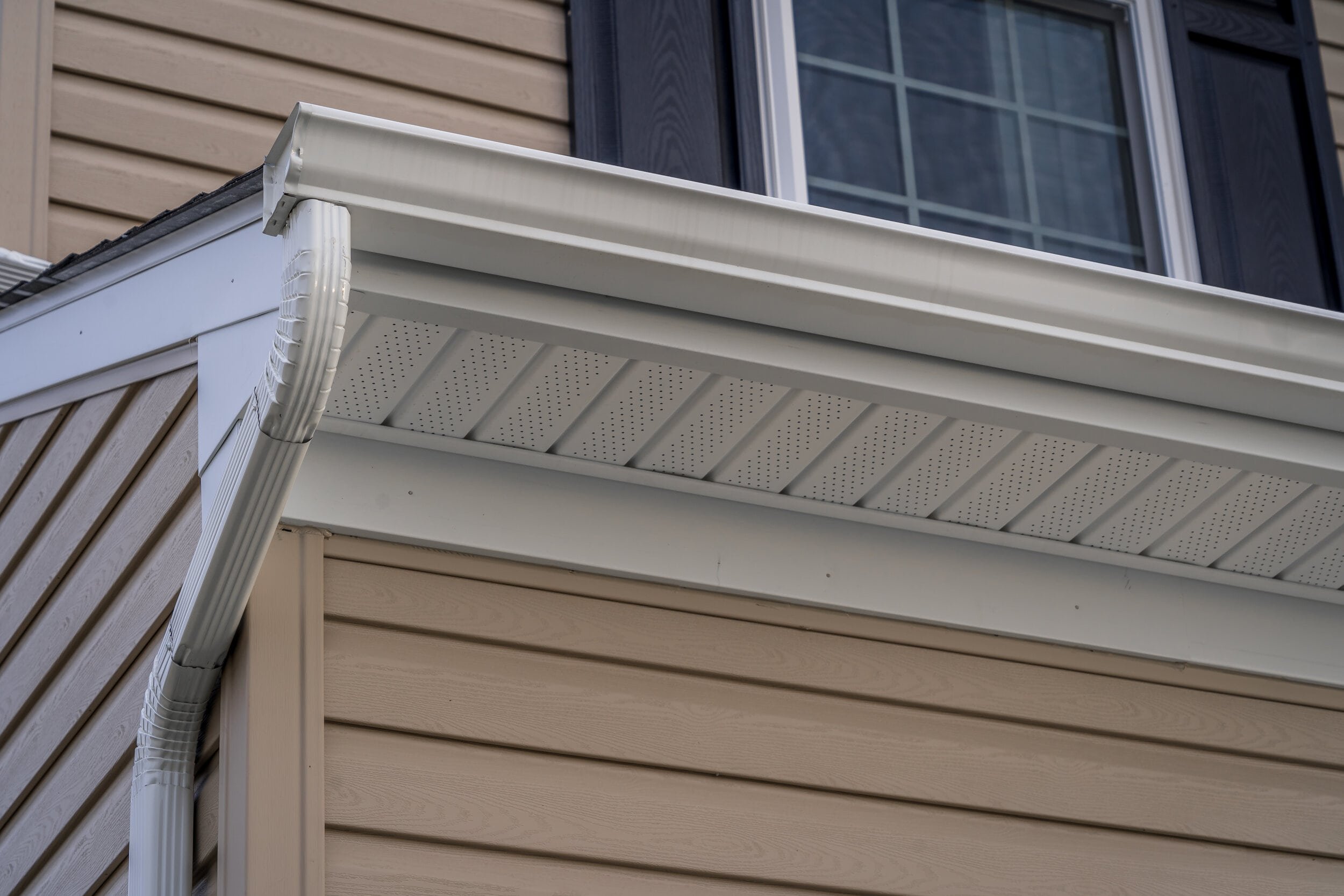
What Proper Installation Looks Like
Here's the step-by-step process for a correct James Hardie installation. If your contractor skips any of these steps, the job isn't done right.
Step 1: Remove Old Siding and Inspect Substrate
We tear off the existing siding and inspect the sheathing. If we find rot, water damage, or missing sheathing, we replace it. You can't put new siding over bad substrate — the new siding will fail just as fast as the old siding did.
Step 2: Install Moisture Barrier
We install housewrap or building paper over the sheathing, lapping each course so water drains outward. The moisture barrier goes on before any flashing, windows, or siding. This is the drainage plane — it keeps water that gets behind the siding from reaching the sheathing.
Step 3: Flash All Penetrations
Every window, door, outlet, light fixture, and hose bib gets flashed before siding goes on. We use adhesive flashing tape or metal flashing depending on the detail. This step takes time, but it's what keeps water out.
Step 4: Install Starter Strip and First Course
James Hardie requires a starter strip at the bottom of the wall to support the first course of siding and create the proper angle. The first course is blind-nailed 1" from the bottom edge and 3/4" from each end.
Step 5: Install Subsequent Courses
Each plank overlaps the one below by 1-1/4". We blind-nail through the nailing strip at the top of each plank, leaving a 1/8" gap at all butt joints for expansion. Nails are driven flush, not overdriven — overdriving cracks the siding.
Step 6: Install Trim and Seal Joints
We install corner boards, window casings, and fascia trim, then caulk all joints with a paintable, flexible sealant. Cut edges on the siding get sealed to prevent moisture intrusion.
Step 7: Final Inspection
We walk the job with the homeowner, check every detail, and clean up the site. If we pulled a permit, the city inspector signs off on the work.
This process takes 5-10 days for a typical home, depending on size and complexity. Contractors who promise to finish in 2-3 days are skipping steps.
Questions to Ask Before Hiring
When you're vetting james hardie siding installers metro detroit, ask these questions. The answers will tell you whether the contractor knows what they're doing.
1. Are You a James Hardie Preferred Remodeler?
If yes, ask to see the certificate. If no, ask why they're not certified and whether they've completed manufacturer training. "We've installed it for years" is not a substitute for certification.
2. Do You Hold a Michigan Residential Builder's License?
Ask for the license number and verify it with the state. Unlicensed contractors can't pull permits and have no accountability if something goes wrong.
3. What Moisture Barrier Do You Use?
The correct answer is housewrap or building paper, installed with proper lapping. If they say "we don't need it" or "the old siding is the moisture barrier," walk away.
4. How Do You Handle Flashing?
Ask specifically about window flashing, roof-to-wall flashing, and penetrations. A qualified installer will describe the flashing details in depth. A contractor who gives a vague answer doesn't understand moisture management.
5. What Fasteners Do You Use?
James Hardie requires hot-dipped galvanized or stainless steel nails, minimum 6d siding nails. If the contractor says "we use whatever's cheapest" or can't name the fastener type, they're not following the installation manual.
6. Do You Pull Permits?
The answer should be yes. If they suggest skipping the permit, they're either unlicensed or planning to do work they don't want inspected.
7. Can I See a Local Project Portfolio?
Ask to see completed James Hardie jobs in Southeast Michigan. A qualified installer will have dozens of local references and photos. If they can't show you local work, they're either new to the area or don't have a track record.
8. What's Your Warranty?
James Hardie's product warranty covers defects in the siding itself. The installer's workmanship warranty covers installation errors. Ask for the workmanship warranty in writing — if they won't provide one, they're not confident in their work.
At NEXT Exteriors, we provide a written workmanship warranty on every job. We've been doing this since 1988, and we stand behind our installations.
Why NEXT Exteriors for James Hardie Siding in Metro Detroit
We're not the cheapest option. We're the option that does the job right the first time.
Here's what sets us apart:
- James Hardie Preferred Remodeler: We've completed manufacturer training and maintain certification because we install James Hardie products according to the manual, not according to what's fastest.
- Michigan Licensed Since 1988: We've been installing siding in Southeast Michigan for 35+ years. We understand Michigan's climate, building codes, and the specific challenges of freeze-thaw cycles and lake-effect moisture.
- BBB A+ Accredited: We've held an A+ rating with the Better Business Bureau since 2006 because we treat homeowners fairly and stand behind our work.
- 5.0-Star Average Rating: Our 87+ reviews reflect the quality of our installations and the way we treat customers. We don't upsell, we don't rush, and we don't cut corners.
We also offer a full range of exterior services in Detroit and across Southeast Michigan, including Detroit roofing services, window replacement, seamless gutters, insulation, and exterior painting. When you work with NEXT Exteriors, you're working with a team that handles every aspect of your home's exterior, not just one trade.
Ready to Get Started?
NEXT Exteriors has been protecting Michigan homes since 1988. Get a free, no-pressure estimate from a team that shows up on time and does the job right.
Get Your Free QuoteOr call us: (844) 770-6398
Frequently Asked Questions
When properly installed, James Hardie fiber cement siding lasts 50+ years in Michigan's climate. The key phrase is "properly installed" — improper installation voids the warranty and causes premature failure. Michigan's freeze-thaw cycles and moisture exposure require strict adherence to flashing, drainage, and fastening protocols. We've seen correctly installed James Hardie siding from the 1990s that still looks and performs like new.
Yes, if you're planning to stay in the home long-term or want the best resale value. James Hardie costs about 50% more upfront than vinyl, but it lasts twice as long, holds paint better, and doesn't warp, melt, or crack like vinyl does in Michigan's temperature swings. It also adds more to resale value — buyers recognize the quality difference. For a 2,000-square-foot home, you're looking at $24,000-$36,000 for James Hardie vs. $15,000-$22,000 for vinyl. The difference pays for itself in longevity and curb appeal.
No. James Hardie requires removal of old siding so the installer can inspect the substrate, install a proper moisture barrier, and flash all penetrations. Layering new siding over old creates moisture traps and prevents proper fastening. Any contractor who suggests installing James Hardie over existing siding is not following manufacturer guidelines and will void your warranty. We always tear off old siding, inspect and repair the substrate, and install the moisture barrier before any new siding goes on.
ColorPlus is pre-finished at the factory with a baked-on finish that's more durable than field-applied paint. It comes with a 15-year finish warranty and doesn't need to be painted after installation. Primed siding comes with a primer coat and needs to be painted on-site after installation. ColorPlus costs 15-20% more upfront but saves the cost of painting and lasts longer. For Michigan homes, we usually recommend ColorPlus because the finish holds up better in freeze-thaw cycles and UV exposure.
Ask the contractor to show their Preferred Remodeler certificate. You can also verify their status directly with James Hardie by calling their contractor services line or checking their website's contractor locator. A legitimate Preferred Remodeler will have no problem providing proof — it's a credential they've earned through training and demonstrated competency. If a contractor hesitates or changes the subject when you ask, they're not certified.
Improper installation voids the James Hardie warranty and causes premature failure. Common problems include cracked planks (from incorrect fastening), moisture intrusion (from missing flashing or drainage planes), paint failure (from unsealed cut edges), and rot in the wall framing (from trapped moisture). In Michigan's climate, these problems show up within 2-5 years. Fixing them requires removing and reinstalling the siding correctly — essentially paying for the job twice. That's why choosing a qualified installer matters more than getting the lowest bid.
Yes. We serve all of Macomb County, Oakland County, and St. Clair County, including Sterling Heights, Troy, Rochester Hills, Royal Oak, Grosse Pointe Farms, Bloomfield Hills, Lake Orion, Shelby Township, Clinton Township, Warren, St. Clair Shores, and surrounding communities. We've been installing James Hardie siding across Southeast Michigan since 1988, and we're familiar with the specific building codes, architectural styles, and climate challenges in every municipality we serve.