

Energy-Efficient Windows: Real 2026 Costs in Detroit, MI
What energy-efficient windows actually cost in Detroit, MI in 2026. Real pricing, payback timelines, and what matters for Michigan winters from a licensed contractor.
Every window salesperson in Southeast Michigan will tell you their windows are "energy-efficient." Most homeowners in Sterling Heights or Royal Oak have heard the pitch: triple-pane glass, special coatings, lifetime warranties, and energy savings that'll pay for the windows in five years. Some of it's true. A lot of it isn't.
After 35 years installing windows across Macomb, Oakland, and St. Clair counties, we've seen what actually works in Michigan weather — and what's just expensive marketing. This post breaks down what energy-efficient windows cost in 2026, what features genuinely matter when you're dealing with January wind chills and July humidity, and when replacement makes financial sense.
No sales pitch. Just the numbers and the building science that matter for Detroit-area homes.
What Makes a Window "Energy-Efficient" in Michigan
The term "energy-efficient" gets thrown around loosely. In Michigan — Climate Zone 5 according to ENERGY STAR — there are specific performance benchmarks that matter. Two ratings tell you almost everything you need to know:
U-Factor: How Well the Window Insulates
U-factor measures heat loss. Lower numbers are better. A single-pane window from the 1970s might have a U-factor of 1.0 or higher — meaning heat pours out of your house all winter. A quality double-pane window with low-E coating and argon gas should hit 0.30 or lower. ENERGY STAR requires 0.27 or better for Michigan.
That difference matters when you're heating a 1,800-square-foot Colonial in Clinton Township through a January cold snap. Every tenth of a point on the U-factor scale translates to real money on your DTE Energy bill.
Solar Heat Gain Coefficient (SHGC): How Much Heat Comes Through
SHGC measures how much solar radiation passes through the glass. In Michigan, you actually want some solar heat gain in winter — free warmth from the sun on south-facing windows. But too much SHGC on west-facing windows makes your air conditioner work overtime in July.
For Southeast Michigan, an SHGC between 0.25 and 0.40 typically works well. Lower if you have a lot of west-facing glass and struggle with cooling costs. Higher if your home stays cool in summer but heating bills are brutal.
Michigan Reality Check: Don't obsess over hitting the absolute lowest U-factor if it means sacrificing SHGC balance. A window with a U-factor of 0.28 and an SHGC of 0.32 will often outperform a 0.25 U-factor window with an SHGC of 0.20 in Michigan's mixed climate. You need both heating and cooling performance.
Low-E Coatings and Argon Gas
Low-E (low-emissivity) coatings are microscopically thin metallic layers applied to the glass. They reflect heat back into your home in winter and block infrared radiation in summer. This isn't optional marketing fluff — low-E coatings are the single biggest performance upgrade in modern windows.
Argon gas fills the space between panes. It's denser than air, which slows heat transfer. In a quality double-pane window, argon improves the U-factor by about 0.03 to 0.05 — not huge, but meaningful over 20 or 30 windows.
Both low-E and argon are standard in any window worth installing in 2026. If a contractor quotes you a window without them, walk away.
Frame Materials and Thermal Performance
Glass gets the attention, but the frame matters just as much. Vinyl frames insulate well and don't conduct heat. Aluminum frames — common in older homes — are terrible insulators and create condensation problems in Michigan winters. Fiberglass and composite frames perform even better than vinyl but cost more.
We install mostly vinyl for budget-conscious projects and fiberglass when homeowners want maximum performance and longevity. Both work. Aluminum doesn't, not in this climate.
Real 2026 Window Costs in Detroit
Here's what window replacement in Detroit actually costs in 2026. These are installed prices for quality windows from reputable manufacturers — not the cheapest big-box options, not the overpriced "lifetime warranty" brands that advertise during Tigers games.
Vinyl Double-Hung Windows
Double-hung windows are the most common style in Michigan homes — two sashes that slide up and down. They're practical, easy to clean (if you get tilt-in sashes), and affordable.
| Window Size | Cost Per Window (Installed) |
|---|---|
| Standard (30" x 48") | $450 - $650 |
| Medium (36" x 60") | $550 - $750 |
| Large (48" x 72") | $700 - $950 |
That includes removal of the old window, installation of the new unit with proper flashing and air sealing, interior and exterior trim work, and cleanup. A typical 1960s ranch in Warren with 12 to 15 windows runs $7,500 to $10,000 for a full replacement using quality vinyl double-hungs.
Casement Windows
Casement windows crank open like a door. They seal tighter than double-hungs — no sliding sashes means no air infiltration gaps. That makes them slightly more energy-efficient, especially in windy locations. They also cost more.
| Window Size | Cost Per Window (Installed) |
|---|---|
| Standard (24" x 48") | $550 - $750 |
| Medium (30" x 60") | $650 - $850 |
| Large (36" x 72") | $800 - $1,100 |
Casements make sense on exposed walls — the north side of a house in Lake Orion that takes the brunt of winter wind, or a bedroom that faces a busy street where noise infiltration is a problem. For most homes, a mix of double-hungs and strategically placed casements delivers the best value.
Fiberglass and Composite Windows
Fiberglass frames are stronger and more dimensionally stable than vinyl. They don't expand and contract as much in Michigan's temperature swings, which means better long-term performance and tighter seals. They also cost 20% to 30% more than comparable vinyl windows.
Expect to pay $600 to $900 for a standard double-hung fiberglass window, installed. For homeowners planning to stay in their Bloomfield Hills or Grosse Pointe Farms home for decades, fiberglass is worth considering. For a pre-sale upgrade or a rental property, vinyl makes more financial sense.
Bay and Bow Windows
Bay and bow windows are architectural features — they project out from the wall and create interior space. They're expensive because they require structural support, custom framing, and more labor.
A standard three-panel bay window runs $2,500 to $4,500 installed. A four- or five-panel bow window can hit $4,000 to $6,500. These aren't energy upgrades — they're aesthetic choices. If you're replacing a bay window, you'll pay bay window prices. But don't add one expecting energy savings. Bay window costs and energy performance are a separate calculation.
Installation Labor Costs: Labor accounts for about 40% to 50% of the total window replacement cost in Southeast Michigan. That's why DIY window installation rarely saves as much as homeowners expect — you still need to buy the windows at retail pricing, and improper installation kills performance. A poorly installed $800 window performs worse than a properly installed $500 window.
Energy Savings: What to Actually Expect
This is where most window sales pitches go off the rails. You'll hear claims about saving 30% to 50% on heating and cooling costs. Those numbers assume you're replacing single-pane windows from 1950 with no storm windows, and that windows are your home's biggest energy problem. That's rarely true.
DTE Energy Rates and Realistic Payback
In 2026, DTE Energy residential rates in Southeast Michigan average about $0.18 per kWh for electricity and roughly $0.70 per therm for natural gas (rates fluctuate seasonally). The average Detroit-area home uses about 600 to 800 therms of gas per year for heating and 8,000 to 12,000 kWh of electricity annually.
If windows account for 25% of your home's heat loss — a reasonable estimate for a home with older double-pane windows and decent attic insulation — and you cut that loss in half with new windows, you're saving about 12.5% on heating costs.
For a home spending $800 per year on gas heat, that's $100 per year in savings. If the window project cost $9,000, you're looking at a 90-year payback on energy savings alone. That math doesn't work.
When Replacement Makes Financial Sense
Windows pay back through comfort, functionality, and home value — not just energy savings. You replace windows when:
- The old windows don't open or close properly, creating safety and ventilation issues
- You're getting condensation between the panes, meaning the seals have failed
- The frames are rotting or the sashes are warped from years of freeze-thaw cycles
- You're preparing to sell and outdated windows hurt curb appeal and buyer perception
- You're doing other exterior services in Detroit like siding or painting, and it makes sense to replace windows at the same time
Energy savings are a bonus, not the primary justification. If your only goal is cutting energy costs, air sealing the attic and adding insulation delivers better ROI than windows in most Michigan homes.
Heating vs. Cooling Savings in Michigan
Michigan is a heating-dominated climate. We run furnaces from October through April — seven months. Air conditioners run hard for maybe three months. That means most of your window-related energy savings come from reducing heat loss in winter, not blocking solar gain in summer.
Low-E coatings help with both, but the U-factor matters more than SHGC for Michigan energy bills. Don't let a salesperson upsell you on expensive "solar control" glass unless you have a specific overheating problem on west-facing rooms.
Window Features That Matter (and What's Just Marketing)
Walk into any big-box store or sit through a high-pressure in-home sales pitch, and you'll hear about features that sound impressive but don't move the needle on performance or comfort. Here's what actually matters.
Triple-Pane vs. Double-Pane Reality
Triple-pane windows add a third layer of glass and a second insulating gas cavity. They improve U-factor by about 0.05 to 0.10 compared to a quality double-pane window — from 0.28 down to around 0.20.
That's measurable. It's also expensive. Triple-pane windows cost 25% to 40% more than double-pane. For most Detroit-area homes, the incremental energy savings don't justify the cost. Triple-pane makes sense in a few situations:
- Extreme noise reduction needs (you live on a highway or under a flight path)
- North-facing windows in a room that's always cold
- You're building a high-performance home and want every efficiency upgrade
For a typical replacement project in Sterling Heights or Shelby Township, quality double-pane windows with low-E and argon deliver 90% of the performance at significantly lower cost. That's what we install in most homes.
Gas Fills: Argon vs. Krypton
Argon is standard. Krypton is a denser, more expensive gas that performs slightly better in very narrow gaps between panes — like triple-pane windows where space is tight. For double-pane windows, krypton offers no meaningful advantage over argon.
If a salesperson is pushing krypton-filled double-pane windows as a premium upgrade, they're upselling you on something that doesn't matter. Argon works.
Warm-Edge Spacers
The spacer is the material that separates the two panes of glass and holds them at the correct distance. Old windows used aluminum spacers, which conducted cold from the outside glass to the inside glass, creating condensation and ice buildup on the edges of the window in winter.
Warm-edge spacers — made from foam, vinyl, or composite materials — insulate that gap. This is a real performance upgrade, especially in Michigan. Warm-edge spacers reduce condensation and improve the overall U-factor slightly.
Most quality windows in 2026 include warm-edge spacers as standard. If you're comparing quotes and one uses aluminum spacers, that's a red flag.
Installation Quality Beats Product Specs
Here's the truth most window manufacturers won't tell you: a mid-grade window installed correctly outperforms a premium window installed poorly. Air leakage around the frame — caused by gaps in flashing, missing sealant, or improper shimming — destroys energy performance.
We've torn out expensive triple-pane windows that were leaking air because the installer didn't flash the rough opening properly or didn't use low-expansion foam to seal the gaps. The homeowner paid for top-tier performance and got drafts.
When you're comparing contractors, ask about installation details: How do they flash the window? What sealants do they use? Do they insulate around the frame? Those answers matter more than whether the window has a U-factor of 0.27 or 0.24.
Signs Your Windows Need Replacing
Not every old window needs immediate replacement. Some just need maintenance — new weatherstripping, a tune-up on the sash balance, fresh caulk. But certain problems mean it's time for new windows.
Condensation Between the Panes
If you see fog, moisture, or condensation between the two panes of glass, the seal has failed. That means the insulating gas has leaked out and moisture has gotten in. The window has lost most of its insulating value, and there's no fix short of replacing the glass unit or the entire window.
Condensation on the interior surface of the glass is different — that's a humidity problem in your home, not a window failure. But condensation between the panes is a definitive sign the window is done.
Drafts and Ice Buildup
Stand next to your windows on a cold January night. If you feel cold air, the window is leaking. Some air infiltration happens at the sash — where the moving parts meet the frame. Weatherstripping can help. But if the frame itself is drafty, or if you're getting ice buildup on the interior sill, the window isn't performing.
Ice on the inside of a window means warm, moist air from your home is hitting a very cold surface and freezing. That's a sign of poor insulation in the window or air leakage that's cooling the glass excessively. Either way, it's a problem.
Difficulty Operating
Windows that won't open, won't stay open, or require force to close are safety hazards. If there's a fire, you need to be able to open a bedroom window. If the sash balance is broken or the frame has warped from moisture damage, the window isn't just inconvenient — it's a code issue.
Older wood windows can sometimes be repaired. Vinyl windows with broken balances usually can't — the parts aren't available or the cost of repair approaches the cost of replacement.
Rising Energy Bills
If your heating bills have been climbing and you haven't changed your thermostat habits, windows might be part of the problem. But don't assume windows are the culprit without checking other factors first: attic insulation levels, air leaks in the basement rim joist, ductwork leaks, or an aging furnace.
We've done energy audits where homeowners were convinced they needed new windows, and the real problem was 2 inches of insulation in the attic and a 25-year-old furnace running at 65% efficiency. Fix those first.
Michigan-Specific Issue: Freeze-thaw cycles wreak havoc on window frames, especially wood and low-quality vinyl. If you're seeing cracks in the vinyl frame or rot in wood frames, that's structural damage. The window won't seal properly, and the problem will only get worse. Plan for replacement.
Choosing the Right Contractor in Southeast Michigan
Window replacement is only as good as the installation. We've seen beautiful, expensive windows fail because the contractor didn't understand flashing, air sealing, or how to handle Michigan weather during installation.
Installation Certifications That Matter
Most window manufacturers offer installer training and certification programs. A contractor who's certified by the brands they install — whether that's Pella, Andersen, Marvin, or others — has been trained on proper installation techniques specific to those products.
At NEXT Exteriors, we're factory-certified installers for the window lines we carry. That's not just a marketing badge — it means we've been through hands-on training and we're held to the manufacturer's installation standards. If something goes wrong, the warranty is intact because the installation was done correctly.
Ask any contractor you're considering: Are you certified by the window manufacturer? If not, why not?
What to Ask During Estimates
Don't just compare the bottom-line price. Ask specific questions:
- How do you flash the rough opening? Proper flashing prevents water intrusion. If the contractor doesn't mention flashing tape or a drainage plane, that's a problem.
- What insulation do you use around the frame? Low-expansion foam is standard. High-expansion foam can bow the frame and cause operational problems.
- How do you handle interior and exterior trim? Some contractors just caulk the gaps. Quality work includes trim that matches your home's existing style.
- What's your process if it rains during installation? Windows get installed year-round in Michigan. A good contractor has tarps, temporary sealing methods, and a plan for weather delays.
- Do you pull permits? Window replacement usually doesn't require a permit in Michigan, but if structural work is involved (like enlarging an opening), it does. A contractor who avoids permits is a red flag.
Red Flags in Window Sales Tactics
The window industry has a reputation for high-pressure sales. If you encounter any of these tactics, walk away:
- "This price is only good today." Legitimate contractors don't use artificial urgency. If the price changes tomorrow, they're playing games.
- "We'll give you a discount if we can use your house as a model home." This is a classic manipulation tactic. Your house isn't a showroom, and the "discount" is built into the inflated starting price.
- Refusing to provide a written quote. Everything should be in writing: product specs, installation scope, warranty terms, and total cost. If they won't put it on paper, don't hire them.
- Pushing financing before discussing the project. Some companies lead with financing because their prices are so high that cash payment isn't realistic for most homeowners. Financing is a tool, not a sales strategy.
NEXT Exteriors doesn't operate that way. We provide detailed written estimates, we explain what you're getting and why, and we don't pressure you to sign the same day. If you want to think it over or get other quotes, that's smart. We're still here when you're ready.
Combining Window Replacement with Other Exterior Work
If you're planning other exterior projects — siding installation, roofing work, or exterior painting — it often makes sense to do windows at the same time.
When we're replacing siding, we can integrate new windows into the wall assembly with proper flashing and weatherproofing in one coordinated process. You avoid the problem of mismatched siding patches or trim details that don't line up. And you only have the disruption once.
We've worked on plenty of homes in Macomb and St. Clair counties where the homeowner replaced windows one year, then called us back two years later for siding, and wished they'd done it all together. The coordination saves time and often money.
For homes with older window and siding combinations, a full exterior refresh makes a dramatic difference in both performance and appearance.
Ready to Get Started?
NEXT Exteriors has been protecting Michigan homes since 1988. Get a free, no-pressure estimate from a team that shows up on time and does the job right.
Get Your Free QuoteOr call us: (844) 770-6398
Frequently Asked Questions
Quality vinyl double-hung windows with low-E coating and argon gas run $450 to $750 per window installed, depending on size. Casement windows cost $550 to $850. Fiberglass windows add 20% to 30% to those prices. A full-house replacement for a typical ranch in Metro Detroit with 12 to 15 windows costs $7,500 to $12,000 installed.
For Southeast Michigan (Climate Zone 5), ENERGY STAR recommends a U-factor of 0.27 or lower. Most quality double-pane windows with low-E coating and argon gas hit 0.26 to 0.30. That's the sweet spot for performance and cost. Triple-pane windows can reach 0.20, but the added cost rarely justifies the marginal energy savings in our climate.
Rarely, and not quickly. If you're replacing old double-pane windows with new energy-efficient ones, expect to save 10% to 15% on heating costs — maybe $100 to $150 per year for an average Detroit home. At that rate, a $9,000 window project takes 60+ years to pay back on energy savings alone. Windows make sense for comfort, functionality, and home value — energy savings are a secondary benefit.
For most Michigan homes, no. Triple-pane windows improve U-factor by about 0.05 to 0.10 compared to quality double-pane windows, but they cost 25% to 40% more. The energy savings don't justify the cost unless you have extreme noise issues, north-facing windows in a chronically cold room, or you're building a high-performance home and want maximum efficiency. Quality double-pane windows deliver excellent performance at a better value.
Late spring through early fall (May through October) offers the most predictable weather and comfortable working conditions. That said, quality contractors can install windows year-round in Michigan — we just take extra precautions in winter to protect the interior from cold and moisture during the installation process. Scheduling in off-peak months (November through March) sometimes gets you faster turnaround and better availability.
Quality vinyl windows typically last 20 to 30 years in Michigan's climate. Fiberglass windows can reach 30 to 40 years. The seals — which hold the insulating gas and prevent moisture between the panes — are usually the first thing to fail, often around the 15- to 25-year mark depending on sun exposure and installation quality. Proper installation and maintenance (keeping weep holes clear, checking weatherstripping) extend window lifespan significantly.
Sometimes, but it's rarely the best option. If the frame and sash are in good condition and only the glass seal has failed, you can replace the insulated glass unit (IGU). However, if the frame is old, the sash balances are worn, or the weatherstripping is deteriorated, you'll end up replacing the glass now and the whole window in a few years. For windows more than 15 years old, full replacement usually makes more sense.
Is Roof Rejuvenation Worth It for Royal Oak Homes?
Roof rejuvenation products promise to extend shingle life for $500-$1,000. We break down the science, real costs, and whether it works for Michigan roofs.
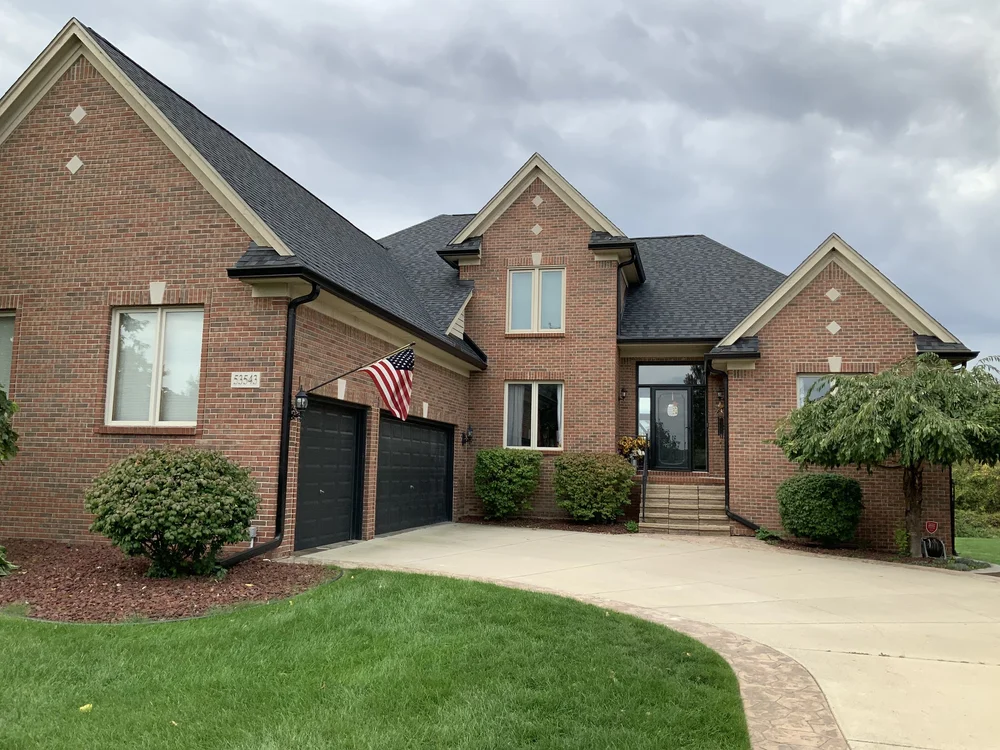
You've probably seen the ads. A spray-on treatment that "adds 5-10 years to your roof's life" for $500-$1,000. No tear-off, no mess, just a chemical application that supposedly restores your shingles. Sounds great, especially if your roof is starting to show its age but you're not ready to spend $15,000 on a replacement.
After 35 years installing roofs across Southeast Michigan — and holding our CertainTeed Master Shingle Applicator credential — we've seen roof rejuvenation products come and go. We've also inspected dozens of Royal Oak roofs where homeowners tried these treatments before calling us for a real solution.
Here's the straight answer: roof rejuvenation rarely works the way it's marketed, especially in Michigan's brutal freeze-thaw climate. For most Royal Oak homes, it's money better spent on a proper roof inspection and planning for an actual replacement.
What Is Roof Rejuvenation? (The Product Claims)
Roof rejuvenation products — brands like Roof Maxx, Roof Renew, and similar treatments — are soy-based or petroleum-based oils applied directly to asphalt shingles. The pitch is simple: as shingles age, they lose their natural oils, become brittle, and start to crack. These products claim to restore flexibility and "turn back the clock" on aging shingles.
The typical marketing promise:
- Extends roof life by 5-10 years
- Costs $500-$1,500 for an average home
- Prevents granule loss and cracking
- Eco-friendly alternative to replacement
- Can be reapplied every few years
It sounds appealing, especially if your roof is 12-15 years old and starting to show wear. But the science behind these claims is where things get complicated — particularly in a climate like Royal Oak's, where roofs face lake-effect snow, ice dams, and temperature swings from -10°F to 90°F within a few months.
How Roof Rejuvenation Products Work (The Science)
Asphalt shingles are made from a fiberglass or organic mat saturated with asphalt and coated with ceramic granules. When new, the asphalt contains oils that keep it flexible. Over time — accelerated by UV exposure, heat, and freeze-thaw cycles — these oils evaporate. The shingle becomes brittle, cracks form, and granules start washing off.
Rejuvenation products attempt to re-introduce oil into the shingle. The treatment is sprayed on, and the oil is supposed to penetrate the asphalt layer, restoring some flexibility. In laboratory conditions, this can show measurable improvement in flexibility tests.
But here's what the marketing doesn't tell you:
The treatment only affects the surface layer. It doesn't repair the underlying fiberglass mat, it doesn't restore lost granules, and it doesn't fix structural damage like nail pops, underlayment deterioration, or deck problems. If your shingles are curling, cupping, or have bald spots, no amount of oil will reverse that.
In Michigan, the bigger issue is our weather. A shingle that's been through 15 winters of ice dams and freeze-thaw expansion hasn't just lost oil — it's experienced physical stress that breaks down the mat itself. The granules that protect the asphalt from UV are gone in high-wear areas. Water has already started penetrating weak spots.
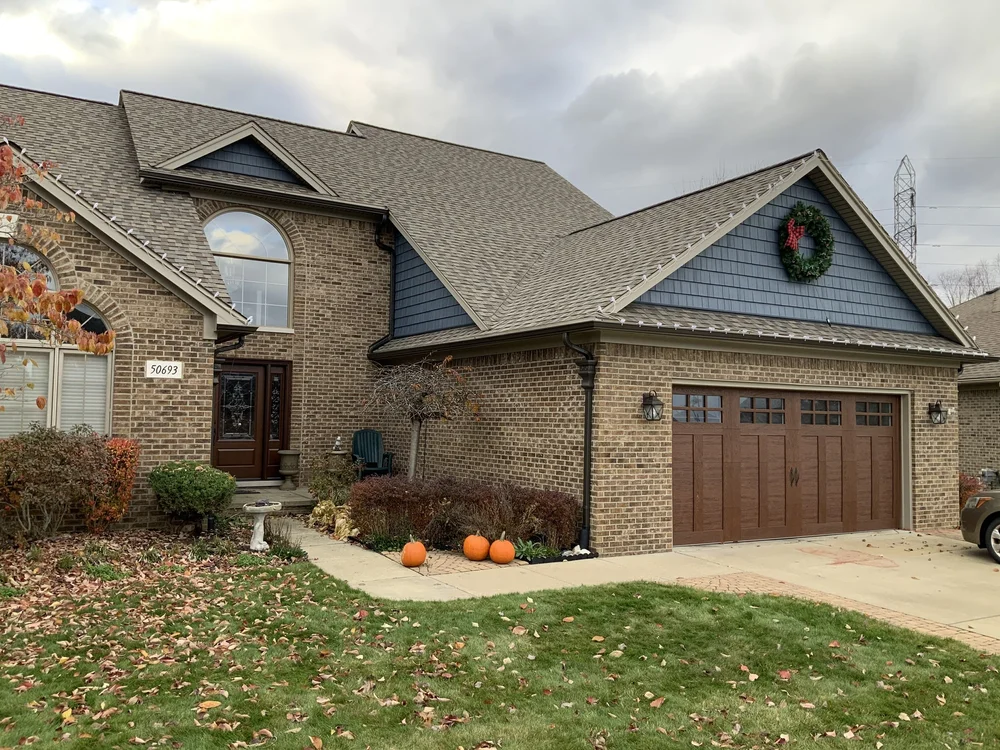
We've done professional roof inspections in Michigan on homes where rejuvenation was applied 2-3 years prior. In almost every case, the underlying problems — missing granules, cracked shingles, compromised flashing — continued to worsen. The oil treatment didn't slow it down.
The Real Cost: Rejuvenation vs. Replacement in Royal Oak
Let's talk numbers, because this is where the "savings" argument falls apart.
Roof Rejuvenation Cost in Royal Oak:
- Initial application: $500-$1,500 (depending on roof size and pitch)
- Recommended reapplication: Every 3-5 years
- Total cost over 10 years: $1,500-$4,500
Full Roof Replacement Cost in Royal Oak:
- Average 2,000 sq ft home: $8,000-$15,000
- Includes tear-off, new underlayment, GAF or CertainTeed architectural shingles, proper ventilation, and warranty
- Lifespan: 25-30 years with quality materials
Here's the reality: if your roof is already 15+ years old and showing wear, rejuvenation might buy you 1-2 years at best. You'll still need a replacement. That $1,000 you spent on treatment is $1,000 that could have gone toward the real solution.
If you're planning to sell your Royal Oak home in the next few years, a rejuvenation treatment won't satisfy a home inspector or a buyer's appraiser. They'll still flag the roof's age and condition. A full replacement, on the other hand, is a selling point that can increase your home's value and speed up the sale.
For homeowners thinking about exterior upgrades like siding replacement, bundling that work with a new roof often makes more financial sense than trying to patch an aging roof with a temporary treatment.
When Roof Rejuvenation Might Make Sense (Rare Cases)
We're not saying roof rejuvenation is always a scam. There are a few specific scenarios where it might be worth considering:
1. Your Roof Is Relatively New (8-12 Years) and Still in Good Shape
If you have a quality roof that's just starting to show minor signs of aging — slight granule loss in a few spots, no curling or cracking — and you want to extend its life by a few years, a rejuvenation treatment might help. But this is rare. Most homeowners don't even think about these products until their roof is already past its prime.
2. You're Facing a Temporary Budget Crunch
If you genuinely can't afford a replacement right now and need to buy 1-2 years, rejuvenation could be a stopgap. But understand that it's not a long-term solution. Start saving for the real replacement immediately.
3. You Live in a Mild Climate (Not Michigan)
These products perform better in states with less extreme weather. If you're in Arizona or Southern California, where freeze-thaw cycles and ice dams aren't an issue, you might see better results. But in Royal Oak? Our winters are too harsh for these treatments to hold up.
Important: Before spending money on rejuvenation, get a real inspection from a licensed contractor. We offer free roof inspections for Royal Oak homeowners. We'll tell you honestly whether your roof can be extended or if it's time for a replacement. No pressure, no gimmicks — just the truth from someone who's been doing this since 1988.
Signs Your Royal Oak Roof Needs Replacement, Not Rejuvenation
If you're seeing any of these issues, don't waste money on a rejuvenation treatment. Your roof needs professional attention from a Detroit roofing services contractor:
Curling or Cupping Shingles
When shingles start to curl up at the edges or cup in the middle, it's a sign that the mat has deteriorated. Oil won't fix this. It's structural failure.
Missing Granules (Bald Spots)
Check your gutters after a rain. If you're seeing significant granule accumulation, your shingles are losing their protective layer. Once the granules are gone, UV exposure accelerates asphalt breakdown. Rejuvenation can't restore granules.
Cracked or Missing Shingles
Physical damage from wind, hail, or ice dams requires repair or replacement. A spray treatment won't seal cracks or replace missing shingles.
Visible Leaks or Water Stains in the Attic
If water is already getting through, the underlayment and deck may be compromised. This is beyond what any surface treatment can address. You need a full roof replacement and possibly attic moisture and ventilation improvements.
Sagging Roof Deck
If you notice any sagging or dipping in your roofline, the decking may be rotting. This is a structural issue that requires immediate attention — not a chemical treatment.
Your Roof Is 20+ Years Old
Most asphalt shingle roofs in Michigan last 20-25 years. If yours is in this range, it's reached the end of its useful life. Rejuvenation won't give you another decade. It's time to plan for a replacement.
What We've Seen After 35 Michigan Winters
We've been installing and repairing roofs across Royal Oak, Birmingham, Troy, and the rest of Oakland County since 1988. We've seen every product, every shortcut, and every "miracle cure" that's come through the market.
Roof rejuvenation products aren't inherently bad. But they're marketed as a replacement alternative when, in reality, they're a temporary band-aid at best. The homeowners who've had the best outcomes are those who used rejuvenation on relatively new roofs (under 12 years) that were still in solid condition — and even then, it only bought them a few extra years.
The homeowners who regret it are those who spent $1,000-$1,500 on a 15-20 year old roof, hoping to avoid a replacement, only to need that replacement 18 months later anyway. That's $1,000 they could have put toward better shingles, upgraded underlayment, or improved ventilation.
Here's what we recommend instead:
- Get a real inspection. Not from a company trying to sell you a treatment, but from a licensed contractor who'll give you an honest assessment. We do this for free.
- Understand your roof's actual condition. If it's got 3-5 good years left, plan and budget for a replacement. Don't throw money at temporary fixes.
- Invest in quality when you do replace. A properly installed CertainTeed or GAF roof with good ventilation will last 25-30 years in Michigan. That's real value.
- Consider bundling projects. If you're also looking at house siding in Detroit or window replacement, doing them together can save on labor costs and give your home a complete exterior refresh.
We've built our reputation on honesty. We're not going to sell you something you don't need. If your roof can be extended with minor repairs, we'll tell you. If it needs replacement, we'll explain why and give you a fair quote. That's how we've stayed in business for 35+ years and earned our BBB A+ rating.
Royal Oak Homeowner Tip: If you're dealing with ice dams every winter, the problem isn't just your shingles — it's likely your attic insulation and ventilation. We see this constantly in older Royal Oak homes. Fixing the insulation prevents ice dams, which extends your roof's life far more effectively than any spray treatment ever could.
The Bottom Line: Save Your Money for a Real Roof
Roof rejuvenation products aren't a scam, but they're not the money-saving miracle they're marketed to be — especially not in Michigan. For most Royal Oak homeowners, the math just doesn't work out. You're better off saving that $1,000 and putting it toward a quality replacement when the time comes.
If your roof is showing serious signs of age — curling shingles, missing granules, leaks — no spray treatment is going to fix it. You need a real solution from a licensed contractor who knows Michigan roofs.
That's where NEXT Exteriors comes in. We've been protecting Southeast Michigan homes since 1988. We're CertainTeed Master Shingle Applicators, we carry full licensing and insurance, and we don't do high-pressure sales. We'll inspect your roof, give you an honest assessment, and help you make the right decision for your home and budget.
Whether you need a full roof replacement, seamless gutters, or a complete exterior upgrade with new siding and exterior painting, we've got you covered. Check out our full range of exterior services in Detroit and see why we're the contractor your neighbors recommend.
Ready to Get Started?
NEXT Exteriors has been protecting Michigan homes since 1988. Get a free, no-pressure estimate from a team that shows up on time and does the job right.
Get Your Free QuoteOr call us: (844) 770-6398
Frequently Asked Questions
In Michigan's harsh climate, roof rejuvenation treatments typically last 1-3 years at most — far less than the 5-10 years often marketed. Our freeze-thaw cycles, ice dams, and UV exposure break down the treatment faster than in milder climates. Most manufacturers recommend reapplication every 3-5 years, which adds up quickly.
Possibly. Most major shingle manufacturers (GAF, CertainTeed, Owens Corning) don't explicitly endorse third-party rejuvenation products. Applying an unapproved treatment could technically void your warranty. Always check your warranty documentation and contact the manufacturer before applying any aftermarket product to your roof.
While some products are marketed for DIY application, we don't recommend it. Walking on an aging roof can cause more damage, especially if shingles are already brittle. You also risk uneven application, which won't give you the promised results. If you're going to spend the money, have it done by a professional who can also inspect for underlying issues you might miss.
For a typical 2,000 square foot home in Royal Oak, a full roof replacement with quality architectural shingles (GAF or CertainTeed) runs $8,000-$15,000. This includes tear-off, new underlayment, proper ventilation, and installation by a licensed contractor. The exact cost depends on roof pitch, complexity, and material choices. We provide detailed, transparent quotes with no hidden fees.
Age is the biggest factor. If your roof is 20+ years old, replacement is usually the right call. Other signs include widespread curling or missing shingles, significant granule loss, visible leaks, or sagging. If damage is isolated to one area (like storm damage on a newer roof), repairs might be sufficient. The only way to know for sure is a professional inspection. We offer free inspections for Royal Oak homeowners — no obligation, just honest advice.
We don't currently offer roof rejuvenation treatments. After 35 years in the Michigan roofing industry, we've found that they rarely deliver the long-term value homeowners expect, especially in our climate. Instead, we focus on quality roof replacements, proper repairs, and preventive maintenance (like attic ventilation and insulation) that actually extend roof life. We'd rather give you a solution that lasts 25-30 years than sell you a temporary fix.
We're a CertainTeed Master Shingle Applicator — the highest credential in the roofing industry — and we also install GAF and Owens Corning products. We choose materials based on what's best for your home, budget, and Michigan's climate. All our installations come with manufacturer warranties plus our own workmanship guarantee. You can see examples of our work in our project gallery.
New Baltimore Exterior Painting: 2026 Cost Breakdown
Real 2026 exterior painting costs for New Baltimore homes. Labor, materials, prep work, and what actually drives price. From Michigan contractors who've painted 500+ homes.
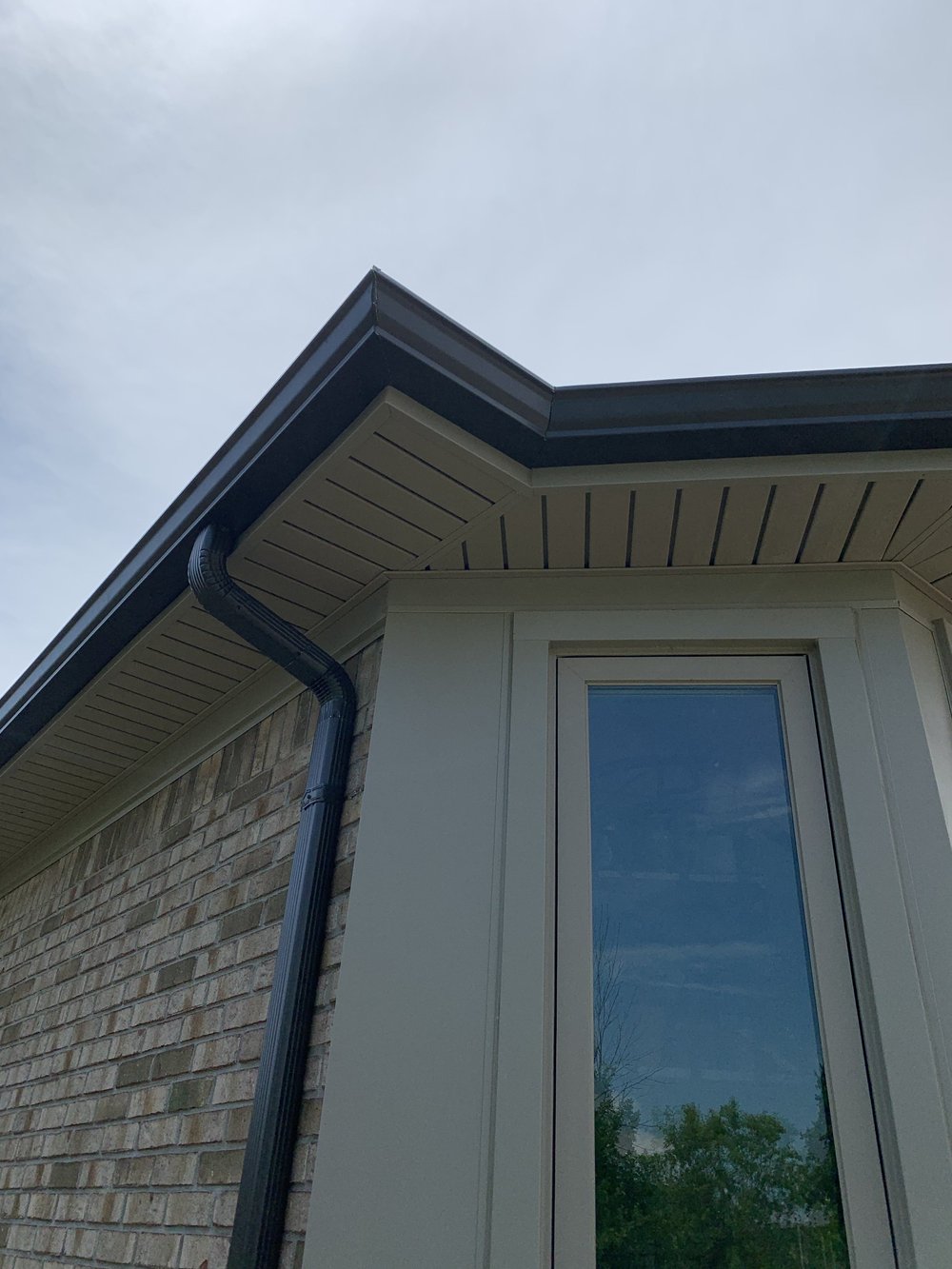
If you're pricing out an exterior paint job for your New Baltimore home in 2026, you've probably noticed something: the estimates you're getting are all over the map. One contractor quotes $4,500. Another says $9,200. A third won't even give you a number until you sit through a two-hour presentation.
Here's what's actually happening. Exterior painting costs aren't based on square footage alone — they're driven by surface condition, trim complexity, material type, and how much prep work your home actually needs. A 2,000-square-foot ranch with vinyl siding and minimal trim is a completely different project than a 2,000-square-foot Colonial with wood clapboard, detailed window casings, and years of deferred maintenance.
We've been painting homes in Southeast Michigan since 1988, and we're exclusive Sherwin-Williams contractors. This isn't a sales pitch — it's the cost breakdown we wish someone had given us when we started. You'll know what you're actually paying for, what drives the price up, and when painting stops making sense compared to replacement.
What You'll Actually Pay to Paint Your New Baltimore Home in 2026
Let's start with real numbers. These are based on actual projects we've completed in New Baltimore and surrounding Macomb County communities in 2025 and early 2026, using Sherwin-Williams premium exterior coatings and proper surface preparation.
| Home Size/Type | Typical Cost Range | What's Included |
|---|---|---|
| 1,200-1,500 sq ft Ranch (vinyl siding, minimal trim) | $3,800 - $5,200 | Pressure wash, spot prime, 2 coats body, 1 coat trim |
| 1,800-2,200 sq ft Colonial (wood siding, moderate trim) | $6,500 - $9,200 | Scrape/sand, caulk, prime, 2 coats body, 2 coats trim |
| 2,400-3,000 sq ft Two-Story (fiber cement, detailed trim) | $9,800 - $14,500 | Full prep, wood repair, prime all surfaces, 2 coats everywhere |
| Historic Home or Complex Architecture | $12,000 - $22,000+ | Extensive prep, custom color matching, specialized primers |
The ranges exist because condition matters more than size. A well-maintained 2,000-square-foot home with sound siding and recent caulking will cost significantly less than a neglected 1,500-square-foot home with rotted trim boards and failing paint that needs to be scraped back to bare wood.
Michigan Reality Check: If you're getting a quote that seems too good to be true, it probably is. We've seen contractors lowball estimates by skipping prep work, using contractor-grade paint instead of premium coatings, or applying only one coat. That paint job will fail in 3-4 years instead of lasting 10-15.
New Baltimore sits right on Lake St. Clair, which means your home faces constant humidity, freeze-thaw cycles that stress every joint and seam, and UV exposure that breaks down cheap paint faster than you'd expect. The cost of cutting corners shows up fast here.
Breaking Down the Numbers: Labor, Materials, and Prep Work
Here's where the money actually goes on a typical exterior painting project in Southeast Michigan:
Labor: 60-70% of Total Cost
Skilled painting crews in the Detroit metro area charge $50-$75 per hour per person in 2026. A typical two-person crew working on a standard Colonial might spend 4-6 days on site. That's 64-96 labor hours, which translates to $3,200-$7,200 in labor alone.
What you're paying for isn't just someone holding a brush. It's surface preparation — scraping loose paint, sanding rough spots, caulking every gap and joint, priming bare wood and stains. It's protecting your landscaping, windows, and hardscaping with proper masking. It's knowing how to handle different substrates (vinyl behaves differently than fiber cement, which behaves differently than wood).
Materials: 20-25% of Total Cost
We use Sherwin-Williams exclusively — specifically Duration, Emerald, or SuperPaint depending on substrate and exposure. A typical 2,000-square-foot home requires 15-20 gallons of body paint and 5-8 gallons of trim paint. At $60-$85 per gallon for premium exterior coatings, that's $1,200-$1,700 in paint alone.
Add primer (necessary for bare wood, stains, and dramatic color changes), caulk (we go through 20-30 tubes on a typical Colonial), sandpaper, masking materials, and cleaning supplies, and materials hit $1,800-$2,500 for most projects.
Why Sherwin-Williams? Their Duration line has a 15-year warranty when applied correctly, resists mildew growth in humid climates like New Baltimore's lakefront areas, and holds color better than contractor-grade alternatives. We've tested cheaper options. They don't hold up in Michigan weather.
Prep Work: The Hidden Cost Driver
This is where estimates diverge. Proper surface preparation takes time — sometimes more time than the actual painting. On older homes or homes with deferred maintenance, prep can consume 50-60% of the total labor hours.
What proper prep includes:
- Pressure washing: 1,500-3,000 PSI to remove dirt, mildew, and chalking paint
- Scraping and sanding: Remove all loose, flaking, or bubbling paint back to a sound surface
- Wood repair: Replace rotted trim boards, fascia, or siding sections (common around windows and at ground level)
- Caulking: Seal every joint, seam, and gap where water can penetrate
- Priming: Bare wood, stains, knots, and any surface that won't be topcoated the same day
Contractors who skip or rush prep work can shave 20-30% off their estimates. The paint looks fine for 6-12 months. Then it starts peeling, bubbling, or showing through in spots. You'll be repainting in 3-5 years instead of 12-15.
If you're also considering other exterior services in Detroit and surrounding areas, the prep work mindset applies across the board — whether it's painting, siding, or trim replacement.
What Drives Cost Up (and What Doesn't Matter)
Not all cost factors are obvious. Here's what actually moves the needle on your estimate:
Trim Complexity and Architectural Details
A simple ranch with 4-inch fascia boards and basic window trim takes half the time of a Victorian with decorative brackets, crown molding, window pediments, and multi-piece corner boards. Every architectural detail requires masking, cutting in, and multiple coats.
Homes in New Baltimore's historic districts or older neighborhoods near the waterfront often have intricate woodwork that looks beautiful but adds 30-50% to painting costs compared to a builder-grade Colonial in a newer subdivision.
Siding Condition and Substrate Issues
Vinyl siding in good condition is the easiest substrate to paint — pressure wash, light scuff sand, one coat of premium acrylic. Wood siding that's weathered, splitting, or showing rot requires extensive prep, wood filler, multiple primer coats, and possibly board replacement.
Fiber cement (like James Hardie) sits in the middle — durable substrate, but the factory finish must be properly prepped or the new paint won't adhere. We see this often on homes that are 10-15 years old where the original finish is chalking but the siding itself is sound.
If your siding is severely damaged, you might be looking at house siding replacement in Detroit rather than painting. We'll cover that decision point in the next section.
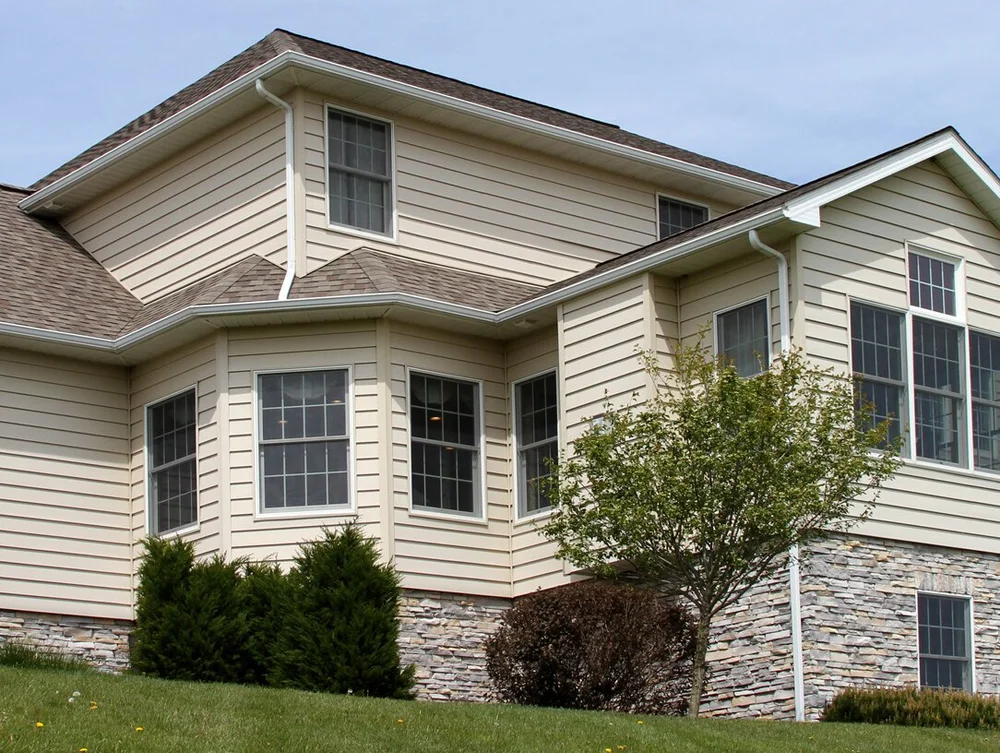
Height, Access, and Safety Considerations
Two-story homes require scaffolding or extension ladders, which slows down the work and increases safety requirements. Homes with steep rooflines, dormers, or second-story bay windows add complexity.
Difficult access — tight side yards, landscaping that can't be moved, decks or porches that block ladder placement — can add 10-20% to labor costs. It's not about charging more for difficulty; it's about the actual time required to work safely and protect your property.
What Doesn't Matter as Much as You'd Think
Color changes don't significantly impact cost unless you're going from dark to light (requires extra coats) or need custom color matching. Standard Sherwin-Williams colors are all the same price.
Sheen level (flat, satin, semi-gloss) doesn't change material cost. We typically use satin for siding and semi-gloss for trim, but it's a preference issue, not a budget issue.
Time of year matters for scheduling, but not for cost. We paint year-round in Michigan when temperatures allow (above 50°F for most products). Spring and fall are busiest, but winter projects don't cost more — they're just weather-dependent.
New Baltimore-Specific Considerations
New Baltimore's location on Lake St. Clair creates specific challenges that impact both paint selection and longevity:
Lake Humidity and Moisture Management
Homes within a mile of the lake face constant humidity, especially in summer. Paint needs to breathe — if moisture gets trapped behind a non-breathable coating, you'll see blistering and peeling within a year.
We use 100% acrylic latex paints (like Sherwin-Williams Duration or Emerald) that allow water vapor transmission while blocking liquid water. Older oil-based or alkyd paints create a vapor barrier that fails in humid climates.
Proper caulking is critical here. Every joint where water can enter — window perimeters, corner boards, trim joints, anywhere two materials meet — gets high-quality polyurethane or acrylic-latex caulk. Cheap caulk cracks in 2-3 years. Quality caulk lasts 15-20.
Freeze-Thaw Cycles and Paint Adhesion
Michigan's freeze-thaw cycles stress every exterior surface. Water gets into cracks, freezes, expands, and pops paint off the substrate. This is why surface preparation matters so much here.
If we're painting over old paint, we scrape and sand back to a sound surface — not just loose paint, but anything that's questionable. If we're painting bare wood, we prime with an oil-based or shellac-based primer that seals the wood and prevents tannin bleed-through (common with cedar and redwood trim).
The same freeze-thaw issues affect other exterior components. If you're dealing with ice dams or water infiltration, check out our guide on attic insulation levels in Metro Detroit — proper insulation prevents the heat loss that creates ice dams, which in turn protects your paint job.
Historic District Requirements
Parts of New Baltimore fall under historic preservation guidelines. If your home is in a designated historic district, you may need approval for color changes or be required to use specific paint types that match the original construction period.
We've worked with the New Baltimore Historic District Commission on multiple projects. The process adds 2-4 weeks to the timeline but doesn't significantly impact cost unless you're required to use specialty coatings or match custom historical colors.
Seasonal Timing and Weather Windows
New Baltimore's lakefront location moderates temperatures slightly compared to inland areas, which can extend the painting season into late fall and early spring. Most premium paints require application temperatures above 50°F, and we need at least 24-48 hours of dry weather for proper curing.
Spring (April-May) and fall (September-October) are ideal — mild temperatures, lower humidity, and stable weather patterns. Summer works fine but requires early morning starts to avoid painting in direct sun above 90°F. Winter projects are possible during warm spells but harder to schedule.
When to Paint vs. When to Replace Siding
Here's the question we get asked on at least 30% of painting estimates: "Should I just replace the siding instead?"
It's a legitimate question. Exterior painting is a maintenance expense that you'll repeat every 10-15 years. Siding replacement is a capital investment that lasts 30-50 years depending on material. The math matters.
Paint Makes Sense When:
- Your siding is structurally sound — no rot, no warping, no moisture infiltration
- The substrate is appropriate for painting (wood, fiber cement, or previously painted vinyl)
- You're planning to stay in the home for 5-10+ years and want to refresh the appearance
- The cost of painting is 25-35% or less than the cost of replacement
- You like the current siding style and just want updated colors
Replacement Makes More Sense When:
- You're seeing widespread rot, especially around windows, corners, or at ground level
- The siding is original to a home built in the 1960s-1980s and showing its age
- You're already planning other major exterior work (roof, windows, trim)
- Painting costs are approaching 40-50% of replacement costs due to extensive prep needs
- You want to upgrade to a more durable or energy-efficient material
Real example: We recently quoted a 1970s ranch in Chesterfield Township at $7,800 for a complete paint job. The siding was original aluminum in fair condition, but the trim was rotted in multiple spots, requiring $1,200 in wood replacement before we could even start painting. Total project: $9,000.
We also quoted LP SmartSide engineered wood siding replacement at $16,500. The homeowner chose replacement — better long-term value, eliminated the rot issues, and came with a 50-year warranty. The paint job would have needed to be repeated in 12-15 years at similar cost.
Expected Lifespan: Paint vs. Siding Materials
Here's what you can realistically expect in Southeast Michigan's climate:
- Premium exterior paint (Sherwin-Williams Duration/Emerald): 12-15 years on properly prepped surfaces
- Standard exterior paint (SuperPaint or contractor grade): 7-10 years
- Vinyl siding: 30-40 years (doesn't require painting, but can fade)
- Fiber cement (James Hardie): 50+ years (repaint every 15-20 years)
- LP SmartSide engineered wood: 50-year warranty (repaint every 15-20 years)
- Wood siding (cedar, pine): 40-60 years if maintained (repaint every 8-12 years)
If you're on the fence, we'll walk the property with you and point out specific issues. We're not in the business of upselling — if paint makes sense, we'll paint. If replacement makes sense, we'll tell you that too. We do both, so we don't have a financial incentive to push one over the other.
For a deeper comparison of siding options, check out our LP SmartSide vs James Hardie comparison — it breaks down the cost, durability, and maintenance requirements of the two most popular premium siding materials in Michigan.
How to Get an Accurate Estimate (Not a Sales Pitch)
You deserve a straightforward estimate that reflects the actual scope of work, not a negotiating tactic or a bait-and-switch setup. Here's how to ensure you're getting legitimate pricing:
Require an In-Person Inspection
Any contractor who quotes exterior painting over the phone or from photos alone is guessing. They haven't seen the substrate condition, the trim complexity, the access challenges, or the extent of prep work required.
A legitimate estimate requires walking the property, inspecting all four sides of the home, checking for rot or damage, and discussing your expectations for color, finish, and timeline.
Ask for a Written Scope of Work
The estimate should specify:
- Surface preparation methods (pressure wash, scrape, sand, caulk, prime)
- Paint brand and product line (not just "exterior paint")
- Number of coats for body and trim
- Areas to be painted (siding, trim, fascia, soffit, shutters, doors)
- Warranty coverage (labor and materials)
- Estimated timeline and payment schedule
If the estimate says "prep as needed" or "quality exterior paint," ask for specifics. Vague language is a red flag.
Verify Product Specifications
There's a huge difference between Sherwin-Williams Duration (premium, 15-year warranty) and Sherwin-Williams ProMar 200 (contractor grade, 5-year warranty). Both are Sherwin-Williams products, but the performance gap is massive.
Ask for the specific product name and look up the technical data sheet online. If the contractor can't or won't tell you the exact product, they're probably using the cheapest option available.
Red Flag Alert: Be wary of contractors who pressure you to sign the same day, offer steep discounts for "signing today," or claim they have "extra paint from another job" they can use on your house. Legitimate contractors don't operate that way.
Check Licensing and Insurance
In Michigan, any contractor performing work over $600 must hold a Residential Builder's License. Ask for the license number and verify it at Michigan LARA.
Also verify general liability insurance and workers' compensation coverage. If a painter falls off a ladder on your property and the contractor doesn't carry workers' comp, you could be liable for medical expenses.
NEXT Exteriors has held a Michigan Residential Builder's License since 1988, carries full liability and workers' comp insurance, and maintains an A+ BBB rating. We're not saying this to brag — we're saying it because these credentials should be table stakes for any contractor you hire.
Compare Apples to Apples
If you're getting multiple estimates (and you should), make sure you're comparing equivalent scopes of work. A $5,000 estimate using contractor-grade paint and minimal prep isn't cheaper than a $7,500 estimate using premium materials and proper surface preparation — it's a different project entirely.
Ask each contractor to break down labor, materials, and prep work separately so you can see where the differences lie.
If you're also considering other exterior improvements, our team handles everything from Detroit roofing services to window replacement, seamless gutters, and insulation upgrades. Bundling projects can sometimes reduce overall costs by eliminating duplicate setup and cleanup.
Ready to Get Started?
NEXT Exteriors has been protecting Michigan homes since 1988. We're exclusive Sherwin-Williams contractors, and we don't do high-pressure sales or gimmicks. Just honest estimates, quality work, and crews that show up when they say they will.
Get Your Free QuoteOr call us: (844) 770-6398
Frequently Asked Questions About Exterior Painting Costs in New Baltimore
Most residential projects take 4-7 working days depending on size and complexity. A simple ranch might be done in 3-4 days. A two-story Colonial with detailed trim could take 6-8 days. Weather delays are common in Michigan — we won't paint in rain, extreme heat (above 95°F), or when temperatures drop below 50°F. Factor in an extra 2-3 days for weather contingency when planning your project timeline.
Yes, vinyl siding can be painted if it's in good structural condition. We use 100% acrylic latex paint specifically formulated for vinyl (like Sherwin-Williams VinylSafe). The key is proper surface prep — vinyl must be cleaned, lightly scuff-sanded, and painted with colors that have a Light Reflectance Value (LRV) of 55 or higher to prevent heat warping. A quality vinyl paint job lasts 10-12 years in Michigan's climate.
Late spring (May-June) and early fall (September-October) are ideal. You want consistent temperatures above 50°F, low humidity, and minimal rain. New Baltimore's lakefront location moderates temperatures, which can extend the painting season slightly compared to inland areas. We avoid mid-summer (July-August) when possible due to high heat and humidity, though early morning work sessions can make summer projects viable. Winter painting is possible during warm spells but harder to schedule reliably.
Trim-only painting typically runs $1,800-$4,500 depending on the amount and complexity of trim. A ranch with basic fascia and window trim might cost $1,800-$2,400. A Colonial with detailed window casings, corner boards, crown molding, and decorative brackets could run $3,500-$4,500. Trim requires more precision work, multiple coats (usually two), and extensive masking, which is why the per-square-foot cost is higher than painting siding.
No, you don't need to be home once the project starts. We'll need access to exterior water and electrical outlets, but all work is done outside. We do recommend being present for the initial walkthrough and the final inspection. Our crews arrive between 7:30-8:00 AM, work until 4:00-5:00 PM, and clean up the work area each evening. We'll communicate daily about progress and any issues we discover during prep work.
Proper prep includes pressure washing (1,500-3,000 PSI) to remove dirt and mildew, scraping and sanding all loose or flaking paint back to a sound surface, replacing rotted wood trim or siding sections, caulking every joint and seam with polyurethane or acrylic-latex caulk, and priming bare wood, stains, and any surface that won't be topcoated the same day. On older homes or homes with deferred maintenance, prep work can take 50-60% of the total project time. This is where cheap contractors cut corners — and where paint jobs fail prematurely.
With premium paint (Sherwin-Williams Duration or Emerald) and proper surface preparation, expect 12-15 years on most substrates. Wood siding in harsh exposures (south and west faces) may need repainting in 10-12 years. Fiber cement holds paint longer — 15-18 years is common. Painted vinyl siding typically lasts 10-12 years. The key variables are prep quality, paint quality, and exposure. Homes near Lake St. Clair face more humidity and UV exposure, which can shorten lifespan slightly compared to inland areas. Cheap paint or poor prep will fail in 4-6 years regardless of location.
Attic Insulation Costs in Rochester Hills: 2026 Estimates
Real attic insulation costs for Rochester Hills homes in 2026. Blown-in vs. spray foam pricing, R-value requirements, and what 35 Michigan winters taught us about attic performance.
If you're researching attic insulation costs in Rochester Hills, you're probably seeing one of two things: ice dams forming along your roofline every winter, or energy bills that keep climbing no matter how much you adjust the thermostat. Both point to the same problem — your attic isn't doing its job.
We've been installing attic insulation across Southeast Michigan since 1988, and Rochester Hills presents specific challenges. The mix of 1960s ranch homes, newer two-story Colonials, and everything in between means there's no one-size-fits-all approach. What works for a 1,200-square-foot ranch in the Brooklands neighborhood won't be the same solution for a 3,000-square-foot Colonial near Tienken Road.
Here's what attic insulation actually costs in Rochester Hills in 2026, what drives those numbers, and how to know if you're getting a fair price or getting sold something you don't need.
What Attic Insulation Actually Costs in Rochester Hills (2026)
Let's start with real numbers. For a typical Rochester Hills home — call it 1,500 to 2,000 square feet of attic space — you're looking at:
| Insulation Type | Cost per Sq Ft | Total (1,800 sq ft attic) | R-Value Achieved |
|---|---|---|---|
| Blown-in Fiberglass | $1.50 – $2.25 | $2,700 – $4,050 | R-49 to R-60 |
| Blown-in Cellulose | $1.75 – $2.50 | $3,150 – $4,500 | R-49 to R-60 |
| Spray Foam (Open-Cell) | $2.50 – $3.50 | $4,500 – $6,300 | R-38 to R-49 |
| Spray Foam (Closed-Cell) | $4.00 – $6.00 | $7,200 – $10,800 | R-49+ |
Those ranges aren't arbitrary. They shift based on:
- Existing insulation condition: If we're adding to what's already there versus removing old, damaged material first
- Attic accessibility: A wide-open attic with plenty of headroom costs less to insulate than a tight crawl space with HVAC ductwork everywhere
- Air sealing requirements: If your attic has major air leaks around recessed lights, plumbing penetrations, or an unsealed attic hatch, that work needs to happen first — and it adds to the total
- Ventilation upgrades: Older Rochester Hills homes sometimes need soffit baffles or additional ridge venting to maintain proper airflow after insulation goes in
Why air sealing matters: You can blow in all the fiberglass you want, but if warm air is escaping through gaps around your chimney chase or unsealed electrical boxes, you're still losing heat. We air seal first, then insulate. It's the difference between a 20% energy improvement and a 40% improvement.
Most Rochester Hills homes we work on fall into the $3,500 to $5,500 range for a complete attic insulation upgrade using blown-in fiberglass to R-60. That includes air sealing, ventilation checks, and proper installation by crews who've done this through 35 Michigan winters.
Material Options: What Works Best in Oakland County
There are four main insulation materials we install in Rochester Hills attics. Each has a place, and none of them are "bad" — but they're not interchangeable.
Blown-In Fiberglass
This is what we install in about 70% of Rochester Hills attics. Owens Corning and CertainTeed both make excellent blown-in fiberglass products. It's lightweight, doesn't settle much over time, and hits R-49 to R-60 without issue.
The advantage: It's cost-effective, performs well in Michigan's freeze-thaw cycles, and doesn't absorb moisture the way cellulose can if you ever get a roof leak. We've seen 20-year-old blown-in fiberglass installations still performing at spec.
The catch: It needs proper air sealing underneath. Fiberglass doesn't stop air movement — it slows heat transfer. If you have air leaks, fiberglass alone won't solve your ice dam problem.
Blown-In Cellulose
Cellulose is denser than fiberglass, which means it resists air movement slightly better. It's made from recycled paper treated with fire retardant, so it's a good option if you're prioritizing eco-friendly materials.
The tradeoff: It settles more over time (10-20% is normal), and if moisture gets in — from a roof leak or condensation — it can compress and lose R-value. In a dry, well-vented attic, cellulose performs great. In a problem attic with moisture issues, we'd steer you toward fiberglass.
Spray Foam (Open-Cell and Closed-Cell)
Spray foam is the premium option, and there are situations where it's worth every penny. Open-cell foam expands to fill cavities and provides both insulation and air sealing in one step. Closed-cell foam is denser, offers a higher R-value per inch, and adds structural rigidity.
When we recommend spray foam in Rochester Hills:
- Attics with cathedral ceilings or finished bonus rooms where you're insulating the roof deck, not the attic floor
- Homes with chronic ice dam issues where air sealing is critical and access is limited
- Rim joist areas in basements (closed-cell foam excels here)
The reality: For a standard attic with open floor joists, blown-in fiberglass plus proper air sealing gives you 90% of the performance at 40% of the cost. Spray foam makes sense in specific applications, but it's not always necessary.
If you're considering insulated siding for your Michigan home, pairing that with upgraded attic insulation creates a comprehensive thermal envelope that significantly reduces energy loss.
R-Value Requirements for Rochester Hills Homes
Michigan building code requires a minimum of R-49 in attics for new construction and major renovations. That's the floor, not the target.
For real energy efficiency in Rochester Hills, we recommend R-60. Here's why: Oakland County sits in ENERGY STAR's Climate Zone 5, which means cold winters with significant heating loads. The difference between R-49 and R-60 is about 3-4 inches of additional insulation, and it translates to roughly 10-15% better thermal performance.
If your home was built before 2000, there's a good chance you have R-19 to R-30 in the attic right now — maybe less if it's settled or been disturbed by HVAC work over the years. Going from R-25 to R-60 is where you see the dramatic energy bill reductions and ice dam elimination.
R-value reality check: R-value measures resistance to heat flow, but it only works if the insulation stays dry and isn't bypassed by air leaks. A poorly installed R-60 attic can perform worse than a properly sealed R-49 attic. Installation quality matters more than the number on the bag.
When we measure existing insulation in Rochester Hills homes, we're looking for:
- Current depth and estimated R-value
- Settlement or compression (especially around HVAC equipment)
- Moisture staining or mold growth
- Gaps around penetrations (chimneys, plumbing vents, recessed lights)
- Ventilation adequacy (soffit intake, ridge exhaust)
That assessment tells us whether you need a top-up, a full replacement, or air sealing work before any insulation goes in. Just like our approach to siding repair versus replacement in Southeast Michigan, we'll tell you what you actually need — not what generates the biggest invoice.
Signs Your Rochester Hills Home Needs New Attic Insulation
You don't need to climb into your attic to know there's a problem. These are the signs we hear about most often from Rochester Hills homeowners:
Ice Dams Every Winter
If you're getting icicles longer than 6 inches or ice buildup in your gutters, your attic is too warm. Heat escaping through the ceiling melts snow on the roof. That water runs down, refreezes at the eaves, and backs up under your shingles. More insulation and air sealing stop the heat loss that causes ice dams in the first place.
Ice dams aren't just an insulation issue — they can damage your Detroit roofing system and lead to interior water damage if left unchecked.
Uneven Heating and Cooling
Second floor bedrooms that are 5-10 degrees warmer in summer or colder in winter than the first floor? That's a classic attic insulation problem. The rooms directly below an under-insulated attic bear the brunt of temperature swings.
High Energy Bills
If your heating bills in January and February are consistently higher than your neighbors' (accounting for similar home sizes), your attic is likely the culprit. We've seen 30-40% reductions in heating costs after upgrading from R-25 to R-60 in older Rochester Hills homes.
Visible Insulation Settlement
If you can see your attic floor joists poking through the insulation, or if there are obvious gaps and thin spots, you've lost R-value. Fiberglass settles minimally, but cellulose can compress significantly over 15-20 years.
Moisture or Mold in the Attic
Condensation on roof sheathing, black mold on rafters, or wet insulation all indicate a ventilation and/or air sealing problem. Adding insulation without fixing the moisture source makes things worse, not better.
For homes experiencing drafts and temperature inconsistencies, our guide to air sealing in Royal Oak, MI covers many of the same principles that apply to Rochester Hills attics.
How Attic Insulation Installation Works
Here's what actually happens when NEXT Exteriors installs attic insulation in a Rochester Hills home. No surprises, no shortcuts.
Step 1: Air Sealing and Preparation
Before any insulation goes in, we seal air leaks. This means:
- Caulking around plumbing vent penetrations
- Sealing gaps around the chimney chase with fire-rated materials
- Installing covers over recessed lights (or replacing them with IC-rated, airtight fixtures)
- Weatherstripping and insulating the attic hatch or pull-down stairs
- Sealing top plates where interior walls meet the attic floor
This step takes 2-4 hours depending on how many penetrations exist. It's not glamorous, but it's the difference between an insulation job that works and one that underperforms.
Step 2: Existing Insulation Assessment
We measure what's already there, check for moisture damage, and decide whether to remove old insulation or add on top of it. If the existing material is dry, intact, and evenly distributed, we'll often add new insulation on top to reach R-60. If it's compressed, moldy, or contaminated (rodent droppings are common in older homes), we remove it first.
Step 3: Ventilation Check
Proper attic ventilation requires intake at the soffits and exhaust at the ridge. We verify soffit vents aren't blocked by existing insulation, install baffles to maintain airflow channels, and check that ridge vents or gable vents are adequate for the attic size.
Michigan's temperature swings make ventilation critical. In summer, a well-vented attic stays cooler and protects your shingles. In winter, it prevents moisture buildup that leads to mold and roof deck rot.
Step 4: Insulation Installation
For blown-in fiberglass or cellulose, we use a truck-mounted blower to fill the attic to the target depth. We work systematically, measuring depth in multiple spots to ensure even coverage. For spray foam applications, we apply in controlled passes, allowing each layer to cure before adding the next.
A typical 1,800-square-foot attic takes 4-6 hours to insulate once air sealing and prep are complete.
Step 5: Depth Verification and Cleanup
We measure final insulation depth, verify it matches the target R-value, and install depth markers so future contractors (or homeowners) know what's there. Then we clean up — no loose insulation left in the house, no equipment damage to your driveway or landscaping.
The same attention to detail we bring to siding installation in Michigan applies to every insulation project. Show up on time, do the work right, leave the site clean.
Ready to Get Started?
NEXT Exteriors has been protecting Michigan homes since 1988. Get a free, no-pressure estimate from a team that shows up on time and does the job right.
Get Your Free QuoteOr call us: (844) 770-6398
Other Services from NEXT Exteriors
While attic insulation is one of the most cost-effective upgrades you can make, it's often part of a larger exterior improvement plan. NEXT Exteriors offers comprehensive exterior services in Detroit and throughout Southeast Michigan, including house siding installation, window replacement, seamless gutter installation, and exterior painting with Sherwin-Williams products. Whether you're preparing your home for sale or planning long-term improvements, we'll help you prioritize projects that deliver real value.
Frequently Asked Questions
Blown-in fiberglass insulation typically lasts 30-40 years in Michigan attics when properly installed and ventilated. Cellulose can last 20-30 years but may settle 10-20% over time. Spray foam is effectively permanent — it doesn't settle or degrade. The bigger factor is moisture. If your roof leaks or ventilation fails, any insulation can be compromised in just a few years. We've seen 25-year-old fiberglass installations in Rochester Hills homes still performing at R-50+ because the roof and ventilation were maintained.
You can, but it's harder than it looks. Renting a blower, buying the right amount of material, and getting even coverage without creating ventilation problems requires experience. The bigger issue is air sealing — most DIY jobs skip this step entirely, which cuts performance in half. If you're comfortable in an attic and willing to do the research, a small top-up job might be manageable. For a full R-60 installation with air sealing and ventilation work, hire a pro. The energy savings from proper installation pay back the labor cost in 3-5 years.
If installed correctly with proper air sealing, yes — attic insulation eliminates the heat loss that causes ice dams. But insulation alone isn't enough. You also need adequate ventilation to keep the roof deck cold in winter. We've fixed ice dam problems in hundreds of Rochester Hills homes, and the solution is always the same: R-60 insulation, complete air sealing, and verified soffit-to-ridge ventilation. Skip any of those three, and you'll still get ice buildup. Done right, you shouldn't see ice dams again.
It depends on what you're starting from. Going from R-19 to R-60 in a 2,000-square-foot Rochester Hills home typically reduces heating costs by 25-35% — that's $400-$700 per year for most homeowners. Cooling costs drop 15-20% in summer. Payback period is usually 5-8 years, and the comfort improvement is immediate. If you're starting from R-30 or already have R-38, the savings are smaller but still meaningful — maybe 15-20% on heating. We can estimate your specific savings based on current insulation levels and your home's heating system.
Fall and spring are ideal — attics are cooler, and you're getting the upgrade in place before peak heating or cooling season. That said, we install insulation year-round in Southeast Michigan. Summer attics get hot (120°F+), but we start early and work efficiently. Winter installations are fine as long as the attic is accessible and dry. If you're seeing ice dams right now, don't wait until spring — get it fixed before the next snowfall. The sooner you upgrade, the sooner you start saving on energy costs.
Not always. If the existing insulation is dry, evenly distributed, and free of mold or contamination, we'll often add new material on top to reach R-60. This saves time and cost. But if the old insulation is compressed, water-damaged, moldy, or contaminated with rodent droppings, it needs to come out first. We assess this during the initial inspection. Removal adds $1-$2 per square foot to the project, but it's necessary in about 30% of the Rochester Hills attics we work on — especially in homes built before 1980.
Better insulation reduces the load on your furnace and air conditioner, which means they run less often and last longer. We've had Rochester Hills homeowners report 20-30% reductions in furnace runtime after upgrading to R-60. That's less wear on the equipment and lower maintenance costs over time. One caution: if your HVAC ducts run through the attic (common in ranch homes), make sure they're properly insulated and sealed. Leaky ducts in an unconditioned attic waste energy even if the attic floor insulation is perfect. We check ductwork during every attic inspection and flag issues we find.
Choosing an Energy Efficient Window Company in Detroit
What to look for when choosing an energy efficient window company in Detroit. Michigan contractor explains credentials, materials, and installation quality.
You're sitting in your living room in Royal Oak on a January morning, coffee in hand, and you can feel the cold radiating off the window glass three feet away. Your furnace has been running nonstop since Thanksgiving. The windows look fine from the outside, but your heating bills tell a different story.
When you start Googling "energy efficient windows Detroit," you'll find dozens of companies claiming they can solve your problem. Some are legitimate contractors who've been serving Southeast Michigan for decades. Others are sales operations that subcontract the actual work to whoever's available that week. Choosing an energy efficient window company in Detroit isn't just about picking the cheapest bid or the slickest sales pitch—it's about finding someone who understands Michigan's climate, knows how to install windows properly, and will still be around if something goes wrong.
I've been installing windows in Macomb, Oakland, and St. Clair counties since 1988. I've seen what happens when homeowners choose based on price alone, and I've fixed plenty of installations done by companies that disappeared six months after cashing the check. Here's what actually matters when you're choosing a window contractor in Detroit.
What "Energy Efficient" Actually Means for Michigan Windows
Every window company in Detroit will tell you their windows are "energy efficient." It's a meaningless claim without numbers to back it up. What you need to understand are the actual performance ratings that determine whether a window will keep your house comfortable during Michigan's temperature swings.
U-Factor: The Number That Matters Most
U-factor measures how well a window prevents heat from escaping. Lower numbers are better. In Southeast Michigan's climate zone, you want windows with a U-factor of 0.30 or lower. Most builder-grade windows from the 1990s and early 2000s have U-factors between 0.45 and 0.60—which explains why you can feel cold air pouring off them in winter.
Modern double-pane windows with low-E coatings and argon gas fills typically achieve U-factors between 0.25 and 0.30. That's a 40-50% improvement in insulation value compared to older windows. Triple-pane windows can get down to 0.15-0.20, but they cost significantly more and the payback period in Michigan's moderate climate is often 20+ years.
SHGC: Managing Summer Heat
Solar Heat Gain Coefficient (SHGC) measures how much solar radiation passes through the glass. In Michigan, you actually want some solar heat gain in winter—it helps reduce heating costs. The sweet spot for our climate is an SHGC between 0.30 and 0.40. Too low and you lose free winter heating; too high and your air conditioning works overtime in July.
This is where a lot of national window companies get it wrong. They sell the same glass package in Troy that they sell in Phoenix, which makes no sense. A qualified Detroit window expert will recommend different coatings based on which side of your house the windows face and how much shade you have.
ENERGY STAR Northern Climate Zone: Southeast Michigan falls into ENERGY STAR's Northern climate zone. Windows certified for this zone must meet minimum performance standards: U-factor ≤ 0.30 and SHGC ≥ 0.32. These aren't suggestions—they're the baseline for what qualifies as "energy efficient" in our region.
Low-E Coatings and Gas Fills
Low-emissivity (low-E) coatings are microscopically thin metallic layers applied to window glass. They reflect infrared heat back into your house in winter and block solar heat in summer. There are different types—some optimized for heating climates, others for cooling. For Michigan homes, you typically want a coating that balances both.
Argon gas fills between the panes provide better insulation than regular air. Argon is denser and reduces convection currents that transfer heat across the gap. The difference in U-factor between air-filled and argon-filled windows is about 0.05—not huge, but worth having if you're already replacing windows. Krypton gas performs slightly better but costs more and is typically only used in triple-pane units.
The Credentials That Actually Matter
Anyone can buy a truck, print business cards, and call themselves a window contractor. In Michigan, you need a Residential Builder's License to legally perform window replacement work that involves structural modifications or costs over $600. That license means the state has verified the contractor's experience, insurance coverage, and financial responsibility.
Michigan Residential Builder's License
This is non-negotiable. You can verify a contractor's license status through Michigan LARA (Department of Licensing and Regulatory Affairs). A valid license means they've met minimum requirements for experience, passed a trade exam, and maintain required insurance. If a company can't provide their license number immediately, walk away.
NEXT Exteriors operates under Michigan Residential Builder's License held by Premier Builder Inc., our parent company. We've maintained that license continuously since 1988. That's 35+ years of meeting state requirements, maintaining insurance, and staying current with building codes.
Manufacturer Certifications
Major window manufacturers like Pella, Andersen, and Marvin offer certification programs for installers. These aren't participation trophies—they require training on proper installation techniques specific to each product line. A certified installer knows how to flash the window properly, insulate the rough opening correctly, and avoid the mistakes that cause leaks and drafts.
When you're comparing contractors, ask which manufacturers they're certified with. If they say "we can install any brand," that's a red flag. Different window systems have different installation requirements. A contractor who installs five different brands every week probably doesn't do any of them perfectly.
BBB Accreditation and Rating
Better Business Bureau accreditation isn't required, but it's a good indicator of how a company handles complaints. NEXT Exteriors has been BBB A+ accredited since 2006. That rating reflects our response to customer concerns, transparency in advertising, and commitment to resolving issues when they arise.
Check the BBB profile for any company you're considering. Look at the complaint history, not just the letter grade. A company with a dozen unresolved complaints about installation quality or warranty issues is showing you exactly who they are—believe them.
Years in Business and Local Presence
Window warranties are worthless if the company isn't around to honor them. A contractor who's been operating in Southeast Michigan for 10+ years has survived economic downturns, earned repeat business, and built a reputation they have to protect. A company that opened last year might be great, but you're taking a bigger risk.
Look for a physical address, not just a P.O. box or phone number. NEXT Exteriors operates out of 233 Church Street in Mount Clemens. We have a showroom, an office, and a shop where we stage materials. If something goes wrong, you know where to find us.
For homeowners researching broader improvements beyond windows, understanding how different home renovation projects like siding work together can help you plan a comprehensive exterior upgrade that maximizes energy efficiency.
Installation Quality Trumps Product Quality
Here's what 35 years in this business has taught me: a mid-grade window installed correctly will outperform a premium window installed poorly every single time. I've replaced thousand-dollar Andersen windows that were leaking after three years because the original installer didn't know how to flash them properly. I've also seen twenty-year-old builder-grade windows still performing fine because someone took the time to do the job right.
Why Even Premium Windows Fail
Most window failures in Michigan aren't product defects—they're installation defects. Water intrusion around the frame. Air leaks at the sill. Condensation between panes because the seal failed due to frame stress. These problems happen when installers rush the job, skip steps, or simply don't understand building science.
A window opening in a Michigan house has to manage water, air, and temperature differences across a 150-degree range from summer to winter. The window itself is only part of that system. The flashing, the insulation, the air sealing, and the integration with the existing wall assembly all matter just as much as the window quality.
Proper Flashing and Water Management
Water management is the most critical aspect of window installation in Michigan. We get lake-effect snow, ice dams, driving rain, and freeze-thaw cycles that find every weakness in a building envelope. Proper flashing creates a drainage plane that directs water away from the window opening and prevents it from getting into the wall cavity.
This means installing a sill pan at the bottom of the opening, integrating the window's nailing fin with the water-resistive barrier, and properly lapping the flashing so water can't get behind it. It means understanding how water moves and where it wants to go. A lot of installers skip these steps because they're time-consuming and the homeowner can't see them once the trim is back on.
At NEXT Exteriors, we follow ASTM E2112 installation standards—the recognized best practice for window installation. That's not marketing talk; it's the actual technical standard that defines proper installation procedures. We document our flashing work with photos because we know it's the foundation of a leak-free installation.
Insulation Around Rough Openings
The gap between the window frame and the rough opening needs to be insulated, but you can't just stuff fiberglass in there and call it done. Fiberglass compresses and loses R-value. It doesn't air seal. And if any moisture gets into that cavity, fiberglass holds it against the wood framing.
We use low-expansion foam designed specifically for window installation. It fills the gap completely, provides an air seal, and won't bow the window frame or interfere with operation. We also trim excess foam and protect it from UV exposure, which degrades foam over time. These details matter in Michigan's climate.
The same attention to detail applies to other exterior components. When we're discussing window replacement costs in Michigan, we're factoring in proper installation procedures, not cutting corners to hit a price point.
Michigan Freeze-Thaw Considerations
Southeast Michigan averages 30-40 freeze-thaw cycles per winter. Water expands when it freezes, creating tremendous pressure. If water gets into any crack or gap around a window, those freeze-thaw cycles will make the problem worse every year.
This is why proper air sealing and water management aren't optional in Michigan—they're essential. A window installation that might work fine in Georgia will fail here because our climate is more demanding. Your contractor needs to understand this and install accordingly.
Questions to Ask Before You Hire
A good window company won't mind answering detailed questions. In fact, they'll appreciate that you're doing your homework. Here are the questions that will help you separate qualified contractors from sales operations.
Can You Show Me Your Michigan Builder's License?
This should be an easy yes. If they hesitate, make excuses, or say they'll email it later, that's a red flag. A legitimate contractor has their license number on their business card and website. You can verify it yourself at michigan.gov/lara.
Who Actually Does the Installation?
Some companies use their own employees; others subcontract to whoever's available. Employee crews generally provide more consistent quality because they're trained to the company's standards and supervised directly. Subcontractors might be great, or they might be the lowest bidder that week.
At NEXT Exteriors, all installation work is performed by our own crews—employees, not subcontractors. They've been trained on our installation standards, they use our equipment and materials, and they're accountable to us. If you have a problem, you're talking to the same company that did the work.
What's Your Installation Warranty?
Window manufacturers provide product warranties, but those don't cover installation defects. You need a separate installation warranty from the contractor. A quality company will warranty their installation work for at least five years, covering leaks, drafts, and operational issues caused by installation errors.
Ask for the warranty terms in writing before you sign anything. Make sure it's clear what's covered, what's not, and how long the coverage lasts. If the warranty language is vague or full of exclusions, that tells you something about how confident they are in their work.
What Happens If There's a Problem After Installation?
This question reveals how a company handles warranty issues. A good answer includes a specific process: you call, they schedule a service visit within X days, they diagnose the problem, and they fix it at no charge if it's a warranty issue. A vague answer like "we'll take care of you" means nothing.
Ask for references from customers who had warranty work done. Anyone can provide references from happy customers whose jobs went smoothly. The real test is how they handle problems.
What's Your Timeline and How Do You Handle Weather Delays?
Window replacement in Michigan is weather-dependent. You can't install windows in heavy rain, and cold temperatures affect foam and sealant curing. A realistic contractor will give you a timeline with built-in flexibility for weather. Someone who promises a specific completion date regardless of conditions is either naive or dishonest.
Ask what happens if weather delays the project. Do they have other jobs scheduled that take priority? Will your materials sit on the truck while they finish someone else's house? Understanding their scheduling process helps you know what to expect.
Similar considerations apply to other exterior work. When evaluating siding contractors near you in Southeast Michigan, the same questions about licensing, installation crews, and warranties apply.
Red Flags to Watch For
Some warning signs are obvious; others are subtle. Here's what should make you walk away from a window contractor, no matter how good their sales pitch sounds.
High-Pressure Sales Tactics
"This price is only good if you sign today." "I can give you a special discount if you let us use your house as a model home." "We're doing a job in your neighborhood and have leftover materials." These are classic high-pressure tactics designed to prevent you from comparing options or thinking clearly.
Legitimate contractors don't operate this way. At NEXT Exteriors, we provide written estimates that are good for 30 days. We want you to compare our proposal to others. We're confident that when you evaluate credentials, installation quality, and warranty coverage, we'll earn your business. We don't need pressure tactics.
Unusually Low Bids
If one bid is significantly lower than the others, there's a reason. Maybe they're using lower-grade materials. Maybe they're skipping installation steps. Maybe they're planning to add charges later. Or maybe they're desperate for work because their reputation has dried up their customer base.
Quality window installation in Southeast Michigan costs what it costs. Materials have market prices. Skilled labor has market rates. Insurance, licensing, and overhead are real expenses. A contractor who's significantly cheaper than everyone else is cutting corners somewhere—you just don't know where yet.
No Physical Address or Local Presence
A cell phone number and a website aren't enough. You need to know where the company is located, how long they've been there, and whether they'll still be around in five years when you need warranty service. Storm chasers and fly-by-night operations are common in the home improvement industry. They blow into town after a storm, sell a bunch of jobs, collect deposits, and disappear.
Check Google Maps to verify the business address. Look for how long they've been at that location. Search for their company name plus "complaints" or "problems." See what comes up. Do your homework before you hand over a deposit.
Vague Warranty Language
Warranties that don't specify exactly what's covered, for how long, and under what conditions are worthless. "We stand behind our work" isn't a warranty—it's a platitude. You need specific terms in writing: installation defects covered for X years, including labor and materials, with no exclusions for normal weather exposure.
If the contractor balks at providing warranty terms in writing, that tells you everything you need to know about their confidence in their work.
No Proof of Insurance
Window installation involves working at heights, cutting into your house, and potential for property damage. Your contractor needs general liability insurance and workers' compensation coverage. If someone gets hurt on your property and the contractor doesn't have workers' comp, you could be liable.
Ask for certificates of insurance before work begins. Verify they're current and that coverage amounts are adequate. This isn't paranoia—it's protecting yourself from financial risk.
Real Cost Expectations for Detroit Window Projects
Let's talk about money. Window replacement is a significant investment, and you deserve to know what things actually cost in Southeast Michigan in 2026. Prices vary based on window type, size, material, and installation complexity, but here are realistic ranges.
Price Ranges by Window Type
For a typical double-hung vinyl window (the most common type in Michigan homes), expect to pay $500-$800 per window installed. That includes removal of the old window, proper installation with flashing and insulation, interior and exterior trim, and cleanup. Higher-end vinyl or fiberglass windows run $700-$1,200 installed.
Wood windows cost more—typically $1,000-$2,000 per window installed, depending on size and finish options. They look beautiful in historic homes in Grosse Pointe or Birmingham, but they require more maintenance than vinyl or fiberglass. Aluminum-clad wood windows split the difference in price and maintenance.
Specialty windows like bays, bows, or custom shapes cost significantly more due to structural complexity and custom fabrication. A bay window installation might run $3,000-$6,000 depending on size and configuration. These aren't just window replacements—they often involve structural modifications and roof work.
What Affects Total Project Cost
Window count is obvious, but other factors matter too. Second-story windows cost more to install due to equipment and safety requirements. Windows with damaged framing require carpentry repair before new windows can go in. Brick or stone exterior cladding takes more time to work around than vinyl siding.
Trim complexity affects cost. If you want custom interior trim or need to match existing historic woodwork, that's additional labor. Standard trim is included in most installation prices, but upgrades cost extra.
Disposal fees for old windows are usually included, but some contractors charge separately. Make sure the quote specifies what's included and what's extra. Hidden fees are a common source of conflict.
For a complete understanding of project costs in our region, see our detailed breakdown of what window replacement actually costs in Michigan in 2026.
Financing Options and Energy Rebates
Many window manufacturers offer financing through third-party lenders. Terms vary, but you can often find 0% interest for 12-24 months if you qualify. Read the fine print—some offers have deferred interest that hits you with a big bill if you don't pay off the balance in time.
Michigan energy rebates for windows are limited. Unlike some states, Michigan doesn't offer significant state-level incentives for window replacement. Federal tax credits under the Inflation Reduction Act provide up to $600 for qualifying ENERGY STAR windows, but that's a one-time credit, not a per-window rebate.
Some utility companies offer small rebates for energy-efficient upgrades, but they typically don't cover much of the window cost. DTE Energy occasionally runs programs, but availability changes. Check their website or call to see what's currently available.
The real savings from energy-efficient windows come from reduced heating and cooling costs over the life of the windows. In Michigan, you might see $200-$400 per year in energy savings depending on your home's size, your old windows' condition, and your thermostat settings. That's a 10-15 year payback period, which is realistic for this type of improvement.
When Window Replacement Makes Financial Sense
Not every house needs new windows immediately. If your windows are 20+ years old, have visible damage, or you can feel drafts, replacement makes sense. If you're planning to sell in the next few years, new windows improve curb appeal and can be a selling point, though you typically won't recoup 100% of the cost in resale value.
If your windows are 10-15 years old and still functioning well, you might get more bang for your buck from attic insulation or roofing upgrades. A comprehensive energy audit can help you prioritize improvements based on where you're losing the most energy.
Why NEXT Exteriors for Your Window Project
I'm obviously biased, but here's why homeowners in Southeast Michigan choose NEXT Exteriors for their window projects—and why they refer us to their neighbors.
35+ Years Serving Southeast Michigan
We've been operating continuously since 1988 under Premier Builder Inc. That's 35+ years of Michigan winters, 500+ completed projects, and thousands of satisfied customers. We've survived recessions, market downturns, and industry changes because we do quality work and treat people fairly.
We're not going anywhere. When you need warranty service in five years, we'll still be at 233 Church Street in Mount Clemens. That's not just convenient—it's essential for long-term peace of mind.
Licensed, Insured, BBB A+ Rated
We hold a valid Michigan Residential Builder's License, maintain comprehensive general liability and workers' compensation insurance, and have been BBB A+ accredited since 2006. These aren't marketing claims—they're verifiable credentials you can check independently.
We're transparent about our licensing, insurance, and track record because we're proud of it. That's the foundation of trust in this industry.
In-House Crews, No Subcontractors
Every window installation is performed by NEXT Exteriors employees, not subcontractors. Our crews are trained on our installation standards, use our equipment, and are accountable to our quality control process. You're not getting a different crew every week depending on who's available—you're getting our team, following our procedures.
This consistency matters for quality control. Our crew leaders have been with us for years. They know Michigan building codes, understand our climate challenges, and take pride in their work. That shows up in the finished product.
Manufacturer Partnerships and Product Knowledge
We partner with leading window manufacturers and maintain certifications on their product lines. We're not trying to sell you whatever has the highest markup that week—we're recommending products that perform well in Michigan's climate and have good long-term track records.
We've installed thousands of windows in Southeast Michigan. We know which products hold up to our freeze-thaw cycles, which manufacturers stand behind their warranties, and which features actually matter versus marketing hype. That experience guides our recommendations.
Comprehensive Exterior Services
Windows are often part of a larger exterior improvement project. When you're replacing windows, it might make sense to address siding, gutters, or exterior painting at the same time. We offer all of these services, which means one contractor, one timeline, and coordinated work.
This integrated approach often saves money and time compared to hiring separate contractors for each component. We can coordinate window installation with siding replacement so the flashing integrates properly. We can schedule painting after windows are in so new trim gets a fresh finish. These details matter for both appearance and performance.
Our full range of exterior services in Detroit allows us to approach your project holistically, not just as a series of disconnected repairs.
Ready to Get Started?
NEXT Exteriors has been protecting Michigan homes since 1988. Get a free, no-pressure estimate from a team that shows up on time and does the job right.
Get Your Free QuoteOr call us: (844) 770-6398
Frequently Asked Questions
For a typical single-family home with 10-15 windows, expect 2-3 days of installation work. Day one is usually removal of old windows and prep work. Day two is installation of new windows with proper flashing and insulation. Day three is trim work and final details. Weather can extend the timeline—we won't install windows in heavy rain or when temperatures are below freezing because sealants and foam won't cure properly. Larger homes or complex projects with structural modifications take longer. We'll give you a realistic timeline during the estimate process.
From a cost efficiency standpoint, doing all windows at once is cheaper per window because we're already set up at your house with equipment and materials. You also get consistent appearance with all windows from the same production run. That said, budget constraints are real. If you need to phase the work, prioritize the worst-performing windows first—typically north-facing windows and any with visible damage or air leaks. Second-story windows are often in better shape than first-floor windows because they're less exposed to ground moisture and landscaping damage. We can help you prioritize based on condition and energy loss.
Insert windows (also called pocket windows) fit into the existing window frame. The old sash is removed, but the frame stays in place. This is faster and less expensive, but you lose some glass area because the new window sits inside the old frame. Full-frame replacement removes everything down to the rough opening, which allows us to inspect and repair framing, install proper flashing, and maximize glass area. In Michigan, full-frame replacement is usually the better choice because it addresses hidden problems—rot, water damage, inadequate insulation—that insert windows just cover up. The upfront cost is higher, but you're getting a more durable installation that will last longer in our climate.
You don't need to be home the entire time, but someone should be there when we start and finish each day. We'll need access to the interior for trim work and to protect your floors and furniture. We also want to walk you through the work at the end of each day so you can see what was done and ask questions. Most homeowners choose to be home at least part of the time because it's interesting to watch the process and make sure they're happy with how things are going. We'll work around your schedule as much as possible—we understand you have jobs and commitments.
Modern vinyl and fiberglass windows require minimal maintenance, but a few simple steps will keep them performing well for decades. Clean the glass and frames twice a year with mild soap and water—avoid abrasive cleaners that can scratch low-E coatings. Vacuum or brush out the tracks to remove dirt and debris that can interfere with operation. Check weatherstripping annually and replace it if it's compressed or damaged. Lubricate moving parts (hinges, locks, operators) with silicone spray once a year. Keep landscaping trimmed back from windows to allow air circulation and prevent moisture accumulation. In winter, if you notice condensation on the interior glass, that's usually a humidity issue in your house, not a window problem—run exhaust fans when cooking or showering to reduce indoor moisture levels.
New energy-efficient windows will reduce condensation compared to old single-pane or poorly performing double-pane windows, but they won't eliminate it completely if your home has high indoor humidity. Condensation forms when warm, moist indoor air contacts a cold surface (the glass). Better windows have warmer interior glass surfaces due to low-E coatings and insulating gas fills, which reduces the temperature difference and makes condensation less likely. However, if your indoor humidity is above 40-50% in winter, you'll still get some condensation even with the best windows. The solution is controlling indoor humidity through ventilation—use bathroom and kitchen exhaust fans, run your furnace fan continuously for better air circulation, and consider a whole-house dehumidifier if condensation is severe. Windows are part of the solution, but not the entire solution.
Yes, but with limitations. We can install windows when temperatures are above 20°F and conditions are dry. The main concern is that sealants and expanding foam need adequate temperature to cure properly—most products require at least 40°F, though some low-temperature formulations work down to 20°F. We use temporary protection to keep cold air out during installation, and we work quickly to minimize exposure time. That said, spring and fall are ideal for window installation in Michigan because weather is more predictable and temperature swings are less extreme. If you're planning a window project, aim for April-June or September-November. We do work through winter when necessary, but we'll be honest about weather-related constraints and won't compromise installation quality to meet an arbitrary deadline.