

Choosing an Energy Efficient Window Company in Detroit
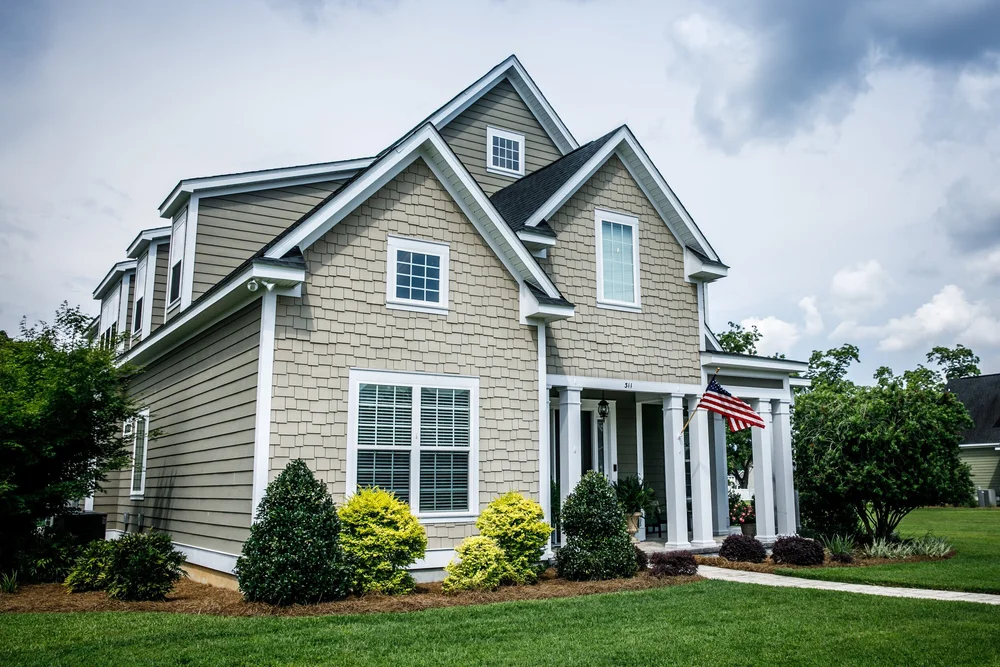
You're sitting in your living room in Royal Oak on a January morning, coffee in hand, and you can feel the cold radiating off the window glass three feet away. Your furnace has been running nonstop since Thanksgiving. The windows look fine from the outside, but your heating bills tell a different story.
When you start Googling "energy efficient windows Detroit," you'll find dozens of companies claiming they can solve your problem. Some are legitimate contractors who've been serving Southeast Michigan for decades. Others are sales operations that subcontract the actual work to whoever's available that week. Choosing an energy efficient window company in Detroit isn't just about picking the cheapest bid or the slickest sales pitch—it's about finding someone who understands Michigan's climate, knows how to install windows properly, and will still be around if something goes wrong.
I've been installing windows in Macomb, Oakland, and St. Clair counties since 1988. I've seen what happens when homeowners choose based on price alone, and I've fixed plenty of installations done by companies that disappeared six months after cashing the check. Here's what actually matters when you're choosing a window contractor in Detroit.
What "Energy Efficient" Actually Means for Michigan Windows
Every window company in Detroit will tell you their windows are "energy efficient." It's a meaningless claim without numbers to back it up. What you need to understand are the actual performance ratings that determine whether a window will keep your house comfortable during Michigan's temperature swings.
U-Factor: The Number That Matters Most
U-factor measures how well a window prevents heat from escaping. Lower numbers are better. In Southeast Michigan's climate zone, you want windows with a U-factor of 0.30 or lower. Most builder-grade windows from the 1990s and early 2000s have U-factors between 0.45 and 0.60—which explains why you can feel cold air pouring off them in winter.
Modern double-pane windows with low-E coatings and argon gas fills typically achieve U-factors between 0.25 and 0.30. That's a 40-50% improvement in insulation value compared to older windows. Triple-pane windows can get down to 0.15-0.20, but they cost significantly more and the payback period in Michigan's moderate climate is often 20+ years.
SHGC: Managing Summer Heat
Solar Heat Gain Coefficient (SHGC) measures how much solar radiation passes through the glass. In Michigan, you actually want some solar heat gain in winter—it helps reduce heating costs. The sweet spot for our climate is an SHGC between 0.30 and 0.40. Too low and you lose free winter heating; too high and your air conditioning works overtime in July.
This is where a lot of national window companies get it wrong. They sell the same glass package in Troy that they sell in Phoenix, which makes no sense. A qualified Detroit window expert will recommend different coatings based on which side of your house the windows face and how much shade you have.
ENERGY STAR Northern Climate Zone: Southeast Michigan falls into ENERGY STAR's Northern climate zone. Windows certified for this zone must meet minimum performance standards: U-factor ≤ 0.30 and SHGC ≥ 0.32. These aren't suggestions—they're the baseline for what qualifies as "energy efficient" in our region.
Low-E Coatings and Gas Fills
Low-emissivity (low-E) coatings are microscopically thin metallic layers applied to window glass. They reflect infrared heat back into your house in winter and block solar heat in summer. There are different types—some optimized for heating climates, others for cooling. For Michigan homes, you typically want a coating that balances both.
Argon gas fills between the panes provide better insulation than regular air. Argon is denser and reduces convection currents that transfer heat across the gap. The difference in U-factor between air-filled and argon-filled windows is about 0.05—not huge, but worth having if you're already replacing windows. Krypton gas performs slightly better but costs more and is typically only used in triple-pane units.
The Credentials That Actually Matter
Anyone can buy a truck, print business cards, and call themselves a window contractor. In Michigan, you need a Residential Builder's License to legally perform window replacement work that involves structural modifications or costs over $600. That license means the state has verified the contractor's experience, insurance coverage, and financial responsibility.
Michigan Residential Builder's License
This is non-negotiable. You can verify a contractor's license status through Michigan LARA (Department of Licensing and Regulatory Affairs). A valid license means they've met minimum requirements for experience, passed a trade exam, and maintain required insurance. If a company can't provide their license number immediately, walk away.
NEXT Exteriors operates under Michigan Residential Builder's License held by Premier Builder Inc., our parent company. We've maintained that license continuously since 1988. That's 35+ years of meeting state requirements, maintaining insurance, and staying current with building codes.
Manufacturer Certifications
Major window manufacturers like Pella, Andersen, and Marvin offer certification programs for installers. These aren't participation trophies—they require training on proper installation techniques specific to each product line. A certified installer knows how to flash the window properly, insulate the rough opening correctly, and avoid the mistakes that cause leaks and drafts.
When you're comparing contractors, ask which manufacturers they're certified with. If they say "we can install any brand," that's a red flag. Different window systems have different installation requirements. A contractor who installs five different brands every week probably doesn't do any of them perfectly.
BBB Accreditation and Rating
Better Business Bureau accreditation isn't required, but it's a good indicator of how a company handles complaints. NEXT Exteriors has been BBB A+ accredited since 2006. That rating reflects our response to customer concerns, transparency in advertising, and commitment to resolving issues when they arise.
Check the BBB profile for any company you're considering. Look at the complaint history, not just the letter grade. A company with a dozen unresolved complaints about installation quality or warranty issues is showing you exactly who they are—believe them.
Years in Business and Local Presence
Window warranties are worthless if the company isn't around to honor them. A contractor who's been operating in Southeast Michigan for 10+ years has survived economic downturns, earned repeat business, and built a reputation they have to protect. A company that opened last year might be great, but you're taking a bigger risk.
Look for a physical address, not just a P.O. box or phone number. NEXT Exteriors operates out of 233 Church Street in Mount Clemens. We have a showroom, an office, and a shop where we stage materials. If something goes wrong, you know where to find us.
For homeowners researching broader improvements beyond windows, understanding how different home renovation projects like siding work together can help you plan a comprehensive exterior upgrade that maximizes energy efficiency.
Installation Quality Trumps Product Quality
Here's what 35 years in this business has taught me: a mid-grade window installed correctly will outperform a premium window installed poorly every single time. I've replaced thousand-dollar Andersen windows that were leaking after three years because the original installer didn't know how to flash them properly. I've also seen twenty-year-old builder-grade windows still performing fine because someone took the time to do the job right.
Why Even Premium Windows Fail
Most window failures in Michigan aren't product defects—they're installation defects. Water intrusion around the frame. Air leaks at the sill. Condensation between panes because the seal failed due to frame stress. These problems happen when installers rush the job, skip steps, or simply don't understand building science.
A window opening in a Michigan house has to manage water, air, and temperature differences across a 150-degree range from summer to winter. The window itself is only part of that system. The flashing, the insulation, the air sealing, and the integration with the existing wall assembly all matter just as much as the window quality.
Proper Flashing and Water Management
Water management is the most critical aspect of window installation in Michigan. We get lake-effect snow, ice dams, driving rain, and freeze-thaw cycles that find every weakness in a building envelope. Proper flashing creates a drainage plane that directs water away from the window opening and prevents it from getting into the wall cavity.
This means installing a sill pan at the bottom of the opening, integrating the window's nailing fin with the water-resistive barrier, and properly lapping the flashing so water can't get behind it. It means understanding how water moves and where it wants to go. A lot of installers skip these steps because they're time-consuming and the homeowner can't see them once the trim is back on.
At NEXT Exteriors, we follow ASTM E2112 installation standards—the recognized best practice for window installation. That's not marketing talk; it's the actual technical standard that defines proper installation procedures. We document our flashing work with photos because we know it's the foundation of a leak-free installation.
Insulation Around Rough Openings
The gap between the window frame and the rough opening needs to be insulated, but you can't just stuff fiberglass in there and call it done. Fiberglass compresses and loses R-value. It doesn't air seal. And if any moisture gets into that cavity, fiberglass holds it against the wood framing.
We use low-expansion foam designed specifically for window installation. It fills the gap completely, provides an air seal, and won't bow the window frame or interfere with operation. We also trim excess foam and protect it from UV exposure, which degrades foam over time. These details matter in Michigan's climate.
The same attention to detail applies to other exterior components. When we're discussing window replacement costs in Michigan, we're factoring in proper installation procedures, not cutting corners to hit a price point.
Michigan Freeze-Thaw Considerations
Southeast Michigan averages 30-40 freeze-thaw cycles per winter. Water expands when it freezes, creating tremendous pressure. If water gets into any crack or gap around a window, those freeze-thaw cycles will make the problem worse every year.
This is why proper air sealing and water management aren't optional in Michigan—they're essential. A window installation that might work fine in Georgia will fail here because our climate is more demanding. Your contractor needs to understand this and install accordingly.
Questions to Ask Before You Hire
A good window company won't mind answering detailed questions. In fact, they'll appreciate that you're doing your homework. Here are the questions that will help you separate qualified contractors from sales operations.
Can You Show Me Your Michigan Builder's License?
This should be an easy yes. If they hesitate, make excuses, or say they'll email it later, that's a red flag. A legitimate contractor has their license number on their business card and website. You can verify it yourself at michigan.gov/lara.
Who Actually Does the Installation?
Some companies use their own employees; others subcontract to whoever's available. Employee crews generally provide more consistent quality because they're trained to the company's standards and supervised directly. Subcontractors might be great, or they might be the lowest bidder that week.
At NEXT Exteriors, all installation work is performed by our own crews—employees, not subcontractors. They've been trained on our installation standards, they use our equipment and materials, and they're accountable to us. If you have a problem, you're talking to the same company that did the work.
What's Your Installation Warranty?
Window manufacturers provide product warranties, but those don't cover installation defects. You need a separate installation warranty from the contractor. A quality company will warranty their installation work for at least five years, covering leaks, drafts, and operational issues caused by installation errors.
Ask for the warranty terms in writing before you sign anything. Make sure it's clear what's covered, what's not, and how long the coverage lasts. If the warranty language is vague or full of exclusions, that tells you something about how confident they are in their work.
What Happens If There's a Problem After Installation?
This question reveals how a company handles warranty issues. A good answer includes a specific process: you call, they schedule a service visit within X days, they diagnose the problem, and they fix it at no charge if it's a warranty issue. A vague answer like "we'll take care of you" means nothing.
Ask for references from customers who had warranty work done. Anyone can provide references from happy customers whose jobs went smoothly. The real test is how they handle problems.
What's Your Timeline and How Do You Handle Weather Delays?
Window replacement in Michigan is weather-dependent. You can't install windows in heavy rain, and cold temperatures affect foam and sealant curing. A realistic contractor will give you a timeline with built-in flexibility for weather. Someone who promises a specific completion date regardless of conditions is either naive or dishonest.
Ask what happens if weather delays the project. Do they have other jobs scheduled that take priority? Will your materials sit on the truck while they finish someone else's house? Understanding their scheduling process helps you know what to expect.
Similar considerations apply to other exterior work. When evaluating siding contractors near you in Southeast Michigan, the same questions about licensing, installation crews, and warranties apply.
Red Flags to Watch For
Some warning signs are obvious; others are subtle. Here's what should make you walk away from a window contractor, no matter how good their sales pitch sounds.
High-Pressure Sales Tactics
"This price is only good if you sign today." "I can give you a special discount if you let us use your house as a model home." "We're doing a job in your neighborhood and have leftover materials." These are classic high-pressure tactics designed to prevent you from comparing options or thinking clearly.
Legitimate contractors don't operate this way. At NEXT Exteriors, we provide written estimates that are good for 30 days. We want you to compare our proposal to others. We're confident that when you evaluate credentials, installation quality, and warranty coverage, we'll earn your business. We don't need pressure tactics.
Unusually Low Bids
If one bid is significantly lower than the others, there's a reason. Maybe they're using lower-grade materials. Maybe they're skipping installation steps. Maybe they're planning to add charges later. Or maybe they're desperate for work because their reputation has dried up their customer base.
Quality window installation in Southeast Michigan costs what it costs. Materials have market prices. Skilled labor has market rates. Insurance, licensing, and overhead are real expenses. A contractor who's significantly cheaper than everyone else is cutting corners somewhere—you just don't know where yet.
No Physical Address or Local Presence
A cell phone number and a website aren't enough. You need to know where the company is located, how long they've been there, and whether they'll still be around in five years when you need warranty service. Storm chasers and fly-by-night operations are common in the home improvement industry. They blow into town after a storm, sell a bunch of jobs, collect deposits, and disappear.
Check Google Maps to verify the business address. Look for how long they've been at that location. Search for their company name plus "complaints" or "problems." See what comes up. Do your homework before you hand over a deposit.
Vague Warranty Language
Warranties that don't specify exactly what's covered, for how long, and under what conditions are worthless. "We stand behind our work" isn't a warranty—it's a platitude. You need specific terms in writing: installation defects covered for X years, including labor and materials, with no exclusions for normal weather exposure.
If the contractor balks at providing warranty terms in writing, that tells you everything you need to know about their confidence in their work.
No Proof of Insurance
Window installation involves working at heights, cutting into your house, and potential for property damage. Your contractor needs general liability insurance and workers' compensation coverage. If someone gets hurt on your property and the contractor doesn't have workers' comp, you could be liable.
Ask for certificates of insurance before work begins. Verify they're current and that coverage amounts are adequate. This isn't paranoia—it's protecting yourself from financial risk.
Real Cost Expectations for Detroit Window Projects
Let's talk about money. Window replacement is a significant investment, and you deserve to know what things actually cost in Southeast Michigan in 2026. Prices vary based on window type, size, material, and installation complexity, but here are realistic ranges.
Price Ranges by Window Type
For a typical double-hung vinyl window (the most common type in Michigan homes), expect to pay $500-$800 per window installed. That includes removal of the old window, proper installation with flashing and insulation, interior and exterior trim, and cleanup. Higher-end vinyl or fiberglass windows run $700-$1,200 installed.
Wood windows cost more—typically $1,000-$2,000 per window installed, depending on size and finish options. They look beautiful in historic homes in Grosse Pointe or Birmingham, but they require more maintenance than vinyl or fiberglass. Aluminum-clad wood windows split the difference in price and maintenance.
Specialty windows like bays, bows, or custom shapes cost significantly more due to structural complexity and custom fabrication. A bay window installation might run $3,000-$6,000 depending on size and configuration. These aren't just window replacements—they often involve structural modifications and roof work.
What Affects Total Project Cost
Window count is obvious, but other factors matter too. Second-story windows cost more to install due to equipment and safety requirements. Windows with damaged framing require carpentry repair before new windows can go in. Brick or stone exterior cladding takes more time to work around than vinyl siding.
Trim complexity affects cost. If you want custom interior trim or need to match existing historic woodwork, that's additional labor. Standard trim is included in most installation prices, but upgrades cost extra.
Disposal fees for old windows are usually included, but some contractors charge separately. Make sure the quote specifies what's included and what's extra. Hidden fees are a common source of conflict.
For a complete understanding of project costs in our region, see our detailed breakdown of what window replacement actually costs in Michigan in 2026.
Financing Options and Energy Rebates
Many window manufacturers offer financing through third-party lenders. Terms vary, but you can often find 0% interest for 12-24 months if you qualify. Read the fine print—some offers have deferred interest that hits you with a big bill if you don't pay off the balance in time.
Michigan energy rebates for windows are limited. Unlike some states, Michigan doesn't offer significant state-level incentives for window replacement. Federal tax credits under the Inflation Reduction Act provide up to $600 for qualifying ENERGY STAR windows, but that's a one-time credit, not a per-window rebate.
Some utility companies offer small rebates for energy-efficient upgrades, but they typically don't cover much of the window cost. DTE Energy occasionally runs programs, but availability changes. Check their website or call to see what's currently available.
The real savings from energy-efficient windows come from reduced heating and cooling costs over the life of the windows. In Michigan, you might see $200-$400 per year in energy savings depending on your home's size, your old windows' condition, and your thermostat settings. That's a 10-15 year payback period, which is realistic for this type of improvement.
When Window Replacement Makes Financial Sense
Not every house needs new windows immediately. If your windows are 20+ years old, have visible damage, or you can feel drafts, replacement makes sense. If you're planning to sell in the next few years, new windows improve curb appeal and can be a selling point, though you typically won't recoup 100% of the cost in resale value.
If your windows are 10-15 years old and still functioning well, you might get more bang for your buck from attic insulation or roofing upgrades. A comprehensive energy audit can help you prioritize improvements based on where you're losing the most energy.
Why NEXT Exteriors for Your Window Project
I'm obviously biased, but here's why homeowners in Southeast Michigan choose NEXT Exteriors for their window projects—and why they refer us to their neighbors.
35+ Years Serving Southeast Michigan
We've been operating continuously since 1988 under Premier Builder Inc. That's 35+ years of Michigan winters, 500+ completed projects, and thousands of satisfied customers. We've survived recessions, market downturns, and industry changes because we do quality work and treat people fairly.
We're not going anywhere. When you need warranty service in five years, we'll still be at 233 Church Street in Mount Clemens. That's not just convenient—it's essential for long-term peace of mind.
Licensed, Insured, BBB A+ Rated
We hold a valid Michigan Residential Builder's License, maintain comprehensive general liability and workers' compensation insurance, and have been BBB A+ accredited since 2006. These aren't marketing claims—they're verifiable credentials you can check independently.
We're transparent about our licensing, insurance, and track record because we're proud of it. That's the foundation of trust in this industry.
In-House Crews, No Subcontractors
Every window installation is performed by NEXT Exteriors employees, not subcontractors. Our crews are trained on our installation standards, use our equipment, and are accountable to our quality control process. You're not getting a different crew every week depending on who's available—you're getting our team, following our procedures.
This consistency matters for quality control. Our crew leaders have been with us for years. They know Michigan building codes, understand our climate challenges, and take pride in their work. That shows up in the finished product.
Manufacturer Partnerships and Product Knowledge
We partner with leading window manufacturers and maintain certifications on their product lines. We're not trying to sell you whatever has the highest markup that week—we're recommending products that perform well in Michigan's climate and have good long-term track records.
We've installed thousands of windows in Southeast Michigan. We know which products hold up to our freeze-thaw cycles, which manufacturers stand behind their warranties, and which features actually matter versus marketing hype. That experience guides our recommendations.
Comprehensive Exterior Services
Windows are often part of a larger exterior improvement project. When you're replacing windows, it might make sense to address siding, gutters, or exterior painting at the same time. We offer all of these services, which means one contractor, one timeline, and coordinated work.
This integrated approach often saves money and time compared to hiring separate contractors for each component. We can coordinate window installation with siding replacement so the flashing integrates properly. We can schedule painting after windows are in so new trim gets a fresh finish. These details matter for both appearance and performance.
Our full range of exterior services in Detroit allows us to approach your project holistically, not just as a series of disconnected repairs.
Ready to Get Started?
NEXT Exteriors has been protecting Michigan homes since 1988. Get a free, no-pressure estimate from a team that shows up on time and does the job right.
Get Your Free QuoteOr call us: (844) 770-6398
Frequently Asked Questions
For a typical single-family home with 10-15 windows, expect 2-3 days of installation work. Day one is usually removal of old windows and prep work. Day two is installation of new windows with proper flashing and insulation. Day three is trim work and final details. Weather can extend the timeline—we won't install windows in heavy rain or when temperatures are below freezing because sealants and foam won't cure properly. Larger homes or complex projects with structural modifications take longer. We'll give you a realistic timeline during the estimate process.
From a cost efficiency standpoint, doing all windows at once is cheaper per window because we're already set up at your house with equipment and materials. You also get consistent appearance with all windows from the same production run. That said, budget constraints are real. If you need to phase the work, prioritize the worst-performing windows first—typically north-facing windows and any with visible damage or air leaks. Second-story windows are often in better shape than first-floor windows because they're less exposed to ground moisture and landscaping damage. We can help you prioritize based on condition and energy loss.
Insert windows (also called pocket windows) fit into the existing window frame. The old sash is removed, but the frame stays in place. This is faster and less expensive, but you lose some glass area because the new window sits inside the old frame. Full-frame replacement removes everything down to the rough opening, which allows us to inspect and repair framing, install proper flashing, and maximize glass area. In Michigan, full-frame replacement is usually the better choice because it addresses hidden problems—rot, water damage, inadequate insulation—that insert windows just cover up. The upfront cost is higher, but you're getting a more durable installation that will last longer in our climate.
You don't need to be home the entire time, but someone should be there when we start and finish each day. We'll need access to the interior for trim work and to protect your floors and furniture. We also want to walk you through the work at the end of each day so you can see what was done and ask questions. Most homeowners choose to be home at least part of the time because it's interesting to watch the process and make sure they're happy with how things are going. We'll work around your schedule as much as possible—we understand you have jobs and commitments.
Modern vinyl and fiberglass windows require minimal maintenance, but a few simple steps will keep them performing well for decades. Clean the glass and frames twice a year with mild soap and water—avoid abrasive cleaners that can scratch low-E coatings. Vacuum or brush out the tracks to remove dirt and debris that can interfere with operation. Check weatherstripping annually and replace it if it's compressed or damaged. Lubricate moving parts (hinges, locks, operators) with silicone spray once a year. Keep landscaping trimmed back from windows to allow air circulation and prevent moisture accumulation. In winter, if you notice condensation on the interior glass, that's usually a humidity issue in your house, not a window problem—run exhaust fans when cooking or showering to reduce indoor moisture levels.
New energy-efficient windows will reduce condensation compared to old single-pane or poorly performing double-pane windows, but they won't eliminate it completely if your home has high indoor humidity. Condensation forms when warm, moist indoor air contacts a cold surface (the glass). Better windows have warmer interior glass surfaces due to low-E coatings and insulating gas fills, which reduces the temperature difference and makes condensation less likely. However, if your indoor humidity is above 40-50% in winter, you'll still get some condensation even with the best windows. The solution is controlling indoor humidity through ventilation—use bathroom and kitchen exhaust fans, run your furnace fan continuously for better air circulation, and consider a whole-house dehumidifier if condensation is severe. Windows are part of the solution, but not the entire solution.
Yes, but with limitations. We can install windows when temperatures are above 20°F and conditions are dry. The main concern is that sealants and expanding foam need adequate temperature to cure properly—most products require at least 40°F, though some low-temperature formulations work down to 20°F. We use temporary protection to keep cold air out during installation, and we work quickly to minimize exposure time. That said, spring and fall are ideal for window installation in Michigan because weather is more predictable and temperature swings are less extreme. If you're planning a window project, aim for April-June or September-November. We do work through winter when necessary, but we'll be honest about weather-related constraints and won't compromise installation quality to meet an arbitrary deadline.