

Choosing Asphalt Shingles for Rochester Hills Homes
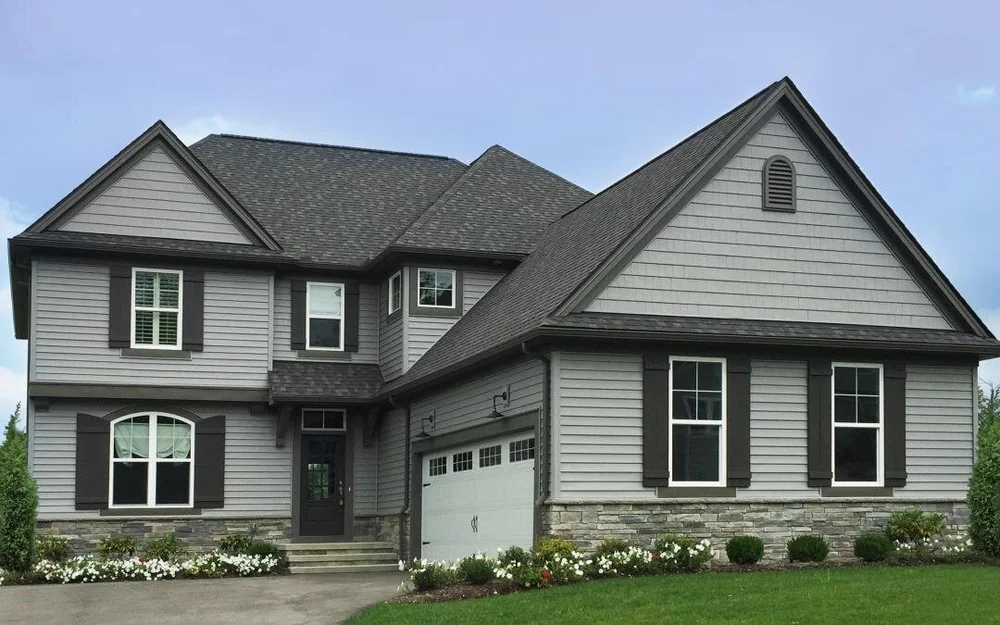
Rochester Hills sits on rolling terrain in northern Oakland County, with mature tree canopies, open subdivisions, and housing stock that ranges from 1960s ranches to modern two-story builds. If you're shopping for asphalt shingles here, you're not just picking a color — you're making a decision that has to hold up against Michigan's freeze-thaw cycles, summer storms rolling off Lake St. Clair, and the kind of wind exposure that comes with elevation changes and open lots.
We've been installing roofs across Southeast Michigan since 1988, and Rochester Hills presents specific challenges that don't always show up in Troy or Sterling Heights. The terrain matters. The tree coverage matters. And the shingle you choose — its wind rating, impact resistance, and how it handles thermal cycling — matters more than most homeowners realize when they're scrolling through color charts.
This isn't a sales pitch for premium shingles you don't need. It's a breakdown of what actually works in Rochester Hills, what the building code requires, and where you can save money without compromising performance. If you're replacing a roof this year, here's what you need to know before you sign a contract.
What Makes Rochester Hills Roofing Different
Rochester Hills isn't flat. The elevation changes — some subdivisions sit 100+ feet higher than others — create wind patterns that don't exist in communities closer to the lake. When a storm system moves through, homes on ridgelines or in newer developments with fewer windbreaks take more direct hits than older neighborhoods with mature oaks and maples.
The tree canopy is both a blessing and a problem. Shade keeps attic temperatures lower in summer, which extends shingle life. But falling branches during ice storms, constant debris in valleys, and moss growth on north-facing slopes create maintenance issues that accelerate wear. We see more ice dam problems in Rochester Hills than in communities with less tree cover, because snow doesn't slide off as easily and valleys stay colder longer.
The housing stock also matters. Many homes built in the 1970s and 1980s have original roofs that are 20-30 years past their service life. The roof decking underneath those shingles is often 1/2-inch plywood or OSB that's seen multiple freeze-thaw cycles, and when we tear off the old roof, we're sometimes replacing sections of deck before the new shingles go down. That's not unique to Rochester Hills, but it's common enough that you should budget for it.
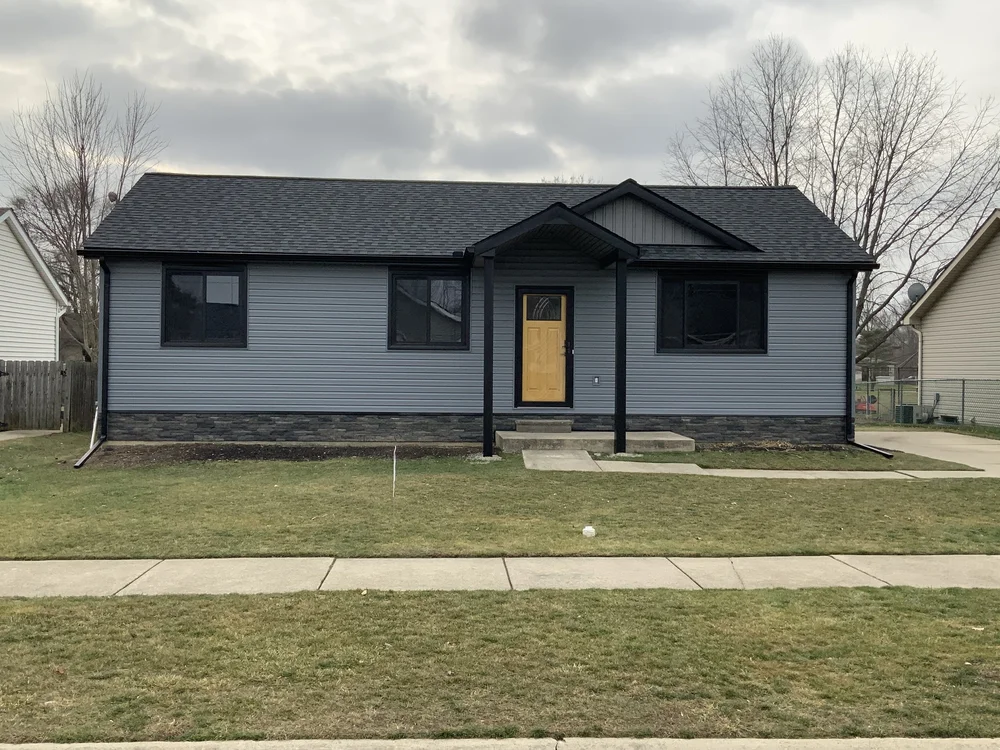
Wind is the other factor. Rochester Hills sits in Wind Zone II under the Michigan Residential Code, which means your shingles need to meet specific uplift resistance standards. That's not negotiable — it's code. But beyond the minimum, you're also dealing with microclimate conditions that vary block by block. A home on a cul-de-sac surrounded by two-story colonials has different wind exposure than a ranch on a corner lot with open fields to the west.
Asphalt Shingle Types: What Works in Michigan
Asphalt shingles break down into three categories: 3-tab, architectural (also called dimensional or laminate), and designer/premium. The differences aren't just cosmetic — they're structural, and they affect how long your roof lasts in Michigan weather.
3-Tab Shingles
These are the flat, single-layer shingles you see on older homes and budget builds. They're lighter, thinner, and less expensive than architectural shingles. In Rochester Hills, we don't install many of these anymore. The wind resistance isn't where it needs to be for Oakland County's exposure, and the lifespan — 15 to 20 years in Michigan — doesn't justify the savings when you're paying for labor and tear-off anyway.
If a contractor is quoting you 3-tab shingles, ask why. There are situations where they make sense — a rental property, a garage, a home you're flipping — but for a primary residence in Rochester Hills, you're leaving performance on the table.
Architectural Shingles
This is the category most Rochester Hills homeowners land in, and for good reason. Architectural shingles are two or more layers of asphalt laminated together, which gives them better wind resistance, longer warranties (25-30 years or limited lifetime), and a dimensional appearance that looks more like wood shake or slate.
The brands we install most often — CertainTeed Landmark, GAF Timberline HDZ, Owens Corning Duration — all meet or exceed Michigan's wind rating requirements and carry algae resistance warranties that matter in tree-heavy neighborhoods. These shingles handle freeze-thaw cycles better than 3-tab because the laminate construction reduces thermal movement, and they're thick enough to resist granule loss from hail or wind-driven debris.
From a cost perspective, architectural shingles are the sweet spot. You're paying more than 3-tab but getting significantly better performance and curb appeal. For Detroit roofing services across Oakland County, this is the baseline we recommend unless there's a specific reason to go higher or lower.
Designer and Premium Shingles
These are the high-end options — CertainTeed Grand Manor, GAF Camelot, Owens Corning Berkshire — that replicate the look of slate, tile, or cedar shake. They're heavier, thicker, and carry 50-year or lifetime warranties. In Rochester Hills, we see these on custom builds, historic-style homes, and properties where the homeowner is planning to stay long-term and wants the best available product.
The performance difference is real. Designer shingles have higher wind ratings (often Class F, which is 110+ mph), better impact resistance, and more granule density, which means they hold color longer and shed water more effectively. But you're paying 40-60% more than architectural shingles, and the labor cost is higher because they're more difficult to install correctly.
If you're in a neighborhood with mature landscaping, custom architecture, or homes that routinely sell above $600K, designer shingles make sense. If you're in a subdivision with mostly vinyl siding and standard colonials, you're over-improving for the market.
Impact-Resistant Shingles: If you're in an area with frequent hail or falling branches, consider Class 4 impact-rated shingles (CertainTeed IR, GAF ArmorShield). Some insurance companies offer premium discounts for Class 4 roofs, which can offset the higher material cost over time. We've installed these on homes near Bloomer Park and along the Paint Creek corridor where tree canopy is heavy.
Wind Rating Requirements for Oakland County
Michigan sits in Wind Zone II, which means your roof has to resist wind uplift of 110 mph under the International Residential Code. Oakland County enforces this through the Michigan Residential Code (R905), and when you pull a roofing permit in Rochester Hills, the inspector is checking that your shingles meet ASTM D3161 or ASTM D7158 standards.
Here's what that means in practice: most architectural shingles are rated for 110-130 mph winds when installed correctly. "Installed correctly" is the key phrase — the shingles themselves might be rated for high wind, but if the nailing pattern is wrong, the starter strip isn't sealed, or the underlayment isn't code-compliant, the rating doesn't matter. Wind will find the weak points.
As a CertainTeed Master Shingle Applicator, we follow manufacturer specs exactly. That means six nails per shingle (not four), proper overlap on starter courses, and ice-and-water barrier in valleys and along eaves. It's not glamorous work, but it's what keeps your roof on the house when a July thunderstorm rolls through with 60 mph gusts.
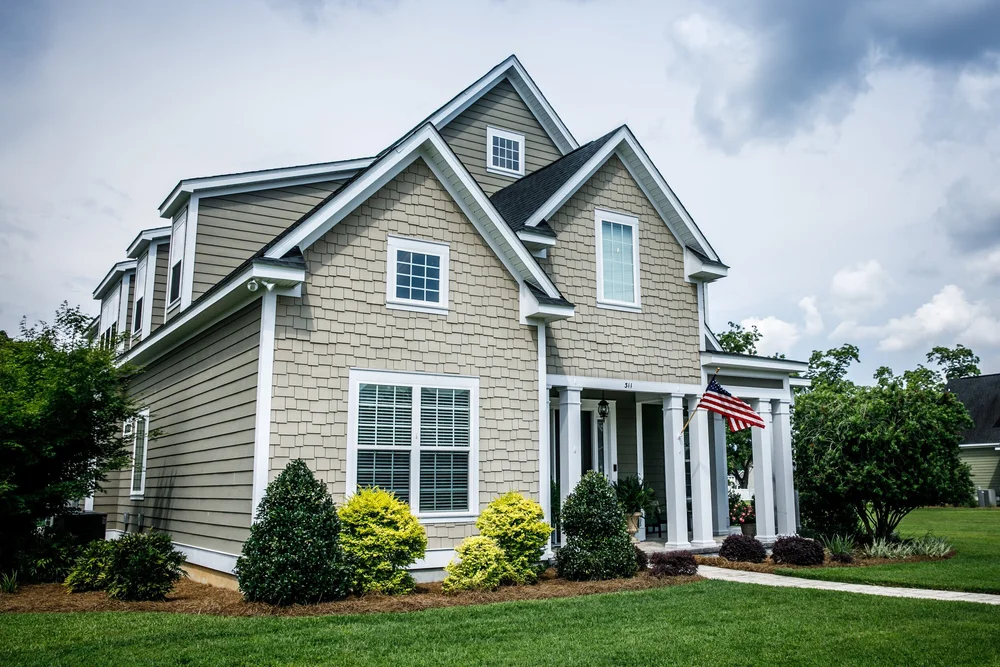
If you're shopping contractors and someone quotes you a price that's significantly lower than everyone else, ask about the nailing pattern. Ask if they're using starter strip or cutting up 3-tab shingles. Ask if they're installing ice-and-water barrier beyond the minimum code requirement. The answers will tell you whether they're building to the wind rating or just meeting the bare minimum to pass inspection.
For homes on exposed lots — corner properties, ridge-top locations, or anywhere with minimal windbreak — we often recommend upgrading to shingles with higher wind ratings (Class H, 150 mph). It's not required by code, but it's cheap insurance against the kind of storm damage that leads to insurance claims and emergency repairs.
Color Selection and Energy Performance
Shingle color affects more than curb appeal. In Michigan, it impacts how much heat your attic absorbs in summer, how quickly snow melts in winter, and whether your roof looks dated in five years when neighborhood trends shift.
Dark shingles (charcoal, black, deep brown) absorb more solar radiation, which means your attic gets hotter in July and August. That's not necessarily a problem if your attic insulation in Metro Detroit is adequate and your ventilation is properly designed, but it does increase cooling loads. In Rochester Hills, where summer temperatures regularly hit 90°F, a dark roof on a poorly ventilated attic can push indoor temperatures up 3-5 degrees.
Lighter shingles (gray, tan, weathered wood) reflect more heat, which keeps attic temperatures lower and reduces the strain on your HVAC system. The energy savings are modest — maybe $50-100 per year depending on your home's size and insulation — but over a 25-year roof lifespan, it adds up.
The flip side is winter performance. Dark roofs shed snow faster because they absorb solar heat even on cloudy days. If you've got a low-slope section or a valley that tends to hold snow, a darker shingle can help prevent ice dam formation by keeping the roof deck warmer. That's less of an issue on steep-pitch roofs or homes with good attic insulation, but it's worth considering if you've dealt with ice dams in the past.
From a resale perspective, neutral colors — grays, tans, weathered wood tones — have the broadest appeal in Rochester Hills. Bold colors (deep reds, blues, greens) can look great on the right home, but they limit your buyer pool if you're planning to sell in the next 5-10 years. We typically recommend staying within the neutral palette unless your home's architecture specifically calls for something different.
One other factor: algae resistance. Michigan's humidity and tree cover create ideal conditions for algae growth, which shows up as dark streaks on north-facing slopes. Most architectural shingles now include copper or zinc granules that inhibit algae, but the effectiveness varies by manufacturer. CertainTeed's StreakFighter and GAF's StainGuard both carry 10-year warranties against algae staining, which is worth having if your home is heavily shaded.
What Asphalt Shingles Cost in Rochester Hills
Roofing costs in Oakland County are higher than the state average because labor rates are higher, permit fees are higher, and disposal costs at local transfer stations are higher. That's the reality of working in a high-income county with strict building codes and limited landfill capacity.
Here's what you're looking at for a typical Rochester Hills home (2,000-2,500 square feet, two-story colonial, 8/12 to 10/12 pitch):
Architectural Shingles (CertainTeed Landmark, GAF Timberline HDZ, Owens Corning Duration): $8,500 - $12,500 installed. This includes tear-off, disposal, ice-and-water barrier, synthetic underlayment, new drip edge, and ridge vent. If we're replacing deck boards or repairing fascia, add $500-1,500 depending on the extent of the damage.
Designer/Premium Shingles (CertainTeed Grand Manor, GAF Camelot): $12,000 - $18,000 installed. Same scope as above, but with heavier shingles, more complex installation, and longer warranties. These projects also tend to include more detail work — custom flashing, decorative ridge caps, upgraded ventilation.
Impact-Resistant Shingles (Class 4 rated): Add 10-15% to the base cost of architectural shingles. The material is more expensive, and installation takes longer because the shingles are thicker and require more precise nailing.
These numbers assume a straightforward tear-off and replacement with no major structural issues. If your roof has multiple layers (common on older Rochester Hills homes), if the decking is rotted, or if the chimney flashing needs to be rebuilt, the cost goes up. We always inspect the deck during tear-off and give you a price for any repairs before we proceed — no surprises halfway through the job.
For a detailed breakdown of what drives pricing up or down, see our guide on roofing costs in Michigan. The short version: complexity costs money. A simple gable roof with no valleys and easy access is cheaper than a hip roof with dormers, skylights, and steep pitch.
One cost-saving strategy: if you're also replacing house siding in Detroit or Detroit window experts are installing new windows, bundle the projects. We can coordinate the work to minimize disruption, and you'll save on mobilization and setup costs.
Signs Your Rochester Hills Home Needs a New Roof
Most asphalt shingle roofs in Michigan last 20-25 years if they're installed correctly and maintained. If your roof is approaching that age, or if you're seeing any of the following symptoms, it's time to start planning a replacement:
Curling or Cupping Shingles: When shingle edges start to curl upward or the center cups downward, it's a sign the asphalt is drying out and losing flexibility. This happens faster on south- and west-facing slopes because of UV exposure. Once curling starts, wind can get underneath the shingles and tear them off.
Granule Loss: Check your gutters after a rainstorm. If you're seeing a lot of granules (the sandpaper-like coating on shingles), the protective layer is wearing off and the asphalt underneath is exposed to UV damage. Some granule loss is normal as shingles age, but heavy loss means you're in the final years of the roof's life.
Missing Shingles: After a windstorm, walk around your property and look for shingles in the yard or on the driveway. If you're losing shingles regularly, the sealant strips have failed and the roof is vulnerable to water intrusion. We see this a lot on roofs that are 15+ years old, especially if they were installed with marginal nailing patterns.
Daylight in the Attic: Go up in your attic on a sunny day and look for light coming through the roof deck. If you can see daylight, water can get in. This is often a sign of broken or missing shingles, or gaps around chimneys and vent pipes.
Water Stains on Ceilings: Brown or yellow stains on interior ceilings, especially near exterior walls or around skylights, indicate a roof leak. Don't wait on this — water damage spreads fast, and what starts as a small leak can turn into rotted decking, moldy insulation, and structural damage.
Sagging Roof Deck: Stand back from your house and look at the roofline. If you see any sagging or dipping between rafters, the decking is compromised. This is usually caused by long-term water intrusion or inadequate ventilation that's led to condensation and rot. It's not something you can patch — the deck needs to be replaced before new shingles go down.
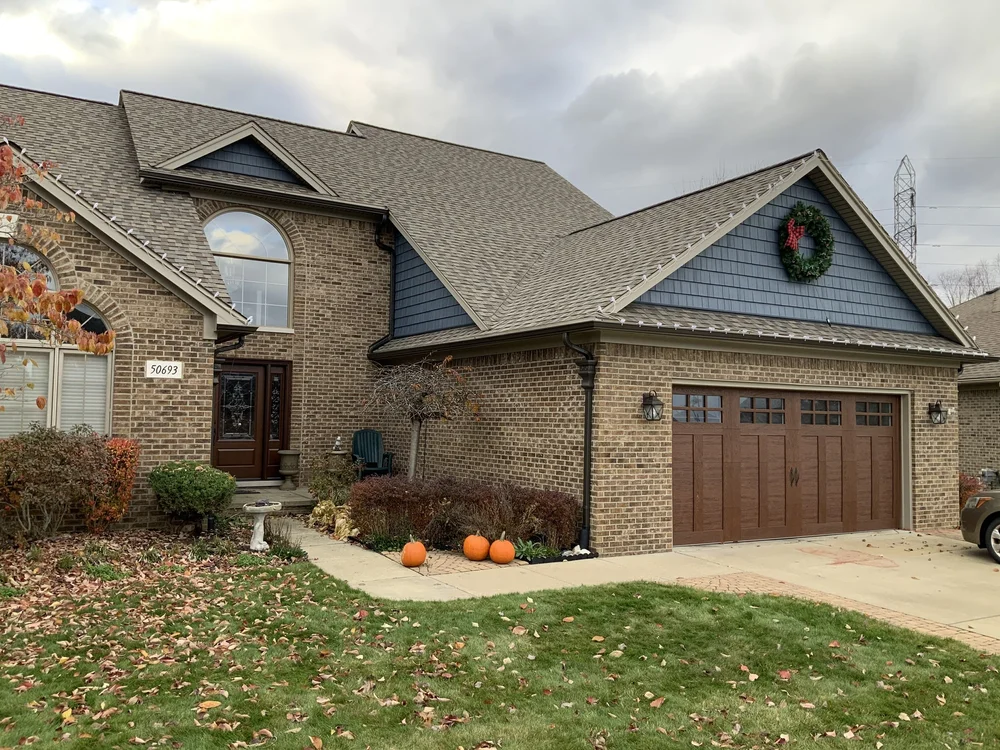
If you're seeing multiple symptoms, don't try to limp through another winter. Michigan weather is hard on failing roofs, and the cost of emergency repairs during a January ice storm is significantly higher than a planned replacement in spring or fall. We typically recommend scheduling roof replacements in late spring (May-June) or early fall (September-October) when weather is stable and crews can work efficiently.
For storm damage — wind, hail, fallen trees — document everything with photos and call your insurance company before you call a contractor. Most policies cover sudden damage but not gradual wear, and having an adjuster inspect the roof before repairs start will save you headaches later. If you're dealing with a leaking roof after a storm, we can work directly with your insurance company to get the claim processed.
Related Services: While we're focused on roofing in this guide, many Rochester Hills homeowners also need seamless gutters in Detroit, MI or exterior painting in Southeast Michigan to complete their home's exterior refresh. We offer a full range of exterior services in Detroit and can coordinate multiple projects to minimize disruption and maximize value.
Ready to Get Started?
NEXT Exteriors has been protecting Michigan homes since 1988. Get a free, no-pressure estimate from a team that shows up on time and does the job right.
Get Your Free QuoteOr call us: (844) 770-6398
Frequently Asked Questions
Architectural asphalt shingles typically last 20-25 years in Michigan when installed correctly. The lifespan depends on several factors: roof pitch (steeper roofs shed water and snow better), ventilation (poor ventilation accelerates aging), tree coverage (shade extends life, but debris and moss reduce it), and maintenance (regular cleaning and minor repairs add years). Premium shingles with higher-grade asphalt and better granule adhesion can reach 30+ years. 3-tab shingles usually last 15-20 years. If your roof is approaching 20 years old and you're seeing curling, granule loss, or missing shingles, it's time to plan a replacement.
CertainTeed, GAF, and Owens Corning all manufacture high-quality architectural shingles that perform well in Michigan. We're a CertainTeed Master Shingle Applicator, which means we've met their highest certification standards and can offer extended warranties on CertainTeed products. That said, the installation quality matters more than the brand — a premium shingle installed poorly will fail faster than a mid-grade shingle installed correctly. Look for contractors who follow manufacturer specs, use proper nailing patterns, and install ice-and-water barrier in critical areas. The warranty is only as good as the installation.
Yes. Oakland County requires a building permit for all roof replacements, and the city of Rochester Hills enforces this through inspections. The permit process ensures your roof meets Michigan building code for wind resistance, fire rating, and structural load. Your contractor should pull the permit — if they're suggesting you skip it to save money, walk away. Unpermitted work can cause problems when you sell the house, and your insurance company may deny claims if they discover the roof wasn't installed to code. Permit fees in Rochester Hills typically run $150-300 depending on the project size.
Roofing warranties come in two parts: manufacturer's material warranty and contractor's workmanship warranty. The material warranty (typically 25-50 years or "lifetime") covers defects in the shingles themselves — manufacturing flaws, premature granule loss, etc. It's usually prorated, meaning coverage decreases over time. The workmanship warranty (typically 5-10 years) covers installation errors — leaks from improper flashing, wind damage from incorrect nailing, etc. Neither warranty covers damage from storms, falling trees, or normal wear and tear. Always get both warranties in writing, and understand what's covered and what's not before you sign a contract.
Late spring (May-June) and early fall (September-October) are ideal for roof replacements in Southeast Michigan. The weather is stable, temperatures are moderate (important for shingle sealant activation), and contractors have more availability. Summer works too, but extreme heat can make shingles brittle during installation. We don't recommend winter replacements unless it's an emergency — cold temperatures prevent sealant strips from bonding properly, and snow/ice create safety hazards. If your roof is failing and winter is approaching, we can install temporary tarps or emergency patches to get you through to spring.
It depends on the roof's condition and your local market. A failing roof (20+ years old, visible damage, missing shingles) will reduce your sale price and scare off buyers or kill deals during inspection. Replacing it before listing typically returns 60-70% of the cost in added home value and faster sale times. If your roof is 10-15 years old and in decent shape, you might be better off offering a credit or price reduction rather than replacing it yourself. Talk to your realtor about what buyers expect in your price range — in higher-end Rochester Hills neighborhoods, a new roof is often expected. For more on this, see our article on how exterior improvements increase home value.
Michigan code allows up to two layers of asphalt shingles, but we rarely recommend it. Installing over an existing layer saves on tear-off and disposal costs, but it hides problems — rotted decking, damaged underlayment, improper flashing — that will cause failures down the road. It also adds weight to your roof structure, reduces ventilation effectiveness, and voids most manufacturer warranties. In Rochester Hills, where many homes already have two layers from previous overlay jobs, a full tear-off is usually required. If your roof has one layer and the decking is solid, an overlay might be an option, but it's a short-term solution that costs you money in the long run.