

Siding Contractors Near Me Southeast Michigan | NEXT Exteriors
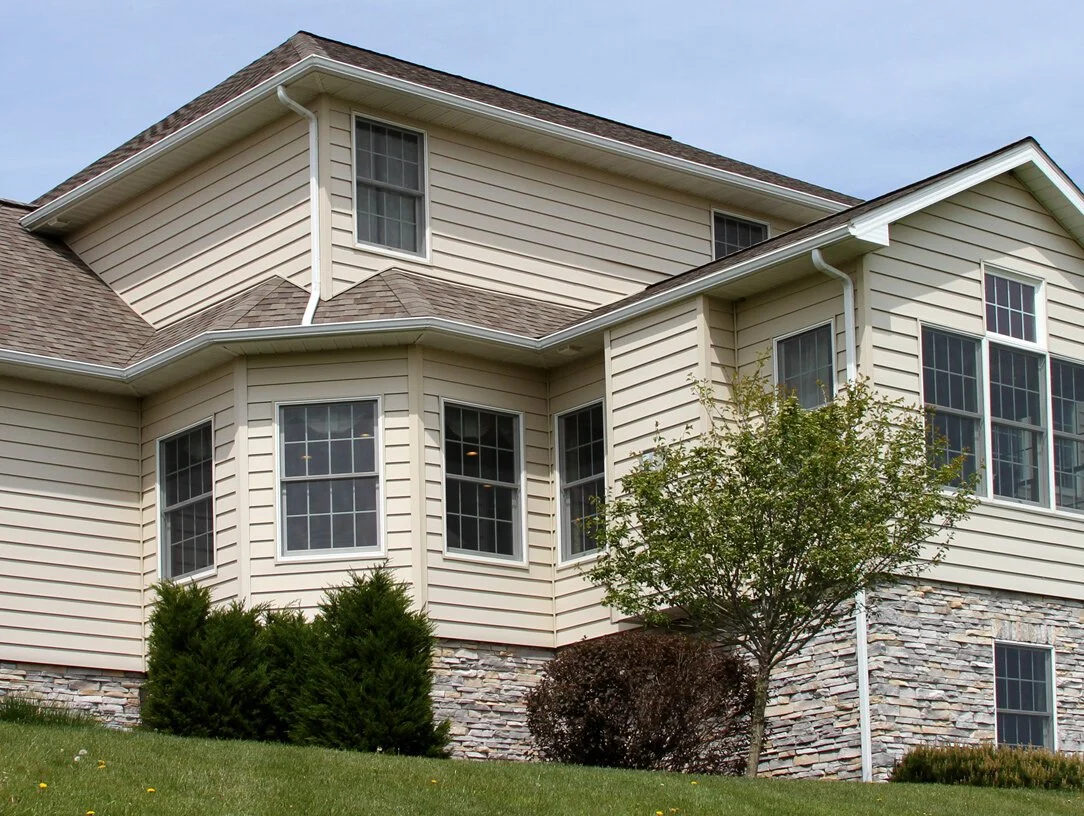
You're standing in your driveway in Sterling Heights or Rochester Hills, looking at your home's siding. Maybe the color's faded to something that wasn't on the original paint chip. Maybe you've got cracks around the windows, or pieces that pulled loose after last winter's freeze-thaw cycle. You pull out your phone and type "siding contractors near me" into Google.
What comes back is overwhelming. Dozens of names. Some you've never heard of. A few with one-star reviews buried under five perfect ones that all sound like they were written by the same person. Prices that range from suspiciously cheap to "are they installing gold panels?" And everyone's got a badge or certification you've never heard of.
Here's what 35 years of running a Detroit siding company has taught us: finding a contractor in Southeast Michigan isn't hard because there aren't good ones. It's hard because the bad ones have gotten very good at looking legitimate. This guide walks you through what actually matters when you're vetting siding contractors in Macomb, Oakland, and St. Clair counties—and what's just noise.
What Actually Matters When Choosing a Siding Contractor
Let's start with the non-negotiables. These aren't "nice to have" items—they're the baseline for any contractor you should even consider.
Michigan Residential Builder License
In Michigan, anyone doing siding work over $600 must hold a Residential Builder License issued by the Department of Licensing and Regulatory Affairs (LARA). Not a business license. Not a contractor registration. A builder's license. You can verify this online in about 30 seconds. If they don't have one, or they dodge the question, you're done. Walk away.
NEXT Exteriors has held a Michigan Residential Builder License since 1988 under our parent company, Premier Builder Inc. It's not a marketing point—it's the law. And it exists because Michigan takes building seriously. Our winters destroy bad work. Our building codes reflect that.
Insurance That Actually Protects You
A contractor should carry two types of insurance: general liability and workers' compensation. General liability covers damage to your property. Workers' comp covers injuries to their crew. If they don't have workers' comp and someone gets hurt on your property, you could be liable. This isn't theoretical—we've seen it happen.
Ask for certificates of insurance. Not "we're insured"—actual proof. And check the dates. Expired coverage is the same as no coverage.
Experience With Michigan-Specific Conditions
Southeast Michigan isn't a generic climate. We get lake-effect snow dumps in Macomb County. We get freeze-thaw cycles that crack vinyl siding if it's not installed with proper expansion gaps. We get summer storms that test every fastener. A contractor who learned their trade in Arizona or Florida doesn't understand how moisture moves through a Michigan wall assembly in January.
When you're interviewing contractors, ask about their experience with Michigan weather. How do they handle ice dam prevention? What's their approach to moisture barriers in our humidity? How do they account for thermal expansion in vinyl siding during 80-degree temperature swings? If they look confused, that's your answer.
Why This Matters: We've repaired dozens of siding jobs in Troy and Bloomfield Hills where out-of-state contractors installed beautiful materials using techniques that don't work here. The siding looked great in October. By March, panels were buckling, trim was splitting, and water was getting behind the house wrap. Materials don't fail in Michigan—installations do.
Material Partnerships and Certifications
Major manufacturers like James Hardie, CertainTeed, and LP SmartSide don't certify just anyone. To become a certified installer, you have to prove you know their products, attend training, and maintain quality standards. NEXT Exteriors is a CertainTeed Master Shingle Applicator—the highest credential CertainTeed offers—and we're certified with James Hardie and LP SmartSide for siding installations.
Why does this matter? Because manufacturer certifications often unlock better warranties. A James Hardie contractor can offer a 30-year product warranty plus a 15-year labor warranty. A non-certified contractor installing the same product? You might get the product warranty, but you're on your own for labor. When a $15,000 siding job starts failing in year five, that distinction becomes expensive.

The Questions Most Homeowners Forget to Ask
You've found a contractor with a license, insurance, and good reviews. Now comes the part most people skip: the detailed questions. These separate professionals from people who just showed up.
What's Included in Your Warranty?
This is where things get murky. A contractor might say "50-year warranty" and you assume you're covered. But dig deeper: is that warranty on materials or labor? Who honors it—the manufacturer or the contractor? What voids it?
At NEXT Exteriors, we're transparent about this. Material warranties come from the manufacturer—CertainTeed, James Hardie, LP SmartSide. Labor warranties come from us. We spell out exactly what's covered, for how long, and what you need to do (usually just normal maintenance) to keep it valid. If a contractor can't explain their warranty structure in plain English, that's a problem.
Who's Actually Doing the Work?
Some contractors are project managers. They sell the job, then hire subcontractors to do the work. There's nothing inherently wrong with this, but it adds a layer of separation between you and the people on your roof. If something goes wrong, who do you call?
We run employee-based crews. The people who show up at your house in Shelby Township or Clinton Township work for NEXT Exteriors. They've been trained by us, they follow our quality standards, and if you have a question at 2 PM on a Tuesday, they can answer it. When we say "our crew," we mean it literally.
What's Your Timeline, and What Could Delay It?
A siding job on a typical ranch home in Macomb County takes 5-7 days in good weather. But "good weather" in Michigan is a moving target. Spring rains. Summer storms. Early snow. A professional contractor builds weather delays into their timeline and communicates proactively.
Ask how they handle delays. Do they have a system for keeping you updated? Will they store materials on-site or bring them as needed? What happens if they're halfway through and a storm rolls in? These aren't hypothetical questions in Michigan—they're planning questions.
How Do You Handle Payment?
This is where scams happen. A contractor asks for 50% upfront, does two days of work, then disappears. Or they finish the job poorly and demand full payment before you've had a chance to inspect it.
Standard practice in Michigan: a deposit to secure materials (usually 10-30%), a payment at the midpoint when significant progress is visible, and final payment upon completion and your approval. If someone wants the entire amount upfront, or insists on cash only, that's a red flag the size of a CertainTeed Landmark shingle.
We also offer financing options through our exterior services in Detroit and surrounding areas, because we understand that a $12,000 siding project isn't always in the monthly budget—even when it's necessary.
Siding Materials That Work in Southeast Michigan
Not all siding is created equal, and not all siding works equally well in our climate. Here's what we install most often in Southeast Michigan, and why.
Vinyl Siding: The Workhorse
Vinyl gets a bad reputation, but modern vinyl siding—especially premium products from CertainTeed—performs exceptionally well in Michigan. It doesn't rot, it doesn't need painting, and it handles freeze-thaw cycles better than wood-based products. The key is proper installation.
Vinyl expands and contracts with temperature changes. In Michigan, that's a 100-degree swing from summer to winter. If it's nailed too tight, it buckles. If expansion gaps aren't correct, panels pull apart. We see this constantly on DIY jobs and cut-rate contractor work. The material isn't the problem—the installation is.
Cost: $4-$8 per square foot installed, depending on profile and thickness. A 2,000-square-foot home runs $8,000-$16,000.
James Hardie Fiber Cement: The Upgrade
Fiber cement siding is engineered specifically for climates like ours. It's dimensionally stable (doesn't expand and contract like vinyl), it's non-combustible, it resists woodpeckers and insects, and it holds paint better than any wood product. James Hardie's ColorPlus technology bakes the finish on in a factory-controlled environment, giving you a finish that lasts 15+ years without repainting.
The tradeoff: it's heavier and more labor-intensive to install, which drives up cost. But for homeowners in Grosse Pointe Farms or Bloomfield Hills who want the look of wood without the maintenance, fiber cement is the answer. We've installed hundreds of James Hardie jobs across Oakland County, and the material simply performs.
Cost: $8-$12 per square foot installed. A 2,000-square-foot home runs $16,000-$24,000.
LP SmartSide Engineered Wood: The Middle Ground
LP SmartSide is treated wood with a resin overlay that resists moisture and insects. It's lighter than fiber cement, easier to work with than vinyl, and it takes paint beautifully. It's a good option for homeowners who want a wood-grain texture but don't want the cost of fiber cement.
In Michigan, we treat all wood-based siding with respect for moisture. Proper flashing, house wrap, and drainage details aren't optional—they're mandatory. LP SmartSide is a quality product, but it still needs to be installed correctly to last.
Cost: $6-$10 per square foot installed. A 2,000-square-foot home runs $12,000-$20,000.
Real Talk on Material Costs: Homeowners in Royal Oak and Sterling Heights often ask why prices vary so much. The answer is usually labor, not materials. A cheap bid often means rushed work, minimal prep, and shortcuts on flashing and moisture barriers. You'll save $3,000 now and spend $8,000 in five years fixing it. We've built our reputation on doing it right the first time, even when it costs a bit more upfront.

Red Flags: How to Spot a Bad Contractor
After 35 years in the business, we've seen every trick. Here's what should make you walk away immediately.
High-Pressure Sales Tactics
"This price is only good if you sign today." "We have a crew in your neighborhood right now." "I can give you a discount if you let us use your house as a model home." These are sales tactics designed to prevent you from thinking clearly or getting other bids. Legitimate contractors don't operate this way. We give you a detailed written estimate, we encourage you to get multiple quotes, and our pricing doesn't change based on how fast you decide.
No Physical Address or Local Presence
If a contractor's address is a P.O. box or their "office" is a cell phone, that's a problem. NEXT Exteriors has been at 233 Church Street in Mount Clemens since 1988. We're in the phone book. We're on Google Maps. If something goes wrong in year three, you know where to find us. Storm chasers and fly-by-night operators don't give you that security.
Unusually Low Bids
If one bid is 40% lower than the others, there's a reason. Maybe they're cutting corners on materials. Maybe they're skipping the house wrap. Maybe they're not pulling permits (yes, siding often requires permits in Michigan). Maybe they're not paying workers' comp and hoping nobody gets hurt. Low bids aren't deals—they're warnings.
Poor Communication
If a contractor is hard to reach before you've signed a contract, imagine how hard they'll be to reach when you have a problem. We return calls within 24 hours. We show up for estimates when we say we will. We communicate delays proactively. This isn't exceptional service—it's basic professionalism. If a contractor can't manage it before they have your money, they certainly won't after.
What a Professional Siding Installation Looks Like
Most homeowners have never seen a siding job done right from start to finish. Here's what should happen on a professional installation in Southeast Michigan.
Substrate Inspection and Repair
Before any new siding goes up, the old siding comes off and we inspect the sheathing underneath. On homes built in the 1960s and 70s—common in Warren, St. Clair Shores, and Lake Orion—we often find rotted OSB or water damage around windows. This gets repaired before new siding is installed. Covering up rot with new siding doesn't fix anything—it just hides the problem until it gets worse.
House Wrap and Moisture Barrier
Every wall gets wrapped with a weather-resistant barrier—usually Tyvek or a similar product. This is your second line of defense against water. Siding is the first line, but wind-driven rain in Michigan storms can get behind siding. The house wrap stops it from reaching the sheathing. Seams get taped. Penetrations get flashed. This step takes time, and it's invisible once the siding goes up, which is why cheap contractors skip it.
Proper Flashing Around Windows and Doors
Water doesn't flow uphill. It finds the path of least resistance, and in Michigan, that path is often around windows and doors. We install metal flashing above every window and door, integrated with the house wrap, to direct water away from the opening. This is building science, not guesswork. When we repair failed siding jobs, missing or improper flashing is the number one cause.
Ventilation Behind the Siding
Some siding products (like fiber cement and LP SmartSide) benefit from a ventilation gap between the siding and the house wrap. This allows any moisture that gets behind the siding to dry out instead of sitting against the sheathing. In Michigan's humid summers, this matters. We use furring strips or specialized house wrap products that create this gap automatically.
Attention to Trim and Details
The difference between a good siding job and a great one is in the trim work. Corner boards should be plumb. J-channel around windows should be tight and caulked. Soffit and fascia should integrate cleanly with the siding. This is where craftsmanship shows—or doesn't. Our crews take pride in this work because it's what you see every day when you pull into your driveway.
If you're also considering Detroit roofing services or need seamless gutters in Detroit, MI, coordinating these projects with your siding installation can save time and ensure all your exterior components work together properly—especially for water management.

Why Local Experience Matters in Michigan
You can hire a contractor from anywhere. But there's value in working with someone who understands Southeast Michigan specifically.
Local Building Codes and Permit Requirements
Building codes vary by municipality. What's required in Troy might differ slightly from what's required in Chesterfield Township. A local contractor knows these codes, knows which inspectors to expect, and knows how to navigate the permit process without delays. We've been pulling permits in Macomb, Oakland, and St. Clair counties for 35 years. It's routine for us. For an out-of-area contractor, it's a learning curve—on your project.
Material Availability and Supply Chains
We have relationships with local suppliers. When we need James Hardie siding in a specific color, we know who has it in stock. When a storm damages your home and you need materials fast, we can get them. National contractors ordering from out-of-state warehouses add days or weeks to the timeline. In Michigan, where weather windows are narrow, that matters.
Understanding Storm Damage and Insurance Claims
Michigan gets hit with severe storms—hail, wind, ice. When your siding gets damaged, you're often dealing with an insurance claim. We've worked with every major insurance company operating in Southeast Michigan. We know what documentation they need, how to write estimates they'll accept, and how to advocate for our customers when claims get disputed. This experience is worth thousands of dollars when you're navigating a claim after a storm hits Rochester Hills or Macomb.
Community Reputation and Accountability
We live here. Our kids go to school in these communities. We sponsor local Little League teams. We volunteer with Habitat for Humanity of Oakland County and LifeBUILDERS in Detroit. Our reputation isn't just online reviews—it's what people say about us at the hardware store in Mount Clemens or the coffee shop in Sterling Heights. That accountability keeps us honest in ways a national chain or out-of-state contractor will never experience.
We've also built strong relationships with other trades. If your siding project reveals an issue that needs a top-rated insulation contractor in Detroit or if you want to upgrade your Detroit window experts at the same time, we can coordinate that work seamlessly—or recommend trusted partners if it's outside our scope.
A Note on Reviews: We're proud of our 5.0-star average rating across 87+ reviews and our A+ BBB accreditation since 2006. But we also know that reviews can be gamed. When you're evaluating contractors, look for detailed reviews that mention specific crew members, describe the actual work process, and include photos. Generic five-star reviews that sound like ad copy are often fake. Real reviews—even the four-star ones that mention a minor hiccup that got resolved—are more trustworthy.
What Happens After You Choose a Contractor
You've done your research. You've asked the right questions. You've chosen a contractor. Here's what the process looks like with NEXT Exteriors—and what it should look like with any professional contractor.
Site Visit and Detailed Estimate: We come to your home, measure everything, discuss material options, and provide a written estimate that breaks down materials, labor, timeline, and warranty coverage. No surprises.
Contract and Permitting: Once you approve the estimate, we draft a contract that spells out the scope of work, payment schedule, and timeline. We handle all permit applications with your local building department.
Material Ordering: We order materials and schedule delivery to align with the installation timeline. If you're in Clinton Township and we're installing James Hardie, we'll coordinate delivery so materials aren't sitting in your driveway for two weeks.
Installation: Our crew shows up when we say they will, works efficiently, and cleans up at the end of each day. We protect your landscaping, your driveway, and your sanity. Siding installation is messy, but it doesn't have to be chaotic.
Final Inspection and Walkthrough: When the job is complete, we walk the property with you, answer any questions, and make sure you're satisfied before we ask for final payment. If there's a detail that needs adjustment, we handle it then—not six months later.
Warranty Documentation: We provide you with all warranty information—both manufacturer warranties for materials and our labor warranty—in writing. Keep this with your home maintenance records.
If you're planning a larger exterior renovation, consider bundling services. Our Southeast Michigan painting professionals can handle exterior painting with Sherwin-Williams products, and we can coordinate that work with your siding installation for a complete exterior refresh.
The Bottom Line on Finding Siding Contractors in Southeast Michigan
Finding the right siding contractor in Southeast Michigan isn't about who has the slickest website or the lowest bid. It's about finding someone who's licensed, insured, experienced with Michigan's climate, and accountable to the community. Someone who shows up on time, does the work right, and stands behind it when you call five years later with a question.
NEXT Exteriors has been that contractor since 1988. We're not the cheapest option in Macomb County, and we're okay with that. We're the option that's still here in ten years when you need a warranty repair or want to add exterior services in Detroit to another property. We're the option your neighbor recommends because we did their house right.
If you're ready to move forward with a siding project—or if you just have questions about what your home needs—we're here. No pressure. No gimmicks. Just honest answers from people who've been doing this work in Michigan winters for 35 years.
Ready to Get Started?
NEXT Exteriors has been protecting Michigan homes since 1988. Get a free, no-pressure estimate from a team that shows up on time and does the job right.
Get Your Free QuoteOr call us: (844) 770-6398
Frequently Asked Questions
For a typical 2,000-square-foot home in Metro Detroit, expect to pay $8,000-$16,000 for vinyl siding, $16,000-$24,000 for James Hardie fiber cement, or $12,000-$20,000 for LP SmartSide engineered wood. Costs vary based on material choice, home complexity (lots of corners, windows, and architectural details increase labor), and whether substrate repairs are needed. We provide detailed written estimates that break down materials and labor so you know exactly what you're paying for.
In most Michigan municipalities, yes. Siding replacement typically requires a building permit, especially if you're changing materials or making structural modifications. Permit requirements vary by city—Troy, Sterling Heights, and Warren each have slightly different processes. A licensed contractor handles permit applications as part of the project. Skipping permits might save $200 now, but it can create major problems when you sell your home or file an insurance claim.
A typical single-family home in Southeast Michigan takes 5-7 days for complete siding replacement in good weather. Larger homes, complex architecture, or extensive substrate repairs can extend this to 10-14 days. Weather is the wild card—spring rains and summer storms can add delays. Professional contractors build weather contingencies into their timeline and communicate proactively if delays occur. We don't rush jobs to meet arbitrary deadlines; we do them right.
There's no single "best" material—it depends on your priorities. Vinyl siding handles freeze-thaw cycles well, requires minimal maintenance, and costs less upfront. James Hardie fiber cement offers superior durability, fire resistance, and paint retention but costs more. LP SmartSide engineered wood provides a wood-grain aesthetic at a mid-range price point. All three perform well in Michigan when installed correctly. The key is proper installation: correct fastening, adequate expansion gaps, proper flashing, and weather-resistant barriers.
If your windows are also near the end of their lifespan (15-20 years for most windows in Michigan), replacing them before or during a siding project makes sense. New windows get properly flashed and integrated with the new house wrap and siding, creating a better moisture barrier. It also saves money on labor—scaffolding and site setup costs are shared between both projects. We coordinate window and siding installations regularly for homeowners in Oakland and Macomb counties who want a complete exterior refresh.
Visit the Michigan Department of Licensing and Regulatory Affairs (LARA) website and search their public database of licensed builders. You'll need the contractor's name or license number. The database shows license status, issue date, expiration date, and any disciplinary actions. NEXT Exteriors operates under Premier Builder Inc.'s Michigan Residential Builder License, active since 1988. This takes 30 seconds to verify and should be the first thing you do when evaluating any contractor in Southeast Michigan.
Ask about their Michigan builder's license and insurance coverage (request certificates). Ask who will actually do the work—employees or subcontractors. Ask about their warranty structure—what's covered by the manufacturer vs. the contractor, and for how long. Ask how they handle substrate damage discovered during tear-off. Ask about their timeline and how they communicate delays. Ask for local references from projects completed in the last year. And ask how they handle payment—be wary of large upfront deposits or cash-only requirements.