

Choosing Asphalt Shingles for Rochester Hills Homes
Expert guide to selecting the right asphalt shingles for Rochester Hills homes. Learn about wind ratings, Michigan climate demands, and what actually matters.
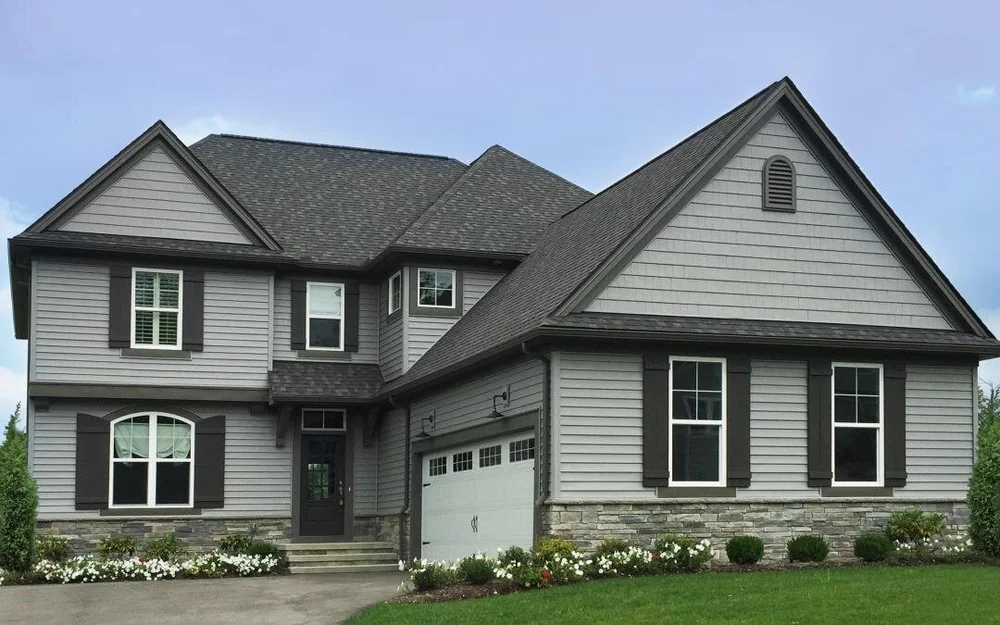
Rochester Hills sits on rolling terrain in northern Oakland County, with mature tree canopies, open subdivisions, and housing stock that ranges from 1960s ranches to modern two-story builds. If you're shopping for asphalt shingles here, you're not just picking a color — you're making a decision that has to hold up against Michigan's freeze-thaw cycles, summer storms rolling off Lake St. Clair, and the kind of wind exposure that comes with elevation changes and open lots.
We've been installing roofs across Southeast Michigan since 1988, and Rochester Hills presents specific challenges that don't always show up in Troy or Sterling Heights. The terrain matters. The tree coverage matters. And the shingle you choose — its wind rating, impact resistance, and how it handles thermal cycling — matters more than most homeowners realize when they're scrolling through color charts.
This isn't a sales pitch for premium shingles you don't need. It's a breakdown of what actually works in Rochester Hills, what the building code requires, and where you can save money without compromising performance. If you're replacing a roof this year, here's what you need to know before you sign a contract.
What Makes Rochester Hills Roofing Different
Rochester Hills isn't flat. The elevation changes — some subdivisions sit 100+ feet higher than others — create wind patterns that don't exist in communities closer to the lake. When a storm system moves through, homes on ridgelines or in newer developments with fewer windbreaks take more direct hits than older neighborhoods with mature oaks and maples.
The tree canopy is both a blessing and a problem. Shade keeps attic temperatures lower in summer, which extends shingle life. But falling branches during ice storms, constant debris in valleys, and moss growth on north-facing slopes create maintenance issues that accelerate wear. We see more ice dam problems in Rochester Hills than in communities with less tree cover, because snow doesn't slide off as easily and valleys stay colder longer.
The housing stock also matters. Many homes built in the 1970s and 1980s have original roofs that are 20-30 years past their service life. The roof decking underneath those shingles is often 1/2-inch plywood or OSB that's seen multiple freeze-thaw cycles, and when we tear off the old roof, we're sometimes replacing sections of deck before the new shingles go down. That's not unique to Rochester Hills, but it's common enough that you should budget for it.
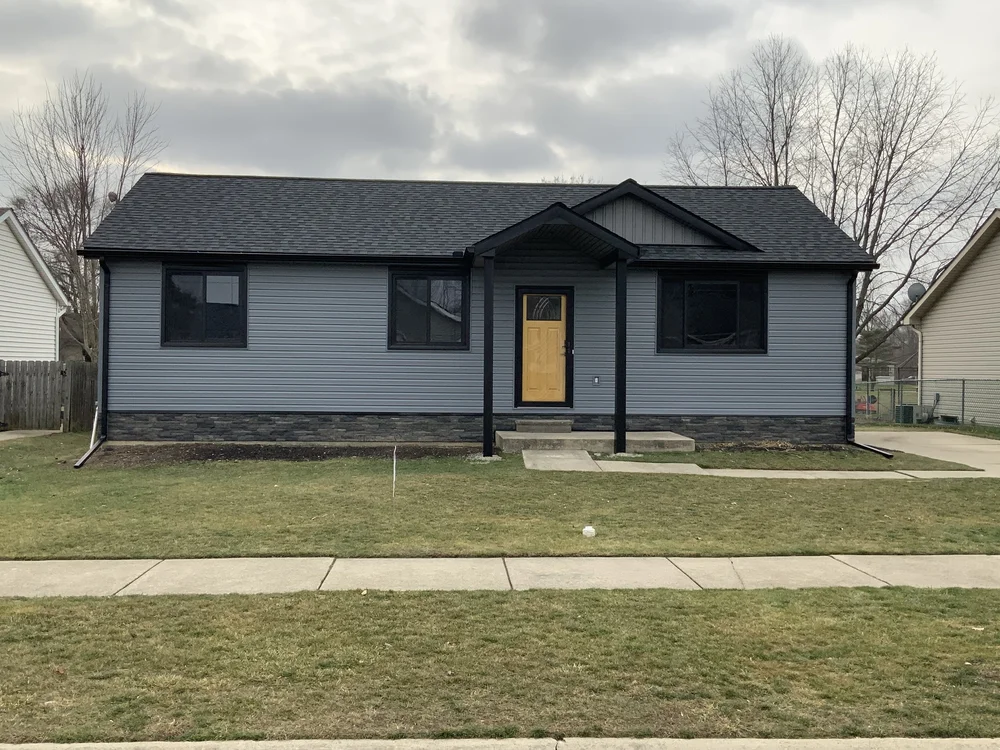
Wind is the other factor. Rochester Hills sits in Wind Zone II under the Michigan Residential Code, which means your shingles need to meet specific uplift resistance standards. That's not negotiable — it's code. But beyond the minimum, you're also dealing with microclimate conditions that vary block by block. A home on a cul-de-sac surrounded by two-story colonials has different wind exposure than a ranch on a corner lot with open fields to the west.
Asphalt Shingle Types: What Works in Michigan
Asphalt shingles break down into three categories: 3-tab, architectural (also called dimensional or laminate), and designer/premium. The differences aren't just cosmetic — they're structural, and they affect how long your roof lasts in Michigan weather.
3-Tab Shingles
These are the flat, single-layer shingles you see on older homes and budget builds. They're lighter, thinner, and less expensive than architectural shingles. In Rochester Hills, we don't install many of these anymore. The wind resistance isn't where it needs to be for Oakland County's exposure, and the lifespan — 15 to 20 years in Michigan — doesn't justify the savings when you're paying for labor and tear-off anyway.
If a contractor is quoting you 3-tab shingles, ask why. There are situations where they make sense — a rental property, a garage, a home you're flipping — but for a primary residence in Rochester Hills, you're leaving performance on the table.
Architectural Shingles
This is the category most Rochester Hills homeowners land in, and for good reason. Architectural shingles are two or more layers of asphalt laminated together, which gives them better wind resistance, longer warranties (25-30 years or limited lifetime), and a dimensional appearance that looks more like wood shake or slate.
The brands we install most often — CertainTeed Landmark, GAF Timberline HDZ, Owens Corning Duration — all meet or exceed Michigan's wind rating requirements and carry algae resistance warranties that matter in tree-heavy neighborhoods. These shingles handle freeze-thaw cycles better than 3-tab because the laminate construction reduces thermal movement, and they're thick enough to resist granule loss from hail or wind-driven debris.
From a cost perspective, architectural shingles are the sweet spot. You're paying more than 3-tab but getting significantly better performance and curb appeal. For Detroit roofing services across Oakland County, this is the baseline we recommend unless there's a specific reason to go higher or lower.
Designer and Premium Shingles
These are the high-end options — CertainTeed Grand Manor, GAF Camelot, Owens Corning Berkshire — that replicate the look of slate, tile, or cedar shake. They're heavier, thicker, and carry 50-year or lifetime warranties. In Rochester Hills, we see these on custom builds, historic-style homes, and properties where the homeowner is planning to stay long-term and wants the best available product.
The performance difference is real. Designer shingles have higher wind ratings (often Class F, which is 110+ mph), better impact resistance, and more granule density, which means they hold color longer and shed water more effectively. But you're paying 40-60% more than architectural shingles, and the labor cost is higher because they're more difficult to install correctly.
If you're in a neighborhood with mature landscaping, custom architecture, or homes that routinely sell above $600K, designer shingles make sense. If you're in a subdivision with mostly vinyl siding and standard colonials, you're over-improving for the market.
Impact-Resistant Shingles: If you're in an area with frequent hail or falling branches, consider Class 4 impact-rated shingles (CertainTeed IR, GAF ArmorShield). Some insurance companies offer premium discounts for Class 4 roofs, which can offset the higher material cost over time. We've installed these on homes near Bloomer Park and along the Paint Creek corridor where tree canopy is heavy.
Wind Rating Requirements for Oakland County
Michigan sits in Wind Zone II, which means your roof has to resist wind uplift of 110 mph under the International Residential Code. Oakland County enforces this through the Michigan Residential Code (R905), and when you pull a roofing permit in Rochester Hills, the inspector is checking that your shingles meet ASTM D3161 or ASTM D7158 standards.
Here's what that means in practice: most architectural shingles are rated for 110-130 mph winds when installed correctly. "Installed correctly" is the key phrase — the shingles themselves might be rated for high wind, but if the nailing pattern is wrong, the starter strip isn't sealed, or the underlayment isn't code-compliant, the rating doesn't matter. Wind will find the weak points.
As a CertainTeed Master Shingle Applicator, we follow manufacturer specs exactly. That means six nails per shingle (not four), proper overlap on starter courses, and ice-and-water barrier in valleys and along eaves. It's not glamorous work, but it's what keeps your roof on the house when a July thunderstorm rolls through with 60 mph gusts.
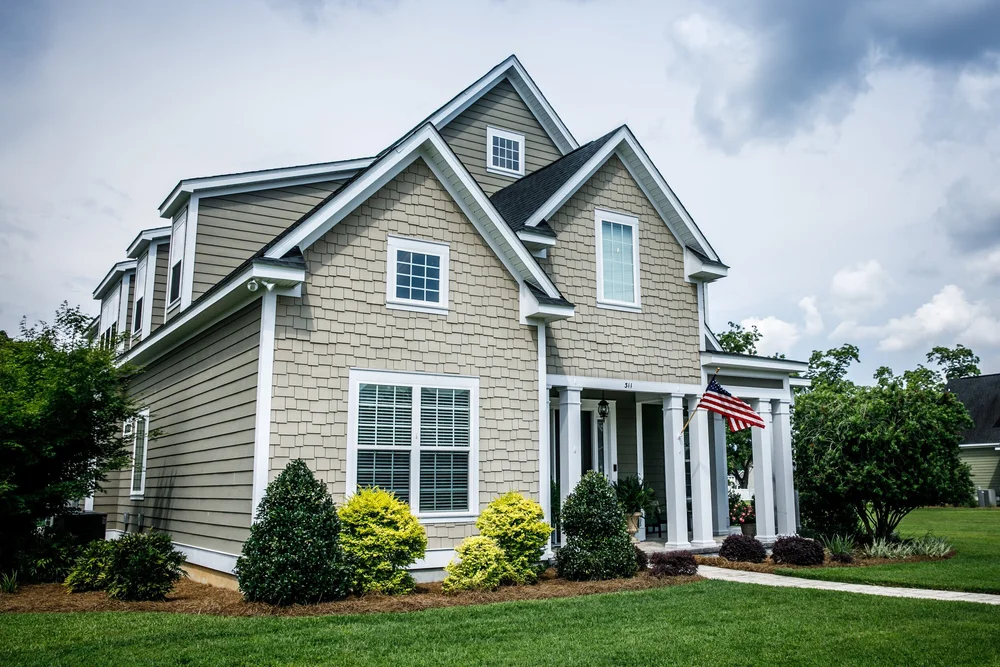
If you're shopping contractors and someone quotes you a price that's significantly lower than everyone else, ask about the nailing pattern. Ask if they're using starter strip or cutting up 3-tab shingles. Ask if they're installing ice-and-water barrier beyond the minimum code requirement. The answers will tell you whether they're building to the wind rating or just meeting the bare minimum to pass inspection.
For homes on exposed lots — corner properties, ridge-top locations, or anywhere with minimal windbreak — we often recommend upgrading to shingles with higher wind ratings (Class H, 150 mph). It's not required by code, but it's cheap insurance against the kind of storm damage that leads to insurance claims and emergency repairs.
Color Selection and Energy Performance
Shingle color affects more than curb appeal. In Michigan, it impacts how much heat your attic absorbs in summer, how quickly snow melts in winter, and whether your roof looks dated in five years when neighborhood trends shift.
Dark shingles (charcoal, black, deep brown) absorb more solar radiation, which means your attic gets hotter in July and August. That's not necessarily a problem if your attic insulation in Metro Detroit is adequate and your ventilation is properly designed, but it does increase cooling loads. In Rochester Hills, where summer temperatures regularly hit 90°F, a dark roof on a poorly ventilated attic can push indoor temperatures up 3-5 degrees.
Lighter shingles (gray, tan, weathered wood) reflect more heat, which keeps attic temperatures lower and reduces the strain on your HVAC system. The energy savings are modest — maybe $50-100 per year depending on your home's size and insulation — but over a 25-year roof lifespan, it adds up.
The flip side is winter performance. Dark roofs shed snow faster because they absorb solar heat even on cloudy days. If you've got a low-slope section or a valley that tends to hold snow, a darker shingle can help prevent ice dam formation by keeping the roof deck warmer. That's less of an issue on steep-pitch roofs or homes with good attic insulation, but it's worth considering if you've dealt with ice dams in the past.
From a resale perspective, neutral colors — grays, tans, weathered wood tones — have the broadest appeal in Rochester Hills. Bold colors (deep reds, blues, greens) can look great on the right home, but they limit your buyer pool if you're planning to sell in the next 5-10 years. We typically recommend staying within the neutral palette unless your home's architecture specifically calls for something different.
One other factor: algae resistance. Michigan's humidity and tree cover create ideal conditions for algae growth, which shows up as dark streaks on north-facing slopes. Most architectural shingles now include copper or zinc granules that inhibit algae, but the effectiveness varies by manufacturer. CertainTeed's StreakFighter and GAF's StainGuard both carry 10-year warranties against algae staining, which is worth having if your home is heavily shaded.
What Asphalt Shingles Cost in Rochester Hills
Roofing costs in Oakland County are higher than the state average because labor rates are higher, permit fees are higher, and disposal costs at local transfer stations are higher. That's the reality of working in a high-income county with strict building codes and limited landfill capacity.
Here's what you're looking at for a typical Rochester Hills home (2,000-2,500 square feet, two-story colonial, 8/12 to 10/12 pitch):
Architectural Shingles (CertainTeed Landmark, GAF Timberline HDZ, Owens Corning Duration): $8,500 - $12,500 installed. This includes tear-off, disposal, ice-and-water barrier, synthetic underlayment, new drip edge, and ridge vent. If we're replacing deck boards or repairing fascia, add $500-1,500 depending on the extent of the damage.
Designer/Premium Shingles (CertainTeed Grand Manor, GAF Camelot): $12,000 - $18,000 installed. Same scope as above, but with heavier shingles, more complex installation, and longer warranties. These projects also tend to include more detail work — custom flashing, decorative ridge caps, upgraded ventilation.
Impact-Resistant Shingles (Class 4 rated): Add 10-15% to the base cost of architectural shingles. The material is more expensive, and installation takes longer because the shingles are thicker and require more precise nailing.
These numbers assume a straightforward tear-off and replacement with no major structural issues. If your roof has multiple layers (common on older Rochester Hills homes), if the decking is rotted, or if the chimney flashing needs to be rebuilt, the cost goes up. We always inspect the deck during tear-off and give you a price for any repairs before we proceed — no surprises halfway through the job.
For a detailed breakdown of what drives pricing up or down, see our guide on roofing costs in Michigan. The short version: complexity costs money. A simple gable roof with no valleys and easy access is cheaper than a hip roof with dormers, skylights, and steep pitch.
One cost-saving strategy: if you're also replacing house siding in Detroit or Detroit window experts are installing new windows, bundle the projects. We can coordinate the work to minimize disruption, and you'll save on mobilization and setup costs.
Signs Your Rochester Hills Home Needs a New Roof
Most asphalt shingle roofs in Michigan last 20-25 years if they're installed correctly and maintained. If your roof is approaching that age, or if you're seeing any of the following symptoms, it's time to start planning a replacement:
Curling or Cupping Shingles: When shingle edges start to curl upward or the center cups downward, it's a sign the asphalt is drying out and losing flexibility. This happens faster on south- and west-facing slopes because of UV exposure. Once curling starts, wind can get underneath the shingles and tear them off.
Granule Loss: Check your gutters after a rainstorm. If you're seeing a lot of granules (the sandpaper-like coating on shingles), the protective layer is wearing off and the asphalt underneath is exposed to UV damage. Some granule loss is normal as shingles age, but heavy loss means you're in the final years of the roof's life.
Missing Shingles: After a windstorm, walk around your property and look for shingles in the yard or on the driveway. If you're losing shingles regularly, the sealant strips have failed and the roof is vulnerable to water intrusion. We see this a lot on roofs that are 15+ years old, especially if they were installed with marginal nailing patterns.
Daylight in the Attic: Go up in your attic on a sunny day and look for light coming through the roof deck. If you can see daylight, water can get in. This is often a sign of broken or missing shingles, or gaps around chimneys and vent pipes.
Water Stains on Ceilings: Brown or yellow stains on interior ceilings, especially near exterior walls or around skylights, indicate a roof leak. Don't wait on this — water damage spreads fast, and what starts as a small leak can turn into rotted decking, moldy insulation, and structural damage.
Sagging Roof Deck: Stand back from your house and look at the roofline. If you see any sagging or dipping between rafters, the decking is compromised. This is usually caused by long-term water intrusion or inadequate ventilation that's led to condensation and rot. It's not something you can patch — the deck needs to be replaced before new shingles go down.
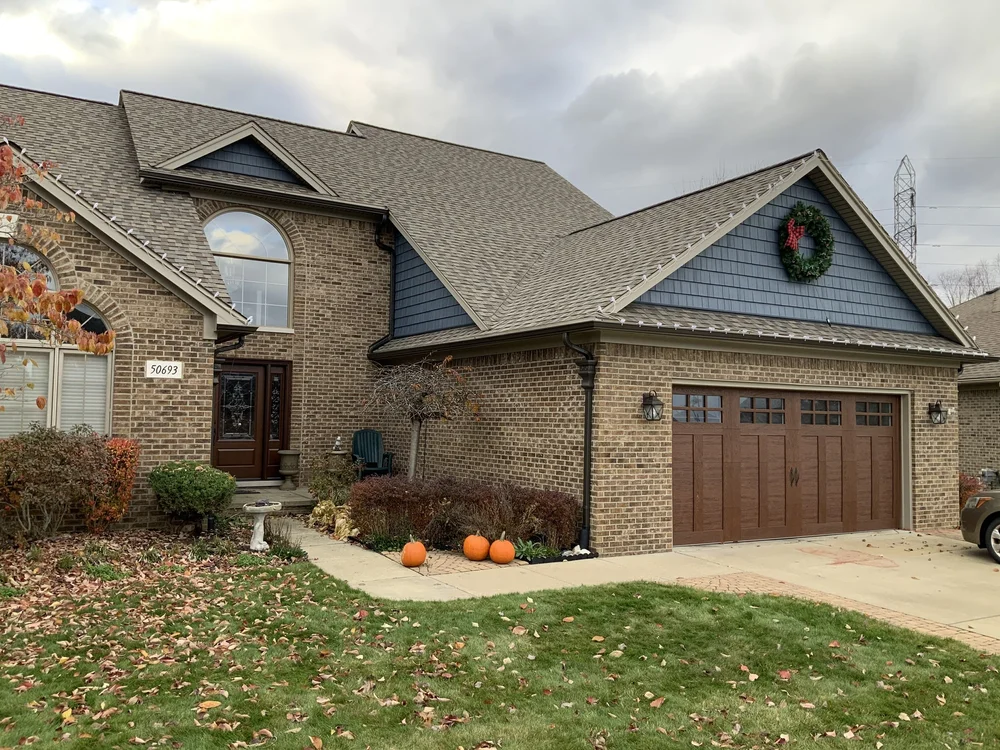
If you're seeing multiple symptoms, don't try to limp through another winter. Michigan weather is hard on failing roofs, and the cost of emergency repairs during a January ice storm is significantly higher than a planned replacement in spring or fall. We typically recommend scheduling roof replacements in late spring (May-June) or early fall (September-October) when weather is stable and crews can work efficiently.
For storm damage — wind, hail, fallen trees — document everything with photos and call your insurance company before you call a contractor. Most policies cover sudden damage but not gradual wear, and having an adjuster inspect the roof before repairs start will save you headaches later. If you're dealing with a leaking roof after a storm, we can work directly with your insurance company to get the claim processed.
Related Services: While we're focused on roofing in this guide, many Rochester Hills homeowners also need seamless gutters in Detroit, MI or exterior painting in Southeast Michigan to complete their home's exterior refresh. We offer a full range of exterior services in Detroit and can coordinate multiple projects to minimize disruption and maximize value.
Ready to Get Started?
NEXT Exteriors has been protecting Michigan homes since 1988. Get a free, no-pressure estimate from a team that shows up on time and does the job right.
Get Your Free QuoteOr call us: (844) 770-6398
Frequently Asked Questions
Architectural asphalt shingles typically last 20-25 years in Michigan when installed correctly. The lifespan depends on several factors: roof pitch (steeper roofs shed water and snow better), ventilation (poor ventilation accelerates aging), tree coverage (shade extends life, but debris and moss reduce it), and maintenance (regular cleaning and minor repairs add years). Premium shingles with higher-grade asphalt and better granule adhesion can reach 30+ years. 3-tab shingles usually last 15-20 years. If your roof is approaching 20 years old and you're seeing curling, granule loss, or missing shingles, it's time to plan a replacement.
CertainTeed, GAF, and Owens Corning all manufacture high-quality architectural shingles that perform well in Michigan. We're a CertainTeed Master Shingle Applicator, which means we've met their highest certification standards and can offer extended warranties on CertainTeed products. That said, the installation quality matters more than the brand — a premium shingle installed poorly will fail faster than a mid-grade shingle installed correctly. Look for contractors who follow manufacturer specs, use proper nailing patterns, and install ice-and-water barrier in critical areas. The warranty is only as good as the installation.
Yes. Oakland County requires a building permit for all roof replacements, and the city of Rochester Hills enforces this through inspections. The permit process ensures your roof meets Michigan building code for wind resistance, fire rating, and structural load. Your contractor should pull the permit — if they're suggesting you skip it to save money, walk away. Unpermitted work can cause problems when you sell the house, and your insurance company may deny claims if they discover the roof wasn't installed to code. Permit fees in Rochester Hills typically run $150-300 depending on the project size.
Roofing warranties come in two parts: manufacturer's material warranty and contractor's workmanship warranty. The material warranty (typically 25-50 years or "lifetime") covers defects in the shingles themselves — manufacturing flaws, premature granule loss, etc. It's usually prorated, meaning coverage decreases over time. The workmanship warranty (typically 5-10 years) covers installation errors — leaks from improper flashing, wind damage from incorrect nailing, etc. Neither warranty covers damage from storms, falling trees, or normal wear and tear. Always get both warranties in writing, and understand what's covered and what's not before you sign a contract.
Late spring (May-June) and early fall (September-October) are ideal for roof replacements in Southeast Michigan. The weather is stable, temperatures are moderate (important for shingle sealant activation), and contractors have more availability. Summer works too, but extreme heat can make shingles brittle during installation. We don't recommend winter replacements unless it's an emergency — cold temperatures prevent sealant strips from bonding properly, and snow/ice create safety hazards. If your roof is failing and winter is approaching, we can install temporary tarps or emergency patches to get you through to spring.
It depends on the roof's condition and your local market. A failing roof (20+ years old, visible damage, missing shingles) will reduce your sale price and scare off buyers or kill deals during inspection. Replacing it before listing typically returns 60-70% of the cost in added home value and faster sale times. If your roof is 10-15 years old and in decent shape, you might be better off offering a credit or price reduction rather than replacing it yourself. Talk to your realtor about what buyers expect in your price range — in higher-end Rochester Hills neighborhoods, a new roof is often expected. For more on this, see our article on how exterior improvements increase home value.
Michigan code allows up to two layers of asphalt shingles, but we rarely recommend it. Installing over an existing layer saves on tear-off and disposal costs, but it hides problems — rotted decking, damaged underlayment, improper flashing — that will cause failures down the road. It also adds weight to your roof structure, reduces ventilation effectiveness, and voids most manufacturer warranties. In Rochester Hills, where many homes already have two layers from previous overlay jobs, a full tear-off is usually required. If your roof has one layer and the decking is solid, an overlay might be an option, but it's a short-term solution that costs you money in the long run.
Commercial Exterior Painting Guide for Macomb County
Everything Michigan business owners need to know about commercial exterior painting—from prep to pricing. Expert guidance from NEXT Exteriors serving Macomb County.
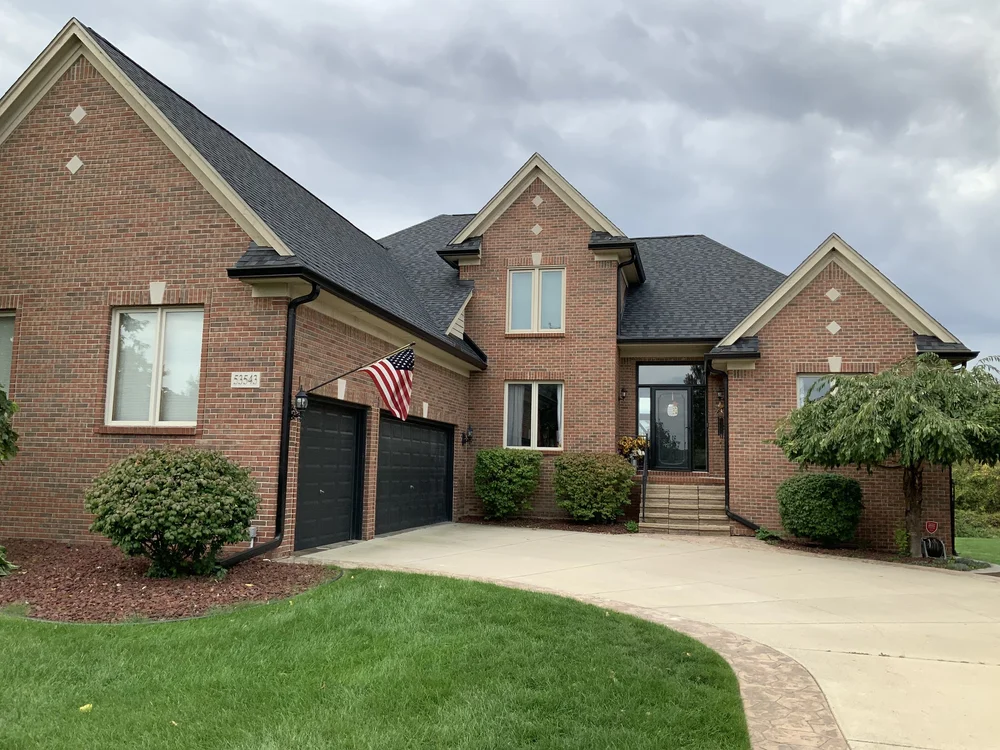
We've painted commercial buildings across Macomb County for over three decades, and there's one truth we've learned the hard way: what works on a 2,000-square-foot colonial in Sterling Heights won't cut it on a 15,000-square-foot retail center in Clinton Township. Commercial exterior painting isn't just residential work at a bigger scale—it's a different beast entirely, with different stakes, different timelines, and different consequences when it goes wrong.
Michigan weather makes commercial painting even more challenging. Your building sits exposed to lake-effect snow, freeze-thaw cycles that crack inferior coatings by March, and summer UV that bleaches cheap paint before the warranty expires. Add in the complexity of metal panels, masonry, and multi-story access, and you understand why so many commercial paint jobs fail within three years.
This guide walks you through everything we've learned painting office buildings, retail centers, warehouses, and mixed-use properties across Southeast Michigan. We'll cover the preparation work most contractors skip, the coating systems that actually survive Michigan winters, realistic pricing for Macomb County projects, and the red flags that signal a contractor who's never painted anything bigger than a two-car garage.
Why Commercial Exterior Painting Differs from Residential
The biggest difference isn't the square footage—it's the operational impact. When we paint a house, the homeowner deals with some noise and crew trucks for a week. When we paint a commercial building, we're coordinating around business hours, customer access, delivery schedules, and tenant concerns. A retail center in Warren can't shut down for two weeks while we work. An office building in Troy needs us working evenings and weekends to minimize disruption.
Building codes add another layer of complexity. Commercial properties in Macomb County face stricter fire ratings, accessibility requirements, and environmental regulations than residential homes. The coatings we use must meet specific flame-spread ratings. Our staging and lifts need OSHA-compliant fall protection. Waste disposal follows commercial hazardous material protocols, not residential trash pickup.
Then there's the substrate variety. A typical house might have vinyl siding and wood trim. A commercial building could combine metal panels, concrete block, brick veneer, EIFS (synthetic stucco), aluminum storefront systems, and steel structural elements—all requiring different prep methods and coating systems. Miss one incompatibility and you'll see delamination within months.
Michigan-Specific Challenge: Commercial buildings in Macomb County often feature older masonry construction with poor moisture management. Without proper surface prep and breathable coatings, trapped moisture from Michigan's freeze-thaw cycles will push paint off the wall before the next winter arrives.
Insurance and liability requirements differ dramatically too. Our commercial painting work carries higher liability limits, requires additional workers' comp coverage, and demands certificates of insurance that name building owners and property managers as additional insureds. A residential contractor working without proper commercial coverage puts your property at serious financial risk.
Michigan Weather: The Biggest Factor in Commercial Paint Longevity
Michigan's climate destroys paint faster than almost anywhere else in the country. We experience temperature swings from -10°F in January to 95°F in July—a 105-degree range that expands and contracts every substrate, stresses every coating, and opens every microscopic crack into a failure point.
Freeze-thaw cycles are the real killer. Water infiltrates through caulk joints, porous masonry, or coating defects. When temperatures drop below freezing, that water expands with 9% more volume, creating pressure that literally pushes paint off the substrate. A commercial building in Clinton Township might experience 40-60 freeze-thaw cycles per winter. Cheap paint won't survive five winters of that abuse.
UV exposure fades colors and breaks down binder resins. South and west-facing walls on a Macomb County office building receive intense summer sun that degrades inferior coatings within three years. We've seen budget-grade paint on metal panels fade from deep burgundy to pale pink in 24 months. Quality 100% acrylic coatings with UV inhibitors maintain color integrity for 10-15 years on the same exposures.
Moisture is constant in Southeast Michigan. Lake-effect humidity, spring rains, and snow accumulation keep commercial buildings wet for months at a time. Coatings must be breathable enough to allow moisture vapor transmission while remaining waterproof enough to prevent liquid water intrusion. Get that balance wrong and you'll see blistering, peeling, and mildew growth before the first year ends.
Wind-driven rain is particularly brutal on multi-story buildings. A three-story retail center in Sterling Heights takes horizontal rain during storms that drives water into every seam, joint, and coating defect. Proper surface prep and high-build coatings create the waterproof barrier that prevents moisture intrusion and the resulting paint failure.
Surface Preparation: Where Most Commercial Paint Jobs Fail
We've repainted dozens of commercial buildings where the previous contractor skipped proper prep work. The pattern is always the same: the coating looked great for 6-12 months, then started peeling in sheets. Paint adheres to the surface, not to old paint. If you don't remove failing coatings, clean contaminated surfaces, and repair substrate damage, new paint will fail regardless of quality.
Power washing is the foundation of commercial prep work. We use 2500-3000 PSI equipment to remove dirt, mildew, chalk, and loose paint from every square foot of building surface. A typical 10,000-square-foot commercial building in Macomb County requires 2-3 days of pressure washing alone. Contractors who skip this step or use inadequate equipment leave contaminants that prevent proper adhesion.
Scraping and sanding come next. Every area of peeling or alligatored paint gets scraped down to stable substrate. We feather-sand the edges to create smooth transitions—no paint ridges that telegraph through the new coating. On metal surfaces, we remove rust and mill scale. On wood, we sand glossy surfaces to improve mechanical adhesion. This is labor-intensive work that separates professional contractors from corner-cutters.
Contractor Truth: Surface prep accounts for 60-70% of a commercial paint job's labor hours but only 20-30% of what customers see. Contractors who underbid projects almost always cut corners on prep work—you won't notice until the paint starts failing two years later.
Substrate repairs are critical on older commercial buildings. We replace rotted wood trim, repair damaged metal panels, patch concrete spalling, and address any moisture intrusion sources. A fresh coat of paint over rotted wood or rusted metal just hides problems temporarily—the damage continues underneath until structural failure occurs.
Primer selection matters more than most people realize. Bare wood needs stain-blocking primer to prevent tannin bleed-through. Glossy surfaces require bonding primer for adhesion. Metal substrates need rust-inhibiting primer. Masonry needs breathable masonry primer that allows moisture vapor transmission. We match primer chemistry to substrate type and existing coating system—not one-size-fits-all.
Caulking is the final prep step that most contractors rush. Every window perimeter, trim joint, control joint, and expansion joint gets fresh, flexible sealant rated for Michigan's temperature extremes. We use paintable products that remain flexible from -40°F to 180°F. Caulk failure is the number one cause of moisture intrusion in commercial buildings—we don't cut corners here.
Choosing the Right Paint System for Your Macomb County Building
We're exclusive Sherwin-Williams contractors for a reason: their commercial coating systems are engineered for durability, not just aesthetics. After 35 years painting commercial buildings across Southeast Michigan, we've tested every major brand. Sherwin-Williams products consistently outlast competitors in Michigan's harsh climate.
For most commercial applications in Macomb County, we specify 100% acrylic latex coatings. These products offer excellent adhesion, UV resistance, and flexibility to handle Michigan's temperature swings. Sherwin-Williams Duration and Emerald lines provide superior hide, color retention, and dirt resistance compared to builder-grade products. The upcharge is 20-30% over economy paint, but the coating lasts twice as long.
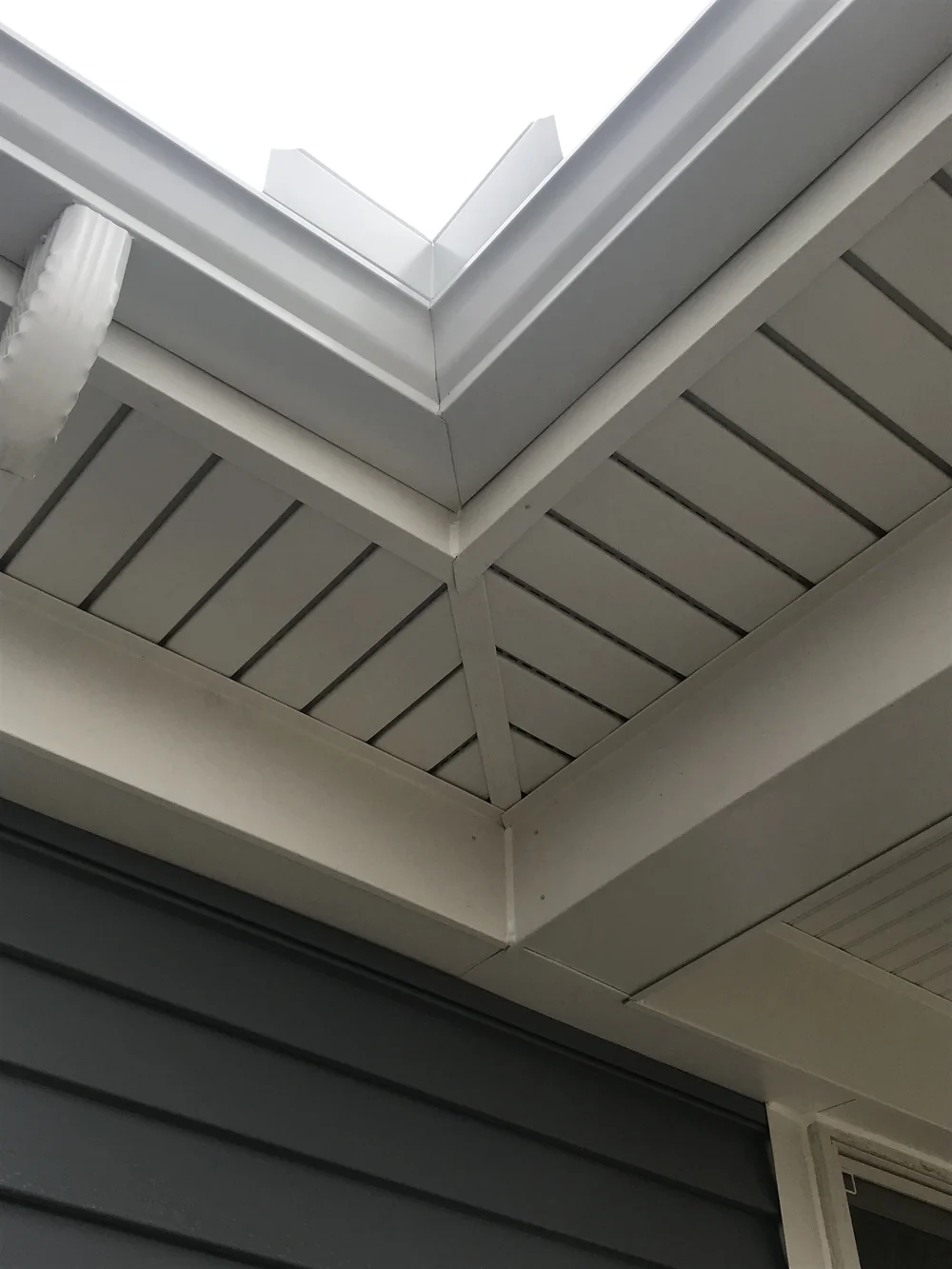
Elastomeric coatings work well on masonry and concrete block buildings common in older Macomb County commercial districts. These high-build products (10-20 mils dry film thickness vs. 1.5-3 mils for standard paint) bridge hairline cracks, provide superior waterproofing, and create a thick protective barrier. We use Sherwin-Williams Loxon XP or Conflex XL on buildings with minor cracking or moisture issues.
Metal buildings require specialized coatings formulated for thermal expansion. Standard latex paint cracks and peels on metal panels that expand and contract with temperature changes. We use Sherwin-Williams Pro Industrial DTM (Direct-to-Metal) acrylic coatings that flex with the substrate and provide excellent rust inhibition. Proper surface prep is critical—any rust or mill scale left on the metal will cause premature coating failure.
Color selection impacts longevity more than most building owners realize. Dark colors absorb more UV radiation and experience greater thermal stress—we've measured surface temperatures exceeding 160°F on black metal panels in July. Lighter colors reflect heat, reduce thermal stress, and maintain appearance longer. If you want dark colors, expect to repaint 30-40% sooner than buildings painted in lighter shades.
Sheen level affects both appearance and durability. Flat and matte finishes hide surface imperfections but show dirt and are harder to clean. Satin and semi-gloss finishes are more washable and durable but highlight substrate irregularities. For most commercial applications, we recommend satin sheen—it balances appearance with practical maintenance requirements.
Coating System Recommendations by Substrate
- Wood siding and trim: Stain-blocking primer + 2 coats 100% acrylic latex (Sherwin-Williams Duration or Emerald)
- Metal panels and trim: DTM primer + 2 coats DTM acrylic (Sherwin-Williams Pro Industrial DTM)
- Concrete block/masonry: Masonry primer + 2 coats elastomeric coating (Sherwin-Williams Loxon XP)
- EIFS/synthetic stucco: Acrylic primer + 2 coats elastomeric coating (Sherwin-Williams Conflex XL)
- Previously painted surfaces: Bonding primer (if needed) + 2 coats 100% acrylic latex
What a Commercial Exterior Painting Project Actually Costs
Commercial painting pricing is more complex than residential work because every building presents unique challenges. A single-story metal warehouse with minimal trim costs $2.50-$4.00 per square foot. A multi-story masonry building with extensive trim, storefront systems, and difficult access might run $6.00-$10.00 per square foot. Square footage alone doesn't tell the whole story.
Here's what drives commercial painting costs in Macomb County:
Building height and access: Single-story buildings we can reach with ladders and scaffolding are straightforward. Two-story buildings require more staging. Three-story and taller buildings need boom lifts or swing stages—equipment rental alone adds $3,000-$8,000 to project costs. A four-story office building in Troy costs significantly more per square foot than a single-story retail center in Warren with identical square footage.
Substrate condition: Buildings with failing paint, substrate damage, or moisture issues require extensive prep work that drives labor costs. We've quoted projects where prep work consumed 70% of total labor hours. A well-maintained building with sound existing coatings costs 30-40% less to repaint than a neglected building with widespread failure.
Substrate variety: Buildings with multiple substrate types (brick, metal, wood, EIFS) require different primers, coatings, and application methods. Each substrate change adds complexity and cost. A simple metal building might need one coating system. A mixed-use building with masonry, metal panels, and wood trim might need four different systems.
Trim and detail work: Buildings with extensive trim, multiple colors, or intricate architectural details require more labor than simple box buildings. Every window, door, and trim piece needs individual attention. Masking and cutting-in around storefront systems is time-consuming precision work.
Real Numbers for Macomb County: A typical 10,000-square-foot single-story commercial building in good condition with standard metal siding and minimal trim runs $35,000-$50,000 for complete repainting including proper prep and quality coatings. The same building with extensive substrate damage, difficult access, or complex details might cost $60,000-$80,000.
Material costs represent 25-35% of total project cost on commercial jobs. We use premium Sherwin-Williams coatings that cost $45-$75 per gallon—not the $25/gallon contractor-grade products some competitors use. A 10,000-square-foot building typically requires 80-120 gallons of paint plus primer, caulk, and supplies. Quality materials add $4,000-$8,000 to project cost but extend coating life by 5-7 years.
Timeline affects pricing too. Rush jobs requiring weekend or evening work to minimize business disruption cost 20-30% more than standard scheduling. Weather delays are common in Michigan—we can't paint below 50°F or in rain, which limits our working season and sometimes extends project timelines.
Don't forget about the hidden costs of choosing the wrong contractor. We've repainted buildings where the previous contractor failed to properly prep surfaces, used incompatible coatings, or skipped necessary repairs. The building owner paid twice—once for the failed paint job, then again for proper work. Cheap bids almost always cost more in the long run.
Signs Your Commercial Building Needs Repainting
Most commercial buildings in Macomb County need repainting every 7-12 years, depending on coating quality, substrate type, and exposure conditions. Buildings with south and west exposures deteriorate faster than north-facing walls. Metal substrates typically need recoating sooner than masonry. Here's what to watch for:
Chalking: Run your hand across the painted surface. If you see colored powder on your palm, the coating is breaking down. Chalking is normal after 5-7 years on lower-quality paints, but excessive chalking indicates the coating has reached the end of its service life. The binder resins have degraded from UV exposure, leaving loose pigment particles.
Fading: Noticeable color change, especially on south and west walls, signals UV degradation. Some fading is inevitable, but if your building looks significantly lighter or different than when painted, the coating chemistry is breaking down. Faded paint offers reduced protection and makes your building look poorly maintained.
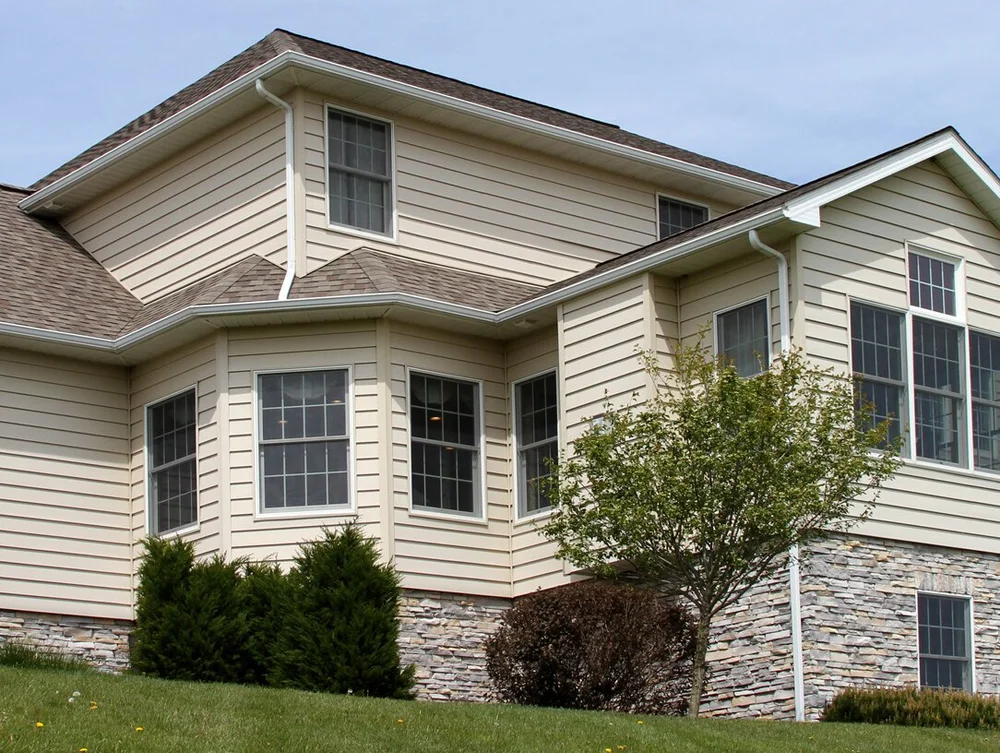
Peeling and blistering: Paint lifting from the substrate in sheets or bubbles indicates adhesion failure or moisture problems. Small areas of peeling can be spot-repaired, but widespread failure requires complete repainting. Blistering usually signals moisture trapped beneath the coating—the underlying problem must be addressed before repainting.
Caulk failure: Cracked, missing, or pulled-away caulk allows water infiltration that damages substrates and accelerates coating failure. We see this constantly on commercial buildings in Michigan—freeze-thaw cycles destroy inferior caulk within 3-5 years. Fresh caulking is often part of a repainting project, but severe caulk failure might require attention before coating failure becomes visible.
Mildew and algae growth: Black or green staining on painted surfaces indicates organic growth feeding on coating breakdown products or surface contaminants. While mildew can be cleaned, its presence suggests the coating has lost its mildewcide protection and may be breaking down. North-facing walls with limited sun exposure are most susceptible.
Substrate damage showing through: Rust stains on metal, water stains on masonry, or wood rot visible beneath paint indicate the coating no longer protects the substrate. This is urgent—continuing substrate damage leads to expensive structural repairs. Repainting should happen immediately, along with substrate repairs.
If you're seeing multiple warning signs, it's time to schedule a professional assessment. Our team provides free commercial building evaluations across Macomb County—we'll identify coating failures, substrate damage, and moisture issues before they become expensive problems. Similar to our thorough roof inspection process, we document existing conditions and provide detailed recommendations.
Why NEXT Exteriors for Commercial Painting
We've been painting commercial buildings across Southeast Michigan since 1988—long enough to see our work survive three decades of Michigan winters and long enough to watch competitors' cheap paint jobs fail within five years. Our approach is built on old-school contractor values: show up on time, do thorough prep work, use quality materials, and stand behind the work.
Our commercial painting process starts with a detailed site assessment. We evaluate substrate conditions, identify moisture issues, document existing coating failures, and develop a scope of work that addresses root causes—not just cosmetic symptoms. You get a written proposal that specifies prep methods, coating systems, timeline, and pricing with no hidden costs or change orders.
We're licensed Michigan contractors with full commercial insurance, not residential painters trying to break into commercial work. Our crews are trained in OSHA fall protection, boom lift operation, and commercial coating application. We carry $2 million general liability coverage and can provide certificates of insurance naming your property as additional insured.
Our exclusive partnership with Sherwin-Williams gives us access to commercial-grade coatings unavailable at retail stores. We specify coating systems engineered for Michigan's climate and your specific substrate requirements. Our rep provides technical support for challenging applications—you benefit from Sherwin-Williams' 150+ years of coating chemistry expertise.
We coordinate around your business operations. Need us working evenings and weekends to avoid disrupting tenants? We'll schedule accordingly. Need specific areas completed by certain dates? We'll phase the work to meet your deadlines. We've painted occupied office buildings, operating retail centers, and active warehouses—we understand the operational challenges and plan accordingly.
Beyond our painting expertise, we offer comprehensive exterior services in Detroit and throughout Southeast Michigan. Many commercial painting projects uncover related needs—damaged siding requiring replacement, failing gutters needing upgrades, or windows that should be replaced before painting. We handle everything in-house with the same quality standards.
Our 35+ years in business and A+ BBB rating since 2006 demonstrate our commitment to customer satisfaction. We've completed 500+ projects across Macomb, Oakland, and St. Clair counties. Our 5.0-star average rating across 87+ reviews reflects the experience you'll have working with us—professional crews, quality work, fair pricing, no surprises.
Ready to Discuss Your Commercial Painting Project?
NEXT Exteriors has been protecting Michigan commercial buildings since 1988. Get a detailed assessment and transparent quote from a team that understands the unique challenges of commercial exterior painting in Macomb County.
Get Your Free Commercial Painting QuoteOr call us directly: (844) 770-6398
Frequently Asked Questions About Commercial Exterior Painting in Macomb County
With proper surface preparation and quality coatings, commercial exterior paint should last 10-15 years in Michigan's climate. Buildings with south and west exposures may need repainting sooner—8-12 years is typical. Metal substrates generally require recoating every 7-10 years. The key factors are surface prep quality, coating system selection, and ongoing maintenance. Buildings painted with economy-grade products or inadequate prep work often fail within 3-5 years, requiring premature repainting.
Late spring through early fall (May through October) offers the most reliable weather for commercial painting in Southeast Michigan. We need temperatures above 50°F for proper coating cure, dry surfaces, and low humidity. Summer months provide the longest working days and most predictable weather, though extreme heat can cause application challenges. Early fall is ideal—moderate temperatures, lower humidity, and less chance of rain. We can work into November if weather cooperates, but winter painting is generally not feasible in Michigan.
Most commercial buildings remain fully operational during exterior painting. We coordinate work schedules around business hours, customer access, and delivery schedules. For office buildings, we often work evenings and weekends to minimize disruption. Retail centers might require us to avoid certain high-traffic times. We do need to restrict access to areas directly beneath active work zones for safety reasons, but we phase the work to maintain building functionality. Only in rare cases—such as painting a small building with limited access points—might temporary closure be necessary.
Commercial buildings built before 1978 likely contain lead-based paint. We're EPA-certified for lead-safe practices and follow strict containment and disposal protocols. For buildings with confirmed lead paint, we use methods that minimize dust generation—wet scraping, HEPA-filtered sanders, and containment barriers. All debris is collected and disposed of as hazardous waste per Michigan regulations. On some projects, encapsulation (coating over lead paint with specialized encapsulants) is more cost-effective than removal. We test suspect coatings, develop appropriate work plans, and ensure compliance with all lead safety regulations.
Yes, we can match virtually any existing color using Sherwin-Williams' color-matching technology. We take a sample of the current coating to a Sherwin-Williams store, where they scan it and formulate a match in the coating system we're specifying. Keep in mind that existing paint has likely faded from UV exposure, so we typically match to a protected area (under an overhang or behind a downspout) rather than sun-exposed surfaces. If you're repainting the entire building, we recommend choosing a fresh color rather than matching faded paint—your building will look newer and more vibrant.
We provide a 5-year workmanship warranty on commercial painting projects covering adhesion failures, peeling, and application defects. Sherwin-Williams provides separate product warranties on their commercial coatings—typically 10-15 years depending on the specific product. Our warranty doesn't cover damage from building movement, substrate failure, or lack of maintenance, but it does cover any failures resulting from improper surface prep or application. We've been in business since 1988 and we'll be here to honor our warranties—something you can't say about contractors who disappear after a few years.
We take protection seriously on commercial projects. All landscaping within 10 feet of the building gets covered with drop cloths. Shrubs and small trees are wrapped. HVAC equipment, light fixtures, signage, and building hardware are masked or removed. We cover walkways, parking areas, and entry points to prevent paint overspray and debris. Windows and doors get masked with plastic and tape. At the end of each day, we clean up debris and ensure all protection remains in place. Our crews are trained to work carefully around building features—we've never damaged landscaping, broken windows, or scratched fixtures on a commercial project.
Blown-In Attic Insulation Guide for Saline, MI Homeowners
Saline homeowners: Learn how blown-in attic insulation works, what it costs, and why Michigan's freeze-thaw cycles demand proper installation. Expert guide from NEXT Exteriors.
If you're a Saline homeowner dealing with ice dams every winter, rooms that never get warm enough, or heating bills that make you wince, your attic insulation is probably the problem. Not the furnace. Not the windows. The attic.
We've been installing insulation services in Southeast Michigan since 1988, and the pattern is clear: most homes built before 2000 in Saline have nowhere near the insulation they need for Michigan winters. The building codes were different back then. R-19 or R-30 was considered fine. Today, we're targeting R-49 to R-60 in attics—and blown-in insulation is the most practical way to get there.
This guide walks through what blown-in attic insulation actually is, how it performs in Michigan's freeze-thaw climate, what it costs in Saline, and how to know if your home needs it. No sales pitch. Just the information you need to make a smart decision about one of the most cost-effective upgrades you can make to your home.
Why Saline Attics Need Better Insulation
Saline sits in Washtenaw County, about 10 miles south of Ann Arbor. The winters here aren't quite as brutal as the Upper Peninsula, but you still get lake-effect snow, weeks of sub-freezing temperatures, and the relentless freeze-thaw cycles that define Michigan weather. Your attic is where most of your home's heat escapes—and where most of your winter comfort problems start.
Here's what happens when your attic insulation is inadequate:
- Heat rises into the attic and melts snow on the roof. That meltwater runs down to the cold eaves, refreezes, and forms ice dams. Those ice dams back water up under your shingles and into your walls. We see this every winter in Saline—especially on older ranch homes with shallow roof pitches.
- Your furnace runs constantly but rooms stay cold. If the second floor is always colder than the first floor, or if your master bedroom feels drafty no matter how high you crank the thermostat, you're losing heat through the attic faster than your furnace can replace it.
- Energy bills climb every year. Natural gas prices fluctuate, but the trend is up. If your attic is under-insulated, you're paying to heat the outdoors. We've seen homeowners cut their heating bills by 20-30% after upgrading to R-49 or R-60 insulation.
- Summer cooling costs spike. In July and August, a poorly insulated attic turns into an oven. That radiant heat pushes down into your living space, forcing your AC to work overtime. Proper insulation keeps that heat out.
The Michigan Residential Code now recommends R-49 to R-60 for attics in climate zone 5, which includes all of Southeast Michigan. Most homes built before 2000 have R-19 to R-30 at best. That's a massive gap—and blown-in insulation is the most cost-effective way to close it without tearing your house apart.
Michigan Reality Check: If you can see the tops of your ceiling joists when you look in your attic, you don't have enough insulation. Period. For R-49, you need about 14-16 inches of blown-in cellulose or fiberglass covering those joists completely.
What Blown-In Insulation Actually Is
Blown-in insulation (also called loose-fill insulation) is exactly what it sounds like: loose fibers of cellulose or fiberglass that get blown into your attic using a machine with a long hose. The material settles into every gap, corner, and irregular space—something batt insulation (those pink rolls) can't do.
There are two main types of blown-in insulation:
Cellulose Insulation
Cellulose is made from recycled paper products (mostly newsprint) treated with fire retardants. It's dense, settles well, and has an R-value of about R-3.5 to R-3.7 per inch. To hit R-49, you need about 14 inches of cellulose. To hit R-60, you need about 17 inches.
Pros:
- Better air sealing than fiberglass because the fibers are denser and pack tighter
- Slightly better soundproofing
- Made from recycled content (about 85%), so it's the greener option
- Resists settling better than fiberglass over time
Cons:
- Heavier than fiberglass, which matters if your ceiling joists are marginal
- Can absorb moisture if there's a roof leak (though it dries out without losing R-value)
- Slightly more expensive than fiberglass in most markets
Fiberglass Insulation
Blown-in fiberglass is made from spun glass fibers. It's lighter and fluffier than cellulose, with an R-value of about R-2.5 to R-2.7 per inch. To hit R-49, you need about 19 inches. To hit R-60, you need about 23 inches.
Pros:
- Lighter weight, which is helpful in older homes with undersized joists
- Doesn't absorb water—if you get a roof leak, fiberglass dries quickly
- Slightly lower material cost than cellulose
- Non-combustible (won't smolder if exposed to heat)
Cons:
- Settles more over time, which can reduce R-value by 10-15% after a few years
- Doesn't air-seal as well as cellulose because the fibers are less dense
- Requires more depth to achieve the same R-value
Both materials work. We've installed thousands of attics with both cellulose and fiberglass, and the performance difference in real-world conditions is small. The choice usually comes down to budget, attic depth, and whether you're concerned about moisture (fiberglass wins) or air sealing (cellulose wins).
Blown-In vs. Batt Insulation: The Real Difference
Walk into any big-box store and you'll see stacks of pink or yellow fiberglass batts. They're cheap, they're easy to haul home in your truck, and they seem like a straightforward DIY project. So why do professional contractors almost always recommend blown-in insulation for attics?
Because batts don't work well in real attics.
Here's the problem: Attics are messy. You've got ceiling joists, electrical wires, junction boxes, recessed lights, plumbing stacks, HVAC ducts, and all kinds of irregular spaces. Batt insulation is designed for clean, uniform cavities—like the walls in new construction. When you try to fit batts around obstructions, you end up with gaps. And gaps are where heat escapes.
Blown-in insulation doesn't care about obstructions. The machine blows loose fibers into every corner, around every wire, over every joist. It fills the space completely. That's why blown-in insulation typically performs 15-20% better than batts in real-world conditions, even when both are rated for the same R-value.
There's also the labor factor. Installing batts in an attic is miserable work—hot, itchy, cramped, and slow. You're crawling around on ceiling joists trying not to fall through the drywall. Blown-in insulation goes in fast with a machine and a hose. A typical Saline ranch home (1,200 square feet of attic space) takes 3-4 hours to insulate with blown-in material. The same job with batts would take all day and wouldn't perform as well.
The only time we recommend batts for attics is when you're insulating a finished attic space with cathedral ceilings, where you need insulation between the rafters and there's no attic floor to blow onto. For standard attic floors, blown-in wins every time.
Contractor Truth: If someone quotes you a price for batt insulation in your attic, they're either trying to save money on labor or they don't have the equipment to do blown-in. Either way, you're getting an inferior product. Walk away.
What Blown-In Attic Insulation Costs in Saline
Let's talk numbers. Blown-in attic insulation costs vary based on your home's size, how much existing insulation you have, and how accessible your attic is. But here are the real-world ranges we see in Saline and the surrounding Washtenaw County area in 2026:
Material and labor costs (per square foot of attic floor):
- R-49 cellulose: $1.80 to $2.40 per square foot
- R-60 cellulose: $2.10 to $2.80 per square foot
- R-49 fiberglass: $1.60 to $2.20 per square foot
- R-60 fiberglass: $1.90 to $2.50 per square foot
Typical Saline home examples:
- 1,200 sq ft ranch (1,200 sq ft attic): $2,150 to $3,360 for R-49 to R-60
- 1,800 sq ft two-story (900 sq ft attic): $1,620 to $2,520 for R-49 to R-60
- 2,400 sq ft Colonial (1,200 sq ft attic): $2,150 to $3,360 for R-49 to R-60
Those prices include the insulation material, labor, air sealing around major penetrations (recessed lights, plumbing stacks, attic hatches), ventilation baffles at the eaves, and cleanup. They do not include any structural repairs, mold remediation, or removal of old vermiculite insulation (which may contain asbestos and requires special handling).
What drives the price up:
- Low attic access. If your only access is a 22-inch square hatch in a closet ceiling, it takes longer to get equipment and materials in and out.
- Steep roof pitches. Harder to work in, slower to install.
- Lots of obstructions. HVAC ducts, recessed lights, chimney chases—all slow down the job.
- Removal of old insulation. If your existing insulation is damaged, moldy, or contaminated, it needs to come out first. That adds $1.00 to $1.50 per square foot.
- Air sealing work. If your attic has major air leaks (common in homes built before 1990), proper air sealing can add $300 to $800 to the job. But it's worth it—air sealing is just as important as insulation for energy performance.
What about ROI? In Michigan, upgrading from R-19 to R-49 typically cuts heating costs by 20-30%. If you're spending $1,800 a year on natural gas, that's $360 to $540 in annual savings. A $2,500 insulation job pays for itself in 5-7 years—and then keeps saving you money for the next 30 years. It also makes your home more comfortable, eliminates ice dams, and increases resale value.
For more context on how insulation fits into your overall home performance, check out our guide on roof leaks in winter and common causes in Metro Detroit—many of which trace back to inadequate attic insulation.
Signs Your Saline Home Needs More Attic Insulation
Not sure if your attic insulation is up to the job? Here are the telltale signs we see in Saline homes—especially in the older neighborhoods near downtown and along Michigan Avenue:
1. Ice Dams Every Winter
If you get icicles hanging from your gutters or ice dams forming along your eaves every winter, your attic is too warm. Heat is escaping through the ceiling, warming the roof deck, and melting snow. That meltwater runs down to the cold eaves and refreezes. Ice dams can back water up under your shingles and cause serious damage to your roof, fascia, and interior walls. The fix isn't better seamless gutters (though those help)—it's more insulation and better air sealing.
2. Uneven Room Temperatures
If your second-floor bedrooms are always colder than the first floor in winter (or hotter in summer), you're losing heat through the attic. The thermostat might read 70°F downstairs, but the master bedroom feels like 62°F. That's a classic symptom of under-insulated attics in two-story homes.
3. High Heating Bills
Natural gas prices fluctuate, but if your heating bills are significantly higher than your neighbors' (and your homes are similar size and age), insulation is probably the culprit. We've had Saline homeowners tell us they were spending $300+ per month on heat in January and February. After upgrading to R-49 insulation, those bills dropped to $180-$200.
4. Attic Frost in Winter
Go up in your attic on a cold morning in January. If you see frost on the underside of the roof deck or on the nail tips poking through the sheathing, you have a moisture problem. Warm, humid air from your living space is leaking into the attic (through recessed lights, gaps around the attic hatch, plumbing penetrations, etc.), hitting the cold roof deck, and condensing as frost. When that frost melts in the spring, it drips onto your insulation and ceiling. The fix is air sealing plus more insulation.
5. You Can See the Ceiling Joists
This is the simplest test. Pop your head into the attic. If you can see the tops of the ceiling joists, you don't have enough insulation. For R-49, the insulation should be 14-16 inches deep—well above the joists. If your insulation is level with or below the joists, you're probably sitting at R-19 to R-30. That's not enough for Michigan.
6. Drafts Around Recessed Lights or Attic Hatches
Stand under a recessed light fixture on a windy day in winter. Feel cold air blowing down? That's air leaking from the attic through the fixture. Same with attic hatches—if you feel a draft around the edges, warm air is escaping into the attic. These leaks waste energy and make your insulation less effective.
If you're seeing any of these signs, it's time to upgrade your attic insulation. And if you're already thinking about other exterior improvements, consider bundling projects—many Saline homeowners pair insulation upgrades with roofing services or siding installation to maximize efficiency and curb appeal.
How NEXT Exteriors Installs Blown-In Insulation
Here's what happens when we show up to insulate your attic. This is the process we've refined over 35+ years and hundreds of projects across Southeast Michigan:
Step 1: Attic Assessment and Measurement
We start by measuring your attic space and checking the existing insulation. How much is there? What type is it? Is it damaged, compressed, or contaminated? We also look for air leaks around recessed lights, plumbing stacks, electrical penetrations, and the attic hatch. We check the ventilation—soffit vents, ridge vents, gable vents—to make sure your attic can breathe properly. All of this goes into the plan.
Step 2: Air Sealing Preparation
Before we blow in new insulation, we seal the major air leaks. This is critical. Insulation slows down heat transfer, but it doesn't stop air movement. If warm air is leaking into your attic through gaps and cracks, your insulation won't perform the way it should.
We use expanding foam or caulk to seal around:
- Recessed light fixtures (or install IC-rated covers if needed)
- Plumbing stacks and vent pipes
- Electrical penetrations and junction boxes
- Attic hatches and pull-down stairs
- Chimney chases
- Any other gaps between the living space and the attic
This step adds time and cost, but it's non-negotiable if you want the insulation to work properly. We see too many contractors skip this step because it's tedious and doesn't show up in before-and-after photos. But it makes a huge difference in energy performance.
Step 3: Ventilation Protection
If your attic has soffit vents (most do), we install baffles at the eaves to maintain airflow from the soffits up into the attic. Insulation can block these vents if you're not careful, which traps moisture and leads to mold and rot. The baffles create a clear channel for air to flow while keeping the insulation in place.
Step 4: Blown-In Insulation Installation
Now we bring in the insulation machine. It's usually parked in your driveway or on the street, with a long hose running up into the attic. One crew member feeds the insulation into the machine. Another crew member is in the attic with the hose, blowing the material evenly across the attic floor.
We work systematically, filling the farthest corners first and working our way back toward the attic access. The goal is even coverage—no thin spots, no piles. We use depth markers (basically rulers stuck into the insulation) to make sure we're hitting the target depth for R-49 or R-60.
The process is fast. A typical 1,200-square-foot attic takes 2-3 hours to blow in once the prep work is done.
Step 5: Depth Markers and Final Inspection
Once the insulation is in, we install permanent depth markers so you (or a future home inspector) can verify the insulation level. We also take photos for your records and clean up any insulation dust that made it into the living space (rare, but it happens).
We walk you through the work, show you the depth markers, and answer any questions. You get documentation of the R-value achieved, the square footage covered, and the materials used. If you're financing the project or claiming energy tax credits, you'll need that paperwork.
For homeowners considering a complete exterior refresh, our exterior services in Detroit can help you plan a comprehensive approach to energy efficiency and curb appeal.
Common Mistakes with Attic Insulation in Michigan
We've been fixing other contractors' insulation mistakes for decades. Here are the most common problems we see in Saline and across Southeast Michigan:
1. Blocking Soffit Vents
This is the number one mistake. A contractor blows in insulation without installing baffles, and the loose material blocks the soffit vents. Now your attic can't breathe. Moisture builds up. Mold grows. The roof deck rots. You end up needing roof eave repair because the wood is rotted out. Proper ventilation is just as important as insulation—they work together.
2. Ignoring Air Leaks
Blowing in R-60 of insulation over major air leaks is like putting a down comforter over an open window. The insulation helps, but it's not solving the real problem. Air sealing should always come first. If a contractor quotes you for insulation without mentioning air sealing, they're either cutting corners or they don't understand building science.
3. Using the Wrong R-Value for Michigan
Some contractors still quote R-38 or R-40 because that's what the code required 20 years ago. But the current Michigan Residential Code recommends R-49 to R-60 for attics in climate zone 5. The extra cost to go from R-38 to R-49 is minimal—maybe $200 to $300 for a typical home—but the energy savings are significant. Don't shortchange yourself.
4. Poor Vapor Barrier Management
In Michigan, the vapor barrier (if you have one) should be on the warm side of the insulation—meaning on the ceiling of your living space, not in the attic. Some DIYers or inexperienced contractors install a vapor barrier on top of the insulation in the attic, which traps moisture and causes problems. With blown-in insulation, you typically don't need a separate vapor barrier at all—the insulation itself provides some vapor resistance, and proper ventilation handles the rest.
5. Compressing Insulation
If you're storing stuff in your attic, don't pile boxes directly on top of the insulation. Compressed insulation loses R-value. If you need attic storage, build a raised platform over the insulation so the material can maintain its full loft.
6. Skipping the Attic Hatch
The attic hatch is one of the biggest air leaks in your home. We see contractors insulate the entire attic floor beautifully, then leave the hatch unsealed and uninsulated. You need weatherstripping around the hatch perimeter and rigid foam insulation attached to the back of the hatch door. This is a $50 fix that makes a big difference.
7. Not Addressing Recessed Lights
Old recessed light fixtures are major air leaks and fire hazards if you pile insulation on top of them. If your fixtures aren't rated for insulation contact (IC-rated), you need to either replace them with IC-rated fixtures or install protective covers before insulating. Ignoring this is dangerous and wasteful.
These mistakes are all avoidable if you hire a contractor who understands building science and takes the time to do the job right. That's why we've built our reputation on old-school values—honest work, no shortcuts, and a focus on long-term performance over quick profits. Learn more about our approach on our story page.
Ready to Upgrade Your Attic Insulation?
NEXT Exteriors has been protecting Michigan homes since 1988. We'll assess your attic, recommend the right insulation level for your home, and install it properly—with air sealing, ventilation baffles, and attention to every detail. Get a free, no-pressure estimate from a team that shows up on time and does the job right.
Get Your Free QuoteOr call us: (844) 770-6398
Frequently Asked Questions About Blown-In Attic Insulation
Blown-in cellulose and fiberglass insulation typically last 20-30 years in Michigan attics if properly installed and maintained. Cellulose settles less than fiberglass over time—usually 1-3% vs. 10-15% for fiberglass. The insulation won't "wear out," but it can lose effectiveness if it gets wet from roof leaks, compressed by storage, or contaminated by pests. Regular attic inspections every 5-10 years help catch problems early.
You can rent a blowing machine from big-box stores, but DIY attic insulation is harder than it looks. The machine is loud and messy, you need a helper to feed the hopper, and getting even coverage without thin spots requires experience. More importantly, most DIYers skip the critical prep work—air sealing, ventilation baffles, and proper depth calculation. A professional crew will do the job faster, safer, and with better results. For a typical Saline home, the labor cost is $600-$900—worth it for the quality and warranty.
No. This is a common myth. Homes need controlled ventilation (like bathroom exhaust fans and fresh air intakes), but they don't need random air leaks through the attic. Adding insulation and air sealing makes your home more energy-efficient and comfortable without causing indoor air quality problems. Your HVAC system and exhaust fans handle ventilation—not gaps in your building envelope.
R-49 is the minimum recommended for Michigan attics and works well for most homes. R-60 provides about 20% more insulating power and is worth considering if you have high heating costs, a poorly insulated home elsewhere (like thin walls or old windows), or if you plan to stay in the home long-term. The cost difference is typically $300-$500 for a standard attic, and the extra energy savings pay that back in 5-7 years. We usually recommend R-60 for homes built before 1980 or if you're already doing major renovations.
Yes—if it's installed correctly with proper air sealing. Ice dams form when heat escapes into the attic, warms the roof deck, and melts snow. That meltwater runs to the cold eaves and refreezes. More insulation keeps heat in your living space instead of leaking into the attic. But insulation alone won't fix ice dams if you have major air leaks (around recessed lights, the attic hatch, etc.). You need both insulation and air sealing, plus adequate attic ventilation. We've eliminated ice dam problems on hundreds of Michigan homes with this approach. For related issues, check our article on roof leaks in winter.
Not usually. If your existing insulation is dry, clean, and in good condition, we can blow new insulation right over it. This is faster and cheaper than removal. However, you should remove old insulation if it's wet, moldy, contaminated with animal waste, or if it's vermiculite (which may contain asbestos). Removal adds $1.00 to $1.50 per square foot to the project cost, but it's necessary if the old material is damaged or hazardous.
You'll notice the difference immediately in comfort—more even temperatures, fewer drafts, quieter rooms. Energy savings show up on your first full heating or cooling bill after installation. In Michigan, that's usually the next winter heating season. Most Saline homeowners see 20-30% reductions in heating costs, which translates to $300-$600 per year in savings for a typical home. Over 20 years, that's $6,000 to $12,000 in your pocket—far more than the cost of the insulation.
Best Window Materials for Michigan's Climate: A Comparison
Compare vinyl, fiberglass, and wood windows for Michigan homes. Learn which materials survive freeze-thaw cycles, ice storms, and humid summers from a licensed contractor.
I've replaced windows in Michigan homes for over three decades, and I've seen what this climate does to every material on the market. We get freeze-thaw cycles that crack weak frames, lake-effect snow that tests every seal, summer humidity that warps wood, and ice dams that push water into places it shouldn't go. The window material you choose isn't just about looks or budget — it's about whether your windows will still open smoothly in year fifteen, whether they'll leak air when it's 12 degrees outside, and whether you'll be repainting or replacing them before your mortgage is paid off.
This isn't a sales pitch for one material over another. It's a comparison based on what I've installed, what I've torn out, and what holds up in Sterling Heights, Rochester Hills, and every other corner of Southeast Michigan. Let's break down vinyl, fiberglass, wood, and composite windows — the real performance data, the honest costs, and what actually matters when you're choosing Detroit window experts to handle your project.
Vinyl Windows: The Michigan Workhorse
Vinyl windows dominate the replacement market in Southeast Michigan, and there's a reason: they perform well in our climate without demanding constant maintenance. Modern vinyl formulations — especially from manufacturers we work with regularly — handle freeze-thaw cycles better than most homeowners expect.
The material itself is polyvinyl chloride (PVC), extruded into frames with multiple chambers for structural strength and insulation. Quality vinyl windows have fusion-welded corners (not mechanical fasteners), reinforced sashes, and UV inhibitors mixed into the resin to prevent chalking and color fade. In Michigan, where we see temperature swings from -10°F to 95°F within the same year, vinyl's thermal expansion rate matters. It expands and contracts about 3.5 times more than fiberglass, which sounds concerning until you realize that quality manufacturers engineer their frames to accommodate this movement without compromising the seal.
Performance in Freeze-Thaw Cycles
Michigan experiences an average of 60-80 freeze-thaw cycles per winter in Southeast counties. This is where vinyl proves itself. Unlike wood, it won't absorb moisture and rot. Unlike aluminum, it won't conduct cold and create condensation on the interior surface. The material remains dimensionally stable through these cycles — I've pulled out 20-year-old vinyl windows that still operated smoothly, with no warping or cracking in the frame.
The weak point isn't usually the vinyl itself; it's the installation. A poorly flashed window will leak regardless of frame material. That's why our team at NEXT Exteriors follows manufacturer specs to the letter — proper shimming, flashing tape integration with the weather-resistant barrier, and low-expansion foam that won't bow the frame. We've seen too many vinyl windows blamed for problems that were really installation failures.
Energy Efficiency and Insulation
Vinyl frames typically achieve U-factors between 0.20 and 0.30 when paired with quality insulated glass units. That's competitive with fiberglass and significantly better than aluminum. The multi-chamber design creates dead air spaces that slow heat transfer. For Michigan homeowners targeting ENERGY STAR certification (U-factor ≤ 0.27 in our climate zone), vinyl windows easily qualify.
Pair vinyl frames with low-E glass, argon fill, and warm-edge spacers, and you're looking at a window assembly that reduces heat loss by 30-50% compared to old single-pane units. That translates to real savings on heating bills during our long winters. If you're also upgrading your home's thermal envelope, consider how insulation services in Southeast Michigan work together with window replacement to maximize efficiency.
Cost Considerations
Vinyl is the most budget-friendly option for full-frame replacement windows. In 2026, expect to pay $450-$750 per window installed for quality vinyl double-hungs in standard sizes. Custom shapes, larger units, and premium features (triple glazing, impact resistance) push that higher, but you're still paying 30-40% less than fiberglass and 50-60% less than wood-clad windows of comparable size.
For homeowners in Troy or Warren replacing 12-15 windows, that cost difference is substantial — often $8,000-$12,000. The question becomes: does the performance gap justify the price premium? For most Michigan homes, the answer is no. Vinyl delivers excellent value.
Fiberglass Windows: Premium Performance
Fiberglass windows are the material I recommend when a homeowner wants the absolute best thermal performance and dimensional stability, and budget isn't the primary constraint. The frame material is glass fibers embedded in a resin matrix — essentially the same composite used in boat hulls and aerospace applications. It's engineered for strength and minimal thermal expansion.
Thermal Stability and Expansion Rates
Fiberglass expands and contracts at nearly the same rate as glass itself — about 9 times less than vinyl. This matters in Michigan because it means the seal between the frame and the insulated glass unit experiences less stress through temperature swings. Over 20-30 years, that reduced stress translates to fewer seal failures and longer-lasting gas fills (argon or krypton).
I've installed fiberglass windows in Bloomfield Hills homes where the architect specified them for this exact reason — the homeowner wanted windows that would still perform optimally in year 25, not just year 5. Fiberglass delivers on that expectation.
Durability in Michigan Weather Extremes
Fiberglass doesn't rot, warp, crack, or corrode. It's impervious to moisture, which makes it ideal for Michigan's humid summers and the condensation that forms on windows during cold snaps. The material won't support mold or mildew growth, and it requires zero maintenance beyond cleaning the glass.
The structural strength is notable too. Fiberglass frames can be engineered thinner than vinyl while maintaining the same or better strength, which means more glass area and better sightlines. For homeowners who care about aesthetics — especially in historic districts like Grosse Pointe Farms — fiberglass can replicate the narrow profiles of traditional wood windows without the maintenance burden.
Energy Efficiency Comparison
Fiberglass frames achieve U-factors as low as 0.15-0.20, depending on the design and glazing package. That's among the best available in residential windows. The low thermal conductivity of the composite material means less heat loss through the frame itself, and when combined with triple glazing and krypton fill, you're looking at a window assembly that approaches wall-level insulation performance.
For net-zero or high-performance home projects, fiberglass is often the only frame material that meets the specification. It's overkill for most Michigan homes, but if you're building or renovating to Passive House standards, it's worth the investment.
Price Point and ROI
Fiberglass windows cost $650-$1,100 per unit installed for standard double-hungs. Custom sizes and specialty shapes push higher. That's a significant premium over vinyl, and the ROI calculation depends on how long you plan to stay in the home and how much you value low maintenance and long-term performance.
For a homeowner planning to stay 20+ years, fiberglass makes financial sense. For someone selling in 5-7 years, vinyl offers better value. There's no universal right answer — it depends on your priorities and budget.
Wood and Wood-Clad Windows: Traditional Choice
Wood windows are beautiful. They're also high-maintenance in Michigan's climate, and I say that as someone who's restored plenty of them in historic homes around Lake Orion and Royal Oak. If you're committed to the aesthetic and willing to do the upkeep, wood can work. But understand what you're signing up for.
Moisture Resistance Challenges
Wood is hygroscopic — it absorbs and releases moisture in response to humidity changes. In Michigan, where we swing from 30% relative humidity in winter (thanks to forced-air heating) to 70%+ in summer, wood frames expand and contract. Over time, this movement stresses paint and finish, leading to cracking, peeling, and eventually water infiltration.
Once water gets into bare wood, rot follows. I've replaced wood window sills that were completely punky after 15 years of exposure to ice dams and wind-driven rain. The bottom rail and sill are always the first to go — that's where water pools and where paint fails first.
Wood-clad windows — aluminum or vinyl exterior cladding over a wood interior frame — solve most of the moisture problem. The cladding protects the wood from weather exposure, while the interior wood provides the warmth and beauty homeowners want. It's a practical compromise, and it's what I recommend when someone wants wood but doesn't want to repaint every 5-7 years.
Maintenance Demands Through Four Seasons
Bare wood windows require repainting or refinishing every 5-8 years in Michigan. Miss that window (pun intended), and you're looking at wood replacement, not just a fresh coat of paint. Exterior-grade paint formulations have improved, but they still can't fully protect wood from our climate without regular maintenance.
Wood-clad windows reduce maintenance to cleaning the glass and occasionally lubricating hardware. The cladding is factory-finished and doesn't require repainting. That's a significant time and cost savings over the life of the window.
When Wood Windows Make Sense
If you're restoring a historic home and want period-correct windows, wood is often the only appropriate choice. Some historic districts in Detroit require wood windows for exterior renovations. In those cases, invest in the best wood species (mahogany, Douglas fir) and the best paint system you can afford, and plan for regular maintenance.
For new construction or non-historic renovations, I steer most homeowners toward wood-clad or away from wood entirely. The performance and maintenance trade-offs don't make sense for most people in our climate. If you're also considering exterior painting in Detroit, factor in the ongoing cost of maintaining wood window exteriors when making your decision.
Cost and Long-Term Value
Wood windows cost $800-$1,400 per unit installed. Wood-clad windows run $900-$1,600. That's premium pricing, and the long-term value depends entirely on maintenance. A well-maintained wood window can last 50+ years. A neglected one fails in 15-20.
Composite Windows: The Hybrid Option
Composite windows blend wood fibers with polymer resins to create a material that looks like wood but resists moisture and rot like vinyl. Different manufacturers use different formulations — some are more wood-like, others more plastic-like. The goal is to capture the aesthetic warmth of wood with the durability of synthetics.
Material Composition and Benefits
Most composite window frames are made from reclaimed wood fiber (sawdust, wood chips) mixed with thermoplastic resins and extruded into profiles. The resulting material can be milled, routed, and finished like wood, but it won't rot or absorb moisture. It's stable in humid conditions and resistant to insect damage.
The wood content gives composite frames a natural look and feel that vinyl can't replicate. You can stain them, paint them, or leave them with a factory finish. For homeowners who want the appearance of wood without the maintenance, composite is worth considering.
Performance in Michigan Conditions
Composite windows handle freeze-thaw cycles well — better than wood, comparable to vinyl. The polymer content prevents moisture absorption, so you don't get the expansion/contraction issues that plague solid wood. Thermal performance is good, with U-factors in the 0.25-0.30 range for most products.
The material is heavier than vinyl and slightly more prone to thermal expansion than fiberglass, but it's dimensionally stable enough for Michigan's climate. I haven't seen widespread failure issues with composite windows in our service area, which tells me the technology has matured.
Comparison to Vinyl and Fiberglass
Composite sits between vinyl and fiberglass in both performance and cost. It's more expensive than vinyl ($550-$850 installed per unit), less expensive than fiberglass. It offers better aesthetics than vinyl (if you care about that), but doesn't match fiberglass for thermal stability or long-term durability.
For most Michigan homeowners, composite is a niche choice. If you want wood aesthetics but not wood maintenance, and you're willing to pay a bit more than vinyl, it's a solid option. But it doesn't dominate the market the way vinyl does, and it doesn't offer the performance edge that fiberglass provides.
What Michigan's Climate Does to Window Materials
Understanding how our specific weather patterns stress window materials helps you make a smarter choice. Michigan isn't just "cold" — it's a combination of extreme temperature swings, high humidity, freeze-thaw cycling, and occasional severe weather that tests every component of a window assembly.
Freeze-Thaw Cycle Impacts
Every time water freezes, it expands by about 9%. In window assemblies, this means any trapped moisture — in the frame, behind the cladding, or in poorly sealed joints — exerts outward pressure as it freezes. Over dozens of freeze-thaw cycles each winter, this pressure cracks paint, opens joints, and degrades sealants.
Materials that don't absorb water (vinyl, fiberglass, aluminum-clad) resist this damage. Materials that do absorb water (bare wood, some composites) are vulnerable. The frame isn't the only concern — the glazing seal, the weatherstripping, and the installation details all experience freeze-thaw stress.
This is why proper flashing and drainage are critical in Michigan window installations. Water that can't drain away will freeze, expand, and cause problems. We see this constantly in homes where the previous installer skipped the head flashing or didn't slope the sill properly. For more on how freeze-thaw cycles affect other building components, see our article on ice dams in Michigan.
Lake-Effect Snow and Moisture Infiltration
Southeast Michigan gets lake-effect snow from Lake Huron and occasional systems off Lake Erie. This isn't the dry powder you see in the Rockies — it's wet, heavy snow that clings to vertical surfaces and melts during the day, refreezes at night. Windows on north and east exposures take the brunt of it.
The moisture from melting snow tests every seal. If your window isn't properly flashed, if the weatherstripping is worn, or if the frame-to-wall connection isn't airtight, water finds its way in. Over time, this leads to staining, mold, and structural damage to the rough opening.
This is where quality installation matters more than frame material. A cheap vinyl window installed correctly will outperform an expensive fiberglass window installed poorly. We've been doing window installation in Detroit long enough to know that the details — flashing, shimming, air sealing — make or break long-term performance.
Summer Humidity and UV Exposure
Michigan summers are humid — 70-80% relative humidity is common in July and August. This moisture challenges wood frames and promotes mold growth on any organic surface. It also tests the glazing seals; high humidity combined with air conditioning creates condensation potential on the interior glass surface if the window's U-factor is too high.
UV exposure fades finishes and degrades some plastics over time. Quality vinyl formulations include UV stabilizers to prevent chalking and color fade, but cheap vinyl will turn brittle and discolor after 10-15 years of sun exposure. South and west-facing windows get the most UV, so that's where you'll see degradation first.
Fiberglass and aluminum-clad windows resist UV damage better than vinyl. Wood-clad windows depend on the quality of the factory finish — good finishes hold up, cheap ones don't.
Ice Dam Formation and Window Frame Damage
Ice dams form when heat escaping through the roof melts snow, which then refreezes at the eaves. The ice backs up under shingles and can push water sideways into the wall cavity and around window openings. Upper-story windows in homes with poor attic insulation are especially vulnerable.
Water intrusion from ice dams can rot window frames (wood), stain walls, and damage insulation. The window material itself isn't usually the problem — it's the building envelope failure that allows water to reach the window. But if you're replacing windows in a home with chronic ice dam issues, address the attic insulation in Metro Detroit first. Otherwise, you're just installing new windows in a leaky building.
Making the Right Choice for Your Home
There's no single "best" window material for Michigan — the right choice depends on your home, your budget, how long you plan to stay, and what you value. Here's how to think through the decision.
Budget vs. Performance Trade-Offs
If you're working with a tight budget and need to replace 10-15 windows, quality vinyl delivers the best value. You'll get good energy performance, low maintenance, and a 20-25 year lifespan. Spend your money on quality glass (low-E, argon fill) and quality installation rather than upgrading to a premium frame material.
If budget allows and you want the best long-term performance, fiberglass is worth the premium. It'll outlast vinyl, maintain its appearance longer, and deliver better energy efficiency. For a homeowner staying 20+ years, the extra upfront cost pays off.
Wood and wood-clad windows make sense only if you need them for aesthetic or historic preservation reasons. They're beautiful, but they're expensive and (in the case of bare wood) high-maintenance. Don't choose wood for performance — choose it for looks, and be prepared to care for it.
Home Style Considerations
A 1960s brick ranch in Warren doesn't need wood windows. Vinyl or fiberglass double-hungs will look appropriate and perform well. A Colonial Revival in Grosse Pointe Farms might benefit from wood-clad or fiberglass windows with divided lites and traditional profiles. A modern build in Rochester Hills could go with large fiberglass casements for clean sightlines and maximum glass area.
Match the window material and style to the architecture. Don't put cheap vinyl double-hungs in a $800,000 historic home, and don't spec $1,500 mahogany windows for a builder-grade ranch. Context matters. If you're also considering how siding colors boost curb appeal, think about how your window choice complements the overall exterior palette.
Energy Efficiency Goals and Utility Savings
If reducing heating and cooling costs is a priority, focus on the glazing package first, frame material second. A vinyl window with triple glazing and low-E glass will outperform a fiberglass window with standard double glazing. The U-factor and solar heat gain coefficient (SHGC) of the entire window assembly matter more than the frame material alone.
For Michigan's climate (ENERGY STAR Zone 5), target U-factor ≤ 0.27 and SHGC ≤ 0.40 for south-facing windows, ≤ 0.50 for north-facing. Any frame material can hit these numbers with the right glass. The question is cost — vinyl hits them cheaply, fiberglass hits them with room to spare.
Utility savings from new windows depend on what you're replacing. Swapping out single-pane wood windows from the 1960s will cut heating costs by 25-35%. Replacing 1990s vinyl double-panes with new ones? Maybe 10-15% savings. Set realistic expectations.
When to Replace vs. Repair
Replace windows when the frames are rotted, the glass seals have failed (visible condensation between panes), the sashes no longer operate smoothly, or you're seeing air leakage around the frame. If the windows are structurally sound but just need new weatherstripping or hardware, repair is the smarter move.
For homes built before 1980, replacement usually makes sense from an energy standpoint. For homes built after 2000, evaluate on a case-by-case basis. Sometimes recaulking, new weatherstripping, and storm windows deliver 80% of the benefit at 20% of the cost.
If you're replacing windows as part of a larger exterior renovation — new siding installation in Southeast Michigan, roof replacement in Metro Detroit, or gutter installation in Detroit, MI — coordinate the projects. You'll save on labor and scaffolding, and you can ensure proper integration of all the components. For a full overview of how these services work together, check out our page on exterior services in Detroit.
Ready to Get Started?
NEXT Exteriors has been protecting Michigan homes since 1988. Get a free, no-pressure estimate from a team that shows up on time and does the job right.
Get Your Free QuoteOr call us: (844) 770-6398
Frequently Asked Questions
Fiberglass and quality vinyl both perform well in Michigan winters. Fiberglass has the lowest thermal expansion rate, which means better long-term seal integrity, but modern vinyl windows with fusion-welded corners and reinforced frames handle freeze-thaw cycles without issue. The key is proper installation with continuous flashing and low-expansion foam. For most homeowners, vinyl offers the best value; for those prioritizing long-term performance and willing to pay more, fiberglass is the premium choice.
Quality vinyl windows typically last 20-25 years in Michigan's climate. The frames themselves often last longer — 30+ years — but the glazing seals, weatherstripping, and hardware may need replacement around the 20-year mark. Cheap vinyl windows with thin walls and mechanically fastened corners fail sooner, sometimes in 12-15 years. Invest in quality products from reputable manufacturers, and you'll get two decades of reliable performance.
If you're staying in your home long-term (20+ years) and want the best energy efficiency and durability, yes. Fiberglass windows outlast vinyl, resist thermal expansion better, and achieve lower U-factors. For homeowners planning to sell in 5-10 years, the extra cost rarely pays off in resale value — buyers don't typically pay a premium for fiberglass over quality vinyl. It's a long-term performance investment, not a short-term financial one.
Wood-clad windows make sense if you want the warmth and aesthetics of wood on the interior without the exterior maintenance burden. The aluminum or vinyl cladding protects the wood from Michigan's weather, while the interior wood can be stained or painted to match your trim. They cost 40-60% more than vinyl, so it's a decision based on aesthetics and budget. For most homes, vinyl delivers better value; for upscale homes where interior aesthetics matter, wood-clad is worth considering.
Yes, but the glazing package (low-E coatings, argon fill, number of panes) affects energy bills more than the frame material. A vinyl window with triple glazing will outperform a fiberglass window with standard double glazing. That said, fiberglass frames conduct less heat than vinyl, so they contribute to better overall window performance. Focus on achieving a U-factor of 0.27 or lower and appropriate SHGC for your window orientation, regardless of frame material.
Window installation requires precise measurement, proper flashing, air sealing, and integration with the building's weather-resistant barrier. A poorly installed window — even an expensive one — will leak air and water, leading to energy loss and structural damage. Unless you have professional-level carpentry skills and understand building science, hire a licensed contractor. The labor cost is a small percentage of the total project cost, and proper installation is what makes the windows perform as designed.
We install windows from manufacturers with proven track records in cold climates: Pella, Andersen, Marvin, Milgard, and others that meet ENERGY STAR requirements for our zone. The specific brand matters less than the specs — U-factor, SHGC, air leakage rating, and warranty. We help homeowners choose based on their budget, performance goals, and aesthetic preferences. The best window is the one that's properly specified for your home and correctly installed, regardless of brand.
The Real Cost of Roof Rejuvenation in Michigan (2026)
Michigan contractor breaks down roof rejuvenation costs vs. replacement—what works, what doesn't, and what homeowners in Southeast Michigan actually pay in 2026.

You've probably seen the ads: spray-on treatments that "add years to your roof's life" for a fraction of replacement costs. As a Michigan contractor who's been working on roofs in Macomb and Oakland counties since 1988, I get asked about roof rejuvenation products at least once a week. Homeowners want to know if these treatments actually work, what they cost, and whether they're a smart alternative to roof replacement in Southeast Michigan.
Here's the truth: roof rejuvenation can work in specific situations, but it's not the magic solution the marketing suggests—especially in Michigan's brutal freeze-thaw climate. After three decades of Detroit roofing services, I've seen what actually extends roof life and what's just expensive wishful thinking.
This guide breaks down the real cost of roof rejuvenation in Michigan in 2026, explains when it makes sense (and when it absolutely doesn't), and shows you what homeowners in Sterling Heights, Royal Oak, and surrounding communities actually pay for both treatments and alternatives.
What Roof Rejuvenation Actually Means
Roof rejuvenation refers to chemical treatments applied to asphalt shingles to restore flexibility and slow down aging. The concept is based on legitimate science: asphalt shingles lose their protective oils over time due to UV exposure and weathering. These oils keep shingles flexible and waterproof. When they dry out, shingles become brittle, crack, and start losing granules.
Rejuvenation products claim to replace these lost oils, essentially turning back the clock on aging shingles. The most common types are:
- Spray-on bio-oil treatments — Applied by professionals using specialized equipment, these penetrate the shingle surface to restore flexibility
- Soy-based rejuvenators — Plant-derived oils designed to soak into asphalt and extend shingle life by 5-10 years (according to manufacturers)
- Polymer coatings — Protective layers that sit on top of shingles rather than penetrating them, providing UV protection and waterproofing
Here's where marketing meets reality: these products can work on shingles that are in decent shape but showing early signs of aging. They cannot repair structural damage, fix improper installation, or save shingles that are already severely deteriorated.
The Michigan Factor: Most rejuvenation products were developed and tested in warmer climates. Michigan's freeze-thaw cycles—where temperatures swing from -10°F to 40°F in a single week—put exponentially more stress on roofing materials than steady warm or cold conditions. A treatment that adds five years in Arizona might add two in Sterling Heights.
The Real Cost Breakdown in Southeast Michigan
Let's talk actual numbers for 2026. The cost of roof rejuvenation in Michigan varies dramatically based on whether you DIY or hire a professional, the size of your roof, and the specific product used.
DIY Roof Rejuvenation Products
For homeowners comfortable working on a roof (which I generally don't recommend), DIY products run:
- $200-$400 for a 1,500-2,000 sq ft roof using consumer-grade spray bottles or pump sprayers
- $400-$600 for larger roofs (2,500-3,000 sq ft) or premium formulations
- Additional costs: Safety equipment ($100-$200), application tools ($50-$150), and your time (6-10 hours for most homeowners)
The real cost here isn't the product—it's the risk. One slip on a wet roof can mean a hospital visit and thousands in medical bills. I've patched more than one roof where a homeowner fell through brittle sheathing while applying a treatment.
Professional Roof Rejuvenation Services
Professional application in Macomb, Oakland, and St. Clair counties typically costs:
| Roof Size | Single Application | Multi-Year Treatment Plan |
|---|---|---|
| 1,500-2,000 sq ft | $1,500-$2,200 | $3,500-$5,000 (3 applications over 5 years) |
| 2,000-2,500 sq ft | $2,000-$2,800 | $4,500-$6,500 |
| 2,500-3,000 sq ft | $2,500-$3,500 | $5,500-$8,000 |
These prices include professional-grade products, proper safety equipment, insurance coverage, and typically a limited warranty on the application itself (not on the shingles). Some companies offer multi-year treatment plans where they return every 2-3 years to reapply the product.

How This Compares to Other Options
For context, here's what other roof work costs in Southeast Michigan in 2026:
- Minor roof repairs (flashing, a few shingles): $300-$800
- Partial roof replacement (one section): $2,500-$6,000
- Full roof replacement (architectural shingles): $8,000-$15,000 for typical homes
- Premium roof replacement (CertainTeed Landmark or GAF Timberline HDZ): $12,000-$20,000
When you look at these numbers, rejuvenation seems like a bargain. But the critical question isn't "What does it cost?"—it's "What do I actually get for that money?"
Why Michigan's Climate Makes This Complicated
Michigan's weather is uniquely brutal on roofing materials. I've worked on roofs from Detroit to Lake Orion, and the pattern is consistent: our climate accelerates aging in ways that warmer regions never experience.
Freeze-Thaw Cycles and Coating Durability
Southeast Michigan averages 40-60 freeze-thaw cycles per winter. Each cycle causes microscopic expansion and contraction in shingles, sealant, and any applied coatings. A rejuvenation treatment that penetrates the shingle surface can help maintain flexibility through these cycles—if the shingles aren't already compromised.
The problem: once shingles have significant cracking or granule loss, no amount of oil replacement will restore structural integrity. The freeze-thaw damage has already broken down the asphalt matrix. Applying rejuvenation at this stage is like conditioning leather that's already torn—you might make it look slightly better, but it won't hold together under stress.
Ice Dam Formation and Hidden Damage
Ice dams are a chronic issue in Michigan, especially in older homes with inadequate attic insulation in Metro Detroit. When ice dams form, water backs up under shingles and sits there for days or weeks. This causes:
- Deterioration of the underlying felt or synthetic underlayment
- Water damage to roof sheathing and potentially attic spaces
- Accelerated aging of shingles from prolonged moisture exposure
Roof rejuvenation treats the shingle surface. It doesn't address ice dam damage to underlying layers. We've inspected dozens of roofs in Royal Oak and Grosse Pointe Farms where homeowners paid for rejuvenation treatments, only to discover extensive ice dam damage underneath when they finally called for a proper inspection.
Contractor Insight: If you've had recurring ice dams, your roof likely has damage that rejuvenation won't fix. The real solution involves improving attic ventilation and insulation—work that actually prevents future damage rather than temporarily masking existing problems.
UV Degradation and Summer Heat
Michigan summers bring intense UV exposure and temperatures that can push roof surface temps above 150°F. This accelerates the loss of volatile oils in asphalt shingles—the very oils that rejuvenation products aim to replace.
The catch: rejuvenation products also degrade under UV exposure. Most manufacturers recommend reapplication every 3-5 years, which significantly increases the lifetime cost. A single $2,000 treatment becomes $6,000-$10,000 over the 10-15 years you're trying to extend your roof's life.
When Rejuvenation Makes Sense (And When It Doesn't)
After 35+ years in the business, I can tell you exactly when roof rejuvenation is worth considering and when it's throwing money away.
Ideal Candidates for Roof Rejuvenation
Rejuvenation makes sense if your roof meets all these criteria:
- Age: 10-15 years old — Shingles are showing early aging but aren't severely deteriorated
- No structural issues — Roof decking is solid, no sagging, no water damage in the attic
- Minimal granule loss — Shingles still have most of their protective granule coating
- Proper installation — The original installation was done correctly with adequate ventilation
- No recurring ice dams — Attic insulation and ventilation are adequate
- Short-term ownership plans — You're planning to sell within 3-5 years and want to improve curb appeal without full replacement costs
In this scenario, a $2,000 rejuvenation treatment might buy you 3-5 additional years before replacement becomes necessary. That's a reasonable return if you're timing it strategically.
Red Flags That Indicate Replacement Is Necessary
Skip rejuvenation and call a licensed contractor if you see:
- Widespread curling or cupping — Shingle edges are turning up or the centers are concave
- Missing shingles after storms — Especially if multiple shingles blow off in moderate winds
- Extensive granule loss — Bare spots showing the black asphalt underlayer, or heavy granules in gutters
- Cracked or brittle shingles — Shingles break when you step on them or touch them
- Roof age over 20 years — Even if shingles look okay, the underlayment and flashing are likely failing
- Visible sagging — Indicates structural issues that rejuvenation cannot address
- Water stains in the attic — Active or past leaks mean the waterproof barrier is compromised
I've seen too many homeowners in Shelby Township and Clinton Township spend $2,500 on rejuvenation, only to need a full replacement 18 months later when the underlying problems finally forced their hand. That's $2,500 that could have gone toward a better roof replacement instead.

Real-World Scenarios from Southeast Michigan
Scenario 1: The Smart Rejuvenation
A homeowner in Rochester Hills had a 12-year-old CertainTeed Landmark roof in good condition but showing minor weathering. No leaks, no structural issues, but planning to sell in 3-4 years. A $1,800 rejuvenation treatment improved appearance and bought time until sale. Smart move.
Scenario 2: The Expensive Mistake
A homeowner in Warren applied DIY rejuvenation to a 22-year-old roof with visible granule loss and minor curling. Within two years, multiple leaks developed. The rejuvenation masked surface problems but couldn't address failing underlayment. Total cost: $450 for rejuvenation + $12,500 for emergency replacement + $2,800 for interior water damage repair.
Scenario 3: The Right Call
A homeowner in Bloomfield Hills with a 16-year-old roof showing significant aging skipped rejuvenation and invested in a full replacement with upgraded CertainTeed Landmark PRO shingles and improved attic ventilation. Cost: $14,200. Result: A 50-year roof with transferable warranty that added value when they sold four years later.
What Actually Extends Roof Life in Michigan
Let's talk about what legitimately adds years to a Michigan roof—strategies that address the root causes of aging rather than temporarily masking symptoms.
Proper Attic Ventilation and Insulation
This is the single most important factor in roof longevity, and it's something we emphasize in every exterior services project in Detroit. Proper attic ventilation prevents:
- Ice dams by keeping the roof deck cold and preventing snow melt
- Heat buildup that accelerates shingle aging in summer
- Moisture accumulation that rots sheathing and promotes mold
The Michigan Residential Code requires 1 square foot of ventilation per 150 square feet of attic space (or 1:300 with proper vapor barriers). Most older homes fall short. Upgrading attic ventilation costs $800-$2,500 depending on the system (ridge vents, soffit vents, gable vents), but it protects your entire roofing investment.
Adequate attic insulation—R-49 to R-60 in Michigan—prevents heat loss that causes ice dams and reduces HVAC costs. We regularly see homeowners spend $2,000 on rejuvenation while ignoring $1,500 in needed insulation upgrades that would actually solve their ice dam problems.
Regular Maintenance and Inspection
A roof inspection every 2-3 years catches small problems before they become expensive disasters. What we look for:
- Damaged or missing shingles from wind or storms
- Deteriorating flashing around chimneys, vents, and valleys
- Clogged or damaged seamless gutters in Detroit, MI that cause water backup
- Granule loss patterns that indicate ventilation problems
- Early signs of algae or moss growth
Catching a $300 flashing repair before it becomes a $3,000 water damage issue is the definition of cost-effective maintenance.
Quality Materials and Installation from the Start
This is where NEXT Exteriors' approach differs from commodity roofers. We're a CertainTeed Master Shingle Applicator—the highest credential in the roofing industry. This certification means:
- Our crews are trained in proper installation techniques specific to Michigan's climate
- We use manufacturer-specified materials and methods, not shortcuts
- We can offer extended warranties that aren't available from standard installers
- We understand how roof pitch affects snow and ice performance in Macomb homes
A properly installed CertainTeed Landmark roof will outlast a poorly installed "premium" roof every time. The installation quality matters more than the shingle brand in most cases.
The 35-Year Lesson: In three decades of roofing work across Southeast Michigan, the roofs that last longest aren't the ones with the most expensive shingles or the most rejuvenation treatments. They're the ones installed correctly the first time, with proper ventilation, adequate insulation, and regular maintenance. That's not exciting marketing, but it's the truth.
Cost Comparison: Rejuvenation vs. Repair vs. Replacement
Let's run the numbers for a typical 2,000 square foot home in Sterling Heights with a 15-year-old asphalt shingle roof showing moderate aging. Here's what each option costs over a 10-year period:
Option 1: Roof Rejuvenation
- Initial treatment: $2,000
- Reapplication (year 3): $2,000
- Reapplication (year 6): $2,000
- Emergency repairs (minor leaks): $800
- Full replacement needed (year 8): $12,000
- Total 10-year cost: $18,800
Option 2: Targeted Repairs + Maintenance
- Flashing repairs: $600
- Replace damaged shingles: $450
- Attic ventilation upgrade: $1,200
- Annual inspections (10 years × $150): $1,500
- Minor repairs over time: $1,200
- Full replacement needed (year 7): $12,000
- Total 10-year cost: $16,950
Option 3: Full Replacement (Year 1)
- Premium roof replacement (CertainTeed Landmark PRO): $13,500
- Attic ventilation included: Included
- 50-year warranty: Included
- Annual inspections (10 years × $0): $0 (covered under warranty)
- Minor repairs: $0 (warranty coverage)
- Total 10-year cost: $13,500
The math is clear: for a roof that's already 15 years old with moderate aging, replacement is the most cost-effective long-term solution. You get a new 50-year roof with warranty coverage instead of repeatedly treating a roof that's approaching end-of-life anyway.
Hidden Costs and Warranty Considerations
Most rejuvenation companies offer limited warranties on their application—typically 1-2 years covering workmanship only. They don't warrant the shingles themselves or guarantee that leaks won't develop. Compare this to a proper roof replacement from a licensed contractor like NEXT Exteriors:
- Manufacturer's warranty: 50 years on premium shingles like CertainTeed Landmark PRO
- Workmanship warranty: 10-25 years depending on the contractor and certification level
- Transferable warranty: Adds value when selling your home
- Coverage for leaks and failures: Both materials and labor
When you factor in warranty value and long-term peace of mind, the cost equation shifts even further toward replacement for roofs that are past the halfway point of their expected lifespan.

Signs You Need a Professional Roof Assessment
Whether you're considering rejuvenation, repair, or replacement, start with an honest professional assessment. Here's when to call a licensed Michigan contractor:
- Your roof is 15+ years old — Even if it looks okay, have a professional check the underlayment and flashing
- You've had any water intrusion — Stains in the attic, damp insulation, or interior ceiling stains
- After major storms — High winds, hail, or heavy snow can cause damage that's not immediately visible
- Before selling your home — Get ahead of inspection issues and understand your real options
- Recurring ice dams — This indicates ventilation or insulation problems that need professional diagnosis
- Visible shingle damage — Curling, missing shingles, or extensive granule loss
- Your neighbors are replacing roofs — If homes built at the same time are getting new roofs, yours is likely due
A proper roof inspection from a Michigan-licensed contractor (not a rejuvenation salesperson) includes:
- Detailed examination of shingle condition across the entire roof
- Attic inspection for ventilation, insulation, and water damage
- Flashing condition around penetrations and valleys
- Structural assessment of decking and framing
- Written documentation with photos
- Honest recommendation: repair, rejuvenation, or replacement
At NEXT Exteriors, we don't upsell. We show you what's actually happening with your roof and explain your options with real numbers. Sometimes that means a $400 repair. Sometimes it means replacement. We've been doing this since 1988 because we tell homeowners the truth, not what makes us the most money on a single job.
What to Watch Out For: Be wary of contractors who push rejuvenation without a thorough inspection, or who claim it will "add 15 years" to a 20-year-old roof. Also avoid anyone who pressures you to decide immediately or offers "today-only" pricing. Legitimate contractors provide detailed assessments and give you time to make informed decisions.
The Bottom Line on Roof Rejuvenation in Michigan
Roof rejuvenation can be a smart, cost-effective strategy for the right roof at the right time. But in Michigan's harsh climate, those conditions are narrower than the marketing suggests. For most homeowners in Macomb, Oakland, and St. Clair counties, the real cost of rejuvenation includes:
- The initial treatment ($1,500-$3,500)
- Reapplications every 3-5 years
- The risk of delaying necessary replacement
- Potential for hidden damage to worsen while surface issues are masked
If your roof is under 15 years old, in structurally sound condition, and you're planning to sell within a few years, rejuvenation might make sense. If your roof is older, showing significant wear, or you plan to stay in your home long-term, investing in a quality replacement with proper ventilation and insulation delivers better value.
The best approach? Get an honest assessment from a licensed Michigan contractor who has no financial incentive to push one solution over another. Look at your roof's actual condition, consider your timeline, and make a decision based on facts rather than marketing claims.
We've been helping Southeast Michigan homeowners make these decisions since 1988. Whether the right answer is repair, rejuvenation, or replacement, we'll tell you straight—and back it up with the credentials and track record to prove we know what we're talking about.
Get an Honest Roof Assessment
NEXT Exteriors has been protecting Michigan homes since 1988. We're CertainTeed Master Shingle Applicators with an A+ BBB rating and 5-star reviews. Get a free, no-pressure evaluation that tells you exactly what your roof needs—repair, treatment, or replacement—with real numbers and no sales games.
Schedule Your Free InspectionOr call us directly: (844) 770-6398
Frequently Asked Questions
In Michigan's climate, professional roof rejuvenation treatments typically last 3-5 years before reapplication is needed. This is shorter than the 5-7 years often claimed because our freeze-thaw cycles and UV exposure degrade the treatments faster than in warmer climates. The actual lifespan depends on your roof's condition at treatment, the specific product used, and exposure factors like sun orientation and tree coverage.
Generally no. By 20 years, most asphalt shingle roofs in Michigan have deterioration beyond what rejuvenation can address—failing underlayment, compromised flashing, and structural wear. Spending $2,000-$3,500 on rejuvenation for a roof that needs replacement within 2-3 years anyway doesn't make financial sense. That money is better invested toward a full replacement that gives you 30-50 years of protection with warranty coverage.
Technically yes, but we don't recommend it. Working on a roof is dangerous—falls are a leading cause of homeowner injuries. DIY products also require proper application technique to work effectively, and you won't have the equipment to reach all areas safely. More importantly, DIY application means you're not getting a professional assessment of whether rejuvenation is even appropriate for your roof's condition. The $200-$400 you save isn't worth the safety risk or the chance of wasting money on a treatment that won't help.
It can. Most major shingle manufacturers (CertainTeed, GAF, Owens Corning) don't explicitly approve or endorse rejuvenation treatments. Applying non-manufacturer products to your shingles may void the material warranty, leaving you without coverage if premature failure occurs. Always check your specific warranty terms before applying any treatment. If your roof is still under manufacturer warranty, rejuvenation typically isn't worth the risk of voiding that coverage.
Roof rejuvenation uses bio-oils that penetrate asphalt shingles to restore flexibility from within. Roof coating applies a protective layer on top of shingles—essentially painting your roof. Coatings provide UV protection and waterproofing but don't address the internal degradation of the asphalt. In Michigan, coatings can trap moisture and cause more problems than they solve on sloped residential roofs. They work better on flat commercial roofs. For steep-slope homes in Southeast Michigan, penetrating rejuvenation treatments are generally more appropriate than coatings—when rejuvenation is appropriate at all.
No. Ice dams are caused by heat loss from your attic melting snow on the roof, which then refreezes at the eaves. Rejuvenation treats the shingle surface—it doesn't address the insulation and ventilation problems that cause ice dams. If you have recurring ice dams, you need attic insulation upgrades and improved ventilation, not shingle treatments. We see this mistake frequently: homeowners spend money on rejuvenation hoping it will solve ice dam issues, then still have the same problems the next winter because the root cause wasn't addressed.
The best candidates are roofs that are 10-15 years old, showing minor weathering but no structural damage, with minimal granule loss and no history of leaks or ice dams. The shingles should still be mostly intact and flexible. If you can walk on your roof without shingles cracking, if you're not seeing bare spots where granules are gone, and if your attic shows no signs of water intrusion, rejuvenation might be worth considering—especially if you're planning to sell within 3-5 years. Get a professional inspection from a licensed contractor (not a rejuvenation salesperson) to make an informed decision.