

Roof Pitch Math: Snow & Ice Performance for Macomb Homes
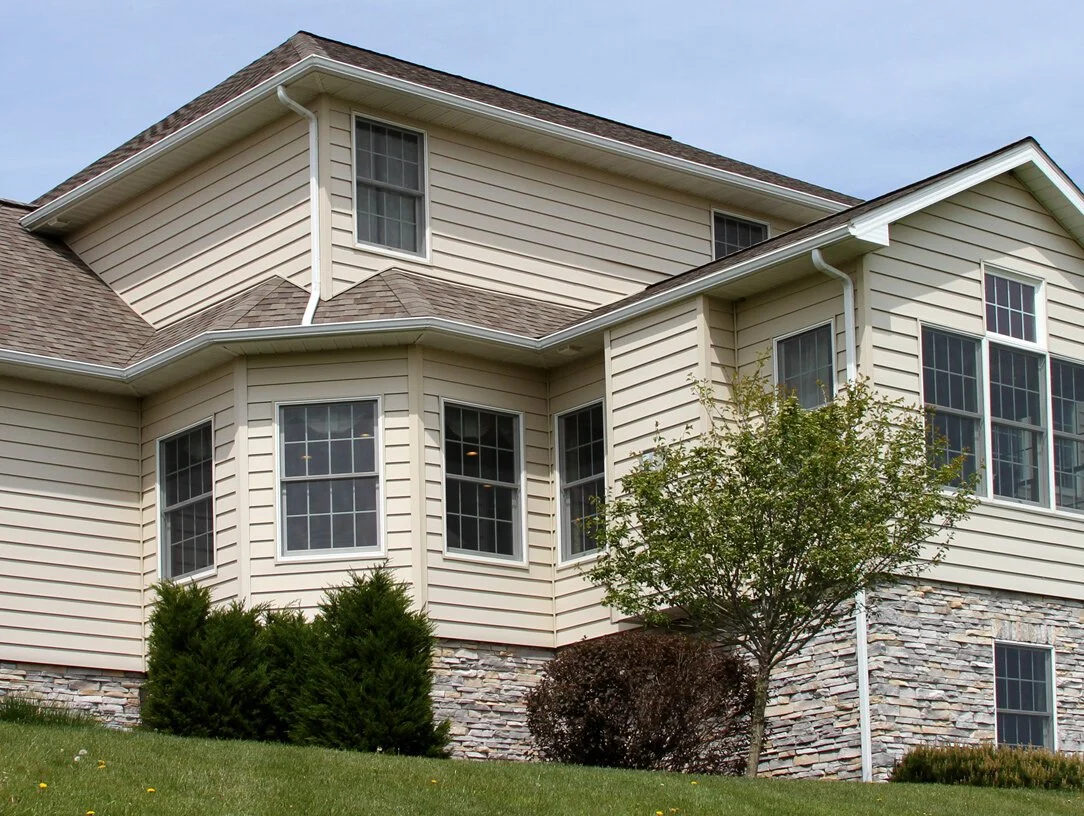
If you've lived through a Michigan winter in Macomb County, you know what happens when 18 inches of wet snow sits on your roof for three weeks straight. The weight alone can stress structural members. But what most homeowners don't realize is that roof pitch—the angle of your roof slope—plays a massive role in how that snow behaves, whether ice dams form, and how long your roof actually lasts.
We've been installing roofs across Southeast Michigan since 1988, and we've seen every possible combination of pitch, material, and winter performance. A 4/12 pitch ranch in Sterling Heights behaves completely differently from an 8/12 Colonial in Clinton Township when a January storm dumps two feet of lake-effect snow overnight. Understanding the math behind roof pitch isn't just academic—it directly affects your insurance claims, your heating bills, and whether you're dealing with ceiling stains every spring.
This guide breaks down exactly how roof pitch impacts snow load capacity, ice dam formation, material selection, and long-term costs for Macomb County homes. We'll cover the building code minimums, the real-world performance differences, and when it makes sense to call a Detroit roofing services professional instead of trying to retrofit a failing roof yourself.
Understanding Roof Pitch Measurements
Roof pitch is expressed as a ratio: rise over run. A 6/12 pitch means the roof rises 6 inches vertically for every 12 inches of horizontal distance. It's simple math, but the real-world implications for snow and ice performance are anything but simple.
Here's what you'll commonly see in Macomb County:
| Pitch Ratio | Angle (Degrees) | Common Home Styles |
|---|---|---|
| 2/12 to 3/12 | 9.5° to 14° | Modern low-slope, some ranches |
| 4/12 to 5/12 | 18.5° to 22.5° | 1960s ranches, bungalows |
| 6/12 to 7/12 | 26.5° to 30° | Most Colonials, Cape Cods |
| 8/12 to 12/12 | 33.5° to 45° | Victorians, steep Colonials |
The steeper the pitch, the faster snow and ice shed—but that's not always better. A 12/12 pitch on a two-story Colonial creates a dangerous avalanche zone near the eaves. Meanwhile, a 3/12 pitch on a ranch might hold snow all winter, creating sustained load stress and perfect conditions for ice dams.
Michigan Building Code Requirement: The state requires roofs to handle a minimum ground snow load of 30 to 50 pounds per square foot, depending on your county. Macomb County sits in the 35-40 psf zone. Roof pitch affects how that load translates to actual stress on structural members—steeper pitches distribute weight differently than shallow slopes.
Most 1960s ranches in Warren and Sterling Heights were built with 4/12 pitches because they were cheap and fast to frame. That worked fine when winters were milder. But with the heavier, wetter snow events we've seen over the past decade, those shallow pitches are showing their age. We've replaced dozens of roofs where the original 4/12 pitch contributed to chronic ice dam problems that no amount of attic insulation in Metro Detroit could fully solve.

Snow Load Performance by Pitch
Snow doesn't sit evenly on a roof. Wind patterns, sun exposure, and pitch all affect where snow accumulates and how much weight concentrates in specific areas. A valley between two roof planes can collect three times the snow depth of the surrounding slopes. That's where we see the most structural failures.
Low-Slope Roofs (2/12 to 4/12)
These roofs hold snow. Period. A 3/12 pitch won't shed snow until it melts or you remove it manually. On a 1,500-square-foot ranch with a 4/12 pitch, 12 inches of wet snow can add 15,000 to 18,000 pounds of load. Most framing can handle that—until you get a second storm before the first one melts.
We see two common problems with low-slope roofs in Macomb County:
- Ponding: Even a slight sag or deflection in the decking creates a low spot where meltwater pools. That water refreezes overnight, creating an ice lens that prevents proper drainage. Over multiple freeze-thaw cycles, you end up with a 2-inch-thick ice sheet that weighs far more than the original snow.
- Eave overload: Snow slides toward the eaves but doesn't fall off. It builds up in a thick ridge that can pull gutters loose or crack fascia boards. We've seen seamless gutters in Detroit, MI torn completely off homes after a heavy February.
If you have a low-slope roof and you're not willing to rake snow after every major storm, you need exceptional attic insulation and ventilation to minimize heat loss. Otherwise, you're setting yourself up for chronic ice dam issues. More on that below.
Medium-Slope Roofs (5/12 to 7/12)
This is the sweet spot for Michigan homes. A 6/12 pitch sheds most snow naturally within a few days of a storm, especially if you have decent sun exposure on south-facing slopes. The angle is steep enough to prevent major accumulation but not so steep that snow avalanches off in dangerous sheets.
Medium-slope roofs distribute snow load more evenly across the structure. You still get some accumulation in valleys and behind chimneys, but it's manageable. The bigger concern is ice dams at the eaves, which we'll cover in the next section.
Most brick Colonials in Grosse Pointe Farms and Rochester Hills have 6/12 or 7/12 pitches. These homes were built when quality mattered, and the pitch was chosen specifically to handle Michigan weather. If you're replacing a roof on one of these homes, don't cheap out on underlayment—use a high-quality synthetic like GAF FeltBuster or CertainTeed DiamondDeck. The pitch will shed water well, but you still need a solid secondary barrier in case shingles lift during a windstorm.
Steep-Slope Roofs (8/12 and Higher)
Steep roofs shed snow fast—sometimes too fast. An 8/12 or 10/12 pitch on a two-story Colonial in Clinton Township will drop snow in massive sheets, especially when the sun hits the south-facing slope. If you park your car near the eaves or have a walkway below, you're asking for trouble.
The advantage is that snow rarely accumulates enough to create serious load concerns. The disadvantage is that installation and repair costs are significantly higher. Walking an 8/12 pitch requires full safety harnesses and roof jacks. Material waste goes up because cutting shingles on a steep slope is harder, and you lose more to trimming.
We also see more wind uplift issues on steep roofs. A 10/12 pitch catches wind like a sail. If your shingles aren't rated for high wind (110+ mph), you're risking blow-offs during Michigan's spring storms. That's why we typically recommend CertainTeed Landmark Pro or GAF Timberline HDZ on steep-pitch homes—both have excellent wind ratings and come with strong warranties when installed correctly. For more on how long different materials last in Michigan conditions, check out our guide on how long a roof should last in Michigan material by material.
Ice Dam Formation and Pitch
Ice dams are the single biggest roofing complaint we get from Macomb County homeowners every winter. And here's the truth most contractors won't tell you: roof pitch alone doesn't cause ice dams, but it absolutely affects how severe they get.
Ice dams form when heat escapes through your attic, melting snow on the upper roof slopes. That meltwater runs down toward the eaves, where the roof surface is colder (because it overhangs the exterior wall and isn't heated from below). The water refreezes, forming a ridge of ice. As more meltwater backs up behind that ridge, it can seep under shingles and leak into your home.
Here's how pitch affects the process:
- Low-slope roofs (2/12 to 4/12): Water moves slowly down the slope, giving it more time to refreeze. Even a small amount of heat loss can create significant ice buildup. These roofs are the most vulnerable to ice dams.
- Medium-slope roofs (5/12 to 7/12): Water moves faster, but there's still enough contact time for ice formation if attic insulation is poor. Ice dams are common but usually less severe.
- Steep-slope roofs (8/12+): Water runs off quickly, reducing ice dam risk—but only if the attic is properly insulated and ventilated. A poorly insulated steep roof can still develop ice dams, especially in valleys and at the eaves.
The Real Fix: Ice dams are an insulation and ventilation problem, not a roofing problem. You need R-49 to R-60 in your attic (Michigan code minimum is R-49), proper soffit and ridge venting, and an air-sealed ceiling plane. If you're dealing with chronic ice dams, don't just replace your roof—fix the attic first. Our top-rated insulation contractor in Detroit team handles this work every winter.
One thing we do on low-slope roofs in ice dam-prone areas: install ice and water shield (a self-adhering waterproof membrane) at least 3 feet up from the eaves, and sometimes 6 feet depending on the pitch and overhang. This gives you a waterproof barrier even if ice dams force water under the shingles. It's not a fix for the root cause, but it's cheap insurance against ceiling damage.
If you're in Royal Oak or Bloomfield Hills and you're tired of dealing with ice dams every January, read our detailed post on attic insulation in Royal Oak costs savings top contractors. The math on energy savings alone usually pays for the upgrade within 5 to 7 years.

Material Considerations by Pitch
Not all roofing materials work on all pitches. Shingle manufacturers specify minimum pitch requirements in their warranties, and if you install below that threshold, you void the coverage. Here's what you need to know for Southeast Michigan homes.
Asphalt Shingles
Three-tab shingles require a minimum 2/12 pitch, but honestly, we don't recommend them below 4/12. The tabs can lift in wind, and water can wick under the shingle edges on shallow slopes. Architectural shingles (like CertainTeed Landmark or GAF Timberline) perform better and are rated down to 2/12 when installed with proper underlayment.
For pitches below 4/12, you must use two layers of underlayment or a single layer of high-quality synthetic. CertainTeed requires this for warranty coverage, and it's just good practice. We've torn off too many 15-year-old roofs with rotted decking because the original installer skipped the extra underlayment to save $200.
On steep pitches (8/12+), shingles perform great, but you need to use six nails per shingle instead of four, and you should hand-seal the tabs with roofing cement in high-wind areas. The steeper the pitch, the more wind uplift you get.
Metal Roofing
Metal roofing is a fantastic choice for Michigan homes, especially on medium to steep pitches. Standing seam metal sheds snow like nothing else—sometimes too well, as we mentioned earlier. You'll want snow guards near walkways and entry doors to prevent avalanches.
Metal can be installed on pitches as low as 1/12 if you use concealed fastener panels and proper sealant. But for residential applications, we recommend staying at 3/12 or higher. Below that, you're better off with a modified bitumen or TPO membrane system.
One advantage of metal on steep pitches: it's lighter than asphalt shingles, which reduces structural load. And if you're worried about snow buildup, metal roofs typically shed snow within 24 to 48 hours of a storm, even on a 5/12 pitch.
Underlayment Requirements
This is where pitch really matters. On a 6/12 pitch or steeper, you can get away with basic synthetic underlayment over the entire roof and ice-and-water shield at the eaves and valleys. On a 4/12 pitch, you should extend that ice-and-water shield at least 3 feet up from the eaves—more if you have a history of ice dams.
On pitches below 4/12, some manufacturers require double underlayment coverage or a fully adhered membrane. That adds cost, but it's the difference between a 20-year roof and a 10-year roof in Michigan conditions.
We use CertainTeed DiamondDeck or GAF FeltBuster on most jobs. Both are synthetic, which means they won't wrinkle or tear like felt, and they're rated for extended UV exposure if the shingle installation gets delayed. If you're in an area with heavy snow (like Lake Orion or northern Macomb County), spend the extra money on premium underlayment. It's the cheapest insurance you can buy.
Cost Implications of Roof Pitch
Roof pitch directly affects what you'll pay for a replacement. Here's the breakdown based on 35 years of projects across Southeast Michigan.
Labor Pricing by Pitch
A standard 6/12 pitch is the baseline. That's what most crews are set up to handle efficiently. Once you go steeper, labor costs increase:
- 4/12 to 6/12: Standard pricing. A typical 2,000-square-foot roof replacement in Sterling Heights runs $8,000 to $12,000 depending on materials.
- 7/12 to 8/12: Add 10-15% to labor costs. Crews need more safety equipment, work moves slower, and material handling is harder.
- 9/12 to 12/12: Add 20-30% to labor costs. Full harness systems, roof jacks, and scaffolding are often required. Some crews won't work pitches above 10/12 at all.
For a detailed look at what drives pricing up or down, check out our post on roofing costs in Michigan what drives the price up or down.
Material Waste Factors
Steeper roofs generate more waste. On a 4/12 pitch, we typically see 5-10% waste (shingles that get trimmed or damaged during install). On an 8/12 pitch, that jumps to 15-20%. Hip roofs with multiple valleys and dormers can push waste even higher.
That waste gets baked into your estimate, but it's worth understanding. A roof with a simple gable design and a 6/12 pitch will always cost less per square foot than a complex hip roof with an 8/12 pitch, even if they're the same total square footage.
Long-Term Maintenance Costs
Here's where pitch affects your wallet over the life of the roof. Low-slope roofs require more frequent inspections and maintenance. You're more likely to develop leaks from debris buildup, ponding water, or ice dams. Plan on having a contractor inspect a 3/12 pitch roof every 2-3 years.
Steep-pitch roofs are harder to access for repairs, which means higher service call costs. If you need to replace a few shingles after a storm, expect to pay more on an 8/12 pitch than a 6/12 because of the safety equipment and time required.
Medium-pitch roofs (5/12 to 7/12) hit the sweet spot: easier to maintain, less prone to chronic issues, and lower repair costs over time. If you're building new or doing a major renovation, this is the range we recommend for most Michigan homes.
When to Call a Professional
Some roof issues are obvious—a branch through the shingles, a ceiling stain after a storm. But pitch-related problems are often subtle until they're not. Here's when to call a licensed contractor instead of trying to DIY or ignore the issue.
Signs Your Current Pitch Is Failing
- Chronic ice dams: If you get ice dams every winter despite having decent attic insulation, your pitch might be too shallow to shed water effectively. This is especially common on 1960s ranches with 4/12 pitches.
- Sagging roof deck: Walk around your house and look at the roofline. If you see any dips or sags, that's a structural issue that needs immediate attention. Low-slope roofs are more prone to this because they hold snow longer.
- Granule loss in gutters: If you're finding a lot of shingle granules in your gutters, it could mean your shingles are past their lifespan. But on low-slope roofs, it can also indicate ponding water that's accelerating wear.
- Moss or algae growth: This is more common on low-slope roofs that don't get good sun exposure or air circulation. It's not just cosmetic—moss holds moisture against the shingles, which shortens their life.
- Visible water stains on ceilings: This is the big one. If you're seeing stains, you've already got water intrusion. On low-slope roofs, this often means ice dams or failed flashing. On steep roofs, it's more likely to be wind-driven rain getting under shingles.
Don't Wait: Water damage compounds fast. A small leak can rot roof decking, insulation, and framing in a single winter. If you're seeing any of these signs, get a professional inspection. NEXT Exteriors offers free inspections across Macomb, Oakland, and St. Clair counties. We'll tell you exactly what's wrong and what it'll cost to fix—no pressure, no gimmicks.
Replacement vs. Retrofit Decisions
Sometimes the right move isn't just replacing shingles—it's changing the pitch. We've done this on a handful of ranches in Warren and Sterling Heights where chronic ice dams made the home nearly unlivable every winter. By adding a steeper pitch to the front section of the roof (going from 4/12 to 6/12), we eliminated the ice dam problem and gave the house better curb appeal.
This isn't cheap. You're essentially rebuilding the roof structure, not just re-roofing. But if you're planning to stay in the house for 10+ years and you're tired of dealing with leaks, it can be worth it. We typically see this on homes where the owner is also doing other major renovations—new house siding in Detroit, window replacement in Detroit, or a full exterior refresh.
If you're just dealing with normal wear and tear, a standard roof replacement is the right call. But if you're fighting the same problem year after year, talk to a contractor about structural options. Sometimes spending an extra $5,000 to fix the pitch saves you $20,000 in water damage repairs over the next decade.

Choosing the Right Contractor
Not all roofing contractors understand the relationship between pitch, snow load, and long-term performance. You want someone who's been doing this in Michigan for decades, not a storm chaser who showed up after the last hailstorm.
Look for these credentials:
- Michigan Residential Builder's License: Non-negotiable. If they're not licensed, walk away.
- Manufacturer certifications: CertainTeed Master Shingle Applicator, GAF Master Elite, Owens Corning Platinum Preferred. These aren't just marketing—they mean the contractor has been trained on proper installation techniques and can offer extended warranties.
- BBB A+ rating: Check their complaint history. A contractor with a clean record over 10+ years is worth their weight in gold.
- Local references: Ask for addresses of recent projects in your area. Drive by and look at the work. A good contractor will have no problem giving you a list.
NEXT Exteriors has been a CertainTeed Master Shingle Applicator since 2006 and holds an A+ BBB rating. We've completed over 500 roofing projects in Macomb, Oakland, and St. Clair counties, and we'll give you a list of references in your neighborhood if you ask. For more on what to look for when hiring, read our guide on choosing a roofing contractor in Michigan questions to ask.
Ready to Get Started?
NEXT Exteriors has been protecting Michigan homes since 1988. Get a free, no-pressure estimate from a team that shows up on time and does the job right.
Get Your Free QuoteOr call us: (844) 770-6398
Frequently Asked Questions
Most asphalt shingle manufacturers allow installation down to 2/12 pitch, but you need special underlayment and installation techniques. We don't recommend going below 4/12 for Michigan homes because of snow load and ice dam concerns. Below 4/12, you're better off with a low-slope roofing system like modified bitumen or TPO.
Steeper pitch helps water run off faster, which reduces ice dam severity, but it doesn't prevent them. Ice dams are caused by heat loss through your attic. Even a 10/12 pitch roof will develop ice dams if the attic is poorly insulated. The real fix is R-49+ insulation, proper ventilation, and air sealing the ceiling plane.
Labor costs increase 10-15% for 7/12 to 8/12 pitches and 20-30% for 9/12 and steeper. A 2,000-square-foot roof that costs $10,000 at 6/12 pitch might run $12,000 to $13,000 at 8/12 pitch because of safety equipment, slower work pace, and higher material waste. Complex roof designs with multiple valleys and dormers add even more.
Yes, but it's a structural modification, not just a re-roofing job. You're rebuilding the roof framing, which requires engineering, permits, and significantly higher cost. We've done this on homes with chronic ice dam problems where going from 4/12 to 6/12 solved the issue permanently. Expect to pay 2-3x what a standard replacement would cost, but it can be worth it if you're planning to stay in the home long-term.
Metal roofing works great on any pitch 3/12 or steeper. For standing seam metal, we recommend 4/12 minimum for residential applications. Steeper pitches (6/12 to 8/12) shed snow faster, which is ideal for Michigan winters. Just plan on installing snow guards near walkways and entry doors to prevent dangerous snow avalanches.
Look for chronic ice dams, sagging rooflines, ponding water after rain, or moss growth. If you're seeing ceiling stains every spring or your gutters are constantly full of granules, your pitch might be too shallow for Michigan weather. Get a professional inspection—NEXT Exteriors offers free inspections across Macomb, Oakland, and St. Clair counties. We'll tell you if pitch is the problem or if it's something else like insulation or ventilation.
Absolutely. Most manufacturers require minimum pitch thresholds for warranty coverage. CertainTeed and GAF both specify 2/12 minimum for standard architectural shingles, but they require additional underlayment below 4/12. If you install shingles below the manufacturer's minimum pitch without following their guidelines, you void the warranty. Always work with a certified installer who knows the requirements.