

Attic Insulation in Royal Oak: Costs, Savings & Top Contractors
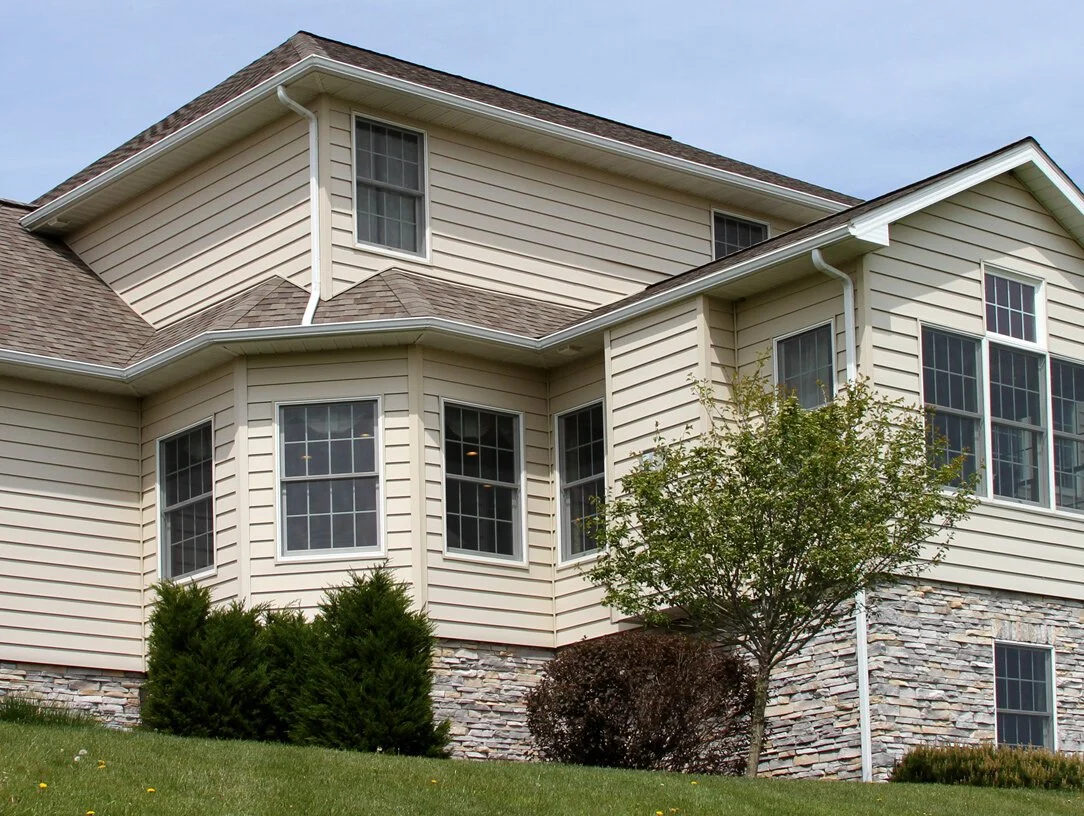
Your attic is quietly costing you money. Every winter in Royal Oak, warm air escapes through inadequate insulation. Every summer, heat radiates down from your roof deck, forcing your air conditioner to work overtime. If your home was built before 2000, there's a good chance your attic insulation is underperforming — and you're paying for it every month on your energy bill.
We've been insulating Michigan homes since 1988, and we've seen what works and what doesn't in Oakland County's climate. This isn't about selling you the most expensive option. It's about understanding what attic insulation actually costs in Royal Oak, what you'll save, and how to find a contractor who does the work right the first time.
Let's break down the numbers, the materials, and the red flags you need to watch for.
Why Royal Oak Attics Need Better Insulation
Royal Oak sits squarely in Michigan's freeze-thaw zone. Winter temperatures regularly drop below 20°F, and summers push into the 90s. Your attic is the first line of defense against both extremes — but only if it's properly insulated.
Most homes in Royal Oak were built between the 1950s and 1980s. Building codes back then required far less insulation than we know is effective today. A typical 1960s ranch might have R-19 fiberglass batts in the attic — adequate for the era, but nowhere near the R-49 to R-60 recommended for Michigan's climate zone today.
Here's what happens when your attic insulation is inadequate:
- Heat loss in winter: Warm air rises and escapes through the roof deck. Your furnace runs constantly to compensate, burning through natural gas or electricity.
- Ice dams: That escaping heat melts snow on your roof. The water refreezes at the eaves, forming ice dams that back up under shingles and leak into your home. We see this every winter in Royal Oak — it's preventable with proper attic insulation and ventilation.
- Heat gain in summer: Your roof deck can reach 150°F on a July afternoon. Without adequate insulation, that heat radiates into your living space, forcing your AC to work overtime.
- Uneven temperatures: Second-floor bedrooms that are freezing in winter and sweltering in summer? That's a classic sign of insufficient attic insulation.
Michigan's residential building code (based on the International Energy Conservation Code) now requires a minimum of R-49 in attics for climate zone 5, which includes all of Oakland County. Many older Royal Oak homes are sitting at R-19 or less — less than half of what's recommended.
Michigan Climate Reality: Royal Oak experiences an average of 6,558 heating degree days per year. That's more than Atlanta, Nashville, and even Chicago. Your attic insulation isn't just about comfort — it's about protecting your home from the extreme temperature swings that define Michigan's climate.
What Attic Insulation Actually Costs in Royal Oak
Let's talk real numbers. Attic insulation costs in Royal Oak typically range from $1,500 to $4,500 for a standard single-family home. The wide range depends on your attic's square footage, the type of insulation you choose, and the current condition of your attic.
Here's the breakdown by material type:
| Insulation Type | Cost per Sq Ft | Typical Home Cost | R-Value per Inch |
|---|---|---|---|
| Blown-In Fiberglass | $1.50 - $2.50 | $1,500 - $2,800 | R-2.2 to R-2.7 |
| Blown-In Cellulose | $1.80 - $3.00 | $1,800 - $3,200 | R-3.2 to R-3.8 |
| Spray Foam (Open-Cell) | $2.50 - $4.00 | $3,000 - $4,500 | R-3.5 to R-3.7 |
These numbers assume a 1,000-1,200 square foot attic and bringing the insulation level up to R-49 or R-60. Your actual cost will vary based on several factors:
Cost Factors That Matter
Square footage: Bigger attics cost more, obviously. A 1,500 square foot attic will run 20-30% more than the numbers above. Measure your home's footprint to get a rough estimate of attic size.
Current insulation level: If you already have R-19 and just need a top-up to R-49, you'll pay less than starting from bare joists. We often see homes in Royal Oak with some existing insulation that's compressed, damaged, or contaminated — in those cases, removal adds $1-2 per square foot.
Air sealing: This is non-negotiable for effective insulation. Before blowing in new insulation, a quality contractor seals air leaks around recessed lights, plumbing penetrations, chimney chases, and attic hatches. Air sealing typically adds $300-$800 to the project but makes a massive difference in performance. Skip this step and you're wasting money on insulation that won't work properly.
Ventilation upgrades: Proper attic ventilation is critical in Michigan. If your soffit vents are blocked or you don't have adequate ridge or gable vents, adding insulation without fixing ventilation will trap moisture and cause problems. Ventilation improvements can add $500-$1,500 depending on what's needed.
Accessibility: Low-slope roofs, tight attic access, or lots of stored items that need to be moved will increase labor costs. If we can't get our equipment into your attic easily, the job takes longer.

What's Included in a Quality Installation
When you hire NEXT Exteriors as your top-rated insulation contractor in Detroit and Oakland County, here's what the job includes:
- Attic inspection and assessment of current insulation levels
- Air sealing around all penetrations (lights, pipes, wires, chases)
- Installation of baffles at soffit vents to maintain airflow
- Blown-in insulation to specified R-value (typically R-49 to R-60)
- Insulation of attic hatch or access door
- Cleanup and disposal of old insulation if needed
- Documentation of R-value achieved (required for energy rebates)
A reputable contractor will give you a written estimate that breaks down materials, labor, and any additional work needed. If someone quotes you over the phone without seeing your attic, walk away.
What You'll Save: Real Numbers from Michigan Homes
The real question isn't what insulation costs — it's what it saves. We've tracked energy bills before and after insulation upgrades on dozens of Royal Oak homes over the past 35 years. Here's what we typically see:
Heating cost reduction: 15-25% lower natural gas or heating oil bills in winter. For a Royal Oak home spending $1,800 per year on heating, that's $270-$450 back in your pocket annually.
Cooling cost reduction: 10-15% lower air conditioning costs in summer. Michigan summers are getting hotter and more humid — proper attic insulation keeps that heat out of your living space.
Total annual savings: Most Royal Oak homeowners see $350-$650 per year in combined heating and cooling savings after upgrading to R-49 or R-60 attic insulation.
ROI Timeline: At an average project cost of $2,500 and annual savings of $500, you're looking at a 5-year payback period. After that, it's pure savings for as long as you own the home. Factor in increased comfort, reduced HVAC wear, and elimination of ice dams, and the return on investment is even better.
Beyond the Energy Bill
Energy savings are measurable, but there are other benefits that matter:
Comfort: Even temperatures throughout your home. No more freezing bedrooms in January or sweltering second floors in August. This is the benefit homeowners notice first — and it's worth more than the dollar savings for most people.
HVAC longevity: Your furnace and air conditioner won't have to work as hard. That means fewer repairs and a longer lifespan for expensive equipment. A furnace that would normally last 15 years might give you 18-20 with proper insulation reducing the load.
Ice dam prevention: Proper attic insulation (combined with ventilation) stops the heat loss that causes ice dams. We've seen Royal Oak homeowners spend $2,000-$5,000 repairing ice dam damage to ceilings, walls, and roofing. Insulation prevents that.
Resale value: Energy-efficient homes sell faster and for more money. Buyers in Royal Oak are increasingly savvy about energy costs — documented attic insulation upgrades are a selling point.
Blown-In vs. Spray Foam: What Works Best in Michigan
Walk into any big-box store and you'll see fiberglass batts on the shelf. Walk past them. For attic insulation in Michigan, blown-in or spray foam are the only options that make sense. Here's why, and how to choose between them.
Blown-In Fiberglass
This is what we install in about 60% of Royal Oak attics. It's cost-effective, performs well in Michigan's climate, and doesn't settle significantly over time when installed correctly.
Pros:
- Most affordable option ($1.50-$2.50 per square foot)
- Non-combustible and fire-resistant
- Doesn't absorb moisture
- Easy to add more later if needed
- Works well in vented attics (which is most Royal Oak homes)
Cons:
- Lower R-value per inch than cellulose or spray foam
- Can shift if attic ventilation is poor
- Requires thicker application to hit R-49 or R-60
We use products from CertainTeed and Owens Corning — both are proven performers in Michigan's climate. Installed to R-49, you're looking at about 14-16 inches of blown-in fiberglass.
Blown-In Cellulose
Made from recycled paper treated with fire retardants, cellulose offers a higher R-value per inch and better air sealing properties than fiberglass.
Pros:
- Higher R-value per inch (R-3.2 to R-3.8)
- Better at filling gaps and irregular spaces
- Eco-friendly (recycled content)
- Slightly better sound dampening than fiberglass
Cons:
- More expensive than fiberglass ($1.80-$3.00 per square foot)
- Can settle 10-20% over time
- Absorbs moisture if attic ventilation is poor (not common, but possible)
- Heavier than fiberglass
Cellulose is a solid choice for Royal Oak homes, especially if you're working with limited attic height and need maximum R-value in less space.
Spray Foam (Open-Cell)
This is the premium option. Open-cell spray foam expands to fill every crack and gap, creating an air seal and insulation barrier in one application.
Pros:
- Excellent air sealing properties (eliminates drafts)
- High R-value per inch (R-3.5 to R-3.7)
- Doesn't settle or shift
- Ideal for cathedral ceilings or complex attic spaces
- Can create an unvented attic assembly (advanced application)
Cons:
- Most expensive option ($2.50-$4.00 per square foot)
- Requires professional installation (not DIY-friendly)
- Off-gassing during installation (homeowners need to leave for 24 hours)
- Harder to add more insulation later
We typically recommend spray foam for Royal Oak homes with complex rooflines, cathedral ceilings, or severe air leakage issues. For a standard attic with good access, blown-in fiberglass or cellulose delivers better value.

Our Recommendation for Royal Oak Homes
For most Royal Oak homeowners, blown-in fiberglass to R-49 or R-60 is the sweet spot. It's cost-effective, performs well in Michigan's climate, and delivers a solid return on investment. If your attic has limited height or you want maximum R-value in minimal space, cellulose is worth the upgrade.
Spray foam makes sense if you're dealing with a complex attic, converting to an unvented attic assembly, or have severe ice dam issues that require aggressive air sealing. We'll walk you through the options during a free estimate and recommend what actually makes sense for your home — not what makes us the most money.
How to Spot a Quality Insulation Contractor
Attic insulation isn't rocket science, but it's easy to do wrong. We've torn out plenty of bad installations over the years — compressed insulation, blocked ventilation, no air sealing, inadequate coverage. Here's what to look for when hiring a contractor in Royal Oak:
Licensing and Insurance
In Michigan, insulation contractors should carry a residential builder's license if they're doing work beyond simple insulation installation. At minimum, they need general liability insurance and workers' compensation coverage. Ask to see proof. If they hesitate or say "it's in the truck," walk away.
NEXT Exteriors holds a Michigan Residential Builder's License and has been BBB A+ accredited since 2006. We're fully insured, and we'll show you the paperwork before we start work.
Air Sealing Before Insulation
This is the single biggest indicator of quality. A good contractor will spend time sealing air leaks before blowing in insulation. That means:
- Sealing around recessed lights with fire-rated materials
- Sealing plumbing and electrical penetrations
- Sealing around chimney chases
- Weatherstripping the attic hatch or access door
- Sealing gaps around ductwork
If a contractor quotes you for insulation without mentioning air sealing, they're not doing the job right. Air leaks account for 25-40% of heat loss in most homes — insulation alone won't fix that.
Proper Ventilation Practices
Your attic needs to breathe. Soffit vents pull cool air in, and ridge or gable vents let hot air escape. When we add insulation, we install baffles at the soffit vents to maintain that airflow path. Without baffles, blown-in insulation blocks the vents, traps moisture, and leads to mold and rot.
A quality contractor will assess your attic ventilation and recommend improvements if needed. If they don't mention ventilation at all, that's a red flag.
Written Estimates and R-Value Documentation
Get everything in writing. The estimate should specify:
- Type of insulation (brand and product line)
- Target R-value (R-49, R-60, etc.)
- Square footage being insulated
- Air sealing work included
- Ventilation improvements if needed
- Total cost broken down by materials and labor
- Timeline for completion
- Warranty terms
After installation, you should receive documentation of the R-value achieved. This is required for energy rebates and adds value when you sell your home.
Red Flags to Avoid
Run from contractors who:
- Quote over the phone without inspecting your attic
- Pressure you to sign the same day ("this price is only good today")
- Don't mention air sealing or ventilation
- Can't provide proof of insurance or licensing
- Offer a price that's dramatically lower than other quotes (you get what you pay for)
- Don't have verifiable references or reviews
Insulation is a long-term investment. Hiring the cheapest contractor often means paying twice — once for the bad job, and again to fix it.
Signs Your Royal Oak Home Needs More Attic Insulation
Not sure if your attic insulation is adequate? Here are the telltale signs we see in Royal Oak homes:
Ice Dams Every Winter
If you get ice dams forming at your eaves every winter, your attic is losing heat. That heat melts snow on the roof, which refreezes at the cold eaves and backs up under your shingles. The fix isn't better gutters or heat cables — it's proper attic insulation and ventilation to keep your roof deck cold.
Uneven Temperatures Between Rooms
Second-floor bedrooms that are 10 degrees colder than the first floor in winter? That's a classic sign of inadequate attic insulation. The heat is escaping through the ceiling before it can warm the upper floor.
High Heating Bills
If your natural gas bill spikes above $200-$300 per month in January and February, your home is losing heat somewhere. Attic insulation is often the culprit. Compare your bills to neighbors with similar-sized homes — if yours are significantly higher, it's worth investigating.
Attic Frost or Moisture
Go up into your attic on a cold January morning. If you see frost on the underside of the roof deck or moisture on the rafters, you have an air leakage problem. Warm, moist air from your living space is escaping into the attic and condensing. This leads to mold, rot, and structural damage. Proper air sealing and insulation fixes this.
Your Insulation Is Visibly Thin or Damaged
If you can see the tops of your ceiling joists, you don't have enough insulation. R-49 requires about 14-16 inches of blown-in fiberglass — if you're sitting at 6 inches, you're losing money every month. Also check for insulation that's compressed, water-damaged, or contaminated with rodent droppings. Damaged insulation doesn't work.
Your Home Was Built Before 2000
Building codes have evolved significantly. Homes built in the 1950s-1990s typically have R-19 to R-30 in the attic — well below today's recommended R-49 to R-60. If your Royal Oak home is more than 25 years old and you've never upgraded the insulation, it's almost certainly underperforming.
Free Attic Inspection: Not sure what you're working with? NEXT Exteriors offers free attic inspections for Royal Oak homeowners. We'll measure your current insulation, check for air leaks and ventilation issues, and give you a straightforward assessment of what's needed — no sales pitch, just honest information.
Why Royal Oak Homeowners Choose NEXT Exteriors
We've been insulating Michigan homes since 1988. That's 35+ winters of freeze-thaw cycles, ice dams, and energy bills. We know what works in Oakland County because we've been doing this work in your neighborhood for decades.
Here's what sets us apart:
Old-school values, modern techniques: We show up on time, do the work right, and clean up when we're done. No pushy sales tactics, no gimmicks. We're changing contractor culture one project at a time.
Comprehensive exterior services: Attic insulation is just one piece of a high-performance home. We also handle Detroit roofing services, house siding in Detroit, Detroit window experts, seamless gutters in Detroit, MI, and Southeast Michigan's go-to painting professionals. When you need work done, you have one trusted contractor for all your exterior services in Detroit and the surrounding areas.
Licensed, insured, and credentialed: Michigan Residential Builder's License, BBB A+ accredited since 2006, CertainTeed Master Shingle Applicator. We're not a fly-by-night operation — we've been serving Royal Oak, Sterling Heights, Troy, Birmingham, and the rest of Southeast Michigan for over three decades.
Manufacturer partnerships: We work with the best brands in the business — CertainTeed, Owens Corning, GAF, James Hardie, LP SmartSide, and Sherwin-Williams. That means access to premium materials, manufacturer warranties, and ongoing training on the latest products and techniques.
Real reviews from real homeowners: 5.0-star average rating across 87+ reviews. Check our work on Google, Facebook, or the BBB. We let our reputation speak for itself.

Ready to Lower Your Energy Bills?
NEXT Exteriors has been protecting Royal Oak homes since 1988. Get a free, no-pressure estimate from a team that shows up on time and does the job right. We'll inspect your attic, explain your options, and give you a straightforward quote — no gimmicks, no pushy sales tactics.
Get Your Free QuoteOr call us: (844) 770-6398
Frequently Asked Questions About Attic Insulation in Royal Oak
For a standard 1,000-1,200 square foot attic in Royal Oak, expect to pay $1,500-$2,800 for blown-in fiberglass, $1,800-$3,200 for blown-in cellulose, or $3,000-$4,500 for spray foam. The final cost depends on your home's size, current insulation level, and whether you need air sealing or ventilation improvements. We provide free estimates that break down all costs clearly.
Michigan building code recommends R-49 to R-60 for attics in climate zone 5, which includes all of Oakland County. Most Royal Oak homes built before 2000 have R-19 to R-30 — well below current standards. Upgrading to R-49 or R-60 delivers significant energy savings and improved comfort.
Most attic insulation projects in Royal Oak take one to two days. Day one is typically air sealing, ventilation prep, and installing baffles. Day two is blowing in the insulation. Larger homes or projects requiring old insulation removal may take an additional day. We'll give you a specific timeline during the estimate.
Proper attic insulation combined with air sealing and ventilation will prevent ice dams in most cases. Ice dams form when heat escapes through your attic, melts snow on the roof, and refreezes at the cold eaves. By keeping your attic cold (the same temperature as the outside air), you eliminate the heat source that causes ice dams. We've solved ice dam problems for hundreds of Royal Oak homeowners with this approach.
Both work well in Michigan's climate. Blown-in fiberglass ($1.50-$2.50/sq ft) is more affordable and doesn't settle as much over time. Cellulose ($1.80-$3.00/sq ft) offers a higher R-value per inch and better air sealing properties. For most Royal Oak homes, blown-in fiberglass to R-49 delivers the best value. If you have limited attic height, cellulose gets you more R-value in less space.
Most Royal Oak homeowners see 15-25% lower heating bills and 10-15% lower cooling bills after upgrading to R-49 or R-60 attic insulation. For a home spending $1,800/year on heating and $600/year on cooling, that's $350-$650 in annual savings. The payback period is typically 4-6 years, after which it's pure savings for as long as you own the home.
If your existing insulation is dry, clean, and in good condition, we can usually add new insulation on top. However, if it's compressed, water-damaged, contaminated with mold or rodent droppings, or blocking ventilation, removal is the better option. We'll inspect your attic and recommend the most cost-effective approach during your free estimate.