

Roof Eave Repair in Older Detroit Homes: Wood Rot & Costs
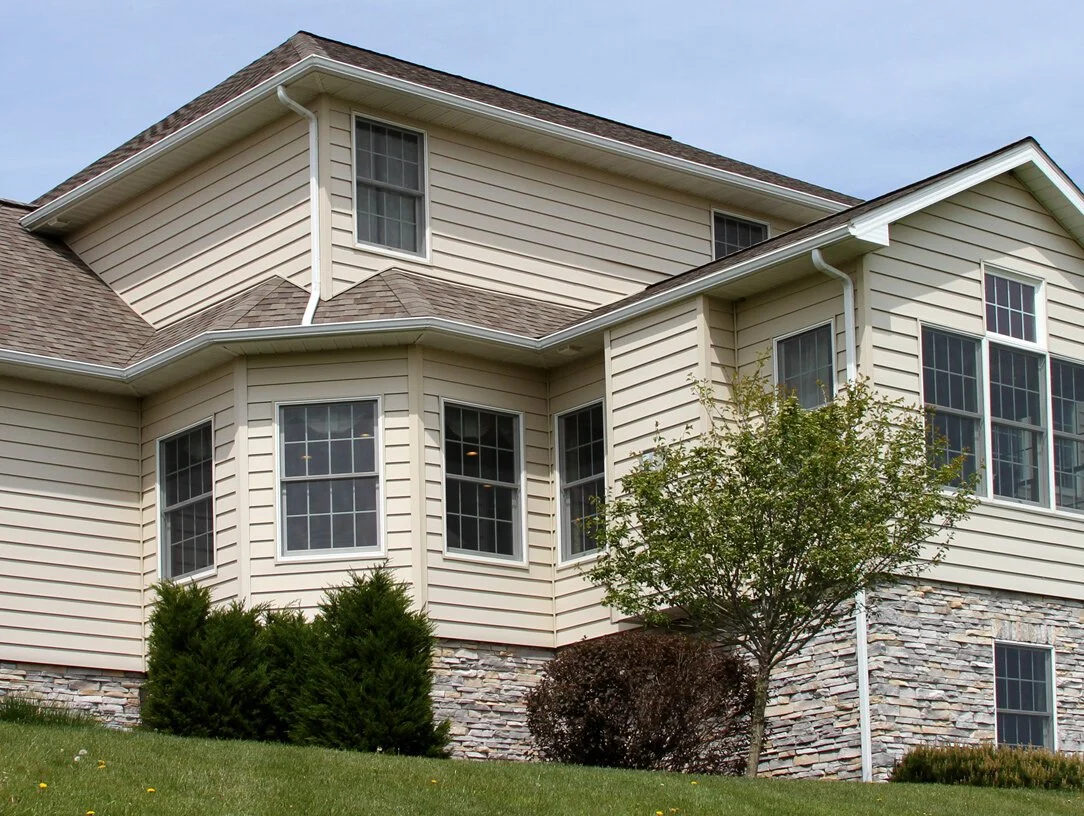
If you own an older home in Detroit, Grosse Pointe, or Royal Oak, you've probably noticed that the wood trim around your roofline doesn't age like the brick or siding. The eaves — those horizontal boards that run along the bottom edge of your roof — take a beating from Michigan's freeze-thaw cycles, ice dams, and gutter overflow. Over time, wood rot sets in, and what started as a small soft spot becomes a structural problem that threatens your fascia, soffits, and even the roof deck itself.
We've been repairing and replacing rotted eaves on Southeast Michigan homes since 1988, and the pattern is consistent: older homes built between the 1920s and 1980s used solid wood for fascia and soffits, and that wood eventually fails when exposed to moisture. The good news is that eave repair is manageable if you catch it early. The bad news is that ignoring it leads to costly damage inside your walls and attic.
This guide explains what causes wood rot in roof eaves, how to spot the warning signs, what repair and replacement actually cost in 2026, and when it's time to call a contractor. If you're dealing with peeling paint, sagging fascia, or water stains on your eaves, this is what you need to know.
What Are Roof Eaves and Why They Matter
Let's start with the basics. Your roof eaves are the parts of the roof that overhang the exterior walls. They consist of three main components:
- Fascia: The vertical board that runs along the edge of the roof, where your gutters attach. It's the first line of defense against water running off the roof.
- Soffit: The horizontal panel underneath the eave overhang, connecting the fascia to the house. Soffits often have vents that allow air into your attic.
- Rake board: The trim that runs along the gable ends of the roof (the sloped edges). This is technically part of the eave system and faces similar rot issues.
These components do more than look nice. They protect the roof structure from water infiltration, provide ventilation for your attic, and create a finished edge that keeps pests out. When they fail, water gets behind the roofline and into the wood framing, insulation, and interior walls.
In older Detroit homes — especially brick Colonials, Tudor revivals, and 1960s ranches — the fascia and soffits were typically built from pine, fir, or cedar. These are solid materials when properly maintained, but they're also organic, which means they're vulnerable to moisture, fungal decay, and insect damage. Homes built before the 1990s rarely used the rot-resistant composite materials we install today, which is why eave rot is so common in Southeast Michigan's older housing stock.

Why Wood Rot Happens in Detroit-Area Eaves
Wood rot doesn't happen overnight. It's the result of prolonged exposure to moisture, and Michigan's climate creates the perfect conditions. Here's what causes it:
Freeze-Thaw Cycles and Ice Dams
Michigan winters are brutal on rooflines. When snow accumulates on your roof and the attic is warm enough to melt it, water runs down to the cold eaves and refreezes. This creates ice dams — ridges of ice that block proper drainage. Water backs up under the shingles and soaks into the fascia and soffit boards. Over multiple freeze-thaw cycles, the wood absorbs water, expands, contracts, and eventually rots from the inside out.
We see this constantly in homes with inadequate attic insulation in Metro Detroit. When your attic isn't properly insulated and ventilated, heat escapes through the roof deck, melts the snow, and triggers the ice dam cycle. The eaves take the brunt of the damage.
Gutter Overflow and Poor Drainage
Clogged or damaged gutters are one of the leading causes of eave rot. When gutters overflow, water pours directly onto the fascia board instead of being channeled away from the house. Over time, this constant exposure saturates the wood, breaks down the paint barrier, and allows fungal decay to set in.
Homes with seamless gutters in Detroit, MI that are properly maintained have far fewer eave rot issues. But if your gutters are old, sagging, or disconnected at the seams, you're essentially watering your fascia boards every time it rains.
Lack of Ventilation in Older Construction
Many older Detroit homes were built with minimal soffit ventilation or none at all. Without proper airflow, moisture from the attic (caused by cooking, showering, and daily living) gets trapped and condenses on the underside of the roof deck and soffit panels. This creates a damp environment where wood rot thrives.
Modern building codes require continuous soffit vents paired with ridge or gable vents to create cross-ventilation. Older homes often lack this, which is why we frequently recommend adding vented soffits during Detroit roofing services projects.
Paint Failure and Moisture Infiltration
Exterior paint isn't just cosmetic — it's a moisture barrier. When the paint on your fascia and soffits starts peeling, cracking, or blistering, water can penetrate the wood grain. Once inside, it's trapped by the remaining paint film, which accelerates rot.
This is especially common on south- and west-facing eaves, which get the most sun exposure and UV degradation. If your home hasn't had a proper exterior painting job from Southeast Michigan professionals in over a decade, the eaves are likely vulnerable.
Signs Your Eaves Have Wood Rot
Wood rot often starts in hidden areas, so by the time you notice it from the ground, the damage may be more extensive than it looks. Here's what to watch for:
Visual Indicators
- Peeling or blistering paint: This is often the first sign. If the paint is bubbling or flaking off in sheets, moisture is getting into the wood.
- Dark stains or discoloration: Water-damaged wood turns gray, brown, or black. You'll often see this along the bottom edge of the fascia or where the gutter attaches.
- Sagging or warped boards: Rotted wood loses its structural integrity and begins to sag or bow. If your fascia looks wavy or the soffit panels are drooping, there's rot underneath.
- Visible gaps or holes: Advanced rot creates soft spots that insects and woodpeckers exploit. If you see holes or crumbling edges, the wood is compromised.
Physical Tests
If you can safely access the eaves with a ladder, try the screwdriver test: gently press a flathead screwdriver or awl into the wood. Healthy wood resists penetration and feels solid. Rotted wood is soft, spongy, and crumbles easily. You might even punch through the surface with minimal pressure.
Be careful — if the fascia is badly rotted, it may not support the weight of the gutter, and the whole assembly could pull away from the house.
Interior Warning Signs
Sometimes the first clue is inside your home. Check your attic for:
- Daylight visible through gaps in the soffit or fascia
- Water stains on the roof deck or rafters near the eaves
- Mold or mildew growth on the underside of the roof sheathing
- Damp insulation near the exterior walls
If you see any of these signs, it's time to schedule an inspection. Eave rot doesn't fix itself, and delaying repairs only makes the problem worse and more expensive.

Repair vs. Replacement: What Your Home Needs
Not every case of wood rot requires a full eave replacement. The decision depends on how widespread the damage is, what's causing it, and whether the underlying structure is still sound.
When Spot Repairs Work
If the rot is localized — say, a 3-foot section of fascia near a gutter downspout — and the surrounding wood is solid, a spot repair may be sufficient. This involves cutting out the damaged section, treating the area with a wood preservative, and splicing in a new piece of matching material.
Spot repairs are cost-effective and fast, but they're only a good solution if:
- The rot is limited to one or two small areas
- The rest of the fascia and soffit are in good condition
- The underlying rafter tails and roof deck are dry and intact
- You're planning to address the root cause (gutter repair, attic ventilation, etc.)
If the rot keeps coming back in the same spot, or if you're patching multiple sections every few years, it's time to consider full replacement.
When Full Replacement Is Necessary
We recommend full eave replacement when:
- More than 30% of the fascia or soffit shows signs of rot
- The wood is soft and spongy in multiple locations
- The gutter system is pulling away from the house due to fascia failure
- The rafter tails (the ends of the roof framing) are water-damaged
- You're planning a roof replacement in Michigan and want to address everything at once
Full replacement gives you the opportunity to upgrade to rot-resistant materials and improve ventilation, which prevents future problems. It's a bigger upfront investment, but it eliminates the need for ongoing repairs.
Material Options for Replacement
When replacing eaves, you have several material choices:
- Solid wood (pine, cedar, fir): Traditional and matches the original construction. Requires regular painting and maintenance. Vulnerable to rot if not properly sealed.
- Fiber cement (James Hardie, LP SmartSide): Highly rot-resistant, dimensionally stable, and available in primed or pre-finished options. More expensive than wood but lasts decades with minimal maintenance. We use LP SmartSide and James Hardie in Michigan for both siding and trim work.
- PVC or composite trim: Completely rot-proof and paintable. Lightweight and easy to install. Can expand and contract with temperature changes, so proper installation is critical.
- Aluminum: Common for soffits and fascia wrapping. Durable and low-maintenance, but doesn't have the same aesthetic as wood or fiber cement. Best for homes where appearance is secondary to function.
For most older Detroit homes, we recommend fiber cement fascia and vented vinyl or aluminum soffits. This combination provides the best balance of durability, appearance, and cost.
Roof Eave Replacement Cost in Southeast Michigan
The cost to repair or replace roof eaves varies based on the extent of the damage, the materials you choose, and the complexity of your roofline. Here's what homeowners in Macomb, Oakland, and St. Clair counties can expect in 2026:
Spot Repair Costs
- Small repair (under 10 linear feet): $300–$800, depending on accessibility and whether the rafter tails need reinforcement.
- Medium repair (10–30 linear feet): $800–$2,000. This usually includes some structural work and may require temporary gutter removal.
Full Fascia Replacement Costs
- Wood fascia (pine or cedar): $8–$15 per linear foot, including materials and labor. A typical single-story home with 150 linear feet of fascia runs $1,200–$2,250.
- Fiber cement fascia (James Hardie, LP SmartSide): $12–$20 per linear foot. Same 150-foot home: $1,800–$3,000.
- PVC or composite fascia: $10–$18 per linear foot. Mid-range option: $1,500–$2,700.
Soffit Replacement Costs
- Vented vinyl soffits: $6–$10 per linear foot. Standard installation on a single-story home: $900–$1,500.
- Aluminum soffits: $8–$12 per linear foot. Slightly more durable: $1,200–$1,800.
- Fiber cement soffits: $10–$16 per linear foot. Premium option: $1,500–$2,400.
Additional Costs to Consider
- Rafter tail repairs: If the roof framing is damaged, expect an additional $500–$2,000 depending on the number of rafter tails that need sistering or replacement.
- Gutter reinstallation: Gutters must be removed and reinstalled during fascia work. Budget $300–$800 for this, or more if the gutters need replacement.
- Painting: If you choose unpainted wood or fiber cement, add $2–$4 per linear foot for priming and two coats of exterior paint. A full paint job on new fascia and soffits runs $600–$1,500.
- Roof edge flashing: Proper drip edge and flashing installation adds $3–$6 per linear foot but is essential for long-term protection.
Real Project Examples
Here are a few projects we've completed in Southeast Michigan to give you a sense of real-world costs:
- 1950s ranch in Sterling Heights: Full fascia and soffit replacement (180 linear feet), fiber cement fascia, vented vinyl soffits, gutter reinstallation. Total: $4,200.
- 1920s Colonial in Grosse Pointe: Partial fascia repair (40 linear feet), rafter tail sistering, cedar fascia, repaint. Total: $2,800.
- 1970s split-level in Clinton Township: Full eave replacement (220 linear feet), PVC fascia, aluminum soffits, new drip edge. Total: $5,400.
These are ballpark figures. Every home is different, and factors like roof height, accessibility, and the condition of the underlying structure all affect the final price. For an accurate estimate, contact a licensed contractor for an on-site inspection.
Cost-Saving Tip: If you're planning a roof replacement, bundle the eave work into the same project. Many contractors (including us) offer package pricing that reduces the overall cost, and it makes sense to address all roofline issues at once.

The Repair Process: What to Expect
Understanding the repair process helps you know what to expect when you hire a contractor. Here's how a professional eave repair or replacement project typically unfolds:
Step 1: Inspection and Assessment
A qualified contractor will inspect the fascia, soffits, rafter tails, and roof edge from the ground and (if safe) from a ladder. They'll look for rot, structural damage, ventilation issues, and gutter problems. This inspection should be free if you're getting a quote.
The contractor will document the damage, measure the linear footage, and recommend either spot repair or full replacement. They should also identify the root cause — whether it's gutter overflow, ice dams, poor ventilation, or something else — and include solutions in the estimate.
Step 2: Removal of Rotted Material
Once the project starts, the crew removes the damaged fascia and soffit boards. If the gutters are in the way, they come down first. The crew will carefully pry off the old boards, taking care not to damage the roof shingles or underlying structure.
In cases of extensive rot, they may need to remove sections of the roof edge shingles to access the rafter tails and roof deck. This is common and shouldn't alarm you — it's part of doing the job right.
Step 3: Structural Repairs and Sister Joists
If the rafter tails are rotted or water-damaged, the contractor will sister new lumber alongside the damaged sections. This involves cutting a new piece of 2x6 or 2x8 lumber to match the existing rafter, treating it with wood preservative, and securing it with construction adhesive and galvanized nails or screws.
Sistering restores the structural integrity of the roof overhang and provides a solid base for the new fascia. It's not always necessary, but when it is, it's critical.
Step 4: Installation of New Fascia and Soffits
The crew installs the new fascia boards, securing them to the rafter tails with galvanized or stainless steel fasteners. Joints are caulked and sealed to prevent water infiltration. If you're using fiber cement or PVC, the boards may need to be pre-primed or painted before installation.
Next, the soffits go in. Vented soffits are positioned to align with the attic ventilation system, ensuring proper airflow. The panels are cut to fit, secured with hidden fasteners or J-channel, and sealed at the edges.
Step 5: Flashing, Drip Edge, and Gutter Reinstallation
Proper flashing is essential. The contractor installs or replaces the drip edge along the roof edge, ensuring water drains into the gutter and away from the fascia. This is a small detail that makes a huge difference in preventing future rot.
Once the fascia and soffits are complete, the gutters are reinstalled. If the old gutters are damaged or sagging, this is a good time to upgrade to new seamless gutters in Detroit.
Step 6: Paint and Finishing
If you've chosen wood or unpainted fiber cement, the final step is priming and painting. We use Sherwin-Williams exterior coatings for all our trim work, which provide excellent adhesion and UV resistance.
Two coats of paint are standard, with proper drying time between coats. The crew will also caulk any seams, nail holes, or joints for a clean, finished appearance.
Timeline Expectations
A typical eave repair or replacement project takes 1–3 days, depending on the scope:
- Spot repair: 4–8 hours
- Single-story home, full fascia and soffit replacement: 1–2 days
- Two-story home or complex roofline: 2–3 days
- Projects requiring rafter tail repairs or roof edge work: Add 1–2 days
Weather can delay the project, especially if it rains or if temperatures drop below 40°F (which affects paint curing). A reputable contractor will communicate any delays and keep you updated throughout the process.
Preventing Future Eave Rot
Once you've invested in new eaves, you want them to last. Here's how to protect them from future rot:
Maintain Your Gutters
Clean your gutters at least twice a year — once in late spring after the trees leaf out, and again in late fall after the leaves drop. Clogged gutters are the number one cause of eave rot. If you have a lot of trees, consider installing gutter guards or scheduling professional gutter cleaning.
Also, check for leaks, sagging sections, and loose fasteners. Repair or replace damaged gutters before they cause water damage to the fascia.
Improve Attic Ventilation
Proper attic ventilation prevents moisture buildup and reduces ice dam formation. Make sure your soffit vents are clear and unobstructed by insulation. Pair them with ridge vents, gable vents, or powered attic fans to create cross-ventilation.
If your attic is under-ventilated, talk to a contractor about adding vented soffits or increasing the vent area during your next insulation upgrade in Southeast Michigan.
Inspect and Maintain Paint
Exterior paint is your first line of defense against moisture. Inspect your fascia and soffits every year for peeling, cracking, or fading paint. Touch up problem areas promptly, and plan for a full repaint every 7–10 years.
If you're using fiber cement or PVC trim, you'll still need to maintain the paint, but these materials hold paint far longer than wood.
Address Ice Dams
Ice dams form when your attic is too warm. The solution is better insulation and ventilation, not more heat tape or roof raking (though those can help in the short term). If you're dealing with recurring ice dams, consider upgrading your attic insulation levels in Metro Detroit to prevent heat loss through the roof deck.
Trim Overhanging Branches
Tree branches that hang over your roof drop leaves, twigs, and debris into your gutters. They also scrape against the roof and fascia during windstorms, damaging the paint and wood. Trim branches back at least 6–10 feet from the roofline to reduce debris and prevent physical damage.
Schedule Regular Inspections
Have a professional inspect your roof and eaves every 3–5 years, or after major storms. Catching small problems early — a loose gutter, a cracked paint seal, a soft spot in the fascia — prevents expensive repairs down the road.
Ready to Get Started?
NEXT Exteriors has been protecting Michigan homes since 1988. Whether you need a small fascia repair or a complete eave replacement, we'll give you an honest assessment and a fair price. No pressure, no gimmicks — just solid work from a team that shows up on time and does the job right.
Get Your Free QuoteOr call us: (844) 770-6398
Frequently Asked Questions
Fascia replacement in Southeast Michigan typically costs $8–$20 per linear foot, depending on the material. For a standard single-story home with 150 linear feet of fascia, expect to pay $1,200–$3,000 for materials and labor. Wood fascia is on the lower end, while fiber cement (James Hardie, LP SmartSide) is more expensive but lasts longer with less maintenance. Additional costs may include rafter tail repairs, gutter reinstallation, and painting.
Small, localized repairs (under 3 feet) can be a DIY project if you're comfortable working on a ladder and have basic carpentry skills. However, if the rot is extensive, if the rafter tails are damaged, or if you're not confident in your ability to match the existing trim and ensure a weathertight seal, hire a licensed contractor. Improper repairs can lead to recurring rot and more costly damage. For homes in Metro Detroit with complex rooflines or two-story construction, professional installation is strongly recommended.
Wood fascia and soffits last 15–25 years with proper maintenance (regular painting, gutter care, and ventilation). Fiber cement fascia (James Hardie, LP SmartSide) lasts 30–50 years and is highly resistant to rot, insects, and moisture. PVC and aluminum trim can last 40+ years with minimal maintenance. Longevity depends on installation quality, climate exposure, and how well you maintain gutters and attic ventilation. Homes in areas with heavy ice dam formation or poor drainage may see shorter lifespans.
The fascia is the vertical board that runs along the edge of your roof, where the gutters attach. It protects the roof edge and provides a mounting surface for the gutter system. The soffit is the horizontal panel underneath the eave overhang, connecting the fascia to the exterior wall. Soffits often have vents that allow air into the attic for ventilation. Both are critical for protecting your home from water damage and maintaining proper attic airflow.
If your gutters are old, sagging, leaking, or showing signs of rust or separation, it makes sense to replace them at the same time as the fascia. The gutters have to come down anyway for fascia work, so you're already paying for the labor to remove and reinstall them. Upgrading to new seamless gutters during a fascia replacement project is cost-effective and ensures your entire roofline drainage system is working properly. If your gutters are relatively new and in good condition, they can be reused.
Rafter tails (the ends of the roof framing that support the fascia) are often hidden behind the fascia board, so you can't always see them. Signs of rotted rafter tails include sagging fascia, visible gaps between the fascia and the roof edge, soft spots when you press on the fascia, and water stains or mold on the underside of the eave overhang. A contractor can assess the rafter tails during an inspection by removing a section of fascia or using a moisture meter. If the rafter tails are rotted, they need to be sistered (reinforced with new lumber) before new fascia is installed.
It depends on the cause of the damage. If the rot is the result of a sudden, covered event (like storm damage or a roof leak from wind-blown shingles), your homeowners insurance may cover the repairs. However, if the rot is due to lack of maintenance, gradual wear and tear, or neglect (like failing to clean gutters or repair leaks), insurance typically won't cover it. Review your policy and contact your insurance agent to clarify coverage. If you're filing a claim, document the damage with photos and get a detailed estimate from a licensed contractor.