

Why Troy Homeowners Replace Siding Before Summer | NEXT
Troy homeowners are upgrading siding before summer to boost curb appeal, prevent heat damage, and lock in contractor availability. Learn why spring is the best time.

If you've driven through Troy neighborhoods this spring, you've probably noticed it: contractor trucks parked in driveways, homes wrapped in Tyvek, fresh siding going up before the trees are even fully green. It's not a coincidence. Homeowners across Oakland County are making the same calculation — replace siding now, before summer hits.
After 35 years working on Michigan homes, we've seen this pattern repeat every April and May. The homeowners who plan ahead and schedule their house siding in Detroit and surrounding communities during spring consistently get better results, better pricing, and avoid the headaches that come with waiting until the heat of summer or the chaos of fall storm season.
Here's what's driving the spring siding replacement trend in Troy, and why the timing matters more than most homeowners realize.
The Spring Advantage: Weather & Installation Conditions
Siding installation isn't just about nailing boards to a wall. It's a precision job that requires specific temperature ranges, dry conditions, and enough daylight to do it right. Spring in Southeast Michigan delivers all three.
Most siding materials — vinyl, fiber cement, engineered wood — have manufacturer-specified installation temperature ranges. For vinyl siding, that's typically 40°F to 90°F. Install it when it's too cold, and the material is brittle and prone to cracking. Install it when it's too hot, and you run into thermal expansion issues that can cause buckling and warping down the line.
April through early June in Troy gives us that sweet spot: daytime temperatures in the 50s to 70s, lower humidity, and stable weather patterns. The ground has thawed, so foundation work (if needed) is easier. The freeze-thaw cycle that dominates Michigan winters has ended, so we're not dealing with ice-damaged sheathing or surprise moisture problems behind the old siding.
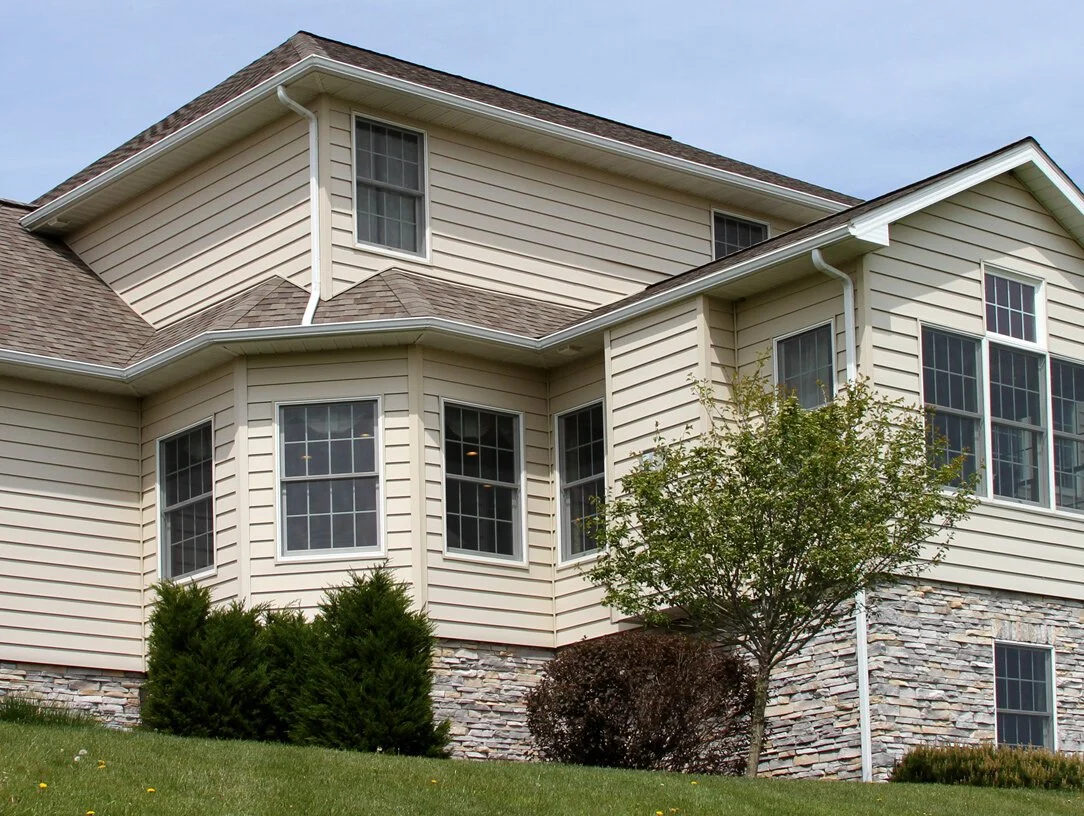
Summer brings its own complications. July and August temperatures in Metro Detroit regularly hit the upper 80s and low 90s, with high humidity. That's not just uncomfortable for crews — it affects material performance. Vinyl siding expands in heat, and if it's installed without proper allowance for thermal movement, you'll see rippling and buckling by September.
We've also seen how afternoon thunderstorms — common in Michigan summers — can delay projects for days at a time. A siding job that should take a week can stretch to two or three when you're constantly working around weather. Spring weather is more predictable, which means we can give you a realistic timeline and stick to it.
Contractor Availability: Why Early Birds Win
Here's the reality of the contracting business in Michigan: everyone wants their exterior work done at the same time. The problem is, there are only so many experienced crews, and only so many good contractors.
By mid-June, reputable exterior services in Detroit and surrounding areas are booked solid through August. Homeowners who wait until summer are either stuck with long lead times or forced to choose from whoever's still available — and there's usually a reason those contractors still have openings.
Spring scheduling gives you leverage. You can take your time vetting contractors, comparing bids, and asking the right questions. You're not rushing into a decision because your old siding is actively failing and you need someone — anyone — to start next week.
Pricing reality: Contractors know summer is peak season. Some adjust pricing accordingly. Spring pricing tends to be more competitive because we're ramping up for the busy season and filling our schedule. You're not paying the premium that comes with July and August demand.
We've also noticed that spring projects tend to run smoother because crews aren't juggling multiple jobs in extreme heat. They're focused, the work quality is higher, and there's less turnover mid-project. When you're choosing a Detroit siding company, you want the A-team on your house, not whoever's left after the experienced installers are already committed elsewhere.
Curb Appeal for Summer Selling Season
If you're planning to sell your home, siding replacement is one of the highest-ROI exterior improvements you can make. But timing matters.
The Metro Detroit real estate market heats up in late spring and stays strong through summer. Families want to move before the school year starts. Buyers are out looking at homes on weekends, driving through neighborhoods, making snap judgments based on curb appeal.
Fresh siding transforms a home's first impression. It signals to buyers that the house has been cared for, that they won't be inheriting deferred maintenance. It photographs well in listings. It makes the house stand out in a competitive market.
But here's the catch: if you wait until June to start your siding project, you're missing the prime selling window. A project that takes two to three weeks, plus time for final inspections and any punch-list items, means you're not listing until mid-July at the earliest. By then, you've lost six to eight weeks of peak buyer activity.

Realtors we work with consistently recommend getting exterior work done in April or May if you're planning a summer sale. It gives you time to stage, photograph, and list while the market is still hot. And if you're not selling but just want your home to look sharp for the neighborhood summer barbecue season, same logic applies.
Preventing Summer Heat Damage to Old Siding
This is the part most homeowners don't think about until it's too late: old, failing siding gets worse in summer heat, not better.
UV exposure is brutal on exterior materials. Vinyl siding that's already faded or brittle will degrade faster under the intense June, July, and August sun. The color fades more, the material becomes more brittle, and hairline cracks turn into real problems.
Wood siding — whether it's original cedar shakes or older engineered products — expands and contracts with temperature swings. If the siding is already compromised (loose nails, gaps, moisture intrusion), summer heat accelerates rot and warping. We've pulled off old wood siding in September and found extensive hidden damage that wasn't visible in spring.
Fiber cement siding like James Hardie is more stable, but even it can have issues if it was improperly installed. Poor flashing, incorrect fastening, or missing expansion gaps will show up as the material heats up and tries to move. Summer heat stress-tests every installation mistake.
By replacing siding in spring, you're protecting your home's sheathing and structure from a full season of heat and moisture exposure. You're also improving energy efficiency right before cooling season starts, which brings us to the next point.
Energy efficiency: New siding with proper insulation backing can reduce cooling costs by 15-20% in Michigan summers. Old, drafty siding forces your AC to work harder. Spring replacement means you're set up for efficiency before the expensive months hit.
If your home also needs insulation services in Southeast Michigan, spring is the ideal time to tackle both projects together. We can upgrade wall insulation while the siding is off, giving you maximum energy performance.
Material Selection for Michigan Climate
Not all siding performs the same in Michigan's climate. Choosing the right material for Troy's weather patterns — cold winters, humid summers, freeze-thaw cycles, occasional severe storms — makes a significant difference in longevity and maintenance.
Vinyl Siding
Vinyl remains the most popular choice in Southeast Michigan for good reason: it's affordable, low-maintenance, and performs well in our climate when properly installed. Modern vinyl siding has come a long way from the thin, brittle products of the 1980s.
Quality vinyl siding (0.044" to 0.046" thickness) resists moisture, doesn't rot, and holds up to freeze-thaw cycles. It's available in a wide range of colors and styles. The main consideration is thermal expansion — vinyl moves more than other materials, so proper installation technique (correct nailing, expansion gaps) is critical.
We typically recommend premium vinyl brands like CertainTeed Monogram or Mastic for Troy homes. The color retention is better, the profiles look more like real wood, and the warranties actually mean something.
James Hardie Fiber Cement
If you want the most durable siding available, James Hardie fiber cement is hard to beat. It's dimensionally stable (minimal expansion and contraction), fire-resistant, and holds paint better than any other siding material.
Hardie's ColorPlus Technology — factory-applied finish baked on in controlled conditions — outperforms field-painted siding by a wide margin. In Michigan's UV exposure and temperature swings, that matters. We've seen Hardie siding look nearly new after 15 years, while vinyl from the same era has faded and wood siding needs repainting.
The tradeoff is cost. Hardie typically runs 30-50% more than quality vinyl. But for homeowners planning to stay in their Troy home long-term, or for historic properties where the authentic look matters, it's worth the investment. Our detailed comparison of LP SmartSide vs. James Hardie siding breaks down the performance differences for Michigan conditions.
LP SmartSide Engineered Wood
LP SmartSide offers the look of real wood with better moisture resistance than traditional wood siding. It's treated with zinc borate for rot and insect resistance, and the SmartGuard manufacturing process makes it more stable than solid wood.
In Michigan, LP SmartSide performs well if it's properly primed and painted. The material itself is durable, but it requires more maintenance than vinyl or Hardie — you'll need to repaint every 8-12 years depending on exposure.
We see LP SmartSide chosen most often for homes where the architectural style demands a wood look — Craftsman bungalows, Cape Cods, historic districts where vinyl isn't appropriate. It's a middle-ground option: better than solid wood, more authentic-looking than vinyl, less expensive than Hardie.

Cost Reality: What Troy Homeowners Actually Pay
Let's talk numbers. Siding replacement in Oakland County isn't cheap, but it's also not as expensive as some homeowners fear — especially when you factor in energy savings, reduced maintenance, and home value increase.
For a typical 2,000-square-foot Troy home (two-story Colonial, brick front, siding on three sides), here's what you're looking at in 2026:
- Quality vinyl siding: $12,000 - $18,000, depending on product grade, trim details, and whether you're adding insulated backing
- James Hardie fiber cement: $18,000 - $28,000, with ColorPlus finish and trim
- LP SmartSide engineered wood: $15,000 - $22,000, primed and ready for paint
Those ranges include tear-off of old siding, new house wrap (Tyvek or equivalent), trim, soffit and fascia if needed, and proper flashing. They don't include structural repairs if we find rotted sheathing or framing issues once the old siding comes off — that's discovered work that gets priced separately.
What drives cost up: Complex architecture (multiple gables, dormers, bay windows), extensive trim work, high-end materials, structural repairs, and difficult access. A simple ranch costs less per square foot than a Victorian with turrets and detailed trim.
Spring pricing tends to be more competitive than summer. We're filling our schedule, and we can offer better rates when we're not at peak-season capacity. Financing is available through most manufacturers if you'd rather spread the cost over time rather than pay cash upfront.
For more detailed cost breakdowns, our article on siding cost in Metro Detroit walks through the factors that affect pricing and what you should expect to pay for different material choices.
Signs Your Home Needs New Siding This Spring
How do you know if your home needs full siding replacement versus just repair? Here are the indicators we look for during inspections:
Visual Damage
Cracked, warped, or loose siding panels are obvious red flags. A few damaged pieces can be replaced, but if you're seeing widespread issues — especially on the south and west sides that get the most sun and weather exposure — it's time for full replacement.
Fading is another sign. Severe color loss means the material has been UV-degraded and is past its prime. Faded siding is also brittle and more prone to cracking.
Moisture and Rot
Peel back a corner of siding and look at the sheathing underneath. If you see dark staining, soft spots, or visible mold, moisture is getting behind the siding. That's a structural issue that won't fix itself.
Wood siding with soft spots, peeling paint, or visible rot needs replacement. Trying to paint over rot is a waste of money — the problem will come back within a year.
Energy Bill Increases
If your heating and cooling costs have crept up over the past few years and you haven't changed your thermostat habits, failing siding could be the culprit. Drafty walls, gaps around windows and doors, and missing insulation all contribute to energy loss.
New siding with proper insulation backing and air sealing can cut energy costs significantly. Combined with energy-efficient windows in Southeast Michigan, you're looking at measurable savings every month.
Age of Existing Siding
Vinyl siding typically lasts 20-30 years in Michigan. Wood siding, depending on maintenance, might make it 15-25 years. Fiber cement can go 30-50 years. If your siding is approaching the end of its expected lifespan, it's worth getting an inspection even if you don't see obvious damage.
We'd rather catch problems early — before water intrusion damages your sheathing and framing — than wait until you have a structural issue that costs three times as much to fix.
When Repair Isn't Enough
If more than 30% of your siding needs repair, replacement is usually the smarter financial move. Patchwork repairs on old siding rarely match perfectly (color, texture, profile), and you're left with a house that looks like it's been patched.
Plus, if the underlying house wrap or flashing is compromised, repairs won't solve the real problem. We've seen too many homeowners spend money on repairs only to need full replacement two years later. Better to do it right once.
Other Services to Consider This Spring
If you're already investing in new siding, spring is the ideal time to tackle related exterior projects. Once we have scaffolding up and access to your home's exterior, it's efficient to address multiple needs at once.
Many Troy homeowners pair siding replacement with Detroit roofing services, especially if the roof is approaching 15-20 years old. Doing both projects together saves on mobilization costs and ensures your entire exterior envelope is protected.
Seamless gutters in Detroit, MI are another common add-on. Old gutters often need replacement when siding is removed, and new gutters paired with new siding give your home a completely refreshed appearance. Proper gutter installation also protects your new siding from water damage — we see too many siding failures caused by overflowing or poorly positioned gutters.
If your home's trim and fascia are in rough shape, now's the time to upgrade. Our Southeast Michigan painting professionals work exclusively with Sherwin-Williams products and can handle all exterior painting needs, from trim to shutters to full-house color changes.
For homes with older single-pane or failing double-pane windows, spring is also a smart time to consider window replacement in Detroit. New windows paired with new siding and proper insulation create a complete thermal envelope that dramatically improves comfort and efficiency.
Ready to Get Started?
NEXT Exteriors has been protecting Michigan homes since 1988. Get a free, no-pressure estimate from a team that shows up on time and does the job right. We'll walk you through material options, answer your questions, and give you a detailed quote with no surprises.
Get Your Free QuoteOr call us: (844) 770-6398
Frequently Asked Questions
April through early June is ideal. Spring offers stable temperatures (40°F-75°F), lower humidity, and predictable weather. You avoid the extreme heat of summer (which causes thermal expansion issues with vinyl) and the rush of peak season. Fall is also workable, but spring gives you the longest runway before winter and better contractor availability.
For a standard 2,000-square-foot home, expect 5-10 business days depending on complexity. Simple ranch homes with minimal trim can be done in a week. Two-story Colonials with detailed trim, multiple gables, and extensive soffit/fascia work might take two weeks. Weather delays can extend timelines, which is why spring's stable weather is advantageous.
If your current siding is visibly damaged, faded, or outdated, yes — siding replacement typically returns 75-85% of its cost in increased home value and faster sale time. Fresh siding dramatically improves curb appeal and signals to buyers that the home has been maintained. If you're planning to list in summer, start the project in April or May to be ready for peak buyer season.
Vinyl is affordable, low-maintenance, and performs well in Michigan's climate, but it expands/contracts with temperature changes and can fade over time. James Hardie fiber cement is more expensive but extremely durable, dimensionally stable, fire-resistant, and holds color better (especially with ColorPlus finish). Vinyl lasts 20-30 years; Hardie can go 30-50 years. Choice depends on budget and how long you plan to stay in the home.
Most manufacturers specify minimum installation temperatures (typically 40°F for vinyl, similar for fiber cement). Below that, materials become brittle and prone to cracking. We can work in cooler weather with proper techniques, but extreme cold (below 35°F) makes quality installation difficult. That's why we recommend spring — you get ideal conditions without the complications of winter or the heat stress of summer.
In most cases, yes. If your existing house wrap (Tyvek or equivalent) is 15+ years old, torn, or has failed flashing, it should be replaced. Proper moisture barrier and air sealing are critical for siding performance and energy efficiency. We always inspect the existing wrap when we remove old siding and recommend replacement if it's compromised. It's a relatively small cost compared to the overall project and protects your investment.
For a typical 2,000-square-foot home: quality vinyl runs $12,000-$18,000, James Hardie fiber cement $18,000-$28,000, and LP SmartSide engineered wood $15,000-$22,000. Costs vary based on material choice, architectural complexity, trim details, and any structural repairs needed. Spring pricing tends to be more competitive than peak summer season. Get multiple quotes from licensed contractors and compare not just price but warranties, materials, and installation quality.
Vinyl vs. Fiber Cement Siding: Which Is Better for Michigan?
Vinyl or fiber cement siding for Southeast Michigan? We compare durability, cost, maintenance, and performance in Michigan's freeze-thaw cycles. Real contractor advice.

If you're reading this, you're probably standing in your driveway in Sterling Heights or Rochester Hills, staring at faded, cracked siding and wondering whether to go with vinyl or fiber cement. You've Googled enough to know both have their fans. You've probably seen neighbors with both. And now you're trying to figure out which one actually makes sense for your home, your budget, and Michigan's brutal weather.
Here's the truth: there's no universal "best" answer. But there is a best answer for your situation. We've been installing house siding in Detroit and across Southeast Michigan since 1988, and we've seen both materials perform beautifully — and both fail miserably — depending on how they're installed and where they're used.
This isn't a sales pitch. It's a breakdown of what we've learned from 35+ Michigan winters, hundreds of siding jobs, and countless callbacks (the good kind and the bad kind). By the end, you'll know which material fits your home, your timeline, and your wallet.
Vinyl Siding in Michigan: The Practical Workhorse
Vinyl siding gets a bad rap in some circles, usually from people who've never actually lived with it through a Michigan winter. The reality? Modern vinyl — especially premium brands like CertainTeed Monogram or Mastic Quest — is a completely different animal than the thin, brittle stuff from the 1980s.
How Vinyl Performs in Freeze-Thaw Cycles
Vinyl is extruded PVC plastic with UV inhibitors, impact modifiers, and colorant mixed throughout. It doesn't absorb water, which means freeze-thaw cycles don't crack it the way they do with wood or poorly maintained fiber cement. When temperatures swing from 15°F to 45°F in a single February day (classic Michigan), vinyl expands and contracts. That's not a flaw — it's designed to do that. The key is proper installation with correct nailing patterns and expansion gaps.
We've pulled off 30-year-old vinyl in Macomb County that still looked structurally sound. Faded? Sure. But not cracked, not warped, not rotted. That's the advantage of a material that doesn't care about moisture.
Cost Advantages
Vinyl costs roughly 40-60% less than fiber cement, both in material and labor. For a typical 2,000-square-foot ranch in Clinton Township, you're looking at $8,000-$14,000 for quality vinyl versus $15,000-$25,000 for fiber cement. That's not pocket change.
And here's what most contractors won't tell you: vinyl's long-term maintenance cost is basically zero. You wash it once a year with a garden hose. No painting. No caulking. No scraping. If a piece cracks from impact (tree branch, baseball, hail), you pop it off and snap a new one in. Ten-minute fix.
Color Retention and Fade Resistance
Older vinyl faded badly. Modern premium vinyl uses CapStock technology — a thicker cap layer with better UV inhibitors. CertainTeed's Cedar Impressions and Monogram lines hold color remarkably well, even on south-facing walls that bake in summer sun. We've seen 15-year-old installations in Troy and Bloomfield Hills that still look sharp.
That said, dark colors still fade faster than light colors. If you're set on a deep charcoal or navy, expect some lightening over 10-15 years. Not dramatic, but noticeable if you're picky.
Expansion and Contraction
This is where bad installers screw up vinyl jobs. Vinyl expands about 1/2 inch per 12.5 feet of length when temperatures swing 100°F (which they do in Michigan — from -10°F in January to 90°F in July). If you nail it tight or don't leave expansion gaps at trim and corners, it buckles. We've fixed dozens of wavy, rippled vinyl jobs where the original installer didn't account for this.
Proper installation means centering nails in the slots, leaving 1/32" between the nail head and the panel, and planning for movement. Done right, vinyl stays flat and tight for decades.

Real Lifespan Expectations
Quality vinyl lasts 30-40 years in Michigan. We've seen it go longer if it's protected from direct sun and installed correctly. The failure mode is usually fading and brittleness, not structural collapse. By year 35, it's still keeping water out — it just doesn't look as good.
Fiber Cement Siding: The Premium Investment
Fiber cement — primarily James Hardie and LP SmartSide — is the material you choose when you want your siding to outlast you. It's cement, sand, and cellulose fibers pressed into planks or panels. It's heavy, rigid, and about as tough as siding gets.
James Hardie vs. LP SmartSide
These are the two brands we install most often, and they're different animals. James Hardie is pure fiber cement — non-combustible, extremely dense, and requires painting (though it comes pre-primed or with ColorPlus factory finish). LP SmartSide is engineered wood with a proprietary resin overlay — lighter, easier to cut, and comes pre-finished in a wide color range.
For Michigan homes, we lean toward James Hardie for maximum durability and fire resistance. LP SmartSide is excellent, but it's still wood-based, which means it can absorb moisture if the finish is compromised. In our climate, that's a consideration. You can read more about this in our detailed comparison: LP SmartSide vs. James Hardie Siding in Michigan.
Durability in Michigan Weather
Fiber cement doesn't care about freeze-thaw cycles, ice dams, or moisture. It won't rot, warp, or swell. It's dimensionally stable across temperature extremes. We've installed Hardie on lakefront homes in St. Clair Shores that take brutal wind-driven rain and ice — zero issues after 15+ years.
The catch? Installation quality matters even more than with vinyl. If water gets behind fiber cement and sits against the sheathing, you'll have rot issues in the wall, not the siding. Proper flashing, building paper, and drainage planes are non-negotiable. This is why choosing an experienced Detroit siding company matters.
Fire Resistance and Wind Ratings
James Hardie is non-combustible. If you live near wooded areas or care about fire ratings (insurance companies sometimes do), fiber cement is the clear winner. It also has superior wind resistance — rated for up to 130 mph winds when installed per manufacturer specs. Michigan doesn't see hurricanes, but we do get severe thunderstorms with straight-line winds that peel off cheap siding.
Paint Longevity and Maintenance
Here's where fiber cement demands more attention than vinyl. If you go with pre-primed Hardie, you'll need to paint it. Quality exterior paint (we use Sherwin-Williams exclusively) lasts 12-15 years in Michigan, then you're repainting. That's a $5,000-$8,000 job for a typical home.
James Hardie's ColorPlus factory finish is better — it's baked on in a controlled environment and comes with a 15-year warranty. We've seen it hold up beautifully. But it's still paint, and it will eventually need attention. If you're not okay with that, vinyl is the better choice. For professional Southeast Michigan painting professionals, we handle both initial painting and long-term maintenance.
Cost Reality
Fiber cement costs more upfront, costs more to install (it's labor-intensive — heavier, requires special blades, generates silica dust), and costs more to maintain. For that 2,000-square-foot ranch, you're looking at $15,000-$25,000 installed, plus eventual repainting.
But here's the trade-off: it adds more to resale value, especially in higher-end markets like Grosse Pointe or Birmingham. Buyers recognize quality. And it lasts 50+ years if maintained. That's a legitimate generational material.
Head-to-Head: Performance in Michigan's Climate
Let's get specific about how these materials handle the weather patterns we actually experience in Southeast Michigan.
Freeze-Thaw Cycle Resistance
Michigan sees 40-60 freeze-thaw cycles per winter. That's ice forming in cracks, expanding, then melting and refreezing. Materials that absorb water (wood, untreated masonry) get destroyed. Vinyl and fiber cement both handle this well, but for different reasons.
Vinyl doesn't absorb water at all. Fiber cement absorbs minimal water (less than 1% by weight), and it doesn't expand when wet. Both are excellent. The failure point is always installation — if water gets behind either material and freezes against the sheathing, you've got problems.
Ice Dam and Moisture Management
Ice dams form when attic heat melts snow on the roof, water runs down, and refreezes at the eaves. That ice backs water up under shingles and behind siding. We see this constantly in older homes with poor insulation services in Southeast Michigan.
Neither vinyl nor fiber cement will fail from ice dam water intrusion — as long as the wall assembly behind them is built correctly. That means proper flashing, drainage plane (Tyvek or similar), and ventilation. The siding is just the outer shell. The real protection is the system behind it. This is also why maintaining your seamless gutters in Detroit, MI is critical — they prevent water from running down walls.
Wind Resistance
Michigan summer storms bring 60-80 mph gusts regularly. We've seen vinyl blow off homes when it's installed with too few nails or incorrect fasteners. Quality vinyl installed correctly is rated for 110+ mph winds. Fiber cement goes higher — 130 mph when properly fastened.
In practice, both perform well if installed right. The difference is that fiber cement is more forgiving of marginal installation because it's rigid and heavy. Vinyl requires precision.
Impact Resistance
Hail, falling branches, baseballs, lawnmower debris — your siding takes hits. Fiber cement wins here. It's basically a cement board. You can hit it with a hammer and it won't dent (though it might crack if you hit it hard enough). Vinyl dents and cracks more easily, especially in cold weather when it's brittle.
That said, vinyl is easier to repair. Pop off the damaged piece, snap in a new one. Fiber cement requires cutting, painting, and blending. For a homeowner who wants low-hassle repairs, vinyl has the edge.
Insulation Value
Neither material insulates much on its own. Standard vinyl has an R-value around 0.61. Fiber cement is about 0.50. Insulated vinyl (with foam backing) gets you to R-2 to R-4, which is better but still not transformative.
If you want real energy efficiency, focus on your wall insulation and attic insulation in Metro Detroit, not your siding choice. We've written more about this here: Attic Insulation Levels: What's Enough in Metro Detroit?
Real Talk: The best-performing siding in Michigan isn't about the material — it's about the installation. We've seen cheap vinyl outperform expensive fiber cement because the vinyl installer knew what they were doing and the fiber cement guy didn't. Hire a contractor who understands building science, not just nailing patterns.
Cost Comparison: Real Numbers for Metro Detroit
Let's talk money. These are real numbers from jobs we've completed in Macomb, Oakland, and St. Clair counties in 2024-2026. Your costs will vary based on home size, complexity, and material choices, but this gives you a realistic baseline.
| Cost Factor | Vinyl Siding | Fiber Cement Siding |
|---|---|---|
| Material Cost (per sq ft) | $3.50 - $6.00 | $7.00 - $12.00 |
| Labor Cost (per sq ft) | $2.50 - $4.00 | $5.00 - $8.00 |
| Total Installed (2,000 sq ft home) | $8,000 - $14,000 | $15,000 - $25,000 |
| Maintenance (15 years) | $200 - $500 (cleaning) | $5,000 - $8,000 (repainting) |
| Expected Lifespan | 30-40 years | 50+ years |
ROI for Resale Value
According to Remodeling Magazine's 2025 Cost vs. Value Report, siding replacement recoups 68-75% of its cost at resale nationally. In Southeast Michigan, we see similar numbers, with fiber cement edging slightly higher in premium markets (Grosse Pointe, Bloomfield Hills, Rochester) and vinyl performing better in middle-market suburbs (Warren, Sterling Heights, Roseville).
Here's the reality: most buyers don't know the difference between vinyl and fiber cement. They see "new siding" and that's good enough. The material choice matters more for your experience living in the home than for resale value, unless you're in a neighborhood where fiber cement is the norm.
Financing Considerations
A $20,000 siding job is a big expense. Many homeowners finance it through a home equity line of credit (HELOC) or a contractor-offered financing program. The math changes when you're paying interest. A $15,000 vinyl job paid in cash is cheaper than a $20,000 fiber cement job financed at 7% over 10 years ($27,840 total cost).
Run the numbers for your situation. Sometimes the "cheaper" option costs more in the long run. Sometimes it doesn't.

Which Siding Should You Choose?
Alright, decision time. Here's how we guide homeowners through this choice based on 35+ years of installs across Southeast Michigan.
Choose Vinyl If:
- Budget is your primary concern. Vinyl costs 40-60% less and delivers solid performance. If you need to replace siding now and don't have $20,000+, vinyl is the smart move.
- You want zero maintenance. Wash it once a year. That's it. No painting, no caulking, no scraping. If you're retired, busy, or just don't want to think about your siding, vinyl wins.
- You're planning to sell within 5-10 years. You'll recoup most of your investment either way, but vinyl's lower upfront cost makes the math easier.
- Your home is a 1960s-1980s ranch or colonial. These homes were built with vinyl in mind. It fits the aesthetic and the budget.
- You live in a middle-market neighborhood. In Warren, Clinton Township, or Shelby Township, vinyl is the norm and performs beautifully.
Choose Fiber Cement If:
- You're staying in the home long-term. If this is your forever home, fiber cement's 50+ year lifespan and superior durability make sense.
- You want maximum curb appeal. Fiber cement looks more like real wood. It's thicker, more dimensional, and feels premium. If aesthetics matter, this is the choice.
- You're in a high-end market. In Grosse Pointe, Bloomfield Hills, or Birmingham, fiber cement is expected. It adds resale value in these areas.
- Fire resistance matters. Near wooded areas or if your insurance company cares, fiber cement's non-combustible rating is a real advantage.
- You don't mind maintenance. Repainting every 15 years isn't a dealbreaker for you, or you're choosing ColorPlus factory finish to extend that timeline.
Hybrid Approaches
We sometimes mix materials. Fiber cement on the front facade for curb appeal, vinyl on the sides and rear for cost savings. It's a practical compromise that works well on larger homes where budget is tight but you still want that premium look from the street.
Questions to Ask Your Contractor
Before you commit, ask these questions:
- How do you handle expansion gaps and nailing patterns for vinyl?
- What's your flashing and moisture barrier system for fiber cement?
- Can I see recent projects with the material I'm considering?
- What's your warranty on labor, and what does it actually cover?
- How do you handle trim, corners, and transitions around windows and doors?
A good contractor will answer these without hesitation. A bad one will dodge or give vague answers. For more guidance on what to expect during installation, check out our article: Contractors Siding Installation Michigan: What to Expect.
Signs Your Home Needs New Siding
Not sure if you need to replace your siding yet? Here's what we look for during inspections in Sterling Heights, Royal Oak, and across Metro Detroit.
Visual Damage Indicators
- Cracks, holes, or missing pieces. Obvious, but if you've got visible damage, water is getting in.
- Warping or buckling. This means moisture got behind the siding and damaged the sheathing, or the siding was installed incorrectly.
- Fading or discoloration. Severe fading (especially uneven fading) means the UV protection is gone and the material is degrading.
- Peeling paint (on wood or fiber cement). Paint failure means water intrusion is next.
- Mold, mildew, or algae growth. This indicates moisture is trapped behind or within the siding.
Energy Bill Increases
If your heating or cooling bills have crept up and you haven't changed your usage, your siding (or more likely, the insulation behind it) may be failing. Air leaks around windows, doors, and siding seams let conditioned air escape. We often find this when homeowners call us for Detroit window experts to evaluate drafty windows — the real problem is the wall assembly, not the windows.
Interior Moisture Problems
Water stains on interior walls, peeling wallpaper, or musty smells near exterior walls are red flags. Water is getting through the siding and sitting in the wall cavity. This leads to mold, rot, and structural damage. Don't wait on this.
Age-Based Replacement Timelines
- Wood siding: 15-25 years (depends heavily on maintenance)
- Vinyl siding: 30-40 years
- Fiber cement siding: 50+ years
- Aluminum siding: 25-40 years (but usually looks bad by year 20)
If your siding is approaching the end of its expected lifespan and showing any of the signs above, it's time to plan for replacement. For more on recognizing siding problems, read: 5 Signs Your Home Needs New Siding This Spring.
Don't Forget the Details: When you replace siding, you're also replacing (or should be) the trim, soffit, and fascia. These components tie the whole system together and protect the roof edge. Skipping them to save money is a mistake we see too often.
Other Services That Pair with Siding Replacement
When you're investing in new siding, it's often the right time to address other exterior needs. NEXT Exteriors offers a full range of exterior services in Detroit and Southeast Michigan, and bundling projects can save you time and money.
If your roof is aging, consider replacing it at the same time. Scaffolding is already up, and coordinating the two projects ensures proper flashing integration. Our Detroit roofing services include everything from asphalt shingles to metal roofing, all installed by CertainTeed Master Shingle Applicators.
Windows are another natural pairing. If you're tearing off old siding, it's the perfect time to upgrade to energy-efficient windows that integrate cleanly with your new siding system. We handle everything from double-hung to casement to bay windows.
And don't overlook insulation. If we're opening up walls, adding or upgrading insulation is a smart move that pays for itself in energy savings. Whether it's attic insulation, spray foam, or wall insulation, we can assess what makes sense for your home.
Ready to Get Started?
NEXT Exteriors has been protecting Michigan homes since 1988. We're not here to upsell you on materials you don't need. We're here to give you honest advice, quality installation, and a siding system that lasts. Get a free, no-pressure estimate from a team that shows up on time and does the job right.
Get Your Free QuoteOr call us: (844) 770-6398
Frequently Asked Questions
Yes, quality vinyl siding performs very well in Michigan winters. It doesn't absorb moisture, so freeze-thaw cycles don't damage it. The key is proper installation with correct expansion gaps and nailing patterns to accommodate temperature swings. Premium vinyl brands like CertainTeed Monogram are engineered specifically for climates with extreme temperature variations.
Fiber cement siding (like James Hardie) lasts 50+ years in Michigan when properly installed and maintained. It's dimensionally stable, non-combustible, and highly resistant to moisture, rot, and pests. The main maintenance requirement is repainting every 12-15 years (or choosing ColorPlus factory finish for longer intervals).
For a typical 2,000-square-foot home in Metro Detroit, vinyl siding costs $8,000-$14,000 installed, while fiber cement costs $15,000-$25,000. Factor in long-term maintenance: vinyl requires almost none, while fiber cement needs repainting every 12-15 years ($5,000-$8,000). Over 30 years, the total cost gap narrows but fiber cement still costs more.
In high-end markets like Grosse Pointe or Bloomfield Hills, fiber cement adds more perceived value because it's seen as a premium material. In middle-market suburbs, the difference is minimal — buyers care more that the siding is new and looks good. Both materials recoup 68-75% of their cost at resale according to industry data.
Technically yes, but we don't recommend it. Installing over old siding traps moisture, hides rot or structural damage, and creates an uneven surface that compromises the new siding's performance. Proper siding replacement includes removing old material, inspecting and repairing sheathing, installing a moisture barrier, and then applying new siding. Cutting corners here leads to problems down the road.
Light to medium colors (grays, tans, soft blues, whites) are most popular in Southeast Michigan because they resist fading better and complement the region's brick Colonial and ranch-style architecture. Dark colors look stunning but fade faster, especially on south-facing walls. We help homeowners visualize options using our home visualizer tool before making final decisions. For more guidance, check out our article on siding colors that boost curb appeal in Metro Detroit.
Look for Michigan-licensed contractors with a solid track record, manufacturer certifications (like CertainTeed Master Shingle Applicator), and verifiable local references. Check BBB ratings, read recent reviews, and ask to see completed projects in your area. Avoid contractors who pressure you, offer prices significantly below market, or can't provide proof of insurance. NEXT Exteriors has been serving Southeast Michigan since 1988 with an A+ BBB rating and 5.0-star reviews. If you're searching for siding contractors near me in Southeast Michigan, we're here to help.
How Much Does Siding Replacement Cost in Troy, Michigan?
Real siding replacement costs in Troy, MI. Learn what drives pricing, material comparisons, and what to expect from a licensed Michigan contractor.

If you're a Troy homeowner researching siding replacement costs, you've probably seen wildly different numbers online — anywhere from $8,000 to $40,000 for the same size house. Some quotes sound too good to be true. Others make you wonder if the contractor is pricing in a vacation to Hawaii.
Here's the reality: siding replacement costs in Troy, Michigan depend on specific variables that most online calculators ignore. The type of siding you choose matters. So does the condition of what's underneath, the complexity of your roofline, and whether your 1970s ranch needs trim work that wasn't included in the original estimate.
We've been doing house siding in Detroit and surrounding Oakland County communities since 1988. We've sided hundreds of Troy homes — brick Colonials on Wattles Road, mid-century ranches near John R, and newer builds in the neighborhoods off Big Beaver. We know what projects actually cost, what drives the price up, and where homeowners get surprised.
This isn't a sales pitch. It's a straight breakdown of what siding replacement costs in Troy, what you're paying for, and how to make a smart decision without getting burned.
What Siding Replacement Actually Costs in Troy, Michigan
For a typical Troy single-family home (1,500 to 2,500 square feet of siding), here's what you're looking at in 2026:
| Siding Material | Cost Per Square Foot (Installed) | Typical Total Project Cost |
|---|---|---|
| Vinyl Siding | $6.50 – $9.50 | $9,750 – $23,750 |
| Fiber Cement (James Hardie) | $10.00 – $14.00 | $15,000 – $35,000 |
| Engineered Wood (LP SmartSide) | $8.50 – $12.00 | $12,750 – $30,000 |
Those ranges aren't vague contractor hedging — they reflect real differences in project scope. A straightforward ranch with minimal trim work and easy access will land on the lower end. A two-story Colonial with detailed gables, bay windows, and extensive soffit and fascia replacement will push toward the higher end.
The square footage number that matters isn't your home's interior square footage — it's the exterior wall surface area. A 2,000-square-foot ranch with a simple roofline might have 1,600 square feet of siding. A 2,000-square-foot two-story with dormers and complex architecture could have 2,400 square feet or more.
Troy-Specific Pricing Note: Troy's housing stock includes a lot of brick-front Colonials where only the sides and rear need siding. This can significantly reduce your total project cost compared to a full wrap, but it also means careful color matching and transition detailing between brick and siding.
Breaking Down the Numbers: Material vs. Labor
When you get a siding quote, you're paying for two main things: materials and labor. Here's how that typically splits for our exterior services in Detroit and Oakland County:
Materials (40-50% of total cost)
This includes the siding itself, house wrap or weather barrier, trim boards, corner posts, J-channel, starter strips, fasteners, and caulking. Quality matters here. Contractor-grade vinyl from CertainTeed or GAF costs more than big-box builder-grade, but it's thicker, has better fade resistance, and comes with a transferable warranty that actually means something.
For fiber cement projects, we exclusively use James Hardie products. It's the industry standard for a reason — the material is engineered specifically for freeze-thaw cycles, won't rot or warp, and holds paint better than any other siding we've installed. The material cost is higher, but the performance gap between Hardie and cheaper fiber cement brands is significant.
LP SmartSide engineered wood falls in the middle. It's a treated wood product with a factory finish, offering better performance than natural wood siding at a lower cost than fiber cement. It's a solid choice for homeowners who want the look of wood without the maintenance headaches.
Labor (50-60% of total cost)
This is where experience and craftsmanship separate a good job from a disaster. Proper siding installation means:
- Removing old siding carefully to assess sheathing condition
- Repairing any rot, water damage, or structural issues before new siding goes up
- Installing a weather-resistant barrier correctly (this is your home's raincoat — it matters)
- Flashing windows and doors properly to prevent water intrusion
- Leaving proper expansion gaps so siding can move with temperature changes (critical in Michigan)
- Nailing at the correct depth and spacing per manufacturer specs (over-driven nails cause buckling, under-driven nails cause blow-offs)
- Detailing corners, transitions, and trim work so everything looks intentional
A crew that rushes through a job to hit a low-ball price will skip steps. You won't notice it on day one. You'll notice it in three years when panels are buckling, corners are separating, or water is getting behind the siding and rotting your sheathing.
How Troy's Housing Stock Affects Your Quote
Troy's housing market is diverse. You've got 1960s ranches, 1980s Colonials, and newer construction from the 2000s. Each era has quirks that affect siding replacement costs.
1960s-1970s Ranch Homes
These are all over Troy — single-story, low-pitched roofs, simple rectangular footprints. From a siding perspective, they're straightforward. Lower total square footage, easy access, minimal trim complexity. If the original aluminum siding is still on there and the sheathing underneath is solid, these are often the most cost-effective projects.
The catch: many of these homes have had additions or modifications over the years. A sunroom added in 1985. A garage conversion. Mismatched siding from a previous repair. If your home has a patchwork history, expect some extra time (and cost) to make everything look cohesive.
1980s-1990s Colonials
Two-story brick-front Colonials are Troy's signature look. The good news: you're often only siding the sides and rear, since the front is brick. The bad news: two-story work requires scaffolding, and those gable ends can be tricky to detail properly.
Many of these homes also have vinyl-clad windows that need careful flashing integration. If the original builder cut corners on window installation (and plenty did), we sometimes find water damage around window openings that needs repair before new siding goes up.
2000s+ New Construction
Newer Troy homes often have more complex architecture — multiple rooflines, stone or brick accents, decorative trim details. More visual interest means more labor. Every transition between materials needs proper flashing and detailing. Every inside corner is a potential water intrusion point if not done right.
These projects take longer and cost more per square foot, but when done properly, the result is worth it. A well-detailed siding job on a newer home enhances curb appeal significantly — important if you're planning to sell in the next few years.
Vinyl vs. Fiber Cement vs. LP SmartSide: Cost Comparison
Let's get specific about what you're actually getting for your money with each material. This is based on real projects we've completed in Troy and surrounding Oakland County communities.
Vinyl Siding: $6.50 – $9.50/sq ft installed
Best for: Budget-conscious homeowners, rental properties, homes where you plan to sell within 5-7 years.
Vinyl gets a bad rap, but modern vinyl siding is a legitimate option. CertainTeed Monogram and GAF WeatherSide are miles ahead of the thin, brittle vinyl from 20 years ago. It's low-maintenance, won't rot, and comes in dozens of colors. The warranty is solid (usually lifetime limited, transferable once).
The downsides: it can crack in extreme cold if something impacts it. It expands and contracts more than other materials, so proper installation with correct nailing is critical. And while color options have improved, it still doesn't quite match the depth and texture of fiber cement or wood.
For a typical 2,000-square-foot Troy Colonial (1,800 sq ft of siding after accounting for brick front), you're looking at $11,700 to $17,100 installed for quality vinyl.
Fiber Cement (James Hardie): $10.00 – $14.00/sq ft installed
Best for: Long-term homeowners, homes in high-visibility neighborhoods, anyone prioritizing durability and ROI.
James Hardie fiber cement is the material we recommend most often for Troy homeowners planning to stay in their homes. It's engineered for Michigan's climate — won't warp, crack, or rot through freeze-thaw cycles. It's non-combustible (a real benefit if you're near wooded areas). And it holds paint beautifully, with a factory finish that lasts 15+ years before you even think about repainting.
The ColorPlus finish comes in a huge range of colors and has a 15-year warranty. If you want a custom color, the primed boards can be painted with any Sherwin-Williams color (we're exclusive Southeast Michigan painting professionals with Sherwin-Williams, so we can coordinate siding and trim paint in one project).
Installation is more labor-intensive than vinyl. Hardie board is heavy, requires specific cutting tools, and must be installed with precise spacing and fastening to meet warranty requirements. But when it's done right, it's the most durable siding option available.
Same 2,000-square-foot Colonial: $18,000 to $25,200 installed. Higher upfront cost, but you're looking at 30-50 years of performance with minimal maintenance.
We've written extensively about why fiber cement siding in Metro Detroit outperforms vinyl — if you're on the fence, that's worth a read.
LP SmartSide Engineered Wood: $8.50 – $12.00/sq ft installed
Best for: Homeowners who want the wood look without wood maintenance, mid-range budget, homes with Craftsman or farmhouse architecture.
LP SmartSide is treated engineered wood with a factory-applied finish. It has the texture and grain of real wood, comes in lap siding and panel options, and costs less than fiber cement. The SmartGuard process treats the wood against rot, fungal decay, and termites — a big deal in Michigan where moisture and insects are constant threats.
It's easier to work with than fiber cement (lighter, cuts like wood), but still requires careful installation. Proper flashing, caulking, and finish work are critical to long-term performance. The 5/50 warranty (5 years full coverage, 50 years prorated) is solid, but it's not quite the same peace of mind as Hardie's warranty.
Same 2,000-square-foot Colonial: $15,300 to $21,600 installed. A good middle ground between vinyl and fiber cement.

Hidden Costs Most Contractors Don't Mention Up Front
A low initial quote looks great until the "extras" start piling up. Here are the costs that should be included in a complete estimate — but often aren't, unless you're working with a contractor who's been doing this long enough to know better.
Sheathing Repair or Replacement
When we remove old siding, we sometimes find rotted or damaged sheathing underneath — especially around windows, doors, and lower wall sections where water has been getting in. This has to be fixed before new siding goes up. Depending on the extent of damage, sheathing repair can add $500 to $3,000 to a project.
Reputable contractors will note this as a potential additional cost in the estimate. Sketchy ones will lowball the quote, then "discover" the problem mid-project and hit you with a change order.
Trim and Fascia Replacement
If your existing trim, corner boards, or fascia are rotted or outdated, they need to be replaced. Aluminum-wrapped trim is common on older Troy homes, but it dents easily and looks dated. Upgrading to PVC or fiber cement trim adds cost but improves the finished look significantly.
Budget $1,500 to $4,000 for trim upgrades, depending on how much needs replacing. This is one area where spending a bit more makes a visible difference.
Soffit and Fascia Work
Soffits and fascia are part of your roof's edge detail, but they're often included in siding projects since the crews and materials overlap. If your soffits are sagging, stained, or ventilated improperly (a common issue on older homes), fixing them adds to the scope.
Proper soffit ventilation is critical for attic health — it works in tandem with your top-rated insulation contractor in Detroit services to prevent ice dams and moisture buildup. If your soffits aren't vented or the vents are blocked, we'll recommend fixing that. It's not optional if you want your roof and attic to perform correctly.
Window and Door Trim Replacement
Old window and door trim often needs replacing during a siding project. If your windows are old and you're planning to replace them soon, it makes sense to coordinate the projects. We frequently work alongside our Detroit window experts team to handle siding and window replacement in a single project — saves time, reduces disruption, and ensures proper flashing integration.
Permits and Disposal
Troy requires permits for siding replacement. Permit costs are typically $150 to $300, depending on project scope. Dumpster rental and disposal fees for old siding add another $400 to $800. These should be included in your quote — if they're not, ask why.
Color Changes and Custom Details
Switching from a single color to a two-tone design (say, a darker accent color on gables or upper stories) adds labor. Custom trim details, board-and-batten accents, or decorative elements increase both material and labor costs. These upgrades are worth it if you're going for a specific aesthetic, but know they'll push your total higher.
What a Complete Estimate Should Include: Material and labor, sheathing inspection with contingency pricing for repairs, trim and fascia work, soffit ventilation check, permits, disposal, and a clear payment schedule. If a quote is just a single line item with a total, that's a red flag.
When Siding Replacement Makes Financial Sense
Not every siding project is urgent. Some are. Here's how to know if you should move forward now or wait.
Your Siding Is Failing
If you've got visible rot, warping, cracks, or panels pulling away from the wall, that's not cosmetic — it's a structural issue. Water is getting behind the siding and damaging your sheathing, insulation, and framing. The longer you wait, the more expensive the repair becomes.
Common failure signs we see in Troy:
- Soft spots or sponginess when you press on siding (rot)
- Warped or buckled panels (improper installation or moisture damage)
- Peeling paint or bubbling (moisture trapped behind siding)
- Mold or mildew growth on interior walls near exterior walls (water intrusion)
- Increased heating/cooling costs (air leaks around failing siding)
If you're seeing any of these, get an inspection. Waiting won't save you money.
You're Preparing to Sell
New siding is one of the highest-ROI exterior improvements for resale. According to Remodeling Magazine's 2025 Cost vs. Value report, vinyl siding replacement recoups about 68% of cost at resale nationally. In desirable markets like Troy, that number can be higher — especially if you're replacing visibly dated or damaged siding.
Fiber cement siding recoups slightly less in pure dollar terms (around 65%), but it appeals to a different buyer — someone looking for a move-in-ready home with low future maintenance. If you're selling a higher-end Colonial in a competitive Troy neighborhood, Hardie siding can be a differentiator.
Timing matters. If you're listing in spring (peak Troy real estate season), getting siding done in late winter ensures your home hits the market looking sharp. We work with realtors regularly on pre-sale prep — if you need a fast turnaround, we can prioritize scheduling.
You're Doing Other Exterior Work
If you're already planning a Detroit roofing services project, window replacement, or gutter upgrade, bundling siding into the same project often saves money. Scaffolding and equipment are already on-site. The crew is already there. Permitting and inspection happen once instead of multiple times.
We frequently handle multi-phase exterior projects where we're replacing the roof, siding, seamless gutters in Detroit, MI, and windows in a coordinated sequence. It's more efficient, less disruptive, and often results in better integration between systems (proper flashing, color coordination, etc.).
Your Energy Bills Are Climbing
Old, poorly installed siding creates air leaks. If your heating and cooling costs have been creeping up, failing siding could be part of the problem. Modern siding installed over a proper weather barrier significantly improves your home's thermal envelope — especially when paired with quality insulation services in Southeast Michigan.
We've seen homes where replacing siding and adding exterior rigid foam insulation dropped heating costs by 15-20%. That's real money back in your pocket every winter.

Ready to Get Started?
NEXT Exteriors has been protecting Michigan homes since 1988. We're licensed, insured, and A+ rated by the BBB. Our crews show up on time, work carefully, and treat your home like it's ours. Get a free, no-pressure estimate from a team that's been doing this right for over 35 years.
Get Your Free QuoteOr call us: (844) 770-6398
Frequently Asked Questions
Most Troy siding projects take 5 to 10 days, depending on home size and complexity. A straightforward 1,500-square-foot ranch might be done in a week. A larger two-story Colonial with extensive trim work could take two weeks. Weather delays (common in Michigan) can extend timelines, but we'll keep you updated throughout the project.
Yes, but with limitations. Vinyl siding becomes brittle below 40°F and can crack during cutting and installation. Fiber cement and LP SmartSide can be installed in colder temps, but caulking and some adhesives don't cure properly below freezing. We typically schedule siding projects from April through November. If you have an urgent winter repair need, we can handle it — but full replacements are better done in warmer months.
No. Once the project starts, our crew works independently. We'll need access to exterior outlets for power tools, but we don't need interior access. We ask that you move any patio furniture, grills, or decorations away from the house before we start. We'll walk you through the final inspection when the job is complete, but day-to-day you can go about your routine.
Partial siding replacement costs $3,000 to $8,000 depending on the size of the wall and material. The per-square-foot cost is often higher than a full replacement because mobilization, setup, and material minimums are the same whether we're doing one wall or the whole house. If you're only replacing one damaged section, we can sometimes match existing siding — but color matching older vinyl or wood can be difficult due to fading and discontinued product lines.
For pure ROI, quality vinyl siding recoups the highest percentage of cost at resale (around 68-75% in Southeast Michigan). But fiber cement appeals to buyers looking for low-maintenance, high-durability homes — it's a selling point in higher-end Troy neighborhoods. If you're selling within 2-3 years, vinyl is a safe bet. If you're staying 5+ years and want the best long-term performance, fiber cement wins.
Yes, especially when combined with proper insulation and a weather-resistant barrier. Modern house wrap products like Tyvek or Typar create an air barrier that older homes lack. Adding rigid foam insulation under the siding (common with fiber cement installs) boosts your wall's R-value significantly. Homeowners often see 10-20% reductions in heating and cooling costs after a properly executed siding replacement.
Look for Michigan licensing (we're licensed under Premier Builder Inc.), insurance, and a track record you can verify. Check BBB ratings (we've been A+ rated since 2006). Ask for references from recent Troy projects — any contractor worth hiring will have a list. Get at least three quotes, but don't automatically pick the lowest. A quote that's 30% below the others is either missing scope or cutting corners. Read the fine print on warranties — both manufacturer and workmanship. And trust your gut. If a contractor feels pushy or dismissive of your questions, move on.
5 Signs Your Home Needs New Siding This Spring | NEXT Exteriors
Michigan winters are tough on siding. Learn the 5 warning signs your home needs new siding this spring—from a contractor who's seen it all in Southeast Michigan.
We've been installing house siding in Detroit and across Southeast Michigan since 1988. Every spring, the same thing happens: the snow melts, homeowners walk around their property for the first time in months, and they see what winter did to their siding.
Michigan's freeze-thaw cycles are brutal. Water gets behind panels, freezes, expands, and pushes things apart. Then it thaws. Then it freezes again. By March, you're looking at warped panels, moisture stains, and gaps that weren't there in October.
Not every issue means you need a full replacement. But some do. Here are the five warning signs we see most often in Sterling Heights, Troy, and across Macomb County—and what they actually mean for your home.
Sign #1: Warping, Buckling, or Loose Panels
Walk the perimeter of your home. Look at the siding panels—especially on the north and west sides, where Michigan weather hits hardest. If you see panels that are:
- Bowing outward or pulling away from the house
- Rippled or wavy along the surface
- Loose enough that you can lift the bottom edge with your hand
That's structural failure. It usually starts with water infiltration. Moisture gets behind the panel, freezes, and pushes the siding away from the substrate. Once that happens, the panel can't lock properly anymore. Wind gets under it. More water gets in. The problem spreads.
We see this a lot on homes with vinyl siding installed in the 1990s and early 2000s—especially if it was nailed too tight. Vinyl needs room to expand and contract with temperature swings. If the installer didn't leave that gap, the panels buckle when they heat up in summer.
Contractor Reality Check: One or two loose panels? We can replace them. But if you're seeing warping across multiple walls, the problem is usually systemic. The substrate might be damaged, or the original installation was done wrong. At that point, patching it just delays the inevitable.
If you're noticing these issues alongside other exterior problems, it's worth having a full assessment. Our exterior services in Detroit include comprehensive inspections that look at siding, roofing, gutters, and insulation together—because these systems don't fail in isolation.
Sign #2: Moisture Behind the Siding (or Inside Your Walls)
This is the one that scares homeowners, and it should. Moisture behind your siding means your home's protective envelope has failed. You might notice:
- Dark stains or discoloration on the siding surface
- Mold or mildew growth along panel seams
- Soft spots when you press on the siding
- Peeling paint on interior walls near exterior corners
- A musty smell in certain rooms
Water doesn't just sit there. It migrates. It finds the path of least resistance—through seams, around windows, behind trim boards. Once it's in the wall cavity, it attacks the sheathing, the studs, and the insulation in Metro Detroit homes.
We've torn off siding on homes in Royal Oak and found sheathing that was completely rotted through—black, crumbling, structurally compromised. The homeowner had no idea. They just knew their heating bills were high and one bedroom always felt cold.
Moisture intrusion is an emergency. If you suspect it, don't wait until spring turns into summer. The longer water sits in your walls, the more expensive the repair becomes. In some cases, you're not just replacing siding—you're replacing sheathing, framing, and insulation too.
Sign #3: Fading That Won't Quit
All siding fades over time. UV radiation breaks down pigments. That's normal. But there's a difference between gradual, even fading and the kind of color loss that signals material failure.
If your siding looks:
- Chalky or powdery when you run your hand across it
- Severely faded in patches (especially on south-facing walls)
- Discolored in streaks or blotches
That's not just cosmetic. It means the protective coating has degraded. The material underneath is now exposed to moisture, temperature swings, and UV damage. It's losing structural integrity.
We wrote a whole post about what fade resistance means for siding because this confuses a lot of homeowners. The short version: cheap vinyl fades fast. Quality vinyl (like CertainTeed Cedar Impressions) holds color longer. Fiber cement (James Hardie, LP SmartSide) holds it even longer because the color goes deeper into the material.
If your siding is more than 15 years old and showing significant fading, you're at the end of its useful life. You can paint it—our Southeast Michigan painting professionals use Sherwin-Williams exclusively—but that's a temporary fix. The substrate is still aging.
Sign #4: Your Heating Bills Keep Climbing
This one sneaks up on people. Your heating bills go up a little each year. You assume it's just energy prices. But then you talk to your neighbor, and their bills stayed flat. What's going on?
Old, failing siding doesn't insulate. It leaks air. It creates thermal bridges—pathways for heat to escape through gaps, cracks, and poorly sealed seams. Your furnace runs longer to keep the house warm. You're paying for heat that's escaping through your walls.
We see this constantly on 1960s ranch homes in Shelby Township and Clinton Township. The original aluminum siding is still technically "intact," but it's not doing its job anymore. There's no insulation behind it. The seams have opened up. Air is moving freely in and out of the wall cavity.
Energy Reality: Modern insulated vinyl siding can improve your home's R-value by 2-3 points. That doesn't sound like much, but it's the difference between an R-3 wall and an R-6 wall—a 50% improvement in thermal resistance. Pair that with proper attic insulation in Metro Detroit, and you'll see real savings.
If your heating bills have climbed more than 15-20% over the past few years (and you haven't changed your thermostat habits), your siding is probably part of the problem. So are your windows. A full exterior upgrade—siding, energy-efficient windows in Southeast Michigan, and proper insulation—pays for itself over time.
Sign #5: Visible Rot, Holes, or Cracking
This is the obvious one, but people ignore it longer than you'd think. If you can see:
- Holes (from woodpeckers, hail, or impact damage)
- Cracks running through panels
- Rot around windows, doors, or trim boards
- Sections of siding that are missing entirely
You're past the repair stage. Holes let water in. Cracks propagate—they get longer with every freeze-thaw cycle. Rot spreads through wood and OSB sheathing like a slow fire.
We get calls every spring from homeowners who've been patching holes with caulk for years. It works for a season, then the caulk fails, and the hole comes back bigger. Meanwhile, water has been getting into the wall cavity the whole time.

Woodpecker damage is especially common in wooded areas around Lake Orion and Bloomfield Hills. They peck through vinyl or wood siding looking for insects. Each hole is a water entry point. If you've got multiple holes, you need new siding. Period.
And while you're at it, check your gutters. Overflowing or damaged gutters dump water right onto your siding, accelerating rot and moisture problems. Our seamless gutters in Detroit, MI are custom-fabricated on-site to ensure proper drainage and protect your siding investment.
What Siding Replacement Actually Costs in Michigan
Let's talk money. Siding replacement isn't cheap, but it's also not as expensive as most homeowners fear—especially when you factor in energy savings and resale value.
Here's what we typically see for a 2,000-square-foot home in Southeast Michigan:
- Vinyl siding (CertainTeed, GAF): $12,000 - $18,000
- Insulated vinyl: $15,000 - $22,000
- Fiber cement (James Hardie): $20,000 - $32,000
- Engineered wood (LP SmartSide): $18,000 - $28,000
Those ranges include tear-off, disposal, new moisture barrier, trim, and installation. They assume the sheathing is in good shape. If we find rot or structural damage, add 15-25% to the cost.
We wrote a detailed breakdown of vinyl siding vs. fiber cement in Michigan weather that digs into the cost-versus-performance trade-offs. The short version: vinyl is cheaper upfront and performs well in Michigan's climate. Fiber cement costs more but lasts longer and holds paint better if you ever want to change colors.
ROI Reality: Siding replacement typically returns 75-85% of its cost at resale, according to Remodeling Magazine's Cost vs. Value report. In Metro Detroit's competitive housing market, fresh siding can be the difference between a quick sale and a house that sits on the market for months.
If you're also dealing with roof issues, consider doing both projects together. Our Detroit roofing services can be bundled with siding replacement to save on setup costs and scaffolding. Plus, it makes sense to address your home's entire protective envelope at once.
How to Choose the Right Siding Material for Your Michigan Home
Not all siding materials perform the same in Michigan's climate. Here's what we recommend based on 35+ years of installs across Southeast Michigan:
Vinyl Siding
Best for: Budget-conscious homeowners who want low maintenance and proven performance.
Vinyl handles freeze-thaw cycles well. It doesn't rot, doesn't need paint, and modern formulations (especially from CertainTeed and GAF) resist fading better than older products. Insulated vinyl adds thermal performance without a huge cost increase.
Downside: It can crack in extreme cold if impacted. It's not as rigid as fiber cement, so it can look "plasticky" on high-end homes.
Fiber Cement (James Hardie, Allura)
Best for: Homeowners who want maximum durability and don't mind paying more upfront.
Fiber cement is tough. It doesn't warp, doesn't rot, and holds paint for decades. James Hardie's ColorPlus technology bakes the color into the material, so it lasts longer than field-applied paint. It's also fire-resistant and insect-proof.
Downside: It's heavy, which means installation takes longer and costs more. It also requires periodic repainting (every 15-20 years) unless you go with a pre-finished product.
We compared these two in depth in our post on LP SmartSide vs. James Hardie siding, which also covers engineered wood options.
Engineered Wood (LP SmartSide)
Best for: Homeowners who want the look of real wood without the maintenance.
LP SmartSide is treated wood strand composite with a weather-resistant overlay. It looks like real cedar but doesn't rot, split, or attract insects. It holds paint well and costs less than fiber cement.
Downside: It's not as fire-resistant as fiber cement, and it can swell if water gets behind it (which is why proper installation and flashing are critical).
Michigan-Specific Consideration: Whatever material you choose, make sure your contractor uses proper flashing, a quality moisture barrier (Tyvek or equivalent), and leaves expansion gaps for vinyl. We've torn off too many jobs where the previous contractor skipped these steps to save time. Don't let that be your house.
Ready to Get Started?
NEXT Exteriors has been protecting Michigan homes since 1988. Get a free, no-pressure estimate from a team that shows up on time and does the job right.
Get Your Free QuoteOr call us: (844) 770-6398
Frequently Asked Questions
It depends on the material and installation quality. Vinyl siding typically lasts 20-30 years in Michigan's climate. Fiber cement (James Hardie) can last 50+ years. Engineered wood (LP SmartSide) falls in between at 30-40 years. The key is proper installation—poor flashing or moisture barriers can cut those lifespans in half.
Technically, yes—but it's not ideal. Vinyl becomes brittle below 40°F and can crack during cutting and nailing. Fiber cement and engineered wood handle cold better, but adhesives and caulks don't cure properly in freezing temps. We recommend scheduling siding replacement between April and October for best results. If you have an emergency (like storm damage), we can work in winter, but we take extra precautions.
Not necessarily, but it's worth inspecting both at the same time. If your siding is more than 15 years old and showing signs of wear, doing both projects together saves money on setup, scaffolding, and labor. Plus, your home will be fully protected for decades. We offer bundled pricing for roof replacement in Metro Detroit and siding jobs done together.
Neutral colors sell best: grays, taupes, soft whites, and muted blues. They appeal to the widest range of buyers and photograph well for listings. That said, don't choose a color you hate just for resale—you'll be looking at it every day. Modern siding materials hold color well, so you can pick something you love without worrying about it looking dated in 10 years.
Ask for their Michigan Residential Builder's License number and verify it on the state's website. NEXT Exteriors operates under Premier Builder Inc., licensed and insured since 1988. We're also a CertainTeed Master Shingle Applicator and BBB A+ Accredited. Don't hire anyone who can't prove they're licensed—it's illegal in Michigan to do residential construction work without one.
Yes, especially if you're replacing old, uninsulated siding with modern insulated vinyl or pairing new siding with upgraded wall insulation. The energy savings depend on your current setup, but homeowners typically see 10-20% reductions in heating costs after a full siding replacement. Combine that with energy-efficient windows and proper attic insulation, and the savings compound.
We stop, document it with photos, and give you a clear estimate for the repair before proceeding. Rot usually affects the sheathing (the plywood or OSB layer under the siding). We cut out the damaged sections, replace them with new sheathing, and make sure the framing is solid. It adds to the cost, but it's not optional—you can't install new siding over rotted substrate. We've been doing this since 1988, so we've seen it all and know how to fix it right.
Best Siding Options for Michigan Homes in 2026
Compare vinyl, fiber cement, and engineered wood siding for Michigan's freeze-thaw cycles. Expert guidance from a CertainTeed Master Applicator serving Southeast Michigan since 1988.
After 35 Michigan winters installing siding across Macomb County, Oakland County, and St. Clair County, I can tell you this: not all siding materials handle our freeze-thaw cycles the same way. The stuff that works great in North Carolina or Arizona? It can buckle, crack, or rot here within five years if you pick wrong.
Michigan homeowners face a unique challenge. We get lake-effect snow dumps in January, 80-degree humidity in July, and 40-degree temperature swings in March that cycle ice to water and back again — sometimes twice in the same day. Your siding has to survive all of it without warping, splitting, or letting moisture through to your sheathing.
This isn't a sales pitch for one material over another. We install vinyl, fiber cement, and engineered wood regularly at NEXT Exteriors, and each has a place depending on your home, budget, and expectations. What matters is matching the right product to your specific situation — and understanding what "right" actually means when you're dealing with Michigan weather.
Let's break down the three main house siding options in Detroit and Southeast Michigan, what they cost, how they perform, and when each one makes sense for your home.
Vinyl Siding — The Budget-Friendly Workhorse
Vinyl siding dominates Michigan neighborhoods for a reason: it's affordable, low-maintenance, and when installed correctly, it handles freeze-thaw cycles better than most people expect.
Modern vinyl isn't the flimsy stuff from the 1980s that cracked in cold weather. Today's premium vinyl from manufacturers like CertainTeed, GAF, and Mastic uses thicker profiles (0.046" to 0.052" gauge), better color retention technology, and impact-resistant formulations that hold up to hail and wind-driven debris.
How Vinyl Performs in Michigan Weather
Vinyl expands and contracts with temperature changes — that's not a flaw, it's how the material is designed to work. The key is proper installation. Each panel needs to be nailed in the center of the slot, not tight against the house, with about 1/4" gap at joints to allow for expansion. When installers ignore this (and plenty do), you get buckling in summer heat and cracking in winter cold.
We've replaced vinyl siding on homes in Sterling Heights and Clinton Township where the previous contractor nailed it too tight. The panels looked fine for two years, then started rippling every July. That's installer error, not material failure.
Michigan-Specific Consideration: Choose vinyl rated for cold weather impact resistance. CertainTeed's Cedar Impressions and Monogram lines both meet ASTM D3679 standards for impact at -20°F, which matters when ice falls off your roof or a branch comes down in a winter storm.
Vinyl Siding Costs in Southeast Michigan (2026)
Expect to pay $4.00 to $8.00 per square foot installed for quality vinyl siding in Metro Detroit. That includes material, labor, house wrap, trim, and disposal of old siding. A typical 2,000-square-foot ranch home runs $8,000 to $16,000 total.
Premium lines like CertainTeed Monogram or GAF WeatherMax push toward the higher end of that range, but you get better fade warranties (lifetime for color) and thicker panels that resist denting. Builder-grade vinyl from big-box stores might save you $2,000 upfront, but it'll look chalky and faded in 10 years.
Pros and Cons: Vinyl Siding
Pros:
- Lowest upfront cost among major siding materials
- No painting or staining required — ever
- Resistant to rot, insects, and moisture damage
- Easy to replace individual damaged panels
- Wide range of colors and styles (including wood-grain textures)
Cons:
- Can crack or become brittle in extreme cold if low-quality
- Color fades over 15-20 years (even with good warranties)
- Less impact resistance than fiber cement or engineered wood
- Doesn't add as much perceived value in high-end neighborhoods
- Expansion/contraction requires proper installation technique
Fiber Cement (James Hardie) — Premium Durability
Fiber cement siding is the go-to choice when homeowners want something that'll outlast them and look good doing it. James Hardie dominates this category, and for good reason — their ColorPlus Technology and HardiePlank profiles are engineered specifically for harsh climates.
Fiber cement is made from cement, sand, and cellulose fibers. It's dense, heavy, and incredibly durable. It won't rot, warp, or get eaten by insects. It's also non-combustible, which matters for homes near wooded areas or in neighborhoods with strict fire codes.
Why Fiber Cement Works in Michigan
Unlike vinyl, fiber cement doesn't expand and contract much with temperature swings. It holds paint better than wood, resists impact damage from hail and flying debris, and handles moisture without swelling or delaminating. We've installed James Hardie on homes in Royal Oak and Bloomfield Hills that still look factory-fresh after 15 Michigan winters.
The catch? It's heavy. Installing fiber cement requires more labor, specialized cutting tools (it creates silica dust when cut, so proper equipment is non-negotiable), and careful flashing around windows and doors to prevent water intrusion behind the panels.
James Hardie's Climate-Specific Engineering: Hardie manufactures different formulations for different climate zones. Michigan falls into their "HZ5" zone, which gets products engineered for freeze-thaw cycling and high moisture exposure. This isn't marketing — it's actual differences in the manufacturing process.
Fiber Cement Costs in Southeast Michigan (2026)
Budget $8.00 to $14.00 per square foot installed for James Hardie fiber cement siding. That same 2,000-square-foot ranch that cost $12,000 in vinyl? You're looking at $16,000 to $28,000 in fiber cement.
The higher cost reflects both the material price and the labor intensity. Fiber cement weighs more, takes longer to install, and requires more skill to get right. But the warranty backs it up: James Hardie offers a 30-year non-prorated warranty on their products, and ColorPlus finishes come with a 15-year warranty against peeling, cracking, or chipping.
Maintenance Reality
Here's what most contractors won't tell you upfront: if you choose unfinished (primed) fiber cement, you'll need to paint it within 180 days of installation, and then repaint every 12-15 years. That's not a defect — it's the nature of the material.
James Hardie's ColorPlus pre-finished siding solves this. The factory finish is baked on in a controlled environment and lasts significantly longer than field-applied paint. We recommend it for every project unless budget absolutely won't allow it.
Pros and Cons: Fiber Cement Siding
Pros:
- Exceptional durability — 30+ year lifespan in Michigan climate
- Fire-resistant and non-combustible
- Resists rot, insects, and moisture damage
- High impact resistance (hail, storm debris, etc.)
- Holds paint extremely well (or comes pre-finished)
- Increases home value in premium markets
Cons:
- Highest cost among common siding materials
- Requires repainting every 12-15 years (unless pre-finished)
- Heavy material requires professional installation
- Cutting creates silica dust (safety equipment required)
- More labor-intensive repairs than vinyl
Engineered Wood (LP SmartSide) — The Middle Ground
LP SmartSide sits between vinyl and fiber cement in both cost and performance. It's engineered wood treated with zinc borate for rot and insect resistance, with a resin-saturated overlay that resists moisture better than traditional wood siding.
For homeowners who want the look of real wood without the maintenance nightmare of cedar or pine, LP SmartSide delivers. It comes in lap siding, panel siding, and trim profiles that closely mimic traditional wood grain — more convincingly than vinyl's embossed textures.
How LP SmartSide Handles Michigan Weather
The key to LP SmartSide's performance is its SmartGuard process, which treats the wood strands with zinc borate before they're compressed into panels. This makes the material resistant to fungal decay and termite damage from the inside out, not just on the surface.
We've installed LP SmartSide on homes in Lake Orion and Chesterfield that face heavy lake-effect snow and summer humidity. When properly installed with correct flashing and a drainage plane behind it, LP SmartSide performs well. The failures we've seen always trace back to improper installation — usually missing or incorrect flashing around windows and doors.
Installation Critical Point: LP SmartSide requires a 6" clearance from grade and proper kickout flashing at roof-to-wall transitions. Skip these details, and you'll have moisture problems within three years. This is where hiring a licensed exterior contractor in Detroit who knows Michigan building codes makes all the difference.
LP SmartSide Costs in Southeast Michigan (2026)
Expect to pay $6.00 to $11.00 per square foot installed for LP SmartSide siding. That puts it squarely between vinyl and fiber cement — about 50% more than quality vinyl, but 30% less than James Hardie.
For that 2,000-square-foot ranch, you're looking at $12,000 to $22,000 total. The material costs more than vinyl but less than fiber cement, and the labor falls in the middle too — it's easier to work with than fiber cement but requires more care than vinyl.
Maintenance and Longevity
LP SmartSide comes pre-primed and needs to be painted after installation. Plan to repaint every 10-12 years, similar to fiber cement. The factory primer is excellent, but the topcoat is your responsibility.
LP backs their product with a 50-year limited warranty, but the fine print matters: it covers manufacturing defects, not installation errors or lack of maintenance. Keep up with painting and caulking, and LP SmartSide will last 30+ years in Michigan.
Pros and Cons: Engineered Wood Siding
Pros:
- Authentic wood appearance with better durability than natural wood
- Treated for rot and insect resistance throughout the material
- Easier to work with than fiber cement (lighter, easier to cut)
- Mid-range pricing between vinyl and fiber cement
- Available in multiple profiles (lap, panel, board-and-batten)
- 50-year limited warranty from LP
Cons:
- Requires painting every 10-12 years
- More expensive than vinyl siding
- Can swell or delaminate if improperly installed or maintained
- Not as impact-resistant as fiber cement
- Requires careful attention to flashing and drainage details
What Michigan's Climate Does to Siding
Understanding why certain siding materials fail in Michigan helps you make a smarter choice. It's not just about cold or snow — it's about the constant cycling between frozen and thawed, wet and dry, that stresses every exterior material.
Freeze-Thaw Cycles: The Silent Killer
Water expands when it freezes. If moisture gets behind your siding — through a bad joint, missing flashing, or a crack — it freezes in winter, expands, and pushes the material apart. When it thaws, more water gets in. Repeat this 30-40 times per winter (which is typical in Southeast Michigan), and you get rot, delamination, and structural damage.
This is why proper installation matters more than the material choice. The best siding in the world fails if water gets behind it. Every seam, every window, every door needs flashing and caulking done right.
Ice Dams and Siding Damage
Ice dams form when heat escapes through your attic, melts snow on the roof, and the water refreezes at the eaves. The ice backs up under shingles and can push water behind your siding at the roofline.
We see this constantly on homes in Troy and Warren with inadequate attic insulation in Metro Detroit. The siding looks fine from the street, but behind it, the sheathing is soaked and rotting. By the time the homeowner notices, there's $8,000 in structural repairs on top of the siding replacement.
Summer Storms and Wind-Driven Rain
Michigan's summer storms bring high winds and horizontal rain that tests every siding joint. Vinyl can pull loose if not nailed correctly. Fiber cement and engineered wood can wick water if the bottom edges aren't properly flashed and sealed.
The storms also bring hail. We've seen golf-ball-sized hail in Macomb County dent vinyl siding and crack cheap fiber cement. Premium materials with impact ratings survive these events — budget materials don't.
Cost Reality for Southeast Michigan Homeowners
Let's talk real numbers for a typical Michigan home — a 2,000-square-foot, two-story Colonial or ranch with standard trim and no unusual architectural details.
| Material | Cost per Sq Ft (Installed) | Total Project Cost | Expected Lifespan |
|---|---|---|---|
| Vinyl Siding (Premium) | $4.00 - $8.00 | $8,000 - $16,000 | 20-30 years |
| Fiber Cement (James Hardie) | $8.00 - $14.00 | $16,000 - $28,000 | 30-50 years |
| Engineered Wood (LP SmartSide) | $6.00 - $11.00 | $12,000 - $22,000 | 25-40 years |
These numbers assume you're working with a licensed Michigan contractor who's pulling permits, using proper materials, and installing to manufacturer specs. The guy offering to do it for half that price? He's cutting corners somewhere — usually on labor, flashing, or underlayment.
What Drives the Cost Up
Several factors push siding costs higher than the baseline:
- Structural repairs: Rotted sheathing, damaged studs, or water-damaged framing adds $2,000-$8,000 depending on extent
- Trim and soffit work: Replacing fascia, soffits, and trim adds $3-$5 per linear foot
- Window and door flashing: Proper flashing installation adds labor time but prevents future leaks
- Two-story or complex architecture: Scaffolding, gables, dormers, and bay windows increase labor costs 20-40%
- Premium finishes: James Hardie ColorPlus or custom colors add $1-$2 per square foot
ROI: What You Get Back When You Sell
According to Remodeling Magazine's 2025 Cost vs. Value Report, siding replacement in the East North Central region (which includes Michigan) recoups about 68% of its cost at resale for vinyl and 75% for fiber cement.
But that's just dollars. New siding also helps homes sell faster, photographs better for listings, and removes a major objection during inspections. We've worked with realtors in Grosse Pointe Farms and Rochester Hills who won't list a home with failing siding — it kills buyer interest immediately.
Signs Your Siding Is Failing
Most homeowners wait too long to replace siding. They see a crack or two and figure it's cosmetic. By the time they call us, there's often structural damage behind the siding that doubles the repair cost.
Here's what to look for during your spring and fall exterior inspections:
Visual Warning Signs
- Warping or buckling panels: Indicates moisture damage or improper installation
- Cracks or holes: Entry points for water and insects
- Fading or chalky texture: UV damage that weakens the material
- Loose or missing panels: Wind damage or failed fasteners
- Peeling paint (on wood or fiber cement): Moisture getting behind the paint film
- Mold, mildew, or fungus growth: Moisture trapped behind siding
- Soft spots or rot (especially near ground level): Advanced moisture damage
Interior Warning Signs
Sometimes the first sign of siding failure shows up inside your home:
- Water stains on interior walls: Especially near windows or at the roofline
- Peeling paint or wallpaper inside: Indicates moisture coming through walls
- Higher heating/cooling bills: Drafts from failed siding or missing insulation
- Musty odors: Mold growing inside wall cavities
If you're seeing any of these signs, don't wait. The longer moisture sits behind your siding, the more expensive the repair becomes. What starts as a $12,000 siding job can turn into a $25,000 siding-plus-structural-repair project if you ignore it for two more winters.
Choosing the Right Siding for Your Home
There's no single "best" siding material for Michigan homes — it depends on your home's architecture, your budget, your maintenance tolerance, and how long you plan to stay in the house.
Choose Vinyl If:
- You're working with a tighter budget but still want quality materials
- You want zero-maintenance siding (no painting, no staining)
- Your home is a ranch, split-level, or Colonial where vinyl looks appropriate
- You plan to sell within 10-15 years and want a solid ROI
- You're replacing siding on a rental property
Choose Fiber Cement If:
- You're planning to stay in the home long-term (20+ years)
- You want maximum durability and impact resistance
- Your home is in a premium neighborhood where perceived value matters
- You live near wooded areas and want fire-resistant siding
- You don't mind repainting every 12-15 years (or can afford ColorPlus pre-finish)
Choose Engineered Wood If:
- You want authentic wood appearance without solid wood's maintenance
- You're working with a mid-range budget
- Your home is a Craftsman, farmhouse, or traditional style where wood looks right
- You're comfortable with periodic painting maintenance
- You want better durability than vinyl but can't stretch to fiber cement pricing
The Installation Matters More Than the Material
I'll say it again because it's the most important point in this entire article: the quality of installation matters more than the brand of siding you choose.
We've torn off $15,000 James Hardie jobs that failed after five years because the installer didn't flash the windows correctly. We've also seen $8,000 vinyl jobs still performing perfectly after 20 years because the contractor did it right.
When you're getting quotes, ask about:
- Michigan Residential Builder's License (required by law for projects over $600)
- Manufacturer certifications (CertainTeed Master Applicator, James Hardie Elite Preferred, etc.)
- Insurance (liability and workers' comp)
- Installation process (Do they use house wrap? How do they flash windows? What's their approach to drainage planes?)
- Warranty (both manufacturer and contractor labor warranty)
At NEXT Exteriors, we've been installing siding across Southeast Michigan since 1988. We're a CertainTeed Master Shingle Applicator, James Hardie Elite Preferred contractor, and LP Pro contractor. More importantly, we're licensed, insured, and we pull permits for every job. Our crews show up on time, work carefully, and clean up every day.
Beyond Siding: The Whole-Home Exterior Approach
While you're thinking about siding, consider the other exterior components that work together to protect your home:
- Windows: Old, drafty windows undermine even the best siding. Our Detroit window experts can help you choose energy-efficient replacements that complement your new siding.
- Roofing: If your roof is 15+ years old, coordinate siding and roofing replacement to save on scaffolding costs. Check out our Detroit roofing services for more information.
- Gutters: New siding deserves properly functioning gutters. We install seamless gutters in Detroit, MI that channel water away from your foundation and siding.
- Insulation: Poor attic insulation causes ice dams that damage siding. Our top-rated insulation services in Detroit can fix this before it ruins your new siding investment.
- Painting: If you're keeping your existing siding but it needs a refresh, our Southeast Michigan painting professionals use Sherwin-Williams products exclusively for lasting results.
For a complete overview of everything we offer, visit our exterior services in Detroit page.
Ready to Get Started?
NEXT Exteriors has been protecting Michigan homes since 1988. We've installed siding on hundreds of homes across Macomb, Oakland, and St. Clair counties — from 1960s ranches in Shelby Township to brick Colonials in Bloomfield Hills. Get a free, no-pressure estimate from a team that shows up on time and does the job right.
Get Your Free QuoteOr call us: (844) 770-6398
Frequently Asked Questions
Fiber cement (James Hardie) handles freeze-thaw cycles best because it doesn't expand and contract significantly with temperature changes and is highly resistant to moisture damage. However, premium vinyl siding from CertainTeed or GAF also performs well when properly installed with correct expansion gaps. The key is proper installation with adequate flashing and drainage — the material matters less than the installation quality.
Quality vinyl siding properly installed lasts 20-30 years in Michigan. Premium brands like CertainTeed Monogram or GAF WeatherMax can reach the upper end of that range. The lifespan depends on the material quality (gauge thickness, UV inhibitors, impact rating) and installation quality. Cheap vinyl or poor installation can fail in 10-15 years, while premium vinyl with proper installation can last 30+ years.
James Hardie is worth the premium if you're planning to stay in your home long-term (20+ years) or want maximum durability and impact resistance. It costs roughly double what premium vinyl costs but lasts 30-50 years with minimal maintenance beyond repainting every 12-15 years. For homes in premium neighborhoods or areas with severe weather exposure, the investment pays off in longevity and resale value. For budget-conscious homeowners or shorter-term ownership, quality vinyl delivers better value.
Yes, but with limitations. Vinyl siding becomes brittle below 40°F and can crack during cutting and installation, so we generally avoid vinyl installation from December through February. Fiber cement and engineered wood can be installed in colder temperatures, but caulking and sealants don't cure properly below 40°F, which can compromise weatherproofing. The ideal installation window in Michigan is April through November. Emergency repairs can be done in winter, but full replacements are better scheduled for warmer months.
Yes, most Michigan municipalities require a building permit for siding replacement. The permit ensures the work meets state building codes and includes proper inspections. Any contractor who tells you "we can skip the permit to save money" is operating illegally and puts you at risk — your homeowner's insurance can deny claims if unpermitted work contributed to damage. Licensed contractors like NEXT Exteriors pull permits for every job as standard practice. Permit costs typically run $100-$300 and are included in professional estimates.
LP SmartSide is engineered wood (treated wood strands compressed with resin), while James Hardie is fiber cement (cement, sand, and cellulose fibers). LP SmartSide costs 20-30% less, is lighter and easier to work with, and provides authentic wood grain appearance. James Hardie is denser, more impact-resistant, non-combustible, and longer-lasting (30-50 years vs. 25-40 years). Both require painting. Choose LP SmartSide if you want wood aesthetics at mid-range pricing; choose Hardie if you want maximum durability and fire resistance and can afford the premium.
Verify three things: (1) Michigan Residential Builder's License (required by law for projects over $600 — check at michigan.gov/lara), (2) liability and workers' compensation insurance (ask for certificates), and (3) manufacturer certifications like CertainTeed Master Applicator or James Hardie Elite Preferred status. Also check BBB ratings, online reviews, and ask for local references you can drive by to see their work. Avoid contractors who pressure you to sign immediately, offer prices far below competitors, or suggest skipping permits. NEXT Exteriors has been licensed and insured in Michigan since 1988 with an A+ BBB rating since 2006.