

Why Troy Homeowners Replace Siding Before Summer | NEXT

If you've driven through Troy neighborhoods this spring, you've probably noticed it: contractor trucks parked in driveways, homes wrapped in Tyvek, fresh siding going up before the trees are even fully green. It's not a coincidence. Homeowners across Oakland County are making the same calculation — replace siding now, before summer hits.
After 35 years working on Michigan homes, we've seen this pattern repeat every April and May. The homeowners who plan ahead and schedule their house siding in Detroit and surrounding communities during spring consistently get better results, better pricing, and avoid the headaches that come with waiting until the heat of summer or the chaos of fall storm season.
Here's what's driving the spring siding replacement trend in Troy, and why the timing matters more than most homeowners realize.
The Spring Advantage: Weather & Installation Conditions
Siding installation isn't just about nailing boards to a wall. It's a precision job that requires specific temperature ranges, dry conditions, and enough daylight to do it right. Spring in Southeast Michigan delivers all three.
Most siding materials — vinyl, fiber cement, engineered wood — have manufacturer-specified installation temperature ranges. For vinyl siding, that's typically 40°F to 90°F. Install it when it's too cold, and the material is brittle and prone to cracking. Install it when it's too hot, and you run into thermal expansion issues that can cause buckling and warping down the line.
April through early June in Troy gives us that sweet spot: daytime temperatures in the 50s to 70s, lower humidity, and stable weather patterns. The ground has thawed, so foundation work (if needed) is easier. The freeze-thaw cycle that dominates Michigan winters has ended, so we're not dealing with ice-damaged sheathing or surprise moisture problems behind the old siding.
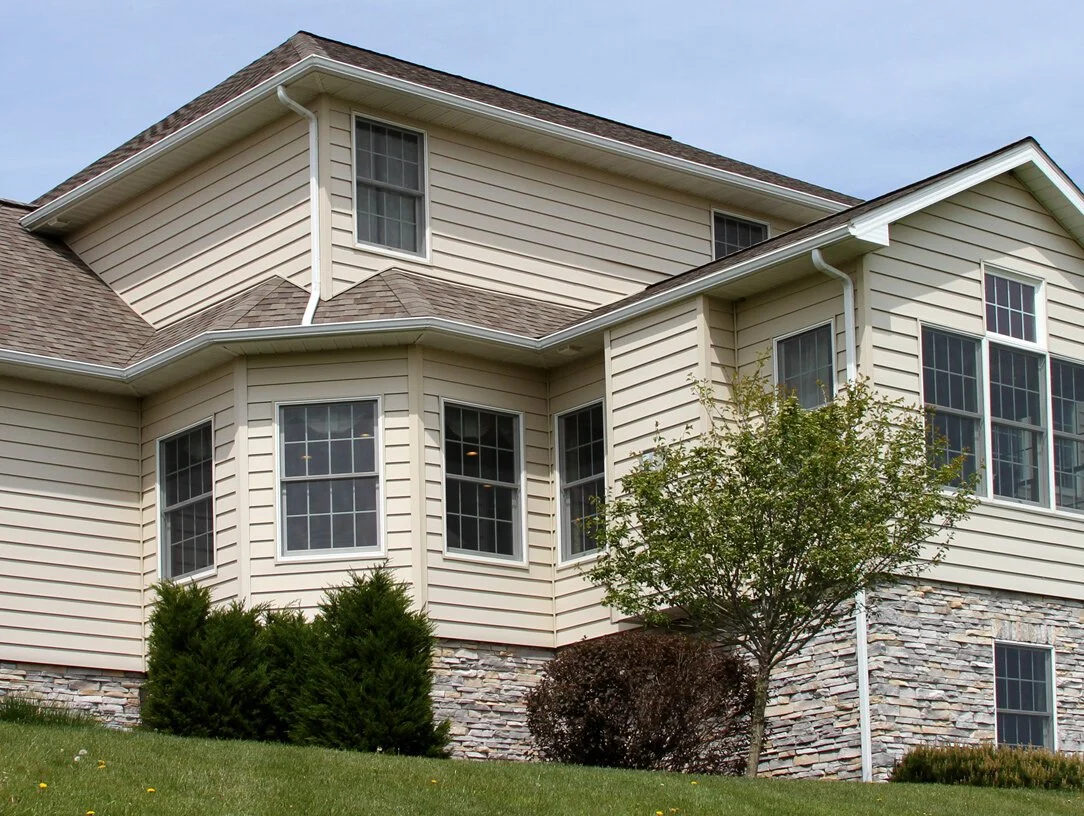
Summer brings its own complications. July and August temperatures in Metro Detroit regularly hit the upper 80s and low 90s, with high humidity. That's not just uncomfortable for crews — it affects material performance. Vinyl siding expands in heat, and if it's installed without proper allowance for thermal movement, you'll see rippling and buckling by September.
We've also seen how afternoon thunderstorms — common in Michigan summers — can delay projects for days at a time. A siding job that should take a week can stretch to two or three when you're constantly working around weather. Spring weather is more predictable, which means we can give you a realistic timeline and stick to it.
Contractor Availability: Why Early Birds Win
Here's the reality of the contracting business in Michigan: everyone wants their exterior work done at the same time. The problem is, there are only so many experienced crews, and only so many good contractors.
By mid-June, reputable exterior services in Detroit and surrounding areas are booked solid through August. Homeowners who wait until summer are either stuck with long lead times or forced to choose from whoever's still available — and there's usually a reason those contractors still have openings.
Spring scheduling gives you leverage. You can take your time vetting contractors, comparing bids, and asking the right questions. You're not rushing into a decision because your old siding is actively failing and you need someone — anyone — to start next week.
Pricing reality: Contractors know summer is peak season. Some adjust pricing accordingly. Spring pricing tends to be more competitive because we're ramping up for the busy season and filling our schedule. You're not paying the premium that comes with July and August demand.
We've also noticed that spring projects tend to run smoother because crews aren't juggling multiple jobs in extreme heat. They're focused, the work quality is higher, and there's less turnover mid-project. When you're choosing a Detroit siding company, you want the A-team on your house, not whoever's left after the experienced installers are already committed elsewhere.
Curb Appeal for Summer Selling Season
If you're planning to sell your home, siding replacement is one of the highest-ROI exterior improvements you can make. But timing matters.
The Metro Detroit real estate market heats up in late spring and stays strong through summer. Families want to move before the school year starts. Buyers are out looking at homes on weekends, driving through neighborhoods, making snap judgments based on curb appeal.
Fresh siding transforms a home's first impression. It signals to buyers that the house has been cared for, that they won't be inheriting deferred maintenance. It photographs well in listings. It makes the house stand out in a competitive market.
But here's the catch: if you wait until June to start your siding project, you're missing the prime selling window. A project that takes two to three weeks, plus time for final inspections and any punch-list items, means you're not listing until mid-July at the earliest. By then, you've lost six to eight weeks of peak buyer activity.

Realtors we work with consistently recommend getting exterior work done in April or May if you're planning a summer sale. It gives you time to stage, photograph, and list while the market is still hot. And if you're not selling but just want your home to look sharp for the neighborhood summer barbecue season, same logic applies.
Preventing Summer Heat Damage to Old Siding
This is the part most homeowners don't think about until it's too late: old, failing siding gets worse in summer heat, not better.
UV exposure is brutal on exterior materials. Vinyl siding that's already faded or brittle will degrade faster under the intense June, July, and August sun. The color fades more, the material becomes more brittle, and hairline cracks turn into real problems.
Wood siding — whether it's original cedar shakes or older engineered products — expands and contracts with temperature swings. If the siding is already compromised (loose nails, gaps, moisture intrusion), summer heat accelerates rot and warping. We've pulled off old wood siding in September and found extensive hidden damage that wasn't visible in spring.
Fiber cement siding like James Hardie is more stable, but even it can have issues if it was improperly installed. Poor flashing, incorrect fastening, or missing expansion gaps will show up as the material heats up and tries to move. Summer heat stress-tests every installation mistake.
By replacing siding in spring, you're protecting your home's sheathing and structure from a full season of heat and moisture exposure. You're also improving energy efficiency right before cooling season starts, which brings us to the next point.
Energy efficiency: New siding with proper insulation backing can reduce cooling costs by 15-20% in Michigan summers. Old, drafty siding forces your AC to work harder. Spring replacement means you're set up for efficiency before the expensive months hit.
If your home also needs insulation services in Southeast Michigan, spring is the ideal time to tackle both projects together. We can upgrade wall insulation while the siding is off, giving you maximum energy performance.
Material Selection for Michigan Climate
Not all siding performs the same in Michigan's climate. Choosing the right material for Troy's weather patterns — cold winters, humid summers, freeze-thaw cycles, occasional severe storms — makes a significant difference in longevity and maintenance.
Vinyl Siding
Vinyl remains the most popular choice in Southeast Michigan for good reason: it's affordable, low-maintenance, and performs well in our climate when properly installed. Modern vinyl siding has come a long way from the thin, brittle products of the 1980s.
Quality vinyl siding (0.044" to 0.046" thickness) resists moisture, doesn't rot, and holds up to freeze-thaw cycles. It's available in a wide range of colors and styles. The main consideration is thermal expansion — vinyl moves more than other materials, so proper installation technique (correct nailing, expansion gaps) is critical.
We typically recommend premium vinyl brands like CertainTeed Monogram or Mastic for Troy homes. The color retention is better, the profiles look more like real wood, and the warranties actually mean something.
James Hardie Fiber Cement
If you want the most durable siding available, James Hardie fiber cement is hard to beat. It's dimensionally stable (minimal expansion and contraction), fire-resistant, and holds paint better than any other siding material.
Hardie's ColorPlus Technology — factory-applied finish baked on in controlled conditions — outperforms field-painted siding by a wide margin. In Michigan's UV exposure and temperature swings, that matters. We've seen Hardie siding look nearly new after 15 years, while vinyl from the same era has faded and wood siding needs repainting.
The tradeoff is cost. Hardie typically runs 30-50% more than quality vinyl. But for homeowners planning to stay in their Troy home long-term, or for historic properties where the authentic look matters, it's worth the investment. Our detailed comparison of LP SmartSide vs. James Hardie siding breaks down the performance differences for Michigan conditions.
LP SmartSide Engineered Wood
LP SmartSide offers the look of real wood with better moisture resistance than traditional wood siding. It's treated with zinc borate for rot and insect resistance, and the SmartGuard manufacturing process makes it more stable than solid wood.
In Michigan, LP SmartSide performs well if it's properly primed and painted. The material itself is durable, but it requires more maintenance than vinyl or Hardie — you'll need to repaint every 8-12 years depending on exposure.
We see LP SmartSide chosen most often for homes where the architectural style demands a wood look — Craftsman bungalows, Cape Cods, historic districts where vinyl isn't appropriate. It's a middle-ground option: better than solid wood, more authentic-looking than vinyl, less expensive than Hardie.

Cost Reality: What Troy Homeowners Actually Pay
Let's talk numbers. Siding replacement in Oakland County isn't cheap, but it's also not as expensive as some homeowners fear — especially when you factor in energy savings, reduced maintenance, and home value increase.
For a typical 2,000-square-foot Troy home (two-story Colonial, brick front, siding on three sides), here's what you're looking at in 2026:
- Quality vinyl siding: $12,000 - $18,000, depending on product grade, trim details, and whether you're adding insulated backing
- James Hardie fiber cement: $18,000 - $28,000, with ColorPlus finish and trim
- LP SmartSide engineered wood: $15,000 - $22,000, primed and ready for paint
Those ranges include tear-off of old siding, new house wrap (Tyvek or equivalent), trim, soffit and fascia if needed, and proper flashing. They don't include structural repairs if we find rotted sheathing or framing issues once the old siding comes off — that's discovered work that gets priced separately.
What drives cost up: Complex architecture (multiple gables, dormers, bay windows), extensive trim work, high-end materials, structural repairs, and difficult access. A simple ranch costs less per square foot than a Victorian with turrets and detailed trim.
Spring pricing tends to be more competitive than summer. We're filling our schedule, and we can offer better rates when we're not at peak-season capacity. Financing is available through most manufacturers if you'd rather spread the cost over time rather than pay cash upfront.
For more detailed cost breakdowns, our article on siding cost in Metro Detroit walks through the factors that affect pricing and what you should expect to pay for different material choices.
Signs Your Home Needs New Siding This Spring
How do you know if your home needs full siding replacement versus just repair? Here are the indicators we look for during inspections:
Visual Damage
Cracked, warped, or loose siding panels are obvious red flags. A few damaged pieces can be replaced, but if you're seeing widespread issues — especially on the south and west sides that get the most sun and weather exposure — it's time for full replacement.
Fading is another sign. Severe color loss means the material has been UV-degraded and is past its prime. Faded siding is also brittle and more prone to cracking.
Moisture and Rot
Peel back a corner of siding and look at the sheathing underneath. If you see dark staining, soft spots, or visible mold, moisture is getting behind the siding. That's a structural issue that won't fix itself.
Wood siding with soft spots, peeling paint, or visible rot needs replacement. Trying to paint over rot is a waste of money — the problem will come back within a year.
Energy Bill Increases
If your heating and cooling costs have crept up over the past few years and you haven't changed your thermostat habits, failing siding could be the culprit. Drafty walls, gaps around windows and doors, and missing insulation all contribute to energy loss.
New siding with proper insulation backing and air sealing can cut energy costs significantly. Combined with energy-efficient windows in Southeast Michigan, you're looking at measurable savings every month.
Age of Existing Siding
Vinyl siding typically lasts 20-30 years in Michigan. Wood siding, depending on maintenance, might make it 15-25 years. Fiber cement can go 30-50 years. If your siding is approaching the end of its expected lifespan, it's worth getting an inspection even if you don't see obvious damage.
We'd rather catch problems early — before water intrusion damages your sheathing and framing — than wait until you have a structural issue that costs three times as much to fix.
When Repair Isn't Enough
If more than 30% of your siding needs repair, replacement is usually the smarter financial move. Patchwork repairs on old siding rarely match perfectly (color, texture, profile), and you're left with a house that looks like it's been patched.
Plus, if the underlying house wrap or flashing is compromised, repairs won't solve the real problem. We've seen too many homeowners spend money on repairs only to need full replacement two years later. Better to do it right once.
Other Services to Consider This Spring
If you're already investing in new siding, spring is the ideal time to tackle related exterior projects. Once we have scaffolding up and access to your home's exterior, it's efficient to address multiple needs at once.
Many Troy homeowners pair siding replacement with Detroit roofing services, especially if the roof is approaching 15-20 years old. Doing both projects together saves on mobilization costs and ensures your entire exterior envelope is protected.
Seamless gutters in Detroit, MI are another common add-on. Old gutters often need replacement when siding is removed, and new gutters paired with new siding give your home a completely refreshed appearance. Proper gutter installation also protects your new siding from water damage — we see too many siding failures caused by overflowing or poorly positioned gutters.
If your home's trim and fascia are in rough shape, now's the time to upgrade. Our Southeast Michigan painting professionals work exclusively with Sherwin-Williams products and can handle all exterior painting needs, from trim to shutters to full-house color changes.
For homes with older single-pane or failing double-pane windows, spring is also a smart time to consider window replacement in Detroit. New windows paired with new siding and proper insulation create a complete thermal envelope that dramatically improves comfort and efficiency.
Ready to Get Started?
NEXT Exteriors has been protecting Michigan homes since 1988. Get a free, no-pressure estimate from a team that shows up on time and does the job right. We'll walk you through material options, answer your questions, and give you a detailed quote with no surprises.
Get Your Free QuoteOr call us: (844) 770-6398
Frequently Asked Questions
April through early June is ideal. Spring offers stable temperatures (40°F-75°F), lower humidity, and predictable weather. You avoid the extreme heat of summer (which causes thermal expansion issues with vinyl) and the rush of peak season. Fall is also workable, but spring gives you the longest runway before winter and better contractor availability.
For a standard 2,000-square-foot home, expect 5-10 business days depending on complexity. Simple ranch homes with minimal trim can be done in a week. Two-story Colonials with detailed trim, multiple gables, and extensive soffit/fascia work might take two weeks. Weather delays can extend timelines, which is why spring's stable weather is advantageous.
If your current siding is visibly damaged, faded, or outdated, yes — siding replacement typically returns 75-85% of its cost in increased home value and faster sale time. Fresh siding dramatically improves curb appeal and signals to buyers that the home has been maintained. If you're planning to list in summer, start the project in April or May to be ready for peak buyer season.
Vinyl is affordable, low-maintenance, and performs well in Michigan's climate, but it expands/contracts with temperature changes and can fade over time. James Hardie fiber cement is more expensive but extremely durable, dimensionally stable, fire-resistant, and holds color better (especially with ColorPlus finish). Vinyl lasts 20-30 years; Hardie can go 30-50 years. Choice depends on budget and how long you plan to stay in the home.
Most manufacturers specify minimum installation temperatures (typically 40°F for vinyl, similar for fiber cement). Below that, materials become brittle and prone to cracking. We can work in cooler weather with proper techniques, but extreme cold (below 35°F) makes quality installation difficult. That's why we recommend spring — you get ideal conditions without the complications of winter or the heat stress of summer.
In most cases, yes. If your existing house wrap (Tyvek or equivalent) is 15+ years old, torn, or has failed flashing, it should be replaced. Proper moisture barrier and air sealing are critical for siding performance and energy efficiency. We always inspect the existing wrap when we remove old siding and recommend replacement if it's compromised. It's a relatively small cost compared to the overall project and protects your investment.
For a typical 2,000-square-foot home: quality vinyl runs $12,000-$18,000, James Hardie fiber cement $18,000-$28,000, and LP SmartSide engineered wood $15,000-$22,000. Costs vary based on material choice, architectural complexity, trim details, and any structural repairs needed. Spring pricing tends to be more competitive than peak summer season. Get multiple quotes from licensed contractors and compare not just price but warranties, materials, and installation quality.