

What Siding Warranties Cover Moisture and Rot in Michigan
Michigan siding warranties explained: what's covered for moisture, rot, and weather damage. Learn what manufacturers and contractors actually guarantee on your home.

You've just signed the contract for new siding. The salesperson handed you a warranty booklet thicker than a phone book, mentioned something about "lifetime coverage," and you felt reassured. Then, three years later, water's getting behind your siding after a winter ice dam, and you're reading that warranty for the first time — really reading it.
That's when most Michigan homeowners discover what their siding warranty actually covers versus what they thought it covered. And when it comes to moisture damage and rot — the two biggest threats to siding in our climate — the gap between expectation and reality can cost thousands.
After 35 years installing house siding in Detroit and across Southeast Michigan, we've seen every warranty scenario play out. We've helped homeowners navigate legitimate claims, and we've watched others get denied coverage because of fine print they never knew existed. This guide breaks down exactly what siding warranties cover for moisture and rot damage in Michigan, what exclusions you need to watch for, and how to protect your investment before problems start.
Understanding the Two Types of Siding Warranties
Every siding installation comes with two separate warranties, and understanding the distinction is critical when moisture or rot problems surface.
Manufacturer Product Warranty
This covers defects in the siding material itself — things like premature cracking, warping, fading beyond specified limits, or coating failures. James Hardie, LP SmartSide, CertainTeed, and other manufacturers each offer their own warranty terms, typically ranging from 30 years to "limited lifetime" coverage.
What catches homeowners off guard: manufacturer warranties almost never cover damage caused by improper installation, inadequate flashing, missing moisture barriers, or environmental factors. They're protecting you from manufacturing defects, not installation mistakes or weather-related failures.
Contractor Workmanship Warranty
This is where installation quality gets covered — and where moisture protection really matters. A good contractor warranty guarantees that the siding was installed according to manufacturer specifications and local building codes, including all the behind-the-scenes details: house wrap, flashing around windows and doors, proper fastening, and ventilation.
When we install exterior services in Detroit, our workmanship warranty specifically covers water intrusion caused by installation errors. That's the warranty that matters when ice dams force water behind your siding or when improper flashing lets moisture into your wall cavity.
Michigan Reality Check: In our climate, workmanship warranties matter more than manufacturer warranties for moisture protection. A perfectly manufactured siding panel installed without proper flashing will fail every time when freeze-thaw cycles hit.
What Manufacturer Warranties Actually Cover (and Don't)
Let's break down what you're actually getting with major siding manufacturers — and the exclusions that trip up Michigan homeowners.
James Hardie Fiber Cement
James Hardie offers a 30-year non-prorated warranty covering product defects, plus a separate 15-year warranty on their ColorPlus factory-applied finish. What's covered: manufacturing defects that cause the product to rot, split, or delaminate under normal conditions.
What's not covered: damage from "improper installation, improper building design, structural defects in the wall, or excessive moisture from other sources." Translation: if water gets behind your Hardie board because the installer didn't flash your windows correctly, that's not Hardie's problem — it's your contractor's problem.
LP SmartSide Engineered Wood
LP offers a 5/50 warranty: 5 years of coverage for substrate (the engineered wood itself) against hail damage, and 50 years against manufacturing defects including fungal decay and termite damage. Their SmartGuard process treats the wood to resist moisture and rot.
The exclusion that matters in Michigan: "damage caused by ice dams, condensation, or moisture infiltration due to improper installation or building design." Ice dams are a fact of life here — and LP's warranty won't cover rot that results from water backing up under your siding during a February thaw.
CertainTeed Vinyl Siding
CertainTeed's warranties vary by product line, but their premium lines offer limited lifetime coverage against manufacturing defects, including excessive fading, cracking, or warping. Some products include hail impact warranties.
What's excluded: "damage from improper installation, building settlement, structural defects, or acts of God." In practice, this means wind-driven rain that gets behind improperly installed J-channel isn't covered. Neither is moisture damage from missing or damaged house wrap.

Moisture and Rot Coverage: Reading the Fine Print
Here's where warranty language gets specific — and where Michigan's climate creates unique challenges.
What "Rot Resistance" Actually Means
When a manufacturer says their product is "rot-resistant," they're typically referring to the material's performance under normal exposure conditions. For fiber cement, that means the substrate won't rot when exposed to typical moisture levels. For engineered wood like LP SmartSide, it means the product has been treated to resist fungal decay.
What it doesn't mean: the product is immune to rot if water is constantly trapped behind it due to poor installation or missing moisture barriers. No siding material — not fiber cement, not vinyl, not engineered wood — can resist rot indefinitely if water has nowhere to drain.
The Installation Exclusion Trap
Nearly every manufacturer warranty includes language like this: "This warranty does not cover damage resulting from improper installation or failure to follow manufacturer installation instructions."
In practice, this means if moisture gets behind your siding and causes rot, the manufacturer will ask: Was the siding installed per our specifications? Was house wrap installed? Was flashing detailed correctly around all penetrations? Were fasteners placed at the correct intervals?
If the answer to any of those questions is no, your manufacturer warranty claim gets denied — even if the siding material itself performed exactly as designed.
What Constitutes "Excessive Moisture"
Most warranties exclude damage from "excessive moisture" or "abnormal exposure to water." In Michigan, this creates gray areas. Is water from an ice dam "excessive moisture"? What about condensation in wall cavities during extreme cold snaps? What about wind-driven rain during a severe thunderstorm?
The reality: manufacturers will evaluate these situations case-by-case. But in our experience, if the moisture intrusion was preventable through proper installation techniques — like installing ice and water shield under the bottom course of siding or using proper kickout flashing at roof-wall intersections — the claim gets denied.
What We Tell Homeowners: Manufacturer warranties protect you from defective products. Contractor warranties protect you from defective installation. In Michigan, proper installation matters more than premium materials when it comes to moisture protection.
Michigan-Specific Warranty Considerations
Our climate creates warranty scenarios that don't exist in Arizona or Florida. Here's what Michigan homeowners need to understand.
Freeze-Thaw Cycles and Material Expansion
Michigan siding goes through 40-60 freeze-thaw cycles every winter. Materials expand when wet, contract when frozen, expand again when thawed. Over time, this can cause fasteners to back out, panels to warp, or joints to separate.
Most manufacturer warranties cover "excessive warping" or "unusual expansion/contraction" — but only if it's caused by a manufacturing defect, not normal thermal cycling. The burden of proof is on you to demonstrate the product failed abnormally, not just experienced normal Michigan weather.
Ice Dam Damage
Ice dams form when heat escapes through your roof, melts snow, and creates ice buildup at the eaves. When that ice melts, water backs up under shingles and can infiltrate behind siding at roof-wall intersections.
Here's the warranty reality: ice dam damage is almost never covered by manufacturer warranties because it's considered an "external moisture source" or "building design issue." Your Detroit roofing services and attic insulation matter more than your siding warranty when it comes to ice dam prevention.
A good contractor warranty, however, should cover water intrusion at roof-wall intersections if the flashing was improperly installed. That's the difference between paying out of pocket and getting it fixed for free.
Lake-Effect Moisture and Wind-Driven Rain
Southeast Michigan gets hammered by lake-effect weather systems that drive rain horizontally into siding. This tests every seam, every J-channel joint, every window flashing detail.
Manufacturer warranties don't cover water intrusion from "severe weather events" or "abnormal wind conditions." But here's the thing: 40 mph winds aren't abnormal in Sterling Heights or Rochester Hills. They're Tuesday afternoon in November.
Proper installation — with sealed J-channel joints, correctly overlapped house wrap, and kickout flashing at every roof edge — prevents wind-driven rain from becoming interior water damage. That's workmanship, not material quality.

Workmanship Warranties: What Your Contractor Should Guarantee
This is where moisture protection gets real. A contractor's workmanship warranty should explicitly cover water intrusion caused by installation errors.
What a Strong Workmanship Warranty Covers
At minimum, your contractor warranty should guarantee:
- Proper moisture barrier installation: House wrap or building paper installed per manufacturer specs, with correct overlaps and sealed seams
- Flashing details: Metal flashing at all windows, doors, roof-wall intersections, and penetrations, installed to direct water away from the building
- Fastener placement: Nails or screws installed at correct intervals and depths to allow for thermal expansion without creating water entry points
- J-channel and trim work: All trim pieces sealed and overlapped correctly to prevent water infiltration
- Ventilation: Proper venting behind siding (where required by material type) to allow moisture to escape
When we install siding in Southeast Michigan, our workmanship warranty covers all of these installation elements. If water gets behind the siding because we missed a flashing detail or improperly overlapped the house wrap, we fix it — no questions, no deductible, no argument about "abnormal weather conditions."
Typical Workmanship Warranty Lengths
Most professional siding contractors offer workmanship warranties ranging from 2 to 10 years. Here's what's typical:
- 2-5 years: Standard for many contractors, covers obvious installation defects
- 5-10 years: Better contractors, covers installation defects and water intrusion issues
- 10+ years: Premium contractors, comprehensive coverage including moisture-related failures
NEXT Exteriors offers a 10-year workmanship warranty on all siding installations. That's long enough to see how the installation performs through multiple Michigan winters — the real test of whether flashing details and moisture barriers were done right.
What Voids a Workmanship Warranty
Even the best contractor warranty has limits. Common exclusions include:
- Damage from homeowner modifications (cutting into siding for new vents, lights, etc.)
- Impact damage from ladders, lawn equipment, or hail
- Failure to maintain caulking around penetrations
- Structural settling or foundation movement
- Damage from subsequent work by other contractors
The key difference between a good contractor and a marginal one: how they handle gray-area situations. If your gutters in Detroit, MI overflow during a storm and water gets behind your siding, is that a gutter problem or a siding installation problem? A good contractor investigates and takes responsibility if the siding installation contributed to the failure.
How to Protect Your Warranty Coverage
Warranties are only valuable if they're enforceable. Here's how to make sure you're covered when problems arise.
Documentation Requirements
Most manufacturer warranties require proof of purchase and professional installation. Keep these documents in a safe place:
- Original contract with material specifications
- Receipts showing product purchase dates
- Warranty registration (some manufacturers require this within 30-90 days)
- Installation photos showing moisture barriers, flashing details, and completed work
- Contractor license and insurance documentation
We photograph every siding installation at multiple stages — house wrap installation, flashing details, completed work — and provide these to homeowners. If a warranty claim arises five years later, you have proof the work was done correctly.
Maintenance Requirements
Most warranties require "reasonable maintenance" to remain valid. For siding, this typically includes:
- Annual inspection of caulking around windows, doors, and penetrations
- Cleaning to prevent mold, mildew, or dirt buildup (especially important for vinyl)
- Prompt repair of any damage from impacts or storms
- Maintaining proper drainage around the foundation
- Keeping gutters clean and functional
Failure to maintain your siding can void both manufacturer and contractor warranties. If you file a rot claim and the manufacturer finds photos showing you haven't cleaned mold off the siding in five years, expect a denial.
When to File a Claim
Don't wait. If you notice signs of moisture intrusion — water stains on interior walls, peeling paint behind siding, soft spots in sheathing, or visible rot — contact your contractor immediately.
Warranty claims get more complicated the longer you wait. If moisture has been infiltrating for two years before you report it, the manufacturer will argue you failed to mitigate damages. If you catch it within the first few months and report it promptly, you're in a much stronger position.
Pro Tip: File your claim with your contractor first, not the manufacturer. A good contractor will investigate, determine the cause, and handle the manufacturer claim if needed. Going directly to the manufacturer often results in finger-pointing between the contractor and the product supplier.
Cost Reality: Warranty Length vs. Material Investment
Longer warranties sound better, but they come with higher upfront costs. Here's how to think about the trade-offs for Michigan homes.
Vinyl Siding: Lifetime Warranties, Moderate Cost
Premium vinyl siding often comes with "limited lifetime" warranties covering manufacturing defects. In practice, this means 50+ years of coverage against cracking, warping, or excessive fading.
Cost in Southeast Michigan: $4-$8 per square foot installed, depending on profile and quality. For a typical 2,000-square-foot siding job, you're looking at $8,000-$16,000.
The warranty reality: vinyl siding rarely fails due to manufacturing defects. It fails because of improper installation — nails driven too tight, insufficient expansion gaps, missing J-channel backing. That's why contractor workmanship matters more than the manufacturer's lifetime guarantee.
Fiber Cement: 30-Year Warranties, Premium Cost
James Hardie and other fiber cement manufacturers typically offer 30-year product warranties. The material itself is extremely durable and rot-resistant when properly installed.
Cost in Southeast Michigan: $8-$14 per square foot installed. For that same 2,000-square-foot job, expect $16,000-$28,000.
The warranty value: fiber cement's warranty is more meaningful because the material can fail — though it's rare. Delamination, cracking from freeze-thaw cycles, or coating failures do happen. The 30-year coverage provides real protection, but only if installation was done correctly.
Engineered Wood: 50-Year Warranties, Mid-Range Cost
LP SmartSide offers 50-year coverage against manufacturing defects and fungal decay. The material is treated to resist moisture and rot, making it a good middle ground between vinyl and fiber cement.
Cost in Southeast Michigan: $6-$10 per square foot installed, or $12,000-$20,000 for a typical job.
The warranty consideration: engineered wood's moisture resistance depends heavily on proper installation. Edge sealing, correct fastening, and proper flashing are critical. The 50-year warranty is valuable, but only if your contractor follows LP's installation guidelines to the letter.
What We Recommend for Michigan Homeowners
Don't choose siding based solely on warranty length. Choose based on material performance in Michigan's climate, combined with a contractor who backs their installation work.
A 50-year warranty on poorly installed siding is worthless. A 10-year warranty on expertly installed siding with proper moisture protection is gold.
For most Michigan homes, we recommend fiber cement or engineered wood for maximum durability in our freeze-thaw climate, combined with a contractor offering at least a 10-year workmanship warranty. The material quality handles the weather; the installation quality keeps moisture out.

Beyond Siding: Protecting Your Entire Exterior
Siding warranties matter, but moisture protection is a whole-house issue. Your siding is only as good as the systems supporting it.
Proper insulation services in Southeast Michigan prevent condensation in wall cavities — a leading cause of rot that no siding warranty covers. Functional seamless gutters in Detroit keep water away from your foundation and siding. Quality window installation in Detroit ensures proper flashing integration with your siding moisture barrier.
We've installed thousands of siding jobs across Macomb County, Oakland County, and St. Clair County. The ones that perform flawlessly 10, 15, 20 years later? They're the ones where every detail was done right — not just the siding, but the entire building envelope.
That's why NEXT Exteriors offers comprehensive exterior services — because protecting your home from Michigan weather requires more than just good siding. It requires a systems approach, where every component works together to keep moisture out.
Ready to Get Started?
NEXT Exteriors has been protecting Michigan homes since 1988. Get a free, no-pressure estimate from a team that shows up on time and does the job right — with warranties that actually mean something.
Get Your Free QuoteOr call us: (844) 770-6398
Frequently Asked Questions About Siding Warranties in Michigan
Manufacturer siding warranties typically do not cover water damage from ice dams because they're considered an "external moisture source" or "building design issue." However, a comprehensive contractor workmanship warranty should cover water intrusion at roof-wall intersections if the flashing was improperly installed. Ice dam prevention is primarily a roofing and attic insulation issue, not a siding issue. Proper installation of kickout flashing, ice and water shield, and step flashing can minimize ice dam damage to siding, but the warranty coverage depends on whether the contractor guaranteed their installation work.
A non-prorated warranty provides full replacement value throughout the warranty period. If your siding fails in year 25 of a 30-year non-prorated warranty, the manufacturer replaces the defective material at no cost. A prorated warranty reduces coverage value over time — you might get 100% coverage in year 1, but only 50% coverage in year 15, meaning you pay half the replacement cost. For Michigan homeowners, non-prorated warranties provide better long-term value, especially for materials like fiber cement that may not show defects until 10-15 years after installation. Always check whether the warranty is prorated before making a material decision.
It depends on the specific warranty and whether the siding came pre-finished or primed. James Hardie's ColorPlus factory finish carries a 15-year warranty that is voided if you paint over it. However, primed fiber cement is designed to be painted, and painting it with quality exterior paint (like products from our partners at Southeast Michigan painting professionals) won't void the substrate warranty. The key is using compatible paint systems and following manufacturer guidelines. If you're repainting pre-finished siding, check your warranty documents first — you may be giving up remaining coverage on the factory finish.
Most manufacturers require warranty registration within 30 to 90 days of installation, though some offer longer grace periods. James Hardie requires registration within 60 days for their full warranty coverage. LP SmartSide allows 1 year for registration. CertainTeed's requirements vary by product line. Missing the registration deadline doesn't always void coverage entirely, but it can reduce your warranty term or limit coverage. Your contractor should handle warranty registration as part of the installation process, but verify this is included in your contract. Keep your registration confirmation and warranty documents in a safe place — you'll need them if you file a claim years later.
Standard homeowners insurance typically does not cover rot caused by long-term moisture exposure or lack of maintenance — these are considered "gradual deterioration" and are specifically excluded. However, insurance may cover sudden water damage from events like burst pipes, storm damage that allows water intrusion, or wind-driven rain during a severe weather event. The key distinction is sudden vs. gradual. If rot developed over months or years due to poor installation or deferred maintenance, insurance won't cover it. If a severe storm damaged your siding and water got in, causing immediate damage, you may have coverage. This is why contractor workmanship warranties are so important in Michigan — they cover the installation-related moisture failures that insurance doesn't.
Most manufacturer siding warranties are transferable, but the terms change when the home is sold. James Hardie warranties transfer to subsequent owners but may be reduced to a shorter term (often 30 years from installation becomes 10 years for the new owner). LP SmartSide and CertainTeed have similar transferability provisions. Contractor workmanship warranties are usually not transferable — they're specific to the original homeowner who contracted the work. When buying a home in Sterling Heights, Bloomfield Hills, or anywhere in Southeast Michigan, ask for documentation of siding warranties and check the transfer terms. Transferable warranties can add value to your home, but only if the paperwork is in order and the warranty hasn't expired.
To file a successful warranty claim, you'll need: (1) proof of purchase with product specifications and installation date, (2) warranty registration confirmation, (3) photos documenting the defect or damage, (4) contractor information including license number and contact details, (5) maintenance records showing you've performed required upkeep, and (6) any correspondence with the contractor about the issue. For moisture or rot claims specifically, be prepared to provide evidence that the damage wasn't caused by factors excluded from coverage (like deferred maintenance or structural issues). Start by contacting your contractor first — they can help determine whether the issue is a product defect or an installation problem, and they'll handle manufacturer claims if needed. Document everything in writing and keep copies of all communications.
What Siding Warranties Cover: Moisture & Rot Protection
Learn what siding warranties actually cover for moisture and rot damage in Michigan. NEXT Exteriors explains manufacturer coverage, labor warranties, and installation standards.
Here's a question we get at least twice a week: "If water gets behind my siding and rots out the sheathing, is that covered under warranty?"
The short answer: probably not — at least not under the manufacturer's material warranty. And that surprises a lot of homeowners in Sterling Heights, Troy, and across Metro Detroit who just spent $15,000 to $30,000 on new siding.
The longer answer gets into the difference between what the siding manufacturer covers (material defects) and what your house siding company in Detroit should cover (installation workmanship). In Michigan, where freeze-thaw cycles, ice dams, and summer humidity create constant moisture challenges, understanding what siding includes coverage against moisture and rot damage isn't just paperwork — it's the difference between a $200 caulk repair and a $5,000 sheathing replacement that you're paying for out of pocket.
We've been installing siding across Southeast Michigan since 1988 under Premier Builder Inc., and we've seen what happens when homeowners assume "lifetime warranty" means "lifetime protection against everything." It doesn't. This guide breaks down exactly what's covered, what's not, and how to protect your investment when Michigan weather does what Michigan weather does.
Understanding Siding Warranty Types
Before we talk about moisture and rot, you need to understand that every siding job comes with two separate warranties — and they cover completely different things.
Manufacturer Material Warranty
This is what CertainTeed, James Hardie, LP SmartSide, or whoever made your siding will stand behind. It covers defects in the product itself — things like:
- Manufacturing defects: If the vinyl compound breaks down prematurely, if fiber cement panels delaminate due to a production flaw, or if engineered wood swells because the resin coating failed
- Color fade and chalk: Most quality siding comes with fade resistance guarantees (typically 25-50 years, depending on the product line)
- Material integrity: Cracking, splitting, or warping that results from a defect in the material composition
Here's what it does not cover: damage caused by installation errors, extreme weather, impact, lack of maintenance, or moisture intrusion that results from improper flashing or WRB (weather-resistant barrier) installation.
Most manufacturer warranties are also prorated, meaning the coverage percentage decreases over time. A "50-year limited warranty" might offer 100% coverage for the first 10 years, then drop to 50% for years 11-25, and taper down from there. Always read the fine print.
Labor/Installation Warranty
This is the warranty from your contractor — and in Michigan, this is the one that actually matters for moisture protection. A reputable Detroit siding company will warranty their installation workmanship, which includes:
- Proper fastening (correct nails, correct spacing, not overdriven)
- Correct flashing around windows, doors, and penetrations
- Proper installation of house wrap or WRB
- Correct J-channel and trim work to shed water
- Proper sealing and caulking
At NEXT Exteriors, we back our installation work with a comprehensive labor warranty because we know that most siding failures in Michigan are installation failures, not material failures. If water gets behind your siding because we didn't flash a window correctly, that's on us. If your siding delaminates because James Hardie had a bad production run, that's on them.
Michigan Reality Check: We've done warranty inspections for homeowners who had siding installed by fly-by-night contractors who are long gone. The material warranty is still valid, but there's no one to honor the labor warranty — and the manufacturer won't cover water damage caused by improper installation. Choose your contractor carefully.
What Siding Warranties Actually Cover for Moisture & Rot
Let's get specific about what happens when moisture becomes a problem.
Manufacturer Coverage: Material Defects Only
If your fiber cement siding absorbs water and swells because the factory coating failed, that's a manufacturing defect. CertainTeed, James Hardie, or LP will typically replace the defective panels.
If your vinyl siding cracks in cold weather because the PVC compound became brittle due to a formulation error, that's covered.
But here's what's not covered under the material warranty:
- Water intrusion behind the siding: Even if it causes rot, mold, or structural damage, the manufacturer will say that's an installation or maintenance issue
- Ice dam damage: Water backing up under siding due to ice dams is considered a building design or maintenance problem, not a material defect
- Condensation damage: If moisture from inside your home condenses on the back of the siding due to inadequate insulation in Southeast Michigan, that's not the siding's fault
- Impact or storm damage: Hail, wind-blown debris, or falling branches void material warranties (this is what homeowner's insurance is for)
We've seen homeowners in Rochester Hills discover rot behind their siding five years after installation and assume the manufacturer will cover it. They won't — unless you can prove the siding itself failed due to a defect, not because water got in through a poorly sealed window or missing kickout flashing.
What "Moisture Resistance" Actually Means
When a manufacturer says their siding is "moisture resistant," they mean the material itself won't break down when exposed to normal environmental moisture — rain hitting the face, humidity in the air, occasional wetting and drying cycles.
They do not mean the siding will prevent water from getting behind it if it's installed incorrectly. Siding is the first line of defense, but it's not a waterproof membrane. That's the job of the WRB (house wrap) and proper flashing details.
The Installation Warranty: Your Real Protection Against Rot
This is where the rubber meets the road in Michigan. A strong installation warranty from a licensed, insured contractor who's been in business for decades is worth more than a 50-year manufacturer warranty from a company you'll never be able to get on the phone.
What a Good Installation Warranty Covers
When we install siding at NEXT Exteriors, our labor warranty covers any failure that results from our workmanship, including:
- Water intrusion due to improper flashing: If we didn't install step flashing, kickout flashing, or head flashing correctly and water gets behind the siding, we fix it
- WRB failures: If the house wrap tears, wasn't lapped correctly, or wasn't properly integrated with window and door flashing, we make it right
- Fastening issues: If siding panels come loose because nails were overdriven, underdriven, or spaced incorrectly, we re-install
- Trim and J-channel leaks: If water gets in through poorly cut or unsealed trim work, that's on us
This is why choosing a licensed exterior contractor in Detroit with a physical address, a Michigan Residential Builder's License, and decades of completed projects matters. We're not going anywhere. If there's a problem in year three or year seven, you know where to find us.
The Michigan Freeze-Thaw Factor
In Southeast Michigan, we go through 40 to 60 freeze-thaw cycles every winter. Water gets into small gaps, freezes, expands, and makes those gaps bigger. By spring, what was a hairline crack around a window is now a 1/4-inch gap that's letting water run down the inside of your wall cavity.
A proper installation accounts for this. We use the right sealants (polyurethane or tripolymer, not cheap latex caulk that cracks in cold weather). We leave expansion gaps where the siding needs to move. We make sure every penetration — lights, outlets, hose bibs, dryer vents — is flashed and sealed correctly.
We've seen siding jobs in Clinton Township and Shelby Township where the contractor used the cheapest caulk from the big box store and didn't flash the windows. Two winters later, there's rot. The homeowner calls the manufacturer, and the manufacturer says, "That's not our problem — your contractor didn't install it right." And the contractor is long gone.
NEXT Exteriors Standard: We've been protecting Michigan homes since 1988. Our installation warranty is backed by Premier Builder Inc., a Michigan-licensed builder with an A+ BBB rating since 2006. We use CertainTeed, James Hardie, and LP SmartSide products installed to manufacturer specs and Michigan building code. If something goes wrong because of our work, we fix it. Period.
Michigan-Specific Moisture Challenges
Let's talk about the moisture problems that are unique to our climate — and why they matter for warranty coverage.
Freeze-Thaw Cycles and Expansion
Every siding material expands and contracts with temperature changes. Vinyl moves the most (up to 1/2 inch over a 12-foot run), fiber cement moves less, and engineered wood falls somewhere in between.
If a contractor doesn't leave proper expansion gaps or uses the wrong fasteners, the siding will buckle, warp, or crack when it tries to expand. In winter, it contracts and pulls away from trim, creating gaps for water and ice to get in.
This is an installation issue, not a material defect — but it leads to moisture intrusion that can rot your sheathing and framing. Your installation warranty should cover this. The manufacturer warranty won't.
Ice Dams and Backup
Ice dams form when heat escaping through your attic melts snow on your roof. The water runs down to the cold eaves, refreezes, and creates a dam. Water backs up under shingles and can run down behind your siding at the roofline.
We see this every winter in Grosse Pointe Farms and Lake Orion — beautiful older homes with inadequate attic insulation. The siding itself isn't defective, but water is getting behind it because of an ice dam.
The solution isn't new siding — it's better attic insulation in Metro Detroit and proper roof edge protection. But if your siding wasn't installed with proper kickout flashing and drip edge integration, the problem gets worse. A good installation warranty covers fixing the flashing details. The manufacturer warranty doesn't cover the rot that resulted.
Summer Humidity and Condensation
Michigan summers are humid. When warm, moist air hits a cold surface (like the back of your siding on an air-conditioned exterior wall), you get condensation. Over time, that moisture can cause rot, mold, and paint failure on wood sheathing.
The fix is proper vapor management — the right type of house wrap that lets moisture escape while keeping bulk water out. If your contractor used the wrong WRB or installed it incorrectly, you can develop moisture problems even though the siding itself is fine.
This is why we pay attention to building science, not just aesthetics. We install the right house wrap for Michigan's climate, we lap it correctly, we integrate it with window and door flashing, and we make sure there's an air gap behind the siding (especially with fiber cement and engineered wood) to allow for drainage and drying.

What Voids Your Siding Warranty
Even a good warranty has limits. Here's what can void coverage — and what you need to watch out for.
Improper Installation by Unlicensed Contractors
Most manufacturer warranties require installation by a licensed, insured contractor following their installation instructions. If you hire someone without a Michigan builder's license or someone who cuts corners, the manufacturer can deny your claim.
We're a CertainTeed Master Shingle Applicator and work with James Hardie, LP SmartSide, and other premium manufacturers. We know their installation standards and follow them. That protects both the warranty and your home.
DIY Modifications
If you cut into your siding to add a vent, mount a light fixture, or install a deck ledger without proper flashing and sealing, you've created a potential leak point. If water gets in and causes damage, neither the manufacturer nor your contractor's installation warranty will cover it.
If you need to make modifications, call a professional. We can flash and seal new penetrations correctly so they don't become problems down the road.
Lack of Maintenance
Even the best siding needs periodic maintenance. Caulk around windows and doors needs to be inspected and refreshed every 5-7 years. Gutters in Detroit, MI need to be cleaned so they don't overflow and dump water behind your siding. Landscaping needs to be kept away from the siding to allow airflow.
If you neglect basic maintenance and water damage results, your warranty — both material and labor — can be voided.
Extreme Weather and Impact
Hail damage, wind-blown debris, falling tree limbs — these are covered by your homeowner's insurance, not your siding warranty. If a storm damages your siding and water gets in, file an insurance claim.
We work with insurance adjusters regularly on storm damage restoration. We'll document the damage, provide a detailed estimate, and work directly with your insurance company to get the repairs done right. Our Detroit roofing services and siding repair expertise means we can handle the entire exterior restoration in one project.
How to Protect Your Investment
Here's how to make sure your siding lasts and your warranties stay valid.
Annual Inspection Checklist
Once a year (we recommend spring, after Michigan's freeze-thaw season), walk around your house and check:
- Caulk and sealant: Look for cracks or gaps around windows, doors, corners, and trim. Recaulk as needed with a quality polyurethane or tripolymer sealant
- Siding panels: Check for loose, cracked, or warped panels. Look for any that have pulled away from the house
- Trim and J-channel: Make sure trim is tight and not pulling away. Check that J-channel isn't holding water
- Penetrations: Inspect around lights, outlets, vents, and any other openings. Make sure caulk and flashing are intact
- Ground clearance: Siding should be at least 6-8 inches above grade. If mulch or soil has built up against it, pull it back
When to Call a Professional
Call a licensed contractor if you see:
- Water stains on interior walls near exterior walls
- Soft or spongy spots on siding panels
- Visible rot or mold on trim or behind siding
- Large gaps or separations in siding or trim
- Persistent moisture or condensation in wall cavities
These are signs that water is getting where it shouldn't. The sooner you address it, the less damage you'll have and the more likely your warranty will cover the repair.
Work with Contractors Who Stand Behind Their Work
We've been in business since 1988. We're not going anywhere. When you work with NEXT Exteriors, you get:
- A Michigan Residential Builder's License (we're fully licensed and insured)
- An A+ BBB rating since 2006
- CertainTeed Master Shingle Applicator credentials (the highest level in roofing)
- Manufacturer partnerships with CertainTeed, GAF, Owens Corning, James Hardie, LP SmartSide, and Sherwin-Williams
- A 5.0-star average rating across 87+ reviews
- A comprehensive installation warranty backed by a company that's completed 500+ projects across Macomb, Oakland, and St. Clair counties
We also offer a full range of exterior services in Detroit, so if your siding project uncovers issues with your windows in Detroit, your gutters, or your roof, we can handle it all in one project with one warranty.
And if you're looking to refresh your home's curb appeal after a siding upgrade, our Southeast Michigan painting professionals use exclusively Sherwin-Williams products to give you a finish that lasts.
Ready to Get Started?
NEXT Exteriors has been protecting Michigan homes since 1988. Get a free, no-pressure estimate from a team that shows up on time and does the job right.
Get Your Free QuoteOr call us: (844) 770-6398
Frequently Asked Questions
No, not typically. A "lifetime" or "limited lifetime" manufacturer warranty covers defects in the siding material itself — things like premature cracking, warping, or delamination due to manufacturing flaws. It does not cover water damage, rot, or mold that results from improper installation, lack of maintenance, or external factors like ice dams. That's why your contractor's installation warranty is so important — it should cover workmanship issues that lead to moisture intrusion.
The manufacturer warranty covers defects in the product — the vinyl, fiber cement, or engineered wood itself. The labor (or installation) warranty covers the contractor's workmanship — proper flashing, correct fastening, house wrap installation, and all the details that keep water out. In Michigan, most siding failures are installation failures, not material failures. A strong labor warranty from a reputable, licensed contractor is often more valuable than the manufacturer's warranty.
Probably not. Ice dams are caused by heat loss through your attic, which is a building design and insulation issue, not a siding defect. However, if your contractor didn't install proper flashing and kickout details that would have prevented water from getting behind the siding, your installation warranty should cover fixing those details. The best solution is to address the root cause — improving attic insulation and ventilation — so ice dams don't form in the first place.
A reputable contractor should offer at least a 5-10 year labor warranty on siding installation. Some offer longer. At NEXT Exteriors, we stand behind our workmanship with a comprehensive installation warranty because we know Michigan's climate is tough on homes. Make sure the warranty is in writing and that the contractor is licensed, insured, and has a physical address — you want to know they'll be around if you need them in five or ten years.
Common things that void warranties include: installation by an unlicensed or unqualified contractor, DIY modifications (like cutting into the siding without proper flashing), lack of basic maintenance (not recaulking or cleaning gutters), and damage from extreme weather or impact. Always read your warranty documents carefully and follow the manufacturer's maintenance guidelines. If you need to make changes to your siding, hire a professional to do it correctly.
It depends. Most manufacturer warranties are transferable to a new homeowner, but there may be conditions (like notifying the manufacturer within a certain timeframe or paying a transfer fee). Labor warranties from the contractor may or may not be transferable — check your contract. Having a transferable warranty can be a selling point when you list your home, especially in Michigan where buyers are savvy about exterior durability and weather protection.
Call a licensed contractor immediately. Rot means water has been getting in for a while, and it's not going to fix itself. A professional can determine the source of the moisture intrusion, assess the extent of the damage, and recommend repairs. If the rot is due to improper installation, your contractor's labor warranty should cover it. If it's due to a material defect, the manufacturer may cover the siding replacement (but not the structural repairs). Document everything with photos and keep all communication in writing.
Siding Contractors Near Me Southeast Michigan | NEXT Exteriors
Looking for trusted siding contractors near you in Southeast Michigan? NEXT Exteriors serves Macomb, Oakland, and St. Clair counties with 35+ years of experience. Licensed, A+ rated, honest work.
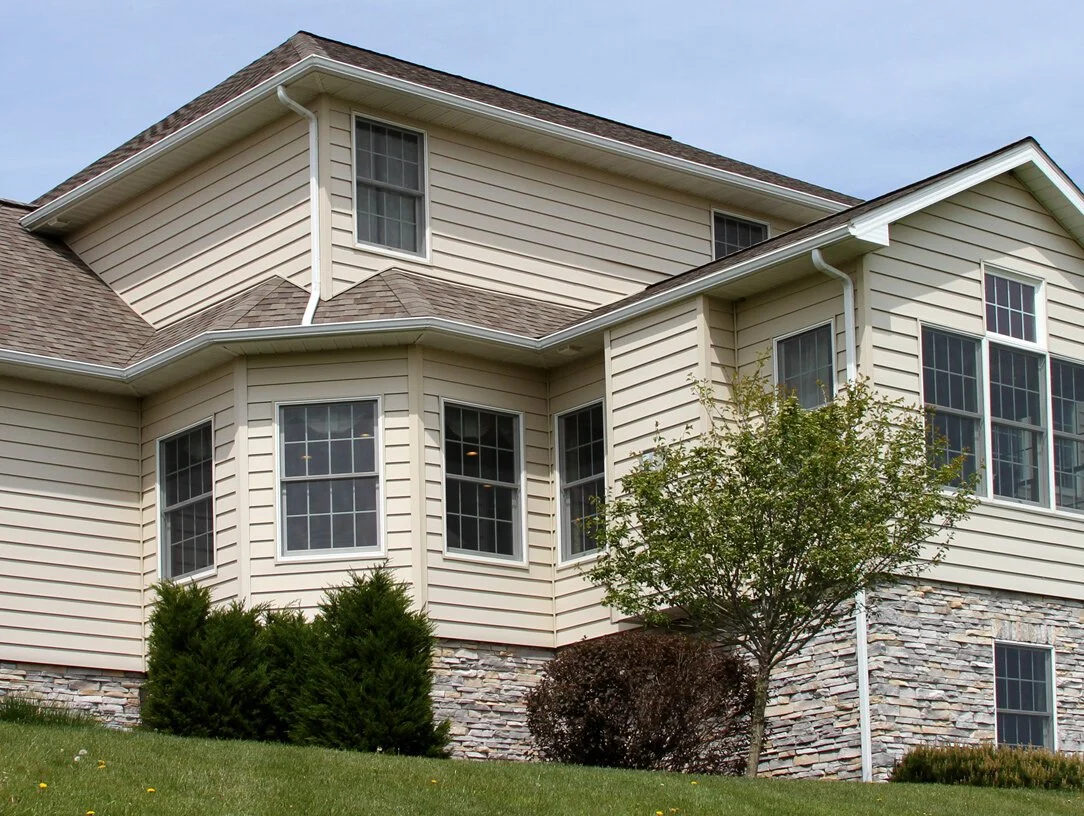
You're standing in your driveway in Sterling Heights or Rochester Hills, looking at your home's siding. Maybe the color's faded to something that wasn't on the original paint chip. Maybe you've got cracks around the windows, or pieces that pulled loose after last winter's freeze-thaw cycle. You pull out your phone and type "siding contractors near me" into Google.
What comes back is overwhelming. Dozens of names. Some you've never heard of. A few with one-star reviews buried under five perfect ones that all sound like they were written by the same person. Prices that range from suspiciously cheap to "are they installing gold panels?" And everyone's got a badge or certification you've never heard of.
Here's what 35 years of running a Detroit siding company has taught us: finding a contractor in Southeast Michigan isn't hard because there aren't good ones. It's hard because the bad ones have gotten very good at looking legitimate. This guide walks you through what actually matters when you're vetting siding contractors in Macomb, Oakland, and St. Clair counties—and what's just noise.
What Actually Matters When Choosing a Siding Contractor
Let's start with the non-negotiables. These aren't "nice to have" items—they're the baseline for any contractor you should even consider.
Michigan Residential Builder License
In Michigan, anyone doing siding work over $600 must hold a Residential Builder License issued by the Department of Licensing and Regulatory Affairs (LARA). Not a business license. Not a contractor registration. A builder's license. You can verify this online in about 30 seconds. If they don't have one, or they dodge the question, you're done. Walk away.
NEXT Exteriors has held a Michigan Residential Builder License since 1988 under our parent company, Premier Builder Inc. It's not a marketing point—it's the law. And it exists because Michigan takes building seriously. Our winters destroy bad work. Our building codes reflect that.
Insurance That Actually Protects You
A contractor should carry two types of insurance: general liability and workers' compensation. General liability covers damage to your property. Workers' comp covers injuries to their crew. If they don't have workers' comp and someone gets hurt on your property, you could be liable. This isn't theoretical—we've seen it happen.
Ask for certificates of insurance. Not "we're insured"—actual proof. And check the dates. Expired coverage is the same as no coverage.
Experience With Michigan-Specific Conditions
Southeast Michigan isn't a generic climate. We get lake-effect snow dumps in Macomb County. We get freeze-thaw cycles that crack vinyl siding if it's not installed with proper expansion gaps. We get summer storms that test every fastener. A contractor who learned their trade in Arizona or Florida doesn't understand how moisture moves through a Michigan wall assembly in January.
When you're interviewing contractors, ask about their experience with Michigan weather. How do they handle ice dam prevention? What's their approach to moisture barriers in our humidity? How do they account for thermal expansion in vinyl siding during 80-degree temperature swings? If they look confused, that's your answer.
Why This Matters: We've repaired dozens of siding jobs in Troy and Bloomfield Hills where out-of-state contractors installed beautiful materials using techniques that don't work here. The siding looked great in October. By March, panels were buckling, trim was splitting, and water was getting behind the house wrap. Materials don't fail in Michigan—installations do.
Material Partnerships and Certifications
Major manufacturers like James Hardie, CertainTeed, and LP SmartSide don't certify just anyone. To become a certified installer, you have to prove you know their products, attend training, and maintain quality standards. NEXT Exteriors is a CertainTeed Master Shingle Applicator—the highest credential CertainTeed offers—and we're certified with James Hardie and LP SmartSide for siding installations.
Why does this matter? Because manufacturer certifications often unlock better warranties. A James Hardie contractor can offer a 30-year product warranty plus a 15-year labor warranty. A non-certified contractor installing the same product? You might get the product warranty, but you're on your own for labor. When a $15,000 siding job starts failing in year five, that distinction becomes expensive.

The Questions Most Homeowners Forget to Ask
You've found a contractor with a license, insurance, and good reviews. Now comes the part most people skip: the detailed questions. These separate professionals from people who just showed up.
What's Included in Your Warranty?
This is where things get murky. A contractor might say "50-year warranty" and you assume you're covered. But dig deeper: is that warranty on materials or labor? Who honors it—the manufacturer or the contractor? What voids it?
At NEXT Exteriors, we're transparent about this. Material warranties come from the manufacturer—CertainTeed, James Hardie, LP SmartSide. Labor warranties come from us. We spell out exactly what's covered, for how long, and what you need to do (usually just normal maintenance) to keep it valid. If a contractor can't explain their warranty structure in plain English, that's a problem.
Who's Actually Doing the Work?
Some contractors are project managers. They sell the job, then hire subcontractors to do the work. There's nothing inherently wrong with this, but it adds a layer of separation between you and the people on your roof. If something goes wrong, who do you call?
We run employee-based crews. The people who show up at your house in Shelby Township or Clinton Township work for NEXT Exteriors. They've been trained by us, they follow our quality standards, and if you have a question at 2 PM on a Tuesday, they can answer it. When we say "our crew," we mean it literally.
What's Your Timeline, and What Could Delay It?
A siding job on a typical ranch home in Macomb County takes 5-7 days in good weather. But "good weather" in Michigan is a moving target. Spring rains. Summer storms. Early snow. A professional contractor builds weather delays into their timeline and communicates proactively.
Ask how they handle delays. Do they have a system for keeping you updated? Will they store materials on-site or bring them as needed? What happens if they're halfway through and a storm rolls in? These aren't hypothetical questions in Michigan—they're planning questions.
How Do You Handle Payment?
This is where scams happen. A contractor asks for 50% upfront, does two days of work, then disappears. Or they finish the job poorly and demand full payment before you've had a chance to inspect it.
Standard practice in Michigan: a deposit to secure materials (usually 10-30%), a payment at the midpoint when significant progress is visible, and final payment upon completion and your approval. If someone wants the entire amount upfront, or insists on cash only, that's a red flag the size of a CertainTeed Landmark shingle.
We also offer financing options through our exterior services in Detroit and surrounding areas, because we understand that a $12,000 siding project isn't always in the monthly budget—even when it's necessary.
Siding Materials That Work in Southeast Michigan
Not all siding is created equal, and not all siding works equally well in our climate. Here's what we install most often in Southeast Michigan, and why.
Vinyl Siding: The Workhorse
Vinyl gets a bad reputation, but modern vinyl siding—especially premium products from CertainTeed—performs exceptionally well in Michigan. It doesn't rot, it doesn't need painting, and it handles freeze-thaw cycles better than wood-based products. The key is proper installation.
Vinyl expands and contracts with temperature changes. In Michigan, that's a 100-degree swing from summer to winter. If it's nailed too tight, it buckles. If expansion gaps aren't correct, panels pull apart. We see this constantly on DIY jobs and cut-rate contractor work. The material isn't the problem—the installation is.
Cost: $4-$8 per square foot installed, depending on profile and thickness. A 2,000-square-foot home runs $8,000-$16,000.
James Hardie Fiber Cement: The Upgrade
Fiber cement siding is engineered specifically for climates like ours. It's dimensionally stable (doesn't expand and contract like vinyl), it's non-combustible, it resists woodpeckers and insects, and it holds paint better than any wood product. James Hardie's ColorPlus technology bakes the finish on in a factory-controlled environment, giving you a finish that lasts 15+ years without repainting.
The tradeoff: it's heavier and more labor-intensive to install, which drives up cost. But for homeowners in Grosse Pointe Farms or Bloomfield Hills who want the look of wood without the maintenance, fiber cement is the answer. We've installed hundreds of James Hardie jobs across Oakland County, and the material simply performs.
Cost: $8-$12 per square foot installed. A 2,000-square-foot home runs $16,000-$24,000.
LP SmartSide Engineered Wood: The Middle Ground
LP SmartSide is treated wood with a resin overlay that resists moisture and insects. It's lighter than fiber cement, easier to work with than vinyl, and it takes paint beautifully. It's a good option for homeowners who want a wood-grain texture but don't want the cost of fiber cement.
In Michigan, we treat all wood-based siding with respect for moisture. Proper flashing, house wrap, and drainage details aren't optional—they're mandatory. LP SmartSide is a quality product, but it still needs to be installed correctly to last.
Cost: $6-$10 per square foot installed. A 2,000-square-foot home runs $12,000-$20,000.
Real Talk on Material Costs: Homeowners in Royal Oak and Sterling Heights often ask why prices vary so much. The answer is usually labor, not materials. A cheap bid often means rushed work, minimal prep, and shortcuts on flashing and moisture barriers. You'll save $3,000 now and spend $8,000 in five years fixing it. We've built our reputation on doing it right the first time, even when it costs a bit more upfront.
Red Flags: How to Spot a Bad Contractor
After 35 years in the business, we've seen every trick. Here's what should make you walk away immediately.
High-Pressure Sales Tactics
"This price is only good if you sign today." "We have a crew in your neighborhood right now." "I can give you a discount if you let us use your house as a model home." These are sales tactics designed to prevent you from thinking clearly or getting other bids. Legitimate contractors don't operate this way. We give you a detailed written estimate, we encourage you to get multiple quotes, and our pricing doesn't change based on how fast you decide.
No Physical Address or Local Presence
If a contractor's address is a P.O. box or their "office" is a cell phone, that's a problem. NEXT Exteriors has been at 233 Church Street in Mount Clemens since 1988. We're in the phone book. We're on Google Maps. If something goes wrong in year three, you know where to find us. Storm chasers and fly-by-night operators don't give you that security.
Unusually Low Bids
If one bid is 40% lower than the others, there's a reason. Maybe they're cutting corners on materials. Maybe they're skipping the house wrap. Maybe they're not pulling permits (yes, siding often requires permits in Michigan). Maybe they're not paying workers' comp and hoping nobody gets hurt. Low bids aren't deals—they're warnings.
Poor Communication
If a contractor is hard to reach before you've signed a contract, imagine how hard they'll be to reach when you have a problem. We return calls within 24 hours. We show up for estimates when we say we will. We communicate delays proactively. This isn't exceptional service—it's basic professionalism. If a contractor can't manage it before they have your money, they certainly won't after.
What a Professional Siding Installation Looks Like
Most homeowners have never seen a siding job done right from start to finish. Here's what should happen on a professional installation in Southeast Michigan.
Substrate Inspection and Repair
Before any new siding goes up, the old siding comes off and we inspect the sheathing underneath. On homes built in the 1960s and 70s—common in Warren, St. Clair Shores, and Lake Orion—we often find rotted OSB or water damage around windows. This gets repaired before new siding is installed. Covering up rot with new siding doesn't fix anything—it just hides the problem until it gets worse.
House Wrap and Moisture Barrier
Every wall gets wrapped with a weather-resistant barrier—usually Tyvek or a similar product. This is your second line of defense against water. Siding is the first line, but wind-driven rain in Michigan storms can get behind siding. The house wrap stops it from reaching the sheathing. Seams get taped. Penetrations get flashed. This step takes time, and it's invisible once the siding goes up, which is why cheap contractors skip it.
Proper Flashing Around Windows and Doors
Water doesn't flow uphill. It finds the path of least resistance, and in Michigan, that path is often around windows and doors. We install metal flashing above every window and door, integrated with the house wrap, to direct water away from the opening. This is building science, not guesswork. When we repair failed siding jobs, missing or improper flashing is the number one cause.
Ventilation Behind the Siding
Some siding products (like fiber cement and LP SmartSide) benefit from a ventilation gap between the siding and the house wrap. This allows any moisture that gets behind the siding to dry out instead of sitting against the sheathing. In Michigan's humid summers, this matters. We use furring strips or specialized house wrap products that create this gap automatically.
Attention to Trim and Details
The difference between a good siding job and a great one is in the trim work. Corner boards should be plumb. J-channel around windows should be tight and caulked. Soffit and fascia should integrate cleanly with the siding. This is where craftsmanship shows—or doesn't. Our crews take pride in this work because it's what you see every day when you pull into your driveway.
If you're also considering Detroit roofing services or need seamless gutters in Detroit, MI, coordinating these projects with your siding installation can save time and ensure all your exterior components work together properly—especially for water management.

Why Local Experience Matters in Michigan
You can hire a contractor from anywhere. But there's value in working with someone who understands Southeast Michigan specifically.
Local Building Codes and Permit Requirements
Building codes vary by municipality. What's required in Troy might differ slightly from what's required in Chesterfield Township. A local contractor knows these codes, knows which inspectors to expect, and knows how to navigate the permit process without delays. We've been pulling permits in Macomb, Oakland, and St. Clair counties for 35 years. It's routine for us. For an out-of-area contractor, it's a learning curve—on your project.
Material Availability and Supply Chains
We have relationships with local suppliers. When we need James Hardie siding in a specific color, we know who has it in stock. When a storm damages your home and you need materials fast, we can get them. National contractors ordering from out-of-state warehouses add days or weeks to the timeline. In Michigan, where weather windows are narrow, that matters.
Understanding Storm Damage and Insurance Claims
Michigan gets hit with severe storms—hail, wind, ice. When your siding gets damaged, you're often dealing with an insurance claim. We've worked with every major insurance company operating in Southeast Michigan. We know what documentation they need, how to write estimates they'll accept, and how to advocate for our customers when claims get disputed. This experience is worth thousands of dollars when you're navigating a claim after a storm hits Rochester Hills or Macomb.
Community Reputation and Accountability
We live here. Our kids go to school in these communities. We sponsor local Little League teams. We volunteer with Habitat for Humanity of Oakland County and LifeBUILDERS in Detroit. Our reputation isn't just online reviews—it's what people say about us at the hardware store in Mount Clemens or the coffee shop in Sterling Heights. That accountability keeps us honest in ways a national chain or out-of-state contractor will never experience.
We've also built strong relationships with other trades. If your siding project reveals an issue that needs a top-rated insulation contractor in Detroit or if you want to upgrade your Detroit window experts at the same time, we can coordinate that work seamlessly—or recommend trusted partners if it's outside our scope.
A Note on Reviews: We're proud of our 5.0-star average rating across 87+ reviews and our A+ BBB accreditation since 2006. But we also know that reviews can be gamed. When you're evaluating contractors, look for detailed reviews that mention specific crew members, describe the actual work process, and include photos. Generic five-star reviews that sound like ad copy are often fake. Real reviews—even the four-star ones that mention a minor hiccup that got resolved—are more trustworthy.
What Happens After You Choose a Contractor
You've done your research. You've asked the right questions. You've chosen a contractor. Here's what the process looks like with NEXT Exteriors—and what it should look like with any professional contractor.
Site Visit and Detailed Estimate: We come to your home, measure everything, discuss material options, and provide a written estimate that breaks down materials, labor, timeline, and warranty coverage. No surprises.
Contract and Permitting: Once you approve the estimate, we draft a contract that spells out the scope of work, payment schedule, and timeline. We handle all permit applications with your local building department.
Material Ordering: We order materials and schedule delivery to align with the installation timeline. If you're in Clinton Township and we're installing James Hardie, we'll coordinate delivery so materials aren't sitting in your driveway for two weeks.
Installation: Our crew shows up when we say they will, works efficiently, and cleans up at the end of each day. We protect your landscaping, your driveway, and your sanity. Siding installation is messy, but it doesn't have to be chaotic.
Final Inspection and Walkthrough: When the job is complete, we walk the property with you, answer any questions, and make sure you're satisfied before we ask for final payment. If there's a detail that needs adjustment, we handle it then—not six months later.
Warranty Documentation: We provide you with all warranty information—both manufacturer warranties for materials and our labor warranty—in writing. Keep this with your home maintenance records.
If you're planning a larger exterior renovation, consider bundling services. Our Southeast Michigan painting professionals can handle exterior painting with Sherwin-Williams products, and we can coordinate that work with your siding installation for a complete exterior refresh.
The Bottom Line on Finding Siding Contractors in Southeast Michigan
Finding the right siding contractor in Southeast Michigan isn't about who has the slickest website or the lowest bid. It's about finding someone who's licensed, insured, experienced with Michigan's climate, and accountable to the community. Someone who shows up on time, does the work right, and stands behind it when you call five years later with a question.
NEXT Exteriors has been that contractor since 1988. We're not the cheapest option in Macomb County, and we're okay with that. We're the option that's still here in ten years when you need a warranty repair or want to add exterior services in Detroit to another property. We're the option your neighbor recommends because we did their house right.
If you're ready to move forward with a siding project—or if you just have questions about what your home needs—we're here. No pressure. No gimmicks. Just honest answers from people who've been doing this work in Michigan winters for 35 years.
Ready to Get Started?
NEXT Exteriors has been protecting Michigan homes since 1988. Get a free, no-pressure estimate from a team that shows up on time and does the job right.
Get Your Free QuoteOr call us: (844) 770-6398
Frequently Asked Questions
For a typical 2,000-square-foot home in Metro Detroit, expect to pay $8,000-$16,000 for vinyl siding, $16,000-$24,000 for James Hardie fiber cement, or $12,000-$20,000 for LP SmartSide engineered wood. Costs vary based on material choice, home complexity (lots of corners, windows, and architectural details increase labor), and whether substrate repairs are needed. We provide detailed written estimates that break down materials and labor so you know exactly what you're paying for.
In most Michigan municipalities, yes. Siding replacement typically requires a building permit, especially if you're changing materials or making structural modifications. Permit requirements vary by city—Troy, Sterling Heights, and Warren each have slightly different processes. A licensed contractor handles permit applications as part of the project. Skipping permits might save $200 now, but it can create major problems when you sell your home or file an insurance claim.
A typical single-family home in Southeast Michigan takes 5-7 days for complete siding replacement in good weather. Larger homes, complex architecture, or extensive substrate repairs can extend this to 10-14 days. Weather is the wild card—spring rains and summer storms can add delays. Professional contractors build weather contingencies into their timeline and communicate proactively if delays occur. We don't rush jobs to meet arbitrary deadlines; we do them right.
There's no single "best" material—it depends on your priorities. Vinyl siding handles freeze-thaw cycles well, requires minimal maintenance, and costs less upfront. James Hardie fiber cement offers superior durability, fire resistance, and paint retention but costs more. LP SmartSide engineered wood provides a wood-grain aesthetic at a mid-range price point. All three perform well in Michigan when installed correctly. The key is proper installation: correct fastening, adequate expansion gaps, proper flashing, and weather-resistant barriers.
If your windows are also near the end of their lifespan (15-20 years for most windows in Michigan), replacing them before or during a siding project makes sense. New windows get properly flashed and integrated with the new house wrap and siding, creating a better moisture barrier. It also saves money on labor—scaffolding and site setup costs are shared between both projects. We coordinate window and siding installations regularly for homeowners in Oakland and Macomb counties who want a complete exterior refresh.
Visit the Michigan Department of Licensing and Regulatory Affairs (LARA) website and search their public database of licensed builders. You'll need the contractor's name or license number. The database shows license status, issue date, expiration date, and any disciplinary actions. NEXT Exteriors operates under Premier Builder Inc.'s Michigan Residential Builder License, active since 1988. This takes 30 seconds to verify and should be the first thing you do when evaluating any contractor in Southeast Michigan.
Ask about their Michigan builder's license and insurance coverage (request certificates). Ask who will actually do the work—employees or subcontractors. Ask about their warranty structure—what's covered by the manufacturer vs. the contractor, and for how long. Ask how they handle substrate damage discovered during tear-off. Ask about their timeline and how they communicate delays. Ask for local references from projects completed in the last year. And ask how they handle payment—be wary of large upfront deposits or cash-only requirements.
What Siding Warranties Cover: Moisture & Rot Protection
Learn what siding warranties actually cover for moisture and rot damage in Michigan. NEXT Exteriors explains manufacturer warranties, labor coverage, and what to expect.
You've invested thousands in new siding for your Michigan home. The sales rep promised a "50-year warranty" that covers everything. Then water gets behind a panel during a spring thaw, rot starts spreading through the sheathing, and you pull out the warranty paperwork only to discover the damage isn't covered.
This scenario plays out more often than it should across Southeast Michigan — from Sterling Heights to Rochester Hills to Grosse Pointe Farms. Homeowners assume their siding warranty protects them against moisture intrusion and rot damage, but the reality is more nuanced. Understanding what siding warranties actually cover for moisture and rot damage can save you thousands in unexpected repair costs and protect your home's structural integrity.
After 35+ years installing house siding in Detroit and across Macomb, Oakland, and St. Clair counties, we've seen every warranty scenario imaginable. Here's what Michigan homeowners need to know about siding warranty coverage for moisture and rot damage — and what you can do to protect your investment.
Understanding Siding Warranty Types
Before we dive into moisture and rot coverage specifics, you need to understand that "siding warranty" actually refers to multiple separate warranties working together — or sometimes not working together at all.
Manufacturer Material Warranty
This covers defects in the siding material itself. For vinyl siding, manufacturers like CertainTeed and Mastic typically offer 25-year to lifetime limited warranties against manufacturing defects, including warping, cracking, peeling, or excessive fading. For fiber cement products like James Hardie, you're looking at 30-year limited warranties on the product and 15-year limited warranties on finish.
The critical word here is "limited." Manufacturer warranties cover product failures — not installation failures, not substrate issues, and not damage from external sources. If your James Hardie board splits because of a manufacturing flaw in the cement formulation, that's covered. If it splits because the installer didn't leave proper expansion gaps for Michigan's freeze-thaw cycles, that's not covered under the material warranty.
Labor and Workmanship Warranty
This is where things get interesting — and where many homeowners discover gaps in coverage. The contractor who installs your siding should provide a separate workmanship warranty covering installation errors. At NEXT Exteriors, we provide comprehensive labor warranties on all our exterior services in Detroit and surrounding areas because we know proper installation is where moisture protection actually happens.
A quality workmanship warranty should cover installation-related moisture intrusion for at least 5-10 years. This includes issues like improperly flashed windows, missing J-channel sealant, or incorrectly installed moisture barriers that allow water penetration.
Transferability for Resale Value
Most manufacturer warranties are transferable to subsequent homeowners, which adds real value when you sell. However, transfer terms vary significantly. Some warranties transfer with full coverage, others transfer with reduced coverage (often dropping from a 50-year to a 25-year term), and nearly all require proper registration and transfer documentation.
If you're buying a home in Royal Oak or Bloomfield Hills with relatively new siding, ask the seller for warranty documentation and verify transfer eligibility before closing. If you're selling, having transferable warranty documentation ready can be a legitimate selling point.
What's Actually Covered: Moisture and Rot Damage
Now we get to the heart of the question: what siding warranty coverage actually includes for moisture and rot damage. The answer depends entirely on the cause of the moisture intrusion and where the rot occurs.
Manufacturing Defects That Allow Moisture
If the siding material itself has a manufacturing defect that allows moisture penetration — such as porous areas in fiber cement boards, cracks in vinyl panels that develop without external impact, or finish failures that allow water absorption — that's typically covered under the manufacturer warranty.
For example, if a James Hardie ColorPlus finish develops premature cracking that allows water to penetrate the substrate, and you can demonstrate this happened within the warranty period without impact damage or improper maintenance, James Hardie should replace the affected boards. Similarly, if vinyl siding develops stress cracks at the nail line due to material defects (not installation errors), the manufacturer should replace those panels.
Critical distinction: The manufacturer warranty covers the siding material replacement — not the underlying rot damage to your sheathing, studs, or insulation. If defective siding allowed water intrusion that rotted your wall cavity, you're replacing the siding panels under warranty but paying out of pocket for the structural repairs.
Installation Failures That Cause Moisture Intrusion
This is where workmanship warranties come into play. Proper siding installation in Michigan requires multiple moisture-management layers:
- House wrap or building paper installed as a weather-resistant barrier
- Properly integrated flashing around windows, doors, and penetrations
- Correct fastener placement that allows for thermal expansion without creating water entry points
- Sealed joints and transitions where different materials meet
- Proper drainage plane that allows moisture to escape if it gets behind the siding
If moisture gets behind your siding because the installer didn't flash your windows correctly, didn't overlap the house wrap properly, or installed panels too tightly without expansion gaps, that's an installation failure. A comprehensive workmanship warranty from a reputable Detroit siding company should cover the cost to correct the installation and repair resulting moisture damage.
The challenge? Proving causation. Was the moisture intrusion caused by installation error, or by a storm event that drove water past properly installed materials? This is where documentation, photos from the original installation, and working with an experienced contractor matters.
Substrate Protection and Rot Coverage
Here's what catches most homeowners off guard: virtually no siding warranty covers rot damage to the substrate (the sheathing, studs, and framing behind the siding). Warranties cover the siding material itself, not the structure it's attached to.
If you discover rot in your wall cavity during a siding replacement project, that repair is on you — even if the rot was caused by moisture that got past defective siding. The manufacturer might replace the defective siding panels, but they're not paying for the carpenter to sister new studs or replace rotted OSB sheathing.
This is exactly why proper installation matters so much in Michigan's climate. The siding is your first line of defense, but the moisture barrier system behind it is what actually protects your structure. When we install siding at NEXT Exteriors, we're not just thinking about the warranty — we're thinking about keeping water out of your walls for the next 30 years.
What's NOT Covered (The Fine Print)
Warranty exclusions are where homeowners get burned. Let's walk through the common scenarios that void or exclude coverage for moisture and rot damage.
Improper Installation (When It's Not the Original Installer)
If you hire a handyman to add a new outlet through your siding and they don't seal the penetration correctly, causing water intrusion and rot, that's not covered by any warranty. Modifications, additions, or repairs by non-authorized contractors typically void manufacturer warranties and aren't covered by the original installer's workmanship warranty.
This comes up frequently with window replacement in Detroit projects. If you replace windows after siding installation and the window installer doesn't properly integrate flashing with your existing siding, resulting moisture damage isn't the siding contractor's responsibility.
Lack of Maintenance
Most warranties require "reasonable maintenance" to remain valid. For vinyl siding, this typically means annual cleaning to prevent mildew and algae growth. For fiber cement, it means repainting within the specified timeframe (usually every 10-15 years) and keeping caulked joints maintained.
If you never clean your siding, mildew grows unchecked, and moisture gets trapped against the material causing degradation, the manufacturer can deny your warranty claim based on lack of maintenance. Similarly, if you don't repaint James Hardie on schedule and the exposed substrate absorbs moisture, that's on you.
Storm Damage and Acts of God
Warranties don't cover damage from external forces. If a tree branch punctures your siding during a summer storm, allowing water intrusion and rot, that's not a warranty issue — that's an insurance claim. Same goes for hail damage, impact from flying debris, or damage from ice dams that form due to inadequate attic insulation in Metro Detroit.
The distinction: if your siding fails under normal weather conditions it was designed to handle, that's potentially a warranty issue. If it fails because of extreme events or impacts, that's not.
Pre-Existing Substrate Issues
If rot was already present in your sheathing or framing before siding installation, that's not covered by any siding warranty. This is why reputable contractors inspect and address substrate issues before installing new siding.
We've done siding projects in Clinton Township and Shelby Township where we discovered existing rot during tear-off. We document it, discuss repair options with the homeowner, and make sure the substrate is sound before new siding goes up. If we just covered over rot with new siding, the homeowner would have zero recourse when that rot continued spreading.
How Michigan Weather Affects Warranty Claims
Michigan's climate creates specific challenges for siding warranty coverage. Our freeze-thaw cycles, lake-effect moisture, and temperature swings put stress on siding systems that homeowners in milder climates never experience.
Freeze-Thaw Cycles and Expansion/Contraction
Vinyl siding can expand and contract up to 1/2 inch over a 12-foot panel when temperatures swing from -10°F in January to 95°F in July. If installers don't account for this movement with proper fastening techniques and expansion gaps, panels can buckle, crack, or pull away from the structure — creating gaps where water intrudes.
The warranty question: Is the cracking due to a material defect, or due to improper installation that didn't account for thermal movement? Manufacturers will argue installation error. Installers might argue the material became brittle. This is where having a contractor who documents their installation process matters.
At NEXT Exteriors, we follow manufacturer specifications exactly for fastener placement, expansion gaps, and nailing techniques. We photograph key details during installation. If a warranty claim arises years later, we have documentation showing we installed to spec.
Ice Dam Water Intrusion
Ice dams are a fact of life in Southeast Michigan. When they form, water backs up under shingles and can run down behind siding, especially at roof-to-wall transitions. This moisture intrusion can cause rot in wall cavities, but it's not a siding warranty issue — it's a roofing and ventilation issue.
The solution isn't better siding — it's proper attic insulation and ventilation to prevent ice dam formation in the first place. We address this holistically when working on homes in Lake Orion or Rochester Hills, looking at the entire building envelope, not just the siding.
Humidity and Condensation Issues
Michigan's humidity — especially near the lakes — creates condensation challenges inside wall cavities. If moisture-laden interior air reaches cold exterior sheathing, condensation forms and rot can develop even with perfectly installed siding.
This isn't a siding warranty issue — it's a vapor barrier and ventilation issue. The siding isn't failing; the building envelope isn't managing moisture vapor correctly. Solutions involve proper interior vapor barriers, adequate wall cavity ventilation, and sometimes upgrading to spray foam insulation that acts as both insulation and air barrier.

Protecting Your Warranty Investment
Understanding what's covered is only half the battle. Here's how to maximize your warranty protection for moisture and rot issues.
Hire a Contractor Who Stands Behind Their Work
The best warranty protection is proper installation from the start. Look for contractors with:
- Michigan Residential Builder's License (required by law, but not all contractors bother)
- Manufacturer certifications (CertainTeed Master Shingle Applicator, James Hardie Preferred Contractor, etc.)
- Comprehensive workmanship warranties that specifically cover moisture intrusion
- Long track record in Michigan's climate (we've been doing this since 1988)
- BBB A+ rating and verifiable customer reviews
When you work with a contractor who's been serving the same communities for decades, they can't afford to do shoddy work. We still see homeowners in Warren and St. Clair Shores whose parents we worked for in the 1990s. That accountability matters.
Register Your Warranty Immediately
Most manufacturer warranties require registration within 30-90 days of installation. Miss that window, and your 50-year warranty might revert to a standard 10-year coverage. Set a calendar reminder, keep your installation paperwork, and register online as soon as the project is complete.
Keep copies of:
- Warranty registration confirmation
- Original contract and invoices
- Product specifications and color selections
- Installation photos (ask your contractor for these)
- Maintenance records
Document Everything
If you notice potential moisture issues — water stains inside, soft spots in siding, peeling paint, or musty odors — document them immediately with photos and dates. Contact your installer right away. Warranty claims are easier to process when issues are caught early and reported promptly.
Don't wait until rot has spread through half your wall cavity. If you see a problem, call a professional to investigate. Early intervention can mean the difference between a simple warranty repair and a multi-thousand-dollar structural fix.
Maintain Your Siding Properly
Follow manufacturer maintenance guidelines:
- Vinyl siding: Wash annually with mild detergent and water. Check caulked joints and reseal as needed.
- Fiber cement: Repaint per manufacturer schedule (typically 10-15 years). Inspect and touch up caulking around penetrations.
- Engineered wood (LP SmartSide): Repaint every 5-7 years. Keep vegetation trimmed back from siding to prevent moisture retention.
We also recommend annual inspections of your entire exterior envelope — siding, roofing, gutters, and windows — to catch small issues before they become expensive problems.
Cost Reality: Warranty Value Over Time
Let's talk about what warranties are actually worth in real-world scenarios, because the numbers matter when you're making a significant investment in your home's exterior.
Prorated vs. Non-Prorated Coverage
Many siding warranties are prorated, meaning coverage decreases over time. A "50-year warranty" might provide 100% material replacement for the first 10 years, then decrease by 2% per year after that. By year 30, you're getting 60% coverage — you're paying 40% of material costs plus 100% of labor.
Non-prorated warranties maintain full coverage for the entire term, but they're rarer and usually only available on premium products. Always read the warranty terms to understand the actual coverage schedule.
Labor Cost Considerations
Here's the expensive reality: most manufacturer warranties cover material replacement only, not labor. If defective siding needs replacement in year 15, the manufacturer sends you new panels, but you're paying the contractor's labor to remove the old siding, address any substrate damage, and install the replacement.
Labor typically represents 40-60% of siding project costs. On a $15,000 siding job, you might be looking at $6,000-9,000 in labor. Even with free replacement materials under warranty, you're still writing a substantial check.
This is why comprehensive workmanship warranties that include labor coverage for a reasonable period (5-10 years minimum) provide real value. They protect you during the window when installation-related failures are most likely to appear.
Real Replacement Scenarios
Let's walk through a realistic warranty scenario:
You installed James Hardie fiber cement siding in 2020. In 2026, you notice water stains inside your wall near a window. Investigation reveals the window wasn't properly flashed during installation, allowing water intrusion that's rotted the sheathing around the opening.
Material warranty: Doesn't apply — the James Hardie boards aren't defective.
Workmanship warranty: If you hired a reputable contractor with a comprehensive labor warranty, they should repair the flashing error and replace damaged materials at no cost. If you hired the low bidder with a 1-year warranty, you're paying out of pocket.
Actual cost: Proper repair involves removing siding around the window, replacing rotted sheathing, installing new flashing, and reinstalling siding. Material cost might be $300-500. Labor cost could be $1,500-2,500. Total: $2,000-3,000.
With a good workmanship warranty: $0. Without: $2,000-3,000 out of pocket.
This is why we emphasize warranty coverage when homeowners are comparing quotes. The cheapest bid often comes from contractors who won't be around in five years to honor their warranty — if they even offered a meaningful one.
When to Call a Contractor About Warranty Issues
Don't wait until rot is visible from the street. Call a professional if you notice:
- Water stains or discoloration on interior walls, especially near windows or corners
- Soft spots or flex when you press on siding panels
- Visible gaps or separation at joints, corners, or around penetrations
- Peeling or bubbling paint on fiber cement siding (indicates moisture underneath)
- Warped or buckled panels that weren't there originally
- Musty odors inside the home, especially in exterior walls
- Increased energy bills without explanation (could indicate air/moisture infiltration)
- Mold or mildew growth on siding that returns quickly after cleaning
Early detection saves money. A small flashing repair caught in year two costs hundreds. The same issue left unaddressed until year ten costs thousands because now you're dealing with structural rot.
If you're in Macomb, Oakland, or St. Clair County and notice any of these signs, contact NEXT Exteriors for a thorough inspection. We'll identify the source of moisture intrusion, determine whether it's a warranty issue, and provide honest recommendations for repair — whether that's a warranty claim or a paid repair.
Other services that protect your home's exterior: Proper moisture management isn't just about siding. We also provide professional roofing services, seamless gutter installation, energy-efficient window replacement, and exterior painting — all critical components of keeping water out of your walls.
Ready to Get Started?
NEXT Exteriors has been protecting Michigan homes since 1988. Get a free, no-pressure estimate from a team that shows up on time and does the job right — with comprehensive warranties that actually protect your investment.
Get Your Free QuoteOr call us: (844) 770-6398
Frequently Asked Questions About Siding Warranties and Moisture Damage
Siding warranties typically cover defects in the siding material itself, but not water damage to your home's structure (sheathing, framing, insulation). If defective siding allows water intrusion, the manufacturer may replace the siding panels, but you're responsible for repairing structural damage. A comprehensive workmanship warranty from your installer should cover moisture intrusion caused by installation errors, including related structural repairs.
A manufacturer warranty covers defects in the siding material — warping, cracking, fading, or manufacturing flaws. A workmanship (or labor) warranty covers installation errors — improper flashing, incorrect fastening, missing moisture barriers, or other installation mistakes that lead to problems. You need both for complete protection. The manufacturer warranty might last 30-50 years, while workmanship warranties typically run 5-10 years from reputable contractors.
No. Siding warranties cover the siding material, not the substrate behind it. If rot develops in your sheathing, studs, or wall cavity, that repair is your responsibility even if defective or improperly installed siding caused the moisture intrusion. This is why proper installation with comprehensive moisture barriers is critical in Michigan's climate — the warranty won't save you from structural rot damage.
Most manufacturer warranties are transferable to subsequent homeowners, but terms vary. Some transfer with full coverage, others with reduced terms (a 50-year warranty might become 25 years upon transfer). Warranties must typically be registered with the manufacturer, and transfer may require documentation and sometimes a fee. Check your specific warranty terms and keep all documentation organized for potential buyers.
Common warranty voids include: improper maintenance (not cleaning vinyl siding, not repainting fiber cement on schedule), modifications or repairs by unauthorized contractors, impact damage from storms or accidents, installation over defective substrate, painting or coating products not designed to be painted, and failure to register the warranty within the required timeframe. Always follow manufacturer maintenance guidelines and document your compliance.
Reputable contractors should offer workmanship warranties of at least 5-10 years, with some offering longer coverage on premium installations. Be wary of contractors offering only 1-year warranties or no written warranty at all. Installation-related failures (improper flashing, moisture barrier issues) typically appear within the first 5-7 years, so adequate workmanship warranty coverage during this period is essential for protecting your investment.
Ice dam damage is typically not covered by siding warranties because it's considered an external event, not a product or installation defect. However, it may be covered by your homeowner's insurance policy depending on your coverage. The real solution is preventing ice dams through proper attic insulation and ventilation. If ice dams repeatedly cause moisture intrusion behind your siding, address the root cause rather than relying on warranty or insurance coverage.
Siding Contractors Near Me Southeast Michigan | NEXT Exteriors
Looking for trusted siding contractors in Southeast Michigan? NEXT Exteriors has served Macomb, Oakland & St. Clair counties since 1988. Licensed, A+ rated, 500+ projects completed.

If you've ever typed "siding contractors near me" into Google while standing in your driveway staring at cracked vinyl or warped boards, you already know the problem: the results are a mess. Fifty companies you've never heard of, all claiming to be the best, half of them with stock photos and vague promises.
Here's the truth from someone who's been doing this work in Southeast Michigan since 1988: finding a house siding company in Detroit that will actually show up, do quality work, and stand behind it is harder than it should be. The barrier to entry in this industry is low. A truck, a crew, and a website — that's all it takes to look legitimate online. But surviving 35 Michigan winters? That requires something else entirely.
This guide will walk you through what actually matters when you're vetting siding contractors in Macomb County, Oakland County, or St. Clair County. We'll cover licensing, material knowledge, installation methods that survive our freeze-thaw cycles, pricing reality, and the red flags that mean you should walk away. Whether you're in Sterling Heights, Rochester Hills, or Grosse Pointe Farms, the principles are the same.
What Separates Good Siding Contractors from Bad Ones in Michigan
The difference between a siding job that lasts 30 years and one that fails in five comes down to three things: licensing, material knowledge, and installation discipline. Let's start with the non-negotiables.
Michigan Residential Builder's License
Any contractor performing siding work over $600 in Michigan is legally required to hold a Residential Builder's License issued by the Department of Licensing and Regulatory Affairs (LARA). This isn't optional. It's the law. The license number should be on their website, their truck, and their estimate. If they can't produce it immediately, you're done talking.
Why does this matter? Because getting that license requires proof of experience, passing a trade exam, maintaining liability insurance, and posting a bond. It creates accountability. Unlicensed contractors disappear when problems arise. Licensed contractors can't — their livelihood depends on that credential.
At NEXT Exteriors, our Michigan Residential Builder's License has been active since 1988 under Premier Builder Inc. It's not something we hide in fine print. It's the foundation of everything we do, and it should be the first thing you verify with any contractor you're considering.
Insurance: General Liability and Workers' Compensation
Siding installation involves ladders, power tools, and heavy materials. Accidents happen. If a contractor's employee gets hurt on your property and the company doesn't carry workers' compensation insurance, guess who's liable? You are.
Ask for certificates of insurance for both general liability (protects you if they damage your property) and workers' compensation (protects you if someone gets injured). Don't just take their word for it — request the actual certificate and verify the coverage is current. A legitimate contractor will have this ready to send within minutes.
Material Knowledge Specific to Michigan's Climate
Not all siding materials perform equally in Michigan. Our freeze-thaw cycles are brutal. We get lake-effect snow, ice dams, summer humidity, and temperature swings from -10°F to 95°F. A contractor who doesn't understand how these conditions affect vinyl expansion, fiber cement moisture absorption, or engineered wood swelling isn't qualified to work on your home.
Here's what competent siding contractors in Southeast Michigan should know:
- Vinyl siding expands and contracts with temperature changes. Nails must be centered in the slots, not driven tight, to allow movement. Failure to do this causes buckling and warping.
- James Hardie fiber cement requires specific clearances from rooflines, grade, and hard surfaces to prevent moisture wicking. It's not vinyl — you can't install it the same way.
- LP SmartSide engineered wood performs well in Michigan if installed correctly, but it requires proper flashing, caulking, and paint maintenance. Shortcuts lead to rot.
- Moisture barriers and house wrap aren't optional. They're the primary defense against water intrusion, which is the number one cause of siding failure in our climate.
If a contractor can't explain why these details matter, they're learning on your house. That's not acceptable.
Manufacturer Certifications
Major siding manufacturers — James Hardie, CertainTeed, LP SmartSide — offer certification programs for contractors. These aren't participation trophies. They require factory training, adherence to installation standards, and ongoing education.
Why does this matter to you? Two reasons. First, certified installers offer better warranties. James Hardie, for example, provides extended warranty coverage only when their products are installed by certified contractors. Second, certification means the contractor has been trained on the specific installation requirements for that product. They're not guessing.
NEXT Exteriors holds certifications from multiple manufacturers, including CertainTeed (we're also a CertainTeed Master Shingle Applicator for Detroit roofing services) and maintains partnerships with James Hardie and LP SmartSide. These relationships give us access to technical support, updated installation protocols, and warranty backing that protects you long after the job is done.
The Real Cost of Siding in Southeast Michigan (2026)
Let's talk money. Siding is expensive, and homeowners in Metro Detroit deserve to know what they're actually paying for before they start getting estimates.
Pricing varies based on material choice, home size, architectural complexity (lots of corners, windows, and trim add labor), and whether you're doing a full replacement or a repair. Here's what you should expect in 2026 for a typical 1,500-square-foot ranch home in Southeast Michigan.
Vinyl Siding: $7,000–$12,000
Vinyl remains the most popular siding choice in Michigan for good reason: it's affordable, low-maintenance, and performs well in our climate when installed correctly. Quality vinyl from manufacturers like CertainTeed or Mastic will run $3–$5 per square foot installed, including removal of old siding, house wrap, trim, and cleanup.
Cheap vinyl (the stuff you see at big-box stores) might save you $1,500 upfront, but it fades faster, cracks in cold weather, and looks dated within five years. It's a false economy. Mid-grade to premium vinyl from a reputable manufacturer will last 25–30 years in Michigan and maintain its appearance.
James Hardie Fiber Cement: $12,000–$20,000
James Hardie is the gold standard for fiber cement siding. It's non-combustible, resists rot and insects, holds paint better than wood, and comes with a 30-year non-prorated warranty. Expect to pay $6–$10 per square foot installed.
Why the higher cost? Fiber cement is heavier than vinyl, requires specialized cutting tools (it creates silica dust, so proper equipment and safety protocols are mandatory), and takes longer to install. The labor cost is significantly higher. But the durability and curb appeal justify the investment, especially if you're planning to stay in your home long-term or you're in a historic district where appearance matters.
We've installed James Hardie on hundreds of homes across Oakland and Macomb counties. The product performs exactly as advertised — it survives Michigan winters without warping, cracking, or fading. If your budget allows for it, it's worth every dollar.
LP SmartSide Engineered Wood: $9,000–$15,000
LP SmartSide sits between vinyl and fiber cement in both cost and performance. It's an engineered wood product treated with zinc borate for rot and insect resistance, and it's factory-primed for painting. Installed cost typically runs $5–$7 per square foot.
SmartSide offers the look of real wood without the maintenance headaches of traditional cedar or pine siding. It's lighter than fiber cement (easier to install, lower labor cost) but more durable than vinyl. It's a solid middle-ground option for homeowners who want the aesthetic of wood siding without the premium price of James Hardie.
What You're Paying For: Labor vs. Material
Here's something most contractors won't tell you: on a typical siding job, labor represents 50–60% of the total cost. Material is only part of the equation. The difference between a $10,000 vinyl siding job and a $7,000 job usually isn't the vinyl — it's the quality of the crew, the prep work, and the attention to detail.
Proper siding installation requires:
- Careful removal of old siding without damaging sheathing
- Inspection and repair of any rotted wood or structural issues
- Installation of high-quality house wrap (Tyvek or equivalent) with proper overlaps and sealing
- Precise measurement and cutting to ensure tight seams and proper expansion gaps
- Correct nailing technique (centered in slots, not overdriven)
- Proper flashing around windows, doors, and penetrations
- Thorough cleanup and disposal of old materials
Cheap bids skip steps. They use thinner house wrap. They don't fix underlying rot. They rush the install and leave gaps where water can get in. You'll pay for those shortcuts later — in energy bills, in water damage, and in a premature replacement.
Budget Reality Check: If you're getting wildly different estimates — say, one bid at $8,000 and another at $14,000 for the same material — don't automatically go with the low bid. Ask what's different. Are they using the same grade of material? The same prep process? The same warranty? Often, the low bid is low because they're cutting corners you can't see until it's too late.
Questions to Ask Before Hiring a Siding Contractor
When you're sitting down with a contractor for an estimate, the questions you ask matter more than the sales pitch they give you. Here's what to ask — and what the answers should sound like.
1. What's Your Michigan Residential Builder's License Number?
They should answer immediately without hesitation. Write it down and verify it on the LARA website. If they say "we're working on getting it" or "we operate under a partner's license," walk away. No exceptions.
2. Can You Provide Proof of Insurance?
Ask for certificates of both general liability and workers' compensation insurance. They should be able to email or text these to you within the hour. If they hem and haw, that's a red flag.
3. What Material Do You Recommend for My Home, and Why?
This question reveals whether the contractor understands your home's specific needs or if they're just trying to sell you whatever they have in the truck. A good answer will reference your home's age, style, current condition, and your budget. It should include trade-offs — no material is perfect for every situation.
If they immediately push the most expensive option without discussing alternatives, they're focused on their margin, not your needs. If they push the cheapest option without explaining the limitations, they're not thinking long-term.
4. How Do You Handle Moisture Barriers and Flashing?
This is a technical question, and the answer will separate professionals from hacks. A qualified contractor should explain their house wrap installation process, how they flash around windows and doors, and how they prevent water intrusion at vulnerable points (corners, penetrations, transitions).
If they look confused or give a vague answer like "we do it right," that's a problem. Water intrusion is the leading cause of siding failure. If they don't take moisture management seriously, your siding won't last.
5. What's Included in the Estimate?
Get specifics. Does the price include removal and disposal of old siding? Repair of any rotted wood discovered during tear-off? New trim and fascia if needed? Cleanup? A good estimate should be itemized and detailed, not a single lump sum with no explanation.
6. What's the Timeline, and How Big Is Your Crew?
Siding installation on a typical single-family home should take 5–10 days depending on size and complexity. If they say "we'll knock it out in two days," they're either running a huge crew (which creates coordination problems) or they're cutting corners.
Ask how many people will be on-site. A crew of 3–4 experienced installers is ideal. One guy working alone will take forever. A crew of 10 suggests they're overbooked and rushing through jobs.
7. What Warranty Do You Offer, and What Does It Cover?
Material warranties come from the manufacturer. Labor warranties come from the contractor. A reputable contractor should offer at least a 5-year labor warranty covering installation defects. Manufacturer warranties on materials typically range from 25 years (vinyl) to 30 years (fiber cement).
Read the fine print. Some warranties are prorated, meaning coverage decreases over time. Some exclude labor costs. Some are voided if you sell the home. Know what you're getting.

Red Flags That Mean Walk Away
Some warning signs are obvious. Others are subtle. Here's what should make you immediately end the conversation and move on to the next contractor.
Pushy Sales Tactics and "Today Only" Pricing
If a contractor pressures you to sign a contract the same day they give you an estimate — especially with lines like "this price is only good if you sign today" or "we have a crew available this week but they're booked after that" — run.
Legitimate contractors don't operate this way. Siding is a major investment. You should have time to think, compare estimates, check references, and make an informed decision. High-pressure tactics are a sign the contractor is more focused on closing deals than doing quality work.
No Physical Address or Local Presence
Search the contractor's business name online. Do they have a real office address, or just a P.O. box? Can you find them on Google Maps? Do they have a history in the community, or did they just pop up last year?
Storm chasers — contractors who follow severe weather events and disappear once the insurance checks clear — are a real problem in Michigan. They set up temporary operations, do fast, cheap work, and vanish before warranty issues surface. If you can't verify a physical location and a track record in Southeast Michigan, keep looking.
NEXT Exteriors has been based at 233 Church Street in Mount Clemens since 1988. We're not going anywhere. That stability matters when you need service five years down the road.
Unusually Low Bids
If one estimate is 30% lower than the others, something is wrong. Either they're using inferior materials, skipping critical steps, or they're underbidding to get the job and planning to hit you with change orders later.
Siding installation has real costs: quality materials, skilled labor, insurance, licensing, disposal fees, equipment. A contractor can't cut 30% off the price without cutting 30% off the quality. It's not possible.
No Manufacturer Certifications
If a contractor claims to install James Hardie or CertainTeed products but can't show certification from those manufacturers, they're not an authorized installer. That means you won't get the extended warranty coverage, and it suggests they haven't been trained on proper installation methods.
Manufacturer certifications aren't hard to get if you're willing to invest in training and meet quality standards. The fact that a contractor hasn't bothered tells you something about their priorities.
Vague or Incomplete Estimates
An estimate that just says "$10,000 for siding" with no breakdown of materials, labor, prep work, or timeline is useless. It's impossible to compare to other bids, and it gives the contractor room to claim things weren't included when problems arise.
A professional estimate should specify:
- Material brand, product line, and color
- Square footage being covered
- Removal and disposal of old siding
- House wrap and moisture barrier details
- Trim, fascia, and soffit work
- Labor cost
- Timeline
- Warranty terms
- Payment schedule
If the estimate doesn't include these details, ask for them. If the contractor can't or won't provide them, move on.
Why Michigan Weather Demands Better Siding Installation
Michigan's climate is uniquely brutal on exterior building materials. We don't have the steady cold of Minnesota or the mild winters of the Mid-Atlantic. We have freeze-thaw cycles — temperatures that swing above and below freezing dozens of times each winter. That expansion and contraction destroys bad siding installations.
Freeze-Thaw Cycles and Material Failure
When water gets behind siding and freezes, it expands. That expansion creates pressure that cracks vinyl, splits wood, and pops nails. When it thaws, the water seeps deeper into the wall cavity. Then it freezes again. Over the course of a Michigan winter, this cycle repeats 40–50 times.
The only defense is proper installation: tight seams, correct flashing, quality house wrap, and attention to detail at every penetration point (windows, doors, vents, electrical boxes). A contractor who doesn't understand this will install siding that looks fine in September and fails by March.
Ice Dams and Siding Damage
Ice dams form when heat escaping through your attic melts snow on the roof. The water runs down to the cold eaves, refreezes, and creates a dam. Water backs up under the shingles and runs down the exterior wall, often getting behind the siding.
We've written extensively about ice dams in Michigan and how they form. The solution involves proper attic insulation in Metro Detroit and ventilation — but your siding installation also plays a role. If the siding isn't properly flashed where it meets the soffit and fascia, ice dam water will find its way in.
Wind Resistance Requirements
Michigan gets severe thunderstorms every summer, with wind gusts regularly exceeding 60 mph. Siding that isn't properly nailed will blow off. We see this every year after storms — entire sections of vinyl siding peeled back or missing because the contractor didn't follow nailing specifications.
Quality siding products are rated for wind resistance, but that rating only applies if the installation is done correctly. Nails must be driven into solid sheathing or studs, not just the old siding. They must be spaced according to manufacturer specs. Corners and edges need extra attention. This isn't complicated, but it requires discipline.
Moisture Barrier Science
House wrap (Tyvek, Typar, or equivalent) is your primary defense against water intrusion. It allows water vapor to escape from inside the wall cavity while blocking liquid water from getting in. But it only works if it's installed correctly.
Proper house wrap installation requires:
- Starting at the bottom and working up, with each layer overlapping the one below (like roof shingles) so water runs down and out
- Sealing all seams with manufacturer-approved tape
- Cutting and flashing around windows and doors so water is directed away from openings
- Avoiding tears or gaps that create pathways for water
We've seen contractors staple house wrap directly over old siding, leave gaps at seams, and skip flashing entirely. That's not just lazy — it's setting the homeowner up for rot, mold, and structural damage that won't show up until years later.
How NEXT Exteriors Approaches Siding Projects
We've been doing this work in Southeast Michigan since 1988. Over 35 years, we've completed more than 500 exterior projects across Macomb, Oakland, and St. Clair counties. We've seen every type of home — 1960s brick ranches, 1920s Colonials, modern builds, historic districts — and we've learned what works and what doesn't in Michigan's climate.
Here's how we approach every siding project, from estimate to final walkthrough.
The Inspection and Estimate Process
We don't do estimates over the phone or from satellite photos. One of our team members comes to your home, inspects the current siding, checks for underlying issues (rot, structural damage, moisture problems), and takes measurements. We talk through your goals, your budget, and your timeline.
Then we provide a detailed written estimate that breaks down materials, labor, prep work, and timeline. We explain the pros and cons of different material options (vinyl, fiber cement, engineered wood) based on your home's specific needs. We don't push the most expensive option, and we don't lowball to win the bid. We give you accurate information so you can make an informed decision.
Material Selection and Manufacturer Partnerships
We work with the best manufacturers in the industry: CertainTeed, James Hardie, LP SmartSide. These aren't just vendor relationships — we're certified installers, which means we've been trained on their installation standards and we have access to technical support when unusual situations arise.
For homeowners, this translates to better warranties and confidence that the installation will be done according to manufacturer specifications. For us, it means we're not guessing — we're following proven protocols that have been tested in climates like Michigan's.
Installation Process: From Tear-Off to Final Cleanup
Our installation process follows a strict sequence:
- Tear-off and inspection: We remove old siding carefully to avoid damaging sheathing. As we go, we inspect for rot, water damage, or structural issues. If we find problems, we stop and discuss repair options before proceeding.
- Repair and prep: Any rotted wood gets replaced. Sheathing is secured. Gaps are filled. The surface must be solid and level before we install house wrap.
- House wrap installation: We install high-quality house wrap (typically Tyvek) starting from the bottom and working up. All seams are taped. Windows and doors are flashed properly. This step is non-negotiable.
- Siding installation: We follow manufacturer specs for nailing, spacing, and expansion gaps. Corners get extra attention. Trim is installed to manufacturer standards. Every piece is checked for level and alignment.
- Final inspection and cleanup: We walk the entire job with the homeowner, answer questions, and make sure everything meets expectations. Old materials are hauled away. The site is left cleaner than we found it.
Our crews show up on time, work efficiently, and minimize disruption to your daily life. We're not the cheapest option in Southeast Michigan, but we're the option that does it right the first time.
Warranty and Long-Term Support
We offer a 5-year labor warranty covering installation defects. Material warranties come directly from the manufacturer and range from 25 to 50 years depending on the product. We're here to support both.
If something goes wrong — a piece of siding cracks, a seam opens up, a trim board warps — call us. We'll come out, assess the issue, and make it right. We've been in Mount Clemens for 35 years. We're not going anywhere, and our reputation depends on standing behind our work.
Beyond Siding: NEXT Exteriors offers a full range of exterior services in Detroit and Southeast Michigan, including professional roofing in Southeast Michigan, energy-efficient windows in Southeast Michigan, seamless gutters in Detroit, MI, and exterior painting in Detroit using Sherwin-Williams products exclusively. If your home needs more than just siding, we can handle the entire project under one contract with one point of contact.
Ready to Get Started?
NEXT Exteriors has been protecting Michigan homes since 1988. Get a free, no-pressure estimate from a team that shows up on time and does the job right.
Get Your Free QuoteOr call us: (844) 770-6398
Frequently Asked Questions About Siding Contractors in Southeast Michigan
Visit the Michigan Department of Licensing and Regulatory Affairs (LARA) website and use their license lookup tool. Enter the contractor's business name or license number. The search will show their license status, issue date, and any disciplinary actions. Any contractor performing siding work over $600 must hold a valid Residential Builder's License. If you can't find their license, don't hire them.
There's no single "best" material — it depends on your budget, aesthetic preferences, and maintenance tolerance. Vinyl siding is the most popular choice in Michigan because it's affordable, low-maintenance, and performs well in freeze-thaw cycles when installed correctly. James Hardie fiber cement offers superior durability and curb appeal but costs more. LP SmartSide engineered wood sits in the middle. All three work in Michigan if installed by a qualified contractor who understands moisture management and proper nailing techniques.
For a typical single-family home (1,500–2,000 square feet), expect 5–10 days depending on complexity. Homes with lots of corners, dormers, or architectural details take longer. Weather delays are common in Michigan — rain and extreme cold can pause work. Be wary of contractors who promise to finish in 2–3 days unless they're running a very large crew, which can create quality control issues.
Yes. Get at least three detailed written estimates from licensed contractors. Compare not just the price, but the materials specified, the scope of work, the timeline, and the warranty terms. The lowest bid isn't always the best value — cheap bids often mean cut corners. The highest bid isn't always better quality — some contractors just charge more. Look for the estimate that offers the best combination of quality materials, experienced installation, and fair pricing.
Rotted wood must be replaced before new siding goes on. A reputable contractor will stop work, show you the damage, explain the repair needed, and provide a cost estimate for the additional work. This is common — Michigan homes, especially older ones, often have hidden rot around windows, corners, or areas where water has been getting in. The repair should be documented in writing with photos, and the cost should be reasonable (not an opportunity to inflate the bill).
Technically yes, but we don't recommend it. Installing over old siding hides potential problems (rot, water damage, structural issues) and creates an uneven surface that affects the appearance and performance of the new siding. It also adds weight to your exterior walls and makes future repairs more complicated. The right approach is to remove old siding, inspect and repair the sheathing, install proper house wrap, and then install new siding on a clean, solid surface.
Ask for certificates of insurance for both general liability and workers' compensation. The certificate should list the contractor's business name, the insurance company, the policy number, coverage amounts, and expiration dates. You can call the insurance company directly to verify the policy is active. Don't accept excuses like "we're working on getting that" or "we'll have it later." Legitimate contractors carry insurance and can provide proof immediately.
What Siding Protects Against Moisture and Rot in Michigan
Not all siding protects against moisture and rot. Learn what coverage actually means, which materials handle Michigan weather best, and what warranties cover.
Here's a question we hear at least twice a week from homeowners in Sterling Heights, Troy, and across Southeast Michigan: "Does this siding actually protect against moisture and rot, or is that just marketing?"
It's a smart question. Because the truth is, not all siding offers the same level of protection. And when you're dealing with Michigan's freeze-thaw cycles, ice dam runoff, summer humidity, and storm-driven rain, the difference between good siding and bad siding isn't cosmetic — it's structural.
After 35 years installing house siding in Detroit and the surrounding counties, we've seen what works, what fails, and what homeowners need to know before they sign a contract. This post breaks down what "coverage against moisture and rot" actually means — both in terms of material properties and manufacturer warranties — and which siding materials handle Michigan weather best.
How Moisture and Rot Damage Happens in Michigan
Before we talk about which siding protects against moisture and rot, let's talk about how the damage happens in the first place. Because if you understand the mechanisms, you'll understand why certain materials and installation methods matter.
Michigan's climate is uniquely hard on exterior materials. We get freeze-thaw cycles from November through March — sometimes 40 or 50 cycles in a single winter. Water gets into small cracks, freezes, expands, and makes those cracks bigger. Then it thaws, seeps deeper, and freezes again. Over time, this destroys materials that aren't designed to handle it.
Ice dams are another major culprit. When heat escapes through a poorly insulated attic, it melts snow on the roof. The water runs down to the eaves, refreezes, and creates a dam. Water backs up under the shingles and runs down the exterior walls — right behind your siding. If your attic insulation in Metro Detroit isn't up to spec, you're creating a moisture problem that even the best siding can't fully protect against.
Summer brings its own challenges. High humidity — especially in July and August — combined with storm-driven rain means water is constantly trying to get behind your siding. If there's no proper moisture barrier, or if the siding wasn't installed with ventilation gaps, that water gets trapped. And trapped moisture leads to mold, mildew, and eventually rot in the sheathing or framing.
The reality: Even the most moisture-resistant siding material will fail if it's installed wrong. The best protection comes from combining the right material with proper installation — house wrap, flashing, ventilation, and attention to detail around windows, doors, and penetrations.
Siding Materials Ranked by Moisture and Rot Resistance
Let's rank the most common siding materials by their intrinsic resistance to moisture and rot damage. This isn't about warranties yet — this is about how the material itself performs when water shows up.
Vinyl Siding: Moisture-Resistant, Installation-Dependent
Vinyl doesn't absorb water. It won't rot, warp, or swell. From a pure material standpoint, it's highly resistant to moisture damage. That's why it's the most popular siding choice in Michigan — it's affordable, low-maintenance, and handles our weather reasonably well.
But here's the catch: vinyl siding is only as good as the installation. If the house wrap is missing or damaged, if the J-channel around windows isn't sealed properly, or if the siding is nailed too tight (which prevents expansion and contraction), water will get behind it. And once water is behind the siding, you're relying entirely on the house wrap and flashing to keep it out of your walls.
We've torn off vinyl siding in Shelby Township that looked fine from the street but had rotted sheathing underneath because the original installer skipped the house wrap or didn't flash the windows. The vinyl itself was intact — but it didn't protect the home.
Fiber Cement (James Hardie): Engineered for Moisture Resistance
Fiber cement siding — especially James Hardie — is engineered specifically to resist moisture. It's made from cement, sand, and cellulose fibers, and it's designed to handle wet climates. Hardie's ColorPlus technology includes a baked-on finish that resists moisture penetration better than field-applied paint.
James Hardie products come with a 30-year non-prorated warranty that covers material defects, including moisture-related damage, as long as the siding is installed according to their specifications. That's a significant advantage over materials that only offer limited coverage.
Fiber cement won't rot. It won't attract insects. It won't swell or delaminate when it gets wet. For Michigan homes — especially in areas with heavy lake-effect snow like Lake Orion or Rochester Hills — it's one of the most reliable long-term choices.
The trade-off? Cost. Fiber cement typically runs 2-3 times the price of vinyl, and installation is more labor-intensive because the material is heavier and requires special cutting tools. But if you're looking for maximum protection against moisture and rot, it's hard to beat.
Engineered Wood (LP SmartSide): Treated for Rot Resistance
LP SmartSide is engineered wood siding treated with zinc borate and a proprietary SmartGuard process to resist moisture, rot, and fungal decay. It's designed to look like real wood — with realistic grain texture — but perform better in wet conditions.
The treatment process makes a real difference. Traditional wood siding absorbs water and rots. LP SmartSide is engineered to resist that. It comes with a 50-year limited warranty that includes coverage for rot and fungal decay, as long as the siding is installed and maintained according to LP's guidelines.
We've installed LP SmartSide on homes in Grosse Pointe Farms and Bloomfield Hills where homeowners wanted the look of wood without the maintenance headaches. It holds up well in Michigan weather, but it does require periodic painting or staining to maintain the protective finish. If you let the paint fail, moisture can eventually penetrate the substrate.
Traditional Wood Siding: High Maintenance, Rot-Prone
Real wood siding — cedar, pine, redwood — looks beautiful. But it's also the most vulnerable to moisture and rot. Wood absorbs water. If the finish fails (and it will, eventually), moisture gets in. Freeze-thaw cycles accelerate the damage. Wood siding on Michigan homes requires regular maintenance — painting or staining every 3-5 years, prompt repair of cracks or splits, and constant vigilance against rot.
We still see wood siding on historic homes in Detroit and older neighborhoods, and when it's maintained properly, it can last decades. But "maintained properly" is the key phrase. Most homeowners don't want to commit to that level of upkeep, which is why we typically recommend engineered alternatives like LP SmartSide.
Brick and Stone Veneer: Excellent, But Expensive
Brick and stone don't rot. They don't absorb water in a way that causes structural damage. They're essentially inert. For moisture and rot resistance, they're at the top of the list.
The downside? Cost and weight. Brick veneer requires a solid foundation and proper flashing at the base to allow drainage. Stone veneer is lighter but still expensive. These materials are typically used as accents or on higher-end custom homes rather than as full-house siding replacements.
What "Coverage" Actually Means: Material Properties vs. Warranties
When we talk about siding that "includes coverage against moisture and rot damage," we're really talking about two different things: the material's intrinsic resistance to damage, and the manufacturer's warranty coverage if damage occurs.
Let's separate them.
Material Properties: How the Siding Actually Performs
This is about physics and chemistry. Vinyl doesn't absorb water, so it won't rot — that's a material property. Fiber cement is formulated to resist moisture penetration — that's a material property. LP SmartSide is treated with zinc borate to prevent fungal decay — material property.
These properties exist regardless of the warranty. A piece of James Hardie siding will resist moisture whether or not you file a warranty claim. The material does what it's designed to do.
Manufacturer Warranties: What's Covered, What's Not
Warranties are legal agreements that define what the manufacturer will cover if something goes wrong. And here's where it gets tricky, because most warranties have exclusions that homeowners don't discover until they try to make a claim.
For example, James Hardie's 30-year warranty covers material defects — including moisture-related damage to the siding itself — but it doesn't cover damage caused by improper installation, lack of maintenance, or moisture intrusion from other sources (like a leaking roof or failed gutter system).
LP SmartSide's 50-year warranty includes rot and fungal decay coverage, but it requires that the siding be painted or stained according to their maintenance guidelines. If you let the finish fail and moisture gets in, the warranty may not apply.
Vinyl siding warranties vary widely by manufacturer. Some cover only manufacturing defects (like color fading or cracking), while others include limited coverage for wind damage or impact. Very few vinyl warranties explicitly cover "moisture damage" because vinyl itself doesn't absorb moisture — but that doesn't mean water can't cause problems behind the siding.
What to watch for: Read the warranty exclusions carefully. Most manufacturers require professional installation, proper maintenance, and adherence to their installation guidelines. If your contractor cuts corners or uses non-approved methods, you could void the warranty without knowing it.
Installation Warranties: Your Contractor's Guarantee
This is separate from the manufacturer's warranty. A good contractor — like NEXT Exteriors — provides a workmanship warranty that covers installation defects. If water gets behind your siding because we didn't install the house wrap correctly, or because we failed to flash a window properly, that's on us. Our workmanship warranty covers it.
This is why choosing a licensed, insured contractor matters. If you hire someone without proper credentials or insurance, and they install your siding wrong, you have no recourse when water damage shows up two years later. The manufacturer won't cover installation defects, and the installer is long gone.
Installation Details That Determine Real-World Protection
Here's the truth: the best siding material in the world won't protect your home if it's installed wrong. We've seen James Hardie siding fail because the contractor didn't leave proper clearance at the bottom. We've seen LP SmartSide rot because the installer didn't flash the windows. We've seen vinyl siding blow off in a windstorm because it was nailed too tight.
Installation matters more than most homeowners realize. Here's what actually determines whether your siding protects against moisture and rot.
House Wrap and Moisture Barriers
The house wrap — typically Tyvek or a similar product — is your primary defense against water intrusion. It goes over the sheathing, under the siding, and acts as a secondary barrier. If water gets behind the siding (and it will, eventually), the house wrap keeps it from reaching the wood framing.
Good contractors overlap the house wrap properly, tape the seams, and integrate it with the window and door flashing. Bad contractors skip it entirely, or install it so poorly that it might as well not be there.
Every exterior service in Detroit we perform includes proper moisture barrier installation. It's non-negotiable.
Flashing Around Windows, Doors, and Penetrations
Flashing is thin metal or plastic material that directs water away from vulnerable areas — the top of windows, the bottom of doors, around vents and electrical boxes. If flashing is missing or installed incorrectly, water will find its way in.
We see this constantly on homes where the original builder or contractor used the bare minimum flashing, or installed it upside down (yes, that happens). Water runs behind the siding, soaks the sheathing, and eventually causes rot. The siding itself might be fine — it's the installation that failed.
Proper J-Channel and Trim Installation
J-channel is the trim piece that holds the ends of vinyl or other siding panels in place around windows and doors. If it's not installed with a slight back-slope, or if the seams aren't sealed, water can run behind it and into the wall cavity.
Same with corner trim, fascia trim, and any other transition points. These are the spots where water tries to get in. A good installer knows how to detail these areas to keep water out. A bad installer just slaps it up and moves on.
Ventilation Behind the Siding
Some siding products — especially fiber cement and engineered wood — perform better when there's an air gap behind them. This allows moisture to escape and prevents trapped humidity from causing problems.
Rainscreen systems, which use furring strips to create a ventilation gap, are becoming more common on high-performance homes. They're not required by code in Michigan, but they're a good idea if you want maximum moisture protection.
Signs Your Current Siding Is Failing Against Moisture
How do you know if your siding is actually protecting your home, or if moisture is already getting in? Here are the warning signs we look for when we inspect homes in Clinton Township, Warren, and across Southeast Michigan.
Soft Spots or Bulging
Press on the siding in a few spots around the house. If it feels soft, spongy, or gives way under pressure, there's moisture damage behind it. The sheathing or framing is rotting, and the siding is just cosmetically covering it up.
Bulging siding — where panels bow out from the wall — often indicates that the sheathing has swollen from water absorption. This is common on older homes with wood sheathing that wasn't properly protected.
Paint Peeling or Blistering
If you have painted siding (wood, fiber cement, or engineered wood), and the paint is peeling or blistering in certain areas, that's a sign of moisture pushing out from behind. Water is getting into the substrate, and as it tries to escape, it lifts the paint.
This is especially common around windows, doors, and at the bottom of walls where water tends to accumulate.
Visible Mold or Mildew
Mold and mildew on the surface of siding isn't necessarily a structural problem — it's common in shaded, humid areas. But if you're seeing mold growth in unusual spots, or if it keeps coming back no matter how often you clean it, there may be a moisture problem behind the siding.
Water Stains on Interior Walls
This is the big one. If you're seeing water stains, discoloration, or peeling paint on interior walls — especially on exterior walls — water is getting through the siding and into your home. This requires immediate attention, because by the time you see interior damage, the problem has been going on for a while.
Increased Energy Bills
If your heating or cooling bills have gone up and you haven't changed your usage, it could be a sign that your siding and insulation are no longer doing their job. Moisture-damaged insulation loses its R-value, and gaps in the siding allow air infiltration. Both drive up energy costs.
In many cases, upgrading your siding and improving your insulation services in Southeast Michigan can pay for itself over time through reduced energy bills.
What to Ask Your Siding Contractor About Protection
When you're getting quotes for a siding project, don't just ask about price and timeline. Ask about protection. Here are the questions that will separate the pros from the hacks.
What Moisture Barrier Are You Using?
If the answer is "we don't use one" or "whatever's already there," walk away. Every siding job should include new house wrap or an equivalent moisture barrier, properly installed and integrated with flashing.
How Do You Handle Flashing Around Windows and Doors?
A good contractor will explain their flashing process in detail — the type of flashing, how it integrates with the house wrap, how they seal penetrations. If they give you a vague answer or seem annoyed by the question, that's a red flag.
What Does Your Workmanship Warranty Cover?
Get it in writing. If water gets behind the siding due to installation defects, what happens? How long is the warranty valid? What's the process for making a claim?
Are You Licensed and Insured?
In Michigan, residential contractors need a builder's license for projects over a certain dollar amount. Ask to see it. Also ask for proof of liability insurance and workers' compensation coverage. If they can't provide it, move on.
NEXT Exteriors holds a Michigan Residential Builder's License and has been BBB A+ Accredited since 2006. We're fully insured, and we stand behind our work with comprehensive warranties.
Can I See References from Similar Projects?
Ask for references from projects similar to yours — same siding material, similar home style, in the same general area. Talk to those homeowners. Ask if they've had any moisture issues since the installation. Ask if the contractor showed up on time, stayed on budget, and cleaned up properly.
We're happy to provide references from our 500+ completed projects across Macomb, Oakland, and St. Clair counties. Our project gallery shows real installations on real Michigan homes.
Related services: A comprehensive exterior upgrade often includes more than just siding. Many of our clients combine siding replacement with window replacement in Detroit to maximize energy efficiency, or add exterior painting services using Sherwin-Williams premium coatings for long-lasting protection. If your roof in Southeast Michigan is also near the end of its lifespan, coordinating both projects can save money and reduce disruption.
Ready to Protect Your Home?
NEXT Exteriors has been installing high-performance siding in Southeast Michigan since 1988. We use the right materials, install them the right way, and back our work with real warranties. Get a free, no-pressure assessment and see what proper moisture protection looks like.
Get Your Free Siding AssessmentOr call us: (844) 770-6398
Frequently Asked Questions
Vinyl siding itself doesn't absorb water and won't rot, which makes it inherently moisture-resistant. However, vinyl is only a cosmetic layer — it doesn't create a waterproof seal. Protection against moisture depends on what's behind the siding: house wrap, flashing, and proper installation. If water gets behind poorly installed vinyl, it can cause rot in the sheathing and framing even though the vinyl itself is fine.
Fiber cement (James Hardie) and engineered wood (LP SmartSide) both handle freeze-thaw cycles well because they're designed to resist moisture absorption and dimensional changes. Vinyl is also a good choice because it doesn't absorb water, though it can become brittle in extreme cold. Traditional wood siding is the most vulnerable because it absorbs moisture, which expands when frozen and accelerates rot.
It depends on the manufacturer and the cause of the rot. James Hardie and LP SmartSide warranties include coverage for rot and moisture-related defects in the siding material itself, but they exclude damage caused by improper installation, lack of maintenance, or external water sources (like roof leaks or failed gutters). Always read the warranty exclusions carefully and make sure your contractor provides a separate workmanship warranty.
House wrap is critical. It's your primary defense against water that gets behind the siding — and water will get behind the siding eventually, no matter how well it's installed. House wrap (like Tyvek) allows moisture vapor to escape from inside the wall while blocking liquid water from outside. Without it, or if it's installed incorrectly, you're relying solely on the siding to keep water out, which isn't realistic in Michigan's climate.
Technically yes, but we don't recommend it in most cases. Installing over old siding hides potential moisture damage, doesn't allow for proper inspection of the sheathing, and can create an uneven surface that affects the new siding's performance. It also adds weight and makes future repairs more complicated. The right approach is to remove the old siding, inspect and repair the sheathing, install new house wrap and flashing, and then install the new siding properly.
It depends on the material and installation quality. Vinyl siding typically lasts 20-30 years. Fiber cement (James Hardie) can last 50+ years with minimal maintenance. LP SmartSide has a 50-year warranty and can last that long if maintained properly. Traditional wood siding might last 20-40 years with diligent maintenance, but often needs replacement sooner due to rot. Proper installation and regular maintenance significantly extend the lifespan of any siding material.
A material warranty (from the manufacturer) covers defects in the siding product itself — things like premature fading, cracking, or rot due to manufacturing flaws. A workmanship warranty (from your contractor) covers installation defects — improper flashing, missed house wrap, incorrect fastening, etc. You need both. If your siding fails due to bad installation, the manufacturer won't cover it. That's why choosing a licensed, insured contractor with a solid workmanship warranty is just as important as choosing quality materials.
Siding Contractors Near Me Southeast Michigan | NEXT Exteriors
Looking for trusted siding contractors in Southeast Michigan? NEXT Exteriors has served Macomb, Oakland & St. Clair counties since 1988. Licensed, A+ rated, 5.0 stars.
You're searching for "siding contractors near me southeast michigan" because something's wrong with your siding — or you're smart enough to replace it before it becomes a problem. Either way, you're about to spend serious money, and you want to make sure you hire someone who'll do the job right.
Here's the truth: Southeast Michigan has no shortage of contractors who'll take your money. But finding one who shows up on time, uses quality materials, installs to manufacturer standards, and doesn't disappear when the warranty matters? That's harder.
I've been running siding jobs across Macomb, Oakland, and St. Clair counties since 1988. I've seen what happens when homeowners hire the wrong contractor — and I've fixed a lot of those mistakes. This guide will walk you through exactly what to look for when you're vetting house siding companies in Detroit and the surrounding areas.
What Separates Good Siding Contractors from Bad Ones in Michigan
Michigan isn't an easy place to install siding. We get freeze-thaw cycles that split poorly installed panels. We get summer humidity that warps materials if they're not ventilated correctly. We get wind-driven rain that finds every gap in the flashing. And we get lake-effect snow that piles up against foundation walls and tests every seam.
A good siding contractor in Southeast Michigan understands all of this. A bad one treats your home like it's in Arizona.
Licensing and Insurance (Non-Negotiable)
In Michigan, anyone doing residential construction work over $600 needs a Michigan Residential Builder's License. That's not optional. It's the law. If a contractor can't show you their license number, walk away.
Beyond licensing, they need:
- General liability insurance — protects your property if something gets damaged during the job
- Workers' compensation insurance — covers their crew if someone gets hurt on your property
Ask for proof. A legitimate contractor will hand it over without hesitation. If they dodge the question or say "we're covered under someone else's policy," that's a red flag.
Manufacturer Certifications Matter
The best siding contractors don't just install products — they're certified by the manufacturers. That means they've been trained on proper installation methods, they follow the warranty requirements, and they're backed by the brand.
At NEXT Exteriors, we're certified installers for:
- James Hardie fiber cement siding
- LP SmartSide engineered wood
- CertainTeed vinyl siding
Why does this matter? Because if your siding fails and the manufacturer won't honor the warranty because it wasn't installed correctly, you're stuck with the bill. Certified installers follow the specs that keep your warranty valid.
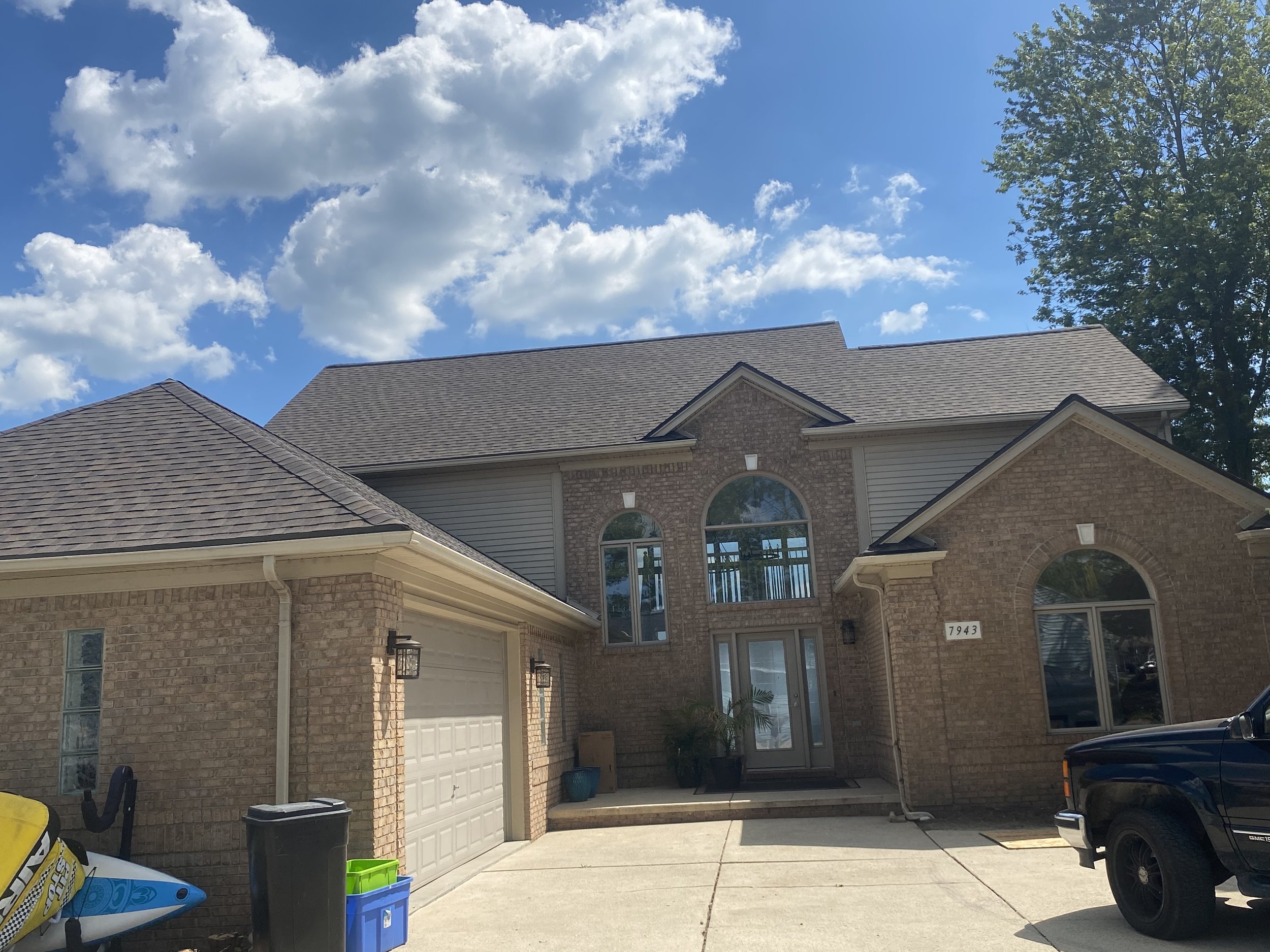
Local Reputation (Not Just Online Reviews)
Google reviews are useful, but they're not the whole picture. Look for:
- BBB accreditation — NEXT Exteriors has been A+ rated since 2006
- Years in business — we've been operating since 1988 under Premier Builder Inc.
- References in your area — ask for recent projects in Sterling Heights, Troy, or Rochester Hills so you can see their work in person
A contractor who's been around for decades and maintains a clean reputation isn't going to risk it by cutting corners on your job.
Questions to Ask Before You Hire a Siding Contractor
Here's what to ask during the estimate process. Good contractors will answer these questions clearly and confidently. Bad ones will get vague or defensive.
1. What's Your Michigan Residential Builder's License Number?
Write it down. Verify it with the state. If they don't have one, you're done.
2. Can I See Proof of Insurance?
Ask for certificates of insurance for both general liability and workers' comp. Call the insurance company to confirm the policy is active.
3. Are You Certified by the Siding Manufacturer?
If they're installing James Hardie, LP SmartSide, or CertainTeed, ask for proof of certification. If they're not certified, ask why. Sometimes it's fine — but sometimes it means they don't meet the manufacturer's standards.
4. What's Included in the Estimate?
A detailed estimate should specify:
- Material brand and product line (not just "vinyl siding")
- Square footage being covered
- Labor costs
- Trim, flashing, and moisture barrier details
- Timeline
- Payment schedule
If the estimate is one page with a lump sum and no details, that's a problem.
5. How Do You Handle Moisture Barriers and Flashing?
This is where you separate the pros from the hacks. Good contractors will explain their process for:
- Installing house wrap or moisture barriers
- Flashing around windows, doors, and penetrations
- Sealing trim joints
- Ventilating behind the siding (especially important for fiber cement)
If they just say "we follow code," that's not enough. Michigan winters will find every shortcut.
6. What Happens If There's Rot or Structural Damage?
Sometimes you don't know there's rot behind the old siding until it comes off. Ask how they handle it. Do they stop the job and send you a change order? Do they have carpenters on staff to fix it? What's the process?
At NEXT Exteriors, we inspect the sheathing as we remove the old siding. If we find rot, we document it, show you the problem, and give you a fair price to fix it before we move forward. No surprises.
7. What's the Warranty?
There are two warranties to discuss:
- Manufacturer warranty — covers the material itself (usually 25-50 years for siding)
- Workmanship warranty — covers the installation (varies by contractor)
Ask for both in writing. If a contractor won't stand behind their work for at least a year, that tells you something.
Red Flag: If a contractor pressures you to sign the same day, offers a "discount if you decide today," or won't give you a written estimate, walk away. Legitimate contractors don't use high-pressure sales tactics.
Siding Materials That Work in Southeast Michigan's Climate
Not all siding materials are created equal — and not all of them hold up in Michigan. Here's what we install most often, and why.
Vinyl Siding
Vinyl is the most popular siding material in Southeast Michigan for good reason: it's affordable, low-maintenance, and performs well in freeze-thaw cycles if it's installed correctly.
Pros:
- Doesn't rot, rust, or need painting
- Expands and contracts with temperature changes (important in Michigan)
- Wide range of colors and styles
- Lowest upfront cost
Cons:
- Can crack in extreme cold if hit hard
- Fades over time (higher-quality vinyl fades less)
- Not as impact-resistant as fiber cement
We install CertainTeed vinyl siding on most of our vinyl jobs. It's manufactured in the U.S., comes with a lifetime limited warranty, and holds its color better than cheaper brands.
If you're considering vinyl, read our guide on vinyl vs. fiber cement siding in Michigan to understand the trade-offs.
Fiber Cement Siding (James Hardie)
Fiber cement is the premium choice. It looks like wood, lasts longer than vinyl, and stands up to everything Michigan throws at it.
Pros:
- Extremely durable — resists impact, rot, fire, and pests
- Holds paint better than wood (ColorPlus finish comes with a 15-year warranty)
- Doesn't warp or crack in freeze-thaw cycles
- Increases home resale value
Cons:
- Higher upfront cost (typically 2-3x vinyl)
- Heavier — requires more labor and structural support
- Needs repainting every 10-15 years (unless you get ColorPlus)
James Hardie is the industry leader, and we're certified installers. Their HardiePlank siding is engineered specifically for climate zones — and Michigan's freeze-thaw cycles are baked into the design.
Engineered Wood Siding (LP SmartSide)
LP SmartSide is a middle-ground option: it looks like real wood, costs less than fiber cement, and performs better than natural wood in wet climates.
Pros:
- Authentic wood grain texture
- Treated to resist moisture, rot, and termites
- Lighter than fiber cement (easier to install)
- 50-year limited warranty
Cons:
- Still wood-based — requires more maintenance than vinyl or fiber cement
- Needs repainting every 8-10 years
- Not as impact-resistant as fiber cement
We install LP SmartSide on homes where homeowners want the look of wood without the price tag of James Hardie.

What We Don't Install (And Why)
We don't install aluminum siding anymore. It dents too easily, fades quickly, and doesn't perform as well as modern vinyl or fiber cement. If you have aluminum siding now, it's probably time to replace it.
We also don't install cheap, builder-grade vinyl. It warps, cracks, and fades within 10 years. If you're going vinyl, spend a little more upfront for a quality product that'll last.
What a Professional Siding Installation Actually Looks Like
Here's what happens when you hire NEXT Exteriors for a siding project. This is the process every reputable contractor should follow.
Step 1: Site Preparation and Protection
Before we touch your siding, we:
- Cover landscaping, decks, and driveways with tarps
- Set up trash bins for old siding and debris
- Mark utility lines and disconnect exterior fixtures (lights, gutters, etc.)
We treat your property like it's our own. No shortcuts.
Step 2: Removal of Old Siding
We carefully remove the old siding and inspect the sheathing underneath. If we find rot, water damage, or structural issues, we stop and document it. You'll see photos and get a clear explanation of what needs to be fixed before we move forward.
This is where a lot of contractors cut corners. They'll install new siding over rotted sheathing and hope you don't notice. That's not how we work.
Step 3: Moisture Barrier and Flashing
We install a weather-resistant barrier (house wrap) over the sheathing. This is your home's first line of defense against water intrusion.
Then we install flashing around:
- Windows and doors
- Corners and trim boards
- Penetrations (vents, electrical boxes, hose bibs)
Flashing is the most important part of a siding job. If it's not done right, water will get behind the siding and cause rot. We use manufacturer-approved flashing methods and seal every seam.
Step 4: Siding Installation
We install the siding according to the manufacturer's specifications:
- Proper nailing — nails go in the center of the nail slots, not over-driven or under-driven
- Correct overlap — each panel overlaps the one below it by at least 1 inch
- Expansion gaps — we leave room for the siding to expand and contract with temperature changes
- Ventilation — we ensure airflow behind the siding to prevent moisture buildup
For fiber cement, we use stainless steel nails and follow James Hardie's installation guide to the letter. For vinyl, we never over-drive the nails — that's the #1 cause of cracking and buckling.
Step 5: Trim and Finishing
We install trim around windows, doors, and corners. All joints are caulked with high-quality, paintable sealant. If you're getting fiber cement or engineered wood, we prime and paint the trim to match your siding.
Step 6: Cleanup and Final Walkthrough
We haul away all debris, clean the work area, and do a final inspection with you. We walk you through the project, answer any questions, and make sure you're 100% satisfied before we consider the job done.
If you need other exterior services in Detroit — like roofing, windows, or gutters — we can handle those at the same time to minimize disruption and save you money.
Real Costs for Siding Projects in Metro Detroit
Let's talk money. Siding costs vary based on material, square footage, and the complexity of your home. Here's what you can expect in Southeast Michigan in 2026.
Vinyl Siding
$4.50 - $8.50 per square foot installed
For a typical 2,000-square-foot home, that's $9,000 - $17,000. Higher-end vinyl (like CertainTeed's Monogram or Cedar Impressions) will be on the upper end of that range.
Fiber Cement Siding (James Hardie)
$9.00 - $14.00 per square foot installed
For a 2,000-square-foot home, that's $18,000 - $28,000. If you go with the ColorPlus pre-finished option (which we recommend), add another $1.50 - $2.00 per square foot.
Engineered Wood Siding (LP SmartSide)
$6.50 - $10.50 per square foot installed
For a 2,000-square-foot home, that's $13,000 - $21,000.
What Affects the Total Cost?
- Home height and complexity — two-story homes and homes with lots of corners, gables, and trim cost more
- Removal and disposal — if we're removing old siding, that adds $1.00 - $2.00 per square foot
- Rot repair — if we find structural damage, that's extra (usually $500 - $2,000 depending on the extent)
- Trim and accents — upgraded trim, shutters, and decorative elements add to the cost
- Paint — if you're going with fiber cement or engineered wood, painting adds $2.00 - $3.00 per square foot
For a detailed breakdown of siding costs in Southeast Michigan, check out our guide on real siding pricing for Michigan homes.
Why Cheaper Isn't Better: If a contractor quotes you significantly less than these ranges, ask why. Are they using substandard materials? Skipping the moisture barrier? Not carrying insurance? Cutting corners on a siding job will cost you more in the long run when you have to fix water damage or replace failed siding.
Signs You Need a Siding Contractor Now
Here's when to stop researching and start calling contractors.
1. Cracked, Warped, or Loose Panels
If you see cracks, warping, or panels pulling away from the house, water is getting behind your siding. That means rot is probably already starting.
2. Fading or Peeling Paint
If your siding is painted wood or fiber cement and the paint is peeling or fading badly, it's time to repaint or replace. Bare wood or fiber cement absorbs moisture, which leads to rot and structural damage.
3. Mold, Mildew, or Fungus
If you see mold or mildew growing on your siding, that's a sign of moisture problems. It could be poor ventilation, failed caulking, or water getting behind the siding.
4. Higher Energy Bills
If your heating or cooling bills have gone up and you haven't changed your usage, your siding might be failing. Gaps, cracks, and poor insulation let conditioned air escape.
If energy efficiency is a concern, consider pairing new siding with upgraded insulation services in Southeast Michigan to maximize savings.
5. Storm Damage
If you've had a recent storm with high winds or hail, inspect your siding for dents, cracks, or missing panels. File an insurance claim if needed — we work with insurance adjusters regularly and can help with documentation.
6. You're Selling Your Home
Old, damaged siding kills curb appeal and turns off buyers. If you're preparing to sell, new siding is one of the best investments you can make. It recoups 75-80% of its cost at resale and makes your home sell faster.
For more on spotting siding damage, read our post on how to spot siding damage after a Michigan winter.
Why NEXT Exteriors Is Different
We've been doing this for 35 years. We're not the biggest contractor in Southeast Michigan, and we're not trying to be. We're trying to be the best.
Here's what sets us apart:
We're Licensed, Insured, and Certified
We hold a Michigan Residential Builder's License, carry full liability and workers' comp insurance, and we're certified installers for James Hardie, LP SmartSide, and CertainTeed. We're also a CertainTeed Master Shingle Applicator — the highest credential in roofing.
We've Been BBB A+ Rated Since 2006
We've maintained an A+ rating with the Better Business Bureau for nearly two decades. That doesn't happen by accident. It happens by showing up on time, doing quality work, and standing behind what we do.
We Don't Use High-Pressure Sales Tactics
We're not going to pressure you to sign the same day or offer a fake "discount if you decide now." We'll give you a detailed, written estimate, answer your questions, and let you make the decision on your timeline.
If you want to get multiple quotes, we encourage it. We're confident in our pricing and our work.
We're a Family-Owned Michigan Business
We're not a national franchise. We're based in Mount Clemens, and we've been serving Macomb, Oakland, and St. Clair counties since 1988. We live here. We work here. We care about our reputation in this community.
We Handle Everything In-House
We don't subcontract our work to random crews. Our installers are trained, experienced, and employed by us. If something goes wrong, you call us — not some subcontractor who's already moved on to the next job.
We Give Back to the Community
We partner with Habitat for Humanity of Oakland County and LifeBUILDERS in Detroit. We believe in using our skills to help people who need it.
If you're ready to move forward, we also offer exterior painting services in Southeast Michigan using Sherwin-Williams products — so we can handle your siding and painting in one project.
Ready to Get Started?
NEXT Exteriors has been protecting Michigan homes since 1988. Get a free, no-pressure estimate from a team that shows up on time and does the job right.
Get Your Free QuoteOr call us: (844) 770-6398
Frequently Asked Questions
How Resistant Is Siding to Fading in Michigan Weather?
Siding fade resistance explained by Michigan contractors. Learn which materials hold color best through freeze-thaw cycles, UV exposure, and lake-effect weather.
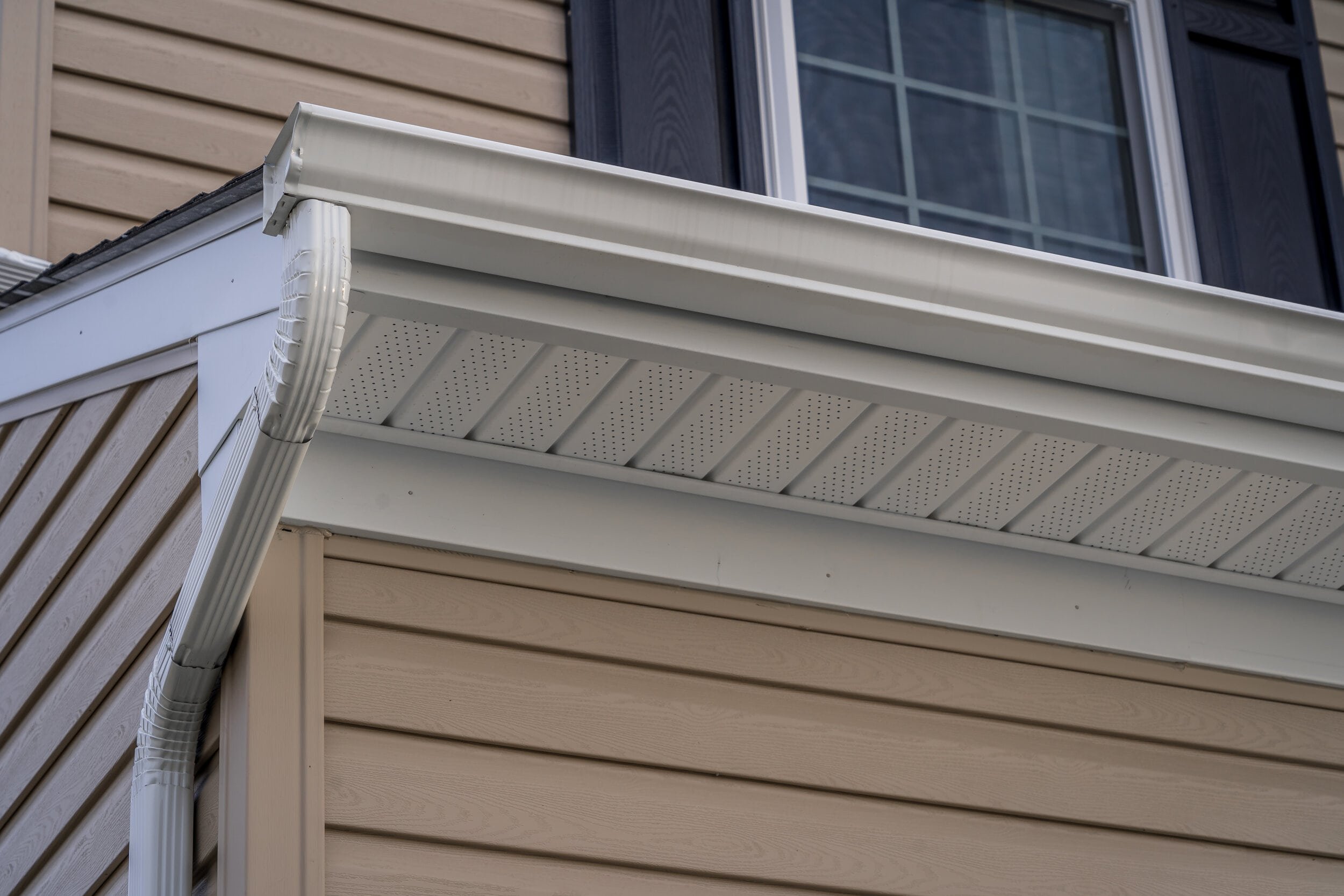
You've probably driven past a house in Sterling Heights or Royal Oak where the siding looked washed out, chalky, or two shades lighter than it should be. Maybe your own home is starting to show the same signs. Fading siding isn't just an aesthetic problem — it's a signal that the material is breaking down under Michigan's relentless freeze-thaw cycles, UV exposure, and lake-effect moisture.
After 35 years installing house siding in Detroit and across Southeast Michigan, we've seen every material fade, crack, or hold up under our climate. The question isn't whether siding will fade — it's how much, how fast, and whether you paid for the kind that resists it.
This guide breaks down fade resistance by material, explains the science behind color retention, and tells you what's worth the money when you're choosing siding for a Michigan home.
What Causes Siding to Fade?
Siding fades because of a combination of environmental stress and material quality. Understanding the mechanisms helps you choose products that resist them.
UV Radiation Breakdown
Ultraviolet light from the sun breaks down the chemical bonds in pigments and resins. This is the primary cause of fading across all siding types. Even on cloudy days, UV radiation is doing damage — Michigan gets plenty of sun exposure year-round, especially in summer when the sun angle is high and days are long.
Cheap vinyl siding uses low-grade pigments that degrade quickly under UV exposure. Premium products use UV inhibitors and stabilizers that slow this process, but nothing stops it completely.
Freeze-Thaw Cycles and Moisture
Michigan's freeze-thaw cycles — we can see 50+ cycles in a single winter — create micro-cracks in siding surfaces. Water infiltrates these cracks, freezes, expands, and accelerates pigment breakdown. This is why north-facing walls and shaded areas sometimes fade differently than south-facing ones: moisture lingers longer in those spots.
Lake-effect moisture compounds the problem. Homes near Lake St. Clair or in Macomb County's lakefront communities see more moisture-driven degradation than inland properties.
Manufacturing Quality Differences
Not all siding is made equal. Budget vinyl often uses less pigment, lower-quality resins, and thinner material. The color is surface-applied rather than baked through the entire panel. Premium products use capstock technology (a protective top layer), through-color formulations, or baked-on finishes that penetrate deeper.
This is where manufacturer partnerships matter. As a Detroit siding company working with CertainTeed, James Hardie, and LP SmartSide, we install products that come with fade warranties — something budget materials don't offer.
Michigan Reality: South-facing walls take the most UV damage. West-facing walls get afternoon sun plus moisture from prevailing winds. North-facing walls stay wet longer and see more freeze-thaw stress. A quality siding job accounts for all of this.
Fade Resistance by Material Type
How resistant is siding to fading? It depends entirely on the material — and the quality tier within that material. Here's what we've seen hold up (or not) on Michigan homes.
Vinyl Siding: The Quality Spectrum
Vinyl is the most common siding in Southeast Michigan, but fade resistance varies wildly based on what you buy.
Budget Vinyl (Builder-Grade): Expect noticeable fading within 5-8 years. These products use low acrylic content (often under 50%), surface-applied color, and minimal UV inhibitors. The color isn't uniform through the panel — it's a thin layer that wears off. You'll see chalking (a powdery residue when you rub the surface) as the first sign of breakdown.
Mid-Tier Vinyl: Products like CertainTeed Monogram or similar use higher acrylic content (60-70%) and better pigment dispersion. Fade resistance improves to 10-15 years before noticeable color shift. These often come with limited lifetime warranties that include fade coverage for the first 10 years.
Premium Vinyl (Capstock Technology): CertainTeed Cedar Impressions with StrataShield or similar capstock products add a protective top layer — essentially a UV-resistant shield over the color layer. This is the closest vinyl gets to true fade resistance. Expect 15-20+ years before visible fading, with warranties backing it up.
We install vinyl across all tiers depending on budget, but we're clear about the trade-offs. If you're planning to stay in your home long-term, premium vinyl is worth the upcharge. If you're selling in 5-7 years, mid-tier is fine.
James Hardie Fiber Cement: The Gold Standard
James Hardie's ColorPlus Technology is baked-on finish applied in a controlled factory environment, then cured. It's not paint — it's a multi-coat system that penetrates the fiber cement substrate. The result is exceptional fade resistance.
Hardie warranties their ColorPlus finish for 15 years against fading, cracking, or peeling. In practice, we see these installations looking nearly identical 20+ years later. The material doesn't chalk, doesn't crack from freeze-thaw, and holds color even on south-facing walls in full sun.
The trade-off is cost and weight. Fiber cement is 3-4x the price of budget vinyl and requires more labor to install. But if fade resistance is your priority — especially on a high-visibility home in Bloomfield Hills or Grosse Pointe Farms — this is the material.
LP SmartSide Engineered Wood
LP SmartSide uses a zinc borate treatment for rot resistance and a SmartGuard finish with UV inhibitors. It's a factory-primed product, so the final paint job (usually Sherwin-Williams) determines long-term fade resistance.
When we install LP SmartSide, we pair it with high-quality exterior paint from our Southeast Michigan painting professionals service. Sherwin-Williams Duration or Emerald exterior paints hold up well — expect 10-12 years before repainting is needed, with minimal fading if the surface is prepped correctly.
The advantage over vinyl is the wood-grain texture and the ability to use any paint color. The disadvantage is maintenance: you're repainting every decade, while Hardie or premium vinyl requires nothing.
Real Wood Siding and Paint
Cedar, redwood, or pine siding can look incredible, but fade resistance depends entirely on the paint or stain system. Even the best exterior paints (Sherwin-Williams Emerald, Benjamin Moore Aura) will fade in 7-10 years on sun-exposed walls.
We rarely recommend real wood for full-house siding in Michigan unless the homeowner is committed to repainting every 8-10 years. It's better suited for accent walls or historic restoration projects where authenticity matters more than low maintenance.
Comparison Table: Fade Resistance by Material
| Material | Fade Resistance (Years) | Warranty Coverage | Maintenance |
|---|---|---|---|
| Budget Vinyl | 5-8 | Limited or none | Minimal |
| Mid-Tier Vinyl | 10-15 | 10-year fade warranty | Minimal |
| Premium Vinyl (Capstock) | 15-20+ | Lifetime with fade coverage | Minimal |
| James Hardie Fiber Cement | 20+ | 15-year fade warranty | None |
| LP SmartSide (painted) | 10-12 | Paint warranty (5-year typical) | Repaint every 10 years |
| Real Wood (painted) | 7-10 | Paint warranty only | Repaint every 8-10 years |
The Science Behind Color Retention
Understanding why some siding fades and some doesn't comes down to chemistry and manufacturing process.
Capstock Technology
Capstock is a co-extrusion process where a protective top layer is fused to the base vinyl during manufacturing. The cap layer contains higher concentrations of acrylic resin, UV stabilizers, and titanium dioxide (which reflects UV light). This creates a sacrificial barrier — the cap layer takes the UV damage so the color layer beneath stays intact longer.
CertainTeed's StrataShield and similar technologies use this approach. It's why premium vinyl costs 30-40% more than standard vinyl, but lasts twice as long before visible fading.
Baked-On vs. Through-Color
Budget vinyl uses through-color — the pigment is mixed into the PVC resin before extrusion. The problem is that the pigment concentration is low to save cost, and UV breaks it down from the surface inward. As the surface degrades, you lose color.
Baked-on finishes (like James Hardie ColorPlus) apply multiple coats of pigmented resin to the substrate, then cure it at high temperature. This creates a deeper, more durable color layer that resists UV penetration. It's similar to automotive paint vs. spray paint — one is engineered to last, the other isn't.
UV Inhibitors and Stabilizers
High-quality siding includes chemical additives that absorb or reflect UV radiation before it reaches the pigment molecules. Titanium dioxide is common in lighter colors (it reflects UV). Organic UV absorbers are used in darker colors (they convert UV energy into harmless heat).
Cheaper products skip these additives or use minimal amounts. The result is rapid color degradation, especially in dark colors like navy, forest green, or charcoal — which absorb more UV energy than light colors.
Color Choice Matters: Dark colors fade faster than light colors, regardless of material. If you're choosing a deep blue or black siding, make sure you're buying a premium product with UV stabilizers. We've seen budget dark vinyl fade to gray in under five years.
Michigan Weather and Siding Longevity
Southeast Michigan's climate is uniquely hard on siding. Here's why fade resistance isn't just about sun exposure — it's about the combination of stressors our homes face.
Lake-Effect Moisture
Homes in Macomb County, especially near Lake St. Clair, deal with higher humidity and more frequent moisture cycling than inland properties. Moisture accelerates UV damage by creating surface stress — wet siding expands slightly, dry siding contracts. Over thousands of cycles, this weakens the surface and allows UV to penetrate deeper.
We see this in Clinton Township, St. Clair Shores, and Chesterfield — lakefront homes need higher-quality siding to match the lifespan of the same product installed 20 miles inland.
Summer Sun Intensity
Michigan summers are underrated for UV exposure. June and July bring long days (15+ hours of daylight) and high sun angles. South-facing walls can see 8-10 hours of direct sun daily. Over a 20-year span, that's 60,000+ hours of UV bombardment.
This is why we recommend premium materials for south and west exposures, even if you go mid-tier on north and east walls. The cost difference is marginal, and the visual difference in 15 years is dramatic.
Winter Ice and Snow Reflection
Snow reflects up to 80% of UV radiation back onto your home. This means your siding is getting hit from above (direct sun) and below (reflected UV off snow cover). It's a double-dose of exposure that accelerates fading on lower sections of walls during winter months.
We've seen this create uneven fading patterns — the bottom third of a wall fades faster than the top because of snow reflection. Quality siding resists this; cheap siding doesn't.
North vs. South-Facing Exposure
North-facing walls see less direct sun but stay wet longer. South-facing walls get maximum UV but dry quickly. West-facing walls get afternoon sun plus prevailing moisture from storms. Each exposure has different stress patterns.
A smart siding installation accounts for this. We've done projects where the homeowner chose premium vinyl for south and west walls, mid-tier for north and east. It's a budget-conscious way to maximize fade resistance where it matters most.
Cost vs. Fade Resistance: What's Worth It?
Michigan homeowners are practical. You want to know what you're paying for and whether it's worth the money. Here's the cost reality for fade-resistant siding.
Budget Vinyl: $3-$5 per Square Foot Installed
This is builder-grade material. It'll last 20-25 years structurally, but it'll look faded and chalky by year 8-10. If you're selling the house in the next 5-7 years, this is fine. If you're staying long-term, you'll regret it.
We install budget vinyl when clients are cost-constrained or preparing a rental property for sale. It's not what we'd put on our own homes.
Mid-Tier Vinyl: $5-$7 per Square Foot Installed
This is the sweet spot for most Michigan homeowners. Products like CertainTeed Monogram or GAF WeatherSide offer good fade resistance (10-15 years), solid warranties, and a noticeable quality difference over budget material. The upcharge is $2,000-$4,000 on an average home — worth it for the longevity.
Premium Vinyl (Capstock): $7-$9 per Square Foot Installed
Capstock products cost 30-40% more than mid-tier, but they last twice as long before fading. If you're in a high-visibility neighborhood (Rochester Hills, Grosse Pointe Farms, Bloomfield Hills) or planning to stay in your home 15+ years, this is the right choice.
We've installed CertainTeed Cedar Impressions with StrataShield on homes that still look factory-fresh 18 years later. That's the kind of performance you're paying for.
James Hardie Fiber Cement: $10-$14 per Square Foot Installed
Hardie is 2-3x the cost of budget vinyl, but it's also 2-3x the lifespan before any maintenance is needed. The ColorPlus finish is essentially maintenance-free for 20+ years. No painting, no fading, no warping.
This is the material we recommend for homeowners who want to install siding once and never think about it again. It's also the best choice for historic homes or properties where resale value matters — Hardie siding is a selling point.
Long-Term Value Calculation
Let's compare two scenarios for a 2,000-square-foot home:
Scenario 1: Budget Vinyl
- Initial cost: $8,000
- Fading visible at year 8
- Replacement needed at year 20-25
- Total 30-year cost: $16,000 (two installations)
Scenario 2: James Hardie Fiber Cement
- Initial cost: $24,000
- No fading or maintenance for 20+ years
- Replacement needed at year 40-50
- Total 30-year cost: $24,000 (one installation)
Over 30 years, Hardie costs $8,000 more but delivers twice the lifespan and zero maintenance. Budget vinyl costs less upfront but requires replacement sooner and looks worse in the meantime.
The right choice depends on your timeline and budget. We help clients think through this on every project — it's part of what we do as a trusted exterior services in Detroit contractor.
Signs Your Siding Is Fading (and What to Do)
How do you know if your siding is fading, and when does it make sense to replace it? Here are the warning signs we look for.
Chalking and Color Change
Run your hand along the siding. If you see a powdery residue on your fingers, that's chalking — the surface is breaking down. This is the first stage of UV degradation. The color will look duller, and the surface will feel rough instead of smooth.
Chalking is cosmetic at first, but it signals that the material is deteriorating. Within 2-5 years of visible chalking, you'll see significant color shift.
Uneven Fading Patterns
If south-facing walls are noticeably lighter than north-facing walls, or if the bottom sections are fading faster than the top, you're seeing UV and moisture stress. This is normal with budget materials but shouldn't happen with premium products within their warranty period.
Cracking or Warping
Fading often accompanies structural degradation. If you see cracks, warping, or panels pulling away from the house, the material is past its service life. At this point, you're not just dealing with aesthetics — you're risking water infiltration and damage to the sheathing or insulation in Metro Detroit homes.
When to Repair vs. Replace
If fading is isolated to one section (south wall only) and the rest of the siding is structurally sound, you can sometimes replace just that section. But matching the color on faded siding is nearly impossible — even the same product in the same color will look different because the old material has degraded.
In most cases, visible fading means it's time to replace the entire house. Patching creates a patchwork appearance that looks worse than uniform fading.
Warranty Coverage Reality
Most vinyl siding warranties cover "excessive" fading — defined as a color change exceeding a specific Delta E value (a measure of color difference). The problem is that manufacturers set this threshold high enough that normal fading doesn't qualify.
Premium products like CertainTeed capstock or James Hardie ColorPlus have real fade warranties with enforceable standards. Budget vinyl warranties are often prorated and exclude labor, making them nearly worthless in practice.
We always explain warranty terms upfront so clients know what they're actually covered for. It's part of our commitment to transparency — no surprises five years down the road.
When to Call a Contractor: If your siding is showing chalking, uneven fading, or color shift within 10 years of installation, contact the contractor who installed it. If it's a quality product, you may have warranty coverage. If it's budget material, you're likely looking at replacement.
Ready to Upgrade Your Siding?
NEXT Exteriors has been protecting Michigan homes since 1988. We install fade-resistant siding from CertainTeed, James Hardie, and LP SmartSide — backed by real warranties and honest advice. Get a free, no-pressure estimate from a team that shows up on time and does the job right.
Get Your Free QuoteOr call us: (844) 770-6398
Beyond siding, we offer comprehensive exterior services in Detroit and Southeast Michigan. Whether you need professional roofing in Southeast Michigan, energy-efficient windows in Southeast Michigan, or gutter installation in Southeast Michigan, we bring the same attention to detail and old-school work ethic to every project. Explore our project gallery to see our work, or use our home visualizer to see how different siding colors and materials would look on your home.
Frequently Asked Questions
Siding Contractors Near Me Southeast Michigan | NEXT Exteriors
Find trusted siding contractors near you in Southeast Michigan. NEXT Exteriors explains what to look for, red flags to avoid, and real costs for vinyl, fiber cement, and engineered wood siding.
You're standing in your driveway in Sterling Heights or Rochester Hills, looking at siding that's cracked, faded, or pulling away from the house. You pull out your phone and type "siding contractors near me" into Google. Three dozen results come back. Half of them have identical stock photos. A few have no address. One promises a "free upgrade" if you sign today.
How do you separate the legitimate house siding company in Detroit from the fly-by-night crew that'll be gone when your siding starts failing next spring?
We've been doing this work in Southeast Michigan since 1988. We've seen what happens when homeowners hire the wrong contractor — and we've fixed a lot of those jobs. This guide will walk you through exactly what to look for when you're searching for siding contractors, what red flags should send you running, and what a legitimate estimate should actually include.
Why "Near Me" Actually Matters for Siding Projects
The "near me" part of your search isn't just about convenience. It's about accountability, expertise, and long-term support.
Local Building Code Knowledge
Michigan has specific requirements for exterior cladding — wind ratings, flashing details, vapor barrier placement. A contractor who's been working in Macomb County for decades knows what the local building inspectors expect. They know which details matter in our climate and which are overkill.
When we install siding in Detroit and surrounding communities, we're following the Michigan Residential Code (based on the International Residential Code), but we're also applying 35+ years of experience with what actually works when lake-effect snow hits in January and we're getting freeze-thaw cycles every other day in March.
Material Availability and Warranty Service
If your siding develops an issue two years after installation, you want a contractor who's still in business and still local. National chains subcontract the work to local crews, then disappear when you need warranty service. Out-of-state contractors have no incentive to come back.
We're based in Mount Clemens. Our trucks are parked here. Our crews live in the same communities we serve. When a homeowner in Shelby Township calls with a concern, we're there — not forwarding the call to a voicemail in another state.
Reputation in the Community
A contractor who's been working in Southeast Michigan for years has a reputation to protect. Check their BBB rating. Look at Google reviews from homeowners in your area. Ask your neighbors. Word travels fast in communities like Grosse Pointe Farms or Lake Orion.
We've maintained an A+ BBB rating since 2006 and a 5.0-star average across 87+ reviews because we show up when we say we will, do the work right, and stand behind it. That's not marketing language — that's how you stay in business for 35+ years in the same market.
Bottom line: "Near me" isn't just geography. It's about finding a contractor who's invested in the local community, understands Michigan-specific challenges, and will still be around when you need them.
The 5 Non-Negotiables When Vetting Siding Contractors
Before you even look at pricing or material options, verify these five credentials. If a contractor can't provide any of these, move on.
1. Michigan Residential Builder's License
In Michigan, any contractor performing work valued over $600 must hold a Residential Builder's License issued by the Michigan Department of Licensing and Regulatory Affairs (LARA). This isn't optional. It's the law.
Ask for the license number. Then verify it yourself on the LARA website. Check that it's current, that there are no disciplinary actions, and that the license holder matches the person or company you're talking to.
NEXT Exteriors operates under Premier Builder Inc., and we've held our Michigan Residential Builder's License continuously since we started. It's listed on our website, on our estimates, and we'll provide the number before we even schedule a consultation.
2. Insurance Coverage (Liability and Workers' Comp)
Your contractor needs two types of insurance:
- General Liability Insurance: Protects you if the contractor damages your property during the project.
- Workers' Compensation Insurance: Protects you if a worker is injured on your property. Without this, you could be liable for medical costs.
Don't just take their word for it. Ask for certificates of insurance. Call the insurance company directly to verify the policy is current and covers the scope of your project.
We carry both, and we provide certificates to every homeowner before we start work. It's standard practice for any legitimate contractor.
3. Local References and Verifiable Projects
Ask for references from recent projects within 20 miles of your home. Not testimonials on their website — actual contact information for homeowners who've had similar work done in the past 12-24 months.
When you call those references, ask specific questions:
- Did the crew show up on time?
- How did they handle cleanup?
- Were there any surprises with cost or timeline?
- How did the contractor handle any issues that came up?
- Would you hire them again?
Better yet, ask if you can drive by the completed project. Siding work is visible from the street. You can see the quality of the installation, how the trim details look, whether the color has held up.

4. Written Estimates with Material Specifications
A legitimate estimate isn't a one-page document with a total price and a signature line. It's a detailed breakdown that includes:
- Exact siding products by manufacturer and model number (e.g., "CertainTeed Monogram 46 Double 4.5" vinyl siding in Sterling Gray" — not just "vinyl siding")
- Trim, soffit, and fascia materials with specifications
- Substrate preparation and repair procedures
- Insulation or housewrap details
- Removal and disposal of existing siding
- Project timeline
- Payment schedule
- Warranty information (both manufacturer and workmanship)
If a contractor hands you a vague estimate with generic descriptions, that's a red flag. You need to know exactly what materials you're getting, because that's where quality and longevity live.
Our estimates from NEXT Exteriors spell out every detail. We specify whether we're proposing CertainTeed, James Hardie, or LP SmartSide. We list the profile, color, and warranty. We break down what's included in prep work. There are no surprises.
5. Manufacturer Certifications
Major siding manufacturers — CertainTeed, James Hardie, LP SmartSide, GAF, Owens Corning — offer certification programs for contractors who meet specific training and quality standards.
These certifications matter because:
- They indicate the contractor has been trained on proper installation techniques for that specific product
- They often come with enhanced warranties (manufacturer defects plus workmanship coverage)
- They demonstrate a commitment to ongoing education and quality standards
NEXT Exteriors holds certifications with CertainTeed (Master Shingle Applicator — the highest credential in roofing), James Hardie, LP SmartSide, GAF, and Owens Corning. We're not just installing these products — we're trained and certified by the manufacturers themselves.
Ask any contractor you're considering: "Are you certified by the manufacturer of the siding you're proposing?" If they say it doesn't matter or that certifications are just marketing, that tells you something about their approach to quality.
Red Flags That Should Send You to the Next Contractor
Some warning signs are obvious. Others are subtle. Here's what should make you walk away.
Pressure Tactics and "Today Only" Pricing
Legitimate contractors don't use high-pressure sales tactics. If someone shows up at your door with a "special price if you sign today" or claims they have "leftover materials from a job down the street," that's a scam.
Good contractors are busy. They don't need to pressure you. They provide a detailed estimate, answer your questions, and give you time to think it over and compare options.
We've never once told a homeowner they need to decide on the spot. Our pricing is our pricing. It doesn't change based on whether you sign today or two weeks from now.
No Physical Business Address
If a contractor only lists a P.O. box or refuses to provide a physical business address, that's a major red flag. Where are they based? Where do you go if there's a problem?
We're at 233 Church Street in Mount Clemens. It's on our website, our business cards, and our trucks. You can stop by. You can look us up. We're not hiding.
Cash-Only or Large Upfront Deposits
Be wary of contractors who insist on cash payments or demand large upfront deposits (more than 30% of the total project cost). Michigan law limits deposits to one-third of the total contract price or $1,000, whichever is less, for home improvement contracts.
Legitimate contractors accept checks and credit cards. They have payment schedules tied to project milestones, not front-loaded to cover their costs before they've done any work.
Vague Material Descriptions
If the estimate just says "vinyl siding" or "premium siding" without specifying the manufacturer, product line, and model, you have no way to verify quality or compare pricing.
"Vinyl siding" could mean builder-grade .040" thickness with a 20-year warranty, or it could mean .046" premium grade with a lifetime warranty. Those are not the same product, and they shouldn't be priced the same.
Always insist on specific product details. If the contractor can't or won't provide them, they're either cutting corners or don't know enough about the materials they're installing.
No Written Contract
Never, ever proceed with a siding project based on a handshake or a verbal agreement. Michigan law requires written contracts for home improvement projects over $600.
The contract should include everything from the estimate plus start and completion dates, payment schedule, change order procedures, and warranty details. Both parties sign it. You keep a copy.
If a contractor says "we don't need all that paperwork," run.
What Siding Actually Costs in Southeast Michigan (2026 Reality Check)
Siding costs vary widely based on material choice, home size, architectural complexity, and prep work required. Here's what you should expect to pay for a typical 1,500-2,000 square foot ranch home in Southeast Michigan in 2026.
Vinyl Siding: $7,500-$15,000
Vinyl remains the most popular siding choice in Michigan because it's affordable, low-maintenance, and performs well in our climate when properly installed.
Cost factors:
- Material grade: Builder-grade vinyl (.040" thickness) costs less than premium (.044-.046" thickness). Thicker vinyl resists warping and holds color better.
- Profile and style: Traditional horizontal lap siding costs less than board-and-batten or shake profiles.
- Color: Lighter colors are typically less expensive than darker or custom colors.
We install CertainTeed Monogram and Mainstreet vinyl siding for most projects. It's .046" thick, carries a lifetime limited warranty, and holds up to Michigan winters without cracking or fading. Expect to pay $8-$12 per square foot installed for quality vinyl siding, including trim, soffit, and fascia work.
Fiber Cement (James Hardie): $18,000-$30,000
Fiber cement siding — most commonly James Hardie — offers superior durability, fire resistance, and a more traditional wood-like appearance. It's heavier, requires more labor to install, and costs significantly more than vinyl.
Why homeowners choose it:
- Resists rot, insects, and moisture damage
- Won't warp, crack, or split in freeze-thaw cycles
- Can be painted any color (and holds paint for 15+ years)
- Increases home resale value more than vinyl
Fiber cement is a better long-term investment if you're planning to stay in the home for 15+ years or if you're in a historic district where appearance matters. Expect $12-$18 per square foot installed.
We're a James Hardie Preferred Contractor, which means we're trained on proper installation techniques and can offer enhanced warranties. If you're considering fiber cement, make sure your contractor is certified — improper installation voids the manufacturer warranty.
Engineered Wood (LP SmartSide): $15,000-$25,000
LP SmartSide is engineered wood strand siding treated with zinc borate for resistance to fungal decay and termites. It looks like real wood, costs less than fiber cement, and performs well in Michigan's climate.
It's a good middle-ground option if you want the appearance of wood without the maintenance of traditional wood siding or the cost of fiber cement. Expect $10-$15 per square foot installed.
We install LP SmartSide on homes where homeowners want a more traditional look but aren't ready for the investment of fiber cement. It's particularly popular on Craftsman-style homes and in neighborhoods with architectural covenants.
What Drives Costs Up
Beyond material choice, several factors can increase your siding project cost:
- Trim work: Homes with complex trim details, multiple gables, or decorative elements require more labor and material.
- Soffit and fascia replacement: If your soffit and fascia are damaged or outdated, replacing them adds to the cost but significantly improves the finished appearance. We cover this in detail in our guide on soffit and fascia upgrades.
- Removal and disposal: Removing old siding (especially if there are multiple layers) and disposing of it properly adds labor time and dump fees.
- Substrate repair: If the sheathing underneath the old siding is rotted or damaged, it needs to be repaired before new siding goes on. This is common on older homes or homes with previous water intrusion issues.
- Insulation upgrades: Adding insulated vinyl siding or installing rigid foam insulation board under the siding improves energy efficiency but increases cost. If you're interested in improving your home's thermal performance, our insulation services in Southeast Michigan can be combined with siding replacement.
A legitimate contractor will identify these factors during the initial inspection and include them in the estimate. If someone gives you a rock-bottom price without inspecting the substrate or asking about trim details, they're either planning to cut corners or they'll hit you with change orders once the project starts.
How Michigan Weather Should Influence Your Material Choice
Southeast Michigan's climate is tough on siding. We get freeze-thaw cycles from November through April, summer heat and humidity, UV exposure, wind-driven rain, and occasional severe storms. Your siding choice needs to account for all of it.
Freeze-Thaw Cycle Impacts
When water gets behind siding, freezes, and expands, it can crack or warp the material. This is why proper flashing, housewrap, and drainage details matter as much as the siding itself.
Vinyl siding expands and contracts with temperature changes. Quality vinyl (like CertainTeed Monogram at .046" thickness) is engineered to handle this movement without cracking. Cheaper, thinner vinyl can warp or crack after a few Michigan winters.
Fiber cement doesn't expand and contract as much, which makes it more stable in freeze-thaw conditions. It's one reason why James Hardie performs so well in our climate.
UV Exposure and Color Retention
Michigan summers mean direct sun exposure, especially on south- and west-facing walls. UV rays fade siding over time, particularly darker colors.
Quality vinyl siding uses UV inhibitors in the color layer to resist fading. CertainTeed's ColorMax technology, for example, provides fade resistance for the life of the product. Cheaper vinyl fades noticeably within 5-10 years.
Fiber cement can be painted any color, and premium exterior paint (like Sherwin-Williams Duration or Emerald) holds up for 15+ years. If color matters to you and you want flexibility to change it in the future, fiber cement is the better choice. We're a Sherwin-Williams exclusive contractor for exterior painting in Southeast Michigan, so we can handle both siding installation and custom paint finishes.
Wind-Driven Rain and Moisture Management
Michigan storms can drive rain sideways. Proper installation includes a water-resistive barrier (housewrap like Tyvek) behind the siding, flashing around windows and doors, and proper lap and overlap details to shed water.
This is where contractor experience matters. A crew that's been installing siding in Michigan for decades knows how to detail the flashing at corners, around penetrations, and at the foundation line to prevent water intrusion.
We see a lot of callbacks on poorly installed siding where water got behind the cladding and damaged the sheathing. It's not always the siding material that failed — it's the installation.
Ice Dam Considerations at Eaves
Ice dams form when heat from the attic melts snow on the roof, and the runoff refreezes at the eaves. This can back up under shingles and damage the fascia and soffit — which connects directly to your siding system.
Proper attic insulation and ventilation prevent ice dams. If you're replacing siding, it's a good time to assess your attic insulation and address any deficiencies. We cover this in depth in our article on how to stop ice dams in Michigan.

Questions to Ask Before You Sign Anything
Here are ten questions to ask any siding contractor you're considering. Their answers will tell you whether they know what they're doing — and whether they're being straight with you.
1. "What's your Michigan Residential Builder's License number?"
They should provide it immediately without hesitation. If they say they don't need one or that they work under someone else's license, verify that claim with LARA before proceeding.
2. "Can you provide certificates of insurance for liability and workers' comp?"
They should say yes and provide them within 24 hours. If they say they're "working on it" or that it's "not necessary for a small job," walk away.
3. "What specific siding product are you proposing — manufacturer, product line, and model?"
They should name the exact product (e.g., "CertainTeed Monogram 46 Double 4.5 inch" or "James Hardie HardiePlank Select Cedarmill"). If they say "premium vinyl" or "the best stuff," that's not specific enough.
4. "What thickness is the vinyl siding you're proposing?"
For vinyl, thickness matters. Look for .044" or thicker. If they don't know or say "standard," that's a red flag.
5. "Are you certified by the manufacturer of the siding you're recommending?"
Certifications like CertainTeed Master Applicator, James Hardie Preferred Contractor, or LP SmartSide Preferred Contractor indicate proper training. If they say certifications don't matter, they're wrong.
6. "What does your estimate include for substrate preparation and repair?"
They should explain how they'll inspect the sheathing, what they'll do if they find rot or damage, and how that's priced (either included or as a potential change order with a defined rate).
7. "What type of water-resistive barrier will you install behind the siding?"
The answer should be a specific product like Tyvek, Typar, or a similar housewrap — not "we use what we always use" or "it's not necessary."
8. "How do you handle flashing around windows, doors, and corners?"
They should be able to describe the flashing details — how they integrate with the housewrap, how they lap the siding, how they seal penetrations. If they look confused or say "we just caulk it," that's a problem.
9. "What does your workmanship warranty cover, and for how long?"
Manufacturer warranties cover material defects. Workmanship warranties cover installation issues. A good contractor offers at least a 2-5 year workmanship warranty. If they say "the manufacturer warranty covers everything," they're not standing behind their work.
10. "Can you provide references from projects in my area within the past year?"
They should provide at least three references without hesitation. If they say "all our customers are happy, you can trust us," that's not the same as giving you contact information so you can verify it yourself.
Pro tip: Pay attention to how they answer these questions. A good contractor will appreciate your thoroughness — it shows you're serious and informed. A bad contractor will get defensive or dismissive.
Other Services You Might Need Alongside Siding
Siding replacement is often part of a larger exterior upgrade. If you're investing in new siding, it's worth considering related improvements that can be done at the same time for efficiency and better overall results.
Many homeowners combine siding work with window replacement in Detroit — old, drafty windows undermine the energy efficiency of new siding, and replacing both at once eliminates the need to remove and reinstall trim twice.
If your roof is nearing the end of its lifespan, coordinating roofing services in Detroit with siding replacement makes sense. The crews can work efficiently, and you avoid the risk of damaging new siding during a future roof replacement.
Gutters are another common pairing. If you're replacing siding, it's the perfect time to upgrade to seamless gutters in Detroit, MI that match your new siding color and eliminate the maintenance headaches of sectional gutters.
For a complete overview of what we offer, check out our full range of exterior services in Detroit.
Ready to Get Started?
NEXT Exteriors has been protecting Michigan homes since 1988. Get a free, no-pressure estimate from a team that shows up on time and does the job right.
Get Your Free QuoteOr call us: (844) 770-6398
Frequently Asked Questions
Visit the Michigan Department of Licensing and Regulatory Affairs (LARA) website and use their license verification tool. You'll need the contractor's name or license number. The database will show you whether the license is current, any disciplinary actions, and the license holder's business name and address. Never hire a contractor without verifying their license first — it's free, takes two minutes, and can save you from major problems.
A manufacturer warranty covers defects in the siding material itself — if the vinyl cracks due to a manufacturing flaw, if the color fades beyond the stated warranty period, etc. A workmanship warranty covers installation issues — if the siding is installed incorrectly and fails as a result. Both matter. The manufacturer warranty is only as good as the installation, and the contractor's workmanship warranty shows they stand behind their work. At NEXT Exteriors, we provide both: manufacturer warranties from CertainTeed, James Hardie, and LP SmartSide, plus our own workmanship warranty on every installation.
Yes. Get at least three estimates from licensed, insured contractors. But don't just compare the bottom-line price — compare the details. Are they proposing the same materials? The same scope of prep work? The same warranty coverage? A lower price often means lower-grade materials, less prep work, or corners being cut. Focus on value, not just cost. The cheapest bid often costs more in the long run when you're dealing with callbacks, repairs, or premature failure.
For a typical 1,500-2,000 square foot home, expect 5-10 days depending on weather, complexity, and material choice. Vinyl siding installs faster than fiber cement because it's lighter and requires less cutting and fastening. Homes with complex trim details, multiple gables, or significant substrate repair take longer. A good contractor will give you a realistic timeline in the estimate and keep you updated if weather or unforeseen issues cause delays. We schedule projects conservatively so we're not rushing the work or leaving homeowners in limbo.
Yes, but with limitations. Vinyl siding becomes brittle below 40°F and can crack during cutting and installation, so most manufacturers recommend installing it above that temperature. Fiber cement and engineered wood can be installed in colder weather, but adhesives and caulks have temperature limits. We typically schedule siding projects from April through November in Southeast Michigan to ensure optimal installation conditions and manufacturer warranty compliance. If you have an urgent repair need in winter, we can address it, but full replacements are better scheduled for warmer months.
You don't need to be home the entire time, but we recommend being available for the initial walkthrough when the crew arrives and for the final walkthrough when the project is complete. During installation, the work happens on the exterior, so you can go about your day. We'll communicate with you about any issues that come up, schedule changes, or decisions that need to be made. Our crews are respectful of your property — we protect landscaping, clean up daily, and minimize disruption to your routine.
Rotted sheathing needs to be replaced before new siding goes on — there's no way around it. A good contractor will inspect for visible damage during the estimate and flag potential problem areas, but you can't always see what's behind the old siding until you remove it. We include language in our contracts that addresses substrate repair: if we find rot or damage, we document it with photos, provide a cost for repair, and get your approval before proceeding. We don't surprise homeowners with unplanned costs, and we don't install new siding over compromised substrate. That's how you end up with bigger problems down the road.
How Resistant Is Siding to Fading in Michigan? The Truth
Learn how resistant siding is to fading in Michigan's harsh climate. NEXT Exteriors explains UV resistance, material performance, and what actually lasts.
If you've lived in Southeast Michigan for more than a decade, you've probably noticed it: the vinyl siding on your neighbor's 1990s Colonial isn't the same shade it was when it went up. Maybe your own siding on the south-facing wall has faded from a rich navy to a washed-out gray-blue. You're not imagining it, and it's not just dirt.
Siding fades. How much and how fast depends on the material, the color, the quality of the product, and — especially in Michigan — how well it holds up to UV exposure, freeze-thaw cycles, and the humidity we get from the Great Lakes. After 35 years of house siding installation in Detroit and across Macomb, Oakland, and St. Clair counties, we've seen every type of siding age. Some products look nearly new after 20 years. Others start showing color shift in five.
This guide explains how resistant siding is to fading, what causes it, which materials perform best in Michigan's climate, and when fading is a cosmetic annoyance versus a sign you need to replace your siding entirely.
What "Fade Resistance" Actually Means
When manufacturers talk about "fade resistance," they're referring to a material's ability to maintain its original color when exposed to ultraviolet (UV) radiation from the sun. UV rays break down the chemical bonds in pigments and binders, causing colors to lighten, shift, or become chalky over time.
The industry standard for measuring color retention is ASTM D4956, which tests how much a material's color changes after prolonged UV exposure in controlled conditions. Products are often rated on a scale where a Delta E value below 5 indicates minimal perceptible color change. High-quality siding products aim for Delta E values under 5 after 10 years of exposure.
But here's the catch: those tests are done in lab conditions, not in Michigan. They don't account for freeze-thaw cycles, ice, snow load, or the specific angle and intensity of UV exposure we get in the Great Lakes region. A product that performs well in Arizona might fade faster here because the combination of UV, moisture, and temperature swings accelerates degradation.
Warranty vs. Reality: Many siding manufacturers offer "lifetime" fade warranties, but read the fine print. Most cover only extreme fading — often defined as more than a specific number of Delta E units — and exclude certain colors (especially dark reds, blues, and blacks). They also prorate coverage, meaning you might get 50% reimbursement after 10 years, not a full replacement.
Understanding what fade resistance actually means helps you set realistic expectations when you're choosing siding for your home in Sterling Heights, Troy, or Rochester Hills. It's not about whether your siding will fade — it's about how much, how fast, and whether the product you choose can handle Michigan's weather without turning into a patchwork of mismatched colors.
How Different Siding Materials Handle Fading
Not all siding materials fade at the same rate. The composition of the material, the type of finish, and how color is applied all affect long-term color retention. Here's how the most common siding materials perform in Southeast Michigan.
Vinyl Siding
Standard vinyl siding is the most common material we install, and it's also the most vulnerable to fading — unless you choose a product with capstock technology. Traditional vinyl has color mixed throughout the material (called "through-body color"), which sounds good in theory but doesn't prevent UV degradation. The surface oxidizes, turns chalky, and lightens over time.
Modern premium vinyl products like CertainTeed Cedar Impressions or Mastic Ovation use a capstock layer — a co-extruded top layer with advanced UV inhibitors and fade-resistant pigments. This layer is engineered specifically to resist color change. We've seen capstock vinyl installed in the early 2000s that still looks sharp today, even on south-facing walls.
Budget vinyl without capstock? Expect noticeable fading in 7-10 years, especially on darker colors. If you're considering siding installation in Southeast Michigan, the upgrade to capstock vinyl is worth the cost if you plan to stay in your home long-term.
Fiber Cement (James Hardie)
James Hardie fiber cement siding is one of the most fade-resistant options available, but only if you choose their ColorPlus Technology factory finish. This is a baked-on finish applied in controlled factory conditions with multiple layers of UV-resistant coating. Hardie backs it with a 15-year fade warranty that actually covers perceptible color change — not just catastrophic fading.
We've installed Hardie ColorPlus in Grosse Pointe Farms, Bloomfield Hills, and Lake Orion, and the color retention after a decade is impressive. The finish resists chalking and maintains its depth even on high-UV exposure walls.
If you opt for primed Hardie siding and field-apply paint, fade resistance depends entirely on the quality of the paint and the skill of the painter. Even premium Sherwin-Williams exterior paints will fade faster than ColorPlus because they lack the multi-layer baked finish. If you go this route, plan to repaint every 10-12 years.
Engineered Wood (LP SmartSide)
LP SmartSide is treated wood strand siding with a factory-applied finish. LP's SmartFinish comes with a 5-year no-fade warranty, which is shorter than Hardie's but still better than field-painted products. The finish includes zinc borate for rot resistance and UV inhibitors for color retention.
In our experience, SmartSide performs well in Michigan's climate, but it's not quite as fade-resistant as Hardie ColorPlus. Expect minor color shift after 8-10 years, particularly on darker tones. The trade-off is cost — SmartSide is typically less expensive than Hardie, making it a solid middle-ground option for homeowners in Clinton Township or Shelby Township who want better performance than vinyl but don't want to pay Hardie prices.
Aluminum and Steel Siding
Aluminum siding was popular in the 1970s and 1980s, and we still see plenty of it in Metro Detroit. The factory-baked enamel finish is durable, but it does fade — especially on south-facing walls. Aluminum also oxidizes, creating a chalky surface that dulls the color over time.
Steel siding (less common) holds color better than aluminum but is prone to rust if the finish is scratched or compromised. We don't install much metal siding anymore because vinyl, fiber cement, and engineered wood offer better long-term performance and aesthetics.
Michigan-Specific Fading Factors
Michigan's climate isn't just about cold winters. The combination of UV exposure, freeze-thaw cycles, humidity, and temperature swings creates unique challenges for siding color retention.
UV Exposure in Southeast Michigan
Southeast Michigan gets an average of 180-200 sunny days per year, with peak UV intensity from May through August. South-facing walls receive the most UV exposure, followed by west-facing walls that get afternoon sun. North-facing walls see the least fading because they're mostly shaded.
If your home in Royal Oak or St. Clair Shores has a south-facing front elevation, expect that wall to fade faster than the rest of the house. This is why we often recommend lighter colors for high-UV walls or upgrading to premium fade-resistant products if you're set on a darker shade.
Freeze-Thaw Cycles and Color Stability
Michigan experiences 40-60 freeze-thaw cycles per winter. When moisture gets into micro-cracks in siding (especially vinyl and wood products), it expands when it freezes, creating stress on the material. Over time, this weakens the surface layer where pigments are concentrated, accelerating color degradation.
This is why proper installation matters. Siding that's installed too tightly or without adequate ventilation traps moisture, which speeds up both structural damage and fading. We've seen poorly installed vinyl siding fade unevenly because moisture got trapped behind it, creating localized UV damage and oxidation.
Lake-Effect Humidity and Oxidation
Proximity to the Great Lakes means higher humidity, especially in spring and fall. Humid air accelerates oxidation on aluminum siding and promotes mildew growth on vinyl and wood products. Mildew itself doesn't cause fading, but the cleaning required to remove it can wear down protective coatings over time.
Homes in Macomb County near Lake St. Clair or in Oakland County near lakes and rivers tend to show more oxidation and mildew staining than homes further inland. Regular cleaning helps, but choosing a material with built-in fade and mildew resistance is a better long-term solution.
Which Siding Colors Fade Faster in Michigan?
Color choice has a massive impact on how quickly your siding fades. Darker colors absorb more UV radiation and heat, which accelerates pigment breakdown. Certain pigments are also chemically less stable than others.
Dark Colors: Reds, Blues, and Blacks
Dark reds, navy blues, and blacks fade the fastest. Red pigments (especially organic reds) are notoriously unstable under UV exposure. We've seen dark red vinyl siding fade to a salmon-pink in less than 10 years on south-facing walls.
Dark blues shift toward gray or purple tones as UV breaks down the blue pigment. Blacks often fade to a charcoal gray, and because the color shift is gradual, homeowners don't always notice until they compare the faded section to a shaded area.
If you want a dark color, choose a premium product with capstock or ColorPlus technology, and understand that even the best products will show some fading over 15-20 years. Many manufacturers exclude dark colors from their fade warranties or offer shorter coverage periods.
Light Colors and Earth Tones
Light grays, beiges, tans, and whites fade much more slowly. Even when they do fade, the color shift is less noticeable because the contrast is lower. Earth tones — browns, greens, and muted grays — also perform well because the pigments used are typically more UV-stable.
This doesn't mean you have to choose boring colors. Modern siding lines offer dozens of sophisticated neutrals and earth tones that look great and age gracefully. We've installed plenty of warm grays and soft greens in Chesterfield and Warren that still look fresh after 15 years.
The "Safe Zone" for Michigan Homes
If long-term color retention is your priority, stick to light-to-medium tones in the gray, beige, or earth-tone family. Avoid anything labeled "bold," "vibrant," or "deep" unless you're willing to accept faster fading or plan to repaint or replace sooner.
How to Minimize Siding Fade Over Time
You can't stop siding from fading entirely, but you can slow it down significantly with the right choices and maintenance.
Choose Fade-Resistant Products
Start with a product engineered for UV resistance. For vinyl, that means capstock technology. For fiber cement, that means James Hardie ColorPlus. For engineered wood, choose LP SmartSide with SmartFinish. Don't assume all products within a material category perform the same — they don't.
Opt for Lighter or Earth-Tone Colors
As discussed, lighter colors and earth tones fade less visibly. If you're set on a darker color, at least choose a product with the best fade warranty available and understand you're trading longevity for aesthetics.
Ensure Proper Installation with Ventilation
Siding needs to breathe. Proper installation includes a weather-resistant barrier, adequate ventilation, and correct fastening that allows for thermal expansion and contraction. Trapped moisture and heat buildup accelerate fading, especially on south-facing walls.
This is one reason we emphasize installation quality at NEXT Exteriors. A premium product installed poorly will fade faster than a mid-grade product installed correctly. Our crews have been doing this work in Michigan for decades, and we know how to install siding that lasts. Learn more about our approach to exterior services in Detroit.
Clean Siding Annually
Dirt, mildew, and oxidation on the surface of your siding can trap moisture and accelerate UV damage. Gentle washing with a soft brush and mild detergent once a year removes these contaminants and helps maintain the protective finish.
Avoid pressure washing at high PSI — it can damage the finish on vinyl and strip paint from fiber cement. Use low pressure (under 1,500 PSI) and keep the nozzle at least 12 inches from the surface.
Inspect for Early Signs of UV Damage
Catch problems early. Look for chalking (a powdery residue when you rub the surface), color shifts, or brittleness in vinyl. On fiber cement and wood products, check for cracks, peeling, or areas where the finish is wearing thin. Addressing these issues early can extend the life of your siding.
When Fading Means It's Time to Replace Your Siding
Fading alone isn't always a reason to replace siding. If the material is structurally sound and the fading is uniform, you might live with it or repaint (for fiber cement and wood). But sometimes fading is a symptom of deeper problems.
Signs of UV Damage Beyond Cosmetics
If your vinyl siding is chalking heavily, cracking, or becoming brittle, UV damage has compromised the material's integrity. Brittle vinyl doesn't insulate as well, can crack in cold weather, and is more vulnerable to wind and impact damage. At that point, replacement makes more sense than trying to patch it.
For fiber cement, if the finish is peeling or the substrate is showing through, moisture can get in and cause rot or delamination. Repainting might buy you a few more years, but if the damage is widespread, replacement is the better long-term investment.
Structural Concerns with Aged Siding
Siding that's 20-30 years old and showing significant fading often has other issues: warped panels, loose fasteners, gaps around windows and doors, or moisture intrusion behind the siding. If you're seeing multiple problems, it's usually more cost-effective to replace the entire system than to keep patching it.
We've worked on plenty of homes in Mount Clemens and Detroit where the siding looked "okay" from the street but was failing in multiple ways once we got up close. Fading was just the visible symptom of a system that had reached the end of its useful life.
Cost-Benefit of Replacement vs. Painting
For fiber cement and wood siding, repainting is an option if the substrate is sound. A quality paint job with Sherwin-Williams Duration or Emerald exterior paint will cost $3-$6 per square foot in Southeast Michigan, depending on prep work and the condition of the siding.
Full siding replacement costs $8-$15 per square foot for vinyl or engineered wood, and $12-$20 per square foot for fiber cement. If your siding is more than 15 years old and showing multiple issues, replacement often makes more financial sense because you're not just fixing the cosmetics — you're upgrading the entire building envelope, improving energy efficiency, and resetting the clock on maintenance.
If you're considering replacement, our team can walk you through the options and help you understand what makes sense for your home and budget. We offer free quotes and honest assessments — no pressure, no gimmicks.
Related Services: Beyond siding, NEXT Exteriors offers comprehensive exterior services in Detroit and across Southeast Michigan, including roofing services, window replacement, seamless gutter installation, insulation upgrades, and exterior painting. Every project is backed by our 35+ years of experience and commitment to honest, high-quality work.
Ready to Upgrade Your Siding?
NEXT Exteriors has been protecting Michigan homes since 1988. Get a free, no-pressure estimate from a team that shows up on time and does the job right.
Get Your Free QuoteOr call us: (844) 770-6398
Frequently Asked Questions
Budget vinyl siding without capstock can show noticeable fading in 7-10 years, especially on south-facing walls. Premium vinyl with capstock, James Hardie ColorPlus, and LP SmartSide typically maintain color for 15-20 years before significant fading occurs. Darker colors fade faster than lighter colors regardless of material.
All siding materials fade to some degree when exposed to UV radiation. The rate and visibility of fading depend on the material, the quality of the finish, the color, and the level of UV exposure. Premium products with UV-resistant coatings (like James Hardie ColorPlus or capstock vinyl) fade much more slowly than budget materials.
You can repaint fiber cement and wood siding if the substrate is structurally sound. Vinyl siding cannot be effectively repainted — the paint won't adhere properly and will peel within a few years. If your vinyl siding has faded significantly, replacement is the only long-term solution. For fiber cement, repainting with premium exterior paint can restore appearance and add 10-15 years of life.
Light grays, beiges, tans, and earth tones (muted greens, browns, soft grays) last the longest because they reflect more UV radiation and use more stable pigments. Whites and very light colors show the least visible fading over time. Dark reds, blues, and blacks fade the fastest and most noticeably.
No. North-facing walls receive minimal direct sunlight and significantly less UV exposure, so they fade much more slowly than south-facing or west-facing walls. It's common to see noticeable color differences between the south and north sides of a home after 10-15 years, especially with darker siding colors.
Yes, if you choose James Hardie ColorPlus Technology. The factory-baked finish is one of the most fade-resistant options available, backed by a 15-year fade warranty. It significantly outperforms field-painted fiber cement and most vinyl products. The higher upfront cost is justified by the long-term color retention and reduced maintenance.
Wash a small section of your siding with mild detergent and a soft brush. If the color returns to its original shade, it was dirt, mildew, or oxidation. If the color remains lighter or shifted after cleaning, it's faded. You can also compare a high-UV area (south wall) to a shaded area (north wall or under an overhang) to see if there's a color difference.
How Resistant Is Siding to Fading in Michigan Weather?
Learn how resistant different siding materials are to fading in Michigan's harsh climate. Expert insights from a licensed contractor with 35+ years of experience.
I've been installing siding in Southeast Michigan since 1988, and I can tell you this: homeowners don't ask about fade resistance until they notice their neighbor's siding looking chalky and washed out after five years. By then, they're wondering if they made the wrong choice on their own home.
Here's the reality. How resistant siding is to fading depends on three things: the material itself, the pigment technology used in manufacturing, and how much UV exposure that wall gets. In Michigan, where we get intense summer sun on south-facing walls and brutal freeze-thaw cycles that accelerate degradation, fade resistance isn't just about curb appeal—it's about long-term value and whether you'll need to replace your house siding in Detroit sooner than you planned.
This isn't marketing talk. This is what we see on jobsites in Sterling Heights, Rochester Hills, and Grosse Pointe Farms—real homes, real fade patterns, and real conversations with homeowners who wish they'd known this information before they signed a contract.
Understanding UV Damage and Siding Fade
UV radiation breaks down the chemical bonds in siding pigments. It's not complicated science—sunlight hits the surface, photons disrupt the molecular structure of the colorants, and over time, the color literally degrades. What you see as "fading" is actually the destruction of pigment molecules at the surface level.
In Michigan, we get about 180 sunny days per year. That doesn't sound like a lot compared to Arizona, but here's what matters: our south and west-facing walls take a beating during summer months when the sun angle is high and UV intensity peaks. A home in Troy with a south-facing elevation gets hit with the same UV exposure as homes in much hotter climates—just compressed into fewer months.
What makes Michigan worse than other regions is the freeze-thaw cycle. When moisture penetrates even microscopic surface cracks (caused by UV degradation), then freezes and expands, it accelerates the breakdown of the siding surface. The result? Fading happens faster here than it would in a dry, sunny climate. We see this constantly on Detroit roofing services projects where we're replacing both roof and siding—the siding on the south side looks ten years older than the north side.
Michigan Reality Check: Lake-effect weather patterns in Macomb and St. Clair counties mean higher humidity levels, which can intensify UV damage when combined with moisture penetration. Homes near Lake St. Clair often show faster fade patterns on east-facing walls due to morning sun hitting damp surfaces.
Siding Material Fade Resistance Rankings
After 35 years and 500+ siding projects across Southeast Michigan, here's how different materials actually perform when it comes to fade resistance. This isn't marketing literature—this is what we observe on callbacks, inspections, and when we're bidding replacement jobs.
Fiber Cement (James Hardie): Best Overall Fade Resistance
James Hardie fiber cement siding uses ColorPlus Technology—a baked-on finish applied in a controlled factory environment. The pigment is integrated into multiple layers, not just sitting on the surface. In real-world Michigan conditions, we're seeing minimal fade even after 15 years on south-facing walls.
Hardie backs this up with a 15-year fade warranty that covers the entire color spectrum, including darker colors. That matters because dark colors fade faster on every material—but Hardie's process handles it better than any other product we install. On projects in Bloomfield Hills and Rochester Hills, where homeowners choose deep blues, charcoals, and forest greens, the fade resistance is legitimately impressive.
The downside? Cost. Fiber cement runs 30-50% more than quality vinyl. But if fade resistance is your priority and you're planning to stay in the home long-term, it's the best investment. We work with James Hardie extensively as part of our exterior services in Detroit, and the warranty claims for fade issues are nearly nonexistent.
Premium Vinyl Siding: Good to Excellent (Depending on Brand)
Here's where it gets tricky. Not all vinyl siding is created equal when it comes to fade resistance. Budget vinyl from big-box stores? You'll see noticeable fading within 5-7 years, especially on darker colors. Premium vinyl from CertainTeed or GAF with advanced UV inhibitors and capstock technology? Much better performance—often 10-15 years before any visible fade.
The key is capstock. This is a thin, protective layer on the surface of the vinyl that contains higher concentrations of UV stabilizers and fade-resistant pigments. CertainTeed's CedarBoards and Monogram siding lines use this technology, and we've seen excellent results on homes in Warren and St. Clair Shores where the siding is now 12+ years old with minimal color shift.
Vinyl warranties typically cover "excessive" fade, which manufacturers define as a color change exceeding a specific Delta E value (usually around 5 units on the color measurement scale). The warranty period for fade is usually 25 years to lifetime, but it's prorated—meaning coverage decreases over time. Read the fine print.
Engineered Wood (LP SmartSide): Moderate to Good Fade Resistance
LP SmartSide uses a factory-applied finish with UV inhibitors, and the performance is solid—better than field-painted wood, not quite as good as fiber cement. We're seeing good color retention at the 8-10 year mark on homes in Lake Orion and Shelby Township, but darker colors do show some fade on high-exposure walls.
LP offers a 5-year fade warranty on their pre-finished products, which is shorter than vinyl or fiber cement. That tells you something about expected performance. The material itself is durable and handles Michigan weather well, but if fade resistance is your top priority, fiber cement edges it out.
One advantage: LP SmartSide can be repainted if fade becomes an issue. That's not an option with vinyl, and it's expensive with fiber cement. If you're willing to repaint every 10-12 years, engineered wood gives you flexibility.
What Makes Siding Fade-Resistant
If you're comparing siding options and contractors start throwing around terms like "UV inhibitors" and "acrylic capstock," here's what actually matters—and what's just sales talk.
Pigment Technology: Organic vs. Inorganic
Inorganic pigments (titanium dioxide, iron oxides) are inherently more UV-stable than organic pigments. They don't break down as easily under sunlight. Premium siding manufacturers use higher concentrations of inorganic pigments, especially in lighter colors where fade is less noticeable anyway.
The challenge is darker colors. To achieve deep blues, greens, reds, and blacks, manufacturers have to use some organic pigments—which are more fade-prone. This is why darker colors always come with shorter fade warranties or higher Delta E thresholds. It's not a scam; it's chemistry.
UV Stabilizers and Inhibitors
These are additives mixed into the siding material (or applied as a surface coating) that absorb or reflect UV radiation before it can break down the pigment molecules. Think of them as sunscreen for your siding. Higher-end vinyl and fiber cement products use multiple types of UV stabilizers for broader-spectrum protection.
The effectiveness of UV stabilizers degrades over time—they're sacrificial by nature. That's why even the best siding will eventually show some fade. But quality products start with enough UV protection to last 15-20 years before visible degradation occurs.
Capstock and Coextruded Layers
Capstock is a protective outer layer applied during manufacturing. In vinyl siding, this is a coextruded layer (two layers bonded together during extrusion) that contains higher concentrations of UV stabilizers and fade-resistant pigments. The core layer provides structural strength; the capstock layer provides color stability and UV protection.
Fiber cement doesn't use capstock—it uses a multi-coat baked-on finish that's essentially the same concept but applied differently. The result is similar: a protective surface layer that shields the substrate and maintains color integrity.
If a vinyl siding product doesn't mention capstock or coextrusion, it's probably a single-layer product—which means the UV stabilizers are distributed throughout the material at lower concentrations. Those products fade faster.
Michigan-Specific Fade Factors
Michigan isn't Arizona, but we have our own set of conditions that accelerate siding fade—and most of them have nothing to do with how many sunny days we get per year.
Freeze-Thaw Cycles and Surface Degradation
We can go through 40-60 freeze-thaw cycles in a typical Michigan winter. When moisture penetrates microscopic cracks in the siding surface (caused by UV exposure), then freezes and expands, it physically breaks down the surface layer. This accelerates fade by exposing fresh material to UV radiation and creating more pathways for moisture intrusion.
This is why we see faster fade rates in Michigan compared to southern states with similar UV exposure but no freeze-thaw cycles. It's also why proper installation—with correct fastening, expansion gaps, and moisture management—matters for fade resistance. A poorly installed siding job will fade faster because moisture intrusion accelerates surface breakdown. This is something we emphasize when homeowners are evaluating our Detroit siding company services.
South and West Wall Exposure
In Southeast Michigan, south-facing walls get the most intense UV exposure during summer months when the sun is high in the sky. West-facing walls get afternoon sun, which is also intense but at a lower angle. These are the walls where you'll see fade first—usually 2-3 years before north-facing walls show any color change.
If you're choosing darker colors, expect the south and west walls to fade noticeably faster. We've seen homes in Clinton Township and Chesterfield where the south wall looks five years older than the north wall, even though the siding was installed at the same time.
Pollution and Airborne Contaminants
Metro Detroit has industrial areas, and airborne pollutants can contribute to siding degradation. Sulfur dioxide, nitrogen oxides, and particulate matter can settle on siding surfaces and, when combined with moisture, create mild acidic conditions that break down pigments and UV stabilizers.
This isn't a major factor compared to UV exposure and freeze-thaw cycles, but it's one more thing working against your siding. Homes near I-94, I-75, or industrial areas in Warren and Sterling Heights may see slightly faster fade rates than homes in more suburban or rural settings.
Cost Reality: Does Fade Resistance Cost More?
Yes. Premium fade-resistant siding costs more upfront. Here's what that actually looks like in Southeast Michigan pricing as of 2026.
Budget Vinyl Siding
$3-$5 per square foot installed. Minimal UV protection, single-layer construction, shorter warranties. You'll see noticeable fade within 5-7 years, especially on darker colors and high-exposure walls. This is what you get from low-bid contractors who source material from big-box stores.
Premium Vinyl Siding (CertainTeed, GAF)
$6-$9 per square foot installed. Capstock technology, advanced UV inhibitors, 25-year to lifetime fade warranties. Noticeably better performance—10-15 years before visible fade on most colors. This is the sweet spot for most Michigan homeowners who want good value without jumping to fiber cement pricing.
Fiber Cement (James Hardie)
$9-$13 per square foot installed. Best-in-class fade resistance, 15-year fade warranty covering all colors, factory-applied ColorPlus finish. Highest upfront cost, but if you're staying in the home 20+ years and want minimal maintenance, the math works out. We install a lot of Hardie in Bloomfield Hills, Grosse Pointe, and Rochester Hills where homeowners prioritize long-term performance.
Engineered Wood (LP SmartSide)
$7-$10 per square foot installed. Moderate fade resistance, 5-year fade warranty, can be repainted if needed. Good middle ground if you like the look of wood but want better durability than natural wood siding.
For a typical 2,000 square foot siding job (about 1,800 sq ft of actual siding after accounting for windows and doors), you're looking at $5,400-$9,000 for budget vinyl, $10,800-$16,200 for premium vinyl, $16,200-$23,400 for fiber cement, and $12,600-$18,000 for engineered wood.
Is the premium worth it? If you're planning to stay in the home 15+ years, yes. If you're flipping the house or planning to move within 5 years, budget vinyl will get you through. But if you're in Sterling Heights or Royal Oak and this is your long-term home, invest in fade resistance. You'll thank yourself in ten years when your neighbor's siding looks chalky and yours still looks sharp.
Real-World Example: We replaced vinyl siding on a home in Macomb last year—original siding was 18 years old, budget-grade product from the late 2000s. The south wall had faded so badly it looked almost white (original color was medium blue). The homeowner wished they'd spent an extra $3,000 upfront for premium vinyl. Over 18 years, that's $167 per year for better fade resistance. Worth it.
Signs Your Siding Is Fading (And What to Do)
Siding fade happens gradually, so homeowners often don't notice until it's severe. Here's what to look for—and when fading signals a bigger problem.
Uneven Color on Different Walls
If your south or west-facing walls look noticeably lighter or chalkier than your north-facing walls, that's UV fade. This is normal over time, but if it's happening within 5-7 years on premium siding, you may have a warranty claim. Check your paperwork.
Chalky Surface Residue
Run your hand along the siding. If you get a chalky, powdery residue on your fingers, that's the surface layer breaking down from UV exposure. This is common on older vinyl siding and is a sign that the UV stabilizers have been depleted. The siding is still functional, but it's past its prime for appearance.
Color Shift (Not Just Lightening)
Some siding doesn't just fade lighter—it shifts color entirely. Reds can turn pinkish, blues can turn grayish, greens can turn yellowish. This happens when different pigments in the color formula degrade at different rates. If you're seeing color shift, the siding is well into its degradation phase.
When Fading Means Bigger Problems
Fade itself is cosmetic, but it can signal underlying issues. If you're seeing rapid fade (within 3-5 years on premium siding), check for:
- Improper installation: If the siding was installed too tightly or without proper expansion gaps, thermal expansion and contraction can stress the material and accelerate surface breakdown.
- Moisture intrusion: If water is getting behind the siding due to poor flashing or missing housewrap, moisture can accelerate fade and cause substrate damage.
- Defective product: Occasionally, a bad batch of siding makes it through quality control. If your entire house is fading rapidly and your neighbors' homes (with different siding) aren't, you may have a product defect. Contact the manufacturer.
We've seen all of these scenarios on projects across Macomb, Oakland, and St. Clair counties. If you're concerned about fade patterns on your home, it's worth having a licensed contractor take a look. Sometimes it's just normal aging; sometimes it's a sign of a bigger issue that needs attention before it causes structural damage. This is part of what we evaluate during our exterior services in Detroit consultations.
Can You Fix Faded Siding?
For vinyl: No. You can clean it, but you can't restore the color. Some homeowners try vinyl siding paint, but it's a temporary fix that requires repainting every few years—and it voids most warranties.
For fiber cement and engineered wood: Yes. Both can be repainted. Fiber cement holds paint extremely well, and a quality exterior painting in Detroit job using Sherwin-Williams products can restore the appearance and add another 10-15 years of life. We handle this regularly as part of our painting services.
For most homeowners dealing with severe vinyl fade, replacement is the most practical option. If the siding is 15+ years old and showing significant fade, you're likely due for replacement anyway—and modern products will perform much better.
Ready to Get Started?
NEXT Exteriors has been protecting Michigan homes since 1988. Get a free, no-pressure estimate from a team that shows up on time and does the job right.
Get Your Free QuoteOr call us: (844) 770-6398
Other Services from NEXT Exteriors
Beyond siding, we offer a full range of exterior services to Michigan homeowners. Our Detroit window experts can help you choose energy-efficient windows that reduce heat loss and lower energy bills. If you're dealing with drafty rooms or high heating costs, our top-rated insulation contractor in Detroit services can make a measurable difference. We also install seamless gutters in Detroit, MI that handle Michigan's heavy rains and prevent foundation damage. Every project is backed by our 35+ years of experience and A+ BBB rating.
Frequently Asked Questions
Fade resistance depends on the material and quality. Premium vinyl with capstock technology shows minimal fade for 10-15 years. Fiber cement (James Hardie) offers the best fade resistance—15+ years even on dark colors and south-facing walls. Budget vinyl can show noticeable fade within 5-7 years. Michigan's freeze-thaw cycles accelerate fading compared to warmer climates with similar UV exposure.
Yes. Darker colors require organic pigments that are less UV-stable than the inorganic pigments used in lighter colors. Manufacturers typically offer shorter fade warranties on dark colors or allow higher Delta E values (color change measurements) before a warranty claim is valid. If you choose dark siding, invest in premium products with advanced UV protection.
Fiber cement (James Hardie) offers the best fade resistance, backed by a 15-year fade warranty covering all colors. Premium vinyl from CertainTeed or GAF with capstock technology is a close second at a lower price point. Engineered wood (LP SmartSide) performs well but has a shorter fade warranty. Budget vinyl is the most fade-prone and should be avoided if long-term appearance matters.
You can't prevent fade entirely—UV exposure will eventually degrade any material. But you can slow it down by choosing premium products with advanced UV protection, avoiding the darkest colors on high-exposure walls, and ensuring proper installation (which prevents moisture intrusion that accelerates fade). Regular cleaning also helps by removing pollutants that can degrade the surface.
Budget vinyl: 5-7 years. Premium vinyl: 10-15 years. Fiber cement: 15-20+ years. Engineered wood: 8-12 years before repainting is needed. These timelines assume south or west-facing wall exposure in Michigan conditions. North-facing walls typically last 30-50% longer before showing visible fade.
Most siding warranties cover "excessive" fade, defined as a color change exceeding a specific Delta E value (usually 5+ units). Warranties are typically prorated, meaning coverage decreases over time. Fiber cement offers the strongest fade coverage—15 years non-prorated on James Hardie ColorPlus products. Vinyl fade warranties are usually 25 years to lifetime but prorated after the first few years. Always read the fine print and understand what "excessive" means in your specific warranty.
For vinyl siding: Replacement is the only real option. Vinyl paint is a temporary fix that voids warranties and requires repainting every few years. For fiber cement or engineered wood: Repainting is a viable option if the substrate is still in good condition. A quality paint job using Sherwin-Williams products can restore appearance and add 10-15 years of life. If the siding is 15+ years old and showing fade plus other issues (cracks, warping, moisture damage), replacement makes more sense.
Vinyl Siding Installers Near Me Metro Detroit | NEXT Exteriors
Looking for trusted vinyl siding installers in Metro Detroit? NEXT Exteriors explains what to look for, what to avoid, and why experience matters in Michigan's climate.
When you search "vinyl siding installers near me" in Metro Detroit, you'll get dozens of results. Some are legitimate contractors with decades of experience. Others are out-of-state crews working under a local phone number, here today and gone tomorrow.
The difference matters more than you'd think. Vinyl siding installation isn't just about nailing panels to a wall. It's about understanding Michigan's brutal freeze-thaw cycles, knowing how much expansion gap to leave when it's 15°F in January and will be 95°F in July, and recognizing when the substrate underneath needs work before any siding goes up.
We've been installing house siding in Detroit and across Southeast Michigan since 1988. We've seen what happens when inexperienced crews cut corners — and we've fixed hundreds of those jobs. This guide will show you what to look for, what to avoid, and why choosing a local, experienced installer protects your investment.
Why Location Matters for Vinyl Siding Installation
A contractor from Tennessee might know how to install vinyl siding. But they don't know Michigan.
They don't know that the temperature swing between a January night and a July afternoon can be 110 degrees. They don't know that the freeze-thaw cycle here — where temperatures cross the freezing point 80+ times per winter — puts stress on fasteners and trim that doesn't happen in milder climates. They don't know that lake-effect moisture from the Great Lakes creates condensation issues that require proper vapor barriers and ventilation behind the siding.
And they definitely don't know Michigan's residential building codes, which have specific requirements for water-resistive barriers, flashing details around windows and doors, and fastening schedules in high-wind zones.
Michigan-Specific Challenges
Here's what matters for vinyl siding in Southeast Michigan:
- Thermal expansion and contraction: Vinyl moves. A 12-foot panel can expand or contract up to 3/8 inch between winter and summer. If installers don't leave proper expansion gaps at trim, corners, and J-channels, panels will buckle or ripple when temperatures rise.
- Wind exposure: Metro Detroit sees sustained winds of 20-30 mph regularly, with gusts over 50 mph during storms. Panels need to be fastened correctly — not too tight, not too loose — or wind will get behind them and cause blow-offs.
- Moisture management: Michigan's humidity swings require proper drainage planes and ventilation. Siding installed directly over old wood siding or against OSB sheathing without a moisture barrier will trap water, leading to rot and mold.
- Ice dam risk: Poor siding installation can contribute to ice dam problems, especially where siding meets the roofline. Proper flashing and air sealing are critical. (We wrote more about this in our guide on ice dams in Michigan.)
A local installer who's worked through 35 Michigan winters knows these issues instinctively. They've seen what fails and what lasts. They know which products hold up and which ones don't.
Local also means accountability. If something goes wrong two years from now, you can call a local contractor and they'll show up. An out-of-state crew? Good luck finding them.
What Separates Good Installers from Bad Ones
The difference between a quality vinyl siding job and a disaster often comes down to details most homeowners never see.
Substrate Preparation
Good installers inspect the substrate — the wall surface underneath — before any siding goes up. They look for:
- Rot or water damage in the sheathing
- Missing or inadequate moisture barriers
- Uneven surfaces that need furring strips
- Damaged or missing flashing around windows and doors
If they find problems, they fix them. Bad installers just cover them up. Six months later, you've got soft spots in your walls and mold growing behind brand-new siding.
This is where insulation services in Southeast Michigan often intersect with siding projects. If we're tearing off old siding, it's the perfect time to upgrade wall insulation and air sealing — improving comfort and energy efficiency before the new siding goes on.
Expansion Gaps
Vinyl siding manufacturers specify expansion gaps for a reason. CertainTeed, for example, requires 1/4 inch of clearance at all trim and accessories when installing in temperatures above 40°F. In colder weather, you need even more — up to 3/8 inch — because the panel will expand significantly when summer hits.
Bad installers ignore this. They butt panels tight against J-channel or corner posts because it looks cleaner. Then July comes, the siding expands, and panels buckle or warp. We've seen entire sides of houses ripple like a washboard because someone didn't leave proper gaps.
Fastening Technique
Here's what correct fastening looks like:
- Nails driven into the center of the nailing slot, not at the ends
- Nails driven straight, not at an angle
- Nails left slightly loose — about 1/32 inch of play — so panels can move
- Nails spaced 16 inches on center, closer in high-wind areas
Over-driven nails (pounded in too tight) are one of the most common installation mistakes. When the siding can't move, it cracks or splits. Under-driven nails let panels sag or blow off.
Flashing and Trim Details
Water gets in where siding meets windows, doors, and other penetrations. Good installers use proper flashing — metal or vinyl strips that direct water away from vulnerable areas. They also caulk selectively: sealing where water can get in, but leaving weep holes and drainage paths open.
Bad installers either skip flashing entirely or caulk everything shut, trapping moisture inside the wall cavity. Both approaches lead to rot.
If your project includes window replacement in Detroit, proper integration between new windows and new siding is critical. The flashing details around windows need to be done right, or you'll have water intrusion issues from day one.
Red Flags When Searching "Vinyl Siding Installers Near Me"
Some warning signs are obvious. Others are subtle. Here's what to watch for:
No Physical Address or Local Presence
If the contractor's website lists only a phone number and a vague "serving Metro Detroit" claim, be skeptical. Legitimate contractors have a physical office or shop. They're part of the community. They're not operating out of a truck with an out-of-state license plate.
We're based in Mount Clemens, and we've been at the same address since 1988. You can stop by, meet the team, and see our shop. That's how local contractors operate.
Pressure Tactics and "Today Only" Pricing
Storm chasers love this trick. They knock on your door after a windstorm, claim they're "in the neighborhood," and offer a special price if you sign today. The urgency is fake. The price isn't special — it's inflated so they can "discount" it.
Legitimate contractors give you time to think. They provide written estimates, answer questions, and don't pressure you. If someone's pushing you to decide on the spot, walk away.
No Manufacturer Certifications
Major siding manufacturers — CertainTeed, James Hardie, LP SmartSide — offer certification programs for installers. To get certified, contractors have to complete training, demonstrate proper installation techniques, and maintain quality standards.
If an installer can't show you manufacturer certifications, they're either too new or they haven't bothered to get trained. Either way, that's a risk you don't need to take.
NEXT Exteriors holds multiple certifications, including CertainTeed Master Shingle Applicator status — the highest credential in roofing. We apply the same attention to detail to every exterior service in Detroit we offer, from siding to windows to gutters.
Cash-Only Operations
Contractors who only accept cash are usually avoiding taxes, insurance requirements, or both. If they're not paying into workers' comp insurance and someone gets hurt on your property, you could be liable.
Reputable contractors accept checks, credit cards, and financing options. They provide detailed contracts and invoices. They operate above board.
Missing Insurance or Licensing
In Michigan, anyone doing residential construction work over $600 must have a Residential Builder License issued by the state. You can verify a license at Michigan LARA's website.
Contractors also need general liability insurance and workers' compensation coverage. Ask for a certificate of insurance. If they can't provide one, move on.
Pro tip: Don't just take their word for it. Call the insurance company listed on the certificate and verify the policy is active. It takes five minutes and could save you from a massive headache.
What to Ask Before You Hire
Here's a checklist of questions to ask every contractor you're considering:
Licensing and Insurance
- "Can I see your Michigan Residential Builder License?"
- "Do you carry general liability and workers' comp insurance?"
- "Can you provide a certificate of insurance?"
Experience and Certifications
- "How long have you been installing siding in Michigan?"
- "Do you have manufacturer certifications from CertainTeed, James Hardie, or other brands?"
- "Can you show me photos of recent projects in Macomb, Oakland, or St. Clair counties?"
References and Reviews
- "Can you provide references from recent projects in my area?"
- "Where can I read reviews from past customers?"
Check those references. Drive by completed projects if you can. Look at the trim work, the corners, the way siding meets windows and doors. Quality shows in the details.
Project Details
- "Will you remove the old siding or install over it?"
- "What type of moisture barrier will you use?"
- "How do you handle flashing around windows and doors?"
- "What's the timeline for this project?"
- "How big is your crew, and will they be here every day?"
If the contractor can't answer these questions clearly, they either don't know what they're doing or they're planning to cut corners.
Warranty
- "What warranty do you offer on labor?"
- "What's the manufacturer's warranty on the siding material?"
- "If something goes wrong in two years, how do I reach you?"
Material warranties are only as good as the installation. If siding fails because it was installed incorrectly, the manufacturer won't cover it. That's why labor warranties matter.
We back our work. If there's an issue with installation, we fix it. And because we've been serving Southeast Michigan for 35+ years, we'll still be here when you need us.
Vinyl Siding Cost Reality in Metro Detroit (2026)
Let's talk numbers. Vinyl siding costs in Southeast Michigan typically range from $4 to $8 per square foot installed, depending on several factors:
What Affects the Price
- Material quality: Basic vinyl siding starts around $1.50 per square foot (material only). Premium vinyl with better fade resistance, thicker profiles, and longer warranties can run $3+ per square foot.
- Home size and complexity: A simple ranch is cheaper per square foot than a two-story Colonial with dormers, bay windows, and multiple gables.
- Substrate condition: If we're tearing off old siding and finding rotted sheathing, that adds cost. Repairs need to happen before new siding goes up.
- Trim and accessories: Quality trim work — corners, J-channel, window surrounds, soffit, and fascia — adds up. But it's what makes the job look finished and protects against water intrusion.
- Labor: Experienced crews cost more per hour, but they work faster and get it right the first time. Cheap labor often means inexperienced installers who make expensive mistakes.
Why the Lowest Bid Often Costs More
If you get three quotes and one is 30% cheaper than the others, ask why. Common reasons:
- They're skipping substrate prep
- They're using the cheapest materials available
- They're planning to install over old siding instead of removing it
- They're not properly insured or licensed
- They're inexperienced and underestimating the scope of work
We've fixed dozens of "cheap" siding jobs. By the time homeowners call us, they've already paid for the bad installation. Now they're paying again to have it done right. That's not a bargain.
Budget tip: If cost is a concern, talk to your contractor about phasing the project. Maybe you do the most visible sides of the house this year and finish the rest next year. A good contractor will work with you to find a solution that fits your budget without compromising quality.
Siding projects often overlap with other exterior work. If your gutters in Detroit, MI are old or damaged, replacing them at the same time as siding makes sense — you're already working on the fascia and trim. Similarly, if your Detroit roofing is near the end of its life, coordinating both projects can save money and disruption.
Why NEXT Exteriors for Your Siding Project
We've been doing this since 1988. That's 35+ years of Michigan winters, 500+ completed projects, and an A+ BBB rating since 2006. We're not the cheapest option in Metro Detroit, and we don't try to be. We're the option that shows up on time, does the work right, and stands behind it.
What We Bring to Every Project
- Michigan Residential Builder License: Fully licensed, insured, and bonded.
- Manufacturer certifications: CertainTeed Master Shingle Applicator, plus certifications from GAF, Owens Corning, James Hardie, and LP SmartSide.
- Local presence: Based in Mount Clemens, serving Macomb, Oakland, and St. Clair counties. We're your neighbors.
- No-pressure estimates: We don't do the hard sell. We give you the information you need to make a decision, then we let you decide.
- Quality materials: We use products we trust — CertainTeed, James Hardie, LP SmartSide. We don't cut corners on materials, and we don't install junk.
- Experienced crews: Our installers have decades of combined experience. They know Michigan building codes, manufacturer specs, and what actually works in this climate.
Real Projects, Real Results
We've done siding projects in Sterling Heights, Rochester Hills, Grosse Pointe Farms, Shelby Township, Clinton Township, and across Southeast Michigan. Ranch homes, Colonials, bungalows, historic properties — we've worked on them all.
You can see examples in our project gallery, or read what customers say in our reviews. We're proud of the work we do, and we're proud of the relationships we build.
Beyond siding, we offer a full range of exterior services in Detroit — from exterior painting in Southeast Michigan using Sherwin-Williams products exclusively, to complete home exterior makeovers that address roofing, siding, windows, gutters, and insulation in one coordinated project.
Ready to Get Started?
NEXT Exteriors has been protecting Michigan homes since 1988. Get a free, no-pressure estimate from a team that shows up on time and does the job right.
Get Your Free QuoteOr call us: (844) 770-6398
Frequently Asked Questions
Visit the Michigan Department of Licensing and Regulatory Affairs (LARA) website and use their license search tool. Enter the contractor's name or license number to verify their status. An active license means they've met state requirements for insurance, bonding, and competency. If a contractor can't or won't provide their license number, that's a red flag.
In most cases, removing old siding is the better choice. It lets us inspect the substrate for rot or damage, upgrade moisture barriers, and ensure a flat surface for the new siding. Installing over old siding can trap moisture and hide problems. Some building codes prohibit installing over more than one layer of existing siding. We always recommend removal unless there's a specific reason not to.
Quality vinyl siding, properly installed, typically lasts 20-30 years in Michigan's climate. Factors that affect lifespan include material quality (thicker profiles and better UV resistance last longer), installation quality (proper fastening and expansion gaps prevent premature failure), and maintenance (keeping gutters clean and addressing damage promptly helps siding last longer). Cheap vinyl or poor installation might only last 10-15 years.
Spring through fall (April through October) is ideal. Vinyl siding can be installed in cold weather, but manufacturers recommend installing when temperatures are above 40°F. Below that, vinyl becomes brittle and more prone to cracking during cutting and handling. Installers also need to adjust expansion gaps based on temperature — cold-weather installations require larger gaps to accommodate summer expansion. We work year-round, but spring and fall offer the most predictable conditions.
In most Michigan municipalities, yes. Requirements vary by city and township, but most require a building permit for siding replacement. The contractor typically handles permit applications, but it's your responsibility as the homeowner to ensure permits are pulled. Working without permits can cause problems when you sell your home or file an insurance claim. We handle all permitting as part of our standard process.
Vinyl siding itself provides minimal insulation — typically R-0.6 or less. However, the siding replacement process is an excellent opportunity to upgrade wall insulation and air sealing. Insulated vinyl siding (with foam backing) adds some R-value, but the bigger gains come from addressing the wall cavity insulation and sealing air leaks around windows, doors, and penetrations. If energy efficiency is a priority, talk to your contractor about adding rigid foam insulation or upgrading cavity insulation during the siding project.
Vinyl siding is low-maintenance, but not no-maintenance. Wash it once or twice a year with a garden hose or soft brush and mild detergent to remove dirt, pollen, and mildew. Avoid pressure washers — high pressure can force water behind the siding or damage panels. Inspect annually for cracks, loose panels, or damaged trim. Keep gutters clean so water doesn't overflow and run down the siding. Trim trees and shrubs away from the house to prevent damage and allow air circulation.
Vinyl Siding Installers Near Me Metro Detroit | NEXT Exteriors
Looking for vinyl siding installers near me in Metro Detroit? NEXT Exteriors explains what separates quality installers from the rest—35+ years serving Southeast Michigan.
If you're searching "vinyl siding installers near me metro detroit," you're probably standing in your driveway looking at faded, cracked, or warped siding and wondering who you can trust to fix it. The search results give you dozens of options—national chains, one-truck operations, companies with five-star reviews and companies with none.
Here's what 35 years of house siding installation in Detroit has taught us: the quality of the installer matters more than the brand of vinyl you choose. A mediocre crew can ruin premium siding. A skilled crew can make mid-grade material perform beautifully for decades.
This isn't about steering you toward NEXT Exteriors specifically—though we've been doing this work since 1988 and have the track record to prove it. This is about helping you recognize the difference between contractors who know what they're doing and those who are winging it. Because in Michigan, where freeze-thaw cycles punish bad installation work, that difference shows up fast.
Why Installer Quality Matters More Than Material Choice
Vinyl siding is a forgiving material in some ways—it's flexible, relatively lightweight, and designed to expand and contract with temperature changes. But that flexibility is also why installation technique matters so much.
When temperatures swing from 90°F in July to -10°F in January—which happens regularly across Macomb County, Oakland County, and St. Clair County—vinyl siding expands and contracts. A 12-foot panel can move nearly half an inch. If the installer doesn't account for that movement, you get buckling in summer and cracking in winter.
Here's what goes wrong with poor installation:
- Overdriven nails: Nails driven too tight prevent the siding from moving. Panels buckle or crack when they can't expand.
- Nails in the wrong spot: Nails should be centered in the slot, not at the top or bottom. Off-center nailing restricts movement and creates stress points.
- No expansion gaps: Panels need a 1/4-inch gap at trim and corners to allow for expansion. Skip that gap and you'll see warping within a year.
- Poor flashing integration: Water gets behind the siding at windows, doors, and corners if flashing isn't layered correctly. This leads to rot in the sheathing and framing—damage you won't see until it's expensive.
We've torn off enough bad siding jobs in Sterling Heights, Troy, and Royal Oak to know the patterns. The material is usually fine. The installation is where things fall apart.
Michigan-Specific Challenge: Lake-effect moisture combined with freeze-thaw cycles means water intrusion doesn't just sit—it freezes, expands, and damages structural components. Poor flashing or improper J-channel installation becomes a bigger problem here than in drier climates.
What Separates Quality Vinyl Siding Installers in Michigan
When you're vetting contractors, here's what to look for—not in their sales pitch, but in their actual work practices and credentials.
They Hold a Michigan Residential Builder's License
This isn't optional. Any contractor doing siding work on your home in Michigan must hold a valid Residential Builder's License issued by the state. This requires passing exams, proving financial responsibility, and maintaining liability insurance.
Ask for the license number. Verify it with the state. If they dodge the question or say "we're working on it," walk away.
They Follow Manufacturer Installation Guidelines—Every Time
CertainTeed, Mastic, Alside, and other vinyl siding manufacturers publish detailed installation manuals. These aren't suggestions—they're requirements if you want the warranty to remain valid.
Quality installers know these guidelines by heart:
- Nails centered in slots, driven straight, leaving 1/32-inch gap between nail head and siding
- Proper overlap at horizontal seams (typically 1 inch minimum)
- Starter strip installed level and at the correct height
- J-channel and trim pieces installed with expansion gaps
- Flashing integrated at all penetrations—windows, doors, vents, lights
Ask your installer which manufacturer's guidelines they follow. If they can't answer, that's a problem.
They Prep the Substrate Correctly
Siding is only as good as what's underneath it. Before new siding goes up, the installer should:
- Inspect and repair damaged sheathing
- Replace rotted trim boards or fascia
- Install housewrap (Tyvek or equivalent) properly—overlapped correctly, taped at seams
- Flash around windows and doors before the siding goes on
We've seen too many jobs in Clinton Township and Shelby Township where crews just slapped new siding over rotted sheathing. It looks fine for six months. Then the rot spreads and the siding starts sagging.
They Use Quality Fasteners and Accessories
This sounds minor, but it matters. Cheap nails rust. Cheap trim pieces fade or crack faster than the siding itself.
Quality installers use:
- Hot-dipped galvanized or stainless steel nails (1.5-inch minimum for siding, 2-inch for trim)
- Trim and accessories from the same manufacturer as the siding (color-matched, same UV resistance)
- Proper caulking at penetrations—but not where the siding needs to move
They Explain What They're Doing—and Why
Good installers don't just show up and start nailing. They walk you through the process: what prep work is needed, how they'll handle problem areas (rotted trim, uneven walls, tricky corners), and what you should expect during the job.
If the crew can't explain why they're doing something a certain way, they probably don't know.
Red Flags When Searching for Vinyl Siding Installers Near Me
Some warning signs are obvious. Others take a little more attention to spot. Here's what should make you pause before signing a contract.
They Push You to Decide Today
High-pressure sales tactics—"this price is only good if you sign right now"—are a red flag. Legitimate contractors don't operate that way. They give you a written estimate, answer your questions, and let you think it over.
If they're rushing you, they're either desperate for work or planning to overcharge you. Neither is good.
The Estimate Is Vague or Incomplete
A quality estimate breaks down:
- Material specifications (brand, style, color, thickness)
- Scope of prep work (sheathing repair, housewrap installation, trim replacement)
- Labor costs
- Warranty coverage (both material and workmanship)
- Timeline
If the estimate just says "vinyl siding: $12,000," you have no idea what you're getting. That's intentional—it gives them room to cut corners or add charges later.
They Don't Carry Proper Insurance
Every contractor should carry general liability insurance and workers' compensation coverage. Ask for proof—a certificate of insurance from their carrier, not just a photocopy of a policy.
If someone gets hurt on your property and the contractor isn't insured, you could be liable. That's not a risk worth taking to save a few hundred dollars.
They Subcontract Everything
Some companies are just sales operations—they sell the job, then hire the cheapest subcontractor they can find to do the work. You have no idea who's actually showing up at your house or what their skill level is.
Ask who will be doing the work. If it's not the company's own crews, ask about the subcontractor's credentials and whether they're insured.
Online Reviews Are Suspiciously Perfect—or Nonexistent
A company with 50 five-star reviews and zero complaints is either brand new or buying reviews. Legitimate contractors have a few less-than-perfect reviews—because no one bats 1.000 over hundreds of jobs.
Look for patterns in reviews. Do multiple customers mention the same crew members by name? Do they talk about specific problems the company solved? That's more credible than generic "great job, highly recommend" reviews.
NEXT Exteriors has a 5.0-star average across 87+ reviews, but we've also had jobs where things didn't go perfectly the first time. What matters is how we handled it—we came back, fixed the issue, and made it right. That's what you should look for in reviews.
Material Choices: What Good Installers Recommend for Metro Detroit
Once you've found an installer you trust, you'll need to choose materials. Here's what we typically recommend for Southeast Michigan homes, based on 35 years of watching how different products hold up.
Vinyl Siding: The Workhorse Option
Vinyl siding is the most popular choice in Metro Detroit for good reason—it's affordable, low-maintenance, and performs well in Michigan's climate when installed correctly.
What to look for:
- Thickness: .044-inch to .046-inch is standard residential grade. Thicker is more rigid and resists impact better.
- Color technology: Look for through-color or capstock vinyl. These resist fading better than painted vinyl.
- Wind rating: Michigan gets summer storms with 60+ mph winds. Choose siding rated for at least 110 mph wind resistance.
- Warranty: Lifetime limited warranties are common, but read the fine print—some only cover material defects, not labor or fading.
Brands we install regularly: CertainTeed, Mastic, Alside. All three hold up well in Michigan weather and offer solid warranty coverage.
Fiber Cement: The Upgrade
If you're willing to spend more for better durability and fire resistance, fiber cement (James Hardie being the most recognized brand) is worth considering. It doesn't expand and contract like vinyl, so it holds paint better and resists warping.
The trade-off: higher upfront cost and more involved installation. It's heavier, requires specific cutting tools, and needs to be painted or comes pre-finished at a premium.
We see fiber cement most often on historic homes in Grosse Pointe Farms or Bloomfield Hills, where homeowners want the look of wood siding without the maintenance.
Engineered Wood: The Middle Ground
LP SmartSide offers a wood-like appearance with better moisture resistance than natural wood. It's a good option if you want the texture and grain of wood but don't want to repaint every few years.
It's more expensive than vinyl but less than fiber cement, and it performs well in Michigan's climate—especially with proper priming and painting.
For more details on how different siding materials compare in cost and performance, see our breakdown of siding cost in Metro Detroit.
Real Cost Expectations for Vinyl Siding in Southeast Michigan
Let's talk numbers, because this is usually the first question homeowners ask.
For a typical 1,800-square-foot ranch home in Macomb County or Oakland County, expect to pay:
- Mid-grade vinyl siding (Mastic, Alside): $8,000–$12,000 installed
- Premium vinyl siding (CertainTeed Monogram): $10,000–$15,000 installed
- Fiber cement (James Hardie): $15,000–$22,000 installed
- Engineered wood (LP SmartSide): $12,000–$18,000 installed
These ranges assume:
- Complete tear-off of old siding
- Housewrap installation
- Minor trim and sheathing repair (if major structural work is needed, costs go up)
- Standard two-story home with typical architectural details
Costs increase if you have:
- Extensive rotted trim or sheathing that needs replacement
- Complex architecture (multiple gables, bay windows, decorative trim)
- Difficult access (tight lot, tall home, landscaping obstacles)
- Asbestos siding that requires certified removal
Pricing Reality: If you get a quote that's significantly lower than these ranges, ask why. It usually means the crew is skipping prep work, using substandard materials, or planning to cut corners during installation. Cheap siding jobs cost more in the long run when you have to tear it all off and start over.
Beyond siding, many homeowners tackle multiple exterior services in Detroit at once—combining siding with new window replacement in Detroit or seamless gutters in Detroit, MI to maximize efficiency and reduce overall project costs.
How to Vet Installers Before Signing Anything
Here's a practical checklist for evaluating contractors when you're searching for vinyl siding installers near me in Metro Detroit.
Step 1: Verify Credentials
- Michigan Residential Builder's License (search the state database)
- BBB accreditation and rating (NEXT Exteriors has been BBB A+ accredited since 2006)
- Manufacturer certifications (CertainTeed, James Hardie, LP SmartSide, etc.)
- Insurance certificates (general liability and workers' comp)
Step 2: Check References and Past Work
- Ask for addresses of recent jobs in your area—then drive by and look at the work
- Request contact info for 3-5 recent customers and actually call them
- Look at the company's project gallery (our gallery shows real jobs, not stock photos)
Step 3: Get Multiple Written Estimates
Get at least three estimates. Compare them line by line—not just the bottom-line price. Look for:
- Detailed material specifications
- Clear scope of work
- Warranty terms (material and labor)
- Payment schedule (never pay the full amount upfront)
- Timeline and project milestones
Step 4: Ask About the Installation Process
During the estimate, ask:
- "Who will be doing the work—your crew or a subcontractor?"
- "How do you handle substrate prep and repairs?"
- "What happens if you find rotted sheathing or trim after you start?"
- "How do you handle change orders or unexpected issues?"
- "What's your cleanup process at the end of each day?"
How they answer tells you a lot. If they're vague or dismissive, move on.
Step 5: Review the Contract Carefully
Before you sign, make sure the contract includes:
- Detailed scope of work (what's included, what's not)
- Material specifications (brand, style, color, thickness)
- Start and completion dates
- Payment schedule (typically deposit, progress payments, final payment upon completion)
- Warranty terms and coverage
- Dispute resolution process
If the contractor balks at putting details in writing, that's a red flag.
Step 6: Trust Your Gut
This sounds soft, but it matters. If something feels off—if the sales pitch is too slick, if they're evasive about credentials, if they're pushing you to decide faster than you're comfortable with—listen to that instinct.
You're hiring someone to work on your home for days or weeks. You should feel confident in their competence and integrity. If you don't, keep looking.
What We've Learned in 35 Years: The best client relationships start with clear communication, realistic expectations, and mutual respect. We don't use high-pressure tactics. We don't promise things we can't deliver. We show up on time, do the work right, and clean up when we're done. That's the standard you should expect from any contractor you hire.
If you're also dealing with roof issues, many of the same vetting principles apply—check out our guide on architectural vs. 3-tab shingles for Michigan weather or learn more about our Detroit roofing services. And if your home needs better energy efficiency, our top-rated insulation contractor in Detroit team can help with attic, wall, and basement insulation upgrades.
For homes that need a fresh exterior finish, we also offer Southeast Michigan painting services using Sherwin-Williams products exclusively—because quality materials and quality installation go hand in hand.
Ready to Get Started?
NEXT Exteriors has been protecting Michigan homes since 1988. Get a free, no-pressure estimate from a team that shows up on time and does the job right.
Get Your Free QuoteOr call us: (844) 770-6398
Frequently Asked Questions
For a standard 1,800-square-foot ranch or two-story home in Southeast Michigan, expect 5-7 days from tear-off to completion. This assumes normal weather, minimal structural repairs, and a straightforward layout. Larger homes, complex architecture (multiple gables, bay windows, decorative trim), or extensive prep work can extend the timeline to 10-14 days. Weather delays are common in Michigan—rain, extreme heat, or high winds can pause work for safety and quality reasons.
In most cases, yes. Removing old siding allows the installer to inspect the sheathing for rot or damage, install proper housewrap, and ensure a flat, solid substrate. Installing over old siding can hide problems, create an uneven surface, and void manufacturer warranties. The only exception is if you have one layer of flat, well-adhered siding (like old aluminum) and the sheathing underneath is confirmed to be in good condition—but even then, removal is usually the better choice for long-term performance.
The main differences are thickness, color technology, and warranty coverage. Budget vinyl (.040-inch) is thinner, more prone to warping, and fades faster. Premium vinyl (.044–.046-inch) is more rigid, resists impact better, and uses advanced color technology (capstock or through-color) that holds up longer in UV exposure. Premium products also typically offer better wind resistance (important for Michigan storms) and stronger warranties. The upfront cost difference is $2,000–$4,000 for a typical home, but premium siding can last 10+ years longer with less fading and fewer repairs.
Vinyl siding itself provides minimal insulation—it's primarily a weather barrier. However, the installation process creates an opportunity to improve energy efficiency by adding insulated housewrap or foam-backed vinyl siding, which adds R-value. The bigger energy gains come from addressing what's underneath: replacing old, drafty windows, upgrading attic insulation, and sealing air leaks. If energy efficiency is a priority, talk to your contractor about combining siding replacement with insulation upgrades for maximum impact.
Look for these signs during installation: nails are centered in the slots and not overdriven (you should see a slight gap between the nail head and the siding), panels have 1/4-inch expansion gaps at trim and corners, housewrap is installed with proper overlap and taped seams, and flashing is integrated at all windows and doors before siding goes up. If you see panels being forced into place, nails driven at angles, or no housewrap, stop the work and ask questions. A quality installer will welcome your oversight and explain what they're doing.
Most vinyl siding manufacturers offer a lifetime limited warranty on the material itself, covering defects like cracking, peeling, or excessive fading. However, these warranties often don't cover labor, and they're only valid if the siding is installed according to manufacturer specifications. Your contractor should also provide a workmanship warranty—typically 1-5 years—covering installation errors. At NEXT Exteriors, we stand behind our work long-term, because we know proper installation is what makes the material warranty meaningful. Always get warranty terms in writing before signing a contract.
Yes, but with limitations. Vinyl becomes brittle below 40°F, which makes it more prone to cracking during cutting and installation. Some manufacturers require installers to store siding in a heated space before installation and to use special techniques (like leaving larger expansion gaps) when working in cold temperatures. Most professional crews in Southeast Michigan avoid siding installation in December through February unless it's an emergency repair. Spring and fall are ideal—moderate temperatures, lower humidity, and more predictable weather.
Vinyl Siding Installers Near Me Metro Detroit | NEXT Exteriors
Looking for vinyl siding installers near you in Metro Detroit? NEXT Exteriors has served Southeast Michigan since 1988. Licensed, A+ rated, honest pricing.
When you search "vinyl siding installers near me" in Metro Detroit, you'll get dozens of results. Some are legitimate contractors who've been doing this for decades. Others are crews who learned siding installation from YouTube and disappear when problems show up.
Here's what 35 years of house siding in Detroit has taught us: the installer matters more than the material. You can buy the best vinyl siding CertainTeed or Royal makes, but if the crew doesn't understand Michigan's freeze-thaw cycles, doesn't install proper moisture barriers, or rushes through trim work, you'll have problems within two winters.
We've been fixing bad siding jobs across Sterling Heights, Rochester Hills, and Grosse Pointe Farms since 1988. The same mistakes show up every spring when homeowners call us to repair work done by the low bidder the previous summer. This guide walks through what separates competent siding installation from the kind that causes callbacks.
What Makes a Good Siding Installer in Michigan
Michigan weather is brutal on exterior materials. We get lake-effect snow dumps in winter, summer storms with straight-line winds, and freeze-thaw cycles that crack concrete and warp wood. A siding installer who learned the trade in Arizona or Texas won't understand what happens when vinyl siding is nailed too tight in July and then contracts 40 degrees in January.
Understanding Expansion and Contraction
Vinyl siding expands and contracts with temperature changes. A 12-foot panel can move up to half an inch between summer heat and winter cold. That's why the nailing technique matters so much. The nail should go through the center of the slot, not tight against either edge. The panel needs to hang on the nails, not be locked down like you're framing a wall.
We see this mistake constantly: crews nail the siding tight because that's how they learned to install everything else. By the first hard freeze, the panels buckle and warp. By spring, you've got gaps where water gets behind the siding.
Moisture Barrier Installation
Before any siding goes up, there should be a weather-resistant barrier over the sheathing. This is typically housewrap like Tyvek or a similar product. It lets moisture vapor escape from inside the wall while blocking liquid water from getting in.
Bad installers skip this step or install it incorrectly. The housewrap needs to overlap properly (upper sheets over lower sheets, like roof shingles), and seams need to be taped. Every window and door needs proper flashing integrated with the housewrap. Miss any of this, and you're setting up for rot behind the siding.
On older homes in Detroit and Mount Clemens, we often find no housewrap at all under the original siding. When we remove old aluminum or wood siding, we're looking at bare wood sheathing from the 1950s. That's the first thing we address before new siding goes up.
Flashing Around Openings
Every window, door, and penetration through the siding needs proper flashing. This is where most water intrusion happens. A skilled installer knows how to integrate window flashing with the housewrap, how to flash above doors, and how to handle complicated areas like bay windows or where the roof meets a wall.
We use a combination of peel-and-stick flashing tape and metal flashing depending on the situation. The goal is to create a continuous drainage plane that directs water down and out, never letting it sit against the sheathing.
This attention to detail is what separates professional exterior services in Detroit from crews just trying to get the job done fast.
The 3 Siding Mistakes We Fix Every Spring
Every April and May, we get calls from homeowners in Troy, Warren, and Shelby Township who had siding installed the previous year. The snow has melted, and now they're seeing problems. These are the three most common issues we repair.
1. Improper Nailing Technique
We covered this above, but it's worth repeating because it's the most common mistake. Nails driven too tight lock the panel in place. When the siding contracts in cold weather, it can't move, so it buckles or cracks. Nails driven at an angle or through the face of the panel (instead of through the nailing hem) create stress points that fail.
The correct technique: center the nail in the slot, drive it until the head just touches the nailing hem, then back it off about 1/32 of an inch. You should be able to slide the panel side to side slightly. This lets the siding move with temperature changes.
We also see crews using nails that are too short or the wrong type. Galvanized roofing nails with a large head work. Finishing nails or staples don't. The nail needs to penetrate at least 3/4 inch into solid wood or other substrate.
2. Missing or Incorrect Housewrap
Some installers skip the housewrap entirely to save time and money. Others install it but don't overlap the seams correctly, don't tape them, or don't flash around windows and doors properly.
Without proper housewrap, moisture that gets behind the siding (and it will get back there—no siding is 100% waterproof) sits against the sheathing. In Michigan's humid summers, this creates perfect conditions for rot and mold.
When we tear off old siding to install new, we often find extensive rot in the sheathing and framing because the previous installer didn't use housewrap or installed it incorrectly. This turns a straightforward siding replacement into a more expensive project because we have to rebuild sections of the wall.
Proper installation of moisture barriers is fundamental to any quality Detroit roofing services or siding project. The same principles apply—keep water out, let vapor escape.
3. Poor Trim and J-Channel Work
The trim work around windows, doors, corners, and where the siding meets the soffit is where you see the quality of the installer. Good trim work looks clean, with tight miters and no gaps. Bad trim work has gaps, crooked cuts, and pieces that don't line up.
J-channel (the trim that receives the cut edge of siding panels) needs to be installed level and plumb. If it's crooked, the siding will be crooked. The J-channel also needs to be notched and folded properly at corners to shed water, not create pockets where water can collect.
We see a lot of rushed J-channel work where the installer just butted pieces together instead of properly mitering or overlapping them. Water gets in these gaps and runs down behind the siding.
Vinyl vs. Fiber Cement: Real Talk for Michigan Homes
When you're researching siding options, you'll see a lot of information about vinyl versus fiber cement (like James Hardie). Both work in Michigan. Both have advantages. Here's what we tell homeowners in Rochester Hills and Bloomfield Hills when they ask which to choose.
Vinyl Siding: Pros and Cons
Pros:
- Lower cost—typically $4-$7 per square foot installed for quality vinyl
- No painting required, color goes all the way through the material
- Lighter weight, which matters on older homes with questionable framing
- Faster installation, which means lower labor costs
- Wide range of colors and styles, including options that mimic wood grain
Cons:
- Can crack in extreme cold if impacted (a ladder leaning against the house in January, for example)
- Lower-quality vinyl can fade over 10-15 years, especially dark colors
- Less impact-resistant than fiber cement—hail can dent it
- Some homeowners associations in upscale neighborhoods don't allow vinyl
Quality matters with vinyl. Premium brands like CertainTeed Monogram or Royal Celect have thicker panels, better fade resistance, and stronger warranties than builder-grade vinyl. The difference in material cost is $1-2 per square foot, but the performance difference is significant.
Fiber Cement: Pros and Cons
Pros:
- Extremely durable—resistant to impact, rot, insects, and fire
- Holds paint well, with factory finishes lasting 15+ years
- Can mimic wood siding more convincingly than vinyl
- Higher perceived value for resale in upscale markets
- Better warranties—James Hardie offers 30-year non-prorated coverage
Cons:
- Higher cost—typically $8-12 per square foot installed
- Heavier, which can be an issue on older homes
- Requires painting every 10-15 years if you choose primed (not pre-finished)
- More labor-intensive to install, especially cutting (requires special blades and dust control)
- Edges need to be sealed and painted to prevent moisture absorption
We install a lot of James Hardie and LP SmartSide (engineered wood) in Grosse Pointe Farms and other upscale areas where homeowners want the look of traditional wood siding without the maintenance. For more detail on this comparison, see our guide on fiber cement siding in Metro Detroit.
Which Makes Sense for Your Home?
Vinyl makes sense if you want low maintenance, good performance, and don't want to spend more than necessary. It's what we install on most ranch homes, colonials, and newer construction in Macomb County.
Fiber cement makes sense if you're in a historic district, want the most durable option, or are selling a higher-end home and want maximum curb appeal. It's also the better choice if you're in an area prone to hail or wind-driven debris.
Both need to be installed correctly. A bad fiber cement installation will fail just as fast as a bad vinyl installation. The installer matters more than the material.
What a Siding Job Should Cost in Metro Detroit (2026)
Pricing for siding varies based on material, house size, complexity, and whether we're removing old siding or installing over existing. Here are realistic numbers for Southeast Michigan in 2026.
Vinyl Siding Costs
Builder-grade vinyl (0.040-0.042 thickness): $4-5 per square foot installed. This is what production builders use. It works, but it's the minimum. Expect a 20-year lifespan with some fading.
Premium vinyl (0.044-0.046 thickness): $6-8 per square foot installed. Brands like CertainTeed Monogram, Royal Celect, or Norandex Sagebrush. Better fade resistance, stronger panels, longer warranties. This is what we typically recommend.
Insulated vinyl: $8-10 per square foot installed. Has foam backing that adds some R-value and impact resistance. Worth it if energy efficiency is a priority. See our article on how much insulation new siding adds for more detail.
Fiber Cement Costs
James Hardie or LP SmartSide: $9-12 per square foot installed. More if you're doing a lot of trim work or architectural details. Factory-finished (ColorPlus or pre-primed) costs more than primed-only, but it's worth it for the warranty and finish quality.
What Drives Costs Up
- Two-story homes: Scaffolding and safety equipment add labor time
- Complex architecture: Bay windows, dormers, multiple roof lines, decorative trim
- Old siding removal: Removing and disposing of old siding adds $1-2 per square foot
- Sheathing repair: If we find rot when we remove old siding, that's additional carpentry work
- Window and door trim: Replacing or upgrading trim around openings
- Soffit and fascia: If you're replacing these at the same time (which makes sense)
For a typical 2,000-square-foot two-story colonial in Sterling Heights, expect to pay $12,000-16,000 for quality vinyl siding with removal of old siding, housewrap, trim, soffit, and fascia. The same house in fiber cement would be $18,000-24,000.
These numbers assume a straightforward job with no major repairs. If we find extensive rot or need to rebuild sections of wall, add 20-30% to the estimate.
Red Flag Pricing: If someone quotes you $6,000 to side a 2,000-square-foot house with "top-quality" vinyl, they're either using the cheapest material available, skipping critical steps like housewrap, or planning to disappear before warranty issues show up. Quality siding installation costs what it costs. There's no magic way to cut the price in half and still do it right.
For more context on pricing across different exterior projects, see our breakdown of siding costs in Metro Detroit.
How to Vet a Siding Contractor
When you search for vinyl siding installers near you in Metro Detroit, you'll get a mix of legitimate contractors, handyman services, and fly-by-night operations. Here's how to separate them.
Verify the License
In Michigan, anyone doing residential construction work over $600 needs a Residential Builder's License. You can verify this on the Michigan Department of Licensing and Regulatory Affairs (LARA) website. The license number should be on their website, truck, and business card.
NEXT Exteriors operates under Premier Builder Inc., Michigan license number 2102156536. That's been active since 1988. If a contractor can't or won't provide their license number, walk away.
Check Insurance
The contractor should have general liability insurance and workers' compensation coverage. Ask for certificates of insurance and verify they're current. If someone gets hurt on your property and the contractor doesn't have workers' comp, you could be liable.
Legitimate contractors will provide proof of insurance without hesitation. If they dodge the question or say "we're insured" without providing documentation, that's a red flag.
Look at Their Work
Ask to see recent projects in your area. Drive by and look at the work. Is the siding straight? Do the corners look clean? Is the trim work tight? You don't need to be an expert to spot sloppy work.
Better yet, ask for references from recent customers and actually call them. Ask about communication, cleanliness, whether the crew showed up on time, and if there were any issues after the job was done.
Check out our project gallery to see examples of our siding, roofing, and window work across Southeast Michigan.
Read the Contract Carefully
A good contract specifies:
- Exact materials being used (brand, style, color, thickness)
- Scope of work (removal of old siding, housewrap installation, trim, soffit, fascia)
- Timeline with start and completion dates
- Payment schedule (never pay everything upfront)
- Warranty terms for materials and labor
- Who's responsible for permits and inspections
- How change orders are handled
If the contract is vague or just says "install siding" without specifics, ask for more detail. You want everything in writing.
Check Online Reviews
Look at Google reviews, BBB rating, and any other platforms where the contractor has reviews. Don't just look at the star rating—read the actual reviews, especially the negative ones. How does the contractor respond to complaints?
NEXT Exteriors has maintained an A+ BBB rating since 2006 and averages 5.0 stars across 87+ reviews. We're proud of that record because it represents decades of showing up on time, doing quality work, and standing behind what we install.
Warning Signs to Watch For
- Pressure to sign immediately: "This price is only good today" is a classic high-pressure tactic
- Request for full payment upfront: Legitimate contractors ask for a deposit (typically 25-33%) and the balance on completion
- No physical address: Just a cell phone number and PO box
- Significantly lower price than other quotes: There's usually a reason
- Unwillingness to provide references or proof of insurance
- Vague contract terms or refusal to put agreements in writing
Trust your gut. If something feels off, it probably is.
Related Services to Consider
While you're upgrading your siding, it's worth thinking about other exterior improvements. Many homeowners in Lake Orion and St. Clair Shores bundle siding with other projects to save on mobilization costs and get a cohesive look.
Windows: If your windows are 15+ years old, replacing them at the same time as siding makes sense. We can integrate the new window flashing with the housewrap and siding for a watertight installation. Our Detroit window experts can help you choose energy-efficient options that match your new siding.
Gutters: New siding is a good time to upgrade to seamless gutters in Detroit, MI. We can match the gutter color to your new siding and make sure everything is properly integrated.
Insulation: If we're removing old siding and find inadequate wall insulation, we can add blown-in insulation before the new siding goes up. Our Detroit insulation contractor services include wall cavity insulation that significantly improves energy efficiency.
Painting: If you're keeping some existing trim or have areas that need paint, our Southeast Michigan painting professionals use exclusively Sherwin-Williams products for long-lasting results that coordinate with your new siding.
Ready to Get Started?
NEXT Exteriors has been protecting Michigan homes since 1988. Get a free, no-pressure estimate from a team that shows up on time and does the job right.
Get Your Free QuoteOr call us: (844) 770-6398
Frequently Asked Questions
Quality vinyl siding should last 25-30 years in Michigan if installed correctly. Premium brands with thicker panels and UV inhibitors can last 30-40 years. The key factors are proper installation (correct nailing, housewrap, flashing) and using quality materials. Builder-grade vinyl might only last 15-20 years before significant fading or brittleness. We've seen well-installed CertainTeed and Royal vinyl from the 1990s that still looks good today.
Technically yes, but we don't recommend it in most cases. Installing over old siding means you can't inspect the sheathing for rot, can't add proper housewrap, and create a lumpy surface if the old siding is warped. The only time it makes sense is if the existing siding is perfectly flat, the sheathing is known to be in good condition, and budget is extremely tight. In 90% of cases, it's worth removing the old siding to do the job right.
Late spring through early fall (May through October) is ideal. Vinyl siding can be installed in cold weather, but it's more brittle below 40°F and requires more careful handling. Extreme heat (above 90°F) can also be challenging because the siding is fully expanded, and you need to account for contraction. We install siding year-round, but late summer and early fall (August-October) is the sweet spot—moderate temperatures and typically drier weather.
For a typical 1,500-square-foot ranch or cape cod, expect $9,000-12,000 for quality vinyl siding including removal of old siding, housewrap, trim, soffit, and fascia. A two-story home with the same square footage will cost more ($11,000-14,000) due to the need for scaffolding. Fiber cement would be $13,500-18,000 for the same house. These are 2026 prices for quality materials and professional installation. Prices can go up if we find rot or structural issues when we remove the old siding.
It depends on your municipality. Most cities in Metro Detroit require a building permit for siding replacement. The permit ensures the work is inspected and meets code requirements. Your contractor should handle the permit application and schedule inspections. Permit costs are typically $100-300 depending on the city and project size. Never skip the permit—if you sell the house and unpermitted work is discovered, it can create problems with the sale.
Look for these signs: cracks or holes in the siding, warping or buckling panels, loose or missing pieces, fading or discoloration (especially uneven fading), moisture or rot in the walls, increasing heating/cooling bills (indicating poor insulation), or if the siding is 20+ years old. Also check inside—if you see water stains on interior walls or smell musty odors, water may be getting past the siding. Our article on how to spot siding damage after a Michigan winter covers this in more detail.
Neutral colors dominate in Southeast Michigan: various shades of gray, beige, tan, and white. Darker grays have become very popular in the last few years, especially charcoal and slate tones. For traditional brick colonials (common in Grosse Pointe and Birmingham), we see a lot of cream or light gray to complement the brick. Coastal blue and sage green are popular accent colors for shutters and trim. Dark colors look great but can fade faster in direct sun, so we recommend premium vinyl with strong UV inhibitors if you go dark. See our guide on siding colors that boost curb appeal in Metro Detroit for more ideas.
Siding Services Metro Detroit: What to Expect in 2026
Metro Detroit siding services explained by licensed Michigan contractors. Real costs, material comparisons, and what homeowners should know before hiring.
If you're researching house siding in Detroit or anywhere across Southeast Michigan, you've probably noticed that every contractor's website says roughly the same thing: "quality work," "affordable pricing," "trusted service." What they don't tell you is what actually happens during a siding project, what the real costs look like in 2026, or how Michigan's freeze-thaw cycles change the installation details.
We've been doing this since 1988. We've sided everything from 1960s brick ranches in Warren to new construction in Rochester Hills to historic Colonials in Grosse Pointe Farms. We know what works here, what fails, and what homeowners wish they'd known before signing a contract.
This isn't a sales pitch. It's a breakdown of what professional siding services in Metro Detroit should include, what different materials actually cost, and how to tell if you're hiring someone who knows what they're doing.
What Siding Services Actually Include in Metro Detroit
A complete siding job isn't just nailing up panels. Here's what a professional Detroit siding company should be doing:
Removal and disposal of old siding. This includes hauling away the old material, not leaving it stacked in your driveway for two weeks. If there's asbestos siding (common in homes built before 1980), that requires certified abatement and disposal. Most contractors won't touch it—we work with licensed abatement specialists when needed.
Inspection and repair of the substrate. Once the old siding is off, you can see what's underneath: OSB sheathing, plywood, or in older homes, sometimes just diagonal wood boards. If there's rot, water damage, or missing sections, that gets replaced before new siding goes up. Skipping this step is how you end up with beautiful new siding over a rotting wall.
House wrap installation. This is the weather-resistant barrier that goes over the sheathing. We use Tyvek or similar products. It stops water infiltration while allowing vapor to escape. In Michigan, where we get wind-driven rain and snow, this layer is critical. It's also where a lot of cheap contractors cut corners—they'll skip it entirely or use inferior products.

Trim work: soffit, fascia, and corner boards. This is what frames the siding and finishes the look. We replace or wrap existing trim depending on condition and homeowner preference. Aluminum-wrapped trim is low-maintenance and holds up well in Michigan weather. Soffit and fascia work also ties into your gutter system—if the fascia is rotted, your gutters won't stay attached.
Siding installation with proper fastening and expansion gaps. Vinyl siding expands and contracts with temperature swings. In Michigan, that's a 100°F+ range from winter lows to summer highs. Panels need to be fastened loosely enough to move, with proper expansion gaps at corners and trim. Fiber cement and engineered wood have different fastening requirements. This is where experience matters—get it wrong and you'll have buckling, cracking, or panels pulling loose.
Caulking and sealing around windows, doors, and penetrations. Every window, door, electrical box, dryer vent, and hose bib gets sealed. We use paintable or color-matched caulk depending on the material. This step prevents water intrusion and air leaks.
Final inspection and cleanup. The job isn't done until debris is gone, landscaping is protected, and the site is clean. We walk the project with the homeowner to make sure everything meets expectations.
That's what a complete siding job looks like. Anything less than that, and you're not getting professional exterior services in Detroit.
The Three Siding Materials We Install Most (And Why)
We install vinyl, fiber cement, and engineered wood. Each has specific advantages depending on your budget, home style, and maintenance preferences. Here's the honest breakdown.
Vinyl Siding
Vinyl is the most common siding material in Metro Detroit, and for good reason: it's affordable, low-maintenance, and holds up well in Michigan's climate when installed correctly.
Cost: $4–$8 per square foot installed, depending on thickness and profile. A typical 2,000-square-foot home runs $8,000–$16,000.
Lifespan: 20–30 years with minimal maintenance.
Pros: Never needs painting. Resists moisture and rot. Available in dozens of colors and styles. Lightweight, so it doesn't stress the structure. Good insulation options available (insulated vinyl adds R-2 to R-3).
Cons: Can crack in extreme cold if impacted. Lower-end vinyl fades over time. Doesn't have the same curb appeal as fiber cement or wood.
Best for: Budget-conscious homeowners, rental properties, homes where low maintenance is the priority.
Fiber Cement Siding (James Hardie)
Fiber cement is the premium option. James Hardie is the brand we install most—it's engineered specifically for climates like ours, with freeze-thaw resistance and moisture control built in.
Cost: $8–$14 per square foot installed. A 2,000-square-foot home typically runs $16,000–$28,000.
Lifespan: 30–50 years. James Hardie offers a 30-year non-prorated warranty.
Pros: Extremely durable—resists impact, fire, insects, and rot. Holds paint better and longer than any other material. Available in lap siding, shingles, and vertical panels. Adds real curb appeal and resale value. Performs exceptionally well in Michigan's humidity and temperature swings.
Cons: Higher upfront cost. Heavier than vinyl, so installation takes longer and requires more labor. Needs repainting every 10–15 years (but the paint lasts much longer than on wood).
Best for: Homeowners planning to stay long-term, historic homes, anyone prioritizing durability and appearance over budget.
Engineered Wood Siding (LP SmartSide)
LP SmartSide is treated wood strand siding with a weather-resistant overlay. It looks like real wood, costs less than fiber cement, and holds up better than traditional wood siding.
Cost: $6–$10 per square foot installed. A 2,000-square-foot home runs $12,000–$20,000.
Lifespan: 25–40 years with proper maintenance.
Pros: Authentic wood appearance without the rot issues. Takes paint well. Lighter than fiber cement, easier to install. Good impact resistance. LP offers a 50-year limited warranty.
Cons: Requires periodic painting (every 8–12 years). More susceptible to moisture damage than fiber cement if not properly maintained. Not as widely available as vinyl or Hardie.
Best for: Homeowners who want the look of wood without the maintenance headaches, board-and-batten style homes, Craftsman or Farmhouse aesthetics.
Material Selection Tip: If you're planning to sell within 5–7 years, vinyl offers the best ROI. If you're staying long-term and want maximum durability, fiber cement is worth the investment. If you want the wood look without the wood problems, LP SmartSide is the middle ground.
What Siding Costs in Metro Detroit Right Now
Pricing varies based on material, home size, complexity (two-story vs. ranch, number of corners and windows), and current labor availability. Here's what we're seeing in early 2026.
Vinyl siding: $8,000–$16,000 for a typical 2,000-square-foot home. Add $2,000–$4,000 if you're wrapping or replacing trim. Add another $1,500–$3,000 if the old siding removal reveals substrate repairs.
Fiber cement (James Hardie): $16,000–$28,000 for the same home. Higher if you're doing custom trim work, multiple gables, or intricate details. This price includes ColorPlus pre-finished siding, which costs more upfront but saves you a paint job.
Engineered wood (LP SmartSide): $12,000–$20,000. Pricing sits between vinyl and fiber cement. If you're doing a primed product that needs field painting, add $3,000–$5,000 for professional exterior painting in Detroit with Sherwin-Williams products.
What drives costs higher:
- Two-story homes (scaffolding and labor time)
- Extensive rot or sheathing damage
- Asbestos abatement (if old siding contains asbestos)
- Custom trim, accent walls, or mixed materials
- Difficult access (tight lot lines, landscaping obstacles)
What drives costs lower:
- Simple ranch-style homes with minimal trim
- Solid substrate with no repairs needed
- Standard colors and profiles
- Scheduling during off-peak seasons (late fall, winter)
We don't do high-pressure sales or inflated quotes that get "discounted" if you sign today. You'll get an honest estimate based on what your home actually needs. If you want a detailed cost breakdown for your specific project, request a free quote and we'll walk the property with you.
Michigan-Specific Installation Details That Matter
Michigan isn't Arizona. We get freeze-thaw cycles, lake-effect snow, ice dams, summer humidity, and wind-driven rain. Siding installation here requires specific techniques that contractors from warmer climates often miss.
Expansion Gaps and Fastening
Vinyl siding can expand up to 1/2 inch over a 12-foot panel when temperatures swing from -10°F in January to 95°F in July. If panels are nailed tight or expansion gaps are too small, you'll get buckling and warping by the first summer. We leave 1/4-inch gaps at trim and J-channels, and we never nail vinyl tight—there should be about 1/32 inch of play so the panel can move.
Fiber cement doesn't expand as much, but it still needs proper fastening. We use stainless steel or hot-dipped galvanized nails, driven flush but not overdriven. Overdriven nails crack the board. Underdriven nails don't hold. This is basic stuff, but you'd be surprised how many crews get it wrong.
Water Management and Ice Dam Prevention
Siding is your home's first defense against water, but it's not waterproof—it's weather-resistant. The house wrap and flashing details are what keep water out. We pay close attention to window and door flashing, especially on north and west exposures where wind-driven rain hits hardest.
Ice dams are a common problem in Michigan, and they can damage siding if meltwater backs up under the panels. Proper attic insulation in Metro Detroit is the real solution, but siding installation plays a role too—we make sure there's adequate ventilation behind the siding (especially with fiber cement and engineered wood) to prevent moisture buildup. If you're dealing with recurring ice dams, read our guide on why ice dams form and how to stop them.
Ventilation and Moisture Control
Michigan homes deal with high humidity in summer and condensation issues in winter. Siding needs to breathe. We use vented soffit to allow airflow into the attic, and we make sure there's a clear path for air to exit through ridge vents or gable vents. Without proper ventilation, moisture gets trapped in the wall cavity, leading to mold, rot, and insulation failure.
This ties directly into your home's overall energy performance. If you're upgrading siding, it's worth evaluating your insulation services in Southeast Michigan at the same time. We often find homes with R-11 fiberglass batts in the walls when Michigan code calls for R-15 to R-21. Adding insulated vinyl siding or installing foam board behind fiber cement can help, but it's not a substitute for proper wall and attic insulation.
Color Selection and Fading
Darker siding colors absorb more heat, which accelerates expansion and contraction. In Michigan's temperature extremes, this can shorten the lifespan of vinyl siding. If you're set on a dark color, we recommend fiber cement or engineered wood—they handle heat better and hold color longer.
Vinyl siding fades over time, especially on south and west exposures. Higher-quality vinyl (thicker gauge, better UV inhibitors) fades less, but it still fades. Fiber cement with ColorPlus factory finish or field-painted LP SmartSide will look better longer.
How to Spot a Siding Contractor Worth Hiring
There are a lot of siding contractors in Metro Detroit. Some are excellent. Some shouldn't be allowed near a house. Here's how to tell the difference.
They Have a Michigan Residential Builder's License
This is non-negotiable. If they're doing siding work in Michigan, they need to be licensed. You can verify this through the Michigan Department of Licensing and Regulatory Affairs (LARA). We've held our license since 1988 under Premier Builder Inc.
They Carry Proper Insurance
General liability and workers' compensation insurance. If a crew member gets hurt on your property and the contractor doesn't have workers' comp, you could be liable. Ask to see certificates of insurance. A legitimate contractor will provide them without hesitation.
They Don't Use High-Pressure Sales Tactics
If the sales pitch includes "sign today and save 50%" or "we're in your neighborhood this week only," walk away. Legitimate contractors don't operate like that. We'll give you a detailed estimate, answer your questions, and let you make a decision on your timeline.
They Provide Detailed, Written Estimates
A professional estimate includes material specs (brand, product line, color), scope of work (removal, substrate repair, installation, trim, cleanup), timeline, and payment schedule. Vague estimates with round numbers are a red flag.
They Have Manufacturer Certifications
We're certified installers for James Hardie, LP SmartSide, and major vinyl siding brands. These certifications mean we've been trained on proper installation techniques and we can offer extended warranties that non-certified contractors can't.
They Have a Real Track Record
Check reviews on Google, BBB, and social media. Look for patterns—do they show up on time? Do they communicate well? Do they handle problems professionally? We've maintained an A+ BBB rating since 2006 and a 5.0-star average across 87+ reviews. That doesn't happen by accident.
They'll Walk the Property With You
A contractor who gives you a quote over the phone or from photos isn't doing their job. Every home is different. We need to see the substrate condition, measure accurately, check for rot or damage, and understand what you're trying to accomplish. That requires an in-person visit.
Red Flags to Watch For: No physical business address, pressure to pay cash, quotes that are drastically lower than everyone else's, reluctance to pull permits (if required), crews that don't speak English and can't answer questions, no cleanup plan, no written contract.
When Siding Replacement Makes Sense (And When Repair Is Enough)
Not every siding problem requires a full replacement. Here's how to know what you're dealing with.
Signs You Need Full Replacement
- Widespread rot or water damage. If more than 30% of the siding shows rot, especially around windows, doors, and the foundation, it's replacement time.
- Persistent moisture problems inside the home. Peeling paint, mold, or water stains on interior walls can indicate siding failure.
- Severe fading, warping, or cracking. If your siding looks tired from the curb and panels are visibly damaged, repair won't fix the appearance issue.
- Increased energy bills. Old, failing siding contributes to air leaks and poor insulation. If your heating and cooling costs have crept up, siding could be part of the problem.
- Age. Vinyl siding over 25 years old, wood siding over 15–20 years old, or aluminum siding from the 1970s or earlier—it's lived its life.
When Repair Is Enough
- Isolated damage from a storm or impact. A few cracked panels, a dented section from a ladder, or hail damage on one side of the house—these can be repaired if matching material is available.
- Trim or flashing issues. Sometimes the siding is fine, but the trim is rotted or the flashing around windows has failed. We can replace trim and re-flash without touching the siding.
- Minor cosmetic issues. Faded shutters, peeling paint on wood trim, or a few loose panels—these are fixable.
If you're not sure whether you need repair or replacement, we'll give you an honest assessment. We're not in the business of selling you a full siding job if a $500 repair will solve the problem. You can see examples of our completed work in our project gallery.
Other Exterior Services from NEXT Exteriors
Siding is often part of a larger exterior upgrade. Here's what else we do, and why it might make sense to bundle services.
Roofing services in Detroit: If your roof is 15+ years old and you're replacing siding, it makes sense to do both at once. Staging, scaffolding, and material delivery are already in place. We're CertainTeed Master Shingle Applicators—the highest credential in the roofing industry—and we install GAF and Owens Corning systems as well. For homeowners dealing with leaks, check out our guide on common causes of roof leaks in Metro Detroit.
Window replacement in Detroit: Old windows are a major source of heat loss and drafts. If you're opening up the walls for siding, it's the ideal time to upgrade to energy-efficient double-hung, casement, or bay windows. We install windows that meet Michigan's climate demands. If you're trying to decide between window types, read our comparison of double-pane vs. triple-pane windows in Michigan.
Seamless gutter installation in Detroit, MI: Gutters protect your foundation, basement, and landscaping. If your gutters are sagging, leaking, or undersized, new siding is a good time to upgrade. We fabricate seamless aluminum gutters on-site in any color to match your trim. For homeowners tired of cleaning gutters, we also cover who benefits from gutter guards in Michigan.
Insulation upgrades: Siding replacement is the perfect opportunity to add wall insulation if your home lacks it. We install spray foam, blown-in cellulose, and rigid foam board depending on your home's construction and your budget. Proper insulation reduces energy bills and makes your home more comfortable year-round. Learn more about how much attic insulation you need in Metro Detroit.
Exterior painting: If you're keeping your existing wood siding or trim, or if you're installing primed fiber cement or LP SmartSide, professional painting is the final step. We're a Sherwin-Williams exclusive contractor, and we handle all the prep work that makes the difference between a paint job that lasts 3 years and one that lasts 12. For insight into what separates good prep from bad, read our article on the exterior paint prep step homeowners underestimate.
Bundling services saves time, reduces disruption, and often saves money. If you're planning multiple exterior upgrades, let us know—we'll coordinate the work so it's done efficiently and correctly.
Ready to Get Started?
NEXT Exteriors has been protecting Michigan homes since 1988. Get a free, no-pressure estimate from a team that shows up on time and does the job right.
Get Your Free QuoteOr call us: (844) 770-6398
Frequently Asked Questions About Siding Services in Metro Detroit
Most single-family homes take 5–10 days depending on size, complexity, and weather. A simple ranch might be done in a week. A two-story Colonial with multiple gables and custom trim could take two weeks. We'll give you a realistic timeline during the estimate, and we stick to it.
Yes, with some limitations. Vinyl siding becomes brittle below 40°F and can crack during cutting and installation. Fiber cement and engineered wood can be installed in colder temperatures, but caulking and adhesives require temps above freezing to cure properly. We work year-round in Michigan, but we schedule jobs based on material requirements and weather forecasts. Late fall and early spring are ideal—crews are available and temperatures are manageable.
Not necessarily. We need access to exterior outlets and water, and we'll need to communicate with you at the start and end of each day. But you don't need to be home the entire time. We'll walk the project with you before we start and again when we're finished.
It can, but the improvement depends on what's underneath. Siding itself provides minimal insulation—standard vinyl adds about R-0.6, insulated vinyl adds R-2 to R-3. The bigger gains come from the house wrap (which stops air leaks) and any insulation added during installation. If your walls currently have no insulation or inadequate insulation, adding rigid foam board or spray foam during siding replacement can make a noticeable difference in comfort and energy bills. For a detailed look at how siding affects insulation, read our article on how much insulation new siding actually adds.
Fiber cement (James Hardie) has the highest perceived value and recoups about 75–85% of cost at resale, especially in higher-end markets like Bloomfield Hills, Rochester Hills, and Grosse Pointe. Vinyl siding recoups about 70–80% and is more common in mid-range neighborhoods like Sterling Heights, Warren, and Clinton Township. The key is choosing a style and color that fits the neighborhood. A well-executed vinyl job in a vinyl neighborhood looks great. A poorly chosen fiber cement color on a ranch in a subdivision full of vinyl looks out of place.
Vinyl siding: Wash once a year with a garden hose or soft brush and mild detergent. Avoid pressure washing above 1,500 PSI—it can force water behind the siding. Check caulking around windows and doors every few years and re-caulk as needed. Fiber cement: Inspect annually for cracks or damage. Repaint every 10–15 years or when the finish starts to fade. Touch up any chips or scratches promptly to prevent moisture intrusion. Engineered wood: Similar to fiber cement—inspect, touch up paint as needed, and repaint every 8–12 years. Keep landscaping trimmed back from the siding to allow airflow and prevent moisture buildup.
Yes. We work with financing partners to offer flexible payment options for qualified homeowners. Ask about financing during your estimate appointment, and we'll walk you through the available programs.
Siding Services Metro Detroit: What Michigan Homeowners Need to Know
Expert siding services in Metro Detroit from NEXT Exteriors. Learn about vinyl, fiber cement, and engineered wood options built for Michigan's freeze-thaw cycles.
If you're researching siding services in Metro Detroit, you're probably dealing with one of three situations: your current siding is failing, you're preparing to sell and need a refresh, or you're tired of repainting every few years. Whatever brought you here, you need straight answers about what works in Michigan and what doesn't.
I've been installing siding across Macomb, Oakland, and St. Clair counties since 1988. That's 35+ Michigan winters watching how different materials hold up against freeze-thaw cycles, ice dams backing up under siding edges, and summer storms that turn loose panels into projectiles. The siding that looks good in a showroom isn't always the siding that performs when January hits -5°F and your house is expanding and contracting like an accordion.
This isn't a sales pitch for one material over another. It's what we've learned from 500+ siding projects across Southeast Michigan — what fails, what lasts, and what homeowners wish they'd known before signing a contract. Whether you're in Sterling Heights, Rochester Hills, or Grosse Pointe Farms, the same physics apply to your exterior walls.
Why Michigan's Climate Makes Siding Choice Critical
Metro Detroit sits in a climate zone that punishes cheap siding installations. We're not talking about minor cosmetic issues — we're talking about structural moisture problems that cost thousands to fix.
Here's what happens to your siding over a typical Michigan year:
Winter (December-March): Temperatures swing from 10°F to 40°F repeatedly. Your siding expands when it warms, contracts when it freezes. Cheap vinyl cracks. Improperly installed fiber cement develops hairline fractures. Ice dams push water behind siding at eave lines, soaking the sheathing underneath.
Spring (April-May): Heavy rains test every seam, every J-channel, every window flashing detail. If your contractor didn't install a proper water-resistive barrier behind the siding, you're getting moisture into your wall cavities. You won't see it until the drywall inside starts bubbling or you smell mold in the basement.
Summer (June-August): UV radiation breaks down low-grade vinyl. Dark-colored siding on south and west exposures can reach 160°F on a July afternoon. Panels warp. Seams open up. Storm winds catch loose edges and tear sections off the house.
Fall (September-November): Temperature swings return. Moisture from morning dew gets trapped behind siding that doesn't breathe. Freeze-thaw cycles start again in November, and any water that got into cracks during summer now freezes, expands, and makes those cracks worse.
This is why material choice matters. A vinyl siding rated for Florida won't survive in Michigan. The wrong thickness, the wrong installation method, or skipping the moisture barrier will cost you — not this year, but in five years when you're dealing with rot behind the walls.
Michigan-Specific Reality: The number one siding failure we see in Metro Detroit isn't the siding itself — it's moisture getting behind it because the installer skipped proper flashing around windows and doors. A $12,000 siding job turns into a $25,000 repair when you have to tear everything off and replace rotted sheathing.
The Three Siding Materials That Actually Work in Metro Detroit
Walk into any big-box store and you'll see a dozen siding options. Walk onto job sites across Macomb and Oakland counties, and you'll see three materials that consistently perform: vinyl, fiber cement, and engineered wood. Here's what you need to know about each.
Vinyl Siding: The Workhorse (When Done Right)
Vinyl gets a bad reputation because people remember the thin, brittle stuff from the 1980s. Modern vinyl — specifically .044" to .046" thickness with a proper foam backer — performs well in Michigan if installed correctly.
What works:
- CertainTeed Monogram (.046" thickness) — this is what we install most often for vinyl projects
- Mastic Ovation (.044" with insulated foam backing)
- Dark colors are now stable in Michigan sun thanks to modern formulations with advanced UV inhibitors
What doesn't work:
- Builder-grade vinyl at .040" thickness or thinner — it warps, cracks, and looks cheap within 5 years
- Any vinyl installed in winter when temperatures are below 40°F — it needs to be nailed with expansion gaps, and cold vinyl is brittle
- Vinyl without a proper water-resistive barrier (Tyvek or equivalent) behind it
Realistic lifespan in Michigan: 20-30 years for quality vinyl, properly installed. The color will fade slightly (especially reds and dark blues), but the material itself holds up.
Cost range: $7,000-$12,000 for a typical 1,800 sq ft ranch in Sterling Heights, including removal of old siding, new moisture barrier, trim, and installation.
Fiber Cement: The Premium Standard
James Hardie fiber cement is the gold standard for house siding in Detroit and across Southeast Michigan. It's cement, sand, and cellulose fibers — essentially a wood-like product that doesn't rot, doesn't burn, and doesn't attract insects.
Why it works in Michigan:
- Engineered specifically for freeze-thaw cycles — HardiePlank has a 30-year non-prorated warranty
- Holds paint better than any other siding material — we use Sherwin-Williams Duration on all our fiber cement projects
- Doesn't expand and contract like vinyl, so seams stay tight
- Approved for historic districts in Grosse Pointe and Birmingham where vinyl isn't allowed
Installation requirements:
- Must be installed by a James Hardie-approved contractor (NEXT Exteriors is certified) or the warranty is void
- Requires 1" clearance from roofing, decks, and grade — moisture wicking is the enemy
- Needs to be back-primed (sealed on the back side) before installation in Michigan's humid climate
- Must be painted with 100% acrylic paint — we use Sherwin-Williams exclusively because the warranty requires it
Realistic lifespan: 50+ years. The material itself is nearly indestructible. Paint will need refreshing every 15-20 years, but that's a $5,000-$8,000 project, not a full siding replacement.
Cost range: $15,000-$24,000 for the same 1,800 sq ft home. Yes, it's double the cost of vinyl. It also lasts twice as long and adds more to resale value.
Engineered Wood: The Middle Ground
LP SmartSide is engineered wood treated with zinc borate (prevents rot and insects) and sealed with a proprietary SmartGuard process. It's real wood with the durability problems engineered out.
Why contractors like it:
- Looks like real wood — you can't tell the difference from 10 feet away
- Costs less than fiber cement but outperforms vinyl in wind and impact resistance
- Holds paint extremely well — 50-year limited warranty when installed with LP-approved methods
Michigan considerations:
- Must be painted within 180 days of installation — the factory primer isn't a finish coat
- Needs proper clearance from grade and moisture sources (same as fiber cement)
- Performs best when installed with LP's proprietary flashing and trim system
Realistic lifespan: 30-40 years with proper maintenance (repainting every 12-15 years).
Cost range: $11,000-$17,000 for our typical 1,800 sq ft project.
Beyond siding, many homeowners in Metro Detroit are also upgrading their energy-efficient windows in Southeast Michigan to improve insulation and reduce energy costs — especially when paired with new siding installation.
What Professional Siding Installation Looks Like
The material you choose matters. How it's installed matters more. I've seen $20,000 fiber cement jobs fail in three years because the contractor skipped steps. I've also seen $8,000 vinyl jobs still looking good after 15 years because every detail was done right.
Here's what happens on a proper siding installation in Michigan — not the shortcuts, the actual process:
Step 1: Tear-Off and Inspection
We remove all existing siding down to the sheathing. This isn't optional. You need to see what's underneath — rotted plywood, missing house wrap, improperly flashed windows. About 30% of the homes we work on in Clinton Township and Warren have some level of sheathing damage that needs repair before new siding goes on.
If the sheathing is rotted, we replace it with 7/16" OSB or plywood. If it's just the old tar paper that's deteriorated, we move to step 2.
Step 2: Water-Resistive Barrier (The Most Important Step)
We install Tyvek HomeWrap or equivalent over the entire house. This is your drainage plane — it lets moisture vapor escape from inside the wall cavity but keeps liquid water (rain, snow melt) from getting in.
Every seam gets taped with Tyvek tape. Every window and door gets flashed with peel-and-stick flashing membrane before the siding goes on. This is where most cheap contractors cut corners, and it's where most siding failures start.
Step 3: Flashing Details
Windows and doors get a specific flashing sequence:
- Sill flashing first (angled down and out so water drains away)
- Side flashing that overlaps the sill and extends up past the top of the window
- Head flashing at the top, tucked under the house wrap above and lapped over the side flashing
Roof-to-wall transitions get metal step flashing — not caulk, not tar, metal. Caulk fails. Metal lasts.
Step 4: Siding Installation
For vinyl: We start at the bottom and work up. Each panel overlaps the one below it by at least 1". Nails go in the center of the nail slots (not tight against the top or bottom) so the siding can expand and contract. We leave 1/4" gaps at all vertical seams and J-channels for the same reason.
For fiber cement: We snap chalk lines every 4 courses to keep everything level. Each plank gets face-nailed through the overlap zone (not the field of the board). Joints get caulked with Sherwin-Williams Emerald Exterior Acrylic Latex Caulk — it flexes with the material and lasts 25+ years.
For engineered wood: Similar to fiber cement, but we use LP's SmartFinish trim system at all corners and transitions. It's pre-primed and designed to work with the siding's expansion rate.
Step 5: Trim and Final Details
All corners, window surrounds, and door surrounds get trim. For vinyl jobs, this is usually color-matched vinyl trim. For fiber cement and engineered wood, we use either PVC trim boards (Azek or KOMA) or wood trim that gets primed and painted.
Every penetration — electrical outlets, dryer vents, hose bibs — gets sealed. We're not talking about a bead of caulk; we're talking about proper boots, flashing, and sealant rated for exterior use in freeze-thaw climates.
Proper installation also ties into other exterior systems. For example, when we replace siding, we often coordinate with seamless gutter installation in Detroit to ensure water management works as a complete system — siding, gutters, and drainage all working together to protect your home.
Red Flag: If a contractor quotes your siding job without looking at your windows, doors, and roof edge details, they're not planning to flash anything properly. A proper siding estimate requires looking at every transition point on your house.
Signs Your Home Needs New Siding
Most homeowners wait too long to replace siding. By the time it looks bad from the curb, there's often damage behind it. Here's what to look for — and when to call a contractor instead of trying to patch it yourself.
Obvious Visual Problems
- Warped or buckled panels: Usually means the siding was installed too tight (no room for expansion) or moisture got behind it and warped the sheathing. Either way, it's not fixable — you need new siding.
- Cracks or holes: One cracked panel can be replaced. Ten cracked panels means the material is failing and you're looking at full replacement within 2-3 years.
- Fading or chalking: Vinyl that's faded to the point where it looks two-tone (darker under the eaves, lighter on the south wall) is at the end of its UV-resistance life. It'll start cracking within a few years.
- Loose or missing panels: If you're finding siding panels in your yard after a windstorm, the nailing pattern is wrong or the material is brittle. This is a safety issue — loose siding becomes a projectile in 60 mph winds.
Moisture and Rot Indicators
- Peeling paint on interior walls near exterior walls: This means moisture is getting through the siding, through the sheathing, and into your wall cavities. The paint peeling inside is just the visible symptom.
- Mold or mildew on siding that won't wash off: Surface mold is normal in Michigan (we're humid). Mold that's embedded in the siding material means moisture is staying in the material — it's not drying out between rain events.
- Soft spots when you press on siding: Tap your siding with your knuckles around windows, doors, and corners. If it feels spongy or soft, the sheathing behind it is rotted. You need to tear off and inspect immediately.
- Increased heating or cooling bills: If your energy bills have crept up over the past 5 years and you haven't changed your thermostat habits, your siding (and the insulation behind it) is failing. Air is leaking through seams and cracks.
Age-Based Replacement
Even if your siding looks okay, age matters:
- Vinyl siding over 25 years old: It's brittle. It'll crack when you try to remove a panel to replace one section. Plan for full replacement.
- Wood siding over 20 years old: If it hasn't been repainted in the last 10 years, moisture has gotten in. You'll find rot when you start poking around.
- Aluminum siding from the 1970s-80s: It's dented, faded, and the baked-on finish is failing. Replacement is cheaper than trying to paint it (paint doesn't stick well to old aluminum).
If you're seeing multiple signs from this list, it's time to get an estimate. Waiting another year just means more expensive repairs when you finally pull the trigger.
And if you're addressing siding issues, it's worth evaluating your home's overall envelope. Many homeowners in Southeast Michigan discover that poor attic insulation in Metro Detroit is contributing to moisture problems and energy loss — problems that new siding alone won't solve.
Real Costs for Siding Projects in Southeast Michigan
Let's talk numbers. Not the "$3-$8 per square foot" vague ranges you see online, but what actual projects cost in Macomb, Oakland, and St. Clair counties in 2026.
Vinyl Siding (CertainTeed Monogram .046" or Equivalent)
1,200 sq ft ranch (Troy, Warren): $6,500-$9,500
1,800 sq ft ranch or small two-story (Sterling Heights, Clinton Township): $9,000-$13,000
2,500 sq ft two-story Colonial (Rochester Hills, Bloomfield Hills): $13,000-$18,000
These prices include tear-off of old siding, Tyvek house wrap, all trim, soffit and fascia if needed, and disposal. They assume the sheathing underneath is in good shape.
Add $2,000-$5,000 if: You have rotted sheathing that needs replacement, you're in a historic district with extra trim requirements, or your house has complex architectural details (bay windows, turrets, multiple roof lines).
Fiber Cement (James Hardie HardiePlank)
1,200 sq ft ranch: $12,000-$16,000
1,800 sq ft ranch or small two-story: $16,000-$22,000
2,500 sq ft two-story Colonial: $22,000-$30,000
These prices include factory-primed HardiePlank, Sherwin-Williams Duration paint (two coats), all trim in PVC or painted wood, proper flashing, and James Hardie's 30-year warranty.
Why is fiber cement more expensive? Material cost is higher, labor is slower (it's heavier and requires more precise cutting), and the paint process adds 3-5 days to the project timeline.
Engineered Wood (LP SmartSide)
1,200 sq ft ranch: $9,000-$13,000
1,800 sq ft ranch or small two-story: $12,000-$17,000
2,500 sq ft two-story Colonial: $17,000-$24,000
These prices include LP SmartSide panels or lap siding, LP SmartFinish trim, Sherwin-Williams paint (required for warranty), and proper installation per LP's guidelines.
What Affects Your Final Price
- Two-story vs. ranch: Two-story homes cost 20-30% more because of scaffolding, slower work pace at height, and safety requirements.
- Sheathing repairs: If we find rotted plywood or OSB when we tear off old siding, that's $3-$6 per square foot to replace, depending on how much needs to be done.
- Window and door trim: If you want upgraded trim (thicker profiles, decorative headers), add $1,500-$3,500 depending on how many openings you have.
- Color choice: Dark colors (navy, charcoal, deep red) cost slightly more in fiber cement and engineered wood because they require premium paint formulations that resist fading.
- Soffit and fascia: If your soffits and fascia are rotted or outdated, replacing them adds $2,000-$5,000 to the project. But if we're already scaffolded up for siding, it's the right time to do it.
Financing Reality: Most homeowners in Southeast Michigan finance siding projects. We work with several lenders that specialize in home improvement loans — typical terms are 5-7 years at 6-9% APR for qualified buyers. A $15,000 fiber cement project financed over 7 years is about $240/month.
For a detailed breakdown of what you'll pay for different siding materials and home sizes in Metro Detroit, see our full guide on siding cost in Metro Detroit.
How to Choose a Siding Contractor in Metro Detroit
There are 200+ contractors in Southeast Michigan who will install siding. Maybe 30 of them do it right. Here's how to separate the professionals from the guys with a truck and a nail gun.
Non-Negotiable Credentials
Michigan Residential Builder's License: Required by law for any project over $600. Ask for the license number and verify it at michigan.gov/lara. If they say "we're getting it" or "we work under someone else's license," walk away.
Liability Insurance and Workers' Comp: Ask for certificates of insurance. Call the insurance company to verify coverage is current. If someone gets hurt on your property and the contractor isn't insured, you're liable.
Manufacturer Certifications: For fiber cement, the contractor must be James Hardie-certified or your warranty is void. For LP SmartSide, they should be in LP's contractor network. For vinyl, look for CertainTeed or GAF certification — it means they've been trained on proper installation.
NEXT Exteriors holds all of these — we're a Michigan-licensed builder (since 1988), we're CertainTeed Master Shingle Applicators (the highest credential in roofing, which translates to exterior work), and we're James Hardie-certified. You can verify all of this before you call us.
Questions to Ask During the Estimate
- "What thickness vinyl are you quoting, and what's the warranty?" — If they say "standard vinyl" or can't tell you the thickness, they're using cheap material. You want .044" minimum, preferably .046".
- "What water-resistive barrier are you installing?" — The answer should be Tyvek, Typar, or an equivalent brand name. If they say "we use the black paper" or "we'll see what's there," that's a red flag.
- "How do you flash windows and doors?" — The correct answer involves peel-and-stick flashing membrane, specific sequencing (sill first, then sides, then head), and integration with the house wrap. If they say "we caulk everything real good," run.
- "What happens if you find rotted sheathing?" — A good contractor will say "we'll call you, show you the damage, and give you a price to replace it before we continue." A bad contractor will either hide it or surprise you with a bill at the end.
- "Can I see photos of recent jobs in my area?" — They should have a portfolio of work in Southeast Michigan. If all their photos are from out of state or look like stock images, they're not established locally.
- "What's your timeline, and how do you handle weather delays?" — A realistic timeline for a 1,800 sq ft siding job is 5-10 days depending on material and complexity. Anyone promising "done in 3 days" is either rushing or planning to have 8 guys on site at once (which creates quality issues).
Red Flags That Mean "No"
- Pressure to sign today: "This price is only good if you sign right now" is a sales tactic, not a legitimate business practice. A good contractor will give you time to think, compare estimates, and make an informed decision.
- No written estimate: Everything should be in writing — materials, labor, timeline, payment schedule, warranty terms. If they try to give you a verbal quote or a number scribbled on a business card, that's not a professional operation.
- Cash-only or huge deposit required: Standard practice is 30-50% down when materials are ordered, balance due on completion. Anyone asking for 75% up front or "cash only for a discount" is either avoiding taxes or planning to disappear.
- No local references: Ask for 3-5 references from projects in the last 12 months in your area. Call them. Ask if the crew showed up on time, if the project stayed on budget, if there were any issues. If the contractor can't provide local references, they're either new or they've burned bridges.
- Subcontracting everything: Some companies are just sales teams — they sell the job, then subcontract the actual work to whoever's available. Ask if the crew doing your job is employed by the company or subcontracted. Subcontractors aren't necessarily bad, but you want accountability.
NEXT Exteriors uses our own crews for all siding installations. We've been in business since 1988, we have an A+ BBB rating since 2006, and we have 87+ five-star reviews from homeowners across Metro Detroit. We're not the cheapest option, but we're the option that's still going to be here in 10 years when you need warranty service.
When evaluating contractors, it's also smart to consider their expertise across exterior services in Detroit — a company that specializes in multiple exterior systems (siding, roofing, windows, gutters) understands how everything works together, not just one isolated component.
Ready to Get Started?
NEXT Exteriors has been protecting Michigan homes since 1988. Get a free, no-pressure estimate from a team that shows up on time and does the job right.
Get Your Free QuoteOr call us: (844) 770-6398
Beyond siding, many homeowners also invest in complementary services. If you're upgrading your home's exterior, consider professional exterior painting in Detroit to protect and beautify your investment. And since many siding projects uncover underlying issues, a comprehensive roof replacement in Metro Detroit evaluation can ensure your entire building envelope is working as it should.
Frequently Asked Questions About Siding Services in Metro Detroit
A typical 1,800 sq ft home takes 5-10 days depending on material and complexity. Vinyl is fastest (5-7 days). Fiber cement takes longer (7-10 days) because of painting time. Weather delays can add 2-3 days in spring and fall when Michigan rain is unpredictable. Two-story homes or homes with complex architecture (bay windows, multiple roof lines) add time. We don't rush — proper flashing and moisture barrier installation can't be done in a hurry.
Yes, but with limitations. Fiber cement and engineered wood can be installed year-round as long as temperatures are above 40°F (paint won't cure properly below that). Vinyl should not be installed below 40°F — it's brittle when cold and will crack during cutting and nailing. We do winter siding projects, but we monitor weather closely and won't install vinyl on days when it's too cold. December through February is our slowest season for siding because of this.
In most cases, yes. If your existing house wrap (Tyvek or equivalent) is more than 15 years old, it's deteriorated — UV exposure, moisture, and Michigan's freeze-thaw cycles break down the material. We replace house wrap on 90% of our siding projects. The cost is minimal compared to the protection it provides. If we find the existing wrap is in good condition and properly installed, we'll tell you — but that's rare on homes built before 2010.
Yes, but not as much as you might think. Siding itself provides minimal insulation (R-value of 0.6 for vinyl, slightly higher for insulated vinyl). The real energy improvement comes from sealing air leaks during installation — new house wrap, properly flashed windows, sealed penetrations. If you want significant energy savings, add insulated vinyl (adds R-3 to R-4) or upgrade your wall cavity insulation while the siding is off. We often recommend a home energy audit before siding replacement so you can address insulation and air sealing at the same time.
Neutral colors sell best: light gray, beige, soft white, and warm taupe are safe choices that appeal to the widest range of buyers. In Southeast Michigan, we see strong resale performance with James Hardie's "Arctic White" and "Aged Pewter," and CertainTeed's "Sterling Grey" and "Natural Clay." Avoid trendy colors (bright blue, deep purple) unless you're planning to stay in the house for 15+ years. Dark colors (navy, charcoal) look great but show dirt and pollen more in Michigan's humid climate.
For a typical 1,500 sq ft ranch in Sterling Heights: $8,000-$11,000 for quality vinyl (CertainTeed Monogram), $14,000-$19,000 for fiber cement (James Hardie), or $11,000-$15,000 for engineered wood (LP SmartSide). These prices include tear-off, new house wrap, all trim, and disposal. Add $2,000-$4,000 if you have rotted sheathing that needs replacement or complex architectural details. Two-story homes cost 20-30% more because of scaffolding and slower work pace at height.
Yes. We work with several lenders that specialize in home improvement financing. Typical terms are 5-7 years at 6-9% APR for qualified buyers. Some homeowners also use home equity lines of credit (HELOCs) if they have available equity. We can provide financing options during your estimate appointment. A $15,000 siding project financed over 7 years is approximately $240/month depending on your credit and the current interest rate environment.
Does Vinyl Siding Fade Over Time? Michigan Climate Reality
Vinyl siding does fade—but how much depends on quality, color, and Michigan's harsh climate. Learn what causes fading and how to choose siding that lasts.
Let's cut straight to it: yes, vinyl siding does fade over time. Anyone who tells you otherwise is either selling you something or hasn't been in the business long enough to see it happen. But here's what matters more than the fact that it fades—how much it fades, how fast it fades, and whether you can do anything about it.
After 35 years installing house siding in Detroit and across Southeast Michigan, we've seen every kind of vinyl siding age in every kind of condition. Some homes still look sharp after 20 years. Others look washed out after 10. The difference isn't luck—it's material quality, color choice, installation technique, and understanding how Michigan's climate beats the hell out of exterior materials.
This isn't a sales pitch for one brand over another. It's a breakdown of what actually causes vinyl siding to fade, which products hold up better in Michigan's freeze-thaw cycles and summer sun, and what you should know before you spend thousands of dollars on new siding for your home in Sterling Heights, Troy, or anywhere else in Macomb or Oakland County.
The Honest Answer—Yes, All Vinyl Siding Fades (Eventually)
Vinyl siding is polyvinyl chloride (PVC) mixed with pigments, UV stabilizers, and impact modifiers. When you expose any plastic material to ultraviolet radiation from the sun, it breaks down the molecular structure. That breakdown shows up as fading, chalking (a powdery surface residue), and eventually brittleness.
This isn't a defect. It's physics. Every vinyl siding product on the market will fade to some degree over its lifespan. The question is how much and how fast.
What "fading" actually means: UV radiation breaks down the pigment molecules in the vinyl. Darker colors absorb more UV energy, so they fade faster. Lighter colors reflect more UV, so they fade slower. The vinyl itself doesn't disappear—it just loses color intensity and develops a chalky surface as the resin degrades.
The good news: modern vinyl siding—especially premium lines from manufacturers like CertainTeed, GAF, and Mastic—includes advanced UV inhibitors and capstock technology (a protective outer layer) that dramatically slow the fading process. Cheap vinyl from a big-box store? That's a different story.
When we're working with homeowners on exterior services in Detroit, we explain this upfront. You're not buying a product that will look factory-fresh forever. You're buying a product that will age gracefully if you choose the right material and color for Michigan's climate.
What Causes Vinyl Siding to Fade in Michigan
Michigan's climate is brutal on siding. We get intense summer sun, sub-zero winters, freeze-thaw cycles that run from November through April, high humidity, and lake-effect weather patterns that dump moisture and temperature swings on homes near the Great Lakes.
Here's what's working against your vinyl siding:
UV Radiation
The sun is the primary culprit. UV rays break down the chemical bonds in vinyl pigments. South-facing and west-facing walls get the most exposure, so they fade faster. If your home in Rochester Hills has a big south-facing wall with no tree cover, that's where you'll see fading first.
Heat Absorption
Darker siding colors absorb more heat. That heat accelerates the breakdown of UV stabilizers and pigments. A dark navy or charcoal gray panel can reach surface temperatures of 160°F or higher on a July afternoon. Lighter colors stay cooler and fade slower.
Freeze-Thaw Cycles
Michigan winters mean repeated expansion and contraction. Vinyl siding expands in heat and contracts in cold. Over time, this stress can cause micro-cracking in the surface, which makes the material more vulnerable to UV degradation and moisture intrusion. Proper installation—leaving expansion gaps at the ends of panels—is critical to prevent this.
Moisture and Humidity
Michigan summers are humid. Moisture doesn't directly cause fading, but it accelerates the degradation of already-weakened vinyl. If water gets behind the siding due to poor installation or missing seamless gutters in Detroit, MI, you'll see faster deterioration on the back side of the panels, which can lead to warping and surface damage that makes fading more visible.
Airborne Pollutants
Homes near highways, industrial areas, or urban centers in Detroit and Warren are exposed to airborne pollutants—exhaust, industrial emissions, road salt spray in winter. These contaminants settle on siding and can react with the vinyl surface, accelerating fading and chalking.
The combination of these factors is why vinyl siding in Michigan doesn't age the same way it does in, say, Arizona or Florida. You're dealing with extreme temperature swings, high UV exposure in summer, and moisture stress year-round. That's why material quality and color choice matter so much.
Not All Vinyl Siding Fades at the Same Rate
Not all vinyl siding is created equal. The difference between builder-grade vinyl and premium vinyl is night and day when it comes to fade resistance.
Builder-Grade Vinyl
This is the stuff you see on new-construction subdivisions and big-box store shelves. It's thin (typically .040" to .042"), uses lower-quality pigments, and has minimal UV protection. It's cheap upfront, but it fades fast—often showing noticeable color loss within 5 to 7 years, especially on south- and west-facing walls.
Mid-Grade Vinyl
Thicker panels (.044" to .046"), better pigments, and some UV stabilizers. You'll see products like CertainTeed Monogram and Mastic Ovation in this category. These hold up better—typically 10 to 15 years before significant fading—but they're still susceptible to color loss over time, especially in darker shades.
Premium Vinyl with Capstock Technology
This is the top tier. Products like CertainTeed Cedar Impressions and Wolverine Palisades feature a co-extruded capstock layer—a protective outer shell that's engineered specifically for UV resistance. The pigment is embedded in this layer, and the formulation includes advanced UV inhibitors and heat reflectors.
These products come with fade warranties—often 25 years or more—and they actually deliver. We've seen premium vinyl siding installed in the late 1990s that still looks good today. The color has shifted slightly, but it's subtle. No chalking, no dramatic fading.
Warranty reality check: Most vinyl siding warranties cover "excessive" fading, which manufacturers define as more than a certain number of Delta E units (a measurement of color change). The threshold is usually high enough that normal fading doesn't qualify for a claim. Read the fine print. A "lifetime fade warranty" doesn't mean the siding won't fade—it means the manufacturer will replace it if it fades beyond their defined limit, which is rare with quality products.
Color Matters as Much as Quality
Even the best vinyl siding will fade faster if you choose a dark color. Dark blues, blacks, charcoals, and deep reds absorb more UV energy and heat. Lighter colors—whites, tans, grays, soft blues—reflect UV and stay cooler, which means they fade slower.
If you're set on a dark color, go with a premium product that's engineered for it. CertainTeed's ColorCoach technology and similar systems from other manufacturers use reflective pigments that reduce heat absorption. It's not magic, but it helps.
When we're working with homeowners on siding installation in Southeast Michigan, we walk through these trade-offs. You can have a dark color, but you need to understand what you're signing up for in terms of long-term appearance.
How Much Fading Should You Expect?
Here's what we've seen on real homes in Southeast Michigan over the past three decades:
- Builder-grade vinyl, dark colors: Noticeable fading within 5 to 7 years. Significant color loss and chalking by 10 to 12 years. South- and west-facing walls look washed out.
- Builder-grade vinyl, light colors: Minimal fading for 8 to 10 years. Noticeable color shift by 12 to 15 years. Still serviceable but clearly aged.
- Mid-grade vinyl, dark colors: Slight fading by 10 years. Noticeable by 15 years. Still looks decent but not new.
- Mid-grade vinyl, light colors: Minimal fading for 12 to 15 years. Slight color shift by 20 years. Holds up well.
- Premium vinyl, dark colors: Slight fading by 15 years. Noticeable but not dramatic by 20 years. Still looks good from the street.
- Premium vinyl, light colors: Minimal fading for 20+ years. Slight color shift but no chalking or dramatic change. Ages gracefully.
These are generalizations based on average exposure. A home in Grosse Pointe Farms with mature tree cover will fare better than a home in an open subdivision in Clinton Township with full southern exposure.
How to Minimize Fading When Choosing Vinyl Siding
If you're planning a siding replacement and you want to minimize fading, here's what we recommend:
1. Choose a Premium Product with Capstock Technology
Spend the extra money upfront. A premium vinyl siding product with a co-extruded capstock layer will cost 20% to 30% more than builder-grade, but it will look better longer. CertainTeed Cedar Impressions, Wolverine Palisades, and similar products are worth it.
2. Go Lighter on Color
If fade resistance is a priority, choose a lighter color. Whites, soft grays, tans, and light blues reflect UV and heat. They fade slower, and when they do fade, the shift is less noticeable. If you want a darker accent color, use it sparingly—on shutters, trim, or a single accent wall—not on the entire house.
3. Insist on Proper Installation
Vinyl siding needs room to expand and contract. If it's nailed too tight or the panels are butted up against J-channel with no gap, the material will buckle and warp in heat, which accelerates surface degradation. Hire a contractor who knows what they're doing. We've been installing Detroit siding since 1988, and we still see botched installations from fly-by-night crews who don't understand thermal expansion.
4. Consider Orientation and Landscaping
If possible, plant trees or shrubs on the south and west sides of your home to provide shade. This won't eliminate UV exposure, but it will reduce it. If you're building new or doing a major landscape overhaul, think about how sun exposure will affect your siding over time.
5. Maintain Your Gutters and Drainage
Water damage accelerates siding degradation. Make sure your seamless gutter systems in Metro Detroit are functioning properly, downspouts are directing water away from the foundation, and there's no standing water against the house. Moisture intrusion behind siding leads to warping, mold, and faster fading.
6. Clean Your Siding Periodically
Dirt, pollen, mold, and pollutants sitting on your siding accelerate degradation. Wash your siding once a year with a garden hose and a soft brush. Use a mild detergent if needed. Don't use a pressure washer—it can damage the surface and force water behind the panels.
When Faded Siding Means It's Time to Replace
Fading alone isn't necessarily a reason to replace siding. If the material is still structurally sound—no cracks, warping, or moisture damage—and you're okay with the appearance, you can leave it. But there are signs that faded siding has crossed the line from cosmetic issue to functional problem:
- Chalking: If you run your hand across the siding and it leaves a powdery residue, the vinyl is breaking down. This is a sign that UV degradation has compromised the material. It's still functional, but it's nearing the end of its lifespan.
- Cracking or brittleness: If panels crack when you press on them or if you see cracks forming around nails or seams, the vinyl has become brittle from UV exposure. This means it's no longer providing effective weather protection. Time to replace.
- Warping or buckling: If panels are pulling away from the wall, buckling, or warping, it's a sign of poor installation, moisture damage, or thermal stress. Faded, warped siding needs to come off.
- Moisture intrusion: If you see mold, rot, or water stains on the sheathing behind the siding, the system has failed. Fading is the least of your problems. You need a full siding replacement and possibly sheathing repair.
- Severe color mismatch: If you need to replace a few panels due to damage and the new panels don't match the faded originals, you're stuck with a patchwork look. At that point, many homeowners opt for a full replacement.
If you're seeing any of these signs on your home in Royal Oak, Shelby Township, or anywhere else in Southeast Michigan, it's worth getting a professional assessment. We offer free inspections and can tell you whether you're looking at a repair or a full replacement.
Cost Reality—Fade-Resistant Vinyl vs. Other Siding Options
Let's talk money. Vinyl siding is popular because it's affordable, low-maintenance, and performs well in Michigan's climate. But if fade resistance is your top priority, you need to weigh the cost of premium vinyl against other materials.
Vinyl Siding (Premium)
Cost: $8 to $12 per square foot installed, depending on product line and complexity of the job. For a typical 2,000-square-foot home, you're looking at $16,000 to $24,000 for a full siding replacement with a premium product like CertainTeed Cedar Impressions.
Pros: Good fade resistance with capstock technology, low maintenance, wide color selection, proven performance in Michigan climate.
Cons: Will still fade over time, especially in dark colors. Not as fade-resistant as fiber cement or engineered wood.
James Hardie Fiber Cement
Cost: $12 to $18 per square foot installed. For the same 2,000-square-foot home, you're looking at $24,000 to $36,000.
Pros: Excellent fade resistance. James Hardie's ColorPlus finish comes with a 15-year fade warranty and performs exceptionally well in UV exposure. The material itself is non-combustible, impact-resistant, and handles freeze-thaw cycles better than vinyl.
Cons: More expensive upfront. Requires periodic repainting (every 10 to 15 years) if you go with primed siding instead of ColorPlus. Heavier than vinyl, so installation takes longer.
LP SmartSide Engineered Wood
Cost: $10 to $15 per square foot installed. For a 2,000-square-foot home, you're looking at $20,000 to $30,000.
Pros: Excellent fade resistance with factory-applied finish. Looks like real wood. Handles Michigan weather well with proper installation and maintenance. More impact-resistant than vinyl.
Cons: Requires periodic repainting or restaining (every 8 to 12 years). More maintenance than vinyl. Vulnerable to moisture damage if not properly sealed and flashed.
Our Take
If you're budget-conscious and want good fade resistance, premium vinyl is the best value. If you want the absolute best fade resistance and you're willing to spend more, go with James Hardie fiber cement. LP SmartSide is a solid middle ground—better fade resistance than vinyl, less expensive than Hardie, but with more maintenance requirements.
We install all three at NEXT Exteriors, and we're honest about the trade-offs. If a homeowner in Lake Orion wants dark blue siding and doesn't want to worry about fading, we steer them toward Hardie. If they want something that looks great, requires zero maintenance, and costs less, we recommend premium vinyl in a lighter color.
For a full breakdown of material options and pricing, check out our guide on siding cost in Metro Detroit.
Beyond siding: While you're thinking about exterior upgrades, consider how other elements of your home's envelope affect performance and appearance. Proper insulation services in Southeast Michigan reduce energy costs and prevent ice dams that can damage siding. Upgrading to energy-efficient Detroit window experts can reduce UV exposure inside your home and improve curb appeal. And don't overlook your roof—if your Detroit roofing services include proper ventilation and ice-and-water shield, you're protecting the structure behind your siding from moisture damage that accelerates fading and deterioration.
We also work with homeowners on exterior painting in Southeast Michigan using Sherwin-Williams products. If you're looking to refresh the appearance of your home without a full siding replacement, a professional paint job on trim, shutters, and doors can make a big difference. And if your siding is structurally sound but faded, painting isn't an option for vinyl—but it is for fiber cement and engineered wood.
Ready to Get Started?
NEXT Exteriors has been protecting Michigan homes since 1988. Get a free, no-pressure estimate from a team that shows up on time and does the job right.
Get Your Free QuoteOr call us: (844) 770-6398
Frequently Asked Questions
Yes. Michigan's combination of high summer UV exposure, freeze-thaw cycles, and humidity accelerates vinyl siding degradation compared to more moderate climates. The freeze-thaw cycles cause micro-cracking in the surface, which makes the material more vulnerable to UV damage. Homes near the Great Lakes also deal with lake-effect moisture, which can accelerate fading and chalking.
Technically yes, but it's not a great solution. Vinyl siding expands and contracts with temperature changes, which causes paint to crack and peel over time. If you do paint it, you need to use a high-quality acrylic paint specifically formulated for vinyl, and you need to choose a color that's lighter than the original to avoid heat absorption issues. Most contractors, including us, recommend replacement over painting for faded vinyl siding.
Builder-grade vinyl siding typically lasts 15 to 20 years before it needs replacement. Premium vinyl with capstock technology can last 30 to 40 years or more. The lifespan depends on material quality, color choice, installation quality, and exposure to sun and weather. Fading is usually a cosmetic issue long before the siding fails structurally.
Lighter colors—whites, soft grays, tans, and light blues—fade slower because they reflect UV radiation and absorb less heat. If you want a darker color, choose a premium product with reflective pigments and capstock technology, and understand that it will fade faster than a light color. Neutral tones in the mid-range (light gray, beige) offer a good balance between aesthetics and fade resistance.
No. South-facing and west-facing walls get the most sun exposure and fade faster. North-facing walls and areas shaded by trees or overhangs fade slower. This can create a noticeable color mismatch over time, especially with darker colors. If you're replacing a few damaged panels, the new panels often don't match the faded originals, which is why many homeowners opt for a full replacement when they start seeing significant fading.
No. Once the pigment molecules in vinyl siding have degraded from UV exposure, the color loss is permanent. Cleaning the siding can remove dirt and chalking, which may make it look slightly better, but it won't restore the original color. The only way to get a like-new appearance is to replace the siding.
Most warranties cover "excessive" fading, which is defined as color change beyond a specific Delta E measurement (usually 5 to 7 units). Normal fading over time doesn't qualify for a warranty claim. Premium products from manufacturers like CertainTeed and GAF often include limited lifetime fade warranties, but the threshold for a claim is high. Always read the warranty fine print and understand what's actually covered.
Does Vinyl Siding Fade Over Time? Michigan Contractor Answers
Vinyl siding does fade over time—but how much depends on quality, color, and Michigan's harsh weather. Learn what to expect from a licensed contractor with 35+ years in the field.
Yes, vinyl siding does fade over time. There's no getting around it. But how much it fades, how fast, and whether you'll actually notice depends on the quality of the product, the color you choose, and how Michigan's weather beats on it for the next 20 years.
We've been installing house siding in Detroit and across Southeast Michigan since 1988. We've seen vinyl siding that still looks sharp after 25 years, and we've seen siding that looks washed out after 10. The difference isn't luck—it's product quality, installation, and understanding what you're buying.
If you're researching vinyl siding for your home in Sterling Heights, Troy, or anywhere in Macomb or Oakland County, here's what you need to know about fading—straight from the jobsite, not the sales brochure.
Why Vinyl Siding Fades: The Science Behind Color Loss
Vinyl siding fades because ultraviolet (UV) radiation from the sun breaks down the pigments mixed into the vinyl. It's the same process that fades your car's paint, your deck furniture, and the American flag hanging on your porch.
Here's what happens: Vinyl siding is made from polyvinyl chloride (PVC) resin. The color comes from pigments—usually titanium dioxide for lighter colors and organic pigments for darker shades—that are mixed into the resin during manufacturing. When UV rays hit those pigments day after day, year after year, they break down the chemical bonds that give the siding its color. The result is a gradual lightening or chalking effect.
Michigan makes this worse. We get intense summer sun, but we also get freeze-thaw cycles all winter long. When moisture gets into micro-cracks in the vinyl and then freezes, it expands and creates more surface area for UV damage. Lake-effect snow means more moisture exposure on the north and west sides of homes near Lake St. Clair or in communities like Lake Orion. It's not just the sun—it's the combination of sun, moisture, and temperature swings that accelerates fading.
The short version: All vinyl siding fades because UV radiation breaks down color pigments. Michigan's freeze-thaw cycles and moisture exposure make it happen faster than in drier, more stable climates.
Budget vinyl siding uses cheaper pigments and thinner walls, so it fades faster. Premium vinyl—like CertainTeed's Monogram or Cedar Impressions—uses more stable pigments, thicker panels, and sometimes co-extruded color layers (a protective cap over the base material) that slow down UV damage. That's why warranties vary so much: some products come with 25-year fade warranties, others have none at all.
How Much Fading Should You Expect?
This depends on three things: the product, the color, and where your house sits.
Budget Vinyl Siding
If you're buying builder-grade vinyl from a big-box store—the stuff that costs $2 to $4 per square foot installed—expect noticeable fading within 7 to 10 years, especially on south- and west-facing walls. Dark colors (navy, forest green, burgundy) will fade faster and more obviously than light colors. By year 15, the difference between the original color and the faded panels will be clear, especially if you compare a section that's been shaded by a tree to one that's been in full sun.
Mid-Grade Vinyl Siding
Mid-grade products—like CertainTeed's Restoration or Mainstreet—typically come with limited lifetime warranties that include some fade protection. You'll see minor fading after 10 to 15 years, but it's usually gradual enough that you won't notice unless you're looking for it. These products use better pigments and thicker panels, so they hold color longer.
Premium Vinyl Siding
Premium vinyl—CertainTeed Monogram, Cedar Impressions, or similar high-end lines—often includes fade warranties of 25 years or more. Some manufacturers guarantee that the siding won't fade more than a certain number of Delta E units (a measure of color change) over the warranty period. In practice, this means you'll see minimal fading over 20+ years if the product is installed correctly.
Color Matters More Than You Think
Light colors (white, beige, light gray) fade less noticeably than dark colors. That's because dark pigments absorb more UV radiation and heat, which accelerates breakdown. If you want a dark blue or charcoal siding, you'll need a premium product with a solid fade warranty—or you'll need to accept that it's going to lighten over time.
We've installed plenty of dark siding on homes in Bloomfield Hills and Rochester Hills, and the ones that still look sharp are the ones where the homeowner paid for premium vinyl with co-extruded color layers. The ones that look washed out are the ones where they went cheap and hoped for the best.
What Affects Fade Rate on Michigan Homes
Not all sides of your house fade at the same rate. Here's what makes a difference:
Sun Exposure and Orientation
South- and west-facing walls get the most intense UV exposure in Michigan. If your house faces south with no tree cover, expect faster fading on that side. North-facing walls fade more slowly because they get less direct sun. East-facing walls are somewhere in between.
If you've got a two-story Colonial in Grosse Pointe Farms with a big south-facing wall and no shade, that's where you'll see fading first. If the back of your house is shaded by mature oaks, that siding will look newer for longer.
Product Quality and Warranties
This is where you get what you pay for. A product with a 25-year fade warranty isn't just marketing—it means the manufacturer is confident enough in the pigment stability to back it up with a replacement guarantee (usually prorated). A product with no fade warranty is telling you exactly what to expect.
When we install siding in Southeast Michigan, we walk homeowners through the warranty differences. Some people choose budget vinyl because they're planning to sell in 5 years and don't care about long-term fade. Others are staying in the house for 20+ years and want premium vinyl that's going to look good the whole time. Both are valid choices, but you need to know what you're buying.
Installation Factors
Bad installation accelerates fading. If the siding is nailed too tight, it can't expand and contract with temperature changes, which causes buckling and stress cracks. Those cracks let moisture in, which leads to faster UV damage. If the siding isn't properly ventilated behind the panels, trapped moisture can cause the same problem.
We're a CertainTeed Master Shingle Applicator, and we follow the same precision standards for siding. Every panel is nailed in the center of the slot, with enough play for expansion. We use proper underlayment and flashing. We don't rush the job. That's how you get siding that lasts 25 years instead of 15.
Maintenance Practices
Vinyl siding doesn't require much maintenance, but it's not zero-maintenance. If you let dirt, mold, and algae build up on the surface, it can trap moisture and accelerate UV damage. Washing your siding once a year with a garden hose and mild detergent removes that buildup and helps the siding last longer.
We've seen homes in St. Clair Shores where the homeowner never touched the siding for 15 years, and it looks grimy and faded. We've also seen homes where they wash it annually, and the siding still looks sharp after 20 years. It makes a difference.
Signs Your Vinyl Siding Is Fading (And What to Do)
Here's how to tell if your vinyl siding is fading—and whether it's just cosmetic or a sign of a bigger problem:
Visual Indicators
- Color difference between sun-exposed and shaded areas: If the south side of your house looks noticeably lighter than the north side, that's UV fading.
- Chalky residue on the surface: If you run your hand across the siding and it leaves a white or colored dust on your fingers, that's advanced UV breakdown. The pigments are literally disintegrating.
- Uneven color across panels: If some panels look lighter than others, it could be fading—or it could be that those panels were replaced at some point and didn't match.
- Fading concentrated around windows and trim: This can indicate heat buildup from poor ventilation, which accelerates UV damage.
When Fading Signals Bigger Problems
Fading by itself is cosmetic. But if you're also seeing warping, buckling, or cracks, that's a sign the siding is failing. Warped panels mean the siding was either installed too tight or the vinyl itself is low-quality and can't handle Michigan's temperature swings. Cracks mean moisture is getting behind the siding, which can lead to rot in the sheathing or studs.
If you're seeing fading plus any of those symptoms, it's time to call a contractor. We offer free estimates for homeowners in Macomb, Oakland, and St. Clair counties, and we'll tell you straight whether you need a full replacement or just a repair.
When to Call a Contractor
If your siding is 15+ years old and showing significant fading, it's worth getting an inspection. Even if the fading is just cosmetic, it's a good time to check for other issues—loose panels, damaged flashing, water intrusion around windows. Catching those problems early saves you money.
We also work with homeowners who are preparing to sell. If you're listing a house in Royal Oak or Warren and the siding looks faded and tired, replacing it can boost curb appeal and help the house sell faster. We've worked with plenty of realtors who know that fresh siding is one of the best ROI improvements you can make before listing.
How to Minimize Fading When Choosing New Siding
If you're replacing siding or building new, here's how to minimize fading from day one:
Choose Premium Vinyl with a Solid Warranty
Look for products with a 25-year or lifetime fade warranty. CertainTeed Monogram, Cedar Impressions, and similar lines use better pigments and thicker panels. They cost more upfront, but they hold color longer and often come with transferable warranties that add resale value.
Consider Lighter Colors
If you love the look of dark siding but don't want to deal with fading, consider a medium or light gray instead of charcoal or navy. You'll get a similar modern aesthetic with less UV damage over time.
Look at Fiber Cement as an Alternative
If fade resistance is your top priority, consider fiber cement siding like James Hardie. It's more expensive than vinyl—typically $8 to $12 per square foot installed in Southeast Michigan—but it holds paint better and doesn't fade the way vinyl does. We install both, and we're honest about the trade-offs: vinyl is cheaper and easier to maintain, but fiber cement looks better longer.
We're proud partners with James Hardie and LP SmartSide, and we can show you real-world examples of both vinyl and fiber cement on homes across Metro Detroit.
Work with a Contractor Who Installs It Right
The best siding in the world won't last if it's installed wrong. Look for a contractor with manufacturer certifications and a track record of clean, careful work. We've been doing this since 1988, and we've seen plenty of bad siding jobs that failed early because the installer cut corners. Don't be that homeowner.
Cost Reality: Does Fade-Resistant Siding Cost More?
Yes, but not as much as you might think—and the long-term value is usually worth it.
Budget Vinyl Siding
Builder-grade vinyl typically costs $3 to $5 per square foot installed in Southeast Michigan. It's the cheapest option, but it fades faster and usually comes with minimal or no fade warranty. If you're on a tight budget or planning to sell soon, it's a reasonable choice. If you're staying in the house long-term, you'll likely regret it.
Mid-Grade Vinyl Siding
Mid-grade products like CertainTeed Restoration run $5 to $7 per square foot installed. You get better fade resistance, a limited lifetime warranty, and thicker panels that hold up better in Michigan weather. This is the sweet spot for most homeowners—good value without breaking the bank.
Premium Vinyl Siding
Premium vinyl like CertainTeed Monogram or Cedar Impressions costs $7 to $10 per square foot installed. You're paying for better pigments, thicker panels, and a 25-year or lifetime fade warranty. If you want dark colors or you're planning to stay in the house for 20+ years, this is the right choice.
Fiber Cement Siding
James Hardie or LP SmartSide runs $8 to $12 per square foot installed. It's more expensive than vinyl, but it doesn't fade the way vinyl does, and it holds paint better. If you're willing to spend a little more upfront, you'll get siding that looks sharp for decades.
We price every job individually based on the size of your house, the product you choose, and any repairs we need to make to the sheathing or trim. If you want a straight answer on what it'll cost for your home in Clinton Township or Chesterfield, request a free quote and we'll come out and walk you through your options.
Bottom line: You can minimize fading by choosing premium vinyl with a solid warranty, picking lighter colors, and working with a contractor who installs it right. Or you can save money upfront and accept that the siding will fade faster. Both are valid choices—just know what you're getting.
Other Services That Protect Your Home's Exterior
Siding is just one piece of your home's exterior system. If you're upgrading your siding, it's worth looking at the rest of the envelope to make sure everything is working together. We offer exterior services in Detroit and across Southeast Michigan that help protect your home from Michigan's weather:
- Roofing: A failing roof can leak water behind your siding, causing rot and mold. Our Detroit roofing services include full replacements, storm damage repairs, and CertainTeed shingle installations backed by manufacturer warranties.
- Windows: Old, drafty windows let heat escape in winter and make your HVAC work harder. Our Detroit window experts install energy-efficient double-hung, casement, and bay windows that reduce energy bills and improve comfort.
- Insulation: Even the best siding won't keep your home comfortable if your attic insulation is inadequate. We're a top-rated insulation contractor in Detroit, and we install blown-in, spray foam, and batt insulation that meets or exceeds Michigan energy codes.
- Gutters: Clogged or damaged gutters dump water next to your foundation, which can lead to basement flooding and siding damage. Our seamless gutters in Detroit, MI are custom-fabricated on-site and installed to keep water away from your home.
- Painting: If you're not ready to replace your siding, a fresh coat of paint can buy you a few more years. We're exclusive partners with Sherwin-Williams, and our Southeast Michigan painting professionals use premium exterior paints that hold up to UV exposure and freeze-thaw cycles.
Ready to Get Started?
NEXT Exteriors has been protecting Michigan homes since 1988. Get a free, no-pressure estimate from a team that shows up on time and does the job right.
Get Your Free QuoteOr call us: (844) 770-6398
Frequently Asked Questions
Yes, all vinyl siding fades to some degree because UV radiation from the sun breaks down the color pigments in the vinyl. The rate of fading depends on product quality, color choice, and sun exposure. Premium vinyl with co-extruded color layers and solid fade warranties will fade much more slowly than budget vinyl.
Budget vinyl siding typically shows noticeable fading within 7 to 10 years, especially on south- and west-facing walls. Mid-grade vinyl may take 10 to 15 years before fading becomes obvious. Premium vinyl with a 25-year fade warranty can maintain its color for 20+ years with minimal change.
Yes, dark colors (navy, forest green, charcoal, burgundy) fade faster and more noticeably than light colors (white, beige, light gray). Dark pigments absorb more UV radiation and heat, which accelerates the breakdown of the color. If you want dark siding, choose a premium product with a solid fade warranty.
You can't reverse fading, but you can clean faded vinyl siding to remove dirt and oxidation, which makes it look brighter. Use a garden hose and a vinyl siding cleaner or mild detergent. For severely faded siding, you can paint it with exterior vinyl-safe paint, but that requires regular repainting every 5 to 10 years. Replacement is usually the better long-term option.
It depends on the warranty. Most fade warranties are prorated, meaning the manufacturer covers a percentage of the replacement cost based on how long the siding has been installed. A 25-year fade warranty might cover 100% of material costs for the first 10 years, then decrease over time. Labor is rarely covered. Always read the warranty details before buying.
Yes, fiber cement siding (like James Hardie) holds paint better and doesn't fade the way vinyl does. It's more expensive—typically $8 to $12 per square foot installed in Southeast Michigan compared to $5 to $7 for mid-grade vinyl—but it looks better longer and requires less maintenance. If fade resistance is your top priority and you're willing to spend more, fiber cement is the better choice.
Washing your vinyl siding once a year with a garden hose and mild detergent helps remove dirt, mold, and algae that can trap moisture and accelerate UV damage. It won't prevent fading entirely, but it slows the process and keeps the siding looking cleaner. Focus on the south and west sides of your house, which get the most sun exposure.
Siding Contractor Mount Clemens MI: What to Look For
Choosing a siding contractor in Mount Clemens? Learn what credentials, installation methods, and warranties matter for Michigan homes from a licensed contractor with 35+ years of experience.
You've got three estimates sitting on your kitchen table. One's suspiciously low. One's through the roof. One's somewhere in the middle but the guy showed up 45 minutes late and couldn't answer basic questions about your brick Colonial's existing water barrier.
Choosing a siding contractor in Mount Clemens, MI shouldn't feel like a gamble, but the exterior contracting industry has earned its reputation for inconsistency. After 35 years installing siding across Southeast Michigan, we've seen what separates contractors who protect your home from those who create expensive problems down the road.
This isn't about finding the cheapest bid. It's about identifying the contractor who understands Michigan's freeze-thaw cycles, knows the difference between proper and shortcut installation methods, and will still be around when your warranty matters. Here's what actually separates quality house siding installation in Detroit and Macomb County from work that looks fine for two years before the problems start.
Licensing and Insurance: What Michigan Law Requires
Let's start with the non-negotiables. In Michigan, any contractor performing residential siding work valued over $600 must hold a Michigan Residential Builder's License. Not a business license. Not a "contractor's license" from some online certification mill. A state-issued residential builder's license that requires passing examinations on building codes, construction law, and business practices.
Ask to see the license number. Write it down. Verify it at Michigan's Licensing and Regulatory Affairs website. If a contractor hesitates or says their license is "in process," walk away. NEXT Exteriors has operated under our Michigan Residential Builder's License since 1988 because it's the law and because it protects homeowners from unqualified work.
Beyond licensing, demand proof of:
- General liability insurance covering property damage during installation
- Workers' compensation insurance protecting you from liability if someone gets hurt on your property
- Current coverage — not expired certificates from two years ago
A legitimate contractor will provide these documents without hesitation. If they balk, they're either uninsured (putting your home and assets at risk) or they're not actually running a proper business. Either way, you don't want them on your property.
Red Flag: Any contractor who says "we're insured through the manufacturer" or "insurance isn't necessary for siding work" is either lying or dangerously ignorant. When a crew member falls off a ladder or a piece of equipment damages your driveway, you need to know there's coverage.
Material Knowledge: Beyond the Brochure
A quality siding contractor in Mount Clemens doesn't just install whatever you point to in a catalog. They understand the performance characteristics, maintenance requirements, and appropriate applications for different siding materials in Michigan's climate.
Here's what they should be able to explain without reading from a manufacturer's brochure:
Vinyl Siding
The most common choice in Southeast Michigan, and for good reason when installed correctly. Quality vinyl from manufacturers like CertainTeed offers excellent durability in freeze-thaw cycles, minimal maintenance, and legitimate 50-year warranties. But vinyl quality varies dramatically. A knowledgeable contractor can explain the difference between .040", .044", and .046" thickness, why panel rigidity matters, and which profiles work best for your home's architectural style.
They should also know that vinyl expands and contracts with temperature changes — up to 3/8" on a 12-foot panel between winter and summer. Proper installation accounts for this movement. Shortcuts don't, which is why you see wavy, buckled siding on homes where contractors nailed panels too tight.
Fiber Cement (James Hardie)
The premium choice for homeowners who want the look of wood without the maintenance. James Hardie fiber cement siding is genuinely impressive material — resistant to rot, insects, fire, and Michigan's weather extremes. But it's also heavy, requires specialized cutting tools, and demands precise installation techniques.
A contractor experienced with fiber cement should discuss:
- Why proper clearance from grade and horizontal surfaces matters (moisture wicking)
- The importance of paint-grade caulking at all joints and penetrations
- Why they use stainless steel or hot-dipped galvanized nails (not regular nails that rust)
- How they handle inside and outside corners (trim details matter)
If they treat fiber cement installation like vinyl installation, they don't understand the material. Our Detroit siding company trains specifically on James Hardie installation requirements because improper technique voids the warranty and causes premature failure.
Engineered Wood (LP SmartSide)
LP SmartSide offers the authentic look of wood siding with better moisture resistance and dimensional stability than natural wood. It's treated with zinc borate for protection against rot and termites, and it holds paint exceptionally well.
A contractor knowledgeable about engineered wood should explain the importance of field-applied primer on cut edges, proper flashing at all penetrations, and why maintaining the factory finish warranty requires following specific painting protocols. They should also know which profiles and textures work best for different architectural styles — LP SmartSide looks fantastic on Craftsman-style homes and historic renovations in communities like Royal Oak and Birmingham.
Installation Methods That Prevent Future Problems
Here's where most siding failures originate: improper installation technique. The material might be perfect, but if the contractor doesn't understand building science and moisture management, you're going to have problems.
Water Barrier and Flashing
Before any siding goes up, a proper water-resistive barrier (WRB) must be installed over the sheathing. This isn't optional. It's code. The WRB — typically a house wrap like Tyvek or similar product — is your home's primary defense against water intrusion.
Quality contractors lap the WRB properly (upper sheets overlap lower sheets so water runs down and out), tape all seams, and integrate flashing at every window, door, and penetration. Shortcuts here cause rot inside your walls that you won't discover until it's extensive and expensive.
Ask the contractor to describe their WRB installation process. If they say "we install house wrap" without mentioning lapping direction, seam taping, or window flashing integration, they don't understand moisture management.
Proper Fastening
Every siding material has specific fastening requirements. For vinyl, nails go in the center of the slot, driven straight, leaving 1/32" gap between the nail head and the siding to allow for thermal movement. For fiber cement, nails must penetrate at least 1-1/4" into solid wood framing, placed 1" from edges and 12" on center in the field.
Contractors who nail too tight, nail at angles, or skip nailing schedules create immediate problems (vinyl) or long-term failures (fiber cement). We've replaced countless siding installations where the previous contractor didn't follow basic fastening protocols. It's not complicated, but it requires attention to detail on every single panel.
Corner and Trim Details
Corners, windows, doors, and transitions are where water finds its way behind siding. Quality installation includes:
- Properly flashed and caulked inside and outside corners
- J-channel or trim properly integrated with window and door flashing
- Kick-out flashing where roof edges meet siding
- Proper clearance at all horizontal surfaces (decks, steps, grade)
These details take time. They're not visible in the finished product. But they're the difference between siding that protects your home for decades and siding that allows water intrusion within a few years. When we handle exterior services in Detroit and surrounding areas, these details aren't negotiable — they're standard procedure on every job.
Michigan-Specific Consideration: Freeze-thaw cycles make any water intrusion exponentially worse. Water that gets behind siding in October freezes in December, expands, and creates bigger gaps. By spring, you've got rot starting. Proper flashing and water management aren't optional in Michigan — they're essential.
Warranty Coverage: What to Demand in Writing
Siding warranties come in two parts: manufacturer material warranty and contractor workmanship warranty. Both matter. Neither is worth anything if the company isn't around to honor it.
Manufacturer Warranties
Quality siding comes with substantial manufacturer warranties — often 50 years for vinyl, 30 years for fiber cement, 5/50-year split warranties for engineered wood (5-year full coverage, 50-year prorated). But these warranties only cover material defects, not installation failures.
Read the fine print. Most manufacturer warranties are non-transferable or require registration within a specific timeframe. Some require periodic maintenance. Some are prorated after a certain period. A good contractor explains these details upfront and helps you complete any required registration.
Workmanship Warranties
This is where contractor quality really shows. Workmanship warranties cover installation failures — things like panels coming loose, trim pulling away, or water intrusion due to improper flashing.
Demand a minimum 5-year workmanship warranty in writing. If a contractor offers only one year or says "we'll take care of any problems" without written documentation, they're not confident in their work or they won't be around to honor the commitment.
NEXT Exteriors provides comprehensive written warranties on all installation work because we've been in business since 1988 and we plan to be here another 35 years. Our BBB A+ rating since 2006 and 5.0-star average across 87+ reviews didn't happen by accident — it happened by standing behind our work.
Why Michigan-Specific Experience Actually Matters
A contractor who learned their trade in Arizona or Florida doesn't understand Michigan homes. Our climate, our construction methods, our common failure points — they're different.
Freeze-Thaw Cycles
Southeast Michigan experiences dozens of freeze-thaw cycles every winter. Water expands 9% when it freezes. Any moisture behind siding, in gaps, or in improperly sealed penetrations becomes a destructive force when temperatures drop.
Contractors experienced with Michigan conditions understand why certain details matter: why kick-out flashing at roof edges is critical, why proper J-channel installation around windows prevents ice dam damage, why maintaining proper clearance from grade matters when snow piles up.
Brick and Stone Combinations
Many homes in Mount Clemens, Sterling Heights, and throughout Macomb County feature brick or stone on the first floor with siding above. The transition between materials is a common failure point if not properly flashed and sealed.
A contractor familiar with Michigan's brick Colonial style homes knows how to integrate siding with existing masonry, how to handle the ledge where brick meets frame construction, and how to detail corners where three different materials meet. This isn't knowledge you gain from a weekend training course — it comes from years of working on Michigan homes.
Ice Dams and Attic Ventilation
Ice dams don't just damage roofs and gutters — they can force water behind siding, especially at roof-to-wall transitions. A contractor experienced with Michigan winters understands the relationship between attic insulation, ventilation, and exterior water management.
When we discuss siding projects, we often identify insulation services in Southeast Michigan that should happen before or alongside siding replacement. Proper attic insulation prevents the heat loss that causes ice dams, which in turn protects your new siding investment. This systems-thinking approach comes from decades of Michigan experience.
What Quality Siding Installation Costs in Southeast Michigan
Let's talk numbers. Homeowners in Mount Clemens and surrounding areas should expect these approximate ranges for quality siding installation in 2026:
- Vinyl siding (mid-grade): $7-$10 per square foot installed
- Vinyl siding (premium): $10-$13 per square foot installed
- James Hardie fiber cement: $12-$16 per square foot installed
- LP SmartSide engineered wood: $10-$14 per square foot installed
These prices include proper water barrier installation, quality trim work, and professional labor. They assume average complexity — a straightforward two-story Colonial with standard details. Prices increase for:
- Complex architectural details (bay windows, multiple gables, decorative trim)
- Extensive rot repair or sheathing replacement
- Historic homes requiring custom trim matching
- Difficult access (tight lots, landscaping obstacles)
If you receive a bid significantly below these ranges, ask questions. The contractor is either cutting corners on installation quality, using substandard materials, or planning to hit you with change orders once work begins.
Quality siding installation costs what it costs because it requires licensed, insured contractors using proper materials and installation methods. The cheap bid might save you money today, but it'll cost you more when you're replacing failed siding in five years instead of 25.
Cost Reality: For a typical 2,000-square-foot two-story home in Macomb County, expect to invest $14,000-$20,000 for quality vinyl siding, $24,000-$32,000 for James Hardie fiber cement. Yes, that's significant. But siding protects your home's structure, impacts energy efficiency, and dramatically affects curb appeal and resale value. It's not an expense — it's an investment in your home's long-term protection and value.
Signs You're Talking to the Right Contractor
After reviewing hundreds of contractor proposals over the years, here's what indicates you're dealing with a professional who'll do the job right:
They Ask Questions
Good contractors don't just measure and hand you a number. They ask about your goals, timeline, budget parameters, and concerns. They want to understand what you're trying to accomplish. If a contractor shows up, measures, and leaves without asking a single question about your priorities or existing problems, they're not interested in solving your needs — they're interested in selling a job.
They Educate, Not Upsell
Quality contractors explain options, discuss pros and cons, and help you make informed decisions. They don't push the most expensive option or create urgency with limited-time discounts. When we meet with homeowners, we're there to educate first, sell second. If vinyl makes sense for your budget and goals, we say so — even if the margin is better on fiber cement.
They Provide Detailed Written Estimates
A professional estimate specifies:
- Exact materials by brand and product line
- Scope of work (what's included, what's not)
- Project timeline
- Payment schedule
- Warranty terms
- Change order process
If you receive a one-page estimate with a total price and no details, you have no idea what you're actually buying. Detailed estimates protect both parties and prevent misunderstandings.
They Have a Track Record You Can Verify
Online reviews, BBB ratings, references, project photos — quality contractors have evidence of their work. They're proud of their reputation and happy to provide references. If a contractor has minimal online presence, no reviews, or refuses to provide references, that's a red flag.
NEXT Exteriors maintains detailed project galleries, encourages reviews, and provides references because we're confident in our work. When you're vetting a siding contractor in Mount Clemens, MI, don't just take their word for it — verify their track record.
They Discuss the Whole System
Siding doesn't exist in isolation. It's part of your home's exterior envelope, which includes roofing, windows, gutters, and insulation. A contractor who only talks about siding without considering these related systems isn't thinking about your home's long-term performance.
When we evaluate siding projects, we often identify related opportunities: rotted trim that should be addressed, inadequate attic ventilation affecting ice dam formation, or windows that should be replaced before new siding goes up. This comprehensive approach comes from understanding how building systems interact, not just how to hang siding panels.
We also offer Southeast Michigan painting services for homeowners who want a complete exterior refresh alongside their siding project — coordinating multiple services with a single contractor saves time, money, and coordination headaches.
Ready to Get Started?
NEXT Exteriors has been protecting Michigan homes since 1988. Get a free, no-pressure estimate from a team that shows up on time and does the job right.
Get Your Free QuoteOr call us: (844) 770-6398
Frequently Asked Questions
Visit the Michigan Department of Licensing and Regulatory Affairs (LARA) website and use their license verification tool. You'll need the contractor's license number or business name. The database shows license status, issue date, and any disciplinary actions. Never hire a contractor who can't or won't provide their Michigan Residential Builder's License number.
Three estimates is a reasonable approach, but focus on comparing quality, not just price. Make sure each contractor is bidding the same scope of work with comparable materials. The lowest bid often means shortcuts on installation quality or inferior materials. The highest bid isn't necessarily better — it might just be inefficient. Look for detailed estimates from licensed contractors with verifiable track records, then make your decision based on value, not just price.
Late spring through early fall (May through October) offers the best conditions for siding installation in Southeast Michigan. Moderate temperatures allow materials to acclimate properly and adhesives to cure correctly. That said, experienced contractors can work year-round with proper precautions. Winter installation requires more careful material handling and sometimes temporary heat for caulking and adhesives, but it's certainly possible. The bigger consideration is scheduling — quality contractors book up months in advance during peak season, so planning ahead matters more than perfect weather timing.
For a typical 2,000-square-foot two-story home in Mount Clemens or surrounding areas, expect 5-10 working days for complete siding replacement. This includes removing old siding, inspecting and repairing sheathing as needed, installing water barrier, and installing new siding and trim. Complex homes with multiple gables, extensive trim details, or significant rot repair take longer. Weather delays happen — we don't install siding in heavy rain or extreme cold because it compromises quality. A contractor who promises to complete your project in two days is either running a large crew (expensive) or cutting corners (dangerous).
Not necessarily, but it's worth evaluating. If your windows are approaching the end of their lifespan (20-25 years for most windows in Michigan), replacing them before new siding goes up makes sense. It's much easier to properly flash and integrate new windows with new siding than to replace windows after siding is installed. That said, if your windows are relatively new and performing well, there's no need to replace them just because you're doing siding. A quality contractor will inspect your windows and give you an honest assessment of whether replacement makes sense now or can wait.
Rot discovery during siding removal is common, especially around windows, doors, and at the bottom of walls near grade. A professional contractor includes a reasonable allowance for rot repair in their initial estimate and has a clear change order process for extensive repairs. We document any rot with photos, explain what needs to be repaired and why, and provide pricing before proceeding. Rot must be addressed — you can't install new siding over compromised sheathing. The good news is that addressing rot during siding replacement prevents much more expensive structural repairs down the road.
Building codes technically allow installing vinyl siding over one layer of existing siding, but it's rarely the best approach. Installing over existing siding prevents inspection of the sheathing and water barrier, hides potential rot, creates an uneven substrate that affects the finished appearance, and adds weight to your wall assembly. The money saved by not removing old siding is minimal compared to the long-term risks. We recommend full removal in almost every case because it allows proper inspection, repair, and installation that will last decades. The only exception might be if existing siding is in excellent condition and you're absolutely certain there's no underlying moisture damage — but how can you be certain without looking?
How to Plan Exterior Upgrades in the Right Order | Michigan
Learn the proper sequence for exterior home upgrades in Michigan: roof first, then gutters, siding, and windows. Expert advice from NEXT Exteriors with 35+ years of experience.
I've seen it happen more times than I can count in my 35 years working on Michigan homes: a homeowner replaces their windows first, then realizes six months later their roof is leaking. Now they need a roof replacement — but the roofer has to work around those brand-new windows, risking damage and compromising proper flashing integration. What should have been straightforward turns into a nightmare of coordination, extra costs, and crossed fingers.
Here's the truth most contractors won't tell you upfront: the order you tackle exterior upgrades matters just as much as the quality of the work itself. Do things in the wrong sequence, and you'll pay for the same work twice — or worse, create problems that compound over Michigan's brutal freeze-thaw cycles.
After completing over 500 projects across Macomb, Oakland, and St. Clair counties, we've learned that there's one correct hierarchy for exterior home improvements: roof first, then gutters, then siding, and finally windows. This isn't arbitrary. It's based on how these systems integrate, how water flows, and how Michigan weather punishes shortcuts.
This guide walks you through exactly why this sequence matters, what happens when you get it wrong, and how to plan your exterior upgrades the right way — whether you're tackling everything at once or spreading projects across multiple years.
Why Your Roof Must Come First
Your roof isn't just another exterior component — it's the structural foundation of your home's weather protection system. Everything else depends on it working correctly. When we approach Detroit roofing services projects, we're not just thinking about shingles. We're thinking about how that roof integrates with every other exterior element.
Here's why the roof comes first, every single time:
Roof work damages everything below it. Tear-off debris, dropped materials, foot traffic on ladders against siding — roof replacement is inherently destructive to anything underneath or adjacent. If you've already installed new James Hardie siding or premium vinyl, you're risking dents, cracks, and scratches. New windows? Same problem. We've seen $8,000 worth of siding damage from a roof job that should have been done first.
Flashing integration starts at the roof line. Proper water management requires flashing that begins at the roof deck and integrates with gutters, siding, and eventually windows. If your roof is old or improperly flashed, nothing you install below it will shed water correctly. Michigan gets 32 inches of precipitation annually, plus lake-effect snow in some areas. Water finds every flaw, and freeze-thaw cycles turn small problems into structural damage fast.
Structural issues hide under old roofing. You don't know what's under those shingles until they come off. Rotten decking, compromised trusses, hidden water damage — these problems need to be addressed before you invest in other exterior upgrades. I've pulled off roofs in Sterling Heights where half the decking needed replacement. If the homeowner had done siding first, we'd be working around it, adding cost and complexity.
Roof age dictates your timeline. Asphalt shingles last 20-30 years in Michigan, depending on quality and installation. If your roof is over 15 years old and you're planning multiple exterior upgrades, start there. A roof failure mid-project means stopping everything else, tearing off new materials that get damaged, and basically starting over.
Michigan-Specific Consideration: Our winter ice dams are brutal on aging roofs. If you're seeing ice dam damage — water stains on ceilings, icicles forming between the gutter and roof edge — your attic ventilation and insulation need work along with the roof. Address this first, or your new siding and windows won't perform as expected. We handle top-rated insulation contractor services in Detroit alongside roofing for exactly this reason.
As a CertainTeed Master Shingle Applicator — the highest credential in roofing — we've seen every possible sequence mistake. The roof-first rule isn't about upselling. It's about physics, building science, and 35 years of fixing other people's sequencing disasters.
Gutters Are Next (And Why Timing Matters)
Once your roof is solid, gutters are the immediate next step. Not siding. Not windows. Gutters. Here's why the timing is critical:
Fascia board condition becomes clear after roof work. When we remove old shingles and install drip edge, we can see exactly what shape your fascia boards are in. Rotten fascia is common on Michigan homes — years of ice dams, clogged gutters, and moisture infiltration take their toll. If fascia needs replacement, it happens now, before new gutters go up. Once siding is installed, accessing fascia becomes exponentially more difficult and expensive.
Gutter installation integrates with the new roof edge. Properly installed seamless gutters in Detroit, MI hang from the fascia and align precisely with the roof's drip edge. This relationship determines how water flows off the roof and into the gutter system. Get the roof done first, then hang gutters that match the new roofline perfectly. Do it backward, and you're compromising water management from day one.
Siding will cover the gutter mounting points. Gutters attach to the fascia, and siding overlaps the top edge of the fascia board. If you install siding first, the gutter installer either has to cut into your new siding (creating leak points) or mount gutters incorrectly. Neither option is acceptable. The correct sequence — roof, then gutters, then siding — allows each system to integrate properly without compromise.
Downspout routing affects foundation drainage. Before siding goes on, we need to plan downspout locations and extensions. Michigan's clay soil and freeze-thaw cycles make foundation drainage critical. Downspouts dumping water next to your foundation cause basement flooding, foundation cracks, and frost heave. Planning this during the gutter phase — before siding covers everything — gives you the most flexibility for proper drainage routing.
Real-World Example: Last spring in Rochester Hills, we worked on a 1960s ranch where the homeowner had installed premium vinyl siding two years earlier, but kept the old sectional gutters. By the time we got the call, water overflow from clogged gutters had rotted the fascia behind the new siding. We had to remove sections of siding, replace fascia, install new seamless gutters, then reinstall the siding. Cost: an extra $3,200 that could have been avoided with proper sequencing.
Seamless gutters aren't just cosmetic. They're part of your home's water management system, and that system needs to be complete and functional before siding goes on. Miss this step or do it out of order, and you're building water problems into your walls.
Siding Installation: The Third Step
With a solid roof and functional gutters in place, now — and only now — is it time for siding. Whether you're installing vinyl, fiber cement like James Hardie, or engineered wood like LP SmartSide, the sequencing logic remains the same.
Here's why siding comes third in the hierarchy:
Siding integrates with the completed roof and gutter system. Proper siding installation requires flashing that ties into the roof's water management system. The top course of siding needs to fit correctly under the roof's drip edge and above the gutter line. If the roof isn't finished or gutters aren't mounted, the siding installer is guessing at measurements and clearances. That guesswork leads to gaps, improper flashing, and water infiltration.
No overhead work damages new siding. Siding — especially fiber cement and premium vinyl — is expensive and surprisingly fragile during installation. Ladders leaning against it, tools dropped from above, debris from roof work — all of this causes dents, cracks, and scratches. By completing roof and gutter work first, your new siding goes on clean and stays protected.
Window and door flashing happens during siding installation. This is critical: proper window flashing requires the siding to be installed around the window, not the other way around. The flashing sequence goes: housewrap, window flashing tape, window installation, then siding that overlaps the window's nailing flange. If you install windows first without planning for siding, you're either compromising the flashing or cutting into new siding later. Neither works.
Siding choice affects your overall timeline. Different materials have different lead times and installation requirements. James Hardie fiber cement takes longer to install than vinyl but offers superior durability for Michigan's climate. LP SmartSide engineered wood provides a wood-look aesthetic with better moisture resistance than traditional wood. When you're working with a house siding company in Detroit that understands sequencing, they'll help you choose materials that fit your timeline and integrate properly with the completed roof and gutter systems.
Insulation upgrades happen now. If you're adding exterior foam insulation or upgrading wall insulation, this is the time. With old siding removed and new siding not yet installed, wall cavities are accessible. We frequently combine siding replacement with insulation services in Southeast Michigan for exactly this reason. Adding R-13 or R-15 wall insulation during a siding project costs a fraction of what it would cost as a separate project.
Michigan Material Reality: Vinyl siding expands and contracts significantly with temperature swings — and Michigan sees 100°F+ temperature differentials between summer and winter. Proper installation requires correct nailing technique (loose nails, centered in slots) and expansion gaps at corners and trim. If your siding installer doesn't understand this, you'll get buckling and waves within two years. We've replaced plenty of siding in Shelby Township and Clinton Township that was installed incorrectly by contractors who didn't account for thermal movement.
Siding is the visual face of your home, but it's also a critical weather barrier. Install it at the right point in the sequence, and it integrates seamlessly with your roof, gutters, and windows. Rush it or do it out of order, and you're building in failure points that Michigan weather will exploit.
Windows: The Final Exterior Upgrade
Windows come last. Always. This surprises homeowners because windows feel urgent — they're drafty, they fog up, they're inefficient. But installing windows before your roof, gutters, and siding are complete is one of the costliest sequencing mistakes you can make.
Here's the logic:
Windows integrate with existing siding, not the other way around. Proper window installation requires the siding to be in place first. The window's nailing flange sits against the housewrap, and siding overlaps that flange to create a weathertight seal. If you install windows before siding, the siding installer has to cut around the windows, creating potential leak points and making proper flashing nearly impossible. The correct sequence — siding first, then windows — allows for textbook flashing and weatherproofing.
Windows are expensive and fragile. A full window replacement for a typical Michigan home runs $8,000-$15,000 depending on size and quality. Those windows are vulnerable to damage during other exterior work. Roof tear-off, gutter installation, siding work — all of this involves ladders, tools, and materials moving around your home's exterior. Install windows last, and they go in clean without risk of damage from other trades.
Window performance depends on proper air sealing. Modern Detroit window experts know that window efficiency isn't just about the glass — it's about how the window integrates with your home's thermal envelope. If your walls lack insulation or your siding isn't properly sealed, new windows won't perform as expected. By addressing roof, insulation, and siding first, you create the proper thermal envelope for windows to work within.
You might not need to replace all your windows. This is the part most window salespeople won't tell you: if your windows are less than 15 years old and in decent shape, upgrading your attic insulation and air sealing might solve your comfort problems without window replacement. We've seen countless homes in Troy and Warren where homeowners thought they needed new windows, but the real problem was inadequate attic insulation and air leaks around the window trim. Fix those first (which happens during roof and siding work), then reassess whether windows need replacement.
Exception to the Rule: If you're dealing with severely rotten window frames that are causing structural damage to the wall framing, those windows might need to come out during the siding phase. But this is a repair issue, not a standard replacement. A qualified contractor will identify this during the inspection and plan accordingly.
Window types matter for Michigan. Double-hung windows are traditional and work well for most applications. Casement windows offer better air sealing and easier operation — important for homeowners with mobility issues. Sliding windows work well for wide openings like over kitchen sinks. Bay and bow windows add architectural interest but create complex flashing situations that require expert installation. When you're working with experienced window replacement professionals in Southeast Michigan, they'll help you choose the right window types for your home's architecture and your functional needs.
Windows are the final piece of your exterior puzzle. Install them last, after everything else is complete and properly integrated, and they'll perform exactly as designed. Install them first, and you're either compromising their installation or risking damage from subsequent work.
What Happens When You Do It Wrong
Theory is one thing. Let me show you what happens in the real world when homeowners tackle exterior upgrades out of sequence. These are actual projects we've worked on across Southeast Michigan:
Scenario 1: Windows first, roof later. A homeowner in Grosse Pointe Farms spent $12,000 on premium vinyl windows in 2023. Six months later, their 22-year-old roof started leaking. When we came out for the roof replacement estimate, the problem was obvious: the roof needed complete tear-off and several sheets of decking replacement. During the roof work, we had to protect those new windows with plywood shields, work carefully around them, and modify our normal tear-off process to avoid damage. The extra care added two days to the project and $1,800 in labor costs. Worse, the original window installation hadn't accounted for the roof's drip edge position, so water was running behind the window flashing. We had to reflash all the upper-floor windows during the roof job — work that should have been done correctly the first time if sequencing had been right.
Scenario 2: Siding before gutters. Last year we got a call from a homeowner in Lake Orion who'd had beautiful James Hardie siding installed by another contractor. They'd kept their old sectional gutters, figuring they'd replace them "eventually." That eventually came fast — the old gutters clogged, overflowed, and water ran down behind the new siding. By the time we arrived, water damage had rotted the fascia and sheathing behind the siding in three locations. We had to remove sections of the new siding, replace the damaged wood, install seamless gutters, then reinstall the siding sections. Total cost to fix what should have been done right the first time: $4,100.
Scenario 3: Everything at once, but no coordination. This is common with homeowners who hire different contractors for each trade without a general contractor coordinating. A homeowner in Chesterfield hired a roofer, a siding guy, and a window company — all working independently. The roofer finished first but didn't coordinate with the siding contractor on flashing details. The siding contractor installed before the window company showed up, so the window installer had to cut into new siding. The gutter installer came last and couldn't mount gutters properly because the siding contractor had covered the fascia attachment points incorrectly. The result: three callbacks, finger-pointing between trades, and a homeowner who spent $45,000 but still had water infiltration issues. We ended up fixing the flashing and gutter mounting, which required removing and reinstalling sections of siding.
The cost multiplier effect. Here's the brutal math: doing exterior work out of sequence doesn't just add the cost of fixing mistakes. It multiplies costs through damage, rework, and compromised installation quality. A window installed before siding might cost $500 per window. That same window installed after siding — requiring siding removal, proper flashing installation, and siding reinstallation — costs $700-$800 per window. Multiply that across 15 windows, and you've added $3,000-$4,500 to your project for no additional value.
Michigan weather doesn't forgive installation mistakes. A small flashing error in Arizona might take years to show up. In Michigan, with freeze-thaw cycles, ice dams, and 32+ inches of annual precipitation, that same error causes visible damage within months. The correct sequence isn't about perfectionism — it's about building a weather-resistant system that survives Michigan's climate.
Planning Your Multi-Year Exterior Strategy
Not every homeowner can afford to tackle all exterior upgrades at once. If you're spreading projects across multiple years, the sequencing principle still applies — you just need a strategic timeline.
Year 1: Roof and Gutters
If budget forces you to prioritize, start with the roof and gutters together. This combination makes sense for several reasons: roof and gutter work happens at the same time anyway (gutters go on immediately after roofing), the combined cost is manageable for most homeowners ($12,000-$18,000 for a typical Michigan home), and you've secured your home's primary weather protection. With a solid roof and functional gutters, you can safely wait on siding and windows without risking structural damage.
Year 2-3: Siding and Insulation
Once your roof and gutters are solid, plan for siding. If your budget allows, combine siding replacement with wall insulation upgrades — the walls are open anyway, and adding insulation now costs a fraction of what it would as a standalone project. This is when you work with a comprehensive exterior services provider in Detroit who can coordinate both trades efficiently.
Year 3-4: Windows
With roof, gutters, and siding complete, your home's exterior envelope is solid. Now windows can go in with proper integration and flashing. If your existing windows are functional but inefficient, this timeline works well. If your windows are failing badly, you might need to accelerate this phase — but even then, roof and gutters should come first.
Seasonal timing considerations for Michigan:
- Spring (April-May): Best for roofing — shingles seal properly in warm weather, and you're ahead of summer storm season. Good for siding if you avoid the wettest weeks.
- Summer (June-August): Peak season for all exterior work. Longest days, most predictable weather, but also highest demand and potentially higher prices. Book early.
- Fall (September-October): Excellent for roofing and siding. Cooler temperatures make physical work easier, and you're winterizing before snow. Windows can go in, but cold weather installation requires extra care.
- Winter (November-March): Roofing is possible but challenging — shingles don't seal well below 40°F, and ice/snow create safety hazards. Siding installation is difficult. Window replacement is possible but not ideal. Best used for interior prep work and planning.
Budget Reality Check: A complete exterior renovation for a 2,000-square-foot Michigan home typically runs $35,000-$55,000 depending on materials and scope. Breaking this into phases makes it manageable: $12,000-$18,000 for roof and gutters, $15,000-$25,000 for siding and insulation, $8,000-$15,000 for windows. Financing options exist, but the smartest approach is tackling projects as you can afford them while maintaining the correct sequence.
Insurance claim sequencing. If you're dealing with storm damage covered by insurance, the sequencing logic still applies, but timing compresses. Insurance typically covers roof damage, and sometimes siding and gutters if wind-driven debris caused impact damage. Work with your adjuster to understand what's covered, then coordinate all covered work simultaneously if possible. We've handled numerous insurance claims across Macomb County and Oakland County — the key is getting a detailed scope approved upfront so all related work happens in the correct sequence without delays.
The single-contractor advantage. Whether you're doing everything at once or spreading projects across years, working with one contractor who handles all exterior services in Detroit eliminates coordination headaches. You get consistent quality, proper integration between systems, a single point of contact, and often better pricing through bundled projects. We've been doing this since 1988, and the homeowners who fare best are the ones who plan the full scope upfront, even if execution happens in phases.
Signs You Need to Start Now
Knowing the correct sequence is one thing. Knowing when to start is another. Here are the warning signs that it's time to begin your exterior upgrade planning:
Roof indicators:
- Your roof is 15+ years old (even if it looks okay from the ground)
- You're seeing granule loss — bare spots on shingles or granules in gutters
- Shingles are curling, cracking, or missing
- You've got ice dams forming every winter
- Water stains appear on interior ceilings or walls
- Your attic shows daylight through the roof deck
- Energy bills have increased significantly without explanation
Gutter indicators:
- Gutters are pulling away from the fascia
- You see rust, holes, or separated seams in sectional gutters
- Water overflows during rain despite cleaning
- Basement flooding occurs after heavy rain
- Foundation erosion or settling near downspout locations
- Fascia boards show rot or water damage
Siding indicators:
- Siding is cracked, warped, or buckling
- You see moisture or mold behind siding
- Paint is peeling or chalking badly (for wood siding)
- Heating/cooling costs have increased noticeably
- You feel drafts near exterior walls
- Interior walls show water stains or damage
Window indicators:
- Condensation forms between glass panes (seal failure)
- Windows are difficult to open or won't stay open
- You feel drafts around closed windows
- Frames show rot, especially at the sill
- Paint is peeling or wood is soft/spongy
- Windows are original to a home built before 1990
The 15-Year Rule: Most exterior components have a 15-25 year lifespan in Michigan's climate. If your roof, siding, and windows are all approaching or past 15 years old, it's time to start planning. You don't necessarily need to replace everything immediately, but you should have a professional inspection and a realistic timeline. Waiting until something fails completely costs more and often forces you into poor timing or wrong sequencing.
Pre-sale considerations. If you're planning to sell your home in the next 2-3 years, strategic exterior upgrades can significantly increase value and speed up the sale. A new roof typically returns 60-70% of its cost in increased home value. New siding returns 75-80%. New windows return 70-75%. But here's the key: buyers notice and appraisers document deferred maintenance. A roof that's obviously past its life, failing gutters, or damaged siding can kill a sale or force price reductions far exceeding the repair cost. If you're selling soon, prioritize the most visible issues — usually roof and siding — and make sure they're done right.
For homeowners across Sterling Heights, Royal Oak, St. Clair Shores, and throughout Southeast Michigan, the exterior upgrade decision isn't about whether to do the work — Michigan's climate eventually forces the issue. It's about when to start and in what order. Get the sequence right, and you'll maximize your investment while protecting your home. Get it wrong, and you'll pay for the same work twice.
Ready to Plan Your Exterior Upgrades the Right Way?
NEXT Exteriors has been helping Michigan homeowners protect their homes since 1988. We handle roofing, gutters, siding, windows, insulation, and painting — all coordinated in the correct sequence for lasting results. Get a free, no-pressure estimate from a team that shows up on time and does the job right.
Get Your Free QuoteOr call us: (844) 770-6398
Before you commit to any exterior work, it's worth understanding how NEXT Exteriors approaches these projects differently. We've been operating under Premier Builder Inc. since 1988, and our approach is simple: honest work, fair pricing, no gimmicks. We're a CertainTeed Master Shingle Applicator, BBB A+ Accredited since 2006, and we've completed over 500 projects across Southeast Michigan. When you work with us, you get a comprehensive plan that sequences your exterior upgrades correctly — whether you're doing everything at once or spreading projects across multiple years. We also handle Southeast Michigan painting professionally using exclusively Sherwin-Williams products, so if exterior painting is part of your plan, we can coordinate that as well.
Frequently Asked Questions
You can, but you shouldn't unless the windows are causing structural damage to the wall framing. Old windows are inefficient, but they're not typically causing damage to other systems. If you install windows before siding, the siding installer will have to cut around them, compromising proper flashing and creating potential leak points. The better approach: if your windows are in rough shape but your siding replacement is 1-2 years away, get temporary weatherization (caulking, weatherstripping) to hold you over. Then do siding first, windows second, with proper integration.
For a typical 2,000-square-foot Michigan home, a complete exterior renovation (roof, gutters, siding, windows) runs $35,000-$55,000 depending on materials. Doing everything at once often saves 10-15% compared to separate projects because of mobilization efficiency, bulk material pricing, and reduced overhead. However, spreading projects over 2-3 years makes the cost more manageable for most homeowners. The key is maintaining the correct sequence: roof and gutters first ($12,000-$18,000), siding next ($15,000-$25,000), windows last ($8,000-$15,000). This approach costs slightly more overall but prevents the financial strain of a $50,000 project all at once.
If insurance is covering roof replacement due to storm damage, prioritize getting that work done within your claim timeline (usually 12 months). If your gutters are old or damaged, see if the adjuster will include them — wind-driven debris often damages gutters along with roofs. Even if insurance only covers the roof, this is the perfect time to upgrade gutters at your own expense since the contractor is already there and scaffolding/access is set up. You'll save on mobilization costs. Siding and windows can wait, but get the roof and gutters done together if at all possible. We work with insurance claims regularly across Macomb and Oakland counties and can help you understand what's covered and how to coordinate additional work efficiently.
One contractor who handles all exterior trades is almost always better, assuming they're properly licensed and experienced. Here's why: you get consistent quality across all systems, proper integration and flashing between roof/gutters/siding/windows, a single point of contact and accountability, coordinated scheduling without gaps or conflicts, and often better pricing through bundled services. The alternative — hiring a roofer, a gutter company, a siding contractor, and a window installer separately — creates coordination nightmares and finger-pointing when things go wrong. At NEXT Exteriors, we handle all exterior services under one roof specifically to avoid these problems. We've been doing this since 1988, and the homeowners who fare best are the ones who work with a single, comprehensive contractor.
Roofing, siding, and window installation require specialized skills, tools, and — critically — proper insurance and licensing. Michigan building codes are strict, and improperly installed exterior work fails fast in our climate. DIY roofing is particularly dangerous (falls are the leading cause of construction fatalities) and often voids material warranties. Gutters are somewhat more DIY-friendly, but seamless gutters require specialized equipment. Our honest advice: hire licensed professionals for the major work. If budget is tight, you can handle prep work (removing old shutters, clearing the work area, basic landscaping protection) and finish work (painting trim, landscaping restoration) to reduce costs. But the core installation work — especially anything involving water management and structural integration — should be done by licensed Michigan contractors who carry proper insurance and understand local building codes.
For a typical 2,000-square-foot home with moderate complexity: Roof replacement takes 1-3 days depending on weather, roof complexity, and decking condition. Gutter installation takes 1 day, usually done immediately after roofing. Siding replacement takes 5-10 days depending on material (vinyl is faster, James Hardie takes longer) and home size/complexity. Window replacement takes 2-4 days depending on the number of windows and any trim work required. If you're doing everything at once with a coordinated crew, the full project typically takes 2-3 weeks from start to finish, weather permitting. If you're spreading projects across multiple years, each phase can be scheduled independently based on your timeline and budget. Keep in mind that Michigan weather affects scheduling — spring and summer projects move faster, while fall and winter work may face weather delays.
This is the scenario we see most often when homeowners get the sequence wrong. If your siding is new but your roof needs replacement, we can still do the roof work — but it requires extra care and adds cost. We'll protect the new siding with plywood shields, work more carefully during tear-off to avoid debris damage, and potentially need to remove and reinstall the top course of siding to properly integrate roof flashing. This typically adds $800-$1,500 to the roof replacement cost and 1-2 days to the timeline. It's doable, but it's exactly why we recommend roof-first sequencing. If you're in this situation, don't delay the roof work hoping to avoid the hassle — a failing roof will cause far more damage to your new siding than careful roof replacement will.