

What Siding Protects Against Moisture and Rot in Michigan
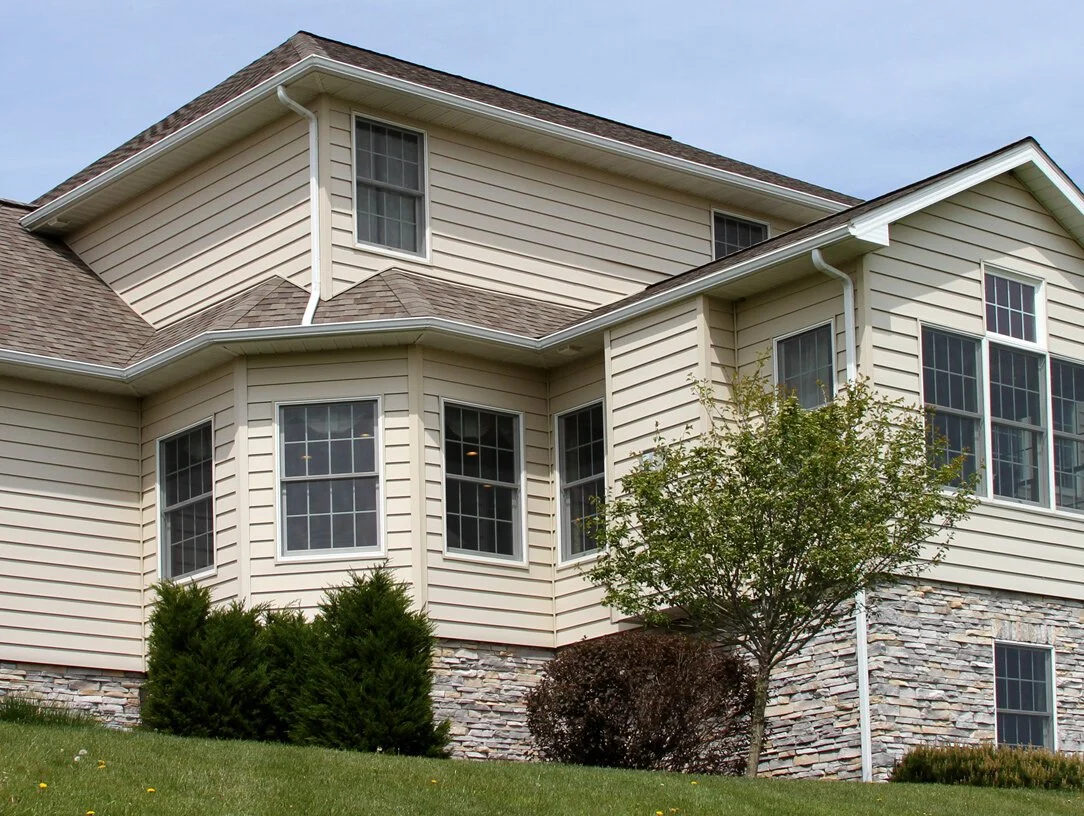
Here's a question we hear at least twice a week from homeowners in Sterling Heights, Troy, and across Southeast Michigan: "Does this siding actually protect against moisture and rot, or is that just marketing?"
It's a smart question. Because the truth is, not all siding offers the same level of protection. And when you're dealing with Michigan's freeze-thaw cycles, ice dam runoff, summer humidity, and storm-driven rain, the difference between good siding and bad siding isn't cosmetic — it's structural.
After 35 years installing house siding in Detroit and the surrounding counties, we've seen what works, what fails, and what homeowners need to know before they sign a contract. This post breaks down what "coverage against moisture and rot" actually means — both in terms of material properties and manufacturer warranties — and which siding materials handle Michigan weather best.
How Moisture and Rot Damage Happens in Michigan
Before we talk about which siding protects against moisture and rot, let's talk about how the damage happens in the first place. Because if you understand the mechanisms, you'll understand why certain materials and installation methods matter.
Michigan's climate is uniquely hard on exterior materials. We get freeze-thaw cycles from November through March — sometimes 40 or 50 cycles in a single winter. Water gets into small cracks, freezes, expands, and makes those cracks bigger. Then it thaws, seeps deeper, and freezes again. Over time, this destroys materials that aren't designed to handle it.
Ice dams are another major culprit. When heat escapes through a poorly insulated attic, it melts snow on the roof. The water runs down to the eaves, refreezes, and creates a dam. Water backs up under the shingles and runs down the exterior walls — right behind your siding. If your attic insulation in Metro Detroit isn't up to spec, you're creating a moisture problem that even the best siding can't fully protect against.
Summer brings its own challenges. High humidity — especially in July and August — combined with storm-driven rain means water is constantly trying to get behind your siding. If there's no proper moisture barrier, or if the siding wasn't installed with ventilation gaps, that water gets trapped. And trapped moisture leads to mold, mildew, and eventually rot in the sheathing or framing.
The reality: Even the most moisture-resistant siding material will fail if it's installed wrong. The best protection comes from combining the right material with proper installation — house wrap, flashing, ventilation, and attention to detail around windows, doors, and penetrations.
Siding Materials Ranked by Moisture and Rot Resistance
Let's rank the most common siding materials by their intrinsic resistance to moisture and rot damage. This isn't about warranties yet — this is about how the material itself performs when water shows up.
Vinyl Siding: Moisture-Resistant, Installation-Dependent
Vinyl doesn't absorb water. It won't rot, warp, or swell. From a pure material standpoint, it's highly resistant to moisture damage. That's why it's the most popular siding choice in Michigan — it's affordable, low-maintenance, and handles our weather reasonably well.
But here's the catch: vinyl siding is only as good as the installation. If the house wrap is missing or damaged, if the J-channel around windows isn't sealed properly, or if the siding is nailed too tight (which prevents expansion and contraction), water will get behind it. And once water is behind the siding, you're relying entirely on the house wrap and flashing to keep it out of your walls.
We've torn off vinyl siding in Shelby Township that looked fine from the street but had rotted sheathing underneath because the original installer skipped the house wrap or didn't flash the windows. The vinyl itself was intact — but it didn't protect the home.
Fiber Cement (James Hardie): Engineered for Moisture Resistance
Fiber cement siding — especially James Hardie — is engineered specifically to resist moisture. It's made from cement, sand, and cellulose fibers, and it's designed to handle wet climates. Hardie's ColorPlus technology includes a baked-on finish that resists moisture penetration better than field-applied paint.
James Hardie products come with a 30-year non-prorated warranty that covers material defects, including moisture-related damage, as long as the siding is installed according to their specifications. That's a significant advantage over materials that only offer limited coverage.
Fiber cement won't rot. It won't attract insects. It won't swell or delaminate when it gets wet. For Michigan homes — especially in areas with heavy lake-effect snow like Lake Orion or Rochester Hills — it's one of the most reliable long-term choices.
The trade-off? Cost. Fiber cement typically runs 2-3 times the price of vinyl, and installation is more labor-intensive because the material is heavier and requires special cutting tools. But if you're looking for maximum protection against moisture and rot, it's hard to beat.

Engineered Wood (LP SmartSide): Treated for Rot Resistance
LP SmartSide is engineered wood siding treated with zinc borate and a proprietary SmartGuard process to resist moisture, rot, and fungal decay. It's designed to look like real wood — with realistic grain texture — but perform better in wet conditions.
The treatment process makes a real difference. Traditional wood siding absorbs water and rots. LP SmartSide is engineered to resist that. It comes with a 50-year limited warranty that includes coverage for rot and fungal decay, as long as the siding is installed and maintained according to LP's guidelines.
We've installed LP SmartSide on homes in Grosse Pointe Farms and Bloomfield Hills where homeowners wanted the look of wood without the maintenance headaches. It holds up well in Michigan weather, but it does require periodic painting or staining to maintain the protective finish. If you let the paint fail, moisture can eventually penetrate the substrate.
Traditional Wood Siding: High Maintenance, Rot-Prone
Real wood siding — cedar, pine, redwood — looks beautiful. But it's also the most vulnerable to moisture and rot. Wood absorbs water. If the finish fails (and it will, eventually), moisture gets in. Freeze-thaw cycles accelerate the damage. Wood siding on Michigan homes requires regular maintenance — painting or staining every 3-5 years, prompt repair of cracks or splits, and constant vigilance against rot.
We still see wood siding on historic homes in Detroit and older neighborhoods, and when it's maintained properly, it can last decades. But "maintained properly" is the key phrase. Most homeowners don't want to commit to that level of upkeep, which is why we typically recommend engineered alternatives like LP SmartSide.
Brick and Stone Veneer: Excellent, But Expensive
Brick and stone don't rot. They don't absorb water in a way that causes structural damage. They're essentially inert. For moisture and rot resistance, they're at the top of the list.
The downside? Cost and weight. Brick veneer requires a solid foundation and proper flashing at the base to allow drainage. Stone veneer is lighter but still expensive. These materials are typically used as accents or on higher-end custom homes rather than as full-house siding replacements.
What "Coverage" Actually Means: Material Properties vs. Warranties
When we talk about siding that "includes coverage against moisture and rot damage," we're really talking about two different things: the material's intrinsic resistance to damage, and the manufacturer's warranty coverage if damage occurs.
Let's separate them.
Material Properties: How the Siding Actually Performs
This is about physics and chemistry. Vinyl doesn't absorb water, so it won't rot — that's a material property. Fiber cement is formulated to resist moisture penetration — that's a material property. LP SmartSide is treated with zinc borate to prevent fungal decay — material property.
These properties exist regardless of the warranty. A piece of James Hardie siding will resist moisture whether or not you file a warranty claim. The material does what it's designed to do.
Manufacturer Warranties: What's Covered, What's Not
Warranties are legal agreements that define what the manufacturer will cover if something goes wrong. And here's where it gets tricky, because most warranties have exclusions that homeowners don't discover until they try to make a claim.
For example, James Hardie's 30-year warranty covers material defects — including moisture-related damage to the siding itself — but it doesn't cover damage caused by improper installation, lack of maintenance, or moisture intrusion from other sources (like a leaking roof or failed gutter system).
LP SmartSide's 50-year warranty includes rot and fungal decay coverage, but it requires that the siding be painted or stained according to their maintenance guidelines. If you let the finish fail and moisture gets in, the warranty may not apply.
Vinyl siding warranties vary widely by manufacturer. Some cover only manufacturing defects (like color fading or cracking), while others include limited coverage for wind damage or impact. Very few vinyl warranties explicitly cover "moisture damage" because vinyl itself doesn't absorb moisture — but that doesn't mean water can't cause problems behind the siding.
What to watch for: Read the warranty exclusions carefully. Most manufacturers require professional installation, proper maintenance, and adherence to their installation guidelines. If your contractor cuts corners or uses non-approved methods, you could void the warranty without knowing it.
Installation Warranties: Your Contractor's Guarantee
This is separate from the manufacturer's warranty. A good contractor — like NEXT Exteriors — provides a workmanship warranty that covers installation defects. If water gets behind your siding because we didn't install the house wrap correctly, or because we failed to flash a window properly, that's on us. Our workmanship warranty covers it.
This is why choosing a licensed, insured contractor matters. If you hire someone without proper credentials or insurance, and they install your siding wrong, you have no recourse when water damage shows up two years later. The manufacturer won't cover installation defects, and the installer is long gone.
Installation Details That Determine Real-World Protection
Here's the truth: the best siding material in the world won't protect your home if it's installed wrong. We've seen James Hardie siding fail because the contractor didn't leave proper clearance at the bottom. We've seen LP SmartSide rot because the installer didn't flash the windows. We've seen vinyl siding blow off in a windstorm because it was nailed too tight.
Installation matters more than most homeowners realize. Here's what actually determines whether your siding protects against moisture and rot.
House Wrap and Moisture Barriers
The house wrap — typically Tyvek or a similar product — is your primary defense against water intrusion. It goes over the sheathing, under the siding, and acts as a secondary barrier. If water gets behind the siding (and it will, eventually), the house wrap keeps it from reaching the wood framing.
Good contractors overlap the house wrap properly, tape the seams, and integrate it with the window and door flashing. Bad contractors skip it entirely, or install it so poorly that it might as well not be there.
Every exterior service in Detroit we perform includes proper moisture barrier installation. It's non-negotiable.
Flashing Around Windows, Doors, and Penetrations
Flashing is thin metal or plastic material that directs water away from vulnerable areas — the top of windows, the bottom of doors, around vents and electrical boxes. If flashing is missing or installed incorrectly, water will find its way in.
We see this constantly on homes where the original builder or contractor used the bare minimum flashing, or installed it upside down (yes, that happens). Water runs behind the siding, soaks the sheathing, and eventually causes rot. The siding itself might be fine — it's the installation that failed.
Proper J-Channel and Trim Installation
J-channel is the trim piece that holds the ends of vinyl or other siding panels in place around windows and doors. If it's not installed with a slight back-slope, or if the seams aren't sealed, water can run behind it and into the wall cavity.
Same with corner trim, fascia trim, and any other transition points. These are the spots where water tries to get in. A good installer knows how to detail these areas to keep water out. A bad installer just slaps it up and moves on.
Ventilation Behind the Siding
Some siding products — especially fiber cement and engineered wood — perform better when there's an air gap behind them. This allows moisture to escape and prevents trapped humidity from causing problems.
Rainscreen systems, which use furring strips to create a ventilation gap, are becoming more common on high-performance homes. They're not required by code in Michigan, but they're a good idea if you want maximum moisture protection.

Signs Your Current Siding Is Failing Against Moisture
How do you know if your siding is actually protecting your home, or if moisture is already getting in? Here are the warning signs we look for when we inspect homes in Clinton Township, Warren, and across Southeast Michigan.
Soft Spots or Bulging
Press on the siding in a few spots around the house. If it feels soft, spongy, or gives way under pressure, there's moisture damage behind it. The sheathing or framing is rotting, and the siding is just cosmetically covering it up.
Bulging siding — where panels bow out from the wall — often indicates that the sheathing has swollen from water absorption. This is common on older homes with wood sheathing that wasn't properly protected.
Paint Peeling or Blistering
If you have painted siding (wood, fiber cement, or engineered wood), and the paint is peeling or blistering in certain areas, that's a sign of moisture pushing out from behind. Water is getting into the substrate, and as it tries to escape, it lifts the paint.
This is especially common around windows, doors, and at the bottom of walls where water tends to accumulate.
Visible Mold or Mildew
Mold and mildew on the surface of siding isn't necessarily a structural problem — it's common in shaded, humid areas. But if you're seeing mold growth in unusual spots, or if it keeps coming back no matter how often you clean it, there may be a moisture problem behind the siding.
Water Stains on Interior Walls
This is the big one. If you're seeing water stains, discoloration, or peeling paint on interior walls — especially on exterior walls — water is getting through the siding and into your home. This requires immediate attention, because by the time you see interior damage, the problem has been going on for a while.
Increased Energy Bills
If your heating or cooling bills have gone up and you haven't changed your usage, it could be a sign that your siding and insulation are no longer doing their job. Moisture-damaged insulation loses its R-value, and gaps in the siding allow air infiltration. Both drive up energy costs.
In many cases, upgrading your siding and improving your insulation services in Southeast Michigan can pay for itself over time through reduced energy bills.
What to Ask Your Siding Contractor About Protection
When you're getting quotes for a siding project, don't just ask about price and timeline. Ask about protection. Here are the questions that will separate the pros from the hacks.
What Moisture Barrier Are You Using?
If the answer is "we don't use one" or "whatever's already there," walk away. Every siding job should include new house wrap or an equivalent moisture barrier, properly installed and integrated with flashing.
How Do You Handle Flashing Around Windows and Doors?
A good contractor will explain their flashing process in detail — the type of flashing, how it integrates with the house wrap, how they seal penetrations. If they give you a vague answer or seem annoyed by the question, that's a red flag.
What Does Your Workmanship Warranty Cover?
Get it in writing. If water gets behind the siding due to installation defects, what happens? How long is the warranty valid? What's the process for making a claim?
Are You Licensed and Insured?
In Michigan, residential contractors need a builder's license for projects over a certain dollar amount. Ask to see it. Also ask for proof of liability insurance and workers' compensation coverage. If they can't provide it, move on.
NEXT Exteriors holds a Michigan Residential Builder's License and has been BBB A+ Accredited since 2006. We're fully insured, and we stand behind our work with comprehensive warranties.
Can I See References from Similar Projects?
Ask for references from projects similar to yours — same siding material, similar home style, in the same general area. Talk to those homeowners. Ask if they've had any moisture issues since the installation. Ask if the contractor showed up on time, stayed on budget, and cleaned up properly.
We're happy to provide references from our 500+ completed projects across Macomb, Oakland, and St. Clair counties. Our project gallery shows real installations on real Michigan homes.
Related services: A comprehensive exterior upgrade often includes more than just siding. Many of our clients combine siding replacement with window replacement in Detroit to maximize energy efficiency, or add exterior painting services using Sherwin-Williams premium coatings for long-lasting protection. If your roof in Southeast Michigan is also near the end of its lifespan, coordinating both projects can save money and reduce disruption.
Ready to Protect Your Home?
NEXT Exteriors has been installing high-performance siding in Southeast Michigan since 1988. We use the right materials, install them the right way, and back our work with real warranties. Get a free, no-pressure assessment and see what proper moisture protection looks like.
Get Your Free Siding AssessmentOr call us: (844) 770-6398
Frequently Asked Questions
Vinyl siding itself doesn't absorb water and won't rot, which makes it inherently moisture-resistant. However, vinyl is only a cosmetic layer — it doesn't create a waterproof seal. Protection against moisture depends on what's behind the siding: house wrap, flashing, and proper installation. If water gets behind poorly installed vinyl, it can cause rot in the sheathing and framing even though the vinyl itself is fine.
Fiber cement (James Hardie) and engineered wood (LP SmartSide) both handle freeze-thaw cycles well because they're designed to resist moisture absorption and dimensional changes. Vinyl is also a good choice because it doesn't absorb water, though it can become brittle in extreme cold. Traditional wood siding is the most vulnerable because it absorbs moisture, which expands when frozen and accelerates rot.
It depends on the manufacturer and the cause of the rot. James Hardie and LP SmartSide warranties include coverage for rot and moisture-related defects in the siding material itself, but they exclude damage caused by improper installation, lack of maintenance, or external water sources (like roof leaks or failed gutters). Always read the warranty exclusions carefully and make sure your contractor provides a separate workmanship warranty.
House wrap is critical. It's your primary defense against water that gets behind the siding — and water will get behind the siding eventually, no matter how well it's installed. House wrap (like Tyvek) allows moisture vapor to escape from inside the wall while blocking liquid water from outside. Without it, or if it's installed incorrectly, you're relying solely on the siding to keep water out, which isn't realistic in Michigan's climate.
Technically yes, but we don't recommend it in most cases. Installing over old siding hides potential moisture damage, doesn't allow for proper inspection of the sheathing, and can create an uneven surface that affects the new siding's performance. It also adds weight and makes future repairs more complicated. The right approach is to remove the old siding, inspect and repair the sheathing, install new house wrap and flashing, and then install the new siding properly.
It depends on the material and installation quality. Vinyl siding typically lasts 20-30 years. Fiber cement (James Hardie) can last 50+ years with minimal maintenance. LP SmartSide has a 50-year warranty and can last that long if maintained properly. Traditional wood siding might last 20-40 years with diligent maintenance, but often needs replacement sooner due to rot. Proper installation and regular maintenance significantly extend the lifespan of any siding material.
A material warranty (from the manufacturer) covers defects in the siding product itself — things like premature fading, cracking, or rot due to manufacturing flaws. A workmanship warranty (from your contractor) covers installation defects — improper flashing, missed house wrap, incorrect fastening, etc. You need both. If your siding fails due to bad installation, the manufacturer won't cover it. That's why choosing a licensed, insured contractor with a solid workmanship warranty is just as important as choosing quality materials.