

How Resistant Is Siding to Fading in Michigan Weather?
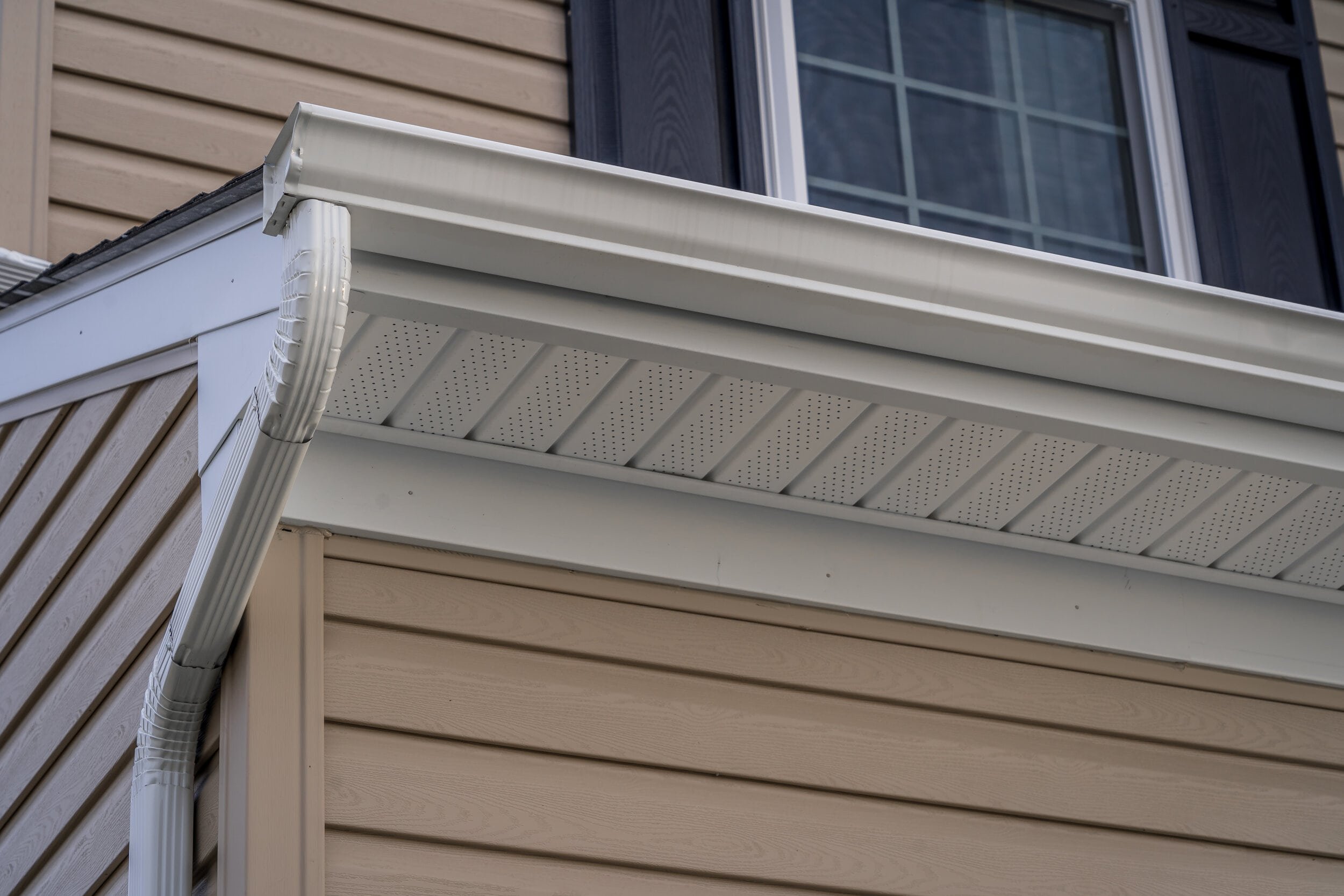
You've probably driven past a house in Sterling Heights or Royal Oak where the siding looked washed out, chalky, or two shades lighter than it should be. Maybe your own home is starting to show the same signs. Fading siding isn't just an aesthetic problem — it's a signal that the material is breaking down under Michigan's relentless freeze-thaw cycles, UV exposure, and lake-effect moisture.
After 35 years installing house siding in Detroit and across Southeast Michigan, we've seen every material fade, crack, or hold up under our climate. The question isn't whether siding will fade — it's how much, how fast, and whether you paid for the kind that resists it.
This guide breaks down fade resistance by material, explains the science behind color retention, and tells you what's worth the money when you're choosing siding for a Michigan home.
What Causes Siding to Fade?
Siding fades because of a combination of environmental stress and material quality. Understanding the mechanisms helps you choose products that resist them.
UV Radiation Breakdown
Ultraviolet light from the sun breaks down the chemical bonds in pigments and resins. This is the primary cause of fading across all siding types. Even on cloudy days, UV radiation is doing damage — Michigan gets plenty of sun exposure year-round, especially in summer when the sun angle is high and days are long.
Cheap vinyl siding uses low-grade pigments that degrade quickly under UV exposure. Premium products use UV inhibitors and stabilizers that slow this process, but nothing stops it completely.
Freeze-Thaw Cycles and Moisture
Michigan's freeze-thaw cycles — we can see 50+ cycles in a single winter — create micro-cracks in siding surfaces. Water infiltrates these cracks, freezes, expands, and accelerates pigment breakdown. This is why north-facing walls and shaded areas sometimes fade differently than south-facing ones: moisture lingers longer in those spots.
Lake-effect moisture compounds the problem. Homes near Lake St. Clair or in Macomb County's lakefront communities see more moisture-driven degradation than inland properties.
Manufacturing Quality Differences
Not all siding is made equal. Budget vinyl often uses less pigment, lower-quality resins, and thinner material. The color is surface-applied rather than baked through the entire panel. Premium products use capstock technology (a protective top layer), through-color formulations, or baked-on finishes that penetrate deeper.
This is where manufacturer partnerships matter. As a Detroit siding company working with CertainTeed, James Hardie, and LP SmartSide, we install products that come with fade warranties — something budget materials don't offer.
Michigan Reality: South-facing walls take the most UV damage. West-facing walls get afternoon sun plus moisture from prevailing winds. North-facing walls stay wet longer and see more freeze-thaw stress. A quality siding job accounts for all of this.
Fade Resistance by Material Type
How resistant is siding to fading? It depends entirely on the material — and the quality tier within that material. Here's what we've seen hold up (or not) on Michigan homes.
Vinyl Siding: The Quality Spectrum
Vinyl is the most common siding in Southeast Michigan, but fade resistance varies wildly based on what you buy.
Budget Vinyl (Builder-Grade): Expect noticeable fading within 5-8 years. These products use low acrylic content (often under 50%), surface-applied color, and minimal UV inhibitors. The color isn't uniform through the panel — it's a thin layer that wears off. You'll see chalking (a powdery residue when you rub the surface) as the first sign of breakdown.
Mid-Tier Vinyl: Products like CertainTeed Monogram or similar use higher acrylic content (60-70%) and better pigment dispersion. Fade resistance improves to 10-15 years before noticeable color shift. These often come with limited lifetime warranties that include fade coverage for the first 10 years.
Premium Vinyl (Capstock Technology): CertainTeed Cedar Impressions with StrataShield or similar capstock products add a protective top layer — essentially a UV-resistant shield over the color layer. This is the closest vinyl gets to true fade resistance. Expect 15-20+ years before visible fading, with warranties backing it up.
We install vinyl across all tiers depending on budget, but we're clear about the trade-offs. If you're planning to stay in your home long-term, premium vinyl is worth the upcharge. If you're selling in 5-7 years, mid-tier is fine.
James Hardie Fiber Cement: The Gold Standard
James Hardie's ColorPlus Technology is baked-on finish applied in a controlled factory environment, then cured. It's not paint — it's a multi-coat system that penetrates the fiber cement substrate. The result is exceptional fade resistance.
Hardie warranties their ColorPlus finish for 15 years against fading, cracking, or peeling. In practice, we see these installations looking nearly identical 20+ years later. The material doesn't chalk, doesn't crack from freeze-thaw, and holds color even on south-facing walls in full sun.
The trade-off is cost and weight. Fiber cement is 3-4x the price of budget vinyl and requires more labor to install. But if fade resistance is your priority — especially on a high-visibility home in Bloomfield Hills or Grosse Pointe Farms — this is the material.
LP SmartSide Engineered Wood
LP SmartSide uses a zinc borate treatment for rot resistance and a SmartGuard finish with UV inhibitors. It's a factory-primed product, so the final paint job (usually Sherwin-Williams) determines long-term fade resistance.
When we install LP SmartSide, we pair it with high-quality exterior paint from our Southeast Michigan painting professionals service. Sherwin-Williams Duration or Emerald exterior paints hold up well — expect 10-12 years before repainting is needed, with minimal fading if the surface is prepped correctly.
The advantage over vinyl is the wood-grain texture and the ability to use any paint color. The disadvantage is maintenance: you're repainting every decade, while Hardie or premium vinyl requires nothing.
Real Wood Siding and Paint
Cedar, redwood, or pine siding can look incredible, but fade resistance depends entirely on the paint or stain system. Even the best exterior paints (Sherwin-Williams Emerald, Benjamin Moore Aura) will fade in 7-10 years on sun-exposed walls.
We rarely recommend real wood for full-house siding in Michigan unless the homeowner is committed to repainting every 8-10 years. It's better suited for accent walls or historic restoration projects where authenticity matters more than low maintenance.
Comparison Table: Fade Resistance by Material
| Material | Fade Resistance (Years) | Warranty Coverage | Maintenance |
|---|---|---|---|
| Budget Vinyl | 5-8 | Limited or none | Minimal |
| Mid-Tier Vinyl | 10-15 | 10-year fade warranty | Minimal |
| Premium Vinyl (Capstock) | 15-20+ | Lifetime with fade coverage | Minimal |
| James Hardie Fiber Cement | 20+ | 15-year fade warranty | None |
| LP SmartSide (painted) | 10-12 | Paint warranty (5-year typical) | Repaint every 10 years |
| Real Wood (painted) | 7-10 | Paint warranty only | Repaint every 8-10 years |
The Science Behind Color Retention
Understanding why some siding fades and some doesn't comes down to chemistry and manufacturing process.
Capstock Technology
Capstock is a co-extrusion process where a protective top layer is fused to the base vinyl during manufacturing. The cap layer contains higher concentrations of acrylic resin, UV stabilizers, and titanium dioxide (which reflects UV light). This creates a sacrificial barrier — the cap layer takes the UV damage so the color layer beneath stays intact longer.
CertainTeed's StrataShield and similar technologies use this approach. It's why premium vinyl costs 30-40% more than standard vinyl, but lasts twice as long before visible fading.
Baked-On vs. Through-Color
Budget vinyl uses through-color — the pigment is mixed into the PVC resin before extrusion. The problem is that the pigment concentration is low to save cost, and UV breaks it down from the surface inward. As the surface degrades, you lose color.
Baked-on finishes (like James Hardie ColorPlus) apply multiple coats of pigmented resin to the substrate, then cure it at high temperature. This creates a deeper, more durable color layer that resists UV penetration. It's similar to automotive paint vs. spray paint — one is engineered to last, the other isn't.
UV Inhibitors and Stabilizers
High-quality siding includes chemical additives that absorb or reflect UV radiation before it reaches the pigment molecules. Titanium dioxide is common in lighter colors (it reflects UV). Organic UV absorbers are used in darker colors (they convert UV energy into harmless heat).
Cheaper products skip these additives or use minimal amounts. The result is rapid color degradation, especially in dark colors like navy, forest green, or charcoal — which absorb more UV energy than light colors.
Color Choice Matters: Dark colors fade faster than light colors, regardless of material. If you're choosing a deep blue or black siding, make sure you're buying a premium product with UV stabilizers. We've seen budget dark vinyl fade to gray in under five years.
Michigan Weather and Siding Longevity
Southeast Michigan's climate is uniquely hard on siding. Here's why fade resistance isn't just about sun exposure — it's about the combination of stressors our homes face.
Lake-Effect Moisture
Homes in Macomb County, especially near Lake St. Clair, deal with higher humidity and more frequent moisture cycling than inland properties. Moisture accelerates UV damage by creating surface stress — wet siding expands slightly, dry siding contracts. Over thousands of cycles, this weakens the surface and allows UV to penetrate deeper.
We see this in Clinton Township, St. Clair Shores, and Chesterfield — lakefront homes need higher-quality siding to match the lifespan of the same product installed 20 miles inland.
Summer Sun Intensity
Michigan summers are underrated for UV exposure. June and July bring long days (15+ hours of daylight) and high sun angles. South-facing walls can see 8-10 hours of direct sun daily. Over a 20-year span, that's 60,000+ hours of UV bombardment.
This is why we recommend premium materials for south and west exposures, even if you go mid-tier on north and east walls. The cost difference is marginal, and the visual difference in 15 years is dramatic.
Winter Ice and Snow Reflection
Snow reflects up to 80% of UV radiation back onto your home. This means your siding is getting hit from above (direct sun) and below (reflected UV off snow cover). It's a double-dose of exposure that accelerates fading on lower sections of walls during winter months.
We've seen this create uneven fading patterns — the bottom third of a wall fades faster than the top because of snow reflection. Quality siding resists this; cheap siding doesn't.
North vs. South-Facing Exposure
North-facing walls see less direct sun but stay wet longer. South-facing walls get maximum UV but dry quickly. West-facing walls get afternoon sun plus prevailing moisture from storms. Each exposure has different stress patterns.
A smart siding installation accounts for this. We've done projects where the homeowner chose premium vinyl for south and west walls, mid-tier for north and east. It's a budget-conscious way to maximize fade resistance where it matters most.

Cost vs. Fade Resistance: What's Worth It?
Michigan homeowners are practical. You want to know what you're paying for and whether it's worth the money. Here's the cost reality for fade-resistant siding.
Budget Vinyl: $3-$5 per Square Foot Installed
This is builder-grade material. It'll last 20-25 years structurally, but it'll look faded and chalky by year 8-10. If you're selling the house in the next 5-7 years, this is fine. If you're staying long-term, you'll regret it.
We install budget vinyl when clients are cost-constrained or preparing a rental property for sale. It's not what we'd put on our own homes.
Mid-Tier Vinyl: $5-$7 per Square Foot Installed
This is the sweet spot for most Michigan homeowners. Products like CertainTeed Monogram or GAF WeatherSide offer good fade resistance (10-15 years), solid warranties, and a noticeable quality difference over budget material. The upcharge is $2,000-$4,000 on an average home — worth it for the longevity.
Premium Vinyl (Capstock): $7-$9 per Square Foot Installed
Capstock products cost 30-40% more than mid-tier, but they last twice as long before fading. If you're in a high-visibility neighborhood (Rochester Hills, Grosse Pointe Farms, Bloomfield Hills) or planning to stay in your home 15+ years, this is the right choice.
We've installed CertainTeed Cedar Impressions with StrataShield on homes that still look factory-fresh 18 years later. That's the kind of performance you're paying for.
James Hardie Fiber Cement: $10-$14 per Square Foot Installed
Hardie is 2-3x the cost of budget vinyl, but it's also 2-3x the lifespan before any maintenance is needed. The ColorPlus finish is essentially maintenance-free for 20+ years. No painting, no fading, no warping.
This is the material we recommend for homeowners who want to install siding once and never think about it again. It's also the best choice for historic homes or properties where resale value matters — Hardie siding is a selling point.
Long-Term Value Calculation
Let's compare two scenarios for a 2,000-square-foot home:
Scenario 1: Budget Vinyl
- Initial cost: $8,000
- Fading visible at year 8
- Replacement needed at year 20-25
- Total 30-year cost: $16,000 (two installations)
Scenario 2: James Hardie Fiber Cement
- Initial cost: $24,000
- No fading or maintenance for 20+ years
- Replacement needed at year 40-50
- Total 30-year cost: $24,000 (one installation)
Over 30 years, Hardie costs $8,000 more but delivers twice the lifespan and zero maintenance. Budget vinyl costs less upfront but requires replacement sooner and looks worse in the meantime.
The right choice depends on your timeline and budget. We help clients think through this on every project — it's part of what we do as a trusted exterior services in Detroit contractor.
Signs Your Siding Is Fading (and What to Do)
How do you know if your siding is fading, and when does it make sense to replace it? Here are the warning signs we look for.
Chalking and Color Change
Run your hand along the siding. If you see a powdery residue on your fingers, that's chalking — the surface is breaking down. This is the first stage of UV degradation. The color will look duller, and the surface will feel rough instead of smooth.
Chalking is cosmetic at first, but it signals that the material is deteriorating. Within 2-5 years of visible chalking, you'll see significant color shift.
Uneven Fading Patterns
If south-facing walls are noticeably lighter than north-facing walls, or if the bottom sections are fading faster than the top, you're seeing UV and moisture stress. This is normal with budget materials but shouldn't happen with premium products within their warranty period.
Cracking or Warping
Fading often accompanies structural degradation. If you see cracks, warping, or panels pulling away from the house, the material is past its service life. At this point, you're not just dealing with aesthetics — you're risking water infiltration and damage to the sheathing or insulation in Metro Detroit homes.
When to Repair vs. Replace
If fading is isolated to one section (south wall only) and the rest of the siding is structurally sound, you can sometimes replace just that section. But matching the color on faded siding is nearly impossible — even the same product in the same color will look different because the old material has degraded.
In most cases, visible fading means it's time to replace the entire house. Patching creates a patchwork appearance that looks worse than uniform fading.
Warranty Coverage Reality
Most vinyl siding warranties cover "excessive" fading — defined as a color change exceeding a specific Delta E value (a measure of color difference). The problem is that manufacturers set this threshold high enough that normal fading doesn't qualify.
Premium products like CertainTeed capstock or James Hardie ColorPlus have real fade warranties with enforceable standards. Budget vinyl warranties are often prorated and exclude labor, making them nearly worthless in practice.
We always explain warranty terms upfront so clients know what they're actually covered for. It's part of our commitment to transparency — no surprises five years down the road.
When to Call a Contractor: If your siding is showing chalking, uneven fading, or color shift within 10 years of installation, contact the contractor who installed it. If it's a quality product, you may have warranty coverage. If it's budget material, you're likely looking at replacement.
Ready to Upgrade Your Siding?
NEXT Exteriors has been protecting Michigan homes since 1988. We install fade-resistant siding from CertainTeed, James Hardie, and LP SmartSide — backed by real warranties and honest advice. Get a free, no-pressure estimate from a team that shows up on time and does the job right.
Get Your Free QuoteOr call us: (844) 770-6398
Beyond siding, we offer comprehensive exterior services in Detroit and Southeast Michigan. Whether you need professional roofing in Southeast Michigan, energy-efficient windows in Southeast Michigan, or gutter installation in Southeast Michigan, we bring the same attention to detail and old-school work ethic to every project. Explore our project gallery to see our work, or use our home visualizer to see how different siding colors and materials would look on your home.