

How to Plan Exterior Upgrades in the Right Order | Michigan
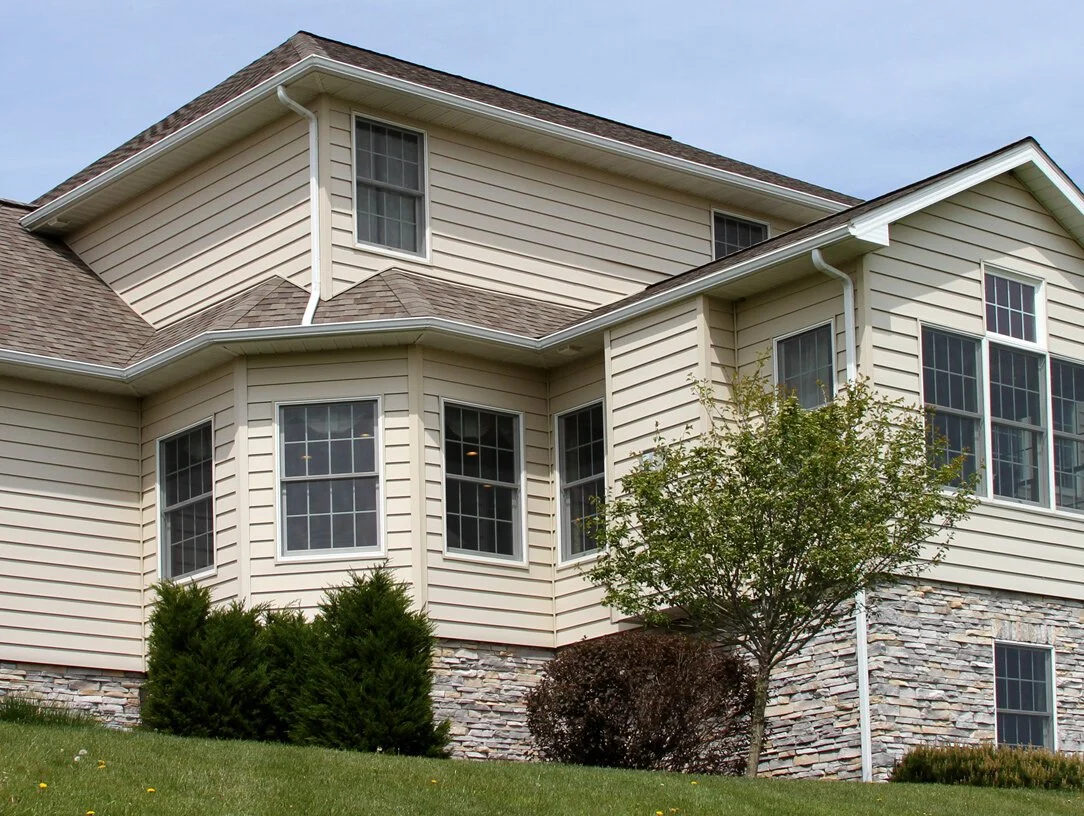
I've seen it happen more times than I can count in my 35 years working on Michigan homes: a homeowner replaces their windows first, then realizes six months later their roof is leaking. Now they need a roof replacement — but the roofer has to work around those brand-new windows, risking damage and compromising proper flashing integration. What should have been straightforward turns into a nightmare of coordination, extra costs, and crossed fingers.
Here's the truth most contractors won't tell you upfront: the order you tackle exterior upgrades matters just as much as the quality of the work itself. Do things in the wrong sequence, and you'll pay for the same work twice — or worse, create problems that compound over Michigan's brutal freeze-thaw cycles.
After completing over 500 projects across Macomb, Oakland, and St. Clair counties, we've learned that there's one correct hierarchy for exterior home improvements: roof first, then gutters, then siding, and finally windows. This isn't arbitrary. It's based on how these systems integrate, how water flows, and how Michigan weather punishes shortcuts.
This guide walks you through exactly why this sequence matters, what happens when you get it wrong, and how to plan your exterior upgrades the right way — whether you're tackling everything at once or spreading projects across multiple years.
Why Your Roof Must Come First
Your roof isn't just another exterior component — it's the structural foundation of your home's weather protection system. Everything else depends on it working correctly. When we approach Detroit roofing services projects, we're not just thinking about shingles. We're thinking about how that roof integrates with every other exterior element.
Here's why the roof comes first, every single time:
Roof work damages everything below it. Tear-off debris, dropped materials, foot traffic on ladders against siding — roof replacement is inherently destructive to anything underneath or adjacent. If you've already installed new James Hardie siding or premium vinyl, you're risking dents, cracks, and scratches. New windows? Same problem. We've seen $8,000 worth of siding damage from a roof job that should have been done first.
Flashing integration starts at the roof line. Proper water management requires flashing that begins at the roof deck and integrates with gutters, siding, and eventually windows. If your roof is old or improperly flashed, nothing you install below it will shed water correctly. Michigan gets 32 inches of precipitation annually, plus lake-effect snow in some areas. Water finds every flaw, and freeze-thaw cycles turn small problems into structural damage fast.

Structural issues hide under old roofing. You don't know what's under those shingles until they come off. Rotten decking, compromised trusses, hidden water damage — these problems need to be addressed before you invest in other exterior upgrades. I've pulled off roofs in Sterling Heights where half the decking needed replacement. If the homeowner had done siding first, we'd be working around it, adding cost and complexity.
Roof age dictates your timeline. Asphalt shingles last 20-30 years in Michigan, depending on quality and installation. If your roof is over 15 years old and you're planning multiple exterior upgrades, start there. A roof failure mid-project means stopping everything else, tearing off new materials that get damaged, and basically starting over.
Michigan-Specific Consideration: Our winter ice dams are brutal on aging roofs. If you're seeing ice dam damage — water stains on ceilings, icicles forming between the gutter and roof edge — your attic ventilation and insulation need work along with the roof. Address this first, or your new siding and windows won't perform as expected. We handle top-rated insulation contractor services in Detroit alongside roofing for exactly this reason.
As a CertainTeed Master Shingle Applicator — the highest credential in roofing — we've seen every possible sequence mistake. The roof-first rule isn't about upselling. It's about physics, building science, and 35 years of fixing other people's sequencing disasters.
Gutters Are Next (And Why Timing Matters)
Once your roof is solid, gutters are the immediate next step. Not siding. Not windows. Gutters. Here's why the timing is critical:
Fascia board condition becomes clear after roof work. When we remove old shingles and install drip edge, we can see exactly what shape your fascia boards are in. Rotten fascia is common on Michigan homes — years of ice dams, clogged gutters, and moisture infiltration take their toll. If fascia needs replacement, it happens now, before new gutters go up. Once siding is installed, accessing fascia becomes exponentially more difficult and expensive.
Gutter installation integrates with the new roof edge. Properly installed seamless gutters in Detroit, MI hang from the fascia and align precisely with the roof's drip edge. This relationship determines how water flows off the roof and into the gutter system. Get the roof done first, then hang gutters that match the new roofline perfectly. Do it backward, and you're compromising water management from day one.
Siding will cover the gutter mounting points. Gutters attach to the fascia, and siding overlaps the top edge of the fascia board. If you install siding first, the gutter installer either has to cut into your new siding (creating leak points) or mount gutters incorrectly. Neither option is acceptable. The correct sequence — roof, then gutters, then siding — allows each system to integrate properly without compromise.
Downspout routing affects foundation drainage. Before siding goes on, we need to plan downspout locations and extensions. Michigan's clay soil and freeze-thaw cycles make foundation drainage critical. Downspouts dumping water next to your foundation cause basement flooding, foundation cracks, and frost heave. Planning this during the gutter phase — before siding covers everything — gives you the most flexibility for proper drainage routing.
Real-World Example: Last spring in Rochester Hills, we worked on a 1960s ranch where the homeowner had installed premium vinyl siding two years earlier, but kept the old sectional gutters. By the time we got the call, water overflow from clogged gutters had rotted the fascia behind the new siding. We had to remove sections of siding, replace fascia, install new seamless gutters, then reinstall the siding. Cost: an extra $3,200 that could have been avoided with proper sequencing.
Seamless gutters aren't just cosmetic. They're part of your home's water management system, and that system needs to be complete and functional before siding goes on. Miss this step or do it out of order, and you're building water problems into your walls.
Siding Installation: The Third Step
With a solid roof and functional gutters in place, now — and only now — is it time for siding. Whether you're installing vinyl, fiber cement like James Hardie, or engineered wood like LP SmartSide, the sequencing logic remains the same.
Here's why siding comes third in the hierarchy:
Siding integrates with the completed roof and gutter system. Proper siding installation requires flashing that ties into the roof's water management system. The top course of siding needs to fit correctly under the roof's drip edge and above the gutter line. If the roof isn't finished or gutters aren't mounted, the siding installer is guessing at measurements and clearances. That guesswork leads to gaps, improper flashing, and water infiltration.
No overhead work damages new siding. Siding — especially fiber cement and premium vinyl — is expensive and surprisingly fragile during installation. Ladders leaning against it, tools dropped from above, debris from roof work — all of this causes dents, cracks, and scratches. By completing roof and gutter work first, your new siding goes on clean and stays protected.

Window and door flashing happens during siding installation. This is critical: proper window flashing requires the siding to be installed around the window, not the other way around. The flashing sequence goes: housewrap, window flashing tape, window installation, then siding that overlaps the window's nailing flange. If you install windows first without planning for siding, you're either compromising the flashing or cutting into new siding later. Neither works.
Siding choice affects your overall timeline. Different materials have different lead times and installation requirements. James Hardie fiber cement takes longer to install than vinyl but offers superior durability for Michigan's climate. LP SmartSide engineered wood provides a wood-look aesthetic with better moisture resistance than traditional wood. When you're working with a house siding company in Detroit that understands sequencing, they'll help you choose materials that fit your timeline and integrate properly with the completed roof and gutter systems.
Insulation upgrades happen now. If you're adding exterior foam insulation or upgrading wall insulation, this is the time. With old siding removed and new siding not yet installed, wall cavities are accessible. We frequently combine siding replacement with insulation services in Southeast Michigan for exactly this reason. Adding R-13 or R-15 wall insulation during a siding project costs a fraction of what it would cost as a separate project.
Michigan Material Reality: Vinyl siding expands and contracts significantly with temperature swings — and Michigan sees 100°F+ temperature differentials between summer and winter. Proper installation requires correct nailing technique (loose nails, centered in slots) and expansion gaps at corners and trim. If your siding installer doesn't understand this, you'll get buckling and waves within two years. We've replaced plenty of siding in Shelby Township and Clinton Township that was installed incorrectly by contractors who didn't account for thermal movement.
Siding is the visual face of your home, but it's also a critical weather barrier. Install it at the right point in the sequence, and it integrates seamlessly with your roof, gutters, and windows. Rush it or do it out of order, and you're building in failure points that Michigan weather will exploit.
Windows: The Final Exterior Upgrade
Windows come last. Always. This surprises homeowners because windows feel urgent — they're drafty, they fog up, they're inefficient. But installing windows before your roof, gutters, and siding are complete is one of the costliest sequencing mistakes you can make.
Here's the logic:
Windows integrate with existing siding, not the other way around. Proper window installation requires the siding to be in place first. The window's nailing flange sits against the housewrap, and siding overlaps that flange to create a weathertight seal. If you install windows before siding, the siding installer has to cut around the windows, creating potential leak points and making proper flashing nearly impossible. The correct sequence — siding first, then windows — allows for textbook flashing and weatherproofing.
Windows are expensive and fragile. A full window replacement for a typical Michigan home runs $8,000-$15,000 depending on size and quality. Those windows are vulnerable to damage during other exterior work. Roof tear-off, gutter installation, siding work — all of this involves ladders, tools, and materials moving around your home's exterior. Install windows last, and they go in clean without risk of damage from other trades.
Window performance depends on proper air sealing. Modern Detroit window experts know that window efficiency isn't just about the glass — it's about how the window integrates with your home's thermal envelope. If your walls lack insulation or your siding isn't properly sealed, new windows won't perform as expected. By addressing roof, insulation, and siding first, you create the proper thermal envelope for windows to work within.
You might not need to replace all your windows. This is the part most window salespeople won't tell you: if your windows are less than 15 years old and in decent shape, upgrading your attic insulation and air sealing might solve your comfort problems without window replacement. We've seen countless homes in Troy and Warren where homeowners thought they needed new windows, but the real problem was inadequate attic insulation and air leaks around the window trim. Fix those first (which happens during roof and siding work), then reassess whether windows need replacement.
Exception to the Rule: If you're dealing with severely rotten window frames that are causing structural damage to the wall framing, those windows might need to come out during the siding phase. But this is a repair issue, not a standard replacement. A qualified contractor will identify this during the inspection and plan accordingly.
Window types matter for Michigan. Double-hung windows are traditional and work well for most applications. Casement windows offer better air sealing and easier operation — important for homeowners with mobility issues. Sliding windows work well for wide openings like over kitchen sinks. Bay and bow windows add architectural interest but create complex flashing situations that require expert installation. When you're working with experienced window replacement professionals in Southeast Michigan, they'll help you choose the right window types for your home's architecture and your functional needs.
Windows are the final piece of your exterior puzzle. Install them last, after everything else is complete and properly integrated, and they'll perform exactly as designed. Install them first, and you're either compromising their installation or risking damage from subsequent work.
What Happens When You Do It Wrong
Theory is one thing. Let me show you what happens in the real world when homeowners tackle exterior upgrades out of sequence. These are actual projects we've worked on across Southeast Michigan:
Scenario 1: Windows first, roof later. A homeowner in Grosse Pointe Farms spent $12,000 on premium vinyl windows in 2023. Six months later, their 22-year-old roof started leaking. When we came out for the roof replacement estimate, the problem was obvious: the roof needed complete tear-off and several sheets of decking replacement. During the roof work, we had to protect those new windows with plywood shields, work carefully around them, and modify our normal tear-off process to avoid damage. The extra care added two days to the project and $1,800 in labor costs. Worse, the original window installation hadn't accounted for the roof's drip edge position, so water was running behind the window flashing. We had to reflash all the upper-floor windows during the roof job — work that should have been done correctly the first time if sequencing had been right.
Scenario 2: Siding before gutters. Last year we got a call from a homeowner in Lake Orion who'd had beautiful James Hardie siding installed by another contractor. They'd kept their old sectional gutters, figuring they'd replace them "eventually." That eventually came fast — the old gutters clogged, overflowed, and water ran down behind the new siding. By the time we arrived, water damage had rotted the fascia and sheathing behind the siding in three locations. We had to remove sections of the new siding, replace the damaged wood, install seamless gutters, then reinstall the siding sections. Total cost to fix what should have been done right the first time: $4,100.

Scenario 3: Everything at once, but no coordination. This is common with homeowners who hire different contractors for each trade without a general contractor coordinating. A homeowner in Chesterfield hired a roofer, a siding guy, and a window company — all working independently. The roofer finished first but didn't coordinate with the siding contractor on flashing details. The siding contractor installed before the window company showed up, so the window installer had to cut into new siding. The gutter installer came last and couldn't mount gutters properly because the siding contractor had covered the fascia attachment points incorrectly. The result: three callbacks, finger-pointing between trades, and a homeowner who spent $45,000 but still had water infiltration issues. We ended up fixing the flashing and gutter mounting, which required removing and reinstalling sections of siding.
The cost multiplier effect. Here's the brutal math: doing exterior work out of sequence doesn't just add the cost of fixing mistakes. It multiplies costs through damage, rework, and compromised installation quality. A window installed before siding might cost $500 per window. That same window installed after siding — requiring siding removal, proper flashing installation, and siding reinstallation — costs $700-$800 per window. Multiply that across 15 windows, and you've added $3,000-$4,500 to your project for no additional value.
Michigan weather doesn't forgive installation mistakes. A small flashing error in Arizona might take years to show up. In Michigan, with freeze-thaw cycles, ice dams, and 32+ inches of annual precipitation, that same error causes visible damage within months. The correct sequence isn't about perfectionism — it's about building a weather-resistant system that survives Michigan's climate.
Planning Your Multi-Year Exterior Strategy
Not every homeowner can afford to tackle all exterior upgrades at once. If you're spreading projects across multiple years, the sequencing principle still applies — you just need a strategic timeline.
Year 1: Roof and Gutters
If budget forces you to prioritize, start with the roof and gutters together. This combination makes sense for several reasons: roof and gutter work happens at the same time anyway (gutters go on immediately after roofing), the combined cost is manageable for most homeowners ($12,000-$18,000 for a typical Michigan home), and you've secured your home's primary weather protection. With a solid roof and functional gutters, you can safely wait on siding and windows without risking structural damage.
Year 2-3: Siding and Insulation
Once your roof and gutters are solid, plan for siding. If your budget allows, combine siding replacement with wall insulation upgrades — the walls are open anyway, and adding insulation now costs a fraction of what it would as a standalone project. This is when you work with a comprehensive exterior services provider in Detroit who can coordinate both trades efficiently.
Year 3-4: Windows
With roof, gutters, and siding complete, your home's exterior envelope is solid. Now windows can go in with proper integration and flashing. If your existing windows are functional but inefficient, this timeline works well. If your windows are failing badly, you might need to accelerate this phase — but even then, roof and gutters should come first.
Seasonal timing considerations for Michigan:
- Spring (April-May): Best for roofing — shingles seal properly in warm weather, and you're ahead of summer storm season. Good for siding if you avoid the wettest weeks.
- Summer (June-August): Peak season for all exterior work. Longest days, most predictable weather, but also highest demand and potentially higher prices. Book early.
- Fall (September-October): Excellent for roofing and siding. Cooler temperatures make physical work easier, and you're winterizing before snow. Windows can go in, but cold weather installation requires extra care.
- Winter (November-March): Roofing is possible but challenging — shingles don't seal well below 40°F, and ice/snow create safety hazards. Siding installation is difficult. Window replacement is possible but not ideal. Best used for interior prep work and planning.
Budget Reality Check: A complete exterior renovation for a 2,000-square-foot Michigan home typically runs $35,000-$55,000 depending on materials and scope. Breaking this into phases makes it manageable: $12,000-$18,000 for roof and gutters, $15,000-$25,000 for siding and insulation, $8,000-$15,000 for windows. Financing options exist, but the smartest approach is tackling projects as you can afford them while maintaining the correct sequence.
Insurance claim sequencing. If you're dealing with storm damage covered by insurance, the sequencing logic still applies, but timing compresses. Insurance typically covers roof damage, and sometimes siding and gutters if wind-driven debris caused impact damage. Work with your adjuster to understand what's covered, then coordinate all covered work simultaneously if possible. We've handled numerous insurance claims across Macomb County and Oakland County — the key is getting a detailed scope approved upfront so all related work happens in the correct sequence without delays.
The single-contractor advantage. Whether you're doing everything at once or spreading projects across years, working with one contractor who handles all exterior services in Detroit eliminates coordination headaches. You get consistent quality, proper integration between systems, a single point of contact, and often better pricing through bundled projects. We've been doing this since 1988, and the homeowners who fare best are the ones who plan the full scope upfront, even if execution happens in phases.
Signs You Need to Start Now
Knowing the correct sequence is one thing. Knowing when to start is another. Here are the warning signs that it's time to begin your exterior upgrade planning:
Roof indicators:
- Your roof is 15+ years old (even if it looks okay from the ground)
- You're seeing granule loss — bare spots on shingles or granules in gutters
- Shingles are curling, cracking, or missing
- You've got ice dams forming every winter
- Water stains appear on interior ceilings or walls
- Your attic shows daylight through the roof deck
- Energy bills have increased significantly without explanation
Gutter indicators:
- Gutters are pulling away from the fascia
- You see rust, holes, or separated seams in sectional gutters
- Water overflows during rain despite cleaning
- Basement flooding occurs after heavy rain
- Foundation erosion or settling near downspout locations
- Fascia boards show rot or water damage
Siding indicators:
- Siding is cracked, warped, or buckling
- You see moisture or mold behind siding
- Paint is peeling or chalking badly (for wood siding)
- Heating/cooling costs have increased noticeably
- You feel drafts near exterior walls
- Interior walls show water stains or damage
Window indicators:
- Condensation forms between glass panes (seal failure)
- Windows are difficult to open or won't stay open
- You feel drafts around closed windows
- Frames show rot, especially at the sill
- Paint is peeling or wood is soft/spongy
- Windows are original to a home built before 1990
The 15-Year Rule: Most exterior components have a 15-25 year lifespan in Michigan's climate. If your roof, siding, and windows are all approaching or past 15 years old, it's time to start planning. You don't necessarily need to replace everything immediately, but you should have a professional inspection and a realistic timeline. Waiting until something fails completely costs more and often forces you into poor timing or wrong sequencing.
Pre-sale considerations. If you're planning to sell your home in the next 2-3 years, strategic exterior upgrades can significantly increase value and speed up the sale. A new roof typically returns 60-70% of its cost in increased home value. New siding returns 75-80%. New windows return 70-75%. But here's the key: buyers notice and appraisers document deferred maintenance. A roof that's obviously past its life, failing gutters, or damaged siding can kill a sale or force price reductions far exceeding the repair cost. If you're selling soon, prioritize the most visible issues — usually roof and siding — and make sure they're done right.
For homeowners across Sterling Heights, Royal Oak, St. Clair Shores, and throughout Southeast Michigan, the exterior upgrade decision isn't about whether to do the work — Michigan's climate eventually forces the issue. It's about when to start and in what order. Get the sequence right, and you'll maximize your investment while protecting your home. Get it wrong, and you'll pay for the same work twice.
Ready to Plan Your Exterior Upgrades the Right Way?
NEXT Exteriors has been helping Michigan homeowners protect their homes since 1988. We handle roofing, gutters, siding, windows, insulation, and painting — all coordinated in the correct sequence for lasting results. Get a free, no-pressure estimate from a team that shows up on time and does the job right.
Get Your Free QuoteOr call us: (844) 770-6398
Before you commit to any exterior work, it's worth understanding how NEXT Exteriors approaches these projects differently. We've been operating under Premier Builder Inc. since 1988, and our approach is simple: honest work, fair pricing, no gimmicks. We're a CertainTeed Master Shingle Applicator, BBB A+ Accredited since 2006, and we've completed over 500 projects across Southeast Michigan. When you work with us, you get a comprehensive plan that sequences your exterior upgrades correctly — whether you're doing everything at once or spreading projects across multiple years. We also handle Southeast Michigan painting professionally using exclusively Sherwin-Williams products, so if exterior painting is part of your plan, we can coordinate that as well.
Frequently Asked Questions
You can, but you shouldn't unless the windows are causing structural damage to the wall framing. Old windows are inefficient, but they're not typically causing damage to other systems. If you install windows before siding, the siding installer will have to cut around them, compromising proper flashing and creating potential leak points. The better approach: if your windows are in rough shape but your siding replacement is 1-2 years away, get temporary weatherization (caulking, weatherstripping) to hold you over. Then do siding first, windows second, with proper integration.
For a typical 2,000-square-foot Michigan home, a complete exterior renovation (roof, gutters, siding, windows) runs $35,000-$55,000 depending on materials. Doing everything at once often saves 10-15% compared to separate projects because of mobilization efficiency, bulk material pricing, and reduced overhead. However, spreading projects over 2-3 years makes the cost more manageable for most homeowners. The key is maintaining the correct sequence: roof and gutters first ($12,000-$18,000), siding next ($15,000-$25,000), windows last ($8,000-$15,000). This approach costs slightly more overall but prevents the financial strain of a $50,000 project all at once.
If insurance is covering roof replacement due to storm damage, prioritize getting that work done within your claim timeline (usually 12 months). If your gutters are old or damaged, see if the adjuster will include them — wind-driven debris often damages gutters along with roofs. Even if insurance only covers the roof, this is the perfect time to upgrade gutters at your own expense since the contractor is already there and scaffolding/access is set up. You'll save on mobilization costs. Siding and windows can wait, but get the roof and gutters done together if at all possible. We work with insurance claims regularly across Macomb and Oakland counties and can help you understand what's covered and how to coordinate additional work efficiently.
One contractor who handles all exterior trades is almost always better, assuming they're properly licensed and experienced. Here's why: you get consistent quality across all systems, proper integration and flashing between roof/gutters/siding/windows, a single point of contact and accountability, coordinated scheduling without gaps or conflicts, and often better pricing through bundled services. The alternative — hiring a roofer, a gutter company, a siding contractor, and a window installer separately — creates coordination nightmares and finger-pointing when things go wrong. At NEXT Exteriors, we handle all exterior services under one roof specifically to avoid these problems. We've been doing this since 1988, and the homeowners who fare best are the ones who work with a single, comprehensive contractor.
Roofing, siding, and window installation require specialized skills, tools, and — critically — proper insurance and licensing. Michigan building codes are strict, and improperly installed exterior work fails fast in our climate. DIY roofing is particularly dangerous (falls are the leading cause of construction fatalities) and often voids material warranties. Gutters are somewhat more DIY-friendly, but seamless gutters require specialized equipment. Our honest advice: hire licensed professionals for the major work. If budget is tight, you can handle prep work (removing old shutters, clearing the work area, basic landscaping protection) and finish work (painting trim, landscaping restoration) to reduce costs. But the core installation work — especially anything involving water management and structural integration — should be done by licensed Michigan contractors who carry proper insurance and understand local building codes.
For a typical 2,000-square-foot home with moderate complexity: Roof replacement takes 1-3 days depending on weather, roof complexity, and decking condition. Gutter installation takes 1 day, usually done immediately after roofing. Siding replacement takes 5-10 days depending on material (vinyl is faster, James Hardie takes longer) and home size/complexity. Window replacement takes 2-4 days depending on the number of windows and any trim work required. If you're doing everything at once with a coordinated crew, the full project typically takes 2-3 weeks from start to finish, weather permitting. If you're spreading projects across multiple years, each phase can be scheduled independently based on your timeline and budget. Keep in mind that Michigan weather affects scheduling — spring and summer projects move faster, while fall and winter work may face weather delays.
This is the scenario we see most often when homeowners get the sequence wrong. If your siding is new but your roof needs replacement, we can still do the roof work — but it requires extra care and adds cost. We'll protect the new siding with plywood shields, work more carefully during tear-off to avoid debris damage, and potentially need to remove and reinstall the top course of siding to properly integrate roof flashing. This typically adds $800-$1,500 to the roof replacement cost and 1-2 days to the timeline. It's doable, but it's exactly why we recommend roof-first sequencing. If you're in this situation, don't delay the roof work hoping to avoid the hassle — a failing roof will cause far more damage to your new siding than careful roof replacement will.