

Signs Your Detroit Home Needs More Attic Insulation
Discover the warning signs of inadequate attic insulation in Detroit homes. Learn how to spot ice dams, high energy bills, and temperature issues from a licensed Michigan contractor.

We've been crawling into Michigan attics since 1988, and the pattern never changes: homeowners call us about ice dams, sky-high heating bills, or rooms that won't stay warm — and when we pop the hatch, we find insulation that's thin, compressed, or missing entirely.
Your attic isn't just empty space above your ceiling. It's the thermal boundary between your heated living space and the outside world. When that boundary fails, everything suffers: your comfort, your energy bills, your roof, and your gutters. In Detroit's climate — where we swing from 90°F summer humidity to subzero January nights — proper attic insulation isn't optional. It's the difference between a home that works and one that bleeds money.
This isn't a sales pitch. It's what we've learned from 35+ years of attic inspections across Sterling Heights, Royal Oak, Troy, and every other community in Southeast Michigan. We're going to walk you through the seven warning signs that your attic insulation has failed, what proper insulation actually looks like, and what it costs to fix it right.
Why Attic Insulation Matters in Michigan
Michigan's climate is brutal on homes. We get lake-effect snow dumps in January, freeze-thaw cycles that crack foundations in March, and humid 90-degree stretches in July. Your attic insulation is the first line of defense against all of it.
Here's the building science: heat rises. In winter, your furnace pumps warm air into your living space, and that heat naturally migrates upward through your ceiling into the attic. If your attic insulation is inadequate — say, 6 inches of old fiberglass batting instead of the 16-19 inches of blown-in cellulose Michigan homes need — that heat escapes through your roof deck.
When warm air hits a cold roof deck, two things happen. First, you waste energy. Your furnace runs constantly trying to replace the heat that's bleeding out the top of your house. Second, that warm air melts snow on your roof from underneath, creating the conditions for ice dams — thick ridges of ice that form at your roof edge, trap water, and cause serious gutter and roof damage.
The U.S. Department of Energy estimates that homes lose 25-30% of their heating and cooling energy through inadequate attic insulation. In Michigan, where we heat for 6-7 months a year, that's not a small number. It's hundreds of dollars annually, compounding over decades.
R-Value Explained: Insulation effectiveness is measured in R-value — resistance to heat flow. Michigan building code requires attic insulation between R-49 and R-60 depending on your heating system. That translates to roughly 16-19 inches of blown-in cellulose or fiberglass. Most older homes in Metro Detroit have R-19 to R-30 at best.
Beyond energy costs, poor attic insulation shortens your roof's lifespan. When your attic runs too warm in winter, it accelerates shingle aging from the underside. When it runs too hot in summer — attics can hit 150°F on a July afternoon — it bakes your shingles from below. Proper insulation, combined with adequate ventilation, keeps your attic temperature closer to the outside air, which is exactly what your roofing system needs.
7 Clear Signs You Need More Attic Insulation
You don't need to be a contractor to spot insulation problems. These are the warning signs we see in 90% of the homes we inspect across Macomb, Oakland, and St. Clair counties.
1. Ice Dams Forming on Your Roof Edges
This is the most visible symptom. Ice dams are thick ridges of ice that build up along your roof edge and inside your gutters during winter. They form when heat escaping through your attic melts snow on the upper portion of your roof. That meltwater runs down to the cold roof edge (which hangs over the exterior wall, outside the heated envelope) and refreezes.

Ice dams trap water behind them, forcing it under your shingles and into your home. We've seen ice dams cause tens of thousands of dollars in damage to ceilings, walls, and insulation. The root cause? Inadequate attic insulation letting too much heat escape through the roof deck.
If you see icicles hanging from your gutters or thick ice ridges at your roof edge after a snowstorm, your attic insulation has failed. Period.
2. Uneven Room Temperatures Throughout Your Home
Walk through your house on a cold January morning. If your bedroom is freezing while your living room is comfortable — even though they're both on the same floor with the same thermostat — you've got insulation problems.
Uneven temperatures usually mean insulation gaps in your attic. Maybe the previous owner only insulated the center section and skipped the edges. Maybe insulation has settled or been disturbed. Maybe there's no insulation over the garage ceiling (a common shortcut in 1960s-era ranch homes common throughout Warren and Sterling Heights).
Cold rooms force you to crank the thermostat higher, which wastes energy and still doesn't solve the problem. Proper attic insulation creates an even thermal barrier across your entire ceiling plane.
3. Your Heating Bills Keep Climbing
Energy costs fluctuate, but if your winter heating bills have increased significantly over the past few years — and your furnace hasn't changed — your insulation has likely degraded.
Fiberglass batts compress over time, especially if they've gotten wet from roof leaks or attic moisture. Compressed insulation loses R-value. Those 6-inch batts that were installed in 1985 might only be providing R-11 today instead of the original R-19.
We routinely see homes in Clinton Township and Macomb where homeowners are paying $300-400/month to heat 1,800 square feet in winter. After upgrading to R-60 blown-in cellulose, those bills drop to $180-220/month. The insulation pays for itself in 3-5 years just from energy savings.
4. Your Ceilings and Interior Walls Feel Cold
Stand in your hallway and touch the ceiling. If it feels noticeably colder than the air temperature, heat is escaping through it. Same with the top 12 inches of your interior walls, especially where they meet the ceiling.
This is a dead giveaway that your attic insulation isn't doing its job. A properly insulated ceiling should feel close to room temperature because the insulation is preventing heat transfer.
Cold ceilings also create comfort problems beyond temperature. When your body radiates heat toward a cold surface, you feel colder even if the air temperature is fine. That's why you can have your thermostat set to 70°F and still feel chilly.
5. Drafts Coming From Ceiling Light Fixtures and Attic Hatches
Hold your hand near a recessed ceiling light or your attic access hatch on a windy winter day. Feel that cold air leaking in? That's not just a draft problem — it's an insulation and air sealing problem.
Recessed lights, attic hatches, whole-house fans, and plumbing vent stacks create penetrations in your ceiling. If those penetrations aren't properly air-sealed and insulated around, they become chimneys that pull warm air out of your house and let cold air in.
We see this constantly in older homes across Royal Oak and Grosse Pointe Farms where insulation was blown in decades ago but nobody addressed the air leaks first. You can have 18 inches of insulation in your attic, but if air is bypassing it through gaps around fixtures, you're still losing energy.
6. Your Furnace or AC Runs Constantly
Your HVAC system should cycle on and off throughout the day. If your furnace runs almost continuously in winter, or your AC never shuts off on summer afternoons, your home can't hold conditioned air.
Poor attic insulation is usually the culprit. In winter, heat escapes faster than your furnace can replace it. In summer, heat radiates down through your ceiling faster than your AC can remove it. Either way, your equipment works overtime, wears out faster, and drives up your utility bills.
This is especially common in homes with original 1970s-1980s insulation that's compressed or damaged. The insulation might look okay from below, but up in the attic, it's thin, uneven, or missing in critical areas.
7. You Can See Your Insulation Is Damaged, Thin, or Missing
Pop your attic hatch and look around (safely — don't step off the joists). What do you see?
- Thin insulation: If you can see the tops of your ceiling joists, you don't have enough. Proper insulation should cover the joists completely.
- Compressed batts: Fiberglass that's been compressed by storage boxes or foot traffic loses most of its R-value.
- Water stains: Dark stains or mold on insulation means it's been wet. Wet insulation doesn't insulate.
- Gaps and voids: Insulation that's been pushed aside or never installed in certain areas (common around chimneys, soffits, and HVAC ducts).
- Rodent damage: Mice and squirrels love to nest in fiberglass. Contaminated insulation needs to be removed.
If any of these conditions exist in your attic, you need more insulation. It's not a question of if, but when you'll address it — and how much damage occurs in the meantime.
What Proper Attic Insulation Looks Like
Here's what we install in Metro Detroit homes when we do the job right, following Michigan building code and building science best practices.
R-Value Requirements for Southeast Michigan
Michigan residential code requires attic insulation between R-49 and R-60 depending on your heating system. Most homes should target R-60 for optimal energy performance. That's roughly:
- 16-19 inches of blown-in cellulose (R-3.2 to R-3.8 per inch)
- 17-22 inches of blown-in fiberglass (R-2.2 to R-2.7 per inch)
- 10-12 inches of spray foam (R-6 to R-7 per inch, closed-cell)
Most older homes in Detroit, Sterling Heights, and Troy have R-19 to R-30 at best. Upgrading to R-60 typically doubles or triples the existing insulation depth.
Blown-In Cellulose vs. Fiberglass vs. Spray Foam
Blown-in cellulose is our go-to for most attic upgrades. It's made from recycled paper treated with fire retardant, fills gaps completely, and resists settling better than fiberglass. It also provides better air sealing because the small fibers pack tightly together. Cost: $1.50-2.50 per square foot installed.
Blown-in fiberglass works well too, though it settles more over time and requires slightly more depth to hit the same R-value. It's a good choice if you've had moisture issues in the past because it dries out faster than cellulose. Cost: $1.25-2.00 per square foot.
Spray foam (closed-cell) is the premium option. It provides the highest R-value per inch, acts as an air barrier and vapor barrier, and adds structural rigidity. We use it in cathedral ceilings, bonus rooms over garages, and situations where you need maximum insulation in minimal space. Cost: $3.50-5.00 per square foot for 4-6 inches of closed-cell foam.
For most homeowners, blown-in cellulose offers the best balance of performance, cost, and ease of installation. We've installed thousands of attic insulation upgrades across Southeast Michigan using cellulose, and it performs beautifully in our climate.

Air Sealing Comes First
Here's what most insulation contractors skip: air sealing. You can blow in 24 inches of insulation, but if air is leaking through gaps in your ceiling, you're still wasting energy.
Before we add insulation, we seal:
- Attic hatch perimeters with weatherstripping and rigid foam
- Recessed light fixtures (or replace with IC-rated airtight models)
- Plumbing vent stacks where they penetrate the ceiling
- Electrical wire penetrations
- HVAC duct boots and registers
- Top plates of interior walls (the gap where the wall framing meets the attic floor)
We use spray foam, caulk, and rigid foam board depending on the gap size. This step alone can reduce air leakage by 30-40%, which translates directly to energy savings.
Ventilation Must Be Maintained
Insulation and ventilation work together. Your attic needs continuous airflow from soffit vents (at the eaves) to ridge vents or gable vents (at the peak). This airflow prevents moisture buildup, keeps your attic cool in summer, and prevents ice dams in winter.
When we add insulation, we install baffles (rigid foam or cardboard channels) between each rafter at the eaves. These keep the soffit vents clear and maintain an air channel above the insulation. Without baffles, blown-in insulation can block the soffit vents, choking off airflow and creating moisture problems.
We've seen plenty of DIY insulation jobs and hack contractor work where insulation was blown right over the soffit vents. Within a year, the homeowner has mold, condensation, and rotting roof sheathing. Don't let that happen to your home.
The Cost of Ignoring Attic Insulation
Let's talk dollars. What does inadequate attic insulation actually cost you?
Energy Waste
A typical 1,800-square-foot home in Metro Detroit with R-19 attic insulation (common in homes built 1970-1990) loses approximately $600-900 per year in wasted heating and cooling energy compared to the same home with R-60 insulation.
Over 10 years, that's $6,000-9,000. Over 20 years — the typical lifespan of a furnace — it's $12,000-18,000. Insulation upgrades cost $2,500-4,500 for most homes. The math is obvious.
Ice Dam Damage
Ice dams caused by poor attic insulation routinely cause $5,000-15,000 in damage to roofs, gutters, siding, and interior ceilings. We've worked with homeowners in Shelby Township and Lake Orion who've dealt with ice dam damage three winters in a row because they kept treating the symptom (removing ice) instead of fixing the cause (inadequate insulation).
One ice dam insurance claim can increase your premiums for years. And if you file multiple claims, you risk non-renewal. Fixing your attic insulation eliminates the problem permanently.
Shortened Roof Lifespan
Asphalt shingles are designed to last 25-30 years in Michigan's climate when the attic is properly insulated and ventilated. When your attic runs too hot in summer or too warm in winter, shingles age faster — sometimes failing at 15-18 years instead of 25+.
A roof replacement costs $8,000-16,000 for most homes in Southeast Michigan. If poor insulation cuts your roof's lifespan by even 5 years, that's a real financial hit.
Comfort and Health
This isn't quantifiable in dollars, but it matters: drafty rooms, uneven temperatures, and constantly running HVAC systems make your home uncomfortable. You shouldn't need to wear a sweatshirt indoors in January or run three box fans in July.
Poor insulation also contributes to indoor air quality problems. When your attic is under-insulated and poorly ventilated, moisture accumulates. That moisture leads to mold, which affects respiratory health. We've seen this pattern repeatedly in older homes across Macomb County.
What Attic Insulation Actually Costs in Metro Detroit
Let's cut through the vague "it depends" answers and give you real numbers based on what we charge for insulation services in Southeast Michigan.
Blown-In Cellulose (Most Common)
For a typical 1,200-1,500 square foot attic (ranch home or Cape Cod upper floor), upgrading from R-19 to R-60 with blown-in cellulose costs $2,200-3,500 installed. This includes:
- Air sealing major penetrations (attic hatch, plumbing stacks, recessed lights)
- Installing soffit baffles to maintain ventilation
- Blowing 10-14 inches of cellulose to bring total depth to R-60
- Cleanup and disposal
Larger homes (2,000-2,500 square feet of attic space) run $3,800-5,500. Homes with complex rooflines, multiple levels, or difficult attic access cost more due to labor.
Spray Foam (Premium Option)
Closed-cell spray foam applied to the underside of your roof deck (creating a conditioned attic) costs $4,500-8,000 for most homes. This approach is best when:
- Your HVAC equipment or ductwork is in the attic
- You have cathedral ceilings or bonus rooms
- You're finishing attic space into living area
- You want maximum R-value in minimal space
Spray foam costs more upfront but provides superior air sealing, moisture control, and R-value per inch. It's overkill for most standard attics, but it's the right solution for certain situations.
ROI and Payback Period
Attic insulation upgrades typically pay for themselves in 3-6 years through energy savings alone. After that, you're pocketing $600-900 annually in reduced heating and cooling costs.
Factor in the avoided costs — ice dam damage, premature roof replacement, HVAC strain — and the ROI is even better. Plus, proper insulation increases your home's resale value. Buyers care about energy efficiency, and an energy audit showing R-60 attic insulation is a selling point.
Utility Rebates: DTE Energy and Consumers Energy offer rebates for insulation upgrades that meet certain R-value thresholds. Rebates typically range from $200-600 depending on the project scope. We can help you navigate the rebate application process.
How NEXT Exteriors Handles Attic Insulation
We've been doing this since 1988, and we've refined our process to deliver results that last. Here's what happens when you work with us.
Step 1: Attic Inspection and Assessment
We start with a thorough attic inspection. We measure existing insulation depth and R-value, check for moisture damage, inspect ventilation, identify air leaks, and assess structural issues (roof leaks, damaged sheathing, inadequate framing).
We take photos and measurements so you can see exactly what we're seeing. No guesswork, no upselling. Just honest assessment of what your attic needs.
Step 2: Air Sealing
Before we add a single inch of insulation, we seal air leaks. This includes attic hatches, recessed lights, plumbing penetrations, electrical boxes, and top plates. We use spray foam for large gaps and caulk for smaller ones.
Air sealing typically takes 2-4 hours depending on home size and complexity. It's not glamorous work, but it's critical for performance.
Step 3: Ventilation Baffles
We install rigid foam or cardboard baffles between each rafter at the eaves to maintain airflow from soffit vents. This ensures insulation doesn't block ventilation and your attic can breathe properly.
Step 4: Insulation Installation
We blow cellulose or fiberglass to the target R-value, ensuring even coverage across the entire attic floor. We use depth markers so you can verify the insulation thickness meets code.
Our crews are careful around HVAC equipment, electrical wiring, and recessed lights. We don't bury junction boxes or create fire hazards — mistakes we've seen from other contractors.
Step 5: Cleanup and Final Inspection
We clean up completely. Insulation dust gets vacuumed, materials get hauled away, and we walk you through the completed work. You'll see before and after photos, and we'll explain what to expect in terms of comfort and energy savings.
We also provide documentation for utility rebate applications and building department inspections if required.

NEXT Exteriors has been protecting Michigan homes since 1988. We're a CertainTeed Master Shingle Applicator, BBB A+ accredited since 2006, and we've completed 500+ projects across Macomb, Oakland, and St. Clair counties. We know Michigan homes, Michigan weather, and what it takes to make insulation perform in our climate.
Beyond insulation, we offer a full range of exterior services in Detroit and throughout Southeast Michigan, including siding installation, window replacement, seamless gutter installation, and exterior painting. We're your one-stop solution for keeping your home protected and energy-efficient.
Ready to Stop Wasting Energy?
NEXT Exteriors has been protecting Michigan homes since 1988. Get a free, no-pressure estimate from a team that shows up on time and does the job right. We'll inspect your attic, explain what you need, and give you a fair price — no gimmicks.
Get Your Free QuoteOr call us: (844) 770-6398
Frequently Asked Questions
What's Included in a Free Roof Inspection in Metro Detroit?
Learn what NEXT Exteriors checks during a free roof inspection in Metro Detroit—from shingles to flashing to attic ventilation. 35+ years of Michigan roofing experience.

You've noticed a few shingles in the yard after last week's windstorm. Or maybe you're seeing dark streaks on your roof and wondering if it's time for a replacement. Or you're getting ready to list your house and the realtor suggested having the roof checked before the home inspection. Whatever brought you here, you're asking the right question: What actually happens during a free roof inspection in Metro Detroit?
Here's the straight answer from someone who's been doing this work in Michigan since 1988: A legitimate free roof inspection isn't a 10-minute glance from the driveway. It's a comprehensive, 12-point evaluation that covers everything from the shingles you can see to the attic ventilation you can't. At NEXT Exteriors, our Detroit roofing services include thorough inspections conducted by CertainTeed Master Shingle Applicators—the highest credential in the roofing industry.
This post walks you through exactly what we check during every inspection, why each component matters in Michigan's freeze-thaw climate, and what happens after we're done. No sales pitch. Just the truth about what a professional roof inspection should include.
Why Free Roof Inspections Matter in Southeast Michigan
Michigan weather is brutal on roofs. We get freeze-thaw cycles that expand and contract shingles dozens of times each winter. We get lake-effect snow that piles up and creates ice dams. We get summer storms with straight-line winds that lift shingles and tear off flashing. And we get the occasional hail event that dents everything from your gutters to your car hood.
A free roof inspection catches problems early—before a small leak turns into rotted decking, before a missing shingle exposes the underlayment, before an ice dam backs water into your attic and ruins insulation. Early detection saves you money. Period.
Here's the other reason inspections matter: insurance claims. If a storm rolls through Sterling Heights or Rochester Hills and you suspect damage, you need documentation. A professional inspection provides photo evidence and a written report that supports your claim. We've helped dozens of homeowners in Macomb County and Oakland County navigate the insurance process after severe weather.
Michigan-Specific Insight: The freeze-thaw cycle is particularly hard on roof flashing and valley areas. Water seeps under shingles during the day, freezes at night, expands, and gradually lifts fasteners. This is why ice dams in Michigan often start with small ventilation or insulation issues that compound over time.
The 12-Point Roof Inspection Checklist
When we show up for a free roof inspection, we're not just looking at your shingles from the ground. We're climbing up, walking the roof (safely), and checking every component that affects performance and longevity. Here's what that includes:
1. Shingle Condition Assessment
We inspect every roof plane for granule loss, curling, cracking, missing shingles, and wind damage. Granule loss is common on south-facing slopes in Michigan—UV exposure and heat cycles degrade the protective coating. Curling usually indicates age or poor attic ventilation. Missing shingles are obvious, but we also check for shingles that are lifted or loose—they'll blow off in the next storm if not addressed.
We document the manufacturer, product line, and approximate age. If you have CertainTeed Landmark shingles installed 15 years ago, that's different from GAF Timberline HDZ shingles installed 5 years ago. Age and product quality affect our recommendations.
2. Flashing Inspection
Flashing is the metal or rubberized material that seals roof penetrations and transitions. We check flashing around chimneys, vent pipes, skylights, and in valleys. This is where most leaks start—not the shingles themselves, but the flashing that wasn't installed correctly or has corroded over time.
In Metro Detroit, we see a lot of older homes with galvanized steel flashing that's rusted through. Modern installations use aluminum or copper, which last longer. We also check step flashing along walls and kick-out flashing at roof-to-wall transitions—critical details that prevent water intrusion. For more on flashing materials, see our post on aluminum vs. copper flashing for West Bloomfield roof repairs.

3. Gutter and Drainage Evaluation
Gutters aren't technically part of the roof, but they're part of the roof system. We check gutter condition, attachment points, and downspout drainage. Clogged gutters cause water to back up under shingles and contribute to ice dam formation in winter. Loose gutters pull away from the fascia and allow water to run behind them, rotting the fascia board and soffit.
We also look at downspout placement—are they dumping water right next to the foundation, or are they extended away from the house? Poor drainage causes basement flooding and foundation issues. If your gutters are due for replacement, our seamless gutters in Detroit, MI are custom-fabricated on-site for a perfect fit.
4. Soffit and Fascia Examination
Soffit and fascia boards frame the underside of your roof overhang. We check for rot, pest damage, and proper ventilation function. Soffit vents are critical for attic airflow—they provide intake ventilation that balances exhaust vents at the ridge or gable ends. Blocked or insufficient soffit vents lead to moisture buildup, mold, and ice dams.
Fascia boards support the gutters and take a beating from weather exposure. Rotted fascia needs replacement before we can install new gutters or secure loose ones. This is a common issue on older homes in Troy, Warren, and St. Clair Shores. For more on this, check out our guide on soffit and fascia installation in Metro Detroit.
5. Attic Ventilation Check
Proper attic ventilation is non-negotiable in Michigan. We verify balanced intake (soffit vents) and exhaust (ridge vents, gable vents, or roof vents). The rule of thumb is 1 square foot of ventilation per 150 square feet of attic space, split evenly between intake and exhaust.
Poor ventilation causes heat buildup in summer (which shortens shingle life) and moisture buildup in winter (which leads to mold, rot, and ice dams). We see this constantly: homeowners with ice dam problems who don't realize their attic is the root cause. If ventilation is inadequate, we recommend solutions—sometimes it's adding more vents, sometimes it's addressing insulation issues that block airflow.
6. Interior Attic Inspection
We don't just look at the roof from the outside—we go into the attic (with your permission). Inside, we look for moisture stains on the decking, mold growth, inadequate or compressed insulation, and structural issues like sagging rafters or cracked trusses.
Moisture stains indicate active or past leaks. Mold growth indicates poor ventilation or a hidden leak. Compressed insulation (especially around soffit vents) blocks airflow and reduces R-value. We document everything with photos. If insulation is the issue, our top-rated insulation contractor in Detroit services include attic insulation upgrades that improve energy efficiency and prevent ice dams.

7. Decking Condition Assessment
The roof decking (usually plywood or OSB sheathing) is the structural layer that supports the shingles. We check for sagging, rot, or water damage. Sagging decking indicates structural issues—either the rafters are undersized, or water damage has weakened the sheathing. Rotted decking needs replacement before new shingles go on. You can't install a quality roof over compromised decking.
This is something we often find on older homes in Grosse Pointe Farms and Lake Orion—homes built in the 1960s and '70s with original plywood that's been exposed to decades of moisture cycling. If we find decking issues, we'll give you an honest estimate for replacement. It's not cheap, but it's necessary.
8. Roof Penetration Review
Every pipe, vent, chimney, and skylight that penetrates the roof is a potential leak point. We examine all penetrations for proper sealing and flashing. Plumbing vents often use rubber boots that crack and deteriorate after 15-20 years. Chimney flashing needs counter-flashing and proper sealant. Skylights need flashing kits that integrate with the shingle layers.
We also check for abandoned penetrations—old satellite dish mounts, removed vents, etc.—that were never properly sealed. These are easy fixes but common sources of leaks.
9. Storm Damage Documentation
If you're scheduling an inspection after a storm, we're specifically looking for hail dents, wind-lifted shingles, and debris impact. Hail damage is tricky—it's not always visible from the ground, but it compromises shingle integrity and voids manufacturer warranties. We check for dents on metal flashing, vents, and gutters as supporting evidence.
Wind damage shows up as lifted, creased, or missing shingles. Michigan gets straight-line winds from summer storms that can exceed 70 mph—enough to tear off poorly fastened shingles or lift entire sections. We document everything with photos and measurements for your insurance claim.
10. Wind Rating Evaluation
Michigan building code requires shingles to meet certain wind uplift ratings. We assess whether your current shingles meet those requirements and whether they were installed according to manufacturer specifications. Many older roofs were installed with fewer fasteners than required, which reduces wind resistance.
Modern shingles from CertainTeed, GAF, and Owens Corning are rated for winds up to 130 mph when installed correctly. If your roof doesn't meet current standards, we'll explain what's needed to bring it up to code.
11. Ice Dam Risk Analysis
Ice dams are a major issue in Southeast Michigan. We identify conditions that lead to ice dam formation: inadequate attic insulation, poor ventilation, heat loss from the living space, and gutter placement. Ice dams form when heat escapes into the attic, warms the roof deck, melts snow, and then refreezes at the eaves where the roof is colder. The ice backs up under shingles and causes leaks.
If we see signs of past ice dams (water stains in the attic near the eaves, lifted shingles at the roof edge), we'll recommend solutions. Sometimes it's adding insulation, sometimes it's improving ventilation, sometimes it's installing ice and water shield underlayment during a roof replacement. For a deeper look, read our post on ice dams and gutter issues.
12. Warranty Compliance Check
If your roof is still under warranty, we verify that the previous installation meets manufacturer requirements. Many warranties are voided by improper installation—wrong fasteners, insufficient ventilation, missing underlayment, etc. If we find installation defects that void the warranty, we document them and explain your options.
We also check for proper registration with the manufacturer. Some warranties require registration within a certain timeframe. If you're not sure whether your roof is registered, we can help you track that down.
What Happens After the Inspection
Once the inspection is complete, we provide a detailed written report with photos. You'll get a clear assessment of your roof's condition, an estimate of remaining lifespan, and recommendations for repairs or replacement. We don't pressure you into unnecessary work. If your roof has 5-7 years left and only needs minor repairs, we'll tell you that.
If you need a full replacement, we'll give you a detailed estimate that breaks down materials, labor, and timeline. We explain your options—different shingle lines, underlayment upgrades, ventilation improvements—so you can make an informed decision. We work with CertainTeed, GAF, and Owens Corning, so you have choices at different price points.
If the inspection was for an insurance claim, we'll work with your adjuster to ensure all damage is documented and covered. We've handled hundreds of insurance claims over 35+ years in business, and we know how to navigate the process.
No-Pressure Promise: At NEXT Exteriors, we don't do high-pressure sales. If you need time to think, get other quotes, or wait until next year, that's fine. We're here when you're ready. Our reputation is built on honest assessments, not pushy tactics.
When to Schedule a Roof Inspection in Metro Detroit
Here's when you should schedule a free roof inspection:
- After major storms: Hail, high winds, or heavy snow can cause damage that's not immediately visible. Schedule an inspection within a few weeks of a severe weather event.
- Before buying or selling a home: A roof inspection gives buyers peace of mind and helps sellers address issues before the home inspection. It's a smart move in any real estate transaction.
- Every 3-5 years for maintenance: Even if you don't see problems, a periodic inspection catches small issues before they become big ones. Think of it like an oil change for your roof.
- If you notice interior leaks or stains: Water stains on ceilings or walls, drips in the attic, or musty odors indicate a leak. Don't wait—schedule an inspection immediately.
- If you see shingles in the yard: Missing or damaged shingles are a red flag. Wind events can lift shingles without you noticing until they blow off.
- Spring and fall timing: Spring is ideal for catching winter damage. Fall is ideal for preparing your roof for the next winter. We're busiest in spring and early summer, so scheduling in fall can mean faster turnaround.
If you're also considering other exterior upgrades, our exterior services in Detroit cover everything from siding to windows to insulation—we can bundle projects for efficiency and cost savings.

What Makes NEXT Exteriors' Inspections Different
You can get a "free roof inspection" from a dozen contractors in Metro Detroit. So why choose NEXT Exteriors?
CertainTeed Master Shingle Applicator Credential: This is the highest certification in the roofing industry. It requires extensive training, proven installation quality, and ongoing education. Only a small percentage of contractors hold this credential. It means we know the products inside and out, and we install them to manufacturer specs—which protects your warranty.
35+ Years of Michigan Experience: We've been doing this since 1988. We've seen every type of roof, every weather event, and every installation mistake. That experience shows up in our inspections—we know what to look for and how to fix it.
No-Pressure, Honest Approach: We're not here to sell you a roof you don't need. If repairs will get you another 5 years, we'll tell you. If replacement is the smart move, we'll explain why. Our reputation is built on trust, not sales quotas.
Manufacturer Partnerships: We're certified installers for CertainTeed, GAF, and Owens Corning. That gives you access to enhanced warranties and the best products on the market. We also work with Detroit siding companies and Detroit window experts for comprehensive exterior upgrades.
BBB A+ Rating: We've been BBB accredited since 2006 with an A+ rating. That's nearly 20 years of verified customer satisfaction and ethical business practices.
Community Involvement: We're active with Habitat for Humanity of Oakland County and LifeBUILDERS in Detroit. We believe in giving back to the communities we serve.
Ready to Get Your Roof Inspected?
NEXT Exteriors has been protecting Michigan homes since 1988. Get a free, no-pressure roof inspection from a CertainTeed Master Shingle Applicator. We'll give you an honest assessment, detailed photos, and clear recommendations.
Schedule Your Free InspectionOr call us today: (844) 770-6398
We also offer comprehensive services beyond roofing. If your home needs Southeast Michigan painting professionals for exterior touch-ups, or you're dealing with drafty spaces that need better insulation services, we handle it all. For homeowners comparing materials, our posts on vinyl siding vs. fiber cement in Michigan weather and casement vs. double-hung windows provide detailed comparisons to help you make informed decisions.
Frequently Asked Questions
A thorough roof inspection typically takes 45-90 minutes, depending on the size and complexity of your roof. We walk every section, check the attic, and document everything with photos. We don't rush—quality inspections take time.
You don't need to be home for the exterior portion, but we do need access to your attic for the interior inspection. If you can't be home, we can coordinate with you to schedule the attic inspection separately. We'll never enter your home without permission.
Yes, with your permission. The attic inspection is critical—it reveals moisture issues, ventilation problems, and insulation deficiencies that aren't visible from the outside. We'll let you know what we find and provide photos.
If we find damage, we'll document it with photos and provide a detailed report. We'll explain whether it's a minor repair, a larger issue, or grounds for an insurance claim. You'll get a clear estimate and timeline for any recommended work. There's no obligation to hire us—we just want you to have the information you need.
Yes, it's completely free with no strings attached. We don't charge for inspections because we want homeowners to have accurate information about their roof condition. If you decide to hire us for repairs or replacement, great. If not, that's fine too. We're here to help, not pressure you.
Absolutely. We've worked with dozens of insurance companies and adjusters over 35+ years in business. We'll document storm damage, provide detailed reports, and work with your adjuster to ensure your claim is properly handled. We know what insurance companies look for and how to present the evidence.
We're certified installers for CertainTeed, GAF, and Owens Corning—the top three manufacturers in North America. We carry multiple product lines at different price points, so you have options that fit your budget and performance needs. As a CertainTeed Master Shingle Applicator, we offer enhanced warranties that aren't available from most contractors.
Pre-Summer Roof Checkup: Metro Detroit Homeowner Checklist
Essential spring roof inspection checklist for Southeast Michigan homeowners. Learn what to check before summer storms hit and when to call a professional roofer.

Michigan winters are brutal on roofing systems. By the time April rolls around, your roof has endured months of freeze-thaw cycles, ice dams, heavy snow loads, and wind-driven sleet. Most homeowners in Sterling Heights, Troy, and across Southeast Michigan don't think about their roof until water starts dripping through the ceiling — usually during a summer thunderstorm when it's too late for a simple fix.
A pre-summer roof checkup isn't about paranoia. It's about catching small problems before they become expensive disasters. We've been providing Detroit roofing services since 1988, and the pattern is always the same: homeowners who skip spring inspections end up calling us in July with emergency leaks that could have been prevented with a $300 repair in April.
This checklist walks you through what to look for, what you can safely inspect yourself, and when to call a professional. Some of this you can do from the ground with binoculars. Some requires attic access. None of it requires climbing onto your roof — that's our job.
What Michigan Winters Do to Your Roof
Southeast Michigan sits in a climate zone that's uniquely hard on roofing materials. We get lake-effect snow from Lake Huron and Lake St. Clair, but we also get frequent thaws. That freeze-thaw cycle — where temperatures swing from 15°F at night to 38°F during the day — is what destroys roofs.
Here's the mechanical reality: water gets under shingles or into small cracks during a thaw. When temperatures drop overnight, that water freezes and expands. Ice takes up about 9% more volume than liquid water, which means it pushes shingles apart, widens gaps in flashing, and can even crack roof decking if enough water has infiltrated.
Over a typical Michigan winter, this cycle repeats 30 to 40 times. Each cycle causes microscopic damage. By spring, those microscopic problems have compounded into visible issues: lifted shingles, separated flashing, compromised sealant around pipe boots, and weakened valleys.
Ice Dam Aftermath: Even if you didn't see active ice dams this winter, the conditions that cause them — inadequate attic insulation and poor ventilation — still stress your roof. Ice dams force water under shingles in ways normal rain never does. The damage shows up weeks later as interior stains or rot in the roof decking.
The other winter factor is snow load. A cubic foot of fresh snow weighs about 7 pounds. Wet, compacted snow can weigh 20 pounds per cubic foot. A typical 2,000-square-foot roof with 18 inches of compacted snow is supporting roughly 30,000 pounds — 15 tons. Most roofs are engineered for this, but older roofs with compromised decking or framing can develop stress fractures or sagging.
This is why the roof replacement timeline in Novi and surrounding areas tends to spike in spring. Homeowners discover winter damage once the snow melts and the first warm rain hits. By then, roofers are booked solid for weeks.
Ground-Level Inspection: What You Can Check Safely
You don't need to climb on your roof to spot most problems. In fact, you shouldn't — roofs are slippery in spring, and walking on wet shingles can cause more damage than you're trying to diagnose. Here's what to check from the ground.
Granule Loss in Gutters
Walk around your house and look inside your gutters and downspouts. If you see significant accumulation of shingle granules — they look like coarse sand, usually dark gray or black — your shingles are deteriorating. Some granule loss is normal, especially in the first year after installation. But if you're seeing piles of granules or bare spots on shingles visible from the ground, the protective layer is wearing off.
Architectural shingles like CertainTeed Landmark or GAF Timberline HD are designed with a ceramic granule coating that protects the asphalt underneath from UV degradation. Once those granules are gone, the asphalt deteriorates rapidly. This is especially common on south-facing slopes that get the most sun exposure.
Shingle Condition from Ground Level
Use binoculars to inspect your roof from the street or yard. Look for:
- Curled or cupped shingles: Edges lifting up or curling under, usually a sign of age or poor attic ventilation
- Cracked shingles: Visible splits or breaks, often caused by thermal cycling or impact damage
- Missing shingles: Bare spots where wind has torn shingles off, common after winter storms
- Dark streaks or discoloration: Can indicate algae growth (cosmetic) or water infiltration (structural)
- Sagging sections: Dips or waves in the roofline suggest decking problems underneath
Pay special attention to areas where ice dams typically form — along eaves and in valleys. These are the spots most likely to show damage after a Michigan winter.
Flashing Around Chimneys and Vents
Flashing is the metal or rubberized material that seals the joints between your roof and vertical surfaces like chimneys, vent pipes, and skylights. It's also the most common failure point on residential roofs.
From the ground, look for:
- Rust or corrosion on metal flashing
- Gaps or separation where flashing meets brick or siding
- Cracked or missing caulk around flashing edges
- Lifted or bent flashing, especially after high winds
Chimney flashing is particularly vulnerable because it involves two different materials (metal and masonry) that expand and contract at different rates. The sealant that keeps water out degrades over time, and winter freeze-thaw cycles accelerate that process.
Gutter and Downspout Condition
Your seamless gutters in Detroit, MI are part of your roof system. If they're clogged, sagging, or pulling away from the fascia, water backs up and can infiltrate under shingles or rot the fascia boards.
Check for:
- Standing water or debris in gutters
- Gutters pulling away from the house (loose hangers)
- Rust spots or holes in metal gutters
- Downspouts that are disconnected or clogged
- Water stains on siding below gutter lines
If you're seeing gutter problems in Metro Detroit, spring is the time to address them before summer storms overwhelm a compromised system.
Soffit and Fascia Inspection
The soffit (underside of the roof overhang) and fascia (vertical board at the roof edge) are often overlooked until they're rotting. Walk around your house and look up at these areas. You're checking for:
- Peeling paint or water stains
- Soft or spongy wood (poke it gently with a screwdriver if you can reach)
- Gaps or holes where animals might enter
- Sagging or warped panels
Soffit and fascia damage usually indicates either gutter problems (water overflowing and soaking the wood) or roof edge issues (ice dams forcing water under the drip edge). Either way, it needs attention before it spreads. Our soffit and fascia guide covers why these components matter more than most homeowners realize.
Attic Inspection: Interior Warning Signs
The attic tells the truth about your roof's condition. This is where you'll see evidence of leaks, ventilation problems, and insulation failures that aren't visible from outside. You'll need a flashlight and the ability to safely navigate your attic space.
Water Stains on Roof Decking
Look at the underside of your roof decking (the plywood or OSB sheathing). Fresh water stains are dark and wet. Old stains are discolored but dry. Either way, they indicate water has gotten through your shingles at some point.
Note the location of any stains. Water travels, so the stain might be several feet away from the actual leak point. Look for patterns that follow roof valleys, flashing lines, or nail penetrations.
Daylight Through Roof Boards
On a bright day, turn off your attic lights and look for pinpricks of daylight coming through the roof. Any visible light means there's a hole — whether from a nail that backed out, a crack in the decking, or deteriorated sealant around a vent.
Small light leaks might not cause immediate problems, but they will during a wind-driven rain or when snow melts and refreezes.
Insulation Moisture
Touch your attic insulation (if it's fiberglass batts or blown-in cellulose). It should be completely dry and fluffy. If it's damp, compressed, or matted down, you have either a roof leak or a condensation problem.
Condensation happens when warm, moist air from your living space rises into a cold attic and hits the cold roof decking. The moisture condenses and drips back down onto the insulation. This is a ventilation and air-sealing issue, not necessarily a roof leak, but it needs to be addressed. Our Detroit insulation services often tie directly to roof performance.
Ventilation Check
Proper attic ventilation is critical in Michigan. You need intake vents (usually in the soffit) and exhaust vents (ridge vents, gable vents, or roof vents) to create airflow that keeps the attic temperature close to the outside temperature.
Check that soffit vents aren't blocked by insulation. Look for signs of adequate ventilation: the attic should feel cold in winter (not warm from heat escaping your living space) and should ventilate heat in summer.
Poor ventilation causes ice dams in winter and shortens shingle life in summer by trapping heat that "cooks" the shingles from underneath.
Mold or Mildew
Black or dark green spots on roof decking or rafters indicate mold growth, which requires moisture. This is a red flag for either active leaks or chronic condensation problems.
Mold isn't just a roof issue — it's a health and structural issue. If you see significant mold growth, you need both a roofing assessment and potentially a mold remediation specialist.
Critical Roof Components to Examine
Certain roof elements fail more often than others. These are the components that deserve extra attention during your spring checkup.
Pipe Boots and Penetrations
Every pipe that penetrates your roof (plumbing vents, exhaust vents) is sealed with a rubber boot or flashing. These boots are made of EPDM rubber or neoprene, and they deteriorate over time — especially in Michigan's temperature extremes.
A cracked pipe boot is one of the most common causes of roof leaks we see in Macomb County. The rubber dries out, cracks, and water runs straight down the pipe into your attic. Our guide on pipe boots and roof leaks explains why this $30 part causes so much damage.
From the attic, you can often see daylight around pipe penetrations if the boot has failed. From outside (with binoculars), look for cracked or separated rubber around vent pipes.
Valley Integrity
Roof valleys — where two roof planes meet — channel a lot of water. They're high-stress areas, and they're often the first place to show wear.
Valleys can be open (metal flashing visible) or closed (shingles woven or cut to form the valley). Either way, look for:
- Rust or corrosion in metal valleys
- Separated or lifted shingles along valley edges
- Granule loss concentrated in the valley trough
- Debris accumulation (leaves, twigs) that blocks water flow
Valley failures cause fast, dramatic leaks because they concentrate water flow. If you see valley damage, that's a priority repair.
Ridge Cap Condition
The ridge cap is the row of shingles that covers the peak of your roof. It's exposed to more wind than any other part of the roof, and it's often the first area to show wind damage.
From the ground, look for missing or lifted ridge cap shingles. Wind gets under these caps and can peel them off entirely. Once the ridge cap is compromised, water can enter along the entire peak of your roof.
Step Flashing
Step flashing is the interlocking metal pieces installed where a roof meets a vertical wall (like where a dormer meets the main roof, or where a roof meets a brick chimney). Each piece of step flashing should be layered with shingles so water can't get behind it.
Step flashing failures are harder to spot from the ground, but if you see water stains on interior walls near roof-wall intersections, step flashing is a likely culprit.
Drip Edge
Drip edge is the metal strip installed along the eaves and rakes of your roof. It directs water into the gutters and protects the fascia and roof decking from water infiltration.
Older homes in Royal Oak and Grosse Pointe Farms sometimes don't have drip edge at all — it wasn't required by code until the 1990s. If your home doesn't have drip edge, or if the existing drip edge is rusted or separated, water can wick back under the shingles and rot the decking.
When to Call a Professional Roofer
Some roof issues are DIY-checkable. Some require a licensed contractor with insurance and the right equipment. Here's when to pick up the phone.
Safety Concerns
If your roof is steep (more than a 6/12 pitch), slippery, or more than one story high, don't climb on it. Period. We see homeowners hurt themselves every spring trying to inspect roofs that should be left to professionals.
Even if your roof is accessible, wet shingles are slick, and spring mornings in Michigan often leave roofs damp with dew. It's not worth the risk.
Signs Requiring Immediate Attention
Call a roofer right away if you see:
- Active leaks or water stains spreading on ceilings
- Sagging roof sections or visible structural damage
- Large areas of missing shingles (more than a few)
- Significant granule loss across multiple roof slopes
- Daylight visible through the roof from the attic
- Extensive mold growth in the attic
These aren't "wait and see" problems. They're "call today" problems.
What a Professional Inspection Includes
When you call NEXT Exteriors for a roof inspection, here's what we do:
- Safe roof access using proper fall protection equipment
- Close examination of all shingles, flashing, and penetrations
- Attic inspection for leaks, ventilation, and insulation issues
- Gutter and drainage assessment
- Photo documentation of any problems
- Written report with repair recommendations and cost estimates
We're CertainTeed Master Shingle Applicators — the highest credential in residential roofing. We've completed over 500 projects across Southeast Michigan since 1988. When we inspect a roof, we're not looking to sell you a replacement. We're diagnosing what's actually wrong and what it'll take to fix it.
Cost Reality: Repairs vs. Replacement
Most spring roof issues can be repaired for $300 to $1,500, depending on the scope. A few missing shingles, a failed pipe boot, or damaged flashing are straightforward fixes.
But if your roof is 18+ years old, has widespread granule loss, or shows multiple failure points, repairs become a Band-Aid. At that point, you're looking at replacement — which for a typical 2,000-square-foot home in Metro Detroit runs $8,000 to $15,000, depending on shingle choice and complexity.
We'll tell you honestly which route makes sense. If your roof has 5-7 years of life left and needs a $600 repair, we'll do the repair. If your roof is on borrowed time and you're about to spend $2,000 patching it, we'll recommend replacement and explain why.
For a detailed breakdown, our post on 3-tab vs. architectural shingles in Michigan covers material costs and performance differences.
Preparing for Summer Storm Season
Once you've completed your spring checkup and addressed any issues, take these steps to prepare for summer weather.
Tree Trimming
Overhanging branches scrape shingles, drop debris into gutters, and become projectiles during storms. Trim any branches within 6 feet of your roof. This also reduces shade that promotes algae growth.
Gutter Cleaning Schedule
Clean gutters in late spring (after trees finish dropping seeds and flowers) and again in late fall (after leaves drop). Clogged gutters cause water to back up under shingles and overflow onto fascia boards. If you're dealing with recurring ice dams, gutter maintenance is part of the solution.
Documentation for Insurance
Take photos of your roof in good condition. If a summer storm causes damage, you'll have "before" documentation for your insurance claim. Include shots of all four sides of your roof, close-ups of shingles, and any unique features like skylights or chimneys.
Store these photos digitally with a date stamp. Insurance adjusters appreciate clear documentation, and it speeds up the claims process.
Emergency Contact List
Have a roofer's contact info saved before you need it. When a storm rips through Sterling Heights or Shelby Township and tears off shingles, every homeowner is calling for emergency repairs. The roofers who answer their phones are the ones with existing relationships.
We offer emergency tarp services for severe damage and prioritize existing customers. But even if you've never worked with us, call (844) 770-6398 and we'll do what we can to help.
Ready to Get Started?
NEXT Exteriors has been protecting Michigan homes since 1988. Get a free, no-pressure estimate from a team that shows up on time and does the job right. We offer comprehensive exterior services in Detroit — from roofing and siding to windows, gutters, insulation, and painting.
Get Your Free QuoteOr call us: (844) 770-6398
Related Services: Beyond roofing, NEXT Exteriors provides house siding in Detroit, window replacement in Detroit, and exterior painting in Southeast Michigan. Our crews handle complete exterior renovations with the same attention to detail we bring to every roof project.

Frequently Asked Questions
Inspect your roof twice a year — once in spring after winter damage and once in fall before winter sets in. Also inspect after any major storm with high winds or hail. Michigan's freeze-thaw cycles and severe weather make regular inspections more critical than in milder climates.
You can safely inspect from the ground using binoculars and check your attic for interior signs of damage. However, walking on your roof requires proper safety equipment and can cause damage if done incorrectly. For steep roofs, multi-story homes, or if you spot potential problems, call a licensed roofer. Professional inspections typically cost $150-$300 and include detailed documentation.
The most common issues we see are ice dam damage (lifted shingles along eaves), failed pipe boots (cracked rubber seals), separated flashing around chimneys, wind-damaged ridge caps, and granule loss from freeze-thaw cycles. Valley damage is also common because valleys concentrate water flow and ice formation.
Minor repairs like replacing a few shingles or fixing a pipe boot typically cost $300-$600. Flashing repairs around chimneys run $500-$1,200. More extensive repairs involving multiple areas or valley work can reach $1,500-$3,000. If your roof needs repairs exceeding $2,000 and is over 15 years old, replacement often makes more financial sense than continued patching.
Architectural shingles (like CertainTeed Landmark or GAF Timberline HD) typically last 20-25 years in Michigan when properly installed with adequate ventilation. Basic 3-tab shingles last 15-18 years. Our climate is harder on roofs than warmer regions because of freeze-thaw cycles and temperature extremes. Proper attic ventilation and insulation can extend roof life by preventing heat and moisture damage.
If your roof is over 15 years old or shows visible damage, replacing it before listing typically returns 60-70% of the cost in increased home value and faster sales. Buyers in Michigan are particularly wary of old roofs because they know the climate is hard on roofing systems. A new roof removes a major negotiating point and can prevent deals from falling through during inspection. Get a professional assessment to determine if replacement makes sense for your timeline and budget.
Insurance typically covers sudden damage from storms, wind, hail, or falling trees. It usually doesn't cover gradual wear, age-related deterioration, or damage from lack of maintenance. If a spring storm damages your roof, document everything with photos and call your insurance company immediately. We work with insurance adjusters regularly and can provide detailed damage assessments to support your claim. Keep in mind that if your roof is over 20 years old, some policies only pay depreciated value rather than full replacement cost.
Casement vs. Double-Hung Windows for Metro Detroit Homes
Which window style works better in Michigan? A licensed contractor breaks down casement vs. double-hung windows for Southeast Michigan homes—performance, cost, and real-world use.
You're standing in a showroom or scrolling through a contractor's website, trying to decide between casement and double-hung windows for your Sterling Heights Colonial or Rochester Hills ranch. The salesperson says both are "great options," but that doesn't help you make a decision when you're about to spend $8,000 to $15,000 on new windows.
After 35 years installing windows across Southeast Michigan, we've learned that the right choice depends on how you actually use your home, where the windows go, and what matters most to you—energy efficiency, ventilation control, ease of operation, or long-term durability in Michigan weather.
This isn't about which window style is "better" in some abstract sense. It's about which one works better for your specific situation. Let's break down the mechanics, performance data, cost differences, and real-world use cases so you can make an informed decision when you're ready for Detroit window experts to replace your old units.
How Each Window Type Actually Works
Before we compare performance and cost, you need to understand the fundamental mechanical differences between these two window styles. The way a window opens and closes directly affects its air seal, durability, and how well it performs in Michigan's freeze-thaw cycles.
Double-Hung Windows: The Traditional Choice
Double-hung windows have two sashes (the part that holds the glass) that slide vertically within the frame. Both the top and bottom sash can move up and down independently, which gives you ventilation control—you can open the top for hot air to escape or the bottom to let cool air in.
The sashes slide along tracks or channels in the frame, held in place by either friction, spring balances, or spiral balances hidden in the frame. Modern double-hung windows tilt inward for cleaning, which is convenient for second-story installations.
The seal between the sash and frame depends on weatherstripping that compresses when the window is closed. Over time, this weatherstripping wears down, especially in Michigan's temperature extremes. The sliding mechanism also creates more potential air infiltration points compared to a hinged window.
Casement Windows: The Hinged Alternative
Casement windows are hinged on one side and swing outward like a door when you turn a crank handle. The entire sash opens, giving you 100% of the window opening for ventilation—there's no center rail or meeting point blocking airflow.
When you close a casement window and turn the crank, the sash pulls tight against the frame, compressing the weatherstripping all the way around the perimeter. This creates a superior air seal compared to sliding windows. The compression seal is one reason casement windows consistently outperform double-hung windows in air infiltration tests.
The crank mechanism is more complex than a sliding track, which means there are more moving parts that can eventually need service. But in our experience, a quality casement window from manufacturers like Pella or Andersen will operate smoothly for 20+ years with minimal maintenance.
Michigan Reality Check: We've replaced hundreds of 1960s and 1970s aluminum double-hung windows in Macomb County ranch homes. The original sliding tracks corroded from decades of condensation and ice buildup. Casement windows don't have this problem—the hinged design keeps water away from critical mechanical parts.
Performance in Michigan Weather
Michigan puts windows through hell. We get lake-effect snow dumps in January, 90-degree humid summers in July, and 60-degree temperature swings in April. Your windows need to handle freeze-thaw cycles, wind-driven rain, ice dams, and summer storms without leaking air or water.
Air Infiltration and Energy Efficiency
Casement windows consistently outperform double-hung windows in air infiltration tests. The National Fenestration Rating Council (NFRC) measures air leakage in cubic feet per minute per square foot of window area. Quality casement windows typically rate between 0.1 and 0.2 cfm/sq ft, while double-hung windows usually fall between 0.2 and 0.3 cfm/sq ft.
That difference might seem small, but it adds up. If you're replacing 15 windows in a 2,000-square-foot home, the cumulative air leakage difference between casement and double-hung windows can cost you an extra $100 to $150 per year in heating and cooling—about $3,000 over the life of the windows.
The compression seal on casement windows is the key. When you crank the window closed, the sash presses against the weatherstripping with consistent pressure all the way around. Double-hung windows rely on weatherstripping that slides against the sash, which creates friction points and wear patterns that compromise the seal over time.
We see this in older homes across Troy and Birmingham. The original double-hung windows might have been tight when new, but after 20 years of opening and closing, the weatherstripping is compressed unevenly and the windows leak air at the meeting rail and along the side channels. Homeowners who've dealt with condensation on windows often discover that air infiltration is the root cause.
Wind Resistance and Structural Integrity
Michigan building code requires windows to withstand wind loads based on local conditions. In Southeast Michigan, that's typically a Design Pressure (DP) rating of 30 to 40, which corresponds to winds of 110 to 130 mph.
Casement windows handle wind pressure better than double-hung windows because wind actually pushes the sash tighter against the frame. The harder the wind blows, the better the seal. Double-hung windows don't have this advantage—wind pressure can actually force air through the meeting rail and side channels.
We've inspected storm damage after severe weather events in St. Clair Shores and Warren. Casement windows rarely show wind damage unless the glass itself breaks. Double-hung windows sometimes get forced open or develop gaps at the meeting rail after sustained high winds.
Snow, Ice, and Freeze-Thaw Impact
Here's where Michigan's climate really separates window performance. Snow and ice accumulation around windows creates moisture problems when temperatures fluctuate above and below freezing—which happens constantly from November through March.
Double-hung windows have more vulnerable points. The sill track where the bottom sash sits can collect water and ice. When that freezes and expands, it can damage the track and weatherstripping. We've seen cases where homeowners couldn't open their windows in spring because ice had expanded in the tracks and warped the frame.
Casement windows shed water better because they're designed to drain outward. The sill slopes away from the house, and there's no track to trap water. The hinged design also means there's no meeting rail where ice can build up and compromise the seal.
If you're dealing with ice dam issues on your roof, proper ice dams and gutter maintenance combined with better window performance can reduce interior moisture problems that contribute to condensation and mold growth around window frames.
Ventilation Control and Airflow
Both window styles offer ventilation, but they work differently in practice. Double-hung windows let you control airflow by opening the top sash, bottom sash, or both. This is useful for creating cross-ventilation without opening the window all the way.
Casement windows open fully, giving you 100% of the window opening for airflow. This is a significant advantage in bedrooms, kitchens, and bathrooms where you want maximum ventilation. The outward swing also catches breezes and directs them into the house, which double-hung windows don't do as effectively.
In Michigan's humid summers, ventilation matters. A casement window in a bathroom or kitchen moves more air than a double-hung window of the same size, which helps control moisture and prevents mold growth—something we see often in older homes without proper ventilation.
Energy Performance Note: If you're upgrading to energy-efficient windows, consider pairing them with proper attic insulation. Our top-rated insulation contractor in Detroit services can address the bigger picture—windows are only part of your home's thermal envelope.
Cost Reality for Metro Detroit Homeowners
Let's talk money. You're not just buying windows—you're investing in comfort, energy savings, and home value. The upfront cost matters, but so does long-term performance and maintenance.
Purchase and Installation Costs
Casement windows typically cost 10% to 20% more than comparable double-hung windows. For a standard 3-foot by 4-foot vinyl window from a quality manufacturer, expect to pay:
- Double-hung: $450 to $650 per window (materials and installation)
- Casement: $550 to $750 per window (materials and installation)
Those numbers are for mid-grade vinyl windows with Low-E glass and argon gas fill—the standard for energy-efficient replacement windows in Michigan. If you upgrade to fiberglass frames or wood-clad windows, add 30% to 50% to those prices.
Installation complexity affects cost. Casement windows require precise alignment and adjustment of the crank mechanism, which takes more time than installing a double-hung window. But the difference is usually only 15 to 30 minutes per window, which translates to $50 to $75 in additional labor.
For a typical whole-house window replacement (12 to 18 windows), the cost difference between double-hung and casement windows is usually $1,200 to $2,000. That's not insignificant, but it's also not a deal-breaker if casement windows better suit your needs.
If you're budgeting for window replacement, check our detailed breakdown on window replacement cost in Metro Detroit for 2026 pricing across different window types and materials.
Long-Term Value and Maintenance
Casement windows' superior energy efficiency can offset their higher upfront cost. If you save $100 to $150 per year on heating and cooling, you'll recoup the extra $1,500 to $2,000 investment in 10 to 15 years. And since quality windows last 25 to 30 years, you'll see net savings over the life of the windows.
Maintenance costs are comparable. Both window types need occasional weatherstripping replacement and hardware lubrication. Casement window crank mechanisms eventually wear out and need replacement—budget $75 to $150 per window for this repair, which typically happens after 15 to 20 years.
Double-hung window balances can fail, causing the sash to drop or refuse to stay open. Replacing spring or spiral balances costs $100 to $200 per window, and this repair is more common than casement hardware failure in our experience.
Cleaning is easier with double-hung windows because they tilt inward. You can clean both sides of the glass from inside the house. Casement windows require you to reach outside to clean the exterior surface, which is awkward for second-story installations. If you have limited mobility or can't safely reach out of a window, this is a practical consideration.
Best Use Cases for Each Style
The "best" window depends on where it goes and how you use that room. Here's what we recommend based on three decades of installing windows in Michigan homes.
Where Double-Hung Windows Excel
Bedrooms: Double-hung windows are the traditional choice for bedrooms, especially in Colonial and Cape Cod homes where the architectural style calls for vertical proportions. The tilt-in cleaning feature is convenient for second-story bedrooms, and the ability to open just the top sash provides ventilation without creating a draft at bed level.
Historic homes: If you own a home in a historic district in Royal Oak or Grosse Pointe, you might be required to maintain the original window style. Double-hung windows were standard in pre-1950 homes, and historic preservation guidelines often mandate matching replacements. Modern double-hung windows can replicate traditional divided-lite patterns while providing better energy efficiency than the originals.
Windows near walkways or patios: Casement windows swing outward, which means they can interfere with walkways, patios, or landscaping. If you have shrubs planted close to the house or a narrow walkway beneath a window, double-hung windows are the practical choice because they don't project outward when open.
Rooms with window air conditioners: If you occasionally use window-mounted air conditioners, double-hung windows accommodate them better than casement windows. The vertical sliding design creates a stable platform for the AC unit, and you can seal the gaps with foam inserts.
Where Casement Windows Outperform
Kitchens and bathrooms: Maximum ventilation is critical in moisture-prone rooms. Casement windows open fully, moving more air than double-hung windows. In kitchens, this helps exhaust cooking odors and heat. In bathrooms, it controls humidity and prevents mold growth. We typically recommend casement windows for any room where ventilation is a priority.
Hard-to-reach locations: Windows above kitchen sinks, behind tubs, or in other awkward locations are easier to operate with a crank than by reaching up to slide a sash. Casement windows are particularly useful for homeowners with mobility limitations—cranking a handle requires less strength and range of motion than lifting a sash.
Wide openings: If you're replacing a large picture window with operable windows, casement windows work better than double-hung windows for wide openings. You can install two or three casement units side by side, and each one opens fully for maximum ventilation. Double-hung windows in wide configurations often feel cramped because only half the window opening is available at any time.
Modern and contemporary homes: Casement windows suit modern architectural styles better than double-hung windows. The clean lines, minimal frame profiles, and unobstructed glass areas fit contemporary design aesthetics. If you're building a new home or doing a major renovation in a modern style, casement windows are usually the better visual choice.
Rooms where energy efficiency is critical: For rooms that are hard to heat or cool—finished attics, bonus rooms, sunrooms—casement windows' superior air seal makes a noticeable difference. If you're struggling with comfort in a specific room, upgrading to casement windows might solve the problem better than adding insulation or upgrading HVAC equipment.
Room-by-Room Recommendations
Here's how we typically spec windows for different rooms in Southeast Michigan homes:
- Living and dining rooms: Double-hung windows maintain traditional proportions and architectural harmony, especially in Colonial, Cape Cod, and ranch-style homes.
- Master bedrooms: Double-hung windows for convenience and traditional appearance, unless the room has persistent drafts or energy issues—then casement windows are worth considering.
- Secondary bedrooms: Double-hung windows for consistency with the rest of the house.
- Kitchens: Casement windows over the sink for maximum ventilation and easy operation while standing at the counter.
- Bathrooms: Casement windows for superior ventilation and moisture control, especially in bathrooms without exhaust fans or with chronic humidity problems.
- Basements: Casement or hopper windows (hinged at the bottom, open inward) for ventilation and emergency egress. If you're finishing a basement, check our guide on egress window codes and costs for Birmingham basements.
- Home offices and bonus rooms: Casement windows for energy efficiency and ventilation control, especially if the room is an addition or converted attic space.
Pro Tip: You don't have to choose one style for the entire house. Many of our clients in Shelby Township and Clinton Township mix double-hung windows on the front facade for curb appeal and casement windows in back rooms for performance. This gives you the best of both worlds—traditional appearance where it matters and superior function where you need it.
Signs You Need Window Replacement
Whether you choose casement or double-hung windows, the first question is whether you actually need new windows. Here are the signs we look for when evaluating windows in Michigan homes:
Operational Issues
If your windows are hard to open, won't stay open, or won't close properly, that's a clear sign of mechanical failure. Double-hung windows with broken balances or casement windows with stripped crank gears need replacement—repairs are usually more expensive than new windows at this point.
Stuck windows are a safety issue. If you can't open a bedroom window in an emergency, that's a code violation and a life-safety hazard. We've seen this in older homes across Macomb County where painted-shut windows haven't been opened in decades.
Drafts and Air Infiltration
Stand next to your windows on a cold, windy day. If you feel cold air coming through, your windows are leaking. This is common with windows older than 20 years—the weatherstripping has compressed, the glazing has failed, or the frame has warped from moisture damage.
Air infiltration costs you money every month. If your heating bills have increased over the past few years and your furnace is in good shape, leaky windows are probably the culprit. Upgrading to modern, energy-efficient windows can cut your heating costs by 15% to 25% in a typical Michigan winter.
Condensation Between Panes
If you see fog, condensation, or a milky film between the glass panes, the insulated glass unit (IGU) has failed. The seal that keeps the argon gas and moisture out has broken, and the window has lost its insulating value. This is irreversible—you need new windows.
IGU failure is common in windows 15 to 25 years old, especially in homes with poor attic ventilation or high interior humidity. The constant temperature cycling in Michigan accelerates seal failure. We see this frequently in Bloomfield Hills and Rochester Hills homes with original 1990s windows.
Visible Damage or Decay
Wood rot, cracked frames, damaged sills, or peeling paint indicate moisture intrusion and structural failure. Vinyl windows that are cracked, warped, or discolored have reached the end of their service life. Aluminum windows with corroded frames or broken glazing stops need replacement.
Don't ignore these signs. Water damage spreads from the window frame into the surrounding wall structure, causing rot, mold, and insect infestation. We've seen cases where delaying window replacement for a few years cost homeowners thousands of dollars in additional structural repairs.
Energy Bills Keep Rising
If your heating and cooling costs have increased significantly over the past few years and your HVAC system is functioning properly, your windows are probably the problem. Old, inefficient windows account for 25% to 30% of residential heating and cooling energy loss.
Modern windows with Low-E coatings, argon gas fill, and insulated frames can reduce energy loss by 50% or more compared to single-pane windows or old double-pane windows without Low-E coatings. The investment pays for itself through lower utility bills, typically within 10 to 15 years.
For more detailed information on energy-efficient window technology, read our article on Low-E and argon window glass coatings for Novi, MI homes.

What to Look for in a Window Contractor
The window you choose matters, but installation quality matters more. A premium casement window installed poorly will perform worse than a mid-grade double-hung window installed correctly. Here's what to look for when hiring a window contractor in Southeast Michigan.
Michigan Licensing and Insurance
Your contractor must hold a valid Michigan Residential Builder's License. This isn't optional—it's state law for any project over $600. Licensed contractors have passed competency exams, carry required insurance, and are accountable to the state licensing board.
Verify the license at Michigan LARA (Licensing and Regulatory Affairs) website. Make sure the contractor carries general liability insurance and workers' compensation coverage. If someone gets hurt on your property and the contractor isn't insured, you're liable.
Manufacturer Certifications and Training
Quality window manufacturers like Pella, Andersen, and Marvin require contractors to complete installation training and certification before they'll honor product warranties. Ask your contractor which manufacturers they're certified with and request proof of certification.
At NEXT Exteriors, we're trained and certified by the manufacturers we work with. This ensures we follow proper installation procedures and that your warranty remains valid. We've seen too many cases where homeowners lost warranty coverage because an uncertified contractor installed the windows incorrectly.
Local Experience and References
Michigan-specific experience matters. A contractor who's installed thousands of windows in Arizona doesn't understand Michigan's climate challenges—ice dams, freeze-thaw cycles, high humidity, and temperature extremes that range from -10°F to 95°F.
Ask for references from recent projects in your area. Talk to homeowners who had windows installed two or three years ago—they can tell you whether the windows are performing well and whether the contractor stood behind their work.
Installation Process and Quality Standards
A quality installation includes proper flashing, air sealing, insulation around the frame, and interior and exterior trim work. Ask your contractor to walk you through their installation process. If they can't explain how they handle flashing and waterproofing, that's a red flag.
We follow manufacturer specifications and building code requirements for every installation. That means:
- Removing the old window completely, including the frame and interior trim
- Inspecting the rough opening for rot, water damage, or structural issues
- Installing flexible flashing tape at the sill and jambs to prevent water intrusion
- Setting the new window with shims to ensure it's level, plumb, and square
- Insulating the gaps between the window frame and rough opening with low-expansion foam
- Sealing all joints and seams with high-quality caulk
- Installing interior trim and exterior casing to match the existing finish
This process takes time. If a contractor quotes you a price that seems too good to be true, they're probably cutting corners—skipping flashing, using cheap materials, or rushing the installation.
Warranty and Service Commitment
Window warranties have two components: the manufacturer's product warranty and the contractor's installation warranty. The product warranty covers defects in materials and operation—typically 10 to 20 years for vinyl windows and 20 years to lifetime for fiberglass or wood-clad windows.
The installation warranty covers labor and workmanship. This should be at least 2 years, ideally 5 years or more. If your windows leak or develop problems due to improper installation, the contractor should fix it at no cost.
Make sure both warranties are in writing before you sign a contract. And verify that the contractor will still be in business in 5 or 10 years—a warranty is worthless if the company has disappeared.
Why NEXT Exteriors: We've been serving Southeast Michigan since 1988 under Premier Builder Inc. We're not a fly-by-night operation—we're a Michigan-licensed contractor with an A+ BBB rating and 5.0-star average across 87+ reviews. We offer comprehensive exterior services in Detroit and surrounding communities, and we stand behind every installation with a written warranty and a commitment to old-school craftsmanship.
Other Services to Consider
Window replacement often uncovers other exterior issues. While we're on site, many homeowners ask us to evaluate their siding, roofing, gutters, or insulation. If you're planning multiple exterior projects, working with a contractor who handles all these services saves you time and coordination headaches.
NEXT Exteriors offers:
- Detroit roofing services including replacement, repairs, and storm damage restoration
- House siding installation in Detroit with vinyl, fiber cement, and engineered wood options
- Seamless gutters in Detroit, MI to protect your foundation and prevent water damage
- Southeast Michigan painting professionals for exterior painting with Sherwin-Williams products
If your home has drafts and high energy bills, the problem might not be just the windows. Poor attic insulation or inadequate wall insulation can cause the same symptoms. Our insulation services in Southeast Michigan can address the root cause and maximize your comfort and energy savings.
Ready to Get Started?
NEXT Exteriors has been protecting Michigan homes since 1988. Get a free, no-pressure estimate from a team that shows up on time and does the job right.
Get Your Free QuoteOr call us: (844) 770-6398
Frequently Asked Questions
A Homeowner's Guide to Air Sealing in Royal Oak, MI
Learn how air sealing stops drafts, cuts energy bills, and protects your Royal Oak home. Expert advice from a Michigan contractor with 35+ years of experience.
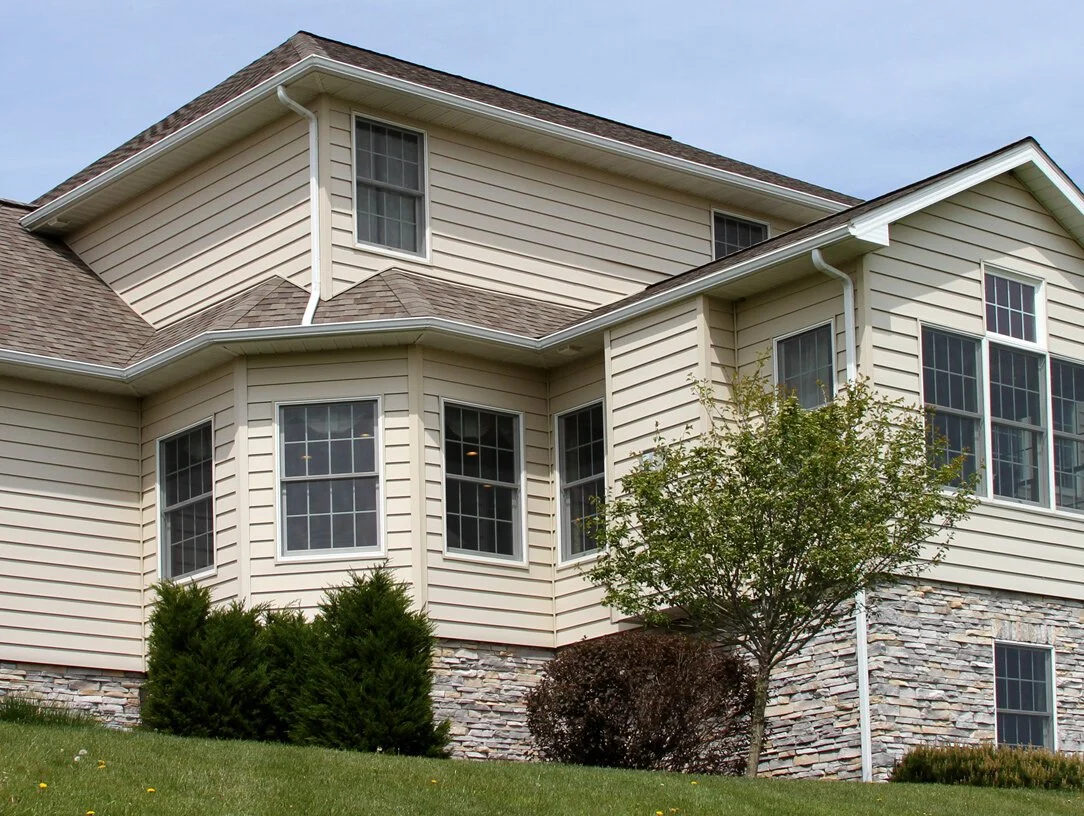
You can throw another $200 at your heating bill this month, or you can figure out where the warm air is going. After 35 years working on homes across Oakland County, we've learned that the problem usually isn't your furnace—it's the hundreds of small gaps letting conditioned air escape and cold air sneak in.
Air sealing is the single most cost-effective energy upgrade most Royal Oak homeowners can make. It's not glamorous. You can't show it off to your neighbors. But it stops the invisible bleeding that makes your HVAC system work twice as hard and your energy bills climb every winter. When we work on top-rated insulation contractor in Detroit projects, air sealing always comes first—because insulation without air sealing is like putting a warm blanket over an open window.
This guide walks through what air sealing actually is, where air leaks hide in Michigan homes, and what to expect when you hire someone to fix the problem properly.
Why Air Sealing Matters in Royal Oak's Climate
Southeast Michigan doesn't mess around with temperature swings. We see 90-degree summers and sub-zero January mornings. That temperature differential creates pressure—warm air wants to escape in winter, hot air wants to push in during summer. Every unsealed crack, gap, and penetration in your home's envelope becomes a highway for air movement.
The U.S. Department of Energy estimates that air leaks account for 25-40% of the energy used to heat and cool a typical home. In a 1,800-square-foot Royal Oak Colonial with a $2,400 annual heating and cooling bill, that's $600-$960 walking out through gaps you can't even see.
Here's what happens when air leaks go unfixed in Michigan:
- Ice dams form on your roof: Warm air leaking into the attic melts snow on the roof deck. That water runs down to the cold eaves, refreezes, and creates dams that force water under your shingles. We've seen ice dams cause thousands in damage—and the root cause is almost always air leakage from the living space into the attic, not inadequate Detroit roofing services.
- Your furnace cycles constantly: When warm air escapes through the attic, basement rim joists, and wall penetrations, your thermostat calls for heat more often. The furnace runs longer, wears out faster, and burns more gas or electricity.
- Moisture moves where it shouldn't: Air carries water vapor. When warm, humid indoor air leaks into cold wall cavities or attic spaces during winter, that moisture condenses. Over time, you get mold, rot, and structural damage inside your walls.
- Rooms stay uncomfortable: Air leaks create drafts and temperature imbalances. The bedroom over the garage stays cold. The upstairs is 10 degrees warmer than the basement. You can't fix that by cranking the thermostat—you need to stop the air movement.
Royal Oak's housing stock skews older—lots of brick Colonials and ranches from the 1950s-1970s. These homes were built when energy was cheap and building codes didn't address air sealing. That means most homes in the area have significant air leakage that's been costing money for decades.
Where Air Leaks Hide in Michigan Homes
Air doesn't leak evenly. It finds the path of least resistance—and in most homes, that means a handful of big holes matter more than a hundred small cracks. Here's where we find the worst offenders when we perform blower door testing on homes across Oakland County:
Attic Bypasses and Penetrations
The attic is where most air leakage happens. Warm air rises, and every penetration through the ceiling plane is an exit route. The biggest culprits:
- Attic access hatches: Pull-down stairs and scuttle holes are rarely insulated or weatherstripped. They're just a piece of plywood sitting in a frame with gaps all around.
- Recessed lighting: Old can lights create direct openings into the attic. Even "IC-rated" fixtures leak air unless they're specifically rated as airtight (AT).
- Plumbing and electrical chases: Where pipes and wires run from the basement up through walls and into the attic, there are often 2-3 inch gaps around the penetrations. Builders frame the opening, run the utilities, and never seal the hole.
- Chimney chases: The framing around a brick chimney or metal flue often has massive gaps—sometimes 6-8 inches of open space between the framing and the masonry.
- Dropped soffits and built-in cabinets: These architectural features often connect directly to the attic space with no air barrier at the top.
Basement Rim Joists and Sill Plates
Go down to your basement and look where the wood framing sits on top of the foundation wall. In most Michigan homes built before 2000, that rim joist area is completely unsealed. You're looking at a 1.5-inch gap that runs around the entire perimeter of your house. It's like leaving a window cracked open all winter.
This is one of the easiest and most effective air sealing targets. Spray foam or rigid foam plus caulk can seal the rim joist in a few hours and deliver immediate comfort improvements.
Window and Door Frames
The gap between the rough framing and the window or door frame is supposed to be sealed with low-expansion foam or backer rod and caulk. In reality, it's often just stuffed with fiberglass insulation—which does nothing to stop air movement. If you've ever felt a draft around your Detroit window experts installations, this is usually why.
Exterior caulking around the trim helps with water intrusion, but it doesn't address the interior air leakage path. Proper air sealing happens on the inside, at the rough opening.
Electrical Outlets and Switch Boxes
Every outlet and switch on an exterior wall is a small hole through the drywall into the stud cavity. Multiply that by 30-40 outlets in a typical home, and you've got significant cumulative leakage. Foam gaskets behind the cover plates help, but the real fix is sealing the box itself to the drywall with caulk or foam.
Duct Penetrations and HVAC Equipment
Where supply and return ducts pass through floors, walls, or ceilings, there are often unsealed gaps. The furnace closet or mechanical room is another common leak point—especially where the return air plenum connects to the furnace.
Leaky ducts are a separate problem (and a big one), but the penetrations where ducts pass through the building envelope need to be sealed as part of comprehensive air sealing work.
Michigan-Specific Issue: Brick veneer homes (common in Royal Oak and throughout Oakland County) often have weep holes at the base of the brick to drain water. These are necessary and should never be sealed. But the air barrier is supposed to be behind the brick, at the sheathing and framing level. Many older brick homes have no continuous air barrier at all—just brick, an air gap, tar paper, and wood siding or sheathing with gaps everywhere.
Air Sealing vs. Insulation: What's the Difference?
Homeowners often confuse air sealing with insulation. They're related, but they do different jobs—and you need both.
Insulation slows down heat transfer by conduction. It's a thermal barrier. Think of it like a winter coat—it keeps you warm by trapping still air in the fibers. R-value measures how well insulation resists heat flow.
Air sealing stops air movement through the building envelope. It's a physical barrier against convection and infiltration. Think of it like a windbreaker—it blocks the wind from blowing through your coat.
Here's the problem: insulation doesn't stop air. If you blow 18 inches of cellulose into your attic but leave all the penetrations and bypasses unsealed, air will just move right through the insulation. You'll have an R-49 attic that performs like R-20 because convective air flow is short-circuiting the thermal barrier.
That's why air sealing always comes first. You seal the envelope, then you insulate. When we handle exterior services in Detroit, we follow this sequence on every project—because doing it backward wastes money and delivers poor results.
Some insulation materials provide both functions. Closed-cell spray foam, for example, is both an air barrier (when applied thick enough) and insulation. But fiberglass batts, blown-in cellulose, and mineral wool are insulation only—they need a separate air barrier to work properly.
Professional Air Sealing: What to Expect
DIY air sealing makes sense for accessible areas like outlet gaskets and weatherstripping doors. But comprehensive air sealing—the kind that actually moves the needle on energy bills and comfort—requires diagnostic equipment, access to hard-to-reach areas, and materials that most homeowners don't have on hand.
Here's what a professional air sealing project looks like:
Blower Door Testing
A blower door is a calibrated fan that mounts in an exterior doorway. The fan depressurizes the house to 50 Pascals (a standard testing pressure), and the equipment measures how much air is leaking in to replace the air being pulled out. The result is expressed in CFM50 (cubic feet per minute at 50 Pascals) or ACH50 (air changes per hour at 50 Pascals).
For a typical 1,800-square-foot Royal Oak home, we'd expect to see ACH50 values of 8-15 before air sealing (pretty leaky) and 3-5 after air sealing (reasonably tight without risking moisture problems). New construction built to current code should hit 3 ACH50 or lower.
The blower door test does two things: it quantifies how leaky your house is, and it makes leaks easier to find. With the house under negative pressure, you can feel air rushing in through gaps, see insulation moving, and use a smoke pencil or infrared camera to pinpoint leak locations.
Air Sealing Materials and Methods
Different leak types require different materials:
- Canned spray foam: One-component polyurethane foam in aerosol cans. Good for small gaps and cracks (up to about 1 inch). Use low-expansion foam around windows and doors to avoid bowing the frames.
- Two-part spray foam: Professional closed-cell or open-cell foam applied with a spray rig. Used for large areas like rim joists, attic knee walls, and cathedral ceilings. Closed-cell provides both air sealing and high R-value; open-cell is an air barrier but lower R-value per inch.
- Caulk: For small cracks and joints that don't move. We use different types depending on location—acrylic latex for interior, polyurethane or silicone for areas exposed to moisture.
- Weatherstripping: For moving parts like doors and attic hatches. Adhesive-backed foam, V-strip, or bulb gaskets depending on the application.
- Rigid foam board: Cut to fit and sealed with caulk or foam around the edges. Often used to create air barriers in attic bypasses or to insulate and seal rim joists.
- Sheet metal and fire-rated caulk: Required around chimneys and flues to maintain fire safety clearances while creating an air seal.
Timeline and Disruption
Air sealing work is messy. Crews need access to attics, basements, and crawl spaces. There's dust, noise, and the smell of spray foam curing. Most residential air sealing projects take 1-2 days depending on the size of the home and the scope of work.
You'll need to clear access to attic hatches, basement rim joists, and mechanical rooms. If the crew is sealing around recessed lights or HVAC penetrations, they may need to move insulation or cut small access holes in drywall (which get patched afterward).
The results are usually immediate. Homeowners report fewer drafts, more even temperatures, and quieter interiors (because air sealing also reduces sound transmission). Energy savings show up over the next few billing cycles—typically 15-30% reductions in heating and cooling costs, depending on how leaky the house was to begin with.
Cost Reality: What Air Sealing Actually Costs in Royal Oak
Air sealing costs vary widely based on the size of your home, how accessible the leak points are, and how much work needs to be done. Here's what we see in Oakland County:
- Basic air sealing (DIY-accessible areas): $300-$600 in materials and a weekend of your time. This covers outlet gaskets, door weatherstripping, caulking around window trim, and sealing visible attic penetrations.
- Professional air sealing (comprehensive): $1,500-$3,500 for a typical 1,500-2,000 square foot home. Includes blower door testing, attic bypasses, rim joist sealing, and all major penetrations. Homes with complex layouts, multiple attic levels, or extensive recessed lighting can run higher.
- Air sealing as part of insulation upgrade: $3,000-$6,000 for combined air sealing and attic insulation (bringing the attic to R-49-R-60). This is the most cost-effective approach because the crew is already in the attic and can address both issues in one project.
Return on investment depends on your current energy costs and how leaky your home is. A house testing at 12 ACH50 that gets sealed to 4 ACH50 might save $600-$900 per year on heating and cooling. At $2,500 for professional air sealing, that's a 3-4 year payback—and the comfort improvements start immediately.
Utility rebates can offset some of the cost. DTE Energy and Consumers Energy both offer incentives for air sealing and insulation upgrades. Check current programs before you schedule work.
When to DIY vs. Hire a Professional: Seal what you can reach and see—outlets, door sweeps, visible attic gaps. But hire a pro for blower door testing, rim joist spray foam, and anything involving fire-rated materials around chimneys. The diagnostic testing alone is worth the cost because it tells you where to focus your money for maximum impact.
For a realistic picture of what comprehensive energy upgrades cost, including drafty rooms windows insulation or air leaks, we've written extensively about the diagnostic process and typical project scopes.
Signs Your Royal Oak Home Needs Air Sealing
You don't need a blower door test to know your house is leaky. Here are the symptoms we hear about most often from homeowners in Royal Oak, Birmingham, and Troy:
- Drafts you can feel: Cold air around windows and doors in winter, especially on windy days. Warm air pushing in around basement windows in summer.
- High energy bills: Your heating and cooling costs are 20-30% higher than similar homes in your neighborhood, and your HVAC system seems to run constantly.
- Ice dams and icicles: Every winter, you get ice buildup along the eaves. You've had water stains on the ceiling near exterior walls. This is almost always an air leakage problem, not a roof flashing failures in Michigan issue.
- Uneven temperatures: The second floor is 10 degrees warmer than the first floor. The bedroom over the garage is always cold. You can't balance the house no matter how you adjust the thermostat.
- Dust and outdoor odors: You smell car exhaust or lawn chemicals inside the house. Dust accumulates quickly even with regular cleaning. This happens when negative pressure pulls outdoor air in through unintended pathways.
- Condensation and frost: You see condensation on windows in winter. Frost forms on attic sheathing or rafters. Mold grows in closets on exterior walls. These are signs that humid indoor air is leaking into cold spaces and condensing.
If you're experiencing two or more of these symptoms, air sealing should be at the top of your home improvement list—ahead of new house siding in Detroit, ahead of window replacement, ahead of a new furnace. Seal the envelope first, then upgrade components. You'll get better performance and lower costs.

We've also seen how insulated siding Michigan real energy savings can complement air sealing work by adding a continuous layer of insulation to the exterior walls—but only if the wall cavities are properly air-sealed first. Otherwise, you're just adding R-value to a leaky assembly.
For homes that need comprehensive work—air sealing, insulation, and exterior improvements—starting with a full assessment makes sense. That's where having access to seamless gutters in Detroit, MI, Southeast Michigan painting professionals, and other trades under one roof helps. You get a coordinated approach instead of piecemeal fixes that don't address the underlying problems.
Ready to Stop Wasting Energy?
NEXT Exteriors has been solving Michigan homeowners' energy and comfort problems since 1988. We'll diagnose where your home is losing air, seal it properly, and make sure the work integrates with your insulation and exterior systems. No pressure, no gimmicks—just honest answers and solid work.
Get Your Free QuoteOr call us: (844) 770-6398
Frequently Asked Questions About Air Sealing in Royal Oak
It's technically possible, but extremely rare in existing homes. Modern building codes require mechanical ventilation (like an HRV or ERV) when homes are built very tight—typically below 3 ACH50. Most older Michigan homes test at 8-15 ACH50, so even aggressive air sealing brings them to 3-5 ACH50, which is tight enough to save energy but still allows enough natural air exchange. If you're concerned, a blower door test before and after air sealing will tell you exactly where you stand.
In most cases, yes—if the air sealing is done properly. Ice dams form when warm air leaks into the attic, heats the roof deck, and melts snow. That water runs down to the cold eaves and refreezes. The fix is to stop warm air from getting into the attic in the first place. That means sealing all the attic bypasses (plumbing chases, recessed lights, attic hatches) and adding adequate insulation. Proper attic ventilation helps too, but air sealing is the primary solution. We've seen ice dams disappear completely after comprehensive attic air sealing and insulation upgrades.
Closed-cell spray foam is essentially permanent. It doesn't sag, settle, or degrade over time. Caulk and weatherstripping have shorter lifespans—10-20 years depending on exposure and movement. Door sweeps and attic hatch weatherstripping may need replacement every 5-10 years. But the core air sealing work (spray foam on rim joists, sealed attic bypasses, caulked penetrations) should last as long as the house does.
Always air seal first. Insulation doesn't stop air movement—it only slows heat transfer by conduction. If you add insulation over unsealed attic bypasses and penetrations, air will just flow right through it, short-circuiting the thermal performance. The correct sequence is: air seal the envelope, then add insulation. Most professional insulation contractors do both in the same visit because they need access to the same spaces anyway.
You can absolutely seal visible gaps without testing—and you should. Weatherstrip doors, add outlet gaskets, caulk around window trim. That's all helpful. But a blower door test finds the leaks you can't see or reach: attic bypasses hidden under insulation, rim joist gaps in finished basements, duct penetrations in closets. The test quantifies the problem, prioritizes where to spend your money, and verifies that the work actually made a difference. If you're hiring a pro for comprehensive air sealing, the blower door test is worth the cost.
Yes, as a side benefit. Sound travels through air gaps just like air does. When you seal the envelope, you reduce sound transmission from traffic, neighbors, and outdoor equipment. It's not as effective as dedicated soundproofing, but homeowners consistently report quieter interiors after air sealing work. If you live near Woodward Avenue or I-696, you'll notice the difference.
Yes. Both DTE Energy and Consumers Energy offer rebates for air sealing and insulation upgrades, usually as part of a home energy audit or whole-house improvement program. Rebate amounts and eligibility change periodically, so check with your utility before scheduling work. Some programs require pre-approval or working with approved contractors. The rebates typically cover 10-30% of the project cost, which can make a significant difference on a $3,000-$5,000 air sealing and insulation upgrade.