

Low-E & Argon Window Glass Coatings for Novi MI Homes
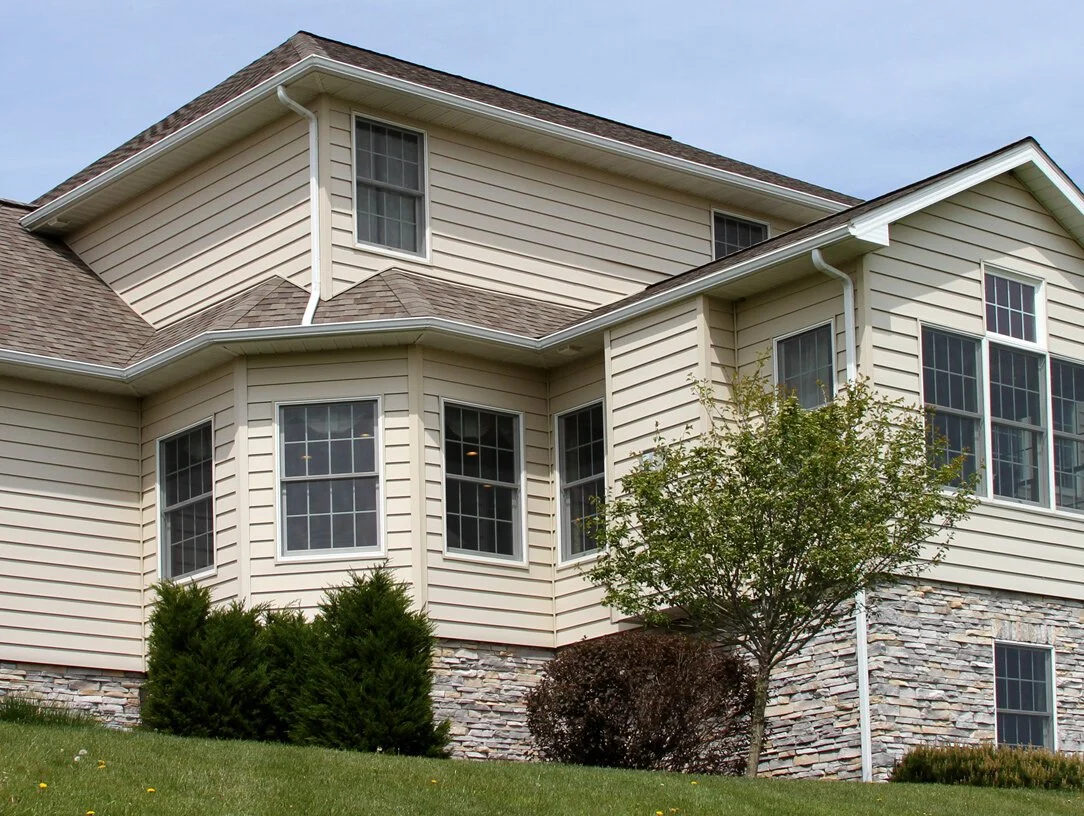
If you live in Novi and your heating bills spike every January while your air conditioner runs nonstop in July, your windows are likely the problem. Not because they're old — though that doesn't help — but because the glass itself is doing almost nothing to slow heat transfer. That's where Low-E coatings and argon gas fill come in, and they're not just marketing buzzwords. They're measurable, physics-based upgrades that can cut your energy costs by 20-30% in Michigan's brutal climate.
I've been installing energy-efficient windows in Southeast Michigan since 1988, and I've watched this technology go from premium luxury to standard practice. But not all Low-E coatings are created equal, and not every home in Novi needs the same setup. Here's what actually works, what it costs, and how to know if it's worth the investment for your specific situation.
What Low-E Glass Actually Does (And Doesn't Do)
Low-E stands for "low emissivity," which is a fancy way of saying the glass has a microscopically thin metallic coating — usually silver or tin oxide — that reflects infrared energy (heat) while still allowing visible light to pass through. Think of it like a one-way mirror for heat: it bounces thermal energy back to where it came from without blocking your view or making your home feel dark.
In winter, Low-E reflects the heat from your furnace back into the room instead of letting it escape through the glass. In summer, it reflects the sun's heat back outside before it can radiate into your living space. This is not insulation — it's selective reflection based on wavelength. Visible light (what you see) passes through. Infrared radiation (what you feel as heat) bounces back.
There are two main types of Low-E coatings, and the difference matters in Michigan:
Hard Coat Low-E (Pyrolytic)
This coating is baked onto the glass during manufacturing. It's durable, scratch-resistant, and can be used on the exterior pane of a window. Hard coat Low-E is less effective than soft coat — it typically improves insulation by about 15-20% compared to standard glass — but it holds up better in harsh weather. You'll see this in some older energy-efficient windows and in applications where durability matters more than maximum performance.
Soft Coat Low-E (Sputtered)
This is applied in a vacuum chamber after the glass is made, creating a much thinner, more effective coating. Soft coat Low-E can improve insulation by 30-50% compared to standard glass, which is why it's the industry standard for residential windows today. The trade-off? It's more delicate and has to be sealed between the panes of a double- or triple-pane window to protect it from scratches and oxidation.
When we install Detroit window experts projects in Novi, we almost always use soft coat Low-E because the performance gain is worth the extra care during installation. But the coating itself is only part of the equation — you also need to understand how it interacts with Michigan's climate.
Michigan-Specific Note: Novi sits in ENERGY STAR's Northern climate zone, which means your windows need to prioritize heat retention in winter over heat rejection in summer. That affects which Low-E coating you should choose — more on that below.

Argon Gas Fill: Is It Worth the Upgrade?
Argon is a colorless, odorless, non-toxic gas that's denser than air. When it's sealed between the panes of a double- or triple-pane window, it slows down convective heat transfer — the movement of heat through the air gap. Standard air has a thermal conductivity of about 0.024 W/m·K. Argon's is 0.016 W/m·K. That's a 33% reduction in heat transfer through the gas layer.
Here's the practical translation for Novi homeowners: argon doesn't work alone. It's most effective when paired with Low-E coatings, because the coating handles radiant heat (infrared) while the argon handles conductive/convective heat (the stuff that moves through the air gap). Together, they can drop a window's U-factor (the rate of heat loss) from around 0.50 down to 0.25 or lower. That's a huge jump in performance.
Does argon leak out over time? Yes, but slowly. A well-manufactured window will lose about 1% of its argon per year, which means after 20 years, you've still got 80% of the original fill. The seal failure rate is a bigger concern — if the spacer system between the panes fails, you'll lose the argon much faster. That's why we only install windows with warm-edge spacers (low-conductivity materials like foam or fiberglass) that reduce stress on the seal during Michigan's freeze-thaw cycles.
Real Talk: Argon adds about $40-60 per window to the cost of a replacement project. For a typical Novi home with 15 windows, that's $600-900. Given the energy savings and comfort improvement, it's one of the easiest upgrades to justify. Skip it only if you're on an extremely tight budget.
If you're also dealing with attic insulation issues in Royal Oak or surrounding areas, pairing new windows with proper attic air sealing will multiply your energy savings. Heat loss is a system problem, not a single-component problem.
Energy Savings: What Novi Homeowners Actually See
Let's get specific. A typical 2,000-square-foot Colonial in Novi with 15 original single-pane windows from the 1980s is losing about 25-30% of its heating and cooling energy through those windows. If your annual heating and cooling costs are $2,400 (pretty standard for natural gas heat and central air in this area), that's $600-720 going straight out the glass.
Replacing those windows with double-pane, Low-E, argon-filled units can cut window-related energy loss by 50-60%. That translates to $300-430 in annual savings. At an average cost of $800-1,200 per window installed (for quality vinyl or fiberglass units), you're looking at a payback period of 10-15 years from energy savings alone.
But here's what the payback calculation doesn't capture:
- Comfort improvement: No more cold drafts near windows in January. No more hot spots in south-facing rooms in July. That's worth something, even if it's hard to quantify.
- Reduced HVAC wear: Your furnace and AC won't cycle as often, which extends their lifespan and reduces maintenance costs.
- Resale value: Energy-efficient windows are a top-tier selling point in Novi's competitive real estate market. You'll recoup 70-80% of the project cost when you sell, according to Remodeling Magazine's 2026 Cost vs. Value report.
- Noise reduction: Low-E/argon windows with laminated glass can drop exterior noise by 20-30 decibels. If you live near a busy road, that's a game-changer.
One more thing: window orientation matters. South-facing windows in Novi get the most solar gain in winter, which is a good thing — free heat. But in summer, that same solar gain can overheat your home. Low-E coatings are tuned to balance these competing needs, but if you have a lot of south-facing glass, you might want a coating with a slightly lower Solar Heat Gain Coefficient (SHGC) to reduce summer overheating. We'll get into the numbers in the next section.

Choosing the Right Low-E Coating for Michigan
This is where most homeowners get lost in the alphabet soup of product names and performance ratings. Here's the shortcut: in Michigan, you care about two numbers on the NFRC (National Fenestration Rating Council) label:
- U-Factor: Measures heat loss. Lower is better. For Novi, you want a U-factor of 0.30 or lower. ENERGY STAR's Northern zone requirement is 0.27 or lower, which is a good target.
- Solar Heat Gain Coefficient (SHGC): Measures how much solar heat passes through the glass. For Michigan's cold climate, you want an SHGC between 0.35 and 0.50 — high enough to capture free solar heat in winter, but not so high that you overheat in summer.
Now let's talk about specific Low-E products. Different manufacturers use different naming conventions, but here's what you'll see most often:
Low-E² (Cardinal LoĒ²-272, PPG Sungate 500)
This is a high solar gain coating designed for cold climates. U-factor around 0.26, SHGC around 0.40. It lets in a lot of solar heat in winter, which is great for passive heating. This is what we install in most Novi homes — it's the best all-around choice for Michigan's climate.
Low-E³ (Cardinal LoĒ³-366, PPG Sungate 400)
A moderate solar gain coating with a U-factor around 0.27 and SHGC around 0.27. This is better for homes with a lot of south-facing glass or rooms that tend to overheat in summer. You sacrifice some winter solar gain for better summer comfort.
Low-E⁴ (Cardinal LoĒ⁴-i89)
A low solar gain coating designed for hot climates. U-factor around 0.29, SHGC around 0.23. This is overkill for Novi unless you have a sunroom or a south-facing wall of glass that gets unbearably hot in summer. In most cases, you're giving up too much winter solar gain.
We typically recommend Low-E² for the majority of windows in a Novi home, with Low-E³ on south-facing windows if summer overheating is a concern. If you're also upgrading your roof in Detroit or nearby, proper attic ventilation will help manage summer heat gain from above, which reduces the load on your windows.
Brand Note: We install windows from manufacturers that use Cardinal or PPG glass — industry leaders with proven track records in Michigan's climate. Avoid no-name brands with vague "energy-efficient glass" claims. The NFRC label is your friend — if it's not there, walk away.
Cost Reality: What These Coatings Add to Window Replacement
Let's break down what you'll actually pay for Low-E and argon in a typical Novi window replacement project. These are 2026 prices based on our recent projects in Oakland County:
| Window Type | Standard Double-Pane | Low-E + Argon | Price Difference |
|---|---|---|---|
| Double-hung (vinyl, standard size) | $550-750 | $700-950 | +$150-200 |
| Casement (vinyl, standard size) | $650-850 | $800-1,050 | +$150-200 |
| Picture window (vinyl, 48" x 60") | $700-900 | $850-1,100 | +$150-200 |
| Bay/bow window (vinyl, standard size) | $2,200-3,000 | $2,500-3,400 | +$300-400 |
These prices include professional installation, disposal of old windows, and a warranty. The Low-E + argon upgrade adds about 20-25% to the material cost, but it's a one-time expense that pays for itself over the life of the window.
What about tax credits and rebates? As of 2026, the federal Energy Efficient Home Improvement Credit (25C) offers up to $600 total for qualifying windows and doors installed in a single year. Windows must meet ENERGY STAR Northern zone requirements (U-factor ≤ 0.27, SHGC ≤ 0.40). That's not a huge credit, but it's something. Check with your utility company as well — DTE Energy and Consumers Energy occasionally offer rebates for energy-efficient window upgrades, though availability varies by year.
If you're planning a larger exterior renovation that includes siding replacement in Detroit, bundling the work can sometimes get you a better overall price. We've done plenty of full-exterior makeovers in Novi where the homeowner replaces windows, siding, and gutters in one project — it's more efficient for scheduling and labor costs.
Signs Your Current Windows Are Costing You Money
Not sure if your windows are the problem? Here are the red flags we see most often in Novi homes:
Condensation Between the Panes
If you see fog, moisture, or water droplets between the glass layers, the seal has failed. The argon (if there was any) is long gone, and the Low-E coating may be compromised. This window is doing almost nothing to insulate your home. Replacement is the only fix — you can't reseal a failed IGU (insulated glass unit) in the field.
Ice Buildup on Interior Frames in Winter
This is a sign of extreme heat loss through the window. The interior surface of the glass is so cold that moisture from your indoor air is freezing on contact. Single-pane windows do this routinely. Old double-pane windows with no Low-E can do it too, especially on the coldest January nights. If you're scraping ice off the inside of your windows, you're hemorrhaging heat.
Hot Spots Near Windows in Summer
Stand near a south- or west-facing window on a sunny July afternoon. If you feel radiant heat coming off the glass — like standing near a campfire — your windows have no solar heat rejection capability. Low-E coatings are specifically designed to block this infrared radiation, and the difference is immediately noticeable.
Drafts You Can Feel
Hold your hand near the edge of the window frame on a windy day. If you feel air movement, the weatherstripping has failed or the window wasn't installed correctly. This is a separate issue from Low-E and argon, but it often coincides with old windows that need replacement anyway.
Visible Damage or Rot
If the wood frames are rotting, the sashes are warped, or the glass is cracked, you're past the point of repair. And if you're replacing the window anyway, there's no reason not to upgrade to Low-E and argon — the incremental cost is small compared to the total project cost.
We also see a lot of homeowners in Novi dealing with rot and mold behind siding panels caused by water intrusion around poorly flashed windows. If your windows are old, there's a good chance the flashing is compromised too, which means water is getting into the wall cavity every time it rains. That's a bigger problem than energy loss, and it's one more reason to prioritize window replacement sooner rather than later.

Ready to Cut Your Energy Bills?
NEXT Exteriors has been installing energy-efficient windows in Southeast Michigan since 1988. We'll walk you through the options, show you the NFRC labels, and give you a straightforward quote with no pressure. Get a free estimate today.
Get Your Free QuoteOr call us: (844) 770-6398
Beyond windows, NEXT Exteriors offers a full range of exterior services in Detroit and the surrounding communities. Whether you need seamless gutters in Detroit, MI, attic insulation in Metro Detroit, or exterior painting in Southeast Michigan, we've got the experience and credentials to do the job right. Our crew shows up on time, works carefully, and treats your home like it's our own.
For more insights on related topics, check out our guide on insulated siding and real energy savings in Michigan, or learn about soffit and fascia installation in Metro Detroit. If you're planning a larger renovation, our post on siding services in Metro Detroit for 2026 breaks down what to expect from start to finish.
Frequently Asked Questions
Low-E coatings are bonded to the glass and sealed between the panes, so they last as long as the window itself — typically 20-30 years or more. The coating won't wear off or degrade unless the seal between the panes fails and allows moisture or contaminants in. That's why seal quality and proper installation are so important. A well-made window with warm-edge spacers and proper flashing should maintain its Low-E performance for decades.
Not in a way that's worth doing. Low-E coatings are applied during manufacturing and sealed between the panes. There are aftermarket window films that claim to mimic Low-E performance, but they're not the same — they're exterior films that can peel, bubble, and degrade in UV light. If your windows are old enough to need Low-E, they probably need replacement anyway. The cost of retrofit films plus the labor to install them isn't far off from the cost of new windows that will perform better and last longer.
This is a common concern, but it's mostly a myth. Standard Low-E coatings (soft coat or hard coat) have a minimal effect on cell phone signals, WiFi, or radio frequencies. You might see a slight reduction in signal strength — maybe 5-10% — but it's rarely noticeable in real-world use. The metallic coating is so thin (measured in nanometers) that it doesn't create a significant barrier to RF signals. If you live in an area with already-weak cell coverage, you might notice a small difference, but it's not a reason to skip Low-E windows.
Triple-pane windows have three layers of glass with two air (or argon) gaps instead of one. This adds another layer of insulation, dropping the U-factor from around 0.25 (double-pane with Low-E and argon) down to 0.15-0.20 (triple-pane with Low-E and argon). That's a significant improvement, but it comes at a cost — triple-pane windows are 30-50% more expensive and noticeably heavier, which can stress the frame and hardware. For most Novi homes, double-pane with Low-E and argon is the sweet spot. Triple-pane makes sense if you're in an extremely cold microclimate, have a passive house design, or need maximum noise reduction.
As of 2026, the federal Energy Efficient Home Improvement Credit (25C) offers up to $600 total for qualifying windows and doors installed in a single tax year. Windows must meet ENERGY STAR Northern zone requirements (U-factor ≤ 0.27, SHGC ≤ 0.40). Check with your utility company as well — DTE Energy and Consumers Energy occasionally offer rebates for energy-efficient upgrades, though availability and amounts vary by year. Some local municipalities also have energy efficiency programs, so it's worth asking your contractor or checking the Database of State Incentives for Renewables & Efficiency (DSIRE) for current offers in your area.
Look for an NFRC label on the spacer bar between the panes (you might need to tilt the sash to see it). If there's no label, you can do the "flame test" — hold a lighter or match near the glass and look at the reflection. You'll see multiple reflections of the flame (one from each glass surface). If one of the reflections is a different color (usually purple, blue, or slightly green), that's the Low-E coating. Standard glass will show all reflections in the same color. This isn't foolproof, but it's a quick field test. If you're still not sure, a window contractor can tell you in about 30 seconds.
Yes, but not completely. Low-E coatings block a significant portion of UV radiation (the main cause of fading), typically 95-99% depending on the coating. They also reduce infrared radiation, which contributes to heat-related fading. But visible light also causes fading over time, and Low-E glass is designed to let visible light through — that's the whole point. So you'll see a noticeable reduction in fading compared to standard glass, but it won't eliminate the problem entirely. If you have valuable artwork or antiques near a window, you might want to add UV-blocking window treatments as well.