

Roof Pitch Math: Snow & Ice Performance for Macomb Homes
Learn how roof pitch affects snow load and ice dam performance in Macomb County. Expert insights from NEXT Exteriors on choosing the right roof slope for Michigan winters.
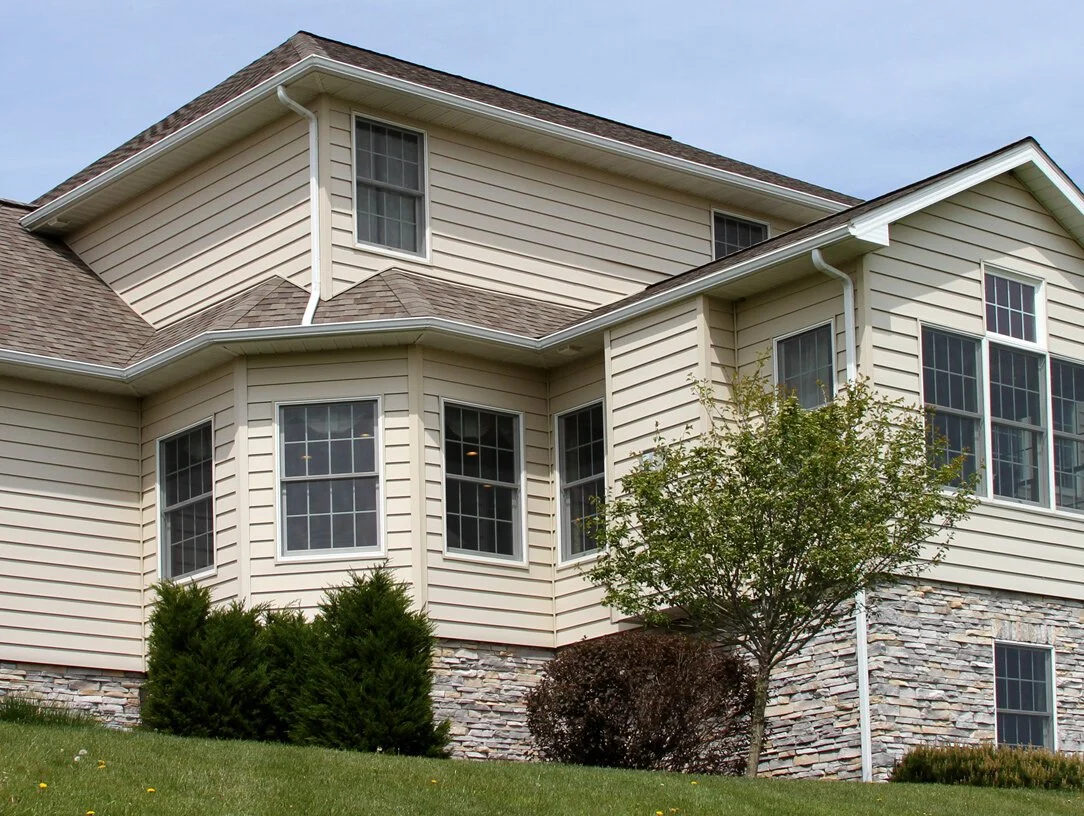
If you've lived through a Michigan winter in Macomb County, you know what happens when 18 inches of wet snow sits on your roof for three weeks straight. The weight alone can stress structural members. But what most homeowners don't realize is that roof pitch—the angle of your roof slope—plays a massive role in how that snow behaves, whether ice dams form, and how long your roof actually lasts.
We've been installing roofs across Southeast Michigan since 1988, and we've seen every possible combination of pitch, material, and winter performance. A 4/12 pitch ranch in Sterling Heights behaves completely differently from an 8/12 Colonial in Clinton Township when a January storm dumps two feet of lake-effect snow overnight. Understanding the math behind roof pitch isn't just academic—it directly affects your insurance claims, your heating bills, and whether you're dealing with ceiling stains every spring.
This guide breaks down exactly how roof pitch impacts snow load capacity, ice dam formation, material selection, and long-term costs for Macomb County homes. We'll cover the building code minimums, the real-world performance differences, and when it makes sense to call a Detroit roofing services professional instead of trying to retrofit a failing roof yourself.
Understanding Roof Pitch Measurements
Roof pitch is expressed as a ratio: rise over run. A 6/12 pitch means the roof rises 6 inches vertically for every 12 inches of horizontal distance. It's simple math, but the real-world implications for snow and ice performance are anything but simple.
Here's what you'll commonly see in Macomb County:
| Pitch Ratio | Angle (Degrees) | Common Home Styles |
|---|---|---|
| 2/12 to 3/12 | 9.5° to 14° | Modern low-slope, some ranches |
| 4/12 to 5/12 | 18.5° to 22.5° | 1960s ranches, bungalows |
| 6/12 to 7/12 | 26.5° to 30° | Most Colonials, Cape Cods |
| 8/12 to 12/12 | 33.5° to 45° | Victorians, steep Colonials |
The steeper the pitch, the faster snow and ice shed—but that's not always better. A 12/12 pitch on a two-story Colonial creates a dangerous avalanche zone near the eaves. Meanwhile, a 3/12 pitch on a ranch might hold snow all winter, creating sustained load stress and perfect conditions for ice dams.
Michigan Building Code Requirement: The state requires roofs to handle a minimum ground snow load of 30 to 50 pounds per square foot, depending on your county. Macomb County sits in the 35-40 psf zone. Roof pitch affects how that load translates to actual stress on structural members—steeper pitches distribute weight differently than shallow slopes.
Most 1960s ranches in Warren and Sterling Heights were built with 4/12 pitches because they were cheap and fast to frame. That worked fine when winters were milder. But with the heavier, wetter snow events we've seen over the past decade, those shallow pitches are showing their age. We've replaced dozens of roofs where the original 4/12 pitch contributed to chronic ice dam problems that no amount of attic insulation in Metro Detroit could fully solve.

Snow Load Performance by Pitch
Snow doesn't sit evenly on a roof. Wind patterns, sun exposure, and pitch all affect where snow accumulates and how much weight concentrates in specific areas. A valley between two roof planes can collect three times the snow depth of the surrounding slopes. That's where we see the most structural failures.
Low-Slope Roofs (2/12 to 4/12)
These roofs hold snow. Period. A 3/12 pitch won't shed snow until it melts or you remove it manually. On a 1,500-square-foot ranch with a 4/12 pitch, 12 inches of wet snow can add 15,000 to 18,000 pounds of load. Most framing can handle that—until you get a second storm before the first one melts.
We see two common problems with low-slope roofs in Macomb County:
- Ponding: Even a slight sag or deflection in the decking creates a low spot where meltwater pools. That water refreezes overnight, creating an ice lens that prevents proper drainage. Over multiple freeze-thaw cycles, you end up with a 2-inch-thick ice sheet that weighs far more than the original snow.
- Eave overload: Snow slides toward the eaves but doesn't fall off. It builds up in a thick ridge that can pull gutters loose or crack fascia boards. We've seen seamless gutters in Detroit, MI torn completely off homes after a heavy February.
If you have a low-slope roof and you're not willing to rake snow after every major storm, you need exceptional attic insulation and ventilation to minimize heat loss. Otherwise, you're setting yourself up for chronic ice dam issues. More on that below.
Medium-Slope Roofs (5/12 to 7/12)
This is the sweet spot for Michigan homes. A 6/12 pitch sheds most snow naturally within a few days of a storm, especially if you have decent sun exposure on south-facing slopes. The angle is steep enough to prevent major accumulation but not so steep that snow avalanches off in dangerous sheets.
Medium-slope roofs distribute snow load more evenly across the structure. You still get some accumulation in valleys and behind chimneys, but it's manageable. The bigger concern is ice dams at the eaves, which we'll cover in the next section.
Most brick Colonials in Grosse Pointe Farms and Rochester Hills have 6/12 or 7/12 pitches. These homes were built when quality mattered, and the pitch was chosen specifically to handle Michigan weather. If you're replacing a roof on one of these homes, don't cheap out on underlayment—use a high-quality synthetic like GAF FeltBuster or CertainTeed DiamondDeck. The pitch will shed water well, but you still need a solid secondary barrier in case shingles lift during a windstorm.
Steep-Slope Roofs (8/12 and Higher)
Steep roofs shed snow fast—sometimes too fast. An 8/12 or 10/12 pitch on a two-story Colonial in Clinton Township will drop snow in massive sheets, especially when the sun hits the south-facing slope. If you park your car near the eaves or have a walkway below, you're asking for trouble.
The advantage is that snow rarely accumulates enough to create serious load concerns. The disadvantage is that installation and repair costs are significantly higher. Walking an 8/12 pitch requires full safety harnesses and roof jacks. Material waste goes up because cutting shingles on a steep slope is harder, and you lose more to trimming.
We also see more wind uplift issues on steep roofs. A 10/12 pitch catches wind like a sail. If your shingles aren't rated for high wind (110+ mph), you're risking blow-offs during Michigan's spring storms. That's why we typically recommend CertainTeed Landmark Pro or GAF Timberline HDZ on steep-pitch homes—both have excellent wind ratings and come with strong warranties when installed correctly. For more on how long different materials last in Michigan conditions, check out our guide on how long a roof should last in Michigan material by material.
Ice Dam Formation and Pitch
Ice dams are the single biggest roofing complaint we get from Macomb County homeowners every winter. And here's the truth most contractors won't tell you: roof pitch alone doesn't cause ice dams, but it absolutely affects how severe they get.
Ice dams form when heat escapes through your attic, melting snow on the upper roof slopes. That meltwater runs down toward the eaves, where the roof surface is colder (because it overhangs the exterior wall and isn't heated from below). The water refreezes, forming a ridge of ice. As more meltwater backs up behind that ridge, it can seep under shingles and leak into your home.
Here's how pitch affects the process:
- Low-slope roofs (2/12 to 4/12): Water moves slowly down the slope, giving it more time to refreeze. Even a small amount of heat loss can create significant ice buildup. These roofs are the most vulnerable to ice dams.
- Medium-slope roofs (5/12 to 7/12): Water moves faster, but there's still enough contact time for ice formation if attic insulation is poor. Ice dams are common but usually less severe.
- Steep-slope roofs (8/12+): Water runs off quickly, reducing ice dam risk—but only if the attic is properly insulated and ventilated. A poorly insulated steep roof can still develop ice dams, especially in valleys and at the eaves.
The Real Fix: Ice dams are an insulation and ventilation problem, not a roofing problem. You need R-49 to R-60 in your attic (Michigan code minimum is R-49), proper soffit and ridge venting, and an air-sealed ceiling plane. If you're dealing with chronic ice dams, don't just replace your roof—fix the attic first. Our top-rated insulation contractor in Detroit team handles this work every winter.
One thing we do on low-slope roofs in ice dam-prone areas: install ice and water shield (a self-adhering waterproof membrane) at least 3 feet up from the eaves, and sometimes 6 feet depending on the pitch and overhang. This gives you a waterproof barrier even if ice dams force water under the shingles. It's not a fix for the root cause, but it's cheap insurance against ceiling damage.
If you're in Royal Oak or Bloomfield Hills and you're tired of dealing with ice dams every January, read our detailed post on attic insulation in Royal Oak costs savings top contractors. The math on energy savings alone usually pays for the upgrade within 5 to 7 years.

Material Considerations by Pitch
Not all roofing materials work on all pitches. Shingle manufacturers specify minimum pitch requirements in their warranties, and if you install below that threshold, you void the coverage. Here's what you need to know for Southeast Michigan homes.
Asphalt Shingles
Three-tab shingles require a minimum 2/12 pitch, but honestly, we don't recommend them below 4/12. The tabs can lift in wind, and water can wick under the shingle edges on shallow slopes. Architectural shingles (like CertainTeed Landmark or GAF Timberline) perform better and are rated down to 2/12 when installed with proper underlayment.
For pitches below 4/12, you must use two layers of underlayment or a single layer of high-quality synthetic. CertainTeed requires this for warranty coverage, and it's just good practice. We've torn off too many 15-year-old roofs with rotted decking because the original installer skipped the extra underlayment to save $200.
On steep pitches (8/12+), shingles perform great, but you need to use six nails per shingle instead of four, and you should hand-seal the tabs with roofing cement in high-wind areas. The steeper the pitch, the more wind uplift you get.
Metal Roofing
Metal roofing is a fantastic choice for Michigan homes, especially on medium to steep pitches. Standing seam metal sheds snow like nothing else—sometimes too well, as we mentioned earlier. You'll want snow guards near walkways and entry doors to prevent avalanches.
Metal can be installed on pitches as low as 1/12 if you use concealed fastener panels and proper sealant. But for residential applications, we recommend staying at 3/12 or higher. Below that, you're better off with a modified bitumen or TPO membrane system.
One advantage of metal on steep pitches: it's lighter than asphalt shingles, which reduces structural load. And if you're worried about snow buildup, metal roofs typically shed snow within 24 to 48 hours of a storm, even on a 5/12 pitch.
Underlayment Requirements
This is where pitch really matters. On a 6/12 pitch or steeper, you can get away with basic synthetic underlayment over the entire roof and ice-and-water shield at the eaves and valleys. On a 4/12 pitch, you should extend that ice-and-water shield at least 3 feet up from the eaves—more if you have a history of ice dams.
On pitches below 4/12, some manufacturers require double underlayment coverage or a fully adhered membrane. That adds cost, but it's the difference between a 20-year roof and a 10-year roof in Michigan conditions.
We use CertainTeed DiamondDeck or GAF FeltBuster on most jobs. Both are synthetic, which means they won't wrinkle or tear like felt, and they're rated for extended UV exposure if the shingle installation gets delayed. If you're in an area with heavy snow (like Lake Orion or northern Macomb County), spend the extra money on premium underlayment. It's the cheapest insurance you can buy.
Cost Implications of Roof Pitch
Roof pitch directly affects what you'll pay for a replacement. Here's the breakdown based on 35 years of projects across Southeast Michigan.
Labor Pricing by Pitch
A standard 6/12 pitch is the baseline. That's what most crews are set up to handle efficiently. Once you go steeper, labor costs increase:
- 4/12 to 6/12: Standard pricing. A typical 2,000-square-foot roof replacement in Sterling Heights runs $8,000 to $12,000 depending on materials.
- 7/12 to 8/12: Add 10-15% to labor costs. Crews need more safety equipment, work moves slower, and material handling is harder.
- 9/12 to 12/12: Add 20-30% to labor costs. Full harness systems, roof jacks, and scaffolding are often required. Some crews won't work pitches above 10/12 at all.
For a detailed look at what drives pricing up or down, check out our post on roofing costs in Michigan what drives the price up or down.
Material Waste Factors
Steeper roofs generate more waste. On a 4/12 pitch, we typically see 5-10% waste (shingles that get trimmed or damaged during install). On an 8/12 pitch, that jumps to 15-20%. Hip roofs with multiple valleys and dormers can push waste even higher.
That waste gets baked into your estimate, but it's worth understanding. A roof with a simple gable design and a 6/12 pitch will always cost less per square foot than a complex hip roof with an 8/12 pitch, even if they're the same total square footage.
Long-Term Maintenance Costs
Here's where pitch affects your wallet over the life of the roof. Low-slope roofs require more frequent inspections and maintenance. You're more likely to develop leaks from debris buildup, ponding water, or ice dams. Plan on having a contractor inspect a 3/12 pitch roof every 2-3 years.
Steep-pitch roofs are harder to access for repairs, which means higher service call costs. If you need to replace a few shingles after a storm, expect to pay more on an 8/12 pitch than a 6/12 because of the safety equipment and time required.
Medium-pitch roofs (5/12 to 7/12) hit the sweet spot: easier to maintain, less prone to chronic issues, and lower repair costs over time. If you're building new or doing a major renovation, this is the range we recommend for most Michigan homes.
When to Call a Professional
Some roof issues are obvious—a branch through the shingles, a ceiling stain after a storm. But pitch-related problems are often subtle until they're not. Here's when to call a licensed contractor instead of trying to DIY or ignore the issue.
Signs Your Current Pitch Is Failing
- Chronic ice dams: If you get ice dams every winter despite having decent attic insulation, your pitch might be too shallow to shed water effectively. This is especially common on 1960s ranches with 4/12 pitches.
- Sagging roof deck: Walk around your house and look at the roofline. If you see any dips or sags, that's a structural issue that needs immediate attention. Low-slope roofs are more prone to this because they hold snow longer.
- Granule loss in gutters: If you're finding a lot of shingle granules in your gutters, it could mean your shingles are past their lifespan. But on low-slope roofs, it can also indicate ponding water that's accelerating wear.
- Moss or algae growth: This is more common on low-slope roofs that don't get good sun exposure or air circulation. It's not just cosmetic—moss holds moisture against the shingles, which shortens their life.
- Visible water stains on ceilings: This is the big one. If you're seeing stains, you've already got water intrusion. On low-slope roofs, this often means ice dams or failed flashing. On steep roofs, it's more likely to be wind-driven rain getting under shingles.
Don't Wait: Water damage compounds fast. A small leak can rot roof decking, insulation, and framing in a single winter. If you're seeing any of these signs, get a professional inspection. NEXT Exteriors offers free inspections across Macomb, Oakland, and St. Clair counties. We'll tell you exactly what's wrong and what it'll cost to fix—no pressure, no gimmicks.
Replacement vs. Retrofit Decisions
Sometimes the right move isn't just replacing shingles—it's changing the pitch. We've done this on a handful of ranches in Warren and Sterling Heights where chronic ice dams made the home nearly unlivable every winter. By adding a steeper pitch to the front section of the roof (going from 4/12 to 6/12), we eliminated the ice dam problem and gave the house better curb appeal.
This isn't cheap. You're essentially rebuilding the roof structure, not just re-roofing. But if you're planning to stay in the house for 10+ years and you're tired of dealing with leaks, it can be worth it. We typically see this on homes where the owner is also doing other major renovations—new house siding in Detroit, window replacement in Detroit, or a full exterior refresh.
If you're just dealing with normal wear and tear, a standard roof replacement is the right call. But if you're fighting the same problem year after year, talk to a contractor about structural options. Sometimes spending an extra $5,000 to fix the pitch saves you $20,000 in water damage repairs over the next decade.

Choosing the Right Contractor
Not all roofing contractors understand the relationship between pitch, snow load, and long-term performance. You want someone who's been doing this in Michigan for decades, not a storm chaser who showed up after the last hailstorm.
Look for these credentials:
- Michigan Residential Builder's License: Non-negotiable. If they're not licensed, walk away.
- Manufacturer certifications: CertainTeed Master Shingle Applicator, GAF Master Elite, Owens Corning Platinum Preferred. These aren't just marketing—they mean the contractor has been trained on proper installation techniques and can offer extended warranties.
- BBB A+ rating: Check their complaint history. A contractor with a clean record over 10+ years is worth their weight in gold.
- Local references: Ask for addresses of recent projects in your area. Drive by and look at the work. A good contractor will have no problem giving you a list.
NEXT Exteriors has been a CertainTeed Master Shingle Applicator since 2006 and holds an A+ BBB rating. We've completed over 500 roofing projects in Macomb, Oakland, and St. Clair counties, and we'll give you a list of references in your neighborhood if you ask. For more on what to look for when hiring, read our guide on choosing a roofing contractor in Michigan questions to ask.
Ready to Get Started?
NEXT Exteriors has been protecting Michigan homes since 1988. Get a free, no-pressure estimate from a team that shows up on time and does the job right.
Get Your Free QuoteOr call us: (844) 770-6398
Frequently Asked Questions
Most asphalt shingle manufacturers allow installation down to 2/12 pitch, but you need special underlayment and installation techniques. We don't recommend going below 4/12 for Michigan homes because of snow load and ice dam concerns. Below 4/12, you're better off with a low-slope roofing system like modified bitumen or TPO.
Steeper pitch helps water run off faster, which reduces ice dam severity, but it doesn't prevent them. Ice dams are caused by heat loss through your attic. Even a 10/12 pitch roof will develop ice dams if the attic is poorly insulated. The real fix is R-49+ insulation, proper ventilation, and air sealing the ceiling plane.
Labor costs increase 10-15% for 7/12 to 8/12 pitches and 20-30% for 9/12 and steeper. A 2,000-square-foot roof that costs $10,000 at 6/12 pitch might run $12,000 to $13,000 at 8/12 pitch because of safety equipment, slower work pace, and higher material waste. Complex roof designs with multiple valleys and dormers add even more.
Yes, but it's a structural modification, not just a re-roofing job. You're rebuilding the roof framing, which requires engineering, permits, and significantly higher cost. We've done this on homes with chronic ice dam problems where going from 4/12 to 6/12 solved the issue permanently. Expect to pay 2-3x what a standard replacement would cost, but it can be worth it if you're planning to stay in the home long-term.
Metal roofing works great on any pitch 3/12 or steeper. For standing seam metal, we recommend 4/12 minimum for residential applications. Steeper pitches (6/12 to 8/12) shed snow faster, which is ideal for Michigan winters. Just plan on installing snow guards near walkways and entry doors to prevent dangerous snow avalanches.
Look for chronic ice dams, sagging rooflines, ponding water after rain, or moss growth. If you're seeing ceiling stains every spring or your gutters are constantly full of granules, your pitch might be too shallow for Michigan weather. Get a professional inspection—NEXT Exteriors offers free inspections across Macomb, Oakland, and St. Clair counties. We'll tell you if pitch is the problem or if it's something else like insulation or ventilation.
Absolutely. Most manufacturers require minimum pitch thresholds for warranty coverage. CertainTeed and GAF both specify 2/12 minimum for standard architectural shingles, but they require additional underlayment below 4/12. If you install shingles below the manufacturer's minimum pitch without following their guidelines, you void the warranty. Always work with a certified installer who knows the requirements.
Andersen vs Pella vs Marvin Windows: Detroit Comparison
Licensed contractor compares Andersen, Pella, and Marvin replacement windows for Detroit homes. Real costs, Michigan climate performance, and what actually matters.

Walk into any big-box store in Sterling Heights or Troy, and you'll see three names dominating the replacement window displays: Andersen, Pella, and Marvin. All three are premium brands. All three make solid products. And all three will cost you significantly more than builder-grade vinyl windows.
After 35 years installing windows across Southeast Michigan, we've worked with all three brands hundreds of times. Here's what we've learned: the "best" window depends entirely on your home, your budget, and what you're actually trying to accomplish. A $1,200 Marvin Ultimate might be perfect for a historic Colonial in Grosse Pointe Farms — and complete overkill for a 1970s ranch in Warren.
This isn't a sales pitch. We're Detroit window experts who install what makes sense for each home. Let's break down how these three brands actually perform in Michigan's freeze-thaw cycles, what they cost in the real world, and when each one makes sense.
What Actually Matters in Michigan Window Performance
Before we compare brands, let's talk about what actually matters when you're replacing windows in Detroit, Rochester Hills, or anywhere else in Southeast Michigan.
U-Factor (Heat Transfer)
Michigan is Climate Zone 5. Energy Star recommends windows with a U-factor of 0.27 or lower for our region. The lower the number, the better the insulation. Every window we're discussing here meets or exceeds this threshold in their mid-to-upper product lines.
Air Infiltration
This measures how much air leaks through the window when it's closed. Look for ratings of 0.3 cubic feet per minute per square foot or lower. In Michigan, where winter winds off Lake St. Clair can hit 40+ mph, air infiltration matters more than most homeowners realize.
Condensation Resistance Factor (CRF)
Rated from 1 to 100, this tells you how well a window resists condensation. In Michigan's humid summers and dry, cold winters, you want a CRF of at least 50. Premium windows from all three brands typically score 60+.
Frame Material Performance in Freeze-Thaw
This is where Michigan separates the good from the mediocre. We experience 40-60 freeze-thaw cycles every winter. Vinyl expands and contracts. Wood can rot if moisture gets in. Fiberglass and composite materials handle the cycles better — but only if they're engineered correctly.
Michigan Reality Check: A window that performs beautifully in North Carolina might fail in three years here. We've seen it happen. The brands we're discussing all understand cold-climate performance, but their product lines vary significantly in how well they handle our specific conditions.
Andersen Windows: The Breakdown
Andersen is the biggest name in the window business for a reason. They've been manufacturing windows since 1903, and their Fibrex composite frame material is legitimately innovative — it's a blend of wood fiber and thermoplastic polymer that handles Michigan's freeze-thaw cycles better than straight vinyl.
Product Lines
400 Series (Entry-Level Premium)
This is where most Detroit homeowners land. The 400 Series uses Fibrex frames, comes in double-hung, casement, and specialty shapes, and offers solid energy performance. U-factors typically range from 0.27 to 0.29 depending on glass package. Expect to pay $650-$900 per window installed for standard double-hung sizes.
A-Series (Mid-Range)
More customization options, better hardware, and slightly improved energy specs. The A-Series is popular for whole-house replacements in Bloomfield Hills and other upscale neighborhoods. Installed costs run $900-$1,300 per window.
E-Series (Top-Tier Custom)
Architect-grade windows with nearly unlimited customization. These are what we install in historic restorations or high-end new construction. Beautiful products, but you'll pay $1,500+ per window installed.
What Works in Michigan
Fibrex holds up exceptionally well in our climate. We've got Andersen 400 Series windows we installed in Lake Orion in 2010 that still operate smoothly with no frame warping or seal failures. The material doesn't expand and contract like vinyl, so you get better long-term air sealing.
The downside? Andersen's warranty is good but not great compared to the competition. Limited warranty is 20 years on Fibrex and 10 years on glass seal — solid, but Pella and Marvin offer longer coverage in some product lines.
Pella Windows: The Breakdown
Pella's been around since 1925, and they've built their reputation on offering a wide range of products at different price points. They manufacture windows in vinyl, fiberglass, and wood — more material options than Andersen or Marvin.
Product Lines
250 Series (Vinyl)
This is Pella's entry into the replacement window market. All-vinyl construction, decent energy performance, and the most affordable option in the Pella lineup. Installed costs typically run $500-$750 per window. Good for rental properties or budget-conscious whole-house replacements, but we don't recommend them for long-term homeowners in Michigan. The vinyl quality isn't on par with their higher lines.
Lifestyle Series (Vinyl and Fiberglass)
This is where Pella gets interesting. The Lifestyle Series offers both vinyl and fiberglass frame options at a mid-range price point. The fiberglass version performs well in Michigan weather and costs $700-$1,000 installed. This is Pella's sweet spot for most Detroit-area homes.
Architect Series (Premium Wood and Fiberglass)
Top-tier product with wood interior and aluminum or fiberglass exterior cladding. Beautiful windows, excellent performance, and prices to match: $1,200-$1,800+ installed. These compete directly with Marvin's upper lines.
What Works in Michigan
Pella's fiberglass offerings handle freeze-thaw cycles well. Their EnduraClad exterior finish holds up to Michigan weather better than some competitors' painted finishes. We've seen 15-year-old Pella fiberglass windows in Clinton Township that still look nearly new.
Where Pella shines: warranty coverage. Their limited lifetime warranty on many components is transferable to future homeowners, which can be a selling point if you're planning to move in 5-10 years. This matters more than most people think when you're preparing a home for sale in competitive markets like Royal Oak or Birmingham.
The catch? Pella's product line is confusing. There are multiple sub-tiers within each series, and not all Pella dealers carry the same products. You need to know exactly what you're comparing when you're getting quotes.
Marvin Windows: The Breakdown
Marvin built their reputation on custom wood windows for high-end homes and commercial projects. In recent years, they've expanded into the replacement market with their Ultrex fiberglass products — and they're genuinely impressive.
Product Lines
Essential Series (Entry-Level)
All-vinyl windows designed to compete with Andersen 400 and Pella Lifestyle. Solid performance, limited customization. Installed costs run $600-$850 per window. These are fine windows, but they're not what Marvin is known for.
Elevate Series (Fiberglass)
This is where Marvin differentiates itself. Ultrex fiberglass frames, excellent energy performance, and a level of customization you don't get from most competitors. U-factors as low as 0.20 are achievable with the right glass package. Installed costs: $900-$1,400 per window.
Ultimate Series (Premium Wood/Fiberglass)
Architect-grade windows with nearly unlimited customization. Wood interior, Ultrex exterior. These are what we install in $1M+ homes in Grosse Pointe and Bloomfield Hills. Expect to pay $1,500-$2,500+ per window installed.
What Works in Michigan
Ultrex fiberglass is the strongest frame material in this comparison. It's eight times stronger than vinyl and expands and contracts at nearly the same rate as glass, which means better long-term seal integrity. In Michigan's temperature swings (we can see 100°F in summer and -10°F in winter), that matters.
Marvin's warranty is also industry-leading: 10 years on the entire product, 20 years on Ultrex material, and 10 years on insulated glass. It's transferable, which helps with resale value.
The downside? Lead times. Marvin windows are often custom-manufactured to order, which can mean 8-12 week wait times. If you need windows installed quickly — say, after storm damage or before closing on a home sale — Marvin might not be the best choice.

Side-by-Side: How They Compare for Detroit Homes
Here's how these three brands stack up on the factors that actually matter for Michigan homeowners:
| Factor | Andersen | Pella | Marvin |
|---|---|---|---|
| Best Entry-Level Option | 400 Series ($650-$900) | Lifestyle Series ($700-$1,000) | Essential Series ($600-$850) |
| Frame Material Durability | Excellent (Fibrex) | Good to Excellent (varies by line) | Excellent (Ultrex) |
| Energy Performance | U-factor 0.27-0.29 (mid-tier) | U-factor 0.27-0.30 (mid-tier) | U-factor 0.20-0.28 (best) |
| Warranty Coverage | 20 years frame / 10 years glass | Lifetime (transferable) | 20 years frame / 10 years glass |
| Lead Time | 2-4 weeks (stock sizes) | 2-6 weeks | 8-12 weeks (custom) |
| Best for Michigan Climate | 400 Series and up | Lifestyle Fiberglass and up | Elevate and Ultimate |
Real Cost Comparison for a Typical Detroit Home
Let's say you're replacing 12 windows in a 1,800-square-foot Colonial in Sterling Heights. Here's what you'd actually pay (installed, including trim and disposal):
- Andersen 400 Series: $9,000-$11,500
- Pella Lifestyle Fiberglass: $9,500-$12,500
- Marvin Elevate Series: $11,500-$15,000
Those are real numbers from projects we've completed in the past 18 months. Your costs might vary based on window sizes, specialty shapes, and whether you're adding features like blinds-between-glass or upgraded hardware.
Installation Quality Matters More Than Brand: We've seen $1,500 Marvin windows fail in five years because of poor installation, and $700 Andersen windows perform flawlessly for 20+ years because they were installed correctly. The brand matters, but the contractor matters more. Make sure you're working with a licensed Michigan contractor who understands proper flashing, air sealing, and water management.
What We Actually Install (and Why)
We don't push one brand for every home. That's not how good contractors work. Here's our honest take on when each brand makes sense:
We Install Andersen When...
- The homeowner wants proven performance at a mid-range price
- Lead time matters (Andersen stock sizes ship quickly)
- The home is a standard Colonial, ranch, or Cape Cod that doesn't require custom sizing
- The homeowner values brand recognition (Andersen name carries weight for resale)
We Install Pella When...
- Warranty transferability is important (homeowner planning to sell in 5-10 years)
- Budget is tight but performance can't be compromised (Lifestyle Series offers good value)
- The homeowner wants the flexibility of vinyl or fiberglass options
- We're working with a realtor preparing a home for sale and need a recognizable brand name
We Install Marvin When...
- The home requires custom sizing or specialty shapes
- Maximum energy performance is the priority (Elevate Series can achieve U-factors below 0.20)
- The homeowner is renovating a high-end home and wants best-in-class products
- Long-term durability justifies the premium cost (Ultrex is genuinely superior material)
Most of our window replacement projects in Detroit end up being Andersen 400 Series or Pella Lifestyle. Those two product lines offer the best combination of performance, cost, and availability for typical Southeast Michigan homes.
But we've also installed plenty of Marvin Elevate windows in Lake Orion and Grosse Pointe Farms, where homeowners are investing in long-term performance and have the budget to support it. And we've done budget-conscious whole-house replacements with Pella 250 Series for landlords who need functional windows at the lowest possible cost.
The point is this: the "best" window is the one that matches your home, your budget, and your timeline. Anyone who tells you differently is selling, not consulting.
Signs You Need Window Replacement in Southeast Michigan
Before you start comparing brands, make sure you actually need new windows. Here are the signs we look for when homeowners call us:
Condensation Between Panes
If you're seeing fog or moisture between the glass layers, the seal has failed. This is irreversible. The window can't be repaired — it needs replacement. We see this constantly in windows that are 15-20 years old, especially builder-grade vinyl units.
Drafts and Air Leaks
Stand next to your windows on a windy winter day. Feel air movement? That's money leaving your house. Air infiltration is one of the biggest energy wasters in Michigan homes. If your windows are drafty, replacement windows can deliver real ROI through energy savings.
Difficulty Operating
Windows should open and close smoothly. If you're fighting with sashes, if locks don't engage properly, or if windows won't stay open without a prop, something's wrong. Often this is frame warping from freeze-thaw cycles — common in vinyl windows that weren't properly installed or are simply old.
Visible Damage or Rot
Cracked glass, rotting wood frames, or peeling exterior cladding are obvious signs. But also look for water stains on interior sills or walls below windows. That indicates water infiltration, which can damage your home's structure if not addressed.
Rising Energy Bills
If your heating and cooling costs have crept up over the past few years and you haven't changed your usage patterns, your windows might be the culprit. Old, inefficient windows can account for 25-30% of residential heating and cooling costs in Michigan.
We also handle exterior services in Detroit beyond windows — roofing, siding, insulation, and gutters. Often, window replacement makes sense as part of a larger exterior upgrade. If you're already having your siding replaced, for example, it's the perfect time to upgrade windows too.
Ready to Get Started?
NEXT Exteriors has been protecting Michigan homes since 1988. Get a free, no-pressure estimate from a team that shows up on time and does the job right.
Get Your Free QuoteOr call us: (844) 770-6398
How This Connects to Your Whole Exterior
Window replacement rarely happens in isolation. Most homeowners who are upgrading windows are also thinking about other exterior improvements. That makes sense — if you're already disrupting your home with a window project, it's worth considering what else needs attention.
We frequently combine window replacement with roofing services in Detroit, especially when homeowners are preparing to sell. A new roof and new windows together deliver maximum curb appeal and can significantly increase home value in competitive markets like Rochester Hills and Troy.
Similarly, if your home's insulation needs an upgrade, doing it alongside window replacement makes sense. You're already opening up walls and trim work — adding blown-in or spray foam insulation at the same time improves overall energy performance and minimizes disruption.
And don't overlook gutter systems. New windows won't perform well if water is overflowing from clogged or damaged gutters and running down your siding. We see this all the time in Macomb County — homeowners invest in premium windows but ignore failing gutters, then wonder why they're still getting water infiltration.
Finally, if you're doing a full exterior refresh, consider professional exterior painting. We use Sherwin-Williams products exclusively, and fresh paint on trim and siding makes new windows look even better. It's the finishing touch that ties the whole project together.
Frequently Asked Questions
For most Michigan homeowners, yes. Andersen's Fibrex material handles freeze-thaw cycles significantly better than standard vinyl, which means better long-term performance and fewer seal failures. If you're planning to stay in your home for 10+ years, the premium is worth it. If you're flipping a property or preparing a rental for market, builder-grade might be adequate.
Marvin's Ultrex fiberglass has the best material properties for extreme temperature swings — it expands and contracts at nearly the same rate as glass, which reduces seal stress. That said, Andersen's Fibrex and Pella's fiberglass options also perform well. The bigger factor is proper installation. A correctly installed Andersen window will outlast a poorly installed Marvin every time.
With proper installation and maintenance, expect 20-30 years from any of these brands' mid-to-upper product lines. We've got Andersen and Pella windows we installed in the late 1990s that are still performing well. The first failure point is usually the insulated glass seal, which is why warranty coverage on glass matters. Frame materials from all three brands hold up for decades if they're quality products.
Technically yes, but we don't recommend it unless there's a specific reason. Mixing brands can create visual inconsistencies in trim profiles, glass tint, and hardware finishes. It also complicates warranty claims and future repairs. The exception: if you're replacing just a few windows and want to match existing ones, or if you're using specialty shapes from one brand and standard sizes from another.
Remodeling Magazine's 2025 Cost vs. Value report shows vinyl window replacement in Detroit recoups about 68% of cost at resale. Premium windows (Andersen, Pella, Marvin) typically recoup slightly less — maybe 60-65% — because the market doesn't always recognize the quality difference. The real ROI comes from energy savings (10-25% reduction in heating/cooling costs) and improved comfort. If you're staying in your home long-term, that matters more than resale value.
For most Detroit-area homes, no. Double-pane windows with low-E coatings and argon gas fill deliver excellent performance (U-factors around 0.27-0.29) at a much better price point. Triple-pane windows can achieve U-factors of 0.20 or lower, but they cost 15-30% more and the energy savings don't justify the premium unless you're building to Passive House standards or have extreme exposure (north-facing walls with heavy wind). We install triple-pane occasionally for clients who want maximum performance regardless of cost, but it's not our standard recommendation.
Professional installation typically represents 30-40% of the total project cost. For a $10,000 window replacement job, you might pay $6,000-$7,000 for the windows themselves and $3,000-$4,000 for labor, trim, disposal, and finishing. This includes proper flashing, air sealing, insulation around the frame, interior and exterior trim work, and cleanup. DIY installation might save money upfront, but improper flashing or air sealing can lead to water damage, energy loss, and premature window failure. In Michigan's climate, professional installation isn't optional — it's essential.
Solar Tubes vs Skylights: Which Is Right for Royal Oak Homes?
Solar tubes vs skylights for Royal Oak homes: compare costs, installation, light output, and energy efficiency. Expert guidance from NEXT Exteriors' Michigan contractors.
You walk into your bathroom at 2 PM on a January afternoon and flip the light switch. Again. The room's dark even though it's the middle of the day. You've got the same problem in the hallway, the walk-in closet, maybe the kitchen if you're in one of Royal Oak's older brick Colonials where the original floor plan didn't prioritize natural light.
We've been installing both solar tubes and traditional skylights across Southeast Michigan since 1988, and the question we hear most often is simple: which one should I choose? The answer depends on what room you're lighting, how your roof is built, and what you're willing to spend. Let's break down both options the way we explain them on job sites in Royal Oak, Birmingham, and across Oakland County.
What Solar Tubes Actually Are (And How They Work)
A solar tube — also called a tubular skylight or sun tunnel — is a 10-inch or 14-inch diameter tube that runs from your roof down through your attic and into a room below. Here's how it works:
The top of the tube sits on your roof with a clear acrylic dome that captures sunlight from every angle. Inside the tube, a highly reflective aluminum coating (usually 98% reflectivity or better) bounces that light down through the tube, even around bends if your attic framing requires it. At the ceiling level, a diffuser lens spreads the light evenly across the room.
The entire assembly is about the diameter of a dinner plate where it enters your ceiling. Installation typically takes 2-4 hours because we're only cutting a small hole through the roof deck and drywall, then connecting the tube sections. The roof penetration is small — roughly the size of a standard plumbing vent — which means less structural impact and easier flashing details.
Michigan Installation Note: Solar tubes work particularly well in homes with limited attic access or complex roof framing. We've installed them in 1960s ranch homes where running ductwork would be impossible, and in two-story Colonials where the attic space is tight. The flexible tubing can navigate around trusses, HVAC ducts, and existing attic insulation without major disruption.
Best applications for solar tubes in Michigan homes:
- Bathrooms: Especially interior bathrooms with no windows. A 14-inch tube provides enough light for daytime use without electricity.
- Hallways and stairwells: Long, narrow spaces where a traditional skylight would look awkward or require major structural work.
- Walk-in closets: The small ceiling footprint doesn't interfere with shelving or hanging space.
- Laundry rooms and pantries: Utility spaces that benefit from natural light but don't justify the cost of a full skylight.
The limitation is light spread. A solar tube delivers a concentrated column of light directly below the diffuser. It won't fill a large living room or kitchen the way a skylight does. Think of it as replacing a single overhead light fixture, not illuminating an entire space.

Traditional Skylights: The Full Picture
A traditional skylight is a window installed in your roof. The opening is typically 2 feet by 4 feet (24" x 48") or larger, depending on the manufacturer and your room size. You're looking at two main types:
Fixed skylights don't open. They're purely for light. The glass is sealed into a frame that mounts to your roof deck, with flashing integrated around all four sides to keep water out. These are the most common and the most affordable skylight option.
Vented skylights open manually with a crank or pole, or electronically with a remote control. We install these in kitchens and bathrooms where homeowners want ventilation as well as light. The vented models cost more — usually $500-$1,200 more than a comparable fixed unit — but they add functionality, especially in a steamy bathroom or a kitchen that gets hot during summer cooking.
Installation method matters in Michigan. We use curb-mounted skylights on most projects. A curb is a wooden frame (typically 2x6 or 2x8 lumber) that we build on top of your roof deck, raising the skylight 4-6 inches above the roofline. This elevation is critical for water drainage and snow shedding. Michigan gets heavy snow loads, and a curb-mounted skylight sheds snow and ice far better than a deck-mounted unit that sits flush with the roof.
The glass itself has come a long way. Modern skylights use double-pane, low-E coated glass with argon gas fill — the same technology you'll find in quality replacement windows. The low-E coating reflects infrared heat back into your home during winter and blocks solar heat gain during summer. U-factors (heat loss) typically range from 0.30 to 0.50, which is decent but not as tight as a well-insulated wall or ceiling.
Michigan residential building code requires skylights to meet specific impact resistance standards, especially if you're in a wind zone near the lakes. We typically install tempered or laminated glass that meets ASTM E1996 standards for safety glazing. If the glass ever breaks — from a falling branch during a summer storm, for example — it crumbles into small, relatively harmless pieces instead of large shards.
Cost Reality: Solar Tubes vs Skylights in Southeast Michigan
Here's what we've been charging for installations across Macomb, Oakland, and St. Clair counties over the past few years. Your actual cost will vary based on roof pitch, accessibility, and whether we're working around existing roof damage or outdated flashing.
Solar Tube Installed Costs
- 10-inch diameter tube: $500-$800 installed, including flashing, diffuser, and labor
- 14-inch diameter tube: $750-$1,200 installed
- Add-ons: Electric light kit (for nighttime use) adds $150-$250; dimmer control adds another $100-$150
Most homeowners in Royal Oak and Birmingham choose the 14-inch tube. The light output difference between 10-inch and 14-inch is significant — roughly 40% more light — and the cost difference is only $200-$400. If you're already cutting a hole in your roof, go bigger.
Skylight Installed Costs
- Fixed skylight (22.5" x 46.5"): $1,500-$2,500 installed, including curb, flashing, and interior finishing
- Fixed skylight (24" x 48" or larger): $2,000-$3,200 installed
- Vented skylight (manual): $2,200-$3,800 installed
- Vented skylight (electric/remote): $3,000-$4,500 installed
- Add-ons: Blinds or shades (manual) add $200-$400; motorized blinds add $500-$800
The installed cost includes building the curb, cutting the roof deck opening, installing the skylight unit, flashing it properly with ice-and-water shield and step flashing, insulating around the curb, and finishing the interior drywall shaft. If your ceiling is 8 feet and your attic is 4 feet above that, we're building a light shaft through the attic to connect the skylight to your ceiling. That's carpentry, insulation, and drywall work — it's not a 2-hour job like a solar tube.
Long-Term Cost Consideration: Skylights require more maintenance than solar tubes. The flashing needs inspection during roof replacement projects, and the seals around the glass can degrade over 15-20 years. Solar tubes have fewer failure points — the dome is one-piece acrylic, and the tube itself doesn't have seals that can leak. We've seen 20-year-old solar tubes still performing perfectly, while skylights from the same era often need resealing or replacement.
Light Output and Performance Comparison
This is where the differences become obvious. Light output isn't just about brightness — it's about how the light spreads, how it performs in different weather, and how it affects the room's usability.
Solar Tube Light Output
A 14-inch solar tube delivers roughly 200-300 watts of equivalent light on a sunny day — about the same as three or four 75-watt incandescent bulbs. That's plenty for a bathroom, hallway, or closet. The diffuser lens at the ceiling spreads the light in a roughly 10-12 foot diameter circle, with the brightest spot directly below the tube.
On overcast days — which we get a lot of in Michigan from November through March — light output drops to about 30-40% of full sun performance. You'll still get usable light, but you might need to flip on a supplemental fixture for tasks like shaving or applying makeup. The electric light kits some manufacturers offer solve this problem by adding an LED ring around the diffuser that kicks in when natural light drops below a certain threshold.
One advantage of solar tubes in Michigan winters: because the dome is designed to capture light from all angles, it performs better than a flat skylight when the sun is low on the horizon. From November through February, the sun never gets very high in the sky here. A solar tube's dome captures that low-angle light more efficiently than a flat glass skylight.
Skylight Light Output
A 24" x 48" skylight delivers significantly more light — equivalent to 600-1,000 watts on a sunny day, depending on glass type and orientation. More importantly, it floods a much larger area. You're not getting a concentrated column of light; you're getting broad, even illumination across a 15-20 foot space.
Skylights also provide visual connection to the outdoors. You see clouds moving, tree branches, stars at night. That psychological benefit matters, especially in rooms where you spend significant time. A kitchen skylight changes the feel of the space in a way a solar tube doesn't.
The downside is heat gain and loss. Even with low-E glass, a skylight is a thermal weak point in your roof assembly. In summer, you're bringing in solar heat during the hottest part of the day (which is why we recommend skylights with built-in or aftermarket shading). In winter, you're losing heat through the glass, especially if the skylight is on a north-facing roof slope where it never gets direct sun to offset the heat loss.
We've measured attic temperatures in homes with south-facing skylights, and the difference is measurable. On a 90-degree July day, the attic space directly below an unshaded skylight can be 10-15 degrees hotter than the surrounding attic. That heat radiates down into your living space, making your air conditioner work harder. Proper attic insulation around the skylight shaft mitigates this, but it's still a factor.
Installation Complexity and Roof Impact
From a contractor's perspective, these are very different installations. The complexity affects not just cost, but also how much disruption you'll experience and what risks you're taking with your roof's waterproofing.
Solar Tube Installation Process
We start in the attic, marking the location where the tube will penetrate the ceiling. Then we go up on the roof and mark the corresponding spot on the roof deck, making sure we're not cutting through a rafter or truss. The actual roof opening is 10-14 inches in diameter, depending on tube size.
After cutting the hole, we install the flashing assembly — a metal or plastic collar that integrates with your existing shingles. We use ice-and-water shield around the penetration (mandatory in Michigan to prevent ice dam leaks), then shingle over the flashing so water sheds properly. The dome mounts on top of the flashing.
Inside the attic, we connect tube sections (they're usually 2-foot segments that snap together) and run them down to the ceiling. If we need to bend around an obstruction, we use flexible tubing or angled elbows. At the ceiling, we cut the drywall opening, install the diffuser ring, and you're done.
Total time: 2-4 hours for a straightforward installation. We've done them in as little as 90 minutes when the attic is wide open and the roof pitch is moderate. The mess is minimal — some drywall dust in the room below, and we're hauling tools and materials through your attic, but we're not tearing out framing or rebuilding ceiling sections.
Skylight Installation Process
This is a full day's work, sometimes two days if we're building a complex light shaft or dealing with unexpected framing issues.
We start by framing the ceiling opening — typically we're cutting out drywall and adding headers between ceiling joists to create a structural opening. Then we go into the attic and build the light shaft, which is a framed box that connects the ceiling opening to the roof opening. The shaft walls get insulated (usually R-19 or R-21 fiberglass batts) and then drywalled on the inside.
On the roof, we're cutting a much larger opening — 24" x 48" or bigger. We're cutting through roof decking, removing shingles in a 4-foot radius around the opening, and building a curb from dimensional lumber. The curb gets flashed with step flashing on the sides, a head flashing at the top, and a sill flashing at the bottom. We integrate ice-and-water shield around the entire perimeter.
The skylight unit mounts to the curb with screws and sealant, then we shingle back over the flashing. Inside, we finish the drywall shaft, tape and mud the seams, prime and paint. If you want the shaft angled to spread light better (called a "splayed" shaft), that's additional carpentry work.
The roof penetration is significant. You're removing 8-12 square feet of roof deck and replacing it with a skylight assembly. Done correctly with proper flashing and sealant, it's fine. Done poorly — and we've seen plenty of hack jobs across Oakland County — it's a guaranteed leak point within 5-10 years. This is why choosing an experienced contractor matters more for skylights than for solar tubes. We're CertainTeed Master Shingle Applicators, which means we've been trained on proper flashing details and we warranty our work.
Which Option Works Better for Your Royal Oak Home
After 35 years installing both, here's how we guide homeowners through the decision:
Choose a Solar Tube If:
- You're lighting a small to medium space: Bathrooms, hallways, closets, laundry rooms, pantries — anywhere under 120 square feet where you need functional light but not architectural drama.
- Budget is a primary concern: You want natural light for under $1,000 installed.
- Your roof or attic has complications: Low pitch, complex framing, limited attic access, or you're trying to avoid cutting through a truss or rafter. Solar tubes are far more flexible in placement.
- You're in a multi-story home: Running a 10-inch tube from a second-floor ceiling up through the attic and out the roof is straightforward. Building a skylight shaft through two stories is expensive and disruptive.
- You want minimal maintenance: Fewer moving parts, fewer seals, less to go wrong over 20+ years.
Choose a Skylight If:
- You're lighting a large, primary living space: Kitchens, living rooms, master bedrooms, home offices — anywhere you want dramatic, room-filling light and a view of the sky.
- Ventilation matters: A vented skylight in a bathroom or kitchen provides both light and airflow, which a solar tube can't do.
- You want architectural impact: Skylights change the character of a room. They make small spaces feel larger and dark spaces feel open. That psychological benefit is worth the extra cost for many homeowners.
- You're already doing major roof work: If we're replacing your roof or doing significant siding work, adding a skylight is more cost-effective because we're already up there with materials and labor.
- Resale value is a consideration: In Royal Oak's competitive real estate market, a well-placed skylight in a kitchen or master bath is a selling point. Solar tubes are functional but don't have the same "wow factor" during showings.
Combining Both Options: We've done plenty of projects where homeowners install a skylight in the kitchen or master bath for maximum impact, then add solar tubes in secondary bathrooms and hallways for cost-effective lighting. This hybrid approach gives you the best of both worlds — architectural drama where it counts, practical lighting everywhere else.
Royal Oak-Specific Considerations
Royal Oak has a mix of housing stock — 1920s bungalows, 1950s-60s ranches, 1980s-90s colonials, and newer construction. The age and style of your home affects which option makes more sense:
Historic homes (pre-1950): Many of these have steep roof pitches (8/12 or steeper) and limited attic space. Solar tubes work well here because they don't require building a long light shaft. Skylights can be challenging because the steep pitch makes flashing more complex, and building codes may require additional structural support around the opening.
Ranch homes (1950s-1970s): These typically have low-pitch roofs (4/12 to 6/12) and wide-open attics. Both solar tubes and skylights install easily. The decision comes down to room size and budget. We do a lot of solar tubes in ranch-style hallways and bathrooms, and skylights in kitchens and family rooms.
Two-story colonials (1980s-present): These often have cathedral ceilings in living rooms or master bedrooms — perfect candidates for skylights. The higher ceilings mean more dramatic light spread and better visual impact. Solar tubes work well in second-floor bathrooms and hallways where you're running a short distance from ceiling to roof.
If you're unsure which option fits your home, we're happy to come out for a free consultation. We'll look at your roof pitch, attic access, room layout, and budget, then give you an honest recommendation. Sometimes the answer is obvious; sometimes it's a toss-up and comes down to personal preference. Either way, we've installed enough of both across Southeast Michigan to know what works and what doesn't.
Beyond natural light solutions, NEXT Exteriors offers a complete range of exterior services in Detroit and surrounding communities, from seamless gutter installation to professional exterior painting. We've been protecting Michigan homes since 1988, and we bring the same attention to detail to every project — whether it's a $700 solar tube or a complete exterior renovation.

Ready to Get Started?
NEXT Exteriors has been protecting Michigan homes since 1988. Get a free, no-pressure estimate from a team that shows up on time and does the job right.
Get Your Free QuoteOr call us: (844) 770-6398
Frequently Asked Questions
Yes, solar tubes work year-round in Michigan. The dome design captures low-angle winter sunlight more efficiently than flat skylights. On overcast days (common November through March), light output drops to about 30-40% of sunny-day performance, but you'll still get usable natural light. Snow accumulation on the dome is rarely an issue — the dome's curved shape sheds snow quickly, and the dark color absorbs enough heat to melt light snow cover. We've installed hundreds across Southeast Michigan and haven't had issues with winter performance.
Most skylights are designed for roof pitches between 3/12 and 12/12. Below 3/12 (very low pitch), water drainage becomes problematic and manufacturers won't warranty the installation. Above 12/12 (very steep), installation is difficult and may require custom flashing solutions. The ideal range is 4/12 to 8/12, which covers most homes in Royal Oak and Oakland County. If your roof is outside this range, a solar tube is often the better choice — the smaller penetration and simpler flashing work on nearly any pitch.
Quality solar tubes typically last 20-25 years with minimal maintenance. The dome is one-piece acrylic (no seals to degrade), and the reflective tubing doesn't wear out. The main failure point is the flashing around the roof penetration, but if installed correctly with ice-and-water shield and proper integration with your shingles, it should last as long as your roof. We've seen 20-year-old solar tubes still performing perfectly. When you replace your roof, we'll reflash the solar tube as part of the roofing project — it's a 30-minute job.
No, but poorly installed skylights do leak, often within 5-10 years. The leak points are almost always flashing failures — inadequate ice-and-water shield, improper step flashing integration, or sealant that degrades in Michigan's freeze-thaw cycles. When we install skylights, we use curb-mounted designs with full perimeter ice-and-water shield and metal step flashing integrated into the shingle courses. We've installed skylights that are 15+ years old with zero leaks. The key is hiring a contractor who understands Michigan-specific flashing requirements, not someone who learned to install skylights in Arizona.
Skylights generally add more perceived value, especially in kitchens and master bathrooms where they create architectural impact. Real estate agents in Royal Oak and Birmingham tell us that a well-placed skylight is a talking point during showings — it makes rooms feel larger and more upscale. Solar tubes are functional and appreciated by homeowners, but they don't have the same "wow factor." That said, neither option typically returns 100% of its cost at resale. Think of them as quality-of-life improvements that make your home more enjoyable to live in, with modest resale benefit as a bonus.
Yes, but it's more complicated. We've installed solar tubes in second-floor rooms of homes where the attic is finished living space, or in single-story homes with cathedral ceilings and no attic. The tube runs through the roof cavity between rafters, and we access it from the room below and the roof above. It requires more precision in placement (you can't move the tube around obstructions like you can in an open attic), and labor costs are slightly higher, but it's definitely doable. We've done dozens of these installations across Southeast Michigan.
Annual inspection is smart — check the flashing for any signs of sealant degradation or lifted shingles, especially after heavy snow or ice dam events. Clean the glass interior and exterior once or twice a year (exterior cleaning requires roof access, so many homeowners skip this). If you have a vented skylight, check the operator mechanism annually to make sure it opens and closes smoothly. Every 10-15 years, you may need to reseal around the curb if the original sealant has dried out. When you replace your roof, the skylight flashing gets redone as part of the project. Beyond that, skylights are fairly low-maintenance if installed correctly from the start.
Aluminum vs Copper Flashing for West Bloomfield Roof Repairs
Compare aluminum and copper flashing for West Bloomfield roof repairs. Learn which material lasts longer in Michigan weather and what contractors recommend.
If you're getting roof repairs done in West Bloomfield and your contractor mentions flashing, you're probably wondering whether aluminum or copper is the right call. It's not a simple answer — both materials work, but they perform differently in Michigan's freeze-thaw cycles, cost vastly different amounts, and age in distinct ways.
We've installed both types across Oakland County for over 35 years. Here's what actually matters when you're making this decision for your home.
What Roof Flashing Actually Does
Flashing is the metal barrier that protects the vulnerable spots on your roof — chimneys, skylights, vents, valleys, and where the roof meets walls. These are the places where water naturally wants to find a way in. Shingles alone can't seal these transitions. That's where flashing comes in.
In Michigan, flashing doesn't just handle rain. It deals with ice dams that form when snow melts and refreezes at the roof edge. It expands and contracts through 40 to 60 freeze-thaw cycles every winter. It sits under shingles that get baked at 160°F in July and frozen at -5°F in January.
When flashing fails, water gets into your roof deck, your attic insulation, and eventually your ceilings. We've seen more storm damage roof repairs in Metro Detroit traced back to failed flashing than any other single issue.
Michigan Reality: Most flashing failures we see in West Bloomfield aren't from age — they're from poor installation. A properly installed aluminum flashing will outlast a poorly installed copper one every time.
Aluminum Flashing: The Practical Standard
Aluminum flashing is what most Detroit roofing services use as their default. It's lightweight, easy to work with, and when installed correctly, lasts 20 to 30 years in Southeast Michigan weather.
Performance Characteristics
Aluminum doesn't rust. That's its biggest advantage. It does oxidize — you'll see a dull gray patina develop over time — but that oxidation actually protects the metal underneath. It won't corrode through the way steel flashing does.
The material is soft enough that we can bend it on-site to match complex roof angles without special equipment. That matters when you're working around brick chimneys on older West Bloomfield Colonials or fitting flashing into tight valleys on multi-plane roofs.
Aluminum expands and contracts with temperature changes, but not as dramatically as copper. In Michigan's temperature swings — we regularly see 50-degree shifts between day and night in spring and fall — that moderate expansion rate means fewer stress points where the flashing connects to the roof.

When Aluminum Makes Sense
If your home was built in the last 40 years, aluminum flashing is the standard. It matches the expected lifespan of architectural shingles (20 to 25 years), so you're replacing both at the same time during your next roof job. That's efficient.
For homes with modern synthetic underlayment and proper ventilation, aluminum provides all the protection you need without the premium cost of copper.
We use aluminum for most repairs and replacements in West Bloomfield unless there's a specific reason to upgrade. When paired with quality shingles from CertainTeed or GAF and installed by a CertainTeed Master Shingle Applicator, aluminum flashing performs exactly as it should.
Copper Flashing: The Premium Choice
Copper flashing is what you see on historic homes, high-end new construction, and properties where longevity matters more than upfront cost. It's beautiful, it lasts 50-plus years, and it costs three to four times more than aluminum.
The Patina Process
New copper is bright and shiny. Within a year in Michigan's humid climate, it develops a brown patina. After five to seven years, that patina turns the distinctive blue-green verdigris you see on older homes in Bloomfield Hills and Grosse Pointe.
That patina isn't just aesthetic — it's a protective layer that prevents further corrosion. Unlike aluminum's dull gray oxidation, copper's patina is self-healing. Scratch it, and it reforms. That's why copper roofs and flashing can last a century or more.
Performance Advantages
Copper is naturally antimicrobial. Algae and moss don't grow on it the way they do on shingles and aluminum. In shaded areas of your roof — common in West Bloomfield's tree-lined neighborhoods — that matters.
The material is also more malleable than aluminum. For complex flashing details around dormers or custom architectural features, copper can be shaped more precisely. That's why restoration contractors working on historic homes in Royal Oak or Birmingham default to copper.
Copper's thermal expansion coefficient is higher than aluminum's, which means it moves more with temperature changes. That sounds like a disadvantage, but when installed with proper expansion joints, it actually reduces stress on fasteners and seams over decades of use.
When Copper Makes Sense
If you're installing a premium roof — slate, clay tile, or standing-seam metal — copper flashing is the appropriate match. You wouldn't pair a 50-year roof with 20-year flashing.
For homeowners planning to stay in their West Bloomfield home for 30-plus years, copper's upfront cost amortizes differently. You're paying once instead of twice (or three times) over the life of the home.
And if aesthetics matter — if you want that distinctive patina visible from the street — copper delivers something aluminum never will.
Michigan-Specific Performance Factors
Both materials handle Michigan weather, but they respond to it differently.
Ice Dam Interaction
Ice dams form when heat escapes through your attic, melts snow on the upper roof, and that meltwater refreezes at the cold eaves. The ice builds up behind the gutter and forces water under the shingles.
Proper flashing at the eaves — whether aluminum or copper — combined with adequate attic insulation prevents that water from reaching your roof deck. The material itself doesn't prevent ice dams, but quality installation does.
We see more flashing failures from ice dams on homes with poor attic ventilation than from material choice. Fix the ventilation problem, and either material works fine.
Freeze-Thaw Cycles
Southeast Michigan averages 40 to 60 freeze-thaw cycles per winter. Water gets into tiny gaps, freezes, expands, and stresses the flashing connections.
Aluminum's moderate expansion rate means it flexes slightly with these cycles without pulling fasteners loose. Copper expands more but returns to its original shape reliably. Both handle the stress if installed correctly.
The failures we see are almost always installation issues — fasteners placed too close to edges, inadequate overlap at seams, or flashing that wasn't properly integrated with the roof underlayment.
Compatibility with Roofing Materials
Aluminum works with any shingle type — asphalt, architectural, designer. It's neutral and doesn't react with roofing materials.
Copper requires more care. If you have galvanized steel gutters or aluminum siding, copper flashing can cause galvanic corrosion where dissimilar metals touch in the presence of water. That's chemistry, not installation error.
For copper flashing, you need copper or lead-coated copper gutters and careful detailing where the flashing meets other materials. That's part of why copper installations cost more — they require more planning.
Cost Reality for West Bloomfield Homeowners
Let's talk numbers. These are approximate costs for flashing materials and installation in Oakland County as of 2026.
| Material | Material Cost per Linear Foot | Installed Cost per Linear Foot | Expected Lifespan |
|---|---|---|---|
| Aluminum | $3-5 | $12-18 | 20-30 years |
| Copper | $15-25 | $45-75 | 50+ years |
For a typical chimney flashing job in West Bloomfield — about 20 linear feet of flashing — you're looking at $240 to $360 for aluminum versus $900 to $1,500 for copper.
That's a significant difference upfront. But if you're staying in your home for 40 years, you'll replace aluminum flashing twice (maybe three times). Copper gets installed once.
Long-Term Value Analysis
Here's the math for a homeowner planning to stay in their West Bloomfield home long-term:
Aluminum: $360 initial install + $360 replacement in year 25 = $720 over 50 years
Copper: $1,200 initial install, no replacement needed = $1,200 over 50 years
Copper costs more, but not as much more as it seems when you factor in longevity. And that doesn't account for the aesthetic value or the fact that quality copper flashing can add to resale value on higher-end homes.
For most homeowners working with standard architectural shingles and planning to stay 10 to 20 years, aluminum makes financial sense. For those with premium roofing materials or long-term ownership plans, copper pencils out.
When to Choose Which Material
After 35 years installing both materials across Southeast Michigan, here's how we guide homeowners through this decision.
Choose Aluminum If:
- Your home has standard architectural shingles with a 20- to 25-year warranty
- You're planning to sell within 10 to 15 years
- Budget is a primary concern and you need reliable performance at a reasonable cost
- You're doing a repair rather than a full roof replacement
- Your home is in a neighborhood where copper wouldn't add significant resale value
Choose Copper If:
- You're installing a premium roof (slate, tile, standing-seam metal)
- You plan to stay in your home 30-plus years
- You're restoring a historic home where copper matches the original materials
- Aesthetics matter and you want the distinctive patina
- You're in a high-end neighborhood where copper adds to property value
- You want to install it once and not think about it again
What We Recommend: For most West Bloomfield homeowners, aluminum provides all the performance you need. We use it on 85% of our exterior services in Detroit and surrounding areas. But when copper makes sense — and we'll tell you honestly when it does — it's worth the investment.
Signs Your Flashing Needs Replacement
Whether you have aluminum or copper, here's what to look for during your annual roof inspection.
Visual Inspection Checklist
- Rust or corrosion: Aluminum shouldn't rust, but if you see red-brown staining, you might have steel flashing that needs replacement
- Gaps or separation: Flashing should be tight against the roof and chimney/wall. Visible gaps mean water can get in
- Bent or damaged sections: Wind, falling branches, or ice can bend flashing out of place
- Loose or missing fasteners: Nails or screws that have backed out compromise the seal
- Cracked caulk or sealant: The sealant at flashing joints deteriorates faster than the metal
- Water stains in the attic: Discoloration on roof decking near chimneys or walls indicates flashing failure
If you're seeing any of these signs, it's time to call a contractor. Flashing problems don't get better on their own, and the water damage they cause costs far more to fix than the flashing itself.
When to Call a Contractor
After any major storm — especially in spring when ice dams are melting — do a visual check from the ground. Look for obvious damage or displaced flashing.
After a Michigan winter, it's worth having a professional inspection. We catch small problems before they become expensive ones.
And if you're considering a roof replacement, that's the time to upgrade your flashing. Installing new shingles over old, failing flashing is a mistake we see too often.
Beyond roofing, NEXT Exteriors offers comprehensive window replacement in Detroit, insulation services in Southeast Michigan, seamless gutters in Detroit, MI, and exterior painting services using Sherwin-Williams products exclusively.

Ready to Get Started?
NEXT Exteriors has been protecting Michigan homes since 1988. Whether you need aluminum or copper flashing for your West Bloomfield roof repair, we'll give you honest advice based on your home, your budget, and your plans. Get a free, no-pressure estimate from a team that shows up on time and does the job right.
Get Your Free QuoteOr call us: (844) 770-6398
Frequently Asked Questions
Properly installed aluminum flashing typically lasts 20 to 30 years in Southeast Michigan's climate. The lifespan depends on installation quality, exposure to weather, and maintenance. We've seen well-installed aluminum flashing perform reliably for three decades, while poor installations fail in under 10 years.
Copper flashing is worth the investment if you're installing a premium roof, planning to stay in your home long-term (30-plus years), or restoring a historic property. For standard architectural shingle roofs and shorter ownership timelines, aluminum provides excellent performance at a lower cost. The decision comes down to your specific situation, not a universal "better" material.
Technically yes, but it's not recommended. When dissimilar metals touch in the presence of water, galvanic corrosion can occur. If you're upgrading to copper flashing, it's best to replace all flashing at once. Mixing materials also creates an inconsistent appearance as the metals age differently.
No. Neither copper nor aluminum flashing prevents ice dams — proper attic insulation and ventilation do that. What quality flashing does is prevent water from penetrating your roof when ice dams form. The material choice doesn't affect ice dam formation, but proper installation of either material protects your home when dams occur.
For a typical chimney in West Bloomfield, aluminum flashing replacement costs $240 to $360, while copper runs $900 to $1,500. The price varies based on chimney size, roof pitch, accessibility, and whether we're just replacing flashing or also repairing the chimney crown or masonry. We provide detailed estimates after inspecting your specific situation.
Yes, copper develops a distinctive blue-green patina over time in Michigan's climate. New copper is bright and shiny, turns brown within a year, and develops the full verdigris patina in five to seven years. This patina is protective and desirable — it's what gives historic copper roofs their character. If you don't want the green patina, aluminum is the better choice.
It depends on the extent of damage. Small sections with loose fasteners or failed sealant can often be repaired. But if the metal itself is corroded, bent, or pulling away from the roof structure, replacement is more reliable. During a roof repair versus replacement evaluation, we'll tell you honestly whether repair or replacement makes sense for your situation.
Garage Door Replacement Mount Clemens MI: Cost & Insulation
What garage door replacement actually costs in Mount Clemens, MI. Insulation R-values, style options, and what 35 years taught us about Michigan garage doors.

Most homeowners in Mount Clemens don't think much about their garage door until it stops working. But if your garage shares a wall with your living space — and most do in Southeast Michigan — that door is doing more than keeping your car dry. It's either helping your furnace or fighting it.
After 35 years of exterior services in Detroit and Macomb County, we've replaced hundreds of garage doors. The conversations are almost always the same: homeowners want to know what it costs, whether insulation actually matters, and which style won't look dated in five years.
Here's what garage door replacement actually looks like in Mount Clemens in 2026 — the real numbers, the insulation math that matters in Michigan winters, and the style choices that hold up.
What Garage Door Replacement Actually Costs in Mount Clemens
Garage door pricing in Southeast Michigan breaks down into three parts: the door itself, the opener (if you're replacing it), and installation labor. Here's what we're seeing in 2026 for standard residential installations.
Single-Car Garage Door (8' × 7' or 9' × 7')
| Door Type | Material | Insulation | Typical Cost |
|---|---|---|---|
| Basic steel | 24-gauge steel | Uninsulated | $800–$1,200 |
| Insulated steel | 24-gauge steel | R-8 to R-12 | $1,200–$1,800 |
| Premium insulated | Steel or composite | R-16 to R-18 | $1,800–$2,500 |
| Wood carriage house | Cedar or composite | Varies | $2,500–$4,000 |
Double-Car Garage Door (16' × 7')
Double doors run about 60–80% more than single doors for the same material and insulation level. A basic uninsulated steel double door starts around $1,400. An insulated R-16 steel door in a carriage house style runs $2,800–$3,800 installed.
If you're replacing the opener at the same time — which makes sense if your current opener is more than 10 years old — add $400–$800 for a belt-drive or chain-drive opener with WiFi connectivity and battery backup. We recommend belt-drive for attached garages; they're quieter and the noise difference matters if you have bedrooms above or next to the garage.
Mount Clemens-specific note: If your home was built before 1990, there's a good chance your garage door opening isn't standard size. Older homes in the Church Street and Cass Avenue neighborhoods often have 15'6" or 15'8" double doors instead of the modern 16' standard. Custom sizing adds $200–$500 to the door cost.
Installation labor for a standard replacement (removing the old door, installing the new one, adjusting springs and tracks) runs $300–$600 depending on complexity. If the framing around your door opening needs repair — common in older Michigan homes where freeze-thaw has shifted the structure — that's additional carpentry work billed separately.
Insulation: The R-Value Reality for Michigan Garages
R-value measures thermal resistance — how well a material resists heat flow. Higher R-value means better insulation. For garage doors in Southeast Michigan, the question isn't whether insulation matters. It's how much you need based on how you use the space and what's on the other side of that shared wall.
Uninsulated Doors (R-0 to R-2)
These are single-layer steel or aluminum doors with no insulation core. They're fine for detached garages where temperature control doesn't matter. But if your garage shares a wall with your house — especially if there's a bedroom, bathroom, or living space above it — an uninsulated door is a thermal liability.
In January, when Mount Clemens sees overnight lows in the single digits, an uninsulated garage can drop to within 5–10 degrees of outdoor temperature. That cold mass pulls heat through the shared wall, making your furnace work harder and driving up heating costs. The room above the garage stays colder no matter how much you crank the thermostat.
Standard Insulated Doors (R-8 to R-12)
Most mid-grade garage doors use polystyrene or polyurethane foam insulation sandwiched between two steel layers. R-8 to R-12 is the sweet spot for attached garages in Michigan. It's enough to moderate temperature swings without the cost jump to premium doors.
With an R-12 door, your garage won't stay warm, but it won't drop below freezing as quickly on cold nights. If you're storing paint, tools, or anything temperature-sensitive, this level of insulation buys you stability. And if you're heating the garage for workshop use, you'll use significantly less energy than with an uninsulated door.
The top-rated insulation contractor in Detroit will tell you the same thing we do: insulation works as a system. A well-insulated garage door paired with proper attic insulation in Royal Oak or anywhere in Macomb County makes a measurable difference in whole-home energy performance.
Premium Insulated Doors (R-16 to R-18)
These doors use thicker polyurethane foam and sometimes triple-layer construction. They're the right choice if you heat your garage year-round, use it as a workshop, or have living space directly above it.
The cost difference between R-12 and R-16 is usually $400–$700 for a double door. Whether that's worth it depends on your heating costs and how you use the space. If you're running a space heater in the garage all winter, the insulation pays for itself in 3–4 years. If the garage stays unheated, R-12 is plenty.
Real-world example: We replaced a 20-year-old uninsulated door on a Sterling Heights colonial with a heated bonus room above the garage. The homeowner reported a noticeable temperature increase in that room within the first week — no other changes to the heating system. The R-16 door reduced heat loss enough that the room became comfortable without running a space heater.
Style Options That Actually Work in Macomb County
Garage door style comes down to two things: matching your home's architecture and choosing a finish that survives Michigan weather. The door is one of the largest visual elements on your home's front elevation. Get the style wrong and it looks like an afterthought. Get it right and it blends seamlessly.
Traditional Raised Panel
This is the default for most suburban homes built from the 1980s forward — rectangular raised panels arranged in a grid pattern. It's clean, neutral, and works with ranch homes, colonials, and most split-levels common in Mount Clemens and Clinton Township.
Steel raised-panel doors with a factory-baked enamel finish hold up well in Michigan freeze-thaw cycles. Avoid cheap paint finishes; they fade and chalk within 5–7 years. Look for doors with a polyester or polyvinylidene fluoride (PVDF) topcoat — those finishes last 15+ years without significant fading.
Carriage House Style
Carriage house doors mimic the look of old swing-out barn doors, usually with decorative hardware and window panels across the top. They're popular in historic neighborhoods and newer developments trying to evoke traditional architecture.
Real wood carriage doors look incredible but require maintenance in Michigan. Cedar weathers to gray without regular sealing, and any exposed wood will expand and contract with humidity swings. If you want the carriage house look without the upkeep, steel or composite doors with woodgrain embossing are a better choice. The good ones are nearly indistinguishable from real wood at 20 feet.
If you're considering a full exterior refresh, pairing a carriage house garage door with house siding in Detroit that complements the style — like James Hardie siding in Metro Detroit — creates a cohesive look that boosts curb appeal significantly.
Modern Flush Panel
Flush or contemporary doors have minimal detailing — smooth panels, clean lines, sometimes full-view glass sections. They work on modern and mid-century homes but look out of place on traditional colonials or Cape Cods.
Aluminum-frame doors with frosted or tinted glass panels are popular in Royal Oak and Birmingham for modern renovations. They let natural light into the garage but sacrifice some insulation performance unless you use insulated glass. Expect R-values around R-6 to R-10 for glass-heavy doors.
Color and Finish Longevity
White, almond, and gray are the safest choices for resale value — they match most home exteriors and don't show dirt as quickly as darker colors. Dark colors (black, dark bronze, deep blue) look sharp but absorb more heat in summer, which can warp cheaper doors and fade paint faster.
If you're going dark, make sure the door has a high-quality finish rated for UV resistance. And if your garage faces south or west, expect any dark finish to fade 10–15% over 10 years, even with a premium topcoat. That's just physics in Michigan sun exposure.
Signs Your Garage Door Needs Replacement (Not Just Repair)
Not every garage door problem requires a full replacement. Broken springs, worn rollers, and misaligned tracks are all repairable. But some issues signal that the door has reached the end of its useful life.
Structural Damage from Freeze-Thaw Cycles
If the bottom panel is rusted through, dented beyond repair, or separating from the frame, you're looking at replacement. Rust-through happens when the weatherstripping fails and road salt, snow melt, and moisture sit against bare steel. Once rust perforates a panel, it spreads quickly.
Dents in the lower panels from snow shovels, trash cans, or car bumpers can sometimes be repaired, but if the steel is creased or the insulation core is crushed, the panel won't seal properly. Replacing a single panel on a 15-year-old door often costs more than it's worth — the color won't match, and you're patching a door that's likely to fail elsewhere soon.
Safety Concerns with Older Doors
Garage doors manufactured before 1993 don't have the safety features required by modern codes. If your door doesn't have:
- Photo-eye sensors that stop the door if something breaks the beam
- Auto-reverse if the door contacts an obstruction
- Pinch-resistant panel joints
...it's a safety liability, especially if you have kids or pets. Older doors with exposed springs and no containment cables can cause serious injury if a spring breaks under tension. Replacement is the right call.
Energy Loss You Can Feel
Stand in your garage on a 20-degree January morning. If you can feel cold air pouring in around the door edges even when it's fully closed, the weatherstripping is shot or the door has warped out of square. You can replace weatherstripping, but if the door itself is twisted — common with lightweight uninsulated doors after 15+ Michigan winters — it won't seal no matter what you do.
If the room above your garage is always cold, and you've already addressed blown-in attic insulation in Royal Oak, MI or wherever you're located, the garage door is likely the weak point. Upgrading to an insulated door can make a 5–10 degree difference in that space.
When Repair Costs Don't Make Sense
If you're facing a $600 repair on a 20-year-old uninsulated door — new springs, new rollers, track realignment — that's half the cost of a new insulated door with a warranty. At that point, replacement is the better investment.
We tell homeowners the same thing we'd tell family: if the door is older than 15 years and you're spending more than $400 on repairs, put that money toward a new door. You'll get better insulation, modern safety features, and another 20–25 years of service.
The Installation Process: What to Expect
Garage door replacement is a one-day job for most residential installations. Here's how it typically goes when you work with a licensed contractor in Southeast Michigan.
Scheduling and Weather Considerations
We can install garage doors year-round, but extreme cold (below 10°F) makes spring adjustment harder and some adhesives won't cure properly. If you're scheduling a winter install in Mount Clemens, we'll pick a day when temps are above 20°F and there's no active snow.
Spring and fall are the busiest seasons for garage door work. If you're replacing a door that's still functional, book 2–3 weeks out. If your door is broken and you need emergency replacement, most contractors can get you in within 3–5 days.
What Happens to Your Old Door
We remove the old door, springs, tracks, and hardware and haul it all away. Steel doors get recycled. If your old door is still in decent shape and you want to keep it for a shed or outbuilding, let the installer know before the job starts — otherwise it's gone.
Installation Timeline
A standard single or double door replacement takes 3–5 hours. That includes:
- Removing the old door and hardware
- Inspecting the door opening and making minor framing repairs if needed
- Installing the new door panels, tracks, and rollers
- Tensioning the torsion springs (this is the dangerous part — don't DIY this)
- Installing and programming the opener (if replacing)
- Adjusting the door for smooth operation and proper sealing
- Testing all safety features
If you're also replacing windows in Detroit or doing other exterior work at the same time, coordinating the garage door install with the rest of the project can save you a trip charge.
Safety Features Required by Code
Modern garage door openers must include:
- Automatic reversal if the door contacts an object while closing
- Photo-eye sensors mounted 6 inches above the floor that stop the door if the beam is broken
- Manual release handle (the red cord) that allows you to disengage the opener in a power outage
Your installer will test all of these before they leave. If any safety feature isn't working correctly, the job isn't done.
Pro tip: If you're getting a new opener, get one with battery backup. Michigan ice storms knock out power for hours or days, and you don't want to be stuck manually lifting a 200-pound insulated door in the dark. Battery backup costs an extra $100–$150 and it's worth every penny.
Other Exterior Services You Might Need
Garage door replacement is often part of a larger exterior improvement project. If you're already investing in curb appeal and energy efficiency, it's worth looking at the rest of your home's exterior systems.
We've seen plenty of Mount Clemens homeowners replace a garage door and then realize their seamless gutters in Detroit, MI are sagging or their Detroit roofing services need attention before the next heavy snow. Addressing multiple exterior issues at once saves on mobilization costs and gets your home weathertight faster.
If you're planning to paint the garage or trim, consider Southeast Michigan's go-to painting professionals who use Sherwin-Williams products exclusively — the finish quality and durability make a difference in Michigan's climate. And if you're noticing drafts or ice dams elsewhere on the house, our insulated siding in Michigan guide breaks down the energy savings with real numbers.
Ready to Get Started?
NEXT Exteriors has been protecting Michigan homes since 1988. Get a free, no-pressure estimate from a team that shows up on time and does the job right.
Get Your Free QuoteOr call us: (844) 770-6398
Frequently Asked Questions
A quality insulated steel garage door lasts 20–25 years in Michigan with minimal maintenance. Uninsulated doors or doors in high-salt environments (near roads that get heavily salted) may only last 15–18 years before rust becomes an issue. Wood doors require more maintenance but can last 25+ years if properly sealed and painted. The opener typically needs replacement every 10–15 years.
You can add insulation kits to an existing uninsulated door, but the results are marginal. Retrofit kits use foam board or reflective film that you attach to the inside of the door panels. They'll get you from R-0 to maybe R-4 or R-6, which helps a little, but you won't get the performance of a factory-insulated door with polyurethane foam core. If your door is old and you're thinking about insulation, replacement is usually the better investment.
Not necessarily. If your opener is less than 10 years old and working smoothly, it can usually be reused with a new door. But if it's older than that, or if it's a chain-drive model that's loud and you have living space above the garage, upgrading to a new belt-drive opener with WiFi and battery backup makes sense. The cost difference between reusing an old opener and installing a new one is only $400–$600, and you get modern safety features and quieter operation.
Insulated steel with a factory-baked finish is the most durable and lowest-maintenance option for Michigan. It handles freeze-thaw cycles, road salt, and humidity without warping or rotting. Composite doors (steel exterior with wood-grain finish) give you the look of wood without the maintenance. Real wood doors look great but need regular sealing and painting to survive Michigan weather. Aluminum is lightweight and rust-resistant but dents easily and doesn't insulate well.
A quality belt-drive or chain-drive garage door opener with WiFi connectivity and battery backup costs $400–$800 installed in Southeast Michigan. Chain-drive openers are louder but slightly cheaper ($400–$600). Belt-drive openers are quieter and better for attached garages with bedrooms nearby ($550–$800). If you want a wall-mounted jackshaft opener (quieter, no overhead track), expect $800–$1,200 installed.
If you're replacing an uninsulated door with an R-16 insulated door on an attached garage, you'll see a measurable difference in the temperature of the room above or next to the garage. That translates to lower heating costs — typically $100–$200 per year for a garage with living space above it. If your garage is detached or unheated, the savings are minimal. The real benefit is comfort and protecting temperature-sensitive items stored in the garage.
In most cases, no. Replacing an existing garage door in the same opening with a similar door doesn't require a building permit in Mount Clemens or most Macomb County municipalities. If you're enlarging the opening, adding windows, or making structural changes to the garage, you'll need a permit. Your contractor should know the local requirements and handle permit paperwork if needed. Always verify with your city's building department if you're unsure.