

Siding Contractors Near Me Southeast Michigan | NEXT Exteriors
Looking for trusted siding contractors in Southeast Michigan? NEXT Exteriors has served Macomb, Oakland & St. Clair counties since 1988. Licensed, A+ rated, 500+ projects completed.

If you've ever typed "siding contractors near me" into Google while standing in your driveway staring at cracked vinyl or warped boards, you already know the problem: the results are a mess. Fifty companies you've never heard of, all claiming to be the best, half of them with stock photos and vague promises.
Here's the truth from someone who's been doing this work in Southeast Michigan since 1988: finding a house siding company in Detroit that will actually show up, do quality work, and stand behind it is harder than it should be. The barrier to entry in this industry is low. A truck, a crew, and a website — that's all it takes to look legitimate online. But surviving 35 Michigan winters? That requires something else entirely.
This guide will walk you through what actually matters when you're vetting siding contractors in Macomb County, Oakland County, or St. Clair County. We'll cover licensing, material knowledge, installation methods that survive our freeze-thaw cycles, pricing reality, and the red flags that mean you should walk away. Whether you're in Sterling Heights, Rochester Hills, or Grosse Pointe Farms, the principles are the same.
What Separates Good Siding Contractors from Bad Ones in Michigan
The difference between a siding job that lasts 30 years and one that fails in five comes down to three things: licensing, material knowledge, and installation discipline. Let's start with the non-negotiables.
Michigan Residential Builder's License
Any contractor performing siding work over $600 in Michigan is legally required to hold a Residential Builder's License issued by the Department of Licensing and Regulatory Affairs (LARA). This isn't optional. It's the law. The license number should be on their website, their truck, and their estimate. If they can't produce it immediately, you're done talking.
Why does this matter? Because getting that license requires proof of experience, passing a trade exam, maintaining liability insurance, and posting a bond. It creates accountability. Unlicensed contractors disappear when problems arise. Licensed contractors can't — their livelihood depends on that credential.
At NEXT Exteriors, our Michigan Residential Builder's License has been active since 1988 under Premier Builder Inc. It's not something we hide in fine print. It's the foundation of everything we do, and it should be the first thing you verify with any contractor you're considering.
Insurance: General Liability and Workers' Compensation
Siding installation involves ladders, power tools, and heavy materials. Accidents happen. If a contractor's employee gets hurt on your property and the company doesn't carry workers' compensation insurance, guess who's liable? You are.
Ask for certificates of insurance for both general liability (protects you if they damage your property) and workers' compensation (protects you if someone gets injured). Don't just take their word for it — request the actual certificate and verify the coverage is current. A legitimate contractor will have this ready to send within minutes.
Material Knowledge Specific to Michigan's Climate
Not all siding materials perform equally in Michigan. Our freeze-thaw cycles are brutal. We get lake-effect snow, ice dams, summer humidity, and temperature swings from -10°F to 95°F. A contractor who doesn't understand how these conditions affect vinyl expansion, fiber cement moisture absorption, or engineered wood swelling isn't qualified to work on your home.
Here's what competent siding contractors in Southeast Michigan should know:
- Vinyl siding expands and contracts with temperature changes. Nails must be centered in the slots, not driven tight, to allow movement. Failure to do this causes buckling and warping.
- James Hardie fiber cement requires specific clearances from rooflines, grade, and hard surfaces to prevent moisture wicking. It's not vinyl — you can't install it the same way.
- LP SmartSide engineered wood performs well in Michigan if installed correctly, but it requires proper flashing, caulking, and paint maintenance. Shortcuts lead to rot.
- Moisture barriers and house wrap aren't optional. They're the primary defense against water intrusion, which is the number one cause of siding failure in our climate.
If a contractor can't explain why these details matter, they're learning on your house. That's not acceptable.

Manufacturer Certifications
Major siding manufacturers — James Hardie, CertainTeed, LP SmartSide — offer certification programs for contractors. These aren't participation trophies. They require factory training, adherence to installation standards, and ongoing education.
Why does this matter to you? Two reasons. First, certified installers offer better warranties. James Hardie, for example, provides extended warranty coverage only when their products are installed by certified contractors. Second, certification means the contractor has been trained on the specific installation requirements for that product. They're not guessing.
NEXT Exteriors holds certifications from multiple manufacturers, including CertainTeed (we're also a CertainTeed Master Shingle Applicator for Detroit roofing services) and maintains partnerships with James Hardie and LP SmartSide. These relationships give us access to technical support, updated installation protocols, and warranty backing that protects you long after the job is done.
The Real Cost of Siding in Southeast Michigan (2026)
Let's talk money. Siding is expensive, and homeowners in Metro Detroit deserve to know what they're actually paying for before they start getting estimates.
Pricing varies based on material choice, home size, architectural complexity (lots of corners, windows, and trim add labor), and whether you're doing a full replacement or a repair. Here's what you should expect in 2026 for a typical 1,500-square-foot ranch home in Southeast Michigan.
Vinyl Siding: $7,000–$12,000
Vinyl remains the most popular siding choice in Michigan for good reason: it's affordable, low-maintenance, and performs well in our climate when installed correctly. Quality vinyl from manufacturers like CertainTeed or Mastic will run $3–$5 per square foot installed, including removal of old siding, house wrap, trim, and cleanup.
Cheap vinyl (the stuff you see at big-box stores) might save you $1,500 upfront, but it fades faster, cracks in cold weather, and looks dated within five years. It's a false economy. Mid-grade to premium vinyl from a reputable manufacturer will last 25–30 years in Michigan and maintain its appearance.
James Hardie Fiber Cement: $12,000–$20,000
James Hardie is the gold standard for fiber cement siding. It's non-combustible, resists rot and insects, holds paint better than wood, and comes with a 30-year non-prorated warranty. Expect to pay $6–$10 per square foot installed.
Why the higher cost? Fiber cement is heavier than vinyl, requires specialized cutting tools (it creates silica dust, so proper equipment and safety protocols are mandatory), and takes longer to install. The labor cost is significantly higher. But the durability and curb appeal justify the investment, especially if you're planning to stay in your home long-term or you're in a historic district where appearance matters.
We've installed James Hardie on hundreds of homes across Oakland and Macomb counties. The product performs exactly as advertised — it survives Michigan winters without warping, cracking, or fading. If your budget allows for it, it's worth every dollar.
LP SmartSide Engineered Wood: $9,000–$15,000
LP SmartSide sits between vinyl and fiber cement in both cost and performance. It's an engineered wood product treated with zinc borate for rot and insect resistance, and it's factory-primed for painting. Installed cost typically runs $5–$7 per square foot.
SmartSide offers the look of real wood without the maintenance headaches of traditional cedar or pine siding. It's lighter than fiber cement (easier to install, lower labor cost) but more durable than vinyl. It's a solid middle-ground option for homeowners who want the aesthetic of wood siding without the premium price of James Hardie.
What You're Paying For: Labor vs. Material
Here's something most contractors won't tell you: on a typical siding job, labor represents 50–60% of the total cost. Material is only part of the equation. The difference between a $10,000 vinyl siding job and a $7,000 job usually isn't the vinyl — it's the quality of the crew, the prep work, and the attention to detail.
Proper siding installation requires:
- Careful removal of old siding without damaging sheathing
- Inspection and repair of any rotted wood or structural issues
- Installation of high-quality house wrap (Tyvek or equivalent) with proper overlaps and sealing
- Precise measurement and cutting to ensure tight seams and proper expansion gaps
- Correct nailing technique (centered in slots, not overdriven)
- Proper flashing around windows, doors, and penetrations
- Thorough cleanup and disposal of old materials
Cheap bids skip steps. They use thinner house wrap. They don't fix underlying rot. They rush the install and leave gaps where water can get in. You'll pay for those shortcuts later — in energy bills, in water damage, and in a premature replacement.
Budget Reality Check: If you're getting wildly different estimates — say, one bid at $8,000 and another at $14,000 for the same material — don't automatically go with the low bid. Ask what's different. Are they using the same grade of material? The same prep process? The same warranty? Often, the low bid is low because they're cutting corners you can't see until it's too late.
Questions to Ask Before Hiring a Siding Contractor
When you're sitting down with a contractor for an estimate, the questions you ask matter more than the sales pitch they give you. Here's what to ask — and what the answers should sound like.
1. What's Your Michigan Residential Builder's License Number?
They should answer immediately without hesitation. Write it down and verify it on the LARA website. If they say "we're working on getting it" or "we operate under a partner's license," walk away. No exceptions.
2. Can You Provide Proof of Insurance?
Ask for certificates of both general liability and workers' compensation insurance. They should be able to email or text these to you within the hour. If they hem and haw, that's a red flag.
3. What Material Do You Recommend for My Home, and Why?
This question reveals whether the contractor understands your home's specific needs or if they're just trying to sell you whatever they have in the truck. A good answer will reference your home's age, style, current condition, and your budget. It should include trade-offs — no material is perfect for every situation.
If they immediately push the most expensive option without discussing alternatives, they're focused on their margin, not your needs. If they push the cheapest option without explaining the limitations, they're not thinking long-term.
4. How Do You Handle Moisture Barriers and Flashing?
This is a technical question, and the answer will separate professionals from hacks. A qualified contractor should explain their house wrap installation process, how they flash around windows and doors, and how they prevent water intrusion at vulnerable points (corners, penetrations, transitions).
If they look confused or give a vague answer like "we do it right," that's a problem. Water intrusion is the leading cause of siding failure. If they don't take moisture management seriously, your siding won't last.
5. What's Included in the Estimate?
Get specifics. Does the price include removal and disposal of old siding? Repair of any rotted wood discovered during tear-off? New trim and fascia if needed? Cleanup? A good estimate should be itemized and detailed, not a single lump sum with no explanation.
6. What's the Timeline, and How Big Is Your Crew?
Siding installation on a typical single-family home should take 5–10 days depending on size and complexity. If they say "we'll knock it out in two days," they're either running a huge crew (which creates coordination problems) or they're cutting corners.
Ask how many people will be on-site. A crew of 3–4 experienced installers is ideal. One guy working alone will take forever. A crew of 10 suggests they're overbooked and rushing through jobs.
7. What Warranty Do You Offer, and What Does It Cover?
Material warranties come from the manufacturer. Labor warranties come from the contractor. A reputable contractor should offer at least a 5-year labor warranty covering installation defects. Manufacturer warranties on materials typically range from 25 years (vinyl) to 30 years (fiber cement).
Read the fine print. Some warranties are prorated, meaning coverage decreases over time. Some exclude labor costs. Some are voided if you sell the home. Know what you're getting.

Red Flags That Mean Walk Away
Some warning signs are obvious. Others are subtle. Here's what should make you immediately end the conversation and move on to the next contractor.
Pushy Sales Tactics and "Today Only" Pricing
If a contractor pressures you to sign a contract the same day they give you an estimate — especially with lines like "this price is only good if you sign today" or "we have a crew available this week but they're booked after that" — run.
Legitimate contractors don't operate this way. Siding is a major investment. You should have time to think, compare estimates, check references, and make an informed decision. High-pressure tactics are a sign the contractor is more focused on closing deals than doing quality work.
No Physical Address or Local Presence
Search the contractor's business name online. Do they have a real office address, or just a P.O. box? Can you find them on Google Maps? Do they have a history in the community, or did they just pop up last year?
Storm chasers — contractors who follow severe weather events and disappear once the insurance checks clear — are a real problem in Michigan. They set up temporary operations, do fast, cheap work, and vanish before warranty issues surface. If you can't verify a physical location and a track record in Southeast Michigan, keep looking.
NEXT Exteriors has been based at 233 Church Street in Mount Clemens since 1988. We're not going anywhere. That stability matters when you need service five years down the road.
Unusually Low Bids
If one estimate is 30% lower than the others, something is wrong. Either they're using inferior materials, skipping critical steps, or they're underbidding to get the job and planning to hit you with change orders later.
Siding installation has real costs: quality materials, skilled labor, insurance, licensing, disposal fees, equipment. A contractor can't cut 30% off the price without cutting 30% off the quality. It's not possible.
No Manufacturer Certifications
If a contractor claims to install James Hardie or CertainTeed products but can't show certification from those manufacturers, they're not an authorized installer. That means you won't get the extended warranty coverage, and it suggests they haven't been trained on proper installation methods.
Manufacturer certifications aren't hard to get if you're willing to invest in training and meet quality standards. The fact that a contractor hasn't bothered tells you something about their priorities.
Vague or Incomplete Estimates
An estimate that just says "$10,000 for siding" with no breakdown of materials, labor, prep work, or timeline is useless. It's impossible to compare to other bids, and it gives the contractor room to claim things weren't included when problems arise.
A professional estimate should specify:
- Material brand, product line, and color
- Square footage being covered
- Removal and disposal of old siding
- House wrap and moisture barrier details
- Trim, fascia, and soffit work
- Labor cost
- Timeline
- Warranty terms
- Payment schedule
If the estimate doesn't include these details, ask for them. If the contractor can't or won't provide them, move on.
Why Michigan Weather Demands Better Siding Installation
Michigan's climate is uniquely brutal on exterior building materials. We don't have the steady cold of Minnesota or the mild winters of the Mid-Atlantic. We have freeze-thaw cycles — temperatures that swing above and below freezing dozens of times each winter. That expansion and contraction destroys bad siding installations.
Freeze-Thaw Cycles and Material Failure
When water gets behind siding and freezes, it expands. That expansion creates pressure that cracks vinyl, splits wood, and pops nails. When it thaws, the water seeps deeper into the wall cavity. Then it freezes again. Over the course of a Michigan winter, this cycle repeats 40–50 times.
The only defense is proper installation: tight seams, correct flashing, quality house wrap, and attention to detail at every penetration point (windows, doors, vents, electrical boxes). A contractor who doesn't understand this will install siding that looks fine in September and fails by March.
Ice Dams and Siding Damage
Ice dams form when heat escaping through your attic melts snow on the roof. The water runs down to the cold eaves, refreezes, and creates a dam. Water backs up under the shingles and runs down the exterior wall, often getting behind the siding.
We've written extensively about ice dams in Michigan and how they form. The solution involves proper attic insulation in Metro Detroit and ventilation — but your siding installation also plays a role. If the siding isn't properly flashed where it meets the soffit and fascia, ice dam water will find its way in.
Wind Resistance Requirements
Michigan gets severe thunderstorms every summer, with wind gusts regularly exceeding 60 mph. Siding that isn't properly nailed will blow off. We see this every year after storms — entire sections of vinyl siding peeled back or missing because the contractor didn't follow nailing specifications.
Quality siding products are rated for wind resistance, but that rating only applies if the installation is done correctly. Nails must be driven into solid sheathing or studs, not just the old siding. They must be spaced according to manufacturer specs. Corners and edges need extra attention. This isn't complicated, but it requires discipline.
Moisture Barrier Science
House wrap (Tyvek, Typar, or equivalent) is your primary defense against water intrusion. It allows water vapor to escape from inside the wall cavity while blocking liquid water from getting in. But it only works if it's installed correctly.
Proper house wrap installation requires:
- Starting at the bottom and working up, with each layer overlapping the one below (like roof shingles) so water runs down and out
- Sealing all seams with manufacturer-approved tape
- Cutting and flashing around windows and doors so water is directed away from openings
- Avoiding tears or gaps that create pathways for water
We've seen contractors staple house wrap directly over old siding, leave gaps at seams, and skip flashing entirely. That's not just lazy — it's setting the homeowner up for rot, mold, and structural damage that won't show up until years later.

How NEXT Exteriors Approaches Siding Projects
We've been doing this work in Southeast Michigan since 1988. Over 35 years, we've completed more than 500 exterior projects across Macomb, Oakland, and St. Clair counties. We've seen every type of home — 1960s brick ranches, 1920s Colonials, modern builds, historic districts — and we've learned what works and what doesn't in Michigan's climate.
Here's how we approach every siding project, from estimate to final walkthrough.
The Inspection and Estimate Process
We don't do estimates over the phone or from satellite photos. One of our team members comes to your home, inspects the current siding, checks for underlying issues (rot, structural damage, moisture problems), and takes measurements. We talk through your goals, your budget, and your timeline.
Then we provide a detailed written estimate that breaks down materials, labor, prep work, and timeline. We explain the pros and cons of different material options (vinyl, fiber cement, engineered wood) based on your home's specific needs. We don't push the most expensive option, and we don't lowball to win the bid. We give you accurate information so you can make an informed decision.
Material Selection and Manufacturer Partnerships
We work with the best manufacturers in the industry: CertainTeed, James Hardie, LP SmartSide. These aren't just vendor relationships — we're certified installers, which means we've been trained on their installation standards and we have access to technical support when unusual situations arise.
For homeowners, this translates to better warranties and confidence that the installation will be done according to manufacturer specifications. For us, it means we're not guessing — we're following proven protocols that have been tested in climates like Michigan's.
Installation Process: From Tear-Off to Final Cleanup
Our installation process follows a strict sequence:
- Tear-off and inspection: We remove old siding carefully to avoid damaging sheathing. As we go, we inspect for rot, water damage, or structural issues. If we find problems, we stop and discuss repair options before proceeding.
- Repair and prep: Any rotted wood gets replaced. Sheathing is secured. Gaps are filled. The surface must be solid and level before we install house wrap.
- House wrap installation: We install high-quality house wrap (typically Tyvek) starting from the bottom and working up. All seams are taped. Windows and doors are flashed properly. This step is non-negotiable.
- Siding installation: We follow manufacturer specs for nailing, spacing, and expansion gaps. Corners get extra attention. Trim is installed to manufacturer standards. Every piece is checked for level and alignment.
- Final inspection and cleanup: We walk the entire job with the homeowner, answer questions, and make sure everything meets expectations. Old materials are hauled away. The site is left cleaner than we found it.
Our crews show up on time, work efficiently, and minimize disruption to your daily life. We're not the cheapest option in Southeast Michigan, but we're the option that does it right the first time.
Warranty and Long-Term Support
We offer a 5-year labor warranty covering installation defects. Material warranties come directly from the manufacturer and range from 25 to 50 years depending on the product. We're here to support both.
If something goes wrong — a piece of siding cracks, a seam opens up, a trim board warps — call us. We'll come out, assess the issue, and make it right. We've been in Mount Clemens for 35 years. We're not going anywhere, and our reputation depends on standing behind our work.
Beyond Siding: NEXT Exteriors offers a full range of exterior services in Detroit and Southeast Michigan, including professional roofing in Southeast Michigan, energy-efficient windows in Southeast Michigan, seamless gutters in Detroit, MI, and exterior painting in Detroit using Sherwin-Williams products exclusively. If your home needs more than just siding, we can handle the entire project under one contract with one point of contact.
Ready to Get Started?
NEXT Exteriors has been protecting Michigan homes since 1988. Get a free, no-pressure estimate from a team that shows up on time and does the job right.
Get Your Free QuoteOr call us: (844) 770-6398
Frequently Asked Questions About Siding Contractors in Southeast Michigan
Visit the Michigan Department of Licensing and Regulatory Affairs (LARA) website and use their license lookup tool. Enter the contractor's business name or license number. The search will show their license status, issue date, and any disciplinary actions. Any contractor performing siding work over $600 must hold a valid Residential Builder's License. If you can't find their license, don't hire them.
There's no single "best" material — it depends on your budget, aesthetic preferences, and maintenance tolerance. Vinyl siding is the most popular choice in Michigan because it's affordable, low-maintenance, and performs well in freeze-thaw cycles when installed correctly. James Hardie fiber cement offers superior durability and curb appeal but costs more. LP SmartSide engineered wood sits in the middle. All three work in Michigan if installed by a qualified contractor who understands moisture management and proper nailing techniques.
For a typical single-family home (1,500–2,000 square feet), expect 5–10 days depending on complexity. Homes with lots of corners, dormers, or architectural details take longer. Weather delays are common in Michigan — rain and extreme cold can pause work. Be wary of contractors who promise to finish in 2–3 days unless they're running a very large crew, which can create quality control issues.
Yes. Get at least three detailed written estimates from licensed contractors. Compare not just the price, but the materials specified, the scope of work, the timeline, and the warranty terms. The lowest bid isn't always the best value — cheap bids often mean cut corners. The highest bid isn't always better quality — some contractors just charge more. Look for the estimate that offers the best combination of quality materials, experienced installation, and fair pricing.
Rotted wood must be replaced before new siding goes on. A reputable contractor will stop work, show you the damage, explain the repair needed, and provide a cost estimate for the additional work. This is common — Michigan homes, especially older ones, often have hidden rot around windows, corners, or areas where water has been getting in. The repair should be documented in writing with photos, and the cost should be reasonable (not an opportunity to inflate the bill).
Technically yes, but we don't recommend it. Installing over old siding hides potential problems (rot, water damage, structural issues) and creates an uneven surface that affects the appearance and performance of the new siding. It also adds weight to your exterior walls and makes future repairs more complicated. The right approach is to remove old siding, inspect and repair the sheathing, install proper house wrap, and then install new siding on a clean, solid surface.
Ask for certificates of insurance for both general liability and workers' compensation. The certificate should list the contractor's business name, the insurance company, the policy number, coverage amounts, and expiration dates. You can call the insurance company directly to verify the policy is active. Don't accept excuses like "we're working on getting that" or "we'll have it later." Legitimate contractors carry insurance and can provide proof immediately.
What Siding Protects Against Moisture and Rot in Michigan
Not all siding protects against moisture and rot. Learn what coverage actually means, which materials handle Michigan weather best, and what warranties cover.
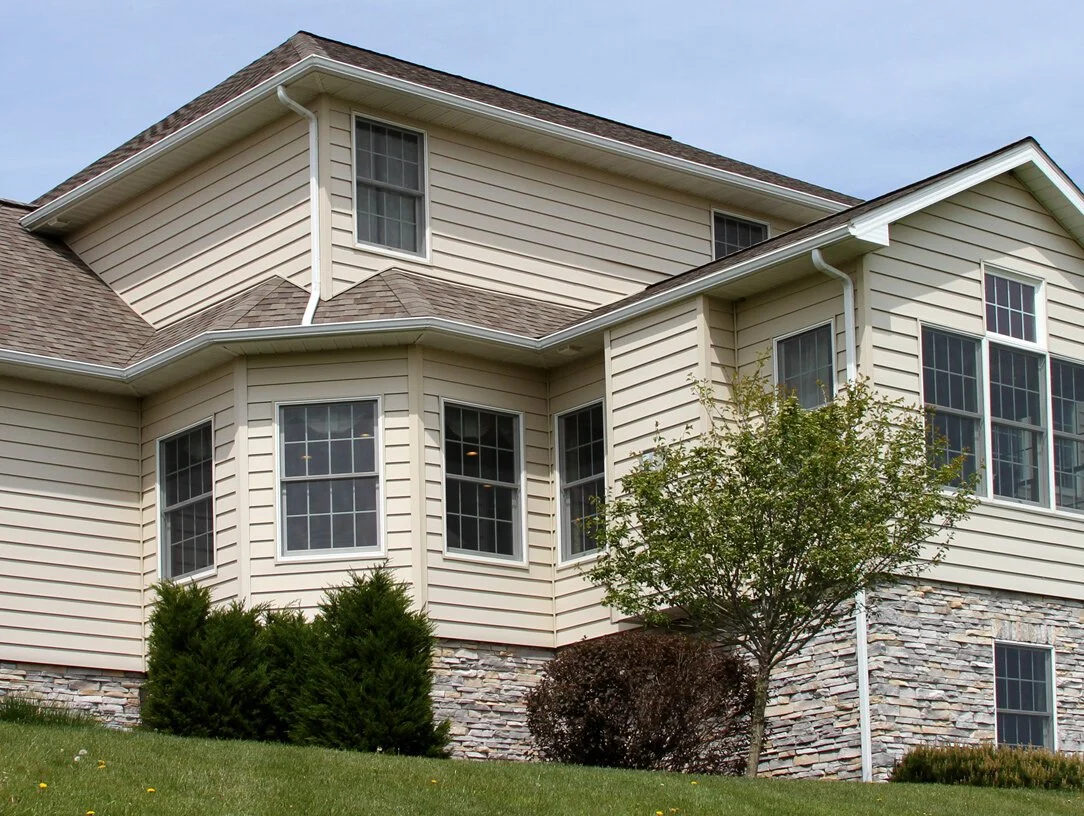
Here's a question we hear at least twice a week from homeowners in Sterling Heights, Troy, and across Southeast Michigan: "Does this siding actually protect against moisture and rot, or is that just marketing?"
It's a smart question. Because the truth is, not all siding offers the same level of protection. And when you're dealing with Michigan's freeze-thaw cycles, ice dam runoff, summer humidity, and storm-driven rain, the difference between good siding and bad siding isn't cosmetic — it's structural.
After 35 years installing house siding in Detroit and the surrounding counties, we've seen what works, what fails, and what homeowners need to know before they sign a contract. This post breaks down what "coverage against moisture and rot" actually means — both in terms of material properties and manufacturer warranties — and which siding materials handle Michigan weather best.
How Moisture and Rot Damage Happens in Michigan
Before we talk about which siding protects against moisture and rot, let's talk about how the damage happens in the first place. Because if you understand the mechanisms, you'll understand why certain materials and installation methods matter.
Michigan's climate is uniquely hard on exterior materials. We get freeze-thaw cycles from November through March — sometimes 40 or 50 cycles in a single winter. Water gets into small cracks, freezes, expands, and makes those cracks bigger. Then it thaws, seeps deeper, and freezes again. Over time, this destroys materials that aren't designed to handle it.
Ice dams are another major culprit. When heat escapes through a poorly insulated attic, it melts snow on the roof. The water runs down to the eaves, refreezes, and creates a dam. Water backs up under the shingles and runs down the exterior walls — right behind your siding. If your attic insulation in Metro Detroit isn't up to spec, you're creating a moisture problem that even the best siding can't fully protect against.
Summer brings its own challenges. High humidity — especially in July and August — combined with storm-driven rain means water is constantly trying to get behind your siding. If there's no proper moisture barrier, or if the siding wasn't installed with ventilation gaps, that water gets trapped. And trapped moisture leads to mold, mildew, and eventually rot in the sheathing or framing.
The reality: Even the most moisture-resistant siding material will fail if it's installed wrong. The best protection comes from combining the right material with proper installation — house wrap, flashing, ventilation, and attention to detail around windows, doors, and penetrations.
Siding Materials Ranked by Moisture and Rot Resistance
Let's rank the most common siding materials by their intrinsic resistance to moisture and rot damage. This isn't about warranties yet — this is about how the material itself performs when water shows up.
Vinyl Siding: Moisture-Resistant, Installation-Dependent
Vinyl doesn't absorb water. It won't rot, warp, or swell. From a pure material standpoint, it's highly resistant to moisture damage. That's why it's the most popular siding choice in Michigan — it's affordable, low-maintenance, and handles our weather reasonably well.
But here's the catch: vinyl siding is only as good as the installation. If the house wrap is missing or damaged, if the J-channel around windows isn't sealed properly, or if the siding is nailed too tight (which prevents expansion and contraction), water will get behind it. And once water is behind the siding, you're relying entirely on the house wrap and flashing to keep it out of your walls.
We've torn off vinyl siding in Shelby Township that looked fine from the street but had rotted sheathing underneath because the original installer skipped the house wrap or didn't flash the windows. The vinyl itself was intact — but it didn't protect the home.
Fiber Cement (James Hardie): Engineered for Moisture Resistance
Fiber cement siding — especially James Hardie — is engineered specifically to resist moisture. It's made from cement, sand, and cellulose fibers, and it's designed to handle wet climates. Hardie's ColorPlus technology includes a baked-on finish that resists moisture penetration better than field-applied paint.
James Hardie products come with a 30-year non-prorated warranty that covers material defects, including moisture-related damage, as long as the siding is installed according to their specifications. That's a significant advantage over materials that only offer limited coverage.
Fiber cement won't rot. It won't attract insects. It won't swell or delaminate when it gets wet. For Michigan homes — especially in areas with heavy lake-effect snow like Lake Orion or Rochester Hills — it's one of the most reliable long-term choices.
The trade-off? Cost. Fiber cement typically runs 2-3 times the price of vinyl, and installation is more labor-intensive because the material is heavier and requires special cutting tools. But if you're looking for maximum protection against moisture and rot, it's hard to beat.
Engineered Wood (LP SmartSide): Treated for Rot Resistance
LP SmartSide is engineered wood siding treated with zinc borate and a proprietary SmartGuard process to resist moisture, rot, and fungal decay. It's designed to look like real wood — with realistic grain texture — but perform better in wet conditions.
The treatment process makes a real difference. Traditional wood siding absorbs water and rots. LP SmartSide is engineered to resist that. It comes with a 50-year limited warranty that includes coverage for rot and fungal decay, as long as the siding is installed and maintained according to LP's guidelines.
We've installed LP SmartSide on homes in Grosse Pointe Farms and Bloomfield Hills where homeowners wanted the look of wood without the maintenance headaches. It holds up well in Michigan weather, but it does require periodic painting or staining to maintain the protective finish. If you let the paint fail, moisture can eventually penetrate the substrate.
Traditional Wood Siding: High Maintenance, Rot-Prone
Real wood siding — cedar, pine, redwood — looks beautiful. But it's also the most vulnerable to moisture and rot. Wood absorbs water. If the finish fails (and it will, eventually), moisture gets in. Freeze-thaw cycles accelerate the damage. Wood siding on Michigan homes requires regular maintenance — painting or staining every 3-5 years, prompt repair of cracks or splits, and constant vigilance against rot.
We still see wood siding on historic homes in Detroit and older neighborhoods, and when it's maintained properly, it can last decades. But "maintained properly" is the key phrase. Most homeowners don't want to commit to that level of upkeep, which is why we typically recommend engineered alternatives like LP SmartSide.
Brick and Stone Veneer: Excellent, But Expensive
Brick and stone don't rot. They don't absorb water in a way that causes structural damage. They're essentially inert. For moisture and rot resistance, they're at the top of the list.
The downside? Cost and weight. Brick veneer requires a solid foundation and proper flashing at the base to allow drainage. Stone veneer is lighter but still expensive. These materials are typically used as accents or on higher-end custom homes rather than as full-house siding replacements.
What "Coverage" Actually Means: Material Properties vs. Warranties
When we talk about siding that "includes coverage against moisture and rot damage," we're really talking about two different things: the material's intrinsic resistance to damage, and the manufacturer's warranty coverage if damage occurs.
Let's separate them.
Material Properties: How the Siding Actually Performs
This is about physics and chemistry. Vinyl doesn't absorb water, so it won't rot — that's a material property. Fiber cement is formulated to resist moisture penetration — that's a material property. LP SmartSide is treated with zinc borate to prevent fungal decay — material property.
These properties exist regardless of the warranty. A piece of James Hardie siding will resist moisture whether or not you file a warranty claim. The material does what it's designed to do.
Manufacturer Warranties: What's Covered, What's Not
Warranties are legal agreements that define what the manufacturer will cover if something goes wrong. And here's where it gets tricky, because most warranties have exclusions that homeowners don't discover until they try to make a claim.
For example, James Hardie's 30-year warranty covers material defects — including moisture-related damage to the siding itself — but it doesn't cover damage caused by improper installation, lack of maintenance, or moisture intrusion from other sources (like a leaking roof or failed gutter system).
LP SmartSide's 50-year warranty includes rot and fungal decay coverage, but it requires that the siding be painted or stained according to their maintenance guidelines. If you let the finish fail and moisture gets in, the warranty may not apply.
Vinyl siding warranties vary widely by manufacturer. Some cover only manufacturing defects (like color fading or cracking), while others include limited coverage for wind damage or impact. Very few vinyl warranties explicitly cover "moisture damage" because vinyl itself doesn't absorb moisture — but that doesn't mean water can't cause problems behind the siding.
What to watch for: Read the warranty exclusions carefully. Most manufacturers require professional installation, proper maintenance, and adherence to their installation guidelines. If your contractor cuts corners or uses non-approved methods, you could void the warranty without knowing it.
Installation Warranties: Your Contractor's Guarantee
This is separate from the manufacturer's warranty. A good contractor — like NEXT Exteriors — provides a workmanship warranty that covers installation defects. If water gets behind your siding because we didn't install the house wrap correctly, or because we failed to flash a window properly, that's on us. Our workmanship warranty covers it.
This is why choosing a licensed, insured contractor matters. If you hire someone without proper credentials or insurance, and they install your siding wrong, you have no recourse when water damage shows up two years later. The manufacturer won't cover installation defects, and the installer is long gone.
Installation Details That Determine Real-World Protection
Here's the truth: the best siding material in the world won't protect your home if it's installed wrong. We've seen James Hardie siding fail because the contractor didn't leave proper clearance at the bottom. We've seen LP SmartSide rot because the installer didn't flash the windows. We've seen vinyl siding blow off in a windstorm because it was nailed too tight.
Installation matters more than most homeowners realize. Here's what actually determines whether your siding protects against moisture and rot.
House Wrap and Moisture Barriers
The house wrap — typically Tyvek or a similar product — is your primary defense against water intrusion. It goes over the sheathing, under the siding, and acts as a secondary barrier. If water gets behind the siding (and it will, eventually), the house wrap keeps it from reaching the wood framing.
Good contractors overlap the house wrap properly, tape the seams, and integrate it with the window and door flashing. Bad contractors skip it entirely, or install it so poorly that it might as well not be there.
Every exterior service in Detroit we perform includes proper moisture barrier installation. It's non-negotiable.
Flashing Around Windows, Doors, and Penetrations
Flashing is thin metal or plastic material that directs water away from vulnerable areas — the top of windows, the bottom of doors, around vents and electrical boxes. If flashing is missing or installed incorrectly, water will find its way in.
We see this constantly on homes where the original builder or contractor used the bare minimum flashing, or installed it upside down (yes, that happens). Water runs behind the siding, soaks the sheathing, and eventually causes rot. The siding itself might be fine — it's the installation that failed.
Proper J-Channel and Trim Installation
J-channel is the trim piece that holds the ends of vinyl or other siding panels in place around windows and doors. If it's not installed with a slight back-slope, or if the seams aren't sealed, water can run behind it and into the wall cavity.
Same with corner trim, fascia trim, and any other transition points. These are the spots where water tries to get in. A good installer knows how to detail these areas to keep water out. A bad installer just slaps it up and moves on.
Ventilation Behind the Siding
Some siding products — especially fiber cement and engineered wood — perform better when there's an air gap behind them. This allows moisture to escape and prevents trapped humidity from causing problems.
Rainscreen systems, which use furring strips to create a ventilation gap, are becoming more common on high-performance homes. They're not required by code in Michigan, but they're a good idea if you want maximum moisture protection.
Signs Your Current Siding Is Failing Against Moisture
How do you know if your siding is actually protecting your home, or if moisture is already getting in? Here are the warning signs we look for when we inspect homes in Clinton Township, Warren, and across Southeast Michigan.
Soft Spots or Bulging
Press on the siding in a few spots around the house. If it feels soft, spongy, or gives way under pressure, there's moisture damage behind it. The sheathing or framing is rotting, and the siding is just cosmetically covering it up.
Bulging siding — where panels bow out from the wall — often indicates that the sheathing has swollen from water absorption. This is common on older homes with wood sheathing that wasn't properly protected.
Paint Peeling or Blistering
If you have painted siding (wood, fiber cement, or engineered wood), and the paint is peeling or blistering in certain areas, that's a sign of moisture pushing out from behind. Water is getting into the substrate, and as it tries to escape, it lifts the paint.
This is especially common around windows, doors, and at the bottom of walls where water tends to accumulate.
Visible Mold or Mildew
Mold and mildew on the surface of siding isn't necessarily a structural problem — it's common in shaded, humid areas. But if you're seeing mold growth in unusual spots, or if it keeps coming back no matter how often you clean it, there may be a moisture problem behind the siding.
Water Stains on Interior Walls
This is the big one. If you're seeing water stains, discoloration, or peeling paint on interior walls — especially on exterior walls — water is getting through the siding and into your home. This requires immediate attention, because by the time you see interior damage, the problem has been going on for a while.
Increased Energy Bills
If your heating or cooling bills have gone up and you haven't changed your usage, it could be a sign that your siding and insulation are no longer doing their job. Moisture-damaged insulation loses its R-value, and gaps in the siding allow air infiltration. Both drive up energy costs.
In many cases, upgrading your siding and improving your insulation services in Southeast Michigan can pay for itself over time through reduced energy bills.
What to Ask Your Siding Contractor About Protection
When you're getting quotes for a siding project, don't just ask about price and timeline. Ask about protection. Here are the questions that will separate the pros from the hacks.
What Moisture Barrier Are You Using?
If the answer is "we don't use one" or "whatever's already there," walk away. Every siding job should include new house wrap or an equivalent moisture barrier, properly installed and integrated with flashing.
How Do You Handle Flashing Around Windows and Doors?
A good contractor will explain their flashing process in detail — the type of flashing, how it integrates with the house wrap, how they seal penetrations. If they give you a vague answer or seem annoyed by the question, that's a red flag.
What Does Your Workmanship Warranty Cover?
Get it in writing. If water gets behind the siding due to installation defects, what happens? How long is the warranty valid? What's the process for making a claim?
Are You Licensed and Insured?
In Michigan, residential contractors need a builder's license for projects over a certain dollar amount. Ask to see it. Also ask for proof of liability insurance and workers' compensation coverage. If they can't provide it, move on.
NEXT Exteriors holds a Michigan Residential Builder's License and has been BBB A+ Accredited since 2006. We're fully insured, and we stand behind our work with comprehensive warranties.
Can I See References from Similar Projects?
Ask for references from projects similar to yours — same siding material, similar home style, in the same general area. Talk to those homeowners. Ask if they've had any moisture issues since the installation. Ask if the contractor showed up on time, stayed on budget, and cleaned up properly.
We're happy to provide references from our 500+ completed projects across Macomb, Oakland, and St. Clair counties. Our project gallery shows real installations on real Michigan homes.
Related services: A comprehensive exterior upgrade often includes more than just siding. Many of our clients combine siding replacement with window replacement in Detroit to maximize energy efficiency, or add exterior painting services using Sherwin-Williams premium coatings for long-lasting protection. If your roof in Southeast Michigan is also near the end of its lifespan, coordinating both projects can save money and reduce disruption.
Ready to Protect Your Home?
NEXT Exteriors has been installing high-performance siding in Southeast Michigan since 1988. We use the right materials, install them the right way, and back our work with real warranties. Get a free, no-pressure assessment and see what proper moisture protection looks like.
Get Your Free Siding AssessmentOr call us: (844) 770-6398
Frequently Asked Questions
Vinyl siding itself doesn't absorb water and won't rot, which makes it inherently moisture-resistant. However, vinyl is only a cosmetic layer — it doesn't create a waterproof seal. Protection against moisture depends on what's behind the siding: house wrap, flashing, and proper installation. If water gets behind poorly installed vinyl, it can cause rot in the sheathing and framing even though the vinyl itself is fine.
Fiber cement (James Hardie) and engineered wood (LP SmartSide) both handle freeze-thaw cycles well because they're designed to resist moisture absorption and dimensional changes. Vinyl is also a good choice because it doesn't absorb water, though it can become brittle in extreme cold. Traditional wood siding is the most vulnerable because it absorbs moisture, which expands when frozen and accelerates rot.
It depends on the manufacturer and the cause of the rot. James Hardie and LP SmartSide warranties include coverage for rot and moisture-related defects in the siding material itself, but they exclude damage caused by improper installation, lack of maintenance, or external water sources (like roof leaks or failed gutters). Always read the warranty exclusions carefully and make sure your contractor provides a separate workmanship warranty.
House wrap is critical. It's your primary defense against water that gets behind the siding — and water will get behind the siding eventually, no matter how well it's installed. House wrap (like Tyvek) allows moisture vapor to escape from inside the wall while blocking liquid water from outside. Without it, or if it's installed incorrectly, you're relying solely on the siding to keep water out, which isn't realistic in Michigan's climate.
Technically yes, but we don't recommend it in most cases. Installing over old siding hides potential moisture damage, doesn't allow for proper inspection of the sheathing, and can create an uneven surface that affects the new siding's performance. It also adds weight and makes future repairs more complicated. The right approach is to remove the old siding, inspect and repair the sheathing, install new house wrap and flashing, and then install the new siding properly.
It depends on the material and installation quality. Vinyl siding typically lasts 20-30 years. Fiber cement (James Hardie) can last 50+ years with minimal maintenance. LP SmartSide has a 50-year warranty and can last that long if maintained properly. Traditional wood siding might last 20-40 years with diligent maintenance, but often needs replacement sooner due to rot. Proper installation and regular maintenance significantly extend the lifespan of any siding material.
A material warranty (from the manufacturer) covers defects in the siding product itself — things like premature fading, cracking, or rot due to manufacturing flaws. A workmanship warranty (from your contractor) covers installation defects — improper flashing, missed house wrap, incorrect fastening, etc. You need both. If your siding fails due to bad installation, the manufacturer won't cover it. That's why choosing a licensed, insured contractor with a solid workmanship warranty is just as important as choosing quality materials.
Siding Contractors Near Me Southeast Michigan | NEXT Exteriors
Looking for trusted siding contractors in Southeast Michigan? NEXT Exteriors has served Macomb, Oakland & St. Clair counties since 1988. Licensed, A+ rated, 5.0 stars.
You're searching for "siding contractors near me southeast michigan" because something's wrong with your siding — or you're smart enough to replace it before it becomes a problem. Either way, you're about to spend serious money, and you want to make sure you hire someone who'll do the job right.
Here's the truth: Southeast Michigan has no shortage of contractors who'll take your money. But finding one who shows up on time, uses quality materials, installs to manufacturer standards, and doesn't disappear when the warranty matters? That's harder.
I've been running siding jobs across Macomb, Oakland, and St. Clair counties since 1988. I've seen what happens when homeowners hire the wrong contractor — and I've fixed a lot of those mistakes. This guide will walk you through exactly what to look for when you're vetting house siding companies in Detroit and the surrounding areas.
What Separates Good Siding Contractors from Bad Ones in Michigan
Michigan isn't an easy place to install siding. We get freeze-thaw cycles that split poorly installed panels. We get summer humidity that warps materials if they're not ventilated correctly. We get wind-driven rain that finds every gap in the flashing. And we get lake-effect snow that piles up against foundation walls and tests every seam.
A good siding contractor in Southeast Michigan understands all of this. A bad one treats your home like it's in Arizona.
Licensing and Insurance (Non-Negotiable)
In Michigan, anyone doing residential construction work over $600 needs a Michigan Residential Builder's License. That's not optional. It's the law. If a contractor can't show you their license number, walk away.
Beyond licensing, they need:
- General liability insurance — protects your property if something gets damaged during the job
- Workers' compensation insurance — covers their crew if someone gets hurt on your property
Ask for proof. A legitimate contractor will hand it over without hesitation. If they dodge the question or say "we're covered under someone else's policy," that's a red flag.
Manufacturer Certifications Matter
The best siding contractors don't just install products — they're certified by the manufacturers. That means they've been trained on proper installation methods, they follow the warranty requirements, and they're backed by the brand.
At NEXT Exteriors, we're certified installers for:
- James Hardie fiber cement siding
- LP SmartSide engineered wood
- CertainTeed vinyl siding
Why does this matter? Because if your siding fails and the manufacturer won't honor the warranty because it wasn't installed correctly, you're stuck with the bill. Certified installers follow the specs that keep your warranty valid.
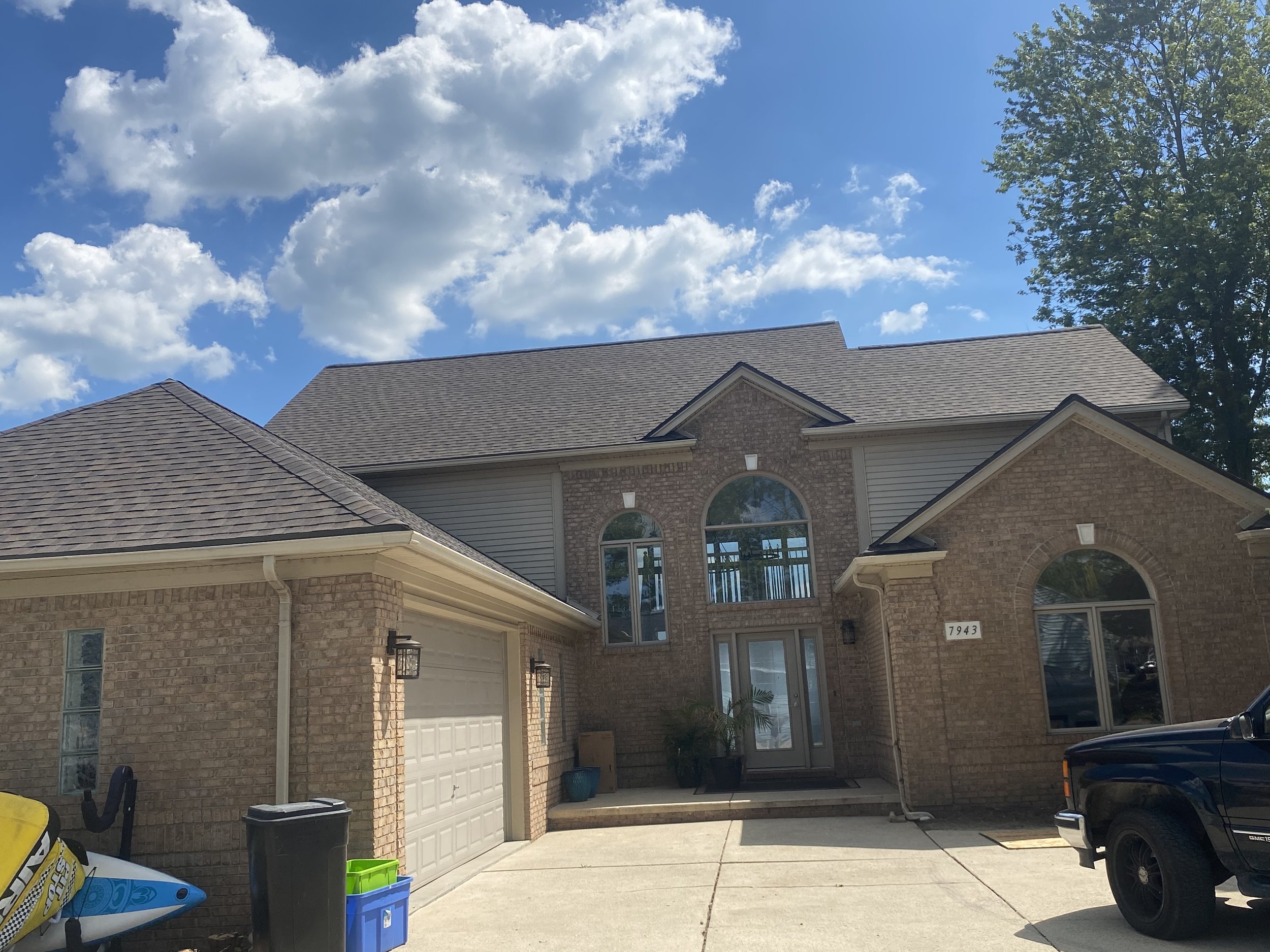
Local Reputation (Not Just Online Reviews)
Google reviews are useful, but they're not the whole picture. Look for:
- BBB accreditation — NEXT Exteriors has been A+ rated since 2006
- Years in business — we've been operating since 1988 under Premier Builder Inc.
- References in your area — ask for recent projects in Sterling Heights, Troy, or Rochester Hills so you can see their work in person
A contractor who's been around for decades and maintains a clean reputation isn't going to risk it by cutting corners on your job.
Questions to Ask Before You Hire a Siding Contractor
Here's what to ask during the estimate process. Good contractors will answer these questions clearly and confidently. Bad ones will get vague or defensive.
1. What's Your Michigan Residential Builder's License Number?
Write it down. Verify it with the state. If they don't have one, you're done.
2. Can I See Proof of Insurance?
Ask for certificates of insurance for both general liability and workers' comp. Call the insurance company to confirm the policy is active.
3. Are You Certified by the Siding Manufacturer?
If they're installing James Hardie, LP SmartSide, or CertainTeed, ask for proof of certification. If they're not certified, ask why. Sometimes it's fine — but sometimes it means they don't meet the manufacturer's standards.
4. What's Included in the Estimate?
A detailed estimate should specify:
- Material brand and product line (not just "vinyl siding")
- Square footage being covered
- Labor costs
- Trim, flashing, and moisture barrier details
- Timeline
- Payment schedule
If the estimate is one page with a lump sum and no details, that's a problem.
5. How Do You Handle Moisture Barriers and Flashing?
This is where you separate the pros from the hacks. Good contractors will explain their process for:
- Installing house wrap or moisture barriers
- Flashing around windows, doors, and penetrations
- Sealing trim joints
- Ventilating behind the siding (especially important for fiber cement)
If they just say "we follow code," that's not enough. Michigan winters will find every shortcut.
6. What Happens If There's Rot or Structural Damage?
Sometimes you don't know there's rot behind the old siding until it comes off. Ask how they handle it. Do they stop the job and send you a change order? Do they have carpenters on staff to fix it? What's the process?
At NEXT Exteriors, we inspect the sheathing as we remove the old siding. If we find rot, we document it, show you the problem, and give you a fair price to fix it before we move forward. No surprises.
7. What's the Warranty?
There are two warranties to discuss:
- Manufacturer warranty — covers the material itself (usually 25-50 years for siding)
- Workmanship warranty — covers the installation (varies by contractor)
Ask for both in writing. If a contractor won't stand behind their work for at least a year, that tells you something.
Red Flag: If a contractor pressures you to sign the same day, offers a "discount if you decide today," or won't give you a written estimate, walk away. Legitimate contractors don't use high-pressure sales tactics.
Siding Materials That Work in Southeast Michigan's Climate
Not all siding materials are created equal — and not all of them hold up in Michigan. Here's what we install most often, and why.
Vinyl Siding
Vinyl is the most popular siding material in Southeast Michigan for good reason: it's affordable, low-maintenance, and performs well in freeze-thaw cycles if it's installed correctly.
Pros:
- Doesn't rot, rust, or need painting
- Expands and contracts with temperature changes (important in Michigan)
- Wide range of colors and styles
- Lowest upfront cost
Cons:
- Can crack in extreme cold if hit hard
- Fades over time (higher-quality vinyl fades less)
- Not as impact-resistant as fiber cement
We install CertainTeed vinyl siding on most of our vinyl jobs. It's manufactured in the U.S., comes with a lifetime limited warranty, and holds its color better than cheaper brands.
If you're considering vinyl, read our guide on vinyl vs. fiber cement siding in Michigan to understand the trade-offs.
Fiber Cement Siding (James Hardie)
Fiber cement is the premium choice. It looks like wood, lasts longer than vinyl, and stands up to everything Michigan throws at it.
Pros:
- Extremely durable — resists impact, rot, fire, and pests
- Holds paint better than wood (ColorPlus finish comes with a 15-year warranty)
- Doesn't warp or crack in freeze-thaw cycles
- Increases home resale value
Cons:
- Higher upfront cost (typically 2-3x vinyl)
- Heavier — requires more labor and structural support
- Needs repainting every 10-15 years (unless you get ColorPlus)
James Hardie is the industry leader, and we're certified installers. Their HardiePlank siding is engineered specifically for climate zones — and Michigan's freeze-thaw cycles are baked into the design.
Engineered Wood Siding (LP SmartSide)
LP SmartSide is a middle-ground option: it looks like real wood, costs less than fiber cement, and performs better than natural wood in wet climates.
Pros:
- Authentic wood grain texture
- Treated to resist moisture, rot, and termites
- Lighter than fiber cement (easier to install)
- 50-year limited warranty
Cons:
- Still wood-based — requires more maintenance than vinyl or fiber cement
- Needs repainting every 8-10 years
- Not as impact-resistant as fiber cement
We install LP SmartSide on homes where homeowners want the look of wood without the price tag of James Hardie.

What We Don't Install (And Why)
We don't install aluminum siding anymore. It dents too easily, fades quickly, and doesn't perform as well as modern vinyl or fiber cement. If you have aluminum siding now, it's probably time to replace it.
We also don't install cheap, builder-grade vinyl. It warps, cracks, and fades within 10 years. If you're going vinyl, spend a little more upfront for a quality product that'll last.
What a Professional Siding Installation Actually Looks Like
Here's what happens when you hire NEXT Exteriors for a siding project. This is the process every reputable contractor should follow.
Step 1: Site Preparation and Protection
Before we touch your siding, we:
- Cover landscaping, decks, and driveways with tarps
- Set up trash bins for old siding and debris
- Mark utility lines and disconnect exterior fixtures (lights, gutters, etc.)
We treat your property like it's our own. No shortcuts.
Step 2: Removal of Old Siding
We carefully remove the old siding and inspect the sheathing underneath. If we find rot, water damage, or structural issues, we stop and document it. You'll see photos and get a clear explanation of what needs to be fixed before we move forward.
This is where a lot of contractors cut corners. They'll install new siding over rotted sheathing and hope you don't notice. That's not how we work.
Step 3: Moisture Barrier and Flashing
We install a weather-resistant barrier (house wrap) over the sheathing. This is your home's first line of defense against water intrusion.
Then we install flashing around:
- Windows and doors
- Corners and trim boards
- Penetrations (vents, electrical boxes, hose bibs)
Flashing is the most important part of a siding job. If it's not done right, water will get behind the siding and cause rot. We use manufacturer-approved flashing methods and seal every seam.
Step 4: Siding Installation
We install the siding according to the manufacturer's specifications:
- Proper nailing — nails go in the center of the nail slots, not over-driven or under-driven
- Correct overlap — each panel overlaps the one below it by at least 1 inch
- Expansion gaps — we leave room for the siding to expand and contract with temperature changes
- Ventilation — we ensure airflow behind the siding to prevent moisture buildup
For fiber cement, we use stainless steel nails and follow James Hardie's installation guide to the letter. For vinyl, we never over-drive the nails — that's the #1 cause of cracking and buckling.
Step 5: Trim and Finishing
We install trim around windows, doors, and corners. All joints are caulked with high-quality, paintable sealant. If you're getting fiber cement or engineered wood, we prime and paint the trim to match your siding.
Step 6: Cleanup and Final Walkthrough
We haul away all debris, clean the work area, and do a final inspection with you. We walk you through the project, answer any questions, and make sure you're 100% satisfied before we consider the job done.
If you need other exterior services in Detroit — like roofing, windows, or gutters — we can handle those at the same time to minimize disruption and save you money.
Real Costs for Siding Projects in Metro Detroit
Let's talk money. Siding costs vary based on material, square footage, and the complexity of your home. Here's what you can expect in Southeast Michigan in 2026.
Vinyl Siding
$4.50 - $8.50 per square foot installed
For a typical 2,000-square-foot home, that's $9,000 - $17,000. Higher-end vinyl (like CertainTeed's Monogram or Cedar Impressions) will be on the upper end of that range.
Fiber Cement Siding (James Hardie)
$9.00 - $14.00 per square foot installed
For a 2,000-square-foot home, that's $18,000 - $28,000. If you go with the ColorPlus pre-finished option (which we recommend), add another $1.50 - $2.00 per square foot.
Engineered Wood Siding (LP SmartSide)
$6.50 - $10.50 per square foot installed
For a 2,000-square-foot home, that's $13,000 - $21,000.
What Affects the Total Cost?
- Home height and complexity — two-story homes and homes with lots of corners, gables, and trim cost more
- Removal and disposal — if we're removing old siding, that adds $1.00 - $2.00 per square foot
- Rot repair — if we find structural damage, that's extra (usually $500 - $2,000 depending on the extent)
- Trim and accents — upgraded trim, shutters, and decorative elements add to the cost
- Paint — if you're going with fiber cement or engineered wood, painting adds $2.00 - $3.00 per square foot
For a detailed breakdown of siding costs in Southeast Michigan, check out our guide on real siding pricing for Michigan homes.
Why Cheaper Isn't Better: If a contractor quotes you significantly less than these ranges, ask why. Are they using substandard materials? Skipping the moisture barrier? Not carrying insurance? Cutting corners on a siding job will cost you more in the long run when you have to fix water damage or replace failed siding.
Signs You Need a Siding Contractor Now
Here's when to stop researching and start calling contractors.
1. Cracked, Warped, or Loose Panels
If you see cracks, warping, or panels pulling away from the house, water is getting behind your siding. That means rot is probably already starting.
2. Fading or Peeling Paint
If your siding is painted wood or fiber cement and the paint is peeling or fading badly, it's time to repaint or replace. Bare wood or fiber cement absorbs moisture, which leads to rot and structural damage.
3. Mold, Mildew, or Fungus
If you see mold or mildew growing on your siding, that's a sign of moisture problems. It could be poor ventilation, failed caulking, or water getting behind the siding.
4. Higher Energy Bills
If your heating or cooling bills have gone up and you haven't changed your usage, your siding might be failing. Gaps, cracks, and poor insulation let conditioned air escape.
If energy efficiency is a concern, consider pairing new siding with upgraded insulation services in Southeast Michigan to maximize savings.
5. Storm Damage
If you've had a recent storm with high winds or hail, inspect your siding for dents, cracks, or missing panels. File an insurance claim if needed — we work with insurance adjusters regularly and can help with documentation.
6. You're Selling Your Home
Old, damaged siding kills curb appeal and turns off buyers. If you're preparing to sell, new siding is one of the best investments you can make. It recoups 75-80% of its cost at resale and makes your home sell faster.
For more on spotting siding damage, read our post on how to spot siding damage after a Michigan winter.

Why NEXT Exteriors Is Different
We've been doing this for 35 years. We're not the biggest contractor in Southeast Michigan, and we're not trying to be. We're trying to be the best.
Here's what sets us apart:
We're Licensed, Insured, and Certified
We hold a Michigan Residential Builder's License, carry full liability and workers' comp insurance, and we're certified installers for James Hardie, LP SmartSide, and CertainTeed. We're also a CertainTeed Master Shingle Applicator — the highest credential in roofing.
We've Been BBB A+ Rated Since 2006
We've maintained an A+ rating with the Better Business Bureau for nearly two decades. That doesn't happen by accident. It happens by showing up on time, doing quality work, and standing behind what we do.
We Don't Use High-Pressure Sales Tactics
We're not going to pressure you to sign the same day or offer a fake "discount if you decide now." We'll give you a detailed, written estimate, answer your questions, and let you make the decision on your timeline.
If you want to get multiple quotes, we encourage it. We're confident in our pricing and our work.
We're a Family-Owned Michigan Business
We're not a national franchise. We're based in Mount Clemens, and we've been serving Macomb, Oakland, and St. Clair counties since 1988. We live here. We work here. We care about our reputation in this community.
We Handle Everything In-House
We don't subcontract our work to random crews. Our installers are trained, experienced, and employed by us. If something goes wrong, you call us — not some subcontractor who's already moved on to the next job.
We Give Back to the Community
We partner with Habitat for Humanity of Oakland County and LifeBUILDERS in Detroit. We believe in using our skills to help people who need it.
If you're ready to move forward, we also offer exterior painting services in Southeast Michigan using Sherwin-Williams products — so we can handle your siding and painting in one project.
Ready to Get Started?
NEXT Exteriors has been protecting Michigan homes since 1988. Get a free, no-pressure estimate from a team that shows up on time and does the job right.
Get Your Free QuoteOr call us: (844) 770-6398
Frequently Asked Questions
How Resistant Is Siding to Fading in Michigan Weather?
Siding fade resistance explained by Michigan contractors. Learn which materials hold color best through freeze-thaw cycles, UV exposure, and lake-effect weather.
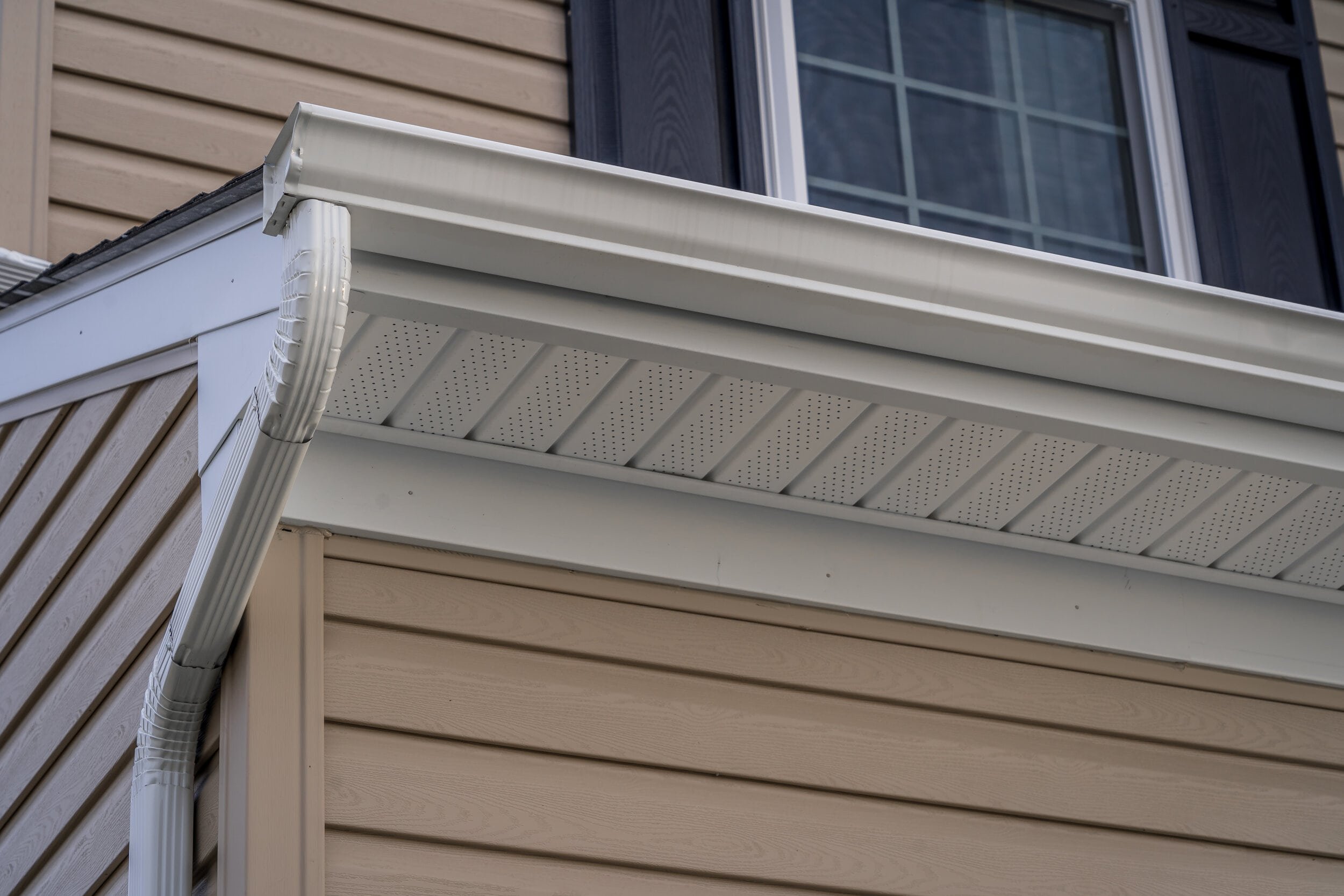
You've probably driven past a house in Sterling Heights or Royal Oak where the siding looked washed out, chalky, or two shades lighter than it should be. Maybe your own home is starting to show the same signs. Fading siding isn't just an aesthetic problem — it's a signal that the material is breaking down under Michigan's relentless freeze-thaw cycles, UV exposure, and lake-effect moisture.
After 35 years installing house siding in Detroit and across Southeast Michigan, we've seen every material fade, crack, or hold up under our climate. The question isn't whether siding will fade — it's how much, how fast, and whether you paid for the kind that resists it.
This guide breaks down fade resistance by material, explains the science behind color retention, and tells you what's worth the money when you're choosing siding for a Michigan home.
What Causes Siding to Fade?
Siding fades because of a combination of environmental stress and material quality. Understanding the mechanisms helps you choose products that resist them.
UV Radiation Breakdown
Ultraviolet light from the sun breaks down the chemical bonds in pigments and resins. This is the primary cause of fading across all siding types. Even on cloudy days, UV radiation is doing damage — Michigan gets plenty of sun exposure year-round, especially in summer when the sun angle is high and days are long.
Cheap vinyl siding uses low-grade pigments that degrade quickly under UV exposure. Premium products use UV inhibitors and stabilizers that slow this process, but nothing stops it completely.
Freeze-Thaw Cycles and Moisture
Michigan's freeze-thaw cycles — we can see 50+ cycles in a single winter — create micro-cracks in siding surfaces. Water infiltrates these cracks, freezes, expands, and accelerates pigment breakdown. This is why north-facing walls and shaded areas sometimes fade differently than south-facing ones: moisture lingers longer in those spots.
Lake-effect moisture compounds the problem. Homes near Lake St. Clair or in Macomb County's lakefront communities see more moisture-driven degradation than inland properties.
Manufacturing Quality Differences
Not all siding is made equal. Budget vinyl often uses less pigment, lower-quality resins, and thinner material. The color is surface-applied rather than baked through the entire panel. Premium products use capstock technology (a protective top layer), through-color formulations, or baked-on finishes that penetrate deeper.
This is where manufacturer partnerships matter. As a Detroit siding company working with CertainTeed, James Hardie, and LP SmartSide, we install products that come with fade warranties — something budget materials don't offer.
Michigan Reality: South-facing walls take the most UV damage. West-facing walls get afternoon sun plus moisture from prevailing winds. North-facing walls stay wet longer and see more freeze-thaw stress. A quality siding job accounts for all of this.
Fade Resistance by Material Type
How resistant is siding to fading? It depends entirely on the material — and the quality tier within that material. Here's what we've seen hold up (or not) on Michigan homes.
Vinyl Siding: The Quality Spectrum
Vinyl is the most common siding in Southeast Michigan, but fade resistance varies wildly based on what you buy.
Budget Vinyl (Builder-Grade): Expect noticeable fading within 5-8 years. These products use low acrylic content (often under 50%), surface-applied color, and minimal UV inhibitors. The color isn't uniform through the panel — it's a thin layer that wears off. You'll see chalking (a powdery residue when you rub the surface) as the first sign of breakdown.
Mid-Tier Vinyl: Products like CertainTeed Monogram or similar use higher acrylic content (60-70%) and better pigment dispersion. Fade resistance improves to 10-15 years before noticeable color shift. These often come with limited lifetime warranties that include fade coverage for the first 10 years.
Premium Vinyl (Capstock Technology): CertainTeed Cedar Impressions with StrataShield or similar capstock products add a protective top layer — essentially a UV-resistant shield over the color layer. This is the closest vinyl gets to true fade resistance. Expect 15-20+ years before visible fading, with warranties backing it up.
We install vinyl across all tiers depending on budget, but we're clear about the trade-offs. If you're planning to stay in your home long-term, premium vinyl is worth the upcharge. If you're selling in 5-7 years, mid-tier is fine.
James Hardie Fiber Cement: The Gold Standard
James Hardie's ColorPlus Technology is baked-on finish applied in a controlled factory environment, then cured. It's not paint — it's a multi-coat system that penetrates the fiber cement substrate. The result is exceptional fade resistance.
Hardie warranties their ColorPlus finish for 15 years against fading, cracking, or peeling. In practice, we see these installations looking nearly identical 20+ years later. The material doesn't chalk, doesn't crack from freeze-thaw, and holds color even on south-facing walls in full sun.
The trade-off is cost and weight. Fiber cement is 3-4x the price of budget vinyl and requires more labor to install. But if fade resistance is your priority — especially on a high-visibility home in Bloomfield Hills or Grosse Pointe Farms — this is the material.
LP SmartSide Engineered Wood
LP SmartSide uses a zinc borate treatment for rot resistance and a SmartGuard finish with UV inhibitors. It's a factory-primed product, so the final paint job (usually Sherwin-Williams) determines long-term fade resistance.
When we install LP SmartSide, we pair it with high-quality exterior paint from our Southeast Michigan painting professionals service. Sherwin-Williams Duration or Emerald exterior paints hold up well — expect 10-12 years before repainting is needed, with minimal fading if the surface is prepped correctly.
The advantage over vinyl is the wood-grain texture and the ability to use any paint color. The disadvantage is maintenance: you're repainting every decade, while Hardie or premium vinyl requires nothing.
Real Wood Siding and Paint
Cedar, redwood, or pine siding can look incredible, but fade resistance depends entirely on the paint or stain system. Even the best exterior paints (Sherwin-Williams Emerald, Benjamin Moore Aura) will fade in 7-10 years on sun-exposed walls.
We rarely recommend real wood for full-house siding in Michigan unless the homeowner is committed to repainting every 8-10 years. It's better suited for accent walls or historic restoration projects where authenticity matters more than low maintenance.
Comparison Table: Fade Resistance by Material
| Material | Fade Resistance (Years) | Warranty Coverage | Maintenance |
|---|---|---|---|
| Budget Vinyl | 5-8 | Limited or none | Minimal |
| Mid-Tier Vinyl | 10-15 | 10-year fade warranty | Minimal |
| Premium Vinyl (Capstock) | 15-20+ | Lifetime with fade coverage | Minimal |
| James Hardie Fiber Cement | 20+ | 15-year fade warranty | None |
| LP SmartSide (painted) | 10-12 | Paint warranty (5-year typical) | Repaint every 10 years |
| Real Wood (painted) | 7-10 | Paint warranty only | Repaint every 8-10 years |
The Science Behind Color Retention
Understanding why some siding fades and some doesn't comes down to chemistry and manufacturing process.
Capstock Technology
Capstock is a co-extrusion process where a protective top layer is fused to the base vinyl during manufacturing. The cap layer contains higher concentrations of acrylic resin, UV stabilizers, and titanium dioxide (which reflects UV light). This creates a sacrificial barrier — the cap layer takes the UV damage so the color layer beneath stays intact longer.
CertainTeed's StrataShield and similar technologies use this approach. It's why premium vinyl costs 30-40% more than standard vinyl, but lasts twice as long before visible fading.
Baked-On vs. Through-Color
Budget vinyl uses through-color — the pigment is mixed into the PVC resin before extrusion. The problem is that the pigment concentration is low to save cost, and UV breaks it down from the surface inward. As the surface degrades, you lose color.
Baked-on finishes (like James Hardie ColorPlus) apply multiple coats of pigmented resin to the substrate, then cure it at high temperature. This creates a deeper, more durable color layer that resists UV penetration. It's similar to automotive paint vs. spray paint — one is engineered to last, the other isn't.
UV Inhibitors and Stabilizers
High-quality siding includes chemical additives that absorb or reflect UV radiation before it reaches the pigment molecules. Titanium dioxide is common in lighter colors (it reflects UV). Organic UV absorbers are used in darker colors (they convert UV energy into harmless heat).
Cheaper products skip these additives or use minimal amounts. The result is rapid color degradation, especially in dark colors like navy, forest green, or charcoal — which absorb more UV energy than light colors.
Color Choice Matters: Dark colors fade faster than light colors, regardless of material. If you're choosing a deep blue or black siding, make sure you're buying a premium product with UV stabilizers. We've seen budget dark vinyl fade to gray in under five years.
Michigan Weather and Siding Longevity
Southeast Michigan's climate is uniquely hard on siding. Here's why fade resistance isn't just about sun exposure — it's about the combination of stressors our homes face.
Lake-Effect Moisture
Homes in Macomb County, especially near Lake St. Clair, deal with higher humidity and more frequent moisture cycling than inland properties. Moisture accelerates UV damage by creating surface stress — wet siding expands slightly, dry siding contracts. Over thousands of cycles, this weakens the surface and allows UV to penetrate deeper.
We see this in Clinton Township, St. Clair Shores, and Chesterfield — lakefront homes need higher-quality siding to match the lifespan of the same product installed 20 miles inland.
Summer Sun Intensity
Michigan summers are underrated for UV exposure. June and July bring long days (15+ hours of daylight) and high sun angles. South-facing walls can see 8-10 hours of direct sun daily. Over a 20-year span, that's 60,000+ hours of UV bombardment.
This is why we recommend premium materials for south and west exposures, even if you go mid-tier on north and east walls. The cost difference is marginal, and the visual difference in 15 years is dramatic.
Winter Ice and Snow Reflection
Snow reflects up to 80% of UV radiation back onto your home. This means your siding is getting hit from above (direct sun) and below (reflected UV off snow cover). It's a double-dose of exposure that accelerates fading on lower sections of walls during winter months.
We've seen this create uneven fading patterns — the bottom third of a wall fades faster than the top because of snow reflection. Quality siding resists this; cheap siding doesn't.
North vs. South-Facing Exposure
North-facing walls see less direct sun but stay wet longer. South-facing walls get maximum UV but dry quickly. West-facing walls get afternoon sun plus prevailing moisture from storms. Each exposure has different stress patterns.
A smart siding installation accounts for this. We've done projects where the homeowner chose premium vinyl for south and west walls, mid-tier for north and east. It's a budget-conscious way to maximize fade resistance where it matters most.

Cost vs. Fade Resistance: What's Worth It?
Michigan homeowners are practical. You want to know what you're paying for and whether it's worth the money. Here's the cost reality for fade-resistant siding.
Budget Vinyl: $3-$5 per Square Foot Installed
This is builder-grade material. It'll last 20-25 years structurally, but it'll look faded and chalky by year 8-10. If you're selling the house in the next 5-7 years, this is fine. If you're staying long-term, you'll regret it.
We install budget vinyl when clients are cost-constrained or preparing a rental property for sale. It's not what we'd put on our own homes.
Mid-Tier Vinyl: $5-$7 per Square Foot Installed
This is the sweet spot for most Michigan homeowners. Products like CertainTeed Monogram or GAF WeatherSide offer good fade resistance (10-15 years), solid warranties, and a noticeable quality difference over budget material. The upcharge is $2,000-$4,000 on an average home — worth it for the longevity.
Premium Vinyl (Capstock): $7-$9 per Square Foot Installed
Capstock products cost 30-40% more than mid-tier, but they last twice as long before fading. If you're in a high-visibility neighborhood (Rochester Hills, Grosse Pointe Farms, Bloomfield Hills) or planning to stay in your home 15+ years, this is the right choice.
We've installed CertainTeed Cedar Impressions with StrataShield on homes that still look factory-fresh 18 years later. That's the kind of performance you're paying for.
James Hardie Fiber Cement: $10-$14 per Square Foot Installed
Hardie is 2-3x the cost of budget vinyl, but it's also 2-3x the lifespan before any maintenance is needed. The ColorPlus finish is essentially maintenance-free for 20+ years. No painting, no fading, no warping.
This is the material we recommend for homeowners who want to install siding once and never think about it again. It's also the best choice for historic homes or properties where resale value matters — Hardie siding is a selling point.
Long-Term Value Calculation
Let's compare two scenarios for a 2,000-square-foot home:
Scenario 1: Budget Vinyl
- Initial cost: $8,000
- Fading visible at year 8
- Replacement needed at year 20-25
- Total 30-year cost: $16,000 (two installations)
Scenario 2: James Hardie Fiber Cement
- Initial cost: $24,000
- No fading or maintenance for 20+ years
- Replacement needed at year 40-50
- Total 30-year cost: $24,000 (one installation)
Over 30 years, Hardie costs $8,000 more but delivers twice the lifespan and zero maintenance. Budget vinyl costs less upfront but requires replacement sooner and looks worse in the meantime.
The right choice depends on your timeline and budget. We help clients think through this on every project — it's part of what we do as a trusted exterior services in Detroit contractor.
Signs Your Siding Is Fading (and What to Do)
How do you know if your siding is fading, and when does it make sense to replace it? Here are the warning signs we look for.
Chalking and Color Change
Run your hand along the siding. If you see a powdery residue on your fingers, that's chalking — the surface is breaking down. This is the first stage of UV degradation. The color will look duller, and the surface will feel rough instead of smooth.
Chalking is cosmetic at first, but it signals that the material is deteriorating. Within 2-5 years of visible chalking, you'll see significant color shift.
Uneven Fading Patterns
If south-facing walls are noticeably lighter than north-facing walls, or if the bottom sections are fading faster than the top, you're seeing UV and moisture stress. This is normal with budget materials but shouldn't happen with premium products within their warranty period.
Cracking or Warping
Fading often accompanies structural degradation. If you see cracks, warping, or panels pulling away from the house, the material is past its service life. At this point, you're not just dealing with aesthetics — you're risking water infiltration and damage to the sheathing or insulation in Metro Detroit homes.
When to Repair vs. Replace
If fading is isolated to one section (south wall only) and the rest of the siding is structurally sound, you can sometimes replace just that section. But matching the color on faded siding is nearly impossible — even the same product in the same color will look different because the old material has degraded.
In most cases, visible fading means it's time to replace the entire house. Patching creates a patchwork appearance that looks worse than uniform fading.
Warranty Coverage Reality
Most vinyl siding warranties cover "excessive" fading — defined as a color change exceeding a specific Delta E value (a measure of color difference). The problem is that manufacturers set this threshold high enough that normal fading doesn't qualify.
Premium products like CertainTeed capstock or James Hardie ColorPlus have real fade warranties with enforceable standards. Budget vinyl warranties are often prorated and exclude labor, making them nearly worthless in practice.
We always explain warranty terms upfront so clients know what they're actually covered for. It's part of our commitment to transparency — no surprises five years down the road.
When to Call a Contractor: If your siding is showing chalking, uneven fading, or color shift within 10 years of installation, contact the contractor who installed it. If it's a quality product, you may have warranty coverage. If it's budget material, you're likely looking at replacement.
Ready to Upgrade Your Siding?
NEXT Exteriors has been protecting Michigan homes since 1988. We install fade-resistant siding from CertainTeed, James Hardie, and LP SmartSide — backed by real warranties and honest advice. Get a free, no-pressure estimate from a team that shows up on time and does the job right.
Get Your Free QuoteOr call us: (844) 770-6398
Beyond siding, we offer comprehensive exterior services in Detroit and Southeast Michigan. Whether you need professional roofing in Southeast Michigan, energy-efficient windows in Southeast Michigan, or gutter installation in Southeast Michigan, we bring the same attention to detail and old-school work ethic to every project. Explore our project gallery to see our work, or use our home visualizer to see how different siding colors and materials would look on your home.
Frequently Asked Questions
Siding Contractors Near Me Southeast Michigan | NEXT Exteriors
Find trusted siding contractors near you in Southeast Michigan. NEXT Exteriors explains what to look for, red flags to avoid, and real costs for vinyl, fiber cement, and engineered wood siding.

You're standing in your driveway in Sterling Heights or Rochester Hills, looking at siding that's cracked, faded, or pulling away from the house. You pull out your phone and type "siding contractors near me" into Google. Three dozen results come back. Half of them have identical stock photos. A few have no address. One promises a "free upgrade" if you sign today.
How do you separate the legitimate house siding company in Detroit from the fly-by-night crew that'll be gone when your siding starts failing next spring?
We've been doing this work in Southeast Michigan since 1988. We've seen what happens when homeowners hire the wrong contractor — and we've fixed a lot of those jobs. This guide will walk you through exactly what to look for when you're searching for siding contractors, what red flags should send you running, and what a legitimate estimate should actually include.
Why "Near Me" Actually Matters for Siding Projects
The "near me" part of your search isn't just about convenience. It's about accountability, expertise, and long-term support.
Local Building Code Knowledge
Michigan has specific requirements for exterior cladding — wind ratings, flashing details, vapor barrier placement. A contractor who's been working in Macomb County for decades knows what the local building inspectors expect. They know which details matter in our climate and which are overkill.
When we install siding in Detroit and surrounding communities, we're following the Michigan Residential Code (based on the International Residential Code), but we're also applying 35+ years of experience with what actually works when lake-effect snow hits in January and we're getting freeze-thaw cycles every other day in March.
Material Availability and Warranty Service
If your siding develops an issue two years after installation, you want a contractor who's still in business and still local. National chains subcontract the work to local crews, then disappear when you need warranty service. Out-of-state contractors have no incentive to come back.
We're based in Mount Clemens. Our trucks are parked here. Our crews live in the same communities we serve. When a homeowner in Shelby Township calls with a concern, we're there — not forwarding the call to a voicemail in another state.
Reputation in the Community
A contractor who's been working in Southeast Michigan for years has a reputation to protect. Check their BBB rating. Look at Google reviews from homeowners in your area. Ask your neighbors. Word travels fast in communities like Grosse Pointe Farms or Lake Orion.
We've maintained an A+ BBB rating since 2006 and a 5.0-star average across 87+ reviews because we show up when we say we will, do the work right, and stand behind it. That's not marketing language — that's how you stay in business for 35+ years in the same market.
Bottom line: "Near me" isn't just geography. It's about finding a contractor who's invested in the local community, understands Michigan-specific challenges, and will still be around when you need them.
The 5 Non-Negotiables When Vetting Siding Contractors
Before you even look at pricing or material options, verify these five credentials. If a contractor can't provide any of these, move on.
1. Michigan Residential Builder's License
In Michigan, any contractor performing work valued over $600 must hold a Residential Builder's License issued by the Michigan Department of Licensing and Regulatory Affairs (LARA). This isn't optional. It's the law.
Ask for the license number. Then verify it yourself on the LARA website. Check that it's current, that there are no disciplinary actions, and that the license holder matches the person or company you're talking to.
NEXT Exteriors operates under Premier Builder Inc., and we've held our Michigan Residential Builder's License continuously since we started. It's listed on our website, on our estimates, and we'll provide the number before we even schedule a consultation.
2. Insurance Coverage (Liability and Workers' Comp)
Your contractor needs two types of insurance:
- General Liability Insurance: Protects you if the contractor damages your property during the project.
- Workers' Compensation Insurance: Protects you if a worker is injured on your property. Without this, you could be liable for medical costs.
Don't just take their word for it. Ask for certificates of insurance. Call the insurance company directly to verify the policy is current and covers the scope of your project.
We carry both, and we provide certificates to every homeowner before we start work. It's standard practice for any legitimate contractor.
3. Local References and Verifiable Projects
Ask for references from recent projects within 20 miles of your home. Not testimonials on their website — actual contact information for homeowners who've had similar work done in the past 12-24 months.
When you call those references, ask specific questions:
- Did the crew show up on time?
- How did they handle cleanup?
- Were there any surprises with cost or timeline?
- How did the contractor handle any issues that came up?
- Would you hire them again?
Better yet, ask if you can drive by the completed project. Siding work is visible from the street. You can see the quality of the installation, how the trim details look, whether the color has held up.

4. Written Estimates with Material Specifications
A legitimate estimate isn't a one-page document with a total price and a signature line. It's a detailed breakdown that includes:
- Exact siding products by manufacturer and model number (e.g., "CertainTeed Monogram 46 Double 4.5" vinyl siding in Sterling Gray" — not just "vinyl siding")
- Trim, soffit, and fascia materials with specifications
- Substrate preparation and repair procedures
- Insulation or housewrap details
- Removal and disposal of existing siding
- Project timeline
- Payment schedule
- Warranty information (both manufacturer and workmanship)
If a contractor hands you a vague estimate with generic descriptions, that's a red flag. You need to know exactly what materials you're getting, because that's where quality and longevity live.
Our estimates from NEXT Exteriors spell out every detail. We specify whether we're proposing CertainTeed, James Hardie, or LP SmartSide. We list the profile, color, and warranty. We break down what's included in prep work. There are no surprises.
5. Manufacturer Certifications
Major siding manufacturers — CertainTeed, James Hardie, LP SmartSide, GAF, Owens Corning — offer certification programs for contractors who meet specific training and quality standards.
These certifications matter because:
- They indicate the contractor has been trained on proper installation techniques for that specific product
- They often come with enhanced warranties (manufacturer defects plus workmanship coverage)
- They demonstrate a commitment to ongoing education and quality standards
NEXT Exteriors holds certifications with CertainTeed (Master Shingle Applicator — the highest credential in roofing), James Hardie, LP SmartSide, GAF, and Owens Corning. We're not just installing these products — we're trained and certified by the manufacturers themselves.
Ask any contractor you're considering: "Are you certified by the manufacturer of the siding you're proposing?" If they say it doesn't matter or that certifications are just marketing, that tells you something about their approach to quality.
Red Flags That Should Send You to the Next Contractor
Some warning signs are obvious. Others are subtle. Here's what should make you walk away.
Pressure Tactics and "Today Only" Pricing
Legitimate contractors don't use high-pressure sales tactics. If someone shows up at your door with a "special price if you sign today" or claims they have "leftover materials from a job down the street," that's a scam.
Good contractors are busy. They don't need to pressure you. They provide a detailed estimate, answer your questions, and give you time to think it over and compare options.
We've never once told a homeowner they need to decide on the spot. Our pricing is our pricing. It doesn't change based on whether you sign today or two weeks from now.
No Physical Business Address
If a contractor only lists a P.O. box or refuses to provide a physical business address, that's a major red flag. Where are they based? Where do you go if there's a problem?
We're at 233 Church Street in Mount Clemens. It's on our website, our business cards, and our trucks. You can stop by. You can look us up. We're not hiding.
Cash-Only or Large Upfront Deposits
Be wary of contractors who insist on cash payments or demand large upfront deposits (more than 30% of the total project cost). Michigan law limits deposits to one-third of the total contract price or $1,000, whichever is less, for home improvement contracts.
Legitimate contractors accept checks and credit cards. They have payment schedules tied to project milestones, not front-loaded to cover their costs before they've done any work.
Vague Material Descriptions
If the estimate just says "vinyl siding" or "premium siding" without specifying the manufacturer, product line, and model, you have no way to verify quality or compare pricing.
"Vinyl siding" could mean builder-grade .040" thickness with a 20-year warranty, or it could mean .046" premium grade with a lifetime warranty. Those are not the same product, and they shouldn't be priced the same.
Always insist on specific product details. If the contractor can't or won't provide them, they're either cutting corners or don't know enough about the materials they're installing.
No Written Contract
Never, ever proceed with a siding project based on a handshake or a verbal agreement. Michigan law requires written contracts for home improvement projects over $600.
The contract should include everything from the estimate plus start and completion dates, payment schedule, change order procedures, and warranty details. Both parties sign it. You keep a copy.
If a contractor says "we don't need all that paperwork," run.
What Siding Actually Costs in Southeast Michigan (2026 Reality Check)
Siding costs vary widely based on material choice, home size, architectural complexity, and prep work required. Here's what you should expect to pay for a typical 1,500-2,000 square foot ranch home in Southeast Michigan in 2026.
Vinyl Siding: $7,500-$15,000
Vinyl remains the most popular siding choice in Michigan because it's affordable, low-maintenance, and performs well in our climate when properly installed.
Cost factors:
- Material grade: Builder-grade vinyl (.040" thickness) costs less than premium (.044-.046" thickness). Thicker vinyl resists warping and holds color better.
- Profile and style: Traditional horizontal lap siding costs less than board-and-batten or shake profiles.
- Color: Lighter colors are typically less expensive than darker or custom colors.
We install CertainTeed Monogram and Mainstreet vinyl siding for most projects. It's .046" thick, carries a lifetime limited warranty, and holds up to Michigan winters without cracking or fading. Expect to pay $8-$12 per square foot installed for quality vinyl siding, including trim, soffit, and fascia work.
Fiber Cement (James Hardie): $18,000-$30,000
Fiber cement siding — most commonly James Hardie — offers superior durability, fire resistance, and a more traditional wood-like appearance. It's heavier, requires more labor to install, and costs significantly more than vinyl.
Why homeowners choose it:
- Resists rot, insects, and moisture damage
- Won't warp, crack, or split in freeze-thaw cycles
- Can be painted any color (and holds paint for 15+ years)
- Increases home resale value more than vinyl
Fiber cement is a better long-term investment if you're planning to stay in the home for 15+ years or if you're in a historic district where appearance matters. Expect $12-$18 per square foot installed.
We're a James Hardie Preferred Contractor, which means we're trained on proper installation techniques and can offer enhanced warranties. If you're considering fiber cement, make sure your contractor is certified — improper installation voids the manufacturer warranty.
Engineered Wood (LP SmartSide): $15,000-$25,000
LP SmartSide is engineered wood strand siding treated with zinc borate for resistance to fungal decay and termites. It looks like real wood, costs less than fiber cement, and performs well in Michigan's climate.
It's a good middle-ground option if you want the appearance of wood without the maintenance of traditional wood siding or the cost of fiber cement. Expect $10-$15 per square foot installed.
We install LP SmartSide on homes where homeowners want a more traditional look but aren't ready for the investment of fiber cement. It's particularly popular on Craftsman-style homes and in neighborhoods with architectural covenants.
What Drives Costs Up
Beyond material choice, several factors can increase your siding project cost:
- Trim work: Homes with complex trim details, multiple gables, or decorative elements require more labor and material.
- Soffit and fascia replacement: If your soffit and fascia are damaged or outdated, replacing them adds to the cost but significantly improves the finished appearance. We cover this in detail in our guide on soffit and fascia upgrades.
- Removal and disposal: Removing old siding (especially if there are multiple layers) and disposing of it properly adds labor time and dump fees.
- Substrate repair: If the sheathing underneath the old siding is rotted or damaged, it needs to be repaired before new siding goes on. This is common on older homes or homes with previous water intrusion issues.
- Insulation upgrades: Adding insulated vinyl siding or installing rigid foam insulation board under the siding improves energy efficiency but increases cost. If you're interested in improving your home's thermal performance, our insulation services in Southeast Michigan can be combined with siding replacement.
A legitimate contractor will identify these factors during the initial inspection and include them in the estimate. If someone gives you a rock-bottom price without inspecting the substrate or asking about trim details, they're either planning to cut corners or they'll hit you with change orders once the project starts.
How Michigan Weather Should Influence Your Material Choice
Southeast Michigan's climate is tough on siding. We get freeze-thaw cycles from November through April, summer heat and humidity, UV exposure, wind-driven rain, and occasional severe storms. Your siding choice needs to account for all of it.
Freeze-Thaw Cycle Impacts
When water gets behind siding, freezes, and expands, it can crack or warp the material. This is why proper flashing, housewrap, and drainage details matter as much as the siding itself.
Vinyl siding expands and contracts with temperature changes. Quality vinyl (like CertainTeed Monogram at .046" thickness) is engineered to handle this movement without cracking. Cheaper, thinner vinyl can warp or crack after a few Michigan winters.
Fiber cement doesn't expand and contract as much, which makes it more stable in freeze-thaw conditions. It's one reason why James Hardie performs so well in our climate.
UV Exposure and Color Retention
Michigan summers mean direct sun exposure, especially on south- and west-facing walls. UV rays fade siding over time, particularly darker colors.
Quality vinyl siding uses UV inhibitors in the color layer to resist fading. CertainTeed's ColorMax technology, for example, provides fade resistance for the life of the product. Cheaper vinyl fades noticeably within 5-10 years.
Fiber cement can be painted any color, and premium exterior paint (like Sherwin-Williams Duration or Emerald) holds up for 15+ years. If color matters to you and you want flexibility to change it in the future, fiber cement is the better choice. We're a Sherwin-Williams exclusive contractor for exterior painting in Southeast Michigan, so we can handle both siding installation and custom paint finishes.
Wind-Driven Rain and Moisture Management
Michigan storms can drive rain sideways. Proper installation includes a water-resistive barrier (housewrap like Tyvek) behind the siding, flashing around windows and doors, and proper lap and overlap details to shed water.
This is where contractor experience matters. A crew that's been installing siding in Michigan for decades knows how to detail the flashing at corners, around penetrations, and at the foundation line to prevent water intrusion.
We see a lot of callbacks on poorly installed siding where water got behind the cladding and damaged the sheathing. It's not always the siding material that failed — it's the installation.
Ice Dam Considerations at Eaves
Ice dams form when heat from the attic melts snow on the roof, and the runoff refreezes at the eaves. This can back up under shingles and damage the fascia and soffit — which connects directly to your siding system.
Proper attic insulation and ventilation prevent ice dams. If you're replacing siding, it's a good time to assess your attic insulation and address any deficiencies. We cover this in depth in our article on how to stop ice dams in Michigan.

Questions to Ask Before You Sign Anything
Here are ten questions to ask any siding contractor you're considering. Their answers will tell you whether they know what they're doing — and whether they're being straight with you.
1. "What's your Michigan Residential Builder's License number?"
They should provide it immediately without hesitation. If they say they don't need one or that they work under someone else's license, verify that claim with LARA before proceeding.
2. "Can you provide certificates of insurance for liability and workers' comp?"
They should say yes and provide them within 24 hours. If they say they're "working on it" or that it's "not necessary for a small job," walk away.
3. "What specific siding product are you proposing — manufacturer, product line, and model?"
They should name the exact product (e.g., "CertainTeed Monogram 46 Double 4.5 inch" or "James Hardie HardiePlank Select Cedarmill"). If they say "premium vinyl" or "the best stuff," that's not specific enough.
4. "What thickness is the vinyl siding you're proposing?"
For vinyl, thickness matters. Look for .044" or thicker. If they don't know or say "standard," that's a red flag.
5. "Are you certified by the manufacturer of the siding you're recommending?"
Certifications like CertainTeed Master Applicator, James Hardie Preferred Contractor, or LP SmartSide Preferred Contractor indicate proper training. If they say certifications don't matter, they're wrong.
6. "What does your estimate include for substrate preparation and repair?"
They should explain how they'll inspect the sheathing, what they'll do if they find rot or damage, and how that's priced (either included or as a potential change order with a defined rate).
7. "What type of water-resistive barrier will you install behind the siding?"
The answer should be a specific product like Tyvek, Typar, or a similar housewrap — not "we use what we always use" or "it's not necessary."
8. "How do you handle flashing around windows, doors, and corners?"
They should be able to describe the flashing details — how they integrate with the housewrap, how they lap the siding, how they seal penetrations. If they look confused or say "we just caulk it," that's a problem.
9. "What does your workmanship warranty cover, and for how long?"
Manufacturer warranties cover material defects. Workmanship warranties cover installation issues. A good contractor offers at least a 2-5 year workmanship warranty. If they say "the manufacturer warranty covers everything," they're not standing behind their work.
10. "Can you provide references from projects in my area within the past year?"
They should provide at least three references without hesitation. If they say "all our customers are happy, you can trust us," that's not the same as giving you contact information so you can verify it yourself.
Pro tip: Pay attention to how they answer these questions. A good contractor will appreciate your thoroughness — it shows you're serious and informed. A bad contractor will get defensive or dismissive.
Other Services You Might Need Alongside Siding
Siding replacement is often part of a larger exterior upgrade. If you're investing in new siding, it's worth considering related improvements that can be done at the same time for efficiency and better overall results.
Many homeowners combine siding work with window replacement in Detroit — old, drafty windows undermine the energy efficiency of new siding, and replacing both at once eliminates the need to remove and reinstall trim twice.
If your roof is nearing the end of its lifespan, coordinating roofing services in Detroit with siding replacement makes sense. The crews can work efficiently, and you avoid the risk of damaging new siding during a future roof replacement.
Gutters are another common pairing. If you're replacing siding, it's the perfect time to upgrade to seamless gutters in Detroit, MI that match your new siding color and eliminate the maintenance headaches of sectional gutters.
For a complete overview of what we offer, check out our full range of exterior services in Detroit.
Ready to Get Started?
NEXT Exteriors has been protecting Michigan homes since 1988. Get a free, no-pressure estimate from a team that shows up on time and does the job right.
Get Your Free QuoteOr call us: (844) 770-6398
Frequently Asked Questions
Visit the Michigan Department of Licensing and Regulatory Affairs (LARA) website and use their license verification tool. You'll need the contractor's name or license number. The database will show you whether the license is current, any disciplinary actions, and the license holder's business name and address. Never hire a contractor without verifying their license first — it's free, takes two minutes, and can save you from major problems.
A manufacturer warranty covers defects in the siding material itself — if the vinyl cracks due to a manufacturing flaw, if the color fades beyond the stated warranty period, etc. A workmanship warranty covers installation issues — if the siding is installed incorrectly and fails as a result. Both matter. The manufacturer warranty is only as good as the installation, and the contractor's workmanship warranty shows they stand behind their work. At NEXT Exteriors, we provide both: manufacturer warranties from CertainTeed, James Hardie, and LP SmartSide, plus our own workmanship warranty on every installation.
Yes. Get at least three estimates from licensed, insured contractors. But don't just compare the bottom-line price — compare the details. Are they proposing the same materials? The same scope of prep work? The same warranty coverage? A lower price often means lower-grade materials, less prep work, or corners being cut. Focus on value, not just cost. The cheapest bid often costs more in the long run when you're dealing with callbacks, repairs, or premature failure.
For a typical 1,500-2,000 square foot home, expect 5-10 days depending on weather, complexity, and material choice. Vinyl siding installs faster than fiber cement because it's lighter and requires less cutting and fastening. Homes with complex trim details, multiple gables, or significant substrate repair take longer. A good contractor will give you a realistic timeline in the estimate and keep you updated if weather or unforeseen issues cause delays. We schedule projects conservatively so we're not rushing the work or leaving homeowners in limbo.
Yes, but with limitations. Vinyl siding becomes brittle below 40°F and can crack during cutting and installation, so most manufacturers recommend installing it above that temperature. Fiber cement and engineered wood can be installed in colder weather, but adhesives and caulks have temperature limits. We typically schedule siding projects from April through November in Southeast Michigan to ensure optimal installation conditions and manufacturer warranty compliance. If you have an urgent repair need in winter, we can address it, but full replacements are better scheduled for warmer months.
You don't need to be home the entire time, but we recommend being available for the initial walkthrough when the crew arrives and for the final walkthrough when the project is complete. During installation, the work happens on the exterior, so you can go about your day. We'll communicate with you about any issues that come up, schedule changes, or decisions that need to be made. Our crews are respectful of your property — we protect landscaping, clean up daily, and minimize disruption to your routine.
Rotted sheathing needs to be replaced before new siding goes on — there's no way around it. A good contractor will inspect for visible damage during the estimate and flag potential problem areas, but you can't always see what's behind the old siding until you remove it. We include language in our contracts that addresses substrate repair: if we find rot or damage, we document it with photos, provide a cost for repair, and get your approval before proceeding. We don't surprise homeowners with unplanned costs, and we don't install new siding over compromised substrate. That's how you end up with bigger problems down the road.