

How to Plan Exterior Upgrades in the Right Order | Michigan
Learn the proper sequence for exterior home upgrades in Michigan: roof first, then gutters, siding, and windows. Expert advice from NEXT Exteriors with 35+ years of experience.
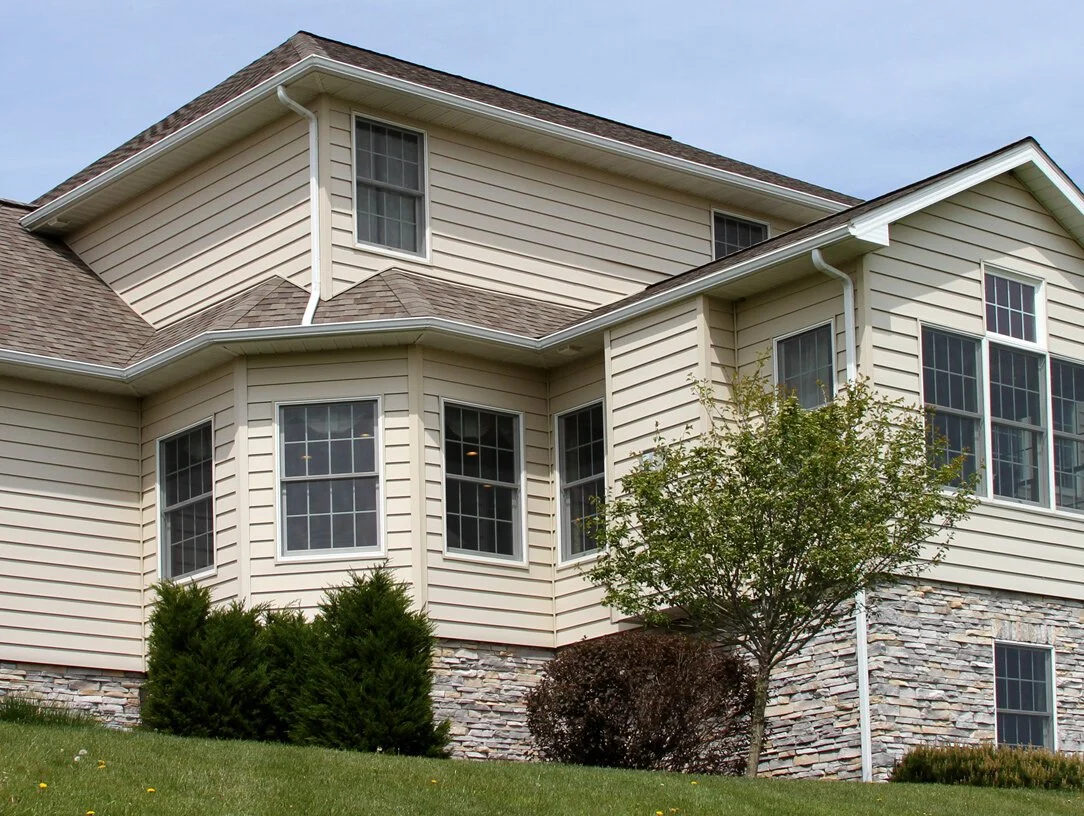
I've seen it happen more times than I can count in my 35 years working on Michigan homes: a homeowner replaces their windows first, then realizes six months later their roof is leaking. Now they need a roof replacement — but the roofer has to work around those brand-new windows, risking damage and compromising proper flashing integration. What should have been straightforward turns into a nightmare of coordination, extra costs, and crossed fingers.
Here's the truth most contractors won't tell you upfront: the order you tackle exterior upgrades matters just as much as the quality of the work itself. Do things in the wrong sequence, and you'll pay for the same work twice — or worse, create problems that compound over Michigan's brutal freeze-thaw cycles.
After completing over 500 projects across Macomb, Oakland, and St. Clair counties, we've learned that there's one correct hierarchy for exterior home improvements: roof first, then gutters, then siding, and finally windows. This isn't arbitrary. It's based on how these systems integrate, how water flows, and how Michigan weather punishes shortcuts.
This guide walks you through exactly why this sequence matters, what happens when you get it wrong, and how to plan your exterior upgrades the right way — whether you're tackling everything at once or spreading projects across multiple years.
Why Your Roof Must Come First
Your roof isn't just another exterior component — it's the structural foundation of your home's weather protection system. Everything else depends on it working correctly. When we approach Detroit roofing services projects, we're not just thinking about shingles. We're thinking about how that roof integrates with every other exterior element.
Here's why the roof comes first, every single time:
Roof work damages everything below it. Tear-off debris, dropped materials, foot traffic on ladders against siding — roof replacement is inherently destructive to anything underneath or adjacent. If you've already installed new James Hardie siding or premium vinyl, you're risking dents, cracks, and scratches. New windows? Same problem. We've seen $8,000 worth of siding damage from a roof job that should have been done first.
Flashing integration starts at the roof line. Proper water management requires flashing that begins at the roof deck and integrates with gutters, siding, and eventually windows. If your roof is old or improperly flashed, nothing you install below it will shed water correctly. Michigan gets 32 inches of precipitation annually, plus lake-effect snow in some areas. Water finds every flaw, and freeze-thaw cycles turn small problems into structural damage fast.

Structural issues hide under old roofing. You don't know what's under those shingles until they come off. Rotten decking, compromised trusses, hidden water damage — these problems need to be addressed before you invest in other exterior upgrades. I've pulled off roofs in Sterling Heights where half the decking needed replacement. If the homeowner had done siding first, we'd be working around it, adding cost and complexity.
Roof age dictates your timeline. Asphalt shingles last 20-30 years in Michigan, depending on quality and installation. If your roof is over 15 years old and you're planning multiple exterior upgrades, start there. A roof failure mid-project means stopping everything else, tearing off new materials that get damaged, and basically starting over.
Michigan-Specific Consideration: Our winter ice dams are brutal on aging roofs. If you're seeing ice dam damage — water stains on ceilings, icicles forming between the gutter and roof edge — your attic ventilation and insulation need work along with the roof. Address this first, or your new siding and windows won't perform as expected. We handle top-rated insulation contractor services in Detroit alongside roofing for exactly this reason.
As a CertainTeed Master Shingle Applicator — the highest credential in roofing — we've seen every possible sequence mistake. The roof-first rule isn't about upselling. It's about physics, building science, and 35 years of fixing other people's sequencing disasters.
Gutters Are Next (And Why Timing Matters)
Once your roof is solid, gutters are the immediate next step. Not siding. Not windows. Gutters. Here's why the timing is critical:
Fascia board condition becomes clear after roof work. When we remove old shingles and install drip edge, we can see exactly what shape your fascia boards are in. Rotten fascia is common on Michigan homes — years of ice dams, clogged gutters, and moisture infiltration take their toll. If fascia needs replacement, it happens now, before new gutters go up. Once siding is installed, accessing fascia becomes exponentially more difficult and expensive.
Gutter installation integrates with the new roof edge. Properly installed seamless gutters in Detroit, MI hang from the fascia and align precisely with the roof's drip edge. This relationship determines how water flows off the roof and into the gutter system. Get the roof done first, then hang gutters that match the new roofline perfectly. Do it backward, and you're compromising water management from day one.
Siding will cover the gutter mounting points. Gutters attach to the fascia, and siding overlaps the top edge of the fascia board. If you install siding first, the gutter installer either has to cut into your new siding (creating leak points) or mount gutters incorrectly. Neither option is acceptable. The correct sequence — roof, then gutters, then siding — allows each system to integrate properly without compromise.
Downspout routing affects foundation drainage. Before siding goes on, we need to plan downspout locations and extensions. Michigan's clay soil and freeze-thaw cycles make foundation drainage critical. Downspouts dumping water next to your foundation cause basement flooding, foundation cracks, and frost heave. Planning this during the gutter phase — before siding covers everything — gives you the most flexibility for proper drainage routing.
Real-World Example: Last spring in Rochester Hills, we worked on a 1960s ranch where the homeowner had installed premium vinyl siding two years earlier, but kept the old sectional gutters. By the time we got the call, water overflow from clogged gutters had rotted the fascia behind the new siding. We had to remove sections of siding, replace fascia, install new seamless gutters, then reinstall the siding. Cost: an extra $3,200 that could have been avoided with proper sequencing.
Seamless gutters aren't just cosmetic. They're part of your home's water management system, and that system needs to be complete and functional before siding goes on. Miss this step or do it out of order, and you're building water problems into your walls.
Siding Installation: The Third Step
With a solid roof and functional gutters in place, now — and only now — is it time for siding. Whether you're installing vinyl, fiber cement like James Hardie, or engineered wood like LP SmartSide, the sequencing logic remains the same.
Here's why siding comes third in the hierarchy:
Siding integrates with the completed roof and gutter system. Proper siding installation requires flashing that ties into the roof's water management system. The top course of siding needs to fit correctly under the roof's drip edge and above the gutter line. If the roof isn't finished or gutters aren't mounted, the siding installer is guessing at measurements and clearances. That guesswork leads to gaps, improper flashing, and water infiltration.
No overhead work damages new siding. Siding — especially fiber cement and premium vinyl — is expensive and surprisingly fragile during installation. Ladders leaning against it, tools dropped from above, debris from roof work — all of this causes dents, cracks, and scratches. By completing roof and gutter work first, your new siding goes on clean and stays protected.

Window and door flashing happens during siding installation. This is critical: proper window flashing requires the siding to be installed around the window, not the other way around. The flashing sequence goes: housewrap, window flashing tape, window installation, then siding that overlaps the window's nailing flange. If you install windows first without planning for siding, you're either compromising the flashing or cutting into new siding later. Neither works.
Siding choice affects your overall timeline. Different materials have different lead times and installation requirements. James Hardie fiber cement takes longer to install than vinyl but offers superior durability for Michigan's climate. LP SmartSide engineered wood provides a wood-look aesthetic with better moisture resistance than traditional wood. When you're working with a house siding company in Detroit that understands sequencing, they'll help you choose materials that fit your timeline and integrate properly with the completed roof and gutter systems.
Insulation upgrades happen now. If you're adding exterior foam insulation or upgrading wall insulation, this is the time. With old siding removed and new siding not yet installed, wall cavities are accessible. We frequently combine siding replacement with insulation services in Southeast Michigan for exactly this reason. Adding R-13 or R-15 wall insulation during a siding project costs a fraction of what it would cost as a separate project.
Michigan Material Reality: Vinyl siding expands and contracts significantly with temperature swings — and Michigan sees 100°F+ temperature differentials between summer and winter. Proper installation requires correct nailing technique (loose nails, centered in slots) and expansion gaps at corners and trim. If your siding installer doesn't understand this, you'll get buckling and waves within two years. We've replaced plenty of siding in Shelby Township and Clinton Township that was installed incorrectly by contractors who didn't account for thermal movement.
Siding is the visual face of your home, but it's also a critical weather barrier. Install it at the right point in the sequence, and it integrates seamlessly with your roof, gutters, and windows. Rush it or do it out of order, and you're building in failure points that Michigan weather will exploit.
Windows: The Final Exterior Upgrade
Windows come last. Always. This surprises homeowners because windows feel urgent — they're drafty, they fog up, they're inefficient. But installing windows before your roof, gutters, and siding are complete is one of the costliest sequencing mistakes you can make.
Here's the logic:
Windows integrate with existing siding, not the other way around. Proper window installation requires the siding to be in place first. The window's nailing flange sits against the housewrap, and siding overlaps that flange to create a weathertight seal. If you install windows before siding, the siding installer has to cut around the windows, creating potential leak points and making proper flashing nearly impossible. The correct sequence — siding first, then windows — allows for textbook flashing and weatherproofing.
Windows are expensive and fragile. A full window replacement for a typical Michigan home runs $8,000-$15,000 depending on size and quality. Those windows are vulnerable to damage during other exterior work. Roof tear-off, gutter installation, siding work — all of this involves ladders, tools, and materials moving around your home's exterior. Install windows last, and they go in clean without risk of damage from other trades.
Window performance depends on proper air sealing. Modern Detroit window experts know that window efficiency isn't just about the glass — it's about how the window integrates with your home's thermal envelope. If your walls lack insulation or your siding isn't properly sealed, new windows won't perform as expected. By addressing roof, insulation, and siding first, you create the proper thermal envelope for windows to work within.
You might not need to replace all your windows. This is the part most window salespeople won't tell you: if your windows are less than 15 years old and in decent shape, upgrading your attic insulation and air sealing might solve your comfort problems without window replacement. We've seen countless homes in Troy and Warren where homeowners thought they needed new windows, but the real problem was inadequate attic insulation and air leaks around the window trim. Fix those first (which happens during roof and siding work), then reassess whether windows need replacement.
Exception to the Rule: If you're dealing with severely rotten window frames that are causing structural damage to the wall framing, those windows might need to come out during the siding phase. But this is a repair issue, not a standard replacement. A qualified contractor will identify this during the inspection and plan accordingly.
Window types matter for Michigan. Double-hung windows are traditional and work well for most applications. Casement windows offer better air sealing and easier operation — important for homeowners with mobility issues. Sliding windows work well for wide openings like over kitchen sinks. Bay and bow windows add architectural interest but create complex flashing situations that require expert installation. When you're working with experienced window replacement professionals in Southeast Michigan, they'll help you choose the right window types for your home's architecture and your functional needs.
Windows are the final piece of your exterior puzzle. Install them last, after everything else is complete and properly integrated, and they'll perform exactly as designed. Install them first, and you're either compromising their installation or risking damage from subsequent work.
What Happens When You Do It Wrong
Theory is one thing. Let me show you what happens in the real world when homeowners tackle exterior upgrades out of sequence. These are actual projects we've worked on across Southeast Michigan:
Scenario 1: Windows first, roof later. A homeowner in Grosse Pointe Farms spent $12,000 on premium vinyl windows in 2023. Six months later, their 22-year-old roof started leaking. When we came out for the roof replacement estimate, the problem was obvious: the roof needed complete tear-off and several sheets of decking replacement. During the roof work, we had to protect those new windows with plywood shields, work carefully around them, and modify our normal tear-off process to avoid damage. The extra care added two days to the project and $1,800 in labor costs. Worse, the original window installation hadn't accounted for the roof's drip edge position, so water was running behind the window flashing. We had to reflash all the upper-floor windows during the roof job — work that should have been done correctly the first time if sequencing had been right.
Scenario 2: Siding before gutters. Last year we got a call from a homeowner in Lake Orion who'd had beautiful James Hardie siding installed by another contractor. They'd kept their old sectional gutters, figuring they'd replace them "eventually." That eventually came fast — the old gutters clogged, overflowed, and water ran down behind the new siding. By the time we arrived, water damage had rotted the fascia and sheathing behind the siding in three locations. We had to remove sections of the new siding, replace the damaged wood, install seamless gutters, then reinstall the siding sections. Total cost to fix what should have been done right the first time: $4,100.

Scenario 3: Everything at once, but no coordination. This is common with homeowners who hire different contractors for each trade without a general contractor coordinating. A homeowner in Chesterfield hired a roofer, a siding guy, and a window company — all working independently. The roofer finished first but didn't coordinate with the siding contractor on flashing details. The siding contractor installed before the window company showed up, so the window installer had to cut into new siding. The gutter installer came last and couldn't mount gutters properly because the siding contractor had covered the fascia attachment points incorrectly. The result: three callbacks, finger-pointing between trades, and a homeowner who spent $45,000 but still had water infiltration issues. We ended up fixing the flashing and gutter mounting, which required removing and reinstalling sections of siding.
The cost multiplier effect. Here's the brutal math: doing exterior work out of sequence doesn't just add the cost of fixing mistakes. It multiplies costs through damage, rework, and compromised installation quality. A window installed before siding might cost $500 per window. That same window installed after siding — requiring siding removal, proper flashing installation, and siding reinstallation — costs $700-$800 per window. Multiply that across 15 windows, and you've added $3,000-$4,500 to your project for no additional value.
Michigan weather doesn't forgive installation mistakes. A small flashing error in Arizona might take years to show up. In Michigan, with freeze-thaw cycles, ice dams, and 32+ inches of annual precipitation, that same error causes visible damage within months. The correct sequence isn't about perfectionism — it's about building a weather-resistant system that survives Michigan's climate.
Planning Your Multi-Year Exterior Strategy
Not every homeowner can afford to tackle all exterior upgrades at once. If you're spreading projects across multiple years, the sequencing principle still applies — you just need a strategic timeline.
Year 1: Roof and Gutters
If budget forces you to prioritize, start with the roof and gutters together. This combination makes sense for several reasons: roof and gutter work happens at the same time anyway (gutters go on immediately after roofing), the combined cost is manageable for most homeowners ($12,000-$18,000 for a typical Michigan home), and you've secured your home's primary weather protection. With a solid roof and functional gutters, you can safely wait on siding and windows without risking structural damage.
Year 2-3: Siding and Insulation
Once your roof and gutters are solid, plan for siding. If your budget allows, combine siding replacement with wall insulation upgrades — the walls are open anyway, and adding insulation now costs a fraction of what it would as a standalone project. This is when you work with a comprehensive exterior services provider in Detroit who can coordinate both trades efficiently.
Year 3-4: Windows
With roof, gutters, and siding complete, your home's exterior envelope is solid. Now windows can go in with proper integration and flashing. If your existing windows are functional but inefficient, this timeline works well. If your windows are failing badly, you might need to accelerate this phase — but even then, roof and gutters should come first.
Seasonal timing considerations for Michigan:
- Spring (April-May): Best for roofing — shingles seal properly in warm weather, and you're ahead of summer storm season. Good for siding if you avoid the wettest weeks.
- Summer (June-August): Peak season for all exterior work. Longest days, most predictable weather, but also highest demand and potentially higher prices. Book early.
- Fall (September-October): Excellent for roofing and siding. Cooler temperatures make physical work easier, and you're winterizing before snow. Windows can go in, but cold weather installation requires extra care.
- Winter (November-March): Roofing is possible but challenging — shingles don't seal well below 40°F, and ice/snow create safety hazards. Siding installation is difficult. Window replacement is possible but not ideal. Best used for interior prep work and planning.
Budget Reality Check: A complete exterior renovation for a 2,000-square-foot Michigan home typically runs $35,000-$55,000 depending on materials and scope. Breaking this into phases makes it manageable: $12,000-$18,000 for roof and gutters, $15,000-$25,000 for siding and insulation, $8,000-$15,000 for windows. Financing options exist, but the smartest approach is tackling projects as you can afford them while maintaining the correct sequence.
Insurance claim sequencing. If you're dealing with storm damage covered by insurance, the sequencing logic still applies, but timing compresses. Insurance typically covers roof damage, and sometimes siding and gutters if wind-driven debris caused impact damage. Work with your adjuster to understand what's covered, then coordinate all covered work simultaneously if possible. We've handled numerous insurance claims across Macomb County and Oakland County — the key is getting a detailed scope approved upfront so all related work happens in the correct sequence without delays.
The single-contractor advantage. Whether you're doing everything at once or spreading projects across years, working with one contractor who handles all exterior services in Detroit eliminates coordination headaches. You get consistent quality, proper integration between systems, a single point of contact, and often better pricing through bundled projects. We've been doing this since 1988, and the homeowners who fare best are the ones who plan the full scope upfront, even if execution happens in phases.
Signs You Need to Start Now
Knowing the correct sequence is one thing. Knowing when to start is another. Here are the warning signs that it's time to begin your exterior upgrade planning:
Roof indicators:
- Your roof is 15+ years old (even if it looks okay from the ground)
- You're seeing granule loss — bare spots on shingles or granules in gutters
- Shingles are curling, cracking, or missing
- You've got ice dams forming every winter
- Water stains appear on interior ceilings or walls
- Your attic shows daylight through the roof deck
- Energy bills have increased significantly without explanation
Gutter indicators:
- Gutters are pulling away from the fascia
- You see rust, holes, or separated seams in sectional gutters
- Water overflows during rain despite cleaning
- Basement flooding occurs after heavy rain
- Foundation erosion or settling near downspout locations
- Fascia boards show rot or water damage
Siding indicators:
- Siding is cracked, warped, or buckling
- You see moisture or mold behind siding
- Paint is peeling or chalking badly (for wood siding)
- Heating/cooling costs have increased noticeably
- You feel drafts near exterior walls
- Interior walls show water stains or damage
Window indicators:
- Condensation forms between glass panes (seal failure)
- Windows are difficult to open or won't stay open
- You feel drafts around closed windows
- Frames show rot, especially at the sill
- Paint is peeling or wood is soft/spongy
- Windows are original to a home built before 1990
The 15-Year Rule: Most exterior components have a 15-25 year lifespan in Michigan's climate. If your roof, siding, and windows are all approaching or past 15 years old, it's time to start planning. You don't necessarily need to replace everything immediately, but you should have a professional inspection and a realistic timeline. Waiting until something fails completely costs more and often forces you into poor timing or wrong sequencing.
Pre-sale considerations. If you're planning to sell your home in the next 2-3 years, strategic exterior upgrades can significantly increase value and speed up the sale. A new roof typically returns 60-70% of its cost in increased home value. New siding returns 75-80%. New windows return 70-75%. But here's the key: buyers notice and appraisers document deferred maintenance. A roof that's obviously past its life, failing gutters, or damaged siding can kill a sale or force price reductions far exceeding the repair cost. If you're selling soon, prioritize the most visible issues — usually roof and siding — and make sure they're done right.
For homeowners across Sterling Heights, Royal Oak, St. Clair Shores, and throughout Southeast Michigan, the exterior upgrade decision isn't about whether to do the work — Michigan's climate eventually forces the issue. It's about when to start and in what order. Get the sequence right, and you'll maximize your investment while protecting your home. Get it wrong, and you'll pay for the same work twice.
Ready to Plan Your Exterior Upgrades the Right Way?
NEXT Exteriors has been helping Michigan homeowners protect their homes since 1988. We handle roofing, gutters, siding, windows, insulation, and painting — all coordinated in the correct sequence for lasting results. Get a free, no-pressure estimate from a team that shows up on time and does the job right.
Get Your Free QuoteOr call us: (844) 770-6398
Before you commit to any exterior work, it's worth understanding how NEXT Exteriors approaches these projects differently. We've been operating under Premier Builder Inc. since 1988, and our approach is simple: honest work, fair pricing, no gimmicks. We're a CertainTeed Master Shingle Applicator, BBB A+ Accredited since 2006, and we've completed over 500 projects across Southeast Michigan. When you work with us, you get a comprehensive plan that sequences your exterior upgrades correctly — whether you're doing everything at once or spreading projects across multiple years. We also handle Southeast Michigan painting professionally using exclusively Sherwin-Williams products, so if exterior painting is part of your plan, we can coordinate that as well.
Frequently Asked Questions
You can, but you shouldn't unless the windows are causing structural damage to the wall framing. Old windows are inefficient, but they're not typically causing damage to other systems. If you install windows before siding, the siding installer will have to cut around them, compromising proper flashing and creating potential leak points. The better approach: if your windows are in rough shape but your siding replacement is 1-2 years away, get temporary weatherization (caulking, weatherstripping) to hold you over. Then do siding first, windows second, with proper integration.
For a typical 2,000-square-foot Michigan home, a complete exterior renovation (roof, gutters, siding, windows) runs $35,000-$55,000 depending on materials. Doing everything at once often saves 10-15% compared to separate projects because of mobilization efficiency, bulk material pricing, and reduced overhead. However, spreading projects over 2-3 years makes the cost more manageable for most homeowners. The key is maintaining the correct sequence: roof and gutters first ($12,000-$18,000), siding next ($15,000-$25,000), windows last ($8,000-$15,000). This approach costs slightly more overall but prevents the financial strain of a $50,000 project all at once.
If insurance is covering roof replacement due to storm damage, prioritize getting that work done within your claim timeline (usually 12 months). If your gutters are old or damaged, see if the adjuster will include them — wind-driven debris often damages gutters along with roofs. Even if insurance only covers the roof, this is the perfect time to upgrade gutters at your own expense since the contractor is already there and scaffolding/access is set up. You'll save on mobilization costs. Siding and windows can wait, but get the roof and gutters done together if at all possible. We work with insurance claims regularly across Macomb and Oakland counties and can help you understand what's covered and how to coordinate additional work efficiently.
One contractor who handles all exterior trades is almost always better, assuming they're properly licensed and experienced. Here's why: you get consistent quality across all systems, proper integration and flashing between roof/gutters/siding/windows, a single point of contact and accountability, coordinated scheduling without gaps or conflicts, and often better pricing through bundled services. The alternative — hiring a roofer, a gutter company, a siding contractor, and a window installer separately — creates coordination nightmares and finger-pointing when things go wrong. At NEXT Exteriors, we handle all exterior services under one roof specifically to avoid these problems. We've been doing this since 1988, and the homeowners who fare best are the ones who work with a single, comprehensive contractor.
Roofing, siding, and window installation require specialized skills, tools, and — critically — proper insurance and licensing. Michigan building codes are strict, and improperly installed exterior work fails fast in our climate. DIY roofing is particularly dangerous (falls are the leading cause of construction fatalities) and often voids material warranties. Gutters are somewhat more DIY-friendly, but seamless gutters require specialized equipment. Our honest advice: hire licensed professionals for the major work. If budget is tight, you can handle prep work (removing old shutters, clearing the work area, basic landscaping protection) and finish work (painting trim, landscaping restoration) to reduce costs. But the core installation work — especially anything involving water management and structural integration — should be done by licensed Michigan contractors who carry proper insurance and understand local building codes.
For a typical 2,000-square-foot home with moderate complexity: Roof replacement takes 1-3 days depending on weather, roof complexity, and decking condition. Gutter installation takes 1 day, usually done immediately after roofing. Siding replacement takes 5-10 days depending on material (vinyl is faster, James Hardie takes longer) and home size/complexity. Window replacement takes 2-4 days depending on the number of windows and any trim work required. If you're doing everything at once with a coordinated crew, the full project typically takes 2-3 weeks from start to finish, weather permitting. If you're spreading projects across multiple years, each phase can be scheduled independently based on your timeline and budget. Keep in mind that Michigan weather affects scheduling — spring and summer projects move faster, while fall and winter work may face weather delays.
This is the scenario we see most often when homeowners get the sequence wrong. If your siding is new but your roof needs replacement, we can still do the roof work — but it requires extra care and adds cost. We'll protect the new siding with plywood shields, work more carefully during tear-off to avoid debris damage, and potentially need to remove and reinstall the top course of siding to properly integrate roof flashing. This typically adds $800-$1,500 to the roof replacement cost and 1-2 days to the timeline. It's doable, but it's exactly why we recommend roof-first sequencing. If you're in this situation, don't delay the roof work hoping to avoid the hassle — a failing roof will cause far more damage to your new siding than careful roof replacement will.
Financing Exterior Projects in Michigan: Pre-Approval Guide
Learn how pre-approval works for roofing, siding, and window projects in Michigan. What to ask lenders, credit requirements, and how to secure financing fast.

Here's what we've learned after 35 years of exterior services in Detroit and across Southeast Michigan: most homeowners who call us have already walked around their house three times, run the numbers twice, and realized they need to finance the project. The roof has another winter left, maybe two. The siding is past its prime. The windows leak cold air every January.
The question isn't whether to do the work — it's how to pay for it without emptying the emergency fund or putting the family budget in a bind. That's where financing comes in, and more specifically, where pre-approval becomes the tool that changes everything about how you approach a major exterior project.
Pre-approval isn't just paperwork. It's the difference between shopping with a budget and shopping with hope. It tells you exactly what you can afford before you get estimates, before you fall in love with James Hardie siding or a CertainTeed Landmark Premium roof, and before you're sitting across from a contractor trying to make numbers work that were never realistic in the first place.
This guide walks through how financing pre-approval actually works for roofing, siding, windows, and other exterior projects in Michigan. We'll cover what lenders look for, what questions you need to ask before signing anything, and how the process works when you're ready to move forward with a licensed contractor.
What Pre-Approval Actually Means
Pre-approval is a lender's conditional commitment to loan you a specific amount of money based on verified financial information. It's not a guarantee — final approval comes after you have contractor estimates and complete documentation — but it's far more solid than pre-qualification, which is just an estimate based on what you tell a lender without verification.
Here's the practical difference: pre-qualification says "you might qualify for up to $30,000 based on what you told us." Pre-approval says "we've checked your credit, verified your income, reviewed your debts, and we will loan you $25,000 at 8.5% APR for 10 years, pending final documentation and project details."
For exterior projects, pre-approval gives you three critical advantages:
You know your real budget before getting estimates. When you call us for a Detroit roofing services estimate, you already know whether you're looking at architectural shingles or premium designer options. You're not wasting time — yours or ours — on projects that don't fit your financial reality.
You can negotiate from a position of strength. Contractors take pre-approved buyers more seriously because they know you're ready to move forward. You're not shopping — you're buying. That changes the conversation.
You can move fast when you need to. Michigan weather doesn't wait. If you need a roof replacement before winter or siding repair after storm damage, pre-approval means you can sign a contract and get on the schedule immediately instead of waiting weeks for loan approval while your house sits exposed.
Michigan Reality Check: Most lenders take 7-14 days for full approval once you submit contractor estimates. If you're dealing with storm damage in Sterling Heights or Rochester Hills and need work done before the next weather system rolls through, having pre-approval already in hand can mean the difference between getting your roof protected this week or waiting until next month.
Types of Financing for Exterior Projects
Not all financing works the same way. The right option depends on how much equity you have in your home, your credit score, how fast you need the money, and whether you want to tie the loan to your house or keep it separate. Here's what we see Michigan homeowners using most often for roofing, siding, and window projects.
Home Equity Loans and HELOCs
If you've been in your house for a while and have equity built up, a home equity loan or home equity line of credit (HELOC) usually offers the lowest interest rates. A home equity loan gives you a lump sum with a fixed interest rate and fixed monthly payments. A HELOC works like a credit card — you have a credit limit and can draw what you need, when you need it, paying interest only on what you use.
The trade-off: your house is collateral. If you default, you could lose it. Approval also takes longer — typically 2-4 weeks — because the lender has to do a full appraisal and title search. For a $40,000 project that includes a new roof, house siding in Detroit, and seamless gutters in Detroit, MI, a home equity loan might get you a rate around 7-9% versus 10-15% for an unsecured personal loan.
Personal Loans
Personal loans don't require your home as collateral, which means faster approval — sometimes within 24-48 hours — and less paperwork. You get a lump sum, fixed rate, and fixed term, usually 3-7 years. Interest rates run higher than home equity products, typically 8-18% depending on your credit score, but the speed and simplicity make them popular for projects in the $10,000-$30,000 range.
We see a lot of homeowners use personal loans for window replacement in Detroit or partial siding jobs where they need to move quickly and don't want to go through the full home equity process.
Contractor Financing Programs
Many contractors partner with lenders who specialize in home improvement financing. These programs are designed specifically for exterior projects, with streamlined approval and sometimes promotional rates — 0% interest for 12-18 months if you pay off the balance within the promotional period.
The catch: if you don't pay off the full balance before the promotional period ends, you often get hit with deferred interest on the entire original loan amount, not just what's left. Read the terms carefully. These programs work great if you're confident you can pay off the project quickly — say, you're expecting a bonus or tax refund — but they can be expensive if you need longer to pay.
FHA 203(k) and Energy-Efficient Mortgages
If you're buying a house that needs exterior work or refinancing anyway, an FHA 203(k) loan or energy-efficient mortgage lets you roll renovation costs into your mortgage. This works well for major projects — a full roof replacement, new siding, upgraded insulation services in Southeast Michigan, and window replacement all at once.
The downside: these loans are complex, require more documentation, and take longer to close. They're not practical if you need work done this season. But if you're planning ahead and the numbers make sense, they offer the lowest long-term interest rates because the loan is secured by your home and spread over 15-30 years.
Credit Cards
We don't generally recommend credit cards for major exterior projects unless you're using a 0% promotional rate and can pay off the balance before it expires. Interest rates on regular credit card balances run 18-25%, which makes a $20,000 roof replacement extremely expensive over time. That said, we've seen homeowners use credit cards strategically for smaller projects — a gutter repair, exterior painting in Detroit, or a few replacement windows — when they have the cash coming soon and want to earn rewards points.
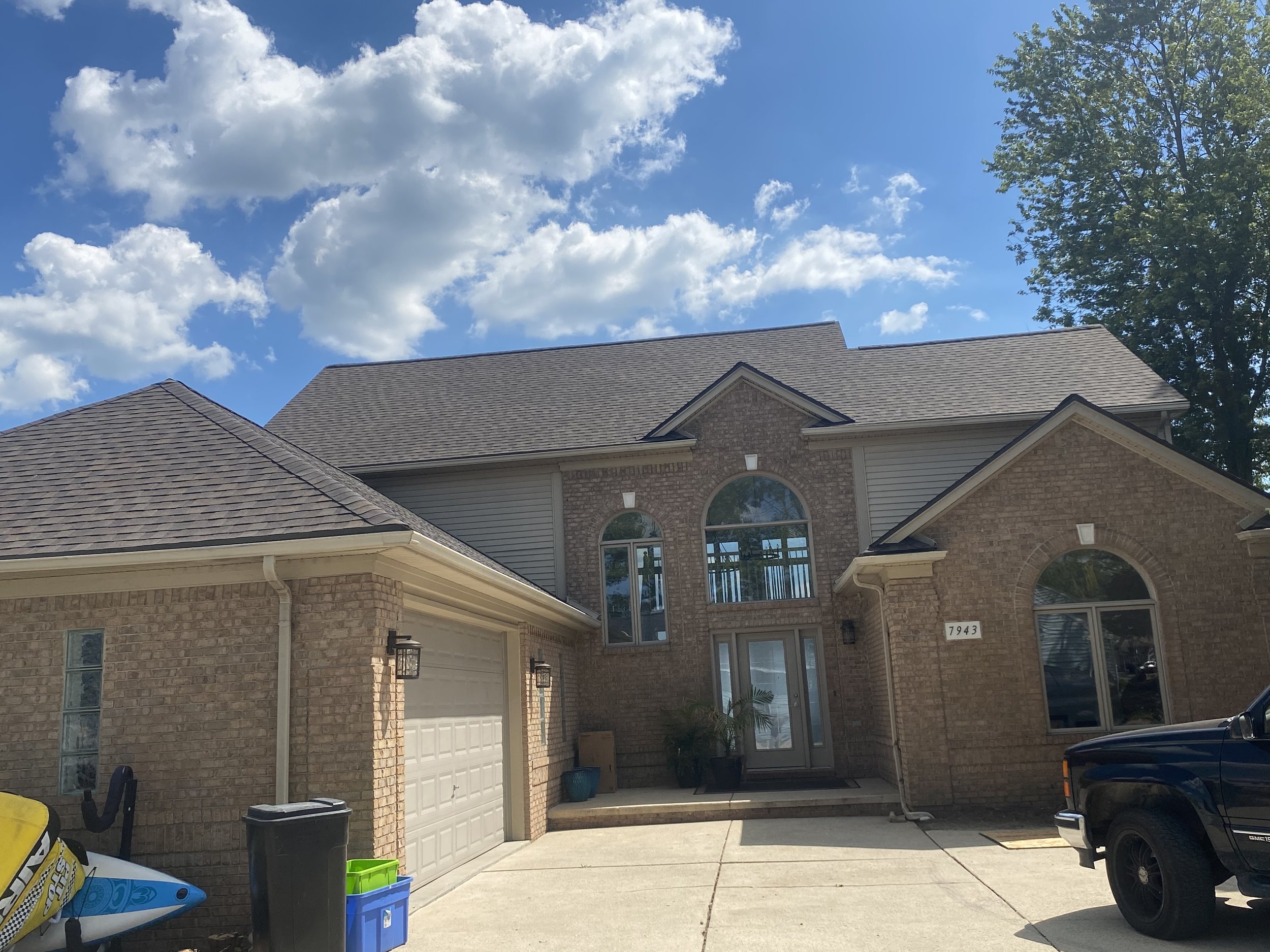
The Pre-Approval Process Step-by-Step
Getting pre-approved isn't complicated, but it requires organization. Here's exactly what happens and what you need to have ready.
Step 1: Check Your Credit Score
Before you apply anywhere, pull your credit report from all three bureaus — Experian, Equifax, and TransUnion. You can do this for free once a year at AnnualCreditReport.com. Check for errors, late payments, or collections that might hurt your score. Most lenders want to see a minimum score of 620-640 for home improvement loans, though you'll get better rates at 680 or higher.
If your score is lower than you'd like, consider waiting a few months to pay down credit card balances or resolve any outstanding issues. A 40-point improvement in your credit score can drop your interest rate by 1-2%, which saves thousands of dollars over the life of a loan.
Step 2: Gather Financial Documentation
Lenders want to verify everything. Have these documents ready before you start applying:
- Recent pay stubs (last 2-3 months)
- Tax returns from the past two years
- Bank statements (last 2-3 months)
- Current mortgage statement
- Documentation of other debts (car loans, student loans, credit cards)
- Proof of homeowners insurance
If you're self-employed, expect to provide additional documentation — profit and loss statements, business tax returns, and possibly a letter from your CPA.
Step 3: Get Project Estimates
Most lenders want to see what you're financing before they finalize approval. Get detailed written estimates from licensed contractors. A vague "roof replacement - $15,000" won't cut it. Lenders want to see scope of work, materials, labor breakdown, and timeline.
When you call NEXT Exteriors for an estimate, we provide exactly this kind of documentation — detailed enough to satisfy a lender's requirements while explaining everything in plain English so you understand what you're paying for. Our estimates include manufacturer specifications, warranty information, and our Michigan Residential Builder's License number, all of which lenders appreciate because it shows you're working with a credentialed contractor, not someone working out of a pickup truck.
Step 4: Compare Lender Options
Don't just go with your current bank because it's convenient. Shop around. Check local credit unions — Michigan has excellent credit unions that often offer better rates than national banks for home improvement loans. Compare online lenders. Ask contractors if they have preferred financing partners.
When comparing offers, look at:
- APR (annual percentage rate), not just the interest rate
- Loan term (shorter terms mean higher monthly payments but less interest paid overall)
- Fees (origination fees, application fees, prepayment penalties)
- Approval timeline (how fast can you get the money?)
- Draw schedule (do they pay the contractor directly, or do you pay and get reimbursed?)
Step 5: Submit Pre-Approval Applications
Apply to 2-3 lenders within a 14-day window. Credit scoring models treat multiple inquiries for the same type of loan within a short period as a single inquiry, which minimizes the impact on your credit score. Most lenders will give you an initial pre-approval decision within 24-72 hours, though full approval with all documentation takes longer.
Step 6: Review and Compare Offers
Once you have pre-approval letters, compare them carefully. A lower interest rate doesn't always mean a better deal if the loan term is longer or the fees are higher. Calculate the total cost of each loan — principal plus all interest over the full term — to see which one actually costs less.
Ask questions. If anything in the loan documents is unclear, call the lender and get clarification before you sign. You're about to borrow tens of thousands of dollars. Take the time to understand exactly what you're agreeing to.
Step 7: Finalize Approval and Schedule Work
Once you select a lender and a contractor, you'll finalize the loan documents and coordinate the payment schedule. Most lenders require proof of contractor licensing and insurance before releasing funds. They may also require lien waivers as the project progresses to ensure subcontractors and suppliers get paid.
At NEXT Exteriors, we've worked with dozens of lenders over the years. We know what documentation they need, how to structure payment schedules that work for both the homeowner and the lender, and how to keep the process moving smoothly so your project doesn't get delayed by paperwork.
Critical Questions to Ask Your Lender
Before you sign anything, ask these questions. If a lender can't answer them clearly or tries to dodge them, that's a red flag.
What's the APR, Not Just the Interest Rate?
The annual percentage rate includes the interest rate plus fees, which gives you the true cost of the loan. A loan with a 7% interest rate and a 3% origination fee might have an APR of 8.5%, which makes it more expensive than a loan with an 8% interest rate and no fees.
What Are All the Fees?
Origination fees, application fees, closing costs, document preparation fees — they add up. Get a complete list in writing before you commit. Some lenders advertise low rates but bury fees in the fine print.
Is There a Prepayment Penalty?
Some lenders charge a penalty if you pay off the loan early. If you think you might refinance, sell the house, or come into money that lets you pay off the loan ahead of schedule, avoid loans with prepayment penalties.
What's the Draw Schedule?
For large projects, lenders often release funds in stages — a percentage at contract signing, more when materials are delivered, the rest when work is complete. Understand how this works and make sure it aligns with your contractor's payment schedule. Some lenders pay the contractor directly; others reimburse you after you pay the contractor. Know which one you're dealing with.
What Insurance Is Required?
If you're using a home equity loan or HELOC, the lender may require you to maintain a certain level of homeowners insurance. Make sure you understand what's required and whether your current policy meets those requirements.
What Happens If I Miss a Payment?
Understand the late payment policy and the consequences of default. If the loan is secured by your home, know exactly what the foreclosure process looks like. This isn't fun to think about, but it's critical information.
How Long Is Pre-Approval Good For?
Most pre-approvals are valid for 60-90 days. If you don't finalize the loan and start the project within that window, you'll need to reapply. Keep this in mind when you're planning your project timeline, especially if you're scheduling work for spring or fall when contractors are busiest.
How Michigan Contractors Work With Financing
Once you have financing in place, the next step is coordinating with your contractor. Here's how the process typically works and what to expect.
Payment Schedules and Deposits
Most Michigan contractors require a deposit when you sign the contract — typically 10-30% of the total project cost. This covers material orders and secures your spot on the schedule. The remaining balance is usually due in stages as work progresses or in full when the project is complete.
If you're using a lender that pays in draws, make sure your contractor's payment schedule aligns with the lender's draw schedule. Miscommunication here can delay your project or leave you covering costs out of pocket temporarily.
At NEXT Exteriors, we're transparent about payment schedules from the start. We've worked with enough financed projects to know how to structure payments that work for the homeowner, the lender, and our crew. We don't ask for money upfront beyond what's needed for materials, and we don't ask for final payment until you're satisfied with the work.
Working With Contractor-Preferred Lenders
Some contractors have relationships with specific lenders and may recommend them. This can be convenient — the contractor and lender already know how to work together, which can speed up the process. But don't feel obligated to use a contractor's preferred lender if you've found a better deal elsewhere. A reputable contractor will work with whatever financing you arrange.
If a contractor pressures you to use their lender or makes financing approval contingent on using a specific lender, be cautious. That's a sign of a contractor who's more interested in financing commissions than in getting you the best deal.
Protecting Yourself During the Process
Never pay a contractor in full before work is complete. Michigan law limits how much a contractor can require as a deposit, and final payment should always be contingent on satisfactory completion of the project.
Make sure your contract includes:
- Detailed scope of work
- Specific materials and brands
- Start and completion dates
- Payment schedule tied to milestones
- Warranty information
- Cleanup and disposal responsibilities
If you're financing through a lender that pays the contractor directly, make sure you get lien waivers at each payment milestone. A lien waiver is a document from the contractor (and subcontractors) confirming they've been paid and waiving their right to place a lien on your property. This protects you if there's a dispute later.
Real Cost Examples for Southeast Michigan Projects
Let's look at what financing actually looks like for common exterior projects in Macomb, Oakland, and St. Clair counties. These are real-world numbers based on projects we've completed, though exact costs vary based on house size, material choices, and project complexity.
Roof Replacement: 2,000 sq ft Ranch in Clinton Township
Project cost: $12,500 (CertainTeed Landmark architectural shingles, full tear-off, new underlayment, ridge vent, 10-year workmanship warranty)
Financing option: 7-year personal loan at 9.5% APR
Monthly payment: $196
Total interest paid: $4,027
Total cost: $16,527
This homeowner had good credit (720) but not enough equity for a home equity loan. A personal loan made sense because they needed the work done before winter and didn't want to drain their emergency fund.
Siding Replacement: 1,800 sq ft Colonial in Rochester Hills
Project cost: $18,900 (James Hardie fiber cement siding, new house wrap, trim, soffit, fascia)
Financing option: Home equity loan at 7.25% APR, 10-year term
Monthly payment: $222
Total interest paid: $7,740
Total cost: $26,640
This homeowner had significant equity and qualified for a home equity loan, which offered a lower rate than a personal loan. The longer term kept monthly payments manageable.
Window Replacement: 12 Windows in Grosse Pointe Farms
Project cost: $9,600 (double-hung vinyl windows, professional installation, Low-E glass, lifetime warranty)
Financing option: Contractor financing program, 0% interest for 18 months
Monthly payment: $533 (to pay off in 18 months)
Total interest paid: $0 (if paid off within promotional period)
Total cost: $9,600
This homeowner used a promotional financing offer and planned to pay off the balance with an expected bonus. As long as they pay it off within 18 months, they pay no interest. If they don't, deferred interest gets added retroactively at around 24% APR, which would cost an additional $3,456 in interest.
Full Exterior Renovation: 2,400 sq ft Home in Sterling Heights
Project cost: $42,000 (new roof, LP SmartSide siding, 15 replacement windows, seamless gutters, exterior painting)
Financing option: HELOC at 8.0% APR, 15-year term
Monthly payment: $401 (interest-only during draw period, then principal + interest)
Total interest paid: Varies based on how quickly principal is paid down
This homeowner used a HELOC because they had substantial equity and wanted flexibility. They're paying extra toward principal each month to pay it off faster and minimize interest.
Michigan Tax Considerations: Interest on home equity loans and HELOCs may be tax-deductible if the loan is used for home improvements and you itemize deductions. Personal loan interest is not deductible. Consult a tax professional to understand how this applies to your situation.
When Financing Makes Sense (and When It Doesn't)
Financing isn't always the right answer. Here's when it makes sense and when you should consider other options.
Financing Makes Sense When:
- The project is urgent and you don't have cash on hand. A failing roof in November can't wait until you save up. Financing lets you protect your home now.
- The project adds value or prevents bigger problems. New siding that stops water infiltration or insulation that cuts your heating bill by 30% pays for itself over time.
- You can get a low interest rate. If you qualify for a home equity loan at 7% and your savings account earns 4%, the math might favor financing and keeping your cash for emergencies.
- You're confident in your ability to make payments. Don't finance if your job situation is uncertain or you're already stretched thin financially.
Consider Waiting If:
- The project isn't urgent. If your roof has 5 years left and you can save up, you'll avoid interest entirely.
- You're carrying high-interest debt. Pay off credit cards before taking on a home improvement loan. A 24% credit card balance costs you more than you'll save on a new roof.
- You're not sure about the contractor. Never finance work with a contractor you don't trust. Get references, check licenses, read reviews. We've been serving Southeast Michigan since 1988 with an A+ BBB rating and 5-star reviews because we show up, do the work right, and stand behind it.

Ready to Get Started?
NEXT Exteriors has been protecting Michigan homes since 1988. We work with homeowners who are financing their projects every week, and we know how to make the process smooth and straightforward. Get a free, no-pressure estimate from a team that shows up on time and does the job right.
Get Your Free QuoteOr call us: (844) 770-6398
Frequently Asked Questions
A single pre-approval inquiry typically drops your credit score by 5-10 points temporarily. If you apply to multiple lenders within a 14-day window, credit scoring models treat it as a single inquiry to minimize the impact. Your score usually recovers within a few months as long as you continue making on-time payments on existing debts.
Yes, but you'll need more documentation. Lenders want to see two years of tax returns, profit and loss statements, and possibly a letter from your CPA verifying income. Self-employed borrowers often face slightly higher interest rates because lenders view variable income as higher risk, but approval is definitely possible with strong financials and good credit.
Most lenders require a minimum credit score of 620-640 for home improvement loans. You'll qualify for better interest rates with a score of 680 or higher. If your score is below 620, you may still qualify through contractor financing programs or by adding a co-borrower with stronger credit, but expect higher rates.
Personal loans are fastest — often 24-48 hours for approval and 3-5 business days to receive funds. Home equity loans and HELOCs take 2-4 weeks because they require appraisals and title searches. Contractor financing programs typically approve within 24-72 hours. Plan accordingly based on how quickly you need work done.
Home equity loans offer lower interest rates (typically 7-9% versus 10-15% for personal loans) but use your house as collateral and take longer to approve. Choose a home equity loan if you have significant equity, can wait 2-4 weeks for approval, and want the lowest rate. Choose a personal loan if you need money fast, don't want to risk your home as collateral, or don't have much equity built up yet.
Contact your lender immediately if you're going to miss a payment. Many lenders will work with you on a temporary payment plan or forbearance if you're facing a short-term financial hardship. If the loan is unsecured (personal loan), missed payments damage your credit and may result in collections. If the loan is secured by your home (home equity loan or HELOC), the lender can eventually foreclose, though this typically only happens after multiple missed payments and failed attempts to resolve the situation.
Yes. In fact, bundling projects — roof, siding, windows, and gutters all at once — often makes more financial sense than financing them separately. You pay one loan origination fee instead of multiple fees, and contractors may offer better pricing for larger projects. Just make sure your loan amount covers the full scope of work and that your monthly payment fits comfortably in your budget.
No-Pushy-Sales Remodeling: What Honest Contractors Do
Learn what honest contractor service looks like in Southeast Michigan. No pressure tactics, transparent pricing, quality work. NEXT Exteriors shows you the difference.

You've probably experienced it before: a contractor shows up at your door, spends 20 minutes looking at your roof or siding, then sits you down for a two-hour sales presentation complete with "limited-time offers," inflated discounts, and pressure to sign right now before the deal expires. Maybe they tell you your roof is in crisis mode when it's got five good years left. Maybe they push you toward the most expensive materials when mid-grade options would serve you better.
That's the contractor culture problem that's plagued the home improvement industry for decades, especially in exterior remodeling. And if you're a homeowner in Sterling Heights, Rochester Hills, or anywhere across Southeast Michigan, you deserve better.
At NEXT Exteriors, we've been doing this work since 1988 — back when a handshake still meant something and contractors showed up when they said they would. We've built our reputation on the opposite of high-pressure sales: honest assessments, transparent pricing, and work that stands up to Michigan's brutal freeze-thaw cycles. This is what no-pushy-sales remodeling actually looks like when you're choosing a contractor for Detroit roofing services, house siding in Detroit, or any other exterior project.
Let's break down what separates honest contractors from the high-pressure operators — and how to tell the difference before you sign anything.
What "No-Pushy-Sales" Actually Means
When we say "no-pushy-sales," we're not just talking about being polite. We're talking about a fundamentally different approach to how exterior contractors interact with homeowners. Here's what it means in practice:
Transparent Pricing Without Gimmicks
An honest contractor gives you a detailed, written estimate with line-item breakdowns. You see exactly what you're paying for: materials (brand, grade, and quantity), labor, disposal, permits if needed, and any warranty coverage. There's no "special discount if you sign today" or inflated starting price designed to make a fake markdown look impressive.
When NEXT Exteriors provides an estimate for a roof replacement in Metro Detroit, we break down the square footage, the shingle line (CertainTeed Landmark, GAF Timberline HDZ, or Owens Corning Duration, for example), underlayment specs, ventilation components, and labor. You know what you're getting and why it costs what it costs.
No Pressure to Upgrade Unnecessarily
A good contractor will explain your options — the differences between vinyl and James Hardie fiber cement siding, for instance, or why spray foam insulation costs more than blown-in cellulose — but they won't push you toward the most expensive choice if it doesn't fit your budget or your home's needs.
If your 1960s ranch in Warren doesn't need architectural shingles rated for 130 mph winds, we're not going to tell you it does. If standard double-hung windows will serve you fine and you don't need the tilt-and-turn functionality of casement windows, we'll say so. That's the difference between education-first service and sales-first tactics.

Honest Assessments of What Your Home Actually Needs
This is where the rubber meets the road. A pushy contractor will find problems that don't exist or exaggerate minor wear into emergency replacements. An honest contractor tells you the truth — even if it means less work for them.
We've walked away from jobs where the homeowner thought they needed a full roof replacement, but after inspection, we determined that targeted repairs and better attic ventilation would buy them another 3-5 years. That's not leaving money on the table — that's building trust. And when those homeowners do need a full replacement down the road, they know exactly who to call.
The Red Flags: How to Spot High-Pressure Sales Tactics
Before we get into what honest service looks like, let's talk about the warning signs that should make you pause — or walk away entirely.
Limited-Time Offers That Create False Urgency
"We have a crew finishing up in your neighborhood this week, and if you sign today, we can give you 40% off." Sound familiar? This is classic high-pressure sales. Real contractors don't operate on artificial deadlines. Material costs don't change overnight. Labor rates don't fluctuate by the day.
Legitimate seasonal considerations exist — yes, it's better to replace a roof in late summer or early fall than in January when Michigan temperatures drop below freezing. But that's a planning conversation, not a sales tactic. If a contractor is pressuring you to decide today to lock in pricing, that's a red flag.
Inflated Discounts and "Today Only" Pricing
Here's how the game works: The contractor quotes you $25,000 for a roof replacement, then "calls their manager" and comes back with a "special approval" to drop it to $15,000 if you sign right now. The reality? The job was always priced at $15,000. The inflated number was theater.
Honest contractors don't play pricing games. When we quote a project — whether it's seamless gutters in Detroit, MI or a full siding overhaul — the price we give you is the real price. No markup designed to be marked down. No fake discounts.
Unnecessary Upgrades and Fear-Based Selling
"Your roof is a disaster waiting to happen. If you don't replace it immediately, you're looking at water damage, mold, structural issues..." Sometimes this is true. Often, it's exaggerated to create urgency.
A trustworthy contractor will show you the evidence: photos of damaged shingles, measurements of granule loss, signs of flashing failure around chimneys or vents. They'll explain the timeline — what needs attention now versus what can wait a year or two. They won't use fear to close a sale.
Pro Tip: Ask for a second opinion if you're being told your roof, siding, or windows are in "emergency" condition. A reputable contractor won't be offended — they'll understand that major home investments deserve due diligence.
What Honest Contractor Service Looks Like in Practice
Now let's talk about what you should expect when you're working with a contractor who operates with integrity. These are the non-negotiables that separate professionals from pretenders.
Detailed Written Estimates With Line-Item Breakdowns
You should be able to look at an estimate and understand exactly where your money is going. For a roofing project, that means:
- Shingle type and quantity: "CertainTeed Landmark architectural shingles, Weathered Wood color, 32 squares"
- Underlayment: "Synthetic underlayment, 3,000 sq ft"
- Ice and water shield: "Valleys, eaves, and penetrations"
- Ventilation components: "Ridge vent installation, 40 linear feet"
- Disposal: "Tear-off and haul-away of existing shingles"
- Labor: Broken out separately so you know what you're paying for installation versus materials
The same principle applies to siding installation in Southeast Michigan, window replacement in Detroit, or insulation services in Southeast Michigan. Transparency builds trust. Vague estimates hide problems.
Education-First Approach to Material Selection
An honest contractor treats you like a partner in the decision-making process, not a transaction. They explain the trade-offs between different materials:
- Vinyl siding: Lower upfront cost, good durability in Michigan's climate, wide color selection, minimal maintenance. Can crack in extreme cold if improperly installed.
- James Hardie fiber cement: Higher cost, exceptional durability, resists moisture and freeze-thaw damage, holds paint longer. Heavier, requires experienced installers.
- LP SmartSide engineered wood: Mid-range cost, authentic wood appearance, treated for moisture resistance. Requires periodic repainting.
They help you weigh these factors against your budget, your home's architectural style, and your long-term plans. If you're planning to sell in 3-5 years, the ROI calculation is different than if you're planning to stay for 20. A good contractor understands this and adjusts their recommendations accordingly.
Realistic Timelines and Crew Accountability
One of the biggest complaints homeowners have about contractors: they don't show up when they say they will, and projects drag on indefinitely.
Honest contractors give you realistic timelines and stick to them. A full roof replacement on a typical 2,000-square-foot home in Shelby Township takes 2-3 days under normal weather conditions. A siding project might take a week to 10 days depending on the size of the home and complexity of the trim work. Attic insulation in Metro Detroit can often be completed in a single day.
We schedule start dates, communicate if weather delays occur (and in Michigan, they will), and keep you updated throughout the project. Our crews arrive on time, work efficiently, and clean up thoroughly at the end of each day. That's not exceptional service — that's baseline professionalism. But in an industry where flakiness is common, it stands out.
Proper Licensing, Insurance, and Manufacturer Certifications
This isn't sexy, but it's critical. An honest contractor carries:
- State licensing: NEXT Exteriors operates under a Michigan Residential Builder's License through Premier Builder Inc. This means we've met the state's requirements for experience, financial responsibility, and legal compliance.
- Liability insurance: Protects you if something goes wrong on your property.
- Workers' compensation insurance: Covers injuries to crew members. Without this, you could be liable if someone gets hurt on your property.
- Manufacturer certifications: We're a CertainTeed Master Shingle Applicator — the highest credential in roofing. This isn't just a badge; it unlocks extended warranty coverage for homeowners and demonstrates that we've been trained and vetted by the manufacturer.
Ask any contractor you're considering for proof of these credentials. If they hesitate or make excuses, walk away.
The NEXT Exteriors Approach: Old-School Values, Modern Standards
We've been doing this work in Southeast Michigan since 1988. That's 35+ years of Michigan winters, 500+ completed projects, and a 5.0-star average rating across 87+ reviews. Here's how we've built that reputation.
CertainTeed Master Shingle Applicator: What It Actually Means
Being a CertainTeed Master Shingle Applicator isn't just about installing shingles correctly (though that's the foundation). It means:
- We've completed rigorous training on proper installation techniques specific to CertainTeed products.
- We've demonstrated a track record of quality work and customer satisfaction.
- We're authorized to offer extended warranty coverage — up to 50 years on materials and 25 years on workmanship for certain product lines.
- We're held to higher standards of accountability. If we mess up, CertainTeed knows about it.
This matters because roofing is one of the most critical systems on your home. In Michigan, where we get lake-effect snow, ice dams, summer storms with high winds, and brutal freeze-thaw cycles, proper installation is everything. The best shingles in the world won't perform if they're installed incorrectly.
BBB A+ Rating Since 2006: Earned, Not Bought
We've held an A+ rating with the Better Business Bureau since 2006. That's nearly two decades of resolving customer concerns, honoring warranties, and standing behind our work. BBB ratings aren't perfect, but they're a useful signal: they show complaint history, response time, and whether a company follows through on commitments.
Our approach is simple: if we make a mistake, we own it and fix it. If a homeowner has a concern after a project is complete, we address it promptly. That's not heroic — it's baseline professionalism. But in an industry where some contractors disappear after the final payment clears, it's worth noting.
Real Project Examples: What Our Work Looks Like in Macomb and Oakland Counties
We've completed projects across Southeast Michigan — from historic brick Colonials in Grosse Pointe Farms to 1960s ranches in Clinton Township to newer builds in Lake Orion. Every home is different, and every project requires attention to the specific conditions of that property.
One recent example: a homeowner in Rochester Hills had chronic ice dam problems. Every winter, water would back up under the shingles and leak into the attic. The previous contractor had blamed the shingles and recommended a full replacement. When we inspected, we found the real problem: inadequate attic insulation and poor ventilation. Heat was escaping through the roof deck, melting snow, and creating ice dams at the eaves.
We didn't upsell a roof replacement. We recommended attic insulation in Metro Detroit (bringing it up to R-49, the recommended value for Michigan) and proper ridge and soffit venting. Cost: about a third of what a full roof replacement would have run. Result: no more ice dams. That's honest service.

Manufacturer Partnerships: CertainTeed, GAF, Owens Corning, James Hardie, LP SmartSide
We partner with the leading manufacturers in the exterior building products industry. That means we have access to:
- Product training: We know how to install these materials correctly because we've been trained by the people who make them.
- Warranty support: When you choose manufacturer-backed warranties, you're protected not just by our workmanship guarantee but by the manufacturer's material warranty.
- Supply chain reliability: We can get materials when we need them, which keeps projects on schedule.
Whether you're looking at exterior services in Detroit or exploring options for exterior painting in Detroit using Sherwin-Williams products, our manufacturer relationships ensure you're getting quality materials installed by trained professionals.
Cost Reality: What Fair Pricing Looks Like for Michigan Exterior Projects
Let's talk numbers. Michigan homeowners are practical — they want to know what things cost and why. Here's what fair pricing looks like for common exterior projects in Southeast Michigan as of 2026.
Roofing: What a Roof Replacement Actually Costs
For a typical 2,000-square-foot home (about 20 squares of roofing material), you're looking at:
- Architectural shingles (CertainTeed Landmark, GAF Timberline HDZ, Owens Corning Duration): $8,000-$12,000 installed, including tear-off, disposal, underlayment, ice and water shield, and ridge vent.
- Premium shingles (CertainTeed Northgate, GAF Camelot II): $12,000-$16,000 installed.
- Designer shingles (CertainTeed Grand Manor, GAF Grand Sequoia): $16,000-$22,000+ installed.
Variables that affect cost: roof pitch (steeper roofs require more labor and safety equipment), number of penetrations (chimneys, vents, skylights), complexity of valleys and hips, and whether structural repairs are needed (rotted decking, fascia damage).
If a quote comes in significantly lower than these ranges, ask why. It might be lower-grade materials, skipped steps (no ice and water shield, inadequate ventilation), or an unlicensed crew. If it's significantly higher without clear justification, you might be looking at inflated pricing.
Siding: Vinyl, Fiber Cement, and Engineered Wood
For a 2,000-square-foot home with average trim complexity:
- Vinyl siding: $8,000-$14,000 installed, depending on quality (builder-grade vs. premium profiles like CertainTeed Monogram).
- James Hardie fiber cement: $18,000-$28,000 installed. Higher cost reflects material expense and specialized installation requirements.
- LP SmartSide engineered wood: $14,000-$22,000 installed.
These ranges include removal of old siding, house wrap, trim, and installation. Add $2,000-$4,000 if you're also replacing rotted sheathing or adding exterior insulation.
Windows: Double-Hung, Casement, and Specialty
Window pricing varies widely based on size, style, and energy performance:
- Standard double-hung vinyl windows: $500-$800 per window installed.
- Casement windows: $600-$1,000 per window installed.
- Bay or bow windows: $2,500-$5,000+ installed, depending on size and configuration.
For a typical Michigan home replacing 12-15 windows, budget $8,000-$15,000 for quality vinyl windows with Low-E glass and argon fill — the minimum you should consider for Michigan's climate.
What Affects Project Costs in Southeast Michigan
Several factors specific to our region influence pricing:
- Material costs: Lumber, shingles, and siding prices fluctuate based on supply chain conditions. We quote based on current pricing and honor those quotes for 30-60 days.
- Labor availability: Skilled trades are in demand. Quality crews command fair wages, which is reflected in project costs.
- Permit fees: Some municipalities in Macomb, Oakland, and St. Clair counties require permits for roofing and siding work. We handle permits as part of our service.
- Disposal costs: Tear-off and haul-away of old materials adds to project expense, but it's non-negotiable for proper installation.
Why the Cheapest Bid Isn't Always the Best Value
We've seen homeowners choose the lowest bid, only to call us a year later to fix problems: shingles blowing off because they weren't nailed correctly, siding warping because it wasn't installed with proper expansion gaps, windows leaking because the flashing was done wrong.
The cheapest bid often cuts corners somewhere — unlicensed labor, lower-grade materials, skipped steps, no insurance. When you're making a $10,000-$30,000 investment in your home's exterior, saving $1,000 upfront isn't worth it if you're facing $5,000 in repairs two years later.
Fair pricing reflects quality materials, skilled labor, proper insurance, and a company that will be around to honor warranties. That's what you're paying for when you hire a reputable contractor.
When to Walk Away vs. When You've Found the Right Contractor
You've done your research, gotten multiple quotes, and now you're trying to decide. Here's how to tell the difference between a contractor you can trust and one you should avoid.
Questions to Ask During Consultations
These questions separate professionals from pretenders:
- "Can I see your Michigan builder's license and proof of insurance?" They should provide this without hesitation.
- "What manufacturer certifications do you hold?" Look for CertainTeed, GAF, Owens Corning, James Hardie credentials.
- "Can you provide references from recent projects in my area?" A good contractor will have a portfolio and happy customers willing to vouch for them.
- "What warranty coverage comes with this project?" Understand both manufacturer material warranties and workmanship guarantees.
- "What's your typical project timeline, and how do you handle delays?" You want realistic expectations and clear communication.
- "Who will be on-site managing the crew?" You should know who to contact if issues arise during the project.
Warning Signs That Should End the Conversation
Walk away if:
- The contractor pressures you to sign immediately or lose the pricing.
- They can't or won't provide proof of licensing and insurance.
- The estimate is vague — no breakdown of materials, labor, or scope of work.
- They ask for a large upfront payment (more than 10-20% as a deposit is a red flag).
- They discourage you from getting other quotes or checking references.
- They badmouth other contractors excessively (professional contractors focus on their own work, not tearing down competitors).
- Their online reviews show patterns of incomplete work, poor communication, or unresolved complaints.
Green Flags That Indicate Trustworthy Service
You've found a good contractor when:
- They take time to inspect your home thoroughly before quoting — not just a quick walk-around.
- They explain options clearly and help you understand trade-offs without pushing you toward the most expensive choice.
- The estimate is detailed, specific, and includes everything needed to complete the project.
- They answer your questions patiently and don't get defensive when you ask for clarification.
- They have a physical business address (not just a P.O. box) and an established local presence.
- Their online reviews are consistently positive, with specific details about the quality of work and customer service.
- They're upfront about timelines, potential challenges, and how they handle unexpected issues.
At NEXT Exteriors, we've built our business on these principles. When you call us for a consultation on NEXT Exteriors' full range of services, you're getting 35+ years of experience, a team that shows up on time, and work that stands up to Michigan's toughest weather. No pressure, no gimmicks — just honest service.

Ready to Get Started?
NEXT Exteriors has been protecting Michigan homes since 1988. Get a free, no-pressure estimate from a team that shows up on time and does the job right.
Get Your Free QuoteOr call us: (844) 770-6398
Frequently Asked Questions
Ask for their Michigan Residential Builder's License number and verify it through the Michigan Department of Licensing and Regulatory Affairs (LARA) website. NEXT Exteriors operates under a valid Michigan license through Premier Builder Inc. Any reputable contractor will provide this information immediately when asked.
A deposit of 10-20% is standard to secure materials and schedule the project. Be wary of contractors asking for 50% or more upfront — that's a common red flag. The bulk of payment should come after work is completed and you've had a chance to inspect it.
For a typical 2,000-square-foot home, a professional crew should complete a roof replacement in 2-3 days under normal weather conditions. Larger homes, complex roof designs, or necessary repairs to decking can extend the timeline to 4-5 days. Weather delays are common in Michigan — a trustworthy contractor will communicate proactively if rain or high winds push the schedule back.
Absolutely. Getting 3-4 quotes helps you understand the market rate for your project and compare how different contractors approach the work. Pay attention to the level of detail in each estimate, not just the bottom-line price. A good contractor won't be offended that you're getting other quotes — they'll expect it.
You should receive two types of warranties: manufacturer warranties on materials (typically 25-50 years for shingles, 30+ years for siding) and workmanship warranties from the contractor (typically 5-10 years). As a CertainTeed Master Shingle Applicator, NEXT Exteriors can offer extended warranty coverage that goes beyond standard manufacturer warranties. Make sure all warranty terms are in writing.
Ask for a Certificate of Insurance (COI) showing both general liability and workers' compensation coverage. The certificate should list your address as the project location. You can also call the insurance company directly to verify the policy is active. Never hire a contractor who can't provide proof of insurance — if someone gets injured on your property, you could be held liable.
The Master Shingle Applicator designation is CertainTeed's highest contractor credential. It requires completing rigorous training, demonstrating a track record of quality installations, maintaining proper licensing and insurance, and meeting strict customer satisfaction standards. Master Applicators can offer extended warranty coverage that regular contractors can't provide. It's a meaningful distinction that shows a contractor has invested in proper training and been vetted by the manufacturer.
What a Workmanship Warranty Should Cover in Michigan
Learn what a workmanship warranty should actually protect on your Michigan roof, siding, or window project—and why it matters more than manufacturer coverage.
You just spent $15,000 on a new roof in Sterling Heights. The shingles come with a 50-year manufacturer warranty. You feel protected. Then, two years later, you notice a water stain spreading across your bedroom ceiling after a heavy rain. You call the roofing company. They send someone out, take a look, and tell you the leak is coming from improperly installed flashing around your chimney.
"That's a workmanship issue," they say. "Not covered."
Here's the thing most Michigan homeowners don't realize until it's too late: manufacturer warranties cover material defects, not installation mistakes. And in our experience doing Detroit roofing services since 1988, installation errors cause far more problems than bad shingles ever will.
A workmanship warranty is your protection against the human element—the crew that showed up, nailed down your materials, and moved on to the next job. In Michigan, where freeze-thaw cycles, ice dams, and summer storms test every seam and fastener, proper installation isn't optional. It's everything.
This guide breaks down exactly what a legitimate workmanship warranty should cover, what bad contractors try to exclude, and how to spot the difference before you sign anything.
Why Manufacturer Warranties Aren't Enough
When you buy CertainTeed Landmark shingles or James Hardie fiber cement siding, you're getting quality materials backed by solid manufacturer warranties. CertainTeed offers lifetime limited warranties on many of their architectural shingles. James Hardie provides 30-year non-prorated coverage on their siding products. Owens Corning and GAF have similar programs.
But here's what those warranties actually protect:
- Manufacturing defects: Shingles that crack prematurely due to material failure, not weather exposure
- Product performance failures: Siding that warps or delaminates under normal conditions
- Color fade: Some premium products include algae resistance or color retention guarantees
What they don't cover:
- Leaks caused by improper flashing installation
- Shingles that blow off because the crew didn't use enough nails
- Siding that buckles because someone didn't leave expansion gaps
- Water intrusion around windows because the weather-resistant barrier was installed incorrectly
- Ice dam damage from inadequate attic ventilation
In 35 years of working on Michigan homes, we've seen exactly three legitimate manufacturer defect claims. We've seen hundreds of installation failures.
Real example from Royal Oak: A homeowner called us after their one-year-old roof started leaking. The original contractor had used the right shingles—GAF Timberline HDZ, good product—but installed them over wet decking without proper ventilation. The manufacturer warranty was worthless. The workmanship warranty? Also worthless, because the contractor had gone out of business.
This is why exterior services in Detroit require more than just quality materials. You need a contractor who installs them correctly and stands behind that work for years.
What a Solid Workmanship Warranty Should Cover
A legitimate workmanship warranty protects you against installation errors and labor defects. Here's what should be included, broken down by the most common failure points we see in Southeast Michigan:
Installation Errors and Labor Defects
This is the foundation of any workmanship warranty. It should explicitly cover mistakes made during installation:
- Improper fastening: Shingles, siding, or trim that wasn't nailed correctly (too few nails, wrong placement, overdriven or underdriven)
- Incorrect material application: Shingles installed in cold weather without proper sealing, siding installed too tight without expansion gaps
- Substrate preparation failures: Damaged or rotted decking that wasn't replaced, uneven surfaces that cause premature material failure
- Code violations: Work that doesn't meet Michigan building code requirements
Flashing Failures and Leak Repairs
Flashing is the unsung hero of every exterior project. It's the metal or membrane material that directs water away from vulnerable areas—chimneys, skylights, roof valleys, window and door openings. When flashing fails, water finds a way in.
Your workmanship warranty should cover:
- Chimney flashing that wasn't properly integrated with the roofing system
- Valley flashing installed incorrectly or with inadequate overlap
- Skylight flashing that allows water intrusion
- Step flashing around dormers or sidewalls that wasn't woven correctly with shingles
- Window and door flashing that doesn't properly integrate with the weather-resistant barrier
For house siding in Detroit, flashing around windows and doors is critical. We've torn off countless siding jobs where the previous contractor skipped flashing entirely or used housewrap as a substitute. That's not how it works.
Fastener Failures and Blow-Offs
Michigan gets wind. Lake-effect storms, summer microbursts, and the occasional severe weather system test every fastener on your roof and siding. If shingles blow off or siding panels come loose because the crew didn't follow manufacturer specifications, that's a workmanship issue.
A good warranty covers:
- Shingles that blow off due to inadequate nailing (most architectural shingles require 6 nails per shingle in high-wind areas)
- Siding panels that come loose because fasteners weren't properly placed in the nailing slots
- Trim boards that warp or pull away due to improper fastening
- Gutter systems that pull away from fascia boards
Sealant and Caulking Failures
Caulk and sealant are your last line of defense against water intrusion. They fill the gaps that flashing and proper installation can't address. But sealants fail—especially in Michigan's freeze-thaw environment.
Your warranty should cover:
- Caulk joints that crack or separate within the warranty period
- Sealant failures around penetrations (vents, pipes, electrical boxes)
- Joint sealants on window replacement in Detroit projects that fail prematurely
Realistic Timeframes
Here's where things get nuanced. Workmanship warranty length should match the complexity and exposure of the work:
- Roofing: 5-10 years is standard for quality contractors. As a CertainTeed Master Shingle Applicator, we offer extended workmanship coverage that goes beyond industry norms.
- Siding: 5-10 years, depending on material (fiber cement installations are more complex than vinyl and warrant longer coverage)
- Windows: 2-5 years on installation (the windows themselves carry manufacturer warranties of 20+ years)
- Gutters: 2-5 years on seamless gutters in Detroit, MI
- Painting: 2-5 years, depending on surface prep and number of coats
Be skeptical of lifetime workmanship warranties unless the company has been in business for decades and you've verified they're financially stable. A warranty is only as good as the company backing it.
Red Flags: What Bad Contractors Exclude

Not all workmanship warranties are created equal. Some contractors write warranties designed to protect themselves, not you. Here are the exclusions and loopholes we see most often:
"Acts of God" Loopholes
Some warranties exclude damage from "acts of God," "severe weather," or "extraordinary events." That sounds reasonable until you realize they're using it to avoid covering wind damage, hail impact, or ice dam issues—the exact scenarios where you need protection in Michigan.
A properly installed roof should withstand Michigan weather. That's the point. If shingles rated for 130 mph winds blow off in a 60 mph storm, that's not an act of God. That's poor installation.
What to look for: Warranties that specify coverage for "normal weather conditions" or define what constitutes an excluded event (e.g., hurricanes, tornadoes—rare in Michigan—not ice storms or heavy snow).
Vague Language and Missing Specifics
Beware of warranties that promise to "repair defects" without defining what constitutes a defect, who determines if something qualifies, or what the repair process looks like.
Red flag phrases:
- "We'll make it right" (How? When? At whose expense?)
- "Defects in workmanship" (Define "defect"—is a small leak a defect? What about cosmetic issues?)
- "Reasonable repairs" (What's reasonable to you might not be reasonable to them)
What to look for: Specific language about what's covered, response timeframes (e.g., "We'll respond to warranty claims within 5 business days"), and clear definitions of covered vs. excluded issues.
Short Coverage Periods
A one-year workmanship warranty on a roof replacement is a joke. Most installation issues don't show up immediately—they reveal themselves after a few freeze-thaw cycles, a heavy snow load, or a summer storm.
If a contractor is only willing to stand behind their work for 12 months, they either don't trust their crews or they're planning to be out of business before problems surface.
No Transferability
If you sell your home in Grosse Pointe Farms three years after a roof replacement, can the warranty transfer to the new owner? Some contractors say no, which tanks your home's value and makes the warranty essentially worthless if you move.
What to look for: Transferable warranties with clear terms (some charge a small transfer fee, which is reasonable).
Hidden Exclusions for "Pre-Existing Conditions"
Some warranties exclude issues caused by "pre-existing conditions" without defining what that means. Did the previous owner have a small roof leak that wasn't disclosed? Some contractors will use that as an excuse to void your entire warranty.
What to look for: Warranties that address pre-existing conditions discovered during installation (a good contractor will document these and discuss them with you before proceeding).
Michigan-Specific Considerations
Michigan's climate is hard on homes. If your contractor doesn't understand how freeze-thaw cycles, ice dams, and humidity affect exterior materials, their workmanship warranty won't protect you when it matters.
Freeze-Thaw Cycle Damage
Michigan winters mean water gets into small gaps, freezes, expands, and forces things apart. This is why proper flashing, sealant application, and fastener placement matter so much.
A workmanship warranty should cover:
- Flashing separations caused by freeze-thaw movement
- Caulk joints that fail due to expansion and contraction
- Siding panels that buckle because expansion gaps weren't provided
This is also where insulation services in Southeast Michigan intersect with workmanship warranties. Poor attic insulation leads to heat loss, which melts snow on your roof, which refreezes at the eaves and creates ice dams. A good contractor addresses the system, not just the symptoms.
Ice Dam Prevention and Attic Ventilation
Ice dams form when warm air escapes through your attic, melts snow on the roof, and that meltwater refreezes at the cold eaves. The ice backs up under shingles and leaks into your home.
Here's the question: Is that a workmanship issue or a homeowner maintenance issue?
It depends. If the roofer installed proper ventilation (ridge vents, soffit vents, baffles) and you have adequate attic insulation, ice dams are less likely. If they skipped ventilation or didn't address obvious insulation problems during the roof replacement, that's on them.
A good workmanship warranty should clarify this. Ours does.
Wind Ratings and Storm Damage
Architectural shingles are rated for specific wind speeds—usually 110 to 130 mph when properly installed. If shingles blow off in a 50 mph windstorm, the installation was defective.
Your warranty should cover this, period. No "severe weather" exclusions for normal Michigan wind events.
What NEXT Exteriors Covers
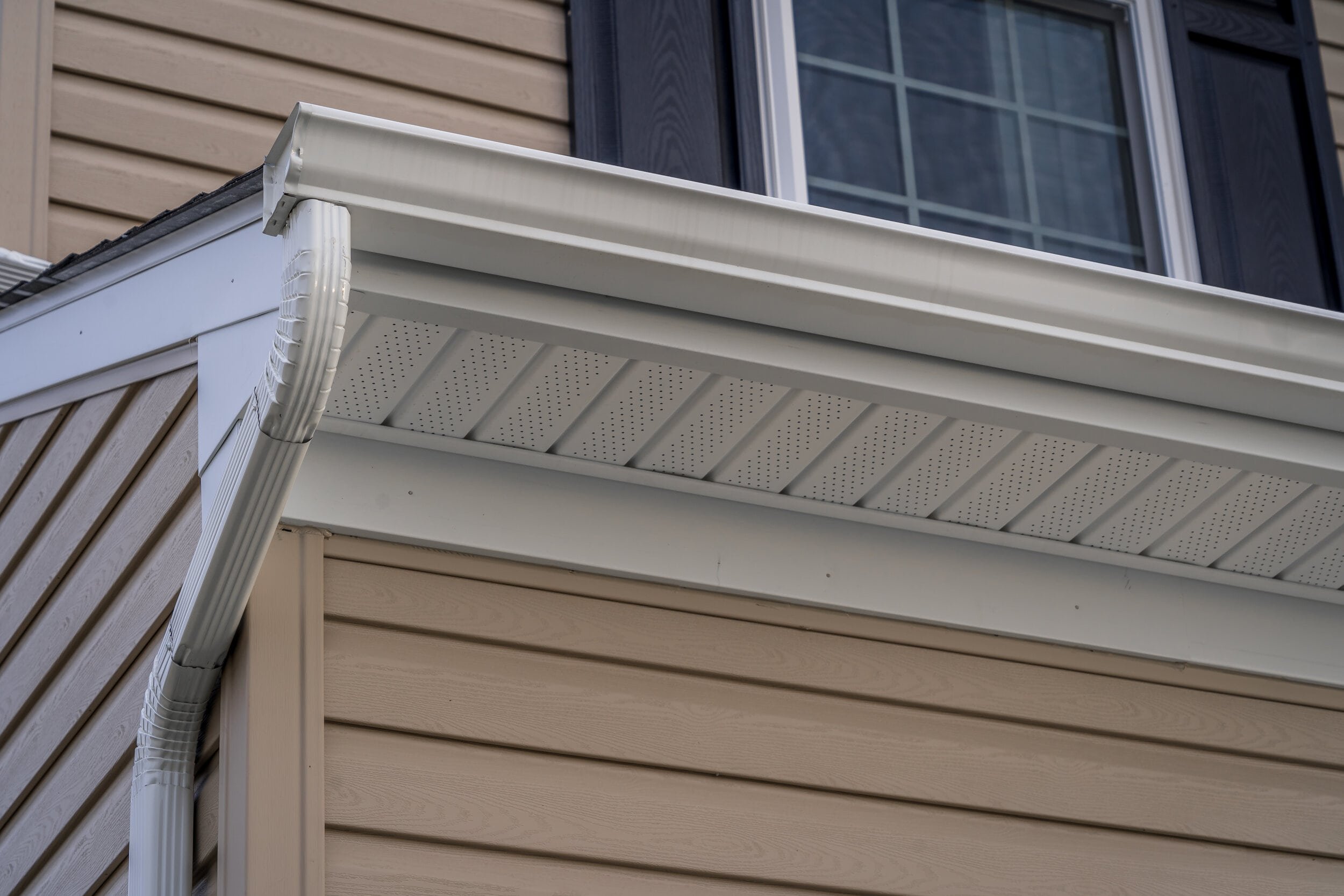
We've been doing this since 1988. We're not going anywhere. Our workmanship warranty reflects that.
Here's what we cover on every project:
- All installation errors: If we installed it wrong, we fix it. No charge. No excuses.
- Material integration failures: Flashing, sealants, fasteners—if it fails due to how we installed it, we handle it.
- Leak repairs: If water gets in because of our work, we find it and fix it.
- Code compliance: All our work meets or exceeds Michigan building codes. If an inspector flags something, we correct it immediately.
Our warranty periods:
- Roofing: 10-year workmanship warranty standard; extended coverage available through our CertainTeed Master Shingle Applicator status
- Siding: 10-year workmanship warranty on James Hardie and LP SmartSide installations; 5 years on vinyl
- Windows: 5-year installation warranty
- Gutters: 5-year workmanship warranty on seamless gutter systems
- Insulation: 5-year workmanship warranty on spray foam and blown-in installations
- Painting: 5-year workmanship warranty on exterior painting in Detroit using Sherwin-Williams products
All warranties are transferable if you sell your home. We've been in business for 35+ years and plan to be here for 35 more.
How to Evaluate a Contractor's Warranty
Before you sign a contract for any exterior work in Macomb County, Oakland County, or St. Clair County, ask these questions:
1. Can I see the warranty in writing before I sign the contract?
If a contractor won't provide written warranty terms upfront, walk away. Verbal promises mean nothing.
2. What specific issues are covered?
Get details. "Defects in workmanship" is too vague. Ask about flashing failures, fastener issues, leak repairs, and material integration problems.
3. What's excluded?
Every warranty has exclusions. Make sure they're reasonable (e.g., damage from falling trees or homeowner modifications) and not loopholes to avoid normal wear and weather exposure.
4. How long is the coverage period?
Compare this to industry standards. If it's significantly shorter, ask why.
5. Is the warranty transferable?
This matters if you plan to sell your home. Get transfer terms in writing.
6. What's the claims process?
How do you report a problem? What's the response timeframe? Who determines if an issue is covered? What happens if you disagree?
7. Is the contractor licensed and insured?
Check their Michigan Residential Builder's License. Verify they carry liability insurance and workers' compensation. A warranty from an unlicensed contractor is worthless—and illegal work voids your homeowner's insurance.
8. How long has the company been in business?
A 10-year warranty from a company that's been around for two years is a gamble. Look for established contractors with track records.
9. What do reviews say about warranty claims?
Check Google, BBB, and social media. Do customers mention the company honoring warranties? Or do you see complaints about ignored claims?
Pro tip: Ask the contractor for references from customers whose warranty claims they've honored. If they can't provide any, that's a red flag.
The Cost Reality of Warranty Coverage
Here's something most contractors won't tell you: comprehensive workmanship warranties cost money to provide.
When we offer a 10-year workmanship warranty on a roof replacement, we're committing to come back and fix problems for a decade—even if it costs us money. We build that risk into our pricing. We have to stay in business to honor those warranties, which means maintaining proper insurance, keeping skilled crews employed, and not cutting corners to win bids.
If you're comparing three quotes for a roof replacement in Troy and one is $8,000 cheaper than the others, ask about the warranty. Chances are it's shorter, vaguer, or backed by a company that won't be around in five years.
The cheapest bid usually comes from contractors who:
- Don't carry proper insurance
- Use subcontractors they can't control
- Skip steps to save time
- Offer minimal or no workmanship coverage
- Plan to be out of business before problems surface
We're not the cheapest option in Southeast Michigan. We're the option that'll still be here when you need us.
Ready to Get Started?
NEXT Exteriors has been protecting Michigan homes since 1988. Get a free, no-pressure estimate from a team that shows up on time and does the job right—backed by workmanship warranties that actually mean something.
Get Your Free QuoteOr call us: (844) 770-6398
Frequently Asked Questions
A manufacturer warranty covers defects in the materials themselves—shingles that crack prematurely, siding that warps, windows that fail to seal. A workmanship warranty covers installation errors—leaks from improper flashing, shingles that blow off due to inadequate nailing, siding that buckles because expansion gaps weren't provided. Most problems homeowners experience are workmanship issues, not material defects.
Industry standard is 5-10 years for reputable contractors. We offer 10-year workmanship warranties on all roofing projects, with extended coverage available through our CertainTeed Master Shingle Applicator status. Be skeptical of contractors offering only 1-2 years—most installation problems don't show up immediately. Also be wary of "lifetime" workmanship warranties unless the company has been in business for decades.
It depends on the contractor. Our workmanship warranties are fully transferable to new homeowners, which protects your investment and makes your home more attractive to buyers. Some contractors charge a small transfer fee (typically $50-150), which is reasonable. Avoid contractors whose warranties aren't transferable—that significantly reduces the value of the warranty.
Walk away. Verbal promises are meaningless when you're dealing with a leak two years after installation. Any legitimate contractor will provide detailed written warranty terms before you sign a contract. If they won't, they're either hiding something or they're not professional enough to work with.
It depends on the cause. If ice dams form because the contractor didn't install proper attic ventilation or address obvious insulation issues during a roof replacement, that's a workmanship issue. If ice dams form because your attic has inadequate insulation (which wasn't part of the roofing project), that's a separate problem. Good contractors clarify this in their warranty terms and discuss attic ventilation and insulation during the estimate process.
Yes, if the damage results from improper installation. Architectural shingles are rated for 110-130 mph winds when installed correctly. If shingles blow off in a 50-60 mph storm (normal for Michigan), that's an installation failure, not an "act of God." Be wary of warranties that exclude "severe weather" or "wind damage"—those are loopholes to avoid covering normal Michigan weather events.
Call us at (844) 770-6398 or email info@nextexteriorsmi.com. Describe the issue and send photos if possible. We respond to warranty claims within 5 business days and schedule an inspection to assess the problem. If it's covered under warranty, we'll schedule repairs at no charge. If it's not covered (e.g., damage from a fallen tree or homeowner modifications), we'll explain why and provide options for repair.
Macomb vs Oakland County Homes: Exterior Issues We Fix
35+ years fixing Southeast Michigan homes. Learn the different exterior problems we see in Macomb vs Oakland County—and how we solve them.
After 35 years installing roofs, siding, windows, and gutters across Southeast Michigan, we've learned something most contractors won't tell you: where your home sits matters as much as what it's made of.
A ranch home in Sterling Heights faces different exterior challenges than a Colonial in Bloomfield Hills—even though they're only 20 miles apart. The proximity to Lake St. Clair, soil composition, tree coverage, elevation changes, and even the decade your neighborhood was built all shape how your home's exterior ages and what eventually fails.
We've completed over 500 projects across Macomb and Oakland counties. We've torn off thousands of square feet of failed siding, replaced rotted fascia boards, and diagnosed ice dam problems from Mount Clemens to Rochester Hills. And we've noticed clear patterns in the types of exterior services in Detroit and surrounding areas that homeowners need based on their county.
This isn't about one county being "better" than the other. It's about understanding the specific exterior vulnerabilities your home faces so you can make smarter decisions about maintenance, repairs, and upgrades. Let's walk through what we actually see on the job—county by county, problem by problem.
The Tale of Two Counties: Why Location Shapes Exterior Problems
Macomb and Oakland counties sit side by side, share the same Michigan winters, and experience the same freeze-thaw cycles that make exterior work in our state so demanding. But the similarities end there.
Macomb County: Lake-Effect Moisture and Clay Soil Challenges
Macomb County hugs Lake St. Clair. Cities like St. Clair Shores, Grosse Pointe Farms, and Clinton Township sit within a few miles of open water. That proximity brings lake-effect moisture—especially in late fall and early winter when the lake is still relatively warm and air temperatures drop.
The result? More moisture cycling through your home's exterior envelope. Roofing shingles stay damp longer. Siding materials expand and contract more frequently. Attic ventilation becomes critical because warm, moist air from inside has more opportunities to condense in your roof deck.
Macomb County also sits on heavy clay soil. If you've ever tried to dig a fence post in Macomb Township or Chesterfield, you know what we're talking about. Clay doesn't drain well. When gutters overflow or downspouts discharge too close to the foundation, water pools. Basements flood. Crawl spaces stay damp. And that moisture works its way up into your rim joists and sill plates.
The housing stock in Macomb County skews toward ranch homes and brick Colonials built between 1960 and 1990. These homes were built to code for their era—but that code didn't account for modern insulation standards or the air sealing techniques we use today. Many of these homes have original windows, minimal attic insulation (R-19 or less), and aluminum or vinyl siding installed over wood sheathing with no house wrap.
Oakland County: Elevation, Tree Coverage, and Architectural Diversity
Oakland County sits inland. Cities like Bloomfield Hills, Rochester Hills, and Lake Orion have rolling topography, mature tree coverage, and more varied architecture. You'll find everything from 1920s Tudors to modern builds with complex rooflines, stone accents, and premium materials.
The elevation changes matter more than you'd think. Homes on hilltops face stronger wind exposure. We see more wind-damaged shingles, blown-off ridge caps, and fascia boards that pull away from the roofline after sustained 40+ mph gusts. Homes in valleys and wooded areas face the opposite problem: limited sun exposure, slow drying times, and algae growth on north-facing roof slopes.
The tree coverage in Oakland County is beautiful—but it creates work for us. Overhanging branches drop leaves, acorns, and debris into gutters. Squirrels and woodpeckers damage wood siding and soffit vents. Moss and algae grow on shaded siding. And when a storm rolls through, falling branches punch holes in roofs and crack window glass.
Oakland County's housing stock is more diverse. You'll find historic homes in Royal Oak and Birmingham with original wood siding, leaded glass windows, and slate roofs. You'll find 1980s subdivisions in Troy with builder-grade vinyl siding and architectural shingles. And you'll find newer construction in Rochester Hills with fiber cement siding, energy-efficient windows, and spray foam insulation.
That diversity means Detroit roofing services and exterior work require more customization. There's no one-size-fits-all approach.
Roofing Issues: What We See County by County
Roofing is where county-specific differences show up most clearly. The same shingle product performs differently depending on where it's installed.
Macomb County Roof Problems
Ice dams are the number one roofing issue we see in Macomb County—especially in homes within five miles of Lake St. Clair. The combination of lake-effect snow, poor attic ventilation, and insufficient insulation creates the perfect conditions for ice dams to form along the eaves.
Here's what happens: Snow accumulates on your roof. Heat escaping from your living space warms the roof deck. The bottom layer of snow melts, and water runs down toward the eaves. But the eaves are cold (they're not over conditioned space), so the water refreezes. Ice builds up. More meltwater backs up behind the ice dam, and eventually it works its way under the shingles and into your attic.
We see this in Sterling Heights, Warren, and Clinton Township almost every winter. The fix isn't just replacing damaged shingles—it's addressing the root cause with proper attic insulation in Metro Detroit and ventilation.
Macomb County homes also experience faster shingle degradation from moisture cycling. When shingles stay damp longer, the asphalt granules break down faster. The fiberglass mat underneath weakens. You'll see curling, cracking, and granule loss earlier than you would on a similar roof in a drier climate.
Ranch-style homes—which dominate Macomb County—often have low-slope roofs (4/12 pitch or less) with minimal attic space. That makes ventilation harder. Ridge vents don't pull air as effectively on low-slope roofs. Soffit vents get blocked by blown-in insulation. And the result is a hot, humid attic that shortens your roof's lifespan.
Oakland County Roof Problems
Wind damage is the leading roofing issue in Oakland County. Homes on exposed hilltops in Rochester Hills, Bloomfield Hills, and Lake Orion take a beating during summer storms and winter wind events.
We see blown-off shingles, lifted ridge caps, and damaged flashing around chimneys and skylights. The wind gets under the shingle tabs and peels them back. Once that happens, the nail heads are exposed, the seal breaks, and water intrusion is just a matter of time.
Oakland County also has more homes with complex rooflines—multiple valleys, dormers, turrets, and intersecting planes. Those valleys are natural collection points for leaves, pine needles, and debris. When valleys clog, water backs up and works its way under the shingles. We've torn off roofs in Troy where the valley sheathing was completely rotted because the homeowner never cleared the debris.
Algae growth is another Oakland County issue, especially on north-facing roof slopes in wooded areas. The black streaks you see aren't just cosmetic—they're Gloeocapsa magma, a type of cyanobacteria that feeds on the limestone filler in asphalt shingles. Over time, the algae breaks down the shingle surface and reduces its ability to reflect UV rays.
We recommend algae-resistant shingles (like CertainTeed StreakFighter or GAF StainGuard) for Oakland County homes with limited sun exposure. The copper granules embedded in these shingles inhibit algae growth and keep your roof looking cleaner longer.
Siding Failures: Material Performance Across Counties
Siding problems are where we see the clearest difference between counties. The material that works great in one location can fail prematurely in another.
Macomb County Siding Issues
Vinyl siding warping and buckling is the most common problem we see in Macomb County. The combination of temperature swings, moisture exposure, and poor installation practices creates the perfect storm for vinyl failure.
Vinyl expands and contracts with temperature changes. In Michigan, that means your siding can expand up to half an inch over a 12-foot run between a cold January morning and a hot July afternoon. If the installer didn't leave enough clearance in the nailing slots, the siding has nowhere to go—so it buckles.
We see this all the time in Warren, Sterling Heights, and Macomb. A homeowner calls us in August saying their siding is "bubbling" or "rippling." We pull a few pieces and find the nails driven tight through the center of the slot instead of being left loose in the middle of the elongated hole. That's an installation error, not a product failure.
Moisture intrusion is another major issue in Macomb County homes with brick veneer. Many brick Colonials built in the 1970s and 1980s have vinyl siding on the upper level and brick on the first floor. The transition between brick and siding is a common failure point. If the flashing wasn't installed correctly (or wasn't installed at all), water runs down the brick face, seeps behind the siding, and rots the sheathing.
We've also seen significant wood rot in older Macomb County homes that were originally sided with aluminum. The aluminum was installed directly over wood clapboard with no house wrap. Over decades, water vapor from inside the home migrated through the wall assembly and condensed on the back side of the aluminum. The wood underneath rotted, and by the time the homeowner noticed sagging or soft spots, the damage was extensive.
Our house siding in Detroit and Macomb County projects often require sheathing replacement before we can install new siding. It adds cost, but it's the only way to do the job right.
Oakland County Siding Issues
Woodpecker damage is surprisingly common in Oakland County—especially in wooded areas of Bloomfield Hills, Rochester Hills, and Lake Orion. Woodpeckers drill holes in wood siding, fiber cement siding, and even synthetic materials looking for insects or trying to establish nesting cavities.
We've replaced entire sections of LP SmartSide and James Hardie siding that were riddled with woodpecker holes. The only reliable fix is to patch the holes, prime and paint the repairs, and install bird deterrents (like reflective tape or netting) to keep the woodpeckers from coming back.
Fading is another Oakland County issue, particularly on south- and west-facing elevations. Homes in Troy, Royal Oak, and Bloomfield Hills with dark-colored vinyl or fiber cement siding show noticeable fading after 10-15 years of UV exposure. The color doesn't fade evenly—you'll see lighter patches where the sun hits directly and darker areas in the shade.
That's why we recommend lighter colors for siding in Oakland County, or upgrading to a product with better UV resistance (like James Hardie ColorPlus or CertainTeed Cedar Impressions with ChromaTrue fade protection).
Installation failures on historic homes are also more common in Oakland County. Older homes in Royal Oak and Birmingham often have original wood siding, decorative trim, and complex architectural details. When a contractor tries to retrofit vinyl or fiber cement siding over those details without proper planning, the result is sloppy—gaps around trim, misaligned seams, and a loss of the home's original character.
We take a different approach. We preserve original trim where possible, use custom J-channels and corner posts to maintain clean lines, and match the reveal and profile of the original siding so the new installation looks intentional, not like an afterthought.
Window and Insulation Problems: Energy Loss Patterns
Energy efficiency issues vary significantly between counties based on housing age, construction methods, and homeowner awareness.
Macomb County Energy Issues
Drafty windows and inadequate insulation are the primary energy problems in Macomb County homes. The majority of homes in Sterling Heights, Clinton Township, and Warren were built between 1960 and 1990—before modern energy codes took effect.
Many of these homes still have their original single-pane or early double-pane windows. The seals have failed, the glazing is cracked, and the frames are warped. You can feel cold air pouring in around the sashes in winter. Condensation forms on the glass. And your heating bills are higher than they should be.
We replace a lot of windows in Macomb County, and the energy savings are immediate. A quality vinyl or fiberglass window replacement in Detroit and surrounding areas with Low-E glass and argon fill can cut heat loss by 30-40% compared to old single-pane units.
Basement insulation gaps are another common issue in Macomb County. Many ranch homes have finished basements with minimal or no insulation in the rim joist cavities. That's where your basement walls meet your first-floor framing—and it's one of the leakiest parts of your home.
Cold air infiltrates through the rim joists in winter. Warm, humid air escapes in summer. And your HVAC system works overtime trying to compensate. We recommend spray foam insulation for rim joists because it air-seals and insulates in one application.
Oakland County Energy Issues
Cathedral ceiling insulation is a major challenge in Oakland County homes—especially newer builds with vaulted ceilings, great rooms, and open floor plans. Cathedral ceilings look great, but they're hard to insulate properly.
Most cathedral ceilings are insulated with fiberglass batts installed between the rafters. But fiberglass only works if it's installed perfectly—no gaps, no compression, no air movement. And in a cathedral ceiling, you need ventilation space above the insulation (a minimum 2-inch air gap between the insulation and the roof deck).
Getting that right is difficult. We see cathedral ceilings in Rochester Hills and Bloomfield Hills where the insulation is compressed, the ventilation baffles are missing, and the homeowner complains about ice dams, high heating bills, and uneven temperatures between rooms.
The best fix is spray foam insulation applied directly to the underside of the roof deck. It eliminates the ventilation requirement, provides a higher R-value per inch, and air-seals the assembly. It costs more upfront, but the energy savings and comfort improvement are worth it.
Bay window condensation is another Oakland County issue. Bay and bow windows are popular in Troy, Royal Oak, and Bloomfield Hills—but they're also prone to condensation problems because they project out from the building envelope and have more glass surface area exposed to cold air.
If the bay window isn't properly insulated underneath (in the "knee" space below the window), cold air infiltrates and causes condensation on the glass. Over time, that moisture damages the wood sill, rots the framing, and creates mold growth.
We address this by insulating and air-sealing the knee space, upgrading to Low-E glass with warm-edge spacers, and ensuring the window is properly flashed and integrated with the home's water-resistive barrier.
Gutter and Drainage Challenges
Gutters and drainage are often overlooked—until they fail. And when they do, the damage can be extensive.
Macomb County Drainage
Clay soil and poor water management are the root cause of most drainage problems in Macomb County. When gutters overflow or downspouts discharge too close to the foundation, water pools in the clay soil. It doesn't drain. It just sits there—soaking into your foundation walls, seeping into your basement, and creating hydrostatic pressure that cracks concrete and pushes water through any gap it can find.
We see basement flooding in Macomb, Chesterfield, and Clinton Township almost every spring when snow melts and rain falls on saturated ground. The homeowner's sump pump runs constantly. Water stains appear on the basement walls. And mold starts growing in the corners.
The fix starts with gutters. We install seamless gutters in Detroit, MI and surrounding areas sized to handle Michigan's heavy rain and snowmelt. We use 6-inch gutters instead of the standard 5-inch on homes with large roof areas or steep pitches. And we make sure downspouts discharge at least 6-10 feet away from the foundation—either with buried drain lines or splash blocks and extensions.
Fascia rot is another common issue in Macomb County. When gutters clog with leaves and debris, water overflows and runs down the back of the gutter—soaking the fascia board. Over time, the wood rots. The gutter pulls away from the house. And the soffit and roof edge are exposed to water damage.
We replace rotted fascia boards on almost every gutter project in Macomb County. It's not something homeowners budget for, but it's necessary. You can't hang new gutters on rotted wood and expect them to stay put.
Oakland County Drainage
Hillside erosion and gutter overflow are the primary drainage issues in Oakland County. Homes on sloped lots in Rochester Hills, Bloomfield Hills, and Lake Orion face unique challenges. When rain falls on a steep roof, it hits the gutters with significant force. If the gutters are undersized or the downspouts are clogged, water overflows and rushes downhill—carving channels in the landscaping, washing away mulch, and undermining retaining walls.
We recommend larger gutters (6-inch K-style) and additional downspouts on Oakland County homes with steep roofs or large drainage areas. We also install gutter guards on homes with heavy tree coverage to reduce maintenance and prevent clogs.
Ice accumulation on shaded elevations is another Oakland County problem. North-facing gutters in wooded areas don't get direct sunlight in winter. Snow and ice accumulate in the gutters, freeze solid, and create ice dams along the eaves. The weight of the ice pulls the gutters away from the fascia. And when the ice melts, water pours over the back of the gutter and damages the fascia and soffit.
The solution is better attic insulation and ventilation (to reduce heat loss through the roof deck) combined with properly installed gutters that are securely fastened to the fascia with hidden hangers spaced every 24 inches.
What This Means for Your Home: When to Call a Contractor
So how do you know when it's time to call a contractor? Here are the warning signs we tell homeowners to watch for—organized by county.
Macomb County Warning Signs
- Ice dams forming along your eaves every winter (indicates poor attic insulation and ventilation)
- Water stains on your attic sheathing or ceiling (roof leak or condensation problem)
- Vinyl siding that's buckled, warped, or pulling away from the house (installation failure or moisture damage)
- Basement flooding or persistent dampness (gutter and drainage issue)
- High heating bills despite running your furnace constantly (air leakage and insulation gaps)
- Drafty windows with visible condensation (failed seals or single-pane glass)
Oakland County Warning Signs
- Shingles blown off or damaged after every wind event (indicates poor installation or wind-rated shingles needed)
- Black streaks or moss growing on your roof (algae growth—consider algae-resistant shingles)
- Woodpecker holes in your siding (requires repair and deterrents)
- Faded or discolored siding on south- and west-facing walls (UV damage—may need replacement)
- Gutters overflowing during heavy rain (undersized gutters or clogged downspouts)
- Uneven temperatures between rooms or high cooling bills (insulation gaps in cathedral ceilings or attic)
Seasonal Inspection Checklist for Southeast Michigan Homeowners:
Spring: Check for winter damage—missing shingles, ice dam damage, rotted fascia, clogged gutters.
Summer: Inspect siding for warping or buckling, check window seals for condensation, trim overhanging branches.
Fall: Clean gutters, check attic insulation and ventilation, seal gaps around windows and doors.
Winter: Monitor for ice dams, check for drafts, ensure downspouts discharge away from foundation.
How NEXT Exteriors Approaches County-Specific Problems
We've been doing this work in Southeast Michigan since 1988. We've seen every type of exterior failure, every installation mistake, and every weather-related problem you can imagine. And we've learned that cookie-cutter solutions don't work.
A roof replacement in Sterling Heights requires different materials, ventilation strategies, and installation techniques than a roof replacement in Bloomfield Hills. A siding project in Clinton Township has different moisture management requirements than a siding project in Rochester Hills.
Here's how we adapt our approach based on location:
Material Selection for Local Conditions
We don't push one brand or product for every job. We recommend materials based on your home's specific conditions:
- Macomb County roofing: We use ice and water shield on the entire lower roof deck (not just the first 3 feet) to prevent ice dam damage. We install ridge vents and soffit vents sized for Michigan's climate. And we recommend impact-resistant shingles (CertainTeed IR or GAF ArmorShield) for homes near Lake St. Clair that see frequent hail.
- Oakland County roofing: We use high-wind-rated shingles (110+ mph wind resistance) on exposed hilltop homes. We install algae-resistant shingles on north-facing slopes in wooded areas. And we use extra fasteners and upgraded underlayment on complex roofs with multiple valleys and dormers.
- Macomb County siding: We install house wrap on every job—even if the original home didn't have it. We leave proper expansion gaps on vinyl siding installations. And we replace rotted sheathing before installing new siding.
- Oakland County siding: We use fiber cement siding (James Hardie or LP SmartSide) on homes with woodpecker problems because it's more resistant to damage. We recommend lighter colors to reduce UV fading. And we preserve original trim and architectural details on historic homes.
Installation Techniques Adapted to Geography
We adjust our installation methods based on the specific challenges of each location:
- Macomb County: We focus on air sealing and moisture management. We seal rim joists with spray foam. We install proper flashing at brick-to-siding transitions. And we size gutters and downspouts to handle clay soil drainage challenges.
- Oakland County: We focus on wind resistance and water shedding. We use additional fasteners on exposed roofs. We install gutter guards on homes with heavy tree coverage. And we ensure proper ventilation in cathedral ceilings and complex attic spaces.
Our Service Area Coverage
We serve all of Macomb, Oakland, and St. Clair counties. That includes:
- Macomb County: Sterling Heights, Clinton Township, Warren, St. Clair Shores, Mount Clemens, Macomb, Chesterfield, and surrounding communities
- Oakland County: Bloomfield Hills, Rochester Hills, Troy, Royal Oak, Lake Orion, Birmingham, and surrounding communities
- St. Clair County: Serving communities throughout the county
No matter where you're located in Southeast Michigan, we bring the same attention to detail, the same quality materials, and the same commitment to doing the job right. We're CertainTeed Master Shingle Applicators—the highest credential in roofing. We're BBB A+ accredited. And we've been changing contractor culture in Michigan for over three decades.
Beyond roofing and siding, we also provide comprehensive exterior painting in Detroit using Sherwin-Williams products exclusively. Whether your home needs a full exterior refresh or targeted repairs, we have the expertise to handle every aspect of your home's exterior.
Ready to Get Started?
NEXT Exteriors has been protecting Michigan homes since 1988. Get a free, no-pressure estimate from a team that shows up on time and does the job right.
Get Your Free QuoteOr call us: (844) 770-6398