

How Metro Detroit Weather Should Change Your Exterior Choices
Southeast Michigan's freeze-thaw cycles, lake-effect snow, and summer storms demand specific exterior materials. Learn what works after 35 years in Metro Detroit.

I've been doing exterior work in Southeast Michigan since 1988, and I can tell you this: Metro Detroit's weather doesn't just test your home's exterior—it punishes mistakes. The homeowner who picks materials based on what looks good in a showroom or what's cheapest at the big box store is going to pay for it. Not this year, maybe not next year, but they'll pay.
We see it every spring. Siding that's cracked and warped from freeze-thaw cycles. Roofs with ice dams that have destroyed gutters and sent water into the attic. Windows that are fogged up because the seals failed in the cold. These aren't random failures—they're predictable outcomes when you don't match your materials to Michigan's climate.
Southeast Michigan sits in a unique weather zone. We get lake-effect snow off Lake St. Clair and Lake Erie. We experience 40 to 60 freeze-thaw cycles every winter—meaning the temperature crosses the freezing point that many times between November and March. We get summer storms with straight-line winds that regularly hit 60 mph. And we have humidity levels that swing wildly between seasons.
This isn't just about durability. It's about energy costs, insurance claims, and whether your home holds its value when you go to sell. The right exterior services in Detroit start with understanding what actually works in this climate—not what works in Arizona or North Carolina.
Here's what 35 Michigan winters have taught us about choosing exterior materials that last.
Understanding Metro Detroit's Climate Challenges
Before we talk about specific materials, you need to understand what your home is up against. Metro Detroit's climate is classified as humid continental (Köppen Dfb), which is a technical way of saying we get cold, snowy winters and hot, humid summers with no dry season.
Here's what that means for your exterior:
Freeze-Thaw Cycles Are the Real Killer
The National Weather Service Detroit/Pontiac office tracks this data, and the numbers are stark: Southeast Michigan averages 40 to 60 freeze-thaw cycles per winter. That's 40 to 60 times the temperature crosses 32°F, causing any moisture in or on your materials to freeze, expand, thaw, and contract.
This is why cheap vinyl siding cracks after five years in Sterling Heights but lasts 15 years in Charlotte. This is why mortar joints in brick Colonials in Grosse Pointe Farms need repointing every 20 years. This is why concrete driveways in Rochester Hills develop spalling and why asphalt shingles in Royal Oak lose granules faster than the manufacturer predicted.
Any material that absorbs water and can't handle expansion and contraction will fail here. Period.
Lake-Effect Snow and Ice Dams
If you live anywhere near Lake St. Clair—from St. Clair Shores through Mount Clemens to Chesterfield—you know about lake-effect snow. When cold air moves over the relatively warm lake water in late fall and early winter, it picks up moisture and dumps it as snow on the downwind side.
This creates heavy snow loads on roofs and sets up perfect conditions for ice dams. An ice dam forms when heat from your attic melts snow on the upper part of your roof. The meltwater runs down to the cold eaves, refreezes, and creates a dam that backs water up under your shingles.
We see this constantly in older homes in Macomb and Clinton Township—homes with inadequate attic insulation and ventilation. The homeowner calls us because water is dripping into their living room, and when we get up there, we find six inches of ice at the eaves and shingles that have been compromised by water intrusion.
This isn't a roofing problem. It's an insulation and ventilation problem that shows up on your roof.
Summer Storms and Wind Damage
July and August bring severe thunderstorms with straight-line winds, hail, and occasionally tornadoes. The National Weather Service tracks wind speeds during these events, and it's not uncommon to see gusts of 60 to 70 mph across Macomb and Oakland counties.
Standard architectural shingles are rated for 110 mph winds when properly installed, but that assumes correct nailing patterns, adequate starter strips, and proper edge flashing. We've seen plenty of roofs in Warren and Troy that lost shingles at 50 mph because the installation was sloppy.
Wind-driven rain is another issue. During a summer storm, rain doesn't fall straight down—it's driven horizontally into siding seams, window frames, and any gap in your home's envelope. This is why proper flashing and sealant details matter so much in Michigan.
Humidity and Moisture Management
Southeast Michigan's humidity swings between 30% in winter (when furnaces dry out the air) and 80% in summer. This creates condensation problems, especially in poorly insulated walls and attics.
We see this in homes built in the 1960s and 1970s—the era of minimal insulation and no vapor barriers. Warm, humid air from inside the home migrates through the wall cavity in winter, hits the cold exterior sheathing, and condenses. Over time, this rots the sheathing and studs from the inside out.
Modern building science has solved this with proper air sealing and vapor control, but plenty of older homes in Detroit and the inner-ring suburbs are still dealing with these issues.
Roofing: Wind Ratings and Ice Dam Prevention Matter Here

Let's start with the roof, because it's the most expensive exterior component to replace and the one that causes the most damage when it fails. Our Detroit roofing services focus on three things that matter specifically in Southeast Michigan: impact resistance, wind ratings, and ice dam prevention.
Class 4 Impact Resistance Is Worth the Money
Michigan gets hail. Not every year, not every storm, but when it happens, it can total your roof. Class 4 impact-rated shingles (tested under UL 2218) can withstand a 2-inch steel ball dropped from 20 feet without cracking or splitting.
We install a lot of CertainTeed Landmark Impact shingles and GAF Timberline HDZ RS shingles—both are Class 4 rated. They cost about 15-20% more than standard architectural shingles, but many insurance companies in Michigan offer premium discounts that offset the cost over time.
More importantly, when a hailstorm hits Shelby Township or Lake Orion, you're not filing a claim and waiting six months for a roof replacement. You're cleaning up branches and going about your life.
Ice and Water Shield: Not Optional in Michigan
The Michigan Residential Code requires ice and water shield (a self-adhering waterproof membrane) at all eaves, valleys, and penetrations. The minimum is 24 inches up from the eave edge, but we typically run it 36 to 48 inches—sometimes all the way up to the ridge on low-slope sections.
This is your last line of defense against ice dams. When water backs up behind an ice dam, it can work its way under shingles and felt paper, but it can't penetrate a properly installed ice and water shield.
We use CertainTeed WinterGuard or Owens Corning WeatherLock on every job. It's not cheap—it adds $200 to $400 to a typical roof replacement—but it's a lot cheaper than replacing water-damaged ceilings and insulation.
Attic Ventilation and Insulation: The Real Ice Dam Solution
Here's the truth about ice dams: you can't stop them with better shingles or more ice and water shield. You stop them by keeping your attic cold.
An attic should be within a few degrees of the outdoor temperature in winter. If it's 25°F outside and your attic is 40°F, you're losing heat through your ceiling, and that heat is melting snow on your roof.
The solution is a combination of proper attic insulation in Metro Detroit (we'll cover that later) and adequate ventilation. The building code requires 1 square foot of net free ventilation area for every 150 square feet of attic space, with balanced intake (soffit vents) and exhaust (ridge vents or roof vents).
We see a lot of homes in Troy and Bloomfield Hills with ridge vents but no soffit vents, or vice versa. That doesn't work. Air needs a path in and a path out. Without both, you don't get airflow, and you don't get a cold attic.
Siding: Freeze-Thaw Resistance Is Non-Negotiable
Siding takes a beating in Michigan. It's exposed to freeze-thaw cycles, UV radiation, wind-driven rain, and impacts from hail and flying debris. The wrong material will crack, warp, fade, or rot—sometimes all four.
We install a lot of siding in Southeast Michigan, and the material choice conversation always comes down to this: how long do you want it to last, and how much maintenance are you willing to do?
Why Vinyl Siding Fails in Michigan Winters
Standard vinyl siding is the most popular choice nationwide because it's cheap and low-maintenance. But not all vinyl is created equal, and cheap vinyl doesn't survive Michigan winters.
Vinyl becomes brittle when it's cold. Below 20°F, it loses flexibility and can crack on impact—a branch falls on it, you bump it with a ladder, a kid throws a snowball, and it cracks. Once it cracks, moisture gets behind it, and you've got problems.
If you're going with vinyl, you need a product with a high impact resistance rating and a thickness of at least .044 inches. We install CertainTeed Monogram siding on homes where the homeowner wants vinyl—it's a premium product with better impact resistance and a lifetime warranty that actually means something.
But here's the reality: vinyl expands and contracts with temperature changes. In Michigan, that's a 100°F+ swing between summer and winter. Over time, the panels can warp, buckle, or pull away from the fasteners. We see this all the time on south-facing walls that get full sun exposure.
James Hardie Fiber Cement: The Michigan Gold Standard
If you want siding that will outlast you, James Hardie fiber cement is the answer. It's a composite of cement, sand, and cellulose fibers, and it's engineered specifically to handle freeze-thaw cycles.
James Hardie products are tested to ASTM C1185 standards, which include 100 freeze-thaw cycles. The material doesn't absorb water like wood, doesn't crack like vinyl, and doesn't rot or attract insects. It's as close to bulletproof as siding gets.
We install James Hardie on homes in Grosse Pointe Farms, Rochester Hills, and Bloomfield Hills—neighborhoods where homeowners are thinking 30-year timelines, not 10-year timelines. It costs about 2.5 to 3 times more than vinyl upfront, but it doesn't need to be replaced in 15 years.
The only maintenance is repainting every 10 to 15 years, and even that's optional with the ColorPlus baked-on finish, which James Hardie warrants for 15 years.
LP SmartSide: Engineered Wood That Works in Michigan
LP SmartSide is an engineered wood product—oriented strand board (OSB) treated with zinc borate and sealed with a resin overlay. It looks like real wood, because it is real wood, but it's engineered to resist moisture, rot, and insects.
We install a lot of LP SmartSide on homes where the homeowner wants the look of cedar shakes or board-and-batten but doesn't want the maintenance. It's priced between vinyl and fiber cement—about 1.5 to 2 times the cost of vinyl—and it comes with a 50-year limited warranty.
LP SmartSide performs well in freeze-thaw conditions because the resin overlay prevents water absorption. It's not as indestructible as fiber cement, but it's a solid choice for Michigan, and it's easier to work with on complex architectural details.
Our house siding services in Detroit include all three materials, and we'll walk you through the trade-offs based on your budget, your home's style, and how long you plan to stay in the house.
Windows: U-Factor and Condensation Resistance
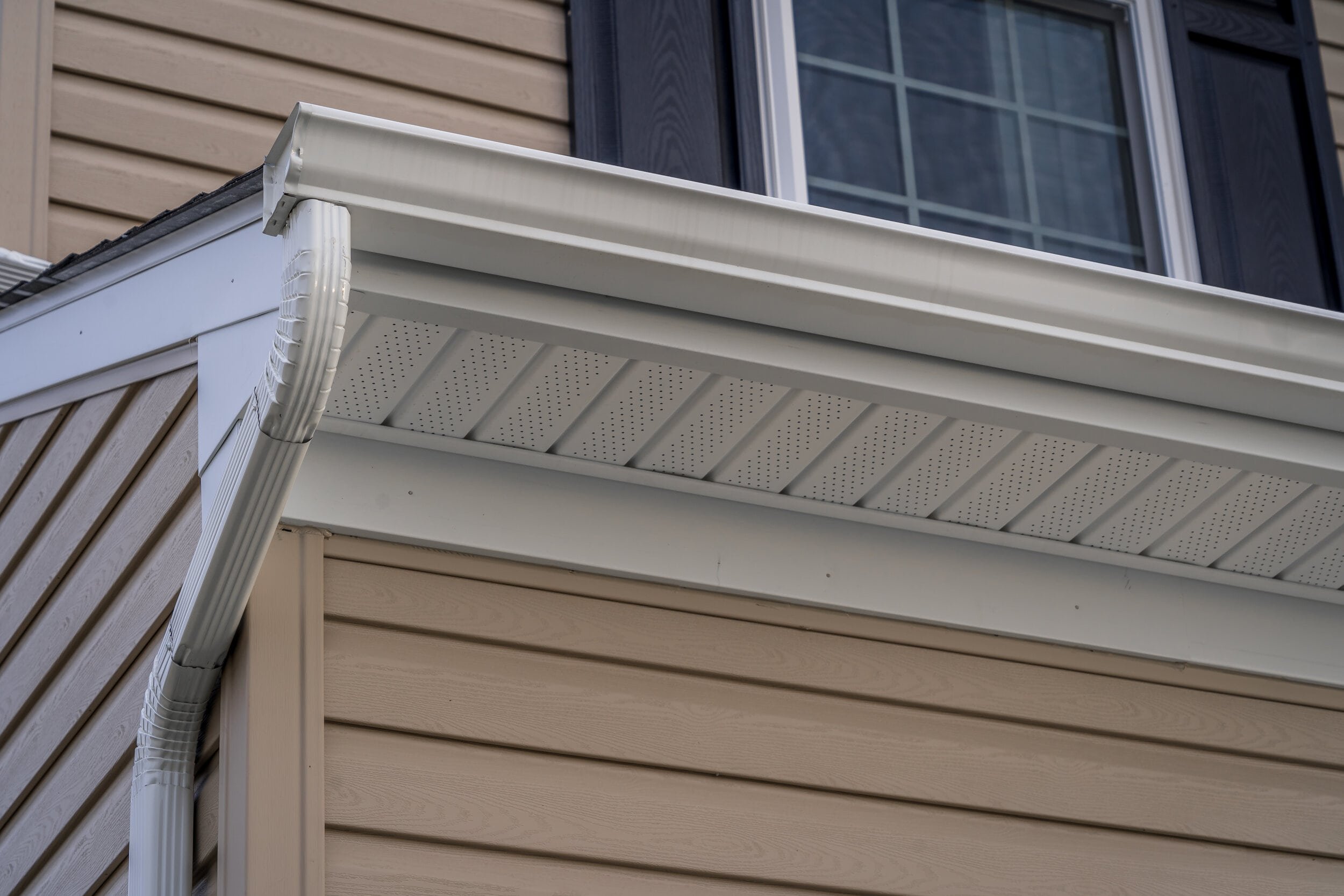
Windows are where most homeowners get confused by marketing. You'll hear about "energy-efficient" windows with "low-E glass" and "argon gas fills," and it all sounds like magic. It's not magic—it's building science, and it matters a lot in Michigan.
Our Detroit window experts focus on three specs: U-factor, condensation resistance, and air leakage. Everything else is secondary.
U-Factor: The Number That Actually Matters
U-factor measures how much heat passes through the window. Lower is better. ENERGY STAR requires a U-factor of 0.27 or lower for Michigan (Climate Zone 5).
A single-pane window has a U-factor around 1.0, which is terrible. A standard double-pane window with air between the panes is around 0.50, which is better but still not great. A quality double-pane window with low-E glass and argon gas fill gets you down to 0.25 to 0.30.
That difference—0.50 vs. 0.27—translates to real money on your heating bill. A typical Michigan home with 20 windows could save $200 to $400 per year by upgrading from standard double-pane to ENERGY STAR-rated windows.
We install a lot of Pella and Andersen windows—both offer products that meet or exceed ENERGY STAR requirements for Michigan. The key is making sure you're actually getting low-E glass (a microscopic metallic coating that reflects heat) and argon or krypton gas fill (which insulates better than air).
Condensation Resistance: Preventing Fogged Windows
Condensation resistance is rated on a scale of 0 to 100. Higher is better. A rating of 50 or above is good for Michigan.
This measures the window's ability to resist condensation on the interior glass surface when it's cold outside and humid inside. If you've ever seen frost or water droplets on the inside of your windows in winter, that's a condensation problem.
Condensation happens when the interior glass surface gets cold enough for water vapor in the air to condense. The solution is keeping the glass warmer, which means better insulation—hence the low-E coatings and gas fills.
The other issue is the spacer system between the panes. Old aluminum spacers conduct heat away from the edge of the glass, creating a cold spot where condensation forms. Modern warm-edge spacers (made of foam or composite materials) reduce this heat loss and keep the edges warmer.
We see a lot of fogged windows in homes built in the 1990s and early 2000s—double-pane windows with aluminum spacers and no low-E coatings. The seals fail, moisture gets between the panes, and the window fogs up permanently. At that point, you're replacing the glass or the whole window.
Air Leakage: The Hidden Energy Thief
Air leakage is measured in cubic feet per minute per square foot (CFM/ft²). Lower is better. ENERGY STAR requires 0.3 or lower.
This is how much air leaks through the window when it's closed. Even a small amount of air leakage adds up when you have 20 windows and it's 10°F outside.
Casement and awning windows (the kind that crank open) typically have lower air leakage than double-hung windows because they compress against the frame when closed. Double-hung windows rely on weatherstripping, which wears out over time.
We install a lot of casement windows in new construction and major renovations, but double-hung windows are still the most popular for replacements because they match the existing opening and don't require exterior trim work.
Insulation: R-Value Requirements for Southeast Michigan
Insulation is the single most cost-effective energy upgrade you can make, and it's also the most neglected. We see homes in Sterling Heights and Clinton Township with R-19 in the attic when they should have R-49. We see uninsulated rim joists, uninsulated walls, and crawl spaces that are open to the outside air.
The Michigan Residential Code (based on the 2021 International Energy Conservation Code) sets minimum R-values for different parts of the home. Here's what you need in Southeast Michigan:
- Attic: R-49 (about 14 inches of blown fiberglass or 12 inches of blown cellulose)
- Walls: R-20 or R-13 cavity + R-5 continuous (depending on construction type)
- Basement walls: R-10 continuous or R-13 cavity
- Crawl space walls: R-10 continuous
- Floors over unconditioned spaces: R-30
These are minimums. If you're upgrading insulation, we typically recommend exceeding code—going to R-60 in the attic, for example, or R-15 continuous on basement walls.
Attic Insulation and Ice Dam Prevention
We already talked about ice dams in the roofing section, but it's worth repeating: inadequate attic insulation is the root cause of most ice dam problems in Michigan.
If you have R-19 in your attic (common in homes built before 1990), you're losing heat through the ceiling, warming the attic, melting snow on the roof, and creating ice dams at the eaves.
The solution is adding insulation to get to R-49 or R-60. We typically use blown fiberglass or cellulose because it's fast to install and fills gaps around joists and penetrations.
Before we add insulation, we air-seal the attic floor—sealing gaps around plumbing stacks, electrical penetrations, recessed lights, and the top plates of walls. Air leakage carries more heat into the attic than conduction through the insulation, so air sealing is critical.
Air Sealing Before Insulating
This is the step most contractors skip, and it's the step that makes the biggest difference. Air sealing means closing all the gaps where air can move between the conditioned space (your living areas) and unconditioned spaces (attic, crawl space, rim joists).
Common air leakage points include:
- Gaps around plumbing stacks and vent pipes
- Recessed light fixtures (can lights) that aren't IC-rated and airtight
- Attic access hatches without weatherstripping
- Gaps at the top plates of interior and exterior walls
- Rim joists (the band of framing at the top of the foundation wall)
- Gaps around windows and doors
We use spray foam, caulk, and weatherstripping to seal these gaps before we add insulation. The result is a tighter building envelope, lower heating and cooling costs, and fewer ice dams.
Our top-rated insulation services in Detroit always include air sealing as part of the scope. It's not optional.
Gutters and Drainage: Handling Michigan's Snow Load

Gutters are the most underestimated part of your home's exterior system. Homeowners think of them as a convenience—something to keep water from splashing on the porch. In reality, they're a critical component of your home's drainage system and foundation protection.
In Michigan, gutters also have to handle snow and ice loads that would destroy undersized or poorly installed systems. Our seamless gutters in Detroit, MI are designed specifically for these conditions.
Why 5-Inch Gutters Are Minimum in Metro Detroit
Standard residential gutters come in two sizes: 5-inch and 6-inch (measured across the top opening). Most homes built before 2000 have 5-inch gutters, and many have 4-inch gutters, which are inadequate for Michigan.
A 5-inch gutter can handle about 1,200 square feet of roof area in moderate rainfall. A 6-inch gutter can handle about 1,900 square feet. In a heavy Michigan downpour—2 inches per hour, which we get several times a year—those numbers drop by about 30%.
We typically install 5-inch gutters on ranch homes and smaller Colonials, and 6-inch gutters on larger homes or homes with steep roofs that concentrate water flow.
The other consideration is snow load. When snow slides off your roof, it can rip gutters right off the fascia if they're not properly supported. This is especially common on south-facing roof sections that get full sun—the snow melts, slides, and takes the gutter with it.
Gutter Hanger Spacing for Snow and Ice
Standard gutter hangers are spaced 24 inches apart. In Michigan, we space them 16 inches apart, and sometimes 12 inches apart on sections prone to snow loads.
We use hidden hangers that screw into the fascia board (or into the rafter tails if the fascia is rotted). These are much stronger than the old spike-and-ferrule systems, which rely on a nail driven through the gutter into the fascia.
We also make sure the fascia board is solid before we hang gutters. A lot of homes in Macomb County have rotted fascia from years of gutter overflow or ice dams. If the fascia is soft, the hangers will pull out, and the gutters will fail. We replace the fascia first, then hang the gutters.
Downspout Extensions and Foundation Protection
Gutters are only half the system. The other half is getting the water away from your foundation. A downspout that dumps water right next to the foundation is worse than no gutter at all—it concentrates water in one spot and accelerates foundation settlement and basement leaks.
We install downspout extensions that carry water at least 6 feet away from the foundation, and preferably 10 feet. In areas with clay soil (common in Southeast Michigan), this is critical—clay expands when wet and shrinks when dry, which causes foundation movement.
If your yard slopes toward the house, we'll recommend a buried drain line that carries water to a lower spot in the yard or to the street. This costs more upfront, but it's the only way to prevent basement water problems in homes with poor grading.
Cost Reality: Paying Now vs. Paying Later
Let's talk about money, because that's what this comes down to for most homeowners. Premium materials cost more upfront. Sometimes a lot more. The question is whether the extra cost is worth it.
Here's how we think about it after 35 years of doing this work in Michigan:
Premium Materials vs. Replacement Costs
A standard architectural shingle roof costs about $5,000 to $7,000 on a typical 2,000-square-foot ranch in Macomb County. That roof will last 15 to 20 years if it's installed correctly and the attic is properly ventilated.
A Class 4 impact-rated roof costs about $6,000 to $8,500. That roof will last 20 to 25 years, and it's less likely to be damaged by hail, which means fewer insurance claims and lower premiums.
Over 25 years, you'll replace the standard roof at least once, maybe twice. Total cost: $10,000 to $14,000. The premium roof gets replaced once, maybe never. Total cost: $6,000 to $8,500.
The same math applies to siding. Cheap vinyl siding costs $8,000 to $12,000 on a typical home and lasts 15 to 20 years. James Hardie fiber cement costs $20,000 to $30,000 and lasts 50+ years. Over 50 years, you'll replace the vinyl siding two or three times. Total cost: $24,000 to $36,000. The fiber cement gets replaced never. Total cost: $20,000 to $30,000, plus maybe $3,000 to $5,000 in repainting.
Energy Savings from Proper Product Selection
Upgrading from standard double-pane windows to ENERGY STAR-rated windows saves about $200 to $400 per year on heating and cooling costs in a typical Michigan home. Over 20 years, that's $4,000 to $8,000 in savings.
Adding attic insulation from R-19 to R-49 saves about $300 to $600 per year, depending on the size of your home and your heating system. Over 20 years, that's $6,000 to $12,000 in savings.
Air sealing and insulating your rim joists saves about $100 to $200 per year. Over 20 years, that's $2,000 to $4,000.
These aren't theoretical numbers—they're based on energy modeling and real-world utility bill comparisons. The payback period on insulation is typically 3 to 7 years. The payback period on windows is 10 to 15 years. After that, it's all savings.
Insurance Considerations for Storm-Resistant Materials
Many insurance companies in Michigan offer premium discounts for impact-resistant roofing, storm-rated windows, and other fortified construction features. The discounts vary by carrier and by county, but they typically range from 5% to 20% on the dwelling coverage portion of your premium.
On a $300,000 home with a $1,500 annual premium, a 10% discount saves you $150 per year, or $3,000 over 20 years. That's real money, and it offsets some of the premium cost of better materials.
More importantly, storm-resistant materials reduce the likelihood of claims, which keeps your premiums from increasing and prevents the hassle of dealing with repairs after every storm.
Bottom line: Premium materials cost more upfront, but they save money over time through lower replacement costs, lower energy bills, and lower insurance premiums. If you're planning to stay in your home for 10+ years, the math almost always favors premium materials.
When to Call a Contractor
You should be evaluating your home's exterior every spring and fall. Here are the signs that it's time to call us:
- Roofing: Missing or damaged shingles, granules in the gutters, daylight visible through the attic, water stains on ceilings, or ice dams in winter
- Siding: Cracks, warping, loose panels, fading, or moisture behind the siding (visible from inside the wall cavity)
- Windows: Condensation between panes, drafts, difficulty opening or closing, or visible rot in the frames
- Insulation: High heating bills, uneven temperatures between rooms, ice dams, or condensation in the attic
- Gutters: Sagging, pulling away from the fascia, overflowing during rain, or rust holes
If you're seeing any of these signs, don't wait. Exterior problems don't get better on their own—they get worse, and they get more expensive.
Ready to Get Started?
NEXT Exteriors has been protecting Michigan homes since 1988. We understand Southeast Michigan's climate, and we know which materials actually work here. Get a free, no-pressure estimate from a team that shows up on time and does the job right.
Get Your Free QuoteOr call us: (844) 770-6398
We also offer comprehensive exterior painting services in Southeast Michigan using Sherwin-Williams products exclusively—another area where quality materials make a measurable difference in Michigan's climate. If you're planning multiple exterior projects, we can coordinate roofing, siding, windows, and painting in a single timeline to minimize disruption and maximize efficiency.
Frequently Asked Questions
Architectural shingles with Class 4 impact resistance are the best choice for most Michigan homes. Brands like CertainTeed Landmark Impact, GAF Timberline HDZ RS, and Owens Corning Duration Storm are all excellent options. They're rated for high winds, resist hail damage, and perform well in freeze-thaw cycles. Metal roofing is also a good choice if you're willing to pay more upfront—it sheds snow well and lasts 50+ years.
Ice dams are caused by heat loss from your attic melting snow on the roof. The solution is keeping your attic cold by adding insulation to R-49 or R-60, air sealing all penetrations in the attic floor, and ensuring proper ventilation (1 square foot of net free area per 150 square feet of attic space, balanced between soffit and ridge vents). Ice and water shield at the eaves is a backup, not a solution.
Yes, if you're planning to stay in your home for 15+ years. James Hardie fiber cement costs 2.5 to 3 times more than vinyl siding upfront, but it lasts 50+ years with minimal maintenance, doesn't crack in freeze-thaw cycles, and doesn't warp or fade. Over the life of the home, it's often cheaper than replacing vinyl siding multiple times. It also adds more resale value than vinyl.
ENERGY STAR requires a U-factor of 0.27 or lower for Michigan (Climate Zone 5). That means double-pane windows with low-E glass and argon or krypton gas fill. Look for windows with condensation resistance ratings of 50 or higher and air leakage of 0.3 CFM/ft² or lower. Brands like Pella, Andersen, and Marvin all offer products that meet these specs.
The Michigan Residential Code requires R-49 in attics, which is about 14 inches of blown fiberglass or 12 inches of blown cellulose. If you're upgrading insulation, we typically recommend going to R-60 (about 17 inches of blown fiberglass or 15 inches of cellulose) for better energy performance and ice dam prevention. Before adding insulation, air seal all penetrations in the attic floor—that's where most heat loss occurs.
Most likely your gutters are undersized for your roof area, or they're clogged with debris. Standard 5-inch gutters can handle about 1,200 square feet of roof in moderate rain, but only about 800 square feet in a heavy Michigan downpour. If you have a large roof or steep slopes, you may need 6-inch gutters. Also check that your gutter hangers are spaced 16 inches apart (not 24 inches) and that the gutters are pitched correctly toward the downspouts.
If more than 30% of your siding is damaged, cracked, warped, or rotted, replacement is usually more cost-effective than repairs. Also consider replacement if your siding is more than 20 years old (for vinyl) or if you're seeing moisture damage behind the siding. Signs of moisture damage include peeling interior paint, water stains on walls, or visible mold. At that point, you likely have sheathing damage that needs to be addressed during a full siding replacement.
Energy Bills Spiking? Check Your Home Exterior First
Before you replace your furnace, check your roof, attic insulation, windows, and siding. NEXT Exteriors explains how your home's exterior causes high energy bills in Michigan.
By: NEXT ExteriorsPublished: February 19, 2026Read time: 11 minutes
Your furnace is running non-stop. Your gas bill just doubled. And every contractor you call wants to sell you a new HVAC system.
But here's what 35 years of working on Michigan homes has taught us: nine times out of ten, your heating equipment isn't the problem. Your home's exterior is bleeding heat faster than your furnace can replace it.
We've walked into hundreds of homes in Sterling Heights, Rochester Hills, and Grosse Pointe Farms where homeowners spent $8,000 on a new furnace—only to watch their energy bills stay exactly the same. The furnace was fine. The roof, attic insulation, windows, and siding were the real culprits.
Before you write a check to replace your heating system, work through this exterior checklist. You'll save money, stay warmer, and actually fix the problem instead of masking it.
How Your Home Exterior Affects Energy Bills
Your home is a system. The roof, walls, windows, foundation, and attic work together to create what building scientists call the "building envelope"—the barrier between conditioned indoor air and the outdoor environment.
When any part of that envelope fails, you're not just losing a little heat. You're creating a thermal highway where warm air escapes and cold air rushes in. Your furnace responds by running longer cycles. Your energy bills climb. And you stay cold no matter how high you crank the thermostat.
Michigan's climate makes this worse. We deal with freeze-thaw cycles that crack sealants, ice dams that force water under shingles, and temperature swings from 10°F to 50°F in the same week. Homes built in the 1960s and 70s—common across Macomb and Oakland counties—often have minimal insulation and single-pane windows that were "good enough" 50 years ago but are energy disasters today.
The Two Ways You Lose Energy:
1. Air Leakage: Gaps, cracks, and penetrations that let conditioned air escape and outside air infiltrate. This is the bigger problem in most homes.
2. Conductive Heat Loss: Heat transferring through materials (walls, windows, roof) even when they're sealed. Better insulation and higher-performance windows address this.
Most homeowners focus on #2 and ignore #1. But sealing air leaks delivers faster, cheaper energy savings than any insulation upgrade. That's why our exterior services in Detroit start with a thorough inspection of your home's envelope—not a sales pitch for the most expensive solution.
Attic Insulation: The Biggest Energy Leak
If you do nothing else on this list, check your attic insulation. It's the single biggest source of energy loss in Michigan homes, and it's something most homeowners never look at until they're selling.
What Michigan Code Requires
The Michigan Residential Code (based on the 2015 International Energy Conservation Code) requires attic insulation with an R-value of R-49 to R-60 for our climate zone. That translates to roughly 16-20 inches of blown fiberglass or cellulose insulation.
Most homes built before 2000? They have R-19 to R-30. Some have less. We've opened attics in Royal Oak and Clinton Township where you could see the ceiling joists—maybe 4 inches of old, compressed fiberglass that's lost half its insulating value.
Signs Your Attic Insulation Is Failing
Ice dams every winter: Heat escaping through your roof melts snow, which refreezes at the eaves and backs water under your shingles. Ice dams are an insulation problem, not a roofing problem.
Uneven snow melt on your roof: If patches of your roof are bare while your neighbor's is covered, heat is escaping through those sections.
Hot upstairs in summer, cold in winter: Poor attic insulation lets outdoor temperatures dominate your second floor.
Frost or condensation in your attic: Warm, moist air from your living space is leaking into the attic and condensing. This damages insulation and wood framing.
The Ventilation Factor
Insulation without proper ventilation creates problems. Your attic needs continuous airflow—intake vents at the soffits, exhaust at the ridge or gable ends. This keeps the attic cold in winter (preventing ice dams) and reduces heat buildup in summer.
Blocked soffit vents are common in older homes. Homeowners or previous contractors blow insulation right up to the roof deck, covering the soffit vents and choking off airflow. We fix this on nearly every insulation project in Southeast Michigan by installing baffles to maintain a clear air channel.
Quick Check: On a cold day, go into your attic with a flashlight. If the underside of your roof sheathing is warm to the touch, you're losing heat. If you see frost or moisture, you have both an insulation and ventilation problem.
Windows and Doors: Air Infiltration Reality
Windows get blamed for a lot of energy loss. And yes, old single-pane windows are terrible. But even newer windows can be a problem if they're poorly installed or if the seals have failed.
The Real Issue: Air Leakage, Not Glass
A window's U-factor (how well it insulates) matters, but air leakage around the window frame usually causes more energy loss than conduction through the glass. We've tested homes where brand-new double-pane windows were installed with gaps around the rough opening that were never sealed with spray foam or backer rod.
On a windy winter day, do this: hold your hand near the edge of each window. Feel a draft? That's air infiltration. It's fixable with weatherstripping, caulk, or—if the installation was botched—a proper reinstall.
Signs Your Windows Need Attention
Condensation between panes: The insulated glass unit (IGU) seal has failed. The argon gas is gone, and you've lost most of the window's insulating value. Replacement is the only fix.
Drafts around the frame: Weatherstripping is worn out, or the window wasn't installed with proper air sealing.
Difficulty opening or closing: Warped frames or settling foundations can create gaps that leak air.
Visible daylight around closed windows: This is a bigger problem than it sounds. If you can see light, air is moving.
Our team at Detroit's window experts sees a lot of homeowners who assume they need full window replacement when a combination of weatherstripping, caulking, and storm windows would solve 80% of the problem for a fraction of the cost.
When Replacement Makes Sense
If your windows are original to a pre-1980 home, replacement is usually worth it. Modern double-hung or casement windows with Low-E glass and argon fill have U-factors around 0.27 to 0.30—three times better than single-pane glass.
But timing matters. Window replacement is expensive ($500-$1,200 per window installed). If your windows are 15-20 years old and still functioning, focus on air sealing and insulation first. You'll get faster payback.
Siding Condition and Thermal Performance
Most homeowners think siding is cosmetic. It's not. Siding is the first line of defense against wind-driven rain, air infiltration, and moisture intrusion. When it fails, the sheathing and insulation behind it get wet, lose R-value, and rot.
What to Look For
Walk around your home and check for these issues:
Warped, cracked, or loose panels: Common with vinyl siding that wasn't installed with proper expansion gaps. Michigan's temperature swings cause vinyl to expand and contract. If it's nailed too tight, it buckles.
Gaps around windows and doors: Caulk and flashing degrade over time. Gaps let water and air behind the siding.
Paint bubbling or peeling (wood siding): Indicates moisture is trapped behind the paint—either from interior humidity escaping or exterior water getting in.
Soft spots or rot (wood or engineered wood siding): Press on the siding near the foundation and around windows. If it feels spongy, the sheathing or siding is rotting.
Faded or chalky surface (vinyl): This is cosmetic, but it often coincides with brittleness. Old vinyl cracks easily in cold weather.
Siding and Insulation
Siding itself doesn't insulate much. Vinyl siding has an R-value around 0.6. Fiber cement (James Hardie) is about the same. Insulated vinyl siding—which has a foam backer—gets you to R-2 to R-4. That's better than nothing, but it's not a substitute for proper wall insulation.
The real value of good siding is keeping the wall assembly dry. Wet insulation loses most of its R-value. A fiberglass batt that's rated R-13 when dry might perform at R-5 when damp. We've torn off siding in Shelby Township and found soaked sheathing and insulation that had been wet for years—completely invisible from the outside until the damage was severe.
If you're replacing siding, it's the perfect time to add a weather-resistant barrier (like Tyvek) and upgrade wall insulation. Our Detroit siding company treats every siding job as a chance to improve the entire wall system, not just slap new panels over old problems.
Roofing Problems That Spike Your Bills
Your roof's primary job is to shed water. But it also plays a critical role in your home's thermal performance—especially the attic ventilation system and the integrity of the roof deck.
Missing or Damaged Shingles
A missing shingle isn't just a leak risk. It's an air infiltration point. Wind can drive rain and cold air into your attic through the gap. If the underlayment is old or damaged, water can soak the roof deck and insulation below.
Michigan's freeze-thaw cycles are brutal on asphalt shingles. Water gets under a lifted shingle edge, freezes, expands, and pries the shingle up further. We see this every spring after a tough winter—homeowners in Lake Orion and Chesterfield calling because their heating bills spiked and they found ice damage in the attic.
Ventilation and Ice Dams
We mentioned this under insulation, but it's worth repeating: ice dams are a ventilation and insulation problem, not a roofing problem. If your attic is too warm, snow melts on the upper roof, runs down, and refreezes at the cold eaves. The ice backs water under your shingles and into your home.
Proper soffit and ridge venting keeps your attic cold. Proper insulation keeps heat from escaping your living space into the attic. Together, they prevent ice dams. Ripping off your roof and installing ice-and-water shield everywhere won't fix the root cause—it just limits the damage.
Roof Age and Material
Asphalt shingles last 20-30 years depending on quality and installation. If your roof is approaching the end of its lifespan, small leaks and failing seals can let moisture into the attic, reducing insulation effectiveness and driving up energy costs.
When we handle Detroit roofing services, we don't just replace shingles. We inspect the roof deck, upgrade ventilation, and coordinate with insulation improvements. A roof replacement is a chance to fix the whole system—not just patch the visible problem.
Gutters, Drainage, and Hidden Moisture
Gutters seem unrelated to energy bills. But poor drainage creates moisture problems that reduce insulation performance and make your HVAC system work harder.
How Gutters Affect Energy Efficiency
When gutters overflow or drain toward your foundation, water seeps into your basement or crawl space. That increases humidity throughout your home. High humidity makes your home feel colder in winter (because moisture conducts heat away from your body), so you turn up the thermostat. In summer, high humidity makes your AC run longer to dehumidify the air.
We've worked on homes in Troy and Warren where basement moisture from failed gutters drove indoor humidity above 60%. The homeowners were running dehumidifiers year-round and still felt clammy. Fixing the gutters and regrading the soil around the foundation dropped humidity to 45% and cut their energy bills by 15%.
What to Check
Gutters overflowing during rain: They're clogged or undersized. Water spills over and saturates the soil near your foundation.
Downspouts draining near the foundation: Extend them at least 6 feet away from the house.
Basement moisture or musty odors: Sign of poor exterior drainage.
Sagging or pulling away from the fascia: Gutters full of debris are heavy. They pull away, creating gaps where water pours behind the gutter and rots the fascia and soffit.
Our seamless gutter installation in Detroit, MI includes proper slope, secure fascia attachment, and downspout extensions. It's not glamorous, but it's one of the most cost-effective ways to protect your home's envelope and prevent moisture-related energy loss.
Cost Reality: What Fixes Actually Pay Off
Not every exterior upgrade delivers the same return on investment. Here's what we've seen after 35 years of tracking energy improvements on Michigan homes.
Highest ROI: Air Sealing and Attic Insulation
Cost: $1,500–$3,500 for a typical 1,500 sq ft attic (air sealing + blown insulation to R-60)
Payback: 3-5 years through lower heating and cooling bills
Energy Savings: 15-25% reduction in annual energy costs
This is the no-brainer fix. It's cheap, it's fast (usually a one-day job), and the results are immediate. Homeowners in Sterling Heights and Mount Clemens report feeling warmer in winter and cooler in summer within days of the upgrade.
Medium ROI: Window Replacement
Cost: $8,000–$15,000 for 10-12 windows (double-hung, vinyl or fiberglass)
Payback: 10-15 years
Energy Savings: 10-15% reduction if replacing single-pane windows
Windows are expensive, and the energy savings alone don't justify the cost. But they improve comfort, reduce drafts, and increase resale value. If your windows are original to a pre-1980 home, replacement makes sense. If they're 15-20 years old, focus on air sealing and insulation first.
Variable ROI: Siding Replacement
Cost: $12,000–$25,000 for a typical home (vinyl or fiber cement)
Payback: 15-20 years (energy savings alone); faster if you factor in avoided maintenance and resale value
Energy Savings: 5-10% if you add wall insulation and a weather barrier during the project
Siding replacement is primarily about protection and aesthetics. The energy savings come from fixing the wall assembly behind the siding—adding insulation, sealing air leaks, and installing a proper weather barrier. If your siding is failing, it's worth doing right. If it's just faded, focus on higher-ROI upgrades first.
Bonus: Exterior Painting
If you have wood siding in good condition, a quality paint job from Southeast Michigan's painting professionals protects the wood, prevents moisture intrusion, and extends the life of your siding by 10-15 years. We use Sherwin-Williams exclusively because their products hold up to Michigan weather better than anything else we've tested.
When to Call a Contractor
Some of this checklist is DIY-friendly. You can add weatherstripping, caulk window frames, and clean gutters. But diagnosing complex energy issues—especially those involving insulation, ventilation, and hidden moisture—requires experience and the right tools.
What a Professional Assessment Includes
When we evaluate a home for energy performance, we're looking at the whole system:
Attic inspection: Insulation depth, ventilation, air leaks, moisture damage
Exterior envelope check: Siding condition, window seals, roof condition, flashing details
Thermal imaging (if needed): Infrared cameras reveal hidden air leaks and insulation gaps
Moisture testing: We check basements, crawl spaces, and wall cavities for hidden moisture that's reducing insulation performance
A proper energy audit isn't a sales pitch. It's a diagnostic process. We tell you what's wrong, what's urgent, and what can wait. We prioritize fixes by ROI so you're not wasting money on low-impact upgrades.
Red Flags That You Need Help Now
Ice dams every winter: This will destroy your roof and attic if you don't fix the insulation and ventilation.
Visible mold or mildew in your attic or basement: Moisture problems are getting worse, not better.
Energy bills that doubled with no change in usage: Something in your envelope failed—probably insulation or a major air leak.
Drafts you can feel while standing still: Significant air infiltration that's costing you hundreds per year.
We've been serving homeowners across Macomb, Oakland, and St. Clair counties since 1988. We're not here to upsell you. We're here to fix the actual problem so you stop throwing money at your energy bills and start living comfortably in your home.
Ready to Get Started?
NEXT Exteriors has been protecting Michigan homes since 1988. Get a free, no-pressure estimate from a team that shows up on time and does the job right.
Or call us: (844) 770-6398
Frequently Asked Questions
How much can I save on energy bills by upgrading my home's exterior? +
It depends on your home's current condition and which upgrades you prioritize. Attic insulation and air sealing typically deliver 15-25% savings on annual energy costs—the fastest payback of any exterior improvement. Window replacement saves 10-15% if you're replacing single-pane windows. Siding replacement with wall insulation adds another 5-10%. Combined, a comprehensive exterior upgrade can cut energy costs by 30-40% in older Michigan homes.
Should I replace my furnace or fix my home's exterior first? +
Fix the exterior first. If your home is leaking heat through poor insulation, air leaks, or failing windows, a new furnace will just heat the outdoors more efficiently. You'll still have high energy bills and uncomfortable rooms. Start with an attic insulation upgrade and air sealing. If your bills are still high after that, then evaluate your HVAC system. Most of the time, the furnace is fine—the envelope is the problem.
How do I know if my attic insulation is adequate? +
Go into your attic with a tape measure and flashlight. Michigan code requires R-49 to R-60, which is about 16-20 inches of blown fiberglass or cellulose. If you can see the tops of your ceiling joists, you don't have enough. Also check for uneven coverage—insulation that's been disturbed or compressed loses effectiveness. Look for signs of moisture (frost, staining, mold), which indicates air leakage from your living space into the attic.
Can new siding reduce my energy bills? +
Siding itself doesn't insulate much—vinyl and fiber cement have R-values under 1. But siding replacement is an opportunity to improve the wall assembly behind it. Adding a weather-resistant barrier (like Tyvek), sealing air leaks, and upgrading wall insulation during a siding project can reduce energy costs by 5-10%. The bigger benefit is protecting your home from moisture intrusion, which degrades insulation performance over time.
What causes ice dams, and how do I prevent them? +
Ice dams form when heat escapes from your living space into the attic, warming the roof deck and melting snow. The meltwater runs down and refreezes at the cold eaves, creating a dam that backs water under your shingles. Prevention requires two things: adequate attic insulation (R-49 to R-60) to stop heat loss, and proper ventilation (soffit intake + ridge exhaust) to keep the attic cold. Ripping off your roof and adding ice-and-water shield doesn't fix the root cause—it just limits the damage.
How long does attic insulation last? +
Blown fiberglass and cellulose insulation can last 50+ years if it stays dry and undisturbed. But insulation loses effectiveness if it gets wet, compressed, or contaminated. Fiberglass batts in older homes often sag and compress over time, reducing R-value. If your insulation is more than 30 years old, it's worth having it inspected—you may have lost 20-30% of its original performance. Adding a layer of blown insulation on top is usually the most cost-effective fix.
Are energy audits worth the cost? +
Yes, especially if you're dealing with high energy bills and don't know where to start. A professional energy audit (including blower door testing and thermal imaging) costs $300-$500 and identifies exactly where you're losing energy. It takes the guesswork out of prioritizing upgrades. Many utility companies in Michigan offer rebates or subsidized audits, so check with DTE or Consumers Energy before paying full price. At NEXT Exteriors, we include a basic envelope assessment with every estimate at no charge.
Summer Comfort in Michigan: Insulation Isn't Just for Winter
Michigan insulation works year-round. Learn how proper insulation keeps your home cool in summer, cuts AC costs, and why attic ventilation matters in Southeast Michigan.
📅 February 19, 2026👤 NEXT Exteriors Team⏱ 9 min read
Most Michigan homeowners think about insulation when the November wind rattles their windows and their furnace won't shut off. That makes sense — we've all felt those drafts in January. But here's what 35 years of working on homes across Macomb, Oakland, and St. Clair counties has taught us: your insulation works just as hard in July as it does in January.
If your second floor feels like a sauna every summer afternoon, if your air conditioner runs nonstop but your house never cools down, or if your energy bills spike every June, the problem isn't your AC unit. It's what's happening in your attic. And most homeowners in Sterling Heights, Rochester Hills, and Royal Oak don't realize it until they're already uncomfortable and paying too much.
Let's talk about how insulation actually works, why Michigan summers demand just as much attention as our winters, and what a proper insulation upgrade looks like when you work with a top-rated insulation contractor in Detroit who understands this state's climate.
Why Michigan Homeowners Think Insulation Is Only for Winter
The word "insulation" conjures images of staying warm. Pink fiberglass batts stuffed between studs. A barrier against the cold. That's not wrong, but it's only half the story.
Insulation doesn't generate heat. It doesn't "keep you warm." What it does is slow down heat transfer. In winter, it slows the heat inside your home from escaping to the cold outdoors. In summer, it slows the heat outside from invading your cool indoor spaces. Same material, same physics, opposite direction.
Southeast Michigan summers aren't brutal by Sun Belt standards, but we regularly hit the upper 80s and low 90s with humidity that makes it feel worse. When your roof absorbs that heat all day, your attic can reach 120 to 150 degrees Fahrenheit. Without proper insulation, that heat radiates down through your ceilings into your living space. Your air conditioner fights a losing battle, and your energy bills climb.
Most homes built in the 1960s through the 1980s — and there are thousands of them across Macomb County and Oakland County — were insulated to standards that barely met the heating codes of the time. Summer cooling wasn't the priority. The result: attics with R-19 or R-30 insulation when modern Michigan homes should have R-49 to R-60 in the attic.
That gap doesn't just cost you comfort. It costs you money every month your AC runs. And it's completely fixable with the right approach to insulation services in Southeast Michigan.
How Insulation Keeps Your Michigan Home Cool in Summer
Let's get specific about how this works, because understanding the mechanics helps you make better decisions about your home.
R-Value and Heat Transfer Basics
R-value measures thermal resistance — how well a material resists heat flow. The higher the R-value, the better the insulation performs. In Michigan, the U.S. Department of Energy recommends R-49 to R-60 for attics. Most older homes fall short.
Heat moves in three ways: conduction (direct contact), convection (air movement), and radiation (electromagnetic waves). Your attic deals with all three. On a hot summer day:
Your roof absorbs radiant heat from the sun — asphalt shingles can reach 160°F or higher.
That heat conducts through the roof decking into the attic space, raising the air temperature to 120-150°F.
Without sufficient insulation, that heat radiates down through your ceiling into the rooms below.
Proper insulation creates a thermal barrier. It traps air (air is an excellent insulator when it's not moving) and slows that heat transfer to a crawl. The result: your second floor stays comfortable, your AC doesn't run constantly, and your energy bills drop.
We've seen this play out on hundreds of projects across Sterling Heights, Clinton Township, and Shelby Township. Homeowners upgrade from R-19 to R-60, and within the first summer, they notice the difference. The upstairs bedroom that used to be unbearable at 3 PM? Comfortable. The AC that used to cycle on every 10 minutes? Runs half as often.
Air Conditioning Efficiency and Energy Cost Savings
Your air conditioner is sized to cool your home under specific conditions. When heat pours in through an under-insulated attic, your AC works overtime to compensate. It runs longer cycles, struggles to reach the thermostat setting, and wears out faster.
Proper insulation reduces the cooling load. Your AC doesn't have to fight as hard. The compressor runs less, the system lasts longer, and your summer energy bills drop by 15 to 30 percent in many cases. That's real money back in your pocket, year after year.
And here's the part most contractors won't tell you: insulation upgrades often pay for themselves faster in summer savings than winter savings, especially if you have central air. Cooling costs per BTU are higher than heating costs, so every degree you keep out matters more to your wallet.
The Attic Ventilation Factor (Often Overlooked)
Insulation and ventilation are a team. You can't have one without the other and expect peak performance. This is where a lot of DIY insulation jobs — and some contractor jobs — go wrong.
How Ventilation Works With Insulation
Attic ventilation allows hot air to escape and cooler outside air to enter. In summer, this keeps your attic temperature closer to the outdoor temperature instead of 40-50 degrees hotter. Proper ventilation requires intake vents at the soffits (under the eaves) and exhaust vents at the ridge or gables.
Air flows in through the soffits, travels up along the underside of the roof deck, and exits through the ridge vent. This continuous airflow prevents heat buildup. But if your insulation blocks the soffit vents — a common mistake — the system fails. Hot air gets trapped, your attic overheats, and your insulation can't do its job.
When we install blown-in insulation in Michigan attics, we always install baffles (also called rafter vents) to maintain that airflow path. It's a small detail that makes a massive difference in summer performance.
Moisture Control in Humid Michigan Summers
Michigan summers bring humidity. Without proper ventilation, moisture can accumulate in your attic, leading to mold, wood rot, and insulation degradation. Ventilation keeps air moving, which helps moisture evaporate before it causes problems.
This matters in winter too. When warm, humid indoor air leaks into a cold attic (through gaps around recessed lights, bathroom fans, or attic hatches), it condenses on cold surfaces. Over time, that moisture damages your roof deck and insulation. Proper air sealing and ventilation prevent this cycle year-round.
If you're planning any Detroit roofing services work, it's the perfect time to evaluate your attic ventilation and insulation as a complete system. A new roof without proper ventilation and insulation is a missed opportunity.
Types of Insulation and Their Summer Performance
Not all insulation performs the same in Michigan's climate. Here's what we install most often and why each material works (or doesn't) for summer comfort.
Blown-In Fiberglass and Cellulose
Blown-in fiberglass is our most common attic insulation choice. It's cost-effective, achieves high R-values (R-60 with 16-18 inches of depth), and fills irregular spaces that batts can't reach. In summer, it creates a thick thermal barrier that blocks radiant heat from your roof deck.
Blown-in cellulose (made from recycled paper treated with fire retardant) is denser than fiberglass and slightly better at blocking air movement. It settles over time, so we install it at a higher initial depth to maintain the target R-value. Both materials work well for Michigan attics.
The key advantage: these materials conform to the attic floor, filling around joists, wiring, and ductwork. No gaps, no thermal bridges. That's critical for summer performance because even small gaps let heat sneak through.
Spray Foam (Open-Cell vs. Closed-Cell)
Spray foam insulation is the premium option. It expands to fill every crack and crevice, creating an air-tight seal. There are two types:
Open-cell spray foam has an R-value of about R-3.5 per inch. It's lighter, more flexible, and vapor-permeable. Good for walls and certain attic applications where you want some breathability.
Closed-cell spray foam has an R-value of about R-6 to R-7 per inch. It's denser, acts as a vapor barrier, and adds structural rigidity. Best for rim joists, crawl spaces, and attics where you're creating a conditioned space (insulating the roof deck instead of the attic floor).
Spray foam costs more upfront, but it delivers superior air sealing and moisture control. In summer, that air-tight seal prevents hot, humid outdoor air from infiltrating your home. We use it strategically — often in basements, crawl spaces, and rim joists — combined with blown-in insulation in the attic for the best cost-to-performance ratio.
Batt Insulation Limitations
Fiberglass batts (the pink rolls you see at the hardware store) are cheap and easy to install, which is why they're in so many older Michigan homes. But they have serious limitations:
They don't conform to irregular spaces, leaving gaps around wiring, pipes, and joists.
They compress over time, reducing their R-value.
They're difficult to install properly in attics with complex framing.
Batts can work in new construction with perfect framing, but for retrofit insulation in existing Michigan homes, blown-in or spray foam almost always performs better. If your attic has batts installed in the 1970s or 1980s, they're likely compressed, dirty, and underperforming. Upgrading to blown-in insulation is one of the smartest investments you can make for year-round comfort.
Signs Your Home Needs Better Insulation (Summer Edition)
How do you know if your home's insulation is failing you in summer? Here are the red flags we hear about most often from homeowners in Troy, Warren, and Grosse Pointe Farms:
1. Your Air Conditioner Runs Constantly But Your Home Stays Warm
If your AC cycles on every few minutes and never seems to catch up, heat is entering your home faster than the system can remove it. Poor attic insulation is usually the culprit. Your AC isn't broken — it's just fighting a battle it can't win.
2. Uneven Temperatures Between Rooms
The first floor feels fine, but the second floor is 10 degrees warmer. That's classic attic heat transfer. The rooms directly below your attic bear the brunt of the heat load. Upgrading your attic insulation in Metro Detroit eliminates that temperature gradient.
3. High Summer Energy Bills
Compare your summer cooling costs to your neighbors or to previous years. If your bills have crept up significantly, your insulation may have settled, gotten wet, or been damaged by pests. Insulation degrades over time, especially in older homes.
4. Hot Ceilings and Second-Floor Discomfort
On a hot afternoon, place your hand on the ceiling of your top floor. If it feels warm or hot, radiant heat is coming through. That heat is making your living space uncomfortable and forcing your AC to work harder. Proper insulation stops that heat before it reaches your ceiling.
5. Ice Dams in Winter (A Summer Problem Too)
Ice dams form when heat escapes through your attic, melts snow on your roof, and the meltwater refreezes at the eaves. If you had ice dams last winter, you have an insulation and ventilation problem that's also costing you in summer. Fixing it solves both issues.
If any of these sound familiar, it's time for an attic inspection. We've been serving Southeast Michigan since 1988, and we can tell you within 15 minutes whether your insulation is doing its job or costing you money.
What a Professional Insulation Upgrade Looks Like
A proper insulation upgrade isn't just about dumping more material in your attic. It's a systematic process that addresses air sealing, ventilation, and R-value targets specific to Michigan's climate. Here's what we do on every insulation services in Southeast Michigan project:
Step 1: Attic Inspection and Assessment
We start with a thorough attic inspection. We measure the existing insulation depth, check for air leaks around chimneys, recessed lights, plumbing vents, and attic hatches, and evaluate your ventilation system. We also look for signs of moisture damage, mold, or pest infestation.
This inspection tells us your current R-value, where heat is escaping (or entering), and what needs to be fixed before we add insulation. Skipping this step is how bad insulation jobs happen.
Step 2: Air Sealing
Before we add insulation, we seal air leaks. This is the most important step for both summer and winter performance. We use spray foam or caulk to seal gaps around:
Attic hatches and pull-down stairs
Recessed light fixtures (or replace them with IC-rated, airtight models)
Plumbing vents and vent stacks
Chimney chases
Electrical wiring penetrations
Air sealing reduces heat transfer by convection — the movement of hot or cold air through gaps. It's just as important as adding insulation, and most older Michigan homes have dozens of these leaks.
Step 3: Ventilation Upgrades (If Needed)
If your attic lacks proper ventilation, we install or upgrade it. That might mean adding a ridge vent during a roof replacement in Metro Detroit, installing soffit vents, or adding gable vents. We also install baffles to maintain airflow from the soffits to the ridge.
Ventilation and insulation work together. One without the other leaves performance on the table.
Step 4: Insulation Installation
We install blown-in fiberglass or cellulose to achieve R-49 to R-60 in the attic. The material is blown evenly across the attic floor, filling around joists and obstacles. We use depth markers to ensure consistent coverage and meet the target R-value.
For rim joists, basement walls, or crawl spaces, we often use spray foam for its superior air sealing and moisture resistance. The right material depends on the application and your budget.
Step 5: Final Inspection and Documentation
After installation, we inspect the work to ensure even coverage, proper depth, and no gaps. We provide documentation of the R-value achieved and any ventilation or air sealing work completed. This matters for resale value and for your own peace of mind.
Cost Expectations for Southeast Michigan Homes: Attic insulation upgrades typically range from $1,500 to $3,500 for an average-sized home, depending on attic size, existing insulation, and whether air sealing or ventilation work is needed. Spray foam costs more — $3 to $7 per square foot depending on the type and application. These projects often pay for themselves in energy savings within 3 to 7 years, and the comfort improvement is immediate.
Why NEXT Exteriors for Your Michigan Insulation Project
We've been doing this work in Southeast Michigan since 1988. That's 35 years of Michigan winters, Michigan summers, and Michigan homes. We understand how this state's climate beats up on houses, and we know what it takes to keep them comfortable and energy-efficient year-round.
When you work with NEXT Exteriors for insulation services in Southeast Michigan, you're working with a team that:
Holds a Michigan Residential Builder's License and maintains an A+ rating with the Better Business Bureau since 2006.
Approaches insulation as part of your home's complete envelope — we look at your roof, siding, windows, and ventilation as a system, not isolated components. That's why we also offer house siding in Detroit, window replacement in Detroit, and seamless gutters in Detroit, MI — all designed to work together for maximum comfort and efficiency.
Shows up on time, works carefully, and minimizes disruption to your daily life. No pushy sales tactics, no surprise charges, no drama.
Has completed over 500 projects across Macomb, Oakland, and St. Clair counties, with a 5.0-star average rating from 87+ reviews. Our reputation is built on doing the work right, not cutting corners.
We're also proud partners with leading manufacturers like CertainTeed, Owens Corning, and GAF, and we're active in our community through Habitat for Humanity of Oakland County and LifeBUILDERS in Detroit. We're not just contractors — we're neighbors.
If you're tired of fighting with your thermostat every summer, if your energy bills are climbing, or if you just want your home to be more comfortable, let's talk. We'll inspect your attic, explain what's happening, and give you a straightforward estimate for fixing it. No gimmicks, no pressure — just honest advice from people who've been doing this work since 1988.
Summer comfort in Michigan isn't just about cranking the AC. It's about building a home that works with you, not against you. Proper insulation is one of the smartest investments you can make — for your comfort, your energy bills, and the long-term health of your home. And it starts with a team that understands Michigan's climate and knows how to build for it.
For a complete overview of what we offer, check out our exterior services in Detroit. And if you're planning any other exterior work — from exterior painting in Detroit to a full home makeover — we're here to help. Visit our gallery to see examples of our work, or use our home visualizer to explore design options for your project.
Ready to Get Started?
NEXT Exteriors has been protecting Michigan homes since 1988. Get a free, no-pressure estimate from a team that shows up on time and does the job right.
Or call us: (844) 770-6398
Frequently Asked Questions About Summer Insulation in Michigan
Does insulation really help keep my Michigan home cool in summer? +
Yes. Insulation slows heat transfer in both directions. In summer, it prevents the extreme heat in your attic (often 120-150°F) from radiating down into your living spaces. Proper attic insulation (R-49 to R-60 in Michigan) creates a thermal barrier that keeps your home cooler, reduces your AC workload, and lowers your energy bills. We see this on every project — homeowners notice the difference within the first heat wave.
How much insulation should a Michigan attic have? +
The U.S. Department of Energy recommends R-49 to R-60 for attics in Michigan's climate zone. That typically translates to 16-20 inches of blown-in fiberglass or cellulose. Many older homes have R-19 to R-30, which is significantly below modern standards. Upgrading to R-60 makes a measurable difference in both summer cooling costs and winter heating costs.
Can I just add more insulation on top of what's already in my attic? +
Sometimes, but not always. If your existing insulation is dry, clean, and in good condition, we can add blown-in insulation on top to reach the target R-value. But if the old insulation is wet, moldy, compressed, or contaminated by pests, it needs to be removed first. We also need to air seal and check ventilation before adding insulation — otherwise, you're just covering up problems. A proper inspection tells us the right approach for your home.
What's the difference between blown-in insulation and spray foam? +
Blown-in insulation (fiberglass or cellulose) is loose-fill material that's blown into your attic to achieve high R-values cost-effectively. It's our most common attic insulation choice. Spray foam is a liquid that expands and hardens, creating an air-tight seal. It costs more but provides superior air sealing and moisture resistance. We often use spray foam in basements, crawl spaces, and rim joists, and blown-in insulation in attics — combining both for the best performance and value.
Will better insulation really lower my summer energy bills? +
Yes. Proper insulation reduces the cooling load on your air conditioner, which means it runs less often and uses less electricity. Homeowners in Southeast Michigan typically see a 15-30% reduction in summer cooling costs after upgrading from R-19 to R-60 attic insulation. The exact savings depend on your home's size, your AC system, and how much you run it, but the payback period is usually 3-7 years. After that, it's money in your pocket every month.
How long does an attic insulation upgrade take? +
Most attic insulation projects take one day for an average-sized home. We complete the air sealing, install ventilation baffles if needed, and blow in the insulation to the target depth. Larger homes or projects that require removing old insulation may take two days. The work is done from the attic, so there's minimal disruption to your daily routine. You can stay in your home during the project.
Do I need to upgrade my attic ventilation when I add insulation? +
Not always, but often. Insulation and ventilation work together. If your attic already has proper intake vents (at the soffits) and exhaust vents (ridge or gable vents), we just need to make sure the new insulation doesn't block the airflow. If your ventilation is inadequate, we'll recommend upgrades — usually adding or improving ridge vents and soffit vents. Proper ventilation prevents moisture problems, extends your roof's lifespan, and helps your insulation perform better in both summer and winter.
Ice Dams + Insulation: The Hidden Connection | NEXT Exteriors
Ice dams aren't a roof problem—they're an insulation problem. Learn why proper attic insulation stops ice dams before they start, from a Michigan contractor with 35+ years experience.
Every winter, the same call comes in: "We've got ice dams again. Can you come out and fix our roof?"
Here's the thing—after 35 years working on Michigan homes, I can tell you this with certainty: ice dams aren't a roofing problem. They're an insulation problem.
Most homeowners (and plenty of contractors who should know better) treat ice dams like a roof issue. They'll scrape the ice, install heat cables, or even replace perfectly good shingles. But if the attic insulation isn't right, those ice dams are coming back next winter. Guaranteed.
This is the connection most people miss: ice dams form because heat escapes through your attic, melts snow on the roof, and that meltwater refreezes at the cold eaves. Fix the heat loss, and you fix the ice dams. It's that straightforward.
In this post, we're walking through the science behind ice dam formation, why top-rated insulation contractor services in Detroit are the real solution, and what proper attic insulation actually looks like for a Michigan home. No fluff—just what you need to know to stop ice dams for good.
What Ice Dams Actually Are (And Why They Form)
An ice dam is a ridge of ice that forms at the edge of your roof, typically right above the gutters. It blocks melting snow from draining off the roof. When that water backs up, it has nowhere to go—so it seeps under the shingles and into your home.
The damage shows up as water stains on ceilings, peeling paint, soggy insulation, and sometimes mold. We've seen ice dams cause thousands of dollars in interior damage to homes in Rochester Hills and Shelby Township—homes with relatively new roofs.
Here's the physics: Ice dams require three conditions to form.
- Snow on the roof (obviously—we're in Michigan, so that's a given)
- A warm roof deck (heat escaping from the attic melts the bottom layer of snow)
- A cold eave (the overhanging portion of the roof stays below freezing because it's not above heated space)
When snow melts on the warm part of the roof and flows down to the cold eave, it refreezes. Layer by layer, that ice builds up into a dam. The bigger the temperature difference between your attic and the outside air, the worse the problem gets.
This is why ice dams are so common on older Michigan homes—especially those 1960s ranches and brick Colonials in Macomb County. Many were built with minimal attic insulation (R-11 or R-19 was standard back then), and that's nowhere near enough for our climate.
Michigan-Specific Reality: Our freeze-thaw cycles make ice dams particularly destructive. Daytime temps might hit 35°F, melting snow, then plunge to 15°F overnight, freezing everything solid. That cycle repeats all winter, and each time, the ice dam gets thicker.
The Insulation Connection Nobody Talks About
Most contractors will tell you ice dams are caused by "poor ventilation" or "inadequate roof design." And while ventilation matters (we'll get to that), the real culprit is almost always inadequate or improperly installed attic insulation.
Here's what's happening in your attic: Heat from your living space rises. If your attic insulation isn't thick enough—or if it's compressed, wet, or full of gaps—that heat escapes into the attic. It warms the underside of the roof deck. Snow on top of that warm roof melts, even when it's 20°F outside.
The goal of attic insulation isn't just to keep your house warm. It's to create a thermal boundary that keeps the attic cold in winter—as close to outdoor temperature as possible. When your attic stays cold, snow on the roof doesn't melt. No melt, no ice dams.

Why "More Insulation" Isn't Always the Answer
You'd think the fix is simple: just add more insulation. But it's not that straightforward.
Before you add insulation, you need to air seal. Air leaks around recessed lights, plumbing vents, attic hatches, and wire penetrations let warm air bypass the insulation entirely. You can have R-60 insulation up there, but if warm air is leaking through gaps, you're still going to get ice dams.
We see this constantly on homes in Sterling Heights and Clinton Township: the previous owner added a layer of blown-in insulation without addressing the air leaks first. The insulation looks fine from the attic floor, but the roof deck is still warm because air is moving through the gaps.
The other issue: insulation type and installation quality matter. Fiberglass batts that are compressed, cut poorly, or left with gaps don't perform anywhere near their rated R-value. Blown-in cellulose or fiberglass performs better if installed to the correct depth and density. Spray foam air-seals as it insulates, which is why it's often the best solution for problem attics.
Our insulation services in Southeast Michigan always start with air sealing, then we bring the attic up to code—R-49 minimum, R-60 if you want maximum performance.
The Ventilation Half of the Equation
Insulation keeps heat in your living space. Ventilation keeps the attic cold by moving outdoor air through it. Both need to work together.
Michigan building code requires 1 square foot of net free ventilation area for every 150 square feet of attic space (or 1:300 if you have a vapor retarder and balanced ventilation). That means you need intake vents at the soffits and exhaust vents at the ridge or gable ends.
Here's the common mistake: homeowners or contractors add insulation without checking if the soffit vents are blocked. Blown-in insulation can easily cover the soffit vents if baffles aren't installed. When that happens, airflow stops, the attic gets warmer, and ice dams form.
Balanced Ventilation Is Key
You need roughly equal amounts of intake (soffit vents) and exhaust (ridge vents). If you have great ridge vents but blocked soffits, air doesn't move. If you have open soffits but no ridge vent, air doesn't exhaust properly.
We've inspected hundreds of attics in Oakland County where the ventilation system was unbalanced or inadequate. Sometimes there's no ridge vent at all—just a couple of gable vents that don't move enough air. Other times, the soffit vents are painted over or covered by siding.
When we handle Detroit roofing services, we always assess the ventilation system. If we're replacing a roof and the attic ventilation is inadequate, we'll recommend adding a ridge vent or installing proper soffit vents. It's part of doing the job right.
Contractor Truth: Ventilation alone won't fix ice dams if your insulation is inadequate. But proper insulation won't work as well if ventilation is blocked. They're a system, not separate fixes.
Signs Your Attic Insulation Is Causing Ice Dams
How do you know if your attic insulation is the problem? Here are the warning signs we look for when we inspect homes in Macomb and Oakland counties:
1. Uneven Snow Melt on Your Roof
After a snowfall, look at your roof. If snow melts quickly near the ridge but stays frozen at the eaves, that's a red flag. Heat is escaping through the attic and warming the upper portion of the roof deck. The eaves stay cold because they overhang the exterior walls.
A properly insulated attic keeps the entire roof deck cold, so snow melts evenly across the whole surface—or doesn't melt at all until the outdoor temperature rises.
2. Large Icicles Hanging from Gutters
A few small icicles are normal. But if you've got thick, heavy icicles or continuous ice ridges along the eaves, that's meltwater refreezing—classic ice dam behavior.
3. Water Stains on Interior Ceilings
Ice dams force water under shingles and into your home. Check ceilings near exterior walls, especially after a heavy snow or a freeze-thaw cycle. Brown stains, peeling paint, or damp drywall are signs that water is getting in.
4. High Heating Bills
If your attic insulation is inadequate, you're not just getting ice dams—you're also losing heat constantly. Your furnace runs more often, and your energy bills climb. Proper attic insulation pays for itself in lower heating costs, usually within a few years.
5. Visible Insulation Issues in the Attic
If you can safely access your attic, take a look. Can you see the tops of the ceiling joists? That means you don't have enough insulation. Is the insulation compressed, wet, or moldy? That means it's not performing. Are there gaps around chimneys, vents, or the attic hatch? Those are air leaks that need sealing.

What Proper Attic Insulation Looks Like in Michigan
The Michigan Residential Code (based on the International Energy Conservation Code) requires attic insulation to meet or exceed R-49. For maximum energy efficiency and ice dam prevention, we recommend R-60.
Here's what that looks like in practice, depending on the insulation material:
- Blown-in fiberglass: R-49 requires about 14-16 inches of depth; R-60 requires 19-22 inches
- Blown-in cellulose: R-49 requires about 13-14 inches; R-60 requires 16-18 inches
- Spray foam (closed-cell): R-49 requires about 7-8 inches; R-60 requires 9-10 inches
Each material has pros and cons. Blown-in cellulose and fiberglass are cost-effective and work well if installed properly. Spray foam costs more but provides superior air sealing and higher R-value per inch, which is useful in attics with limited space.
Air Sealing Comes First
Before we add insulation, we air-seal the attic. That means sealing gaps around:
- Recessed light fixtures (or replacing them with IC-rated airtight models)
- Plumbing vents and stacks
- Electrical wire penetrations
- The attic hatch or pull-down stairs
- Chimney chases (using fire-rated materials)
Air sealing can reduce heat loss by 20-30% on its own. Combined with proper insulation, it's the most effective way to stop ice dams and lower energy bills.
Insulation Baffles at the Eaves
We install insulation baffles (also called rafter vents) between each rafter at the eaves. These create a clear airway from the soffit vents up into the attic, ensuring ventilation air can flow even when insulation is installed to the proper depth.
Without baffles, blown-in insulation will block the soffit vents, cutting off airflow. The attic gets warmer, and ice dams form.
What 35 Michigan Winters Taught Us: The homes that never get ice dams have three things in common—R-49+ insulation, thorough air sealing, and balanced attic ventilation. Miss any one of those, and you're rolling the dice every winter.
When to Call a Professional (And What They'll Check)
Some homeowners try to tackle attic insulation as a DIY project. If you're handy and your attic is accessible, adding blown-in insulation isn't rocket science. But there are situations where calling a professional makes more sense:
- You've got recurring ice dams despite having "enough" insulation
- Your attic has complex framing (cathedral ceilings, knee walls, multiple roof planes)
- You need air sealing around recessed lights, chimneys, or other penetrations
- Your existing insulation is wet, moldy, or contaminated (from pests or roof leaks)
- You want spray foam, which requires specialized equipment and training
When we assess an attic for ice dam issues, here's what we check:
- Current insulation depth and type—Is it adequate? Is it damaged or compressed?
- Air leaks—Where is warm air escaping into the attic?
- Ventilation—Are soffit and ridge vents open and balanced?
- Roof deck condition—Is there moisture damage or mold from previous ice dams?
- Ductwork and mechanical equipment—Is there HVAC equipment in the attic that's leaking air or heat?
A thorough assessment takes 30-45 minutes. We'll give you a clear explanation of what's wrong and what needs to be fixed. No pressure, no upselling—just honest information so you can make the right call.
If you need other exterior services in Detroit—like house siding in Detroit, window replacement in Detroit, or seamless gutters in Detroit, MI—we handle those too. Ice dams are often just one symptom of broader exterior issues, and we can address the whole picture.

Cost Reality: Fixing the Root Cause vs. Treating Symptoms
Let's talk money, because that's what homeowners want to know.
Ice dam removal costs $500-$1,500 per incident, depending on the size of your home and the severity of the ice buildup. If you're calling someone out every winter, that's $500-$1,500 every year—forever.
Attic insulation upgrades typically cost $1,500-$4,000 for a standard Michigan home (1,500-2,000 square feet of attic space), depending on the insulation type and how much air sealing is needed. Spray foam costs more—$3,000-$6,000 for a full attic—but it's a one-time investment.
Let's say you spend $3,000 on proper insulation and air sealing. If that eliminates ice dams (which it will, if done right), you've paid for itself in 2-3 winters compared to recurring ice dam removal costs. Plus, you're saving 15-25% on heating bills every year.
The Hidden Costs of Ice Dams
Ice dam removal is just the beginning. If water gets into your home, you're looking at:
- Drywall and paint repairs: $500-$2,000
- Insulation replacement (interior walls/ceilings): $800-$1,500
- Mold remediation: $1,000-$4,000+
- Roof shingle damage: $500-$2,500 for localized repairs
We've seen homeowners spend $10,000+ dealing with ice dam damage over a few winters. That's money that could've gone toward fixing the root cause—and you'd still have a more comfortable, energy-efficient home at the end of it.
Straight Talk: If you've had ice dams two winters in a row, stop treating the symptom and fix the problem. Proper attic insulation and air sealing will cost less than another few years of ice dam removal and water damage repairs—and your home will be worth more when you sell.
Other Services That Improve Your Home's Exterior Performance
While you're addressing ice dams, it's worth considering other exterior improvements that work together to protect your home. For example, if your seamless gutters in Detroit, MI are old or poorly installed, they can exacerbate ice dam damage by trapping water and ice. Upgrading to properly pitched, heavy-gauge gutters improves drainage and reduces ice buildup.
Similarly, if your siding has gaps or your windows are drafty, you're losing heat through the walls, which makes your heating system work harder and can contribute to uneven attic temperatures. Our Southeast Michigan painting professionals can also help seal and protect your home's exterior surfaces, adding another layer of weather resistance.
The point is this: your home is a system. Insulation, roofing, ventilation, gutters, siding, and windows all work together. When one component is failing, it puts stress on the others. That's why we take a comprehensive approach when we evaluate a home—we're not just looking at one problem in isolation.
Ready to Get Started?
NEXT Exteriors has been protecting Michigan homes since 1988. Get a free, no-pressure estimate from a team that shows up on time and does the job right.
Get Your Free QuoteOr call us: (844) 770-6398
Frequently Asked Questions
You can, but you'll be doing it every winter. Ice dam removal treats the symptom, not the cause. If your attic insulation and ventilation aren't fixed, the conditions that create ice dams are still there. It's like bailing water out of a boat without plugging the leak—you're just going to be bailing again next winter. Fixing the insulation and air sealing is a permanent solution.
Michigan building code requires R-49 minimum for attic insulation. We recommend R-60 for maximum performance. That's roughly 14-19 inches of blown-in fiberglass or cellulose, or 7-10 inches of closed-cell spray foam. But insulation depth alone isn't enough—you also need thorough air sealing and balanced attic ventilation to prevent ice dams.
Maybe, but not always. If you have R-19 or R-30 insulation and you bring it up to R-49 or R-60, that will help significantly. But if there are air leaks in the attic—around lights, vents, or the attic hatch—warm air will bypass the insulation, and you'll still get ice dams. Air sealing needs to happen first, then insulation. That's the only way to guarantee results.
Spray foam (especially closed-cell) is excellent because it air-seals as it insulates, which eliminates the biggest cause of ice dams—air leakage. Blown-in fiberglass or cellulose works well too, but only if you air-seal first. Spray foam costs more upfront, but it's often the best choice for problem attics or homes with recurring ice dams. Either way, the key is proper installation and thorough air sealing.
Yes. Ice dams can lift shingles, tear off gutters, and damage fascia and soffit boards. Water that backs up under the shingles can soak the roof deck and insulation, leading to rot and mold—even if you don't see interior leaks right away. The longer ice dams are left untreated, the more damage they cause. That's why prevention is so much cheaper than dealing with the aftermath.
Heat cables can help manage ice dams temporarily by melting channels for water to drain, but they don't prevent ice dams from forming. They're a band-aid, not a fix. You're also paying to run them all winter, which adds to your electric bill. If you've got heat cables on your roof, that's a sign your attic insulation and ventilation need attention. Fix the root cause, and you won't need the cables.
Properly installed attic insulation can last 20-30 years or more. Blown-in cellulose and fiberglass don't degrade unless they get wet or compressed. Spray foam is even more durable—it can last the life of the home. The key is keeping the attic dry and ensuring the insulation isn't disturbed by pests, roof leaks, or improper storage. If your insulation is 30+ years old, it's worth having it inspected to see if it's still performing.
Air Sealing vs Insulation: Which Fixes Drafts Faster?
Michigan contractor reveals which solution stops drafts faster—air sealing or insulation. Learn what works in Southeast Michigan's extreme weather conditions.
NEXT Exteriors
📅 February 19, 2026
⏱ 11 min read
I've been doing insulation services in Southeast Michigan since 1988, and I can tell you the most common mistake homeowners make when they call about drafty rooms: they ask for more insulation when what they actually need is air sealing.
It's an honest mistake. You feel cold air coming through your walls, your heating bills are climbing, and the logical conclusion seems to be "I need better insulation." But here's what 35 Michigan winters have taught us—air leakage causes more heat loss than inadequate insulation in most homes. And if you add insulation without sealing those leaks first, you're basically wrapping a blanket around a screen door.
This isn't a theoretical discussion. Last month we worked on a 1970s Colonial in Sterling Heights where the homeowner had just blown $4,500 on new attic insulation. The house was still drafty. Ice dams still formed every January. The furnace still ran constantly. Why? Because nobody sealed the gaps around the attic hatch, the recessed lights, or the plumbing penetrations before piling in fiberglass.
So let's settle this once and for all: air sealing vs insulation—which one fixes drafts faster, and when do you need both?
The Short Answer: Air Sealing Wins (Here's Why)
If you're experiencing drafts, cold spots, or rooms that won't stay warm no matter how high you crank the thermostat, air sealing will deliver faster, more noticeable results than adding insulation.
Here's the building science behind it: heat moves through your home in three ways—conduction (heat traveling through solid materials), convection (heat carried by moving air), and radiation (heat transferring through space). Insulation primarily addresses conduction. Air sealing stops convection.
And here's the kicker: convection—moving air—is responsible for 25-40% of heat loss in most Michigan homes, according to Department of Energy studies. That's air physically escaping through gaps, cracks, and penetrations in your building envelope. Insulation can't stop moving air. It's designed to slow conductive heat transfer, not block airflow.
Think of it this way: Insulation is like wearing a thick wool sweater. Air sealing is like zipping up your jacket. The sweater helps, but if your jacket's wide open, you're still going to be cold.
When we perform blower door tests on older Michigan homes—especially those 1960s brick ranches common in Macomb County and Oakland County—we routinely find air leakage rates 2-3 times higher than modern building standards. That means the entire volume of air inside the house is being replaced every 1-2 hours during windy winter days. Your furnace isn't just heating your home; it's heating the outdoors.
Air sealing addresses the root cause of drafts: the physical movement of air. Insulation helps after you've stopped the air from moving in the first place.
How Air Leaks Actually Work in Michigan Homes
To understand why air sealing matters so much in Southeast Michigan, you need to understand the stack effect—the driving force behind most air leakage in cold climates.
Here's what happens: warm air is lighter than cold air. In winter, the warm air inside your home naturally rises toward the attic. As it rises, it creates positive pressure in your upper floors and attic, pushing air out through any gaps it can find—attic hatches, recessed lights, plumbing vents, electrical penetrations, gaps around chimneys.
Meanwhile, that escaping air has to be replaced. Cold outside air gets sucked in through gaps in your basement, crawl space, rim joists, and lower-level walls. This creates a continuous convection loop: warm air out the top, cold air in the bottom. Your furnace runs constantly trying to keep up.
The bigger the temperature difference between inside and outside, the stronger the stack effect. That's why drafts feel worse on those single-digit January nights we get in Metro Detroit—the pressure difference is driving air through every crack and gap with serious force.
Common Air Leakage Points We Find in Michigan Homes
After thousands of exterior services in Detroit and surrounding areas, here are the biggest culprits:
Attic hatch or pull-down stairs: Often the single largest air leak in the house. Most aren't weatherstripped, and the gaps around the perimeter can total 10+ square inches of open hole.
Recessed lighting in cathedral ceilings: Each can-light without an airtight housing acts like a 4-inch hole straight to your attic.
Rim joists (where floor meets foundation): This junction is notoriously leaky in older Michigan homes. Cold air pours in, making first-floor rooms frigid.
Plumbing and electrical penetrations: Anywhere a pipe, wire, or duct passes through a wall or ceiling creates a gap. Multiply that by dozens of penetrations throughout your home.
Chimney chases: The gap between your chimney and the framing is often stuffed with fiberglass (which doesn't stop air) instead of properly sealed.
Ductwork connections: Leaky ducts in unconditioned attics waste 20-30% of your heating and cooling.
These aren't theoretical problems. We see them every week in Troy, Warren, and Rochester Hills. And here's the frustrating part: you can have R-60 insulation in your attic, but if air is freely flowing through these gaps, you're still losing massive amounts of heat.
When Insulation Is the Right Answer
Don't get me wrong—insulation absolutely matters. There are situations where adding insulation is the right move, or where it needs to be the priority.
Insulation is the answer when:
You have cathedral ceilings or vaulted spaces: These areas have limited airflow pathways, so conductive heat loss through the roof deck becomes the dominant issue. Spray foam insulation works best here because it provides both insulation and air sealing in one application.
Your attic insulation is severely inadequate: Michigan is Climate Zone 5, which means the current energy code calls for R-49 to R-60 in attics. If you've got 3 inches of old fiberglass (R-11), you need more insulation—but you should still air seal first.
You're dealing with exterior walls: Wall cavities should be filled with insulation (blown-in cellulose or fiberglass). But the wall assembly also needs a proper air barrier, which is why house siding in Detroit installations include housewrap or foam sheathing.
Basement or crawl space walls are uninsulated: If you have a conditioned basement (one you use as living space), insulating the foundation walls with rigid foam or spray foam makes a huge comfort difference.
The key point: insulation works best when it's part of a complete building envelope strategy. That means air sealing comes first, then insulation, then proper ventilation to manage moisture.
Real-world example: We worked on a 1980s ranch in Clinton Township last fall. The homeowner complained about cold bedrooms on the north side of the house. We found adequate attic insulation (R-38), but the walls had zero insulation—just empty stud bays. We dense-packed the walls with cellulose, and the temperature difference was immediate. But we also sealed the rim joist and attic penetrations. Both were necessary.
The Right Sequence: Air Seal First, Then Insulate
Here's the protocol we follow on every top-rated insulation contractor in Detroit project, and it's based on building science, not preference:
Step 1: Identify and seal major air leakage points
Attic hatch weatherstripping and insulated cover
Spray foam around chimney chase
Seal recessed lights with airtight housings or covers
Caulk around plumbing and electrical penetrations
Spray foam rim joists
Seal ductwork with mastic (not tape)
Step 2: Add or upgrade insulation
Blown-in cellulose or fiberglass in attic to R-49 minimum
Dense-pack wall cavities if accessible
Insulate basement walls or crawl space if conditioned
Step 3: Verify with testing (optional but recommended)
Blower door test to measure air changes per hour
Thermal imaging to identify remaining weak spots
Why does sequence matter? Because if you insulate first, you're making it harder to access and seal those air leaks later. Blown-in insulation covers attic floor penetrations. Spray foam in walls makes it impossible to reach rim joists. And if you don't seal first, the insulation won't perform to its rated R-value anyway.
We saw this play out on a job in Sterling Heights last year. The homeowner had hired another contractor to blow in cellulose without air sealing. Six months later, they called us because the house was still drafty and ice dams were worse than ever. We had to rake back the insulation, seal all the penetrations we found, then re-insulate. It cost them nearly double what it would have if done right the first time.
What Air Sealing Actually Involves
Air sealing isn't a single product or technique—it's a systematic approach to closing gaps in your building envelope. Here's what we actually do on a typical Michigan home:
Materials We Use
Two-part spray foam: For larger gaps (rim joists, around chimneys, attic penetrations over 1/4 inch). Expands to fill irregular spaces and provides both air sealing and insulation.
Canned foam sealant: For smaller gaps and cracks. One-part foam that's easier to control for tight spots.
Caulk (acrylic or silicone): For hairline cracks, gaps around window trim, electrical boxes, and anywhere foam would be overkill.
Weatherstripping: For movable components like attic hatches, doors, and access panels.
Rigid foam board: For creating insulated, airtight covers over attic hatches or whole-house fan openings.
Mastic sealant: For ductwork. Never use tape—it fails within 5-10 years in attic conditions.
The Process
A thorough air sealing job on a typical 2,000-square-foot Michigan home takes 1-2 days. Here's what happens:
Attic access: We start in the attic because that's where the biggest leaks usually are. We seal around every penetration—plumbing vents, electrical wires, recessed lights, HVAC ducts.
Rim joist sealing: In the basement or crawl space, we spray foam the entire rim joist perimeter. This is often the single most impactful air sealing task.
Ductwork: Seal all duct connections with mastic. If ducts run through unconditioned space, we insulate them too.
Accessible wall penetrations: Seal around windows, doors, electrical outlets on exterior walls, dryer vents, and any other place where conditioned space meets the outdoors.
Chimney and fireplace: Install a chimney balloon or top-sealing damper if the fireplace isn't used. Seal gaps around the chimney chase.
On new construction or major renovations where we're also handling Detroit roofing services or Detroit window experts work, we integrate air sealing into the building envelope from the start—housewrap, flashing tape at window rough openings, spray foam at the sill plate. It's easier and cheaper to build it right than to retrofit later.
Signs Your Home Needs Air Sealing (Not Just More Insulation)
How do you know if air sealing should be your priority? Here are the telltale signs we look for:
1. Ice Dams Form Every Winter
Ice dams are a dead giveaway of air leakage. Warm air escaping into your attic melts snow on the roof. The water runs down to the cold eaves and refreezes, creating a dam. More water backs up behind it, eventually leaking into your house.
Adding more attic insulation won't fix this if warm air is still getting into the attic through gaps and penetrations. You need to stop the air leakage first. We see this constantly in Bloomfield Hills and Grosse Pointe Farms—beautiful older homes with chronic ice dam problems that insulation alone won't solve.
2. Uneven Temperatures Room-to-Room
If your bedroom is 68°F but the living room is 62°F (with all doors open and the thermostat set to 70°F), you've got air leakage creating pressure imbalances. Cold air is infiltrating in some areas while warm air escapes in others.
3. High Heating Bills Despite "Adequate" Insulation
We've inspected homes in Royal Oak and Lake Orion where the attic had R-40+ insulation, but the gas bills were still $300-400/month in January. Blower door tests revealed air leakage rates equivalent to leaving a window open 24/7. The insulation was fine. The air barrier wasn't.
4. Drafts You Can Feel Near Outlets, Fixtures, or Baseboards
Hold your hand near an electrical outlet on an exterior wall on a windy winter day. If you feel air movement, that's infiltration. Same with recessed lights, ceiling fans, or gaps at the baseboard. These are convection currents driven by pressure differences—classic air leakage.
5. Attic Insulation Looks Dirty or Discolored
If your attic insulation has black streaks or looks dusty and dirty in certain areas, that's a sign air has been flowing through it. Insulation acts like an air filter when air moves through it, trapping dust and particles. Clean insulation = minimal airflow. Dirty insulation = major air leakage.
6. Moisture Problems or Frost in the Attic
Frost on the underside of your roof sheathing in winter? That's warm, moist air from your living space escaping into the attic and condensing. The source is air leakage, not lack of insulation. We've seen this cause serious mold and rot issues in homes across Macomb County.
Cost Reality: What to Expect in Southeast Michigan
Let's talk numbers. Michigan homeowners are practical—you want to know what this actually costs and whether it's worth it.
Air Sealing Costs
A comprehensive air sealing job on a typical 1,500-2,000 square foot home in Southeast Michigan runs $1,200-$2,500, depending on the size of the house, accessibility, and severity of the leaks.
That includes:
Attic penetration sealing
Rim joist spray foam
Attic hatch weatherstripping and insulated cover
Ductwork sealing
Chimney chase sealing
If you're also addressing seamless gutters in Detroit, MI or Southeast Michigan painting professionals services as part of a larger exterior project, we can often bundle air sealing work for better overall value.
Insulation Costs
Attic insulation (blown-in cellulose or fiberglass): $1.50-$3.00 per square foot, depending on existing insulation depth and target R-value. For a 1,200-square-foot attic going from R-19 to R-49, expect $1,800-$3,600.
Wall insulation (dense-pack cellulose): $2.00-$4.00 per square foot of wall area. Requires drilling access holes from inside or outside, blowing in insulation, then patching.
Spray foam insulation: $3.00-$7.00 per square foot, depending on thickness and whether it's open-cell or closed-cell. More expensive upfront, but provides both insulation and air sealing in one step.
Basement or crawl space insulation: $2.50-$5.00 per square foot for rigid foam or spray foam on foundation walls.
ROI and Energy Savings
Here's where air sealing really shines: payback period is typically 3-7 years based on energy savings alone. Department of Energy studies show that air sealing can reduce heating and cooling costs by 15-30% in older homes.
For a Michigan home with $2,400/year in heating costs, that's $360-$720 in annual savings. A $1,800 air sealing investment pays for itself in 2.5-5 years, then keeps saving you money for decades.
Insulation has a longer payback (7-15 years), but it's still worth doing—especially in combination with air sealing. The two work together to create a complete thermal envelope.
Pro tip: Check for utility rebates. DTE Energy and Consumers Energy both offer rebates for insulation and air sealing work done by qualified contractors. We help homeowners navigate these programs regularly—sometimes you can get $300-$600 back.
Ready to Get Started?
NEXT Exteriors has been protecting Michigan homes since 1988. Whether you need air sealing, insulation, or a complete building envelope assessment, we'll give you a straight answer about what your home actually needs—no upselling, no pressure. Get a free, no-obligation estimate from a team that shows up on time and does the job right.
Or call us: (844) 770-6398
Frequently Asked Questions
Can I just add more insulation to stop drafts? +
No—adding insulation without air sealing is like putting on a thicker sweater while standing in front of an open window. Insulation slows conductive heat transfer, but it doesn't stop air movement. If air is flowing through gaps and cracks in your building envelope, more insulation won't solve the draft problem. You need to seal the air leaks first, then insulate. We've seen homeowners waste thousands of dollars on insulation that didn't fix their comfort issues because the real problem was air leakage.
How long does air sealing take? +
A comprehensive air sealing job on a typical Michigan home takes 1-2 days. This includes sealing attic penetrations, spray foaming rim joists, weatherstripping the attic hatch, sealing ductwork, and addressing other major leak points. Smaller jobs (like just sealing an attic) can be done in 4-6 hours. The timeline depends on the size of your home, accessibility of attic and basement spaces, and the severity of the air leakage we find.
Will air sealing make my house too tight and cause moisture problems? +
This is a common concern, but it's rarely an issue in practice. Modern building science shows that controlled ventilation (like bathroom exhaust fans, range hoods, and fresh air intakes) is far better than relying on random air leaks for ventilation. Air sealing eliminates uncontrolled infiltration and exfiltration, which actually helps manage moisture by preventing warm, humid indoor air from escaping into wall and attic cavities where it can condense. If your home is extremely tight after air sealing (which is uncommon in retrofit situations), we can add mechanical ventilation like an HRV or ERV to provide controlled fresh air exchange.
What's the difference between spray foam insulation and air sealing? +
Spray foam insulation (especially closed-cell) provides both insulation and air sealing in one application. When we spray foam your rim joists or cathedral ceiling, we're simultaneously stopping air leakage and adding R-value. Traditional air sealing uses a combination of caulk, spray foam, and weatherstripping to close gaps and cracks, but doesn't necessarily add significant insulation. Think of spray foam as a premium solution that does both jobs, while air sealing with caulk and foam sealant is more targeted and cost-effective for specific leak points.
Do I need a blower door test? +
A blower door test isn't required, but it's extremely valuable—especially if you're investing significant money in air sealing and insulation work. The test measures exactly how leaky your house is (in air changes per hour) and, when combined with thermal imaging, shows us exactly where the biggest leaks are located. This takes the guesswork out of the process. We can target our air sealing efforts where they'll have the most impact, and we can test again after the work is done to verify the improvement. For homes with chronic comfort issues or high energy bills, a blower door test usually pays for itself by preventing wasted effort on the wrong solutions.
Should I air seal before or after getting new windows? +
Air sealing and window replacement work well together, but the sequence matters. If you're getting new windows installed by a quality contractor (like our Detroit window experts team), they should be air sealing around the window rough openings as part of the installation—using spray foam, backer rod, and proper flashing. But you should also address the other major air leaks in your home (attic penetrations, rim joists, ductwork) either before or at the same time as window replacement. New windows alone won't solve whole-house draft problems if you have major air leakage elsewhere in the building envelope.
Can air sealing help with ice dams? +
Absolutely—air sealing is usually the most important step in preventing ice dams. Ice dams form when warm air escapes into your attic, heats the roof deck, and melts snow. The melted water runs down to the cold eaves and refreezes. The solution isn't just more insulation (though that helps); it's stopping the warm air from getting into the attic in the first place. We seal attic penetrations, recessed lights, plumbing vents, and the attic hatch to eliminate the air leakage that's warming your roof. Combined with proper attic ventilation and adequate insulation, air sealing usually eliminates ice dam problems. We've solved chronic ice dam issues in homes across Oakland County and Macomb County using this approach.