

What a Workmanship Warranty Should Cover in Michigan

You just spent $15,000 on a new roof in Sterling Heights. The shingles come with a 50-year manufacturer warranty. You feel protected. Then, two years later, you notice a water stain spreading across your bedroom ceiling after a heavy rain. You call the roofing company. They send someone out, take a look, and tell you the leak is coming from improperly installed flashing around your chimney.
"That's a workmanship issue," they say. "Not covered."
Here's the thing most Michigan homeowners don't realize until it's too late: manufacturer warranties cover material defects, not installation mistakes. And in our experience doing Detroit roofing services since 1988, installation errors cause far more problems than bad shingles ever will.
A workmanship warranty is your protection against the human element—the crew that showed up, nailed down your materials, and moved on to the next job. In Michigan, where freeze-thaw cycles, ice dams, and summer storms test every seam and fastener, proper installation isn't optional. It's everything.
This guide breaks down exactly what a legitimate workmanship warranty should cover, what bad contractors try to exclude, and how to spot the difference before you sign anything.
Why Manufacturer Warranties Aren't Enough
When you buy CertainTeed Landmark shingles or James Hardie fiber cement siding, you're getting quality materials backed by solid manufacturer warranties. CertainTeed offers lifetime limited warranties on many of their architectural shingles. James Hardie provides 30-year non-prorated coverage on their siding products. Owens Corning and GAF have similar programs.
But here's what those warranties actually protect:
- Manufacturing defects: Shingles that crack prematurely due to material failure, not weather exposure
- Product performance failures: Siding that warps or delaminates under normal conditions
- Color fade: Some premium products include algae resistance or color retention guarantees
What they don't cover:
- Leaks caused by improper flashing installation
- Shingles that blow off because the crew didn't use enough nails
- Siding that buckles because someone didn't leave expansion gaps
- Water intrusion around windows because the weather-resistant barrier was installed incorrectly
- Ice dam damage from inadequate attic ventilation
In 35 years of working on Michigan homes, we've seen exactly three legitimate manufacturer defect claims. We've seen hundreds of installation failures.
Real example from Royal Oak: A homeowner called us after their one-year-old roof started leaking. The original contractor had used the right shingles—GAF Timberline HDZ, good product—but installed them over wet decking without proper ventilation. The manufacturer warranty was worthless. The workmanship warranty? Also worthless, because the contractor had gone out of business.
This is why exterior services in Detroit require more than just quality materials. You need a contractor who installs them correctly and stands behind that work for years.
What a Solid Workmanship Warranty Should Cover

A legitimate workmanship warranty protects you against installation errors and labor defects. Here's what should be included, broken down by the most common failure points we see in Southeast Michigan:
Installation Errors and Labor Defects
This is the foundation of any workmanship warranty. It should explicitly cover mistakes made during installation:
- Improper fastening: Shingles, siding, or trim that wasn't nailed correctly (too few nails, wrong placement, overdriven or underdriven)
- Incorrect material application: Shingles installed in cold weather without proper sealing, siding installed too tight without expansion gaps
- Substrate preparation failures: Damaged or rotted decking that wasn't replaced, uneven surfaces that cause premature material failure
- Code violations: Work that doesn't meet Michigan building code requirements
Flashing Failures and Leak Repairs
Flashing is the unsung hero of every exterior project. It's the metal or membrane material that directs water away from vulnerable areas—chimneys, skylights, roof valleys, window and door openings. When flashing fails, water finds a way in.
Your workmanship warranty should cover:
- Chimney flashing that wasn't properly integrated with the roofing system
- Valley flashing installed incorrectly or with inadequate overlap
- Skylight flashing that allows water intrusion
- Step flashing around dormers or sidewalls that wasn't woven correctly with shingles
- Window and door flashing that doesn't properly integrate with the weather-resistant barrier
For house siding in Detroit, flashing around windows and doors is critical. We've torn off countless siding jobs where the previous contractor skipped flashing entirely or used housewrap as a substitute. That's not how it works.
Fastener Failures and Blow-Offs
Michigan gets wind. Lake-effect storms, summer microbursts, and the occasional severe weather system test every fastener on your roof and siding. If shingles blow off or siding panels come loose because the crew didn't follow manufacturer specifications, that's a workmanship issue.
A good warranty covers:
- Shingles that blow off due to inadequate nailing (most architectural shingles require 6 nails per shingle in high-wind areas)
- Siding panels that come loose because fasteners weren't properly placed in the nailing slots
- Trim boards that warp or pull away due to improper fastening
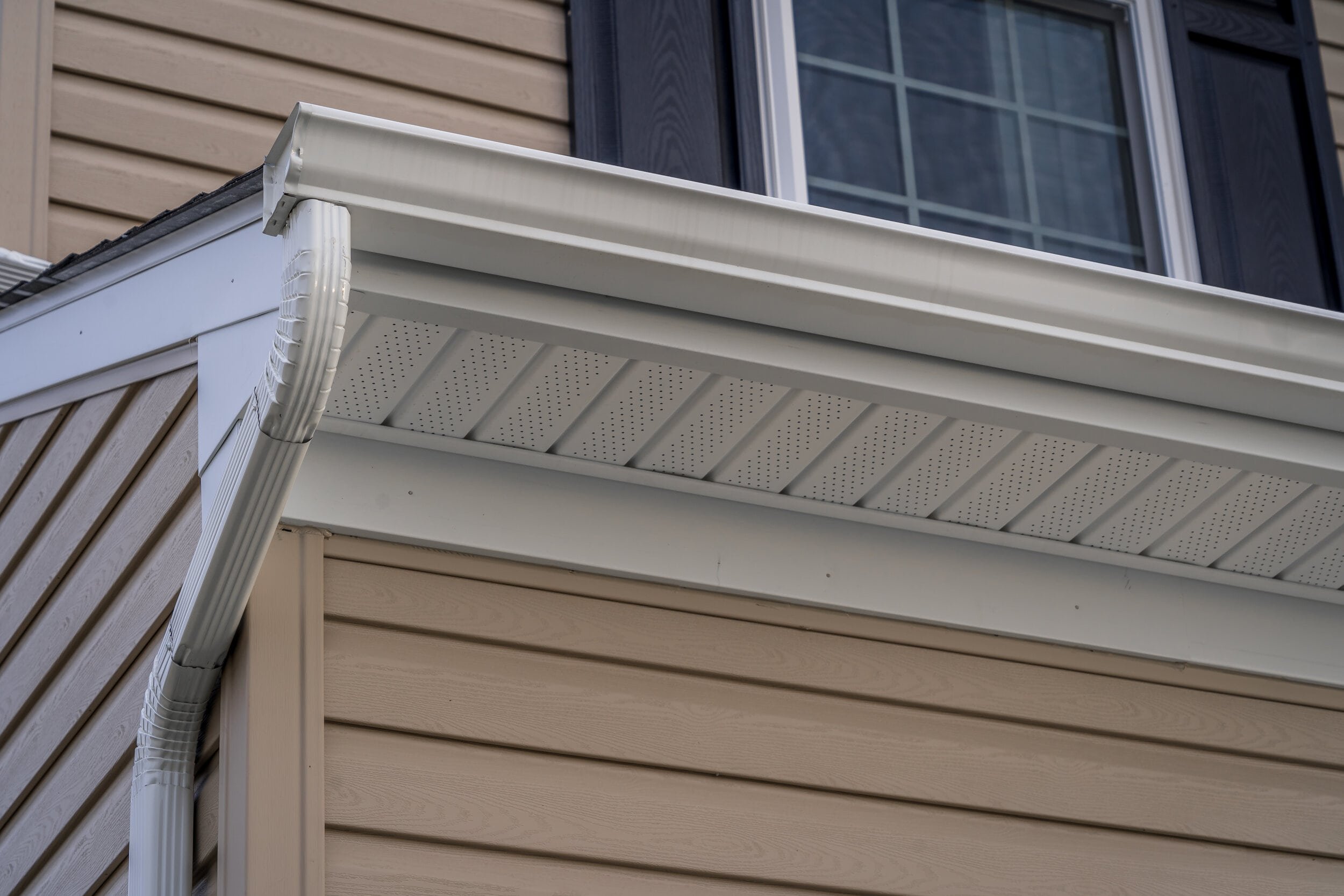
- Gutter systems that pull away from fascia boards
Sealant and Caulking Failures
Caulk and sealant are your last line of defense against water intrusion. They fill the gaps that flashing and proper installation can't address. But sealants fail—especially in Michigan's freeze-thaw environment.
Your warranty should cover:
- Caulk joints that crack or separate within the warranty period
- Sealant failures around penetrations (vents, pipes, electrical boxes)
- Joint sealants on window replacement in Detroit projects that fail prematurely
Realistic Timeframes
Here's where things get nuanced. Workmanship warranty length should match the complexity and exposure of the work:
- Roofing: 5-10 years is standard for quality contractors. As a CertainTeed Master Shingle Applicator, we offer extended workmanship coverage that goes beyond industry norms.
- Siding: 5-10 years, depending on material (fiber cement installations are more complex than vinyl and warrant longer coverage)
- Windows: 2-5 years on installation (the windows themselves carry manufacturer warranties of 20+ years)
- Gutters: 2-5 years on seamless gutters in Detroit, MI
- Painting: 2-5 years, depending on surface prep and number of coats
Be skeptical of lifetime workmanship warranties unless the company has been in business for decades and you've verified they're financially stable. A warranty is only as good as the company backing it.
Red Flags: What Bad Contractors Exclude

Not all workmanship warranties are created equal. Some contractors write warranties designed to protect themselves, not you. Here are the exclusions and loopholes we see most often:
"Acts of God" Loopholes
Some warranties exclude damage from "acts of God," "severe weather," or "extraordinary events." That sounds reasonable until you realize they're using it to avoid covering wind damage, hail impact, or ice dam issues—the exact scenarios where you need protection in Michigan.
A properly installed roof should withstand Michigan weather. That's the point. If shingles rated for 130 mph winds blow off in a 60 mph storm, that's not an act of God. That's poor installation.
What to look for: Warranties that specify coverage for "normal weather conditions" or define what constitutes an excluded event (e.g., hurricanes, tornadoes—rare in Michigan—not ice storms or heavy snow).
Vague Language and Missing Specifics
Beware of warranties that promise to "repair defects" without defining what constitutes a defect, who determines if something qualifies, or what the repair process looks like.
Red flag phrases:
- "We'll make it right" (How? When? At whose expense?)
- "Defects in workmanship" (Define "defect"—is a small leak a defect? What about cosmetic issues?)
- "Reasonable repairs" (What's reasonable to you might not be reasonable to them)
What to look for: Specific language about what's covered, response timeframes (e.g., "We'll respond to warranty claims within 5 business days"), and clear definitions of covered vs. excluded issues.
Short Coverage Periods
A one-year workmanship warranty on a roof replacement is a joke. Most installation issues don't show up immediately—they reveal themselves after a few freeze-thaw cycles, a heavy snow load, or a summer storm.
If a contractor is only willing to stand behind their work for 12 months, they either don't trust their crews or they're planning to be out of business before problems surface.
No Transferability
If you sell your home in Grosse Pointe Farms three years after a roof replacement, can the warranty transfer to the new owner? Some contractors say no, which tanks your home's value and makes the warranty essentially worthless if you move.
What to look for: Transferable warranties with clear terms (some charge a small transfer fee, which is reasonable).
Hidden Exclusions for "Pre-Existing Conditions"
Some warranties exclude issues caused by "pre-existing conditions" without defining what that means. Did the previous owner have a small roof leak that wasn't disclosed? Some contractors will use that as an excuse to void your entire warranty.
What to look for: Warranties that address pre-existing conditions discovered during installation (a good contractor will document these and discuss them with you before proceeding).
Michigan-Specific Considerations
Michigan's climate is hard on homes. If your contractor doesn't understand how freeze-thaw cycles, ice dams, and humidity affect exterior materials, their workmanship warranty won't protect you when it matters.
Freeze-Thaw Cycle Damage
Michigan winters mean water gets into small gaps, freezes, expands, and forces things apart. This is why proper flashing, sealant application, and fastener placement matter so much.
A workmanship warranty should cover:
- Flashing separations caused by freeze-thaw movement
- Caulk joints that fail due to expansion and contraction
- Siding panels that buckle because expansion gaps weren't provided
This is also where insulation services in Southeast Michigan intersect with workmanship warranties. Poor attic insulation leads to heat loss, which melts snow on your roof, which refreezes at the eaves and creates ice dams. A good contractor addresses the system, not just the symptoms.
Ice Dam Prevention and Attic Ventilation
Ice dams form when warm air escapes through your attic, melts snow on the roof, and that meltwater refreezes at the cold eaves. The ice backs up under shingles and leaks into your home.
Here's the question: Is that a workmanship issue or a homeowner maintenance issue?
It depends. If the roofer installed proper ventilation (ridge vents, soffit vents, baffles) and you have adequate attic insulation, ice dams are less likely. If they skipped ventilation or didn't address obvious insulation problems during the roof replacement, that's on them.
A good workmanship warranty should clarify this. Ours does.
Wind Ratings and Storm Damage
Architectural shingles are rated for specific wind speeds—usually 110 to 130 mph when properly installed. If shingles blow off in a 50 mph windstorm, the installation was defective.
Your warranty should cover this, period. No "severe weather" exclusions for normal Michigan wind events.
What NEXT Exteriors Covers
We've been doing this since 1988. We're not going anywhere. Our workmanship warranty reflects that.
Here's what we cover on every project:
- All installation errors: If we installed it wrong, we fix it. No charge. No excuses.
- Material integration failures: Flashing, sealants, fasteners—if it fails due to how we installed it, we handle it.
- Leak repairs: If water gets in because of our work, we find it and fix it.
- Code compliance: All our work meets or exceeds Michigan building codes. If an inspector flags something, we correct it immediately.
Our warranty periods:
- Roofing: 10-year workmanship warranty standard; extended coverage available through our CertainTeed Master Shingle Applicator status
- Siding: 10-year workmanship warranty on James Hardie and LP SmartSide installations; 5 years on vinyl
- Windows: 5-year installation warranty
- Gutters: 5-year workmanship warranty on seamless gutter systems
- Insulation: 5-year workmanship warranty on spray foam and blown-in installations
- Painting: 5-year workmanship warranty on exterior painting in Detroit using Sherwin-Williams products
All warranties are transferable if you sell your home. We've been in business for 35+ years and plan to be here for 35 more.
How to Evaluate a Contractor's Warranty
Before you sign a contract for any exterior work in Macomb County, Oakland County, or St. Clair County, ask these questions:
1. Can I see the warranty in writing before I sign the contract?
If a contractor won't provide written warranty terms upfront, walk away. Verbal promises mean nothing.
2. What specific issues are covered?
Get details. "Defects in workmanship" is too vague. Ask about flashing failures, fastener issues, leak repairs, and material integration problems.
3. What's excluded?
Every warranty has exclusions. Make sure they're reasonable (e.g., damage from falling trees or homeowner modifications) and not loopholes to avoid normal wear and weather exposure.
4. How long is the coverage period?
Compare this to industry standards. If it's significantly shorter, ask why.
5. Is the warranty transferable?
This matters if you plan to sell your home. Get transfer terms in writing.
6. What's the claims process?
How do you report a problem? What's the response timeframe? Who determines if an issue is covered? What happens if you disagree?
7. Is the contractor licensed and insured?
Check their Michigan Residential Builder's License. Verify they carry liability insurance and workers' compensation. A warranty from an unlicensed contractor is worthless—and illegal work voids your homeowner's insurance.
8. How long has the company been in business?
A 10-year warranty from a company that's been around for two years is a gamble. Look for established contractors with track records.
9. What do reviews say about warranty claims?
Check Google, BBB, and social media. Do customers mention the company honoring warranties? Or do you see complaints about ignored claims?
Pro tip: Ask the contractor for references from customers whose warranty claims they've honored. If they can't provide any, that's a red flag.
The Cost Reality of Warranty Coverage
Here's something most contractors won't tell you: comprehensive workmanship warranties cost money to provide.
When we offer a 10-year workmanship warranty on a roof replacement, we're committing to come back and fix problems for a decade—even if it costs us money. We build that risk into our pricing. We have to stay in business to honor those warranties, which means maintaining proper insurance, keeping skilled crews employed, and not cutting corners to win bids.
If you're comparing three quotes for a roof replacement in Troy and one is $8,000 cheaper than the others, ask about the warranty. Chances are it's shorter, vaguer, or backed by a company that won't be around in five years.
The cheapest bid usually comes from contractors who:
- Don't carry proper insurance
- Use subcontractors they can't control
- Skip steps to save time
- Offer minimal or no workmanship coverage
- Plan to be out of business before problems surface
We're not the cheapest option in Southeast Michigan. We're the option that'll still be here when you need us.
Ready to Get Started?
NEXT Exteriors has been protecting Michigan homes since 1988. Get a free, no-pressure estimate from a team that shows up on time and does the job right—backed by workmanship warranties that actually mean something.
Get Your Free QuoteOr call us: (844) 770-6398
Frequently Asked Questions
A manufacturer warranty covers defects in the materials themselves—shingles that crack prematurely, siding that warps, windows that fail to seal. A workmanship warranty covers installation errors—leaks from improper flashing, shingles that blow off due to inadequate nailing, siding that buckles because expansion gaps weren't provided. Most problems homeowners experience are workmanship issues, not material defects.
Industry standard is 5-10 years for reputable contractors. We offer 10-year workmanship warranties on all roofing projects, with extended coverage available through our CertainTeed Master Shingle Applicator status. Be skeptical of contractors offering only 1-2 years—most installation problems don't show up immediately. Also be wary of "lifetime" workmanship warranties unless the company has been in business for decades.
It depends on the contractor. Our workmanship warranties are fully transferable to new homeowners, which protects your investment and makes your home more attractive to buyers. Some contractors charge a small transfer fee (typically $50-150), which is reasonable. Avoid contractors whose warranties aren't transferable—that significantly reduces the value of the warranty.
Walk away. Verbal promises are meaningless when you're dealing with a leak two years after installation. Any legitimate contractor will provide detailed written warranty terms before you sign a contract. If they won't, they're either hiding something or they're not professional enough to work with.
It depends on the cause. If ice dams form because the contractor didn't install proper attic ventilation or address obvious insulation issues during a roof replacement, that's a workmanship issue. If ice dams form because your attic has inadequate insulation (which wasn't part of the roofing project), that's a separate problem. Good contractors clarify this in their warranty terms and discuss attic ventilation and insulation during the estimate process.
Yes, if the damage results from improper installation. Architectural shingles are rated for 110-130 mph winds when installed correctly. If shingles blow off in a 50-60 mph storm (normal for Michigan), that's an installation failure, not an "act of God." Be wary of warranties that exclude "severe weather" or "wind damage"—those are loopholes to avoid covering normal Michigan weather events.
Call us at (844) 770-6398 or email info@nextexteriorsmi.com. Describe the issue and send photos if possible. We respond to warranty claims within 5 business days and schedule an inspection to assess the problem. If it's covered under warranty, we'll schedule repairs at no charge. If it's not covered (e.g., damage from a fallen tree or homeowner modifications), we'll explain why and provide options for repair.