

Contractors Siding Installation Michigan: What to Expect

You've picked your siding. You've signed the contract. Now comes the part most homeowners worry about: what actually happens when the crew shows up?
After 35 years installing siding across Southeast Michigan — from brick Colonials in Grosse Pointe Farms to 1960s ranches in Sterling Heights — we've learned that the best projects start with clear expectations. Homeowners who know what's coming are calmer, more prepared, and happier with the finished product.
This guide walks you through the entire house siding installation in Detroit process, from the day before the crew arrives to the final walkthrough. No fluff. Just what actually happens when you hire contractors for siding installation in Michigan.
Before the Crew Arrives — Permits, Planning, and Prep
Good siding jobs start before anyone touches your house. Here's what should happen in the days leading up to installation.
Permits and Inspections
In most Michigan municipalities, replacing siding requires a building permit. Your contractor should handle this — it's part of what you're paying for. The permit ensures the work meets Michigan Residential Code requirements for exterior cladding, which includes proper fastening, moisture barriers, and fire-resistance ratings.
Some townships in Macomb and Oakland counties also require a final inspection after the work is complete. A licensed contractor knows the local requirements and schedules inspections at the right time. If someone tells you "we can skip the permit to save money," walk away. That's a liability you don't want.
Material Delivery and Staging
Siding materials typically arrive 1-3 days before installation begins. Expect pallets of siding panels, boxes of trim pieces, housewrap rolls, and fasteners. Most contractors stage materials in your driveway or along the side of the house.
If you're getting James Hardie fiber cement or LP SmartSide engineered wood, those materials are heavy. A two-story Colonial might require 40+ boxes of siding, each weighing 60-70 pounds. Make sure there's clear access to the staging area and that sprinkler heads or landscaping won't be damaged.
Homeowner Prep Checklist:
- Move vehicles out of the driveway and away from the house
- Clear patio furniture, grills, and planters from around the perimeter
- Trim bushes or shrubs within 3 feet of the house (or ask the crew to work around them)
- Remove wall-mounted items like hose reels, mailboxes, or light fixtures if they're in the way
- Let neighbors know there will be noise and activity
- Arrange for pets to be indoors or away from the work area
Weather Contingency Planning
Michigan weather doesn't care about your schedule. Rain, high winds, or temperatures below freezing can delay siding installation. Most contractors won't install siding if it's raining heavily (moisture trapped behind siding leads to rot) or if winds exceed 20-25 mph (panels can catch the wind and become dangerous).
Your contractor should communicate weather delays promptly. At NEXT Exteriors, we monitor forecasts closely and adjust schedules as needed. We'd rather push a project back a day than rush through it in bad conditions.
Day One — Removal and Inspection
The first day is loud, messy, and crucial. This is when you find out what's really under your old siding.
Old Siding Removal
Crews typically start at the top of the house and work down, removing siding panels, trim, and any old housewrap or building paper. Vinyl siding comes off in large sections. Aluminum siding requires more cutting and prying. Wood siding — especially if it's been painted multiple times — can be stubborn.
Expect noise. Pry bars, reciprocating saws, and hammers are the soundtrack of removal day. The crew will also remove any exterior trim around windows and doors that interferes with the new siding installation.
What Contractors Look For Underneath
Once the old siding is off, the sheathing is exposed. This is the plywood or OSB layer attached to the wall studs. A good contractor inspects every inch for:
- Rot or water damage: Common around windows, doors, and anywhere flashing failed
- Mold or mildew: Indicates moisture intrusion over time
- Loose or damaged sheathing: Needs to be re-fastened or replaced
- Missing or deteriorated housewrap: Older homes often have tar paper or nothing at all
- Insect damage: Carpenter ants and termites love wet wood
Michigan's freeze-thaw cycles are brutal on poorly installed siding. Water gets behind the siding, freezes, expands, and cracks the sheathing. We've seen homes in Royal Oak and Troy where the entire north-facing wall needed sheathing replacement because ice dams sent meltwater down behind the siding for years.
If rot or damage is found, the contractor should stop, document it with photos, and give you a price for repair before proceeding. Legitimate contractors don't hide this stuff — they show you the problem and explain the fix.
Dumpster Placement and Debris Management
A full siding tear-off generates a lot of waste. Most contractors bring a dumpster or trailer and park it as close to the house as possible. Crews toss old siding, trim, and damaged sheathing directly into the dumpster to keep the site clean.
At the end of each day, the crew should walk the property with a magnet roller to pick up nails and screws. This is especially important if you have kids or pets. A professional crew doesn't leave sharp debris in your yard.
The Installation Process — Step by Step
Once removal and repairs are complete, the real work begins. Here's how contractors for siding installation in Michigan should approach the job.
Moisture Barrier and Housewrap Installation
Before any siding goes up, the entire house gets wrapped in a weather-resistant barrier (WRB). This is typically a product like Tyvek HomeWrap or a similar breathable membrane. The housewrap sheds water that gets behind the siding while allowing water vapor from inside the house to escape.
Proper housewrap installation is critical in Michigan. The barrier must overlap correctly (upper sheets over lower sheets, like roof shingles) and be taped at all seams. Windows and doors get special flashing tape to direct water away from openings.
If your contractor skips the housewrap or uses cheap, non-breathable material, you're setting yourself up for moisture problems. We've torn off siding on homes in Clinton Township where the previous contractor used roofing felt instead of proper housewrap. The walls were soaked.
Starter Strips and J-Channel Placement
The starter strip is a narrow piece of trim installed at the bottom of the wall. The first row of siding panels locks into this strip. If the starter strip isn't level, every row above it will be crooked.
J-channel is installed around windows, doors, and at corners. It creates a pocket for the cut ends of siding panels to slide into, giving a clean, finished look. J-channel also directs water away from vulnerable areas.
Good contractors use a laser level or chalk line to ensure starter strips and J-channel are perfectly straight. Eyeballing it doesn't cut it.
Panel Installation Technique
Siding panels are installed from the bottom up, one row at a time. Each panel locks into the one below it and gets nailed through pre-punched slots at the top edge.
Here's where craftsmanship matters:
- Nailing: Nails go in the center of the slot, not at the edges. This allows the panel to expand and contract with temperature changes. Michigan sees 100°F swings from winter to summer — siding needs room to move. Nails should be snug but not tight. If you over-drive the nail, the panel can't move and will buckle.
- Expansion gaps: Panels need 1/4" to 3/8" of clearance at corners, J-channel, and trim. Without this gap, the siding will buckle when it expands in summer heat.
- Overlaps: Horizontal siding panels overlap by about 1". The overlap should face away from the most common wind direction (usually west or northwest in Michigan) to prevent wind-driven rain from getting behind the seam.
Vinyl siding is the most forgiving material — it's flexible and easy to work with. James Hardie fiber cement requires more precision. It's brittle, so cutting and fitting require skill. LP SmartSide engineered wood is somewhere in between — easier to cut than fiber cement but less forgiving than vinyl.

Window and Door Trim Details
Windows and doors are where water intrusion happens if the details aren't right. Each opening should have:
- Flashing tape applied to the housewrap before J-channel goes on
- J-channel cut at 45-degree angles at corners for a tight fit
- Drip cap or head flashing above windows to direct water away
- Proper clearance between the siding and the window frame (usually 1/4")
We've seen too many Michigan homes where contractors skipped the flashing tape or didn't miter the J-channel corners. Water finds those gaps every time, especially during heavy rain or snowmelt. If you're also considering window replacement in Detroit, coordinating siding and window installation ensures proper flashing and weatherproofing.
Why Corners and Transitions Matter in Michigan Weather
Outside corners get corner posts or corner trim. Inside corners get J-channel or inside corner trim. These transitions need to be tight and properly flashed. Michigan's wind-driven rain and snow will exploit any gap.
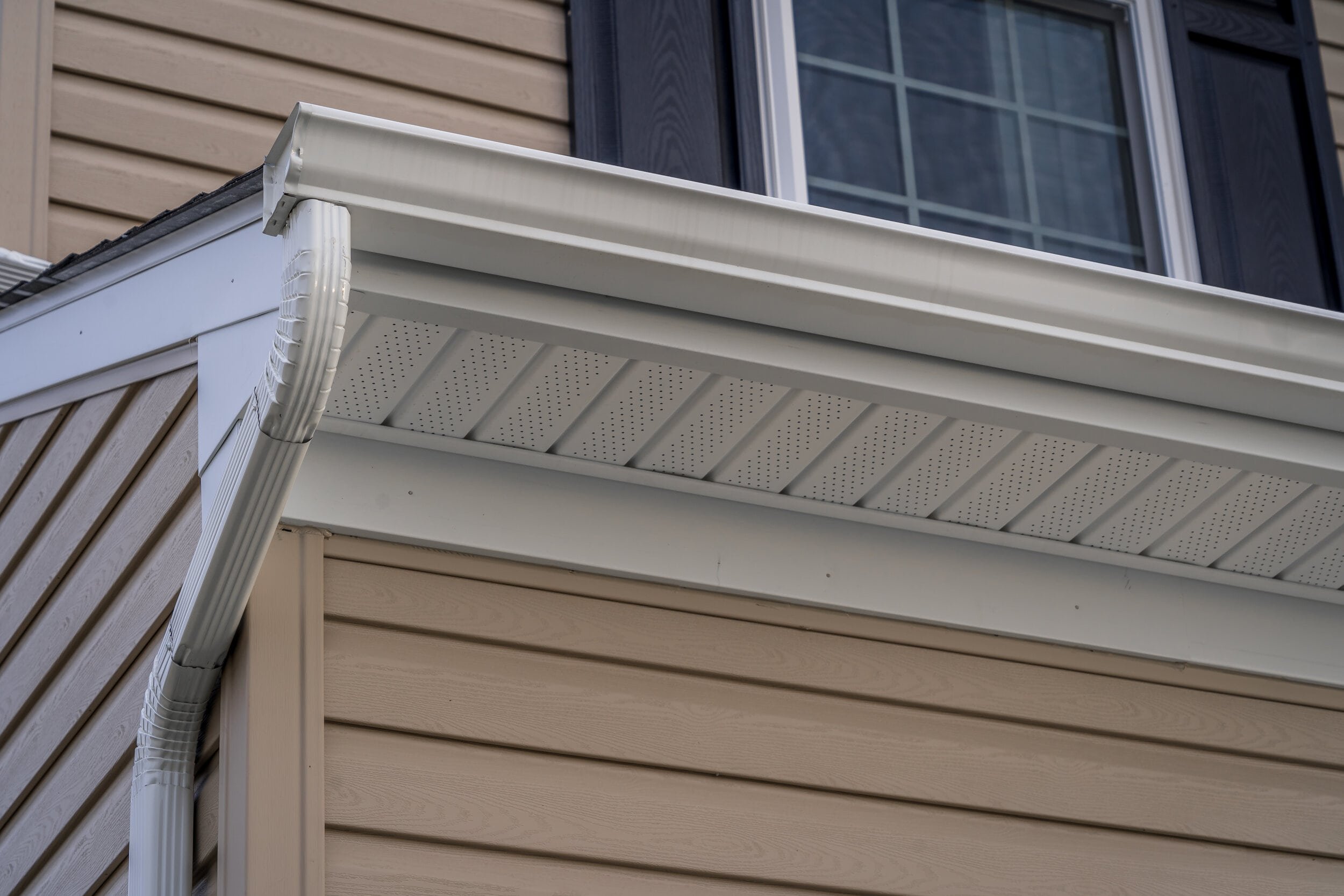
Where siding meets the roof, a contractor should install a kickout flashing to direct water into the gutters instead of behind the siding. This is especially important on two-story homes where the upper roof meets a lower wall. Without kickout flashing, water runs down the wall and soaks the sheathing. We've repaired dozens of homes in Shelby Township and Lake Orion where missing kickout flashing caused rot in the wall cavity.
Speaking of gutters, properly functioning seamless gutters in Detroit, MI are critical to protecting your new siding from water damage.
Timeline Reality — How Long Does Siding Installation Take?
Homeowners always want to know: how long will this take?
The honest answer: it depends on the size of your house, the complexity of the job, the weather, and what we find when the old siding comes off.
Typical Project Duration for Michigan Homes
Here are realistic timelines based on our experience across Southeast Michigan:
- Single-story ranch (1,200-1,500 sq ft): 3-5 days
- Two-story Colonial (2,000-2,500 sq ft): 5-7 days
- Large two-story or complex architecture (3,000+ sq ft): 7-10 days
These timelines assume good weather and no major surprises. If we find extensive rot or sheathing damage, add 1-3 days for repairs. If it rains for two days straight, the project stops until conditions improve.
Factors That Extend Timelines
- Weather delays: Rain, high winds, freezing temperatures
- Rot or structural repairs: Common on older homes, especially around windows and doors
- Custom trim or architectural details: Bay windows, dormers, complex rooflines
- Material delays: Special-order colors or trim pieces can take extra time to arrive
- Coordination with other trades: If you're also getting new energy-efficient windows in Southeast Michigan or exterior painting in Detroit, the timeline extends
What "Working Hours" Actually Means
Most siding crews work 7:00 AM to 4:00 PM, Monday through Friday. Some contractors work Saturdays to keep projects on schedule. Expect noise during those hours — saws, nail guns, and radio music are part of the deal.
At NEXT Exteriors, we communicate daily with homeowners. If we're running behind, you'll know why. If we're ahead of schedule, we'll tell you when we expect to finish. No surprises.
Cost Breakdown — What You're Actually Paying For
Siding installation isn't cheap, and homeowners deserve to know where their money goes. Here's the breakdown.
Material Costs
Siding material is the biggest variable in project cost:
- Vinyl siding: $3-$7 per square foot installed (most affordable, low maintenance, 20-30 year lifespan)
- Fiber cement (James Hardie): $8-$14 per square foot installed (premium durability, 30-50 year lifespan, fire-resistant)
- Engineered wood (LP SmartSide): $6-$10 per square foot installed (wood look, better moisture resistance than real wood)
These prices include materials, labor, and installation. A 2,000 sq ft home with vinyl siding might cost $8,000-$14,000. The same home with James Hardie could run $16,000-$28,000.
For more on material choices, see our guide on what siding protects against moisture and rot in Michigan.
Labor and Skill Premium
Labor accounts for 40-60% of the total project cost. Skilled siding installers earn that premium. Proper nailing, expansion gaps, flashing details, and trim work require experience. A crew that's been doing this for years works faster and makes fewer mistakes than a crew learning on the job.
You're also paying for insurance, workers' compensation, and licensing. A legitimate contractor carries general liability and workers' comp. If someone gets hurt on your property and the contractor isn't insured, you could be liable. Cheap bids often come from uninsured crews.
Disposal and Cleanup
Dumpster rental, debris removal, and site cleanup are part of the contract. Expect $500-$1,200 for disposal, depending on the size of the job and how much old siding comes off.
A professional crew cleans up daily. Nails, scraps, and debris don't pile up in your yard. At the end of the project, the site should look better than it did before we started.
Warranty Coverage
Good contractors offer a workmanship warranty (typically 5-10 years) in addition to the manufacturer's material warranty. CertainTeed, James Hardie, and LP SmartSide all offer limited lifetime warranties on their products, but those warranties only cover defects — not installation errors.
Ask your contractor: what does your workmanship warranty cover? If panels buckle, seams leak, or trim fails due to installation mistakes, who pays to fix it?
Why the Cheapest Bid Often Costs More
If one bid is 30-40% lower than the others, there's a reason. Common corners cut by low-bid contractors:
- No housewrap or cheap, non-breathable material
- Skipping flashing around windows and doors
- Using the cheapest grade of siding (thinner, less durable)
- No permits or inspections
- Inexperienced or unlicensed crews
- No insurance or warranty
You'll pay to fix those shortcuts later — usually within 3-5 years when panels start buckling, water leaks behind the siding, or the whole job needs to be redone. We've re-sided dozens of Michigan homes where the original contractor went cheap. It's expensive the second time around.
Signs of Quality Work vs. Shortcuts
Not all siding jobs are created equal. Here's how to tell the difference between quality craftsmanship and a rush job.
Proper Nailing Patterns and Spacing
Walk around your house during installation. Look at how the crew is nailing:
- Nails should be in the center of the nail slots, not at the edges
- Nails should be snug but not tight — you should be able to slide the panel side to side slightly
- Nail spacing should be consistent (typically 16" on center for vinyl, 8-12" for fiber cement)
If you see nails driven through the siding face (instead of through the nailing hem), that's a red flag. Face-nailing is sometimes necessary around windows or corners, but it should be minimal and properly sealed.
Expansion Gap Allowances for Michigan Temperature Swings
Michigan homes see extreme temperature swings. Vinyl siding can expand and contract up to 1/2" over a 12-foot length. Without proper expansion gaps, panels buckle and warp.
Check the gaps:
- At inside and outside corners: 1/4" minimum
- At J-channel around windows and doors: 1/4" minimum
- Where panels butt together (if applicable): 1/4" minimum
If the siding is tight against the trim with no gap, it will buckle when summer heat hits. We've seen this on homes in Warren and St. Clair Shores where contractors installed siding in cold weather and didn't account for expansion.
Flashing Around Windows and Doors
You can't always see the flashing once the siding is up, but you can ask to see it during installation. Proper flashing includes:
- Flashing tape applied to the housewrap before J-channel installation
- Drip cap or head flashing above windows
- Kickout flashing where siding meets the roof
- Step flashing where siding meets a roof slope
If your contractor can't show you the flashing or says "we don't need it," find a different contractor. Flashing is the difference between a siding job that lasts 30 years and one that rots in 10.
Trim Work and Finish Details
The difference between a good siding job and a great one is in the details:
- Corner trim should be plumb (perfectly vertical) and tight to the siding
- J-channel around windows should be mitered at 45-degree angles, not overlapped
- Soffit and fascia should be aligned and properly ventilated
- All seams should be tight with no gaps or buckling
Step back and look at the finished wall. Does it look clean and professional, or can you see wavy lines, gaps, or misaligned trim? Trust your eyes.
What to Inspect Before Final Payment
Before you write the final check, do a walkthrough with the contractor. Check:
- All siding panels are secure and properly locked together
- No visible gaps, buckling, or waviness
- Trim is tight and aligned
- All old siding, nails, and debris have been removed
- Gutters are clean and reattached (if they were removed)
- Landscaping is intact (or damage has been addressed)
If something isn't right, point it out. A good contractor will fix it before you pay the final invoice.
After Installation — Cleanup, Inspection, and Maintenance
The job isn't done when the last panel goes up. Here's what should happen after installation is complete.
Final Walkthrough Checklist
Your contractor should walk the property with you and point out:
- Where the siding ties into the roof, windows, and doors
- How to operate any vents or access panels
- What to watch for in the first year (settling, minor adjustments)
- How to clean and maintain the siding
This is also the time to ask questions. If you're not sure about something, speak up. A good contractor wants you to understand the work.
Warranty Registration
Most siding manufacturers require warranty registration within 30-90 days of installation. Your contractor should provide:
- Product documentation and warranty information
- Proof of purchase and installation date
- Instructions for registering the warranty online
If the contractor doesn't mention the warranty, ask for it. CertainTeed, James Hardie, and LP SmartSide all have online warranty registration portals.
First-Year Maintenance Tips
New siding is low maintenance, but it's not no maintenance. Here's what to do in the first year:
- Inspect after storms: Check for loose panels, damaged trim, or debris buildup
- Clean once a year: Use a garden hose and soft brush to remove dirt, pollen, and mildew. Avoid pressure washers on vinyl siding — they can force water behind the panels
- Check caulking: Any caulk around windows, doors, or trim should remain flexible. If it cracks, re-caulk with a high-quality exterior sealant
- Trim vegetation: Keep bushes and tree branches at least 12" away from the siding to prevent moisture buildup and damage
For more on keeping your siding looking fresh, see our post on does vinyl siding fade over time.
When to Call Your Contractor Back
Most issues show up in the first 6-12 months. Call your contractor if you notice:
- Panels buckling, warping, or pulling away from the wall
- Water stains on the interior walls (sign of a leak)
- Loose or missing trim
- Gaps opening up at seams or corners
- Unusual noises during high winds
A reputable contractor will come back and fix installation-related issues under the workmanship warranty. Don't wait — small problems become big problems if ignored.
NEXT Exteriors Covers More Than Siding: While you're upgrading your home's exterior, consider our full range of exterior services in Detroit, including roof replacement in Metro Detroit, attic insulation in Metro Detroit, and more. We coordinate all trades to minimize disruption and ensure every detail works together.
Ready to Get Started?
NEXT Exteriors has been protecting Michigan homes since 1988. Get a free, no-pressure estimate from a team that shows up on time and does the job right.
Get Your Free QuoteOr call us: (844) 770-6398
Frequently Asked Questions
A single-story ranch (1,200-1,500 sq ft) typically takes 3-5 days. A two-story Colonial (2,000-2,500 sq ft) takes 5-7 days. Larger or more complex homes can take 7-10 days. Weather delays, rot repairs, and custom trim work can extend the timeline. We communicate daily so you always know where the project stands.
Yes, most municipalities in Macomb, Oakland, and St. Clair counties require a building permit for siding replacement. Your contractor should handle the permit application and schedule any required inspections. Skipping the permit can lead to fines and complications when you sell your home.
Vinyl siding is the most affordable ($3-$7/sq ft installed), low maintenance, and lasts 20-30 years. Fiber cement (James Hardie) costs more ($8-$14/sq ft) but lasts 30-50 years, resists fire, and holds paint better. Engineered wood (LP SmartSide) offers a wood look with better moisture resistance than real wood, priced at $6-$10/sq ft. Your choice depends on budget, aesthetics, and long-term goals.
Look for proper nailing (nails in the center of slots, not over-driven), expansion gaps at corners and trim (1/4" minimum), flashing around windows and doors, and straight, aligned trim. Ask to see the housewrap and flashing during installation. If the contractor can't show you these details or gets defensive when you ask questions, that's a red flag.
Not if it's installed correctly. Vinyl siding expands and contracts with temperature changes — up to 1/2" over 12 feet. Proper installation includes expansion gaps at corners, trim, and J-channel, and nails placed in the center of slots so panels can move. If siding is nailed too tight or installed without gaps, it will buckle in summer heat. This is why hiring experienced contractors matters.
We stop, document the damage with photos, and give you a price for repair before proceeding. Rot is common around windows, doors, and anywhere water got behind the old siding. Michigan's freeze-thaw cycles make it worse. We replace damaged sheathing, treat any mold, and ensure the wall is structurally sound before installing new siding. Legitimate contractors don't hide this — we show you the problem and explain the fix.
Clean it once a year with a garden hose and soft brush to remove dirt, pollen, and mildew. Avoid pressure washers on vinyl — they can force water behind the panels. Trim bushes and tree branches at least 12" away from the siding. Check caulking around windows and doors annually and re-caulk if it cracks. Inspect after storms for loose panels or damaged trim. That's it — siding is low maintenance by design.