

Best Home Renovation Projects Siding Michigan 2026
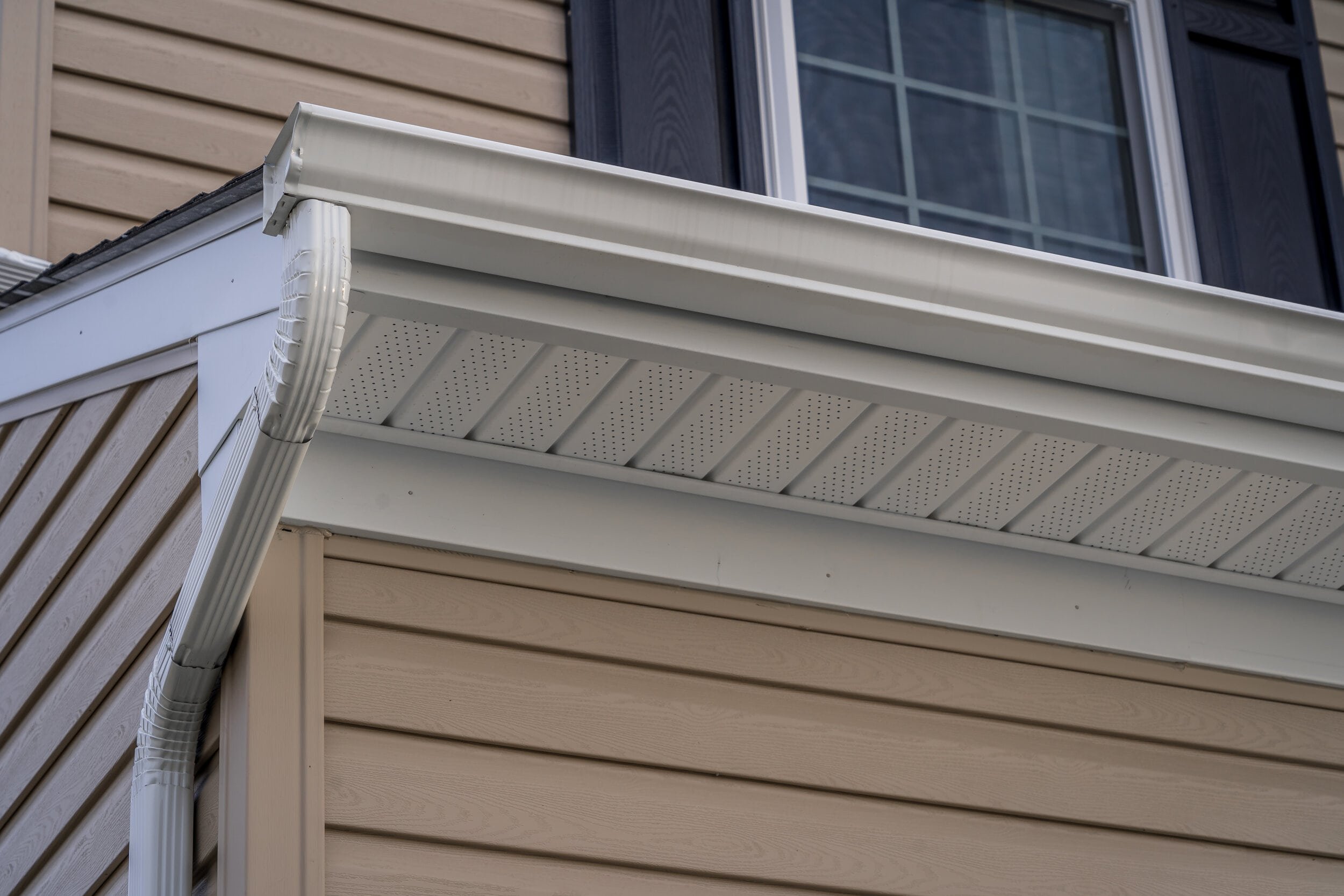
After 35 years of working on Michigan homes, I've seen every renovation trend come and go. But here's what hasn't changed: homeowners in Sterling Heights, Troy, and across Southeast Michigan want to know which projects actually deliver value—not just curb appeal, but real protection against our brutal freeze-thaw cycles, lower energy bills, and solid return on investment.
Let me be direct: siding replacement consistently ranks as one of the best home renovation projects in Michigan, but only when it's done right. And "right" means understanding how materials perform when temperatures swing from -10°F in January to 95°F in July, how moisture management prevents rot in our humid summers, and which upgrades actually move the needle on resale value versus contractor upsells.
This isn't a listicle. It's a contractor's honest breakdown of what works in Michigan—backed by building science, real project costs, and three decades of fixing other people's mistakes.
Why Siding Tops the List for Michigan Homes
According to Remodeling Magazine's 2026 Cost vs. Value Report, siding replacement delivers one of the highest ROIs for Midwest homes—typically recovering 75-85% of project costs at resale. But the real value isn't just resale. It's what happens between installation and the day you sell.
Michigan's climate is uniquely destructive. We don't just get cold winters—we get freeze-thaw cycles that repeat 40-50 times per season in Southeast Michigan. Water infiltrates tiny cracks, freezes, expands, and tears materials apart from the inside. That's why you see so many 1980s vinyl siding jobs with buckled panels and water damage behind the trim.
When we work on house siding in Detroit and surrounding areas, we're not just replacing what's visible. We're addressing the water management system that protects your sheathing, framing, and insulation.
Material Performance in Michigan Weather
Here's what actually matters when choosing siding for a Michigan home:
Vinyl Siding: Modern premium vinyl (0.046" thickness or higher) performs well in Michigan if properly installed with expansion gaps. The problem? Most installers don't leave adequate room for thermal expansion. When vinyl heats up in July sun, it expands. If it's nailed tight, it buckles. We see this constantly on south-facing walls in Rochester Hills and Bloomfield Hills—dark-colored vinyl installed without proper clearance.
Fiber Cement (James Hardie): This is the gold standard for Michigan durability. James Hardie's ColorPlus technology bonds paint at the factory level, creating a finish that withstands UV exposure and moisture far better than field-applied paint. It's dimensionally stable—meaning it doesn't expand and contract like vinyl—and it's non-combustible. The downside? Higher upfront cost ($12-16 per square foot installed in 2026) and more labor-intensive installation.
Engineered Wood (LP SmartSide): LP's treated strand technology creates a product that resists moisture, fungal decay, and termites better than traditional wood. It takes paint beautifully and offers the texture homeowners want without the maintenance of cedar. We've installed LP SmartSide on dozens of homes in Grosse Pointe Farms and Lake Orion—it performs exceptionally well in Michigan's humidity when paired with proper flashing and drainage.

Contractor Reality Check: The siding material matters less than the installation details. Proper house wrap, flashing around windows and doors, and correct fastener placement prevent 90% of siding failures we see. A cheap material installed correctly outlasts premium material installed wrong.
The Insulation Factor Nobody Talks About
Here's what separates smart renovations from cosmetic ones: insulation upgrades multiply the effectiveness of every other exterior improvement.
Michigan's 2021 Residential Code requires minimum R-values that most homes built before 2000 don't meet. We're talking R-49 to R-60 in attics, R-20 in walls, and R-30 in floors over unconditioned spaces. When we inspect homes in Clinton Township and Shelby Township, we routinely find attics with R-19 or less—barely half of current code.
The connection to siding? When you're already removing old siding, adding rigid foam insulation or upgrading wall cavities costs a fraction of what it would as a standalone project. We're talking about improving your wall assembly from R-13 (standard 2x4 construction with fiberglass batts) to R-20+ with minimal additional cost.
Where Insulation Delivers Real Returns
Attic Insulation: This is the single highest-ROI energy upgrade for Michigan homes. Heat rises, and in winter, your furnace is literally heating the outdoors through an under-insulated attic. Blown-in cellulose or fiberglass to R-60 typically costs $1.50-2.50 per square foot and pays for itself in 3-5 years through reduced heating costs.
Wall Cavity Upgrades: If you're replacing siding anyway, dense-pack cellulose in existing wall cavities adds R-13 to R-15 without tearing out interior drywall. It also air-seals better than traditional fiberglass batts, reducing drafts around outlets and baseboards.
Basement and Crawl Space: This is where moisture meets cold concrete, creating condensation, mold, and energy loss. Closed-cell spray foam on foundation walls creates both insulation (R-6 to R-7 per inch) and a vapor barrier. For Michigan homes with finished basements, this upgrade prevents that musty smell and keeps floors warmer.
Our top-rated insulation contractor in Detroit services often get bundled with siding projects because it's the logical time to address the entire building envelope, not just the visible layer.
Roofing Projects That Pay Off
Let's talk about roofs. Not the marketing version—the version you need to hear if you're spending $8,000-$25,000 on a replacement.
Michigan's roof systems face extreme stress. Lake-effect snow dumps 2-3 feet in 24 hours on homes near Lake St. Clair. Summer storms bring 60+ mph straight-line winds. Ice dams form when heat escapes through under-insulated attics, melting snow that refreezes at the eaves and backs water under shingles.
We've been providing Detroit roofing services since 1988, and here's what actually matters:
Shingle Quality Makes or Breaks Longevity
Not all architectural shingles are created equal. The difference between a builder-grade shingle and a premium product isn't just warranty length—it's material composition, wind rating, and algae resistance.
CertainTeed Landmark Series: These are our go-to for most residential projects. They carry a 130 mph wind rating (critical for Michigan storms), Class A fire rating, and StreakFighter algae resistance. As a CertainTeed Master Shingle Applicator in Michigan, we can offer extended warranties that standard installers can't.
GAF Timberline HDZ: GAF's LayerLock technology mechanically bonds shingle layers, creating exceptional wind resistance. The StainGuard Plus algae protection is factory-applied, not an afterthought. These shingles perform exceptionally well on steep-slope roofs common in Royal Oak and Troy.
Owens Corning Duration: SureNail technology improves nail pull-through resistance—a huge factor when installers are working fast. The integrated starter strip reduces installation errors at the eaves, where most wind damage begins.

Ice Dam Prevention: The Unsexy Upgrade That Matters
Ice dams aren't a roofing problem—they're an attic ventilation and insulation problem. When attic temperatures rise above freezing while outdoor temps stay below 32°F, you get melt-freeze cycles that create ice dams.
The fix isn't just better shingles. It's:
- Proper soffit and ridge ventilation: 1 square foot of net free ventilation area per 150 square feet of attic space (or 1:300 with vapor barrier)
- Air sealing: Stopping warm air from leaking into the attic through recessed lights, plumbing penetrations, and top plates
- Adequate insulation: R-49 minimum in Southeast Michigan climate zone
- Ice and water shield: Self-adhering membrane at eaves and valleys that creates a watertight barrier even when ice backs water up
We wrote an entire guide on why ice dams form in Michigan and how to stop them because this issue costs homeowners thousands in water damage every winter.
Window Replacement Reality Check
Window replacement is where homeowners get the most contradictory advice. Some contractors push whole-house replacement. Others say repair everything. Here's the truth: it depends on your home's age, window condition, and where you're losing the most energy.
Michigan is Climate Zone 5, which means ENERGY STAR requires windows with U-factors of 0.30 or less. Most windows installed before 2000 have U-factors of 0.40-0.50, meaning they're losing 30-40% more heat than modern units.
Which Windows Matter Most
Not every window in your home loses equal amounts of energy. North-facing windows see almost no solar gain but lose heat constantly in winter. South-facing windows gain solar heat but need low-E coatings to prevent summer overheating.
Our Detroit window experts typically recommend prioritizing:
- Basement windows: Often single-pane, these are massive heat sinks and security vulnerabilities
- North and west-facing windows: Take the brunt of winter winds and summer heat
- Failed seals: If you see condensation between panes, the insulating gas has leaked out and thermal performance is shot
Double-hung vs. Casement: Casement windows (crank-open style) seal tighter than double-hung because the sash compresses against the frame when closed. For Michigan's wind-driven rain, casements typically perform better. But double-hung windows fit the aesthetic of most Colonial and Cape Cod homes in Southeast Michigan.
Budget Strategy: Replace the worst-performing windows first (typically north-facing and basement), then upgrade others as budget allows. Strategic replacement beats whole-house mediocrity.
Gutter and Drainage Upgrades
Gutters don't get the attention of siding or roofing, but they're the unsung heroes of home protection. Poor drainage causes foundation settling, basement flooding, and erosion around your home's perimeter.
Michigan gets 30-35 inches of precipitation annually, with intense summer thunderstorms that dump 2-3 inches in an hour. Standard 5-inch K-style gutters can't handle that volume on larger roof planes. We routinely upgrade to 6-inch gutters on homes in Chesterfield and Macomb with steep roofs or multiple valleys.
Seamless vs. Sectional Gutters
Seamless gutters in Detroit, MI are formed on-site to exact measurements, eliminating joints where leaks typically develop. Sectional gutters have seams every 10 feet—each one a potential failure point.
The cost difference is minimal ($1-2 per linear foot), but the longevity difference is significant. Seamless aluminum gutters last 20-25 years in Michigan. Sectional gutters develop leaks in 10-15 years as sealant degrades through freeze-thaw cycles.

Proper Sizing and Slope
Gutters need 1/4 inch of slope per 10 feet to drain properly. Too flat, and water pools. Too steep, and water overshoots downspouts during heavy rain. We see improperly sloped gutters on almost every home we inspect—usually because the installer eyeballed it instead of using a level and measuring.
Downspout placement matters just as much. Water should discharge at least 6 feet from the foundation, ideally into underground drains that carry it to the street or a dry well. That cheap plastic splash block isn't cutting it—it just moves the problem 3 feet away from your foundation.
Cost vs. Value Breakdown
Let's talk real numbers for Southeast Michigan in 2026. These are actual project costs we're quoting, not national averages that don't account for Michigan labor rates or material availability.
Siding Replacement
- Vinyl siding (premium): $8,000-$14,000 for a 1,500 sq ft home
- Fiber cement (James Hardie): $18,000-$28,000 for the same home
- Engineered wood (LP SmartSide): $15,000-$24,000
ROI: 75-85% at resale, plus 15-20% reduction in heating/cooling costs with proper insulation upgrades.
Roofing Replacement
- Architectural shingles: $8,000-$16,000 for 2,000 sq ft roof (depending on pitch and complexity)
- Premium shingles (50-year warranty): $12,000-$22,000
ROI: 60-70% at resale, but prevents catastrophic water damage that costs 10x more to repair.
Window Replacement
- Vinyl double-hung: $450-$750 per window installed
- Fiberglass casement: $650-$950 per window installed
ROI: 70-75% at resale, plus 10-15% reduction in heating costs for whole-house replacement.
Insulation Upgrades
- Attic blown-in (to R-60): $1.50-$2.50 per sq ft
- Wall cavity dense-pack: $2.00-$3.50 per sq ft
- Basement spray foam: $3.50-$5.50 per sq ft
ROI: 100%+ through energy savings over 5-7 years.
Seamless Gutters
- 5-inch aluminum: $6-$10 per linear foot installed
- 6-inch aluminum: $8-$12 per linear foot installed
ROI: Prevents foundation damage worth $10,000-$50,000 in repairs.
Project Prioritization Framework: Fix what's actively failing first (leaking roof, rotted siding). Then upgrade what's costing you money (poor insulation, inefficient windows). Finally, improve what adds value (curb appeal upgrades, gutter guards).
Signs It's Time to Call a Contractor
DIY has its place. But exterior work in Michigan—where mistakes lead to ice dams, mold, and structural damage—isn't the place to learn on the job.
Siding Red Flags
- Warped or buckled panels: Sign of improper installation or moisture intrusion
- Loose or missing sections: Wind damage that exposes sheathing to water
- Fading or chalking: UV degradation that means material is at end of life
- Soft spots when you press on siding: Rot behind the facade
- Peeling paint on fiber cement: Moisture getting behind the siding
Roofing Red Flags
- Missing or damaged shingles: Especially after storms
- Granule loss: Check gutters—if they're full of granules, shingles are degrading
- Curling or cupping shingles: Sign of age or poor attic ventilation
- Daylight through roof boards: Visible from attic, means serious deterioration
- Sagging roof deck: Structural issue requiring immediate attention
Window Red Flags
- Condensation between panes: Failed seal, zero insulating value
- Difficult to open or close: Warped frames or failed hardware
- Drafts you can feel: Air infiltration costing you money every month
- Rotted sills or frames: Water damage that spreads to wall cavities
Gutter Red Flags
- Pulling away from fascia: Improper fastening or rotted fascia boards
- Standing water after rain: Improper slope
- Overflow during storms: Undersized or clogged gutters
- Soil erosion around foundation: Water not being directed away properly

How to Vet Contractors in Michigan
Michigan requires residential builders to be licensed. That's non-negotiable. Beyond that, look for:
- Michigan Residential Builder's License: Verify at michigan.gov/lara
- Insurance: General liability and workers' comp (ask for certificates)
- Manufacturer certifications: CertainTeed, GAF, James Hardie, etc.
- Local references: Not just testimonials—actual addresses you can drive by
- Written contracts: Scope, timeline, payment schedule, warranty details
- BBB rating: Look for A+ with history of resolving complaints
NEXT Exteriors has been licensed in Michigan since 1988, holds an A+ BBB rating since 2006, and maintains manufacturer partnerships with every major brand. We don't say that to brag—we say it because those credentials exist to protect you from fly-by-night operators who disappear when problems arise.
When you're researching exterior services in Detroit and Southeast Michigan, you should be comparing credentials, not just prices. The cheapest bid usually comes from the contractor who's cutting corners you won't see until it's too late.
Why NEXT Exteriors Approaches Renovations Differently
We're not in the business of selling you the most expensive option. We're in the business of solving problems that Michigan weather creates for your home.
That means sometimes we recommend roof repair instead of replacement. Sometimes we tell homeowners their siding has another 5-7 years before it needs replacing, even though we could sell them a new system today.
Our Southeast Michigan painting professionals will tell you if a full repaint is overkill—maybe you just need spot treatment and fresh caulking around trim.
This approach has kept us in business for 35+ years and earned us a 5.0-star average rating across 87+ reviews. We're not the biggest contractor in Southeast Michigan. We're the one your neighbor recommends after we finished their project on time, on budget, and without drama.
Ready to Get Started?
NEXT Exteriors has been protecting Michigan homes since 1988. Get a free, no-pressure estimate from a team that shows up on time and does the job right.
Get Your Free QuoteOr call us: (844) 770-6398
Frequently Asked Questions
Late spring through early fall (May-October) offers the best conditions. Siding materials need temperatures above 40°F for proper installation—vinyl becomes brittle in cold, and caulks won't cure properly. We can work in cooler weather, but summer and early fall are ideal. Bonus: scheduling in spring often means better availability and pricing before the summer rush.
Fiber cement (James Hardie, Allura) typically lasts 30-50 years in Michigan with minimal maintenance. Premium vinyl lasts 20-30 years if properly installed. The difference comes down to material stability—fiber cement doesn't expand/contract with temperature changes, and it's more resistant to impact damage from hail and wind-blown debris. Both require different maintenance: vinyl needs occasional cleaning, fiber cement may need repainting every 15-20 years depending on finish quality.
If both are near end-of-life, yes—it saves money on scaffolding, permits, and labor mobilization. It also lets us properly flash the roof-to-wall transition, which prevents the ice dam and water infiltration issues we see constantly in Southeast Michigan. However, if one system still has 10+ years of life left, there's no need to replace it early just for convenience. We'll give you an honest assessment of what actually needs replacement.
It depends on your roof area and pitch. Homes with steep roofs, multiple valleys, or large unbroken roof planes (40+ feet) benefit from 6-inch gutters because they handle volume better during Michigan's intense summer storms. A 2,500 sq ft ranch with a 4/12 pitch? Standard 5-inch gutters work fine. A two-story Colonial with a complex roofline? You'll likely see overflow with 5-inch gutters during heavy rain. We calculate gutter sizing based on roof square footage and local rainfall intensity—it's not a one-size-fits-all decision.
For whole-house replacement (15-20 windows), expect 15-20 years to break even through energy savings alone. That's why we don't push whole-house replacement unless windows are failing. Strategic replacement of the worst performers (north-facing, basement, failed seals) pays back in 7-10 years. The real value comes from comfort—eliminating drafts, reducing condensation, and lowering noise. If your windows are from the 1980s or earlier, replacement makes sense. If they're from the 2000s and still functioning, you're better off investing in insulation upgrades first.
Verify at michigan.gov/lara using the Department of Licensing and Regulatory Affairs (LARA) license search. Every residential builder working on projects over $600 must be licensed. Ask for their license number and check it yourself—don't just take their word. Also verify insurance (general liability and workers' comp) by asking for certificates. A legitimate contractor provides this documentation without hesitation. If they dodge the question or say "we're working on it," walk away.
A complete job includes: removal and disposal of old siding, inspection and repair of sheathing (if needed), installation of house wrap or weather barrier, new siding installation, trim and corner boards, caulking and sealing, and cleanup. What's often NOT included but should be discussed: soffit and fascia replacement, window trim upgrades, and insulation upgrades. Get a detailed written scope so you know exactly what's covered. At NEXT Exteriors, we walk through the entire scope during estimates so there are no surprises.