

James Hardie Siding Cost in Bloomfield Hills: 2026 Guide
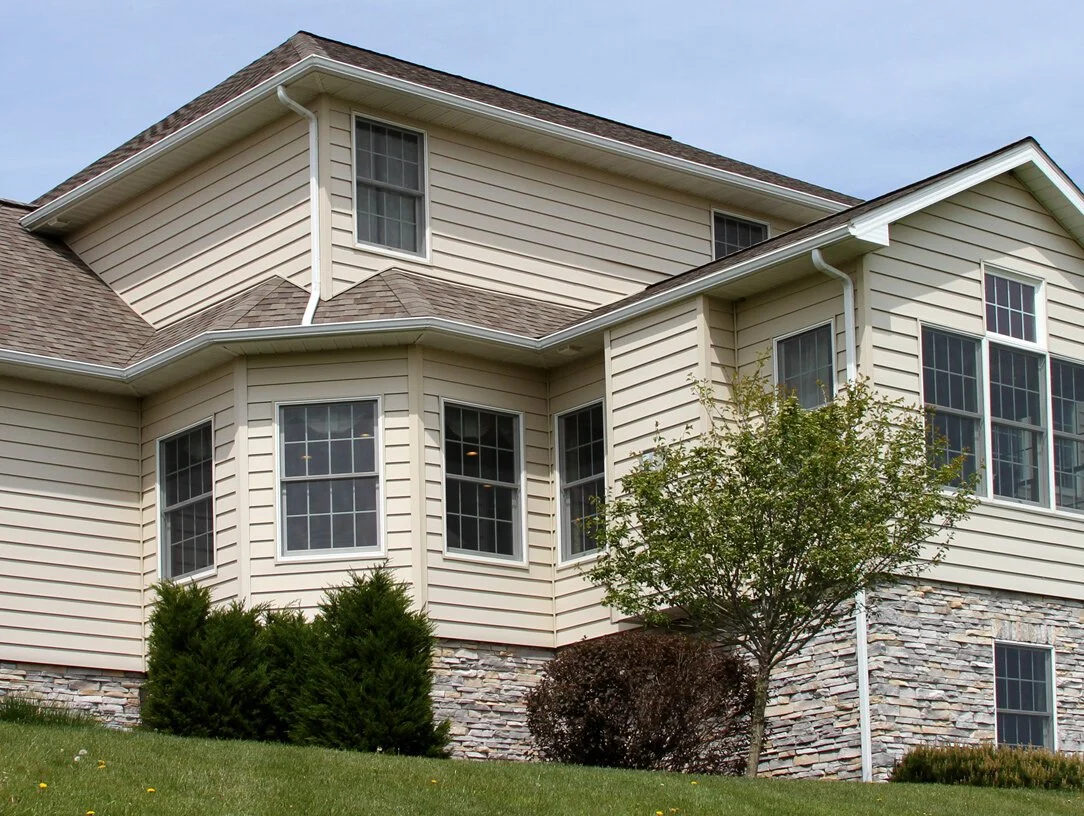
If you're researching James Hardie siding for your Bloomfield Hills home, you already know it's the premium choice. What you probably don't know is what it actually costs — and why the number you'll get from one contractor can be $15,000 different from another.
We've been installing house siding in Detroit and Oakland County since 1988. We're a James Hardie Elite Preferred contractor, which means we've done this enough times to know what drives the price up, what's negotiable, and what corners you absolutely should not cut.
This guide breaks down real 2026 costs for James Hardie installations in Bloomfield Hills — material prices, labor rates, and the factors that affect your total. No sales pitch. Just the numbers and the context you need to budget properly.
What James Hardie Siding Actually Costs in Bloomfield Hills
Let's start with the baseline numbers for 2026. These are what we're seeing across Oakland County right now, and they're consistent with what other reputable contractors are charging.
Material Costs
James Hardie fiber cement siding material runs $3.50 to $5.50 per square foot for HardiePlank lap siding, which is the most common product. That's just the siding boards — no trim, no accessories, no underlayment.
If you're looking at HardieShingle (the shake-style siding) or HardiePanel (vertical board siding), add another $1 to $2 per square foot to those material costs. Premium colors and custom textures can push material costs even higher.
Labor Costs in Oakland County
Installation labor for James Hardie in Bloomfield Hills typically runs $4 to $7 per square foot. That includes removal of existing siding, house wrap installation, fastening the new siding according to James Hardie's specifications, and caulking.
Labor costs in Bloomfield Hills run on the higher end of that range for a few reasons: larger homes with more architectural detail, stricter permit requirements, and the reality that experienced crews who know how to install fiber cement properly charge what they're worth.
Total Installed Cost
When you add material, labor, trim, soffit, fascia, and disposal of old siding, most Bloomfield Hills homeowners should budget $12 to $18 per square foot installed for a complete James Hardie siding replacement.
For a typical 2,500-square-foot home (which in siding terms usually means 2,000 to 2,200 square feet of actual siding coverage after you subtract windows, doors, and garage), you're looking at $24,000 to $39,600 for a full replacement.
Quick Reference: 2026 Bloomfield Hills James Hardie Costs
- Material only: $3.50–$5.50/sq ft
- Labor: $4–$7/sq ft
- Total installed: $12–$18/sq ft
- Typical 2,500 sq ft home: $24,000–$39,600
If you're also considering vinyl siding, our guide on vinyl siding vs. fiber cement in Michigan weather breaks down the long-term cost comparison — spoiler: James Hardie usually wins over 30 years.
Why James Hardie Costs More (And Why Michigan Homeowners Choose It Anyway)
James Hardie costs about 40% to 60% more than quality vinyl siding. If you're comparing quotes, that gap is real and it's not going away. Here's what you're actually paying for.
Material Composition and Durability
James Hardie fiber cement is made from sand, cement, and cellulose fibers. It's heavy, dense, and engineered to handle freeze-thaw cycles that destroy other siding materials. Unlike vinyl, it won't crack in January when it's 5 degrees out. Unlike wood, it won't rot when spring humidity sits at 80% for weeks.
The product is non-combustible, which matters for insurance rates. It's also dimensionally stable — it doesn't expand and contract with temperature swings the way vinyl does, which means fewer fastener problems and less buckling over time.

Warranty Coverage
James Hardie backs their product with a 30-year non-prorated warranty that covers the product and the finish. The warranty is transferable, which adds resale value. If you sell your Bloomfield Hills home in 10 years, the new owner gets the remaining 20 years of coverage.
Compare that to vinyl siding warranties, which are often prorated after year 10 and rarely transferable without restrictions.
Performance in Michigan Freeze-Thaw Cycles
Michigan winters are brutal on exterior materials. We get 60 to 80 freeze-thaw cycles per season in Southeast Michigan. That constant expansion and contraction is what causes vinyl to crack, wood to split, and cheap fiber cement to delaminate.
James Hardie is engineered specifically for climate zones like ours. Their HZ10 product line is rated for freeze-thaw, high humidity, and wind-driven rain — all of which we get in Oakland County. We've seen 20-year-old James Hardie installations that still look solid, with no warping, no cracking, and minimal fading.
ROI and Resale Value in Bloomfield Hills
Bloomfield Hills is a premium market. Buyers here expect quality materials, and they notice when a home has vinyl siding versus fiber cement. According to Remodeling Magazine's 2025 Cost vs. Value report, fiber cement siding recoups about 75% to 85% of its cost at resale in upscale markets — significantly better than vinyl.
If you're planning to sell within 5 to 10 years, James Hardie is a smart investment. If you're staying long-term, it's one less thing you'll ever have to replace. For more on how siding choices affect resale value, check our post on top mistakes homeowners make when choosing siding in Michigan.
What Affects Your James Hardie Siding Cost in Bloomfield Hills
Two identical 2,500-square-foot homes can have James Hardie installation costs that differ by $10,000 or more. Here's what drives those differences.
Home Size and Architectural Complexity
Square footage is the starting point, but architectural detail is what really affects labor costs. A simple ranch with minimal trim and no gables is straightforward. A Tudor with multiple rooflines, dormers, and decorative trim work takes twice as long to side properly.
Bloomfield Hills has a lot of Colonials, Tudors, and custom builds with complex rooflines. That means more cuts, more corners, more flashing details, and more labor hours. If your home has bay windows, turrets, or extensive stonework that requires careful integration, expect to be on the higher end of the cost range.
Existing Siding Removal and Disposal
If you have old siding that needs to come off, that's an additional cost. Vinyl removal is relatively quick — usually $1 to $2 per square foot. Wood siding or old aluminum takes longer and costs more, especially if there's rot or structural damage underneath that needs repair.
Disposal fees in Oakland County run about $400 to $800 for a full truckload, depending on the landfill and the material type. Some contractors include this in their quote; others list it as a separate line item. Make sure you know which you're getting.
Trim, Soffit, and Fascia Work
James Hardie trim boards are a common upgrade. They're more expensive than vinyl or wood trim, but they match the durability of the siding and eliminate the need to paint trim every few years. Budget $8 to $15 per linear foot for James Hardie trim installation.
If your soffit and fascia are in rough shape, replacing them at the same time makes sense. Aluminum soffit and fascia run about $6 to $10 per linear foot installed. If you're also addressing gutter issues, our guide on seamless gutter systems in Metro Detroit covers how to coordinate siding and gutter work for maximum efficiency.
Color Selection and Custom Profiles
James Hardie offers a wide range of colors through their ColorPlus Technology, which is a baked-on finish applied at the factory. Standard colors are included in the base material cost. Custom colors or special-order profiles can add 10% to 20% to material costs and extend lead times by several weeks.
If you're trying to match a specific aesthetic or comply with HOA requirements, factor in extra time and cost for custom options. For color inspiration tailored to Michigan homes, see our post on the best siding colors for Michigan homes in 2026.
The Bloomfield Hills Factor: Why Costs Run Higher Here
Bloomfield Hills isn't like Sterling Heights or Warren. The expectations are different, the homes are bigger, and the permit process is more involved.
Permit requirements: Bloomfield Hills requires building permits for siding replacement, and the inspection process is thorough. Permit fees run $200 to $500 depending on project scope. Some contractors include this in their quote; others pass it through as a separate charge.
HOA and historic district requirements: Many Bloomfield Hills neighborhoods have HOA design guidelines that dictate acceptable siding materials, colors, and installation methods. If you're in a historic district, you may need additional approvals. This can add weeks to the timeline and require documentation that less experienced contractors aren't prepared to provide.
Larger home footprints: The median home size in Bloomfield Hills is significantly larger than surrounding communities. More square footage means higher material and labor costs, but it also means economies of scale — the per-square-foot cost on a 4,000-square-foot home is usually lower than on a 1,500-square-foot home.

James Hardie Product Lines: What's Available and What It Costs
James Hardie makes several product lines, each designed for different aesthetic goals. Here's what's available and how the costs compare.
HardiePlank Lap Siding
This is the most popular James Hardie product. It mimics traditional wood clapboard and comes in widths from 5.25 inches to 12 inches. Most Bloomfield Hills installations use 7.25-inch or 8.25-inch exposure.
Cost: $3.50 to $5.00 per square foot for material. Installed cost: $12 to $16 per square foot.
HardiePlank works well on Colonials, Capes, and ranch-style homes. It's straightforward to install, which keeps labor costs reasonable, and it delivers a clean, classic look that fits most architectural styles.
HardieShingle Siding
This product replicates cedar shingles or shakes. It's popular for gable ends, accent walls, or full-home applications on Craftsman and Cottage-style homes.
Cost: $5.00 to $6.50 per square foot for material. Installed cost: $14 to $18 per square foot.
HardieShingle takes longer to install than lap siding because each piece is smaller and requires more cuts and fasteners. If you're using it as an accent on gables or dormers, it's a great way to add visual interest without blowing the budget.
HardiePanel Vertical Siding
Vertical board siding is less common but works beautifully on modern farmhouse designs, contemporary homes, and board-and-batten applications.
Cost: $4.00 to $5.50 per square foot for material. Installed cost: $13 to $17 per square foot.
HardiePanel comes in 4-foot-by-8-foot or 4-foot-by-10-foot sheets, which makes installation faster than lap siding on large, uninterrupted wall sections. If you're building new or doing a full remodel, this can be a cost-effective option.
Trim and Accent Options
James Hardie also makes trim boards, corner boards, and soffit panels. These are often used in combination with lap siding to eliminate wood trim that would otherwise need regular painting.
Cost: $8 to $15 per linear foot installed for trim boards, depending on width and profile.
Using James Hardie trim adds upfront cost, but it eliminates the need to repaint trim every 5 to 7 years. Over a 30-year period, that's a significant maintenance savings.
Real Project Examples: What Bloomfield Hills Homeowners Actually Paid
Here are three real projects we completed in Bloomfield Hills and surrounding Oakland County communities in 2025. These give you a sense of what different home styles and scopes actually cost.
Example 1: 2,400 sq ft Colonial — Full Replacement
Scope: Remove existing vinyl siding, install house wrap, install HardiePlank 7.25-inch lap siding in Arctic White, replace all trim with James Hardie trim boards, replace soffit and fascia.
Total cost: $34,800 ($14.50 per square foot)
This was a straightforward job on a well-maintained Colonial with minimal architectural complexity. The homeowner chose a standard color, which kept material costs down. Labor was on the lower end because the existing siding came off cleanly and there was no rot repair needed.
Example 2: 3,800 sq ft Tudor — Partial Replacement with Trim Upgrades
Scope: Replace siding on three sides of the home (front, sides; back retained existing brick), install HardiePlank 8.25-inch lap siding in Evening Blue, install HardieShingle on gable ends, replace all wood trim with James Hardie trim, custom color match for trim boards.
Total cost: $52,400 ($16.50 per square foot for sided area)
This project was more complex. The Tudor had multiple gables, decorative trim details, and a custom color that required special ordering. The homeowner also wanted HardieShingle accents on the gables, which added labor time. The brick on the back of the home reduced the total siding area, but the architectural complexity pushed the per-square-foot cost higher.
Example 3: 2,000 sq ft Ranch — Lap Siding with Board and Batten Accents
Scope: Remove old wood siding, repair sheathing in two areas with rot damage, install house wrap and rigid foam insulation board, install HardiePlank 7.25-inch lap siding in Iron Gray, install HardiePanel vertical siding on front entry accent wall.
Total cost: $29,600 ($14.80 per square foot)
This ranch had some rot damage that required sheathing repair, which added about $1,200 to the project. The homeowner opted for a rigid foam insulation layer under the siding, which added R-value and cost but made sense given the home's age and lack of wall insulation. The vertical panel accent on the front entry added visual interest without significantly increasing labor costs.
Takeaway: Most Bloomfield Hills James Hardie projects fall in the $30,000 to $55,000 range for full-home replacements. Smaller homes or partial replacements can come in under $30,000. Larger homes with extensive trim work and custom details can exceed $60,000.
For homeowners comparing James Hardie to other premium siding options, our detailed breakdown of LP SmartSide vs. James Hardie siding in Michigan covers the performance and cost differences between the two most popular engineered siding products.
How to Get an Accurate Quote (And Red Flags to Watch For)
Getting an accurate James Hardie quote requires more than a phone call and a rough square footage estimate. Here's what a proper estimate should include and what to watch out for.
What a Proper Estimate Includes
A detailed James Hardie estimate should break down:
- Material costs: Siding, trim, house wrap, fasteners, caulk, flashing
- Labor costs: Removal, installation, cleanup
- Disposal fees: Old siding removal and landfill charges
- Permit costs: Building permit fees and inspection scheduling
- Warranty information: Both manufacturer warranty and contractor workmanship warranty
- Timeline: Start date, estimated completion, and weather contingencies
If a contractor gives you a single lump-sum number with no breakdown, ask for details. You're spending $30,000 to $50,000 — you deserve to know where that money is going.
Questions to Ask Contractors
Before you sign a contract, ask these questions:
- Are you a James Hardie Elite Preferred or Preferred contractor? This certification means the contractor has completed James Hardie training and meets installation standards. It's also required for certain warranty coverage.
- How many James Hardie installations have you completed in the last 12 months? You want a contractor who does this regularly, not someone who installs vinyl 90% of the time and fiber cement occasionally.
- What's included in your workmanship warranty? Most reputable contractors offer a 5- to 10-year workmanship warranty that covers installation defects. Make sure it's in writing.
- How do you handle rot or sheathing damage discovered during removal? This should be addressed upfront. Some contractors include a contingency allowance; others charge extra as needed. Know the policy before work starts.
- What's your payment schedule? Standard practice is a deposit at contract signing (usually 10% to 30%), a mid-project payment when materials are delivered, and final payment upon completion. Avoid contractors who want 50% or more upfront.
If you're evaluating multiple contractors, our guide on how to choose a contractor in Metro Detroit (written for gutters but applicable to any exterior work) covers the key questions to ask.
Red Flags to Watch For
Here are warning signs that a contractor may not be the right fit:
- Significantly lower bid than everyone else: If one quote is $10,000 less than the others, there's a reason. They're either cutting corners, using subpar materials, or planning to upsell you once work starts.
- No written contract: Every James Hardie installation should have a detailed written contract that specifies materials, scope, timeline, and payment terms. No exceptions.
- Pressure to sign immediately: "This price is only good today" is a sales tactic, not a legitimate business practice. A reputable contractor will give you time to review the proposal and compare options.
- No proof of insurance: Any contractor working on your Bloomfield Hills home should carry general liability insurance and workers' compensation coverage. Ask for certificates and verify them with the insurance company.
- No local references: If a contractor can't provide references from recent projects in Oakland County, that's a red flag. You want someone who knows local building codes, permit processes, and weather conditions.

Financing Options
Most homeowners don't have $35,000 sitting around for a siding project. Financing options include:
- Home equity line of credit (HELOC): Usually the lowest interest rate if you have equity in your home.
- Contractor financing: Many contractors offer financing through third-party lenders. Rates vary, but promotional 0% APR offers are common for qualified buyers.
- Personal loans: Higher interest rates than HELOCs but no collateral required.
- Credit cards: Only makes sense if you can pay it off quickly or have a 0% introductory rate.
If you're exploring financing, our post on roof replacement financing options in Clinton Township covers strategies that apply equally to siding projects.
Ready to Get Started?
NEXT Exteriors has been protecting Michigan homes since 1988. We're a James Hardie Elite Preferred contractor with hundreds of installations across Oakland County. Get a free, no-pressure estimate from a team that shows up on time and does the job right.
Get Your Free QuoteOr call us: (844) 770-6398
Other Services from NEXT Exteriors
Beyond James Hardie siding, we offer a full range of exterior services in Detroit and Southeast Michigan. If your home needs Detroit roofing services, we're CertainTeed Master Shingle Applicators with 35+ years of experience. We also specialize in window replacement, insulation upgrades, seamless gutter installation, and exterior painting using Sherwin-Williams products exclusively. Whether you're planning a single project or a complete exterior renovation, we can handle it all with the same attention to detail and old-school craftsmanship.
Frequently Asked Questions
James Hardie fiber cement siding typically lasts 30 to 50 years in Michigan's climate when properly installed and maintained. The product is engineered to handle freeze-thaw cycles, humidity, and temperature swings that cause other siding materials to fail. The ColorPlus finish is warrantied for 15 years and usually lasts 20+ years before needing a repaint. We've seen 25-year-old James Hardie installations in Southeast Michigan that still look solid with no structural issues.
For most Bloomfield Hills homeowners, yes. James Hardie costs 40% to 60% more upfront than quality vinyl, but it lasts twice as long, requires less maintenance, and adds more resale value. Vinyl siding typically needs replacement after 20 to 25 years and can crack in Michigan winters. James Hardie won't crack, won't rot, and won't need repainting for decades. If you're planning to stay in your home long-term or you're in a premium market where buyers expect quality materials, the investment makes sense.
Technically yes, but we don't recommend it unless you have professional carpentry experience. James Hardie requires specific installation techniques — proper fastener placement, correct clearances, flashing details, and caulking — that affect both performance and warranty coverage. If the installation doesn't meet James Hardie's specifications, you void the warranty. Labor represents about 40% to 50% of the total project cost, so DIY could save money, but the risk of improper installation and voided warranty usually isn't worth it for a $30,000+ investment.
Most full-home James Hardie installations in Bloomfield Hills take 7 to 14 days, depending on home size, architectural complexity, and weather. A straightforward 2,000-square-foot ranch might be done in a week. A 4,000-square-foot Tudor with multiple gables and extensive trim work could take two weeks or more. We typically schedule removal and prep work first (1 to 2 days), then installation (5 to 10 days), then final trim and caulking (1 to 2 days). Weather delays are common in Michigan — rain, extreme cold, or high winds can pause work for safety and quality reasons.
Not if you choose James Hardie ColorPlus Technology, which is a baked-on finish applied at the factory. ColorPlus comes with a 15-year warranty and typically lasts 20+ years before needing a repaint. If you choose primed-only James Hardie (which is less common now), you'll need to paint it within 180 days of installation and repaint every 10 to 15 years. Most Bloomfield Hills homeowners opt for ColorPlus to eliminate the maintenance hassle.
Very little. You should rinse the siding with a garden hose once or twice a year to remove dirt and pollen. Check caulking around windows, doors, and trim joints every few years and re-caulk as needed. Inspect for any damage after severe storms. That's about it. Unlike wood siding, James Hardie doesn't need staining, sealing, or regular painting. Unlike vinyl, it doesn't get brittle or crack over time. The low maintenance requirement is one of the biggest selling points for busy homeowners.
Yes, especially in premium markets like Bloomfield Hills. Fiber cement siding typically recoups 75% to 85% of its cost at resale according to Remodeling Magazine's Cost vs. Value report. Buyers in upscale neighborhoods expect quality materials, and James Hardie signals that the home has been well-maintained. The transferable warranty is also a selling point — it gives buyers confidence that they won't need to replace the siding for decades. If you're planning to sell within 5 to 10 years, James Hardie is one of the best exterior investments you can make.