

How Weather Damage Affects Your Siding in Southeast Michigan

If you've lived in Southeast Michigan for more than a winter or two, you already know: our weather doesn't mess around. We get freeze-thaw cycles that crack concrete, lake-effect snow that buries driveways overnight, summer storms that knock out power for days, and humidity that makes basements sweat in July.
Your siding takes all of that—every single day—and it either holds up or it doesn't. After 35 years installing and repairing house siding in Detroit and across Macomb, Oakland, and St. Clair counties, we've seen what Michigan weather does to every type of siding material. We've peeled back warped vinyl in Sterling Heights, replaced rotted wood in Grosse Pointe Farms, and fixed hail-damaged panels in Rochester Hills.
This post breaks down exactly how our weather damages siding—what's happening behind the scenes, what warning signs to look for, and when you need to act before a small problem becomes a big one. If you've been wondering whether that buckled panel or faded section is "normal wear" or actual damage, this will help you figure it out.
The Freeze-Thaw Cycle: Michigan's #1 Siding Enemy
Here's what happens every winter in Southeast Michigan, sometimes dozens of times between November and March: the temperature drops below freezing overnight, then climbs back above 32°F during the day. Water that's sitting on, in, or behind your siding freezes, expands by about 9%, then thaws and contracts again.
That doesn't sound like much until you realize it's happening over and over—and siding materials aren't designed to flex that much, that often.
How Water Gets Behind Your Siding
Water infiltration starts at the seams, corners, and trim joints. Even properly installed siding has small gaps where panels overlap or meet window trim. In theory, those gaps are protected by flashing and caulk. In practice, caulk degrades over time (especially cheap caulk), flashing gets missed during installation, and wind-driven rain finds every weak point.
Once water gets behind the siding, it sits against the house wrap or sheathing. If temperatures drop, that water freezes and pushes outward. The siding panel bows slightly. When it thaws, the panel contracts—but not always back to its original position. Do that 30 or 40 times in a winter, and you get permanent warping, buckling, or cracking.
Why Vinyl Siding Cracks in Winter
Vinyl siding is popular in Michigan because it's affordable, low-maintenance, and looks good for years—if it's installed correctly. But vinyl has a thermal expansion coefficient that's higher than most other siding materials. That means it expands and contracts more dramatically with temperature swings.
When vinyl gets cold—like single-digit cold—it becomes brittle. If something hits it (a ladder, a branch, a kid's basketball), it can crack. We see this most often on north-facing walls that never get direct sun in winter, and on older vinyl that's been UV-damaged and lost its flexibility.
The other common failure point: nailing. Vinyl siding needs to be nailed loosely enough to allow for expansion and contraction. If a contractor nails it too tight (or uses nails that are too short), the panels can't move. They buckle, warp, or pull away from the wall when temperatures swing 40 degrees in 12 hours—which happens regularly here.
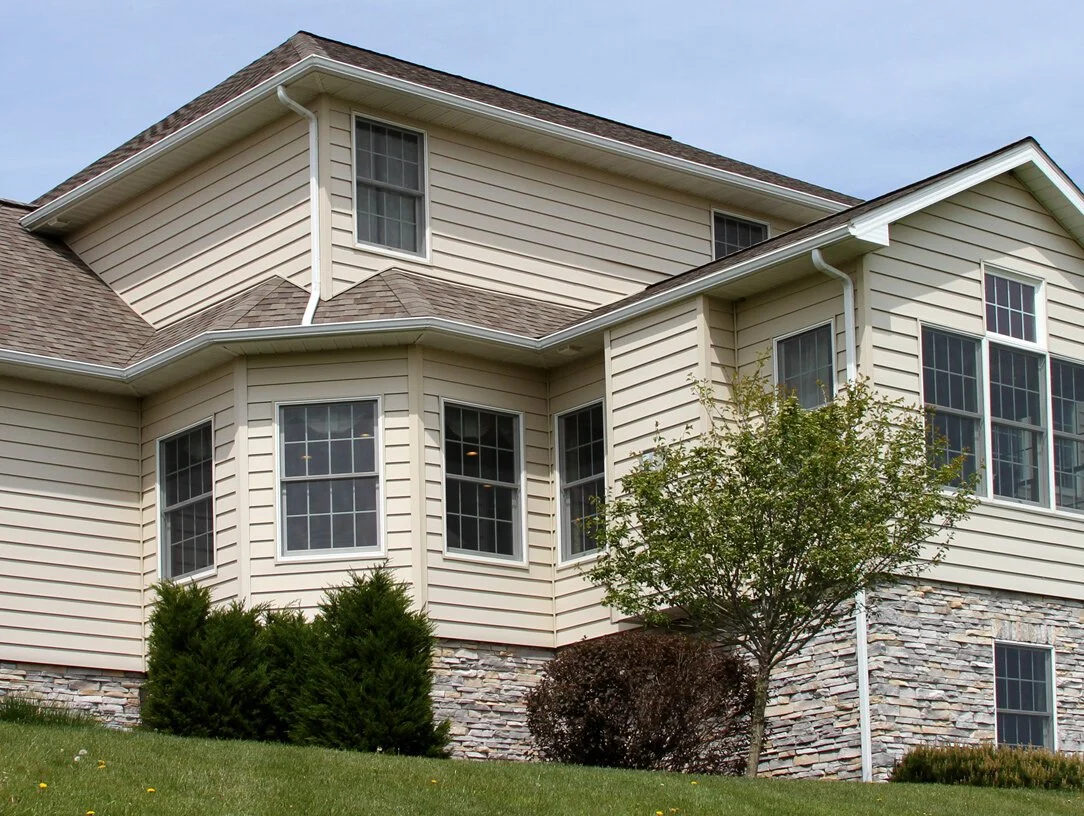
How Fiber Cement and Engineered Wood Handle Freeze-Thaw
James Hardie fiber cement and LP SmartSide engineered wood both perform significantly better in freeze-thaw conditions than vinyl—but they're not invincible.
Fiber cement is dense, dimensionally stable, and doesn't expand or contract much with temperature changes. It also doesn't absorb much water if it's properly primed and painted. The weak points are the cut edges (which need to be sealed during installation) and the joints between panels. If water gets into an unsealed edge and freezes, it can cause edge cracking or delamination over time.
LP SmartSide is engineered wood treated with a proprietary zinc borate process that resists moisture and fungal decay. It handles freeze-thaw cycles well, but—like any wood product—it needs proper clearance from grade, good flashing around windows and doors, and regular maintenance (paint touch-ups every 8-10 years). We've seen SmartSide last 25+ years in Michigan when it's installed right. We've also seen it fail in under 10 when it's installed poorly or left unpainted.
If you're considering an upgrade, our guide comparing LP SmartSide vs. James Hardie siding in Michigan breaks down the performance differences in detail.
Summer Storm Damage: Wind, Hail, and Moisture
Michigan summers bring their own set of challenges: severe thunderstorms with straight-line winds, hail that can shred a roof in minutes, and torrential downpours that dump 2-3 inches of rain in an hour.
Wind-Driven Rain and Siding Penetration
Normal rain falls mostly straight down. Wind-driven rain—especially during a storm with 40-50 mph gusts—hits your siding horizontally, sometimes even upward under eaves. That kind of rain finds every gap, every loose panel, every missing piece of caulk.
We see this most often after summer storms in areas where siding meets trim, around electrical boxes, and at the bottom of walls where the siding meets the foundation. If your seamless gutters in Detroit, MI are clogged or damaged, water overflows and runs down the siding instead of being directed away from the house. That accelerates water infiltration and can cause staining, mold growth, and rot behind the siding.
Hail Impact: Vinyl vs. Fiber Cement
Hail damage depends on three things: the size of the hail, the wind speed, and the material you're dealing with.
Vinyl siding can be dented or cracked by hail larger than 1 inch in diameter, especially if the siding is older or UV-damaged. The damage usually shows up as circular dents or small cracks on south- and west-facing walls (the directions most storms come from in Michigan).
Fiber cement is much more impact-resistant. James Hardie products are rated for severe hail zones and can withstand impacts that would destroy vinyl or wood. We've inspected fiber cement siding after major hailstorms in Troy and Shelby Township and found minimal to no damage, while neighboring homes with vinyl needed multiple panels replaced.
LP SmartSide falls somewhere in the middle—more durable than vinyl, less impact-resistant than fiber cement. It can dent under severe hail, but it won't shatter or crack the way vinyl does.
Post-Storm Inspection Checklist
After a major storm, walk around your house and look for:
- Dents, cracks, or holes in siding panels
- Loose or missing panels, especially near corners and trim
- Water stains or discoloration on siding or soffits
- Gaps where siding meets windows, doors, or trim
- Damaged or missing caulk around penetrations (vents, lights, outlets)
- Debris lodged behind siding or in corners
If you see any of these, document them with photos and call a licensed contractor for an inspection. Don't wait—water damage gets worse fast, especially if more rain is in the forecast.
Insurance Claim Tip: Most homeowners insurance policies cover storm damage to siding, but you need to file a claim within a reasonable timeframe (usually 30-90 days). Take photos, get a professional inspection, and keep all documentation. We work with insurance adjusters regularly and can provide detailed damage assessments for claims.
Humidity and Moisture: The Silent Destroyer
Freeze-thaw cycles and storm damage are dramatic and obvious. Moisture damage is slow, hidden, and often far more expensive to fix by the time you notice it.
Lake-Effect Humidity in Southeast Michigan
We're close enough to Lake St. Clair, Lake Huron, and Lake Erie that humidity is a constant factor, especially in summer. Relative humidity regularly hits 70-80% in July and August, and that moisture doesn't just make the air feel heavy—it gets into building materials.
Siding that's installed without proper ventilation or drainage can trap moisture between the siding and the sheathing. That creates the perfect environment for mold, mildew, and wood rot. Even vinyl siding—which doesn't rot—can allow moisture to damage the wood structure behind it if the installation doesn't include proper flashing, house wrap, and weep holes.
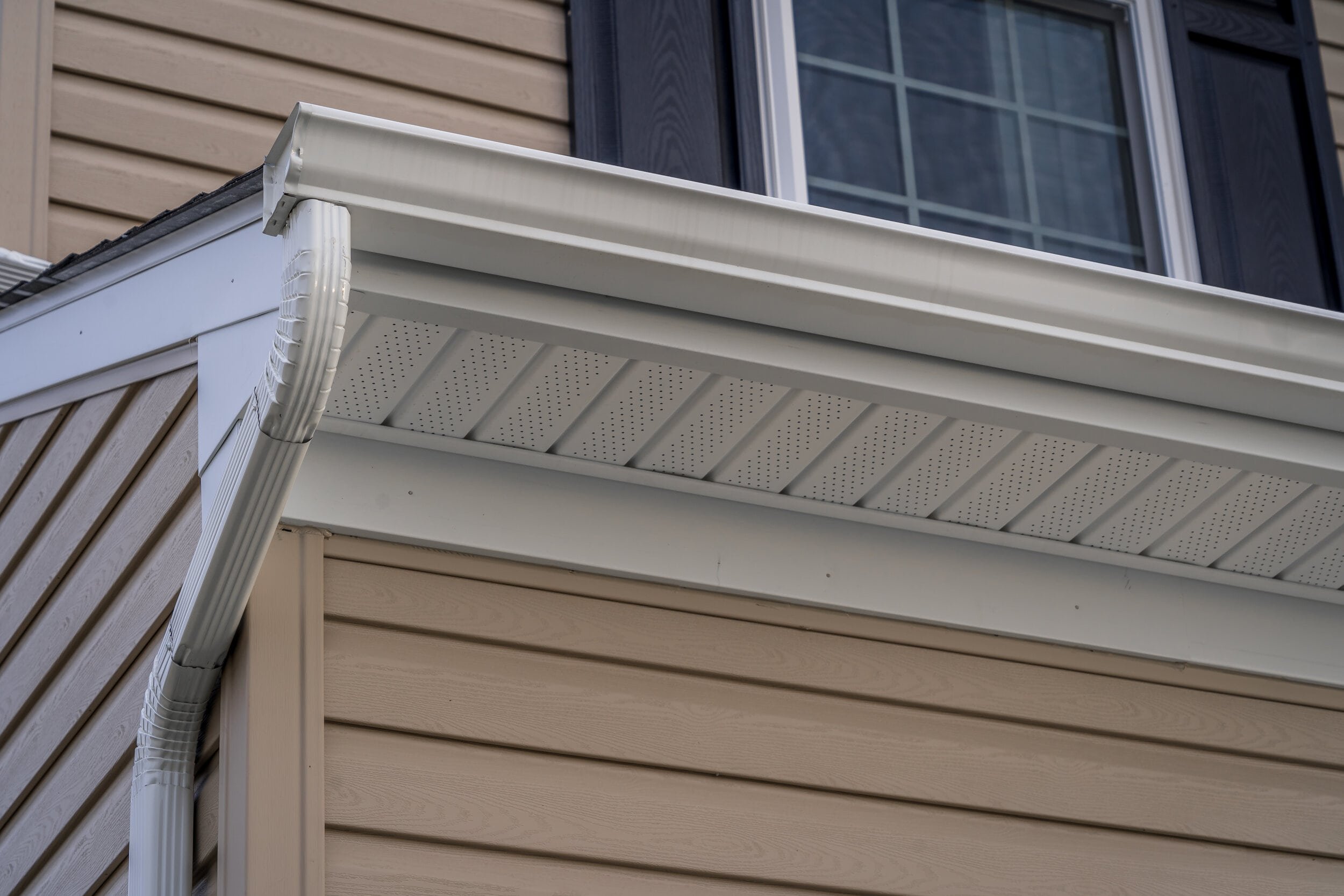
Moisture Trapped Behind Siding
Here's how it happens: water gets behind the siding (from rain, snow melt, or condensation). If there's no drainage plane or the house wrap is damaged, that water sits against the sheathing. In summer, it can't evaporate fast enough. In winter, it freezes and thaws repeatedly.
Over months or years, that trapped moisture causes:
- Mold and mildew growth on sheathing, studs, and insulation
- Wood rot in structural framing, especially around windows and doors
- Insulation damage that reduces R-value and increases energy costs
- Interior water stains on walls and ceilings
- Pest infestation—carpenter ants and termites love damp wood
We've torn off siding on 1960s ranch homes in Clinton Township and found sheathing that's completely rotted through, even though the siding looked fine from the outside. That's why proper installation—with flashing, drainage, and ventilation—matters so much.
Proper Ventilation and Flashing Importance
Good siding installation isn't just about making the house look good. It's about creating a system that manages water and allows moisture to escape.
That means:
- House wrap installed correctly, with seams taped and overlaps at windows and doors
- Flashing at every window, door, and penetration—not just caulk
- Weep holes at the bottom of vinyl siding to allow drainage
- Ventilation gaps behind fiber cement and engineered wood to allow airflow
- Proper clearance from grade (at least 6 inches) to prevent ground moisture wicking into siding
If your current siding was installed without these details, you're at higher risk for moisture damage—especially if the siding is more than 15 years old.
And because moisture problems often start at the foundation or in poorly ventilated attics, it's worth considering how your home's insulation services in Southeast Michigan tie into overall moisture management. Poor attic ventilation can cause condensation that drips down wall cavities and damages siding from the inside out.
Material-Specific Weather Performance
Not all siding materials handle Michigan weather the same way. Here's what we've learned from decades of installations and repairs across Southeast Michigan.
Vinyl Siding in Michigan Weather
Pros: Affordable, low-maintenance, available in dozens of colors and styles. Quality vinyl (like CertainTeed Monogram or Mastic Quest) can last 25-30 years if installed correctly.
Cons: Expands and contracts with temperature swings. Can crack in extreme cold. Fades over time, especially on south- and west-facing walls. Lower-quality vinyl can warp or buckle within 10 years.
Best for: Budget-conscious homeowners who want a clean look and minimal maintenance. Works well on newer construction with good underlying structure.
Lifespan in Michigan: 20-30 years with proper installation and maintenance.
James Hardie Fiber Cement Durability
Pros: Extremely durable. Won't crack, warp, or rot. Excellent impact resistance (hail, wind-blown debris). Holds paint well—factory finishes last 15+ years. Dimensionally stable in freeze-thaw cycles. Comes with a 30-year non-prorated warranty.
Cons: More expensive upfront (typically 2-3x the cost of vinyl). Heavier, so installation requires experienced crews. Needs repainting every 15-20 years (though factory finishes extend this significantly).
Best for: Homeowners who want the best long-term performance and are willing to invest upfront. Ideal for historic homes, high-wind areas, and anyone planning to stay in the house 15+ years.
Lifespan in Michigan: 40-50+ years with minimal maintenance.
We're James Hardie siding installers in Metro Detroit and have seen firsthand how well this product holds up in our climate. It's the siding we recommend most often when homeowners ask, "What's going to last?"
LP SmartSide Engineered Wood Performance
Pros: Authentic wood look and texture. More affordable than fiber cement, more durable than vinyl. Treated for moisture and fungal resistance. Holds paint extremely well. Easier to cut and install than fiber cement.
Cons: Requires regular maintenance (inspect and touch up paint every 8-10 years). Can be damaged by prolonged moisture exposure if not properly maintained. More susceptible to woodpecker damage than fiber cement.
Best for: Homeowners who want the look of real wood without the maintenance headaches of cedar or redwood. Good middle ground between vinyl and fiber cement.
Lifespan in Michigan: 25-35 years with proper maintenance.
For a detailed breakdown of how these materials compare in Michigan's climate, check out our post on vinyl siding vs. fiber cement in Michigan weather.

Warning Signs Your Siding Has Weather Damage
Most homeowners don't inspect their siding regularly—and that's understandable. But catching damage early can save you thousands of dollars in repairs. Here's what to look for.
Visual Inspection Checklist
Walk around your house twice a year (spring and fall) and check for:
- Warping or buckling panels—especially near corners, trim, and around windows
- Cracks or holes—even small cracks can let water in
- Loose or missing panels—check after every major storm
- Discoloration or fading—uneven fading can indicate moisture problems or UV damage
- Peeling or bubbling paint (on fiber cement or wood siding)
- Mold, mildew, or algae growth—especially on north-facing walls that don't get sun
- Gaps or missing caulk around windows, doors, vents, and trim
- Soft spots or rot—press gently on siding near the foundation or under windows; if it feels soft or spongy, there's rot underneath
Interior Warning Signs
Sometimes the first sign of siding damage shows up inside the house:
- Water stains on walls or ceilings, especially near exterior walls
- Peeling paint or wallpaper on interior walls
- Drafts near windows, doors, or electrical outlets on exterior walls
- Musty odors in rooms with exterior walls
- Higher heating or cooling bills—damaged siding reduces insulation effectiveness
If you notice any of these, don't wait. Water damage spreads fast, and what starts as a small leak can become a major structural issue within a few months.
When to Call a Professional
Some siding issues are obvious DIY fixes—replacing a single cracked panel, re-caulking a window. But you should call a licensed contractor if you see:
- Multiple damaged or loose panels
- Signs of water infiltration or rot
- Widespread fading, warping, or buckling
- Damage after a major storm (especially if you're filing an insurance claim)
- Any situation where you're not sure what's causing the problem
A professional inspection can identify problems you might miss—and give you a clear picture of whether you need a repair or a full replacement. We offer free inspections and honest assessments. If it's a simple fix, we'll tell you. If it's time for new siding, we'll explain why and give you options that fit your budget.
Beyond siding, weather damage often affects multiple parts of your home's exterior. If you're dealing with storm damage, it's worth having a contractor who can assess your Detroit roofing services needs, window condition, and gutter performance all at once—that's part of what we do with our comprehensive exterior services in Detroit.
Cost Reality: Repair vs. Replacement in Michigan
Let's talk money. Siding repairs and replacements aren't cheap, but they're also not as expensive as most homeowners fear—especially when you factor in what happens if you wait.
Typical Repair Costs for Weather Damage
Small, localized repairs—replacing a few cracked vinyl panels, re-caulking trim, fixing a loose corner—usually run $300-$800 depending on the extent of the damage and the material.
Moderate repairs—replacing a full wall section, fixing water-damaged sheathing, addressing moisture issues—typically cost $1,500-$4,000.
Major repairs—extensive rot, structural damage, large areas of damaged siding—can run $5,000-$10,000+. At that point, you're often better off replacing the siding entirely.
When Replacement Makes More Financial Sense
If your siding is more than 20 years old and showing multiple signs of damage, replacement is usually the smarter long-term investment. Here's why:
- Ongoing repair costs add up. Fixing one section this year, another section next year, and another the year after that can easily cost more than a full replacement—without solving the underlying problem.
- Energy efficiency. New siding (especially fiber cement or insulated vinyl) improves your home's thermal envelope, which lowers heating and cooling costs. Over 10-15 years, that can offset a significant portion of the replacement cost.
- Home value. New siding has one of the highest ROIs of any exterior improvement—typically 70-80% of the cost is recouped when you sell. Patched, mismatched, or visibly damaged siding hurts resale value.
- Peace of mind. New siding comes with warranties (30 years for James Hardie, 25+ years for quality vinyl). You're not worrying about the next storm or the next repair bill.
For homeowners preparing to sell, our guide on the best home renovation projects for siding in Michigan breaks down the ROI and what buyers actually care about.
Insurance Coverage Considerations
Most homeowners insurance policies cover storm damage (wind, hail, falling trees) but not "wear and tear" or damage from lack of maintenance. That means:
- Covered: Hail damage, wind damage, damage from fallen branches, sudden water infiltration from a storm
- Not covered: Gradual deterioration, UV fading, damage from deferred maintenance, pre-existing conditions
If you're filing a claim, document everything with photos, get a professional inspection, and keep all receipts. Insurance adjusters will want to see evidence that the damage was caused by a specific weather event, not gradual wear.
We work with insurance companies regularly and can provide detailed damage assessments, material specifications, and repair estimates that meet adjuster requirements. That often makes the claims process faster and smoother.
Michigan Homeowner Tip: If you're considering new siding and need to replace windows in Detroit or upgrade your exterior painting in Southeast Michigan, bundling those projects can save money on labor and scaffolding costs. We coordinate multi-phase exterior projects all the time and can give you a comprehensive plan that makes sense for your budget and timeline.
Ready to Get Started?
NEXT Exteriors has been protecting Michigan homes since 1988. Get a free, no-pressure estimate from a team that shows up on time and does the job right.
Get Your Free QuoteOr call us: (844) 770-6398
Frequently Asked Questions
It depends on the material. Quality vinyl siding lasts 20-30 years in Michigan if installed correctly. James Hardie fiber cement can last 40-50+ years with minimal maintenance. LP SmartSide engineered wood typically lasts 25-35 years with regular paint touch-ups. The key factors are proper installation (flashing, ventilation, drainage) and regular maintenance. Cheap vinyl or poorly installed siding can fail in under 10 years.
If the damage is localized (a few cracked panels from hail, a section damaged by a fallen branch), you can usually repair just that area. The challenge is matching the color—siding fades over time, so new panels may not match perfectly. If your siding is more than 15 years old and showing damage in multiple areas, replacement is often more cost-effective than piecemeal repairs. We can assess the extent of the damage and give you honest recommendations.
James Hardie fiber cement performs best in freeze-thaw conditions. It's dimensionally stable (doesn't expand or contract much with temperature changes), doesn't absorb water, and won't crack or warp. LP SmartSide engineered wood is a close second—it's treated for moisture resistance and handles freeze-thaw well. Quality vinyl can work if it's installed correctly with room for expansion, but it's more prone to cracking in extreme cold. We've installed all three across Southeast Michigan and can recommend the best option based on your budget, home style, and long-term plans.
Look for these warning signs: water stains on interior walls (especially near windows or corners), peeling paint or wallpaper on exterior walls, musty odors in rooms with exterior walls, mold or mildew growth on the outside of the siding, soft or spongy spots when you press on siding near the foundation, or visible gaps where siding meets trim or windows. If you see any of these, call a contractor for an inspection. Water damage spreads fast and gets exponentially more expensive the longer you wait.
Most policies cover sudden damage from storms—hail, wind, falling trees, ice dams that cause immediate water infiltration. They typically don't cover gradual wear and tear, UV fading, or damage from deferred maintenance. If you have storm damage, document it with photos, get a professional inspection, and file your claim within 30-90 days. We work with insurance adjusters regularly and can provide the detailed damage assessments and repair estimates they need.
Walk around your house twice a year—once in spring after the freeze-thaw cycles end, and once in fall before winter sets in. Also inspect after any major storm (especially hail or high winds). Look for cracks, warping, loose panels, gaps in caulk, and signs of water infiltration. Catching damage early—when it's a $500 repair instead of a $5,000 problem—is worth the 20 minutes it takes to do a visual inspection.
Vinyl siding typically costs $4-$8 per square foot installed (depending on quality and complexity). James Hardie fiber cement runs $10-$16 per square foot installed. For an average 2,000-square-foot home, that's roughly $12,000-$18,000 for vinyl vs. $25,000-$35,000 for fiber cement. The upfront cost difference is significant, but fiber cement lasts twice as long, requires less maintenance, and has better resale value. If you're planning to stay in the house 15+ years, fiber cement often makes more financial sense in the long run.