

Exterior Painting Contractor Macomb County: 2026 Pricing

If you're searching for an exterior painting contractor in Macomb County, you're probably wondering what this project is actually going to cost. The short answer: it depends. The longer answer — the one that'll help you budget and avoid surprises — is what we're covering here.
After 35 years working on Michigan homes, we've painted everything from 1960s brick ranches in Sterling Heights to two-story Colonials in Clinton Township. We've seen homeowners get wildly different quotes for the same house, and we've watched DIY paint jobs fail after one Michigan winter. This guide breaks down what exterior painting costs in 2026, what affects that number, and what you should actually expect from a licensed contractor.
At NEXT Exteriors, we're a Sherwin-Williams exclusive contractor. We don't cut corners, we don't upsell products you don't need, and we show up when we say we will. If you want real numbers and straight talk, keep reading.
2026 Pricing Breakdown for Macomb County Homes
Let's start with the numbers homeowners in Macomb County are seeing in 2026. These ranges reflect professional work — licensed contractors, quality paint systems, proper surface prep, and warranty-backed labor.
| Home Size | Typical Range | What's Included |
|---|---|---|
| 1,200–1,500 sq ft (ranch) | $4,500–$7,200 | Full scrape/prep, 2 coats premium paint, trim work |
| 1,800–2,200 sq ft (two-story) | $6,800–$10,500 | Full prep, scaffolding, 2 coats body + trim |
| 2,500–3,000 sq ft (Colonial) | $9,200–$14,000 | Extensive prep, multiple stories, detailed trim |
| 3,500+ sq ft (large homes) | $13,000–$20,000+ | Complex architecture, premium products, extended timeline |
These are ballpark figures. Your actual quote depends on condition, paint type, trim complexity, and how much repair work is needed before the first brush touches wood. A well-maintained home in Rochester Hills will cost less than a neglected one in Warren with rotted trim and peeling layers.
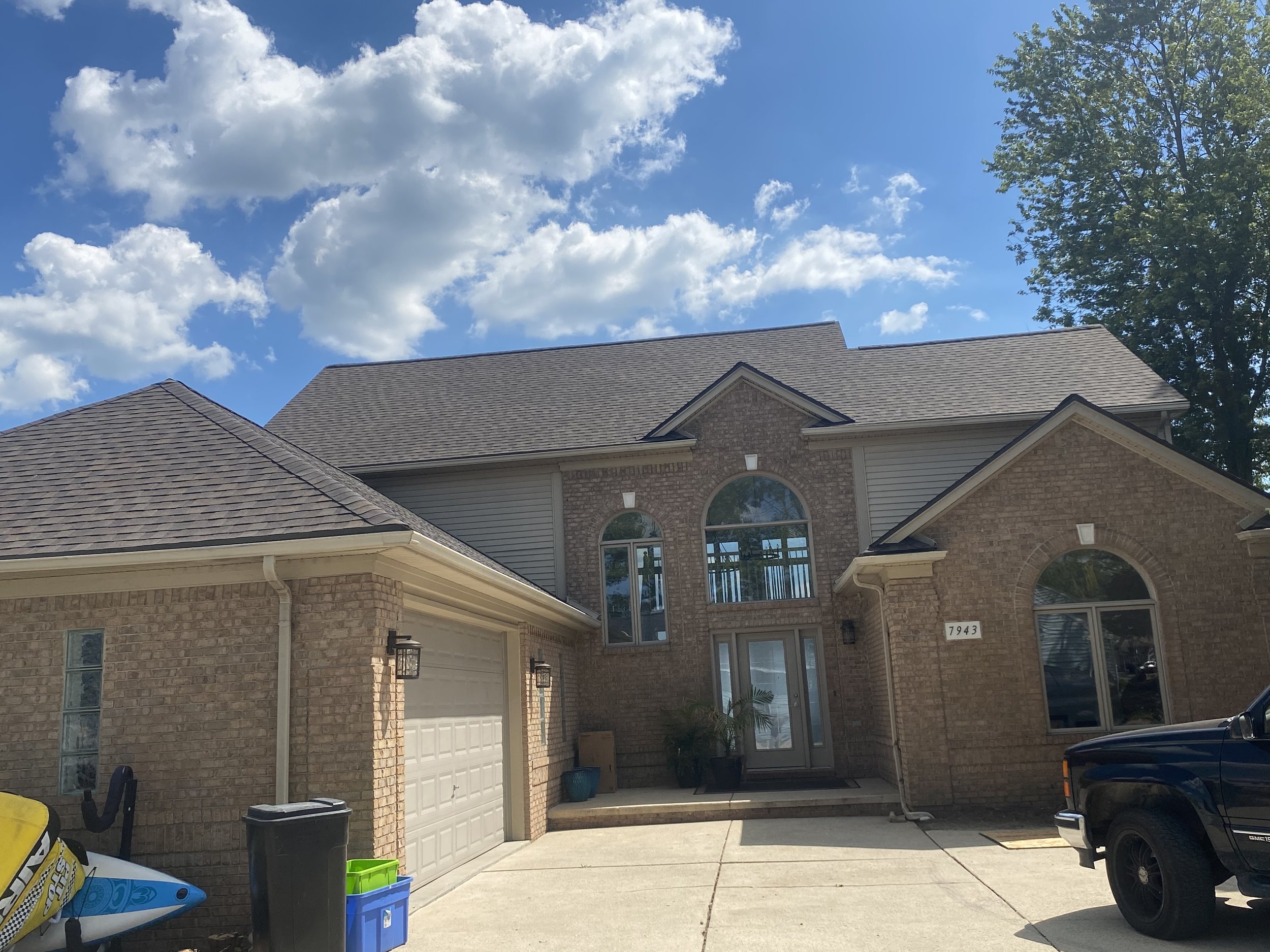
Michigan Reality Check: Homes with brick or stone don't need full exterior painting — just the wood trim, soffit, and fascia. That can drop your cost significantly compared to a full wood-sided house.
If you're also considering siding replacement instead of painting, it's worth comparing long-term costs. Fiber cement or vinyl siding eliminates the need for repainting every 7–10 years, which can save money over the life of your home.
What Affects Your Exterior Painting Quote
Not all painting jobs are created equal. Here's what drives the price up or down when you get a quote from a professional contractor in Southeast Michigan.
Surface Condition
If your home hasn't been painted in 15 years and the wood is bare in spots, we're looking at serious prep work. Scraping, sanding, priming bare wood, filling cracks — that labor adds up. A home that was painted five years ago with quality products? Much less prep, lower cost.
Number of Stories
Single-story ranches are straightforward. Two-story homes require scaffolding or extension ladders, which slows the crew down and increases labor hours. Three-story Victorians or homes with steep rooflines? That's specialty work, and it costs more.
Trim Complexity
Simple ranch with minimal trim: fast. Colonial with detailed window casings, shutters, and decorative brackets: slow. Every piece of trim gets individual attention — scraping, priming, two finish coats. The more detail, the more time.
Paint Quality
We use Sherwin-Williams exclusively, and even within their lineup, there's a range. Duration or Emerald exterior paints cost more per gallon than SuperPaint, but they last longer and perform better in Michigan's freeze-thaw cycles. We'll walk you through options, but skimping on paint to save $500 now usually costs you more in five years.
Repairs Before Painting
Rotted trim? Damaged siding boards? Those need to be replaced before we paint. We're not painting over problems — that's not how you get a job that lasts. If we find rot during prep, we'll let you know what needs fixing. Some contractors skip this conversation and just paint over it. We don't.
For homes needing more extensive work, our full range of exterior services includes trim replacement, siding repair, and structural fixes that ensure paint adheres properly and lasts.
Preparation Work: The Part That Actually Matters
Here's the truth about exterior painting: the finish coat is the easy part. The prep work is what separates a job that lasts 10 years from one that's peeling in two.
Michigan weather is brutal on paint. We get freeze-thaw cycles all winter, UV exposure all summer, and enough humidity to test any coating system. If the surface isn't prepped right, the paint won't stick. Period.
What Proper Prep Looks Like
- Power washing: Remove dirt, mildew, and chalky old paint. This gives the new paint a clean surface to bond to.
- Scraping and sanding: Any loose or peeling paint gets removed. We're not painting over it — we're taking it down to solid substrate.
- Priming bare wood: If wood is exposed after scraping, it gets primed. Bare wood soaks up finish paint unevenly and won't hold up without primer.
- Caulking gaps: Every joint, seam, and crack gets filled. This keeps water out and prevents the paint from cracking along edges.
- Repairing damaged surfaces: Rotted trim, split boards, or damaged siding gets replaced or repaired before painting.
We've seen plenty of jobs where a crew shows up, slaps two coats of paint on dirty siding, and calls it done. That paint will fail. The homeowner calls us two years later asking why it's peeling, and the answer is always the same: no prep.
Why This Matters in Macomb County: Homes near Lake St. Clair or along the Clinton River deal with higher moisture levels. Homes in Sterling Heights or Shelby Township see heavy sun exposure on south-facing walls. Prep work accounts for these conditions — it's not one-size-fits-all.
If you're dealing with moisture issues behind your siding, it might be worth checking your gutter system or attic ventilation before painting. Paint won't solve a water problem — it'll just hide it until it gets worse.
Paint Quality & Product Selection for Michigan Weather
We're a Sherwin-Williams exclusive contractor, and there's a reason for that. Their exterior paint systems are engineered for climates like ours — places where the temperature swings 80 degrees between January and July, where UV exposure fades cheap paint in three years, and where moisture is a constant threat.
Sherwin-Williams Exterior Paint Lines We Use
Duration: This is the workhorse. It's a self-priming acrylic latex with excellent adhesion and flexibility. It handles Michigan's freeze-thaw cycles without cracking, and it resists mildew growth in humid summers. Most of our projects use Duration on the main body of the house.
Emerald: This is the premium option. It offers better color retention, superior dirt resistance, and a smoother finish. If you're painting a high-visibility home in Grosse Pointe Farms or a historic property in Mount Clemens, Emerald is worth the upgrade.
SuperPaint: A solid mid-tier option for homeowners on a tighter budget. It's not as durable as Duration, but it's a legitimate paint system that'll give you 7–8 years in good conditions.
Why Paint Quality Matters
Cheap paint — the stuff you find at big-box stores for $25 a gallon — doesn't have the resin content or pigment load to survive Michigan weather. It'll fade faster, chalk more, and start peeling within a few years. You'll save $800 on materials and spend $6,000 repainting in five years instead of ten.
We've been using Sherwin-Williams since 1988. We've seen how their products perform over decades, not just seasons. When we say a paint system will last 10 years, we're basing that on 35 years of jobsite evidence, not marketing claims.
For homeowners comparing paint to other exterior upgrades, our guide on vinyl siding vs. fiber cement breaks down long-term maintenance costs. Sometimes painting makes sense; sometimes replacing the substrate does.
Timeline & What to Expect During Your Project
Most exterior painting projects in Macomb County take 5–10 business days, depending on size and weather. Here's what that timeline looks like in practice.
Day 1–2: Prep Work
We start with power washing, scraping, and sanding. This is the noisiest part of the job. If there's significant repair work — replacing trim boards, fixing siding — that happens now. We're not painting until the surface is ready.
Day 3–4: Priming and First Coat
Bare wood gets primed. Then we apply the first finish coat to the main body of the house. We work section by section, and we don't leave a section half-done overnight. If rain is in the forecast, we adjust the schedule — we're not applying paint in wet conditions.
Day 5–7: Second Coat and Trim Work
The second coat goes on after the first has cured (usually 24 hours). Trim work — windows, doors, fascia, shutters — gets individual attention. This is detail work, and it takes time. Rushing this part is how you get sloppy edges and paint on windows.
Day 8–10: Final Inspection and Cleanup
We walk the property with you, check for missed spots, touch up any areas that need it, and clean up. We're not leaving until you're satisfied with the work.
Weather Delays: Michigan weather is unpredictable. If we get a cold snap in May or a week of rain in September, the schedule shifts. We don't paint in temperatures below 50°F or when rain is expected within 24 hours. Quality work doesn't happen on a forced timeline.
If you're planning multiple exterior projects, coordinating roofing or window replacement with painting can save time and reduce disruption. We handle all of it, so you're not dealing with three different contractors.
Signs You Need to Repaint Your Home's Exterior
Most homeowners in Southeast Michigan repaint every 7–12 years, depending on paint quality and exposure. Here's how to know it's time.
Peeling or Flaking Paint
If paint is coming off in sheets or flakes, the coating has failed. This usually happens because of moisture intrusion, poor prep, or cheap paint. Once it starts, it accelerates. Don't wait — exposed wood rots fast in Michigan humidity.
Fading or Chalking
If you run your hand across the siding and it leaves a powdery residue, that's chalking. It means the paint's binder has broken down from UV exposure. The color will look washed out, especially on south- and west-facing walls.
Cracks or Gaps in Caulking
Caulk around windows, doors, and trim joints breaks down over time. If you see gaps, water is getting in. Re-caulking is part of a proper paint job, but if it's been 10+ years, you're due for a full repaint anyway.
Mildew or Mold Growth
Dark streaks or greenish patches on siding — especially on north-facing walls or shaded areas — indicate mildew. This grows on the paint surface, not under it, but it's a sign the coating is breaking down and holding moisture.
Rotted or Damaged Wood
If you see soft spots, crumbling edges, or visible rot on trim or siding, painting won't fix it. The damaged material needs to be replaced first. Painting over rot just hides the problem until it spreads.
For homes with ongoing issues, our post on best siding for Michigan freeze-thaw cycles explains when it makes more sense to replace rather than repaint.

Why NEXT Exteriors for Your Macomb County Painting Project
We've been doing this since 1988. We're licensed, we're insured, we're BBB A+ accredited, and we're Sherwin-Williams exclusive. We don't subcontract the work to the lowest bidder — our crews are trained, experienced, and accountable.
We show up when we say we will. We protect your landscaping. We don't leave a mess. And we don't disappear after the job — if something needs attention, we handle it.
If you want a contractor who treats your home like it's our own, call us. If you want the cheapest bid from a crew that'll ghost you after the deposit clears, we're not your guys.
Ready to Get Started?
NEXT Exteriors has been protecting Michigan homes since 1988. Get a free, no-pressure estimate from a team that shows up on time and does the job right.
Get Your Free QuoteOr call us: (844) 770-6398
Frequently Asked Questions
With quality paint (like Sherwin-Williams Duration or Emerald) and proper surface prep, you're looking at 10–12 years on most homes. South- and west-facing walls fade faster due to UV exposure, and homes near water may see slightly shorter lifespans due to humidity. Cheap paint or poor prep cuts that timeline in half.
Late spring through early fall — May through September — is ideal. You need temperatures consistently above 50°F and low humidity for paint to cure properly. We avoid painting in extreme heat (above 90°F) because it causes the paint to dry too fast and can lead to poor adhesion. Early fall is often the sweet spot: mild temperatures, lower humidity, and fewer rain delays.
Not necessarily. Most of the work happens outside, and we don't need interior access unless we're painting doors or doing trim work from the inside. We'll walk the property with you at the start and finish, but you don't need to be present during the daily work. We'll keep you updated on progress and any issues that come up.
For a typical brick Colonial in Macomb County — painting the wood trim, fascia, soffit, and shutters — you're looking at $2,500–$5,000 depending on the amount of trim and its condition. Brick doesn't need painting, so you're only paying for the wood elements. If the trim is in rough shape and needs repair or replacement, that'll add to the cost.
You can paint over old paint as long as it's in good condition — meaning it's still adhering well and isn't peeling or flaking. We scrape off any loose paint, sand the edges smooth, and prime bare spots. Full stripping is only necessary if the old paint is failing across large areas or if there are so many layers that the surface is uneven. Most jobs don't require stripping, just thorough prep.
Paint forms a protective film on the surface and completely covers the wood grain. Stain penetrates the wood and lets the grain show through. Paint lasts longer (10+ years vs. 3–5 for stain), but stain is easier to maintain — you can reapply it without scraping. For Michigan's climate, paint offers better protection against moisture and freeze-thaw damage, which is why most homes here are painted rather than stained.
Yes. We warranty our labor for 5 years, and Sherwin-Williams backs their paint products with manufacturer warranties ranging from 15 years (SuperPaint) to lifetime limited coverage (Duration and Emerald). If there's a product failure or application issue, we'll make it right. Normal wear from weather and UV exposure isn't covered, but premature peeling, cracking, or adhesion failure is.