

Roof Replacement Cost Michigan 2026: Real Numbers
What Michigan homeowners actually pay for roof replacements in 2026. Material costs, labor rates, and hidden factors that affect your final price in Southeast Michigan.
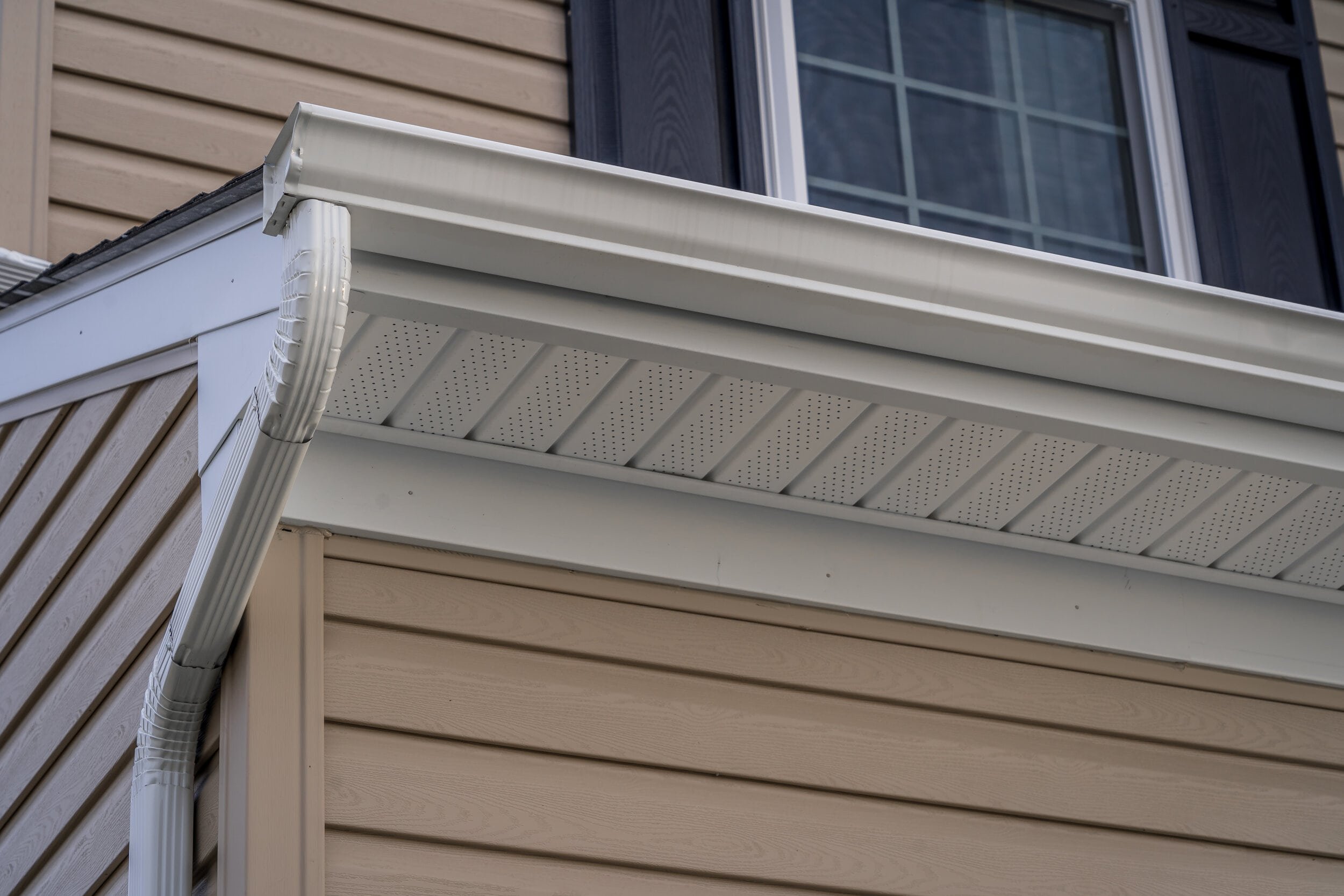
Let's talk money. If you're researching roof replacement cost Michigan 2026, you've probably already seen the vague ranges online — "$5,000 to $15,000" or "depends on your roof." That's not helpful when you're trying to budget for one of the biggest investments in your home.
After 35 years installing roofs across Southeast Michigan — from brick Colonials in Bloomfield Hills to 1960s ranches in Sterling Heights — we've learned that Michigan homeowners want straight answers. So here's what roof replacements actually cost in 2026, broken down by material, size, and the hidden factors that move the needle on your final invoice.
This isn't a sales pitch. It's the pricing reality from a Detroit roofing services contractor who's been doing this since 1988 and holds the CertainTeed Master Shingle Applicator credential — the highest certification in the roofing industry.
What Roofing Materials Actually Cost in Michigan
Material choice drives the biggest cost variation in roof replacements. Here's what we're installing in Metro Detroit in 2026, with real pricing per square (100 square feet of roof area).
Asphalt Shingles: The Michigan Workhorse
Asphalt shingles make up 85% of residential roofs in Southeast Michigan. They handle freeze-thaw cycles well, come in dozens of colors, and offer solid value. But not all asphalt shingles are created equal.
| Shingle Type | Cost Per Square (Material Only) | Lifespan in Michigan | Best For |
|---|---|---|---|
| 3-Tab Shingles | $90 - $120 | 15-20 years | Budget-conscious projects, rental properties |
| Architectural Shingles | $140 - $200 | 25-30 years | Most residential homes — best value |
| Designer/Premium Shingles | $250 - $400 | 30-50 years | High-end homes, historic districts, curb appeal focus |
We install CertainTeed Landmark, GAF Timberline HDZ, and Owens Corning Duration shingles most often. These architectural shingles hit the sweet spot for Michigan weather — thick enough to resist wind uplift during summer storms, flexible enough to handle winter contraction, and backed by strong warranties.
Michigan Reality Check: The cheapest shingle isn't always the best deal. A 3-tab roof that fails at year 18 costs you more over 30 years than an architectural shingle that lasts the full warranty period. We've replaced hundreds of budget roofs that should've been spec'd differently from day one.
Metal Roofing: Long-Term Investment
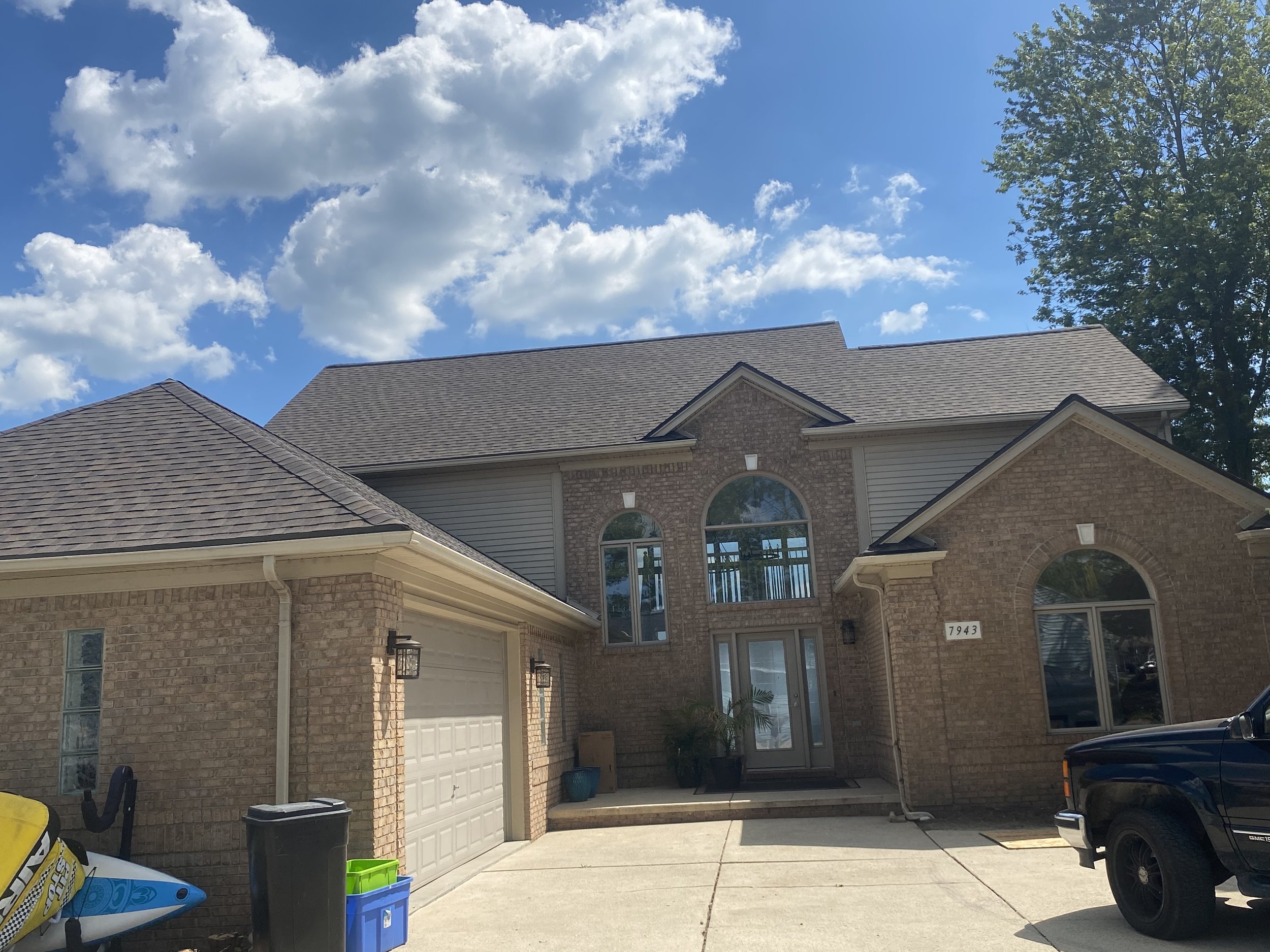
Metal roofs are gaining traction in Oakland and Macomb counties, especially on lakefront properties and modern builds. Material costs run $400-$800 per square for standing seam systems, with lifespans pushing 50+ years. Installation requires specialized skills — not every roofing crew can handle metal correctly, and bad installs lead to leaks at the seams.
Metal makes sense if you're planning to stay in the home long-term, want superior snow shedding, or need something that laughs at Michigan hail. But the upfront cost is 2-3x asphalt, so it's not the right call for every budget.
Clay and Concrete Tile: Rare in Michigan
We see tile roofs occasionally in Grosse Pointe and Birmingham — usually on Mediterranean-style homes. Material costs start around $600 per square, but the real expense is structural reinforcement. Tile is heavy, and many Michigan homes weren't framed to carry that load. You're often adding $3,000-$8,000 in structural work before the first tile goes down.
Labor and Installation Rates in Southeast Michigan
Material is only half the equation. Labor accounts for 40-60% of your total roof replacement cost in Michigan, and rates vary based on crew skill, project complexity, and timing.
In 2026, expect to pay $150-$250 per square for labor on a standard asphalt shingle installation in Metro Detroit. That includes tear-off of the old roof, disposal, installation of new underlayment and shingles, flashing work, and cleanup.
What Drives Labor Costs Higher?
- Roof pitch: Anything steeper than 6/12 pitch requires additional safety equipment and slows down installation. Expect a 15-25% premium on steep roofs.
- Roof complexity: Multiple valleys, dormers, skylights, and chimneys add time. A simple gable roof installs faster than a hip roof with six dormers.
- Height: Two-story homes cost more than ranches. Three-story Victorians in Royal Oak? Even more.
- Access: Tight lots, mature trees blocking crane access, and homes surrounded by landscaping all slow down material delivery and debris removal.
- Season: Spring and fall are peak roofing seasons. If you need work done in July or November, you might negotiate better rates when crews have openings.
Our crews at NEXT Exteriors have been working together for years — we're not hiring day laborers off Craigslist. That consistency shows up in clean installs, minimal callbacks, and projects that finish on schedule. You pay a bit more for experienced crews, but you're not paying twice to fix mistakes.
The Hidden Costs Most Contractors Don't Mention Upfront
Here's where roof replacement estimates get messy. A contractor quotes you $8,000, you sign the contract, and suddenly there's an extra $2,500 in "unforeseen issues." Let's pull back the curtain on what actually drives costs up mid-project.
Decking Replacement
Once we tear off your old shingles, we inspect the roof decking (usually plywood or OSB sheathing). In Michigan, it's common to find rot around chimneys, valleys, and eaves — especially on homes built in the 1970s-1990s when builders skimped on ice and water shield.
Decking replacement runs $3-$5 per square foot. On a typical 2,000-square-foot roof, replacing 200 square feet of rotted decking adds $600-$1,000 to your bill. Honest contractors mention this possibility upfront. Sketchy ones lowball the estimate and hit you with the upcharge once your roof is torn off.
Ice and Water Shield
Michigan building code requires ice and water shield (a self-sealing underlayment) along eaves and in valleys to prevent ice dam damage. Good contractors install it 3-6 feet up from the eave line. Great contractors run it up the entire roof deck on low-pitch roofs or homes with a history of ice dams.
Ice and water shield costs $80-$120 per roll (covers about 200 square feet). Adding extra coverage beyond code minimum adds $300-$800 to the project, but it's worth every penny if you've dealt with ice dam leaks before.

Ventilation Upgrades
Attic ventilation is critical in Michigan. Poor ventilation leads to ice dams in winter, shingle failure in summer, and moisture problems year-round. If your home has inadequate ridge vents, soffit vents, or gable vents, we'll recommend upgrades during the roof replacement.
Adding ridge vents runs $8-$15 per linear foot. Installing new soffit vents costs $150-$300 per vent. Budget an extra $800-$1,500 if your attic ventilation needs a complete overhaul. It's not optional if you want your new roof to last — trapped heat and moisture will cook shingles from below and void your warranty.
We've written extensively about attic ventilation issues and how they destroy roofs prematurely. If you're spending $12,000 on a new roof, don't skip the $1,200 fix that makes it last 30 years instead of 18.
Pipe Boot Replacement
Plumbing vent pipes stick through your roof, and they're sealed with rubber boots. After 15-20 years, those boots crack and leak. Replacing them during a roof job is cheap insurance — $30-$60 per boot. We've seen homeowners skip this to save $200, then call us back two years later with water stains on the ceiling. Pipe boots cause more leaks than most people realize.
Chimney Flashing and Repairs
Brick chimneys are everywhere in Southeast Michigan, and the flashing around them is a common failure point. If your chimney needs repointing (replacing deteriorated mortar) or new counter-flashing, add $400-$1,200 depending on chimney size and brick condition.
We coordinate with masons when needed — it's not worth installing a perfect roof around a crumbling chimney that'll leak in three years.
Roof Replacement Cost by Square Footage (Real Examples)
Let's get specific. Here's what homeowners in Macomb, Oakland, and St. Clair counties actually paid for roof replacements in 2025-2026, based on projects we completed.
1,200 Square Foot Ranch in Warren
- Roof Area: 14 squares (1,400 sq ft including overhangs)
- Material: GAF Timberline HDZ architectural shingles (Charcoal)
- Scope: Full tear-off, new underlayment, ice and water shield on eaves and valleys, ridge vent installation, 3 pipe boot replacements
- Total Cost: $7,800
- Timeline: 1.5 days
This is a straightforward job — simple gable roof, easy access, no structural issues. The homeowner got a 25-year shingle with a 50-year warranty on a budget that worked for a young family.
2,400 Square Foot Colonial in Troy
- Roof Area: 28 squares (2,800 sq ft)
- Material: CertainTeed Landmark architectural shingles (Weathered Wood)
- Scope: Full tear-off, replaced 180 sq ft of rotted decking, ice and water shield on entire lower roof section, new ridge vents, new soffit vents, chimney flashing replacement, 5 pipe boots
- Total Cost: $14,200
- Timeline: 3 days
The decking damage added $900 to the original estimate, but the homeowner appreciated that we caught it before it became a bigger problem. The extra ventilation work solved chronic ice dam issues they'd dealt with for years.
3,200 Square Foot Custom Home in Bloomfield Hills
- Roof Area: 38 squares (3,800 sq ft)
- Material: CertainTeed Grand Manor designer shingles (Gatehouse Slate)
- Scope: Full tear-off, premium underlayment, extensive ice and water shield coverage, custom copper valley flashing, new ridge vents, 8 pipe boots, chimney counter-flashing coordination with mason
- Total Cost: $26,400
- Timeline: 5 days
This was a high-end install with premium materials and custom details. The designer shingles alone cost twice as much as standard architectural shingles, but the curb appeal matched the neighborhood and the home's resale value.
Cost Per Square Foot Reality: Most Michigan roof replacements cost between $5.50 and $9.50 per square foot of roof area, all-in. That includes materials, labor, tear-off, disposal, and typical extras. Go below $5/sq ft and you're either getting a screaming deal or cutting corners. Go above $10/sq ft and you're either on a complex roof or choosing premium materials.
When to Repair vs. Replace: The Cost Decision
Not every roof problem requires a full replacement. But homeowners waste money on repairs when replacement makes more financial sense. Here's how we think through the decision.
Repair Makes Sense When:
- Your roof is less than 12 years old and damage is localized (storm damage to one section, a few missing shingles, isolated leak around a chimney)
- The repair cost is less than 20% of a full replacement cost
- You're planning to sell within 2-3 years and just need to get past the home inspection
- The underlying structure (decking, ventilation) is solid
Replacement Makes Sense When:
- Your roof is 18+ years old, even if it's not actively leaking yet
- You're seeing widespread shingle curling, granule loss, or cracking
- You've had multiple repairs in the past 3-5 years
- The repair cost exceeds 25% of replacement cost
- You're planning major renovations (adding a dormer, finishing an attic) — do the roof first
We've written a detailed breakdown on when to repair vs. replace your roof and how long roofs actually last in Michigan. The short version: if your roof is past the 2/3 mark of its expected lifespan, replacement is usually the smarter financial move.

How to Budget for a Roof Replacement in 2026
Roof replacements aren't cheap, but they're also not emergencies you should panic-finance. Here's how to approach the budget conversation.
Get Multiple Estimates (But Don't Chase the Lowest Bid)
Talk to 3-4 licensed contractors. Compare not just price, but scope of work, materials specified, warranty coverage, and timeline. A $9,000 bid using 3-tab shingles with a 2-year workmanship warranty isn't comparable to a $12,000 bid using architectural shingles with a 10-year workmanship warranty.
We provide detailed written estimates that break down materials, labor, and extras. If a contractor gives you a number on a napkin, walk away.
Understand Warranty Coverage
Shingle manufacturers offer material warranties (25-50 years), but those don't cover installation defects. You need a strong workmanship warranty from your contractor — we offer 10 years on all roofing installations. That means if a valley leaks or flashing fails due to our work, we fix it at no cost.
Cheap contractors offer 1-2 year workmanship warranties, then disappear when problems surface in year three. Pay a bit more for a contractor with a track record — we've been in business since 1988 and hold an A+ BBB rating since 2006.
Financing Options
Most homeowners finance roof replacements through:
- Home equity line of credit (HELOC): Lowest interest rates if you have equity and good credit
- Personal loan: Faster approval, higher rates, no collateral required
- Contractor financing: We work with lenders who specialize in home improvement loans — often 0% interest for 12-18 months if you qualify
- Insurance claim: If storm damage is involved, file a claim. We work with adjusters regularly and can help document damage.
Don't put a roof on a high-interest credit card unless you can pay it off in 3-4 months. The interest will cost you more than the roof itself over time.
Timing Your Replacement
Spring and fall are busy seasons — everyone wants their roof done when the weather's nice. If you have flexibility, consider:
- Late fall (November): Crews have openings, shingles seal fine in cool weather, you're ready for winter
- Early spring (March-April): Before the rush, after the worst freeze-thaw cycles
- Winter (December-February): We do winter installs when temperatures are above 40°F. Shingles are more brittle in cold weather, but experienced crews handle it fine. You might negotiate better pricing.
Avoid peak summer (June-August) unless you're dealing with active leaks. You'll wait longer for scheduling and pay peak-season rates.
Beyond the Roof: Related Exterior Work
If you're replacing your roof, consider bundling other exterior projects to save on mobilization costs and scaffolding setup:
- Gutters: Old seamless gutters in Detroit, MI homes often need replacement when the roof goes. We install new gutters at a discount when bundled with roofing.
- Siding: If your house siding in Detroit is showing age, tackle both projects together. Scaffolding is already up, and you'll transform the whole exterior.
- Windows: Our Detroit window experts often coordinate window replacement with roofing projects — new flashing integrates better when done simultaneously.
- Insulation: If attic insulation is lacking, upgrade it before the new roof goes on. Our top-rated insulation contractor in Detroit services can improve energy efficiency and prevent ice dams.
- Painting: Once the roof and trim are fresh, Southeast Michigan's go-to painting professionals can finish the exterior with Sherwin-Williams coatings for a complete refresh.
We offer comprehensive exterior services in Detroit and throughout Southeast Michigan, so you're working with one trusted team instead of coordinating multiple contractors.
Ready to Get Started?
NEXT Exteriors has been protecting Michigan homes since 1988. Get a free, no-pressure estimate from a team that shows up on time and does the job right.
Get Your Free QuoteOr call us: (844) 770-6398
Common Questions About Roof Replacement Costs in Michigan
Most residential roof replacements in Southeast Michigan cost between $8,000 and $16,000 for a standard 2,000-2,500 square foot home with architectural shingles. Simple ranch homes with easy access run on the lower end. Two-story Colonials with complex rooflines, multiple valleys, and dormers run higher. Premium materials (designer shingles, metal roofing) can push costs to $20,000-$30,000+.
Repairs are cheaper upfront, but replacement is often smarter long-term. If your roof is under 12 years old and damage is localized, repair makes sense. If your roof is 18+ years old or you're facing multiple problem areas, replacement saves you from throwing money at a failing system. A good rule: if repair costs exceed 25% of replacement cost, replace the whole roof.
3-tab shingles are flat, single-layer shingles that last 15-20 years and cost less upfront ($90-$120 per square). Architectural shingles are thicker, multi-layered, and last 25-30 years ($140-$200 per square). They look better, resist wind and impact better, and come with stronger warranties. In Michigan's harsh climate, architectural shingles are worth the extra cost for most homeowners.
Most residential roof replacements take 1-3 days depending on size and complexity. A simple 1,200 sq ft ranch might be done in a day. A 2,500 sq ft Colonial with multiple roof planes takes 2-3 days. Weather delays, decking repairs, and custom flashing work can extend the timeline. We give you a realistic schedule upfront and communicate if anything changes.
Not always, but it's common to find some rotted decking once the old shingles come off — especially around chimneys, valleys, and eaves. We inspect the decking during tear-off and replace damaged sections. Decking replacement costs $3-$5 per square foot. Honest contractors mention this possibility upfront rather than surprising you with a bill mid-project.
Ice and water shield is a self-sealing underlayment that prevents leaks from ice dams and wind-driven rain. Michigan building code requires it along eaves and in valleys. We recommend extending coverage on low-pitch roofs or homes with a history of ice dam problems. It costs $80-$120 per roll and adds $300-$800 to most projects, but it's cheap insurance against winter leaks.
If your roof is visibly worn or past 20 years old, yes — buyers will either negotiate the price down or walk away. A new roof adds curb appeal, passes inspection cleanly, and can return 60-70% of the cost in resale value. If your roof is 10-15 years old and in decent shape, you can usually sell as-is. We work with realtors regularly and can advise on whether replacement makes sense for your situation.
Copper Gutters Installation Metro Detroit | NEXT Exteriors
Copper gutters add lasting beauty and value to Southeast Michigan homes. Learn costs, benefits, and installation from Metro Detroit's trusted exterior contractor since 1988.
We've been installing seamless gutters in Detroit, MI since 1988, and homeowners ask us about copper gutters more than any other premium material. It makes sense. Copper adds a level of craftsmanship and visual warmth that aluminum or vinyl can't touch. But it's also a significant investment — one that deserves a straight answer about costs, benefits, and whether it's the right choice for your Metro Detroit home.
If you're considering copper gutters for a brick Colonial in Grosse Pointe Farms, a historic home in Mount Clemens, or a custom build in Bloomfield Hills, here's what 35+ years of Michigan exterior work has taught us about this material.
Why Copper Gutters Work Well in Metro Detroit
Michigan's freeze-thaw cycles are brutal on exterior materials. We see temperatures swing from single digits in January to 90°F summer storms in July. That constant expansion and contraction destroys weaker gutter systems — seams split, brackets pull loose, and thin aluminum warps under ice load.
Copper doesn't care. It's one of the most durable gutter materials available, and it handles Michigan weather with zero complaint. The material itself is naturally resistant to corrosion, which means it won't rust out like steel or degrade like vinyl in UV exposure. After three decades of freeze-thaw cycles, a properly installed copper gutter system looks better than most aluminum systems do after five years.

The patina development is another Michigan-specific advantage. Copper starts out bright and reflective, then gradually oxidizes to a rich brown, and eventually develops that classic green-blue patina. In our humid summers and wet springs, this process happens faster than in drier climates — usually reaching full patina within 15-20 years depending on sun exposure and proximity to Lake St. Clair or other water sources.
Architecturally, copper gutters complement the brick Colonials, Tudor revivals, and Craftsman homes common throughout Oakland and Macomb counties. We've installed copper systems on homes in Rochester Hills where the warm tones match existing copper roofing accents, and on historic properties in downtown Mount Clemens where the material fits the period-appropriate aesthetic better than modern alternatives.
Michigan-Specific Consideration: Lake-effect moisture from the Great Lakes accelerates patina development. Homes closer to Lake St. Clair or in communities like St. Clair Shores will see faster color changes than inland properties in Troy or Sterling Heights.
The Real Cost of Copper Gutter Installation
Let's address the number everyone wants to know: copper gutters cost significantly more than aluminum or vinyl. In Metro Detroit, expect to pay between $25-$40 per linear foot for materials and professional installation. That's roughly 3-5 times the cost of a standard aluminum seamless gutter system.
For a typical 2,000 square foot home with 150-180 linear feet of gutter, you're looking at $3,750-$7,200 for a complete copper installation including downspouts, hangers, and end caps. Larger homes or properties with complex rooflines can push that higher.
Here's the cost breakdown we give homeowners:
- Material costs: Copper itself runs $15-$25 per linear foot depending on thickness (16 oz. vs. 20 oz. copper) and current metal market prices
- Labor costs: Professional installation adds $10-$15 per linear foot — copper requires specialized soldering and fabrication skills that standard gutter installers may not have
- Accessories: Copper downspouts, hangers, and decorative elements add another 15-20% to total project cost
- Fascia work: If your existing fascia needs repair or replacement before installation, budget an additional $5-$8 per linear foot
That's a significant upfront investment compared to aluminum systems that typically run $8-$12 per linear foot installed. But copper's lifespan and minimal maintenance requirements change the long-term math considerably.
Budget Reality: Copper makes the most financial sense on homes you plan to own for 20+ years, or on high-value properties where the aesthetic and resale impact justifies the premium. For homes in the $400K+ range in communities like Bloomfield Hills or Grosse Pointe, copper gutters are often expected by buyers and contribute to perceived home quality.
Beyond gutters, many homeowners invest in comprehensive exterior services in Detroit that complement premium materials — pairing copper gutters with quality Detroit roofing services and architectural shingles creates a cohesive, high-end exterior package.
Copper Gutter Benefits Beyond Curb Appeal
Yes, copper gutters look exceptional. But the practical benefits matter more for most Michigan homeowners we work with.
Lifespan That Outlasts Your Mortgage
A properly installed copper gutter system lasts 50+ years. We've repaired copper gutters on homes in Royal Oak that were installed in the 1960s and are still structurally sound. Compare that to aluminum gutters (20-25 years) or vinyl (10-15 years in Michigan's climate), and the cost-per-year calculation starts looking reasonable.
That longevity comes from copper's material properties. It doesn't rust, doesn't corrode in acid rain or road salt spray, and maintains structural integrity through decades of thermal cycling. The only real enemy is physical damage — falling tree limbs or ladder impacts — which can happen to any gutter material.
Low Maintenance Requirements
Copper gutters need the same seasonal cleaning as any gutter system — removing leaves, clearing downspouts, checking for proper drainage. But they don't require the repainting, resealing, or bracket replacement that aluminum and steel systems often need after 10-15 years.
The patina that develops on copper actually serves as a protective layer, preventing further oxidation and maintaining the material's integrity. You don't need to treat it, seal it, or maintain it beyond basic cleaning.

Natural Antimicrobial Properties
Copper has natural antimicrobial properties that inhibit algae, moss, and fungal growth. In Michigan's humid climate where organic growth on roofs and gutters is common, this means less biological buildup and fewer maintenance headaches. We see significantly less black streaking and green algae on copper gutters compared to aluminum systems on similar homes.
Weather Resistance in Michigan Storms
Michigan summers bring severe thunderstorms with high winds and heavy rainfall. Copper's weight and structural strength help it stay attached to fascia boards during these events. The material doesn't flex or vibrate like thinner aluminum, which reduces stress on mounting brackets and prevents the slow pulling-away that causes gutter failure.
During winter, copper handles ice load better than most alternatives. A 6-inch copper gutter can support significant snow and ice accumulation without sagging or pulling loose — critical in areas like Lake Orion or Chesterfield where heavy lake-effect snow is common.
Homeowners investing in copper gutters often pair them with other premium exterior upgrades. Our Detroit siding company services include James Hardie fiber cement and LP SmartSide engineered wood that match copper's durability and aesthetic quality.
Installation Considerations for Southeast Michigan Homes
Copper gutter installation isn't a DIY project. The material requires specialized fabrication skills, proper soldering techniques, and an understanding of thermal expansion that most general contractors don't have. Here's what proper installation involves for Michigan homes.
Proper Pitch and Drainage
Every gutter system needs correct slope — typically 1/4 inch per 10 feet of run — to ensure water flows toward downspouts. With copper, getting this right matters even more because you're making a 50-year investment. We use laser levels to establish precise pitch, accounting for fascia irregularities common in older Michigan homes.
Michigan's heavy spring rains and summer thunderstorms can overwhelm undersized gutters. We typically recommend 6-inch copper gutters for most residential applications in Southeast Michigan, with 3x4-inch rectangular downspouts spaced every 30-40 feet depending on roof area and pitch.
Ice Dam Prevention
Ice dams are a constant concern in Michigan winters. While gutters don't cause ice dams (inadequate attic insulation and ventilation do), they're often where the damage shows up first. When installing copper gutters, we evaluate the entire roof-to-attic system to identify ice dam risk factors.
Proper attic insulation in Metro Detroit is critical for preventing the heat loss that creates ice dams. We often recommend spray foam insulation or additional blown-in cellulose to bring attics up to R-49 or higher — Michigan's recommended value for our climate zone.
For copper gutter installations on homes with existing ice dam problems, we sometimes install heat cable systems or recommend roof edge ventilation improvements before the gutter work begins. There's no point installing premium gutters if winter ice is going to rip them off the fascia every February.
Fascia Compatibility and Condition
Copper gutters are heavy — roughly three times the weight of equivalent aluminum gutters. Your fascia boards need to be structurally sound to support this weight plus snow and ice load. On older homes in Clinton Township or Warren, we often find rotted fascia that needs replacement before copper installation.
We use hidden hangers or copper brackets spaced every 24 inches maximum for proper support. On homes with decorative rafter tails or exposed eaves common in Craftsman and Prairie-style architecture, we fabricate custom copper brackets that become architectural features themselves.
Downspout Placement and Sizing
Downspouts need to discharge water at least 6-10 feet from the foundation to prevent basement water problems — a common issue in Michigan's clay-heavy soil. We evaluate grading, existing drainage, and foundation waterproofing before finalizing downspout locations.
Copper downspouts can be round (typically 3-4 inches) or rectangular (3x4 or 4x5 inches). Rectangular downspouts handle higher water volume and are less likely to clog with debris, making them our default recommendation for Michigan's heavy leaf fall and spring runoff conditions.
Professional Installation Requirements
Quality copper gutter installation requires:
- Proper soldering: All seams and joints should be soldered, not caulked or riveted, for maximum strength and longevity
- Thermal expansion accommodation: Copper expands and contracts more than aluminum — installations need expansion joints on runs longer than 40 feet
- Dissimilar metal protection: Copper in contact with aluminum or galvanized steel causes galvanic corrosion — proper isolation is critical
- Correct fastener selection: Copper or stainless steel fasteners only — regular steel screws will rust and fail
This level of detail is why copper gutter installation costs more. It's not just hanging metal — it's precision metalwork that needs to last half a century through Michigan's weather extremes.
Many homeowners coordinating multiple exterior projects appreciate working with a contractor who handles everything. Our Detroit window experts can replace aging windows while copper gutters are being installed, creating a complete exterior upgrade with a single point of contact.
Copper vs. Other Gutter Materials
Copper isn't the only option for Metro Detroit homes. Here's how it compares to the alternatives we install most often.
Copper vs. Aluminum
Aluminum is the most common gutter material we install — it's affordable, lightweight, and available in dozens of colors to match any home. Seamless aluminum gutters cost $8-$12 per linear foot installed and last 20-25 years with proper maintenance.
The tradeoff: aluminum dents easily (hail, ladders, falling branches), can pull away from fascia under heavy ice load, and eventually needs repainting or replacement as the finish deteriorates. In Michigan's climate, we see aluminum gutter failure most often at seams and mounting points after 15-20 years.
Copper costs 3-4 times more upfront but lasts twice as long with minimal maintenance. For budget-conscious homeowners or those planning to sell within 10 years, aluminum makes sense. For long-term owners prioritizing durability and aesthetics, copper wins.
Copper vs. Steel
Galvanized steel gutters offer strength comparable to copper at a lower price point — typically $10-$16 per linear foot installed. Steel handles ice load well and won't dent as easily as aluminum.
The problem: rust. Even galvanized steel eventually corrodes in Michigan's wet climate, especially where the protective zinc coating gets scratched or worn. We've replaced countless steel gutter systems in Macomb and St. Clair counties where rust-through occurred after 15-20 years, often starting at seams or where debris held moisture against the metal.
Copper never rusts. The patina that develops is protective, not destructive. If you're considering steel for its strength, copper delivers the same structural benefits without the corrosion concerns.
Copper vs. Vinyl
Vinyl gutters are the budget option — $3-$6 per linear foot installed. They don't rust, dent, or require painting. For rental properties or homes where budget is the primary concern, vinyl serves a purpose.
But vinyl has serious limitations in Michigan. The material becomes brittle in cold temperatures and can crack during winter ice events. UV exposure causes fading and degradation over time. Most vinyl gutter systems we see in Southeast Michigan need replacement within 10-15 years, and many fail sooner if installation quality was poor.
Vinyl also lacks the structural strength to handle heavy snow and ice load. We've responded to emergency calls after winter storms where vinyl gutters simply snapped off homes under ice weight — something that doesn't happen with properly installed copper or even aluminum systems.
When Copper Makes Sense for Your Home
Copper gutters are the right choice when:
- You're planning to own the home for 20+ years and want a permanent solution
- The home's architecture and value justify premium materials (typically $400K+ in Metro Detroit)
- You're already investing in other high-end exterior materials (slate roofing, stone veneer, James Hardie siding)
- Historic preservation or neighborhood character is a priority
- You want to eliminate gutter maintenance and replacement from your long-term home care schedule
Copper doesn't make sense when budget constraints are tight, when you're planning to sell within 5-10 years, or when the home's overall quality doesn't align with premium materials.
For comprehensive exterior planning, our team can help coordinate Southeast Michigan painting professionals to refresh trim and fascia alongside gutter installation, creating a cohesive exterior upgrade that maximizes curb appeal and property value.
Maintaining Copper Gutters in Michigan
One of copper's biggest advantages is low maintenance. But "low maintenance" doesn't mean "no maintenance." Here's what Michigan homeowners need to know about keeping copper gutters functional for decades.
Seasonal Cleaning Schedule
Clean copper gutters twice a year minimum — once in late fall after leaves drop, and again in early spring after winter debris accumulates. Homes near heavy tree cover in areas like Rochester Hills or Lake Orion may need more frequent cleaning.
The cleaning process is straightforward: remove debris by hand or with a gutter scoop, flush downspouts with a garden hose, check for proper water flow. Unlike aluminum gutters that can dent if you're not careful, copper can handle normal cleaning without damage.
Debris Management
Michigan's oak, maple, and pine trees drop significant debris. Gutter guards can help reduce cleaning frequency, but they're not foolproof — pine needles and small debris still get through most systems.
If you're installing copper gutters, consider the long-term maintenance access. Make sure you have safe ladder placement points and that roof pitch allows safe cleaning. On two-story homes, professional gutter cleaning services are often worth the cost versus the fall risk of DIY work.
Patina: Preserve or Polish?
This is personal preference. The green-blue patina that develops on copper is protective and historically authentic. Most homeowners installing copper gutters specifically want this aged appearance.
If you prefer the bright copper look, you can slow patina development with specialized copper cleaners and sealers. This requires annual maintenance and eventually becomes impractical — the patina will win. Our recommendation: embrace it. The patina is part of copper's character and contributes to the material's longevity.
When to Call for Repairs
Copper gutters rarely need repairs if properly installed, but watch for:
- Separation from fascia: Usually caused by fascia rot or inadequate fasteners — address immediately to prevent further damage
- Leaking seams: Rare with soldered copper, but can happen if installation quality was poor — requires professional resoldering
- Sagging sections: Indicates inadequate support or hanger failure — add additional brackets
- Downspout clogs: Often caused by debris buildup or ice formation — clear blockages before water backs up into gutters
Physical damage from falling tree limbs or ladder impacts may require section replacement. Because copper is a standard material, matching replacement sections is straightforward even decades after initial installation.
Ready to Get Started?
NEXT Exteriors has been protecting Michigan homes since 1988. Get a free, no-pressure estimate from a team that shows up on time and does the job right.
Get Your Free QuoteOr call us: (844) 770-6398
Frequently Asked Questions About Copper Gutters
Properly installed copper gutters last 50+ years in Michigan's climate. We've seen copper gutter systems from the 1960s still functioning perfectly on homes throughout Metro Detroit. The material doesn't rust, corrode, or degrade from freeze-thaw cycles, making it one of the longest-lasting gutter options available. With minimal maintenance — just seasonal cleaning — copper gutters can easily outlast your mortgage and may never need replacement during your ownership.
Yes, copper gutters develop a green-blue patina over time through natural oxidation. In Michigan's humid climate with lake-effect moisture, this process typically takes 15-20 years to reach full patina. The patina isn't damage — it's a protective layer that prevents further oxidation and is part of copper's aesthetic appeal. Homes closer to Lake St. Clair or in areas with higher humidity will see faster patina development. The color progression goes from bright copper to brown to eventually green-blue, similar to the Statue of Liberty.
Copper gutters make financial sense for homeowners planning to stay in their homes 20+ years, or for higher-value properties ($400K+) where the aesthetic and resale impact justify the premium. The upfront cost is 3-5 times higher than aluminum, but copper's 50+ year lifespan, minimal maintenance requirements, and superior durability in Michigan's freeze-thaw cycles provide long-term value. For homes in communities like Bloomfield Hills, Grosse Pointe, or Rochester Hills, copper gutters are often expected by buyers and contribute to perceived home quality. If you're selling within 5-10 years, aluminum gutters offer better cost-to-benefit ratio.
Technically yes, but copper gutters look best on certain architectural styles common in Southeast Michigan. They're ideal for brick Colonials, Tudor revivals, Craftsman homes, and historic properties where the material complements existing architectural details. Copper also works well on custom builds and high-end contemporary homes where premium materials are part of the overall design. On basic ranch homes or builder-grade properties, copper gutters may look out of place or represent an over-investment relative to the home's overall value. The fascia must be structurally sound to support copper's weight, which can require repairs or reinforcement on older homes.
Expect to pay $25-$40 per linear foot for copper gutter materials and professional installation in Southeast Michigan. For a typical home with 150-180 linear feet of gutter, total project cost runs $3,750-$7,200 including downspouts, hangers, and accessories. Larger homes or complex rooflines cost more. Material costs fluctuate with copper market prices but typically run $15-$25 per linear foot, with labor adding $10-$15 per foot. Fascia repairs or replacement add $5-$8 per linear foot if needed. Compare this to aluminum seamless gutters at $8-$12 per linear foot installed.
Copper gutters need the same basic maintenance as any gutter system — seasonal cleaning to remove leaves and debris, clearing downspouts, and checking for proper drainage. The difference is copper doesn't require the repainting, resealing, or bracket replacement that aluminum and steel systems need after 10-15 years. Clean gutters twice yearly (late fall and early spring) to maintain proper function. The patina that develops serves as a protective layer and doesn't need treatment. Unlike aluminum, copper won't dent during normal cleaning, making maintenance easier. No special cleaners or treatments are required unless you want to slow patina development, which requires annual polishing and sealing.
Copper gutters contribute to perceived home quality and curb appeal, which can positively impact resale value, particularly in higher-end markets like Bloomfield Hills, Grosse Pointe, or Rochester Hills. Buyers in the $400K+ range often expect premium materials and appreciate the longevity and low maintenance copper provides. However, you typically won't recoup the full installation cost at resale — copper gutters are more about long-term ownership value than immediate return on investment. They're most valuable when paired with other quality exterior materials (architectural shingles, James Hardie siding, quality windows) that create a cohesive, well-maintained exterior presentation.
Seamless vs Sectional Gutters for Michigan Storms
Seamless gutters handle Michigan's heavy rain and snow better than sectional systems. Learn why from a contractor who's installed both for 35+ years in Southeast Michigan.

NEXT Exteriors
•
February 19, 2026
•
9 min read
Why Michigan Weather Demands Better Gutters
I've been installing gutters in Southeast Michigan since 1988, and I'll tell you straight: if you're still running sectional gutters on your house in Sterling Heights or Rochester Hills, you're fighting a losing battle against Michigan weather.
We get hit with everything here. Lake-effect snow dumps 2 feet overnight. Spring thunderstorms drop 2 inches of rain in an hour. Then you've got 40 to 60 freeze-thaw cycles every winter — water gets into those sectional seams, freezes, expands, and slowly tears your gutter system apart.
Southeast Michigan receives 30 to 35 inches of precipitation annually, and your gutters are the only thing standing between that water and your foundation. When gutters fail here, you're not just dealing with cosmetic problems. You're looking at basement flooding, foundation cracks, rotted fascia boards, and ice dams that can peel shingles right off your roof.
The question isn't whether you need quality gutters — it's which type will actually survive more than a few Michigan winters. That's what we're here to answer, using 35+ years of real installation experience across Macomb, Oakland, and St. Clair counties.
Our team at NEXT Exteriors specializes in seamless gutters in Detroit, MI and throughout Southeast Michigan because we've seen firsthand what works and what fails when the weather turns brutal.
What Makes Seamless Gutters Different
Seamless gutters are exactly what the name says: one continuous piece of aluminum formed on-site to the exact length of your roofline. No joints. No seams. No weak points — except at the corners and downspouts, which we seal properly with commercial-grade sealant.
Here's how the installation works: We pull up to your house in Troy or Shelby Township with a gutter machine mounted on our truck. We feed in a coil of aluminum, program your measurements, and the machine extrudes a custom-formed gutter section that's 30, 40, even 60 feet long if needed. We cut it to exact length, attach it to your fascia with hidden hangers every 24 inches, and seal the corners.

The advantages are structural, not cosmetic:
Fewer leak points: Sectional gutters have a seam every 10 feet. That's 8 to 10 potential failure points on an average house. Seamless systems cut that down to 4 to 6 corner joints total.
Better water flow: No seams means no ridges or lips where debris catches. Water moves through the system faster, which matters during Michigan's heavy spring rains.
Stronger structure: Continuous aluminum doesn't flex and separate at joints during freeze-thaw cycles. The gutter acts as one solid piece.
Custom fit: Every section is cut to your exact measurements on-site. No trying to make 10-foot sections work on a 47-foot roofline.
The material itself is typically .032-inch aluminum (the industry standard for residential gutters), available in dozens of colors that are baked into the finish — not painted on. We use the same gauge aluminum for both seamless and sectional systems when we install them, so the difference isn't the metal quality. It's the engineering.
Seamless gutters are part of our comprehensive exterior services in Detroit and surrounding areas, and they integrate seamlessly with our Detroit roofing services to create a complete water management system for your home.
The Sectional Gutter Problem in Freeze-Thaw Cycles
Sectional gutters are the ones you see at big-box stores: pre-formed 10-foot sections that snap together with connector brackets and rely on sealant to stay watertight. They're cheaper upfront, easier to transport, and simpler for DIY installation. That's why they exist.
But here's what happens in Michigan:
Water gets into the seams — and it always does, because sealant degrades in UV exposure and temperature swings. When that water freezes, it expands with about 1,700 pounds per square inch of force. That's enough to push the sections apart, crack the sealant, and warp the connector brackets.
By spring, you've got gaps. Water starts dripping behind the gutter, soaking your fascia board. The wood rots. The gutter pulls away from the house. Now you're not just replacing gutters — you're replacing fascia, maybe even the rafter tails if the rot spread.
Real example: We replaced sectional gutters on a 1970s Colonial in Clinton Township last fall. The homeowner had them installed 6 years prior by a handyman. Every single seam was separated. The fascia board was black with rot for 15 feet on the north side of the house. Total repair cost: $4,200 for new seamless gutters, fascia replacement, and repainting. The original sectional install cost him $1,800.
The other issue is debris buildup. Those seams create little ridges inside the gutter where leaves, shingle grit, and pine needles catch. You get clogs faster, which means more frequent cleaning — or overflowing gutters during storms.
Sectional systems aren't inherently bad. They work fine in climates with mild weather and minimal freeze-thaw cycles. But Michigan isn't that climate. We're hard on gutters, and sectional systems just don't hold up long-term here.
If you're dealing with other exterior issues alongside failing gutters, our team can help with everything from house siding in Detroit to window replacement in Detroit — all designed to withstand Michigan's demanding weather.
How Michigan Storms Test Your Gutter System
Let's talk about what actually happens during a typical Southeast Michigan storm season, because this is where theory meets reality.
Spring: The Deluge
April and May bring heavy, sustained rainfall. We're talking 2 to 3 inches in a few hours during severe thunderstorms. Your gutters need to handle high-volume water flow without overflowing.
Seamless gutters move water faster because there are no seams to slow it down. Sectional gutters create turbulence at every joint, which reduces flow capacity. When the gutter overflows, water pours down your foundation wall. That's how you get wet basements in Grosse Pointe Farms and Warren.
Summer: Heat and Expansion
Aluminum expands and contracts with temperature changes. In July, your gutters can hit 140°F in direct sunlight. At night, they cool back down to 70°F. That's a 70-degree swing.
Seamless gutters are designed to expand and contract as one piece. Sectional gutters expand and contract at every joint, which stresses the connectors and sealant. Over a few summers, those joints loosen.
Fall: Debris Overload
Oak trees, maples, and pines drop tons of leaves and needles. If your gutters have seams, that's where the debris piles up first. You get clogs, standing water, and mosquito breeding grounds.
We recommend gutter guards for both seamless and sectional systems if you've got heavy tree cover, but seamless gutters clog less frequently even without guards because the smooth interior lets debris wash through more easily.
Winter: Freeze-Thaw Destruction
This is the real test. Water sits in your gutters after a snowmelt. Temperatures drop overnight. Ice forms. The ice expands.
In seamless gutters, the ice has nowhere to push except up and out — which isn't great, but it doesn't compromise the gutter structure. In sectional gutters, the ice pushes against the seams, forcing the sections apart. By March, you've got leaks.
Ice dams are another issue. When your attic insulation is inadequate (which we see constantly in 1960s ranch homes across Macomb County), heat escapes through the roof, melts snow, and the water refreezes at the eave. Ice dams can rip gutters right off the house.
Proper attic insulation in Metro Detroit is critical for preventing ice dams, and it's something we address as part of our comprehensive approach to home exterior protection.
Cost Reality: Seamless vs Sectional
Let's talk numbers, because this is where most homeowners make their decision.
Sectional gutters: $3 to $6 per linear foot installed if you hire a handyman or general contractor. DIY materials cost $1.50 to $3 per linear foot if you're doing it yourself. For a typical 150-foot gutter run, you're looking at $450 to $900 installed.
Seamless gutters: $6 to $12 per linear foot installed by a licensed contractor with a gutter machine. Same 150-foot run costs $900 to $1,800 installed.
So yes, seamless costs roughly double upfront. But here's the math that actually matters:
Sectional gutters typically last 8 to 12 years in Michigan before they need replacement due to seam failure and corrosion. Seamless gutters last 20 to 30 years with minimal maintenance. Over a 30-year period:
Sectional: 3 replacements at $750 each = $2,250
Seamless: 1 installation at $1,350 = $1,350
You save $900 over 30 years, plus you avoid the fascia rot repairs, basement waterproofing, and foundation work that failed gutters cause. Those repairs cost thousands.
We're not trying to upsell you. We install both types when customers request them. But after 35+ years in this business, I can tell you that seamless gutters are the better investment for Michigan homes, and most of our clients in Lake Orion, Royal Oak, and Bloomfield Hills choose seamless once they understand the long-term costs.
When you're budgeting for exterior improvements, it's worth considering the full picture — which is why we offer transparent pricing for all our exterior services in Detroit, from gutters to complete home renovations.
When to Replace Your Gutters
Here's how to know if your current gutters — seamless or sectional — are due for replacement:
Visible Signs
Sagging sections: Gutters should be straight and level (with a slight slope for drainage). If they're sagging or pulling away from the fascia, the hangers have failed or the fascia is rotted.
Cracks or holes: Small cracks turn into big leaks. Aluminum doesn't rust, but it can corrode and develop pinhole leaks over time.
Separated seams: If you've got sectional gutters and you can see daylight through the seams, they're done.
Peeling paint or rust stains: Rust stains on the gutter exterior mean water is getting behind the gutter and running down your siding. That's a fascia problem waiting to happen.
Water damage below: If you've got eroded soil, stained siding, or water stains in your basement directly below a gutter section, the gutter isn't doing its job.
Performance Issues
Overflowing during rain: Could be a clog, or it could be improper slope. Gutters should slope 1/4 inch per 10 feet toward the downspout. If they're level or back-sloped, water pools and overflows.
Ice dams every winter: This is usually an attic insulation problem, not a gutter problem — but gutters that don't drain properly make ice dams worse.
Frequent clogs: If you're cleaning your gutters 3+ times a year and they still clog, the system isn't working. Time for seamless gutters with gutter guards.
Age
If your sectional gutters are more than 10 years old, start planning for replacement. If your seamless gutters are more than 20 years old, get them inspected. Aluminum doesn't last forever, especially in Michigan's climate.
We offer free inspections for homeowners in Macomb, Oakland, and St. Clair counties. We'll tell you straight whether you need new gutters or just maintenance — no sales pitch, no pressure. That's part of our commitment to changing contractor culture.
Sometimes gutter issues are symptoms of larger problems. If you're seeing water damage, it's worth getting a full exterior assessment that includes your roof, siding, and windows to catch problems before they get expensive.
Why Installation Quality Matters More Than Material
Here's something most homeowners don't realize: the difference between seamless and sectional gutters matters less than the quality of the installation.
I've seen seamless gutters fail in 5 years because they were installed by a crew that didn't know what they were doing. Wrong slope. Hangers spaced too far apart. Corners sealed with cheap caulk. Downspouts dumping water right next to the foundation.
And I've seen well-installed sectional gutters last 15 years because the contractor used hidden hangers, commercial-grade sealant, and proper slope calculations.
Here's what proper installation looks like:
Slope and Pitch
Gutters must slope 1/4 inch per 10 feet toward the downspouts. Not 1/8 inch. Not level. Exactly 1/4 inch. We use a laser level to set this. Too little slope and water pools. Too much slope and the gutters look crooked.
Hanger Spacing
Hidden hangers should be installed every 24 inches maximum — closer if you're in a heavy snow area. The hangers attach to the fascia board (or rafter tails if the fascia is rotted), and they support the gutter weight plus snow and ice load.
We see a lot of sectional gutter installs with hangers every 36 inches or more. That's not enough. The gutters sag under snow load, which creates standing water, which freezes and damages the system.
Downspout Placement
You need one downspout for every 35 to 40 feet of gutter run. The downspouts should discharge at least 6 feet away from the foundation — preferably into an underground drain system or onto a splash block that directs water away from the house.
We see too many gutters with downspouts dumping right next to the foundation. That defeats the entire purpose of the gutter system.
Corner Sealing
Corners are the weak point in any gutter system. We use miter joints with commercial-grade sealant (not hardware store caulk) and rivet the corners together. Some installers just rely on sealant. That's not enough in Michigan.
Fascia Condition
If your fascia board is rotted, no gutter system will hold. We inspect the fascia before every gutter install and replace rotted sections. It adds to the cost, but it's the only way to ensure the gutters stay attached to your house.

This is why we recommend hiring a licensed contractor with gutter installation experience — not a handyman, not a roofing crew that does gutters as a side job. Gutters are a specialized trade, and installation quality makes or breaks the system.
At NEXT Exteriors, we've been doing this since 1988. We're a CertainTeed Master Shingle Applicator, BBB A+ Accredited since 2006, and we've completed 500+ projects across Southeast Michigan. We know what works here because we've seen what fails.
If you're planning other exterior work alongside gutter replacement, our team can coordinate everything from exterior painting in Southeast Michigan to complete home makeovers, ensuring every component works together to protect your home.
Ready to Get Started?
NEXT Exteriors has been protecting Michigan homes since 1988. Get a free, no-pressure estimate from a team that shows up on time and does the job right.
Or call us: (844) 770-6398
Frequently Asked Questions
How long do seamless gutters last in Michigan?
+
Seamless aluminum gutters typically last 20 to 30 years in Michigan with proper installation and minimal maintenance. The key factors are installation quality (proper slope, hanger spacing, and sealing) and fascia condition. Gutters installed on rotted fascia will fail early regardless of type.
Can I install seamless gutters myself?
+
No. Seamless gutters require a specialized gutter machine that forms the aluminum on-site. These machines cost $5,000 to $15,000 and require training to operate. You'd need to rent one (if you can find a rental) and learn to use it for a one-time project. It's not practical for DIY. Sectional gutters are DIY-friendly, but seamless gutters are a professional-only job.
Do seamless gutters prevent ice dams?
+
No. Ice dams form when heat escapes through your attic, melts snow on the roof, and the water refreezes at the eave. The root cause is inadequate attic insulation and ventilation — not your gutters. However, properly installed gutters (seamless or sectional) drain water efficiently, which reduces the severity of ice dams. If you're getting ice dams every winter, you need to address your attic insulation first.
What's the best gutter color for a Michigan home?
+
Most homeowners match their gutters to either the trim color or the roof color. White and brown are the most common choices in Southeast Michigan. The color is baked into the aluminum finish, so it won't peel or fade like paint. Choose a color that blends with your home's exterior — gutters should be functional, not a focal point.
How often should I clean my gutters in Michigan?
+
Twice a year minimum: once in late fall after the leaves drop, and once in early spring after the snowmelt. If you have pine trees or heavy oak coverage, you may need to clean them 3 to 4 times per year. Gutter guards reduce cleaning frequency but don't eliminate it — you'll still need to clear debris from the guards themselves.
Are 5-inch or 6-inch gutters better for Michigan?
+
5-inch gutters are standard for most residential homes and handle Michigan's rainfall just fine. 6-inch gutters are recommended if you have a steep roof pitch, large roof area, or heavy tree coverage — they move more water and clog less frequently. We evaluate your roof pitch and drainage needs during the estimate and recommend the right size for your home.
Can you install seamless gutters in winter?
+
Yes, but not during freezing temperatures. The sealant we use for corners and end caps won't cure properly below 40°F. We can install gutters in late fall and early spring when temperatures are above freezing during the day. Deep winter installs (December through February) are risky and we don't recommend them unless it's an emergency repair.
Seasonal Roof + Gutter Maintenance Saves Thousands | MI
Two annual roof and gutter inspections prevent costly damage in Michigan's harsh climate. Learn what to check in spring and fall from a licensed contractor with 35+ years experience.
Author:
NEXT Exteriors
Published:
February 19, 2026
Reading Time:
12 minutes

I've been doing Detroit roofing services since 1988, and I can tell you exactly what separates the homeowners who get 25 years out of their roof from those who need a replacement at 15: two simple inspections per year.
Most people in Sterling Heights or Rochester Hills treat their roof like it's maintenance-free. They install it, forget about it, and then act shocked when a $300 gutter repair turns into a $12,000 roof replacement because water's been sitting against the fascia for three winters.
Michigan's climate is brutal on roofing systems. We get freeze-thaw cycles that crack sealant, lake-effect snow that overloads gutters, ice dams that force water under shingles, and summer storms that rip off loose materials. Your roof needs attention twice a year — spring and fall — or you're gambling with one of your home's most expensive components.
Why Michigan's Climate Demands Twice-Yearly Inspections
Southeast Michigan puts roofing systems through hell. We're not talking about gentle, predictable weather. We're talking about temperatures that swing from -10°F to 90°F in the same year, sometimes 40 degrees in the same week during spring.
Here's what that does to your roof:
Freeze-thaw cycles destroy sealant integrity. Every time water seeps into a tiny crack, freezes, and expands, it widens that crack. By March, what started as a hairline gap in your flashing has become a leak pathway. The asphalt sealant on shingles gets brittle in cold, then softens in heat. After 35 Michigan winters, I can spot a roof that's been through too many cycles without maintenance — the shingles look wavy, the granules are washing off in patches, and the valleys show water staining.
Lake-effect snow dumps massive loads on gutters. If you're in Lake Orion or anywhere near the lakes, you know what I'm talking about. Two feet of wet snow weighs about 40 pounds per cubic foot. Your gutters weren't designed to hold that if they're already full of fall leaves and ice. I've seen gutters ripped completely off houses in Grosse Pointe Farms because nobody cleaned them before the first snowfall.
Ice dams form when attic heat escapes. This is the big one. Snow melts on your warm roof, runs down to the cold eaves, refreezes, and creates a dam. Water backs up under the shingles and into your attic. By the time you see the ceiling stain in your bedroom, you've got mold in the insulation and rotted roof decking. Our top-rated insulation contractor in Detroit services fix the root cause — inadequate attic insulation and ventilation — but the damage still costs thousands to repair.

Summer storms test every weak point. June through August, we get high winds and heavy rain. If your shingles are already compromised from winter, a 50 mph gust will finish the job. I've responded to calls in Clinton Township where homeowners lost 20-30 shingles in a single storm — not because the shingles were defective, but because the sealant had failed and nobody caught it during a spring inspection.
This isn't California or Arizona where your roof just sits there baking in the sun for 30 years. Michigan roofs are active systems under constant stress. Two inspections per year — one after winter damage, one before winter preparation — are the minimum for responsible homeownership.
Spring Inspection: What to Look For After Winter
Timing matters. Don't inspect in March when there's still snow on the roof. Wait until mid-April to early May when temperatures are consistently above freezing and the roof is completely dry. Here's what you're looking for:
Shingle Damage from Ice and Wind
Walk around your property with binoculars (do NOT get on the roof yourself — I'll explain why later). Look for:
Missing shingles: Obvious, but check carefully around roof penetrations (chimneys, vents, skylights)
Curled or lifted edges: This means the sealant failed; the next wind event will take them off
Cracked or split shingles: Common on south-facing slopes that get the most sun exposure
Granule loss: Check your gutters — if they're full of the sand-like granules from the shingle surface, your roof is aging fast
With quality products like CertainTeed Landmark or GAF Timberline HDZ shingles (both of which we install regularly), you shouldn't see significant granule loss for 10-15 years. If you're seeing it earlier, something's wrong with ventilation or installation.
Gutter Separation and Fascia Rot
This is where most homeowners lose money. Your seamless gutters in Detroit, MI are only as good as the fascia board they're attached to. After a winter of ice buildup, check:
Gutter pitch: Stand back and sight down the gutter line — it should slope consistently toward downspouts, not sag in the middle
Fascia condition: Look for soft spots, dark staining, or visible rot where gutters attach
Loose fasteners: Gutters pulling away from the house, even slightly, mean water's getting behind them
Downspout discharge: Make sure extensions are in place and directing water at least 6 feet from your foundation
I replaced a complete gutter system in Troy last spring because the homeowner ignored a small separation for three years. Water ran behind the gutter, rotted the fascia and the first foot of roof decking, and required $4,800 in repairs that could've been prevented with a $200 gutter re-securing.
Attic Moisture and Ventilation Issues
Go into your attic on a sunny day. Bring a flashlight. Look for:
Water stains on roof decking: Dark streaks or rings indicate active or past leaks
Mold or mildew: Musty smell or black spots on wood mean moisture problems
Wet or compressed insulation: Should be dry and fluffy; if it's matted down, water got in
Daylight through roof boards: Small holes mean nail pops or gaps that need sealing
Frost on nails in winter/spring: Sign of inadequate ventilation
Proper attic ventilation — soffit intake vents and ridge or gable exhaust vents — is critical in Michigan. Without it, heat and moisture build up, cooking your shingles from below and voiding most manufacturer warranties. Our exterior services in Detroit always include ventilation assessment because it affects every other component.
Flashing Integrity Around Chimneys and Valleys
Flashing — the metal pieces that seal roof intersections — is where most leaks start. Check:
Chimney flashing: Should be tight against brick with no gaps; sealant should be intact
Valley flashing: Metal valleys should be clean and free of debris; no rust or separation
Pipe boot seals: Rubber boots around vent pipes crack after 10-15 years; look for splits
Step flashing along walls: Where roof meets siding, flashing should be layered under siding, not caulked over
We use ice and water shield underlayment (a self-sealing membrane) in all valleys and around penetrations on every roof we install. It's required by Michigan code in vulnerable areas, but cheap contractors skip it. If you're buying a house in Shelby Township, have the inspector specifically verify this during the roof assessment.
Fall Inspection: Preparing for Michigan Winter
Your fall inspection is preventive. You're not looking for damage — you're eliminating problems before they happen. Schedule this for late October, after most leaves have fallen but before the first hard freeze.
Debris Removal Before First Freeze
Leaves, twigs, and seed pods trap moisture. When that freezes, it creates ice pockets that lift shingles and block drainage. Clean:
All gutters and downspouts: Remove every leaf; flush with a hose to verify flow
Roof valleys: These collect the most debris and are critical drainage paths
Behind chimneys: Debris piles up on the upslope side; it's a hidden rot zone
Around skylights: Leaves dam up water; inspect seals while you're there
If you have mature oaks or maples, you might need to clean gutters twice in fall — once in mid-October, again in early November. It's tedious, but it's cheaper than replacing rotted fascia.
Downspout Drainage Verification
Michigan clay soil doesn't drain well. If your downspouts dump water right at the foundation, you're asking for basement problems. Before winter:
Extend all downspouts 6-10 feet from foundation: Use rigid extensions, not the flexible accordion type that collapse
Verify positive slope away from house: Water should run away, not pool
Check underground drains if you have them: Flush with a hose; if water backs up, they're clogged
Consider splash blocks or dry wells: Distribute water across lawn, not in one spot
I've seen foundation cracks and basement flooding in Warren that traced directly to clogged or missing downspout extensions. It's a $30 fix that prevents $10,000+ foundation repairs.
Seal Integrity Before Snow Season
Cold weather makes sealants brittle. Check and re-seal if needed:
Chimney flashing: Use high-quality polyurethane or rubberized sealant, not cheap latex
Roof penetrations: Vent pipes, satellite mounts, anything that breaks the roof plane
Skylight frames: Should be sealed with manufacturer-approved materials
Gable end trim: Where siding meets roof, gaps let wind-driven snow in
Don't use regular caulk on roofs. It fails in 1-2 years. Use products rated for exterior roofing applications — brands like Geocel, OSI, or DAP's high-performance lines. If you're not sure what to use, a professional from our roof replacement in Metro Detroit team can assess and recommend the right materials.
Identifying Vulnerable Areas Before Ice Dams Form
Ice dams form at the eaves where your roof is coldest. Before winter, identify risk zones:
North-facing eaves: Get the least sun; ice lingers longest
Areas above unheated spaces: Porches, garages, overhangs — these stay cold while the main roof warms
Complex roof lines: Multiple valleys and intersections create ice pockets
Inadequate attic insulation: If your attic is warm, heat escapes through the roof and melts snow unevenly
The permanent fix is better insulation and ventilation. We install blown-in cellulose or spray foam to bring attics up to R-49 or higher (Michigan code minimum is R-49 for attics). Short-term, you can install heat cables along eaves — they're not elegant, but they work.
Pro Tip: If you seeicicles hanging from your gutters in winter, you have an ice dam problem. The icicles are pretty, but they mean water is backing up under your shingles. Don't ignore them.
The Real Cost: Maintenance vs. Major Repairs
Let's talk money. Homeowners skip maintenance because they don't want to spend $200-400 twice a year. Then they spend $8,000 on emergency repairs. It's backwards.
Here's what seasonal maintenance actually costs in Southeast Michigan (2026 pricing):
Professional roof inspection: $150-300 (often free if you use the same contractor who installed your roof)
Gutter cleaning: $100-200 for average single-story home
Minor repairs during inspection: $200-500 (re-sealing flashing, replacing a few shingles, re-securing gutters)
Total annual cost for two visits: $500-1,000
Now compare that to what you pay when you skip maintenance:
Fascia board replacement: $15-25 per linear foot ($600-1,000 for typical section)
Roof decking replacement: $3-5 per square foot for water-damaged areas
Ice dam removal (emergency): $400-800 per occurrence
Interior ceiling/wall repair from leaks: $500-2,000 depending on damage
Mold remediation: $1,500-4,000 for attic mold from chronic moisture
Premature roof replacement: $8,000-15,000 (vs. getting full lifespan from your roof)
I replaced a roof in St. Clair Shores last year that was only 12 years old — CertainTeed Landmark shingles that should've lasted 25-30 years. The homeowner never cleaned gutters, never inspected the roof. Water backed up every winter, rotted the decking in three places, and created a leak that destroyed the attic insulation. Total cost: $13,500. If he'd spent $600/year on maintenance, that roof would still be fine.
Insurance Claim Complications from Neglect
Here's something most homeowners don't know: if your insurance adjuster determines that damage resulted from lack of maintenance, they can deny your claim.
I've been on-site for dozens of insurance inspections. When the adjuster sees gutters overflowing with years of debris, rotted fascia, or obvious long-term leak staining, they document it as "homeowner neglect." Storm damage gets covered. Neglect doesn't.
Your homeowner's insurance policy requires you to maintain your property. Keep records of your inspections and maintenance. Take photos. Save receipts. If a storm does cause damage, you can prove you were maintaining the roof properly and the damage was truly from the event, not from deferred maintenance.
Roof Lifespan Extension Through Regular Care
Asphalt shingles are rated for specific lifespans — 25, 30, 50 years depending on the product. But those ratings assume proper installation, adequate ventilation, and regular maintenance.
In real-world Michigan conditions, here's what we see:
3-tab shingles with no maintenance: 12-15 years before replacement needed
3-tab shingles with regular maintenance: 18-22 years
Architectural shingles (GAF, CertainTeed, Owens Corning) with no maintenance: 18-22 years
Architectural shingles with regular maintenance: 25-30+ years
Premium shingles (CertainTeed Grand Manor, GAF Camelot) with maintenance: 35-40+ years
Maintenance adds 30-50% to your roof's lifespan. On a $12,000 roof, that's like getting $4,000-6,000 in free roofing just by spending $500/year on inspections and cleaning.
What Professional Inspections Catch That Homeowners Miss
I'm all for homeowners being involved in their home maintenance. But there are things you can't see from the ground, and things you won't recognize even if you do see them. That's what you pay a licensed contractor for.
Granule Loss Patterns Indicating Shingle Failure
Shingles lose granules over time — that's normal. But the pattern of loss tells you what's wrong.
Even loss across the roof: Normal aging; monitor but not urgent
Heavy loss in specific areas: Usually indicates poor ventilation or a manufacturing defect
Loss along edges/ridges: Wind damage; shingles are lifting
Loss in vertical streaks: Water channeling from a leak or failed flashing above
We see this stuff every day. A homeowner sees "some granules in the gutter." We see "this section is failing 10 years early because there's a vent boot leak three feet upslope." That's the difference.
Subtle Gutter Pitch Problems
Gutters should slope 1/4 inch per 10 feet of run toward downspouts. That's subtle — you can't see it from the ground without a level.
When gutters lose their pitch (from ice weight, loose fasteners, or settling), water pools. Pooled water:
Grows mosquitoes in summer
Freezes solid in winter, adding hundreds of pounds of load
Overflows during rain, defeating the entire purpose of gutters
Accelerates rust and corrosion in aluminum gutters
We use laser levels to verify gutter pitch during installation. Most homeowners don't own a laser level. That's a $300 tool for a twice-a-year check — not practical. Hire someone who already has the tools and knows what to look for.
Early-Stage Fascia Rot
By the time fascia rot is visible from the ground, it's advanced. Early-stage rot looks like slightly darker wood or minor paint peeling. You might not even notice it.
We probe fascia boards with an awl during inspections. If the wood is soft or the awl sinks in easily, that board is rotting from behind. Caught early, we can replace a 6-foot section for $200. Caught late, we're replacing 30 feet of fascia, soffit, and possibly roof decking for $2,500.
Fascia rot is almost always caused by gutter problems — overflowing gutters, leaking seams, or water running behind the gutter. It's preventable, but only if someone who knows what to look for actually looks.
Ventilation Deficiencies Causing Ice Dams
Most homeowners don't understand attic ventilation. They see vents and assume it's fine. But ventilation is a system — you need balanced intake (soffit vents) and exhaust (ridge vents or gable vents). If intake is blocked by insulation or exhaust is inadequate, the system fails.
We calculate required ventilation based on attic square footage (1 square foot of net free ventilation per 150 square feet of attic space, per Michigan code). Then we verify that soffit vents aren't blocked, insulation baffles are in place, and exhaust vents are actually open (I've found painted-shut ridge vents on multiple occasions).
Fixing ventilation prevents ice dams, extends shingle life, reduces cooling costs in summer, and prevents mold. But you need to know what you're looking at. Our insulation services in Southeast Michigan always include ventilation assessment because they're inseparable issues.
Building Science Reality: A roof is not just shingles. It's a system — shingles, underlayment, decking, flashing, ventilation, insulation, and drainage. When one component fails, it stresses the others. That's why professional inspections look at the whole system, not just the visible surface.
When to Call a Professional vs. DIY Maintenance
I'm going to be blunt: most homeowners should not be on their roof. I've been doing this for 35+ years, I have fall protection equipment, and I still treat every roof like it's trying to kill me. Because it is.
Safe Homeowner Tasks
You can safely handle:
Ground-level gutter cleaning: If you can reach from a stable ladder without leaning or overreaching, clean away. Use a gutter scoop, not your hands (you'll slice your fingers on metal edges or hidden screws).
Downspout flushing: Hose in the top, verify water flows out the bottom.
Visual inspection from ground: Binoculars work great. Look for obvious damage, missing shingles, sagging areas.
Attic inspection: Flashlight and careful walking on joists (not between them — you'll fall through the ceiling). Look for leaks, moisture, proper insulation.
Trimming overhanging branches: Keeps debris off roof and prevents damage during storms. But hire a tree service for anything over 10 feet high or near power lines.
That's it. Everything else requires professional equipment, training, or licensing.
Dangerous DIY Attempts
Do NOT attempt:
Walking on steep roofs (over 6/12 pitch): You will slide off. I don't care how careful you are.
Roof work when wet, icy, or windy: Even pros won't work in these conditions.
Repairs involving flashing or underlayment: If you don't do it right, you've just created a leak that will cost 5x more to fix later.
Using a pressure washer on shingles: This destroys granules and voids warranties. Never do this.
Climbing on roofs over 1 story without fall protection: Falls from 15+ feet are often fatal or life-altering injuries.
Every year, we get calls from homeowners who tried to save money on a simple repair and ended up in the ER or causing more damage. A $200 repair becomes a $2,000 repair plus medical bills. It's not worth it.

Signs Requiring Immediate Professional Assessment
Call a licensed contractor immediately if you see:
Water stains on ceilings or walls: Active leak; damage is happening right now
Sagging roof sections: Structural failure; could collapse
Large sections of missing shingles: Roof deck is exposed to weather
Daylight visible through roof from attic: Holes in roof deck
Heavy granule loss (gutters full of granules): Shingles are failing fast
Gutters pulling away from house: Fascia is failing; will get worse quickly
Ice dams with interior leaking: Water is inside your walls/attic
Mold or mildew smell in attic: Chronic moisture problem
These aren't "wait until spring" problems. These are "call today" problems. We offer emergency services for active leaks because we know that 24 hours of water intrusion can cause thousands in additional damage.
For routine maintenance, you don't need emergency service, but you do need a licensed, insured contractor. In Michigan, that means a Residential Builder's License. We've held ours since 1988. We're also a CertainTeed Master Shingle Applicator — the highest credential in roofing. That's not bragging; that's verification that we know what we're doing and we're accountable to manufacturers and the state.
When you're comparing contractors, ask for:
Michigan Residential Builder's License number (verify at michigan.gov/lara)
Proof of liability and workers' comp insurance
Manufacturer certifications (CertainTeed, GAF, Owens Corning, James Hardie for house siding in Detroit)
References from recent projects in your area
Written estimates with material specifications and warranty details
Don't hire based on price alone. The cheapest bid is usually cheap for a reason — unlicensed workers, substandard materials, no insurance, or corners cut on installation. You'll pay more later to fix what they did wrong.
Ready to Get Started?
NEXT Exteriors has been protecting Michigan homes since 1988. We offer comprehensive seasonal roof and gutter inspections that catch problems before they become expensive emergencies. Our licensed team serves Macomb, Oakland, and St. Clair counties with honest assessments, fair pricing, and quality work.
Or call us: (844) 770-6398
Beyond roofing and gutters, we're your complete exterior partner. Need Detroit window experts to replace drafty windows before winter? We install energy-efficient double-hung, casement, and bay windows from top manufacturers. Looking for durable siding installation in Southeast Michigan? We work with James Hardie fiber cement, LP SmartSide engineered wood, and premium vinyl. Planning exterior updates? Our Southeast Michigan painting professionals use exclusively Sherwin-Williams products for lasting curb appeal.
Every service we offer — from exterior services in Detroit to specialized attic insulation in Metro Detroit — is backed by our commitment to changing contractor culture. No pressure, no gimmicks, just honest work done right.
Frequently Asked Questions
How much does a professional roof inspection cost in Southeast Michigan?
+
Professional roof inspections typically cost $150-300 for a standard residential home in Macomb, Oakland, or St. Clair counties. Many contractors (including NEXT Exteriors) offer free inspections if they installed your roof or if you're considering repairs/replacement. The inspection should include a complete roof surface examination, gutter assessment, attic ventilation check, and a written report of findings. Avoid contractors who offer "free inspections" but then pressure you into unnecessary replacements — that's a red flag.
Can I clean my own gutters or should I hire a professional?
+
You can safely clean your own gutters if your home is single-story, you have a stable ladder, and you're comfortable with heights. Use a gutter scoop (not your bare hands) and work slowly. However, hire a professional if you have a two-story home, steep roof pitch, or gutters that require walking on the roof to access. Falls from ladders are one of the most common home improvement injuries. Professional gutter cleaning costs $100-200 and includes disposal of debris and downspout flushing — it's worth it for safety and thoroughness.
What time of year should I schedule roof and gutter maintenance in Michigan?
+
Schedule your spring inspection in mid-April to early May after the final thaw, and your fall inspection in late October after most leaves have fallen but before the first hard freeze. These timing windows let you assess winter damage in spring and prepare for winter in fall. If you have heavy tree coverage, you might need a second fall cleaning in early November. Avoid inspections during wet, icy, or windy conditions when roof work is dangerous and findings may be obscured by weather.
How do I know if my roof has ice dam damage?
+
Signs of ice dam damage include: icicles hanging from gutters (indicates water backup), water stains on exterior walls just below the roofline, interior ceiling or wall stains in upper-floor rooms, peeling paint or wallpaper near the ceiling, or visible sagging in the roof edge. Ice dams form when heat escapes from your attic, melts snow on the roof, and that water refreezes at the cold eaves. The permanent solution is better attic insulation (to R-49 or higher) and proper ventilation, not just removing the ice. If you see these signs, have a professional assess both your roof and your attic immediately.
Will my homeowners insurance cover roof damage from lack of maintenance?
+
No. Homeowners insurance covers sudden, accidental damage (storms, falling trees, fire), not damage from deferred maintenance or normal wear. If an insurance adjuster determines that your roof leaked because you never cleaned gutters, allowed fascia to rot, or ignored obvious maintenance needs, they will deny the claim. Keep records of all inspections, maintenance, and repairs. Take dated photos annually. This documentation proves you maintained your property and helps distinguish storm damage from neglect if you ever need to file a claim.
How long should a roof last in Michigan with proper maintenance?
+
With proper maintenance (twice-yearly inspections, prompt repairs, adequate ventilation), architectural shingles from quality manufacturers like CertainTeed, GAF, or Owens Corning should last 25-30+ years in Michigan. Premium shingles can reach 35-40 years. Without maintenance, expect 18-22 years from architectural shingles and 12-15 years from basic 3-tab shingles. The key factors are: proper installation with adequate underlayment, balanced attic ventilation, regular debris removal, and addressing small problems before they become leaks. Michigan's freeze-thaw cycles are hard on roofs, but maintenance dramatically extends lifespan.
What should I look for when hiring a roofing contractor in Southeast Michigan?
+
Verify the contractor holds a valid Michigan Residential Builder's License (check at michigan.gov/lara), carries liability and workers' compensation insurance, and has manufacturer certifications from brands like CertainTeed, GAF, or Owens Corning. Ask for local references from the past year and check their BBB rating. Get written estimates that specify exact materials (brand, model, color), labor details, warranty coverage, and project timeline. Avoid contractors who require large upfront deposits, pressure you to decide immediately, or offer prices significantly lower than other bids. NEXT Exteriors has been licensed since 1988, maintains an A+ BBB rating, and holds CertainTeed Master Shingle Applicator certification — the highest credential in roofing.
Downspout Extensions: The Cheapest Fix for Water Near Your Foundation
Water pooling near your foundation? Downspout extensions are the simplest, cheapest fix. Learn how they work, what they cost, and why every Michigan home needs them.
By:
NEXT Exteriors
Published:
February 19, 2026
Reading Time:
8 minutes
You walk outside after a Michigan rainstorm and there it is again: a puddle sitting right next to your foundation. Maybe it's near the basement window. Maybe it's soaking into the soil where your foundation meets the ground. You know it's not good, but foundation work sounds expensive, and waterproofing quotes make your head spin.
Here's the truth: most foundation water problems don't start with a foundation issue. They start with water that's supposed to be carried away by your gutters — but isn't going far enough. And the fix? It's about as simple as home improvement gets.
Downspout extensions are the cheapest, most effective way to protect your foundation from water damage. For $10 to $50 in materials per downspout — or a few hundred dollars if you hire a pro — you can redirect thousands of gallons of water away from your home every year. After 35+ years installing seamless gutters in Detroit, MI and across Southeast Michigan, we've seen this simple fix prevent tens of thousands of dollars in foundation repairs.
Let's talk about why water near your foundation is a problem, how downspout extensions work, what your options are, and what you need to know if you're dealing with Michigan's clay soil and freeze-thaw cycles.
Why Water Near Your Foundation Is a Problem
Your roof is designed to shed water. Your gutters are designed to collect it. But if that water dumps out right next to your foundation, you've just moved the problem from your roof to the most expensive part of your house to fix.
Here's what happens when water pools near your foundation:
Foundation settling and cracks. Michigan soil — especially the heavy clay we have across Macomb County, Oakland County, and St. Clair County — expands when it gets wet and contracts when it dries. That constant movement puts pressure on your foundation walls. Over time, you get cracks. Those cracks let water into your basement. Now you're not just dealing with wet soil — you're dealing with a wet basement.
Basement flooding. Water follows the path of least resistance. If it's sitting next to your foundation, it's going to find a way in — through cracks, through the joint where your foundation wall meets the footing, or through porous concrete. We've been in plenty of basements in Sterling Heights and Clinton Township where the "mysterious" water problem was just a downspout dumping water three feet from the house.
Erosion and landscaping damage. That constant flow of water washing over the same spot? It's carving channels in your soil, washing away mulch, killing plants, and creating low spots that hold even more water. You'll spend more money replacing landscaping every spring than you would've spent on extensions in the first place.
Ice dams and winter damage. In Michigan winters, water near your foundation doesn't just sit there — it freezes. That ice expands, putting even more pressure on foundation walls. And if it's freezing and thawing repeatedly (which it does every March), you're accelerating damage. Ice buildup near the foundation also creates slip hazards and can damage exterior siding or exterior paint in Southeast Michigan.
Real Talk: We've seen foundation repair quotes ranging from $3,000 to $15,000+ for problems that could have been prevented with $100 worth of downspout extensions. This isn't a "nice to have" — it's basic home maintenance that saves you serious money.
How Downspout Extensions Work
The concept is dead simple: move water farther away from your house.
Your gutters collect water from your roof and channel it to downspouts. Those downspouts drop the water at ground level. If there's nothing attached to the bottom of the downspout, that water lands right next to your foundation. A downspout extension is just a pipe or tube that carries that water 6, 10, or even 20 feet away from your house, where it can soak into the ground safely.
How far is far enough? The minimum is 6 feet from your foundation. That's the bare minimum to keep water from immediately soaking back toward the house. But 10 feet is better, especially if you have clay soil (which most of Southeast Michigan does). Clay doesn't absorb water quickly, so you need more distance to give it time to percolate down instead of pooling up.
Slope matters. Extensions need to slope away from the house — at least a 2% grade (that's about 1/4 inch of drop per foot). If your extension is flat or slopes back toward the house, water will sit in the pipe or flow backward. Gravity does the work, but only if you give it a path.
Where does the water go? Ideally, it drains into your yard, a drainage swale, or a rain garden. Some homeowners connect extensions to underground drains that empty into the street or a storm sewer (check local codes first — some municipalities have rules about this). The goal is to get water away from the structure and let it soak into the ground or flow to an appropriate drainage point.
Types of Downspout Extensions
Not all extensions are created equal. Here's what you'll find at the hardware store or what a contractor might recommend, along with the pros and cons of each:
Flexible Corrugated Extensions
These are the accordion-style tubes you see everywhere — usually black, white, or green plastic. They're cheap (around $10-15), easy to install, and flexible enough to route around obstacles like shrubs or walkways.
Pros: Inexpensive, easy DIY install, flexible routing.
Cons: They're ugly. They get kinked. They crack in Michigan winters if you don't remove them before the ground freezes. Lawnmowers destroy them. They're a temporary solution at best.
Best for: Quick fixes, renters, or temporary drainage while you plan a permanent solution.
Rigid PVC or Vinyl Extensions
These are solid plastic pipes that attach to the bottom of your downspout and extend out in a fixed direction. They're more durable than flexible extensions and look cleaner. Cost: $15-30 per downspout.
Pros: More durable than flexible, better appearance, can handle Michigan winters if installed correctly.
Cons: Less flexible routing, can be tripping hazards if they extend across walkways, still visible.
Best for: Homeowners who want a cleaner look and don't mind a visible extension.
Roll-Out or Retractable Extensions
These are flat tubes that roll out when it rains and retract when dry. They attach to the downspout and unroll automatically with water pressure. Cost: $20-40.
Pros: Out of sight when not in use, no tripping hazard, decent for mowing around.
Cons: They don't always roll out fully, can get clogged with debris, and Michigan freeze-thaw cycles can damage the mechanism. They're clever but not always reliable.
Best for: Homeowners who want something less visible but aren't ready to go underground.
Underground Drainage Pipes
This is the permanent solution. A buried PVC pipe runs from the downspout underground to a pop-up emitter, drainage swale, or storm sewer connection 10-20+ feet away. Cost: $200-500+ per downspout, depending on distance and excavation.
Pros: Completely invisible, no tripping hazards, won't get damaged by lawnmowers or weather, permanent fix.
Cons: More expensive, requires excavation (which can damage landscaping), needs proper slope and installation to avoid clogs.
Best for: Homeowners planning long-term, especially if you're already doing landscaping work or have serious drainage issues.
Pop-Up Emitters
These work with underground drainage. The pipe terminates in a pop-up emitter — a small plastic cap that sits flush with the ground when dry and "pops up" to release water when it flows through. Cost: $10-20 per emitter.
Pros: Clean look, prevents debris from entering the pipe, mower-friendly.
Cons: Can freeze shut in winter, may need to be cleared of leaves in fall.
Best for: Pairing with underground drainage systems.
What we recommend: For most Michigan homeowners, start with rigid PVC extensions if you're doing it yourself and want something that works now. If you're serious about a permanent fix and have the budget, underground drainage with pop-up emitters is the gold standard. We install both as part of our exterior services in Detroit and across Southeast Michigan.
Cost Reality: What You'll Actually Pay
Let's talk numbers. Downspout extensions are one of the few home improvements where the DIY and professional options are both genuinely affordable.
DIY Materials Cost
Flexible corrugated extensions: $10-15 per downspout
Rigid PVC extensions: $15-30 per downspout
Roll-out extensions: $20-40 per downspout
Underground drainage (DIY): $50-150 per downspout (pipe, fittings, emitter, gravel)
Most homes have 4-8 downspouts, so you're looking at $40-$320 for a whole-house DIY solution using above-ground extensions, or $200-$1,200 if you're burying pipes yourself.
Professional Installation Cost
Above-ground extensions: $100-200 per downspout (includes materials, labor, proper slope setup)
Underground drainage: $300-600 per downspout (includes excavation, pipe, gravel, pop-up emitter, backfill, and cleanup)
For a typical Michigan home with 6 downspouts, professional installation of underground drainage might run $1,800-$3,600 total. That sounds like a lot until you compare it to foundation repair.
What Foundation Repairs Actually Cost
Here's the reality check:
Minor foundation crack repair: $500-$1,500
Basement waterproofing (interior): $3,000-$7,000
Exterior waterproofing and drainage: $8,000-$15,000+
Foundation underpinning or stabilization: $10,000-$30,000+
Spending $300 on downspout extensions now can save you $10,000+ in foundation work later. That's not an exaggeration — we've watched it happen on jobs across Royal Oak, Troy, and Warren for decades. The homeowners who take drainage seriously upfront are the ones who aren't calling foundation contractors five years later.
Michigan-Specific Considerations
Michigan weather isn't kind to half-done drainage solutions. If you're installing downspout extensions in Southeast Michigan, here's what you need to account for:
Freeze-Thaw Cycles
We freeze. We thaw. We freeze again. Sometimes in the same week. That cycle is brutal on anything that holds water — including downspout extensions. Flexible extensions crack. Rigid extensions can heave if they're not anchored properly. Underground pipes can freeze solid if they're not sloped correctly or if water sits in them.
What to do: If you're using above-ground extensions, remove flexible ones before winter or accept that you'll replace them every couple years. Rigid extensions should be secured with stakes so frost heave doesn't shift them. Underground drainage must have proper slope so water doesn't sit in the pipe and freeze.
Clay Soil Drainage
Most of Southeast Michigan sits on heavy clay soil. Clay is terrible at absorbing water quickly — it holds moisture, expands, and creates drainage problems. That's why the "6 feet minimum" rule isn't enough here. You need 10+ feet, and you need to think about where that water is actually going.
What to do: Extend farther than you think you need to. If your yard has a natural slope, use it — route extensions so water flows downhill away from the house. If your yard is flat or slopes toward the house, consider underground drainage to a lower point or a rain garden designed to handle clay soil.
Ice Buildup and Winter Drainage
In winter, water doesn't stop flowing just because it's cold. Snowmelt from your Detroit roofing during sunny days or mild spells runs into gutters and down downspouts. If that water dumps next to your foundation and freezes, you've got an ice problem. Ice buildup can damage house siding in Detroit, create slip hazards, and put pressure on foundation walls.
What to do: Make sure extensions drain to an area where ice buildup won't be a problem — away from walkways, driveways, and the foundation. If you're burying drainage, ensure it's below the frost line (about 42 inches in Michigan) so it doesn't freeze solid.
Landscaping and Grading
Michigan homes — especially the brick Colonials and 1960s ranches common in Macomb and Oakland counties — often have landscaping that slopes the wrong way or flat yards with poor drainage. Adding downspout extensions doesn't help if the water just pools 10 feet away instead of 3 feet away.
What to do: Check your yard grading. Water should flow away from the house. If it doesn't, you may need to regrade or add a drainage swale. This is where a professional assessment helps — we've solved plenty of drainage problems in Shelby Township and Chesterfield that required more than just extensions.
Signs You Need Downspout Extensions
Not sure if you need extensions? Here are the clear signs:
Water pooling near the foundation after rain. If you see puddles within a few feet of your house, your downspouts aren't moving water far enough.
Basement moisture, dampness, or flooding. If your basement smells musty, has water stains on the walls, or floods during heavy rain, poor drainage is often the culprit.
Soil erosion or channels near downspouts. If water is carving paths in your mulch or soil, it's washing away the ground near your foundation.
Foundation cracks. New or widening cracks in your foundation walls or floor can be a sign of water pressure and soil movement.
Mold or mildew smell in the basement. Moisture in the basement creates mold. If you smell it, you have a water problem.
Ice buildup near the foundation in winter. If you see ice forming where your downspouts drain, that water is too close to the house.
Gutters that overflow but downspouts that drain right next to the house. Your gutters might be working fine — they're just dumping water in the wrong place.
If you're seeing any of these signs, downspout extensions are a good first step. They won't fix everything (you might also need attic insulation in Metro Detroit if ice dams are part of the problem, or window replacement in Detroit if moisture is getting in around old frames), but they'll address the biggest source of foundation water problems.
When to Call a Professional
You can DIY simple above-ground extensions. But call a contractor if:
You want underground drainage (excavation and proper slope are critical)
Your yard has complicated grading or drainage issues
You're already seeing foundation cracks or basement water
You're not sure where the water should drain to
You're doing other exterior work (new gutters, siding, landscaping) and want to handle drainage at the same time
We've installed seamless gutters and drainage solutions on hundreds of Michigan homes. A proper assessment takes 20 minutes, and we'll tell you exactly what you need — not what we want to sell you. That's the NEXT Exteriors difference.
Ready to Protect Your Foundation?
NEXT Exteriors has been solving drainage problems for Michigan homeowners since 1988. Whether you need simple extensions or a full underground drainage system, we'll give you an honest assessment and a fair price. No gimmicks. No pressure. Just straight answers from people who've been doing this for 35+ years.
Or call us: (844) 770-6398
Frequently Asked Questions
How far should downspout extensions be from the foundation?
+
Minimum 6 feet, but 10 feet is better for Michigan's clay soil. The goal is to give water enough distance to soak into the ground before it can flow back toward the foundation. If your yard slopes toward the house or has poor drainage, you may need even more distance or underground drainage to a lower point.
Can I install downspout extensions myself?
+
Yes, above-ground extensions are easy DIY projects. You can buy flexible or rigid extensions at any hardware store and attach them to your existing downspouts in under an hour. Just make sure they slope away from the house and extend at least 6-10 feet. Underground drainage is more complex and usually requires professional excavation and installation to ensure proper slope and drainage.
Do downspout extensions work in Michigan winters?
+
Yes, but they need to be installed correctly. Flexible extensions can crack in freezing temps and should be removed before winter or replaced as needed. Rigid PVC extensions hold up better if they're secured properly. Underground drainage works year-round as long as it's sloped correctly so water doesn't sit and freeze in the pipes. Expect some ice buildup at the outlet during freeze-thaw cycles — that's normal.
What if I don't have space to extend my downspouts?
+
If your yard is tight or landscaping is in the way, underground drainage is your best option. A buried pipe can run under walkways, gardens, or driveways to reach a safe drainage point. You can also use pop-up emitters that sit flush with the lawn so they're not visible or in the way. We've solved drainage problems on small lots in St. Clair Shores and Grosse Pointe Farms where space was tight — there's almost always a solution.
How often should I check my downspout extensions?
+
Check them twice a year — once in spring after snowmelt and once in fall after leaves drop. Make sure they're still connected, sloped correctly, and not clogged with debris. If you have underground drainage, check the pop-up emitters to make sure they're not blocked by leaves or dirt. After heavy storms, do a quick walk around the house to confirm water is draining away from the foundation, not pooling near it.
Will downspout extensions fix my basement flooding?
+
If the flooding is caused by water pooling near the foundation, yes — extensions will help significantly. But if you have other issues like foundation cracks, a high water table, or poor yard grading, you may need additional solutions like interior or exterior waterproofing, sump pump installation, or regrading. Extensions are the first step and often solve 80% of basement water problems, but they're not a cure-all. We'll assess your specific situation and tell you what you actually need.
Can I connect downspout extensions to the storm sewer?
+
Maybe — it depends on your local municipality. Some cities in Southeast Michigan allow it, others don't. In many areas, you're required to manage stormwater on your own property rather than directing it to the street or storm sewer. Check with your city's building or public works department before connecting extensions to any public drainage system. We can help you figure out what's allowed in your area.