

Siding Replacement Cost Michigan 2026: Real Numbers

If you're researching siding replacement cost in Michigan for 2026, you've probably already seen wildly different numbers online. Some sites say $6,000. Others say $40,000. Neither is wrong—but neither tells you what your house will actually cost.
We've been installing siding across Southeast Michigan since 1988. We've completed over 500 projects in Macomb, Oakland, and St. Clair counties—from brick Colonials in Grosse Pointe Farms to 1960s ranches in Sterling Heights. We know what siding costs here, what drives those costs, and what homeowners wish they'd known before they started.
This isn't a generic pricing guide pulled from national averages. This is what we actually charge, what our competitors charge, and what you should budget for a siding replacement in Michigan in 2026—broken down by material, home size, and the hidden costs that catch people off guard.
What Siding Replacement Actually Costs in Michigan (2026)
Here are the real numbers for a typical 1,500-square-foot single-story ranch home in Southeast Michigan. These prices include material, labor, removal of old siding, disposal, basic trim work, and standard prep. They do not include substrate repair, window replacement, or major structural work.
Vinyl Siding
$8,000–$16,000 for a 1,500 sq ft home
Vinyl remains the most popular choice in Michigan for good reason: it's affordable, low-maintenance, and performs well in our freeze-thaw climate when installed correctly. The range depends on quality tier—builder-grade vinyl (0.040–0.042" thick) sits at the lower end, while premium insulated vinyl (0.046" thick with foam backing) pushes toward the upper range.
We install a lot of CertainTeed Monogram and Mastic Ovation in the mid-tier range ($10,000–$13,000). These products offer solid warranties, good color retention, and hold up well against Michigan's summer storms and winter ice.
Fiber Cement (James Hardie)
$18,000–$32,000 for a 1,500 sq ft home
Fiber cement costs roughly double what vinyl costs, but it's not an apples-to-apples comparison. James Hardie siding is non-combustible, resists woodpecker damage, won't warp or buckle, and comes with a 30-year non-prorated warranty. It's the material we recommend when homeowners want the look of wood without the maintenance—or when they're in historic districts where HOAs require a more traditional aesthetic.
Labor costs are higher because fiber cement is heavier, requires specialized cutting tools, and takes longer to install. But if you're planning to stay in your home for 20+ years, the durability often justifies the upfront cost. Our house siding services in Detroit include full James Hardie installations with proper flashing, moisture barriers, and trim details that meet manufacturer specs.
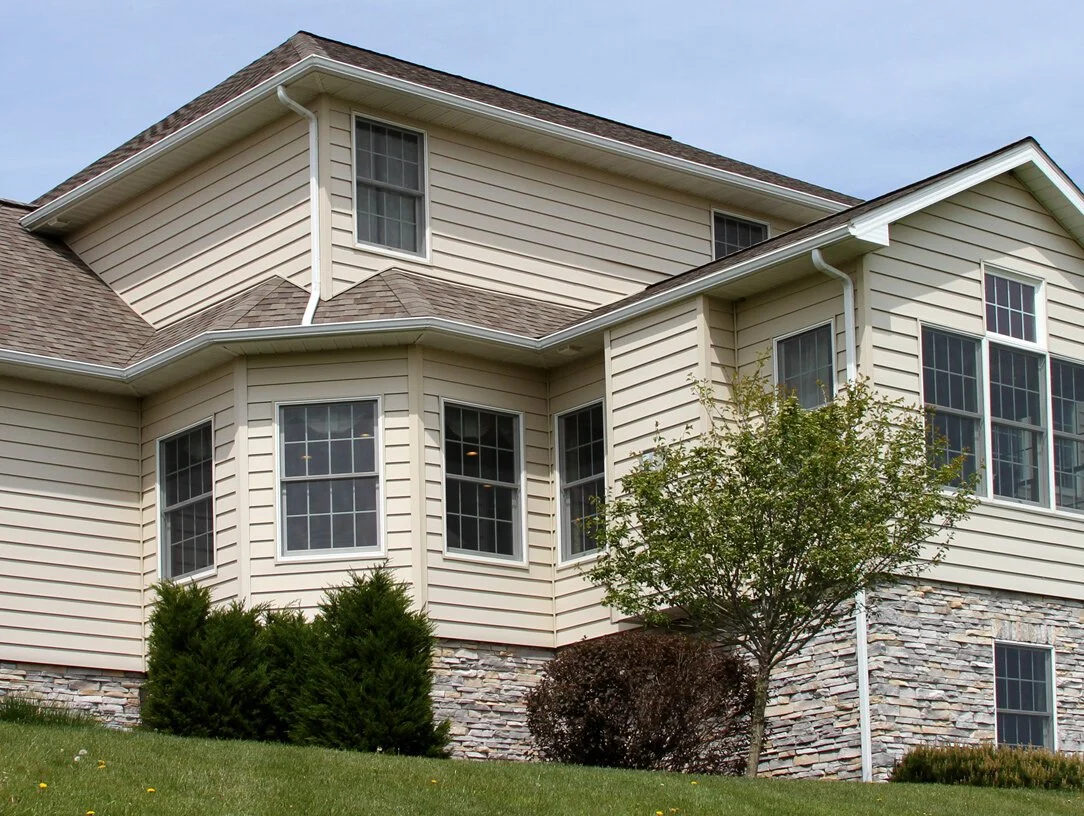
Engineered Wood (LP SmartSide)
$15,000–$28,000 for a 1,500 sq ft home
LP SmartSide sits between vinyl and fiber cement in both cost and performance. It's an engineered wood product treated with zinc borate for rot and termite resistance, with a factory-applied finish that lasts longer than field-painted wood. It's lighter than fiber cement, easier to cut, and offers a more authentic wood grain texture than vinyl.
We see LP SmartSide chosen most often by homeowners who want the look of cedar shakes or board-and-batten but don't want to repaint every 5–7 years. The 50-year limited warranty is transferable, which helps with resale value.
What Drives Siding Costs in Southeast Michigan
The material you choose is only part of the equation. Here's what actually moves the needle on your final invoice:
Home Size and Stories
A 2,500-square-foot two-story Colonial costs more than a 1,500-square-foot ranch—not just because of square footage, but because of scaffolding, safety equipment, and the time required to work at height. Second-story installations add 20–30% to labor costs.
Architectural Complexity
Homes with gables, dormers, bay windows, and multiple roof lines require more cuts, more trim work, and more attention to flashing details. A simple rectangular ranch is faster and cheaper to side than a Tudor Revival with decorative half-timbering.
Removal and Disposal
Tearing off old siding and hauling it to the landfill isn't free. Budget $1,000–$2,500 depending on the amount of material and disposal fees in your area. Some contractors include this in their quote; others break it out separately. Always ask.
Substrate Repair
This is where Michigan's freeze-thaw cycles come into play. Water gets behind old siding, freezes, expands, and damages the sheathing underneath. On homes built before the 1980s, we routinely find sections of rotted OSB or plywood that need replacement—especially on north-facing walls that never fully dry out.
Substrate repair isn't something you can quote over the phone. We don't know what's under your siding until we remove it. Expect to pay $3–$7 per square foot for sheathing replacement, depending on accessibility and extent of damage.
Trim, Soffit, and Fascia
Many homeowners replace siding and leave old, peeling trim in place. It looks unfinished. If your trim is wood and showing rot or paint failure, budget for aluminum-wrapped or PVC trim. This adds $2,000–$5,000 to most projects but dramatically improves curb appeal and eliminates future maintenance.
Insulation Upgrades
If you're already tearing off the old siding, it's the perfect time to add rigid foam insulation or upgrade your wall cavity insulation. This is especially relevant for older homes with minimal or settled insulation. Adding 1" of rigid foam board increases R-value and reduces thermal bridging, but it adds $1.50–$3.00 per square foot to the project.
Our top-rated insulation services in Detroit include spray foam, blown-in cellulose, and rigid foam installations that integrate seamlessly with siding replacements.
Vinyl vs. Fiber Cement vs. Engineered Wood: Cost and Performance
Let's break down what you're actually getting for your money with each material—not just upfront cost, but long-term performance in Michigan's climate.
Vinyl Siding: The Practical Choice
Cost: $8,000–$16,000 (1,500 sq ft)
Lifespan: 20–30 years
Maintenance: Wash annually, occasional caulk touch-ups
Warranty: Lifetime limited (non-prorated for 10–20 years, then prorated)
Vinyl handles Michigan winters well—it expands and contracts with temperature swings without cracking, and it doesn't absorb moisture. The key is proper installation: panels must be nailed loosely in the center of the slot to allow movement. We see a lot of vinyl failures caused by contractors who nail too tight or don't leave expansion gaps.
The biggest downside? Vinyl can fade over 15–20 years, especially darker colors. It can also crack if hit hard in cold weather (think: a ladder leaning against the house in January). But for most homeowners in Macomb and Oakland counties, vinyl offers the best balance of cost, performance, and ease of maintenance.
James Hardie Fiber Cement: The Long-Term Investment
Cost: $18,000–$32,000 (1,500 sq ft)
Lifespan: 30–50 years
Maintenance: Repaint every 10–15 years (ColorPlus pre-finished lasts 15+ years)
Warranty: 30-year non-prorated product warranty, 15-year finish warranty (ColorPlus)
Fiber cement is the material we install when homeowners want something that will outlast them. It's dimensionally stable—it won't warp, buckle, or rot. It's fire-resistant (Class A rating). And it's one of the few siding materials that actually increases home value in appraisals.
The catch: it requires repainting eventually, unless you opt for James Hardie's ColorPlus factory finish (which adds about 15% to material cost but extends the first repaint interval to 15+ years). And installation quality matters—improper flashing or failure to maintain clearance from grade can lead to moisture problems.
We're a CertainTeed Master Shingle Applicator, and we bring that same attention to detail to fiber cement installations. Proper moisture management isn't optional in Michigan.

LP SmartSide: The Middle Ground
Cost: $15,000–$28,000 (1,500 sq ft)
Lifespan: 25–40 years
Maintenance: Repaint every 10–12 years, inspect caulking annually
Warranty: 50-year limited, 5-year 100% labor coverage
LP SmartSide gives you the aesthetics of wood without the rot, warp, and insect issues of natural cedar. The factory finish (SmartFinish) is baked on and comes with a 5-year no-fade warranty. It's easier to work with than fiber cement, which means faster installation and slightly lower labor costs.
The trade-off? It's still a wood product, so it requires eventual repainting. And while it's treated for moisture and termite resistance, it's not as impervious as fiber cement. In Michigan's humid summers and wet springs, proper installation with adequate ventilation and drainage is critical.
We install a lot of LP SmartSide in Rochester Hills, Lake Orion, and Bloomfield Hills—areas where homeowners want a premium look without stepping all the way up to fiber cement pricing.
Hidden Costs Most Homeowners Don't Budget For
Here's what catches people off guard—the stuff that doesn't show up in the initial estimate but becomes necessary once the project starts.
Rotted Sheathing and Framing
Michigan's freeze-thaw cycles are brutal on homes with poor drainage or failed caulking. Water gets behind the siding, freezes, expands, and damages the OSB or plywood sheathing. Sometimes it goes deeper—into the studs and headers.
We can't see this until we remove the old siding. On a typical project, we find 50–200 square feet of damaged sheathing that needs replacement. At $3–$7 per square foot (material and labor), that's an additional $150–$1,400 most homeowners didn't plan for.
The good news: addressing it now prevents bigger problems later. The bad news: it's hard to budget for something you can't see yet.
Window Trim and Casing Upgrades
Old wood window trim often shows rot, peeling paint, or water damage. If you're installing new siding and leaving deteriorated trim in place, the finished product looks half-done.
Replacing window trim with PVC or aluminum-wrapped wood adds $75–$150 per window, depending on size and complexity. On a home with 12 windows, that's $900–$1,800. But it's worth it—new trim matches the fresh siding and eliminates a future maintenance headache.
If you're also considering window replacement in Detroit, doing it before or during the siding project saves money on trim work and ensures proper flashing integration.
Electrical Outlet Extensions
When you add foam board insulation or thicker siding, your electrical outlets and exterior lights sit recessed behind the new wall plane. Code requires outlet boxes to be flush with the finished surface.
Extending outlet boxes costs $30–$75 per outlet, depending on whether it's a simple extension ring or requires rewiring. Most homes have 4–8 exterior outlets and lights, so budget $200–$600 for this.
Permit Fees
Most municipalities in Southeast Michigan require a building permit for siding replacement. Permit costs vary by city—$50 in some townships, $300+ in others. We handle permit applications for our clients, but the fee is typically a separate line item.
Skipping the permit isn't worth it. If you sell the house and the buyer's inspector notices unpermitted work, it can kill the sale or force you to retroactively permit and inspect the work (which is more expensive and complicated).
Color Premiums and Custom Profiles
Standard colors (white, beige, gray) are included in base pricing. Custom or premium colors often carry a 10–15% upcharge. Specialty profiles—like scalloped shakes, board-and-batten, or Dutch lap—can add 20–30% to material costs.
If you want your home to stand out, these upgrades are worth it. Just know they're not included in the baseline quotes you see online.
When to Replace Siding in Michigan (Signs It's Time)
Siding doesn't fail overnight. It gives you warnings. Here's what to watch for—and when to call a contractor instead of trying to patch it yourself.
Warping, Buckling, or Loose Panels
Vinyl siding that buckles or pulls away from the house is usually a sign of improper installation (nailed too tight) or water intrusion behind the siding. If it's happening in multiple spots, replacement is more cost-effective than piecemeal repairs.
Moisture Intrusion and Mold
If you see mold or mildew on the inside of your exterior walls, or if your drywall feels damp near exterior corners, water is getting past the siding. This often happens around windows, doors, and roof-to-wall transitions where flashing has failed.
Don't ignore this. Moisture inside wall cavities leads to rot, mold, and structural damage. A siding replacement with proper moisture barriers and flashing solves the root cause.
Fading, Brittleness, or Cracking
Vinyl siding fades over time, especially on south- and west-facing walls that get the most sun. If the color has shifted noticeably or the material has become brittle (cracks when you press on it), it's near the end of its lifespan.
Brittle vinyl also cracks easily during Michigan winters. One hard freeze after a rainstorm, and you've got split panels that let water and wind through.
Rising Energy Bills
If your heating and cooling costs have crept up over the past few years—and you haven't changed your thermostat habits—air leakage around your siding could be the culprit. Old, poorly sealed siding lets conditioned air escape and drafts in.
A siding replacement with proper house wrap, flashing, and insulation can cut energy loss by 20–30%. Pair it with attic insulation upgrades and you'll see a noticeable difference in your utility bills.
Preparing to Sell
Curb appeal matters. Homes with fresh siding sell faster and for more money than homes with faded, damaged, or outdated siding. According to Remodeling Magazine's Cost vs. Value Report, siding replacement recoups 68–75% of its cost at resale in the Midwest—one of the better returns among exterior projects.
If you're working with a realtor in Troy, Warren, or St. Clair Shores who's pushing you to update the exterior before listing, they're not wrong. First impressions happen at the curb.
Related: If you're also dealing with roof issues, check out our guide on how long roofs last in Michigan. Replacing both at the same time often saves money on scaffolding and labor coordination.
How to Get Accurate Quotes (What We Do Differently)
Not all siding quotes are created equal. Some contractors give you a number over the phone based on square footage alone. Others show up, spend 10 minutes walking around your house, and hand you a one-page estimate with no details.
Here's what a real, accurate quote process looks like—and what you should expect from any contractor you're considering.
On-Site Inspection, Not Phone Estimates
We don't quote siding jobs over the phone. We can't see your substrate condition, flashing details, trim rot, or architectural complexity from a phone call. An accurate quote requires measuring your home, inspecting the current siding, checking for water damage, and understanding what you're trying to achieve.
Our inspections take 45–60 minutes. We measure every wall, photograph problem areas, and discuss material options based on your budget, aesthetic preferences, and how long you plan to stay in the home.
Itemized Pricing Breakdown
You should receive a written estimate that separates material costs, labor, removal, disposal, trim work, and any anticipated substrate repairs. This transparency lets you compare quotes accurately—and understand where your money is going.
If a competitor's quote is $5,000 cheaper, an itemized breakdown shows you why. Are they skipping house wrap? Using thinner vinyl? Not including trim replacement? You can't make an informed decision without this detail.
Material Spec Sheets and Warranty Details
We provide the exact product names, manufacturer spec sheets, and warranty terms in writing. You'll know whether you're getting CertainTeed Monogram or builder-grade vinyl, James Hardie ColorPlus or primed-only fiber cement, LP SmartSide with SmartFinish or bare substrate.
This matters because not all "fiber cement" or "vinyl siding" is the same. Product quality, thickness, and warranty coverage vary widely—and cheap material saves money upfront but costs more over the life of the siding.
Timeline and Crew Details
We tell you how long the project will take (typically 5–10 days for a full siding replacement, depending on size and complexity), what size crew we'll send, and what disruptions to expect.
Our crews show up on time, work carefully to minimize mess, and communicate daily about progress and any issues we find. That's part of our "changing contractor culture" approach—old-school reliability without the old-school runaround.
Licensing, Insurance, and References
We're licensed in Michigan (Residential Builder's License), carry full liability and workers' compensation insurance, and maintain an A+ rating with the BBB since 2006. We provide proof of insurance and references from recent projects in your area.
If a contractor won't provide a license number or proof of insurance, walk away. If someone gets hurt on your property and the contractor isn't insured, you're liable.
Our full range of exterior services in Detroit includes roofing, windows, gutters, insulation, and painting—all backed by the same licensing, insurance, and quality standards.

Pro Tip: If you're also dealing with gutter problems, read our post on gutter guards in Michigan. Replacing siding and gutters at the same time ensures proper integration and saves on scaffolding costs.
Ready to Get Started?
NEXT Exteriors has been protecting Michigan homes since 1988. Get a free, no-pressure estimate from a team that shows up on time and does the job right.
Get Your Free QuoteOr call us: (844) 770-6398
Frequently Asked Questions
Vinyl siding lasts 20–30 years in Michigan with proper installation and minimal maintenance. Fiber cement (James Hardie) lasts 30–50 years. Engineered wood (LP SmartSide) lasts 25–40 years. The key factors are installation quality, exposure to sun and moisture, and how well the siding was maintained. Michigan's freeze-thaw cycles and summer storms are hard on siding, so proper flashing, house wrap, and drainage details matter more here than in milder climates.
If you're planning to stay in your home for 20+ years, yes. James Hardie costs about double what vinyl costs upfront, but it lasts longer, requires less maintenance, and holds up better in Michigan's climate. It won't warp, crack, or rot, and it's one of the few siding materials that actually increases home value in appraisals. The ColorPlus factory finish extends the first repaint interval to 15+ years, which saves money over time. If you're selling in 5–7 years, vinyl offers better short-term ROI.
Yes, but with caveats. Vinyl siding becomes brittle below 40°F, so cutting and nailing it in freezing temperatures increases the risk of cracking. Fiber cement and LP SmartSide can be installed in colder weather, but caulking and sealants don't cure properly below 40°F. We typically install siding year-round but avoid the coldest weeks (late December through February) unless it's an emergency repair. Spring and fall are ideal—temperatures are moderate, and we're not racing against snow or extreme heat.
Most municipalities in Southeast Michigan require a building permit for siding replacement. Permit costs range from $50 to $300+ depending on the city or township. The permit process ensures the work meets building code and is inspected for proper installation. Skipping the permit can cause problems if you sell the house—buyers' inspectors often flag unpermitted work, which can delay or kill the sale. We handle permit applications for our clients as part of the project.
According to Remodeling Magazine's Cost vs. Value Report, siding replacement recoups 68–75% of its cost at resale in the Midwest. Vinyl siding replacement has the highest ROI (around 75%), while fiber cement sits closer to 68%. But ROI isn't the only factor—curb appeal, energy efficiency, and eliminating maintenance headaches all add value that doesn't show up in appraisal formulas. Homes with fresh siding sell faster and attract more buyers than homes with faded or damaged exteriors.
A typical 1,500-square-foot ranch takes 5–7 days from tear-off to completion with a crew of 3–4. A two-story Colonial or home with complex architecture can take 10–14 days. Weather delays, substrate repairs, and custom trim work can extend the timeline. We provide a realistic schedule upfront and communicate daily about progress. The goal is to work efficiently without rushing—proper installation takes time, and cutting corners to finish faster leads to problems later.
If your windows are old, drafty, or showing rot, yes. Replacing windows before or during siding installation allows us to integrate flashing and trim properly, which prevents water intrusion and improves energy efficiency. It also saves money—scaffolding and labor coordination costs are already covered, so adding windows to the project is more cost-effective than doing them separately later. If your windows are newer and in good shape, there's no need to replace them just because you're doing siding. We assess window condition during the initial inspection and provide honest recommendations.