

Best Home Renovation Projects: Siding in Michigan | NEXT

After 35 years installing exteriors across Southeast Michigan, we've seen thousands of renovation projects. Some deliver exactly what homeowners hope for. Others fall short, not because the work was bad, but because the project itself wasn't the right choice for that house, that budget, or that timeline.
When homeowners in Sterling Heights, Rochester Hills, or Grosse Pointe Farms ask us what renovation will give them the most value, the conversation always starts with the exterior. Not because we're biased — though we are exterior specialists — but because the math consistently backs it up. The best home renovation projects for Michigan homes protect your investment, cut energy costs, and change how your house looks from the street.
And when it comes to impact per dollar spent, siding leads the pack. Here's why, and what else deserves your attention when you're planning exterior work.
Why Siding Tops the List for Michigan Homes
Siding replacement consistently ranks among the top renovation projects for return on investment. According to Remodeling Magazine's Cost vs. Value Report, vinyl siding replacement recoups around 68% of its cost at resale in the Great Lakes region. Fiber cement siding sits even higher in some markets. But ROI is only part of the story.
In Michigan, your siding takes a beating. Freeze-thaw cycles crack and warp inferior materials. Ice buildup behind poorly installed panels leads to rot. Summer storms drive rain sideways into seams. And the lake-effect humidity we get in Macomb and Oakland counties accelerates mold growth behind any siding that doesn't breathe properly.
A quality house siding installation in Detroit and the surrounding metro area does three things well:
- It protects the structure. Your siding is the first line of defense against water intrusion. When it fails, you're looking at sheathing rot, insulation damage, and interior mold — problems that cost exponentially more to fix than the siding itself.
- It improves energy efficiency. Modern siding systems include proper weather barriers and insulation backing. We've measured temperature differences of 8-12 degrees on exterior walls after upgrading from old vinyl or aluminum to insulated fiber cement or LP SmartSide.
- It transforms curb appeal instantly. No other exterior project changes a home's appearance as dramatically as new siding. A 1960s ranch in Warren goes from dated to sharp. A brick Colonial in Bloomfield Hills gets the trim refresh that makes the whole house look maintained.

We work with three primary siding materials, each suited to different budgets and performance goals. Vinyl remains the most cost-effective and lowest-maintenance option — CertainTeed and James Hardie ColorPlus vinyl hold color well and handle Michigan weather without warping. Fiber cement (James Hardie) offers superior durability and a premium look, especially for homeowners who want the appearance of wood without the maintenance. Engineered wood like LP SmartSide sits between the two: better than vinyl for impact resistance, easier to work with than fiber cement, and it takes paint beautifully if you want custom colors.
The material matters, but installation quality matters more. We've torn off plenty of "premium" siding that failed early because the installer skipped the weather barrier, didn't leave expansion gaps, or nailed through the face instead of the slots. Michigan's temperature swings — from sub-zero January nights to 90-degree July afternoons — mean materials expand and contract. If your installer doesn't account for that, you'll see buckling, cracking, and gaps within two years.
Other High-Impact Exterior Projects Worth Considering
Siding might top the list, but it's not the only exterior project that delivers measurable value. Depending on your home's age, condition, and your goals, these projects often make sense to tackle at the same time — or prioritize instead.
Roof Replacement: Timing Is Everything
Your roof protects everything underneath it. When it's past its useful life, no other renovation makes sense until you address it. Most asphalt shingle roofs in Southeast Michigan last 18-25 years, depending on the quality of the shingles and the installation. If your roof is approaching 20 years old, or if you're seeing granule loss, curling shingles, or leaks after heavy rain, Detroit roofing services should move to the top of your list.
We install CertainTeed, GAF, and Owens Corning architectural shingles across Metro Detroit. The upgrade from 3-tab to architectural shingles costs about 15-20% more but adds significant wind resistance (up to 130 mph ratings) and a more dimensional appearance that buyers notice. As a CertainTeed Master Shingle Applicator, we're held to tighter installation standards than typical roofers — which translates to longer-lasting performance and stronger manufacturer warranties.
Roof replacement also gives you a chance to address ventilation and insulation issues. Poor attic ventilation leads to ice dams in winter and premature shingle failure in summer. We assess ridge vents, soffit vents, and attic insulation levels during every roof estimate. Sometimes the real problem isn't the shingles — it's the 6 inches of inadequate insulation letting heat escape through your roof deck.
Window Replacement: Energy Savings You Can Measure
Old windows lose you money every month. Single-pane windows, common in homes built before 1980, have virtually no insulating value. Even older double-pane units with broken seals (you'll see condensation between the panes) perform poorly. Upgrading to modern double-pane or triple-pane windows with Low-E coatings and argon gas fills can cut heating and cooling costs by 15-25% in a typical Michigan home.
We work with Detroit window experts who specialize in double-hung, casement, and bay/bow window installations. The style you choose affects both performance and cost. Casement windows seal tighter than double-hung (better for energy efficiency), but double-hung windows fit the aesthetic of most Colonial and ranch-style homes in Oakland County. Bay and bow windows add interior space and natural light but require structural support and careful flashing to prevent leaks.
Window installation quality is critical in Michigan. We've repaired countless leaks caused by improper flashing or gaps in the air seal. Every window we install gets a full perimeter seal, proper flashing integrated with the weather barrier, and interior insulation around the rough opening. It's not fast, but it's the only way to prevent drafts and water intrusion.
Seamless Gutters: The Underrated Workhorse
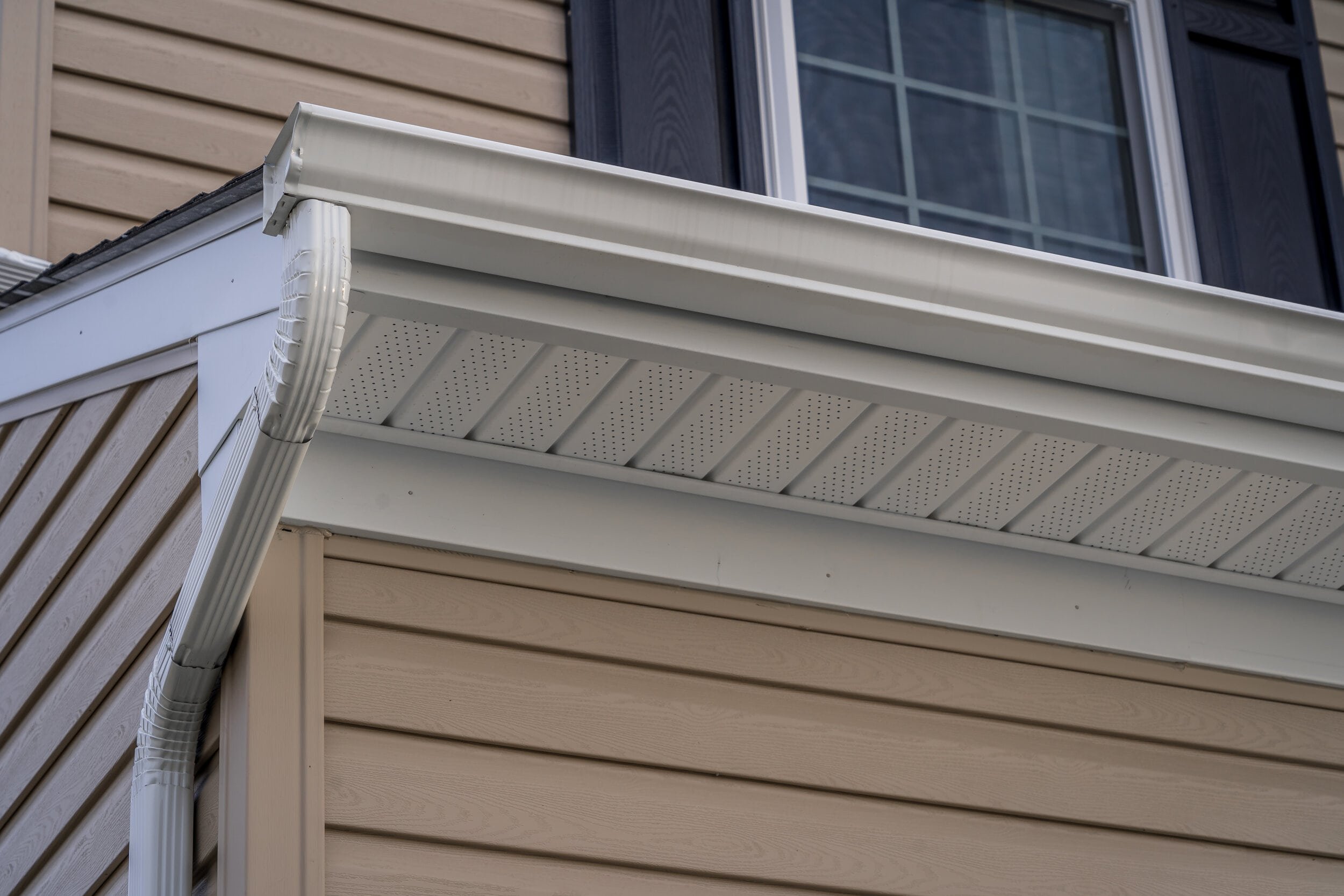
Gutters don't get much attention until they fail. But a quality gutter system is essential for protecting your foundation, basement, and landscaping. Michigan's heavy spring rains and fall leaf loads demand gutters that can handle volume without sagging or overflowing.
We fabricate and install seamless gutters in Detroit, MI on-site, which eliminates the seams where sectional gutters typically leak. Our 5-inch and 6-inch K-style gutters handle Michigan's weather without issue, and we size downspouts based on roof area and pitch — not a one-size-fits-all approach.
Gutter guards are worth considering if you have mature trees. We install several types depending on the situation: micro-mesh guards for heavy leaf loads, reverse-curve guards for moderate debris, and screen guards for budget-conscious homeowners. No system is 100% maintenance-free, but quality guards cut cleaning frequency from twice a year to once every few years.
Insulation Upgrades: The Invisible ROI
You can't see insulation from the street, but you'll feel it in your utility bills and comfort level. Most Michigan homes built before 2000 are under-insulated by today's standards. The current building code calls for R-49 to R-60 in attics, but we routinely find homes with R-19 or less — barely half of what's recommended.
As a top-rated insulation contractor in Detroit, we handle attic insulation, wall insulation (during siding projects), basement insulation, and spray foam applications. Blown-in cellulose or fiberglass works well for attics and is cost-effective. Spray foam delivers higher R-values per inch and creates an air seal, making it ideal for rim joists, crawl spaces, and cathedral ceilings.
The payback period on insulation is longer than siding or windows — typically 5-10 years depending on your energy costs — but it's one of the few renovations that continues saving you money every single month for as long as you own the home.

What Makes a Siding Project Successful in Southeast Michigan
Not all siding jobs are created equal. The difference between a project that lasts 30 years and one that starts failing in five comes down to three things: material selection, installation technique, and contractor accountability.
Material Selection: Matching Product to Performance
We don't push one material over another. The right choice depends on your budget, your home's style, and how long you plan to stay. Here's how we break it down:
Vinyl siding is the most popular choice in Michigan for good reason. It's affordable (typically $4-$8 per square foot installed), requires zero maintenance beyond occasional washing, and modern formulations don't fade or crack like older vinyl did. CertainTeed Monogram and Wolverine Millworks are our go-to brands — both engineered for freeze-thaw cycles and backed by transferable warranties. Vinyl works well for most ranch homes, split-levels, and newer Colonials.
Fiber cement siding (James Hardie is the industry leader) costs more — usually $8-$12 per square foot installed — but offers superior durability and a more upscale appearance. It's non-combustible, resists woodpecker damage (a real problem in wooded areas of Oakland County), and holds paint longer than wood. We recommend fiber cement for historic homes, high-end properties, and homeowners who want a wood-look aesthetic without the maintenance. The weight requires more labor and structural considerations, which is why installation costs run higher.
Engineered wood siding like LP SmartSide sits in the middle. It's lighter than fiber cement, easier to cut and install, and costs $6-$10 per square foot installed. LP's treatment process resists rot and termites better than natural wood, and it takes paint beautifully if you want custom colors. We use it frequently on Craftsman-style homes and properties where the homeowner wants a wood texture but doesn't want to deal with the maintenance of cedar.
Installation Standards: Where Most Contractors Cut Corners
The material is only as good as the installation. We've replaced "premium" James Hardie siding that failed within five years because the installer didn't follow the manufacturer's guidelines. Here's what proper installation looks like:
- Weather-resistant barrier. Every wall gets a continuous layer of house wrap or building paper before siding goes on. This barrier sheds water that gets behind the siding (and water will get behind the siding). We overlap seams, tape joints, and integrate the barrier with window and door flashing.
- Proper fastening. Vinyl expands and contracts with temperature changes. Nails go in the center of the slots, not tight against the panel. Fiber cement requires face-nailing in specific patterns with corrosion-resistant fasteners. Engineered wood has its own nailing schedule. Get it wrong, and you'll see buckling, cracking, or panels pulling loose.
- Expansion gaps. Siding panels need room to move. We leave 1/4-inch gaps at corners, j-channels, and trim pieces. In summer, panels expand. In winter, they contract. Without proper gaps, you get waves, bulges, and stress cracks.
- Flashing and trim details. Water gets in at the transitions — where siding meets windows, doors, corners, and roof lines. We flash every opening, seal every seam, and use quality trim pieces that won't warp or split. Cheap trim fails first, and when it does, water follows.
These details take time. A crew that's rushing to finish in a day will skip steps. A crew that's been trained properly and held accountable will do it right. That's the difference between a professional exterior services team in Detroit and a crew working off Craigslist.
Manufacturer Partnerships and Warranties
We're certified installers for CertainTeed, James Hardie, and LP SmartSide. That certification isn't just a piece of paper — it means we've been trained on proper installation techniques, we're audited periodically, and we can offer enhanced warranties that non-certified contractors can't.
For example, James Hardie's 30-year non-prorated warranty only applies when the siding is installed by a certified contractor following their installation manual. A non-certified installer might use the same product, but the warranty drops to 15 years and becomes prorated. Over the life of the siding, that's a significant difference in coverage.
CertainTeed offers similar benefits through their Master Shingle Applicator program (which we hold for roofing) and their siding certification programs. These partnerships matter because they hold us accountable to a higher standard — and they give you recourse if something goes wrong.
Cost Reality: What to Budget for Top Exterior Projects
Let's talk numbers. Homeowners want to know what things cost, and they deserve straight answers. Prices vary based on material choice, project complexity, and the condition of your existing structure, but here are realistic ranges for Southeast Michigan in 2026:
Siding Replacement
For a typical 2,000-square-foot home (about 1,500 square feet of siding after accounting for windows and doors):
- Vinyl siding: $8,000-$15,000 installed, depending on quality and trim details
- Fiber cement siding: $15,000-$25,000 installed, including proper trim and painting if needed
- Engineered wood siding: $12,000-$20,000 installed, depending on style and finish
These ranges assume the existing sheathing is in good condition. If we find rot or water damage during tear-off (common on homes with old aluminum or wood siding), expect to add $1,000-$5,000 for sheathing replacement. We won't know until we open the walls, which is why our estimates include a contingency clause.
Roof Replacement
For a 2,000-square-foot ranch with a standard 4/12 pitch roof (about 2,200 square feet of roof surface):
- Architectural shingles (CertainTeed Landmark, GAF Timberline HDZ, Owens Corning Duration): $8,000-$12,000 installed, including tear-off, underlayment, drip edge, and ridge vent
- Premium shingles (CertainTeed Northgate, GAF Timberline UHDZ): $10,000-$15,000 installed, with enhanced wind ratings and longer warranties
Steeper roofs, multiple valleys, or extensive flashing work (chimneys, skylights, dormers) increase labor costs. A complex roof on a two-story Colonial in Rochester Hills might run $15,000-$20,000 even with mid-grade shingles, simply because of the difficulty and time involved.
Window Replacement
Window costs vary widely based on size, style, and performance features:
- Standard double-hung vinyl windows: $450-$750 per window installed
- Casement windows: $550-$900 per window installed
- Bay or bow windows: $2,500-$5,000 installed, depending on size and structural requirements
- Triple-pane or high-performance windows: Add 20-30% to the above prices
For a typical home replacing 12-15 windows, expect to budget $8,000-$15,000. If you're replacing windows as part of a siding project, we can often reduce labor costs since we're already working on the exterior.
Gutter Systems
Seamless aluminum gutters with downspouts and basic hangers:
- 5-inch K-style gutters: $6-$10 per linear foot installed
- 6-inch K-style gutters: $8-$12 per linear foot installed
- Gutter guards: Add $3-$8 per linear foot depending on type
A typical ranch home with 150 linear feet of gutter runs $1,200-$2,000 installed. Add guards, and you're looking at $1,800-$3,200 total.
Insulation Upgrades
Attic insulation costs depend on accessibility and target R-value:
- Blown-in fiberglass or cellulose (R-49 to R-60): $1.50-$3.00 per square foot
- Spray foam insulation: $3.00-$7.00 per square foot depending on thickness and foam type
For a 1,500-square-foot attic, upgrading from R-19 to R-49 with blown-in insulation typically costs $2,500-$4,500. Spray foam in a rim joist or crawl space runs $1,500-$3,000 for a typical application.
Payment and Financing: We don't require full payment upfront. Our standard terms are a deposit to order materials (typically 30-40% of the project cost), a progress payment at the midpoint for larger jobs, and final payment upon completion and your approval. We also work with financing partners for homeowners who prefer to spread payments over time.
Signs It's Time to Prioritize Your Exterior Renovation
Not every home needs new siding or a roof replacement right now. But certain signs tell you it's time to move a project from "someday" to "this year." Here's what we look for during assessments:
Visual Damage You Can't Ignore
- Cracked, warped, or loose siding panels. One or two damaged pieces can be replaced. Widespread damage means the siding has reached the end of its useful life.
- Fading or chalking. If your siding has faded to the point where it looks washed out, or if you can rub your hand on it and get colored chalk on your fingers, the protective coating has failed. The siding will continue degrading rapidly.
- Rot or soft spots. Press on the siding near corners, windows, and the foundation line. If it feels soft or punches through easily, you have rot. That means water is getting behind the siding and into the sheathing.
- Peeling paint on wood or fiber cement. Paint protects these materials. Once it starts peeling, moisture gets in and the deterioration accelerates. Repainting is an option if the substrate is sound, but often it's more cost-effective to replace.
Energy Bills Creeping Up
If your heating or cooling costs have increased significantly over the past few years — and you haven't changed your thermostat habits — your home's envelope is likely the culprit. Old siding with no insulation backing, single-pane windows, and inadequate attic insulation all contribute to energy loss.
We've done energy assessments where homeowners were spending $300-$400 per month on heating during Michigan winters, only to cut that to $180-$220 after upgrading siding, windows, and attic insulation. The projects pay for themselves over time, but more importantly, the house becomes comfortable year-round.
Age of Existing Materials
Every material has a lifespan. Here's what to expect in Michigan's climate:
- Vinyl siding: 20-30 years with proper installation
- Aluminum siding: 25-40 years, but often shows its age (dents, fading) much earlier
- Wood siding: 15-25 years depending on maintenance and exposure
- Fiber cement siding: 30-50 years
- Asphalt shingles: 18-25 years for standard architectural shingles, up to 30 years for premium products
- Windows: 15-25 years for vinyl, longer for wood or fiberglass if well-maintained
If your siding or roof is approaching the end of its expected lifespan, it's time to plan the replacement — even if it's not actively failing. Waiting until you have leaks or structural damage turns a manageable project into an emergency repair with higher costs and more disruption.
Preparing to Sell
If you're planning to list your home in the next 1-2 years, exterior work delivers immediate curb appeal and helps justify your asking price. Buyers notice siding condition, roof age, and window quality during showings. A house with fresh siding and a newer roof sells faster and often commands a premium over comparable homes with deferred exterior maintenance.
Realtors we work with in Macomb and Oakland counties consistently tell us that exterior updates — especially siding and roofing — are among the first things they recommend to sellers. The ROI is measurable, and the visual impact is immediate.
How NEXT Exteriors Approaches Renovation Projects
We've been doing this since 1988. Over 500 projects, thousands of Michigan winters, and a reputation built on showing up when we say we will and doing the work right. Here's how we handle renovation projects from start to finish:
Assessment and Consultation
Every project starts with a site visit. We don't do estimates over the phone or from photos. We need to see your home, assess the current condition, measure accurately, and understand what you're trying to accomplish.
During the consultation, we'll discuss your goals (curb appeal, energy efficiency, pre-sale prep, etc.), your timeline, and your budget. We'll point out issues you might not have noticed — like inadequate attic ventilation that's shortening your roof's life, or flashing failures around windows that are letting water into the walls. Our job is to give you the information you need to make a smart decision, not to upsell you on things you don't need.
Material Selection Guidance
We work with top-tier manufacturers — CertainTeed, GAF, Owens Corning, James Hardie, LP SmartSide, and Sherwin-Williams — because their products perform consistently in Michigan's climate and their warranties hold up. But we don't push one brand or material over another. We explain the differences, show you samples, and help you choose based on your priorities.
Want the lowest-maintenance option? Vinyl. Want the most durable and premium look? Fiber cement. Working with a tighter budget but still want a quality result? We'll show you where to allocate dollars for maximum impact — maybe premium siding on the front and sides, with a more economical option on the back where it's less visible.
Installation Standards
Our crews are experienced, background-checked, and trained on manufacturer installation standards. We don't subcontract to the lowest bidder. Every installer working on your home is accountable to us, and we're accountable to you.
We protect your landscaping, cover entry points, and clean up daily. We know you're living in the house while we're working, and we minimize disruption. If we find unexpected issues during tear-off — rot, structural problems, code violations from previous work — we stop, show you the issue, explain the options, and get your approval before proceeding.
Project Timeline and Communication
Most siding projects take 3-7 days depending on size and complexity. Roofing projects typically take 1-3 days for a standard home. Window replacements can often be completed in 1-2 days. We give you a realistic timeline upfront and update you if weather or unforeseen issues cause delays.
You'll have a direct contact throughout the project — not a call center, not an answering service. If you have questions or concerns, you get a real person who knows your project.
Final Walkthrough and Warranty
We don't consider a project complete until you're satisfied. After installation, we walk the property with you, answer any questions, and address any concerns. We provide written warranties covering both materials (manufacturer warranties) and labor (our workmanship warranty). If something goes wrong a year from now, we come back and make it right.
We've been in business since 1988. We're not going anywhere. That matters when you're making a long-term investment in your home.
Ready to Get Started?
NEXT Exteriors has been protecting Michigan homes since 1988. Get a free, no-pressure estimate from a team that shows up on time and does the job right.
Get Your Free QuoteOr call us: (844) 770-6398
Frequently Asked Questions
Late spring through early fall (May through October) offers the most consistent weather for siding installation. Materials like vinyl and fiber cement install best when temperatures are above 40°F, and dry conditions make it easier to protect the exposed sheathing during the project. That said, we work year-round and can handle winter installations when necessary — we just take extra precautions to manage temperature-sensitive materials and protect your home from the elements during the work.
Quality vinyl siding properly installed should last 20-30 years in Michigan. The key factors are material quality (thicker panels with UV inhibitors hold up better) and installation technique (proper fastening, expansion gaps, and weather barriers). Cheap vinyl or poor installation can fail in 10-15 years, showing warping, cracking, or fading. We use CertainTeed and James Hardie ColorPlus vinyl specifically because they're engineered for freeze-thaw cycles and carry warranties that back up the performance claims.
If both are near the end of their lifespan, yes — combining the projects saves money on mobilization, scaffolding, and labor coordination. It also ensures the flashing and trim details where the roof meets the siding are done correctly, which is critical for preventing leaks. However, if your roof is relatively new (less than 10 years old) and in good condition, there's no need to replace it just because you're doing siding. We assess both during our consultation and give you honest guidance on timing.
It depends on your priorities and budget. Fiber cement (James Hardie) costs 50-100% more than quality vinyl, but it offers superior durability, better fire resistance, and a more premium appearance that resembles real wood. It's also non-combustible and resists woodpecker damage, both relevant in wooded Michigan neighborhoods. If you're planning to stay in the home long-term and want the best performance and aesthetics, fiber cement is worth it. If you're working with a tighter budget or planning to sell within 5-10 years, quality vinyl delivers excellent value and ROI.
Yes, we work with financing partners who offer payment plans for qualified homeowners. Financing terms vary based on credit and project size, but many customers choose to spread payments over 12-60 months rather than paying upfront. We can discuss financing options during your consultation and help you find a plan that fits your budget. We also accept major credit cards and offer flexible payment schedules (deposit, progress payment, final payment) for customers paying directly.
In Michigan, residential builders and contractors must hold a state license issued by the Department of Licensing and Regulatory Affairs (LARA). You can verify a contractor's license status on the LARA website by searching their business name or license number. NEXT Exteriors operates under Premier Builder Inc., which holds a Michigan Residential Builder's License and has been continuously licensed since 1988. We're also BBB A+ Accredited since 2006. Always ask for proof of licensing and insurance before hiring any contractor — and verify it independently.
You get two warranties: a manufacturer's warranty on the materials (typically 25-50 years depending on the product, with some being lifetime warranties) and our workmanship warranty covering installation labor. Manufacturer warranties cover defects in the material itself — cracking, fading, warping beyond normal tolerances. Our labor warranty (typically 5-10 years depending on the project) covers installation-related issues like improper fastening, flashing failures, or trim problems. Both warranties are provided in writing at project completion.