

James Hardie Siding Installers Metro Detroit | NEXT Exteriors
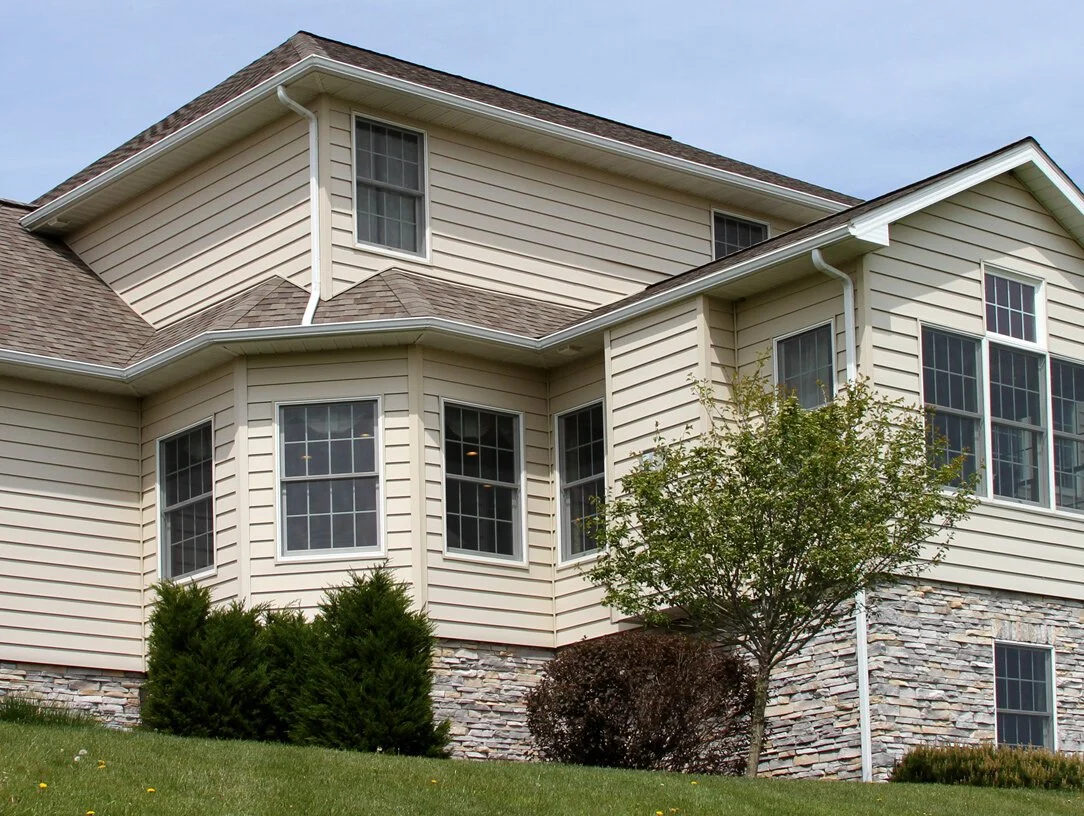
You've done your homework. You know James Hardie fiber cement siding is one of the best products on the market — engineered to handle Michigan's freeze-thaw cycles, resistant to rot and pests, and backed by a 30-year warranty. But here's what most homeowners in Metro Detroit don't realize until it's too late: the product is only as good as the crew installing it.
We've been installing house siding in Detroit and across Southeast Michigan since 1988. In that time, we've torn off plenty of James Hardie jobs — installed by other contractors — that failed within five years. Not because the product was defective. Because the installation was wrong.
Improper flashing. Missing drainage planes. Nails driven too deep. Caulk applied where it shouldn't be. These aren't cosmetic issues — they void your warranty and let water into your wall cavities, where it rots sheathing, grows mold, and ruins insulation. When you're searching for james hardie siding installers metro detroit, you're not just shopping for a product. You're hiring someone who understands building science and knows how to protect your home from Michigan weather.
Why Installer Credentials Matter More Than the Product
James Hardie doesn't sell directly to homeowners. They sell to contractors. And not all contractors are trained the same way. Some take the time to get certified through James Hardie's installation training programs. Others watch a YouTube video and wing it.
Here's the problem: James Hardie's warranty requires proper installation. If the flashing is wrong, if the fasteners are overdriven, if the drainage plane is missing — the warranty is void. You're left with a premium product that's failing, and no recourse.
When we install fiber cement siding, we follow the James Hardie Best Practices Manual to the letter. But we also bring 35 years of experience working in Michigan's climate. We know what happens when freeze-thaw cycles hit improperly installed siding. We know where ice dams form on brick Colonials in Rochester Hills. We know how lake-effect moisture from Lake St. Clair affects homes in Grosse Pointe Farms.
Credential Check: NEXT Exteriors is a CertainTeed Master Shingle Applicator — the highest credential in roofing — and we apply that same level of precision to every siding project. We're not just installers. We're licensed builders who understand how the entire building envelope works together.
That's why homeowners across Macomb County, Oakland County, and St. Clair County trust us for exterior services in Detroit and the surrounding communities. We don't cut corners, and we don't leave until the job is done right.
What Makes James Hardie Different (And Why Michigan Homeowners Choose It)
Let's talk material science. James Hardie fiber cement siding is made from cement, sand, and cellulose fibers. It's cured under high pressure and temperature, creating a dense, stable product that doesn't expand and contract like vinyl or rot like wood.
Here's why that matters in Michigan:
- Freeze-thaw resistance: Vinyl siding can crack in extreme cold. Wood siding absorbs moisture and swells. Fiber cement stays dimensionally stable through Michigan's temperature swings — from -10°F winter nights to 90°F summer days.
- Fire resistance: James Hardie is non-combustible. It won't ignite from a grill fire, a neighbor's fireworks, or embers from a nearby house fire. That's peace of mind you don't get with vinyl.
- Impact resistance: Hail, wind-blown debris, baseballs from the backyard — fiber cement takes the hit and doesn't dent. Vinyl shows every impact.
- Paint adhesion: James Hardie's ColorPlus Technology is baked on at the factory in multiple coats. It's not a surface treatment — it's integrated into the material. The warranty covers the finish for 15 years, and in practice, it lasts much longer.

We've installed James Hardie on everything from 1920s bungalows in Mount Clemens to new construction in Shelby Township. It works on every architectural style, and it holds up in every Michigan microclimate. That's why it's the go-to choice for homeowners who want siding that lasts 50+ years without looking dated.
If you're also thinking about upgrading other parts of your home's exterior, we offer comprehensive Detroit roofing services, Detroit window experts, and seamless gutters in Detroit, MI — all designed to work together as a complete building envelope.
The Installation Details That Separate Good From Bad
This is where most contractors fail. They treat fiber cement like vinyl — slap it up fast, caulk everything, and move on. That's a recipe for failure.
Here's what proper James Hardie installation looks like:
1. Weather-Resistant Barrier and Drainage Plane
Before a single piece of siding goes up, we install a weather-resistant barrier (WRB) like Tyvek over the sheathing. This creates a drainage plane — a gap between the siding and the wall that allows moisture to escape. If water gets behind the siding (and it will, eventually), the WRB directs it down and out, not into your wall cavities.
We overlap the WRB properly at seams and tape all penetrations. This isn't optional. It's code in Michigan, and it's the difference between a dry wall and a moldy one.
2. Flashing at Every Vulnerable Point
Water doesn't leak through the middle of a siding plank. It leaks at transitions — around windows, doors, corners, and the foundation line. That's where flashing comes in.
We install metal flashing above every window and door, at all horizontal seams, and at the base of the wall where the siding meets the foundation. The flashing overlaps the WRB in a shingle-lap fashion, so water always flows outward, never in.
Most failed siding jobs we tear off? Missing or improperly installed flashing. It's the most common mistake, and it's the most expensive to fix once water damage sets in.
3. Proper Fastener Placement and Depth
James Hardie specifies exactly where nails should go — in the designated nailing zones, not through the face of the plank. Nails should be flush with the surface, not overdriven. Overdriven nails compress the fiber cement, creating a weak point that can crack over time.
We use stainless steel or hot-dipped galvanized nails, spaced according to wind load requirements for Southeast Michigan. This isn't guesswork — it's engineering.
4. Expansion Gaps at Butt Joints and Corners
Fiber cement expands and contracts with temperature changes. Not as much as vinyl, but enough that you need to account for it. We leave a 1/8-inch gap at all butt joints and vertical seams. These gaps are never caulked — they're left open to allow movement.
At inside and outside corners, we use James Hardie trim boards with proper clearances. The trim is caulked only at the edges where it meets dissimilar materials, never at horizontal seams.
5. Caulking Only Where Approved
Here's a mistake we see constantly: contractors caulking horizontal seams between siding planks. This traps water behind the siding and voids the warranty.
We caulk only at vertical corners, around trim, and where siding meets windows or doors. We use paintable, flexible sealants approved by James Hardie. Everything else is left open to breathe.
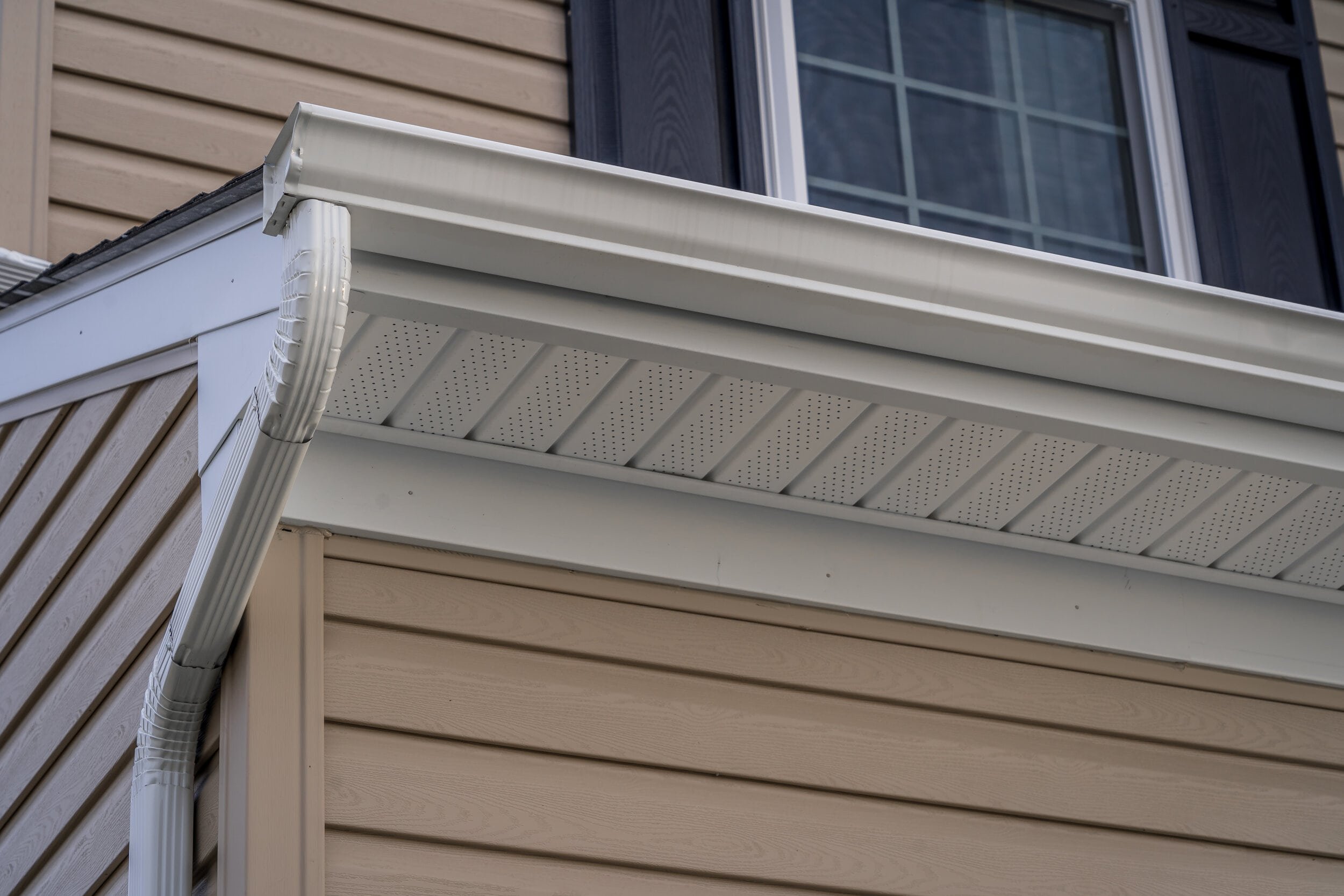
These details take time. They require trained crews who understand building science, not just laborers who know how to swing a hammer. That's why we've been in business for 35+ years — we do it right the first time, and homeowners know the difference.
Real Cost Breakdown: James Hardie vs. Vinyl in Metro Detroit
Let's talk money. James Hardie costs more upfront than vinyl. No way around it. But the math changes when you factor in longevity, maintenance, and resale value.
Here's what we typically see for a 2,000-square-foot home in Southeast Michigan:
- Vinyl siding: $8,000 - $12,000 installed. Expected lifespan: 20-30 years. Requires periodic repairs (cracked panels, fading, warping). Adds minimal resale value.
- James Hardie fiber cement: $18,000 - $26,000 installed. Expected lifespan: 50+ years. Minimal maintenance (no painting for 15+ years with ColorPlus). Adds 5-10% to resale value in Metro Detroit's competitive housing market.
Over 30 years, vinyl siding will need replacement at least once, plus repairs. James Hardie? Still looking like new. The cost per year of ownership is often lower with fiber cement, especially when you factor in energy savings from better insulation performance and fewer air leaks.
Real Talk: If you're planning to sell in 5-7 years, vinyl might make sense. If you're staying in your home for 10+ years, James Hardie pays for itself in durability and resale value. We help homeowners make that decision based on their actual situation, not what makes us the most money.
And if you're thinking about a full exterior upgrade, pairing new siding with top-rated insulation contractor in Detroit services can dramatically improve your home's energy efficiency, reducing heating and cooling costs year-round.
Signs Your Current Siding Is Failing
Not sure if you need new siding? Here's what we look for during inspections across Sterling Heights, Troy, Warren, and St. Clair Shores:
- Warping or buckling: Vinyl siding that's wavy or pulling away from the wall means it was installed too tight or is past its lifespan.
- Cracks or holes: Any penetration in siding is an entry point for water. Small cracks turn into big problems in Michigan's freeze-thaw cycles.
- Fading or chalking: If your siding looks washed out or leaves a chalky residue when you touch it, the UV protection is gone. Water absorption follows.
- Peeling paint on wood siding: Once paint fails, wood siding rots fast. If you're repainting every 3-5 years, it's time to upgrade.
- Higher energy bills: Drafty walls mean your siding isn't sealing properly. Air leaks around windows and doors are a red flag.
- Mold or mildew inside exterior walls: If you see staining on interior walls near exterior corners, water is getting in. That's a building envelope failure.
We offer free inspections across Southeast Michigan. We'll tell you if you need new siding, or if a repair will buy you a few more years. No pressure, no gimmicks — just honest advice from a crew that's been doing this since 1988.
Sometimes the issue isn't the siding itself, but related systems. Poor seamless gutters in Detroit, MI can cause water to cascade down your siding, accelerating wear. We look at the whole picture, not just one component.
Why NEXT Exteriors for James Hardie in Southeast Michigan
You've got options when it comes to james hardie siding installers metro detroit. Here's why homeowners across Macomb County, Oakland County, and St. Clair County choose NEXT Exteriors:
- Licensed and insured: Michigan Residential Builder's License, BBB A+ Accredited since 2006. We carry full liability and workers' comp insurance on every job.
- CertainTeed Master Shingle Applicator: The highest credential in roofing, and we bring that same precision to siding, windows, gutters, and every other exterior service we offer.
- 35+ years in business: We've installed siding on 500+ homes across Southeast Michigan. We've seen every failure mode, and we know how to prevent them.
- 5.0-star average rating: 87+ reviews from real homeowners in communities like Bloomfield Hills, Lake Orion, Clinton Township, and Chesterfield. Check our work — it speaks for itself.
- No-pressure estimates: We show up on time, measure accurately, and give you a written quote with no hidden fees. We don't upsell. We don't play pricing games. We tell you what the job costs and what it includes.
- Warranty support: We handle all warranty claims directly with James Hardie. If there's ever an issue, you call us — not a 1-800 number.

We're not the cheapest. We're not trying to be. We're the crew you call when you want the job done right the first time, with materials that last and workmanship you can trust.
And because we offer Southeast Michigan painting professionals services using Sherwin-Williams products exclusively, we can also refresh your trim, soffit, and fascia to match your new siding — creating a cohesive, finished look that boosts curb appeal.
Ready to Get Started?
NEXT Exteriors has been protecting Michigan homes since 1988. Get a free, no-pressure estimate from a team that shows up on time and does the job right.
Get Your Free QuoteOr call us: (844) 770-6398
Frequently Asked Questions
With proper installation, James Hardie fiber cement siding lasts 50+ years in Michigan's climate. The product warranty covers defects for 30 years, and the ColorPlus finish is warrantied for 15 years. We've seen James Hardie installations from the 1990s that still look great — no warping, no rot, minimal fading. Compare that to vinyl siding, which typically needs replacement after 20-30 years, especially in freeze-thaw climates like Southeast Michigan.
Yes. Remodeling Magazine's Cost vs. Value Report consistently shows fiber cement siding recoups 70-80% of its cost at resale in the Midwest. In Metro Detroit's competitive housing market, homes with James Hardie siding sell faster and for higher prices than comparable homes with vinyl. Buyers recognize the quality, and appraisers factor it into valuations. It's one of the few exterior upgrades that genuinely pays for itself.
Technically, yes — but we don't recommend it. Installing over old siding hides potential rot, doesn't allow for proper flashing or drainage plane installation, and can void the James Hardie warranty. We always remove the old siding down to the sheathing, inspect for damage, make any necessary repairs, install a weather-resistant barrier, and then install the new siding properly. It costs more upfront, but it's the only way to guarantee a long-lasting, warrantied installation.
For a typical 2,000-square-foot home in Metro Detroit, vinyl siding costs $8,000-$12,000 installed, while James Hardie runs $18,000-$26,000. That's a significant difference upfront. But factor in longevity (50+ years vs. 20-30), maintenance (minimal vs. periodic repairs), energy efficiency (better insulation performance), and resale value (5-10% boost), and the cost per year of ownership often favors James Hardie. We walk through this math with every homeowner so you can make an informed decision based on your timeline and budget.
James Hardie is fiber cement (cement, sand, cellulose). LP SmartSide is engineered wood (wood strands, resin, wax). Both are premium products that outperform vinyl. James Hardie is heavier, more fire-resistant, and dimensionally stable in extreme temperature swings. LP SmartSide is lighter, easier to cut, and slightly less expensive. For Michigan's freeze-thaw cycles and humidity, we generally recommend James Hardie for its long-term durability, but LP SmartSide is a solid choice for homeowners on a tighter budget who still want better performance than vinyl.
Yes. Fiber cement is dense and creates silica dust when cut, so proper dust control and respiratory protection are mandatory. We use specialized shears for straight cuts and fiber cement saws with dust collection for detailed work. Nails must be driven with pneumatic nailers set to the correct depth — not overdriven, not underdriven. This isn't a DIY-friendly material, and improper installation voids the warranty. That's why hiring trained, certified installers matters.
For a typical single-family home in Metro Detroit (2,000-2,500 square feet), installation takes 5-10 days depending on complexity, weather, and whether we're also replacing trim, soffit, and fascia. We work efficiently, but we don't rush. Proper flashing, drainage plane installation, and fastener placement take time. We'd rather spend an extra day doing it right than cut corners and leave you with a warranty-voiding installation. We'll give you a detailed timeline during the estimate so you know exactly what to expect.