

Best Home Renovation Projects Siding Michigan 2026
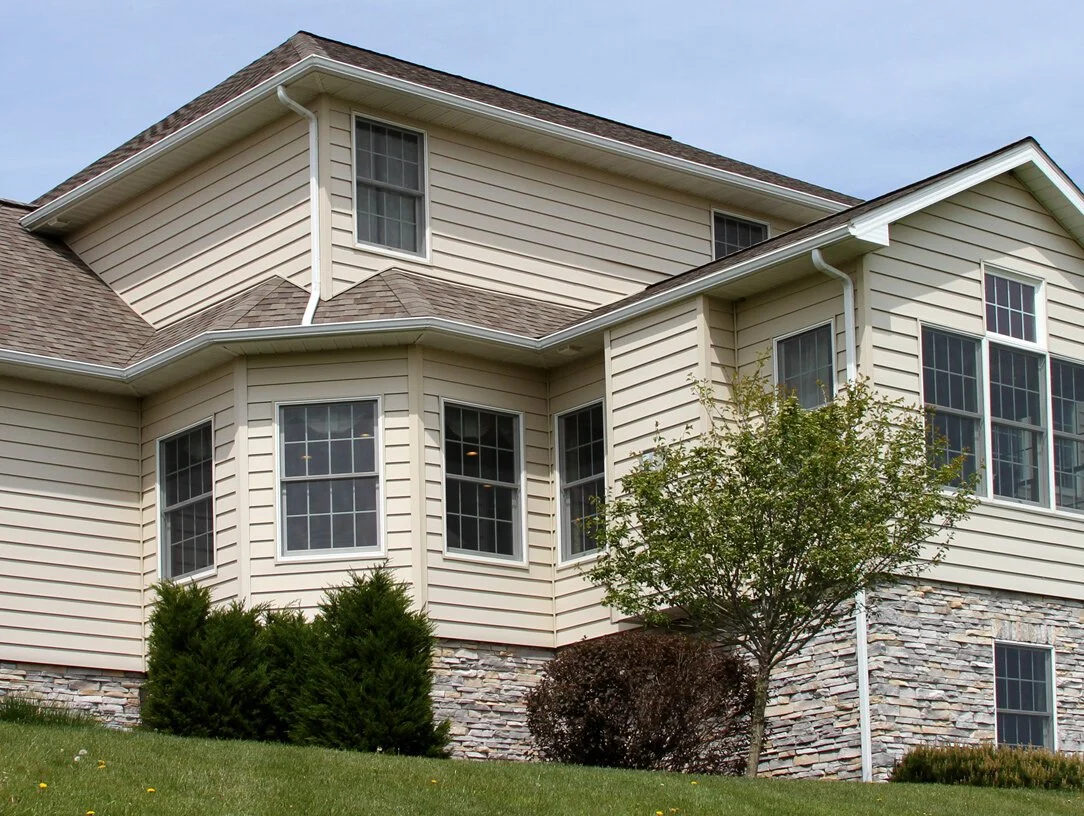
When Michigan homeowners start researching renovation projects, they're usually looking for two things: something that makes the house look better and something that actually pays back when it's time to sell. After 35 years installing exteriors across Southeast Michigan, we've watched trends come and go. But one project consistently delivers on both fronts: new siding.
This isn't about chasing the latest design fad. It's about understanding what holds up in Michigan's freeze-thaw cycles, what protects your biggest investment from moisture damage, and what buyers in Sterling Heights or Rochester Hills actually notice when they pull up to a house for the first time.
We're going to walk through why siding replacement ranks among the best home renovation projects siding Michigan homeowners can tackle, what materials make sense for our climate, and what you should actually expect to spend in 2026. No sales pitch—just the numbers and the building science we've learned from hundreds of projects in Macomb, Oakland, and St. Clair counties.
Why Siding Ranks Among the Best Home Renovation Projects in Michigan
The return on investment for siding replacement in the Midwest consistently outperforms most interior renovations. According to recent cost-versus-value analyses, vinyl siding replacement recoups around 68-75% of its cost at resale in our region. Fiber cement siding typically returns 70-80%. That puts it ahead of kitchen remodels, bathroom additions, and most basement finishing projects.
But ROI is only part of the story. In Michigan, your siding is the first line of defense against weather that swings from 90-degree summers with high humidity to subzero winters with lake-effect snow. When we replace siding on a 1970s ranch in Clinton Township or a brick Colonial in Grosse Pointe Farms, we're not just changing the color—we're addressing decades of water intrusion, failed vapor barriers, and deteriorating sheathing that the old siding couldn't protect.
The Michigan Factor: Our freeze-thaw cycles are brutal on exterior materials. Water gets behind failing siding, freezes, expands, and cracks the material from the inside out. By the time you see the damage on the surface, there's often rot in the sheathing underneath. A proper siding replacement from a licensed Detroit siding company addresses the substrate issues before they become structural problems.
Curb appeal matters, too. When buyers drive through neighborhoods in Royal Oak or Bloomfield Hills, they're making snap judgments based on what they see from the street. Fresh siding—especially when it's paired with updated trim, properly matched colors, and clean lines—signals that the home has been maintained. It removes objections before the buyer even gets out of the car.
Energy efficiency is the third piece. Modern siding systems include proper house wrap, insulated backing boards, and tight seam details that older installations never had. We've measured temperature differences of 5-8 degrees in rooms with exterior walls after a siding upgrade, even before touching the windows or insulation. That translates to lower heating bills every winter and better comfort year-round.

Material Comparison: What Works Best in Southeast Michigan
Not all siding performs the same in Michigan's climate. We install vinyl, fiber cement, and engineered wood regularly, and each has specific strengths depending on your home's architecture, your budget, and how long you plan to stay in the house.
Vinyl Siding: The Practical Choice
Vinyl remains the most popular siding material in Southeast Michigan for good reason. It's affordable, low-maintenance, and when installed correctly with proper ventilation and expansion gaps, it holds up well through our temperature swings. Premium vinyl from manufacturers like CertainTeed offers fade resistance, impact ratings that matter during summer hailstorms, and warranties that actually mean something.
The cost for vinyl siding replacement on a typical 1,800-square-foot home in Metro Detroit runs $8,000-$14,000, depending on the profile (Dutch lap, clapboard, board-and-batten), trim details, and whether you're also replacing soffit and fascia. That's installed, with proper house wrap and all trim work included.
Vinyl won't rot, doesn't need painting, and resists insect damage. The downside? It can crack in extreme cold if something impacts it, and cheaper vinyl will fade noticeably after 10-15 years. We only install premium-grade vinyl with UV inhibitors for exactly that reason.
James Hardie Fiber Cement: The Long-Term Investment
Fiber cement siding is what we recommend when homeowners want the look of wood without the maintenance headaches. James Hardie is the dominant brand, and their ColorPlus technology—factory-applied finish that's baked on—eliminates the need for repainting for 15+ years.
Fiber cement is non-combustible, won't rot or attract insects, and holds up to Michigan's weather better than any other material we install. It's heavier than vinyl, which means it requires more substantial fastening and occasionally sheathing reinforcement, but the durability is unmatched. We've seen 20-year-old Hardie siding that still looks new.
Expect to pay $16,000-$26,000 for a fiber cement installation on that same 1,800-square-foot home. It's a bigger upfront investment, but the longevity and resale appeal in higher-end markets like Lake Orion or Rochester Hills make it worth considering.
LP SmartSide Engineered Wood: The Aesthetic Option
LP SmartSide offers the authentic wood grain texture that some homeowners want, especially on Craftsman-style homes or historic renovations. It's engineered wood treated with zinc borate for rot and insect resistance, and it takes paint beautifully.
The cost falls between vinyl and fiber cement—usually $12,000-$20,000 for a full replacement. It requires periodic repainting (every 8-12 years), but the visual depth and shadow lines are superior to vinyl. We use it frequently in neighborhoods with architectural review boards that prefer traditional materials.
For a comprehensive look at exterior services in Detroit and surrounding areas, NEXT Exteriors provides detailed consultations that match material choices to your specific home and goals.

Other High-Value Exterior Renovation Projects to Pair with Siding
Siding replacement is often the anchor project that makes sense to combine with other exterior upgrades. When the scaffolding is already up and the crew is on-site, there are several complementary projects that maximize value and minimize disruption.
Roof Replacement: Timing Matters
If your roof is more than 15 years old, it makes sense to replace it before or during a siding project. We frequently coordinate Detroit roofing services with siding installations because the two systems interact at critical points—drip edge, step flashing, and rake trim all need to integrate properly.
A new roof also resets your home's weather protection timeline. There's no point installing 30-year siding if your 20-year-old roof is going to need replacement in five years, requiring us to remove trim and possibly damage siding during the tear-off.
Window Replacement: Energy Efficiency Multiplier
New windows paired with new siding create a complete thermal envelope upgrade. When we install energy-efficient windows in Southeast Michigan, we're careful about the integration details—proper flashing, sealant continuity, and trim that ties into the siding without creating water traps.
The energy savings compound when both systems are upgraded together. We've seen annual heating costs drop by 20-30% on older homes in Warren or St. Clair Shores after a combined siding and window replacement.
Insulation: The Hidden Upgrade
With the siding off, wall cavities are exposed. This is the perfect time to add blown-in insulation or spray foam if the existing insulation is inadequate or has settled. Many homes built in the 1960s and 70s have minimal wall insulation—sometimes just R-7 or R-11.
Adding insulation during a siding project costs a fraction of what it would as a standalone job because there's no need to remove interior drywall. Our top-rated insulation contractor in Detroit services include wall cavity upgrades that can bring older homes up to modern R-values without interior demolition.
Gutter System: The Final Piece
Old gutters often need replacement when siding is done. Fascia boards get replaced or repaired during siding work, and that's the ideal time to install new seamless gutters in Detroit, MI. Properly sized gutters—6-inch instead of the old 5-inch standard—handle Michigan's heavy spring rains and fall leaf loads much better.
We also recommend gutter guards on homes surrounded by mature trees. The upfront cost is offset by eliminating twice-yearly gutter cleanings and preventing ice dam-related overflow damage in winter.
Signs Your Michigan Home Needs New Siding
Not every home with older siding needs immediate replacement, but there are specific warning signs that indicate it's time to act before minor issues become expensive structural repairs.
Visible Damage and Deterioration
Cracked, warped, or loose siding panels are obvious indicators. On vinyl siding, look for pieces that have pulled away from the house or developed vertical cracks. On wood or engineered wood, check for rot at the bottom edges where water tends to collect. Fiber cement should be inspected for edge chipping or cracks around fasteners.
Fading is cosmetic until it becomes severe enough to indicate UV degradation of the material itself. When vinyl siding fades to the point where the color is chalky or drastically different from protected areas, the material is becoming brittle and more prone to impact damage.
Moisture and Rot Issues
Peeling paint on interior walls, water stains on ceilings near exterior walls, or a musty smell in certain rooms can all indicate water intrusion through failing siding. We've opened up walls on homes in Shelby Township and Macomb where the siding looked fine from the street, but the sheathing underneath was black with mold.
Check your basement or crawl space for water stains on the rim joist—the board that sits on top of your foundation. If water is getting behind the siding and running down, it often shows up there first.
Energy Bill Increases
If your heating or cooling costs have crept up over the years and your HVAC system is functioning normally, the building envelope is often the culprit. Failing siding allows air infiltration, and even small gaps can add up to significant heat loss in winter.
We use thermal imaging during siding inspections to identify cold spots and air leaks that aren't visible to the naked eye. It's not uncommon to find gaps around windows, at corner boards, or where siding meets the foundation that are allowing conditioned air to escape.
Age-Related Deterioration
Vinyl siding typically lasts 20-30 years in Michigan before it needs replacement. Wood siding needs repainting every 5-7 years and full replacement every 20-40 years depending on maintenance. Fiber cement can last 50+ years, but even it requires periodic inspection of caulk joints and fasteners.
If your siding is approaching the end of its expected lifespan and you're planning to stay in the home for another 5-10 years, proactive replacement makes more sense than reactive repairs after damage occurs.
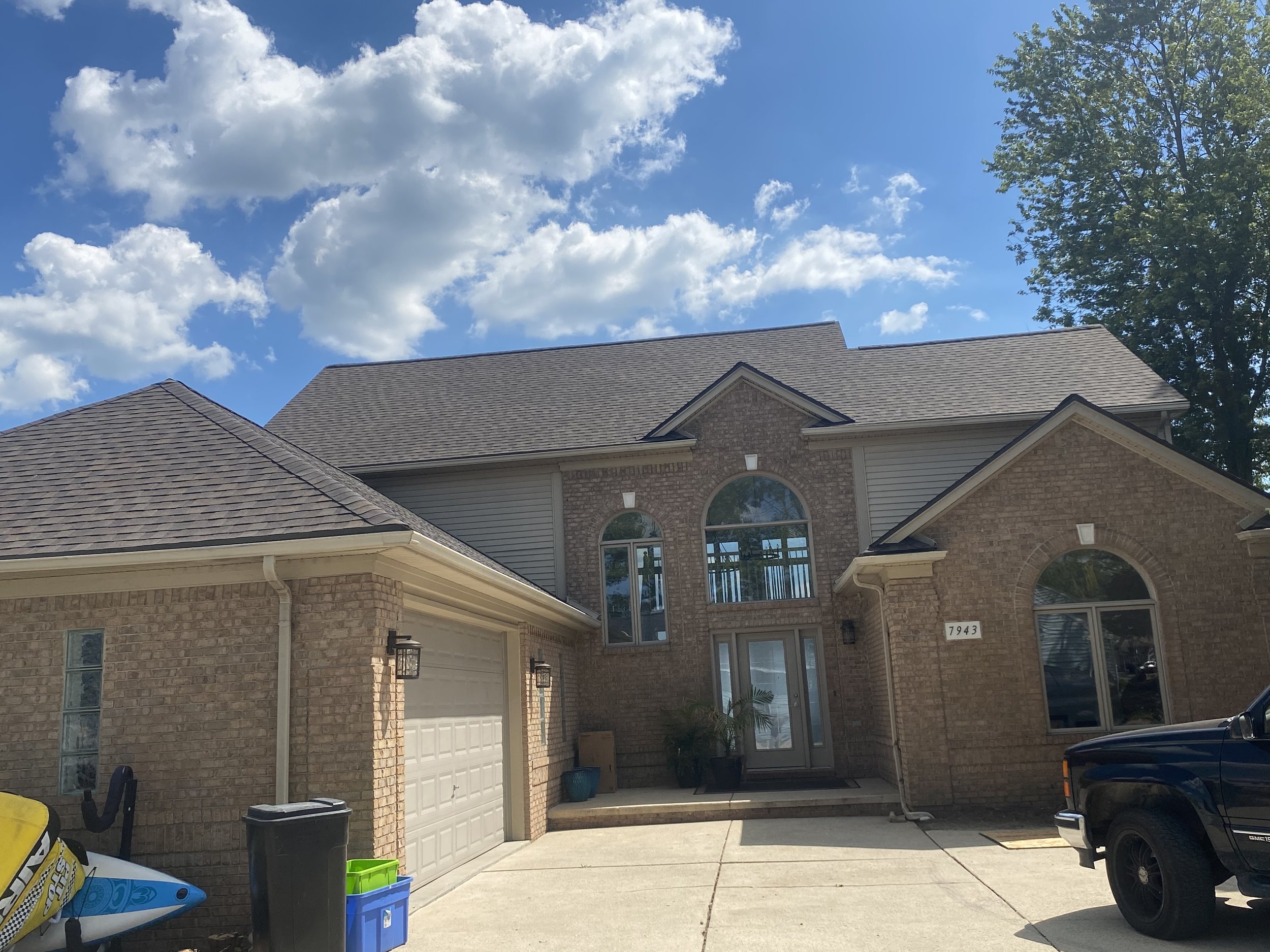
What to Expect: The Siding Replacement Process with NEXT Exteriors
Understanding the timeline and process helps homeowners plan around the disruption. A typical siding replacement on a single-family home takes 5-10 days from start to finish, depending on size, complexity, and weather.
Day 1-2: Tear-Off and Inspection
We remove the old siding, taking care around windows, doors, and utility penetrations. This is when we discover hidden issues—rotted sheathing, missing house wrap, improperly flashed windows. We photograph everything and discuss necessary repairs before proceeding.
Any rotted sheathing gets replaced with OSB or plywood. We inspect and repair window flashing, check soffit and fascia boards, and ensure the substrate is solid before new siding goes up.
Day 3-4: House Wrap and Preparation
We install a continuous weather-resistant barrier—typically Tyvek or a similar product. This goes on with proper overlap, taped seams, and integration with window and door flashing. It's the critical moisture barrier that protects the sheathing even if water gets behind the siding.
Corner boards, J-channel around windows and doors, and starter strips get installed. This prep work determines how straight and clean the final siding installation will look.
Day 5-8: Siding Installation
Siding goes up in horizontal courses, starting from the bottom and working up. Each piece is fastened according to manufacturer specs—proper nail placement, correct expansion gaps, and appropriate overlap. We don't rush this phase. Sloppy installation creates wavy lines and premature failure.
Trim work—corner posts, window and door casings, frieze boards—gets installed as we go. Color-matched caulk seals joints where needed, but we're careful not to over-caulk, which can trap moisture.
Day 9-10: Final Details and Cleanup
Soffit and fascia get finished, gutters are reinstalled or replaced, and all penetrations (dryer vents, electrical meters, exterior lights) are properly sealed and trimmed out. We walk the perimeter with the homeowner, pointing out details and answering questions.
Cleanup is thorough. Old siding goes into a dumpster (we haul it away), nails and debris get picked up with magnetic rollers, and landscaping is restored to its original condition. We've been doing this long enough to know that how we leave the site matters as much as the quality of the installation.
For homes requiring additional exterior work, our Southeast Michigan painting professionals can coordinate trim painting or full exterior painting using Sherwin-Williams products to complete the transformation.
Cost Reality: Budgeting for Siding Renovation in Metro Detroit
Let's talk real numbers. Siding costs vary based on material choice, home size, architectural complexity, and the condition of the underlying structure. Here's what homeowners in Southeast Michigan should budget in 2026:
Vinyl Siding
- Basic vinyl (contractor grade): $4.50-$6.50 per square foot installed
- Premium vinyl (CertainTeed, Norandex): $6.50-$8.50 per square foot installed
- Typical 1,800 sq ft home: $8,000-$15,000 total project cost
Fiber Cement (James Hardie)
- Hardie Plank lap siding: $9.00-$12.00 per square foot installed
- Hardie Board & Batten: $11.00-$14.00 per square foot installed
- Typical 1,800 sq ft home: $16,000-$26,000 total project cost
Engineered Wood (LP SmartSide)
- LP SmartSide lap siding: $7.00-$10.00 per square foot installed
- LP SmartSide panel siding: $8.00-$11.00 per square foot installed
- Typical 1,800 sq ft home: $12,000-$20,000 total project cost
What Affects the Final Cost: Two-story homes cost more per square foot due to scaffolding requirements. Complex architecture with multiple gables, dormers, or bay windows increases labor time. Homes requiring extensive sheathing repair will see additional costs—typically $200-$400 per sheet of plywood/OSB including labor. Homes in historic districts with specific material or color requirements may have limited options that affect pricing.
Financing and ROI Considerations
Most Michigan homeowners finance siding projects through home equity lines of credit, personal loans, or manufacturer financing programs. James Hardie and CertainTeed both offer promotional financing periods with deferred interest.
The ROI calculation should include energy savings. A well-insulated siding installation can reduce heating costs by $300-$600 annually on older homes. Over a 20-year lifespan, that's $6,000-$12,000 in savings that offsets the initial investment.
When you sell, new siding removes price objections and often allows you to list at the higher end of the comparable range. In competitive markets like Troy or Bloomfield Hills, homes with updated exteriors sell faster and closer to asking price than those with visible deferred maintenance.
For detailed information on other complementary projects, explore our full range of NEXT Exteriors' full range of services including roofing, windows, and insulation.

Ready to Get Started?
NEXT Exteriors has been protecting Michigan homes since 1988. Get a free, no-pressure estimate from a team that shows up on time and does the job right.
Get Your Free QuoteOr call us: (844) 770-6398
Frequently Asked Questions
Late spring through early fall (May through October) offers the most consistent weather for siding installation. We can work in colder months, but temperatures below 40°F make vinyl brittle and harder to cut cleanly. Fiber cement and engineered wood can be installed year-round as long as conditions are dry. We schedule most projects for June through September to avoid weather delays and ensure optimal material performance.
Premium vinyl siding lasts 25-30 years in Michigan with minimal maintenance. Fiber cement (James Hardie) can last 50+ years when properly maintained. Engineered wood (LP SmartSide) typically lasts 30-40 years with periodic repainting every 10-15 years. The key factors are proper installation—correct fastening, expansion gaps, and flashing—and regular maintenance like cleaning gutters and trimming vegetation away from the siding.
It depends on the current condition. If the siding is visibly damaged, faded, or outdated (like old aluminum or T1-11 panels), replacement will significantly improve curb appeal and buyer perception. If it's in decent shape but just dated, a thorough cleaning and minor repairs might be enough. We've seen homes in Sterling Heights and Rochester Hills sell for $15,000-$25,000 more after siding replacement because it eliminated buyer objections and allowed the home to show better than comparable listings.
We don't recommend it, and we don't do it. Installing over old siding hides potential rot, prevents proper inspection of the sheathing, creates an uneven surface, and voids most manufacturer warranties. The small savings in labor aren't worth the risk of trapping moisture and covering up structural issues. Proper siding replacement includes removing the old material, inspecting and repairing the substrate, installing new house wrap, and then applying the new siding to a clean, flat surface.
Premium vinyl is thicker (typically .044"-.046" vs .040"-.042"), has better UV inhibitors to resist fading, includes impact resistance for hail damage, and carries longer warranties (often lifetime vs 20-30 years). The color goes all the way through the material rather than just on the surface, so scratches are less visible. Premium vinyl from manufacturers like CertainTeed also has better fade resistance—critical in Michigan where summer sun and winter UV reflection off snow can accelerate color degradation.
Yes, but the amount depends on what you're replacing and what else gets upgraded. If we're removing old siding with no house wrap and adding Tyvek plus insulated siding backing, you'll see noticeable improvement—typically 10-20% reduction in heating costs. If we also add wall cavity insulation during the project, the savings can reach 25-30%. The biggest energy gains come from combining siding replacement with window upgrades and attic insulation improvements, creating a complete thermal envelope upgrade.
Consider your roof color first—the siding should complement, not clash. Lighter colors reflect heat in summer and show dirt less than very dark colors. Very dark siding (charcoal, black) can fade faster and may cause thermal expansion issues with vinyl. We recommend using manufacturer visualizer tools (available on our website) to see how different colors look on homes similar to yours. Also drive your neighborhood and note which color combinations look best on homes with similar architecture. In historic areas, check if there are color restrictions before making final selections.