

How to Vet Insulation Contractors in Detroit: Key Questions
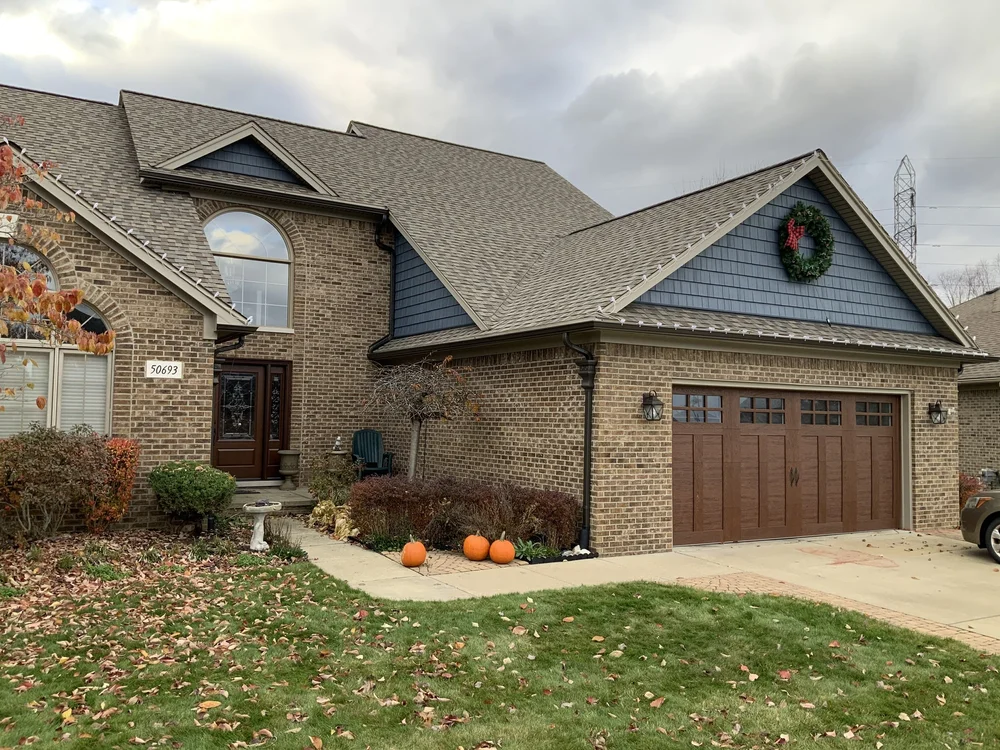
You're about to spend thousands of dollars on attic insulation, spray foam, or basement upgrades. The contractor you hire will be crawling through your attic, drilling into your walls, and handling materials that directly affect your energy bills, comfort, and indoor air quality. In Detroit's contractor landscape — where licensing enforcement is inconsistent and fly-by-night operators advertise next to legitimate pros — knowing how to separate the qualified from the questionable isn't optional.
After 35 years installing top-rated insulation services in Detroit across Southeast Michigan, we've seen what happens when homeowners skip the vetting process. They get stuck with improperly installed spray foam that blocks ventilation and causes ice dams. They discover their "R-49 attic upgrade" is actually R-30 because the contractor didn't measure the depth. They pay for closed-cell foam and get open-cell. And when problems surface six months later, the company has vanished.
This guide walks you through the seven critical questions that separate legitimate insulation contractors from the ones who'll cost you more in the long run. These aren't "nice to know" questions — they're deal-breakers. If a contractor can't answer them clearly and confidently, walk away.
Are You Licensed and Insured in Michigan?
This is question one for a reason. In Michigan, any contractor performing insulation work that involves structural modifications, air sealing that affects building envelope integrity, or projects over $600 must carry a Michigan Residential Builder's License. This isn't a suggestion — it's state law. Yet plenty of unlicensed operators run ads, show up in trucks with magnetic signs, and collect deposits.
Ask for their license number and verify it yourself through the Michigan Department of Licensing and Regulatory Affairs (LARA). A legitimate contractor will give you the number without hesitation. NEXT Exteriors has been licensed and operating under Premier Builder Inc. since 1988, and we're BBB A+ Accredited since 2006.
Beyond licensing, ask for proof of:
- General liability insurance — protects you if they damage your property during the job
- Workers' compensation insurance — covers their crew if someone gets injured in your attic
Don't just take their word for it. Ask for current certificates of insurance and call the insurance company to verify coverage. If a contractor balks at this request, that's a red flag the size of a billboard.
Michigan Reality Check: We've walked into homes in Sterling Heights and Warren where unlicensed contractors installed spray foam without vapor barriers, creating moisture traps that rotted roof decking within two years. The homeowners had no recourse because the "contractor" had no bond, no insurance, and no traceable business entity.
What's Your Experience with Michigan Homes?
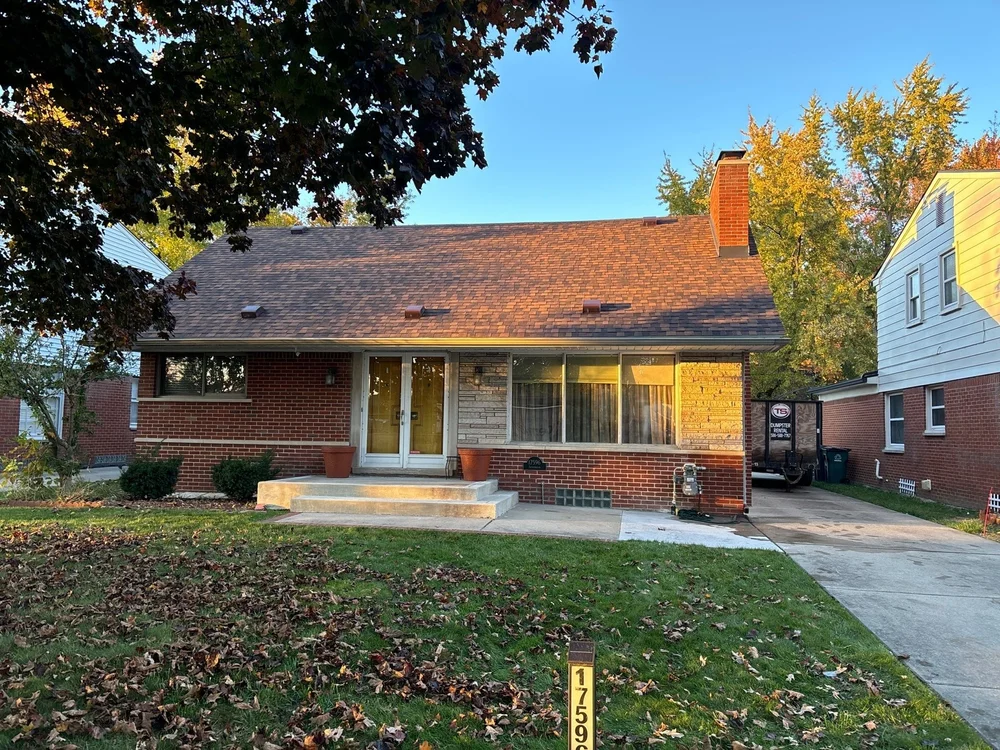
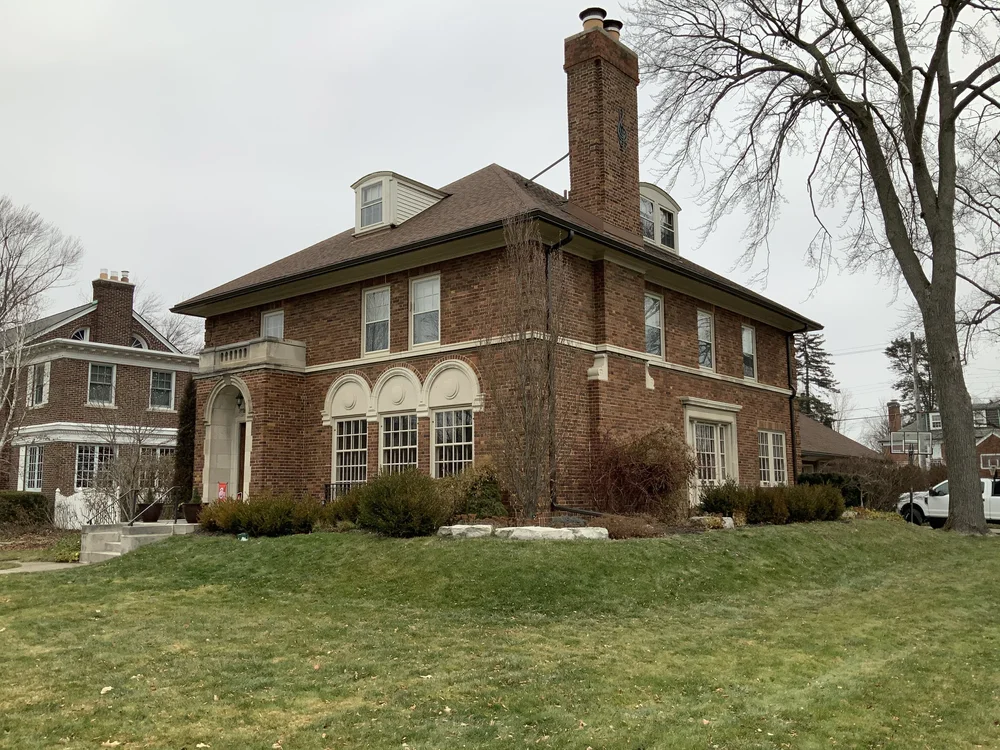
Insulation isn't one-size-fits-all, and Michigan's climate demands specific knowledge. A contractor who's great at installing batt insulation in Arizona ranch homes doesn't automatically know how to handle a 1960s brick Colonial in Royal Oak with ice dam issues and inadequate attic ventilation.
Ask how long they've been working in Southeast Michigan specifically. Ask about:
- Experience with your home's age and construction type (brick, vinyl-sided ranch, Tudor, etc.)
- How they handle freeze-thaw cycles that create expansion and contraction in building materials
- Their approach to ice dam prevention — a problem directly tied to attic insulation and ventilation
- How they insulate basements and crawl spaces in Michigan's high water table areas
A contractor who's been working Michigan winters for decades will talk about these issues without prompting. They'll reference specific neighborhoods, common problems in older Detroit-area homes, and solutions they've implemented on similar projects. If you're in Bloomfield Hills and they start talking about termite barriers and hurricane straps, they're not your contractor.
Our crews have completed over 500 projects across Macomb, Oakland, and St. Clair counties. We know the difference between insulating a 1920s bungalow in Grosse Pointe and a 1980s split-level in Clinton Township because we've done both — repeatedly. That experience shows up in how we handle ventilation, moisture control, and material selection. For context on how climate impacts other exterior systems, see our guide on attic insulation R-value and heating costs in Royal Oak.
Which Insulation Types Do You Install and Recommend?
There are multiple insulation materials on the market, each with specific applications, benefits, and limitations. A contractor who only installs one type — or worse, pushes the most expensive option regardless of your needs — isn't giving you honest advice.
Ask them to explain the differences between:
- Blown-in fiberglass — cost-effective, good for attics, settles over time
- Blown-in cellulose — denser than fiberglass, better air sealing, fire-resistant treatment
- Spray foam (open-cell) — expands to fill gaps, R-3.5 per inch, allows some moisture vapor transmission
- Spray foam (closed-cell) — R-6 to R-7 per inch, vapor barrier, adds structural strength, more expensive
- Batt insulation — fiberglass or mineral wool, good for walls and rim joists, requires precise installation
They should be able to explain why they're recommending a specific material for your project. For example, closed-cell spray foam is excellent for rim joists in basements because it stops air infiltration and acts as a vapor barrier. But it's overkill — and overpriced — for a standard attic where blown-in cellulose would perform just as well at half the cost.
We install all of these materials because different homes need different solutions. A homeowner in Lake Orion with a vaulted ceiling and limited attic access needs a different approach than someone in Troy with a full attic and existing batt insulation that's compressed and ineffective. Our exterior services in Detroit include a full range of insulation options, and we'll walk you through the pros and cons of each based on your specific situation — not our profit margin.
Can You Explain R-Value Requirements for My Home?
R-value measures thermal resistance — how well insulation resists heat flow. Higher R-values mean better insulation performance. But the right R-value depends on where you're insulating and Michigan's climate zone.
According to the Michigan Energy Code, recommended R-values for Southeast Michigan (Climate Zone 5) are:
- Attic: R-49 to R-60
- Walls: R-20 to R-21
- Basement walls: R-15 to R-19
- Crawl space walls: R-15 to R-19
- Floor over unconditioned space: R-30
Ask your contractor what R-value they're targeting and how they'll achieve it. This matters because R-value per inch varies by material:
- Blown-in fiberglass: R-2.2 to R-2.7 per inch
- Blown-in cellulose: R-3.2 to R-3.8 per inch
- Open-cell spray foam: R-3.5 to R-3.6 per inch
- Closed-cell spray foam: R-6 to R-7 per inch
To hit R-49 in an attic with blown-in fiberglass, you need roughly 18 to 20 inches of material. With cellulose, it's about 13 to 15 inches. If a contractor quotes you "R-49 insulation" but doesn't specify the material or depth, they're leaving out critical information. We measure existing insulation depth, calculate what's needed to reach code, and document it in the written quote.
Pro Tip: If you're upgrading insulation as part of a larger energy efficiency project, ask if the contractor coordinates with utility rebate programs. DTE Energy and Consumers Energy both offer rebates for insulation upgrades that meet specific R-value thresholds. A good contractor knows these programs and can help you maximize savings.
Do You Handle Air Sealing and Ventilation?
Here's the dirty secret about insulation: R-value doesn't matter if air is leaking around it. Air infiltration — gaps around recessed lights, plumbing penetrations, attic hatches, rim joists — accounts for 25% to 40% of heating and cooling loss in most homes. You can pile R-60 insulation in your attic, but if warm air is escaping through gaps in the ceiling plane, you're wasting money.
Ask if their quote includes air sealing before insulation installation. Legitimate contractors seal:
- Attic hatch perimeters
- Recessed light fixtures (or replace them with IC-rated, airtight models)
- Plumbing and electrical penetrations
- Top plates where walls meet the attic floor
- Chimney chases and duct penetrations
Equally important: ventilation. Michigan's freeze-thaw cycles and heavy snow loads make proper attic ventilation non-negotiable. Without it, moisture from your living space condenses in the attic, soaking insulation and rotting roof decking. In winter, inadequate ventilation creates ice dams that back water under shingles and into your walls.
Ask how they maintain ventilation when adding insulation. Specifically:
- Do they install baffles to keep soffit vents clear?
- How do they ensure insulation doesn't block ridge or gable vents?
- What's their approach to homes with inadequate ventilation to begin with?
We've fixed countless jobs where contractors blew in insulation without baffles, blocking soffit vents and turning attics into moisture traps. Within two years, homeowners were dealing with mold, roof leaks, and rotted decking. Proper air sealing and ventilation aren't add-ons — they're fundamental to insulation performance. This is why our Detroit roofing services and insulation work are closely coordinated; the roof system and attic insulation function as a single integrated assembly.
What Does Your Quote Include?
A legitimate insulation quote should be detailed, specific, and written. If a contractor gives you a verbal estimate or a one-line number on a business card, you have no protection and no clarity on what you're actually buying.
Your written quote should include:
- Material specifications: Brand, type, and R-value per inch
- Square footage or coverage area: How much space they're insulating
- Depth or thickness: How many inches of material to achieve the stated R-value
- Air sealing scope: Specific areas they'll seal before insulation
- Ventilation work: Baffles, vent installation, or repairs needed
- Labor breakdown: What's included in the installation (prep, cleanup, disposal of old insulation if applicable)
- Timeline: Start date and estimated completion
- Warranty: Coverage for materials and workmanship
- Payment terms: Deposit, progress payments, and final payment schedule
Ask about exclusions, too. Does the quote include moving stored items in the attic? Repairing damaged drywall if they need to access wall cavities? Disposal fees for old insulation?
We provide itemized quotes that spell out every detail. If we're recommending closed-cell spray foam for your rim joists and blown-in cellulose for your attic, the quote specifies both, along with the R-values, square footage, and why we're using each material. No surprises, no vague line items, no change orders unless the scope actually changes. For broader context on how exterior projects are priced in Michigan, our siding replacement cost breakdown uses the same transparent approach.
Can You Provide References from Recent Detroit-Area Projects?
Online reviews are useful, but they're not enough. Anyone can game a Google review profile or cherry-pick testimonials for their website. Ask for specific references from recent projects — ideally within the last 12 months, in your area, and similar to your project scope.
A confident contractor will give you three to five references without hesitation. Call them. Ask:
- Did the crew show up on time and work the hours they promised?
- Did the project stay on budget, or were there unexpected costs?
- How did they handle cleanup and job site management?
- Have you noticed a difference in comfort or energy bills since the work was completed?
- If you had a problem, how did the contractor handle it?
- Would you hire them again?
Also check their BBB profile, Google reviews, and any complaints filed with the Michigan Attorney General's office. Look for patterns — one bad review might be an outlier, but multiple complaints about the same issue (missed deadlines, poor communication, shoddy work) is a warning sign.
NEXT Exteriors maintains a 5.0-star average rating across 87+ reviews, and we're happy to connect you with recent clients in Shelby Township, Rochester Hills, St. Clair Shores, and across Southeast Michigan. We've been in business since 1988 under the same ownership, which means we can't hide from our work. If we screw up a job, it follows us. That accountability keeps us honest.
For additional peace of mind, check out our work through our project gallery and see how we approach house siding installation in Detroit, window replacement projects, and seamless gutter installations — all of which tie into whole-home energy efficiency.
Red Flag Checklist: Walk away if a contractor refuses to provide references, pressures you to sign the same day, asks for full payment upfront, doesn't have a physical business address, or can't produce proof of licensing and insurance. These are non-negotiable dealbreakers.
Why Vetting Matters More Than Price
We get it — insulation is expensive, and it's tempting to go with the lowest bid. But here's what we've seen after 35 years in this business: cheap insulation jobs cost more in the long run.
A homeowner in Warren hired a contractor who underbid us by $1,200 on an attic insulation project. The contractor blew in fiberglass without air sealing, didn't install baffles, and left gaps around the attic hatch. Two winters later, the homeowner called us because their heating bills hadn't dropped and they were getting ice dams. We had to remove the poorly installed insulation, air seal the attic properly, install baffles, and re-insulate. The total cost was more than double what they would have paid if they'd hired a qualified contractor the first time.
Vetting isn't about being paranoid — it's about protecting your investment. Insulation affects your home's energy efficiency, comfort, indoor air quality, and structural integrity. The contractor you hire should have the knowledge, experience, and accountability to do it right.
If you're planning other exterior improvements, understanding the relationship between systems is critical. For example, if you're considering new siding, our article on siding repair versus replacement in Southeast Michigan explains when wall insulation upgrades make sense. Similarly, if you're dealing with basement moisture, our guide on egress window installation and basement code compliance addresses insulation and vapor barrier requirements.
Ready to Get Started?
NEXT Exteriors has been protecting Michigan homes since 1988. Get a free, no-pressure estimate from a team that shows up on time and does the job right. We're licensed, insured, and backed by a 5.0-star reputation across Southeast Michigan.
Get Your Free QuoteOr call us: (844) 770-6398
Frequently Asked Questions
It depends on the scope. Attic insulation upgrades typically don't require a permit, but wall insulation that involves opening walls or spray foam that affects the building envelope might. A licensed contractor will know when permits are required and handle the paperwork. If someone tells you "we don't bother with permits" for work that clearly needs one, that's a red flag.
A typical attic insulation project for a 1,500-square-foot home takes one to two days, including air sealing and cleanup. Basement or crawl space insulation can take longer depending on access and prep work. Spray foam projects require additional drying time. A detailed timeline should be in your written quote.
If your home is under-insulated — and most older Michigan homes are — yes, you'll see measurable savings. The exact amount depends on your current insulation level, HVAC efficiency, air sealing, and how you heat and cool your home. On average, homeowners in Southeast Michigan who upgrade from R-19 to R-49 attic insulation see 15% to 25% reductions in heating costs. That said, insulation alone won't fix a leaky duct system or an inefficient furnace.
It depends on the application. Closed-cell spray foam is excellent for rim joists, crawl spaces, and areas where you need both insulation and a vapor barrier. But for a standard attic, blown-in cellulose or fiberglass performs nearly as well at a fraction of the cost. A good contractor will recommend spray foam when it makes sense, not because it's the most profitable option.
You can, but it's harder than it looks. Blown-in insulation requires specialized equipment. Spray foam is a chemical process that can go very wrong if you don't know what you're doing. And if you skip air sealing or block ventilation, you can create moisture problems that cost thousands to fix. For most homeowners, hiring a licensed contractor is worth the investment.
Fall is ideal — you'll see immediate benefits when heating season starts, and attics are cooler and more comfortable to work in than mid-summer. That said, insulation can be installed year-round. Winter installations are fine as long as the attic is accessible and the crew can work safely. Spring and summer are also good options, especially if you're planning other exterior work like exterior painting or roof maintenance.
Signs include uneven temperatures between rooms, high energy bills, ice dams in winter, drafts near exterior walls, and visible gaps or compression in existing insulation. If your attic insulation is less than 10 inches deep, it's likely under-insulated by Michigan standards. A professional energy audit or insulation inspection can give you a clear picture of what you need.