

Gutter Guards in Michigan: Who Benefits & Who Shouldn't Bother
Not every Michigan home needs gutter guards. Learn who benefits most from them—and who's better off skipping them—from a licensed contractor with 35+ years of experience.
By:
NEXT Exteriors
Published:
February 19, 2026
Read time:
11 minutes
Here's the truth about gutter guards in Michigan: they're not a universal solution. After 35 years installing seamless gutters in Detroit, MI and throughout Southeast Michigan, I've seen homeowners spend thousands on gutter protection systems they didn't need—and I've seen others who absolutely should have installed them years ago.
The difference comes down to your specific situation: the trees around your home, your roof design, your physical ability to maintain gutters, and whether your existing gutter system is even healthy enough to warrant the investment. This isn't about upselling you on something—it's about helping you make the right call for your property in Macomb, Oakland, or St. Clair County.
Let's walk through who actually benefits from gutter guards in Michigan's climate, and who's better off saving their money.
What Gutter Guards Actually Do (And What They Don't)
Gutter guards—also called gutter covers, leaf guards, or gutter screens—are designed to keep debris out of your gutters while allowing water to flow through. The basic premise is simple: block the leaves, seeds, and twigs, but let rainwater and snowmelt pass.
But here's what most homeowners don't realize until after installation: gutter guards reduce maintenance, they don't eliminate it. You'll still need to clean them occasionally, especially in Michigan where we deal with pine needles, maple seeds (those helicopter things), oak tassels, and the fine silt that accumulates from our freeze-thaw cycles.
The Main Types You'll See in Southeast Michigan
Not all gutter guards perform the same, especially in our climate:
Mesh screens: Fine metal mesh that sits over the gutter opening. Good for most leaf types, but small debris can still get through. Affordable option for homes with moderate tree coverage.
Reverse-curve (surface tension) guards: These guide water around a curved surface into the gutter while debris falls off the edge. Work well in heavy rain, but can struggle with Michigan's slow, steady autumn drizzle when leaves stick to wet surfaces.
Foam inserts: Porous foam that fits inside the gutter. Inexpensive, but they can trap fine debris and break down over time, especially with our UV exposure in summer and freeze-thaw in winter.
Micro-mesh systems: The highest-performing (and most expensive) option. Surgical-grade stainless steel mesh that blocks even pine needles and roof grit. This is what we typically recommend for homes surrounded by mature trees in places like Rochester Hills or Bloomfield Hills.
Michigan Reality Check: Any gutter guard system will accumulate some debris on top. In fall, you'll still need to blow or brush off the guards themselves—but that's a 20-minute job from the ground with a leaf blower, not a dangerous ladder climb with a scoop and bucket.
The other thing gutter guards don't do? They don't fix existing problems. If your gutters are sagging, pulling away from the fascia, or improperly pitched, guards won't help. In fact, they'll make diagnosis harder because you can't see inside the gutter without removing the guards. That's why our team at NEXT Exteriors always inspects the entire gutter system before recommending guards—sometimes the better investment is new seamless gutters first.

Who Benefits Most from Gutter Guards in Southeast Michigan
Let's get specific. Here are the situations where gutter guards make genuine financial and practical sense in Michigan:
1. Homes Surrounded by Mature Trees
If your property in Troy, Sterling Heights, or Shelby Township has multiple large oaks, maples, or pines within 30 feet of your roofline, you're cleaning gutters at least three times a year—spring (oak tassels and seeds), fall (leaves), and possibly winter (pine needles and twigs from ice storms).
The math is straightforward: professional gutter cleaning runs $150-250 per visit in Southeast Michigan. Three cleanings a year = $450-750 annually. Quality micro-mesh gutter guards cost $8-12 per linear foot installed. For a typical 150-foot gutter system, you're looking at $1,200-1,800. That's a 2-3 year payback, and then you're ahead—plus you avoid the safety risk of repeated ladder work.
The specific trees matter, too. Pin oaks drop tassels and small leaves that slip through basic screens. White pines shed needles year-round. If you've got these species, micro-mesh is the only type worth considering.
2. Two-Story Homes and Difficult Rooflines
Many homes in Lake Orion, Rochester Hills, and Grosse Pointe Farms have steep rooflines, dormers, or second-story gutters that make DIY cleaning dangerous and professional cleaning expensive. If you need a 32-foot extension ladder and scaffolding just to reach your gutters safely, guards become a safety investment, not just a convenience.
We've seen too many homeowners fall from ladders trying to save $200 on gutter cleaning. If your home requires more than a standard 24-foot ladder to access gutters safely, factor that risk into your decision.
3. Aging Homeowners or Mobility Concerns
This is the most common reason we install gutter guards—and the most important. If you're in your 60s or 70s, or if you have any mobility limitations, climbing ladders to clean gutters isn't just inconvenient, it's a genuine fall risk. Gutter guards let you age in place safely without depending on others for routine maintenance.
We've installed guards for dozens of retired homeowners in Clinton Township and Macomb who want to maintain their homes independently. It's not about laziness—it's about safety and autonomy.
4. Homes with Specific Tree Species
Certain trees create gutter problems that guards solve particularly well:
Cottonwoods: The fluffy seeds clog gutters and downspouts completely. Micro-mesh guards block them effectively.
Willows: Fine, thin leaves that mat together and create slow-draining clogs. Guards prevent the initial accumulation.
Pines (white, red, or Scotch): Needles slip through most screens but get caught by micro-mesh systems.
If your property has these species and you're tired of cleaning gutters monthly, guards are worth it.
Who Should Skip Gutter Guards
Now let's talk about when gutter guards are a waste of money—because there are plenty of situations where they are.
1. Homes with Minimal Tree Coverage
If you've got a newer subdivision home in Chesterfield or St. Clair Shores with young trees or minimal landscaping, you're probably cleaning gutters once a year, if that. Spending $1,500+ on gutter guards to avoid a $150 annual cleaning doesn't make financial sense. You're 10+ years from payback, and by then the guards may need replacement anyway.
Save your money. Clean your gutters once a year in late fall after the leaves drop. Takes an hour with a ladder and a scoop.
2. Homes with Existing Gutter Problems
This is critical: gutter guards are not a Band-Aid for failing gutters. If your gutters are:
Sagging or pulling away from the fascia
Improperly pitched (standing water after rain)
Undersized for your roof area
Damaged or rusted through
Missing downspouts or extensions
...then guards won't help. In fact, they'll hide the problem and potentially make it worse. Water that can't enter a clogged or poorly functioning gutter system will overflow, and you won't see it happening under the guards until you've got foundation damage or rotted fascia.
We always inspect the full gutter system before quoting guards. Sometimes the honest recommendation is: "Your gutters need replacement first. Let's talk about that, and we can add guards during installation if you want them."
3. Budget-Conscious Homeowners with Accessible Rooflines
If you're comfortable on a ladder, your home is a single-story ranch, and you've got basic tree coverage, DIY gutter cleaning twice a year is perfectly reasonable. There's no shame in that. It's $50 in equipment (a scoop, gloves, and a bucket) and an hour of your time in spring and fall.
Gutter guards are a convenience product. If the convenience isn't worth $1,500-2,000 to you, skip them. Use that money toward other exterior services in Detroit that deliver more immediate value—like attic insulation or window replacement.
4. Homes with Ice Dam Issues
This surprises people, but it's important: if your home has recurring ice dams, gutter guards can make the problem worse.
Ice dams form when heat escapes through your attic, melts snow on the roof, and that water refreezes at the cold eave edge. The ice backs up under shingles and causes leaks. Gutter guards don't prevent ice dams—inadequate attic insulation and ventilation cause them.
When ice forms on top of gutter guards, it can create a thicker ice shelf that extends further up the roof, making the dam worse. We've removed gutter guards from homes in Royal Oak and Warren specifically because they were contributing to ice dam damage.
If you have ice dam problems, the solution is better attic insulation and ventilation—not gutter guards. Fix the root cause first.
Michigan-Specific Gutter Guard Considerations
Our climate creates unique challenges that national gutter guard companies don't always account for. Here's what 35 Michigan winters have taught us:
Freeze-Thaw Cycles and Ice Buildup
Southeast Michigan averages 30-40 freeze-thaw cycles per winter. Water gets under gutter guards, freezes, expands, and can pop guards loose or damage the gutter itself. Cheap snap-on guards fail within 2-3 winters. Quality systems with proper fastening (screwed into the fascia or gutter lip, not just clipped on) survive our climate. This is why we only install guards that we know will last through Michigan winters—we've seen too many failures with the big-box store options.
Lake-Effect Snow and Ice Loading
If you're in St. Clair County or near Lake St. Clair, you know about lake-effect snow. Heavy, wet snow loads can bend gutter guards, especially the thin aluminum varieties. Micro-mesh systems with reinforced frames handle snow weight better. We've replaced dozens of failed guards on lakefront properties in Grosse Pointe and St. Clair Shores—the cheap ones just don't hold up to the snow load.
Pine Needles vs. Maple Seeds vs. Oak Leaves
Different debris requires different guard types. In areas with heavy pine coverage (common in northern Macomb and Oakland counties), only micro-mesh stops needles effectively. In neighborhoods with mature maples, the helicopter seeds can slip through basic screens but get caught by finer mesh. Oak leaves are large and easier to block, but the tassels in spring are tiny and slip through everything except micro-mesh.
A good contractor will look at the actual trees around your home and recommend guards based on what they see—not just sell you whatever they have in the truck.
The Reality of Winter Maintenance
Here's what no one tells you: in Michigan, you may still need to knock ice and snow off your gutter guards in winter. If we get a heavy wet snow followed by a freeze, that snow can bridge across the guards and create an ice dam effect. A roof rake or a broom from the ground usually handles it, but it's still maintenance.
Gutter guards reduce maintenance. They don't eliminate it. Anyone who tells you otherwise is selling, not educating.
Contractor Tip: If you install gutter guards, make sure your roofing system has proper ice and water shield at the eaves and adequate attic ventilation. Guards don't prevent ice dams—proper building science does.

The Real Cost Analysis
Let's break down the actual numbers for Southeast Michigan in 2026:
Professional Gutter Cleaning Costs
Single cleaning: $150-250 depending on home size and accessibility
Annual contract (2-3 cleanings): $400-700
Emergency cleanings (overflowing gutters): $200-300
Gutter Guard Installation Costs
Basic mesh screens: $3-5 per linear foot installed
Mid-grade aluminum guards: $6-8 per linear foot installed
Premium micro-mesh systems: $8-12 per linear foot installed
For a typical 150-foot gutter system (average for a 2,000 sq ft home), you're looking at:
Basic: $450-750
Mid-grade: $900-1,200
Premium: $1,200-1,800
The Payback Calculation
If you're cleaning gutters professionally three times a year at $200 per cleaning, that's $600 annually. A $1,500 micro-mesh system pays for itself in 2.5 years. After that, you're saving $600 every year.
But if you're only cleaning once a year at $150, that same system takes 10 years to break even. That's a different calculation.
The honest answer? Gutter guards make financial sense if you're spending $400+ per year on cleaning, or if the safety benefit is worth the premium to you. If you're spending less, or if you DIY, the math gets harder to justify.
Hidden Costs to Consider
Quality gutter guards should last 15-20 years, but cheaper systems may need replacement in 5-7 years, especially in Michigan's climate. Factor that into your decision. Also consider:
If your fascia is rotted or damaged, it needs repair before guard installation (adds $500-1,500 depending on extent)
If your gutters are old or failing, replacement first is smarter (new seamless gutters: $6-10 per linear foot)
Some roofing warranties require accessible gutters for inspection—check before installing guards
At NEXT Exteriors, we're upfront about these costs during the estimate. If we think you're better off replacing gutters first, or skipping guards altogether, we'll tell you. That's part of changing contractor culture—no upselling, just honest advice based on what we see at your property.
When to Call a Professional
Whether you decide to install gutter guards or not, here are the signs your gutter system needs professional attention:
Immediate Red Flags
Water overflowing during rain: Means clogs, improper pitch, or undersized gutters
Gutters pulling away from the fascia: Indicates failed fasteners or rotted fascia board
Sagging sections: Usually from standing water (improper pitch) or inadequate hangers
Visible rust or holes: Time for replacement, not guards
Water stains on siding below gutters: Leaking seams or overflowing gutters
Foundation erosion or basement moisture: Gutters aren't directing water away from the house
Any of these issues needs fixing before you even consider gutter guards. Guards on failing gutters just hide the problem until it causes expensive damage to your fascia, soffit, or foundation.
Questions to Ask Any Contractor
If you're getting quotes for gutter guards in Southeast Michigan, ask these questions:
"Will you inspect my existing gutters first?" If they say no, walk away. Responsible contractors assess the system before recommending guards.
"What type of guards do you recommend for my specific trees?" If they don't look at your trees or give a generic answer, they're not tailoring the solution to your property.
"How are the guards fastened?" Snap-on systems fail in Michigan winters. Look for screwed or properly clipped systems that won't pop loose under ice and snow.
"What's the warranty, and what does it cover?" Quality systems come with 15-20 year warranties. Read the fine print—some only cover the product, not the installation.
"Do I still need to maintain them?" If they say "never," they're lying. Honest answer: minimal maintenance, but not zero.
What Quality Installation Looks Like
When we install gutter guards at NEXT Exteriors, here's what you should see:
Complete gutter cleaning and inspection before installation
Any necessary repairs to fascia, gutters, or hangers completed first
Guards installed with proper fastening (screwed into fascia or gutter lip, not just clipped)
Proper overlap and sealing at seams to prevent debris entry
Downspout guards or screens to prevent clogs at the outlet
Final water test to confirm proper flow
The installation should take most of a day for a typical home. If a crew claims they can do it in an hour, they're cutting corners.
Beyond Gutters: While we're talking about your home's exterior, it's worth considering how all your systems work together. Gutters are just one part of protecting your home from Michigan weather. Your siding, roofing, windows, and insulation all play a role in keeping water out and energy costs down. A comprehensive approach usually saves money in the long run.
If you're also considering exterior painting, coordinate it with gutter work—it's easier to paint fascia and soffit when gutters are temporarily down for guard installation or replacement.
Ready to Get Started?
NEXT Exteriors has been protecting Michigan homes since 1988. Whether you need new gutters, gutter guards, or a full exterior assessment, we'll give you honest advice based on what we actually see at your property—no pressure, no gimmicks. Get a free, no-obligation estimate from a team that shows up on time and does the job right.
Or call us: (844) 770-6398
Frequently Asked Questions About Gutter Guards in Michigan
Do gutter guards work in Michigan winters?
Yes, but with caveats. Quality micro-mesh systems work well in Michigan winters if properly installed. However, no gutter guard completely prevents ice buildup during freeze-thaw cycles. You may still need to knock snow and ice off the guards occasionally. The key is choosing a system designed for northern climates with proper fastening that won't pop loose under ice expansion. Cheap snap-on guards typically fail within 2-3 Michigan winters.
Will gutter guards prevent ice dams?
No. Ice dams are caused by heat escaping through your attic, melting snow on the roof, which then refreezes at the cold eave edge. Gutter guards don't address the root cause—inadequate attic insulation and ventilation. In some cases, ice forming on top of gutter guards can actually make ice dams worse by creating a thicker ice shelf. If you have ice dam problems, fix your attic insulation and ventilation first before considering gutter guards.
How much do gutter guards cost in Southeast Michigan?
Professional installation ranges from $3-12 per linear foot depending on the system quality. For a typical 150-foot gutter system, expect $450-750 for basic mesh screens, $900-1,200 for mid-grade aluminum guards, and $1,200-1,800 for premium micro-mesh systems. The higher-end systems last longer in Michigan's climate and require less maintenance. DIY options are cheaper upfront but often fail within a few years in our freeze-thaw cycles.
Do I still need to clean gutters with gutter guards?
Yes, but much less frequently. Gutter guards reduce maintenance by 80-90%, but they don't eliminate it. You'll still need to brush or blow debris off the top of the guards once or twice a year, and occasionally rinse them with a hose. The difference is you can usually do this from the ground with a leaf blower instead of climbing a ladder with a scoop. Fine debris like roof grit and pollen can still accumulate on top of guards and need removal.
What type of gutter guard works best for pine needles?
Micro-mesh systems are the only type that effectively blocks pine needles. Basic screens and foam inserts let needles slip through, and reverse-curve guards can't prevent needles from washing into the gutter during rain. Look for surgical-grade stainless steel micro-mesh with openings smaller than 50 microns. These systems cost more ($8-12 per linear foot installed) but are the only option that works for homes surrounded by white pines, red pines, or Scotch pines common in Southeast Michigan.
Should I install gutter guards myself or hire a professional?
It depends on your skill level and your home's specifics. DIY installation can work for simple ranch homes with basic mesh screens, but professional installation is worth it for two-story homes, complex rooflines, or premium systems. Professionals ensure proper fastening (critical in Michigan's freeze-thaw cycles), correct gutter pitch, and identify underlying gutter problems before installing guards. Poor DIY installation often leads to guards popping loose in winter or water overflow issues. If you're not comfortable on a ladder or your home requires more than a 24-foot ladder, hire a professional.
Are gutter guards worth it if I only have a few trees?
Probably not. If you're only cleaning gutters once a year and it's a simple job, the 10+ year payback period doesn't make financial sense. Save your money for other home improvements. Gutter guards make sense when you're surrounded by mature trees requiring 3+ cleanings per year, when you have a difficult-to-access roofline, or when safety concerns make ladder work risky. For minimal tree coverage, annual DIY cleaning is the smarter choice.
Clogged Gutters = Basement Problems: The Chain Reaction
Learn how clogged gutters trigger basement flooding in Michigan homes. A licensed contractor explains the chain reaction and how to protect your foundation.
By:
NEXT Exteriors
Published:
February 19, 2026
Reading time:
9 minutes

Why Your Gutters Matter More Than You Think
Last November, I got a call from a homeowner in Sterling Heights. She'd just discovered water seeping through her basement wall — right after the first big freeze-thaw cycle of the season. When I asked about her gutters, there was a pause. "I haven't cleaned them in... maybe three years?"
That's the conversation I have at least once a week during Michigan's wet seasons. Homeowners see gutters as an afterthought — until water shows up in their basement. By then, what started as a $200 gutter cleaning has turned into a multi-thousand-dollar foundation problem.
Here's what most people don't realize: your gutters aren't just there to keep water off your head when you walk out the front door. They're the first line of defense protecting your foundation from thousands of gallons of water every year. When they fail, the damage follows a predictable chain reaction — and it always ends in your basement.
I've been doing exterior services in Detroit and across Southeast Michigan since 1988. In that time, I've seen this same pattern play out hundreds of times. The good news? Once you understand how the chain reaction works, it's completely preventable.
How the Chain Reaction Starts: Water Has to Go Somewhere
Let's start with some basic physics. A typical Michigan home with 1,500 square feet of roof collects about 935 gallons of water during a one-inch rainstorm. That's roughly seven 125-gallon hot water tanks' worth of water. During a heavy spring thunderstorm that dumps two or three inches? You're looking at 2,000+ gallons hitting your roof in a couple of hours.
When your gutters are working properly, that water flows through the system, down the downspouts, and gets discharged 6-10 feet away from your foundation. The ground absorbs it, or it runs off toward the street. Your foundation stays dry.
But when your gutters are clogged with leaves, shingle granules, and decomposing organic matter — which is the reality for most Michigan homes by late fall — that water has nowhere to go except over the edge. And where does it land? Right at the base of your foundation.

I see this constantly on jobs in Troy and Rochester Hills, especially on homes with mature oak and maple trees. The gutters fill up with leaves in October and November. The homeowner doesn't notice because everything looks fine from the ground. Then winter hits, the debris freezes into a solid mass, and when the spring thaw comes, the gutters are completely useless.
Now you've got meltwater and spring rain — Michigan gets about 3-4 inches of precipitation in March and April combined — cascading directly onto the soil around your foundation. That's when the real problems start.
Michigan-specific problem: Our freeze-thaw cycles make clogged gutters even more destructive. Water trapped in debris freezes, expands, and can crack gutter seams or pull hangers loose. Come spring, you don't just have clogged gutters — you have damaged gutters that can't function even after cleaning.
The Foundation Assault: What Happens Underground
Once water starts pooling around your foundation, you're dealing with hydrostatic pressure. That's the force water exerts when it's trying to find the path of least resistance. And concrete, despite being strong in compression, is porous. It has microscopic channels that water can penetrate, especially as it ages and develops hairline cracks.
Here's where Southeast Michigan's clay soil makes everything worse. We've got heavy clay content in the soil throughout Macomb County, Oakland County, and St. Clair County. Clay absorbs water and expands — sometimes by 10% or more of its original volume. When it's pressed against your foundation wall, that expansion creates enormous lateral pressure. We're talking thousands of pounds per square foot.
I've seen foundation walls in Shelby Township and Clinton Township with visible bowing from years of this pressure. The homeowners had no idea it was happening because it's slow and gradual. But every spring, when the soil saturates and expands, it pushes a little harder. Every winter, when it freezes, it pushes even more.
Eventually, something gives. Usually it's a crack in the foundation wall — either a new crack or the widening of an existing one. And once you have a crack, water doesn't need hydrostatic pressure anymore. It just walks right in.
This is where our seamless gutters in Detroit, MI make a real difference. Traditional sectional gutters have seams every 10 feet where sections connect. Those seams leak over time, especially after Michigan winters. Seamless gutters eliminate 90% of potential leak points, so water actually makes it to the downspouts instead of dripping along your foundation line.
Inside Your Basement: The Visible Damage
By the time water shows up inside your basement, the chain reaction is complete. What you're seeing is the end result of months — sometimes years — of water assault from above.
The first sign is usually efflorescence: those white, chalky deposits on your foundation walls. That's mineral salts being pulled out of the concrete as water migrates through. It looks harmless, but it's proof that water is actively moving through your foundation.
Next comes actual seepage. You'll see damp spots on the wall, usually near the bottom where the wall meets the floor. In finished basements, this often shows up as water stains on drywall or carpet that feels damp in the corners. I've pulled back carpet in Grosse Pointe Farms basements and found black mold growing on the padding — all from gutter overflow that the homeowner never connected to the basement moisture.
If the problem continues, you get standing water. Your sump pump (if you have one) starts running constantly during wet weather. If you don't have a sump pump, water pools in low spots or along walls. This is when homeowners panic and call a basement waterproofing company — which is treating the symptom, not the cause.
The worst cases involve structural damage. I've been in basements in Warren and St. Clair Shores where horizontal cracks run the length of the foundation wall, with visible inward bowing. At that point, you're not just dealing with water intrusion — you're dealing with structural instability that requires engineering-level intervention.
And all of this — every bit of it — started with clogged gutters.
The Cost Reality: Gutters vs. Foundation Repair
Let's talk numbers, because this is where the chain reaction really stings.
Gutter cleaning: Professional gutter cleaning in Southeast Michigan runs $150-$300 for a typical single-family home, depending on house size and gutter condition. You should do this twice a year — late spring and late fall. Annual cost: $300-$600.
Gutter replacement: If your gutters are old, damaged, or poorly installed, a complete gutter installation in Southeast Michigan with seamless aluminum gutters typically runs $1,200-$2,500 for an average home. Add gutter guards, and you're looking at $2,000-$4,000 total. This is a one-time investment that lasts 20-30 years with minimal maintenance.
Foundation crack repair: Sealing a foundation crack from the outside (the proper way to fix it) costs $500-$1,500 per crack, depending on length and severity. Interior sealants are cheaper but don't address the root problem.
Interior basement waterproofing: A full interior waterproofing system — which includes a perimeter drain, sump pump, and vapor barrier — runs $5,000-$15,000 for a typical Michigan basement. This is what contractors install when water intrusion is already a chronic problem.
Foundation wall repair: If you've got bowing or structural damage, you're looking at $10,000-$30,000+ for carbon fiber reinforcement, wall anchors, or helical piers. This is major structural work that requires engineering analysis and permits.
Mold remediation: Professional mold removal in a basement runs $2,000-$6,000 depending on the extent of contamination. And if you have finished basement spaces with drywall, flooring, and insulation, you're adding demolition and reconstruction costs on top of that.
So we're comparing $300-$600 per year for gutter maintenance — or $2,000-$4,000 for a permanent gutter solution — against potential foundation and basement repair costs of $20,000, $30,000, or more.
The math isn't complicated. The gutters always win.
Insurance reality check: Most homeowner's insurance policies exclude water damage from "maintenance issues" — which includes clogged gutters. If your basement floods because you didn't maintain your gutters, you're paying out of pocket. Don't count on your insurance company to bail you out.
Prevention: Breaking the Chain Before It Starts
The good news is that preventing this entire chain reaction is straightforward. You just need to keep water moving where it's supposed to go.
Clean Your Gutters Twice a Year
This is non-negotiable in Michigan. Clean them in late spring after tree pollination (usually May) and again in late fall after the leaves drop (November). If you have a lot of trees — especially oaks, maples, or pines — you might need a mid-season cleaning too.
When you clean, don't just scoop out the big stuff. Flush the gutters and downspouts with a hose to make sure water flows freely all the way to the discharge point. Check for sagging sections, loose hangers, and leaks at seams or corners.
Extend Your Downspouts
Your downspouts need to discharge water at least 6-10 feet away from your foundation. I see too many homes in Lake Orion and Bloomfield Hills where downspouts dump water right at the foundation line. That defeats the entire purpose of the gutter system.
Use solid downspout extensions, not the flimsy corrugated ones that collapse or get kicked around. Bury them if you want a cleaner look, but make sure they slope away from the house and terminate in an area with good drainage.
Check Your Grading
The soil around your foundation should slope away from the house at a minimum of 6 inches over the first 10 feet. This ensures that even if some water does land near the foundation — from rain splash or minor gutter overflow — it runs away instead of pooling.
A lot of older Michigan homes have settled over the decades, creating low spots against the foundation. If that's your situation, add soil to re-establish proper grading. It's a simple fix that makes a huge difference.
Consider Gutter Guards
If you're tired of climbing ladders twice a year — or if you have a steep roof that makes gutter cleaning dangerous — invest in quality gutter guards. Not the cheap plastic screens from the hardware store; I'm talking about professionally installed systems with a proven track record in Michigan winters.
Good gutter guards reduce maintenance by about 80-90%. You'll still need to inspect and occasionally rinse them, but you won't be scooping out pounds of wet leaves every fall.

Inspect After Storms
Michigan's spring and summer storms can be intense. After a heavy rain or windstorm, take a quick walk around your house and look for signs of gutter overflow — water stains on siding, eroded soil near downspouts, or standing water around the foundation. Catching problems early prevents the chain reaction from starting.
While you're thinking about exterior maintenance, remember that your Detroit roofing services should include regular inspections too. Damaged shingles or flashing can contribute to water problems, especially where the roof meets the gutters.
When to Call a Professional
Some gutter and foundation problems are DIY-friendly. Others require professional expertise — and knowing the difference can save you from making an expensive mistake.
Call a Professional If You Notice:
Gutters sagging or pulling away from the fascia: This usually means the hangers are failing or the fascia board is rotting. Both require proper repair before the gutter tears completely loose.
Rust holes or cracks in gutters: Patching rarely works long-term. If your gutters are rusting through, it's time for replacement.
Water stains on siding below the gutter line: This indicates overflow or leaks that need to be traced and fixed.
Basement moisture that appears during or after rain: This is the chain reaction in action. A professional can assess both your gutters and your foundation to determine the source and proper fix.
Foundation cracks wider than 1/4 inch: Large cracks or cracks that are growing need professional evaluation. They may indicate structural movement that requires more than simple sealing.
Visible bowing in foundation walls: This is a structural emergency. Don't wait — get a licensed contractor or structural engineer out immediately.
At NEXT Exteriors, we've been handling these exact issues across Southeast Michigan for over 35 years. When we inspect a home for gutter services, we don't just look at the gutters themselves. We check the fascia, the roof edge, the downspout discharge points, and the grading around the foundation. We're looking at the whole water management system, because that's the only way to prevent the chain reaction.
We also coordinate with foundation specialists when needed. If you've got basement water problems that started with failed gutters, we can help you understand whether fixing the gutters alone will solve the issue, or if you need foundation work first. No upselling, no runaround — just honest assessment based on what we see.
What a proper gutter inspection includes: Checking gutter pitch and alignment, inspecting all seams and end caps for leaks, testing downspout flow, examining fascia and soffit for rot or damage, verifying proper downspout extensions, and assessing overall system capacity for your roof size. This takes 30-45 minutes for a thorough job — not the 5-minute drive-by estimate some companies offer.
The Bottom Line: An Ounce of Prevention
The chain reaction from clogged gutters to basement problems is predictable, preventable, and surprisingly common in Michigan. I've seen it play out in every city we serve — from Detroit to Mount Clemens, from Royal Oak to Chesterfield.
The homeowners who avoid this problem aren't lucky. They're just consistent about maintenance. They clean their gutters, they keep downspouts extended, and they pay attention to how water moves around their property. When they spot a problem, they fix it before it cascades into something bigger.
And when they need professional help — whether it's siding installation in Southeast Michigan, window replacement in Detroit, or comprehensive gutter work — they call someone who understands how all these systems work together.
Your home is a system. The roof sheds water to the gutters. The gutters move it away from the foundation. The foundation stays dry, and your basement stays livable. Break any link in that chain, and the whole system fails.
Don't let clogged gutters be the weak link. The basement you save will be your own.
Ready to Get Started?
NEXT Exteriors has been protecting Michigan homes since 1988. Get a free, no-pressure estimate from a team that shows up on time and does the job right. We'll inspect your gutters, assess your water management, and give you straight answers about what you need — not what we want to sell you.
Or call us: (844) 770-6398
More Resources from NEXT Exteriors
Looking for more information about protecting your Michigan home? Check out our comprehensive guides on insulation services in Southeast Michigan to improve energy efficiency, or learn about our exterior painting services using exclusive Sherwin-Williams products. For a complete overview of everything we offer, visit our services page.
Frequently Asked Questions
How often should I clean my gutters in Michigan?
+
Twice a year minimum: late spring (May) and late fall (November). If you have mature trees overhead — especially oaks, maples, or pines — consider adding a mid-season cleaning in July or August. Michigan's heavy leaf drop and spring pollen make regular cleaning essential to prevent overflow and ice dam formation in winter.
Can clogged gutters really cause foundation damage?
+
Absolutely. When gutters overflow, thousands of gallons of water saturate the soil around your foundation. In Southeast Michigan's clay soil, this creates hydrostatic pressure against foundation walls and can cause cracks, bowing, and water infiltration. Over time, this leads to basement flooding and structural problems that cost tens of thousands to repair.
How far should downspouts extend from my house?
+
At least 6-10 feet away from your foundation, discharging onto ground that slopes away from the house. Shorter extensions dump water too close to the foundation, defeating the purpose of your gutter system. Use solid extensions rather than corrugated ones, and consider burying them for a cleaner look while maintaining proper drainage.
Are seamless gutters worth the extra cost?
+
Yes, especially in Michigan. Seamless gutters eliminate 90% of the seams where traditional sectional gutters leak. After years of freeze-thaw cycles, sectional gutter seams fail and leak water along your foundation line. Seamless gutters last longer, require less maintenance, and provide better protection. The small upfront cost difference pays for itself in reliability.
What are the first signs of basement water problems from gutters?
+
Watch for efflorescence (white chalky deposits on foundation walls), damp spots near the wall-floor junction, musty odors, and increased sump pump activity during rain. Outside, look for eroded soil near downspouts, water stains on siding below gutters, and standing water around the foundation after storms. These are early warning signs that your gutter system isn't managing water properly.
Do gutter guards really work in Michigan winters?
+
Quality gutter guards work well, but avoid cheap plastic screens that ice over or collapse under snow load. Professional-grade systems with solid covers or fine mesh reduce debris by 80-90% while allowing water and melting snow to flow through. They won't eliminate all maintenance, but they significantly reduce the frequency of cleaning and help prevent ice dam formation along the gutter line.
When should I replace gutters instead of just cleaning them?
+
Replace gutters if you see rust holes, large cracks, sagging sections that can't be re-pitched, seams that leak even after resealing, or if they're pulling away from the fascia due to rotted mounting boards. Also consider replacement if your gutters are undersized for your roof area — many older Michigan homes have 4-inch gutters that should be upgraded to 5 or 6-inch for proper capacity during heavy storms.
Michigan Gutter Basics: Size, Pitch, Downspouts Explained
Learn what actually matters for gutter performance in Michigan: proper sizing for lake-effect snow, correct pitch for freeze-thaw cycles, and downspout placement from a licensed contractor.
NEXT Exteriors
•
February 19, 2026
•
9 min read
After 35 years installing seamless gutters in Detroit, MI and across Southeast Michigan, I can tell you this: most gutter problems don't come from the gutters themselves. They come from three fundamentals that got skipped during installation—size, pitch, and downspout placement.
Michigan's freeze-thaw cycles, lake-effect snow, and spring downpours create a perfect storm for gutter failure. A system that works fine in Georgia will fail here by March. The difference between a gutter that lasts 20 years and one that pulls away from your fascia in three winters comes down to understanding what actually matters in our climate.
This isn't about brand names or fancy coatings. It's about the building science fundamentals that keep water moving away from your foundation, prevent ice dams from tearing your fascia apart, and stop basement flooding before it starts.
Gutter Size—Why 5-Inch Is Standard (and When You Need 6-Inch)
Walk through any neighborhood in Sterling Heights or Rochester Hills and you'll see mostly 5-inch K-style gutters. That's the residential standard, and for most Michigan homes, it's the right choice. But "standard" doesn't mean it works for every situation.
Gutter sizing comes down to how much water your roof sheds during peak rainfall. In Southeast Michigan, we design for storms that dump 1.5 to 2 inches per hour—not uncommon during summer thunderstorms rolling off Lake St. Clair. Your gutter needs to handle that volume without overflowing.
The Math Behind Gutter Capacity
A 5-inch K-style gutter can handle approximately 1,200 square feet of roof area per downspout under typical Michigan rainfall conditions. That assumes proper pitch (we'll get to that) and adequate downspout spacing. If your roof has a steeper pitch—common on Colonial-style homes in Grosse Pointe Farms—water hits the gutter faster and harder, reducing effective capacity by 10-15%.
Here's when you need to consider 6-inch gutters:
Roof area exceeds 1,800 square feet per gutter run — Large ranch homes or homes with complex rooflines
Roof pitch is 8:12 or steeper — Water velocity overwhelms standard gutters
You have tall trees overhanging the roof — More debris volume requires larger capacity
Your home sits in a low spot — Poor drainage means gutters work harder
You're replacing old 6-inch gutters — The fascia is already sized for them
We installed 6-inch seamless gutters on a brick Colonial in Troy last spring. The homeowner had been dealing with overflow at the corners every storm. The problem wasn't the gutters—it was undersizing for a 2,400-square-foot roof with an 11:12 pitch. The upgrade solved it completely.
Michigan-Specific Consideration: Spring snowmelt can dump more water into your gutters than any rainstorm. A warm March day after heavy February snow creates runoff equivalent to 3-4 inches of rain in a few hours. If your gutters overflow during snowmelt, sizing is likely the issue.

Gutter Pitch—The Quarter-Inch Rule Everyone Gets Wrong
This is where most DIY installations fail and where plenty of contractors cut corners. Gutter pitch—the slope from the high end to the downspout—determines whether water flows or sits. Sitting water in Michigan winter? That's ice. Ice means weight. Weight means your gutters pull away from the fascia, and now you're calling someone like us to fix structural damage.
The Standard: Quarter-Inch Per 10 Feet
The building code standard is ¼ inch of slope for every 10 feet of gutter run. That's roughly 0.025 inches per foot—barely visible to the eye but critical for performance. Too little pitch and water pools. Too much and the gutter looks crooked, plus water moves so fast it overshoots the downspout opening.
Here's the problem: that quarter-inch rule assumes your fascia is perfectly level. On a 1960s ranch in Warren or Shelby Township, the fascia board has probably sagged a bit over 60 years. The roof sheathing might have settled. Your gutter installer needs to account for that, not just follow the fascia line.
How We Set Pitch Correctly
We use a laser level and chalk line to establish true pitch, independent of the fascia. Mark the high point, calculate drop to the downspout location, snap a line, and install to that line—not to the existing fascia curve. If the fascia is severely warped, we address that first as part of our Detroit roofing services, because you can't hang a proper gutter on bad substrate.
On longer runs—say 40 feet or more—we pitch from the center toward downspouts at both ends. This keeps pitch gradual and prevents the "ski slope" look some homeowners hate.
Winter Reality Check: When ice forms in a gutter with improper pitch, it doesn't just sit there. It expands. That expansion pushes against the fascia brackets, bending them outward. By spring, your gutters are sagging or detached. We see this every year in March and April across Macomb County.
Signs Your Pitch Is Wrong
Standing water visible in gutters after rain stops
Algae or moss growing inside the gutter channel
Overflow at corners or seams during moderate rain
Ice buildup in winter that doesn't drain during thaws
Gutters pulling away from fascia at the high end
Pitch problems don't fix themselves. If you're seeing these signs, the system needs adjustment or reinstallation. Trying to patch it with additional brackets just transfers stress to other weak points.
Downspout Placement and Sizing
A gutter is only as good as its ability to move water off the roof and away from the foundation. That's the downspout's job, and it's where we see the most shortcuts—both in placement and sizing.
The Downspout-to-Gutter Ratio
Standard residential practice: one downspout for every 30-40 feet of gutter, depending on roof area and rainfall intensity. In Southeast Michigan, we lean toward the conservative end—one downspout per 30 feet maximum, especially on homes with steep roofs or large overhangs.
Downspout size matters as much as quantity. Standard residential downspouts are 2x3 inches. For 5-inch gutters, that's adequate. For 6-inch gutters, you need 3x4-inch downspouts to match capacity. Undersized downspouts create a bottleneck—your gutters overflow even though they're properly sized and pitched.
Placement Strategy
Downspouts should discharge at least 6-10 feet away from the foundation. In Michigan's clay soil—common across Oakland and Macomb counties—water doesn't percolate quickly. It sits. It saturates. It finds its way into your basement through hydrostatic pressure against foundation walls.
We use solid extensions or underground drains to carry water to daylight or a dry well. Splash blocks alone don't cut it in Michigan. They work for the first season, then sink into the soil or get buried under mulch. Next spring, you've got water pooling at the foundation again.

Corner Downspouts vs. End Runs
Aesthetically, homeowners often prefer downspouts tucked into corners rather than running down the middle of a wall. We get it. But sometimes the roof geometry or gutter run length demands a mid-wall downspout for proper drainage. A competent installer will explain the trade-offs and give you options.
On homes where we're also handling house siding in Detroit, we can plan downspout placement to align with trim boards or corners, making them less visually intrusive. Coordination between trades matters—another reason to work with a full-service exterior contractor rather than a gutter-only crew.
Foundation Protection: More basement water problems in Southeast Michigan trace back to gutter and downspout failures than any other single cause. Proper gutter function isn't just about protecting your fascia—it's about protecting your foundation, your basement, and everything you've stored down there.
Material Choices That Hold Up in Michigan Weather
Material selection for gutters comes down to three factors: durability in freeze-thaw cycles, resistance to thermal expansion/contraction, and long-term maintenance requirements. Michigan weather tests all three harder than most climates.
Aluminum—The Residential Standard
Most residential gutters in Southeast Michigan are aluminum, and for good reason. It doesn't rust, it's lightweight (less stress on fascia), and it handles freeze-thaw cycles without cracking. Standard thickness is .027 or .032 inches—we use .032 for better rigidity and longer bracket spacing.
Aluminum's weakness is denting. Hail, falling branches, or a ladder leaned too hard can leave permanent dings. But for most homeowners, the trade-off is worth it. Aluminum gutters properly installed last 20-25 years in Michigan.
Steel—When You Need Extra Strength
Galvanized or galvalume steel gutters are stronger and more dent-resistant than aluminum. We use them on commercial projects or homes with heavy snow load concerns—think lake-effect snow zones near Lake St. Clair or homes with multiple roof valleys concentrating runoff.
Steel's downside: it's heavier (more stress on fascia and brackets) and it will eventually rust if the coating is compromised. Expect 15-20 years before corrosion becomes an issue, depending on maintenance.
Copper—The Premium Option
Copper gutters are beautiful, durable, and expensive. They develop a natural patina over time—green oxidation that protects the underlying metal. We've installed copper gutters on historic homes in Grosse Pointe Farms where aesthetics and longevity justify the cost. Expect 50+ years of service life.
Copper requires specialized soldering at seams and corners. It's not a DIY material, and not every gutter contractor has the skill set to work with it properly. If you're considering copper, make sure your installer has a portfolio of copper work—it's a different trade than aluminum.
Seamless vs. Sectional
Seamless gutters are formed on-site from a continuous coil, eliminating seams except at corners and downspout outlets. Fewer seams mean fewer leak points and cleaner appearance. Sectional gutters use pre-cut 10-foot lengths joined with connectors and sealant—more seams, more potential failure points.
In Michigan's freeze-thaw environment, seamless is the better choice. Ice expansion at seams is a common failure mode for sectional systems. Every spring we replace sectional gutters that have split at the seams after a tough winter. Seamless gutters in Detroit, MI and across Southeast Michigan simply perform better long-term.
Common Gutter Problems We Fix Every Spring
March and April are our busiest months for gutter repairs. Michigan winters reveal every installation shortcut and deferred maintenance issue. Here's what we see most often:
Ice Dam Damage
Ice dams form when heat escapes through your attic, melting snow on the roof. Meltwater runs down to the cold eaves, refreezes, and backs up under shingles. The ice also fills gutters, adding hundreds of pounds of weight. Brackets bend. Gutters pull away. Fascia boards rot.
The fix isn't better gutters—it's better attic insulation in Metro Detroit and proper ventilation. We address ice dams as part of a whole-house approach, because replacing gutters without fixing the attic just means you'll be replacing them again in five years.
Gutters Pulling Away From Fascia
This happens for three reasons: improper bracket spacing, bad fascia substrate, or ice/debris weight. Standard bracket spacing is 24 inches on center—we use 18 inches in Michigan for better snow load distribution.
If the fascia board itself is rotted or water-damaged, no amount of brackets will hold. We often discover fascia rot during gutter replacement, especially on homes with old roofing in Southeast Michigan where ice dams have been a chronic problem. The fascia gets replaced before new gutters go up.
Downspouts Draining at Foundation
Extensions get knocked off by lawnmowers, buried under mulch, or removed and never replaced. Water dumps right at the foundation. Clay soil saturates. Hydrostatic pressure builds. Basement walls crack or leak.
We install solid PVC extensions or bury 4-inch corrugated pipe to carry water at least 10 feet from the foundation. It's not glamorous work, but it prevents thousands in foundation and basement repairs down the road.
Clogs and Overflow
Leaves, shingle granules, and debris accumulate in gutters. When they clog, water overflows, defeating the entire purpose of the system. Gutter guards help but aren't foolproof—fine debris still gets through, and some guards create ice dam problems in winter.
We recommend twice-yearly cleaning—spring and fall—as the baseline. Homes with heavy tree coverage need more frequent attention. If you're not comfortable on a ladder, hire it out. Gutter cleaning is cheap compared to the water damage from a clogged system.
When to Call a Professional
Some gutter work is DIY-friendly—cleaning, minor bracket adjustments, resealing a small leak. But installation and major repairs require specialized tools, material knowledge, and an understanding of building science that most homeowners don't have.
Signs You Need Professional Help
Gutters are sagging or pulling away from the house — Structural issue requiring proper fastening and possibly fascia repair
Water overflows during moderate rain — Sizing, pitch, or downspout placement problem
Ice dams form every winter — Attic insulation and ventilation issue, not just a gutter problem
Basement floods after heavy rain — Downspout drainage inadequate or improperly placed
Gutters are 20+ years old — Likely nearing end of service life; replacement more cost-effective than repeated repairs
Visible rust, holes, or cracks — Material failure; patching is temporary at best
What a Proper Installation Includes
When you hire NEXT Exteriors for gutter work, here's what you're getting:
Site assessment including roof area calculation, pitch measurement, and drainage evaluation
Fascia inspection and repair if needed—we don't hang new gutters on bad substrate
Seamless gutter fabrication on-site for exact-fit runs with minimal seams
Proper pitch using laser level, not eyeballing or following sagging fascia
Hidden hangers or brackets at 18-inch spacing for Michigan snow loads
Downspouts sized to match gutter capacity with extensions to carry water away from foundation
Coordination with other exterior services in Detroit if you're doing roofing, siding, or trim work at the same time
We've been doing this since 1988. We know what works in Michigan weather and what fails. Our crews show up on time, work carefully around your landscaping, and clean up when the job's done. No drama. No surprises. Just solid work backed by our reputation and a real warranty.
Integrated Exterior Approach: Gutters don't exist in isolation. They interact with your roof, fascia, siding, and foundation drainage. That's why working with a full-service contractor like NEXT Exteriors—offering window replacement, exterior painting, and all other exterior services—makes sense. We see the whole system, not just one component.
Cost Reality for Southeast Michigan
Seamless aluminum gutter installation in Southeast Michigan typically runs $8-12 per linear foot installed, depending on home height, access difficulty, and downspout requirements. A typical 150-foot installation (average single-story ranch) costs $1,200-1,800.
Add $200-400 for fascia repairs if needed. Add $300-600 for underground drainage extensions. Premium materials like steel or copper cost significantly more—copper can run $25-40 per linear foot.
That's not cheap, but it's a fraction of what you'll spend fixing foundation damage, basement flooding, or rotted fascia and soffit from a failing gutter system. Done right, gutters are a 20-year investment. Done wrong, you're back at it in five years.
Ready to Get Started?
NEXT Exteriors has been protecting Michigan homes since 1988. Get a free, no-pressure estimate from a team that shows up on time and does the job right.
Or call us: (844) 770-6398
Frequently Asked Questions
How often should gutters be cleaned in Michigan?
+
Minimum twice per year—late spring after tree pollen and seed drop, and late fall after leaves come down. Homes with heavy tree coverage (especially oak, maple, or pine) should be cleaned 3-4 times annually. Neglecting cleaning leads to clogs, overflow, ice dam formation, and potential structural damage to fascia and soffit.
Do gutter guards really work in Michigan winters?
+
They reduce debris accumulation but aren't foolproof. Fine material like shingle granules and pine needles still get through most guards. Some mesh-style guards can trap ice and create mini ice dams in winter. Solid surface guards (where water flows over the edge) work better in freeze-thaw conditions but cost more. Guards reduce cleaning frequency but don't eliminate it entirely.
What causes gutters to pull away from the house?
+
Three main causes: improper bracket spacing (too far apart for Michigan snow loads), rotted fascia board that can't hold fasteners, or excessive weight from ice and debris. Standard 24-inch bracket spacing isn't enough in Michigan—we use 18 inches. If the fascia is compromised, it needs replacement before new gutters go up. Ice dams add hundreds of pounds of weight that no bracket system can handle indefinitely.
Should I replace gutters when I replace my roof?
+
If your gutters are 15+ years old or showing signs of failure (sagging, leaking, pulling away), yes—it's the most cost-effective time. The roof crew is already there with scaffolding and equipment. You avoid the risk of damaging old gutters during roof work. Plus, new drip edge and fascia flashing integrate better with new gutters. We coordinate gutter and roofing work all the time—it saves money and ensures proper integration between systems.
How do I know if my gutter pitch is correct?
+
After a rainstorm, check for standing water in the gutters within 15-20 minutes of rain stopping. Properly pitched gutters drain completely. If you see pools of water, algae growth, or debris accumulation in certain spots, the pitch is inadequate. You can also watch water flow during rain—it should move steadily toward downspouts without pooling or overflowing at seams.
Can I install gutters myself?
+
Sectional gutter installation is technically DIY-possible, but seamless gutters require specialized equipment (portable roll-forming machine) that contractors use. The bigger challenge is getting pitch, bracket spacing, and downspout placement correct. Mistakes lead to chronic problems—overflow, ice damage, foundation issues—that cost more to fix than professional installation would have cost upfront. For most homeowners, professional installation is the smarter investment.
Why do my gutters overflow only in certain spots?
+
Usually a localized clog (leaves, shingle granules, or a bird's nest) or a low spot in the gutter run where pitch reverses. Sometimes a downspout is partially blocked, causing backup. Check for debris first. If the gutter is clean, the pitch is wrong at that location—either the gutter has sagged or it was installed incorrectly. This requires re-pitching that section or adding a downspout to relieve the load.
How to Choose Window Styles for Curb Appeal in Michigan
Colonial, Ranch, or Modern home? Learn how to choose window styles that boost curb appeal and fit Michigan's architecture. Expert advice from NEXT Exteriors.
📅 February 19, 2026
👤 NEXT Exteriors
⏱ 12 min read
We've replaced windows on hundreds of Michigan homes over the past 35 years, and I can tell you this: the wrong window style can make even a well-maintained home look awkward. The right choice? It transforms curb appeal instantly.
The challenge isn't finding good windows — it's matching the style to your home's architecture. A Colonial in Grosse Pointe Farms has different requirements than a mid-century Ranch in Sterling Heights or a Modern build in Rochester Hills. Get it right, and your home looks intentional, balanced, and worth more. Get it wrong, and it looks like someone grabbed windows from the clearance bin.
Here's what 35 Michigan winters have taught us about choosing window styles that actually improve curb appeal, based on your home's architecture.
Understanding Your Home's Architectural Style
Before you look at window catalogs, you need to identify what you're working with. Michigan's housing stock is diverse — we've got brick Colonials from the 1940s, sprawling Ranches from the 1960s and 70s, and newer Modern builds that break all the old rules.
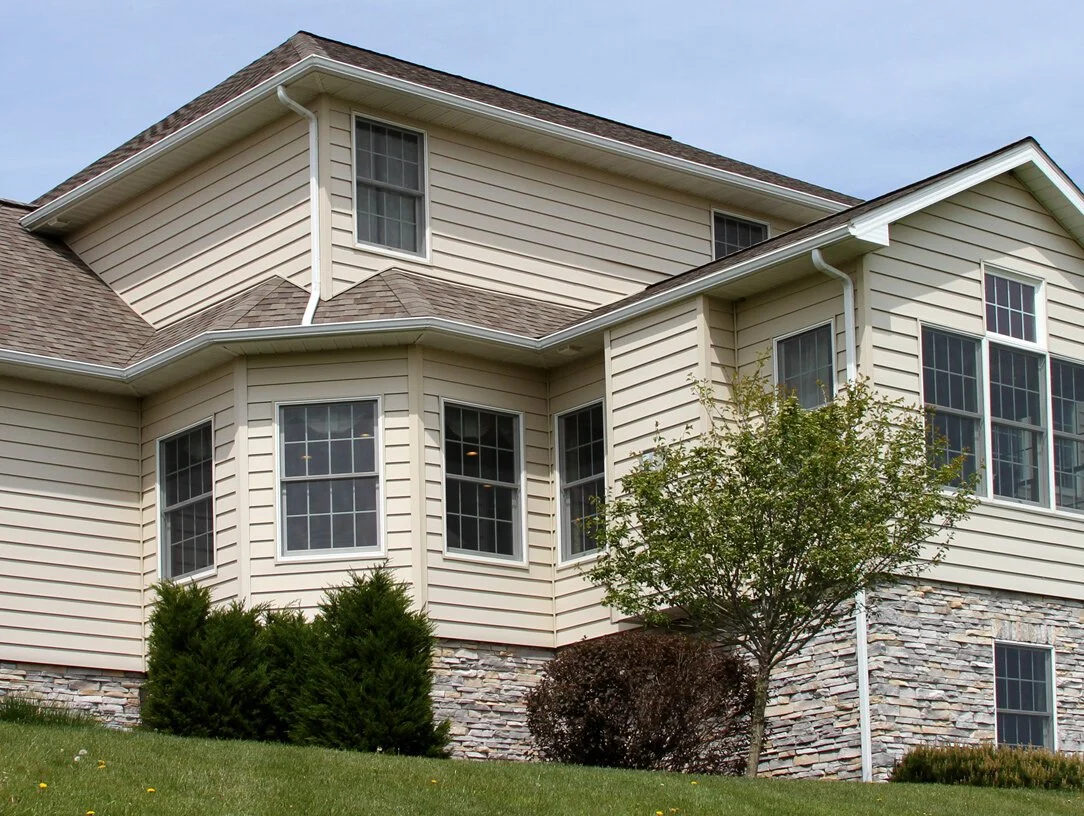
Colonial homes are all about symmetry and proportion. They're typically two stories with a centered front door, evenly spaced windows, and a formal presence. Think Bloomfield Hills and Grosse Pointe — these homes demand windows that respect traditional proportions and grille patterns.
Ranch homes emphasize horizontal lines and casual living. They're single-story (or split-level), with low-pitched roofs and wide facades. These homes dominated Michigan suburbs in the post-war boom, and they're everywhere from Warren to Clinton Township. The windows should reinforce that horizontal emphasis, not fight it.
Modern homes (Contemporary, Craftsman-influenced new builds, etc.) play with asymmetry, large glass expanses, and clean lines. They're less common in older Michigan neighborhoods but increasingly popular in new construction. These homes give you the most freedom — but that doesn't mean anything goes.
The key principle: your windows should look like they were always part of the home's original design. That means understanding the architectural language your house speaks and choosing windows that fit the conversation.
Window Styles for Colonial Homes
Colonial architecture demands double-hung windows — that's non-negotiable if you want authentic curb appeal. These are the classic windows with two operable sashes that slide vertically. They've been the standard for Colonial homes since the 18th century, and there's a reason: they fit the formal, symmetrical aesthetic perfectly.
Grille Patterns Matter
The grille configuration (also called muntins or divided lites) defines the window's character. For traditional Colonial homes, you're looking at:
6-over-6: Six panes over six panes. This is the most common traditional pattern and works on nearly all Colonial styles.
8-over-8: More formal, often seen on larger or higher-end Colonial homes.
9-over-9: Less common, but appropriate for some Georgian or Federal-style Colonials.
Here's the critical detail most homeowners miss: grille-between-glass (GBG) looks cleaner but simulated-divided-lite (SDL) looks more authentic. GBG has the grilles sealed inside the glass unit — easier to clean, but it lacks the depth and shadow lines of real divided lites. SDL has grilles applied to both the interior and exterior glass surfaces, creating that three-dimensional look that matches historic windows.
If your Colonial home is in a historic district or you're aiming for high-end curb appeal, SDL is worth the upgrade. If ease of maintenance is your priority and your home is more suburban than historic, GBG works fine.
Symmetry Is Non-Negotiable
Colonial homes are built on balance. Your front facade should have evenly spaced windows flanking the entry door. If you're replacing windows, maintain the existing proportions and alignment. Don't try to enlarge windows or add new openings on the front — it destroys the architectural integrity.
Side and rear elevations can be more flexible, but the front facade is sacred.
Michigan-Specific Consideration: Many older Michigan Colonials have original wood windows with true divided lites. If you're replacing them with vinyl or fiberglass, choose SDL grilles to maintain that authentic look. The difference is visible from the street, and it matters for resale value in neighborhoods like Royal Oak or Lake Orion.
Our Detroit window experts have replaced hundreds of Colonial home windows, and the homes that maintain traditional grille patterns consistently show better curb appeal than those that went with plain glass or mismatched configurations.
Window Styles for Ranch Homes
Ranch homes are the opposite of Colonial formality — they're about casual living, indoor-outdoor flow, and horizontal emphasis. Your window choices should reinforce that low, wide aesthetic.
Horizontal Sliding Windows
Sliding windows (also called gliders) are the natural fit for Ranch architecture. They open horizontally, which mirrors the home's horizontal lines. They're practical for Michigan — easy to operate, good ventilation, and they don't protrude into landscaping or walkways when open.
Sliders work especially well on the sides and rear of Ranch homes, where you want ventilation but don't need the formality of double-hung windows.
Picture Windows with Flanking Casements
The classic Ranch front window configuration is a large picture window (fixed, non-operable) flanked by narrow casement windows on each side. This creates a wide, horizontal expanse of glass that brings in light and frames outdoor views — exactly what Ranch architecture is about.
The picture window is purely for light and views. The casement windows (which hinge on the side and crank open) provide ventilation. This combination gives you the best of both worlds: maximum glass area and functional airflow.
Bay and Bow Windows
Ranch homes are also great candidates for bay or bow windows, especially on the front facade or dining room. These windows project outward, creating interior space and adding architectural interest to what can otherwise be a plain, flat facade.
Bay windows: Three-sided, with a center picture window and angled side windows (usually casements or double-hungs). More angular and traditional.
Bow windows: Four or more windows arranged in a gentle curve. Softer, more contemporary look.
Both add curb appeal and interior space, but they're a significant investment — plan on $3,000–$6,000+ installed for a quality unit in Southeast Michigan.
Avoid These Mistakes
Don't install tall, vertical windows on a Ranch home. They fight the horizontal architecture and look out of place. Also, avoid over-grilling Ranch windows — simple grilles (if any) work best. Ranch homes aren't formal, and heavy grille patterns make them look confused.

Window Styles for Modern Homes
Modern and Contemporary homes give you the most creative freedom, but that doesn't mean anything goes. The goal is clean lines, intentional asymmetry, and windows that function as design elements, not just functional openings.
Casement Windows for Clean Lines
Casement windows are the go-to for Modern architecture. They hinge on the side and crank open, creating a clean, uninterrupted glass surface when closed. No visible sashes, no horizontal dividers — just glass and frame.
Casements also offer excellent energy performance (they compress against the frame when closed, creating a tight seal) and full ventilation (they open 90 degrees). In Michigan, where you want maximum airflow during the short summer and tight seals during the long winter, casements deliver.
Large Fixed Panes for Light
Modern homes often feature large picture windows or fixed glass panels — sometimes floor-to-ceiling. These maximize natural light and create dramatic sight lines, but they require careful placement.
In Michigan, large glass areas mean higher heating costs in winter unless you invest in high-performance glazing (Low-E coatings, triple-pane glass, etc.). The upfront cost is higher, but the energy savings and comfort are worth it.
Black or Dark Frames as Design Elements
One of the defining trends in Modern architecture is black or dark bronze window frames. They create strong contrast against light-colored siding or brick, and they give the home a contemporary, high-end look.
Most vinyl and fiberglass windows are available in black or bronze exterior finishes. The frames cost 10–15% more than white, but the visual impact is significant. If you're building or renovating a Modern home in Troy or Rochester Hills, dark frames are worth considering.
Mixing Window Types Strategically
Modern homes often mix window types — casements, fixed panes, awning windows (hinged at the top), and even corner windows (where two glass panes meet at a 90-degree angle with no vertical post). This creates visual interest and emphasizes the home's custom, architect-designed character.
The key is intentionality. Don't mix window types randomly — use them to highlight specific architectural features or functional needs (e.g., awning windows above a kitchen sink for ventilation while keeping rain out).
Michigan Reality Check: Modern homes with large glass areas need serious attention to insulation and air sealing. We've seen beautiful Modern builds in Oakland County with stunning windows that are expensive to heat because the rest of the envelope wasn't properly insulated. Windows are part of a system — if you're investing in high-performance windows, make sure your insulation contractor is doing their job too.
Energy Performance Matters in Michigan
Curb appeal is important, but windows also need to perform in Michigan's climate — which means cold winters, hot summers, and everything in between. The good news: you don't have to sacrifice aesthetics for energy efficiency. You just need to know what to look for.
U-Factor: The Critical Number
U-factor measures heat loss — lower is better. For Michigan (ENERGY STAR Northern climate zone), you want a U-factor of 0.30 or lower. This is non-negotiable if you care about heating costs and comfort.
Most modern vinyl and fiberglass windows hit this target easily, but cheaper builder-grade windows don't. When you're comparing quotes, ask for the U-factor — if the contractor can't tell you, that's a red flag.
Low-E Coatings and Argon Gas
Low-E (low-emissivity) coatings are microscopically thin metallic layers applied to the glass. They reflect heat back into your home in winter and block solar heat gain in summer. For Michigan, you want Low-E² or Low-E³ coatings (the numbers refer to which glass surface has the coating).
Argon gas fills replace the air between the glass panes with argon, a denser gas that reduces heat transfer. It's standard in quality windows and adds minimal cost.
Together, Low-E coatings and argon fills can improve a window's U-factor by 30–40% compared to basic dual-pane glass. That's the difference between a window that pays for itself in energy savings and one that doesn't.
Balancing Aesthetics and Performance
Here's the good news: high-performance windows don't look different from standard windows. Low-E coatings are invisible (or have a slight tint that most people don't notice). Argon gas is invisible. Triple-pane windows are slightly thicker, but not noticeably so once installed.
You can have traditional Colonial grilles, Modern black frames, or Ranch-style sliders — all with excellent energy performance. The aesthetic and the performance are independent choices.
Our exterior services in Detroit include energy-efficient window installation across all architectural styles, and we help homeowners balance curb appeal with real-world performance in Michigan's climate.
Cost Considerations by Style and Material
Window replacement is a significant investment, and costs vary widely based on style, material, size, and installation complexity. Here's what we're seeing in Southeast Michigan as of 2026.
Vinyl vs. Fiberglass: The Material Decision
Vinyl windows are the most common and most affordable. They're low-maintenance, energy-efficient, and available in a wide range of styles and colors. For most Michigan homeowners, quality vinyl windows are the right choice.
Cost: $400–$700 per window installed for standard double-hung or casement windows
Pros: Affordable, durable, no painting or staining required
Cons: Can't be repainted if you want to change color; cheaper vinyl can warp in extreme heat (rare in Michigan)
Fiberglass windows are more expensive but offer superior strength and longevity. They're dimensionally stable (don't expand/contract with temperature changes), can be painted, and have a more refined appearance.
Cost: $600–$1,000+ per window installed
Pros: Stronger frames (allowing more glass area), paintable, long lifespan
Cons: Higher upfront cost, fewer color options out of the box
For high-end homes (Bloomfield Hills, Grosse Pointe) or Modern designs where frame aesthetics matter, fiberglass is worth considering. For most Colonial and Ranch homes, quality vinyl delivers excellent performance and curb appeal at a lower cost.
Custom Sizes and Specialty Shapes
Standard-size windows (common double-hung and casement sizes) are manufactured in volume and cost less. Custom sizes, bay/bow windows, and specialty shapes (arched tops, trapezoids, etc.) are made to order and cost significantly more.
Bay/bow windows: $3,000–$6,000+ installed
Large picture windows: $800–$1,500+ installed
Custom shapes: $1,000–$2,500+ each
If you're replacing windows in an older Michigan home with non-standard openings, expect custom pricing. This is common in Colonials from the 1940s–50s and some Ranch homes with unique window configurations.
Installation Complexity by Home Type
Colonial homes: Second-story windows require scaffolding or lifts, which adds labor cost. Brick exteriors (common in Michigan) require careful flashing and sealing around window openings.
Ranch homes: Generally easier to install (single-story access), but large picture windows and bay/bow units require multiple installers and careful handling.
Modern homes: Large fixed panes and custom configurations can be complex to install and require experienced crews. Corner windows and floor-to-ceiling glass are specialty installations.
Real Numbers for Southeast Michigan
For a typical Michigan home (15–20 windows), you're looking at:
Full replacement with vinyl windows: $8,000–$15,000
Full replacement with fiberglass windows: $12,000–$20,000+
Partial replacement (5–8 windows): $3,000–$6,000
These are ballpark figures. Actual costs depend on window sizes, styles, material choices, and installation complexity. The only way to get accurate pricing is to have a contractor measure your openings and provide a detailed quote.
We've been providing transparent, no-pressure quotes for Michigan homeowners since 1988. No gimmicks, no high-pressure sales tactics — just honest pricing based on what your home actually needs. Our Detroit siding company often works alongside window replacements, and we can coordinate both projects to save you time and hassle.
Signs It's Time to Replace Your Windows
Even if your windows aren't broken, they might be costing you money and comfort. Here's when it's time to call a contractor.
Drafts and Energy Loss
If you feel cold air around your windows in winter or hot air in summer, your windows are leaking. This is common in homes with original 1960s–1980s windows — they simply don't seal like modern units.
You can test this with a candle or incense stick on a windy day. Hold it near the window frame and watch for movement. If the smoke wavers, you're losing conditioned air (and money).
Condensation Between Panes
If you see fog or moisture between the glass panes (not on the interior surface), the seal has failed. This means the insulating gas has leaked out and moisture has gotten in. The window has lost its thermal performance, and it's not coming back.
Condensation between panes is a clear sign the window needs replacement. Don't bother trying to "fix" it — it can't be repaired.
Difficulty Operating
Windows should open and close smoothly. If you're fighting with stuck sashes, broken balances, or cranks that won't turn, it's time for an upgrade. This is especially common in older double-hung windows where the balance mechanisms have worn out.
Visible Damage or Rot
Wood windows in Michigan are prone to rot, especially around the sill and bottom rail. If you see soft, spongy wood or peeling paint that reveals decay, the window is compromised structurally and thermally.
Vinyl and fiberglass windows don't rot, but they can crack or warp if they're low-quality or improperly installed. If you see cracks in the frame or sashes that don't close flush, replacement is the fix.
Michigan-Specific Issue: Freeze-thaw cycles are brutal on windows. Water gets into small cracks or gaps, freezes, expands, and makes the damage worse. If your windows are showing any signs of failure, don't wait — Michigan winters will accelerate the problem.
Beyond windows, other exterior components work together to protect your home. Our Detroit roofing services address the critical barrier above your windows, while our seamless gutters in Detroit, MI ensure water drains properly away from window openings. For homes that need comprehensive exterior updates, our Southeast Michigan painting professionals can refresh your home's appearance once the windows are in place.
Ready to Upgrade Your Windows?
NEXT Exteriors has been installing energy-efficient, architecturally appropriate windows in Southeast Michigan since 1988. We'll help you choose the right styles for your home's architecture and provide honest, transparent pricing. No pressure, no gimmicks — just quality work from a team that shows up on time and does the job right.
Or call us: (844) 770-6398
Frequently Asked Questions
What window style is best for a brick Colonial home in Michigan?
+
Double-hung windows with simulated-divided-lite (SDL) grilles in a 6-over-6 or 8-over-8 configuration are the traditional choice for brick Colonial homes. They maintain the formal, symmetrical appearance that defines Colonial architecture. For Michigan's climate, choose windows with a U-factor of 0.30 or lower, Low-E coatings, and argon gas fills to ensure energy efficiency without compromising the classic aesthetic.
Can I mix different window styles on my Ranch home?
+
Yes, but do it strategically. A common and effective approach is to use a picture window flanked by casements on the front facade for maximum light and view, while using horizontal sliding windows on the sides and rear for ventilation. The key is maintaining the horizontal emphasis that defines Ranch architecture. Avoid tall, vertical windows that fight the home's low, wide profile.
Are black window frames more expensive than white?
+
Yes, but not dramatically. Black or dark bronze exterior frames typically cost 10–15% more than standard white vinyl or fiberglass windows. The upcharge covers the specialized finish and the fact that darker colors absorb more heat, requiring higher-quality vinyl formulations to prevent warping. For Modern homes where dark frames significantly enhance curb appeal, the modest additional cost is usually worth it.
How long do vinyl windows last in Michigan's climate?
+
Quality vinyl windows should last 20–30 years in Michigan, even with our freeze-thaw cycles and temperature extremes. The key is proper installation with correct flashing and sealing to prevent water intrusion. Cheaper builder-grade vinyl windows may show problems sooner — warping, discoloration, or seal failures within 10–15 years. Fiberglass windows typically last even longer (30–40+ years) due to their superior dimensional stability.
Should I replace all my windows at once or do them in phases?
+
If budget allows, replace all windows at once. You'll get better pricing (contractors offer discounts for full-house projects), consistent appearance, and immediate energy savings throughout the home. If you need to phase the project, prioritize windows that face prevailing winds (typically west and north in Michigan), windows with visible damage or seal failures, and windows in the most-used rooms (bedrooms, living areas). Front facade windows should all be replaced together to maintain consistent curb appeal.
Do I need permits to replace windows in Metro Detroit?
+
It depends on the municipality and the scope of work. In most Southeast Michigan communities, simple window replacement (same size, same location) doesn't require a permit. However, if you're changing window sizes, adding new openings, or altering structural framing, permits are typically required. Some historic districts have additional review requirements. A licensed contractor will know the local requirements and handle permits if needed — that's part of what you're paying for.
What's the ROI on window replacement for curb appeal?
+
According to Remodeling Magazine's Cost vs. Value Report, vinyl window replacement in the Midwest typically recoups 70–75% of the cost at resale. However, the actual ROI depends heavily on your home's condition and market. If you're replacing failing 1970s windows on a well-maintained Colonial in a desirable neighborhood, the ROI can be even higher because the new windows bring the home up to buyer expectations. If you're installing high-end windows on a modest Ranch in a lower-price-point neighborhood, you may not recoup the full cost. The energy savings and comfort improvements are also part of the value equation.
Storm Windows: When They Make Sense in Metro Detroit
Storm windows can cut energy loss by 25-30% in older Michigan homes. Learn when they're worth it vs. full replacement for Detroit-area homeowners.
📅 February 19, 2026
⏱ 12 min read
✍️ NEXT Exteriors

You've got a beautiful 1920s Colonial in Grosse Pointe Farms or a solid brick ranch in Sterling Heights. The bones are good, the neighborhood's great, but those original windows? They're drafty, they rattle when the wind picks up, and your heating bills prove it every January.
Someone mentions storm windows. They're cheaper than full replacement, they preserve the original look, and they're supposed to help with energy loss. But do they actually work in Michigan's climate? And when does it make more sense to just replace the whole window?
After 35 years installing both Detroit window experts solutions and storm windows across Southeast Michigan, we've seen what works and what doesn't. Here's the honest breakdown.
What Storm Windows Actually Do (And Don't Do)
Storm windows are secondary windows installed over your existing windows — either on the interior or exterior. They create an insulating air space between the original window and the storm panel, which reduces heat transfer and blocks drafts.
The Department of Energy estimates that adding storm windows to single-pane windows can reduce heat loss by 25-30%. That's significant if your primary windows are in decent shape structurally but just aren't energy efficient.
How Storm Windows Improve Performance
A single-pane window has an R-value around 0.9 — terrible by modern standards. Adding a storm window creates a dead air space (typically 2-4 inches), which bumps the combined R-value to approximately 2.0. That's still not as good as a modern double-pane window with low-E coating (R-3 to R-4), but it's a meaningful improvement.
Storm windows also:
Block drafts around leaky original windows without replacing the frame
Reduce condensation on the interior glass during Michigan winters
Provide sound dampening — helpful if you live near a busy road
Protect historic glass from weathering and UV damage
What storm windows don't do: They won't fix rotted sills, broken sash cords, or structural frame problems. They're a band-aid for energy efficiency, not a repair solution for damaged windows.

When Storm Windows Are the Right Choice
Storm windows make sense in specific situations. If any of these apply to your home, they're worth serious consideration.
1. You Live in a Historic District
Many historic districts in Detroit, Royal Oak, and other Southeast Michigan communities have strict preservation guidelines. Replacing original windows with modern vinyl or fiberglass units might require approval from a historic preservation commission — or might not be allowed at all.
Storm windows let you keep the original windows visible from the street while dramatically improving energy efficiency. Interior storm windows are especially popular in historic homes because they're invisible from the outside.
2. Your Original Windows Are High-Quality and Worth Saving
Not all old windows are created equal. If you have original wood windows with true divided lites, wavy glass, or solid joinery, they might be worth preserving. Well-built wood windows from the early 20th century were often made from old-growth lumber — denser and more durable than what's available today.
If the wood is sound and the sashes operate smoothly after some weatherstripping and tune-up work, storm windows can extend their life by decades while improving performance.
3. Budget Constraints Make Full Replacement Unrealistic Right Now
Let's be honest: replacing all the windows in a 2,000-square-foot home isn't cheap. Quality replacement windows run $600-$1,200 per window installed in Southeast Michigan (more on pricing later).
Storm windows cost $150-$400 per window depending on quality and whether you choose interior or exterior models. If you need to address 15-20 windows, that's a $30,000+ project vs. a $5,000-$8,000 project. Storm windows can be a smart interim solution while you save for full replacement.
4. You're Planning to Sell Within 5 Years
If you're prepping a home for sale and the windows are functional but drafty, storm windows offer a cost-effective upgrade that improves comfort and lowers utility bills without the expense of full replacement. They're a selling point that shows you've invested in the home's efficiency.
Many of our clients working with realtors in Oakland County use storm windows as part of a pre-sale refresh, along with Southeast Michigan painting professionals services to update curb appeal.
5. You're a Landlord Managing Rental Properties
Storm windows are popular with property managers and landlords because they improve tenant comfort and reduce heating costs without the long payback period of full window replacement. They're also easier to repair or replace if a tenant damages one.
When Full Replacement Makes More Sense
Storm windows aren't always the answer. Here's when we recommend window replacement in Detroit instead.
1. The Window Frames Are Rotted or Structurally Compromised
If the sills are soft, the jambs are pulling away from the wall, or you can see daylight around the frame, adding storm windows won't solve the problem. You need new windows — period.
Michigan's freeze-thaw cycles are brutal on wood windows. Water gets into cracks, freezes, expands, and accelerates rot. Once the wood structure is compromised, storm windows just cover up a problem that's getting worse.
2. You're Planning to Stay in the Home Long-Term
If this is your forever home, the long-term ROI of quality replacement windows beats storm windows. Modern double-pane windows with low-E coatings, argon gas fills, and insulated frames deliver R-values of 3-4 or higher — nearly double what storm windows can achieve.
Over 15-20 years, the energy savings add up. More importantly, the comfort improvement is dramatic. No more cold drafts near windows in January. No more condensation pooling on sills. No more fighting with stuck sashes.
3. You Want to Modernize the Look
Storm windows preserve the original window appearance — which is great if that's what you want, but not if you're trying to update a dated exterior. Modern replacement windows can dramatically change a home's curb appeal.
We've done dozens of projects in Troy and Rochester Hills where homeowners replaced small, dated windows with larger units or added bay windows to brighten up interior spaces. Storm windows can't do that.
4. You're Dealing With Severe Condensation Problems
If you're getting heavy condensation between the storm window and the original window, it usually means moisture is migrating from inside the house. This is common in homes with poor insulation services in Southeast Michigan or inadequate ventilation.
In these cases, modern replacement windows with proper installation and air sealing — combined with attic insulation upgrades — solve the root problem. Storm windows just trap moisture and create mold issues.
Storm Window Options for Michigan Homes
Not all storm windows are created equal. Here's what's available and what works best in Michigan's climate.
Interior vs. Exterior Storm Windows
Exterior storm windows are the traditional option. They mount on the outside of the window frame using clips or a mounting flange. They're visible from the street, which matters in historic districts. Most are aluminum-framed with single-pane glass, though better models offer low-E coatings.
Pros: Durable, weather-resistant, protect the primary window from the elements.
Cons: Visible from outside (can clash with historic aesthetics if not chosen carefully), require exterior access for cleaning.
Interior storm windows mount on the inside of the window frame. They're invisible from the street, which makes them popular in historic districts. Most use compression seals or magnetic strips to create an airtight fit.
Pros: Invisible from outside, easier to install and remove for cleaning, better air sealing than most exterior storms.
Cons: Take up interior space (can interfere with curtains or blinds), typically more expensive than exterior models.
Material and Glass Options
Aluminum frames are the most common for exterior storm windows. They're durable, low-maintenance, and affordable. Look for mill-finish aluminum (not painted) if you want a traditional look, or choose a baked enamel finish in white, bronze, or black to match your trim.
Vinyl frames are available for both interior and exterior storm windows. They're less expensive than aluminum but can become brittle in extreme cold — a real concern in Michigan winters.
Wood frames are rare but available for custom interior storm windows in high-end historic restorations. They're beautiful but require maintenance.
For glass, standard single-pane is the baseline. Upgrading to low-E coated glass adds 10-15% to the cost but improves energy performance significantly. Some high-end interior storm windows even offer double-pane insulated glass units, though at that price point you're approaching replacement window territory.
Real Costs: Storm Windows vs. Replacement in Southeast Michigan
Let's talk numbers. Prices vary based on window size, quality, and whether you're doing interior or exterior storms, but here's what we're seeing in Metro Detroit in 2026.
Storm Window Pricing
Basic exterior aluminum storm windows: $150-$250 per window installed
Mid-grade exterior storms with low-E glass: $250-$350 per window installed
High-end interior storm windows: $300-$500 per window installed
Custom interior storms for historic homes: $400-$700 per window installed
For a typical 15-window home, you're looking at $3,750-$7,500 for a complete storm window installation.
Replacement Window Pricing
Quality vinyl double-hung windows: $600-$900 per window installed
Fiberglass or composite windows: $800-$1,200 per window installed
Wood-clad windows for historic homes: $1,000-$1,800 per window installed
For that same 15-window home, full replacement runs $9,000-$18,000 for vinyl, up to $27,000 for high-end wood-clad units.
Energy Savings Reality Check
Storm windows on single-pane windows can reduce heating costs by 12-20% according to Department of Energy studies. If your annual heating bill is $1,500, that's $180-$300 in savings per year.
At $5,000 total cost for storm windows, your payback period is roughly 17-28 years from energy savings alone. That's not a great ROI purely from a financial standpoint — but it doesn't account for improved comfort, reduced drafts, or preservation value for historic homes.
Modern replacement windows can reduce heating costs by 20-30% compared to old single-pane windows. At $15,000 total cost, your payback period is 25-40 years. Again, the real value is comfort and home improvement, not just energy savings.
The bottom line: Neither storm windows nor replacement windows pay for themselves quickly through energy savings alone in Michigan's moderate climate. The decision should be based on your home's condition, your budget, and how long you plan to stay in the house.
What We've Learned Installing Both in Metro Detroit
We've been doing exterior services in Detroit since 1988. Here's what three and a half decades have taught us about storm windows vs. replacement in Southeast Michigan.
Storm Windows Work Best When...
You're in a 1920s-1950s home with solid original wood windows that just need better insulation. We've installed storm windows on dozens of brick Colonials in Bloomfield Hills and Lake Orion where the original windows were worth preserving but the homeowners were tired of $300 monthly heating bills.
You're working within historic district guidelines and need an invisible solution. Interior storm windows have saved the day for clients in Detroit's Indian Village and other protected neighborhoods.
You're prioritizing other projects and need a temporary fix. We've had clients install storm windows while they focus budget on a new roof or siding, then come back for replacement windows a few years later. That's a smart phased approach.
Replacement Windows Make More Sense When...
Your window frames are failing. We've torn out too many storm windows covering rotted sills to count. Don't throw good money after bad.
You're already doing major exterior work. If you're replacing your house siding in Detroit or getting a roof replacement in Metro Detroit, it's the perfect time to do windows too. You've already got scaffolding up and the exterior opened up.
You want to change window sizes or styles. Storm windows can't turn a double-hung into a casement or add a bay window where there wasn't one before.
What About Combining Both?
We occasionally recommend a hybrid approach: replace the worst windows (typically north-facing or those with structural damage) and add storm windows to the rest. This gives you the biggest bang for your buck while staying within budget.
For example, on a recent project in Clinton Township, we replaced eight failed windows on the north and west sides where ice dams had caused frame rot, then installed storm windows on the remaining 12 south and east windows that were still in good shape. Total cost was about 60% of full replacement, and the homeowner saw immediate comfort improvements.
Don't Forget the Whole-House Approach
Whether you choose storm windows or replacement, they work best as part of a comprehensive energy upgrade. We always recommend pairing window improvements with attic insulation in Metro Detroit and proper air sealing.
A house with great windows but no attic insulation is still going to be drafty and expensive to heat. Air leaks around electrical outlets, recessed lights, and plumbing penetrations often contribute more to heat loss than the windows themselves.
We've also seen great results when clients combine window upgrades with gutter installation in Southeast Michigan to control water runoff away from foundations — especially important for preventing the basement moisture that leads to condensation on windows.

The Contractor Question: Who Installs Storm Windows?
Here's something most homeowners don't realize: storm window installation is a different skill set than replacement window installation. Many window companies don't offer storm windows at all because the margins are lower and the work is more custom.
If you're going the storm window route, look for a contractor who:
Has experience with both interior and exterior storm window systems
Can properly measure for custom-fit storms (off-the-shelf storms rarely fit older windows correctly)
Understands weatherstripping and air sealing to maximize performance
Can assess whether your original windows are worth saving or need replacement
At NEXT Exteriors, we install both storm windows and replacement windows. We're not trying to upsell you — we're trying to solve your problem the right way. Sometimes that's storm windows. Sometimes it's replacement. Sometimes it's a combination. We've done enough of both to give you an honest recommendation based on your specific situation.
Ready to Get Started?
NEXT Exteriors has been protecting Michigan homes since 1988. Whether you need storm windows for a historic home or full replacement windows for better energy efficiency, we'll give you an honest assessment and a fair price. No pushy sales tactics. Just straight talk from a team that's been doing this work for 35+ years.
Or call us: (844) 770-6398
Frequently Asked Questions
Do storm windows really work in Michigan winters?
+
Yes, when properly installed on single-pane windows, storm windows can reduce heat loss by 25-30% according to Department of Energy studies. The air space between the storm window and the original window acts as insulation. They're most effective on homes built before 1970 with original wood windows. However, they won't perform as well as modern double-pane replacement windows with low-E coatings, which typically deliver R-values of 3-4 compared to storm windows' R-2.
Should I choose interior or exterior storm windows?
+
It depends on your priorities. Exterior storm windows are more traditional, protect the primary window from weather, and are typically less expensive ($150-$300 vs. $300-$500 for interior). Interior storm windows are invisible from the street (important in historic districts), easier to clean, and often provide better air sealing. For historic homes in Metro Detroit's preservation districts, interior storms are usually the better choice. For rental properties or budget-conscious upgrades, exterior storms work well.
How much do storm windows cost compared to replacement windows in Southeast Michigan?
+
Storm windows typically cost $150-$500 per window installed depending on quality and whether you choose interior or exterior models. Replacement windows run $600-$1,200+ per window installed. For a typical 15-window home, storm windows cost $3,750-$7,500 total vs. $9,000-$18,000 for replacement windows. While storm windows are cheaper upfront, replacement windows offer better long-term energy performance and don't require maintaining two sets of windows.
Can I install storm windows myself or should I hire a contractor?
+
DIY installation is possible for exterior storm windows if you're comfortable with basic tools and ladder work. However, proper measurement is critical — old window openings are rarely perfectly square or consistent in size. Interior storm windows require precise fitting and proper compression seals to work effectively. For historic homes or custom installations, we strongly recommend professional installation. Poorly fitted storm windows create condensation problems and don't deliver the energy savings you're paying for.
Will storm windows stop condensation on my windows?
+
Storm windows reduce condensation on the interior glass by warming the surface temperature, but they don't eliminate the root cause of condensation — excess indoor humidity. In Michigan winters, condensation between the storm window and the original window usually indicates air leakage from inside the house. This is common in homes with inadequate attic insulation or poor ventilation. The best solution combines storm windows with improved insulation, proper ventilation, and air sealing around the window frames.
Are storm windows worth it if I'm planning to sell my house soon?
+
Storm windows can be a smart pre-sale investment if your original windows are functional but drafty. They're much cheaper than full replacement ($3,750-$7,500 vs. $9,000-$18,000 for a typical home) and demonstrate to buyers that you've invested in energy efficiency. However, if your windows are visibly damaged or dated, replacement windows offer better curb appeal and ROI. Talk to your realtor — in some Metro Detroit markets, new windows are expected, while in historic neighborhoods, preserved original windows with storm windows are actually preferred by buyers.
Do I need storm windows if I already have double-pane windows?
+
No. Storm windows are designed to improve single-pane windows. If you already have double-pane windows, adding storm windows provides minimal additional benefit and isn't cost-effective. If your double-pane windows are drafty or underperforming, the problem is usually failed seals (causing fogging between panes), poor installation with air leaks around the frame, or inadequate insulation elsewhere in the house. In those cases, you're better off replacing the failed windows or addressing air sealing and insulation issues.
Window Installation 101: What "Good Install" Looks Like
Learn what separates a proper window installation from a sloppy one. Michigan contractor breaks down the critical steps, materials, and techniques that matter.
📅 February 19, 2026
👤 NEXT Exteriors Team
⏱ 12 min read
I've been installing windows in Southeast Michigan since the late '80s, and I can tell you this: the window itself is only half the story. You can buy the most expensive, energy-efficient window on the market, but if it's installed wrong, you're going to have problems. Water intrusion. Air leaks. Operational failures. Rot in the framing. I've seen $800 windows fail in three years because of sloppy installation, and I've seen budget-friendly units perform beautifully for decades because they were installed right.
Here's the thing most homeowners don't realize until it's too late: window installation is where the real skill shows. Any crew can pop a window in an opening and caulk around it. But a proper installation—one that will survive Michigan's freeze-thaw cycles, wind-driven rain, and temperature swings—requires understanding building science, following a specific sequence, and using the right materials in the right order.
This guide breaks down exactly what a good window installation looks like, from the prep work nobody sees to the finishing details everyone notices. Whether you're hiring a contractor or trying to understand what you're paying for, this is the standard your Detroit window experts should be meeting.
The Pre-Installation Phase: Prep Work That Matters
Before a single window gets set, there's critical prep work that separates professionals from hacks. This is where problems get caught—or ignored.
Opening Inspection and Measurement
First thing we do on every job: measure the rough opening from inside and outside. Not just once—multiple times, at different points. Michigan homes settle. Brick Colonials in Rochester Hills shift differently than 1960s ranches in Warren. Wood frames warp. What the manufacturer's spec sheet says and what your actual opening measures can be two different things.
We're looking for:
Square corners — Most openings aren't perfectly square. We measure diagonals to check.
Level sills — If the sill is out of level by more than 1/4 inch, we need to address it before the window goes in.
Plumb jambs — Vertical sides need to be straight up and down, or the window won't operate properly.
Consistent dimensions — The opening should measure the same at top, middle, and bottom. Variations mean structural issues.
Rough Opening Assessment
Next, we inspect the framing. This is especially important in older Michigan homes where previous house siding in Detroit projects might have hidden problems.
We're checking for:
Rot or water damage in the sill, jambs, or header
Missing or damaged house wrap or building paper
Proper framing members (2x4s, not 2x3s or compromised lumber)
Evidence of previous water intrusion
Insulation gaps or voids around the old window
If we find rot, we stop. We don't install a new window over compromised framing. Period. We repair or replace the damaged wood first, then proceed. This is non-negotiable for any reputable contractor.
Flashing: The Most Critical Step Nobody Sees
Here's what 35 years of Michigan weather has taught me: flashing prevents 90% of window failures. Not the window itself. Not the caulk. The flashing system.
Flashing is the layered waterproofing system that directs water away from the window opening and down the exterior wall. When it's done right, water has no path to get behind the window or into the wall cavity. When it's done wrong—or skipped entirely—you get rot, mold, and structural damage that costs thousands to repair.
The Proper Flashing Sequence
This sequence matters. You can't just slap flashing tape around the opening and call it good. Water flows downhill, and each layer needs to overlap the one below it, creating a shingled effect that sheds water outward.
Here's the correct order:
Sill flashing first — We apply flexible flashing tape to the sill (bottom of the opening), extending it 6-8 inches up each jamb and out onto the exterior sheathing or house wrap. This creates a pan that catches any water that gets past the window.
Jamb flashing next — Vertical flashing tape goes on both sides, overlapping the sill flashing at the bottom and extending past the header at the top.
Head flashing last — The top piece overlaps the jamb flashing on both sides, creating a continuous drainage plane.
Each piece of flashing tape gets rolled with a J-roller or hand roller to ensure full adhesion. Air bubbles or loose edges create pathways for water.
Materials That Work in Michigan's Climate
Not all flashing tape is created equal. Michigan's temperature swings—from sub-zero January nights to 90-degree July afternoons—are brutal on adhesives. We use flexible, rubberized flashing tape that remains pliable in cold weather and doesn't break down under UV exposure.
Cheap flashing tape fails in 3-5 years. It gets brittle, loses adhesion, and cracks. Then water finds its way in, and you're looking at a $5,000 repair job to fix what a $20 roll of quality flashing would have prevented.
Pro Tip: If a contractor tells you they don't need flashing because they're using "plenty of caulk," walk away. Caulk is a secondary seal, not a waterproofing system. It will fail, and when it does, there's nothing protecting your wall cavity.
Setting and Leveling: The Foundation of Performance
A window that's not level and plumb won't operate correctly. The sashes will bind. The locks won't latch. The seals won't compress evenly, creating air leaks. And over time, the frame will rack and twist, leading to premature failure.
Shim Placement Strategy
Shimming is how we level and plumb the window in the opening. We use composite shims (not wood—they compress and rot) placed at specific locations:
At every fastener location — This prevents the frame from bowing inward when we drive screws.
At the corners — All four corners get shims to establish the plane of the window.
At mid-points — On windows wider than 36 inches, we add shims at the center of the sill, head, and jambs to prevent sagging.
Shims get checked with a 4-foot level (not a 2-footer—too short to catch bow) and adjusted until the window is perfectly level horizontally and plumb vertically. We're talking 1/16-inch tolerance here, not "close enough."
Fastener Spacing and Type
Windows get fastened through the nailing fin (on new construction-style windows) or through the frame (on replacement windows). Fastener spacing matters:
Every 8-12 inches around the perimeter
Stainless steel or galvanized screws — not nails, which can back out over time
Proper length — long enough to bite into solid framing, not just sheathing
Over-tightening is as bad as under-tightening. We're securing the window, not crushing the frame. Vinyl windows especially can bow if you crank down too hard on the fasteners.
Air Sealing and Insulation: Energy Performance
Once the window is set and fastened, we seal the gap between the window frame and the rough opening. This is where energy performance lives or dies. A window with a U-factor of 0.30 can perform like a 0.50 if the air sealing is sloppy.
Low-Expansion Foam Technique
We use low-expansion polyurethane foam—not the high-expansion stuff from the hardware store. High-expansion foam can bow window frames, preventing proper operation. Low-expansion foam fills the gap without exerting pressure on the frame.
The technique:
Apply foam in a continuous bead around the entire perimeter
Fill the gap 50-60% full—foam expands as it cures
Work from bottom to top to prevent voids
Don't overfill—excess foam gets trimmed, but it's wasteful and messy
We let the foam cure (usually 1-2 hours depending on temperature and humidity) before trimming it flush with the interior edge of the frame.
Backer Rod Application
For gaps wider than 1/2 inch, we use closed-cell foam backer rod before applying foam. This prevents the foam from sagging into the cavity and ensures a consistent seal depth. It's an extra step, but it makes a difference in thermal performance.
Interior and Exterior Sealing
After the foam is trimmed:
Interior side — We apply a continuous bead of paintable acrylic caulk where the window frame meets the interior trim or drywall return. This is the air seal.
Exterior side — We apply a continuous bead of high-quality exterior caulk (polyurethane or hybrid polymer) where the window frame meets the exterior trim and where trim meets siding. This is the weather seal.
Both seals are critical. The interior seal stops conditioned air from escaping. The exterior seal stops wind-driven rain from getting in. This dual-seal approach is standard in exterior services in Detroit and throughout Southeast Michigan.
Exterior Finishing: Weather Protection
The exterior trim and caulking are your first line of defense against Michigan weather. This is where a lot of contractors cut corners, and it shows within a year or two.
Trim Installation
We install exterior trim (brick mold, casing, or J-channel depending on the siding type) that:
Overlaps the window flange — This sheds water away from the window
Matches the existing trim profile — Or upgrades it if the old trim was undersized
Gets fastened properly — Into solid framing, not just sheathing
Receives a back-caulk — We run a bead of caulk on the back of the trim before installing it, creating a seal between the trim and the wall
On brick homes (common in Grosse Pointe Farms and Bloomfield Hills), we use PVC or aluminum trim that won't rot if moisture gets trapped between the brick and the window. Wood trim on brick is asking for trouble.
Caulking Strategy
Caulk is not just cosmetic—it's functional. But it has to be applied correctly:
Continuous beads — No gaps, no breaks
Tooled smooth — We use a caulk tool or wet finger to create a concave profile that sheds water
Proper adhesion — Surfaces get cleaned and dried before caulking
Quality product — We use Sherwin-Williams or equivalent exterior-grade caulk with a 25+ year rating
Here's a critical detail most DIYers miss: the bottom sill does not get caulked on the exterior. That gap needs to be open to allow any water that gets past the window to drain out. Sealing it traps water inside the wall cavity.
Interior Finishing: The Details Homeowners See
The interior finishing work is what you see every day, so it needs to be clean and professional. But it's also part of the air sealing system, so it's functional, not just decorative.
Trim Work and Casing
Interior trim (casing) gets installed around the window to cover the gap between the window frame and the drywall or plaster. We:
Match the existing trim profile throughout the house (or upgrade if requested)
Miter corners at 45 degrees for a clean look
Use finish nails, not brads—they hold better
Set nails below the surface and fill with wood filler
Caulk the joint between trim and wall with paintable caulk
Drywall Returns
On replacement windows (where the old window is removed and the new one fits inside the existing opening), we often need to extend the drywall to meet the new window frame. This is called a drywall return.
A proper drywall return:
Is cut to fit snugly against the window frame
Gets taped and mudded with at least two coats
Is sanded smooth and primed before painting
Receives a bead of caulk where it meets the window frame (air seal)
Sloppy drywall work is a dead giveaway of a rushed job. If the drywall return looks like an afterthought, the rest of the installation probably was too.
Paint-Grade vs. Stain-Grade Considerations
If you're painting the trim, we use finger-jointed pine or MDF—it's stable, smooth, and takes paint beautifully. If you're staining, we use solid wood (poplar, oak, or maple depending on your preference) with tight grain and no defects.
For homeowners planning to paint, we can prime the trim before installation, which saves time and produces a better finish. This is a common request in Lake Orion and Royal Oak where interior aesthetics are a priority.
Red Flags: Signs of a Bad Installation
You're paying good money for a window installation. You deserve to know what to look for—and what to reject. Here are the red flags I see when I'm called in to fix someone else's work.
Common Shortcuts Contractors Take
No flashing or incomplete flashing — If you can't see flashing tape around the opening before the window goes in, it's not there.
Caulk instead of flashing — Caulk is not a waterproofing system. It's a backup seal.
High-expansion foam — If the window frame is bowed after foaming, the wrong product was used.
Inadequate shimming — Shims only at the corners, or no shims at all, means the window isn't properly supported.
Over-tightened fasteners — If the window frame is visibly distorted or the sash binds when you operate it, the fasteners were over-tightened.
Gaps in caulk — Continuous beads, not dabs here and there.
Bottom sill caulked on exterior — This traps water. It should be left open.
Sloppy interior finish work — If the trim is crooked, gaps are visible, or nail holes aren't filled, the crew didn't care about quality.
What to Inspect Before Final Payment
Before you write that final check, walk through with the contractor and verify:
Windows operate smoothly — Open, close, lock, and unlock every window. No binding, no sticking.
Locks engage properly — The lock should latch without forcing it.
No visible gaps — Check around the interior and exterior trim for gaps or missing caulk.
Trim is secure — Push gently on the trim. It shouldn't flex or feel loose.
Clean work area — Old windows, debris, and packaging should be removed. The site should be cleaner than when they started.
Flashing documentation — Ask to see photos of the flashing before the window was installed. A good contractor takes photos of critical steps.
If something doesn't look right, speak up before the crew leaves. Most problems are easier to fix on the spot than after the contractor has moved on to the next job.
Cost Reality: What Quality Installation Costs in Michigan
Let's talk money. Window installation costs vary widely in Southeast Michigan, and understanding what you're paying for helps you make smart decisions.
Labor vs. Material Breakdown
For a typical double-hung replacement window installation in a Macomb County home:
Labor — $200-$400 per window, depending on size, accessibility, and condition of the opening
Materials — $50-$100 per window for flashing, foam, caulk, shims, fasteners, and trim
Disposal — $25-$50 per window for hauling away old windows and debris
So a quality installation runs $275-$550 per window in labor and materials, not including the window itself. Add the cost of the window (anywhere from $300 for a basic vinyl unit to $1,200+ for a high-performance wood or fiberglass window), and you're looking at $575-$1,750+ per window, all in.
That might sound like a lot, but consider this: a properly installed window lasts 20-30 years. A poorly installed window starts failing in 3-5 years, and then you're paying to fix water damage, replace rotted framing, and reinstall the window correctly. The cheap bid ends up costing you more.
Why Cheap Bids Backfire
If you get a bid that's significantly lower than others, ask yourself: What are they not doing?
Common cost-cutting tactics:
Skipping flashing
Using cheap materials (low-grade caulk, wood shims, inferior foam)
Rushing the job (inadequate shimming, poor caulking, sloppy trim work)
Inexperienced crews (learning on your dime)
No warranty or insurance
I've seen homeowners save $2,000 on a 10-window project, only to spend $8,000 two years later fixing water damage and reinstalling the windows correctly. That's not a bargain—it's a disaster.
This is why working with an established contractor like NEXT Exteriors, with 35+ years in business and a BBB A+ rating, matters. You're not just paying for the installation—you're paying for accountability, expertise, and peace of mind.
When to Call a Professional
Window installation is not a beginner-friendly DIY project. I know that's not what you want to hear if you're trying to save money, but I've repaired too many DIY disasters to sugarcoat it.
DIY vs. Contractor Decision Factors
Consider DIY if:
You have carpentry experience and own the right tools (level, square, J-roller, caulk gun, circular saw, etc.)
The opening is in good condition with no rot or structural issues
You're comfortable working on a ladder or scaffolding
You have time to do it right—rushing leads to mistakes
It's a simple replacement window in a one-story home
Call a professional if:
The opening has rot, water damage, or structural issues
You're installing new construction windows (more complex than replacements)
The window is on the second story or higher
You're replacing multiple windows and want consistency
You don't have experience with flashing systems
You want a warranty on the installation
Professional installation isn't just about skill—it's about liability. If something goes wrong with a DIY install, you're on the hook for repairs. If a licensed contractor makes a mistake, their insurance covers it. That peace of mind is worth something.
Michigan Winters Are Unforgiving: A window that seems fine in July can fail spectacularly in January when ice dams form, wind-driven snow finds every gap, and freeze-thaw cycles test every seal. Professional installation accounts for these conditions. DIY installations often don't.
Other Services from NEXT Exteriors
While we're known for our window replacement in Detroit, we're a full-service exterior contractor. If your home needs attention beyond windows, we handle roof replacement in Metro Detroit, siding installation in Southeast Michigan, gutter installation in Southeast Michigan, attic insulation in Metro Detroit, and exterior painting in Detroit. We're your single point of contact for all exterior services in Detroit and surrounding communities.
Ready to Get Started?
NEXT Exteriors has been protecting Michigan homes since 1988. Get a free, no-pressure estimate from a team that shows up on time and does the job right.
Or call us: (844) 770-6398
Frequently Asked Questions
How long does a professional window installation take?
+
A single replacement window typically takes 2-4 hours for a professional crew, including prep work, installation, insulation, and interior/exterior finishing. Full-house window replacements (10-15 windows) usually take 2-3 days depending on the home's size, window locations, and any repairs needed. Weather delays can extend timelines in Michigan—we won't install windows in rain or extreme cold because adhesives and caulks need proper curing conditions.
Can windows be installed in winter in Michigan?
+
Yes, but with limitations. We can install windows when temperatures are above 20°F and there's no active precipitation. Below that, caulks and adhesives don't cure properly, and foam insulation doesn't expand correctly. We also need to work quickly to minimize heat loss from the home. Spring and fall are ideal installation seasons in Southeast Michigan—moderate temperatures and lower humidity make for better curing conditions and more comfortable work for both the crew and homeowners.
What's the difference between new construction and replacement windows?
+
New construction windows have a nailing fin (flange) around the perimeter that gets fastened to the exterior sheathing before siding is installed. They're used in new homes or when you're down to the studs during a renovation. Replacement windows have no fin—they're designed to fit inside the existing window opening after the old window is removed. Replacement windows are faster to install and less disruptive, but they reduce the glass area slightly because the new frame sits inside the old opening. For most Michigan homeowners doing upgrades, replacement windows are the right choice.
How do I know if my window opening has water damage?
+
Signs of water damage include: soft or spongy wood around the window frame, dark staining on interior trim or drywall, peeling paint near the window, visible mold or mildew, musty odors, or exterior siding that's warped or rotted near the window. If you can push a screwdriver into the wood sill or jamb with little resistance, you have rot. Water damage must be repaired before a new window is installed—installing over compromised framing just hides the problem temporarily and leads to bigger issues down the road.
Should I replace all my windows at once or do it in phases?
+
Both approaches work, but there are trade-offs. Replacing all windows at once is more cost-effective (contractors often discount larger projects), ensures consistent appearance and performance, and gets the project done faster. Phased replacement spreads out the cost and lets you prioritize the most problematic windows first (north-facing windows in Michigan often fail first due to constant freeze-thaw exposure). If you're phasing, start with windows that are drafty, hard to operate, or showing signs of seal failure (condensation between panes). Just make sure you're working with the same contractor and window line to maintain consistency.
What warranty should I expect on window installation?
+
Reputable contractors offer a separate installation warranty (typically 2-10 years) that covers workmanship—things like leaks due to improper flashing, operational issues from poor shimming, or seal failures from inadequate insulation. This is separate from the manufacturer's warranty on the window itself (usually 10-20 years for vinyl, longer for fiberglass or wood). Make sure both warranties are in writing before the project starts. At NEXT Exteriors, we stand behind our work and address any installation issues promptly—that's part of changing contractor culture in Southeast Michigan.
How much can new windows reduce my energy bills?
+
Energy savings depend on what you're replacing and what you're installing. Replacing single-pane windows with modern double-pane, low-E windows can reduce heating and cooling costs by 15-25% in Michigan homes. Replacing older double-pane windows (pre-2000) with today's high-performance windows typically saves 7-15%. The biggest savings come from proper installation—even the best window performs poorly if it's not flashed, sealed, and insulated correctly. Factor in improved comfort (fewer drafts, more consistent temperatures) and reduced HVAC wear, and quality windows pay for themselves over 10-15 years.
Drafty Rooms? Windows, Insulation, or Air Leaks | NEXT Exteriors
Learn how to diagnose drafty rooms in your Michigan home. Discover whether windows, insulation, or air leaks are the culprit and what to fix first.
By NEXT Exteriors
•
February 19, 2026
•
12 min read
You're sitting in your living room in Sterling Heights on a January evening, and you can feel the cold air creeping in. The furnace is running constantly, your energy bill just hit a new record, and you're wearing a sweatshirt indoors. Something's wrong, but what?
Is it the windows? Your neighbor just replaced theirs and won't stop talking about it. Is it the insulation? You haven't been in the attic in years. Or is it something else entirely—those mysterious air leaks contractors keep mentioning?
After 35 years working on Michigan homes, we've diagnosed hundreds of drafty rooms. The truth is, most homeowners blame the wrong culprit first and waste money on fixes that don't solve the real problem. This guide will show you exactly how to figure out what's making your home uncomfortable—and what to fix first.
The Three Culprits: Windows, Insulation, and Air Leaks
Let's start by understanding how each of these systems contributes to drafts and high energy bills. They're related, but they work differently—and fixing one without addressing the others rarely solves the problem completely.
Windows: The Obvious Suspect
Windows get blamed for everything. Homeowner feels a draft near the living room window? Must be the windows. Energy bill goes up? Time for new windows. But here's what we've learned after thousands of Detroit window replacement projects: windows are rarely the biggest problem.
Yes, old single-pane windows with broken seals lose heat. Yes, windows are the weakest point in your wall's thermal envelope. But windows typically account for only 10-25% of heat loss in most Michigan homes. The rest? That's where insulation and air leaks come in.
Modern double-hung or casement windows with Low-E coatings and argon gas fills have U-factors around 0.27 to 0.30—meaning they insulate reasonably well. Even older double-pane windows from the 1990s perform decently if the seals are intact and the weatherstripping works.
Michigan Reality Check: We've seen plenty of homes in Rochester Hills and Bloomfield Hills with brand-new windows that are still drafty and expensive to heat. Why? Because the real problems—attic air leaks and missing insulation—were never addressed. New windows can't overcome a fundamentally leaky house.
Insulation: The Invisible Barrier
Insulation is your home's winter coat. It slows down heat transfer between your warm interior and the cold outdoors. In Michigan, the Department of Energy recommends R-49 to R-60 in attics, R-13 to R-21 in walls, and R-25 to R-30 in floors over unheated spaces.
Most homes we inspect in Macomb County fall short—especially older homes built before energy codes tightened up in the 1980s. We routinely find attics with R-19 or less, which means you're losing heat through your ceiling all winter long.
But here's the catch: insulation only works if air isn't moving through it. Imagine wearing a down jacket with the zipper open and wind blowing through. That's what happens when you have insulation but haven't sealed air leaks first. The insulation gets bypassed by moving air, and your R-value becomes meaningless.
That's why our top-rated insulation services in Detroit always start with air sealing before we add a single batt or blow a single inch of cellulose.

Air Leaks: The Hidden Culprit
This is the big one—the problem most homeowners don't even know they have. Air leaks are gaps and cracks in your home's shell that let conditioned air escape and outdoor air infiltrate. They're usually hidden in places you never see: attic hatches, recessed lights, plumbing penetrations, electrical boxes on exterior walls, rim joists in the basement.
According to building science research, air leakage accounts for 25-40% of heating and cooling costs in a typical home. In older Michigan homes with no air sealing? That number can hit 50%.
The worst part? Air leaks create comfort problems that new windows and added insulation can't fix. Cold air infiltrating through the basement rim joist creates a draft on the first floor. Warm air escaping through attic bypasses pulls cold air in through every crack and gap on the lower levels—a phenomenon called the stack effect that's especially severe in Michigan's cold winters.
We've seen homes in Troy where the homeowner spent $15,000 on replacement windows and still had ice dams every winter. The problem? Massive air leaks around the attic hatch and recessed lights were pumping warm, moist air into the attic, melting snow on the roof. New windows didn't touch that issue.
How to Test for Drafty Windows
Let's start with the easy one. Here's how to determine if your windows are actually the problem—or if you're barking up the wrong tree.
The Visual Inspection
Walk around your home on a cold, sunny day and look at each window carefully:
Check the weatherstripping: Open and close each window. The weatherstripping should make contact all the way around. If it's compressed, cracked, or missing, air is getting through.
Look for condensation or frost: Moisture between the panes means the seal has failed and the insulating gas has escaped. That window has lost most of its R-value.
Inspect the glazing compound: On older wood windows, check the putty around the glass. Cracked or missing glazing lets air infiltrate.
Examine the frame: Look for gaps between the window frame and the wall. These gaps should be filled with low-expansion foam and sealed with caulk.
The Tissue Test
Wait for a windy day (Michigan gives you plenty of those). Hold a lit incense stick or a piece of tissue paper near the window frame, sash, and where the window meets the sill. If the smoke or tissue moves, you've got air infiltration.
Do this test with the window locked. Then unlock it and test again. If the draft gets worse when unlocked, the locking mechanism isn't pulling the sash tight enough—a common problem with older windows.
The Temperature Test
On a cold night, use an infrared thermometer (you can buy one for $20-30) to measure the temperature of the glass and the frame. Compare that to the temperature of your interior wall a few feet away.
If the window glass is significantly colder than the wall, that's normal—glass conducts heat faster than insulated walls. But if the frame is as cold as the glass, or if you're getting cold spots around the edges of the window, you've got a problem.
When Window Replacement Makes Sense: If your windows are single-pane, if the sashes are rotted or won't stay open, if the frames are warped, or if you're planning to stay in the house for 10+ years, replacement might be worth it. But if your windows are double-pane units from the 1990s or later with working hardware and intact seals, you'll probably get a better return from air sealing and insulation first.
How to Identify Insulation Problems
Now let's head to the attic—the most important place to check for insulation problems in Michigan homes.
The Attic Inspection
You don't need to be a contractor to do a basic attic inspection. Here's what to look for:
Depth: Measure the depth of your attic insulation. In Michigan, you want 16-22 inches of blown fiberglass or cellulose, or about 14 inches of fiberglass batts, to hit R-49 to R-60. If you can see the tops of the floor joists, you don't have enough.
Coverage: Look for gaps. Insulation should cover the entire attic floor with no bare spots. We often find areas around the attic hatch, along the eaves, and near plumbing vents that were never insulated.
Compression: If you have batt insulation, check whether it's been compressed by storage boxes or walking paths. Compressed insulation loses R-value—an R-30 batt compressed to half its thickness performs like R-15.
Moisture: Look for water stains, mold, or damp insulation. These are signs of roof leaks or condensation from air leaks below. Wet insulation doesn't work, and it indicates bigger problems that need to be fixed before adding more insulation.

Wall Insulation
Checking wall insulation is harder—you can't see it without cutting into drywall or using thermal imaging. But here are some clues:
Age of the home: Homes built before 1950 often have no wall insulation. Homes from the 1950s-1970s might have R-7 to R-11. Anything after 1980 should have at least R-13.
Cold walls: Touch your exterior walls on a cold day. If they feel significantly colder than interior walls, you're probably under-insulated.
Electrical outlets: Turn off the breaker, remove the cover plate from an outlet on an exterior wall, and carefully shine a flashlight into the gap. You might be able to see whether there's insulation in the wall cavity. (Do NOT do this if you're not comfortable working around electrical boxes.)
Basement and Crawl Space
Don't forget the bottom of your house. Uninsulated rim joists (the band of framing where your floor meets the foundation wall) are massive heat losers. If you can see bare wood in your basement where the floor joists meet the foundation, that area needs to be insulated and air-sealed.
Crawl spaces should have insulation in the floor above (if it's a vented crawl space) or on the walls (if it's an unvented, conditioned crawl space). Many Michigan homes have neither.
Finding Hidden Air Leaks
This is where things get interesting—and where most homeowners discover the real source of their drafts.
Common Air Leak Locations in Michigan Homes
Here's where we find air leaks in almost every home we inspect:
Attic hatch or pull-down stairs: This is usually the single biggest air leak in the house. Most hatches have no weatherstripping and no insulation, creating a gaping hole in your thermal envelope.
Recessed lights: Non-IC-rated recessed lights in the ceiling below the attic are like chimneys, pumping warm air straight into the attic. Even IC-rated lights leak if they're not sealed.
Plumbing penetrations: Anywhere a pipe goes through a floor or ceiling—especially around bathroom and kitchen vents—there's usually a gap that was never sealed.
Electrical penetrations: Wires running through top plates into the attic, ceiling fan boxes, and electrical panels on exterior walls all create air leaks.
Ductwork: If your HVAC ducts run through the attic or crawl space, leaky duct joints can lose 20-30% of your heated air before it reaches the rooms.
Rim joists: The wood framing where your first floor meets the foundation is often completely uninsulated and unsealed. Cold air pours in, and warm air escapes.
Fireplace dampers: An open or poorly sealing damper is like leaving a window open all winter. Even closed dampers often leak.
The DIY Air Leak Test
Pick a cold, windy day. Walk through your house with that incense stick or tissue paper and check these spots:
Baseboards along exterior walls
Electrical outlets and switches on exterior walls
Window and door trim
Around pipes under sinks on exterior walls
Where the chimney meets the ceiling
Around the attic hatch
You'll be surprised how many places you feel air movement.
The Blower Door Test
For a comprehensive diagnosis, a blower door test is the gold standard. A contractor (like us) installs a powerful fan in your front door that depressurizes the house, pulling air in through every crack and gap. We use infrared cameras and smoke pencils to pinpoint exactly where the leaks are.
The test measures your home's air changes per hour (ACH). A typical older Michigan home might have 8-12 ACH50 (air changes per hour at 50 Pascals of pressure). A well-sealed home should be under 3 ACH50. The difference is massive in terms of comfort and energy costs.
What to Fix First: A Practical Priority Guide
You've identified problems with your windows, insulation, and air leaks. Now what? You can't afford to fix everything at once, and you want to spend your money where it'll make the biggest difference.
Here's the priority order we recommend to every homeowner in Southeast Michigan, based on cost-effectiveness and impact:
Priority 1: Air Sealing
Always seal air leaks first. Always. This is the fastest payback and the foundation for everything else.
Start with the attic. Seal around the attic hatch with weatherstripping and add a rigid foam insulation box over it. Seal recessed lights with airtight covers (or replace them with sealed LED fixtures). Seal plumbing and electrical penetrations with fire-rated caulk or spray foam. Seal around ductwork boots where they penetrate the ceiling.
Then move to the basement. Seal the rim joists with spray foam or rigid foam board. Seal around pipes, wires, and ductwork.
Cost for DIY air sealing: $200-500 in materials. Cost for professional air sealing: $1,000-2,500 depending on the size of the home. Payback period: 2-4 years through reduced heating and cooling costs.
Priority 2: Attic Insulation
Once the air leaks are sealed, add insulation. Blown-in cellulose or fiberglass is usually the most cost-effective option for attics. Bring your attic up to R-49 minimum, R-60 if you can afford it.
Cost: $1.50-2.50 per square foot for blown-in insulation. For a 1,500-square-foot attic, that's $2,250-3,750. Payback period: 4-7 years.
This is where professional insulation services make sense—we have the equipment and expertise to achieve consistent coverage and density, and we ensure proper ventilation so you don't create moisture problems.
Priority 3: Basement and Rim Joist Insulation
If your basement or crawl space is uninsulated, this should be next. Spray foam on the rim joists is ideal—it air seals and insulates in one step. Rigid foam board is a more budget-friendly alternative.
Cost: $4-7 per linear foot for spray foam rim joist insulation. For a typical home, that's $800-1,500.
Priority 4: Window Upgrades
Only after you've sealed and insulated should you consider window replacement. At this point, you'll have a much better sense of whether your windows are actually a problem or if they were just getting blamed for air leaks and missing insulation.
If your windows are truly shot—single-pane, rotted frames, broken seals—replacement makes sense. Look for windows with U-factors of 0.27 or lower and ENERGY STAR certification for the Northern climate zone.
Cost: $450-850 per window installed for quality vinyl or fiberglass windows. $800-1,200+ for wood or composite. For a whole-house project, figure $8,000-20,000+.
Payback period: 15-25 years on energy savings alone. But windows also improve comfort, reduce noise, and increase home value—benefits that don't show up on your utility bill.
Our Detroit window replacement services include proper air sealing around the window frame during installation—something that's often skipped by less experienced contractors but makes a huge difference in real-world performance.
The Whole-House Approach: The best results come from treating your home as a system. Air sealing, insulation, and windows all work together. Fixing one without the others leaves money on the table. That's why we offer comprehensive assessments before recommending any single solution.
When to Call a Professional
Some of this work is DIY-friendly. Caulking around windows, adding weatherstripping to doors, and installing outlet gaskets are all within reach for most homeowners.
But here's when you should call a contractor:
When you need a blower door test and thermal imaging: You can't see air leaks with the naked eye. Professional diagnostics pinpoint exactly where your money should go.
When you're adding significant amounts of attic insulation: Blown-in insulation requires specialized equipment and knowledge of ventilation requirements. Screw this up, and you can create moisture problems or reduce the effectiveness of your roof ventilation.
When you're working with spray foam: Spray foam insulation is not a DIY product. It requires professional equipment, proper mixing, and knowledge of building science to avoid creating moisture traps or over-insulating in the wrong places.
When you're replacing windows: Window installation is one of those jobs that looks easier than it is. Improper installation—especially failing to air seal around the frame and not using proper flashing—leads to water infiltration, rot, and continued air leakage. We've reframed dozens of window openings in Shelby Township and Clinton Township where the previous installer didn't follow best practices.
When you're dealing with ice dams: Ice dams are a symptom of air leaks and insufficient insulation in the attic. If you're getting ice dams every winter, you need a professional to identify the heat sources and fix them properly. Adding heat cables or chipping away ice treats the symptom, not the cause.
When you're seeing mold or moisture problems: Moisture in the attic or walls indicates air leaks carrying humid indoor air to cold surfaces, or possibly roof leaks. This needs proper diagnosis before you add insulation and trap moisture inside the building envelope.
What to Expect from NEXT Exteriors
When you call us about drafty rooms or high energy bills, here's our process:
1. Comprehensive Assessment: We don't just look at windows or insulation in isolation. We evaluate your entire home as a system—roof, attic, walls, windows, basement. We use thermal imaging and blower door testing when needed to find hidden problems.
2. Honest Recommendations: If your windows are fine and you just need air sealing, we'll tell you. We're not here to sell you a $15,000 window job you don't need. Our reputation is built on trust, not upselling.
3. Prioritized Solutions: We'll give you a clear priority list based on your budget and goals. Fix the biggest problems first, and we'll show you the expected payback on each investment.
4. Quality Installation: Whether it's roofing work in Detroit, siding installation, window replacement, or insulation, our crews show up on time, work carefully, and clean up thoroughly. We've been doing this since 1988, and we're not changing our standards now.
Other Services That Impact Home Comfort
While diagnosing drafts, we often find related issues that affect comfort and energy efficiency:
Roof ventilation: Inadequate attic ventilation can cause moisture buildup and reduce insulation effectiveness. If we're addressing attic insulation, we'll also evaluate your roof ventilation system to ensure proper airflow.
Siding and exterior air barriers: Old, damaged siding can allow wind-driven rain and air infiltration into wall cavities. If your siding is failing, it might be contributing to your comfort problems.
Gutter performance: Overflowing or damaged gutters can lead to water infiltration in basements and crawl spaces, creating moisture problems that make insulation less effective.
Exterior paint and caulking: Properly sealed trim and fresh exterior paint (we use Sherwin-Williams exclusively) protect against water infiltration and air leaks around windows and doors.
For a complete overview of how all these systems work together, check out our full range of exterior services in Detroit.
Ready to Solve Your Drafty Room Problems?
NEXT Exteriors has been protecting Michigan homes since 1988. We'll diagnose the real source of your drafts—whether it's windows, insulation, air leaks, or all three—and give you an honest, prioritized plan to fix them. No pressure, no gimmicks, just straight talk from contractors who've seen it all.
Or call us: (844) 770-6398
Frequently Asked Questions
Should I replace my windows or add insulation first?
+
Add insulation first—specifically, air seal and insulate your attic. This typically delivers 2-3 times the energy savings of window replacement at a fraction of the cost. Windows should be the last upgrade unless they're single-pane, rotted, or broken. Even mediocre double-pane windows from the 1990s perform reasonably well if the rest of your thermal envelope is tight.
How much does air sealing cost, and is it worth it?
+
Professional air sealing for a typical Michigan home costs $1,000-2,500, depending on the size and how leaky the house is. DIY air sealing of the obvious spots (attic hatch, rim joists, visible gaps) costs $200-500 in materials. The payback period is usually 2-4 years through reduced heating and cooling costs, making it one of the best investments you can make in your home.
Can I just add more insulation on top of what I have?
+
Maybe—but only after you've sealed air leaks. Adding insulation over a leaky attic is like adding more blankets when the window is open. You need to seal first, then insulate. Also, if your existing insulation is wet, moldy, or compressed, it should be removed before adding new material. A contractor can assess whether your existing insulation is salvageable.
Why do I have ice dams if my attic has insulation?
+
Ice dams are caused by heat escaping into the attic through air leaks, not by insufficient insulation alone. That heat warms the roof deck, melts snow, and the meltwater refreezes at the cold eaves, forming ice dams. The solution is to seal air leaks (especially around recessed lights, attic hatches, and plumbing penetrations) and ensure adequate insulation and ventilation. Simply adding more insulation without air sealing won't fix the problem.
How do I know if my windows need to be replaced or just repaired?
+
Replace windows if they're single-pane, if the frames are rotted or warped, if the glass seals have failed (condensation between panes), or if the hardware is broken beyond repair. Repair windows if they're double-pane with intact seals, if the frames are solid, and if the only issues are worn weatherstripping or minor caulking gaps. A good contractor will be honest about whether replacement is necessary or if repairs will get you a few more years.
What's the difference between air sealing and insulation?
+
Air sealing stops air movement—plugging the holes and cracks that let conditioned air escape and outdoor air infiltrate. Insulation slows down heat transfer through solid materials. Both are necessary, but air sealing must come first. Think of it this way: air sealing is like closing the windows and doors, while insulation is like putting on a coat. The coat doesn't help much if the windows are open.
Will new windows pay for themselves in energy savings?
+
Probably not—at least not quickly. The payback period for window replacement based solely on energy savings is typically 15-25 years. However, windows also improve comfort, reduce outside noise, increase home value, and make your home easier to sell. If your windows are failing and you're planning to stay in the house, replacement makes sense. But if you're purely chasing energy savings, air sealing and insulation deliver much faster payback.
Best Window Frame Materials for Michigan Homes (2026)
Vinyl, fiberglass, or wood windows for Michigan? A licensed contractor's honest comparison of frame materials for Southeast Michigan's freeze-thaw cycles.
By NEXT Exteriors | February 19, 2026 | 12 min read
I've been installing windows in Southeast Michigan since 1988, and the question I hear most often isn't about glass quality or energy ratings. It's this: "What frame material should I get?"
It's a smart question. The frame material determines how your windows perform through Michigan's freeze-thaw cycles, how much maintenance you'll do over the next 20 years, and how much you'll pay upfront. Get it wrong, and you're looking at condensation issues, warped frames, or a maintenance schedule that feels like a second job.
Here's what 35+ Michigan winters have taught us about vinyl, fiberglass, and wood window frames — the real performance differences, the honest cost breakdown, and which material makes sense for your home in Sterling Heights, Rochester Hills, or anywhere else in Macomb, Oakland, or St. Clair counties.
Why Window Frame Material Matters in Michigan
Michigan weather doesn't just test window frames — it punishes them. We get temperature swings from -10°F in January to 90°F in July. We get lake-effect snow dumps that pile up against window sills. We get freeze-thaw cycles that crack concrete and warp anything that can't handle the expansion and contraction.
Your window frame material determines three things that matter to Michigan homeowners:
Thermal performance. A poorly insulated frame creates a thermal bridge — a cold spot where condensation forms, ice builds up, and your heating bill climbs. In a climate where we're heating homes 6+ months a year, frame insulation isn't optional.
Dimensional stability. Materials expand when they heat up and contract when they cool down. In Michigan, that cycle happens constantly. A frame that can't handle it warps, binds, or develops gaps where air leaks in.
Maintenance requirements. Wood looks beautiful, but it needs paint or stain every few years. Vinyl is low-maintenance, but cheaper vinyl can crack in cold weather. Fiberglass is stable but costs more upfront. You're balancing aesthetics, durability, and how much time you want to spend on upkeep.
When homeowners in Royal Oak or Grosse Pointe Farms call us about window replacement in Detroit, the frame material conversation happens before we talk about glass packages or hardware finishes. Get the frame right, and the rest falls into place.
Vinyl Window Frames: The Michigan Workhorse
Vinyl windows dominate the Michigan replacement window market for a reason: they work. Not because they're the absolute best at any one thing, but because they deliver solid performance across the board at a price most homeowners can afford.
How Vinyl Performs in Michigan Weather
Vinyl is extruded PVC — polyvinyl chloride — formed into multi-chamber frames. Quality vinyl windows have 3-5 chambers inside the frame, creating air pockets that slow heat transfer. The best ones include foam insulation in those chambers, boosting thermal performance even further.
Here's what matters for Michigan:
Thermal expansion. Vinyl expands and contracts more than fiberglass or wood — about 3-4 times more per degree of temperature change. In a Michigan winter-to-summer swing, that's measurable. Cheap vinyl can warp or bow. Quality vinyl (like what we install from manufacturers with proven track records in cold climates) is engineered with thicker walls and reinforced corners to handle it.
Cold weather performance. Vinyl can become brittle in extreme cold. We've seen older, lower-grade vinyl crack when temperatures hit single digits and stay there for weeks. Modern vinyl formulations include impact modifiers that keep the material flexible down to -20°F. If you're buying vinyl, ask about the ASTM D4226 rating — it measures impact resistance at cold temperatures.
Condensation resistance. Vinyl doesn't conduct heat well, which is good — it means the interior frame surface stays closer to room temperature, reducing condensation. Multi-chamber vinyl with foam insulation performs even better. We rarely see condensation issues on quality vinyl windows if they're properly installed and the home has reasonable indoor humidity levels.
Maintenance. This is vinyl's strength. No painting. No staining. No rot. Clean them once or twice a year with soap and water, lubricate the hardware occasionally, and they're good. In 35 years, we've never had a callback for vinyl frame maintenance — only for hardware or glass seal failures, which can happen with any frame material.
Vinyl Window Limitations
Vinyl isn't perfect. Here's where it falls short:
Color options. Vinyl can't be painted. You're limited to the colors the manufacturer offers — usually white, tan, beige, and a few darker options. Dark colors absorb more heat, which increases thermal expansion. Some manufacturers won't warranty dark vinyl in certain climates because of warping risk.
Aesthetics. Vinyl looks like vinyl. It doesn't have the warmth of wood or the slim profile of fiberglass. On historic homes in Grosse Pointe or Bloomfield Hills, vinyl can look out of place. On a 1970s ranch in Clinton Township, it fits fine.
Structural strength. Vinyl frames are thicker than fiberglass or aluminum because the material isn't as strong. That means less glass area and wider sight lines. On large windows (like bay or bow configurations), vinyl may require more reinforcement.
For most Michigan homeowners, vinyl is the right call. It's affordable, low-maintenance, and performs well in our climate when you buy quality products from a contractor who knows how to install them properly. Our Detroit window experts install more vinyl windows than any other type, and we stand behind them.
Fiberglass Windows: Premium Performance for Michigan Weather
Fiberglass is the material you choose when you want the best thermal performance and dimensional stability available. It costs more than vinyl — sometimes 30-50% more — but for certain homes and certain homeowners, it's worth every penny.
Why Fiberglass Excels in Michigan
Fiberglass window frames are made from glass fibers embedded in resin, then formed into frame profiles. The material has properties that make it ideal for extreme climates:
Dimensional stability. Fiberglass expands and contracts at nearly the same rate as glass. That means the frame and the glass move together through temperature swings, reducing stress on the seals. In Michigan, where we see 100°F+ temperature swings from winter to summer, that stability matters. We've installed fiberglass windows that are 15+ years old and still operate like new — no binding, no warping, no gaps.
Thermal performance. Fiberglass is a poor conductor of heat, which is exactly what you want in a window frame. It outperforms vinyl by 10-15% in thermal efficiency. Combine that with multi-chamber construction and foam insulation, and you get frames that barely conduct any heat at all. For homeowners serious about energy efficiency — or anyone with a room that's always too cold in winter — fiberglass delivers measurable improvement.
Strength. Fiberglass is stronger than vinyl, which allows for slimmer frames and more glass area. On large windows or commercial-grade installations, fiberglass can span wider openings without reinforcement. The frames are also more resistant to impact — important if you live near a golf course or have kids who play baseball in the yard.
Paint compatibility. Unlike vinyl, fiberglass can be painted. You can match any color, change it later if you want, and touch up scratches or chips. For historic homes or anyone who wants custom colors, this is a significant advantage.
Where Fiberglass Makes Sense
We recommend fiberglass in a few specific situations:
High-performance homes. If you've invested in top-rated insulation in Detroit, air sealing, and high-efficiency HVAC, fiberglass windows complete the package. Don't compromise the thermal envelope with lower-performing frames.
Large window openings. Bay windows, bow windows, picture windows over 6 feet wide — fiberglass handles these better than vinyl without excessive reinforcement.
Coastal or high-humidity areas. Near Lake St. Clair or anywhere with high moisture exposure, fiberglass won't rot, warp, or corrode. It's as stable in year 20 as it was on day one.
Historic or high-end homes. When aesthetics matter and you need slim sight lines or custom colors, fiberglass delivers without the maintenance burden of wood.
Fiberglass Limitations
The main limitation is cost. Fiberglass windows are expensive — typically $800-1,500+ per window installed, depending on size and options. For a whole-house replacement (15-20 windows), you're looking at $15,000-30,000+. That's 30-50% more than vinyl.
The other consideration: availability. Fewer manufacturers make fiberglass windows, and not every contractor stocks or installs them. You're working with a smaller selection of styles and options compared to vinyl.
For homeowners in Rochester Hills or Bloomfield Hills who want the best performance and can afford the premium, fiberglass is the material we'd choose for our own homes. For everyone else, quality vinyl delivers 90% of the performance at 60% of the cost.
Wood Windows: Beauty vs. Maintenance in Michigan
Wood windows are beautiful. They have warmth, character, and a traditional look that fits historic homes perfectly. They're also the highest-maintenance option you can choose, and in Michigan's climate, that maintenance is non-negotiable.
Why Wood Windows Still Exist
Wood is a natural insulator. It has better thermal performance than vinyl and comparable performance to fiberglass. It's also strong, stable, and can be milled into custom profiles for historic restoration or high-end new construction.
For certain homes — Victorian-era houses in Detroit, brick Colonials in Grosse Pointe, Craftsman bungalows in Royal Oak — wood windows are the right aesthetic choice. They can be painted or stained to match trim, and they have the slim profiles and authentic details that vinyl or fiberglass can't replicate.
The Michigan Maintenance Reality
Here's what you're signing up for with wood windows in Michigan:
Painting or staining every 3-5 years. Wood exposed to weather degrades. UV breaks down the finish. Moisture gets in. Paint cracks and peels. If you don't stay on top of it, the wood rots. In Michigan, where we get freeze-thaw cycles that accelerate moisture damage, this isn't optional.
Rot risk. Even with proper maintenance, wood can rot if water gets past the finish. Sills are especially vulnerable — they catch rain, snow melt, and condensation. We've replaced plenty of wood window sills that rotted out after 15-20 years, even on well-maintained homes.
Condensation issues. Wood windows often have single-pane glass or older insulated glass units with aluminum spacers. That creates cold spots where condensation forms. Over time, that moisture damages the wood from the inside. Modern wood windows use warm-edge spacers and better glass packages, but it's still a concern.
Cost. Quality wood windows cost as much or more than fiberglass — $1,000-2,000+ per window installed. Add in the maintenance cost (painting every few years, occasional repairs), and the lifetime cost is significantly higher than vinyl or fiberglass.
Wood-Clad Windows: A Compromise
Wood-clad windows have wood on the interior (for aesthetics) and aluminum or vinyl cladding on the exterior (for weather protection). They give you the look of wood inside without the exterior maintenance burden.
They're a good option for homeowners who want wood's warmth but don't want to paint every few years. The cladding protects the wood from weather, and the interior wood can be stained or painted to match trim.
Cost is still high — comparable to fiberglass — and the cladding can dent or scratch. But for historic homes where you want authentic interiors without full wood maintenance, wood-clad is worth considering.
When We Recommend Wood
We recommend wood windows in two situations:
Historic restoration. If you're restoring a historic home and want period-correct windows, wood is the only authentic choice. Some historic districts require it.
High-end custom homes. If you're building or renovating a luxury home and want custom profiles, colors, or details that only wood can deliver, and you're willing to pay for ongoing maintenance, wood makes sense.
For everyone else — 95% of Michigan homeowners — vinyl or fiberglass delivers better long-term value. We install exterior services in Detroit across all material types, but we're honest about the maintenance reality. If you're not prepared to paint or stain every few years, don't buy wood windows.
How Michigan's Climate Tests Every Frame Material
Michigan isn't a gentle climate. We get temperature extremes, high humidity in summer, bone-dry air in winter, lake-effect snow, ice dams, and freeze-thaw cycles that start in November and don't quit until April. Every window frame material responds differently.
Freeze-Thaw Cycles
Southeast Michigan averages 40-60 freeze-thaw cycles per winter — days where the temperature crosses 32°F. That means ice forms, melts, and refreezes constantly. Water expands when it freezes, and that expansion forces its way into any crack, gap, or porous surface it can find.
Vinyl handles this well as long as it's quality material. The frame itself isn't porous, so water can't penetrate. The concern is thermal expansion — vinyl expands and contracts more than other materials, so if the installation is too tight or the vinyl quality is poor, you can get warping or binding.
Fiberglass is the most stable. It barely expands or contracts, and it's not porous. Water can't get in, and the frame doesn't move. We've never seen a freeze-thaw failure on a fiberglass window.
Wood is vulnerable. If the finish is compromised, water gets into the wood grain, freezes, expands, and cracks the wood. This is why wood window maintenance is so critical in Michigan. Miss a few years of painting, and you're looking at rot.
Condensation and Humidity
In winter, warm, humid indoor air hits cold window surfaces and condenses. If the frame is cold (because it's poorly insulated or made from a conductive material), condensation forms on the frame. Over time, that moisture damages paint, rots wood, or promotes mold growth.
Vinyl resists condensation because it's a poor conductor. The interior surface stays closer to room temperature. Multi-chamber vinyl with foam insulation performs even better.
Fiberglass is the best. It's the least conductive material, and it stays warmest on the interior surface. We rarely see condensation on fiberglass frames unless the home has excessive indoor humidity (50%+ in winter, which is too high).
Wood performs well thermally, but if condensation does form, it soaks into the wood. That's a problem. Wood-clad windows mitigate this with a vinyl or aluminum interior cladding option, but true wood windows need careful humidity management.
If you're dealing with condensation issues, the window frame might not be the problem — your home's humidity level or insulation in Metro Detroit might be. But upgrading to better-insulated frames helps.
UV Exposure and Color Fade
Michigan gets plenty of sun, especially in summer. UV exposure degrades finishes, fades colors, and breaks down materials over time.
Vinyl can fade, especially dark colors. Quality vinyl includes UV stabilizers that slow this down, but over 15-20 years, you'll see some color shift. White and light colors hold up best.
Fiberglass can be painted, and quality exterior paint holds up well with UV inhibitors. You can repaint if needed.
Wood requires finish maintenance anyway, so UV damage is part of the regular upkeep cycle. The wood itself doesn't degrade from UV — the finish does.
Wind Load and Storm Performance
Southeast Michigan doesn't get hurricanes, but we get strong storms — straight-line winds, summer thunderstorms, and occasional tornadoes. Windows need to handle wind pressure without flexing, rattling, or failing.
Fiberglass is the strongest. It's used in commercial buildings and high-rise construction because it can handle high wind loads without reinforcement.
Vinyl needs reinforcement on larger windows or in high-wind zones. Quality vinyl windows include steel or aluminum reinforcement in the frame and sash. Cheap vinyl without reinforcement can flex or bow.
Wood is strong, but older wood windows often have single-pane glass and weak joinery. Modern wood windows with proper engineering handle wind loads fine, but historic wood windows may need upgrades.
When we're doing roofing services in Detroit or full exterior renovations, we often find that old windows are the weak point in the home's weather resistance. Upgrading to modern vinyl or fiberglass windows with proper installation transforms how the home handles Michigan weather.
Cost Reality: What You'll Actually Pay in Southeast Michigan
Window pricing is confusing because it depends on size, style, glass package, hardware, and installation complexity. But here's what we see on actual projects in Macomb, Oakland, and St. Clair counties in 2026.
Vinyl Window Costs
Budget vinyl: $300-500 per window installed. This is builder-grade vinyl from big-box stores. It'll work, but expect thinner frames, fewer chambers, basic hardware, and limited warranty coverage. Fine for rentals or homes you're flipping. Not what we'd put in a home we're living in.
Quality vinyl: $500-800 per window installed. This is what we install — multi-chamber frames, foam insulation, quality hardware, Low-E glass, argon fill, and solid warranties (20+ years on the frame, 10+ years on the glass seal). Brands like Simonton, Pella, Andersen, or similar. This is the sweet spot for most Michigan homeowners.
Premium vinyl: $800-1,200 per window installed. Top-tier vinyl with the best insulation, triple-pane glass options, upgraded hardware, and custom colors. Diminishing returns unless you're building a high-performance home.
Whole-house cost (15 windows, quality vinyl): $7,500-12,000 installed. Add $1,000-2,000 if you're replacing trim or dealing with structural repairs.
Fiberglass Window Costs
Standard fiberglass: $800-1,200 per window installed. Basic fiberglass frames with double-pane Low-E glass. Still a significant upgrade over vinyl in thermal performance and durability.
Premium fiberglass: $1,200-2,000+ per window installed. Top brands (Marvin, Integrity, Pella Impervia), triple-pane glass, custom colors, upgraded hardware. This is what you choose when performance and aesthetics are both priorities.
Whole-house cost (15 windows, standard fiberglass): $12,000-18,000 installed. Premium fiberglass can push $20,000-30,000+ for a whole house.
Wood and Wood-Clad Window Costs
Wood windows: $1,000-2,000+ per window installed. Add ongoing maintenance costs (painting every 3-5 years at $200-500 per window).
Wood-clad windows: $1,200-2,500+ per window installed. Less maintenance than full wood, but still premium pricing.
Whole-house cost (15 windows, wood or wood-clad): $15,000-30,000+ installed, plus ongoing maintenance.
What Drives Window Costs?
Beyond frame material, here's what affects pricing:
Size. A standard double-hung window (36" x 60") costs less than a bay window or a picture window (72" x 96").
Glass package. Single-pane glass is cheap but performs terribly. Double-pane Low-E with argon is standard. Triple-pane adds $100-200 per window.
Style. Double-hung and slider windows are the least expensive. Casement, awning, bay, and bow windows cost more because of hardware complexity and installation difficulty.
Installation complexity. Replacing windows in brick homes costs more than vinyl-sided homes because of trim and masonry work. Homes with rot or structural issues add cost.
Contractor quality. The cheapest bid isn't always the best value. We've fixed plenty of bad window installations — gaps around the frame, no flashing, improper insulation, damaged trim. Proper installation matters more than the window brand.
When homeowners in Warren or Shelby Township ask about window costs, we give them a range based on what we see in their home. But the real answer depends on what you're trying to achieve — energy savings, aesthetics, low maintenance, or all three.
Which Frame Material Is Right for Your Michigan Home?
Here's how we guide homeowners through the decision:
Choose Vinyl If:
You want the best value — solid performance at a price most people can afford
You want low maintenance — no painting, no staining, just occasional cleaning
Your home is a 1960s-2000s ranch, Colonial, or Cape Cod where vinyl fits the aesthetic
You're replacing 10+ windows and need to stay within a reasonable budget
You're okay with standard colors (white, tan, beige) and don't need custom options
Vinyl is the default choice for 80% of Michigan homeowners, and for good reason. It works.
Choose Fiberglass If:
You want the best thermal performance and dimensional stability available
You're building or renovating a high-performance home with top-tier insulation and air sealing
You have large window openings (bay, bow, or picture windows over 6 feet)
You want slim sight lines and maximum glass area
You want custom colors or the ability to paint the frames
You can afford the 30-50% premium over vinyl and want the best long-term value
Fiberglass is what we'd choose for our own homes if budget weren't a constraint.
Choose Wood or Wood-Clad If:
You're restoring a historic home and need period-correct windows
You live in a historic district with material requirements
You're building or renovating a luxury home and want authentic wood interiors
You're willing to commit to regular maintenance (painting or staining every 3-5 years)
Aesthetics matter more than cost or maintenance burden
Wood is beautiful, but it's a commitment. Don't choose it unless you're prepared for the upkeep.
Still not sure? Start with a home assessment. Look at your current windows — what's failing? Is it the frame, the glass, the hardware? How old are they? What's your budget? What matters most — energy savings, aesthetics, low maintenance?
We walk through this with every homeowner. Sometimes the answer is obvious (vinyl for a 1970s ranch). Sometimes it's more nuanced (fiberglass for a high-performance home, wood-clad for a historic Colonial). The right material depends on your home, your priorities, and your budget.
Other Services That Impact Window Performance
Windows don't exist in isolation. If you're replacing windows, consider these related services:
Siding in Detroit: Old or damaged siding can compromise window flashing and cause water intrusion. If your siding is 20+ years old, it might make sense to replace it at the same time as your windows. We can integrate the flashing and trim for a weather-tight installation.
Insulation services in Southeast Michigan: Even the best windows won't perform if your walls and attic are poorly insulated. If you're investing in premium windows, make sure the rest of your thermal envelope is up to the task.
Gutters in Detroit, MI: Overflowing gutters dump water next to your foundation and against your window sills. If your gutters are failing, fix them before or during your window replacement.
Exterior painting in Southeast Michigan: New windows often expose old trim that needs paint. We're Southeast Michigan painting professionals who use Sherwin-Williams exclusively, and we can coordinate window installation with exterior painting for a complete refresh.
We handle all of these services in-house. If you're doing a whole-house exterior upgrade — windows, siding, gutters, painting — we can coordinate everything under one contract with one crew. That's easier for you, and it ensures everything is installed correctly and works together.
Ready to Get Started?
NEXT Exteriors has been protecting Michigan homes since 1988. Whether you're replacing a few windows or doing a whole-house upgrade, we'll help you choose the right frame material for your home, your budget, and Michigan's climate. Get a free, no-pressure estimate from a team that shows up on time and does the job right.
Or call us: (844) 770-6398
Frequently Asked Questions
Are vinyl windows good for Michigan winters?
+
Yes, quality vinyl windows perform well in Michigan winters. Modern vinyl formulations include impact modifiers that keep the material flexible down to -20°F, and multi-chamber frames with foam insulation provide excellent thermal performance. The key is buying quality vinyl (not builder-grade) and ensuring proper installation. We've installed thousands of vinyl windows across Southeast Michigan, and they handle freeze-thaw cycles, lake-effect snow, and temperature swings without issues when installed correctly.
How long do vinyl windows last in Michigan?
+
Quality vinyl windows typically last 20-30 years in Michigan with minimal maintenance. The frames themselves are extremely durable — we see 25-year-old vinyl windows with frames that still look and function like new. The glass seal (the seal between the panes in insulated glass) is usually the first thing to fail, typically after 15-20 years. When that happens, you'll see condensation between the panes. The glass unit can be replaced without replacing the entire window. Cheap vinyl or poorly installed windows may fail sooner due to warping, cracking, or air leaks.
Are fiberglass windows worth the extra cost?
+
It depends on your priorities. Fiberglass windows offer superior thermal performance (10-15% better than vinyl), better dimensional stability (they expand and contract at the same rate as glass), and longer lifespan (30-50 years). They're also stronger, allowing for slimmer frames and more glass area. If you're building a high-performance home, have large window openings, or want the absolute best long-term value, fiberglass is worth the 30-50% premium. For most homeowners on a typical budget, quality vinyl delivers 90% of the performance at 60% of the cost — that's still excellent value.
Do wood windows make sense for Michigan homes?
+
Wood windows make sense for historic restoration or high-end custom homes where aesthetics are the priority. They're beautiful and offer excellent thermal performance, but they require painting or staining every 3-5 years to prevent rot and weather damage. In Michigan's freeze-thaw climate, that maintenance is non-negotiable. Wood-clad windows (wood interior, vinyl or aluminum exterior) offer a compromise — you get wood's warmth inside without the exterior maintenance burden. For most homeowners, vinyl or fiberglass delivers better long-term value with far less maintenance.
What window frame material is most energy efficient?
+
Fiberglass is the most energy-efficient frame material, followed closely by vinyl and wood. Fiberglass conducts the least heat, which means the interior frame surface stays warmest in winter and coolest in summer, reducing condensation and heat loss. Multi-chamber vinyl with foam insulation performs nearly as well. Wood is also a good insulator but requires maintenance to keep it weather-tight. The glass package (Low-E coating, argon fill, number of panes) has a bigger impact on overall window energy efficiency than frame material alone, but frame insulation matters — especially in Michigan where we're heating homes 6+ months a year.
Can vinyl windows crack in cold weather?
+
Older or low-quality vinyl can become brittle and crack in extreme cold, especially if temperatures drop below 0°F and stay there for extended periods. Modern vinyl windows include impact modifiers and UV stabilizers that keep the material flexible down to -20°F. We've never seen a quality vinyl window crack from cold weather in 35 years of Michigan installations. The bigger concern with vinyl is thermal expansion — vinyl expands and contracts more than fiberglass or wood, so proper installation with adequate clearance is critical. If vinyl is installed too tightly, it can warp or bind when temperatures swing from winter to summer.
How much do replacement windows cost in Southeast Michigan?
+
In 2026, quality vinyl windows cost $500-800 per window installed in Southeast Michigan. Fiberglass windows run $800-1,500+ per window. Wood or wood-clad windows cost $1,000-2,500+ per window. For a typical whole-house replacement (15 windows), expect $7,500-12,000 for vinyl, $12,000-18,000 for fiberglass, or $15,000-30,000+ for wood. Costs vary based on window size, style (double-hung, casement, bay, etc.), glass package (double vs. triple pane), and installation complexity. Brick homes cost more than vinyl-sided homes because of trim and masonry work. Homes with rot or structural issues add cost. We provide free, detailed estimates that break down exactly what you're paying for.
Condensation on Windows: Normal vs Replacement Sign | NEXT
Learn when window condensation is normal vs a sign you need replacement. Michigan contractor explains interior, exterior, and between-pane condensation issues.
By NEXT Exteriors
•
February 19, 2026
•
12 min read
You walk into your kitchen on a cold January morning in Sterling Heights, coffee in hand, and notice water droplets streaming down the inside of your windows. Is this normal? A sign of poor ventilation? Or evidence that your windows are failing and need replacement?
After 35+ years installing energy-efficient windows in Southeast Michigan, we've answered this question hundreds of times. The truth is: it depends entirely on where the condensation appears. Understanding the difference between normal condensation and a seal failure can save you from unnecessary worry—or help you catch a real problem before it gets worse.
In this article, we'll break down the three types of window condensation, explain the building science behind each, and show you exactly when condensation signals it's time for window replacement.
Understanding Window Condensation: The Building Science
Condensation happens when warm, moist air contacts a cold surface and the water vapor in that air converts back to liquid. It's the same principle that makes a cold glass of iced tea "sweat" on a summer day—except in winter, your window glass is the cold surface and your indoor air is the warm, humid element.
The technical term is dew point—the temperature at which air can no longer hold all its moisture. When your window glass drops below the dew point of your indoor air, condensation forms.
Michigan winters create perfect condensation conditions. When it's 15°F outside and 70°F inside your Royal Oak home, that temperature differential is extreme. Add typical indoor humidity from cooking, showers, laundry, and even breathing, and you've got all the ingredients for window condensation.
Key Factor: Indoor relative humidity above 40% during Michigan winters significantly increases condensation risk on older, less-efficient windows. Modern double or triple-pane windows with low-E coatings keep the interior glass surface warmer, reducing condensation even at higher humidity levels.
But not all condensation means the same thing. Where it appears determines whether it's normal, beneficial, or a sign your windows have failed.
Interior Condensation: Usually Normal (With Exceptions)
Condensation on the inside of your windows—the surface you can touch from inside your home—is the most common type Michigan homeowners see. In most cases, it's temporary and harmless.
When Interior Condensation Is Normal
You'll typically see interior condensation:
After cooking or showering: Activities that release moisture into the air raise indoor humidity temporarily
In bathrooms and kitchens: These rooms naturally have higher humidity levels
On extremely cold mornings: When outdoor temperatures drop below 10°F, even good windows can show some condensation
In tightly sealed homes: Modern energy-efficient homes with excellent attic insulation and air sealing retain more indoor moisture
This type of condensation usually disappears as your home warms up or humidity levels drop. You can wipe it away with a towel. It's annoying, but it doesn't mean your windows are broken.
When Interior Condensation Signals a Problem
Interior condensation becomes concerning when it's:
Excessive and persistent: Heavy condensation that appears daily, even when you're not cooking or showering
Causing water damage: Pooling on sills, running down walls, creating mold or rot
Happening on newer windows: Quality double-pane windows shouldn't show heavy interior condensation under normal conditions
Accompanied by ice buildup: Ice forming on the interior glass surface indicates either extremely poor window performance or dangerously high indoor humidity
In these cases, you're dealing with one of two issues:
1. Excessive indoor humidity. Your home's humidity level may be too high for your window's insulating ability. Solutions include running exhaust fans longer, using a dehumidifier, or improving ventilation. Many homes in Clinton Township and Warren built in the 1960s and '70s have poor ventilation systems that trap moisture indoors.
2. Underperforming windows. Single-pane windows or old double-pane units with failed seals can't keep the interior glass surface warm enough. The glass temperature drops too close to the dew point, causing constant condensation. In this case, window replacement is the permanent solution.
Quick Fixes for Interior Condensation
Before replacing windows, try these steps:
Run bathroom and kitchen exhaust fans for 15-20 minutes after showers and cooking
Use a dehumidifier to maintain 30-40% relative humidity in winter
Open window coverings during the day to allow air circulation across the glass
Check that dryer vents exhaust outside (not into the basement or crawl space)
Ensure your attic insulation and ventilation are properly balanced
If these steps don't resolve persistent condensation, your windows likely lack the thermal performance needed for Michigan's climate.
Exterior Condensation: Actually a Good Sign
Condensation on the outside of your windows—the surface facing the elements—might seem alarming, but it's actually evidence your windows are performing extremely well.
Why Modern Windows Get Exterior Condensation
High-performance windows with low-E coatings and argon or krypton gas fills are designed to keep heat inside your home. They're so effective at blocking heat transfer that very little warmth reaches the exterior glass surface.
On cool spring or fall mornings in Bloomfield Hills or Lake Orion, when overnight temperatures drop into the 40s or 50s but daytime humidity is high, the exterior glass can cool below the outdoor air's dew point. When the sun rises and warms the humid air, that moisture condenses on your cold window glass.
This is the same phenomenon that creates dew on your car or lawn—and it means your windows are doing their job by keeping indoor heat where it belongs.
When You'll See Exterior Condensation
Exterior condensation typically appears:
In spring and fall: When nights are cool but days are humid
Early morning: Before the sun warms the glass surface
On north-facing windows: These receive less direct sunlight and stay cooler longer
After installing new energy-efficient windows: Homeowners often notice this for the first time after upgrading from old single-pane units
Exterior condensation is temporary and harmless. It evaporates as the glass warms. You can't wipe it away from inside because it's on the outdoor surface. And unlike interior condensation, it won't damage your windows, sills, or walls.
Pro Insight: If you're seeing exterior condensation after a recent window replacement, congratulations—your new windows have a low U-factor (excellent insulating value). This is especially common with triple-pane windows or units with U-factors below 0.25.
Between-Pane Condensation: Time for Replacement
Now we get to the type of condensation that definitively signals window failure: moisture between the panes of a double or triple-pane insulated glass unit (IGU).
If you see fog, condensation, or moisture trapped inside the glass assembly—between the two or three panes where you can't reach it—your window seal has failed. This is not fixable. The window needs replacement.
How Insulated Glass Units Work (and Fail)
Modern windows use two or three panes of glass separated by a sealed airspace filled with argon or krypton gas. This design dramatically improves insulation compared to single-pane windows. The edge of the glass unit is sealed with a flexible material that keeps the gas in and moisture out.
Over time—typically 15 to 25 years, sometimes sooner—these seals can fail due to:
Thermal cycling: Repeated expansion and contraction from Michigan's temperature swings (90°F summer days, -5°F winter nights)
UV exposure: Sunlight degrades seal materials, especially on south and west-facing windows
Water infiltration: Poor installation or failed siding or roofing can allow water to contact and degrade seals
Manufacturing defects: Lower-quality windows may have inadequate seal materials or poor quality control
When the seal fails, outside air (which contains moisture) enters the space between the panes. The insulating gas escapes. Moisture condenses on the interior surfaces of the glass panes, creating fog or water droplets you can see but can't wipe away.
What Seal Failure Looks Like
Between-pane condensation appears as:
Persistent fog or haze that doesn't clear
Water droplets trapped between glass layers
Mineral deposits or staining between panes (from repeated condensation cycles)
A milky or cloudy appearance that obscures your view
This issue won't resolve on its own. The seal is broken, the insulating gas is gone, and the window has lost most of its energy efficiency. You're essentially left with a double-pane window performing like a single-pane unit.
Why You Can't Fix It (Only Replace)
Some companies advertise "defogging" services that drill holes in the glass, extract moisture, and inject new gas. In our experience serving Macomb County and Oakland County since 1988, these repairs are temporary at best. The original seal is still broken. Moisture will return.
The proper solution is replacing the insulated glass unit (IGU) or, if the window frame is also old or damaged, replacing the entire window. This restores both clarity and energy performance.
When we perform window replacement in Detroit and surrounding communities, we assess whether the frame is salvageable. If it's in good condition, we can often replace just the glass unit, which costs less than a full window replacement. But if the frame shows rot, air leaks, or operational issues, replacing the entire window makes more sense.
Signs Your Windows Need Replacement Beyond Condensation
Between-pane condensation is a clear-cut replacement indicator, but it's not the only sign your windows are failing. Watch for these additional red flags:
Drafts and Air Leaks
Hold your hand near the window frame on a windy day. Feel air movement? That's conditioned air escaping and outdoor air infiltrating. Air leaks waste energy and make your heating and cooling systems work harder. They also indicate failed weatherstripping or gaps in the frame—issues that worsen over time.
Difficulty Opening, Closing, or Locking
Windows should operate smoothly. If you're struggling to open a double-hung window, forcing a casement crank, or can't get the lock to engage, the frame may be warped, the hardware may be worn, or the sashes may be out of alignment. In Michigan's freeze-thaw climate, wood frames are especially prone to warping and rot.
Visible Damage
Inspect your window frames for:
Rot or decay: Soft, spongy wood that crumbles when pressed
Cracked or broken glass: Compromises both security and insulation
Peeling paint or finish: May indicate moisture intrusion damaging the frame
Broken hardware: Locks, cranks, or balances that no longer function
These issues often coincide with other exterior problems. If you're also noticing siding damage or gutter issues, it may be time for a comprehensive exterior assessment.
Rising Energy Bills
Old, inefficient windows are a major source of heat loss in winter and heat gain in summer. If your energy bills have crept up despite no change in usage, your windows may be the culprit. Replacing single-pane windows with modern double or triple-pane units can cut window-related heat loss by 50% or more.
Outside Noise
Quality windows provide sound insulation. If you're hearing every car, lawnmower, or conversation outside your Grosse Pointe Farms home, your windows aren't blocking sound effectively—which also means they're not blocking air and heat transfer effectively.
When Repair Makes Sense vs. Replacement
Minor issues—broken locks, torn screens, damaged weatherstripping—can often be repaired. But if your windows are more than 20 years old, showing multiple symptoms, or have failed seals, replacement is usually more cost-effective than ongoing repairs.
Modern windows from manufacturers like Pella, Andersen, or Marvin offer dramatically better energy performance, easier operation, and lower maintenance than windows from the 1980s or '90s. The upfront investment pays back through lower energy bills, improved comfort, and increased home value.
What Window Replacement Costs in Southeast Michigan
Let's talk numbers. Window replacement is a significant investment, and Michigan homeowners deserve straight answers about cost.
Typical Price Ranges (2026)
For quality window replacement in Macomb, Oakland, and St. Clair counties, expect to pay:
Double-hung vinyl windows: $450–$750 per window installed
Casement windows: $550–$900 per window installed
Sliding windows: $500–$800 per window installed
Bay or bow windows: $2,500–$5,000+ installed (depending on size and configuration)
Fiberglass or composite windows: Add 20–40% to vinyl prices
These ranges include the window unit, professional installation, trim, insulation, and disposal of old windows. Prices vary based on window size, brand, glass package (standard low-E vs. triple-pane), and installation complexity.
Factors That Affect Cost
Window size: Larger windows cost more. A standard 3'x5' double-hung is less expensive than a 4'x6' picture window.
Style and operation: Specialty shapes (arched, circular) and complex operating styles (bay, bow) cost more than standard rectangles.
Glass package: Upgrading from standard double-pane to triple-pane or high-performance low-E glass adds $75–$150 per window but significantly improves energy efficiency.
Frame material: Vinyl is most affordable. Fiberglass and composite offer better durability and thermal performance at a higher cost. Wood and clad-wood windows are premium options.
Installation complexity: Brick homes, second-story windows, or situations requiring structural repairs increase labor costs.
Energy Savings and ROI
Quality window replacement typically recoups 70–80% of its cost in added home value. Beyond resale value, you'll see immediate benefits:
Lower energy bills: Homeowners in Southeast Michigan often save $200–$400 annually on heating and cooling after replacing old single-pane windows
Improved comfort: Eliminating drafts and cold spots makes your home more livable
Reduced maintenance: Modern vinyl or fiberglass windows never need painting and require minimal upkeep
Better curb appeal: New windows dramatically improve your home's appearance
If you're also considering other improvements—like siding replacement, roof replacement, or exterior painting—bundling projects can save on overall labor costs and create a cohesive exterior transformation.
Financing Options
Many Michigan homeowners finance window replacement through:
Home equity lines of credit (HELOCs)
Contractor financing programs (we work with several lenders offering competitive rates)
Energy-efficiency rebates and tax credits (check current federal and utility company programs)
Don't let sticker shock prevent you from getting a quote. We've helped hundreds of homeowners find solutions that fit their budgets while delivering the quality and performance Michigan's climate demands.
How NEXT Exteriors Approaches Window Replacement
We've been installing windows in Southeast Michigan since 1988. Over 35+ years and 500+ projects, we've learned what works in this climate—and what doesn't.
Our Assessment Process
When you contact us about window condensation or replacement, we start with a thorough evaluation:
On-site inspection: We examine all windows showing condensation, test for air leaks, check frame condition, and assess operation
Diagnosis: We determine whether you're dealing with interior condensation (fixable with ventilation/humidity control), exterior condensation (normal for efficient windows), or seal failure (requires replacement)
Honest recommendation: If your windows don't need replacement yet, we'll tell you. We're not interested in selling you something you don't need. If replacement makes sense, we'll explain why and present options
Product Options
We work with top manufacturers including Pella, Andersen, Marvin, and Simonton. We'll help you choose:
Frame material: Vinyl (low-maintenance, affordable), fiberglass (superior strength and insulation), or composite (best of both worlds)
Glass package: Double-pane with low-E coating (standard), triple-pane (maximum efficiency), or specialized glass for noise reduction or UV protection
Style: Double-hung (classic, versatile), casement (excellent ventilation and sealing), sliding (space-saving), or custom shapes to match your home's architecture
We focus on windows rated for Michigan's climate zone—products that can handle temperature extremes, resist condensation, and deliver long-term performance.
Installation Standards
Proper installation is as important as product quality. Our process includes:
Complete removal of old windows: We don't cut corners with insert installations unless the existing frame is in perfect condition
Structural inspection and repair: We check for rot, water damage, or framing issues and address them before installing new windows
Insulation and air sealing: We use low-expansion foam insulation around the frame and seal all gaps to prevent air infiltration
Proper flashing: Critical for preventing water intrusion—especially important when coordinating with siding installation
Interior and exterior trim: We finish the job with quality trim that matches your home's style
Our crews show up on time, protect your home during the work, and clean up thoroughly when finished. No surprises, no excuses.
Warranty Coverage
You're protected by:
Manufacturer warranties: Typically 20 years to lifetime on the window unit, 10 years on glass seal failure
NEXT Exteriors installation warranty: We stand behind our workmanship
Ongoing support: If you have questions or concerns after installation, we're here—not disappeared like some contractors
We're a Michigan-licensed residential builder (operating under Premier Builder Inc.) with an A+ BBB rating since 2006. We've built our reputation on doing right by homeowners, and we intend to keep it that way.
Ready to Get Started?
NEXT Exteriors has been protecting Michigan homes since 1988. Whether you're dealing with window condensation, seal failure, or just want to improve your home's energy efficiency, we'll give you an honest assessment and a fair price. Get a free, no-pressure estimate from a team that shows up on time and does the job right.
Or call us: (844) 770-6398
Frequently Asked Questions
Is condensation on windows normal in Michigan winters?
+
Interior condensation can be normal, especially after cooking, showering, or on extremely cold mornings. It's caused by warm, humid indoor air contacting cold glass. However, persistent heavy condensation may indicate excessive indoor humidity or underperforming windows. Exterior condensation is actually a good sign—it means your windows are keeping heat inside effectively. Between-pane condensation is never normal and indicates seal failure requiring replacement.
Can I fix condensation between window panes?
+
No, between-pane condensation cannot be permanently fixed. It indicates the insulated glass unit's seal has failed, allowing outside air and moisture to enter the space between panes. While some companies offer "defogging" services, these are temporary solutions. The only permanent fix is replacing the insulated glass unit or the entire window. We recommend full window replacement if the frames are also old or showing signs of damage.
How do I reduce interior window condensation?
+
First, manage indoor humidity by running exhaust fans during and after cooking or showering, using a dehumidifier to maintain 30-40% relative humidity in winter, and ensuring your dryer vents outside. Open window coverings during the day to improve air circulation across the glass. If these steps don't help, your windows may lack adequate insulating value for Michigan's climate. Upgrading to modern double or triple-pane windows with low-E coatings keeps the interior glass surface warmer, reducing condensation even at normal humidity levels.
What does window replacement cost in Southeast Michigan?
+
For quality window replacement in 2026, expect $450–$750 per double-hung vinyl window installed, $550–$900 for casement windows, and $2,500–$5,000+ for bay or bow windows. Prices include the window unit, professional installation, insulation, trim, and old window disposal. Costs vary based on window size, style, glass package (double vs. triple-pane), frame material, and installation complexity. We provide detailed written estimates with no hidden fees.
How long do modern windows last in Michigan?
+
Quality vinyl or fiberglass windows professionally installed typically last 20-30 years in Michigan's climate. The insulated glass seal—the most vulnerable component—usually carries a 10-20 year warranty. Factors affecting lifespan include window quality, installation quality, exposure to sun and weather, and maintenance. Wood windows require more upkeep but can last even longer with proper care. We've seen well-maintained windows from the 1990s still performing well, while poorly installed windows fail in 10-15 years.
Should I replace all my windows at once or do it in stages?
+
Both approaches work. Replacing all windows at once saves on labor costs (one mobilization instead of multiple), ensures consistent appearance and performance, and gets the full energy-saving benefit immediately. However, staging replacement over 2-3 years spreads out the cost and lets you prioritize problem areas first. We often recommend starting with the most-used rooms (living areas, bedrooms) or windows with the worst performance (north-facing, seal failures). Either way, we can create a plan that fits your budget and goals.
Do new windows really save money on energy bills?
+
Yes, especially if you're replacing single-pane or failed double-pane windows. Homeowners in Southeast Michigan typically save $200–$400 annually on heating and cooling after window replacement. The exact savings depend on your current windows' condition, your home's size and insulation level, and your heating/cooling costs. Beyond direct energy savings, new windows eliminate drafts, reduce hot and cold spots, and make your HVAC system work less hard—extending its lifespan. Combined with other improvements like proper attic insulation, window replacement significantly improves home energy performance.
Replacement Windows in Michigan: Real ROI & Energy Savings
New windows in Michigan deliver 70-80% energy savings, $10K+ resale value, and year-round comfort. Learn the real ROI from a contractor who's installed 500+ projects.
NEXT Exteriors
| Published February 19, 2026 | 12 min read
Why Michigan Homeowners Question Window ROI
Let's be honest: when a homeowner in Sterling Heights or Rochester Hills gets a quote for replacement windows, the first thought is usually "That's a lot of money." And they're right. A full window replacement for a typical Michigan home runs $8,000 to $20,000 depending on size, material, and how many windows need replacing.
The question we hear constantly at NEXT Exteriors is simple: Is it actually worth it?
After 35 years installing window replacement in Detroit and across Southeast Michigan, I can tell you the answer isn't a simple yes or no. It depends on three factors: your current windows, your goals, and whether the installation is done right.
Here's what most window salespeople won't tell you upfront: replacement windows don't "pay for themselves" in energy savings alone. The math doesn't work that way. But when you factor in comfort improvements, reduced maintenance, and resale value, the ROI picture changes dramatically — especially in Michigan's climate.
This post breaks down the real numbers. Not the marketing hype from window manufacturers, and not the pessimistic "windows are never worth it" takes from online forums. Just honest contractor experience from someone who's seen what happens to Michigan homes with good windows versus bad ones.
Energy Savings Reality: What the Numbers Actually Show
The energy savings claim is where most window companies oversell and most homeowners get disappointed. So let's set realistic expectations.
If you're replacing single-pane windows from the 1960s or 1970s — common in ranch homes across Macomb County and Oakland County — you'll see significant energy savings. We're talking 25-30% reduction in heating and cooling costs. In a Michigan home with a $2,000 annual heating bill, that's $500-600 per year.
But if you're replacing builder-grade double-pane windows from the 1990s or early 2000s, the savings are more modest: 10-15%. Those older double-pane units still have some insulating value, even if the seals have failed and you're seeing condensation between the panes.
Why Michigan's Climate Amplifies Window Performance
Michigan gets about 6,500 heating degree days per year in Southeast Michigan — that's a measure of how much and how long we need to heat our homes. Compare that to 3,000 in Tennessee or 1,500 in Florida. Windows matter more here.
Modern energy-efficient windows have U-factors around 0.27-0.30 (lower is better). Old single-pane windows? U-factor of 1.0 or higher. That's 3-4 times more heat loss. When it's 15°F outside and 70°F inside — a typical January day in Detroit — that difference is costing you real money every hour.
The other factor: air leakage. Old windows leak air around the sash, through worn weatherstripping, and at the frame joints. New windows with proper installation eliminate that. In our experience, air leakage accounts for 20-30% of heating loss in older Michigan homes — and windows are a major culprit.
Real Example from a Troy Project: We replaced 18 single-pane windows in a 1965 brick Colonial. The homeowner tracked their natural gas bills for a year before and after. Result: 28% reduction in heating costs. Their payback period was about 12 years based on energy savings alone — but they also eliminated the drafts, condensation, and constant repainting of rotted wood frames.
If you're also upgrading your home's attic insulation in Metro Detroit, the combined effect is even more dramatic. Proper insulation and efficient windows work together to create a true thermal envelope.
Comfort Improvements You'll Feel Every Day
This is where the ROI conversation shifts from spreadsheets to lived experience. Energy savings are great, but comfort is what homeowners notice immediately — and it's harder to quantify in dollars.
No More Winter Drafts
If you've ever sat near a window in January and felt cold air rolling off the glass, you know the problem. Old single-pane windows create a "cold wall" effect. The glass temperature drops close to the outdoor temperature, cooling the air around it. That cold air sinks and creates a draft across the floor.
Modern double-pane or triple-pane windows with low-E coatings keep the interior glass surface much warmer. You can sit next to the window without a blanket. Your furnace doesn't have to work as hard to maintain comfort. And you're not constantly adjusting the thermostat to compensate for cold spots.
Eliminating Condensation and Ice Buildup
Condensation on windows is a huge problem in Michigan homes during winter. It leads to mold on the sill, rotted wood frames, and water damage to drywall below the window. In extreme cases, we've seen ice buildup on the interior glass thick enough to crack the pane.
Why does it happen? When warm, humid indoor air hits a cold window surface, moisture condenses. Old single-pane windows are cold. New windows with insulated glass and warm-edge spacers stay warmer, preventing condensation even when it's -10°F outside.
We've had homeowners in Clinton Township tell us eliminating condensation alone was worth the investment. No more wiping down windows every morning. No more mold. No more warped sills.
Better Noise Reduction
This one surprises people. If you live near a busy road — Gratiot Avenue, Woodward Avenue, M-59 — new windows with laminated glass can cut exterior noise by 30-40%. Double-pane windows with different glass thicknesses (asymmetric glazing) also reduce sound transmission better than old single-pane units.
It's not soundproofing, but it's noticeable. Homeowners in Royal Oak near the downtown area consistently mention how much quieter their homes feel after window replacement.
Resale Value Impact in Southeast Michigan
Here's where replacement windows start to make financial sense beyond energy savings. According to Remodeling Magazine's Cost vs. Value Report, window replacement recoups about 68-72% of its cost at resale nationally. In Michigan, we see similar numbers — but the real benefit is in how windows affect buyer perception.
What Realtors Tell Us
We work with realtors across Southeast Michigan preparing homes for sale. They consistently say this: new windows signal that the home has been maintained. Buyers see new windows and assume the roof, furnace, and other systems are also in good shape.
Conversely, old windows — especially if they're fogged between the panes, have cracked seals, or show rotted frames — raise red flags. Buyers either walk away or negotiate the price down by more than the actual cost of replacement.
In Grosse Pointe Farms and Bloomfield Hills, where home values are higher and buyer expectations are stricter, outdated windows can kill a sale. We've had realtors call us for emergency window replacements because a buyer's inspector flagged the windows as a deal-breaker.
The Appraisal Factor
New windows also help with appraisals. Appraisers look for recent capital improvements. A window replacement documented with permits and receipts shows the home has been invested in. It won't add dollar-for-dollar to the appraised value, but it contributes to the overall condition rating.
If you're refinancing or taking out a home equity line, that matters. A higher appraisal means better loan terms.
Real Example from a Lake Orion Sale: A homeowner replaced 14 windows for $11,500 before listing their home. The realtor priced the home $15,000 higher than comparable homes with old windows. It sold in 12 days at asking price. The windows didn't "pay for themselves," but they made the home significantly more competitive in a market where buyers have choices.
If you're preparing a home for sale, consider pairing window replacement with other high-impact improvements like house siding in Detroit or fresh exterior painting in Southeast Michigan. Curb appeal compounds.
Material Comparison: Vinyl vs. Fiberglass for Michigan Weather
Not all replacement windows are created equal — especially in Michigan's extreme climate. The two most common materials are vinyl and fiberglass. Here's how they stack up for Southeast Michigan homes.
Vinyl Windows: The Workhorse
Vinyl windows dominate the Michigan market for good reason: they're affordable, low-maintenance, and perform well in our climate. Quality vinyl windows from manufacturers like Pella, Andersen, or Simonton will last 20-30 years with zero maintenance. No painting, no rotting, no warping.
Pros:
Cost-effective: typically 20-30% less than fiberglass
Excellent energy efficiency with multi-chamber frames
Low maintenance — never needs painting
Wide range of styles and colors
Good performance in freeze-thaw cycles
Cons:
Can expand and contract slightly in extreme temperatures (less of an issue with quality brands)
Limited color options — usually white, tan, or a few standard colors
Not as strong as fiberglass for very large windows
For most Michigan homeowners, vinyl is the smart choice. We install hundreds of vinyl window projects every year, and the failure rate is extremely low when properly installed.
Fiberglass Windows: The Premium Option
Fiberglass windows are stronger, more stable, and slightly more energy-efficient than vinyl. Brands like Marvin Integrity and Pella Impervia use fiberglass frames that won't expand, contract, or warp regardless of temperature swings.
Pros:
Superior strength — ideal for large windows or high wind areas near Lake St. Clair
Extremely stable in temperature extremes
Can be painted if you want custom colors
Longest lifespan: 30-40+ years
Better for historic homes where authenticity matters
Cons:
Higher cost: typically 25-40% more than vinyl
Fewer manufacturers and styles available
Longer lead times for custom orders
We recommend fiberglass for high-end homes in areas like Bloomfield Hills or for homeowners planning to stay in the home long-term. If budget is a concern, vinyl delivers 90% of the performance at a much lower price.
What About Wood or Aluminum?
Wood windows are beautiful but require maintenance. In Michigan's humidity and freeze-thaw cycles, wood needs repainting every 5-7 years and is prone to rot if not maintained. We occasionally install wood windows for historic restorations, but for most homeowners, the maintenance burden isn't worth it.
Aluminum windows are outdated. They conduct heat and cold rapidly, making them extremely inefficient. If you have aluminum windows from the 1970s or 1980s, replacement should be a priority.
Signs You Need Replacement Windows (Not Just Repairs)
Not every window problem requires full replacement. But here are the signs that repair isn't enough — and you're better off replacing:
1. Fogging Between the Panes
If you see condensation or fog between the glass layers, the seal has failed. This means the insulating gas (argon or krypton) has leaked out, and the window has lost most of its energy efficiency. You can't repair a failed seal. The insulated glass unit needs replacement — and if one window has failed, others are likely close behind.
2. Difficulty Opening or Closing
Windows that stick, bind, or require force to operate are a safety issue. In an emergency, you need windows to open easily. If the sash is warped, the frame is out of square, or the balance system has failed, replacement is usually more cost-effective than repair.
3. Visible Rot or Water Damage
Wood rot around the frame, sill, or trim means water has been infiltrating for a while. Rotted wood compromises the structural integrity of the window opening. Even if the glass is fine, the frame needs to go. We see this constantly in older homes across Warren and St. Clair Shores where original windows were never properly flashed.
4. Drafts You Can Feel
Hold your hand near the window on a cold day. If you feel air movement, the window is leaking. Weatherstripping can help temporarily, but if the window is old and the frame has gaps, replacement is the permanent fix.
5. High Heating Bills Despite a New Furnace
If you've upgraded your furnace and insulation services in Southeast Michigan but your bills are still high, windows are likely the culprit. Old single-pane windows can account for 25-30% of heat loss in a Michigan home.
6. Exterior Paint Is Peeling or Cracking
If the exterior trim around your windows is constantly peeling, it's a sign of moisture problems. Either the window is leaking, or condensation is forming on the interior and migrating through the wall. New windows with proper flashing and installation solve this.
Contractor Tip: If 3 or more windows show these signs, it's usually more cost-effective to replace all the windows at once rather than doing them piecemeal. You'll get better pricing, consistent appearance, and you won't have to deal with construction disruption multiple times.
Why Installation Quality Determines Your Actual ROI
Here's the uncomfortable truth: a $500 window installed poorly performs worse than a $300 window installed correctly. Installation is where most window projects go wrong — and it's the hardest part for homeowners to evaluate before the job is done.
What Proper Installation Looks Like
At NEXT Exteriors, we follow a specific process for every window installation:
Remove the old window carefully to avoid damaging the surrounding wall or trim
Inspect the rough opening for rot, water damage, or structural issues
Install a sill pan (a waterproof barrier at the bottom of the opening) to prevent water infiltration
Set the new window level and plumb using shims — this is critical for operation and seal longevity
Insulate around the frame with low-expansion foam to eliminate air gaps without bowing the frame
Flash the exterior properly using flexible flashing tape integrated with the housewrap or siding
Seal all joints with high-quality exterior caulk rated for Michigan's temperature swings
Every step matters. Skip the sill pan, and water will eventually leak into the wall cavity. Over-tighten the fasteners, and the frame will bow, causing the sash to bind. Under-insulate, and you'll have drafts and energy loss.
Why Installation Failures Happen
Most installation problems come from three sources:
1. Inexperienced crews. Window installation looks simple, but it requires understanding of building science, flashing details, and how Michigan's weather affects materials. A crew that rushes through 3-4 houses a day isn't taking the time to do it right.
2. No accountability. Some window companies subcontract installation to the lowest bidder. The installers have no relationship with the company and no incentive to fix problems. When you call with an issue, you get bounced between the sales office and the install crew.
3. Cutting corners on materials. Cheap foam, improper flashing, or skipping the sill pan saves a few dollars per window but creates long-term problems. Water intrusion, air leakage, and premature failure all trace back to installation shortcuts.
How to Vet a Window Contractor
Ask these questions before hiring anyone:
"Do you use your own employees or subcontractors?" In-house crews are accountable. Subs often aren't.
"What's your flashing and waterproofing process?" If they can't explain it in detail, walk away.
"Can I see photos of the rough opening during installation?" A good contractor documents their work and is proud to show it.
"What's your warranty on labor, not just the window?" Manufacturer warranties cover the product. Labor warranties cover installation failures.
"Do you pull permits?" In many Michigan municipalities, window replacement requires a permit. Skipping permits means no inspection — and no accountability.
At NEXT Exteriors, we've been installing windows across Southeast Michigan since 1988. Our crews are trained, our process is documented, and we pull permits for every job. We're also a BBB A+ Accredited contractor with a 5.0-star rating across 87+ reviews. That doesn't happen by accident — it happens because we treat every home like it's our own.
If you're also considering other exterior improvements, our team handles Detroit roofing services, seamless gutters in Detroit, MI, and a full range of exterior services in Detroit. Bundling projects often saves money and ensures everything is coordinated properly.
Ready to Get Started?
NEXT Exteriors has been protecting Michigan homes since 1988. Get a free, no-pressure estimate from a team that shows up on time and does the job right.
Or call us: (844) 770-6398
Frequently Asked Questions About Replacement Windows in Michigan
How long do replacement windows last in Michigan?
+
Quality vinyl windows last 20-30 years in Michigan's climate. Fiberglass windows can last 30-40+ years. The lifespan depends on material quality, proper installation, and maintenance. Windows facing south or west (high sun exposure) may show wear slightly sooner. We've seen well-installed vinyl windows from the 1990s still performing well today, though seal failures become more common after 25 years.
What's the best time of year to replace windows in Michigan?
+
Late spring through early fall (May-October) is ideal. The weather is stable, and we can leave openings exposed briefly without freezing your home. That said, we install windows year-round. Winter installations just require more planning — we use temporary barriers and work quickly to minimize heat loss. If you need windows replaced in winter, it's absolutely doable with an experienced crew.
Can I replace just a few windows instead of all of them?
+
Yes, but there are trade-offs. Replacing individual windows costs more per window than doing them all at once. You'll also have mismatched appearance — new windows will look different from old ones. If budget is tight, prioritize the worst-performing windows (usually north-facing or largest windows) and plan to do the rest later. Just know that you'll pay a premium for the second phase.
Do I need permits for window replacement in Michigan?
+
It depends on your municipality. Many cities in Macomb, Oakland, and St. Clair counties require permits for window replacement, especially if you're changing the opening size or doing structural work. Some allow like-for-like replacements without permits. A reputable contractor will know the local requirements and handle permits for you. Skipping permits can cause problems when you sell the home or file an insurance claim.
What's the difference between insert windows and full-frame replacement?
+
Insert windows (also called pocket windows) fit inside the existing frame. They're faster and cheaper but reduce the glass area slightly. Full-frame replacement removes everything down to the rough opening and installs a complete new window. Full-frame is better if the existing frame is rotted, out of square, or if you want maximum glass area. For most Michigan homes, full-frame replacement is the right choice — it allows proper flashing and addresses hidden problems.
How much do replacement windows cost in Southeast Michigan?
+
Expect $450-$850 per window installed for quality vinyl windows, including labor and materials. Fiberglass windows run $650-$1,200 per window. Large windows (bay, bow, picture) cost more. A typical Michigan home with 12-15 windows will run $8,000-$15,000 for full replacement. Prices vary based on window size, style, material, and installation complexity. Always get detailed written quotes from multiple contractors.
Will new windows stop ice dams on my roof?
+
No. Ice dams are caused by heat escaping through your attic, melting snow on the roof, which then refreezes at the eaves. Windows don't directly cause ice dams, but they're part of the overall thermal envelope. If your home has ice dam problems, you need to address attic insulation and ventilation first. New windows will reduce overall heat loss, which helps, but they won't solve ice dams by themselves. We often recommend pairing window replacement with attic insulation upgrades for maximum benefit.
Siding Before & After: What Changes a Home's Look Most
See what transforms homes most in siding before-and-after projects. Color, material, trim—real examples from 35 years of Michigan exterior work.
By:
NEXT Exteriors
Published:
February 19, 2026
Reading Time:
11 min
After 35 years of installing house siding in Detroit and across Southeast Michigan, I can tell you this: homeowners are always surprised by what actually transforms their home's exterior. It's rarely what they expect.
They think it's the material upgrade—vinyl to fiber cement, old aluminum to LP SmartSide. And yes, that matters. But when we pull up the ladder at the end of a job and the homeowner steps back to see the finished work, what makes them say "I can't believe that's my house" is usually something else entirely.
It's the color. The trim contrast. The way light hits dimensional siding versus flat panels. The proportions that suddenly look right because we changed the reveal width or added board-and-batten accents.
This isn't guesswork. We've completed over 500 exterior services in Detroit and surrounding counties. We photograph every project—before, during, after. When you look at that many transformations side-by-side, patterns emerge. You see what actually moves the needle on curb appeal and what's just incremental.
So let's break it down: the three visual elements that change a home's look most in before-and-after siding transformations, backed by real Michigan projects and the building science that makes them work.
The Three Visual Elements That Matter Most
When we're planning a siding replacement in Sterling Heights or Rochester Hills, I walk the homeowner through three decisions that will determine how dramatic the transformation looks:
1. Color selection — This is the heavyweight. A beige 1960s ranch going to deep charcoal gray with white trim? That's a different house. Same footprint, same windows, completely different street presence. Color shifts perception of size, style, and era more than any other single change.
2. Material texture and profile — Flat vinyl panels read as flat from the street. Fiber cement with a deep woodgrain texture and wider reveal catches light differently. It creates shadow lines. The house gains depth and dimension. Your eye registers quality before your brain knows why.
3. Trim and accent contrast — This is the frame around the picture. A monochromatic scheme (siding and trim the same color) makes a house look larger but can feel flat. High contrast—dark siding, bright white trim—creates definition and breaks up visual mass. Board-and-batten accents, shake details on gables, stone veneer at the foundation—these add architectural interest to builder-grade boxes.
Everything else—the brand of siding, the warranty length, the insulation backing—matters for performance and longevity. But it doesn't change what you see from the curb. These three elements do.
Real Michigan Before-and-After Transformations
Let me show you what this looks like in practice. These are actual projects from our gallery, not staged photos.
Case 1: The Grosse Pointe Farms Colonial — Original: faded yellow vinyl, white shutters, minimal trim detail. The house looked tired and dated, classic 1980s builder spec. We replaced it with James Hardie fiber cement in Evening Blue (a deep navy), bright white trim, and black shutters. Same house. Same brick base. The transformation was so dramatic the neighbors thought they'd done an addition. They hadn't. We just changed the color story and added trim depth around the windows and gables.
What made the difference? Color contrast. The dark siding made the white trim pop. The house suddenly had bones—architectural detail that was always there but invisible under the monochromatic yellow scheme.
Case 2: The Lake Orion Ranch — Original: thin aluminum siding in tan, narrow 4-inch exposure, no corner boards. Classic 1960s Michigan ranch. We installed LP SmartSide in Coastal Gray with a 7-inch reveal, added 1x4 corner boards, and used board-and-batten accents on the garage doors. The material upgrade mattered—LP SmartSide has a cedar texture that aluminum can't match. But the real transformation came from the reveal width and the vertical board-and-batten breaking up the long horizontal lines. The house looked taller and more intentional.
What made the difference? Texture and proportion. Wider reveal, deeper shadow lines, vertical accents. The house gained dimension.
These aren't outliers. This is what happens when you understand the visual mechanics of siding transformations and apply them to real Michigan homes—brick Colonials, ranches, Capes, split-levels. The architecture varies, but the principles hold.
Color: The Single Biggest Visual Change
If you do nothing else—same material, same profile, same trim—but change the color, you change the house. This is the lever with the most force.
Here's what we see in Southeast Michigan right now:
Popular color transitions:
Beige/tan to gray — The most common shift. Warm neutrals are out; cool grays (Coastal Gray, Pewter, Slate) are in. It's a cleaner, more modern look that pairs well with Michigan's brick and stone foundations.
White to dark (navy, charcoal, black) — High drama. Makes trim and architectural details stand out. Works especially well on Colonials and two-stories where you want to emphasize vertical lines and window placement.
Yellow/cream to sage/green-gray — Softer than stark gray, warmer than beige. Popular in wooded areas (Bloomfield Hills, parts of Oakland County) where you want the house to feel connected to the landscape.
Red/brown to blue-gray — Less common but striking. Takes a traditional palette and cools it down. Works on brick homes where the siding is an accent rather than the dominant material.
The psychological impact is real. Dark colors make a house feel grounded and substantial. Light colors make it feel larger and more open. Cool tones (grays, blues) read as modern and clean. Warm tones (tans, browns) read as traditional and approachable.
Michigan-specific consideration: Our light is different than the South or Southwest. We have more overcast days, less intense sun, and longer shadows in winter. Colors that look washed-out in Arizona look rich here. Deep charcoals and navies that might feel heavy in Texas feel sophisticated in Troy or Warren. Test your color samples on a cloudy day—that's the light you'll see most of the year.
When we're working with homeowners on color selection for a Detroit siding company project, we talk about neighborhood context. Do you want to blend in or stand out? In a subdivision where every house is beige or gray, a navy blue Colonial gets noticed. In a historic district with strict guidelines, you're working within a defined palette. Neither is wrong—it's about intention.
We partner with CertainTeed, James Hardie, and LP SmartSide, and all three offer extensive color lines. CertainTeed's Monogram line has over 30 colors. James Hardie's ColorPlus Technology offers factory-finished fiber cement in rich, fade-resistant tones. LP SmartSide comes pre-primed or in a range of earth tones. You're not limited to builder-grade white and tan anymore.
Material Texture: Flat vs. Dimensional
Color gets the attention, but texture does the heavy lifting on perceived quality. This is where material choice actually shows up visually.
Flat vinyl panels — Standard builder-grade vinyl is smooth or lightly embossed. It's functional, affordable, and from 20 feet away, it looks flat. No shadow lines, minimal depth. It gets the job done, but it doesn't add architectural interest.
Dimensional vinyl with deep woodgrain — Higher-end vinyl (CertainTeed Monogram, for example) has a deeper embossed texture that mimics cedar grain. When light hits it at an angle—morning sun, late afternoon—you get shadows and highlights. The house looks more layered. It's still vinyl, but it reads differently.
Fiber cement (James Hardie) — This is where texture really steps up. Hardie's smooth finish is crisp and modern—popular on contemporary homes. Their woodgrain finish has a matte texture that looks like painted wood from the street. It's dense, it doesn't flex in the wind, and it holds paint better than vinyl. The difference is subtle up close but obvious from the curb.
Engineered wood (LP SmartSide) — Real wood texture because it's made from wood strands. It's not solid cedar, but it has the grain depth and shadow detail that makes it look like solid wood. When we install LP SmartSide with a 7- or 8-inch reveal, the house gains visual weight. It looks more substantial.
Here's the thing Michigan homeowners need to understand: our weather is brutal on siding. Freeze-thaw cycles, ice dams, summer storms, humidity swings. Texture matters for performance, not just looks. Deep woodgrain channels water better than flat surfaces. Fiber cement and engineered wood resist moisture better than thin vinyl. The materials that look better also tend to last longer here.
When we're doing a roof replacement in Metro Detroit, we often coordinate with siding work because the two systems interact—flashing, drip edge, ice-and-water barrier. The same building science applies. Materials with depth and texture shed water more effectively. They're not just prettier; they're smarter for Michigan's climate.
Trim Work and Accent Details
This is where craftsmanship shows up. You can have premium siding and a great color, but if the trim work is sloppy or minimal, the house still looks builder-grade.
Corner boards — Aluminum corners are thin and cheap-looking. We use 1x4 or 1x6 PVC or fiber cement corner boards on most jobs. They're thicker, they create a clean vertical line, and they frame the house properly. It's a small detail that makes a big visual difference.
Window and door trim — Standard vinyl J-channel around windows is functional but flat. We add picture-frame trim—flat stock or traditional casing—around windows and doors. It creates depth and makes the openings look intentional rather than punched-through.
Fascia and soffit — Often overlooked. If your fascia is rotted wood or dented aluminum, it undermines the whole project. We replace it with wrapped or solid PVC fascia and vented soffit. This ties into seamless gutters in Detroit, MI work—new gutters need solid fascia to attach to, and the visual transition from roof edge to siding needs to be clean.
Gable accents — Board-and-batten, shake shingles, or stone veneer on gable ends breaks up large expanses of siding and adds architectural interest. On a two-story Colonial, a shake accent on the upper gable makes the house look more detailed and less like a box.
Contrasting vs. monochromatic trim: High contrast (dark siding, white trim) creates definition and makes architectural details stand out. Monochromatic (siding and trim the same color or close) makes the house look larger and more modern but can feel flat. We help homeowners think through this based on their home's style and the look they want. There's no universal right answer—it's about matching the trim strategy to the architecture.
When we're working on window replacement in Detroit, trim integration is critical. New windows need proper flashing and trim detail to look finished. We coordinate window installs with siding replacements all the time—it's the most efficient way to handle both and ensures everything ties together visually and structurally.
What Doesn't Change the Look (But Still Matters)
Here's the contractor truth: most of what makes a siding job last 30 years instead of 15 is invisible. It doesn't show up in before-and-after photos, but it's the foundation of the transformation.
House wrap and moisture barriers — We use Tyvek or equivalent on every job. It's the secondary drainage plane behind the siding. If water gets past the siding (and it will—wind-driven rain, ice dams, failed caulk joints), the house wrap sheds it down and out. You'll never see it, but it's why your walls don't rot.
Flashing — Around windows, doors, roof-to-wall transitions, and penetrations. Proper flashing is what keeps water from getting into the wall cavity. We use metal flashing, not caulk. Caulk fails. Metal doesn't.
Insulation — Insulated vinyl siding has a foam backing that adds R-value and rigidity. It's not a replacement for wall insulation, but it helps. For homes with inadequate wall insulation, we often recommend pairing siding replacement with insulation services in Southeast Michigan—blown-in wall insulation or spray foam in rim joists. The siding is off, the walls are open—it's the time to do it.
Ventilation — Soffit vents and proper attic ventilation prevent ice dams and moisture buildup. If we're replacing siding and soffit, we make sure the ventilation is right. This ties into the roofing services we provide—roof and wall ventilation work together.
None of this changes the curb appeal. But it's why a NEXT Exteriors siding job looks good 15 years later and a cheap job is failing in five. The transformation isn't just visual—it's structural.
Cost Reality for Michigan Homeowners
Let's talk numbers. What does a siding transformation actually cost in Southeast Michigan, and what's the return?
Vinyl siding (mid-grade): $8,000–$14,000 for a typical 1,500–2,000 sq ft ranch or Colonial. This gets you quality vinyl (CertainTeed or similar), house wrap, trim, and professional installation. You'll see a dramatic visual change if you're coming from old, faded siding.
Fiber cement (James Hardie): $15,000–$25,000 for the same house. Higher material cost, more labor-intensive installation, but better durability and a premium look. This is the sweet spot for homeowners who want the transformation to last decades.
Engineered wood (LP SmartSide): $12,000–$20,000. Falls between vinyl and fiber cement in cost and performance. Great texture, good durability, easier to work with than Hardie.
ROI: Siding replacement typically recoups 70–80% of cost at resale in Michigan. That's national data, but it tracks locally. A well-executed siding job makes a house sell faster and at a higher price. Realtors know this—curb appeal moves buyers from the online listing to the showing.
Budget-friendly transformation tip: If you can't afford a full siding replacement, focus on the front facade. Replace the siding on the street-facing side, upgrade the trim, and paint or replace the entry door. You get 80% of the visual impact for 40% of the cost. It's not ideal long-term, but it works for homeowners preparing to sell or working with a tight budget.
We're upfront about cost because we've been doing this since 1988—we're not here to upsell you on features you don't need. If vinyl works for your budget and goals, we'll install the best vinyl job in Macomb County. If you want the premium look and longevity of James Hardie, we're CertainTeed Master Applicators and Hardie-certified. We match the solution to the need, not the other way around.
When to Call a Contractor
Here's when a siding transformation moves from "someday" to "call NEXT Exteriors today":
Visible damage: Cracked panels, warped boards, holes, rot around windows or corners. If you can see it, water can get in. Don't wait.
Fading and discoloration: If your siding is chalky, faded, or streaked, it's past its aesthetic life. You can paint vinyl, but it's often more cost-effective to replace it.
High energy bills: Old, thin siding with no insulation or air sealing lets heat escape in winter and in during summer. Siding replacement paired with top-rated insulation contractor in Detroit services can cut heating and cooling costs significantly.
Preparing to sell: Curb appeal sells houses. If your siding is dated or damaged, it's costing you buyers. A siding transformation is one of the highest-ROI pre-sale improvements you can make.
After storm damage: Michigan storms—wind, hail, ice—can destroy siding. If your roof took damage, check your siding too. We work with insurance adjusters regularly on storm restoration projects.
DIY vs. professional installation: Siding installation looks simple. It's not. Proper flashing, house wrap integration, trim details, and material handling require experience and tools. A bad DIY job or a cheap contractor will cost you more in the long run—water damage, callbacks, premature failure. We've torn out plenty of botched siding jobs over the years. It's always more expensive to fix than to do it right the first time.
When you're evaluating contractors, look at their before-and-after portfolio. Not stock photos—real projects. Do they show the details? The trim work? The transitions? Do they explain what changed and why? That tells you whether they understand the visual mechanics of siding transformations or they're just nailing up panels.
We've been doing this in Southeast Michigan since 1988. We're BBB A+ Accredited, CertainTeed Master Applicators, and we've completed over 500 projects across Macomb, Oakland, and St. Clair counties. We photograph every job because we're proud of the transformations—and because homeowners deserve to see what's possible.
Ready to Transform Your Home's Exterior?
NEXT Exteriors has been helping Michigan homeowners reimagine their homes since 1988. Whether you're looking at vinyl, fiber cement, or engineered wood, we'll walk you through the options and show you what's possible. No pressure, no gimmicks—just honest advice from a team that's been doing this for 35+ years.
Or call us: (844) 770-6398
Frequently Asked Questions
What's the biggest visual change in a siding transformation?
+
Color is the single biggest visual change. A shift from beige to charcoal gray or white to navy blue transforms the entire street presence of a home. Material texture and trim work add depth and quality, but color is what people notice first and remember most.
Is fiber cement worth the extra cost over vinyl?
+
For homeowners planning to stay in their home long-term or who want a premium look, yes. Fiber cement (James Hardie) has better texture, holds paint longer, and resists Michigan's freeze-thaw cycles better than vinyl. It costs 50–70% more but lasts 30–50 years with minimal maintenance. For budget-conscious projects or homes being sold soon, quality vinyl is a solid choice.
Can I just replace the front of my house to save money?
+
Yes, and it's a common strategy for homeowners preparing to sell or working with a tight budget. Replacing the street-facing facade gives you most of the curb appeal benefit for about 40% of the cost of a full replacement. It's not ideal for long-term performance, but it works for specific situations.
How do I choose the right siding color for my Michigan home?
+
Start by looking at your fixed elements—roof color, brick or stone foundation, neighborhood context. Test color samples in Michigan's typical overcast light, not just sunny days. Consider whether you want to blend in or stand out. We help homeowners visualize options using our home visualizer tool and physical samples on-site.
What's the difference between flat and dimensional siding?
+
Flat siding (standard vinyl) has minimal texture and no shadow lines—it looks smooth and uniform. Dimensional siding (textured vinyl, fiber cement, or engineered wood) has deeper woodgrain or profiles that catch light and create shadows. Dimensional siding adds visual depth and perceived quality. It's the difference between a house that looks builder-grade and one that looks custom.
How long does a siding transformation take?
+
For a typical 1,500–2,000 sq ft home in Southeast Michigan, expect 5–10 days depending on material, weather, and complexity. Vinyl installs faster than fiber cement. Homes with extensive trim work or architectural details take longer. We give you a detailed timeline upfront and stick to it—our crews show up on time and work efficiently.
Should I replace my siding and windows at the same time?
+
If both need replacement, yes. It's more efficient—we're already removing trim and siding around the windows, so installing new windows at the same time saves labor and ensures proper flashing and integration. We coordinate Detroit window experts services with siding replacements regularly. The visual and performance benefits are significant.
Top Mistakes Homeowners Make When Choosing Siding in Michigan
Avoid costly siding mistakes. Learn what 35+ years of Michigan installations taught us about choosing the right siding material, contractor, and installation method.
NEXT Exteriors
•
February 19, 2026
•
12 min read
Last spring, a homeowner in Sterling Heights called us in a panic. Six months earlier, he'd hired a contractor who promised "premium vinyl siding" for $8,000 less than our quote. Now, after one Michigan winter, the siding was buckling, water was getting behind the panels, and his heating bills had actually gone up. The contractor? Gone. Phone disconnected.
We see this story repeat itself across Macomb, Oakland, and St. Clair counties more often than we'd like. Choosing siding isn't like buying a couch — it's a 20-to-50-year decision that protects your home's structure, controls your energy costs, and determines whether you're repainting every five years or forgetting about maintenance for decades.
After 35+ years and over 500 projects installing house siding in Detroit and throughout Southeast Michigan, we've seen every mistake in the book. Here's what goes wrong most often — and how to avoid becoming another cautionary tale.
Mistake #1: Choosing Siding Based on Price Alone
We get it. Siding is expensive. When you're looking at quotes ranging from $12,000 to $25,000 for the same house, it's tempting to go with the lowest number and call it a win.
But here's what that thinking misses: siding isn't a commodity. A $12,000 vinyl job and a $20,000 fiber cement installation aren't two versions of the same thing — they're fundamentally different products with different lifespans, maintenance requirements, and performance characteristics.
The Real Cost Breakdown
Let's compare three common materials for a typical 2,000-square-foot Michigan home:
Budget Vinyl Siding: $8,000-$12,000 installed. Lasts 15-20 years in Michigan's climate. Requires periodic cleaning, prone to fading and cracking in freeze-thaw cycles. Minimal insulation value. You'll likely replace it once during homeownership.
Premium Vinyl (CertainTeed or similar): $12,000-$16,000 installed. Lasts 25-30 years. Better color retention, thicker panels that resist warping. Comes with transferable warranties. Our Detroit siding company installs this on about 40% of projects — it's the sweet spot for most homeowners.
James Hardie Fiber Cement: $18,000-$25,000 installed. Lasts 50+ years. Resists rot, insects, and fire. Won't crack or warp in temperature swings. Holds paint better than any other material. Higher upfront cost, but you'll never replace it.
When you calculate cost per year of service, fiber cement often wins. But the right choice depends on how long you're staying in the home, your budget flexibility, and your tolerance for maintenance.
Michigan Reality Check: Cheap vinyl siding installed in July can start buckling by the following February. Our freeze-thaw cycles are brutal — temperatures swing from -10°F to 80°F within months. Materials that work fine in Georgia fail here. This is why choosing a best house siding company in Detroit that understands local climate matters.
Mistake #2: Ignoring Michigan's Climate Requirements
Not all siding is created equal when it comes to handling what Michigan throws at it. Our state presents a perfect storm of challenging conditions:
Freeze-thaw cycles: We average 40-60 freeze-thaw cycles per winter in Southeast Michigan. Water gets into tiny cracks, freezes, expands, and destroys materials that aren't engineered for it.
High humidity summers: July and August bring 70-80% humidity. Without proper moisture management, you're inviting mold, rot, and structural damage.
Lake-effect weather: If you're in Oakland or Macomb County, you know about sudden temperature drops and heavy snow. Siding needs to handle rapid thermal expansion and contraction.
Wind exposure: Homes near Lake St. Clair or in open subdivisions face sustained winds that can rip off improperly fastened siding.
What to Look For
Wind ratings: Vinyl siding should be rated for at least 110 mph winds. Premium products like CertainTeed Cedar Impressions or Wolverine are rated to 200+ mph when properly installed. This isn't overkill — it's insurance against Michigan storms.
Impact resistance: Hail happens. Look for materials with Class 4 impact ratings if you're in areas prone to severe weather. James Hardie fiber cement is naturally impact-resistant; some premium vinyl products now include impact-resistant formulations.
Thermal expansion specs: Vinyl expands and contracts with temperature. Quality products account for this with engineered nail slots and proper panel overlap. Cheap vinyl doesn't — which is why you see wavy, buckled siding on so many homes.
This is also why proper insulation services in Southeast Michigan matter — the thermal performance of your wall system directly impacts how your siding performs over time.
Mistake #3: Hiring Based on the Lowest Bid
Here's a truth that's going to save you thousands in future headaches: the lowest bid is almost never the best value.
When we provide estimates for exterior services in Detroit and surrounding areas, we're not just pricing materials and labor. We're including:
Proper moisture barriers (Tyvek or similar water-resistive barrier on every job)
Flashing around windows, doors, and trim
Inspection and repair of sheathing if needed
Skilled installers who understand Michigan building codes
Manufacturer certifications (we're CertainTeed Master Shingle Applicators, which requires ongoing training)
Liability insurance and workers' comp (required by Michigan law, but not everyone carries it)
Warranty coverage that's actually enforceable
Low-bid contractors cut corners somewhere. Usually it's in the invisible stuff — the moisture barriers, the flashing details, the proper fastening schedules. You won't notice these shortcuts on installation day. You'll notice them two winters later when water damage appears.
Red Flags in Siding Estimates
No mention of moisture barriers: If the estimate doesn't specifically call out housewrap or a water-resistive barrier, walk away. This is non-negotiable in Michigan.
Vague material descriptions: "Vinyl siding" isn't enough. What brand? What thickness? What warranty? Legitimate contractors specify exact products.
No written warranty: Michigan's climate is tough on siding. You need both manufacturer and contractor warranties in writing.
Pressure to sign immediately: "This price is only good today" is a sales tactic, not a business practice. Reputable contractors don't operate this way.
Cash-only or no contract: You need a written contract with payment schedule, scope of work, materials list, and timeline. If they want cash with no paper trail, you're looking at an unlicensed operation.
Check This First: Verify the contractor holds a Michigan Residential Builder's License. You can search the database at michigan.gov/lara. NEXT Exteriors operates under Premier Builder Inc. with full licensing — it's listed right on our story page because we have nothing to hide.
Mistake #4: Skipping Proper Insulation and Moisture Barriers
Siding isn't a standalone system — it's the outer layer of your home's building envelope. What's behind it matters just as much as the siding itself.
Every siding job should include a water-resistive barrier (WRB) like Tyvek. This layer sits between your sheathing and siding, allowing water vapor to escape from inside your walls while blocking liquid water from getting in. Without it, you're gambling with your home's structure.
Why Moisture Management Matters in Michigan
Michigan homes deal with temperature differentials that create condensation inside wall cavities. In winter, warm indoor air meets cold exterior walls. In summer, humid outdoor air meets air-conditioned interiors. Both scenarios can drive moisture into your walls.
A proper moisture barrier system includes:
Water-resistive barrier: Installed over sheathing before siding goes up
Proper flashing: Around all penetrations — windows, doors, electrical boxes, exterior lights
Drainage plane: Allows water that gets behind siding to drain down and out
Ventilation: Air space behind siding for drying (more on this below)
This is also where top-rated insulation contractor services in Detroit tie in. If your wall cavities aren't properly insulated, you're losing energy and creating conditions for moisture problems. We often recommend upgrading wall insulation during siding replacement — it's the perfect time to access those cavities.
Mistake #5: Not Considering Long-Term Maintenance
One of the most overlooked factors in siding selection is what happens after installation. Different materials demand different levels of ongoing care — and in Michigan's climate, maintenance requirements matter.
Maintenance Reality by Material
Vinyl Siding: Lowest maintenance option. Annual washing with garden hose and mild detergent. Check for cracks or loose panels after severe weather. No painting required, but fading is inevitable over 15-20 years. Budget vinyl fades faster than premium products.
James Hardie Fiber Cement: Requires repainting every 10-15 years, but holds paint exceptionally well. Inspect caulk joints annually. Extremely durable — resists impact, rot, and insects. This is what we install on homes where the owner wants to never think about siding again.
LP SmartSide (Engineered Wood): Similar to fiber cement in maintenance. Painting every 10-15 years. More vulnerable to moisture than fiber cement, so proper installation is critical. We use this primarily when homeowners want the look of real wood without the maintenance nightmare.
Real Wood Siding: Beautiful, expensive, and high-maintenance. Requires painting or staining every 3-5 years in Michigan. Prone to rot if not meticulously maintained. We rarely recommend it unless you're restoring a historic home or have the budget and commitment for ongoing care.
The Hidden Costs
That $8,000 vinyl job might need full replacement in 15 years. The $22,000 James Hardie installation might need a $3,500 paint job in year 12 — and then you're good for another 15 years. Run the numbers over your expected time in the home.
Also factor in how maintenance affects your other exterior services. Poor siding maintenance can lead to water intrusion that damages your roof deck, requires emergency Detroit roofing services, or creates ice dam problems that affect your seamless gutters in Detroit, MI.
Mistake #6: Overlooking Proper Ventilation
This is the mistake that doesn't show up until years later — and by then, the damage is done.
Siding needs to breathe. Without proper ventilation behind your siding, moisture gets trapped against your sheathing. In Michigan's humid summers, this creates perfect conditions for mold and rot. In winter, trapped moisture freezes and causes structural damage.
How Ventilation Should Work
Properly installed siding includes a drainage plane — a small air gap between the water-resistive barrier and the back of the siding. This allows air circulation that dries out any moisture that gets past the siding (and moisture always gets past the siding eventually).
Some installation methods that ensure proper ventilation:
Rainscreen systems: Vertical furring strips create a consistent air gap behind siding. More common with fiber cement and engineered wood.
Proper starter strip installation: Creates bottom ventilation for vinyl siding systems.
Correct J-channel and trim details: Allows air movement at corners and penetrations.
Soffit and fascia ventilation: Coordinates with attic ventilation to create whole-house air movement.
This ties directly into why Detroit's top-rated insulation contractor services matter. Your siding, insulation, and ventilation work as a system. Get one wrong and the whole envelope fails.
We've seen homes in Rochester Hills and Bloomfield Hills where expensive fiber cement siding was installed without proper ventilation. Five years later, the sheathing underneath was rotted. The siding looked perfect, but the structure was compromised. That's a $30,000+ repair that proper ventilation would have prevented.
How to Choose Siding the Right Way
Now that we've covered what goes wrong, here's the framework we walk homeowners through when they're making this decision:
Step 1: Assess Your Home's Specific Needs
Start with your home's current condition and architectural style. A 1960s ranch in Sterling Heights has different needs than a brick Colonial in Grosse Pointe Farms. Consider:
Age of home and current siding condition
Exposure to weather (lakefront properties face harsher conditions)
Architectural details that need to be preserved or enhanced
Current insulation and moisture barrier condition
Any ongoing moisture or ventilation problems
Step 2: Research Materials Suitable for Michigan Climate
Not every siding product is engineered for our weather. Look for:
Freeze-thaw cycle ratings
Wind resistance specifications (110+ mph minimum)
Impact resistance for hail-prone areas
Moisture resistance and drainage capabilities
Manufacturer warranties that cover Michigan installations
We work primarily with CertainTeed, James Hardie, and LP SmartSide because these manufacturers engineer products specifically for climates like ours and back them with strong warranties.
Step 3: Get Multiple Detailed Estimates
Request quotes from at least three licensed contractors. Each estimate should specify:
Exact materials by brand and model number
Installation method and fastening schedule
Moisture barrier and flashing details
Trim, soffit, and fascia work included
Warranty coverage (both manufacturer and contractor)
Timeline and payment schedule
Cleanup and disposal procedures
If an estimate just says "vinyl siding installation - $12,000," that's not enough information to make a decision.
Step 4: Verify Contractor Credentials
Before signing anything, confirm:
Michigan Residential Builder's License: Search the LARA database. Non-negotiable.
Insurance: Request certificates for both liability and workers' comp. Call the insurance company to verify coverage is current.
Manufacturer certifications: CertainTeed Master Shingle Applicator, James Hardie Preferred Contractor, etc. These require training and quality standards.
BBB rating and reviews: Check BBB, Google, and local review sites. We've maintained an A+ BBB rating since 2006 and 5.0-star average across 87+ reviews because we do what we say we'll do.
Local references: Ask for recent projects in your area. Drive by and look at the work.
Step 5: Review the Complete Scope of Work
Your contract should detail everything that's included:
Removal and disposal of existing siding
Sheathing inspection and repair (if needed)
Installation of water-resistive barrier
Window and door flashing
Siding installation per manufacturer specs
Trim, soffit, and fascia work
Caulking and finishing details
Site cleanup and final walkthrough
If any of these items are vague or missing, ask for clarification before signing.
Step 6: Understand Warranty Coverage
Read both the manufacturer warranty and contractor warranty carefully. Know:
What's covered and what's excluded
Length of coverage (often different for materials vs. labor)
Whether warranty is transferable if you sell the home
What actions void the warranty
How to file a claim if needed
Premium materials often come with lifetime warranties, but these usually cover manufacturing defects only — not installation errors or damage from improper maintenance.
Pro Tip: The best warranty is the one you never need to use. Focus on finding a contractor with a track record of quality work rather than shopping for the longest warranty period. We've been in business since 1988 — if there's a problem with our work, we're still here to fix it.
Why This Matters for Your Home
Siding protects your home's structure, controls energy costs, and accounts for a significant portion of your home's curb appeal and resale value. Get it wrong and you're looking at water damage, high utility bills, and costly repairs down the road.
Get it right and you'll forget about it for decades. That's the goal.
The homeowner in Sterling Heights we mentioned at the start? We ended up tearing off the failed siding, repairing water-damaged sheathing, installing proper moisture barriers, and putting up CertainTeed vinyl that's now backed by both manufacturer and contractor warranties. Total cost was $18,000 — more than he would've paid if he'd done it right the first time.
Don't be that homeowner.
Other Services That Complement Your Siding Project
Siding replacement often reveals issues with other exterior components. While we're on-site, many homeowners address these related needs:
Detroit window experts can replace old, drafty windows during siding installation. It's the most efficient time to do it — we're already removing trim and accessing the openings. New windows coordinated with new siding dramatically improve both appearance and energy performance.
Seamless gutters in Detroit, MI often need replacement when siding is 20+ years old. We install custom-fabricated gutters that match your new siding and properly channel water away from your foundation.
Southeast Michigan's go-to painting professionals can handle any trim work or accent painting needed to complete your exterior refresh. We use Sherwin-Williams exclusively — it holds up better in Michigan weather than anything else we've tested.
And if your siding project reveals roof issues, our Detroit roofing services team can address those before new siding goes up. It's far easier (and cheaper) to coordinate these projects than to tackle them separately.
Ready to Get Started?
NEXT Exteriors has been protecting Michigan homes since 1988. Get a free, no-pressure estimate from a team that shows up on time and does the job right. We'll walk you through material options, answer every question, and provide a detailed quote with no surprises.
Or call us: (844) 770-6398
Frequently Asked Questions
What's the best siding material for Michigan homes?
+
There's no single "best" material — it depends on your budget, maintenance tolerance, and how long you plan to stay in the home. For most Michigan homeowners, premium vinyl (CertainTeed or similar) offers the best balance of cost, performance, and low maintenance. For maximum durability and longevity, James Hardie fiber cement is unbeatable but costs more upfront. Both handle Michigan's freeze-thaw cycles well when properly installed. Avoid budget vinyl — it doesn't hold up in our climate.
How long does siding installation take?
+
Most residential siding projects in Southeast Michigan take 5-10 days, depending on home size and complexity. A typical 2,000-square-foot ranch might take a week. Larger homes with multiple stories, bay windows, or complex architectural details take longer. Weather delays can extend the timeline — we won't install in rain or extreme cold because it compromises quality. We'll give you a specific timeline estimate based on your home's characteristics.
Do I need to replace my siding if it's just faded?
+
Fading alone isn't a reason to replace siding — it's cosmetic. However, if your siding is faded AND you're seeing cracks, warping, loose panels, increased energy bills, or moisture problems inside your home, replacement makes sense. Fading often coincides with the end of siding's functional lifespan. We can inspect your siding and give you an honest assessment of whether you need replacement now or can wait a few years.
Can you install siding in winter?
+
Yes, but with limitations. Vinyl siding becomes brittle below 40°F and can crack during installation. We generally don't install vinyl between December and February unless we have a string of warmer days. James Hardie fiber cement can be installed year-round — it's not temperature-sensitive like vinyl. If you need winter siding work, fiber cement or engineered wood are better options. That said, spring and fall are ideal for any siding project in Michigan.
How much does siding replacement cost in Southeast Michigan?
+
For a typical 2,000-square-foot home in Macomb, Oakland, or St. Clair County: premium vinyl siding runs $12,000-$16,000, James Hardie fiber cement costs $18,000-$25,000, and LP SmartSide engineered wood falls in between at $15,000-$20,000. These prices include removal of old siding, installation of moisture barriers, all trim work, and cleanup. Costs increase for larger homes, complex architecture, or if sheathing repair is needed. The only way to get an accurate price is a detailed on-site estimate.
What warranty should I expect on siding installation?
+
You should receive two warranties: a manufacturer warranty covering the material (typically 25 years to lifetime for premium products) and a contractor warranty covering installation (typically 5-10 years for labor). The manufacturer warranty covers defects in the product itself — fading, cracking, manufacturing flaws. The contractor warranty covers installation errors — improper fastening, water intrusion due to poor flashing, etc. Both should be in writing. At NEXT Exteriors, we provide detailed warranty documentation for every project.
Should I replace my windows at the same time as siding?
+
If your windows are 20+ years old or you're experiencing drafts and condensation, yes — it's the ideal time. We're already removing exterior trim and accessing window openings during siding installation. Installing new windows simultaneously is more efficient and ensures proper integration between windows and siding. The flashing details around new windows are critical for preventing water intrusion, and it's much easier to get these details right when both are being installed together. We can coordinate window and siding projects to save you time and money.
How Much Insulation Does New Siding Add? Michigan Contractor Answers
New siding adds little to no insulation unless you choose insulated vinyl or add foam board. A Michigan contractor explains R-values, energy savings, and when it matters.
By NEXT Exteriors | February 19, 2026 | 8 min read
The Real Answer About Siding and Insulation
Here's the truth most homeowners in Sterling Heights or Royal Oak don't hear until they're sitting across from a contractor: standard vinyl, fiber cement, or engineered wood siding adds virtually no insulation to your home.
We've been installing house siding in Detroit and across Southeast Michigan since 1988, and this is one of the most common misconceptions we encounter. Homeowners assume that because siding covers their exterior walls, it must be adding meaningful insulation value. It doesn't.
The insulation performance of your wall assembly comes almost entirely from what's behind the siding—the wall cavity insulation (usually fiberglass batts or blown cellulose), any foam sheathing, and the air sealing quality. The siding itself? It's a weather barrier, not a thermal barrier.
That said, there are three scenarios where new siding can add insulation to your home, and we'll walk through each one in detail. But first, let's establish what standard siding materials actually contribute.
What Standard Siding Actually Adds (Spoiler: Almost Nothing)
Let's talk R-values—the measure of thermal resistance. The higher the R-value, the better the insulation performance. Here's what common siding materials contribute on their own:
Siding Material
R-Value
Thermal Contribution
Standard vinyl siding
R-0.61
Negligible
Fiber cement (James Hardie)
R-0.37
Negligible
LP SmartSide engineered wood
R-0.50
Negligible
Cedar wood siding (1")
R-0.80
Minimal
For context, a typical 2x4 wall cavity filled with fiberglass insulation provides R-13 to R-15. A 2x6 wall gets you R-19 to R-21. The siding material itself—whether it's vinyl, James Hardie fiber cement, or LP SmartSide—contributes less than 5% of your wall's total insulation value.
This isn't a knock on these materials. They're excellent at what they're designed to do: protect your home from rain, snow, wind, UV exposure, and Michigan's brutal freeze-thaw cycles. But thermal insulation isn't their job.
Michigan Reality Check: We see plenty of 1960s ranch homes in Macomb County with original aluminum siding and minimal wall insulation. When homeowners replace that siding with new vinyl or fiber cement, they're often disappointed that their heating bills don't drop. The siding wasn't the problem—the empty wall cavities were.
When Siding Does Add Insulation: Your Three Options
There are exactly three ways that a siding installation in Southeast Michigan can meaningfully improve your home's insulation. Let's break them down.
Option 1: Insulated Vinyl Siding
Insulated vinyl siding—also called foam-backed vinyl—has a rigid foam backing permanently attached to the vinyl panels. The foam is typically expanded polystyrene (EPS) that's contoured to fit snugly against your wall sheathing.
R-Value Range: R-2.0 to R-4.0, depending on foam thickness and density
Products like CertainTeed CedarBoards Insulated Siding add about R-2.0 to R-3.0 to your wall assembly. That's not transformative, but it's a legitimate improvement—especially on homes with minimal existing wall insulation.
Real-World Benefits:
Reduces thermal bridging through wall studs
Improves air sealing around panel edges
Adds slight sound dampening
Increases panel rigidity and impact resistance
We've installed insulated vinyl on dozens of projects across Oakland County, and homeowners typically report modest comfort improvements—fewer cold spots near exterior walls in winter, slightly lower HVAC runtime. But it's not a miracle product. If your walls have zero insulation, you need to address the wall cavity first.
Option 2: Adding Foam Board Sheathing During Installation
This is where you can make a significant thermal upgrade. When we remove old siding, we have the opportunity to install continuous rigid foam insulation over the existing wall sheathing before installing new siding.
Common Foam Board Options:
Expanded Polystyrene (EPS): R-3.8 to R-4.4 per inch
Extruded Polystyrene (XPS, like Owens Corning Foamular): R-5.0 per inch
Polyisocyanurate (polyiso): R-6.0 to R-6.5 per inch
Installing 1" of XPS foam board adds R-5 to your entire wall assembly. Install 1.5" and you're at R-7.5. This creates a continuous insulation layer that reduces thermal bridging—the heat loss that occurs through wall studs, which act as thermal highways through your fiberglass batt insulation.
This approach requires careful detailing around windows, doors, and trim. You're building out the wall plane, so everything needs to be adjusted accordingly. It's more complex and more expensive than a straight siding replacement, but the thermal performance gain is real.
Michigan Code Context: The 2021 Michigan Residential Code requires wall insulation of at least R-20 for new construction in our climate zone (Zone 5). Adding continuous insulation during a siding replacement is one of the most cost-effective ways to bring an older home closer to modern performance standards.
Option 3: Combining Insulated Siding with Wall Cavity Upgrades
The most comprehensive approach: address the wall cavity insulation and add insulated siding or foam sheathing.
On homes where the interior walls are already open (during a gut renovation, for example), we work with top-rated insulation contractors in Detroit to fill wall cavities with dense-pack cellulose or spray foam, then install insulated vinyl siding or add foam board sheathing on the exterior.
This dual approach can take a wall from R-7 or R-8 (common in 1950s-1970s Michigan homes with minimal insulation) up to R-25 or higher. That's a transformative upgrade that will absolutely show up in your heating bills and comfort level.
But it's also expensive and disruptive. We only recommend this approach when you're already doing major renovation work or when energy costs and comfort are serious priorities.
Understanding R-Values: What the Numbers Really Mean
R-values can be confusing because they're cumulative. Your wall's total R-value is the sum of all its layers:
Typical Michigan 2x4 Wall Assembly (older home):
Interior drywall: R-0.45
Fiberglass batt insulation (3.5"): R-13
OSB or plywood sheathing: R-0.62
Vinyl siding: R-0.61
Total: R-14.68
Same Wall with 1" XPS Foam Board Added:
Interior drywall: R-0.45
Fiberglass batt insulation (3.5"): R-13
OSB sheathing: R-0.62
XPS foam board (1"): R-5.0
Vinyl siding: R-0.61
Total: R-19.68
That's a 34% improvement in thermal resistance—meaningful enough to notice in comfort and energy bills, especially during Michigan's January cold snaps and July heat waves.
Why Continuous Insulation Matters: Even if you have R-13 fiberglass in your wall cavities, wood studs create thermal bridges. Wood conducts heat about 10 times faster than fiberglass. Continuous foam insulation on the exterior breaks those thermal bridges, making your wall assembly perform much closer to its rated R-value.
Michigan-Specific Considerations for Siding and Insulation
Southeast Michigan's climate creates specific challenges that affect how siding and insulation perform together.
Freeze-Thaw Cycles and Moisture Management
Michigan sees dozens of freeze-thaw cycles every winter. Water infiltration behind siding can freeze, expand, and cause serious damage to sheathing and framing. When you add foam board insulation, you're changing the thermal profile of your wall—which affects where moisture condenses.
This is why proper installation matters. Foam board needs to be detailed correctly at all penetrations, and the siding needs to be installed with proper drainage and ventilation. We see DIY foam board installations fail all the time because the installer didn't understand vapor permeability and condensation risk.
Ice Dams and Wall Insulation
Most homeowners associate ice dams with Detroit roofing services, but wall insulation plays a role too. Heat escaping through poorly insulated walls can contribute to uneven roof temperatures. Upgrading wall insulation during a siding replacement—especially on two-story homes with cathedral ceilings—can reduce ice dam risk.
Historic Homes and Brick Colonials
Many of the beautiful brick Colonials in Grosse Pointe Farms and Bloomfield Hills have solid masonry walls with minimal insulation. Adding siding over brick isn't common, but we do see homeowners install interior insulation or inject foam into wall cavities during renovations. If you're dealing with a solid masonry home, the insulation strategy is completely different—and beyond the scope of a siding replacement.
Cost Reality: Is Insulated Siding Worth It?
Let's talk money. Homeowners in Clinton Township and Shelby Township want to know: is the upgrade worth it?
Insulated Vinyl Siding Premium
Insulated vinyl siding typically costs 20-30% more than standard vinyl. On a 2,000-square-foot siding job, that's an additional $2,000 to $4,000.
Payback Period: If your walls already have decent insulation (R-13 or better), the energy savings from insulated vinyl alone are modest—maybe $100-$200 per year in heating and cooling costs. That's a 15-20 year payback, which doesn't make financial sense for most homeowners.
When It Makes Sense:
You have minimal wall insulation and can't access the wall cavities
You're planning to stay in the home long-term
Comfort (fewer drafts, more even temperatures) is a priority beyond just ROI
You want the added impact resistance and panel rigidity
Foam Board Sheathing Premium
Adding 1" of rigid foam sheathing during a siding replacement adds roughly $1.50 to $2.50 per square foot in material and labor costs. For a 2,000-square-foot project, that's $3,000 to $5,000.
But the energy savings are more substantial—potentially $300-$500 per year if you're starting with minimal wall insulation. That's a 7-12 year payback, which starts to make sense, especially if you're also improving comfort and home value.
The Comfort Factor
ROI calculations don't capture everything. We hear from homeowners in Lake Orion and Rochester Hills who upgraded their wall insulation during siding replacement and say the house just feels better—fewer drafts, more even temperatures, quieter interior. That's hard to put a price on.
Our Recommendation: If your walls have little to no insulation, prioritize filling the wall cavities first—either from the interior or via dense-pack injection. That gives you the biggest thermal bang for your buck. Then consider insulated vinyl or foam sheathing as a supplemental upgrade if budget allows.
When to Call a Contractor
You should bring in a licensed contractor when:
Your siding is failing. Cracked vinyl, rotting wood, or deteriorating fiber cement needs replacement regardless of insulation considerations.
You're experiencing comfort issues. Cold walls, drafts, or rooms that won't heat evenly suggest insulation problems that should be diagnosed professionally.
You're planning a major exterior renovation. This is the time to address wall insulation comprehensively—it's far more cost-effective than trying to retrofit later.
You're seeing moisture problems. Water stains on interior walls, mold, or peeling paint can indicate siding failure combined with poor moisture management.
A good contractor will assess your wall assembly, measure existing insulation (if accessible), and recommend solutions based on your specific home, budget, and priorities. We use thermal imaging on many projects to identify thermal bridging and insulation gaps before making recommendations.
Beyond siding and insulation, NEXT Exteriors offers exterior services in Detroit covering everything from Detroit window experts to seamless gutters in Detroit, MI and Southeast Michigan painting professionals. When you're upgrading your home's exterior, it often makes sense to address multiple systems at once for better coordination and cost efficiency.
Ready to Get Started?
NEXT Exteriors has been protecting Michigan homes since 1988. Get a free, no-pressure estimate from a team that shows up on time and does the job right.
Or call us: (844) 770-6398
Frequently Asked Questions
Does vinyl siding insulate your house?
+
Standard vinyl siding provides minimal insulation—only about R-0.61. It's primarily a weather barrier, not a thermal barrier. Insulated vinyl siding (with foam backing) adds R-2 to R-4, which is a modest improvement but still not a major thermal upgrade on its own. The bulk of your wall's insulation comes from what's in the wall cavity (fiberglass, cellulose, or spray foam) and any continuous insulation like foam board sheathing.
Is insulated vinyl siding worth the extra cost?
+
It depends on your situation. If your walls have minimal insulation and you can't access the wall cavities, insulated vinyl siding is worth considering—it adds R-2 to R-4 and improves comfort. But if your walls already have R-13 or better, the energy savings don't justify the 20-30% cost premium for most homeowners. The bigger benefits are improved impact resistance, sound dampening, and slightly better air sealing.
Should I add foam board insulation when replacing siding?
+
If your home has minimal wall insulation (common in Michigan homes built before 1980), adding 1" to 1.5" of rigid foam board during siding replacement can significantly improve thermal performance—adding R-5 to R-7.5. This is especially valuable if you're planning to stay in the home long-term and prioritize comfort and energy efficiency. However, it requires careful detailing around windows and doors, so work with an experienced contractor who understands moisture management and thermal bridging.
How much does James Hardie siding insulate?
+
James Hardie fiber cement siding has an R-value of approximately R-0.37—even lower than vinyl siding. Fiber cement is an excellent siding material for durability, fire resistance, and aesthetics, but it provides virtually no thermal insulation. If insulation is a priority, you'd need to add foam board sheathing behind the Hardie siding or ensure your wall cavities are properly insulated.
Can I insulate my walls without removing the siding?
+
Yes, through dense-pack cellulose or injection foam insulation. A contractor drills small holes through the siding into each wall cavity and blows in insulation. This is effective for homes with empty or under-insulated wall cavities. However, it doesn't address thermal bridging through studs the way continuous exterior insulation does. Many Michigan homeowners combine this approach with new siding installation for comprehensive thermal improvement.
What R-value should walls have in Michigan?
+
Current Michigan building code (2021 Michigan Residential Code) requires R-20 wall insulation for new construction in Climate Zone 5, which covers Southeast Michigan. Most older homes have R-11 to R-15 in 2x4 walls or R-19 in 2x6 walls. Adding continuous exterior insulation (foam board) during siding replacement is one of the most practical ways to bring an older home closer to modern performance standards without major interior demolition.
Will new siding lower my heating bills?
+
Not significantly unless you also improve your wall insulation. Replacing old vinyl with new vinyl won't change your heating bills—both have similar R-values (around R-0.61). The energy savings come from upgrading the insulation behind the siding, either by filling wall cavities, adding foam board sheathing, or using insulated vinyl siding. Better air sealing during installation can help slightly, but the siding material itself isn't the key variable in energy performance.
Soffit & Fascia: The Overlooked Upgrade That Finishes Siding
Why soffit and fascia matter for Michigan homes. Learn how these trim components protect your roof, improve ventilation, and make siding installations look professional.
By:
NEXT Exteriors
Published:
February 19, 2026
Reading time:
11 minutes
Walk through any neighborhood in Sterling Heights or Rochester Hills and you'll see plenty of homes with new siding. Some look sharp and professionally finished. Others look... incomplete. The difference usually comes down to two components most homeowners don't think about until it's too late: soffit and fascia.
We've been installing house siding in Detroit and across Southeast Michigan since 1988, and we've learned this: the trim work matters just as much as the siding itself. Soffit and fascia aren't just cosmetic details—they're functional components that protect your roof structure, control attic ventilation, and determine whether your home looks like a professional job or a quick flip.
Here's what 35 Michigan winters have taught us about these overlooked components, why they matter more than most contractors will tell you, and how to get them right.
What Soffit and Fascia Actually Do
Let's start with definitions, because most homeowners confuse these two or think they're the same thing.
Fascia is the vertical board that runs along the edge of your roofline where the roof meets the outer walls. It's what your gutters attach to. Stand at the corner of your house and look up—that board running horizontally just below the roof edge is your fascia. It's typically 1x6 or 1x8 lumber covered with aluminum or vinyl trim, though some newer installations use composite materials.
Soffit is the horizontal surface underneath your roof overhangs. If you stand directly under your eaves and look up, you're looking at the soffit. It bridges the gap between the exterior wall and the fascia board, creating a finished ceiling under the roof overhang.
These components work together as a system. The fascia provides the mounting surface for your seamless gutters in Detroit, MI, protects the roof edge from water infiltration, and gives your roofline a clean, finished appearance. The soffit covers the exposed rafter tails, prevents pests from entering your attic, and—critically for Michigan homes—provides attic ventilation through perforated panels.
When we talk about replacing soffit and fascia as part of a Southeast Michigan home exterior services project, we're talking about both the structural boards behind the trim and the finished aluminum or vinyl covering. Both layers matter. A contractor who only wraps the existing fascia without checking the condition of the wood underneath is setting you up for problems down the road.
Why Michigan Homes Need Quality Soffit & Fascia
Michigan's climate is brutal on exterior trim. We get freeze-thaw cycles from November through March, ice dams on north-facing roofs, summer humidity that approaches 90%, and temperature swings of 60 degrees in a single week during spring. Soffit and fascia take the brunt of this abuse.
Freeze-Thaw and Water Damage
When snow melts on your roof, water runs down to the roof edge. If your fascia board isn't properly protected with trim and flashing, that water soaks into the wood grain. When temperatures drop overnight—which happens constantly in Michigan winters—that water freezes and expands. Over a few seasons, this cycle splits the wood, creates gaps, and allows water to penetrate behind your siding and into the wall cavity.
We see this most often on homes built in the 1980s and 1990s where contractors used standard pine fascia boards without proper drip edge flashing. The wood looks fine from the ground, but when we get up on the ladder during a Detroit roofing services inspection, we find soft, spongy wood that crumbles when you push on it.
Ice Dam Prevention Through Ventilation
Ice dams form when heat escapes from your attic, warms the roof deck, and melts snow. That meltwater runs down to the cold roof edge (the overhang that's not heated by the attic) and refreezes, creating a dam that backs water up under your shingles.
Proper soffit ventilation is your first line of defense. Perforated soffit panels allow cold air to enter the attic at the eaves. That air flows up through the attic space and exits through ridge vents or roof vents, keeping the roof deck cold and preventing the melt-freeze cycle that creates ice dams.
Michigan building code requires 1 square foot of net free ventilation area for every 150 square feet of attic space, with intake and exhaust vents balanced. Most of that intake comes from soffit vents. If your soffit panels are solid (non-vented) or if they're painted over or blocked by insulation installed by a top-rated insulation contractor in Detroit who didn't understand ventilation requirements, your attic can't breathe properly.
Real-world example: We replaced soffit and fascia on a 1970s Colonial in Grosse Pointe Farms last winter. The homeowner had been dealing with ice dams for years and had tried everything—roof raking, heat cables, even a new roof. The problem? The original soffit was solid wood with no ventilation. The attic was 30 degrees warmer than the outside air. We installed fully vented aluminum soffit, balanced the ventilation with ridge vents, and the ice dams disappeared. Sometimes the fix isn't more expensive—it's just getting the details right.
Pest Protection
Carpenter bees, wasps, squirrels, and bats all look for gaps in soffit and fascia to access your attic. A 1/4-inch gap at the fascia board is an open invitation. Once pests get into your attic, they chew through wiring, damage insulation, and create entry points for water.
Quality soffit and fascia installation creates a sealed barrier. The fascia trim wraps tight to the roof edge. The soffit panels fit snugly into channels in the fascia and the wall-mounted J-channel. There are no gaps, no loose corners, no openings for pests to exploit.
Energy Efficiency Impact
Poorly ventilated attics get hot in summer—often 150 degrees or more. That heat radiates down through your ceiling insulation and makes your air conditioner work harder. Proper soffit ventilation allows air circulation that moderates attic temperatures and reduces cooling loads.
In winter, good ventilation prevents moisture buildup in the attic. Warm, humid air from your living space rises into the attic. If that moisture can't escape through ventilation, it condenses on cold surfaces, soaks into insulation, and reduces its R-value. Over time, this moisture can rot roof decking and rafters.
Material Options: Aluminum vs. Vinyl vs. Wood
You have three main choices for soffit and fascia covering: aluminum, vinyl, and wood. Each has trade-offs. Here's what we've learned from thousands of installations across Macomb and Oakland counties.
Aluminum: The Michigan Standard
Aluminum is what we install on 80% of our projects, and for good reason. It's durable, doesn't rot, resists pests, and handles Michigan's temperature swings without warping or cracking. Aluminum soffit comes in vented and solid panels, typically .019-inch thickness for residential applications.
Pros:
Won't rot, warp, or split like wood
Handles freeze-thaw cycles without damage
Available in dozens of colors to match any siding
Can be painted if you want to change colors later
Vented panels provide excellent attic airflow
Typical lifespan: 30-50 years with minimal maintenance
Cons:
Can dent from hail or ladder impacts
Color fades slightly over decades (less noticeable with quality coatings)
Slightly higher material cost than vinyl
For most homes in Southeast Michigan, aluminum is the right choice. It performs well in our climate, matches the durability of quality siding installations in Detroit, and doesn't require ongoing maintenance.

Vinyl: Cost-Effective but Climate-Sensitive
Vinyl soffit and fascia costs less than aluminum and comes in a wide range of colors. It's popular for budget-conscious projects and works fine in moderate climates. But Michigan isn't a moderate climate.
Pros:
Lower material cost than aluminum
Won't dent from impacts
Color is molded through the material (no paint to chip)
Easy to work with during installation
Cons:
Expands and contracts significantly with temperature changes
Can crack in extreme cold (below 0°F)
Becomes brittle after 15-20 years of UV exposure
Difficult to paint if you want to change colors
Gaps can develop at seams as material expands/contracts
We install vinyl soffit when homeowners specifically request it for budget reasons, but we always explain the trade-offs. In Michigan, aluminum's stability across temperature extremes makes it worth the modest price difference for most projects.
Wood: For Historic Homes and Purists
Wood soffit and fascia—typically cedar or pine—is what you'll find on historic homes and high-end custom builds where authenticity matters. It looks beautiful when properly maintained, but it requires ongoing care.
Pros:
Authentic look for historic homes
Can be custom-milled to match original profiles
Accepts paint and stain beautifully
Repairable—damaged sections can be replaced individually
Cons:
Requires painting or staining every 5-7 years
Vulnerable to rot if moisture gets behind the paint
Carpenter bees and woodpeckers can damage it
Higher maintenance cost over the life of the home
We work with wood soffit and fascia on historic homes in areas like Royal Oak and Birmingham where maintaining architectural character is important. For these projects, we use premium cedar, apply proper primer and paint systems from our partnership with Southeast Michigan's go-to painting professionals, and educate homeowners about the maintenance schedule required to protect their investment.
Signs Your Soffit & Fascia Need Replacement
Most homeowners don't look up at their soffit and fascia until something obviously goes wrong. Here are the signs we watch for during exterior inspections—and what you should check for on your own home.
Peeling Paint or Visible Rot
If you have wood fascia boards with peeling paint, water is getting behind the paint film and into the wood grain. This is especially common on south and west-facing walls that get the most sun exposure. Once paint starts peeling, the wood underneath is vulnerable to rot.
Look closely at the bottom edge of the fascia board where it meets the soffit. If you see dark stains, soft spots, or areas where the wood looks spongy, you've got rot. This needs to be addressed before you install new siding or replace your roof—otherwise you're covering up a problem that will only get worse.
Gutters Pulling Away From the Fascia
If your gutters are sagging or pulling away from the house, the fascia board they're attached to is probably failing. Gutters are heavy when filled with water—a 20-foot section can hold 100+ pounds during a heavy rain. If the fascia board is rotted or the gutter hangers are pulling out, you'll see gaps between the gutter and the fascia.
This creates a cascade of problems. Water spills over the back of the gutter, runs down the fascia, soaks into the soffit, and eventually finds its way into your wall cavity. We've seen this cause extensive damage to wall sheathing, insulation, and even interior drywall in homes across Troy and Warren.
Gaps, Holes, or Pest Entry Points
Walk around your house and look up at the soffit. Do you see gaps at the corners? Holes where panels have come loose? Areas where the soffit doesn't meet the fascia tightly? These are entry points for pests.
Carpenter bees drill perfectly round 1/2-inch holes in wood fascia and soffit. Squirrels chew through deteriorated soffit panels to access attics. Wasps build nests in gaps between soffit panels. If you're seeing pest activity around your roofline, the soffit and fascia are probably compromised.
Water Stains on Exterior Walls
Water stains on your siding just below the soffit line indicate that water is getting past the soffit and running down the wall. This usually means the soffit-to-wall connection isn't properly sealed, or water is backing up behind the soffit due to ice dams or clogged gutters.
Left unaddressed, this water infiltration can rot wall sheathing and create conditions for mold growth inside wall cavities. It's one of those problems that looks minor from the outside but causes significant hidden damage over time.
Attic Ventilation Problems
If your attic is noticeably hot in summer or you're seeing condensation, frost, or ice buildup in winter, ventilation is inadequate. Check your soffit panels—are they vented (perforated) or solid? Are the vents blocked by insulation or debris?
Poor attic ventilation accelerates shingle aging, increases cooling costs, and contributes to ice dam formation. It's often overlooked during window replacement projects in Detroit and other exterior upgrades, but it's critical to the long-term health of your home.
The Right Way to Install Soffit & Fascia
Installation quality matters more than material choice. We've seen expensive aluminum soffit fail within five years because it was installed incorrectly, and we've seen budget vinyl installations last 20+ years because the contractor understood the details.
Proper Venting Calculations
Before we install soffit, we calculate the required net free ventilation area based on attic square footage. Michigan code requires 1 square foot of ventilation per 150 square feet of attic space, split evenly between intake (soffit) and exhaust (ridge or roof vents).
For a typical 1,500-square-foot ranch with a 1,500-square-foot attic, that's 10 square feet of total ventilation—5 square feet of soffit intake and 5 square feet of ridge or roof exhaust. Vented soffit panels provide about 9 square inches of net free area per linear foot, so we need roughly 80 linear feet of vented soffit to meet code.
Most contractors don't do this calculation. They just install whatever soffit the homeowner picks and call it done. Then homeowners wonder why they have ice dams or why their attic is an oven in July.
Flashing and Drip Edge Integration
The fascia board needs protection from water running off the roof edge. That protection comes from drip edge flashing—a metal strip that extends from under the shingles, over the top of the fascia, and down the face to create a drip line that directs water into the gutters.
When we replace fascia as part of a roof replacement in Metro Detroit, we remove the old drip edge, install new fascia boards (if the old ones are damaged), wrap the fascia with aluminum trim, and then install new drip edge that integrates with the fascia trim. This creates a continuous water barrier.
Contractors who skip the drip edge or install it incorrectly leave the fascia vulnerable to water infiltration. Over time, water wicks into the wood grain and starts the rot cycle.
Matching Siding Profiles and Colors
Soffit and fascia should complement your siding, not fight it. If you're installing James Hardie or LP SmartSide siding with a deep woodgrain texture, smooth aluminum soffit creates a visual disconnect. If you're going with vinyl siding in a specific color, your soffit and fascia should match or coordinate.
We keep a library of soffit and fascia samples in our Mount Clemens office so homeowners can see how different combinations look together. The goal is a cohesive appearance where the trim frames the siding and creates clean lines at the roofline.
Common Installation Mistakes
Here are the mistakes we see most often when we're called in to fix another contractor's work:
Wrapping rotten fascia boards: Covering bad wood with aluminum doesn't fix the problem—it just hides it. The rot continues underneath, the aluminum eventually sags, and gutters pull loose.
Installing solid soffit on homes that need ventilation: Some contractors use solid soffit because it's cheaper or because they don't understand building science. This creates ventilation problems that lead to ice dams and premature shingle failure.
Not allowing for thermal expansion: Vinyl expands and contracts significantly with temperature. If panels are installed too tightly in summer, they'll buckle when temperatures drop. If they're installed too loosely in winter, gaps open up in summer.
Improper fastening: Soffit panels need to be secured in the center of the nailing slots to allow for movement. Nails or screws driven too tightly restrict movement and cause panels to buckle or crack.
Blocking soffit vents with insulation: We see this constantly during insulation upgrades in Southeast Michigan. Well-meaning installers blow insulation into the attic and block the soffit vents, defeating the entire ventilation system.
Cost Reality: What to Expect in Southeast Michigan
Soffit and fascia replacement costs vary based on materials, home size, accessibility, and the condition of the underlying structure. Here's what we typically see for homes in Macomb, Oakland, and St. Clair counties.
Material Costs vs. Labor Costs
For a typical single-story ranch with 150 linear feet of fascia and soffit:
Aluminum soffit and fascia: $8-12 per linear foot for materials, $12-18 per linear foot installed. Total: $3,000-4,500 for the full job.
Vinyl soffit and fascia: $6-9 per linear foot for materials, $10-15 per linear foot installed. Total: $2,400-3,600 for the full job.
Wood soffit and fascia (cedar): $12-18 per linear foot for materials, $18-25 per linear foot installed (includes priming and painting). Total: $4,500-6,750 for the full job.
Two-story homes cost more due to the need for scaffolding or extended ladders. Homes with complex rooflines—multiple gables, dormers, or decorative trim—require more labor and material, which increases costs.
Labor typically represents 60-70% of the total cost. That's because installation requires precision, proper ventilation calculations, and integration with roofing and siding systems. Cheap labor usually means shortcuts—and shortcuts on soffit and fascia create problems that cost far more to fix than you saved upfront.
Why Cheap Fascia Fails in Michigan Winters
We get calls every spring from homeowners who hired the low bidder for soffit and fascia work and now have problems. Common issues include:
Fascia trim pulling away from the house because it wasn't fastened to solid wood
Soffit panels sagging because they weren't properly supported
Ventilation problems because solid soffit was installed instead of vented panels
Water damage because drip edge wasn't installed or was installed incorrectly
The lowest bid often means the contractor is cutting corners on materials, skipping steps like replacing rotten fascia boards, or hiring inexperienced crews. In Michigan's climate, those shortcuts show up fast.
When to Replace vs. Repair
Minor damage—a few cracked soffit panels, a small section of peeling paint on wood fascia—can often be repaired. But if you're dealing with widespread rot, multiple sections of damaged soffit, or fascia boards that are failing in several places, replacement makes more sense.
Here's our rule of thumb: if more than 30% of your soffit and fascia needs work, replace it all. Piecemeal repairs rarely match the color or texture of existing materials, and you'll end up with a patchwork appearance. Plus, if one section is failing, the rest is probably close behind.
Integrating Soffit & Fascia with Siding Projects
The most cost-effective time to replace soffit and fascia is when you're already doing a full siding replacement in Detroit or roof replacement in Southeast Michigan. The scaffolding or ladders are already in place, the crew is on site, and the trim work integrates seamlessly with the new siding or roofing.
We typically see a 15-20% cost savings when soffit and fascia replacement is bundled with a larger exterior project compared to doing it as a standalone job. Plus, you get a cohesive finished look—everything is new, everything matches, and you're not mixing old trim with new siding.
Ready to Get Started?
NEXT Exteriors has been protecting Michigan homes since 1988. Whether you need soffit and fascia replacement, complete siding installation, or a full exterior upgrade, we'll do the job right—no shortcuts, no surprises, just honest work from a crew that shows up on time. Get a free, no-pressure estimate from a team that understands Southeast Michigan homes.
Or call us: (844) 770-6398
Frequently Asked Questions About Soffit & Fascia
Should I replace soffit and fascia when I get new siding?
It depends on the condition of your existing soffit and fascia. If they're in good shape—no rot, proper ventilation, secure attachment—you can often leave them in place and just work around them. But if you're seeing any signs of damage, or if your soffit isn't vented (which is common on homes built before the 1980s), replacing them during a siding project makes sense. You'll save on labor costs since the scaffolding is already up, and you'll get a fully integrated, cohesive appearance. Our exterior services in Detroit include a thorough inspection so you know exactly what condition your trim is in before making a decision.
How do I know if my soffit is properly vented?
Look at your soffit panels from underneath. Vented soffit has small perforations or slots that allow air to pass through. Solid soffit has no openings. You need vented soffit along the entire perimeter of your home to provide adequate attic intake ventilation. If your attic is hot in summer, if you're seeing ice dams in winter, or if you notice condensation in your attic, inadequate soffit ventilation is often the culprit. Michigan building code requires balanced ventilation—intake at the soffits and exhaust at the ridge or roof vents—to prevent moisture problems and extend the life of your roof.
Can I paint aluminum soffit and fascia?
Yes, aluminum can be painted, which is one advantage it has over vinyl. If your aluminum soffit and fascia are faded or if you want to change colors, a quality exterior paint system will adhere well and last 10-15 years. The key is proper surface preparation—the aluminum needs to be cleaned, lightly sanded to create tooth for the paint, and primed with a bonding primer designed for metal. Our painting professionals in Southeast Michigan use Sherwin-Williams products specifically formulated for metal surfaces, which hold up well in Michigan's climate. Vinyl, by contrast, is difficult to paint successfully because it expands and contracts so much with temperature changes.
What causes fascia boards to rot?
Water infiltration is the primary cause. If your roof doesn't have proper drip edge flashing, water runs off the shingles and soaks into the top edge of the fascia board. If your gutters overflow or pull away from the fascia, water runs down the face of the board. If the aluminum or vinyl covering over the fascia isn't properly sealed, water gets behind it. Once water penetrates the wood grain, Michigan's freeze-thaw cycles accelerate the damage—water freezes, expands, splits the wood fibers, and creates more pathways for water to enter. Over time, the wood becomes soft and spongy. The fix is to remove the damaged fascia, install new treated lumber or composite boards, and protect them with proper flashing and trim.
How long does aluminum soffit and fascia last in Michigan?
Quality aluminum soffit and fascia, properly installed, typically lasts 30-50 years in Michigan. The aluminum itself doesn't rot or deteriorate, though the factory finish may fade slightly over decades. The limiting factor is usually the wood fascia boards underneath—if those weren't replaced when the aluminum was installed and they're rotting, you'll need to address that even if the aluminum covering is still in good shape. That's why we always inspect the condition of the underlying structure before wrapping fascia boards. Vinyl soffit and fascia typically lasts 20-30 years before UV exposure makes it brittle. Wood soffit and fascia can last 50+ years if properly maintained with regular painting, but most homeowners find the maintenance cost and effort isn't worth it compared to aluminum.
Should soffit and fascia match my siding color?
It's a matter of preference and architectural style. Most homes look best with soffit and fascia in a trim color—typically white or a light neutral—that contrasts with the siding. This creates definition and makes the roofline stand out. But some homeowners prefer a monochromatic look where the soffit, fascia, and siding are all the same color, which can make the house look larger and more cohesive. For traditional homes—Colonials, Cape Cods, ranch styles—white or off-white trim is classic and works with any siding color. For contemporary homes, matching or coordinating colors can create a sleek, modern appearance. We help homeowners visualize options using our home visualizer tool so you can see how different combinations will look on your actual house.
Can carpenter bees damage aluminum soffit and fascia?
No, carpenter bees can't drill through aluminum. They only bore into wood. That's one of the main advantages of aluminum soffit and fascia—it's completely pest-proof. Carpenter bees, woodpeckers, and squirrels can't damage it. If you have wood fascia or soffit and you're seeing carpenter bee activity (perfectly round 1/2-inch holes), replacing it with aluminum eliminates the problem. We see this frequently on older homes in Southeast Michigan where wood trim has been in place for decades. The bees return to the same spots year after year, creating more damage. Once we wrap the fascia with aluminum and replace wood soffit with aluminum panels, the bees move on—there's nothing left for them to bore into.
Board-and-Batten Siding in Michigan: Low-Maintenance Options
NEXT Exteriors
📅 February 19, 2026
⏱ 11 min read
Board-and-batten siding has made a serious comeback in Southeast Michigan. Drive through Rochester Hills or Bloomfield Hills, and you'll spot the clean vertical lines on new builds and renovations — especially on modern farmhouse designs that have dominated the last five years.
The appeal is obvious. Board-and-batten delivers texture, shadow lines, and a timeless look that works on everything from 1960s ranch homes getting a makeover to new construction in Shelby Township. It photographs beautifully, adds curb appeal, and gives flat facades some much-needed dimension.
But here's what most homeowners don't realize until year three: traditional wood board-and-batten is a maintenance nightmare in Michigan's climate. We've torn off dozens of board-and-batten installations over the past 35 years — most of them less than a decade old — because Michigan's freeze-thaw cycles, humidity swings, and lake-effect weather destroy wood faster than most people anticipate.
The good news? You can get the board-and-batten look without signing up for annual scraping, caulking, and repainting. Modern materials from manufacturers like James Hardie and LP SmartSide deliver the aesthetic with a fraction of the upkeep. As a Detroit siding company that's installed hundreds of board-and-batten projects across Macomb, Oakland, and St. Clair counties, we've learned exactly what works — and what fails — in Michigan's climate.
This article breaks down the material science, installation details, and cost realities of low-maintenance board-and-batten siding for Michigan homes. No sales pitch, just the truth from three decades on the jobsite.
Why Traditional Board-and-Batten Fails in Michigan
Traditional board-and-batten uses wide vertical boards with narrower battens covering the seams. Historically, it was built from solid wood — cedar, pine, or redwood — installed directly over sheathing with minimal water management.
That approach worked fine in drier climates. In Michigan, it's a countdown to failure.
Freeze-Thaw Cycle Damage
Michigan sees an average of 60-80 freeze-thaw cycles per winter in Southeast Michigan. Water infiltrates the wood grain, freezes overnight, expands, and cracks the fibers. Thaw the next afternoon, and the water migrates deeper. Repeat this cycle dozens of times, and you get checking, splitting, and cupping.
We see this most aggressively on south and west-facing walls in Sterling Heights and Clinton Township — the sun exposure accelerates the freeze-thaw damage. By year five, the battens start pulling away from the boards. By year seven, you're looking at rot behind the siding.
Moisture Infiltration and Rot
Wood board-and-batten relies on paint or stain as the primary moisture barrier. That's a problem, because paint fails. Michigan's UV exposure, temperature swings, and humidity cause paint to crack, peel, and chalk. Once the paint barrier is compromised, water soaks into the wood.
Cedar resists rot better than pine, but it's not immune. We've pulled cedar board-and-batten off homes in Grosse Pointe Farms where the battens looked fine from the street, but the back side — the side against the house wrap — was black with mold and soft with rot.
The worst failures happen around windows, doors, and roof lines, where water naturally concentrates. If the flashing details aren't perfect — and they rarely are with wood siding — water gets behind the boards and stays there.
Paint Failure Patterns
Even with premium paint, wood board-and-batten requires repainting every 5-7 years in Michigan. That's not a suggestion — it's a survival requirement. The vertical orientation means water runs down the boards, concentrating at the bottom edges and seams. Those areas fail first.
Repainting board-and-batten isn't like repainting horizontal lap siding. You need to scrape, sand, prime, and repaint every board and batten. On a 2,000-square-foot exterior, that's 40-60 hours of prep work before you even open a paint can. Most homeowners underestimate that cost until they get the first quote.
Annual Maintenance Requirements
To keep traditional wood board-and-batten functional in Michigan, you're looking at:
Annual caulking: Every seam where battens meet boards needs inspection and re-caulking. Caulk fails in 2-3 years under Michigan's temperature swings.
Paint touch-ups: South and west walls need spot repairs every 2-3 years to prevent moisture infiltration.
Rot inspection: Check bottom edges, window trim, and corner boards annually for soft spots. Catch rot early, or you're replacing entire sections.
Cleaning: Mold and mildew grow aggressively on wood siding in Michigan's humid summers. Soft washing every 1-2 years keeps it under control.
Add it up, and you're spending $500-$1,500 per year maintaining wood board-and-batten — plus a full repaint every 5-7 years at $8,000-$15,000 depending on home size. That's why smart homeowners in Troy and Warren are switching to low-maintenance alternatives when it's time to replace siding.
Modern Materials That Deliver the Look
The board-and-batten aesthetic doesn't require wood anymore. Three modern materials deliver the look with dramatically lower maintenance requirements: fiber cement, engineered wood, and vinyl. Each has trade-offs in cost, authenticity, and performance.
James Hardie Fiber Cement Board-and-Batten
James Hardie's fiber cement board-and-batten is the gold standard for Michigan installations. It's a composite of cement, sand, and cellulose fibers, formed into boards and battens that mimic wood grain without the rot, splitting, or pest problems.
Key performance specs:
Warranty: 30-year non-prorated product warranty, 15-year finish warranty with ColorPlus pre-finished panels
Fire rating: Non-combustible, Class A fire rating
Moisture resistance: Won't rot, warp, or swell when exposed to moisture
Impact resistance: Resists hail, wind-driven debris, and woodpecker damage
We've installed James Hardie board-and-batten across Southeast Michigan for 15+ years. The material performs exceptionally well in Michigan's freeze-thaw cycles because it doesn't absorb water like wood. The ColorPlus factory finish is baked on in controlled conditions — far more durable than field-applied paint.
Downsides: Fiber cement is heavy (requires experienced installers), brittle (cuts create silica dust, requiring proper safety equipment), and expensive. But the longevity justifies the upfront cost for most homeowners.
LP SmartSide Engineered Wood
LP SmartSide uses engineered wood strands treated with a proprietary zinc borate process for rot and termite resistance. It's lighter than fiber cement, easier to cut and install, and costs 15-25% less than James Hardie.
Key performance specs:
Warranty: 50-year limited pro-rated warranty, 5-year finish warranty
Treatment: SmartGuard process adds zinc borate for rot and termite protection
Moisture resistance: Better than solid wood, but not as impervious as fiber cement
Workability: Cuts and installs like wood, no special equipment required
LP SmartSide is a solid mid-range option for Michigan homeowners who want the board-and-batten look without the premium cost of fiber cement. We've seen good performance on homes in Lake Orion and Chesterfield over the past decade.
The trade-off: LP SmartSide still requires repainting every 10-15 years, and the factory finish isn't as durable as James Hardie's ColorPlus. But it's dramatically better than solid wood, and the 50-year warranty (even pro-rated) offers solid peace of mind.
Vinyl Board-and-Batten Profiles
Vinyl manufacturers like CertainTeed now offer board-and-batten profiles that mimic the vertical aesthetic. Vinyl is the lowest-maintenance option — no painting, no rot, minimal upkeep beyond occasional washing.
Key performance specs:
Warranty: Lifetime limited warranty on most premium vinyl products
Maintenance: Virtually zero — wash with a hose, that's it
Cost: 30-40% less than fiber cement
Color retention: Modern vinyl resists fading far better than older formulations
The downside: Vinyl doesn't look or feel like wood. It lacks the texture, shadow lines, and authenticity of fiber cement or engineered wood. For homeowners prioritizing curb appeal and resale value, vinyl board-and-batten often feels like a compromise.
That said, vinyl performs well in Michigan's climate. It expands and contracts with temperature changes (proper installation requires expansion gaps), but it won't rot, crack, or peel. For budget-conscious homeowners in Macomb or Warren, it's a practical choice.
Performance Comparison Chart
Material
Lifespan
Maintenance
Cost (per sq ft installed)
Authenticity
Wood (Cedar)
15-25 years
High (annual caulking, repaint every 5-7 years)
$8-$12
Excellent
James Hardie Fiber Cement
50+ years
Low (wash every 1-2 years, no repainting with ColorPlus)
$12-$18
Excellent
LP SmartSide Engineered Wood
30-40 years
Moderate (repaint every 10-15 years)
$9-$14
Very Good
Vinyl
30-50 years
Very Low (wash occasionally)
$7-$11
Fair
For most Michigan homeowners prioritizing longevity and curb appeal, James Hardie fiber cement is the best investment. For tighter budgets, LP SmartSide offers a strong middle ground. Vinyl makes sense when maintenance-free operation is the top priority and aesthetics are secondary.
Installation Details That Matter in Michigan
Material choice matters, but installation quality determines whether your board-and-batten siding lasts 15 years or 50. Michigan's climate punishes sloppy work. Here's what separates a professional installation from a future callback.
Proper Flashing and Water Management
Water is the enemy. Every seam, penetration, and transition point needs flashing designed to shed water away from the structure. This isn't optional in Michigan — it's survival.
Critical flashing details for board-and-batten:
Window and door heads: Metal drip cap flashing above every opening, sealed to the weather-resistant barrier and lapped under the siding above.
Window sills: Sloped metal sill flashing with an integrated drip edge, extending past the siding on both sides.
Corner boards: Flashing behind corner boards before siding installation, with caulk joints at the back edge to prevent water infiltration.
Roof-to-wall transitions: Step flashing integrated with roofing shingles, covered by a kickout flashing that directs water into gutters.
Horizontal seams: Z-flashing at every horizontal joint in board-and-batten panels (if using 4x8 or 4x9 sheets).
We see the most water damage on homes where installers skipped flashing or used caulk as a substitute. Caulk fails in 2-3 years under Michigan's UV exposure and temperature swings. Metal flashing lasts 30+ years.
Proper seamless gutters in Detroit, MI are also critical for board-and-batten installations. If gutters overflow or leak, water cascades down the siding and concentrates at the bottom edges — exactly where board-and-batten is most vulnerable. We coordinate gutter installation or replacement with every siding project to ensure water management works as a system.
Expansion Gaps for Temperature Swings
Michigan sees 100°F temperature swings from winter lows to summer highs. Materials expand and contract. If you don't account for that movement, siding buckles, cracks, or pulls fasteners loose.
Expansion gap requirements vary by material:
Fiber cement: 1/8" gap at all joints, 1/4" gap at transitions to dissimilar materials (brick, stone, trim).
Engineered wood: 1/8" gap at joints, 1/4" at corners and penetrations.
Vinyl: 1/4" gap minimum, up to 3/8" on panels longer than 12 feet. Vinyl expands the most.
Gaps get filled with high-quality sealant — not caulk. We use polyurethane or hybrid polymer sealants rated for ±50% joint movement. Cheap acrylic caulk fails in Michigan within two years.
Fastening Specs for Wind Resistance
Southeast Michigan sees frequent wind events — summer thunderstorms, fall gales, and occasional severe weather. Improperly fastened siding becomes a wind sail. We've responded to storm damage calls where entire sections of board-and-batten ripped off homes because installers used staples or under-drove nails.
Proper fastening for board-and-batten in Michigan:
Fastener type: Stainless steel or hot-dipped galvanized nails (minimum 0.113" shank diameter). Never staples.
Fastener length: Long enough to penetrate sheathing and framing by 1.5" minimum.
Spacing: 16" on-center vertically, 12" on-center horizontally at panel edges.
Depth: Flush with the surface, not countersunk. Over-driving cracks fiber cement; under-driving leaves panels loose.
We use pneumatic coil nailers with depth adjustment for fiber cement and engineered wood. Hand-nailing is slower but eliminates over-driving risk — especially important for DIYers or smaller projects.
Air Sealing and Insulation Coordination
Board-and-batten siding is part of your home's thermal envelope, but it's not an air barrier. The weather-resistant barrier (house wrap or rigid foam) behind the siding handles that job. Siding installers and Detroit insulation contractors need to coordinate to ensure the system works.
Key coordination points:
House wrap lapping: Upper courses lap over lower courses by 6" minimum, taped at seams with compatible tape (not duct tape or painter's tape).
Penetration sealing: Every pipe, vent, or electrical box that penetrates the wall gets sealed with flexible flashing or sealant before siding installation.
Insulation depth: If adding exterior rigid foam insulation (common in energy retrofit projects), fasteners must be long enough to penetrate through the foam into framing.
We often recommend spray foam insulation in rim joists and band joists before siding installation — it's the easiest time to access those areas, and it dramatically improves air sealing. Proper insulation services in Southeast Michigan reduce heating and cooling costs while preventing condensation issues that can damage siding from the inside.
Real Cost Analysis: Traditional vs. Low-Maintenance
Upfront cost is only part of the equation. To make an informed decision, you need to calculate total cost of ownership over 20-30 years — the expected lifespan of a siding installation.
Material and Installation Costs (2026 Southeast Michigan Pricing)
These are real-world installed costs for board-and-batten siding on a typical 2,000-square-foot home exterior (walls only, not including soffit/fascia):
Wood cedar board-and-batten: $16,000-$24,000 installed
James Hardie fiber cement (ColorPlus pre-finished): $24,000-$36,000 installed
LP SmartSide engineered wood (pre-primed): $18,000-$28,000 installed
Premium vinyl board-and-batten: $14,000-$22,000 installed
Installation labor accounts for 40-50% of total cost. Board-and-batten is more labor-intensive than horizontal lap siding because of the vertical orientation, increased cut complexity, and additional trim work.
10-Year Maintenance Cost Projection
Here's where low-maintenance materials justify their premium. These projections assume professional maintenance (not DIY) and Southeast Michigan pricing:
Wood Cedar Board-and-Batten (10-year total):
Initial installation: $20,000 (average)
Annual caulking and inspection (years 1-10): $500/year × 10 = $5,000
Paint touch-ups (years 3, 6, 9): $800 × 3 = $2,400
Full repaint (year 7): $12,000
10-year total: $39,400
James Hardie Fiber Cement with ColorPlus (10-year total):
Initial installation: $30,000 (average)
Annual soft washing (years 1-10): $200/year × 10 = $2,000
Caulk inspection/repair (years 5, 10): $300 × 2 = $600
10-year total: $32,600
LP SmartSide Engineered Wood (10-year total):
Initial installation: $23,000 (average)
Annual soft washing (years 1-10): $200/year × 10 = $2,000
Caulk inspection/repair (years 3, 6, 9): $400 × 3 = $1,200
10-year total: $26,200
Premium Vinyl Board-and-Batten (10-year total):
Initial installation: $18,000 (average)
Annual washing (years 1-10): $150/year × 10 = $1,500
10-year total: $19,500
Over 10 years, James Hardie fiber cement costs $6,800 less than wood cedar — despite being $10,000 more expensive upfront. Extend that to 20 years (when wood needs another full repaint and potential board replacement), and the gap widens to $15,000-$20,000 in favor of fiber cement.
LP SmartSide offers the best balance of upfront cost and long-term value for budget-conscious homeowners. Vinyl is the cheapest over any timeline, but the aesthetic compromise matters for resale value.
Resale Value Considerations
Curb appeal drives home sale prices in Southeast Michigan's competitive market. Board-and-batten siding — when done right — adds 3-5% to home value compared to standard horizontal lap siding.
But material matters. Realtors in Rochester Hills and Bloomfield Hills report that homes with James Hardie or LP SmartSide board-and-batten sell faster and command higher prices than identical homes with vinyl siding. The difference isn't huge — maybe $5,000-$10,000 on a $400,000 home — but it's measurable.
Wood board-and-batten in poor condition (peeling paint, visible rot) actively hurts resale value. Buyers see deferred maintenance and negotiate accordingly. We've worked with realtors preparing homes for sale where replacing failing wood siding with James Hardie fiber cement was the single best ROI improvement — often returning 80-100% of the investment at closing.
When to Call a Professional
Board-and-batten siding isn't a weekend DIY project — not in Michigan, and not if you want it to last. The material science, flashing details, and fastening specs require experience. Here's when to call a licensed contractor instead of attempting it yourself.
DIY Risks with Board-and-Batten Installation
We've repaired dozens of DIY board-and-batten installations over the past 35 years. The most common failures:
Missing or improper flashing: Water gets behind the siding and rots the sheathing and framing. Repair costs often exceed $10,000.
Incorrect fastening: Over-driven nails crack fiber cement; under-driven nails leave panels loose. Wind rips them off.
No expansion gaps: Siding buckles in summer heat or cracks in winter cold. Entire sections need replacement.
Poor caulk/sealant choice: Cheap caulk fails in 1-2 years, allowing water infiltration. Re-caulking an entire house costs $2,000-$4,000.
Fiber cement board-and-batten is especially unforgiving. Cutting it creates respirable silica dust — a serious health hazard without proper PPE and dust collection. One bad cut cracks a $60 panel. Multiply that by 100+ panels on a typical home, and mistakes get expensive fast.
If you're considering DIY, stick to small projects (shed, garage) where failure isn't catastrophic. For your primary residence, hire professionals.
Licensing and Warranty Importance
Michigan requires a Residential Builder's License for siding work exceeding $600. That's not a suggestion — it's the law. Unlicensed contractors can't pull permits, can't offer legitimate warranties, and leave you liable if someone gets hurt on your property.
NEXT Exteriors has held a Michigan Residential Builder's License since 1988. We carry general liability insurance, workers' compensation coverage, and maintain manufacturer certifications with James Hardie, LP SmartSide, and CertainTeed. Those certifications unlock extended warranties you can't get with uncertified installers.
For example: James Hardie's 30-year product warranty is standard, but the 15-year finish warranty on ColorPlus panels requires installation by a James Hardie Preferred Contractor. If an unlicensed handyman installs your siding and the finish fails in year 10, you're paying for repainting out of pocket.
Check licenses at Michigan's Department of Licensing and Regulatory Affairs (LARA) website. Verify insurance directly with the carrier. If a contractor hesitates to provide that information, walk away.
What to Look for in a Siding Contractor
Not all licensed contractors are equal. Here's what separates professionals from fly-by-night operators:
Manufacturer certifications: James Hardie Preferred, LP SmartSide Pro, or CertainTeed Master Craftsman status proves they've completed training and meet quality standards.
Local references: Ask for 3-5 recent projects in your area. Drive by and look at the work. Talk to homeowners if possible.
Detailed proposals: Legitimate contractors provide itemized proposals specifying materials (brand, product line, color), labor, flashing details, and warranty terms. Vague "siding replacement" quotes are red flags.
Realistic timelines: Board-and-batten installation on a 2,000-square-foot home takes 5-10 days depending on complexity. Anyone promising 2-3 days is cutting corners.
Written warranties: Separate warranties for materials (manufacturer) and labor (contractor). Labor warranties should cover 2-5 years minimum.
At NEXT Exteriors, we've completed 500+ projects across Southeast Michigan since 1988. Our 5.0-star rating across 87+ reviews reflects our commitment to showing up on time, working carefully, and delivering what we promise. We're BBB A+ accredited and maintain CertainTeed Master Shingle Applicator status — the highest credential in roofing. That same attention to detail applies to every house siding project in Detroit and surrounding counties.
Signs You Need Siding Replacement (Not Just Repair)
If your existing siding shows these symptoms, it's time for full replacement:
Widespread rot: Soft spots, crumbling edges, or black mold on more than 20% of the siding surface
Visible warping or buckling: Boards pulling away from the house, wavy surfaces, or gaps at seams
Interior water damage: Stains on interior walls, peeling paint, or mold growth near exterior walls
Spiking energy bills: Drafts around windows and doors, cold spots on walls, or HVAC running constantly
Frequent paint failure: Repainting every 2-3 years because paint won't adhere or peels immediately
Repairing one or two damaged boards is reasonable. Repairing 10-20 boards means the entire system is failing — replacement makes more financial sense.
Other Services from NEXT Exteriors
Board-and-batten siding is often part of a larger exterior upgrade. If you're investing in new siding, it's the ideal time to address other exterior needs — the scaffolding is already up, and coordinating multiple projects saves time and money.
NEXT Exteriors offers comprehensive exterior services in Detroit and throughout Southeast Michigan. Our team handles:
Detroit roofing services: Roof replacement, repair, and inspection using CertainTeed, GAF, and Owens Corning shingles. We're a CertainTeed Master Shingle Applicator — the highest credential in the industry.
Detroit window experts: Energy-efficient window replacement (double-hung, casement, sliding, bay/bow) coordinated with siding installation for proper flashing and air sealing.
Top-rated insulation contractor in Detroit: Attic insulation, spray foam, wall insulation, basement and crawl space insulation to reduce energy costs and prevent ice dams.
Seamless gutters in Detroit, MI: Custom-fabricated gutters that protect your new siding by directing water away from the foundation.
Southeast Michigan painting professionals: Exterior painting using Sherwin-Williams premium products, coordinated with siding and trim work for a cohesive finish.
We've been changing contractor culture in Southeast Michigan since 1988 — showing up on time, working carefully, and delivering honest work at fair prices. No pushy sales tactics, no unnecessary upgrades. Just skilled crews who respect your home and your time.
Ready to Get Started?
NEXT Exteriors has been protecting Michigan homes since 1988. Get a free, no-pressure estimate from a team that shows up on time and does the job right.
Or call us: (844) 770-6398
Frequently Asked Questions
How long does board-and-batten siding last in Michigan?
+
Lifespan depends on material. Traditional wood board-and-batten lasts 15-25 years with aggressive maintenance (annual caulking, repainting every 5-7 years). James Hardie fiber cement lasts 50+ years with minimal maintenance. LP SmartSide engineered wood lasts 30-40 years. Premium vinyl lasts 30-50 years. Michigan's freeze-thaw cycles and humidity accelerate deterioration, so proper installation and material choice are critical.
Is fiber cement board-and-batten worth the extra cost?
+
Yes, for most Michigan homeowners. James Hardie fiber cement costs $6,000-$12,000 more upfront than wood, but saves $15,000-$20,000 in maintenance costs over 20 years. It won't rot, crack, or require repainting (with ColorPlus pre-finished panels). The 30-year product warranty and 15-year finish warranty provide long-term security. For homes you plan to keep 10+ years, fiber cement delivers the best total cost of ownership.
Can I install board-and-batten siding over existing siding?
+
Not recommended in Michigan. Installing over existing siding traps moisture between layers, accelerating rot and mold growth. It also prevents proper inspection of sheathing and framing for damage. Michigan building codes require removal of existing siding in most cases. The only exception: installing over flat, sound existing siding with a rainscreen gap and proper ventilation — but that adds cost and complexity. Best practice is full tear-off and replacement.
What's the best time of year to install siding in Michigan?
+
Late spring through early fall (May-October) offers the best conditions. Fiber cement and engineered wood adhesives require temperatures above 40°F for proper curing. Sealants need similar conditions. Avoid installation during rain or high humidity — moisture trapped behind siding causes long-term problems. Winter installation is possible with heated enclosures and cold-weather materials, but it's more expensive and weather-dependent. Most contractors book spring/summer projects 2-3 months in advance.
Does board-and-batten siding increase home value?
+
Yes, by 3-5% compared to standard horizontal lap siding, according to realtors in Southeast Michigan. Board-and-batten delivers strong curb appeal, especially on modern farmhouse and transitional home styles popular in Oakland and Macomb counties. Material matters — James Hardie and LP SmartSide command higher resale premiums than vinyl. Return on investment typically ranges from 70-85% for full siding replacement, with board-and-batten at the higher end of that range.
How do I maintain fiber cement board-and-batten siding?
+
Maintenance is minimal. Soft wash with a garden hose or low-pressure washer annually to remove dirt, pollen, and mildew. Inspect caulk joints every 3-5 years and re-seal any cracks with polyurethane sealant. Check for damage after severe storms. With ColorPlus pre-finished panels, no repainting is required — the factory finish lasts 15+ years. Avoid high-pressure washing (over 1,500 PSI), which can damage the finish. Total annual maintenance cost: $150-$300 for professional soft washing, or $0 if you do it yourself.
What's the difference between board-and-batten and vertical siding?
+
Board-and-batten is a specific type of vertical siding featuring wide boards with narrower battens covering the seams. Standard vertical siding (like T1-11 or vertical lap) has uniform-width boards with shiplap or tongue-and-groove joints. Board-and-batten creates more pronounced shadow lines and texture, making it visually distinct. It's more labor-intensive to install (more cuts, more trim work) and typically costs 15-25% more than standard vertical siding. The aesthetic payoff justifies the premium for most homeowners seeking farmhouse or modern architectural styles.
How to Prevent Rot and Mold Behind Your Siding Panels
Learn how moisture gets behind siding and causes rot and mold. Expert prevention strategies from a Michigan contractor with 35+ years protecting homes in Southeast Michigan.
NEXT Exteriors
•
February 19, 2026
•
12 min read
I've torn off enough siding in Southeast Michigan to tell you this: the worst damage isn't what you see from the curb. It's what's happening behind the panels — where moisture sneaks in, sits against your sheathing, and quietly rots out the bones of your house.
Most homeowners think siding is just about curb appeal. It's not. Siding is the first line of defense in a layered moisture management system. When that system fails — whether from poor installation, material failure, or simple neglect — you're looking at thousands in structural repairs that insurance won't cover.
After 35 years installing house siding in Detroit and across Macomb, Oakland, and St. Clair counties, I've seen what Michigan's freeze-thaw cycles, ice dams, and wind-driven rain can do to a house. I've also seen how proper installation and maintenance can keep a home dry and solid for decades.
This isn't a sales pitch. It's a breakdown of how moisture gets behind your siding, what happens when it does, and what you need to do — whether you're building new, replacing old siding, or just trying to protect what you've got.
Why Moisture Gets Behind Siding in the First Place
Siding isn't waterproof. It's water-shedding. There's a difference. Even a perfect installation allows some water to get behind the panels. The system is designed to manage that water — to let it drain out and dry before it causes damage.
Problems start when water gets in faster than it can get out, or when it gets trapped with no way to escape. Here's how that happens:
Poor Installation Practices
This is the most common culprit. I see it on every third tear-off we do. Missing flashing around windows. House wrap installed upside down or with seams that aren't lapped correctly. Siding nailed too tight, preventing expansion and contraction. Trim boards installed without back-caulking, creating a direct pathway for water to wick behind the siding.
In Michigan, where we get 30-inch temperature swings between January and July, materials expand and contract significantly. If your siding installer doesn't account for that movement, you get gaps. Gaps let water in.
Failed Caulking and Sealants
Caulk doesn't last forever. In Michigan's climate, you're looking at 5-10 years max for most exterior-grade caulks, less if they're exposed to direct sun or freeze-thaw cycles. When caulk fails around windows, doors, corners, and trim, water finds its way in.
The problem compounds when homeowners use the wrong caulk for the job — like using a cheap acrylic caulk instead of a high-quality polyurethane or silicone. We see this all the time in Sterling Heights and Warren, where older ranch homes have been patched and re-patched over the years.
Ice Damming and Freeze-Thaw Cycles
Ice dams aren't just a roof problem. When ice builds up at your eaves and water backs up under shingles, it often finds its way down behind your siding at the roof-to-wall transition. If your Detroit gutter services aren't functioning properly — clogged, sagging, or pulling away from the fascia — water overflows and runs down your siding, eventually working its way behind panels through any available opening.
Michigan's freeze-thaw cycles are brutal. Water gets into small cracks, freezes, expands, and makes those cracks bigger. Over a few winters, a hairline crack becomes a major entry point.
Wind-Driven Rain Penetration
Southeast Michigan gets its share of severe storms, especially in spring and summer. Wind-driven rain doesn't just run down your siding — it gets forced up under laps, around corners, and through any gap it can find. This is why proper overlap and fastening matter so much.
Vinyl siding, in particular, relies on proper overlap and locking mechanisms. If panels aren't fully locked together or if they've been damaged by impact (hail, falling branches), wind can drive water right through.
Capillary Action and Water Wicking
This one surprises people. Water can actually wick upward through porous materials like wood trim or fiber cement if those materials are in direct contact with the ground or a wet surface. That's why proper clearance between siding and grade matters — you need at least 6-8 inches between your siding and soil or concrete.
We see this constantly in older homes in Grosse Pointe Farms and Royal Oak, where landscaping has been built up over the years and soil is now touching siding. Water wicks up, gets behind the panels, and starts rotting the sheathing from the bottom up.
The Anatomy of Proper Siding Moisture Management
A properly installed siding system has multiple layers of protection. Each layer has a job. When all the layers work together, moisture doesn't stand a chance.
Water-Resistive Barriers (House Wrap)
The water-resistive barrier — usually called house wrap — goes on before the siding. It's a breathable membrane that stops liquid water from reaching your sheathing while allowing water vapor to escape from inside the wall cavity.
Not all house wraps are created equal. Basic building paper (15-lb felt) is code-compliant but not ideal. We typically use Tyvek HomeWrap or similar synthetic products because they're tougher, more water-resistant, and breathe better.
Installation matters as much as the product. House wrap must be installed with horizontal seams lapped like shingles — upper layer over lower layer — so water runs down and out, not in. Vertical seams should overlap 6 inches minimum. All seams should be taped with compatible tape. Windows and doors need their own flashing integrated with the house wrap.
This is where a lot of DIY jobs and low-bid contractors fall short. They slap up house wrap without proper lapping or taping, and it becomes useless.
Flashing Systems
Flashing is thin metal or plastic material installed at transitions and penetrations to direct water away from vulnerable spots. You need flashing at:
Windows and doors: Head flashing above, sill flashing below, and integrated side flashing
Corners: Inside and outside corners where two walls meet
Roof-to-wall transitions: Kick-out flashing where a roof edge meets a wall to direct water into gutters
Deck ledger boards: Critical for preventing rot where decks attach to the house
Any penetration: Hose bibs, electrical boxes, dryer vents, light fixtures
Kick-out flashing is probably the most commonly omitted piece. Without it, roof runoff pours straight down behind your siding at the roof-wall junction. We've found rotted rim joists and floor systems because this one piece of $15 flashing was skipped.
Ventilation Gaps and Drainage Planes
Modern building science recognizes that you need an air gap behind siding — a drainage plane — so any water that gets past the siding can drain down and out, and so air can circulate to dry things out.
With vinyl siding, this gap is built in — the profile of the material creates space. With flat materials like fiber cement or LP SmartSide, you often need to install a rainscreen system — furring strips or a specialized drainage mat — to create that gap.
This is especially important in Michigan, where top-rated insulation contractor in Detroit work often includes exterior foam sheathing. Foam is vapor-impermeable, so you absolutely need that ventilation gap to prevent moisture from getting trapped.
Proper Fastening Techniques
How you nail siding matters. Vinyl siding needs to float — nails should be centered in the slot and driven just snug, not tight. This allows the material to expand and contract with temperature changes. If you nail it tight, the siding buckles in summer heat or cracks in winter cold, and you get gaps.
Fiber cement and LP SmartSide have different requirements — they need to be nailed tight, but at specific intervals and depths per manufacturer specs. Use the wrong fastener length or spacing, and you void the warranty and compromise weather resistance.
We see a lot of handyman specials in Clinton Township and Shelby Township where someone used a framing nailer on vinyl siding and drove every nail flush. The siding looks wavy, panels have popped loose, and water's getting in everywhere.
Material Selection for Michigan's Climate
Not all siding materials handle moisture the same way. In Michigan, you need materials that can handle freeze-thaw cycles, high humidity in summer, and temperature extremes.
Vinyl siding is dimensionally stable, doesn't rot, and sheds water well. Quality matters — thicker vinyl (0.046" or better) holds up better than cheap thin stuff.
James Hardie fiber cement is extremely durable and handles moisture well if installed correctly. It's heavier and requires more careful flashing and sealing, but it's nearly indestructible once it's up.
LP SmartSide engineered wood has come a long way. The treated strand technology resists rot and moisture damage far better than traditional wood siding, but it still requires proper installation and maintenance.
Traditional wood siding can work in Michigan, but it demands regular maintenance — painting or staining every 5-7 years — and careful attention to moisture details. We don't recommend it unless you're committed to that maintenance schedule.
Signs Your Siding Has a Moisture Problem
Moisture damage doesn't announce itself with a loud crash. It creeps in quietly. By the time you see obvious problems, there's often significant hidden damage. Here's what to watch for:
Exterior Warning Signs
Warped, buckled, or wavy siding: Usually means water got in and caused the substrate to swell
Staining or discoloration: Dark streaks or spots, especially near seams or under windows
Peeling paint or caulk: Moisture pushing out from behind forces paint and caulk to fail
Soft spots: If you press on siding or trim and it feels spongy, there's rot underneath
Mold or mildew growth: Green or black growth on siding surfaces, especially on north-facing walls
Gaps or separations: Siding pulling away from trim, corners opening up
Insect activity: Carpenter ants and termites love wet, rotted wood
Interior Symptoms
Sometimes the first signs show up inside:
Water stains on interior walls or ceilings: Especially near exterior walls or windows
Peeling interior paint: Moisture coming through the wall pushes paint off
Musty odors: Smell of mold or mildew, especially in closets on exterior walls
Visible mold: On drywall, especially in corners or near baseboards
Increased humidity: Condensation on windows, damp feeling in rooms
Real Talk: If you're seeing interior symptoms, the problem has been going on for a while. Water doesn't just appear on your interior drywall overnight — it's been wicking through insulation and sheathing for months or years. At that point, you're not just looking at a siding repair. You're looking at wall cavity remediation, which means tearing into walls from inside or outside to dry things out, treat mold, and replace damaged materials.
When to Investigate Further
If you see any of these signs, don't wait. Call a licensed contractor to do a thorough inspection. A proper inspection includes:
Removing sample pieces of siding to check the condition of house wrap and sheathing
Using a moisture meter to measure moisture content in wall cavities
Inspecting attic spaces for signs of water intrusion from above
Checking all flashing, especially at roof-wall transitions and around windows
Evaluating gutter installation in Southeast Michigan for proper function
The cost of ignoring early warnings is steep. We've seen $5,000 siding repairs turn into $40,000 structural rebuilds because homeowners waited too long. The longer water sits in your walls, the more damage it does — to sheathing, framing, insulation, interior finishes, and even your home's air quality.
Material-Specific Moisture Considerations
Each siding material has its own quirks when it comes to moisture management. Here's what you need to know for the most common options in Southeast Michigan:
Vinyl Siding
Vinyl doesn't rot, but it can trap moisture behind it if not installed correctly. The key is proper overlap and locking. Each panel should fully engage with the one below it, and seams should be lapped away from prevailing weather (usually west to east in Michigan).
Vinyl expands and contracts significantly — up to 1/2 inch on a 12-foot panel between winter and summer. That's why nails must be centered in slots and left loose. If you nail it tight or at the end of slots, panels can't move, and they'll buckle or crack.
J-channel around windows and doors needs to be properly flashed behind it. We see a lot of J-channel installed directly over house wrap with no additional flashing. Water runs down the window, into the J-channel, and straight behind the house wrap.
James Hardie Fiber Cement
Fiber cement is incredibly durable, but it's heavy and rigid. It doesn't flex like vinyl, so your substrate needs to be solid — no soft spots or loose sheathing. And because it's installed tight (not floating), every seam, butt joint, and penetration needs to be properly caulked with an approved sealant.
James Hardie requires specific installation details: minimum 6-inch clearance from grade, 1-2 inches above hard surfaces like decks or concrete, and proper flashing at all horizontal and vertical joints. The company provides detailed installation manuals, and following them isn't optional if you want the warranty to be valid.
One advantage: fiber cement can handle direct moisture exposure better than most materials. It won't rot or swell. But if water gets trapped behind it with no drainage path, you can still get mold and sheathing damage.
Our Detroit siding company installs hundreds of James Hardie jobs every year. The product is fantastic, but only if it's installed right.
LP SmartSide Engineered Wood
LP SmartSide is treated wood strands bonded with resin and coated with a water-resistant overlay. It looks like real wood, costs less than fiber cement, and holds up well in Michigan's climate — if you maintain it.
The factory finish is good, but it's not permanent. You need to repaint or restain every 5-7 years to maintain the warranty and keep moisture out. Cut edges are particularly vulnerable — any field cuts must be sealed with approved primer before installation.
Like fiber cement, LP SmartSide needs proper clearance from grade and hard surfaces. It also requires caulking at all joints and penetrations. The material itself resists rot well, but if you let the finish fail, water will eventually get in.
The Role of Trim and Accessories
Trim — corner boards, window and door casings, fascia, soffit — is where a lot of moisture problems start. Trim creates transitions and penetrations, which are inherently vulnerable.
Proper trim installation means:
Back-priming or back-caulking all trim boards before installation so water can't wick behind them
Using drip cap or head flashing above all horizontal trim
Caulking all joints with high-quality, paintable sealant
Maintaining proper clearances and allowing for expansion
We prefer cellular PVC trim (Azek, Versatex) for Michigan homes. It doesn't rot, doesn't need painting (though you can paint it), and handles moisture exposure without issue. It costs more upfront than wood, but it pays for itself in longevity and reduced maintenance.
Professional Installation vs. DIY: Why It Matters
I'll be straight with you: siding isn't a beginner DIY project. It looks simple — just nail up some panels, right? But the difference between a siding job that protects your home for 30 years and one that causes $50,000 in damage comes down to details most homeowners don't even know exist.
Michigan Building Code Requirements
Michigan follows the International Residential Code (IRC) with state-specific amendments. The code covers water-resistive barriers, flashing requirements, fastener specifications, and clearances. It also requires building permits for most siding work.
A licensed contractor knows these requirements and builds to them. A DIYer or unlicensed handyman often doesn't, which can create problems when you go to sell the house or file an insurance claim.
The Hidden Costs of Improper Installation
Let's say you save $8,000 by going with the cheapest bid or doing it yourself. Five years later, you discover moisture damage. The repair costs $25,000 — tearing off the siding, replacing rotted sheathing and framing, remediating mold, re-insulating, and re-siding. Your insurance won't cover it because it's the result of improper installation, not a covered peril.
We see this scenario play out constantly. A homeowner tries to save money upfront and ends up spending far more to fix the problems. And that's not counting the health issues from mold exposure or the headache of living through a major remediation project.
Beyond the financial cost, there's the opportunity cost. A proper siding job should be a one-and-done project for 20-30 years. An improper job means you're dealing with it again in 5-10 years, or worse, dealing with structural damage that affects your home's value and livability.
What to Look for in a Qualified Contractor
Not all contractors are created equal. Here's what separates the pros from the pretenders:
Michigan Residential Builder's License: Required for any project over $600 in Michigan. Verify it at michigan.gov/lara
Insurance: General liability and workers' compensation. Ask for certificates and verify they're current
Manufacturer certifications: CertainTeed, James Hardie, LP, GAF — these companies train and certify installers. It matters.
Local references: Not just testimonials on their website — actual homeowners in your area you can talk to
Detailed written estimates: Specifying materials, methods, timeline, and warranty coverage
Longevity: How long have they been in business? Fly-by-night operators don't stick around to honor warranties
NEXT Exteriors has been protecting Michigan homes since 1988. We're BBB A+ Accredited since 2006, hold manufacturer certifications from every major brand we install, and we've completed over 500 projects across Southeast Michigan. We're not going anywhere, which means when you call us in five years with a question, we'll answer.
Questions to Ask Before Hiring
When you're interviewing contractors, ask:
"What water-resistive barrier do you use, and how do you install it?"
"How do you flash windows and doors?"
"Do you install a drainage plane or rainscreen?"
"What's your process for handling the roof-to-wall transition?"
"How do you handle penetrations like outlets, lights, and hose bibs?"
"What happens if we discover rotted sheathing during tear-off?"
"What warranty do you provide on labor, and what does it cover?"
A good contractor will answer these questions in detail and be happy you asked. A bad one will give vague answers or act annoyed that you're asking.
Also ask about their relationship with Detroit roofing services, because siding and roofing work together. A contractor who understands the whole building envelope — not just one component — is far more likely to get the details right.
Long-Term Maintenance to Prevent Moisture Damage
Even a perfect installation needs maintenance. Sealants fail, gutters clog, and things shift over time. The good news: a little preventive maintenance goes a long way toward avoiding big problems.
Annual Inspection Checklist
Once a year — ideally in spring after Michigan's freeze-thaw season — walk your house and check:
Caulking and sealants: Look for cracks, gaps, or missing caulk around windows, doors, corners, and trim. Re-caulk as needed.
Siding condition: Check for loose, damaged, or missing panels. Look for warping, buckling, or soft spots.
Trim and accessories: Inspect corner boards, fascia, soffit, and trim for rot or damage.
Gutters and downspouts: Clean debris, check for proper slope and secure attachment, ensure downspouts direct water away from foundation.
Grade and landscaping: Make sure soil hasn't built up against siding. Maintain 6-8 inch clearance.
Penetrations: Check around hose bibs, electrical boxes, dryer vents, and light fixtures for gaps or failed sealant.
Caulking and Sealant Maintenance
Caulk is your first line of defense at transitions and penetrations. Use high-quality products — we recommend polyurethane or silicone-based sealants rated for exterior use and temperature extremes.
Don't use cheap acrylic latex caulk on exterior applications. It fails fast in Michigan's climate. Spend the extra $5 per tube for a product that'll last.
When re-caulking, remove old, failed caulk completely before applying new. Clean surfaces thoroughly. Apply in temperatures above 40°F for proper adhesion.
Gutter and Downspout Importance
This can't be overstated: your gutters are critical to keeping water away from your siding and foundation. Clogged gutters overflow, sending water cascading down your siding. Sagging gutters create low spots where water pools and backs up.
Clean gutters at least twice a year — spring and fall. Check for proper slope (1/4 inch per 10 feet toward downspouts). Make sure downspouts extend at least 6 feet from the foundation and discharge onto splash blocks or underground drains.
If you're tired of cleaning gutters, consider a professional seamless gutters in Detroit, MI installation with gutter guards. Quality guards keep debris out while allowing water to flow freely.
When to Call a Professional
Some maintenance you can handle yourself. Some you shouldn't. Call a professional contractor when you find:
Soft spots or obvious rot in siding or trim
Large areas of failed caulking or sealant
Warped, buckled, or loose siding panels
Water stains on interior walls
Mold or mildew growth on siding or inside walls
Damage from storms, falling trees, or other impacts
Don't wait on these issues. The longer moisture sits in your walls, the worse the damage gets. A $500 repair today can prevent a $10,000 problem next year.
NEXT Exteriors offers comprehensive exterior services in Detroit and throughout Southeast Michigan, from small repairs to full replacements. We'll give you an honest assessment of what you're dealing with and what it'll take to fix it right.
Final Thought: Preventing moisture damage behind siding isn't about one magic product or technique. It's about understanding how water moves, building a layered defense system, and maintaining that system over time. Do it right from the start, stay on top of maintenance, and your siding will protect your home for decades. Cut corners or ignore warning signs, and you're setting yourself up for expensive problems down the road.
Protect Your Michigan Home from Moisture Damage
NEXT Exteriors has been installing siding systems that stand up to Michigan's toughest weather since 1988. We're CertainTeed Master Shingle Applicators, James Hardie certified, and we understand building science. Get a free, no-pressure estimate from a team that does the job right the first time.
Or call us: (844) 770-6398
Whether you're in Rochester Hills, Lake Orion, Chesterfield, or anywhere across Macomb, Oakland, or St. Clair counties, we've got you covered. We also provide expert Detroit window experts services, insulation services in Southeast Michigan, and Southeast Michigan painting professionals using exclusive Sherwin-Williams products.
Frequently Asked Questions About Siding and Moisture
How do I know if moisture is trapped behind my siding?
Look for exterior signs like warped or buckled siding, staining near seams, peeling paint or caulk, and soft spots when you press on panels. Interior symptoms include water stains on walls, peeling interior paint, musty odors, and visible mold. If you see any of these, have a licensed contractor inspect with a moisture meter to assess the extent of the problem.
Can I install new siding over old siding to save money?
While it's technically possible in some cases, we don't recommend it. Installing over old siding hides potential moisture damage and rot that needs to be addressed. It also creates an uneven surface that can compromise the new installation. The right approach is to remove old siding, inspect and repair the substrate, ensure proper water-resistive barriers and flashing are in place, then install new siding. It costs more upfront but prevents expensive problems later.
What's the best siding material for preventing moisture damage in Michigan?
There's no single "best" material — vinyl, fiber cement, and LP SmartSide all perform well in Michigan if installed correctly. Vinyl doesn't rot and handles freeze-thaw cycles well. James Hardie fiber cement is extremely durable and moisture-resistant. LP SmartSide offers the look of wood with better rot resistance. The key is proper installation with correct flashing, water-resistive barriers, and drainage planes, regardless of material.
How often should I re-caulk around my siding?
Inspect caulking annually and re-caulk as needed. In Michigan's climate, quality exterior caulk typically lasts 5-10 years, less in areas exposed to direct sun or extreme temperature swings. Use high-quality polyurethane or silicone-based sealants rated for exterior use. Don't wait for caulk to fail completely — if you see cracks or gaps forming, re-caulk proactively to prevent water infiltration.
Will homeowners insurance cover moisture damage behind siding?
Generally, no. Insurance typically covers sudden, accidental damage (like a tree falling on your house), but not gradual damage from poor installation, lack of maintenance, or normal wear and tear. If moisture damage results from a covered event like storm damage, it might be covered, but damage from improper installation or deferred maintenance won't be. This is why proper installation and regular maintenance are so critical — you're on the hook for these repairs.
How much clearance should there be between siding and the ground?
Maintain at least 6-8 inches of clearance between siding and soil or mulch. For hard surfaces like concrete patios or decks, you need 1-2 inches minimum. This prevents water from wicking up into the siding material and allows for proper drainage and ventilation. If landscaping has built up over the years and soil is touching your siding, dig it back to restore proper clearance.
What should I do if I find rot behind my siding during a project?
Stop work immediately and assess the extent of the damage. Rotted sheathing needs to be removed and replaced with new material. If framing is affected, that needs repair too. Address the source of moisture — failed flashing, missing house wrap, gutter problems — before closing the wall back up. This is why working with a licensed, experienced contractor matters — they know how to properly remediate rot and prevent it from recurring. Don't just cover it up and hope for the best.
What Fade Resistance Means for Siding (And Why It Matters)
Fade resistance isn't marketing fluff—it's chemistry. Learn what actually protects siding color in Michigan sun, and which materials hold up after 35 years of jobsite experience.
NEXT Exteriors
| Published February 19, 2026 | 10 min read
Walk through any neighborhood in Sterling Heights or Rochester Hills and you'll see it: siding that looked sharp ten years ago now looks chalky, washed out, or patchy. Some homes still look fresh. Others look tired. The difference isn't luck—it's chemistry.
Fade resistance is one of those terms siding salespeople throw around like confetti, but most homeowners don't know what it actually means or why it matters in Michigan's specific climate. After 35 years installing house siding in Detroit and across Southeast Michigan, we've seen which materials hold their color and which ones don't. This isn't about warranties or marketing claims—it's about what happens when UV rays, humidity, freeze-thaw cycles, and Michigan summers hit your siding year after year.
Here's what fade resistance actually means, how different siding materials stack up, and what you should know before you pick a color for your next project.
The Science Behind Siding Fade
Fade resistance isn't magic—it's polymer chemistry and UV protection. When sunlight hits your siding, ultraviolet (UV) rays break down the chemical bonds in the pigments and the material itself. This process is called photodegradation, and it happens to every material exposed to sunlight. The question is how fast and how much.
In vinyl siding, UV rays attack the PVC polymer chains. Cheaper vinyl has pigment mixed throughout (called "through-body color"), which sounds good until you realize that without UV inhibitors, the entire surface layer breaks down. The result? Chalking—that powdery residue you can wipe off with your hand.
Higher-quality vinyl uses a capstock layer—a thin, co-extruded top layer with concentrated UV stabilizers and fade-resistant pigments. This is what separates builder-grade vinyl from premium products like CertainTeed's Cedarboards or Mastic's Ovation. The capstock takes the UV hit so the substrate doesn't.
Fiber cement siding—like James Hardie—handles UV differently. The cement substrate itself doesn't degrade from sunlight, but the finish does. James Hardie's ColorPlus Technology bakes the finish onto the board in a factory-controlled process with multiple coats and UV-resistant resins. It's not paint you roll on—it's a cured coating system designed to resist UV breakdown.
Engineered wood siding—like LP SmartSide—uses a different approach. The wood strands are treated with zinc borate for rot and insect resistance, then coated with a SmartGuard finish that includes UV inhibitors. The wood substrate is more stable than natural wood, but the finish still carries the load for fade resistance.
The takeaway: fade resistance is built into the material's top layer. If that layer is thin, poorly formulated, or applied incorrectly, your siding will fade—no matter what the brochure says.
How Different Siding Materials Handle Sun Exposure
Not all siding materials age the same way under Michigan sun. Here's what we've seen after decades of installs and callbacks across Southeast Michigan.
Vinyl Siding
Vinyl is the most common siding material in Michigan, and fade performance varies wildly. Budget vinyl from big-box stores will show noticeable fading within 5-7 years, especially on south- and west-facing walls. You'll see color shift (usually toward a lighter, grayer tone) and surface chalking.
Premium vinyl with a capstock layer—like CertainTeed's Cedar Impressions or Mastic's Ovation—holds up much better. We've seen 15-year-old installations in Troy and Bloomfield Hills that still look sharp because the capstock does its job. The color doesn't shift as much, and there's minimal chalking.
The catch: even premium vinyl will fade eventually. It's just a question of how much and how fast. If you pick a dark color (more on that below), expect faster fading even with capstock protection.
Fiber Cement Siding
Fiber cement is the gold standard for fade resistance, but only if it's finished correctly. James Hardie's factory-applied ColorPlus finish outperforms field-painted fiber cement by a wide margin. We've seen 20-year-old Hardie siding in Grosse Pointe Farms that still looks good—minor fading, but no peeling or chalking.
Field-painted fiber cement is a different story. Even high-quality exterior paint will fade and require repainting every 10-12 years. The substrate is bulletproof, but the finish needs maintenance.
James Hardie backs their ColorPlus finish with a 15-year fade warranty, which is one of the strongest in the industry. That tells you something about their confidence in the chemistry.
Engineered Wood Siding
LP SmartSide sits between vinyl and fiber cement in fade performance. The SmartGuard finish holds up well for the first 10 years, then you start to see some color shift and slight fading. It's not dramatic, but it's noticeable if you're comparing it to a fresh sample.
LP offers a 5-year no-fade warranty (limited to 10% color change), which is shorter than Hardie's but realistic. Engineered wood is a solid middle-ground option if you want the look of wood without the maintenance of natural wood.
What We Tell Homeowners: If fade resistance is your top priority and you're planning to stay in the house for 20+ years, fiber cement with a factory finish is the best bet. If you want good performance at a lower price point, premium vinyl with capstock is a smart compromise. Budget vinyl is fine if you're planning to sell within 5-7 years, but don't expect it to look fresh after a decade.
What "Fade Warranties" Actually Cover (And What They Don't)
Fade warranties sound reassuring until you read the fine print. Most warranties cover "excessive" fading, which is defined as more than a certain percentage of color change measured with a spectrophotometer. The threshold is usually 10-15% ΔE (Delta E, a color difference measurement). To a homeowner, that's still noticeable fading.
Here's what most fade warranties don't cover:
Normal weathering: Gradual color change that falls below the warranty threshold is considered normal wear and tear.
Improper installation: If the siding wasn't installed per manufacturer specs, the warranty is void. This includes things like improper nailing, insufficient ventilation, or installing over wet sheathing.
Environmental factors: Exposure to chemicals, salt spray (less common in Michigan but relevant near highways with winter salt), or reflective heat from nearby windows can void coverage.
Dark colors: Many manufacturers exclude or limit warranty coverage on darker colors because they absorb more heat and UV. CertainTeed, for example, has a separate warranty tier for colors with a Light Reflectance Value (LRV) below 55.
The other thing to understand: even if you have a valid warranty claim, most manufacturers will replace the material but won't cover labor. On a full siding replacement, labor is 60-70% of the total cost. So a "lifetime warranty" might get you $3,000 worth of siding but leave you on the hook for $10,000 in labor.
We're not saying warranties are worthless—they're not. But they're not a substitute for choosing the right material and color from the start. If you're working with a Detroit siding company that knows the local climate and material performance, you're less likely to need that warranty in the first place.
Michigan-Specific Fade Factors
Michigan isn't Arizona, but we get more sun than people think—about 180-200 sunny or partly sunny days per year. And because of our latitude, the sun angle in summer is high and intense, especially on south-facing walls.
But UV exposure is only part of the story. Here are the Michigan-specific factors that accelerate siding fade:
Snow Reflection
In winter, snow on the ground reflects UV rays back onto your siding. This is called ground-reflected UV or albedo effect. It's especially intense in February and March when the sun angle is increasing but snow cover is still heavy. South-facing walls get hit twice—direct sunlight and reflected UV from the snow. We see this effect most clearly on ranch homes in Shelby Township and Clinton Township where the siding is close to ground level.
Humidity and Moisture
Michigan summers are humid. High humidity accelerates polymer degradation in vinyl siding because moisture penetrates the surface and combines with UV exposure to break down the material faster. This is why vinyl siding fades more quickly on the south and west sides of homes—those walls get the most sun and the most afternoon heat, which drives moisture into the material.
Freeze-Thaw Cycles
We go through 40-60 freeze-thaw cycles per winter in Southeast Michigan. Each cycle causes slight expansion and contraction in siding materials. Over time, this can create micro-cracks in the finish layer, which allows UV rays to penetrate deeper and accelerate fading. Fiber cement handles this better than vinyl or engineered wood because it's more dimensionally stable.
Lake-Effect Humidity
If you're in St. Clair County or near Lake St. Clair, you're dealing with higher ambient humidity year-round. This isn't as extreme as coastal environments, but it's enough to shorten the lifespan of paint and finishes. We recommend factory-finished materials in these areas—field-applied finishes just don't hold up as well.
When homeowners in Lake Orion or Chesterfield ask us about siding options, we always factor in their specific microclimate. A house on a wooded lot with afternoon shade will age differently than a house on an open lot with full sun exposure. That's why we do site visits before we quote—exterior services in Detroit and the surrounding counties require local knowledge, not generic advice.
Which Siding Colors Fade Fastest (And Why Dark Colors Are Tricky)
This is where a lot of homeowners get burned. They fall in love with a deep navy, charcoal, or forest green, install it, and five years later it looks washed out. Here's why.
Dark colors absorb more UV radiation and heat. A dark siding panel can reach surface temperatures of 160-180°F on a hot summer day. That heat accelerates polymer breakdown and pigment degradation. Light colors reflect more UV and stay cooler—surface temps on white or light gray siding rarely exceed 100-110°F.
The industry measures this with Light Reflectance Value (LRV), which ranges from 0 (pure black) to 100 (pure white). Most manufacturers draw the line at LRV 55. Colors below that threshold are considered "dark" and come with reduced fade warranties or no fade coverage at all.
Colors That Hold Up Best in Michigan
Light gray (LRV 60-70): The sweet spot for Michigan homes. Light enough to stay cool, dark enough to hide dirt and pollen.
Beige and tan (LRV 55-65): Classic, neutral, and very fade-resistant.
White and off-white (LRV 80+): Maximum fade resistance, but shows dirt and pollen more easily.
Soft blues and greens (LRV 50-60): These work if you stay above the LRV 55 threshold. Avoid deep tones.
Colors That Fade Faster
Dark gray and charcoal (LRV 30-45): Popular right now, but expect noticeable fading within 7-10 years, even with premium materials.
Navy and deep blue (LRV 20-35): Beautiful, but high-maintenance. Plan on repainting or replacing sooner.
Red and burgundy (LRV 15-30): Red pigments are notoriously unstable. These fade faster than almost any other color.
Black (LRV 5-15): Looks dramatic, but surface temps can hit 180°F. Only use black if you're willing to accept faster fading or choose a material specifically rated for dark colors (like James Hardie's Timber Bark or Aged Pewter).
If you're set on a dark color, fiber cement with a factory finish is your best option. James Hardie's ColorPlus line includes several dark colors with full warranty coverage because the baked-on finish is formulated to handle the heat. Vinyl siding in dark colors is a gamble—even premium products will fade faster than the manufacturer admits.
We've had homeowners in Royal Oak and Warren choose dark colors, love the look for five years, then call us frustrated when the color shifts. It's not that the installer did anything wrong—it's physics. If you want a dark exterior, be realistic about maintenance and longevity.
Real-World Fade Performance After 10-20 Years
Here's what we've seen on actual homes in Southeast Michigan after a decade or two of exposure.
Budget Vinyl Siding (10-15 Years Old)
Noticeable color shift, especially on south and west walls. Chalking is common—you can run your hand across the surface and see white residue. The siding is still functional, but it looks tired. Homeowners usually repaint or replace around the 12-15 year mark.
Premium Vinyl Siding with Capstock (15-20 Years Old)
Mild fading, minimal chalking. The color has shifted slightly lighter, but it's not dramatic. These installations still look respectable. If the color was light to begin with (beige, light gray), the fading is barely noticeable. Dark colors show more change.
James Hardie ColorPlus (15-20 Years Old)
Very little fading. The finish holds up well, and there's no chalking or peeling. We've seen 20-year-old Hardie siding in Grosse Pointe Farms and Bloomfield Hills that still looks good enough that homeowners aren't thinking about replacement. This is the performance you're paying for.
LP SmartSide (10-15 Years Old)
Moderate fading—more than Hardie, less than vinyl. The finish is intact, but the color has lightened. It's still presentable, but you can tell it's not new. Most homeowners are happy with the performance at this age, especially given the lower upfront cost compared to fiber cement.
The pattern is clear: you get what you pay for, but even premium materials will show some fading over time. The question is whether that fading is acceptable or whether it crosses the line into "this looks bad and needs to be replaced."
If you're planning to stay in your home for 20+ years, invest in fiber cement. If you're planning to sell within 10-15 years, premium vinyl is a smart choice. If you're flipping a house or selling within 5 years, budget vinyl is fine—it'll look good enough to get you through the sale.
When Fading Means It's Time to Replace
Fading alone isn't always a reason to replace siding. If the material is still structurally sound—no cracks, no warping, no water intrusion—you can live with some color change. But there are situations where fading is a symptom of bigger problems.
Signs It's Time to Replace, Not Just Repaint
Chalking that won't wash off: This means the surface layer has broken down and the polymer is degrading. Painting over it won't last—the substrate is compromised.
Warping or buckling: This isn't caused by fading, but it often shows up around the same time because both are symptoms of UV and heat damage.
Cracks or brittleness: If the siding has become brittle and cracks when you press on it, the material has reached the end of its service life.
Uneven fading: If some panels have faded dramatically while others haven't, you've got inconsistent material quality or installation issues. Replacing individual panels won't match, so full replacement is usually the better option.
Water damage behind the siding: If you're seeing rot, mold, or water stains on the sheathing, the siding has failed and needs to be replaced regardless of how it looks.
We see a lot of homeowners in Macomb and Oakland counties who wait too long to replace faded siding because it's "still on the house." That's true, but if the siding isn't protecting the structure anymore, you're setting yourself up for expensive repairs down the road. A roof replacement in Metro Detroit gets more attention because leaks are obvious, but siding failure is just as serious—it just happens more slowly.
If you're seeing significant fading plus any of the signs above, it's time to call a contractor for an honest assessment. We'll tell you whether you can get another few years out of it or whether replacement is the smarter move.
Related Services: Faded siding often coincides with other exterior issues. If your siding is 15-20 years old, your windows, gutters, and insulation are probably due for attention too. NEXT Exteriors handles all of these as part of our exterior services in Detroit and Southeast Michigan, so you can tackle everything in one project instead of piecemeal over several years.
Ready to Get Started?
NEXT Exteriors has been protecting Michigan homes since 1988. Get a free, no-pressure estimate from a team that shows up on time and does the job right. We'll walk you through material options, color choices, and realistic fade expectations for your specific home and location.
Or call us: (844) 770-6398
Frequently Asked Questions About Siding Fade Resistance
Does all siding fade eventually?
+
Yes. Every material exposed to sunlight will fade over time—it's basic photochemistry. The question is how much and how fast. Premium materials with UV-resistant finishes fade much more slowly than budget options, but nothing lasts forever. Fiber cement with a factory finish holds up the longest, followed by premium vinyl with capstock, then engineered wood, then budget vinyl.
Can I repaint vinyl siding to fix fading?
+
You can, but it's not ideal. Vinyl siding is designed to be maintenance-free, and painting it requires specific primers and paints formulated for PVC. The paint will last 5-7 years before it needs repainting, and once you start painting vinyl, you're committing to ongoing maintenance. If the vinyl is chalking badly, the paint won't adhere well and you'll see peeling within a few years. Replacement is usually the better long-term investment.
Are darker siding colors worth the extra maintenance?
+
That depends on your priorities. Dark colors look dramatic and modern, but they fade faster and absorb more heat, which can stress the material. If you love the look and you're willing to accept that the siding might need replacement or repainting in 10-12 years instead of 15-20, go for it. Just choose a material designed for dark colors—like James Hardie ColorPlus—and avoid budget vinyl in dark tones. It won't hold up.
How much does fade-resistant siding cost compared to standard vinyl?
+
Premium vinyl with capstock costs about 20-30% more than builder-grade vinyl. Fiber cement with a factory finish costs about 40-60% more than premium vinyl. On a typical Michigan home (1,800-2,200 sq ft of siding), that translates to roughly $3,000-$5,000 more for premium vinyl and $6,000-$10,000 more for fiber cement. The payoff is longer lifespan, better fade resistance, and less maintenance over 20+ years.
Does north-facing siding fade as much as south-facing?
+
No. North-facing walls get the least direct sunlight and stay cooler, so they fade much more slowly. South and west walls take the biggest UV hit, especially in summer when the sun angle is high and afternoons are hot. If you're choosing a dark color, consider using it on north and east walls and going lighter on south and west. We've done this on several homes in Troy and Bloomfield Hills, and it works well.
Will trees and shade protect my siding from fading?
+
Yes, to some extent. Homes with significant tree cover or afternoon shade will see slower fading than homes in full sun. But shade also means more moisture and less airflow, which can lead to mold and mildew growth on siding. It's a tradeoff. If your house is heavily shaded, make sure your siding is properly ventilated and consider materials with good moisture resistance, like fiber cement or engineered wood treated for rot resistance.
What's the best siding material for fade resistance in Michigan?
+
Fiber cement with a factory-applied finish—specifically James Hardie ColorPlus—is the best option for long-term fade resistance. It handles Michigan's freeze-thaw cycles, humidity, and UV exposure better than any other material. If budget is a concern, premium vinyl with capstock (like CertainTeed or Mastic) is a solid second choice. Avoid budget vinyl if you're planning to stay in the house for more than 10 years.
NEXT Exteriors serves homeowners across Southeast Michigan, including Sterling Heights, Troy, Warren, Clinton Township, Shelby Township, Macomb, Chesterfield, Royal Oak, Bloomfield Hills, Rochester Hills, Lake Orion, Grosse Pointe Farms, St. Clair Shores, Mount Clemens, and surrounding communities in Macomb, Oakland, and St. Clair counties. For more information about our work, visit our project gallery or learn more about our story. We also offer exterior painting services using Sherwin-Williams products for homes that need a refresh.
How to Spot Siding Damage After a Michigan Winter
Learn how to inspect your siding after Michigan's harsh winters. Expert tips from a licensed contractor on identifying damage, warping, moisture issues, and when to call for repairs.
By NEXT Exteriors
•
February 19, 2026
•
10 min read
We're writing this in mid-February, and if you're a homeowner in Sterling Heights, Troy, or anywhere across Macomb County, you already know what kind of beating your house has taken. Michigan winters don't mess around. Between the freeze-thaw cycles that never seem to quit, ice dams backing up under your shingles, and wind-driven snow finding every weak point in your exterior, your siding has been through a war.
Here's the thing: most siding damage doesn't announce itself with a loud crack or a panel flying into the yard. It starts quiet. A hairline crack here. A bit of moisture getting behind a seam there. By the time you notice water stains on your interior walls or your heating bills climbing, you're looking at expensive repairs that could've been caught early.
We've been doing house siding in Detroit and across Southeast Michigan since 1988. That's 35+ winters of seeing what works, what fails, and what homeowners miss during their spring walk-arounds. This guide walks you through exactly what to look for, why Michigan's climate is uniquely brutal on siding, and when it's time to call someone who knows what they're doing.
Understanding How Michigan Winters Attack Your Siding
Before you start circling your house with a clipboard, it helps to understand the enemy. Michigan's climate is a perfect storm for siding failure, and it's not just about the cold.
Freeze-Thaw Cycles: The Silent Killer
Here's what happens: during the day, temperatures climb above freezing. Any moisture that's worked its way into cracks, seams, or behind your siding starts to thaw. At night, it freezes again. Water expands when it freezes — about 9% by volume. That expansion force is enough to crack concrete, split wood, and push vinyl siding panels apart at the seams.
Southeast Michigan averages 40-60 freeze-thaw cycles per winter. That's 40-60 times your siding is being tested at its weakest points. If there's a hairline crack from last summer's hailstorm or a poorly sealed seam from a rushed installation, this cycle will find it and make it worse.
Ice Dams and Runoff
Ice dams form when heat escaping through your roof melts snow. The water runs down to the cold eaves, refreezes, and backs up under your shingles. But here's what most homeowners don't think about: when that ice finally melts in the spring thaw, all that water has to go somewhere. It runs down your walls, often behind your siding, saturating insulation and rotting sheathing before you ever see a stain inside.
We see this constantly in homes with poor attic insulation in Metro Detroit — the roof problem creates a siding problem, and homeowners don't connect the dots until they're dealing with mold.
Wind-Driven Snow and Moisture Penetration
Lake-effect storms don't just dump snow — they drive it sideways. Wind pushes moisture into every gap, crack, and unsealed joint. North-facing walls and corners take the worst of it. If your siding wasn't installed with proper overlap, flashing, and sealant, wind-driven moisture will find its way behind the panels.
UV Exposure and Temperature Swings
Winter sun reflecting off snow creates intense UV exposure, especially on south-facing walls. Combine that with temperature swings from 10°F at night to 40°F during the day, and materials expand and contract constantly. Vinyl siding becomes brittle in extreme cold. Caulk and sealants lose flexibility. Fasteners work loose.
Visual Inspection Checklist — What to Look For
Grab a notepad, your phone for photos, and pick a day when it's dry and above 40°F. You want good light and safe footing. Walk the entire perimeter of your house — don't skip the back or sides just because "nobody sees them." Damage doesn't care about curb appeal.
Cracks, Splits, and Holes
Look for any visible breaks in the siding surface. Vinyl can crack from impact (tree branches, hail, ice falling from the roof). Fiber cement can develop hairline cracks from moisture infiltration or improper fastening. Wood siding splits along the grain. Even small cracks are entry points for water.
What to do: Mark each crack with painter's tape and photograph it. Measure it if you can — a 1-inch crack needs attention, but a 6-inch crack needs immediate repair.
Warping, Buckling, or Loose Panels
Stand back and look at your siding from an angle, not straight on. Warped panels will catch light differently. Run your hand along horizontal seams — you should feel a smooth, flat surface. If panels are raised, buckled, or you can slide your fingers behind them, something's wrong.
Warping usually means one of two things: the siding was installed too tight (no room for thermal expansion) or there's moisture behind it causing the material to swell.
Fading or Discoloration Patterns
Uneven fading isn't just cosmetic. If you see streaking, dark spots, or areas where the color has changed, it often indicates water running down the wall. Check these areas more closely for hidden damage. Algae and mildew growth show up as dark streaks and mean moisture is present.
Gaps Around Windows, Doors, and Trim
Inspect every joint where siding meets trim, window frames, door frames, and corners. Look for gaps wider than 1/8 inch. Check if caulk is cracked, peeling, or missing entirely. These gaps are direct pathways for water and air infiltration.
Pay special attention to the bottom edge of windows — ice and snow pile up here, and if the flashing or sealant has failed, water gets in.
Peeling Caulk or Sealant
Caulk has a lifespan, and Michigan weather accelerates its breakdown. Run your finger along caulk lines — it should be firm and adhered. If it's crumbly, pulling away from the surface, or you can peel it off easily, it's failed. That's a problem waiting to get worse.
Water Stains or Mold Growth
Look for dark streaks, green or black spots, or areas where the siding looks "dirty" even after rain. This is biological growth, and it means moisture is staying on the surface too long — either because the siding isn't draining properly or because there's a leak behind it.
Also check your foundation line. If you see water stains or efflorescence (white chalky deposits) on the foundation near the bottom of your siding, water is running down the wall and pooling.
Pro Tip: Take photos of everything, even if it doesn't look like a big deal. If you end up filing an insurance claim for storm damage, documentation matters. Date-stamp your photos and note the location on your house.
Material-Specific Damage Patterns
Not all siding fails the same way. What you're looking for depends on what's on your house. Here's what we see most often across Southeast Michigan, broken down by material.
Vinyl Siding: Brittleness, Cracking, and Warping
Vinyl is everywhere in Michigan because it's affordable and low-maintenance. But it has weaknesses. In extreme cold (below 10°F), vinyl becomes brittle. A branch falling on it or even a hard knock can crack it. We've seen panels shatter from nothing more than someone leaning a ladder against the house on a cold January morning.
Warping happens when vinyl is installed too tight. The material needs room to expand and contract with temperature swings — up to 1/2 inch over a 12-foot panel. If the installer nailed it tight or used the wrong fasteners, the panels buckle when temperatures rise.
Look for: Cracks at corners and edges, panels that have pulled away from the house, warping on south and west-facing walls (most sun exposure), and loose or missing panels after windstorms.
Fiber Cement (James Hardie): Edge Cracking and Moisture Absorption
Fiber cement is tough — way more durable than vinyl — but it's not invincible. The most common failure point is at cut edges. When James Hardie or other fiber cement siding is cut on-site, those raw edges need to be sealed with primer and paint. If the installer skipped that step (and some do), moisture wicks into the edge, the material swells, and you get cracking.
We also see problems around fasteners. If nails are driven too deep, they crack the board. If they're not deep enough, the board can move and crack around the nail hole over time.
Look for: Hairline cracks around windows and doors (high-stress areas), cracking or swelling at horizontal seams, paint peeling at cut edges, and nail pops (fasteners backing out).
Engineered Wood (LP SmartSide): Swelling, Delamination, and Paint Failure
LP SmartSide has come a long way, and the modern product is far better than the engineered wood siding from the 1990s that failed catastrophically. But it's still wood-based, which means moisture is the enemy.
If water gets behind the siding or if the factory finish is compromised, the material can swell. Delamination — where the layers of the engineered wood separate — shows up as bubbling or flaking on the surface. Paint failure happens when moisture gets trapped under the finish.
Look for: Swelling at the bottom edges (where snow piles up), bubbling or flaking paint, soft spots when you press on the siding, and dark staining around fasteners.
Older Aluminum or Wood Siding
If your home was built before 1990, you might have aluminum or original wood siding. Aluminum dents easily and can corrode at seams and fasteners. Wood siding rots, especially at the bottom edges and around windows. Both materials are often at the end of their lifespan by now.
Look for: Dents and corrosion on aluminum, rot and insect damage on wood (probe with a screwdriver — if it sinks in easily, you've got rot), peeling paint, and gaps where boards have shrunk or warped.
Hidden Damage You Can't See From the Curb
Here's where it gets serious. The damage you can see from outside is often just the symptom. The real problem is what's happening behind the siding — in your wall cavities, insulation, and sheathing.
Moisture Behind Siding: Insulation Saturation and Sheathing Rot
If water is getting behind your siding (through cracks, failed caulk, or ice dam runoff), it's soaking your insulation and rotting your OSB or plywood sheathing. You won't see this until you remove the siding or until you notice interior problems: water stains on ceilings or walls, musty odors, or mold growth.
Saturated insulation loses its R-value. If you've noticed your heating bills climbing over the past few winters, moisture in your walls might be why. This is especially common in older homes where the original Detroit insulation services weren't up to modern standards.
Ice Dam Damage at Roofline Transitions
The transition between your roof and your siding — the area around your fascia, soffit, and frieze board — is a high-risk zone. Ice dams push water up under the shingles and down behind the siding. If the flashing wasn't installed correctly or if it's deteriorated, water runs straight into your wall cavities.
We see this constantly on homes with Detroit roofing services that didn't include proper ice and water shield or where the siding installer didn't coordinate with the roofer on flashing details.
Fascia and Soffit Deterioration
Your fascia (the board behind your gutters) and soffit (the underside of your roof overhang) are wood or wood-composite in most Michigan homes. If your seamless gutters in Detroit, MI are clogged or leaking, water runs down the fascia and rots it from behind. You won't see it until the board is so soft it's falling apart.
Check for: Peeling paint on fascia, sagging soffit panels, water stains on soffit, and visible rot when you press on the wood.
Foundation-Level Splash Damage
The bottom two feet of your siding takes abuse from snow melt, rain splash, and soil contact. If your grading isn't right (soil should slope away from the house) or if your downspouts dump water right at the foundation, moisture wicks up into the siding.
This is where we see the most rot on wood and engineered wood siding. On vinyl, it shows up as mold growth and deterioration of the bottom J-channel.
When DIY Inspection Isn't Enough
You can catch a lot with a careful walk-around, but there are limits to what a homeowner can assess safely and accurately. Here's when you need to bring in a professional.
Signs You Need a Professional Assessment
Interior water stains or mold: If you're seeing damage inside, the exterior problem is already serious.
Multiple areas of damage: One cracked panel is a repair. Ten cracked panels suggest a systemic problem — poor installation, material failure, or structural issues.
Soft spots or rot: If you press on your siding and it feels spongy or if a screwdriver sinks in easily, you've got rot. You need to know how far it extends.
Storm damage: If a recent storm (high winds, hail, falling tree limbs) caused visible damage, there's likely hidden damage too. A professional inspection documents everything for your insurance claim.
Older siding (15+ years): If your siding is approaching the end of its expected lifespan, a professional can tell you whether you're looking at repairs or replacement.
What a Contractor Inspection Includes
When we do a siding inspection, we're not just looking at the surface. We're checking:
Siding condition and attachment
Flashing around windows, doors, and roof transitions
Caulk and sealant integrity
Soffit, fascia, and trim condition
Moisture intrusion (we use moisture meters to check behind the siding in suspect areas)
Insulation condition (if accessible)
Gutter function and drainage (because gutter problems cause siding problems)
We document everything with photos and notes. If you're filing an insurance claim, this documentation is critical.
Insurance Claims and Documentation
If your damage is from a covered event (windstorm, hail, falling tree), your homeowner's insurance should cover repairs. But you need documentation: dated photos, a professional inspection report, and repair estimates.
File your claim as soon as you discover damage. Delays can hurt your case. And be specific — "some siding damage" doesn't cut it. "12 vinyl panels cracked on north wall, soffit damage at northwest corner, water intrusion behind siding in two locations" does.
Cost Reality: Repair vs. Replacement
Here's the hard truth: sometimes repair doesn't make sense. If you're looking at extensive damage, if your siding is old, or if you're dealing with a material that's known to fail (like certain engineered wood products from the '90s), replacement might be the smarter financial move.
Vinyl siding repair in Southeast Michigan typically runs $300-$800 for minor damage (a few panels). Fiber cement repair is $500-$1,200 depending on extent. But if you need scaffolding, if the damage is widespread, or if we find hidden moisture damage, costs climb fast.
Full siding replacement on an average Michigan home (1,800-2,200 sq ft) ranges from $8,000-$18,000 depending on material. That sounds like a lot, but if you're facing $4,000 in repairs on 20-year-old siding that's going to need replacement in five years anyway, replacement makes more sense.
We walk homeowners through this decision all the time. It's not about upselling — it's about making the smart financial call based on the actual condition of your house. That's part of what we mean by changing contractor culture.
Preventing Future Winter Damage
Once you've addressed existing damage, the next question is: how do I keep this from happening again? The answer isn't just about the siding itself — it's about how your entire exterior system works together.
Proper Installation Matters: Ventilation, Flashing, and Fastening
Most siding failures trace back to installation mistakes. Vinyl installed too tight. Missing or improper flashing around windows. Fasteners driven at the wrong angle or spacing. No housewrap or improper overlap on the housewrap seams.
If you're replacing siding, hire someone who knows Michigan building codes and follows manufacturer specs. CertainTeed, James Hardie, and LP all have detailed installation manuals. A good contractor follows them. A bad one wings it.
Ventilation matters too. Your walls need to breathe. If moisture gets trapped inside the wall cavity (from interior humidity or exterior infiltration), it has to escape. Proper ventilation and a good housewrap system allow that to happen without damaging the siding or sheathing.
Gutter Maintenance Connection
Your gutters and siding are a team. If your gutters are clogged, overflowing, or pulling away from the fascia, water runs down your siding instead of away from the house. That's how you get rot, mold, and foundation problems.
Clean your gutters twice a year — spring and fall. Check that downspouts extend at least 4-6 feet from the foundation. If you're dealing with chronic clogging, consider gutter guards or upgrading to larger 6-inch seamless gutters in Detroit.
Insulation and Air Sealing
Ice dams form because heat escapes through your roof. That heat comes from your attic, which gets warm because heat escapes through your ceiling. The solution isn't just more insulation — it's air sealing.
Seal air leaks around recessed lights, plumbing penetrations, attic hatches, and ductwork. Then add insulation to bring your attic up to R-49 or R-60 (Michigan code minimum is R-49, but more is better). This keeps your roof cold, prevents ice dams, and protects your siding from runoff damage.
We work with homeowners on this constantly through our top-rated insulation services in Detroit. Fixing the siding without fixing the attic is like bailing water out of a sinking boat without plugging the hole.
Material Selection for Michigan Climate
If you're replacing siding, choose a material that's proven in Michigan's climate. Vinyl works if it's quality product (0.044-inch thickness or better) and properly installed. James Hardie fiber cement is excellent — it's engineered for freeze-thaw cycles and doesn't rot. LP SmartSide performs well if maintained.
Avoid the cheapest option just to save money. Thin vinyl (0.035-inch or less) won't hold up. Budget fiber cement from unknown manufacturers often lacks the freeze-thaw durability of James Hardie. And older engineered wood products (pre-2010) have a track record of failure.
We install CertainTeed, James Hardie, and LP SmartSide because they're proven in Michigan and backed by real warranties. That matters when you're making a 20-30 year investment.
Related Services: Protecting your home's exterior is about more than just siding. NEXT Exteriors offers comprehensive exterior services in Detroit, including window replacement in Detroit and exterior painting in Southeast Michigan with Sherwin-Williams products. A complete exterior system works together — roof, siding, windows, gutters, and insulation all play a role in keeping your home protected.
Ready to Get Started?
NEXT Exteriors has been protecting Michigan homes since 1988. Get a free, no-pressure estimate from a team that shows up on time and does the job right.
Or call us: (844) 770-6398
Frequently Asked Questions
How long does vinyl siding typically last in Michigan?
+
Quality vinyl siding should last 20-30 years in Michigan if properly installed and maintained. Cheaper vinyl (under 0.040-inch thickness) often shows problems in 10-15 years — fading, cracking, and warping. The lifespan depends heavily on installation quality, material thickness, and exposure (south and west-facing walls age faster due to UV exposure). Regular inspections and prompt repairs extend the life significantly.
Can I replace just a few damaged siding panels, or do I need to replace entire walls?
+
It depends on the extent of damage and the age of your siding. If damage is limited to a few panels and your siding is relatively new (under 10 years), replacing individual panels usually works fine. The challenge is color matching — siding fades over time, so new panels may not match perfectly. If your siding is older or if damage is widespread, replacing entire walls or the whole house often makes more sense both aesthetically and financially. We assess this on a case-by-case basis during inspections.
What's the difference between fiber cement and vinyl siding for Michigan winters?
+
Fiber cement (like James Hardie) is significantly more durable than vinyl. It doesn't crack from cold temperatures, doesn't warp from heat, and is far more impact-resistant. It's also non-combustible and doesn't support mold growth. The tradeoff is cost — fiber cement typically runs 50-70% more than quality vinyl. It also requires painting every 10-15 years, whereas vinyl is color-through. For Michigan's freeze-thaw cycles, fiber cement performs better long-term, but vinyl is a solid choice if properly installed and maintained. We help homeowners weigh the upfront cost against long-term value based on their specific situation and budget.
Will homeowner's insurance cover siding damage from winter storms?
+
It depends on the cause of damage and your policy. Most homeowner's insurance covers damage from wind, hail, falling trees, and ice dams (if the ice dam resulted from a sudden event, not poor maintenance). Damage from gradual wear, lack of maintenance, or freeze-thaw cycles over time typically isn't covered — that's considered normal wear and tear. The key is documentation: take photos immediately after discovering damage, note the date, and file your claim promptly. A professional inspection report strengthens your claim significantly. We work with insurance adjusters regularly and can help document damage properly.
How do I know if moisture is behind my siding without removing it?
+
Professional contractors use moisture meters to detect elevated moisture levels behind siding without removing panels. We probe at seams, corners, and suspect areas (around windows, below gutters, at the foundation line). Signs that suggest hidden moisture include: water stains on interior walls or ceilings, musty odors inside the house, visible mold or mildew on the siding exterior, warped or buckled panels, peeling paint on fiber cement or wood siding, and soft spots when you press on the siding. If you suspect moisture intrusion, don't wait — the longer it sits, the more expensive the repair becomes.
What's the best time of year to replace siding in Michigan?
+
Late spring through early fall (May through October) is ideal for siding installation in Michigan. You need temperatures consistently above 40°F for proper caulk and sealant adhesion, and vinyl siding shouldn't be installed below 40°F because it's brittle and prone to cracking. That said, we work year-round on emergency repairs and can do installations in winter if necessary — we just take extra precautions with material handling and storage. If you're planning a replacement, book in winter or early spring for a late spring/summer installation date. That's when contractors have availability and you avoid the fall rush.
How much does siding replacement cost in Southeast Michigan?
+
For an average Michigan home (1,800-2,200 square feet), vinyl siding replacement typically runs $8,000-$14,000 including removal of old siding, new housewrap, trim, and installation. Fiber cement (James Hardie) runs $14,000-$22,000 for the same house. LP SmartSide engineered wood falls in between at $11,000-$18,000. These are ballpark ranges — actual cost depends on your home's size, architectural complexity (lots of corners, windows, and trim details increase labor), material choice, and whether we find hidden damage during removal that needs repair. We provide detailed written estimates after a site visit so there are no surprises.
Siding Colors That Boost Curb Appeal in Metro Detroit
Discover modern and classic siding colors that increase home value in Southeast Michigan. Expert guidance from NEXT Exteriors on choosing colors for Michigan's climate.
By:
NEXT Exteriors
Published:
February 19, 2026
Read time:
12 minutes
After 35 years of installing siding across Southeast Michigan, I can tell you this with absolute certainty: color choice matters more than most homeowners realize. The right siding color doesn't just make your house look better from the curb—it directly impacts resale value, neighborhood perception, and how well your investment holds up against Michigan's brutal freeze-thaw cycles.
We've completed over 500 house siding projects in Detroit and the surrounding counties, and we've seen firsthand which colors age gracefully and which ones homeowners regret within three years. This isn't about trends you'll find in a national home magazine—this is about what actually works on brick Colonials in Troy, 1960s ranches in Sterling Heights, and historic homes in Grosse Pointe Farms.
Whether you're preparing to sell or planning to stay for decades, the color you choose today will define your home's exterior presence for the next 20-30 years. Let's talk about what works in Metro Detroit's unique climate and architectural landscape.
Why Siding Color Matters More in Michigan
Michigan's climate puts siding through hell. We're not talking about the gentle coastal weather that lets California homeowners get away with any color they want. Here, your siding endures:
40-60 freeze-thaw cycles per winter that stress material bonds and accelerate color fade
Lake-effect moisture from the Great Lakes that promotes mildew growth on north-facing walls
Intense summer UV exposure that bleaches poorly formulated pigments
Spring pollen storms that coat lighter colors in yellow-green film
When you're investing $12,000-$25,000 in a full exterior services project in Detroit, you need colors engineered to withstand these conditions—not just colors that look good in the showroom.
The Metro Detroit Factor: Our region's housing stock is dominated by brick-front Colonials and mid-century ranches. Your siding color must harmonize with existing brick tones (often red, brown, or painted white) and complement the roofing materials common in Detroit—typically charcoal, weathered wood, or estate gray architectural shingles.
Resale value is another critical consideration. In Oakland County communities like Bloomfield Hills and Rochester Hills, HOAs often have strict color guidelines. Even without formal restrictions, real estate agents consistently tell us that homes with neutral, broadly appealing siding colors sell 8-12% faster than those with polarizing choices.
We've seen homeowners in Royal Oak choose a trendy navy blue that looked stunning in 2020 but felt dated by 2024. Meanwhile, a well-executed warm gray on a Colonial in Lake Orion still looks fresh after a decade. That's the difference between following Instagram trends and understanding Michigan's regional aesthetic.
Classic Colors That Never Fail in Southeast Michigan
Let's start with the colors that have proven themselves over decades of Michigan winters. These aren't boring—they're strategic choices that deliver lasting curb appeal without risk.
Warm Grays and Greiges
This family of colors dominates new construction and remodels across Macomb and Oakland counties for good reason. Shades like CertainTeed's "Pewter" or James Hardie's "Aged Pewter" offer just enough warmth to avoid looking sterile while maintaining the clean, modern aesthetic that buyers expect.
Why they work here:
Complement both red brick and painted white brick common in Metro Detroit
Hide dirt and pollen better than pure white
Pair beautifully with charcoal or weathered wood roofing
Fade-resistant formulations from major manufacturers maintain color integrity for 15+ years
We installed LP SmartSide in "Oyster Shell" (a warm greige) on a 1970s Colonial in Clinton Township last spring. The homeowner's brick was a challenging orange-red tone that clashed with cooler grays. The warm undertones in Oyster Shell created a cohesive look that increased their home's perceived value by at least $15,000 according to their realtor.
Classic Whites and Soft Creams
White siding never goes out of style in Michigan, but there's a right way and a wrong way to do it. Bright white (like pure #FFFFFF) looks harsh against our overcast winter skies and shows every speck of dirt. Instead, look for soft whites with subtle undertones:
James Hardie "Arctic White" — a true white with just enough warmth to avoid looking sterile
CertainTeed "Linen" — a soft cream that reads as white but hides imperfections
LP SmartSide "Primed" with Sherwin-Williams "Alabaster" topcoat — our go-to for exterior painting projects in Southeast Michigan
White siding works particularly well on Colonials in historic neighborhoods like Grosse Pointe Farms, where traditional aesthetics are expected. Pair it with black or dark bronze shutters and a contrasting front door for a timeless look that photographs beautifully for resale listings.
Material Matters: Color performance varies dramatically by substrate. James Hardie's ColorPlus Technology bakes pigment through the entire fiber cement board, making it far more fade-resistant than vinyl. CertainTeed's vinyl siding uses proprietary fade-resistant technology that outperforms budget brands. If you're choosing white or light colors, invest in premium materials—they'll look better longer.
Warm Beiges and Tans
These earth tones remain popular in suburban Metro Detroit communities because they blend seamlessly with natural surroundings and complement the brown brick common in 1980s-90s construction.
Best performers:
CertainTeed "Natural Clay" — a medium tan with enough depth to hide dirt
James Hardie "Khaki Brown" — pairs beautifully with darker brown trim
LP SmartSide "Sierra" — a warm beige that works on ranches and two-stories alike
We completed a full siding replacement on a ranch in Shelby Township last fall using CertainTeed Cedar Impressions in "Natural Clay." The homeowner's brown brick foundation and weathered wood roof created a cohesive earth-tone palette that felt both traditional and updated. Their home sold in four days—the realtor specifically mentioned the siding in the listing description.
Modern Color Trends in Metro Detroit
While classic neutrals dominate, we're seeing homeowners in urban and inner-ring suburban communities embrace bolder, more contemporary color choices. Here's what's actually working in 2026—not what's trending on Pinterest.
Deep Charcoals and Slate Grays
Dark siding has exploded in popularity, especially in Royal Oak, Ferndale, and parts of Detroit's revitalized neighborhoods. When done right, it creates a striking, modern aesthetic that stands out without screaming for attention.
Critical considerations for dark colors in Michigan:
Heat absorption: Dark colors absorb more solar heat, which can stress lower-quality vinyl. Use fiber cement (James Hardie) or engineered wood (LP SmartSide) for best performance.
Fade risk: Cheap dark vinyl will chalk and fade to purple-gray within 5-7 years. Premium products with fade warranties are non-negotiable.
Contrast is essential: Dark siding needs bright white trim to avoid looking heavy. We typically use Sherwin-Williams "Extra White" on trim and soffits.
We recently installed James Hardie in "Iron Gray" on a Craftsman-style home in Lake Orion. Paired with white trim, a red front door, and natural wood accents, the dark siding created a magazine-worthy exterior that still felt appropriate for the neighborhood. The key was using ColorPlus Technology—the color will look identical in 15 years.
Sage Greens and Muted Olives
Green siding is having a moment, but not the forest green of the 1990s. Today's greens are softer, more sophisticated—think sage, moss, or weathered olive.
Why it works in Metro Detroit:
Complements Michigan's lush summer landscape
Pairs beautifully with natural wood and stone accents
Feels fresh without being trendy
Hides mildew and algae growth better than light colors
James Hardie's "Aged Pewter" with green undertones and CertainTeed's "Olive" are our most-requested green options. We installed the CertainTeed option on a 1960s ranch in Warren last summer—the homeowner wanted to update the home's dated yellow siding without going too bold. The muted olive created a sophisticated, organic look that felt both modern and timeless.
Two-Tone Combinations
Strategic use of two colors—typically a darker shade on the lower level and lighter on the upper—adds architectural interest and can make a home feel larger and more custom.
Rules for successful two-tone siding:
Use colors from the same family (two grays, two beiges) rather than contrasting hues
Divide at natural horizontal lines (between stories, at window lines)
Keep the darker color on the bottom to ground the home visually
Use consistent trim color (usually white) to unify the design
We're seeing this approach work particularly well on larger Colonials in Oakland County, where a single color can feel monotonous. A recent project in Troy used James Hardie "Monterey Taupe" on the first floor and "Cobble Stone" on the second—both warm grays that created subtle depth without looking busy.
How to Choose Colors That Last
Here's the process we walk homeowners through when they're paralyzed by color choice—and trust me, it happens on nearly every project.
Start With Your Fixed Elements
You're not starting with a blank canvas. Your home already has:
Roof color: This is expensive to change, so your siding must work with it. Charcoal roofs pair with almost anything. Weathered wood roofs look best with warm tones.
Brick or stone: If you have a brick front (common in Metro Detroit), your siding color must complement it. Red brick works with grays and whites. Brown brick needs warmer beiges or tans.
Foundation and trim: Existing foundation color and window frames influence your palette.
We recently worked with a homeowner in Chesterfield who fell in love with a cool blue-gray siding. Problem: their home had warm orange-red brick. We showed them side-by-side samples, and the clash was obvious. They pivoted to a warm greige that harmonized beautifully—and thanked us a year later.
Test Samples in Real Conditions
Never choose siding color from a 2-inch sample chip in a showroom. The same color looks completely different:
In Michigan's overcast winter light vs. bright summer sun
On a north-facing wall vs. south-facing
Next to your actual brick, roof, and trim
We provide large sample boards (at least 12" x 24") that homeowners can prop against their home's exterior and view at different times of day. This simple step prevents costly regrets.
Pro Tip: Use our home visualizer tool to upload a photo of your house and preview color options digitally. It's not perfect, but it's a fast way to eliminate colors that clearly won't work before ordering physical samples.
Understand Material-Specific Color Performance
Not all siding materials hold color equally. Here's what you need to know:
James Hardie Fiber Cement with ColorPlus Technology: Baked-on finish applied in a controlled factory environment. Industry-leading fade resistance. 15-year finish warranty. Best choice for dark colors and maximum longevity. Slightly higher upfront cost, but you'll never repaint.
LP SmartSide Engineered Wood: Factory-primed and ready for paint. We apply Sherwin-Williams exterior acrylic in the field. Excellent color options and customization. Requires repainting every 10-15 years depending on color and exposure. Great middle-ground option for homeowners who want flexibility.
CertainTeed Vinyl: Color is integrated through the material using fade-resistant technology. No painting required, ever. Excellent performance in light to medium tones. Dark colors (charcoal, navy) can fade over time even with premium formulations. Most budget-friendly option with good long-term value.
For a deep dive into material comparisons, see our full guide on choosing the best house siding in Detroit.
Consider Long-Term Maintenance Visibility
Some colors hide Michigan's seasonal grime better than others:
Best for hiding dirt: Medium grays, tans, and beiges
Shows dirt easily: Pure white, black, navy
Hides mildew/algae: Darker colors, greens
Shows pollen: White, light gray
If you have mature trees that drop sap or live near a busy road, factor this into your decision. A light color might require annual power washing, while a medium gray stays presentable with minimal maintenance.
Color Mistakes We Fix Every Year
After three decades in this business, we've seen every color mistake imaginable. Here are the ones we encounter most often—and how to avoid them.
Choosing Trendy Colors That Date Quickly
Remember when everyone wanted sage green vinyl in the late 1990s? Or that specific shade of yellow-beige that screamed "2005"? Color trends move faster than siding replacement cycles.
We had a homeowner in Sterling Heights who insisted on a trendy blue-green color in 2018. By 2023, they were calling us to re-side because they couldn't stand looking at it anymore—and every realtor they talked to said it was hurting their home's value. They spent $18,000 to fix a $0 mistake (choosing a timeless color from the start).
The fix: Choose colors with at least 20 years of proven staying power. If you want to express personality, do it with your front door, shutters, or landscaping—elements you can change for a few hundred dollars.
Ignoring Neighborhood Context
Your home doesn't exist in isolation. If every house on your street is a neutral earth tone and you go with bright yellow, you're not "expressing individuality"—you're hurting your resale value and annoying your neighbors.
We work with realtors regularly, and they're unanimous: homes that fit their neighborhood's aesthetic sell faster and for more money. You can still stand out—just do it with quality materials, meticulous installation, and subtle color choices that elevate rather than alienate.
Choosing Colors That Clash With Brick
This is the #1 mistake we see in Metro Detroit, where brick-front homes dominate. Homeowners fall in love with a siding color without considering how it interacts with their existing brick.
Common clashes:
Cool gray siding with warm orange-red brick (creates visual tension)
Beige siding with brown brick (too similar—no definition)
White siding with yellow-toned brick (makes the brick look dirty)
The solution: bring a brick sample to your color consultation, or better yet, have us come to your home with sample boards. We've done this hundreds of times and can spot problem pairings instantly.
Underestimating How Dark Colors Perform
Dark siding looks stunning in photos, but it comes with real trade-offs in Michigan's climate:
Heat absorption: Dark vinyl can warp on south-facing walls during hot summers. Use fiber cement or engineered wood instead.
Fade risk: Even premium dark colors will fade more than light colors over 15-20 years.
Shows imperfections: Every dent, scratch, or dirt streak is visible on dark surfaces.
We're not saying don't use dark colors—we install plenty of charcoal and navy siding. Just understand the commitment and choose materials engineered to handle it.
Cost Reality: Does Color Choice Affect Price?
Let's talk money. Most homeowners assume color is free—just pick what you like. Not quite.
Premium Color Upcharges
Manufacturers often charge more for certain colors:
James Hardie ColorPlus: Standard colors are included in base pricing. Premium and designer colors add $1,500-$3,000 to a typical project.
CertainTeed Vinyl: Most colors are standard, but specialty shades (deep blues, greens, dark grays) may add 5-10% to material costs.
LP SmartSide: Comes primed. Your paint color choice doesn't affect material cost, but premium Sherwin-Williams paints (which we exclusively use for exterior painting in Southeast Michigan) add $2-4 per square foot in labor and materials.
Long-Term Maintenance Costs
This is where color choice really impacts your wallet over time:
White and light colors: Show dirt and require more frequent cleaning. Budget for professional power washing every 2-3 years ($300-600 per session).
Dark colors on vinyl: May fade noticeably after 10-15 years, prompting earlier replacement. Fiber cement dark colors hold up much better.
Painted siding (LP SmartSide): Requires repainting every 10-15 years. Budget $5,000-$8,000 for a typical home. Dark colors may need repainting sooner due to UV exposure.
ROI Perspective: Neutral colors (grays, whites, beiges) typically return 70-80% of project cost in increased home value. Bold or polarizing colors may return only 50-60%. If you're planning to sell within 5 years, play it safe. If you're staying 15+ years, choose what you love—you'll be looking at it every day.
Budget-Friendly Options That Still Look Great
You don't need to spend top dollar to get good color performance:
CertainTeed Cedar Impressions vinyl in standard colors: Excellent fade resistance, realistic wood texture, and reasonable pricing ($8-12 per sq ft installed).
LP SmartSide primed + Sherwin-Williams Duration exterior paint: Mid-range option with excellent color customization ($10-14 per sq ft installed).
James Hardie with standard ColorPlus colors: Premium product, but standard colors avoid upcharges ($12-16 per sq ft installed).
For a detailed breakdown of siding costs across materials, check with our team—pricing varies significantly based on home size, complexity, and material choice.
When to Call a Professional
Color selection is part art, part science, and part local market knowledge. Here's when DIY research should transition to professional guidance:
You're Overwhelmed by Options
Manufacturers offer 30-50 color options per product line. Narrowing that down without experience is genuinely difficult. We've been doing this since 1988—we can eliminate 80% of options in the first conversation based on your home's style, existing features, and neighborhood context.
You're Preparing to Sell
Realtors know what sells in Metro Detroit, but they're not material experts. We work with dozens of agents across Macomb, Oakland, and St. Clair counties. We can recommend colors that maximize market appeal while ensuring the siding itself is installed to last through multiple ownership cycles.
Your Home Has Challenging Existing Features
Odd brick colors, multiple roof planes with different shingle colors, or historic architectural details require experienced color coordination. We've solved these puzzles hundreds of times.
You Want to See It Before Committing
Our process includes:
On-site consultation where we assess your home's current condition, architecture, and neighborhood
Large sample boards you can view on your actual home in real lighting conditions
Digital visualization using our home visualizer tool
Material recommendations based on your budget and performance expectations
This isn't a sales pitch—it's genuinely how we help homeowners avoid expensive regrets. We'd rather spend an extra hour on color selection than get a call three years later from an unhappy customer.
What Sets NEXT Exteriors Apart: We're not pushy. We don't upsell. We've been doing this since 1988 under Premier Builder Inc., and our reputation in Metro Detroit is built on honest guidance and quality work. We're CertainTeed Master Shingle Applicators and maintain an A+ BBB rating because we treat your home like it's ours. That includes helping you choose colors you'll love for decades.
Related Services Worth Considering
While you're thinking about siding color, it's worth evaluating your home's complete exterior system. Many homeowners bundle projects to save on labor costs and ensure a cohesive final look:
Window replacement in Detroit: New windows with updated trim colors can completely transform your home's appearance and energy efficiency.
Seamless gutters in Detroit, MI: Color-matched gutters in white, brown, or custom colors complete the exterior package.
Insulation upgrades in Detroit: If we're opening walls for siding replacement, it's the perfect time to upgrade wall insulation for better energy performance.
Roofing services in Detroit: Coordinating roof and siding replacement ensures perfect color harmony and maximizes your exterior investment.
We handle all of these services in-house, which means one point of contact, one timeline, and one warranty covering your entire exterior.
Ready to Choose the Perfect Siding Color?
NEXT Exteriors has been helping Metro Detroit homeowners make confident color decisions since 1988. Get a free consultation with large sample boards, digital visualization, and honest guidance—no pressure, no gimmicks.
Get Your Free Color Consultation
Or call us: (844) 770-6398
Frequently Asked Questions
What siding colors are most popular in Metro Detroit right now?
+
Warm grays and greiges dominate current installations across Macomb and Oakland counties, with shades like "Pewter," "Aged Pewter," and "Cobble Stone" leading the pack. We're also seeing increased demand for deep charcoals in urban areas like Royal Oak and Ferndale, and soft sage greens in suburban communities. Classic whites and beiges remain popular for traditional Colonials, especially in historic neighborhoods like Grosse Pointe. The key trend is moving away from stark, cool tones toward warmer neutrals that complement Michigan's natural landscape and existing brick homes.
How do I choose a siding color that won't look dated in 10 years?
+
Stick with colors that have proven staying power over multiple decades—think warm grays, soft whites, beiges, and tans rather than trendy blues, greens, or bold accent colors. Look at homes in established neighborhoods that still look fresh 15-20 years after construction; those colors (typically neutrals) have stood the test of time. Avoid colors that are heavily marketed as "new" or "trending"—by the time they're mainstream, they're already on their way out. If you want to express personality, do it through your front door color, shutters, or landscaping, which are inexpensive to change. Your siding is a 20-30 year commitment, so choose accordingly.
Does dark siding fade faster in Michigan's climate?
+
Yes, dark colors absorb more UV radiation and heat, which accelerates fading—but the degree of fade depends entirely on the material and manufacturing process. Cheap vinyl in dark colors will noticeably chalk and fade to purple-gray within 5-8 years. Premium vinyl with fade-resistant technology (like CertainTeed) performs better but still shows some fade over 15 years. James Hardie fiber cement with ColorPlus Technology offers the best fade resistance for dark colors because the finish is baked on in a controlled factory environment—it will look nearly identical in 15 years. If you're committed to dark siding, invest in premium materials with strong fade warranties, or you'll regret it.
How do I make sure my siding color works with my brick?
+
Start by identifying your brick's undertones—is it warm (orange-red, brown) or cool (gray, white-painted)? Warm brick pairs best with warm siding colors (beiges, tans, warm grays) while cool brick works with cooler grays and whites. Avoid choosing siding that's too similar in value to your brick—you need contrast for definition. The best approach is to get large sample boards (at least 12" x 24") and hold them directly against your brick in natural daylight. What looks good in the showroom often clashes on your actual home. We bring samples to every consultation specifically to avoid this common mistake, which can cost $15,000+ to fix.
What's the best siding color for hiding dirt and pollen in Michigan?
+
Medium-toned colors in the gray, tan, and beige families hide dirt most effectively. Pure white shows every speck of pollen (and we get a lot of it in Michigan springs), while black and navy show dust and water spots. Medium grays like "Pewter" or "Cobble Stone" are ideal—they're light enough to feel fresh but dark enough to hide seasonal grime. If you have mature trees that drop sap or live near a busy road, avoid the lightest and darkest extremes. Texture also matters; siding with a wood grain or cedar shake profile hides imperfections better than smooth surfaces.
Should I match my siding color to my roof or contrast it?
+
You want harmony, not matching. Your siding and roof should be in the same color temperature family (both warm or both cool) but different enough in value to create definition. For example, a charcoal roof pairs beautifully with light to medium gray siding—they're both cool-toned but provide contrast. A weathered wood (brown) roof looks best with warm beiges, tans, or warm grays. The mistake is trying to match too closely, which creates a flat, monotonous appearance. Since roofing replacement is expensive, choose your siding color to complement your existing roof unless you're replacing both simultaneously—which many Metro Detroit homeowners do to ensure perfect coordination.
How much does premium siding color cost compared to standard colors?
+
It depends on the manufacturer and material. For James Hardie fiber cement, standard ColorPlus colors are included in base pricing, while premium and designer colors add $1,500-$3,000 to a typical project. CertainTeed vinyl typically includes most colors at standard pricing, but specialty deep tones may add 5-10% to material costs. LP SmartSide comes primed, so your paint color choice doesn't affect material cost—but premium Sherwin-Williams exterior paints (which we exclusively use) add $2-4 per square foot. The real cost difference comes in long-term maintenance: premium fade-resistant colors maintain their appearance 2-3 times longer than budget options, saving you money over the siding's lifetime.
Vinyl vs Fiber Cement Siding: Michigan Freeze-Thaw Guide
Compare vinyl and fiber cement siding for Michigan's brutal freeze-thaw cycles. Real performance data, costs, and contractor insights from 35+ years in Southeast Michigan.
NEXT Exteriors
•
February 19, 2026
•
12 min read
After 35 years of installing house siding in Detroit and throughout Southeast Michigan, I've seen every siding material face off against our region's most brutal test: the freeze-thaw cycle. Not once. Not ten times. But more than 100 times every single winter.
Here's what most homeowners in Sterling Heights, Troy, and Rochester Hills don't realize: Michigan doesn't just get cold. We get cold, then warm, then cold again — sometimes in the same day. That constant temperature swing above and below 32°F is what separates siding that lasts 30 years from siding that starts failing after five.
The vinyl versus fiber cement debate isn't about which material is "better." It's about which one survives our specific climate conditions, fits your budget, and matches how you actually use your home. Let's cut through the marketing and look at real performance data from decades of Michigan installations.
Understanding Michigan's Freeze-Thaw Cycle
Southeast Michigan experiences what building scientists call "extreme freeze-thaw cycling." From November through March, we average 25-35 freeze-thaw events per month. That's not a typo. Your siding expands and contracts 100+ times every winter.
Here's what happens at the material level: Water gets into small cracks, seams, or behind the siding. When temperatures drop below freezing, that water expands by about 9%. The ice pushes outward with thousands of pounds of force per square inch. Then it melts. Then it freezes again the next night.
Lake-effect weather makes this worse in Macomb and Oakland counties. We get heavy snow, then a warm front off Lake St. Clair melts it, then temperatures plummet. The moisture never fully dries out before the next freeze.
The Real Enemy: It's not the cold. It's the moisture combined with temperature swings. Siding that would last 50 years in Arizona can fail in 10 years here if it's not designed for freeze-thaw cycles.
This is why Detroit roofing services and siding installations require different approaches than warmer climates. The materials have to handle not just cold, but constant expansion and contraction without cracking, warping, or allowing water intrusion.
Vinyl Siding in Michigan: The Complete Picture
Vinyl siding is polyvinyl chloride (PVC) — the same material used in plumbing pipes, but formulated differently. Modern vinyl siding has come a long way from the brittle, faded panels of the 1980s. But it's still plastic, and plastic behaves in predictable ways when temperatures swing from 5°F to 45°F in 24 hours.
How Vinyl Handles Freeze-Thaw
Vinyl's thermal expansion coefficient is significant: it expands and contracts about 1/2 inch over a 12-foot panel when temperatures change 100°F. In Michigan, that range happens regularly between winter nights and sunny afternoons.
Quality vinyl siding is engineered for this movement. Panels hang on nails rather than being nailed tight, allowing them to slide horizontally as they expand and contract. The problem comes when:
Installers nail panels too tight (extremely common)
Homeowners or contractors nail through the face of the siding for shutters or decorations
The siding is installed in cold weather when it's contracted, leaving no room for summer expansion
Low-grade vinyl becomes brittle after 10-15 Michigan winters
Vinyl Pros for Michigan Homes
Affordability: Vinyl costs $4-8 per square foot installed for quality products. For a typical 2,000 sq ft Michigan Colonial, that's $8,000-16,000 total. It's the most budget-friendly option that still performs well.
Low Maintenance: No painting. No staining. Wash it with a hose once a year. For homeowners in Grosse Pointe Farms who don't want ongoing maintenance, vinyl delivers.
Color Retention: Modern vinyl uses titanium dioxide and UV inhibitors. Quality brands like CertainTeed Monogram hold their color for 20+ years without fading, even on south-facing walls.
Moisture Resistance: Vinyl doesn't absorb water. It won't rot, and it doesn't provide food for insects. In our humid Michigan summers, that matters.
Vinyl Cons for Michigan Homes
Cold-Weather Brittleness: Below 0°F, vinyl becomes brittle. If something impacts it — a ladder, a thrown snowball, a branch — it can crack. We see this every winter on north-facing walls that never get direct sun.
Expansion/Contraction Issues: If installed incorrectly, panels buckle in summer heat or pull apart at seams in winter cold. This is installer error, but it's common enough to be a real concern.
Impact Damage: Hail, falling branches, and lawn equipment can dent or crack vinyl. It's repairable, but you'll see the patch.
Perceived Value: Some buyers view vinyl as "builder grade." In higher-end markets like Bloomfield Hills, fiber cement or wood may add more resale value.
Real Talk: We've installed thousands of vinyl siding projects across Southeast Michigan. When it's quality material installed correctly, it performs well for 25-30 years. The key phrase is "installed correctly" — that's where most failures happen.
Fiber Cement Siding: Built for Michigan Weather
Fiber cement siding — primarily James Hardie and LP SmartSide in our market — is a composite of cement, sand, and cellulose fibers. Think of it as engineered wood that won't rot, or concrete that's light enough to nail to a wall.
James Hardie specifically engineers their ColorPlus products for climate zones. Their "HZ10" climate zone includes Michigan, and the formula accounts for our freeze-thaw cycles. That's not marketing — it's actual material science.
How Fiber Cement Handles Freeze-Thaw
Fiber cement's thermal expansion coefficient is minimal — about 1/8 that of vinyl. A 12-foot fiber cement plank moves less than 1/16 inch across a 100°F temperature swing. That dimensional stability is why it performs so well in Michigan.
The material is also non-porous when properly primed and painted. Water doesn't penetrate the surface, so there's nothing to freeze and expand. The factory-applied ColorPlus finish on James Hardie creates a moisture barrier that holds up to our weather better than field-applied paint.
Fiber Cement Pros for Michigan Homes
Dimensional Stability: It doesn't expand and contract like vinyl. Seams stay tight. Corners stay square. That stability matters when you're going through 100+ freeze-thaw cycles per year.
Impact Resistance: You can hit fiber cement with a hammer and it won't dent. Hail that would destroy vinyl barely marks fiber cement. For homes near golf courses or wooded lots in Rochester Hills, that's significant.
Fire Resistance: Fiber cement is non-combustible. It won't ignite, contribute to fire spread, or produce toxic smoke. Michigan building code doesn't require this for residential siding, but it's valuable insurance.
Longevity: James Hardie warranties their products for 30 years, but we're seeing installations from the 1990s that look nearly new. Real-world lifespan is 50+ years with minimal maintenance.
Resale Value: In higher-end markets, fiber cement adds measurable resale value. Appraisers recognize it. Buyers see it as a premium feature.
Fiber Cement Cons for Michigan Homes
Cost: Fiber cement runs $8-14 per square foot installed. For that same 2,000 sq ft Colonial, you're looking at $16,000-28,000. That's roughly double the cost of quality vinyl.
Installation Complexity: Fiber cement is heavy — about 2.5 pounds per square foot versus 1 pound for vinyl. It requires specialized cutting tools (silica dust is a serious health hazard if cut dry). Not every Detroit siding company has the equipment or expertise.
Paint Maintenance: If you choose primed-only fiber cement and paint it yourself, you'll need to repaint every 10-15 years. Factory-finished ColorPlus eliminates this, but adds cost upfront.
Weight: The added weight requires proper fastening into studs, not just sheathing. On older Michigan homes with questionable framing, this can add structural complexity.
Cost Reality: Investment vs. Longevity
Let's talk real numbers for a typical 2,000 square foot two-story home in Sterling Heights or Troy — the kind of 1960s-1980s Colonial that makes up most of our service area.
Vinyl Siding Costs
Builder-grade vinyl: $4-6/sq ft installed ($8,000-12,000 total)
Premium vinyl (CertainTeed Monogram, Norandex): $6-8/sq ft installed ($12,000-16,000 total)
Expected lifespan: 25-30 years with minimal maintenance
Maintenance costs: Essentially zero beyond annual washing
Fiber Cement Costs
James Hardie primed planks: $8-10/sq ft installed ($16,000-20,000 total)
James Hardie ColorPlus (factory-finished): $10-14/sq ft installed ($20,000-28,000 total)
Expected lifespan: 50+ years
Maintenance costs: Repaint every 10-15 years if primed-only (ColorPlus eliminates this)
30-Year Cost Analysis: Vinyl at $14,000 lasts 30 years = $467/year. Fiber cement at $24,000 lasts 50+ years = $480/year for the first 30 years, then essentially free for the next 20. The lifetime cost is nearly identical, but fiber cement frontloads the expense.
The decision often comes down to cash flow. If you're planning to stay in your home for 20+ years and have the budget now, fiber cement makes financial sense. If you need to keep the upfront cost down or plan to move within 10 years, quality vinyl delivers excellent value.
This cost consideration applies to all exterior services in Detroit — from siding to windows to roofing. The upfront investment in premium materials typically pays off over the life of the home, but only if you're there long enough to realize the benefits.
Installation Matters More Than Material
Here's the truth that most homeowners don't hear: We've seen $15/sq ft fiber cement fail in five years due to poor installation, and we've seen $6/sq ft vinyl perform flawlessly for 25 years because it was installed correctly.
Material choice matters. But installation quality determines whether that material reaches its potential lifespan.
Critical Installation Details for Michigan
Moisture Barriers: Properly installed housewrap (Tyvek, Typar) creates a drainage plane behind the siding. Water that gets past the siding — and some always does — needs a path to drain out. We see failures every year where contractors skipped this step or installed it backward.
Flashing: Every window, door, and penetration needs proper flashing that integrates with the moisture barrier. This is tedious work. It's not visible when finished. But it's what keeps water from rotting your sheathing and framing.
Fastening: Vinyl must hang loose on nails centered in the slots, allowing horizontal movement. Fiber cement must be face-nailed into studs with corrosion-resistant fasteners at specific intervals. Get either wrong and you'll have problems.
Ventilation: Siding needs to breathe. There should be an air gap between the housewrap and the back of the siding (vinyl provides this naturally; fiber cement often needs furring strips). Without ventilation, moisture gets trapped and causes rot.
These details are why top-rated insulation contractor in Detroit work and siding installations go hand-in-hand. Proper wall assembly — from the framing outward through insulation, sheathing, moisture barrier, and siding — is a system. Each layer depends on the others being installed correctly.
Red Flags When Hiring a Contractor
They don't mention housewrap or moisture barriers
The quote is significantly lower than others (they're cutting corners somewhere)
They can't explain how they handle thermal expansion in vinyl
They don't have photos of previous Michigan installations
They push you toward one material without discussing your specific needs
A qualified contractor should ask about your budget, how long you plan to stay in the home, your maintenance preferences, and what you're trying to achieve aesthetically. If they're not asking questions, they're just trying to sell you what's easiest for them to install.
Making the Right Choice for Your Home
After walking through the technical details, let's bring this back to practical decision-making. Here's how to choose between vinyl and fiber cement for your specific situation in Southeast Michigan.
Choose Vinyl Siding If:
Your budget is $8,000-16,000 for a typical home
You plan to move within 10-15 years
You want zero maintenance (no repainting ever)
You're replacing siding on a rental property or investment home
Your home is in a neighborhood where vinyl is standard
You're comfortable with moderate impact resistance
Choose Fiber Cement If:
Your budget allows $16,000-28,000 upfront
You're planning to stay in the home 20+ years
You want maximum durability and impact resistance
Your home is in a higher-end market where materials affect resale value
You're near wooded areas with falling branches or severe weather exposure
You want the look of real wood without the maintenance
The Hybrid Approach: Some homeowners use fiber cement on the front and most visible sides, then vinyl on the back and less visible areas. This saves 20-30% versus all fiber cement while giving you the curb appeal where it matters most.
Your decision should also factor in complementary upgrades. If you're replacing siding, it's often the right time to address Detroit window experts can install energy-efficient windows, upgrade attic insulation in Metro Detroit, or replace aging seamless gutters in Detroit, MI. These projects share staging, scaffolding, and access — bundling them saves money.
Questions to Ask Your Contractor
Before signing any contract, ask these specific questions:
"What housewrap or moisture barrier are you using, and how do you integrate it with flashing?"
"How do you handle thermal expansion with vinyl siding in Michigan's climate?"
"What's your fastening schedule for fiber cement, and do you nail into studs or sheathing?"
"Can I see photos of jobs you completed 10+ years ago? How are they holding up?"
"What's included in your warranty, and what does the manufacturer warranty cover?"
A contractor who can answer these questions confidently — and show you examples — is someone who understands Michigan installations. A contractor who deflects or gives vague answers is someone to avoid.
Signs You Need New Siding
Not sure if you need to replace your siding yet? Here are the warning signs we look for during inspections across Macomb and Oakland counties:
Immediate Replacement Needed
Visible rot or soft spots: Push on the siding near corners and bottom edges. If it feels soft or you can push through it, the sheathing underneath is likely rotted.
Mold or mildew inside the home: This indicates water is getting through the siding and into the wall cavity.
Warped or buckled panels: This means the siding is no longer protecting your home from weather.
Frequent interior paint peeling: Often caused by moisture escaping through walls because the exterior barrier is failing.
Plan Replacement Within 1-2 Years
Fading or chalking: When siding loses its color or leaves a chalky residue when you touch it, UV degradation has begun.
Cracked or missing panels: A few cracks can be repaired, but widespread cracking means the material is brittle.
Loose or separated seams: Gaps between panels let water and insects in.
High heating/cooling bills: Old siding with failing insulation makes your HVAC work harder.
Siding is 25+ years old: Even if it looks okay, it's near the end of its design life.
If you're seeing any of these signs, it's worth getting a professional inspection. We offer free assessments throughout Southeast Michigan — no pressure, just honest feedback about what your home needs.
And if you're also noticing issues with other exterior components, it might be time for a comprehensive evaluation of your home's exterior envelope. Problems rarely exist in isolation — failing siding often coincides with aging windows, inadequate insulation, or deteriorating roofing. Our team can assess your entire exterior system and help you prioritize projects based on urgency and budget.
Other Services from NEXT Exteriors
While siding is our focus here, we're a full-service exterior contractor. If you're investing in new siding, it's often the perfect time to address other exterior needs:
Our Southeast Michigan painting professionals can handle all your exterior painting needs using exclusive Sherwin-Williams products. And if storm damage has affected multiple parts of your home's exterior, we can coordinate a complete restoration — from roof replacement in Metro Detroit to siding, windows, and gutters.
We've been serving Southeast Michigan since 1988 because we do things the old-school way: show up on time, do the work right, charge a fair price, and stand behind what we install. No gimmicks. No pressure. Just honest work.
Ready to Get Started?
NEXT Exteriors has been protecting Michigan homes since 1988. Get a free, no-pressure estimate from a team that shows up on time and does the job right.
Or call us: (844) 770-6398
Frequently Asked Questions
Does vinyl siding crack in Michigan winters?
+
Quality vinyl siding is engineered to handle Michigan's freeze-thaw cycles without cracking under normal conditions. However, vinyl does become more brittle below 0°F, making it vulnerable to impact damage from ladders, branches, or debris during extreme cold. Low-grade vinyl or improperly installed siding is more prone to cracking. We've seen premium vinyl from CertainTeed and Norandex perform well for 25+ years in Southeast Michigan when installed correctly.
Is fiber cement siding worth the extra cost in Michigan?
+
If you're planning to stay in your home 20+ years and have the upfront budget, yes. Fiber cement's dimensional stability, impact resistance, and 50+ year lifespan make it cost-competitive with vinyl over the long term. It also adds measurable resale value in higher-end markets like Bloomfield Hills or Grosse Pointe. However, if your budget is tight or you plan to move within 10 years, quality vinyl delivers excellent value for Michigan's climate.
How long does siding last in Michigan's climate?
+
Quality vinyl siding typically lasts 25-30 years in Southeast Michigan with minimal maintenance. Fiber cement (James Hardie, LP SmartSide) lasts 50+ years. Wood siding requires regular maintenance but can last 40+ years if properly cared for. The key factor isn't just the material — it's proper installation with correct moisture barriers, flashing, and ventilation. We've seen cheap vinyl fail in 10 years and premium vinyl look great after 30 years, all based on installation quality.
Can you install siding in Michigan winter?
+
Yes, but with important caveats. Fiber cement can be installed year-round because it doesn't expand and contract significantly. Vinyl siding should ideally be installed when temperatures are above 40°F because the material is contracted in cold weather. If vinyl is installed in winter without accounting for thermal expansion, it can buckle when summer heat arrives. Experienced contractors adjust their fastening technique and panel overlap for temperature at installation. We prefer spring and fall for vinyl, but can safely install fiber cement any time.
What's better for resale value: vinyl or fiber cement?
+
It depends on your market. In mid-range neighborhoods throughout Sterling Heights, Warren, or Clinton Township, quality vinyl siding provides excellent ROI because it's what buyers expect and it looks good. In higher-end markets like Rochester Hills, Bloomfield Hills, or Grosse Pointe, fiber cement adds measurable value because buyers perceive it as premium. According to Remodeling Magazine's Cost vs. Value report, siding replacement typically recoups 75-85% of cost at resale in the Detroit metro area, with fiber cement at the higher end of that range.
Do I need to remove old siding before installing new siding?
+
It depends. If your existing siding is flat and in good condition (not rotted or warped), you can sometimes install new vinyl over it. However, we almost always recommend removing old siding because it lets us inspect the sheathing for rot, upgrade the moisture barrier, and add insulation if needed. You can't install fiber cement over existing siding — it must go on a flat, solid substrate. In Michigan's climate, the inspection opportunity alone makes removal worthwhile. We've found hidden rot and structural issues on probably 40% of homes where we remove old siding.
How do I maintain vinyl or fiber cement siding in Michigan?
+
Vinyl siding requires minimal maintenance: wash it annually with a garden hose or pressure washer (low pressure), inspect caulking around windows and doors, and check for any cracks or loose panels. That's it. Fiber cement with ColorPlus finish needs the same washing and inspection. Primed-only fiber cement needs repainting every 10-15 years. For both materials, keep gutters clean so water doesn't overflow onto the siding, trim trees away from the house to prevent impact damage, and address any caulking failures promptly to prevent water intrusion.