

How to Choose Window Styles for Curb Appeal in Michigan
Colonial, Ranch, or Modern home? Learn how to choose window styles that boost curb appeal and fit Michigan's architecture. Expert advice from NEXT Exteriors.
📅 February 19, 2026
👤 NEXT Exteriors
⏱ 12 min read

We've replaced windows on hundreds of Michigan homes over the past 35 years, and I can tell you this: the wrong window style can make even a well-maintained home look awkward. The right choice? It transforms curb appeal instantly.
The challenge isn't finding good windows — it's matching the style to your home's architecture. A Colonial in Grosse Pointe Farms has different requirements than a mid-century Ranch in Sterling Heights or a Modern build in Rochester Hills. Get it right, and your home looks intentional, balanced, and worth more. Get it wrong, and it looks like someone grabbed windows from the clearance bin.
Here's what 35 Michigan winters have taught us about choosing window styles that actually improve curb appeal, based on your home's architecture.
Understanding Your Home's Architectural Style
Before you look at window catalogs, you need to identify what you're working with. Michigan's housing stock is diverse — we've got brick Colonials from the 1940s, sprawling Ranches from the 1960s and 70s, and newer Modern builds that break all the old rules.
Colonial homes are all about symmetry and proportion. They're typically two stories with a centered front door, evenly spaced windows, and a formal presence. Think Bloomfield Hills and Grosse Pointe — these homes demand windows that respect traditional proportions and grille patterns.
Ranch homes emphasize horizontal lines and casual living. They're single-story (or split-level), with low-pitched roofs and wide facades. These homes dominated Michigan suburbs in the post-war boom, and they're everywhere from Warren to Clinton Township. The windows should reinforce that horizontal emphasis, not fight it.
Modern homes (Contemporary, Craftsman-influenced new builds, etc.) play with asymmetry, large glass expanses, and clean lines. They're less common in older Michigan neighborhoods but increasingly popular in new construction. These homes give you the most freedom — but that doesn't mean anything goes.
The key principle: your windows should look like they were always part of the home's original design. That means understanding the architectural language your house speaks and choosing windows that fit the conversation.
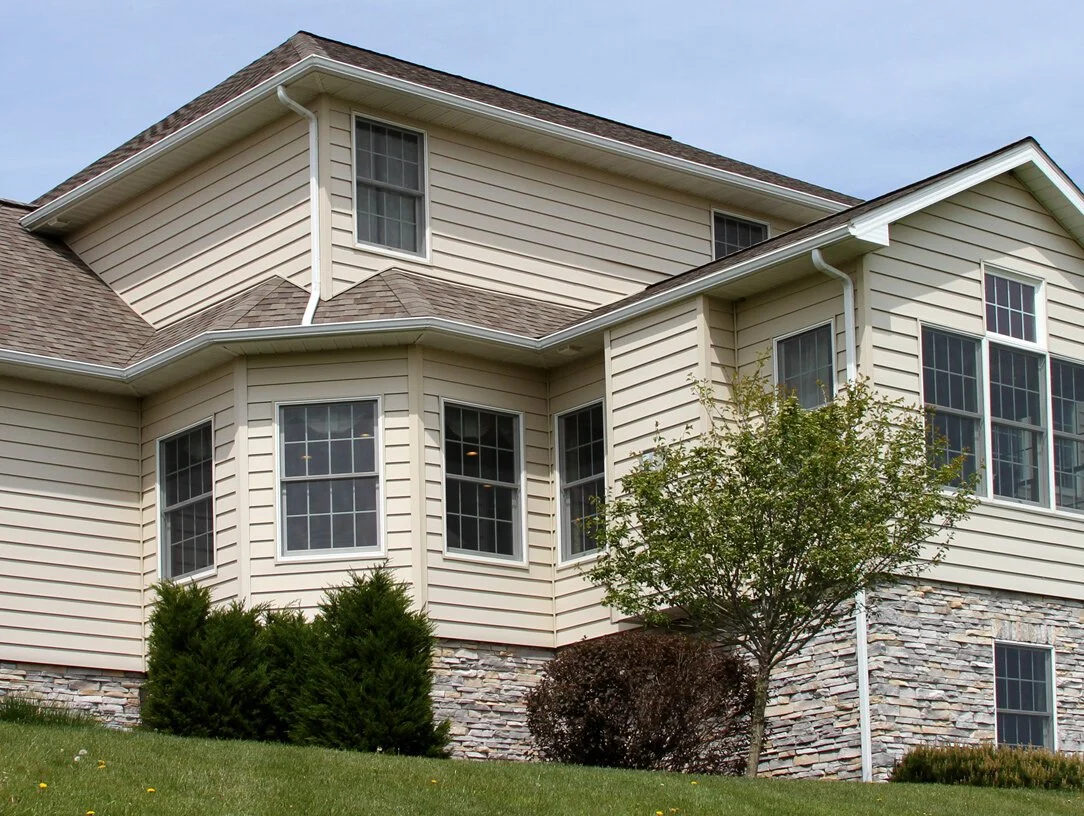
Window Styles for Colonial Homes
Colonial architecture demands double-hung windows — that's non-negotiable if you want authentic curb appeal. These are the classic windows with two operable sashes that slide vertically. They've been the standard for Colonial homes since the 18th century, and there's a reason: they fit the formal, symmetrical aesthetic perfectly.
Grille Patterns Matter
The grille configuration (also called muntins or divided lites) defines the window's character. For traditional Colonial homes, you're looking at:
6-over-6: Six panes over six panes. This is the most common traditional pattern and works on nearly all Colonial styles.
8-over-8: More formal, often seen on larger or higher-end Colonial homes.
9-over-9: Less common, but appropriate for some Georgian or Federal-style Colonials.
Here's the critical detail most homeowners miss: grille-between-glass (GBG) looks cleaner but simulated-divided-lite (SDL) looks more authentic. GBG has the grilles sealed inside the glass unit — easier to clean, but it lacks the depth and shadow lines of real divided lites. SDL has grilles applied to both the interior and exterior glass surfaces, creating that three-dimensional look that matches historic windows.
If your Colonial home is in a historic district or you're aiming for high-end curb appeal, SDL is worth the upgrade. If ease of maintenance is your priority and your home is more suburban than historic, GBG works fine.
Symmetry Is Non-Negotiable
Colonial homes are built on balance. Your front facade should have evenly spaced windows flanking the entry door. If you're replacing windows, maintain the existing proportions and alignment. Don't try to enlarge windows or add new openings on the front — it destroys the architectural integrity.
Side and rear elevations can be more flexible, but the front facade is sacred.
Michigan-Specific Consideration: Many older Michigan Colonials have original wood windows with true divided lites. If you're replacing them with vinyl or fiberglass, choose SDL grilles to maintain that authentic look. The difference is visible from the street, and it matters for resale value in neighborhoods like Royal Oak or Lake Orion.
Our Detroit window experts have replaced hundreds of Colonial home windows, and the homes that maintain traditional grille patterns consistently show better curb appeal than those that went with plain glass or mismatched configurations.
Window Styles for Ranch Homes
Ranch homes are the opposite of Colonial formality — they're about casual living, indoor-outdoor flow, and horizontal emphasis. Your window choices should reinforce that low, wide aesthetic.
Horizontal Sliding Windows
Sliding windows (also called gliders) are the natural fit for Ranch architecture. They open horizontally, which mirrors the home's horizontal lines. They're practical for Michigan — easy to operate, good ventilation, and they don't protrude into landscaping or walkways when open.
Sliders work especially well on the sides and rear of Ranch homes, where you want ventilation but don't need the formality of double-hung windows.
Picture Windows with Flanking Casements
The classic Ranch front window configuration is a large picture window (fixed, non-operable) flanked by narrow casement windows on each side. This creates a wide, horizontal expanse of glass that brings in light and frames outdoor views — exactly what Ranch architecture is about.
The picture window is purely for light and views. The casement windows (which hinge on the side and crank open) provide ventilation. This combination gives you the best of both worlds: maximum glass area and functional airflow.
Bay and Bow Windows
Ranch homes are also great candidates for bay or bow windows, especially on the front facade or dining room. These windows project outward, creating interior space and adding architectural interest to what can otherwise be a plain, flat facade.
Bay windows: Three-sided, with a center picture window and angled side windows (usually casements or double-hungs). More angular and traditional.
Bow windows: Four or more windows arranged in a gentle curve. Softer, more contemporary look.
Both add curb appeal and interior space, but they're a significant investment — plan on $3,000–$6,000+ installed for a quality unit in Southeast Michigan.
Avoid These Mistakes
Don't install tall, vertical windows on a Ranch home. They fight the horizontal architecture and look out of place. Also, avoid over-grilling Ranch windows — simple grilles (if any) work best. Ranch homes aren't formal, and heavy grille patterns make them look confused.

Window Styles for Modern Homes
Modern and Contemporary homes give you the most creative freedom, but that doesn't mean anything goes. The goal is clean lines, intentional asymmetry, and windows that function as design elements, not just functional openings.
Casement Windows for Clean Lines
Casement windows are the go-to for Modern architecture. They hinge on the side and crank open, creating a clean, uninterrupted glass surface when closed. No visible sashes, no horizontal dividers — just glass and frame.
Casements also offer excellent energy performance (they compress against the frame when closed, creating a tight seal) and full ventilation (they open 90 degrees). In Michigan, where you want maximum airflow during the short summer and tight seals during the long winter, casements deliver.
Large Fixed Panes for Light
Modern homes often feature large picture windows or fixed glass panels — sometimes floor-to-ceiling. These maximize natural light and create dramatic sight lines, but they require careful placement.
In Michigan, large glass areas mean higher heating costs in winter unless you invest in high-performance glazing (Low-E coatings, triple-pane glass, etc.). The upfront cost is higher, but the energy savings and comfort are worth it.
Black or Dark Frames as Design Elements
One of the defining trends in Modern architecture is black or dark bronze window frames. They create strong contrast against light-colored siding or brick, and they give the home a contemporary, high-end look.
Most vinyl and fiberglass windows are available in black or bronze exterior finishes. The frames cost 10–15% more than white, but the visual impact is significant. If you're building or renovating a Modern home in Troy or Rochester Hills, dark frames are worth considering.
Mixing Window Types Strategically
Modern homes often mix window types — casements, fixed panes, awning windows (hinged at the top), and even corner windows (where two glass panes meet at a 90-degree angle with no vertical post). This creates visual interest and emphasizes the home's custom, architect-designed character.
The key is intentionality. Don't mix window types randomly — use them to highlight specific architectural features or functional needs (e.g., awning windows above a kitchen sink for ventilation while keeping rain out).
Michigan Reality Check: Modern homes with large glass areas need serious attention to insulation and air sealing. We've seen beautiful Modern builds in Oakland County with stunning windows that are expensive to heat because the rest of the envelope wasn't properly insulated. Windows are part of a system — if you're investing in high-performance windows, make sure your insulation contractor is doing their job too.
Energy Performance Matters in Michigan
Curb appeal is important, but windows also need to perform in Michigan's climate — which means cold winters, hot summers, and everything in between. The good news: you don't have to sacrifice aesthetics for energy efficiency. You just need to know what to look for.
U-Factor: The Critical Number
U-factor measures heat loss — lower is better. For Michigan (ENERGY STAR Northern climate zone), you want a U-factor of 0.30 or lower. This is non-negotiable if you care about heating costs and comfort.
Most modern vinyl and fiberglass windows hit this target easily, but cheaper builder-grade windows don't. When you're comparing quotes, ask for the U-factor — if the contractor can't tell you, that's a red flag.
Low-E Coatings and Argon Gas
Low-E (low-emissivity) coatings are microscopically thin metallic layers applied to the glass. They reflect heat back into your home in winter and block solar heat gain in summer. For Michigan, you want Low-E² or Low-E³ coatings (the numbers refer to which glass surface has the coating).
Argon gas fills replace the air between the glass panes with argon, a denser gas that reduces heat transfer. It's standard in quality windows and adds minimal cost.
Together, Low-E coatings and argon fills can improve a window's U-factor by 30–40% compared to basic dual-pane glass. That's the difference between a window that pays for itself in energy savings and one that doesn't.
Balancing Aesthetics and Performance
Here's the good news: high-performance windows don't look different from standard windows. Low-E coatings are invisible (or have a slight tint that most people don't notice). Argon gas is invisible. Triple-pane windows are slightly thicker, but not noticeably so once installed.
You can have traditional Colonial grilles, Modern black frames, or Ranch-style sliders — all with excellent energy performance. The aesthetic and the performance are independent choices.
Our exterior services in Detroit include energy-efficient window installation across all architectural styles, and we help homeowners balance curb appeal with real-world performance in Michigan's climate.
Cost Considerations by Style and Material
Window replacement is a significant investment, and costs vary widely based on style, material, size, and installation complexity. Here's what we're seeing in Southeast Michigan as of 2026.
Vinyl vs. Fiberglass: The Material Decision
Vinyl windows are the most common and most affordable. They're low-maintenance, energy-efficient, and available in a wide range of styles and colors. For most Michigan homeowners, quality vinyl windows are the right choice.
Cost: $400–$700 per window installed for standard double-hung or casement windows
Pros: Affordable, durable, no painting or staining required
Cons: Can't be repainted if you want to change color; cheaper vinyl can warp in extreme heat (rare in Michigan)
Fiberglass windows are more expensive but offer superior strength and longevity. They're dimensionally stable (don't expand/contract with temperature changes), can be painted, and have a more refined appearance.
Cost: $600–$1,000+ per window installed
Pros: Stronger frames (allowing more glass area), paintable, long lifespan
Cons: Higher upfront cost, fewer color options out of the box
For high-end homes (Bloomfield Hills, Grosse Pointe) or Modern designs where frame aesthetics matter, fiberglass is worth considering. For most Colonial and Ranch homes, quality vinyl delivers excellent performance and curb appeal at a lower cost.
Custom Sizes and Specialty Shapes
Standard-size windows (common double-hung and casement sizes) are manufactured in volume and cost less. Custom sizes, bay/bow windows, and specialty shapes (arched tops, trapezoids, etc.) are made to order and cost significantly more.
Bay/bow windows: $3,000–$6,000+ installed
Large picture windows: $800–$1,500+ installed
Custom shapes: $1,000–$2,500+ each
If you're replacing windows in an older Michigan home with non-standard openings, expect custom pricing. This is common in Colonials from the 1940s–50s and some Ranch homes with unique window configurations.
Installation Complexity by Home Type
Colonial homes: Second-story windows require scaffolding or lifts, which adds labor cost. Brick exteriors (common in Michigan) require careful flashing and sealing around window openings.
Ranch homes: Generally easier to install (single-story access), but large picture windows and bay/bow units require multiple installers and careful handling.
Modern homes: Large fixed panes and custom configurations can be complex to install and require experienced crews. Corner windows and floor-to-ceiling glass are specialty installations.

Real Numbers for Southeast Michigan
For a typical Michigan home (15–20 windows), you're looking at:
Full replacement with vinyl windows: $8,000–$15,000
Full replacement with fiberglass windows: $12,000–$20,000+
Partial replacement (5–8 windows): $3,000–$6,000
These are ballpark figures. Actual costs depend on window sizes, styles, material choices, and installation complexity. The only way to get accurate pricing is to have a contractor measure your openings and provide a detailed quote.
We've been providing transparent, no-pressure quotes for Michigan homeowners since 1988. No gimmicks, no high-pressure sales tactics — just honest pricing based on what your home actually needs. Our Detroit siding company often works alongside window replacements, and we can coordinate both projects to save you time and hassle.
Signs It's Time to Replace Your Windows
Even if your windows aren't broken, they might be costing you money and comfort. Here's when it's time to call a contractor.
Drafts and Energy Loss
If you feel cold air around your windows in winter or hot air in summer, your windows are leaking. This is common in homes with original 1960s–1980s windows — they simply don't seal like modern units.
You can test this with a candle or incense stick on a windy day. Hold it near the window frame and watch for movement. If the smoke wavers, you're losing conditioned air (and money).
Condensation Between Panes
If you see fog or moisture between the glass panes (not on the interior surface), the seal has failed. This means the insulating gas has leaked out and moisture has gotten in. The window has lost its thermal performance, and it's not coming back.
Condensation between panes is a clear sign the window needs replacement. Don't bother trying to "fix" it — it can't be repaired.
Difficulty Operating
Windows should open and close smoothly. If you're fighting with stuck sashes, broken balances, or cranks that won't turn, it's time for an upgrade. This is especially common in older double-hung windows where the balance mechanisms have worn out.
Visible Damage or Rot
Wood windows in Michigan are prone to rot, especially around the sill and bottom rail. If you see soft, spongy wood or peeling paint that reveals decay, the window is compromised structurally and thermally.
Vinyl and fiberglass windows don't rot, but they can crack or warp if they're low-quality or improperly installed. If you see cracks in the frame or sashes that don't close flush, replacement is the fix.
Michigan-Specific Issue: Freeze-thaw cycles are brutal on windows. Water gets into small cracks or gaps, freezes, expands, and makes the damage worse. If your windows are showing any signs of failure, don't wait — Michigan winters will accelerate the problem.
Beyond windows, other exterior components work together to protect your home. Our Detroit roofing services address the critical barrier above your windows, while our seamless gutters in Detroit, MI ensure water drains properly away from window openings. For homes that need comprehensive exterior updates, our Southeast Michigan painting professionals can refresh your home's appearance once the windows are in place.
Ready to Upgrade Your Windows?
NEXT Exteriors has been installing energy-efficient, architecturally appropriate windows in Southeast Michigan since 1988. We'll help you choose the right styles for your home's architecture and provide honest, transparent pricing. No pressure, no gimmicks — just quality work from a team that shows up on time and does the job right.
Or call us: (844) 770-6398
Frequently Asked Questions
What window style is best for a brick Colonial home in Michigan?
+
Double-hung windows with simulated-divided-lite (SDL) grilles in a 6-over-6 or 8-over-8 configuration are the traditional choice for brick Colonial homes. They maintain the formal, symmetrical appearance that defines Colonial architecture. For Michigan's climate, choose windows with a U-factor of 0.30 or lower, Low-E coatings, and argon gas fills to ensure energy efficiency without compromising the classic aesthetic.
Can I mix different window styles on my Ranch home?
+
Yes, but do it strategically. A common and effective approach is to use a picture window flanked by casements on the front facade for maximum light and view, while using horizontal sliding windows on the sides and rear for ventilation. The key is maintaining the horizontal emphasis that defines Ranch architecture. Avoid tall, vertical windows that fight the home's low, wide profile.
Are black window frames more expensive than white?
+
Yes, but not dramatically. Black or dark bronze exterior frames typically cost 10–15% more than standard white vinyl or fiberglass windows. The upcharge covers the specialized finish and the fact that darker colors absorb more heat, requiring higher-quality vinyl formulations to prevent warping. For Modern homes where dark frames significantly enhance curb appeal, the modest additional cost is usually worth it.
How long do vinyl windows last in Michigan's climate?
+
Quality vinyl windows should last 20–30 years in Michigan, even with our freeze-thaw cycles and temperature extremes. The key is proper installation with correct flashing and sealing to prevent water intrusion. Cheaper builder-grade vinyl windows may show problems sooner — warping, discoloration, or seal failures within 10–15 years. Fiberglass windows typically last even longer (30–40+ years) due to their superior dimensional stability.
Should I replace all my windows at once or do them in phases?
+
If budget allows, replace all windows at once. You'll get better pricing (contractors offer discounts for full-house projects), consistent appearance, and immediate energy savings throughout the home. If you need to phase the project, prioritize windows that face prevailing winds (typically west and north in Michigan), windows with visible damage or seal failures, and windows in the most-used rooms (bedrooms, living areas). Front facade windows should all be replaced together to maintain consistent curb appeal.
Do I need permits to replace windows in Metro Detroit?
+
It depends on the municipality and the scope of work. In most Southeast Michigan communities, simple window replacement (same size, same location) doesn't require a permit. However, if you're changing window sizes, adding new openings, or altering structural framing, permits are typically required. Some historic districts have additional review requirements. A licensed contractor will know the local requirements and handle permits if needed — that's part of what you're paying for.
What's the ROI on window replacement for curb appeal?
+
According to Remodeling Magazine's Cost vs. Value Report, vinyl window replacement in the Midwest typically recoups 70–75% of the cost at resale. However, the actual ROI depends heavily on your home's condition and market. If you're replacing failing 1970s windows on a well-maintained Colonial in a desirable neighborhood, the ROI can be even higher because the new windows bring the home up to buyer expectations. If you're installing high-end windows on a modest Ranch in a lower-price-point neighborhood, you may not recoup the full cost. The energy savings and comfort improvements are also part of the value equation.
Window Installation 101: What "Good Install" Looks Like
Learn what separates a proper window installation from a sloppy one. Michigan contractor breaks down the critical steps, materials, and techniques that matter.
📅 February 19, 2026
👤 NEXT Exteriors Team
⏱ 12 min read

I've been installing windows in Southeast Michigan since the late '80s, and I can tell you this: the window itself is only half the story. You can buy the most expensive, energy-efficient window on the market, but if it's installed wrong, you're going to have problems. Water intrusion. Air leaks. Operational failures. Rot in the framing. I've seen $800 windows fail in three years because of sloppy installation, and I've seen budget-friendly units perform beautifully for decades because they were installed right.
Here's the thing most homeowners don't realize until it's too late: window installation is where the real skill shows. Any crew can pop a window in an opening and caulk around it. But a proper installation—one that will survive Michigan's freeze-thaw cycles, wind-driven rain, and temperature swings—requires understanding building science, following a specific sequence, and using the right materials in the right order.
This guide breaks down exactly what a good window installation looks like, from the prep work nobody sees to the finishing details everyone notices. Whether you're hiring a contractor or trying to understand what you're paying for, this is the standard your Detroit window experts should be meeting.
The Pre-Installation Phase: Prep Work That Matters
Before a single window gets set, there's critical prep work that separates professionals from hacks. This is where problems get caught—or ignored.
Opening Inspection and Measurement
First thing we do on every job: measure the rough opening from inside and outside. Not just once—multiple times, at different points. Michigan homes settle. Brick Colonials in Rochester Hills shift differently than 1960s ranches in Warren. Wood frames warp. What the manufacturer's spec sheet says and what your actual opening measures can be two different things.
We're looking for:
Square corners — Most openings aren't perfectly square. We measure diagonals to check.
Level sills — If the sill is out of level by more than 1/4 inch, we need to address it before the window goes in.
Plumb jambs — Vertical sides need to be straight up and down, or the window won't operate properly.
Consistent dimensions — The opening should measure the same at top, middle, and bottom. Variations mean structural issues.
Rough Opening Assessment
Next, we inspect the framing. This is especially important in older Michigan homes where previous house siding in Detroit projects might have hidden problems.
We're checking for:
Rot or water damage in the sill, jambs, or header
Missing or damaged house wrap or building paper
Proper framing members (2x4s, not 2x3s or compromised lumber)
Evidence of previous water intrusion
Insulation gaps or voids around the old window
If we find rot, we stop. We don't install a new window over compromised framing. Period. We repair or replace the damaged wood first, then proceed. This is non-negotiable for any reputable contractor.
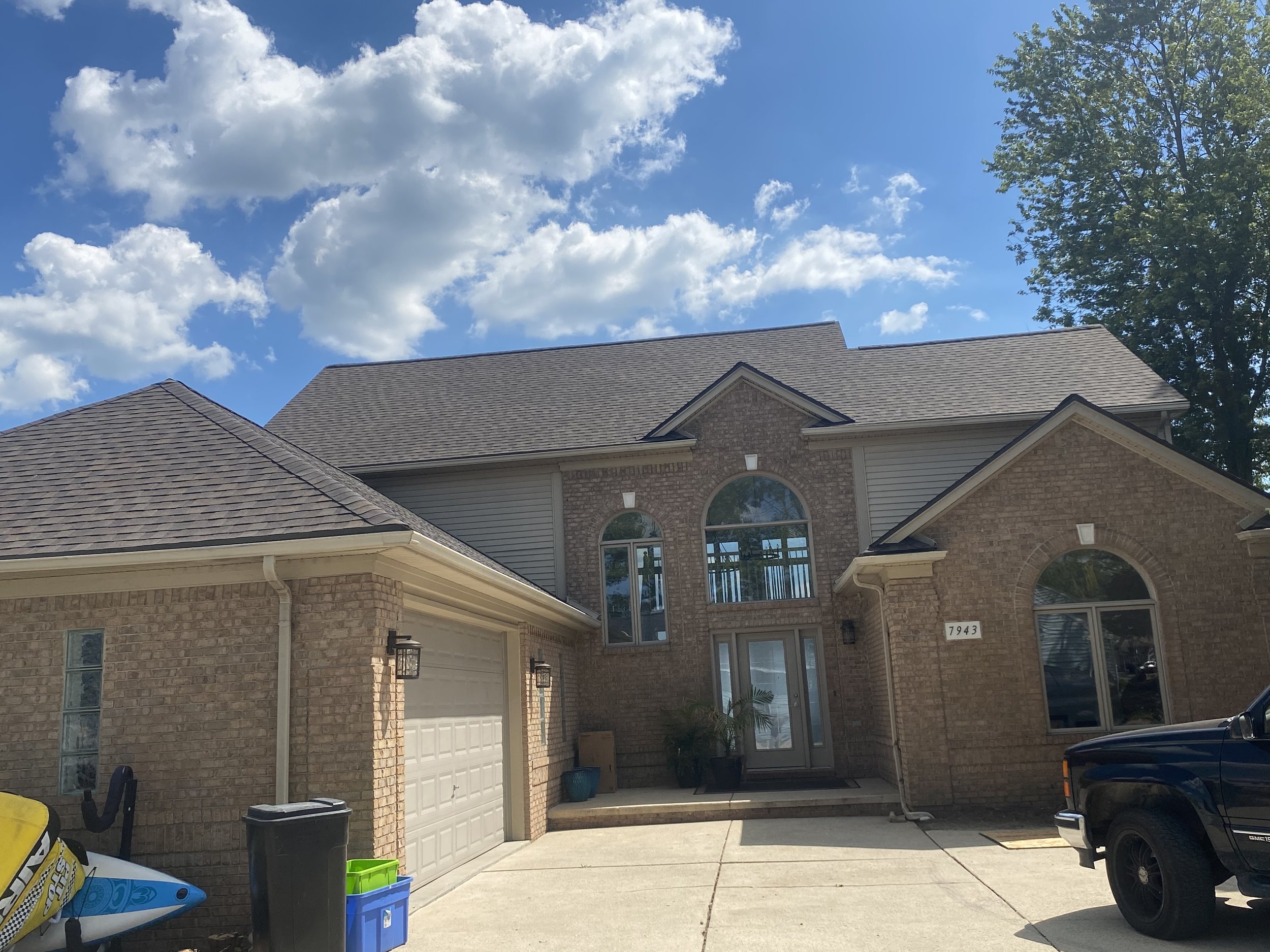
Flashing: The Most Critical Step Nobody Sees
Here's what 35 years of Michigan weather has taught me: flashing prevents 90% of window failures. Not the window itself. Not the caulk. The flashing system.
Flashing is the layered waterproofing system that directs water away from the window opening and down the exterior wall. When it's done right, water has no path to get behind the window or into the wall cavity. When it's done wrong—or skipped entirely—you get rot, mold, and structural damage that costs thousands to repair.
The Proper Flashing Sequence
This sequence matters. You can't just slap flashing tape around the opening and call it good. Water flows downhill, and each layer needs to overlap the one below it, creating a shingled effect that sheds water outward.
Here's the correct order:
Sill flashing first — We apply flexible flashing tape to the sill (bottom of the opening), extending it 6-8 inches up each jamb and out onto the exterior sheathing or house wrap. This creates a pan that catches any water that gets past the window.
Jamb flashing next — Vertical flashing tape goes on both sides, overlapping the sill flashing at the bottom and extending past the header at the top.
Head flashing last — The top piece overlaps the jamb flashing on both sides, creating a continuous drainage plane.
Each piece of flashing tape gets rolled with a J-roller or hand roller to ensure full adhesion. Air bubbles or loose edges create pathways for water.
Materials That Work in Michigan's Climate
Not all flashing tape is created equal. Michigan's temperature swings—from sub-zero January nights to 90-degree July afternoons—are brutal on adhesives. We use flexible, rubberized flashing tape that remains pliable in cold weather and doesn't break down under UV exposure.
Cheap flashing tape fails in 3-5 years. It gets brittle, loses adhesion, and cracks. Then water finds its way in, and you're looking at a $5,000 repair job to fix what a $20 roll of quality flashing would have prevented.
Pro Tip: If a contractor tells you they don't need flashing because they're using "plenty of caulk," walk away. Caulk is a secondary seal, not a waterproofing system. It will fail, and when it does, there's nothing protecting your wall cavity.
Setting and Leveling: The Foundation of Performance
A window that's not level and plumb won't operate correctly. The sashes will bind. The locks won't latch. The seals won't compress evenly, creating air leaks. And over time, the frame will rack and twist, leading to premature failure.
Shim Placement Strategy
Shimming is how we level and plumb the window in the opening. We use composite shims (not wood—they compress and rot) placed at specific locations:
At every fastener location — This prevents the frame from bowing inward when we drive screws.
At the corners — All four corners get shims to establish the plane of the window.
At mid-points — On windows wider than 36 inches, we add shims at the center of the sill, head, and jambs to prevent sagging.
Shims get checked with a 4-foot level (not a 2-footer—too short to catch bow) and adjusted until the window is perfectly level horizontally and plumb vertically. We're talking 1/16-inch tolerance here, not "close enough."
Fastener Spacing and Type
Windows get fastened through the nailing fin (on new construction-style windows) or through the frame (on replacement windows). Fastener spacing matters:
Every 8-12 inches around the perimeter
Stainless steel or galvanized screws — not nails, which can back out over time
Proper length — long enough to bite into solid framing, not just sheathing
Over-tightening is as bad as under-tightening. We're securing the window, not crushing the frame. Vinyl windows especially can bow if you crank down too hard on the fasteners.

Air Sealing and Insulation: Energy Performance
Once the window is set and fastened, we seal the gap between the window frame and the rough opening. This is where energy performance lives or dies. A window with a U-factor of 0.30 can perform like a 0.50 if the air sealing is sloppy.
Low-Expansion Foam Technique
We use low-expansion polyurethane foam—not the high-expansion stuff from the hardware store. High-expansion foam can bow window frames, preventing proper operation. Low-expansion foam fills the gap without exerting pressure on the frame.
The technique:
Apply foam in a continuous bead around the entire perimeter
Fill the gap 50-60% full—foam expands as it cures
Work from bottom to top to prevent voids
Don't overfill—excess foam gets trimmed, but it's wasteful and messy
We let the foam cure (usually 1-2 hours depending on temperature and humidity) before trimming it flush with the interior edge of the frame.
Backer Rod Application
For gaps wider than 1/2 inch, we use closed-cell foam backer rod before applying foam. This prevents the foam from sagging into the cavity and ensures a consistent seal depth. It's an extra step, but it makes a difference in thermal performance.
Interior and Exterior Sealing
After the foam is trimmed:
Interior side — We apply a continuous bead of paintable acrylic caulk where the window frame meets the interior trim or drywall return. This is the air seal.
Exterior side — We apply a continuous bead of high-quality exterior caulk (polyurethane or hybrid polymer) where the window frame meets the exterior trim and where trim meets siding. This is the weather seal.
Both seals are critical. The interior seal stops conditioned air from escaping. The exterior seal stops wind-driven rain from getting in. This dual-seal approach is standard in exterior services in Detroit and throughout Southeast Michigan.
Exterior Finishing: Weather Protection
The exterior trim and caulking are your first line of defense against Michigan weather. This is where a lot of contractors cut corners, and it shows within a year or two.
Trim Installation
We install exterior trim (brick mold, casing, or J-channel depending on the siding type) that:
Overlaps the window flange — This sheds water away from the window
Matches the existing trim profile — Or upgrades it if the old trim was undersized
Gets fastened properly — Into solid framing, not just sheathing
Receives a back-caulk — We run a bead of caulk on the back of the trim before installing it, creating a seal between the trim and the wall
On brick homes (common in Grosse Pointe Farms and Bloomfield Hills), we use PVC or aluminum trim that won't rot if moisture gets trapped between the brick and the window. Wood trim on brick is asking for trouble.
Caulking Strategy
Caulk is not just cosmetic—it's functional. But it has to be applied correctly:
Continuous beads — No gaps, no breaks
Tooled smooth — We use a caulk tool or wet finger to create a concave profile that sheds water
Proper adhesion — Surfaces get cleaned and dried before caulking
Quality product — We use Sherwin-Williams or equivalent exterior-grade caulk with a 25+ year rating
Here's a critical detail most DIYers miss: the bottom sill does not get caulked on the exterior. That gap needs to be open to allow any water that gets past the window to drain out. Sealing it traps water inside the wall cavity.
Interior Finishing: The Details Homeowners See
The interior finishing work is what you see every day, so it needs to be clean and professional. But it's also part of the air sealing system, so it's functional, not just decorative.
Trim Work and Casing
Interior trim (casing) gets installed around the window to cover the gap between the window frame and the drywall or plaster. We:
Match the existing trim profile throughout the house (or upgrade if requested)
Miter corners at 45 degrees for a clean look
Use finish nails, not brads—they hold better
Set nails below the surface and fill with wood filler
Caulk the joint between trim and wall with paintable caulk
Drywall Returns
On replacement windows (where the old window is removed and the new one fits inside the existing opening), we often need to extend the drywall to meet the new window frame. This is called a drywall return.
A proper drywall return:
Is cut to fit snugly against the window frame
Gets taped and mudded with at least two coats
Is sanded smooth and primed before painting
Receives a bead of caulk where it meets the window frame (air seal)
Sloppy drywall work is a dead giveaway of a rushed job. If the drywall return looks like an afterthought, the rest of the installation probably was too.
Paint-Grade vs. Stain-Grade Considerations
If you're painting the trim, we use finger-jointed pine or MDF—it's stable, smooth, and takes paint beautifully. If you're staining, we use solid wood (poplar, oak, or maple depending on your preference) with tight grain and no defects.
For homeowners planning to paint, we can prime the trim before installation, which saves time and produces a better finish. This is a common request in Lake Orion and Royal Oak where interior aesthetics are a priority.
Red Flags: Signs of a Bad Installation
You're paying good money for a window installation. You deserve to know what to look for—and what to reject. Here are the red flags I see when I'm called in to fix someone else's work.
Common Shortcuts Contractors Take
No flashing or incomplete flashing — If you can't see flashing tape around the opening before the window goes in, it's not there.
Caulk instead of flashing — Caulk is not a waterproofing system. It's a backup seal.
High-expansion foam — If the window frame is bowed after foaming, the wrong product was used.
Inadequate shimming — Shims only at the corners, or no shims at all, means the window isn't properly supported.
Over-tightened fasteners — If the window frame is visibly distorted or the sash binds when you operate it, the fasteners were over-tightened.
Gaps in caulk — Continuous beads, not dabs here and there.
Bottom sill caulked on exterior — This traps water. It should be left open.
Sloppy interior finish work — If the trim is crooked, gaps are visible, or nail holes aren't filled, the crew didn't care about quality.
What to Inspect Before Final Payment
Before you write that final check, walk through with the contractor and verify:
Windows operate smoothly — Open, close, lock, and unlock every window. No binding, no sticking.
Locks engage properly — The lock should latch without forcing it.
No visible gaps — Check around the interior and exterior trim for gaps or missing caulk.
Trim is secure — Push gently on the trim. It shouldn't flex or feel loose.
Clean work area — Old windows, debris, and packaging should be removed. The site should be cleaner than when they started.
Flashing documentation — Ask to see photos of the flashing before the window was installed. A good contractor takes photos of critical steps.
If something doesn't look right, speak up before the crew leaves. Most problems are easier to fix on the spot than after the contractor has moved on to the next job.
Cost Reality: What Quality Installation Costs in Michigan
Let's talk money. Window installation costs vary widely in Southeast Michigan, and understanding what you're paying for helps you make smart decisions.
Labor vs. Material Breakdown
For a typical double-hung replacement window installation in a Macomb County home:
Labor — $200-$400 per window, depending on size, accessibility, and condition of the opening
Materials — $50-$100 per window for flashing, foam, caulk, shims, fasteners, and trim
Disposal — $25-$50 per window for hauling away old windows and debris
So a quality installation runs $275-$550 per window in labor and materials, not including the window itself. Add the cost of the window (anywhere from $300 for a basic vinyl unit to $1,200+ for a high-performance wood or fiberglass window), and you're looking at $575-$1,750+ per window, all in.
That might sound like a lot, but consider this: a properly installed window lasts 20-30 years. A poorly installed window starts failing in 3-5 years, and then you're paying to fix water damage, replace rotted framing, and reinstall the window correctly. The cheap bid ends up costing you more.
Why Cheap Bids Backfire
If you get a bid that's significantly lower than others, ask yourself: What are they not doing?
Common cost-cutting tactics:
Skipping flashing
Using cheap materials (low-grade caulk, wood shims, inferior foam)
Rushing the job (inadequate shimming, poor caulking, sloppy trim work)
Inexperienced crews (learning on your dime)
No warranty or insurance
I've seen homeowners save $2,000 on a 10-window project, only to spend $8,000 two years later fixing water damage and reinstalling the windows correctly. That's not a bargain—it's a disaster.
This is why working with an established contractor like NEXT Exteriors, with 35+ years in business and a BBB A+ rating, matters. You're not just paying for the installation—you're paying for accountability, expertise, and peace of mind.
When to Call a Professional
Window installation is not a beginner-friendly DIY project. I know that's not what you want to hear if you're trying to save money, but I've repaired too many DIY disasters to sugarcoat it.
DIY vs. Contractor Decision Factors
Consider DIY if:
You have carpentry experience and own the right tools (level, square, J-roller, caulk gun, circular saw, etc.)
The opening is in good condition with no rot or structural issues
You're comfortable working on a ladder or scaffolding
You have time to do it right—rushing leads to mistakes
It's a simple replacement window in a one-story home
Call a professional if:
The opening has rot, water damage, or structural issues
You're installing new construction windows (more complex than replacements)
The window is on the second story or higher
You're replacing multiple windows and want consistency
You don't have experience with flashing systems
You want a warranty on the installation
Professional installation isn't just about skill—it's about liability. If something goes wrong with a DIY install, you're on the hook for repairs. If a licensed contractor makes a mistake, their insurance covers it. That peace of mind is worth something.
Michigan Winters Are Unforgiving: A window that seems fine in July can fail spectacularly in January when ice dams form, wind-driven snow finds every gap, and freeze-thaw cycles test every seal. Professional installation accounts for these conditions. DIY installations often don't.
Other Services from NEXT Exteriors
While we're known for our window replacement in Detroit, we're a full-service exterior contractor. If your home needs attention beyond windows, we handle roof replacement in Metro Detroit, siding installation in Southeast Michigan, gutter installation in Southeast Michigan, attic insulation in Metro Detroit, and exterior painting in Detroit. We're your single point of contact for all exterior services in Detroit and surrounding communities.
Ready to Get Started?
NEXT Exteriors has been protecting Michigan homes since 1988. Get a free, no-pressure estimate from a team that shows up on time and does the job right.
Or call us: (844) 770-6398
Frequently Asked Questions
How long does a professional window installation take?
+
A single replacement window typically takes 2-4 hours for a professional crew, including prep work, installation, insulation, and interior/exterior finishing. Full-house window replacements (10-15 windows) usually take 2-3 days depending on the home's size, window locations, and any repairs needed. Weather delays can extend timelines in Michigan—we won't install windows in rain or extreme cold because adhesives and caulks need proper curing conditions.
Can windows be installed in winter in Michigan?
+
Yes, but with limitations. We can install windows when temperatures are above 20°F and there's no active precipitation. Below that, caulks and adhesives don't cure properly, and foam insulation doesn't expand correctly. We also need to work quickly to minimize heat loss from the home. Spring and fall are ideal installation seasons in Southeast Michigan—moderate temperatures and lower humidity make for better curing conditions and more comfortable work for both the crew and homeowners.
What's the difference between new construction and replacement windows?
+
New construction windows have a nailing fin (flange) around the perimeter that gets fastened to the exterior sheathing before siding is installed. They're used in new homes or when you're down to the studs during a renovation. Replacement windows have no fin—they're designed to fit inside the existing window opening after the old window is removed. Replacement windows are faster to install and less disruptive, but they reduce the glass area slightly because the new frame sits inside the old opening. For most Michigan homeowners doing upgrades, replacement windows are the right choice.
How do I know if my window opening has water damage?
+
Signs of water damage include: soft or spongy wood around the window frame, dark staining on interior trim or drywall, peeling paint near the window, visible mold or mildew, musty odors, or exterior siding that's warped or rotted near the window. If you can push a screwdriver into the wood sill or jamb with little resistance, you have rot. Water damage must be repaired before a new window is installed—installing over compromised framing just hides the problem temporarily and leads to bigger issues down the road.
Should I replace all my windows at once or do it in phases?
+
Both approaches work, but there are trade-offs. Replacing all windows at once is more cost-effective (contractors often discount larger projects), ensures consistent appearance and performance, and gets the project done faster. Phased replacement spreads out the cost and lets you prioritize the most problematic windows first (north-facing windows in Michigan often fail first due to constant freeze-thaw exposure). If you're phasing, start with windows that are drafty, hard to operate, or showing signs of seal failure (condensation between panes). Just make sure you're working with the same contractor and window line to maintain consistency.
What warranty should I expect on window installation?
+
Reputable contractors offer a separate installation warranty (typically 2-10 years) that covers workmanship—things like leaks due to improper flashing, operational issues from poor shimming, or seal failures from inadequate insulation. This is separate from the manufacturer's warranty on the window itself (usually 10-20 years for vinyl, longer for fiberglass or wood). Make sure both warranties are in writing before the project starts. At NEXT Exteriors, we stand behind our work and address any installation issues promptly—that's part of changing contractor culture in Southeast Michigan.
How much can new windows reduce my energy bills?
+
Energy savings depend on what you're replacing and what you're installing. Replacing single-pane windows with modern double-pane, low-E windows can reduce heating and cooling costs by 15-25% in Michigan homes. Replacing older double-pane windows (pre-2000) with today's high-performance windows typically saves 7-15%. The biggest savings come from proper installation—even the best window performs poorly if it's not flashed, sealed, and insulated correctly. Factor in improved comfort (fewer drafts, more consistent temperatures) and reduced HVAC wear, and quality windows pay for themselves over 10-15 years.
Drafty Rooms? Windows, Insulation, or Air Leaks | NEXT Exteriors
Learn how to diagnose drafty rooms in your Michigan home. Discover whether windows, insulation, or air leaks are the culprit and what to fix first.
By NEXT Exteriors
•
February 19, 2026
•
12 min read
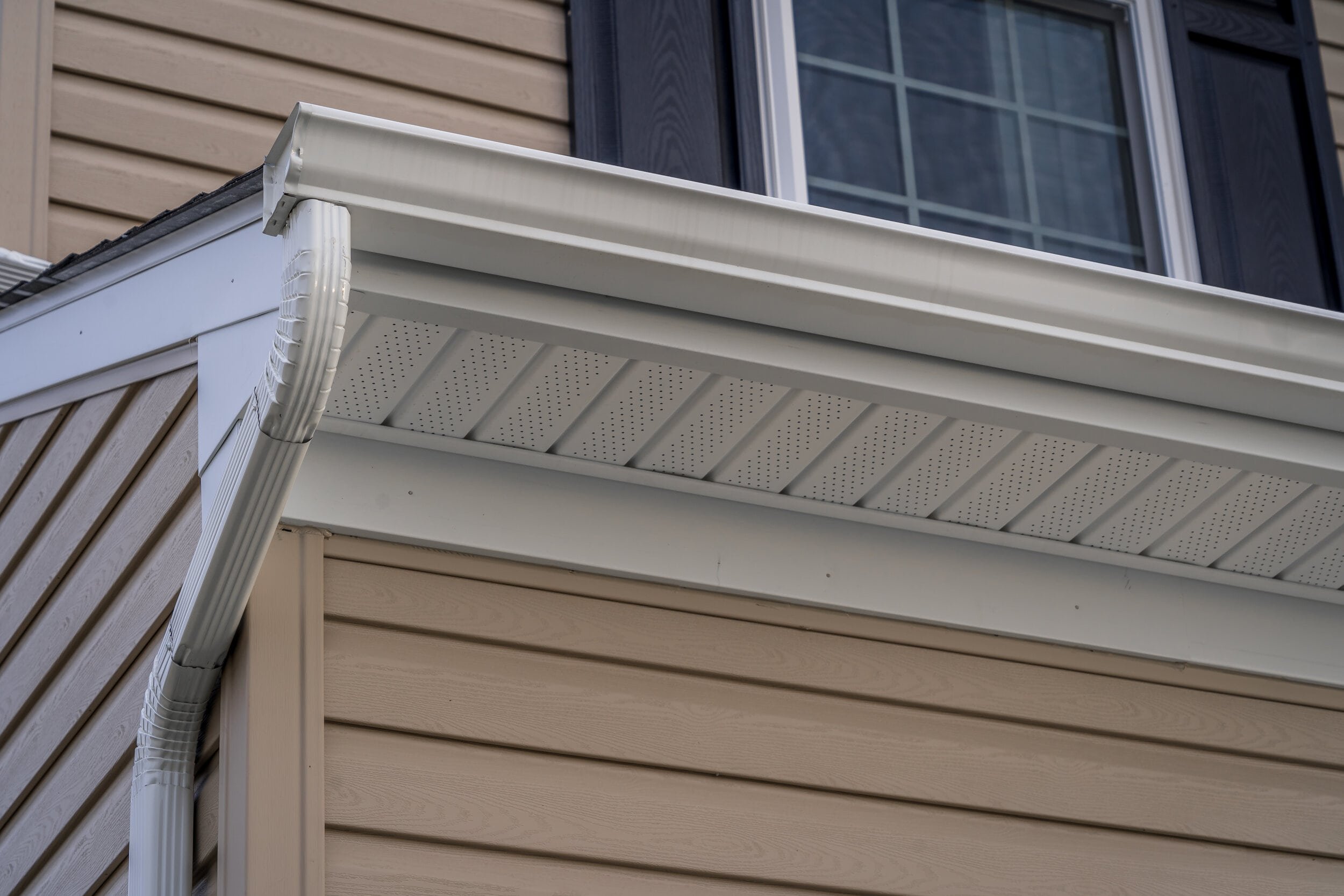
You're sitting in your living room in Sterling Heights on a January evening, and you can feel the cold air creeping in. The furnace is running constantly, your energy bill just hit a new record, and you're wearing a sweatshirt indoors. Something's wrong, but what?
Is it the windows? Your neighbor just replaced theirs and won't stop talking about it. Is it the insulation? You haven't been in the attic in years. Or is it something else entirely—those mysterious air leaks contractors keep mentioning?
After 35 years working on Michigan homes, we've diagnosed hundreds of drafty rooms. The truth is, most homeowners blame the wrong culprit first and waste money on fixes that don't solve the real problem. This guide will show you exactly how to figure out what's making your home uncomfortable—and what to fix first.
The Three Culprits: Windows, Insulation, and Air Leaks
Let's start by understanding how each of these systems contributes to drafts and high energy bills. They're related, but they work differently—and fixing one without addressing the others rarely solves the problem completely.
Windows: The Obvious Suspect
Windows get blamed for everything. Homeowner feels a draft near the living room window? Must be the windows. Energy bill goes up? Time for new windows. But here's what we've learned after thousands of Detroit window replacement projects: windows are rarely the biggest problem.
Yes, old single-pane windows with broken seals lose heat. Yes, windows are the weakest point in your wall's thermal envelope. But windows typically account for only 10-25% of heat loss in most Michigan homes. The rest? That's where insulation and air leaks come in.
Modern double-hung or casement windows with Low-E coatings and argon gas fills have U-factors around 0.27 to 0.30—meaning they insulate reasonably well. Even older double-pane windows from the 1990s perform decently if the seals are intact and the weatherstripping works.
Michigan Reality Check: We've seen plenty of homes in Rochester Hills and Bloomfield Hills with brand-new windows that are still drafty and expensive to heat. Why? Because the real problems—attic air leaks and missing insulation—were never addressed. New windows can't overcome a fundamentally leaky house.
Insulation: The Invisible Barrier
Insulation is your home's winter coat. It slows down heat transfer between your warm interior and the cold outdoors. In Michigan, the Department of Energy recommends R-49 to R-60 in attics, R-13 to R-21 in walls, and R-25 to R-30 in floors over unheated spaces.
Most homes we inspect in Macomb County fall short—especially older homes built before energy codes tightened up in the 1980s. We routinely find attics with R-19 or less, which means you're losing heat through your ceiling all winter long.
But here's the catch: insulation only works if air isn't moving through it. Imagine wearing a down jacket with the zipper open and wind blowing through. That's what happens when you have insulation but haven't sealed air leaks first. The insulation gets bypassed by moving air, and your R-value becomes meaningless.
That's why our top-rated insulation services in Detroit always start with air sealing before we add a single batt or blow a single inch of cellulose.

Air Leaks: The Hidden Culprit
This is the big one—the problem most homeowners don't even know they have. Air leaks are gaps and cracks in your home's shell that let conditioned air escape and outdoor air infiltrate. They're usually hidden in places you never see: attic hatches, recessed lights, plumbing penetrations, electrical boxes on exterior walls, rim joists in the basement.
According to building science research, air leakage accounts for 25-40% of heating and cooling costs in a typical home. In older Michigan homes with no air sealing? That number can hit 50%.
The worst part? Air leaks create comfort problems that new windows and added insulation can't fix. Cold air infiltrating through the basement rim joist creates a draft on the first floor. Warm air escaping through attic bypasses pulls cold air in through every crack and gap on the lower levels—a phenomenon called the stack effect that's especially severe in Michigan's cold winters.
We've seen homes in Troy where the homeowner spent $15,000 on replacement windows and still had ice dams every winter. The problem? Massive air leaks around the attic hatch and recessed lights were pumping warm, moist air into the attic, melting snow on the roof. New windows didn't touch that issue.
How to Test for Drafty Windows
Let's start with the easy one. Here's how to determine if your windows are actually the problem—or if you're barking up the wrong tree.
The Visual Inspection
Walk around your home on a cold, sunny day and look at each window carefully:
Check the weatherstripping: Open and close each window. The weatherstripping should make contact all the way around. If it's compressed, cracked, or missing, air is getting through.
Look for condensation or frost: Moisture between the panes means the seal has failed and the insulating gas has escaped. That window has lost most of its R-value.
Inspect the glazing compound: On older wood windows, check the putty around the glass. Cracked or missing glazing lets air infiltrate.
Examine the frame: Look for gaps between the window frame and the wall. These gaps should be filled with low-expansion foam and sealed with caulk.
The Tissue Test
Wait for a windy day (Michigan gives you plenty of those). Hold a lit incense stick or a piece of tissue paper near the window frame, sash, and where the window meets the sill. If the smoke or tissue moves, you've got air infiltration.
Do this test with the window locked. Then unlock it and test again. If the draft gets worse when unlocked, the locking mechanism isn't pulling the sash tight enough—a common problem with older windows.
The Temperature Test
On a cold night, use an infrared thermometer (you can buy one for $20-30) to measure the temperature of the glass and the frame. Compare that to the temperature of your interior wall a few feet away.
If the window glass is significantly colder than the wall, that's normal—glass conducts heat faster than insulated walls. But if the frame is as cold as the glass, or if you're getting cold spots around the edges of the window, you've got a problem.
When Window Replacement Makes Sense: If your windows are single-pane, if the sashes are rotted or won't stay open, if the frames are warped, or if you're planning to stay in the house for 10+ years, replacement might be worth it. But if your windows are double-pane units from the 1990s or later with working hardware and intact seals, you'll probably get a better return from air sealing and insulation first.
How to Identify Insulation Problems
Now let's head to the attic—the most important place to check for insulation problems in Michigan homes.
The Attic Inspection
You don't need to be a contractor to do a basic attic inspection. Here's what to look for:
Depth: Measure the depth of your attic insulation. In Michigan, you want 16-22 inches of blown fiberglass or cellulose, or about 14 inches of fiberglass batts, to hit R-49 to R-60. If you can see the tops of the floor joists, you don't have enough.
Coverage: Look for gaps. Insulation should cover the entire attic floor with no bare spots. We often find areas around the attic hatch, along the eaves, and near plumbing vents that were never insulated.
Compression: If you have batt insulation, check whether it's been compressed by storage boxes or walking paths. Compressed insulation loses R-value—an R-30 batt compressed to half its thickness performs like R-15.
Moisture: Look for water stains, mold, or damp insulation. These are signs of roof leaks or condensation from air leaks below. Wet insulation doesn't work, and it indicates bigger problems that need to be fixed before adding more insulation.

Wall Insulation
Checking wall insulation is harder—you can't see it without cutting into drywall or using thermal imaging. But here are some clues:
Age of the home: Homes built before 1950 often have no wall insulation. Homes from the 1950s-1970s might have R-7 to R-11. Anything after 1980 should have at least R-13.
Cold walls: Touch your exterior walls on a cold day. If they feel significantly colder than interior walls, you're probably under-insulated.
Electrical outlets: Turn off the breaker, remove the cover plate from an outlet on an exterior wall, and carefully shine a flashlight into the gap. You might be able to see whether there's insulation in the wall cavity. (Do NOT do this if you're not comfortable working around electrical boxes.)
Basement and Crawl Space
Don't forget the bottom of your house. Uninsulated rim joists (the band of framing where your floor meets the foundation wall) are massive heat losers. If you can see bare wood in your basement where the floor joists meet the foundation, that area needs to be insulated and air-sealed.
Crawl spaces should have insulation in the floor above (if it's a vented crawl space) or on the walls (if it's an unvented, conditioned crawl space). Many Michigan homes have neither.
Finding Hidden Air Leaks
This is where things get interesting—and where most homeowners discover the real source of their drafts.
Common Air Leak Locations in Michigan Homes
Here's where we find air leaks in almost every home we inspect:
Attic hatch or pull-down stairs: This is usually the single biggest air leak in the house. Most hatches have no weatherstripping and no insulation, creating a gaping hole in your thermal envelope.
Recessed lights: Non-IC-rated recessed lights in the ceiling below the attic are like chimneys, pumping warm air straight into the attic. Even IC-rated lights leak if they're not sealed.
Plumbing penetrations: Anywhere a pipe goes through a floor or ceiling—especially around bathroom and kitchen vents—there's usually a gap that was never sealed.
Electrical penetrations: Wires running through top plates into the attic, ceiling fan boxes, and electrical panels on exterior walls all create air leaks.
Ductwork: If your HVAC ducts run through the attic or crawl space, leaky duct joints can lose 20-30% of your heated air before it reaches the rooms.
Rim joists: The wood framing where your first floor meets the foundation is often completely uninsulated and unsealed. Cold air pours in, and warm air escapes.
Fireplace dampers: An open or poorly sealing damper is like leaving a window open all winter. Even closed dampers often leak.
The DIY Air Leak Test
Pick a cold, windy day. Walk through your house with that incense stick or tissue paper and check these spots:
Baseboards along exterior walls
Electrical outlets and switches on exterior walls
Window and door trim
Around pipes under sinks on exterior walls
Where the chimney meets the ceiling
Around the attic hatch
You'll be surprised how many places you feel air movement.
The Blower Door Test
For a comprehensive diagnosis, a blower door test is the gold standard. A contractor (like us) installs a powerful fan in your front door that depressurizes the house, pulling air in through every crack and gap. We use infrared cameras and smoke pencils to pinpoint exactly where the leaks are.
The test measures your home's air changes per hour (ACH). A typical older Michigan home might have 8-12 ACH50 (air changes per hour at 50 Pascals of pressure). A well-sealed home should be under 3 ACH50. The difference is massive in terms of comfort and energy costs.
What to Fix First: A Practical Priority Guide
You've identified problems with your windows, insulation, and air leaks. Now what? You can't afford to fix everything at once, and you want to spend your money where it'll make the biggest difference.
Here's the priority order we recommend to every homeowner in Southeast Michigan, based on cost-effectiveness and impact:
Priority 1: Air Sealing
Always seal air leaks first. Always. This is the fastest payback and the foundation for everything else.
Start with the attic. Seal around the attic hatch with weatherstripping and add a rigid foam insulation box over it. Seal recessed lights with airtight covers (or replace them with sealed LED fixtures). Seal plumbing and electrical penetrations with fire-rated caulk or spray foam. Seal around ductwork boots where they penetrate the ceiling.
Then move to the basement. Seal the rim joists with spray foam or rigid foam board. Seal around pipes, wires, and ductwork.
Cost for DIY air sealing: $200-500 in materials. Cost for professional air sealing: $1,000-2,500 depending on the size of the home. Payback period: 2-4 years through reduced heating and cooling costs.
Priority 2: Attic Insulation
Once the air leaks are sealed, add insulation. Blown-in cellulose or fiberglass is usually the most cost-effective option for attics. Bring your attic up to R-49 minimum, R-60 if you can afford it.
Cost: $1.50-2.50 per square foot for blown-in insulation. For a 1,500-square-foot attic, that's $2,250-3,750. Payback period: 4-7 years.
This is where professional insulation services make sense—we have the equipment and expertise to achieve consistent coverage and density, and we ensure proper ventilation so you don't create moisture problems.

Priority 3: Basement and Rim Joist Insulation
If your basement or crawl space is uninsulated, this should be next. Spray foam on the rim joists is ideal—it air seals and insulates in one step. Rigid foam board is a more budget-friendly alternative.
Cost: $4-7 per linear foot for spray foam rim joist insulation. For a typical home, that's $800-1,500.
Priority 4: Window Upgrades
Only after you've sealed and insulated should you consider window replacement. At this point, you'll have a much better sense of whether your windows are actually a problem or if they were just getting blamed for air leaks and missing insulation.
If your windows are truly shot—single-pane, rotted frames, broken seals—replacement makes sense. Look for windows with U-factors of 0.27 or lower and ENERGY STAR certification for the Northern climate zone.
Cost: $450-850 per window installed for quality vinyl or fiberglass windows. $800-1,200+ for wood or composite. For a whole-house project, figure $8,000-20,000+.
Payback period: 15-25 years on energy savings alone. But windows also improve comfort, reduce noise, and increase home value—benefits that don't show up on your utility bill.
Our Detroit window replacement services include proper air sealing around the window frame during installation—something that's often skipped by less experienced contractors but makes a huge difference in real-world performance.
The Whole-House Approach: The best results come from treating your home as a system. Air sealing, insulation, and windows all work together. Fixing one without the others leaves money on the table. That's why we offer comprehensive assessments before recommending any single solution.
When to Call a Professional
Some of this work is DIY-friendly. Caulking around windows, adding weatherstripping to doors, and installing outlet gaskets are all within reach for most homeowners.
But here's when you should call a contractor:
When you need a blower door test and thermal imaging: You can't see air leaks with the naked eye. Professional diagnostics pinpoint exactly where your money should go.
When you're adding significant amounts of attic insulation: Blown-in insulation requires specialized equipment and knowledge of ventilation requirements. Screw this up, and you can create moisture problems or reduce the effectiveness of your roof ventilation.
When you're working with spray foam: Spray foam insulation is not a DIY product. It requires professional equipment, proper mixing, and knowledge of building science to avoid creating moisture traps or over-insulating in the wrong places.
When you're replacing windows: Window installation is one of those jobs that looks easier than it is. Improper installation—especially failing to air seal around the frame and not using proper flashing—leads to water infiltration, rot, and continued air leakage. We've reframed dozens of window openings in Shelby Township and Clinton Township where the previous installer didn't follow best practices.
When you're dealing with ice dams: Ice dams are a symptom of air leaks and insufficient insulation in the attic. If you're getting ice dams every winter, you need a professional to identify the heat sources and fix them properly. Adding heat cables or chipping away ice treats the symptom, not the cause.
When you're seeing mold or moisture problems: Moisture in the attic or walls indicates air leaks carrying humid indoor air to cold surfaces, or possibly roof leaks. This needs proper diagnosis before you add insulation and trap moisture inside the building envelope.
What to Expect from NEXT Exteriors
When you call us about drafty rooms or high energy bills, here's our process:
1. Comprehensive Assessment: We don't just look at windows or insulation in isolation. We evaluate your entire home as a system—roof, attic, walls, windows, basement. We use thermal imaging and blower door testing when needed to find hidden problems.
2. Honest Recommendations: If your windows are fine and you just need air sealing, we'll tell you. We're not here to sell you a $15,000 window job you don't need. Our reputation is built on trust, not upselling.
3. Prioritized Solutions: We'll give you a clear priority list based on your budget and goals. Fix the biggest problems first, and we'll show you the expected payback on each investment.
4. Quality Installation: Whether it's roofing work in Detroit, siding installation, window replacement, or insulation, our crews show up on time, work carefully, and clean up thoroughly. We've been doing this since 1988, and we're not changing our standards now.
Other Services That Impact Home Comfort
While diagnosing drafts, we often find related issues that affect comfort and energy efficiency:
Roof ventilation: Inadequate attic ventilation can cause moisture buildup and reduce insulation effectiveness. If we're addressing attic insulation, we'll also evaluate your roof ventilation system to ensure proper airflow.
Siding and exterior air barriers: Old, damaged siding can allow wind-driven rain and air infiltration into wall cavities. If your siding is failing, it might be contributing to your comfort problems.
Gutter performance: Overflowing or damaged gutters can lead to water infiltration in basements and crawl spaces, creating moisture problems that make insulation less effective.
Exterior paint and caulking: Properly sealed trim and fresh exterior paint (we use Sherwin-Williams exclusively) protect against water infiltration and air leaks around windows and doors.
For a complete overview of how all these systems work together, check out our full range of exterior services in Detroit.
Ready to Solve Your Drafty Room Problems?
NEXT Exteriors has been protecting Michigan homes since 1988. We'll diagnose the real source of your drafts—whether it's windows, insulation, air leaks, or all three—and give you an honest, prioritized plan to fix them. No pressure, no gimmicks, just straight talk from contractors who've seen it all.
Or call us: (844) 770-6398
Frequently Asked Questions
Should I replace my windows or add insulation first?
+
Add insulation first—specifically, air seal and insulate your attic. This typically delivers 2-3 times the energy savings of window replacement at a fraction of the cost. Windows should be the last upgrade unless they're single-pane, rotted, or broken. Even mediocre double-pane windows from the 1990s perform reasonably well if the rest of your thermal envelope is tight.
How much does air sealing cost, and is it worth it?
+
Professional air sealing for a typical Michigan home costs $1,000-2,500, depending on the size and how leaky the house is. DIY air sealing of the obvious spots (attic hatch, rim joists, visible gaps) costs $200-500 in materials. The payback period is usually 2-4 years through reduced heating and cooling costs, making it one of the best investments you can make in your home.
Can I just add more insulation on top of what I have?
+
Maybe—but only after you've sealed air leaks. Adding insulation over a leaky attic is like adding more blankets when the window is open. You need to seal first, then insulate. Also, if your existing insulation is wet, moldy, or compressed, it should be removed before adding new material. A contractor can assess whether your existing insulation is salvageable.
Why do I have ice dams if my attic has insulation?
+
Ice dams are caused by heat escaping into the attic through air leaks, not by insufficient insulation alone. That heat warms the roof deck, melts snow, and the meltwater refreezes at the cold eaves, forming ice dams. The solution is to seal air leaks (especially around recessed lights, attic hatches, and plumbing penetrations) and ensure adequate insulation and ventilation. Simply adding more insulation without air sealing won't fix the problem.
How do I know if my windows need to be replaced or just repaired?
+
Replace windows if they're single-pane, if the frames are rotted or warped, if the glass seals have failed (condensation between panes), or if the hardware is broken beyond repair. Repair windows if they're double-pane with intact seals, if the frames are solid, and if the only issues are worn weatherstripping or minor caulking gaps. A good contractor will be honest about whether replacement is necessary or if repairs will get you a few more years.
What's the difference between air sealing and insulation?
+
Air sealing stops air movement—plugging the holes and cracks that let conditioned air escape and outdoor air infiltrate. Insulation slows down heat transfer through solid materials. Both are necessary, but air sealing must come first. Think of it this way: air sealing is like closing the windows and doors, while insulation is like putting on a coat. The coat doesn't help much if the windows are open.
Will new windows pay for themselves in energy savings?
+
Probably not—at least not quickly. The payback period for window replacement based solely on energy savings is typically 15-25 years. However, windows also improve comfort, reduce outside noise, increase home value, and make your home easier to sell. If your windows are failing and you're planning to stay in the house, replacement makes sense. But if you're purely chasing energy savings, air sealing and insulation deliver much faster payback.
Best Window Frame Materials for Michigan Homes (2026)
Vinyl, fiberglass, or wood windows for Michigan? A licensed contractor's honest comparison of frame materials for Southeast Michigan's freeze-thaw cycles.
By NEXT Exteriors | February 19, 2026 | 12 min read

I've been installing windows in Southeast Michigan since 1988, and the question I hear most often isn't about glass quality or energy ratings. It's this: "What frame material should I get?"
It's a smart question. The frame material determines how your windows perform through Michigan's freeze-thaw cycles, how much maintenance you'll do over the next 20 years, and how much you'll pay upfront. Get it wrong, and you're looking at condensation issues, warped frames, or a maintenance schedule that feels like a second job.
Here's what 35+ Michigan winters have taught us about vinyl, fiberglass, and wood window frames — the real performance differences, the honest cost breakdown, and which material makes sense for your home in Sterling Heights, Rochester Hills, or anywhere else in Macomb, Oakland, or St. Clair counties.
Why Window Frame Material Matters in Michigan
Michigan weather doesn't just test window frames — it punishes them. We get temperature swings from -10°F in January to 90°F in July. We get lake-effect snow dumps that pile up against window sills. We get freeze-thaw cycles that crack concrete and warp anything that can't handle the expansion and contraction.
Your window frame material determines three things that matter to Michigan homeowners:
Thermal performance. A poorly insulated frame creates a thermal bridge — a cold spot where condensation forms, ice builds up, and your heating bill climbs. In a climate where we're heating homes 6+ months a year, frame insulation isn't optional.
Dimensional stability. Materials expand when they heat up and contract when they cool down. In Michigan, that cycle happens constantly. A frame that can't handle it warps, binds, or develops gaps where air leaks in.
Maintenance requirements. Wood looks beautiful, but it needs paint or stain every few years. Vinyl is low-maintenance, but cheaper vinyl can crack in cold weather. Fiberglass is stable but costs more upfront. You're balancing aesthetics, durability, and how much time you want to spend on upkeep.
When homeowners in Royal Oak or Grosse Pointe Farms call us about window replacement in Detroit, the frame material conversation happens before we talk about glass packages or hardware finishes. Get the frame right, and the rest falls into place.

Vinyl Window Frames: The Michigan Workhorse
Vinyl windows dominate the Michigan replacement window market for a reason: they work. Not because they're the absolute best at any one thing, but because they deliver solid performance across the board at a price most homeowners can afford.
How Vinyl Performs in Michigan Weather
Vinyl is extruded PVC — polyvinyl chloride — formed into multi-chamber frames. Quality vinyl windows have 3-5 chambers inside the frame, creating air pockets that slow heat transfer. The best ones include foam insulation in those chambers, boosting thermal performance even further.
Here's what matters for Michigan:
Thermal expansion. Vinyl expands and contracts more than fiberglass or wood — about 3-4 times more per degree of temperature change. In a Michigan winter-to-summer swing, that's measurable. Cheap vinyl can warp or bow. Quality vinyl (like what we install from manufacturers with proven track records in cold climates) is engineered with thicker walls and reinforced corners to handle it.
Cold weather performance. Vinyl can become brittle in extreme cold. We've seen older, lower-grade vinyl crack when temperatures hit single digits and stay there for weeks. Modern vinyl formulations include impact modifiers that keep the material flexible down to -20°F. If you're buying vinyl, ask about the ASTM D4226 rating — it measures impact resistance at cold temperatures.
Condensation resistance. Vinyl doesn't conduct heat well, which is good — it means the interior frame surface stays closer to room temperature, reducing condensation. Multi-chamber vinyl with foam insulation performs even better. We rarely see condensation issues on quality vinyl windows if they're properly installed and the home has reasonable indoor humidity levels.
Maintenance. This is vinyl's strength. No painting. No staining. No rot. Clean them once or twice a year with soap and water, lubricate the hardware occasionally, and they're good. In 35 years, we've never had a callback for vinyl frame maintenance — only for hardware or glass seal failures, which can happen with any frame material.
Vinyl Window Limitations
Vinyl isn't perfect. Here's where it falls short:
Color options. Vinyl can't be painted. You're limited to the colors the manufacturer offers — usually white, tan, beige, and a few darker options. Dark colors absorb more heat, which increases thermal expansion. Some manufacturers won't warranty dark vinyl in certain climates because of warping risk.
Aesthetics. Vinyl looks like vinyl. It doesn't have the warmth of wood or the slim profile of fiberglass. On historic homes in Grosse Pointe or Bloomfield Hills, vinyl can look out of place. On a 1970s ranch in Clinton Township, it fits fine.
Structural strength. Vinyl frames are thicker than fiberglass or aluminum because the material isn't as strong. That means less glass area and wider sight lines. On large windows (like bay or bow configurations), vinyl may require more reinforcement.
For most Michigan homeowners, vinyl is the right call. It's affordable, low-maintenance, and performs well in our climate when you buy quality products from a contractor who knows how to install them properly. Our Detroit window experts install more vinyl windows than any other type, and we stand behind them.
Fiberglass Windows: Premium Performance for Michigan Weather
Fiberglass is the material you choose when you want the best thermal performance and dimensional stability available. It costs more than vinyl — sometimes 30-50% more — but for certain homes and certain homeowners, it's worth every penny.
Why Fiberglass Excels in Michigan
Fiberglass window frames are made from glass fibers embedded in resin, then formed into frame profiles. The material has properties that make it ideal for extreme climates:
Dimensional stability. Fiberglass expands and contracts at nearly the same rate as glass. That means the frame and the glass move together through temperature swings, reducing stress on the seals. In Michigan, where we see 100°F+ temperature swings from winter to summer, that stability matters. We've installed fiberglass windows that are 15+ years old and still operate like new — no binding, no warping, no gaps.
Thermal performance. Fiberglass is a poor conductor of heat, which is exactly what you want in a window frame. It outperforms vinyl by 10-15% in thermal efficiency. Combine that with multi-chamber construction and foam insulation, and you get frames that barely conduct any heat at all. For homeowners serious about energy efficiency — or anyone with a room that's always too cold in winter — fiberglass delivers measurable improvement.
Strength. Fiberglass is stronger than vinyl, which allows for slimmer frames and more glass area. On large windows or commercial-grade installations, fiberglass can span wider openings without reinforcement. The frames are also more resistant to impact — important if you live near a golf course or have kids who play baseball in the yard.
Paint compatibility. Unlike vinyl, fiberglass can be painted. You can match any color, change it later if you want, and touch up scratches or chips. For historic homes or anyone who wants custom colors, this is a significant advantage.
Where Fiberglass Makes Sense
We recommend fiberglass in a few specific situations:
High-performance homes. If you've invested in top-rated insulation in Detroit, air sealing, and high-efficiency HVAC, fiberglass windows complete the package. Don't compromise the thermal envelope with lower-performing frames.
Large window openings. Bay windows, bow windows, picture windows over 6 feet wide — fiberglass handles these better than vinyl without excessive reinforcement.
Coastal or high-humidity areas. Near Lake St. Clair or anywhere with high moisture exposure, fiberglass won't rot, warp, or corrode. It's as stable in year 20 as it was on day one.
Historic or high-end homes. When aesthetics matter and you need slim sight lines or custom colors, fiberglass delivers without the maintenance burden of wood.
Fiberglass Limitations
The main limitation is cost. Fiberglass windows are expensive — typically $800-1,500+ per window installed, depending on size and options. For a whole-house replacement (15-20 windows), you're looking at $15,000-30,000+. That's 30-50% more than vinyl.
The other consideration: availability. Fewer manufacturers make fiberglass windows, and not every contractor stocks or installs them. You're working with a smaller selection of styles and options compared to vinyl.
For homeowners in Rochester Hills or Bloomfield Hills who want the best performance and can afford the premium, fiberglass is the material we'd choose for our own homes. For everyone else, quality vinyl delivers 90% of the performance at 60% of the cost.
Wood Windows: Beauty vs. Maintenance in Michigan
Wood windows are beautiful. They have warmth, character, and a traditional look that fits historic homes perfectly. They're also the highest-maintenance option you can choose, and in Michigan's climate, that maintenance is non-negotiable.
Why Wood Windows Still Exist
Wood is a natural insulator. It has better thermal performance than vinyl and comparable performance to fiberglass. It's also strong, stable, and can be milled into custom profiles for historic restoration or high-end new construction.
For certain homes — Victorian-era houses in Detroit, brick Colonials in Grosse Pointe, Craftsman bungalows in Royal Oak — wood windows are the right aesthetic choice. They can be painted or stained to match trim, and they have the slim profiles and authentic details that vinyl or fiberglass can't replicate.
The Michigan Maintenance Reality
Here's what you're signing up for with wood windows in Michigan:
Painting or staining every 3-5 years. Wood exposed to weather degrades. UV breaks down the finish. Moisture gets in. Paint cracks and peels. If you don't stay on top of it, the wood rots. In Michigan, where we get freeze-thaw cycles that accelerate moisture damage, this isn't optional.
Rot risk. Even with proper maintenance, wood can rot if water gets past the finish. Sills are especially vulnerable — they catch rain, snow melt, and condensation. We've replaced plenty of wood window sills that rotted out after 15-20 years, even on well-maintained homes.
Condensation issues. Wood windows often have single-pane glass or older insulated glass units with aluminum spacers. That creates cold spots where condensation forms. Over time, that moisture damages the wood from the inside. Modern wood windows use warm-edge spacers and better glass packages, but it's still a concern.
Cost. Quality wood windows cost as much or more than fiberglass — $1,000-2,000+ per window installed. Add in the maintenance cost (painting every few years, occasional repairs), and the lifetime cost is significantly higher than vinyl or fiberglass.
Wood-Clad Windows: A Compromise
Wood-clad windows have wood on the interior (for aesthetics) and aluminum or vinyl cladding on the exterior (for weather protection). They give you the look of wood inside without the exterior maintenance burden.
They're a good option for homeowners who want wood's warmth but don't want to paint every few years. The cladding protects the wood from weather, and the interior wood can be stained or painted to match trim.
Cost is still high — comparable to fiberglass — and the cladding can dent or scratch. But for historic homes where you want authentic interiors without full wood maintenance, wood-clad is worth considering.
When We Recommend Wood
We recommend wood windows in two situations:
Historic restoration. If you're restoring a historic home and want period-correct windows, wood is the only authentic choice. Some historic districts require it.
High-end custom homes. If you're building or renovating a luxury home and want custom profiles, colors, or details that only wood can deliver, and you're willing to pay for ongoing maintenance, wood makes sense.
For everyone else — 95% of Michigan homeowners — vinyl or fiberglass delivers better long-term value. We install exterior services in Detroit across all material types, but we're honest about the maintenance reality. If you're not prepared to paint or stain every few years, don't buy wood windows.
How Michigan's Climate Tests Every Frame Material
Michigan isn't a gentle climate. We get temperature extremes, high humidity in summer, bone-dry air in winter, lake-effect snow, ice dams, and freeze-thaw cycles that start in November and don't quit until April. Every window frame material responds differently.
Freeze-Thaw Cycles
Southeast Michigan averages 40-60 freeze-thaw cycles per winter — days where the temperature crosses 32°F. That means ice forms, melts, and refreezes constantly. Water expands when it freezes, and that expansion forces its way into any crack, gap, or porous surface it can find.
Vinyl handles this well as long as it's quality material. The frame itself isn't porous, so water can't penetrate. The concern is thermal expansion — vinyl expands and contracts more than other materials, so if the installation is too tight or the vinyl quality is poor, you can get warping or binding.
Fiberglass is the most stable. It barely expands or contracts, and it's not porous. Water can't get in, and the frame doesn't move. We've never seen a freeze-thaw failure on a fiberglass window.
Wood is vulnerable. If the finish is compromised, water gets into the wood grain, freezes, expands, and cracks the wood. This is why wood window maintenance is so critical in Michigan. Miss a few years of painting, and you're looking at rot.
Condensation and Humidity
In winter, warm, humid indoor air hits cold window surfaces and condenses. If the frame is cold (because it's poorly insulated or made from a conductive material), condensation forms on the frame. Over time, that moisture damages paint, rots wood, or promotes mold growth.
Vinyl resists condensation because it's a poor conductor. The interior surface stays closer to room temperature. Multi-chamber vinyl with foam insulation performs even better.
Fiberglass is the best. It's the least conductive material, and it stays warmest on the interior surface. We rarely see condensation on fiberglass frames unless the home has excessive indoor humidity (50%+ in winter, which is too high).
Wood performs well thermally, but if condensation does form, it soaks into the wood. That's a problem. Wood-clad windows mitigate this with a vinyl or aluminum interior cladding option, but true wood windows need careful humidity management.
If you're dealing with condensation issues, the window frame might not be the problem — your home's humidity level or insulation in Metro Detroit might be. But upgrading to better-insulated frames helps.
UV Exposure and Color Fade
Michigan gets plenty of sun, especially in summer. UV exposure degrades finishes, fades colors, and breaks down materials over time.
Vinyl can fade, especially dark colors. Quality vinyl includes UV stabilizers that slow this down, but over 15-20 years, you'll see some color shift. White and light colors hold up best.
Fiberglass can be painted, and quality exterior paint holds up well with UV inhibitors. You can repaint if needed.
Wood requires finish maintenance anyway, so UV damage is part of the regular upkeep cycle. The wood itself doesn't degrade from UV — the finish does.
Wind Load and Storm Performance
Southeast Michigan doesn't get hurricanes, but we get strong storms — straight-line winds, summer thunderstorms, and occasional tornadoes. Windows need to handle wind pressure without flexing, rattling, or failing.
Fiberglass is the strongest. It's used in commercial buildings and high-rise construction because it can handle high wind loads without reinforcement.
Vinyl needs reinforcement on larger windows or in high-wind zones. Quality vinyl windows include steel or aluminum reinforcement in the frame and sash. Cheap vinyl without reinforcement can flex or bow.
Wood is strong, but older wood windows often have single-pane glass and weak joinery. Modern wood windows with proper engineering handle wind loads fine, but historic wood windows may need upgrades.
When we're doing roofing services in Detroit or full exterior renovations, we often find that old windows are the weak point in the home's weather resistance. Upgrading to modern vinyl or fiberglass windows with proper installation transforms how the home handles Michigan weather.
Cost Reality: What You'll Actually Pay in Southeast Michigan
Window pricing is confusing because it depends on size, style, glass package, hardware, and installation complexity. But here's what we see on actual projects in Macomb, Oakland, and St. Clair counties in 2026.
Vinyl Window Costs
Budget vinyl: $300-500 per window installed. This is builder-grade vinyl from big-box stores. It'll work, but expect thinner frames, fewer chambers, basic hardware, and limited warranty coverage. Fine for rentals or homes you're flipping. Not what we'd put in a home we're living in.
Quality vinyl: $500-800 per window installed. This is what we install — multi-chamber frames, foam insulation, quality hardware, Low-E glass, argon fill, and solid warranties (20+ years on the frame, 10+ years on the glass seal). Brands like Simonton, Pella, Andersen, or similar. This is the sweet spot for most Michigan homeowners.
Premium vinyl: $800-1,200 per window installed. Top-tier vinyl with the best insulation, triple-pane glass options, upgraded hardware, and custom colors. Diminishing returns unless you're building a high-performance home.
Whole-house cost (15 windows, quality vinyl): $7,500-12,000 installed. Add $1,000-2,000 if you're replacing trim or dealing with structural repairs.
Fiberglass Window Costs
Standard fiberglass: $800-1,200 per window installed. Basic fiberglass frames with double-pane Low-E glass. Still a significant upgrade over vinyl in thermal performance and durability.
Premium fiberglass: $1,200-2,000+ per window installed. Top brands (Marvin, Integrity, Pella Impervia), triple-pane glass, custom colors, upgraded hardware. This is what you choose when performance and aesthetics are both priorities.
Whole-house cost (15 windows, standard fiberglass): $12,000-18,000 installed. Premium fiberglass can push $20,000-30,000+ for a whole house.
Wood and Wood-Clad Window Costs
Wood windows: $1,000-2,000+ per window installed. Add ongoing maintenance costs (painting every 3-5 years at $200-500 per window).
Wood-clad windows: $1,200-2,500+ per window installed. Less maintenance than full wood, but still premium pricing.
Whole-house cost (15 windows, wood or wood-clad): $15,000-30,000+ installed, plus ongoing maintenance.
What Drives Window Costs?
Beyond frame material, here's what affects pricing:
Size. A standard double-hung window (36" x 60") costs less than a bay window or a picture window (72" x 96").
Glass package. Single-pane glass is cheap but performs terribly. Double-pane Low-E with argon is standard. Triple-pane adds $100-200 per window.
Style. Double-hung and slider windows are the least expensive. Casement, awning, bay, and bow windows cost more because of hardware complexity and installation difficulty.
Installation complexity. Replacing windows in brick homes costs more than vinyl-sided homes because of trim and masonry work. Homes with rot or structural issues add cost.
Contractor quality. The cheapest bid isn't always the best value. We've fixed plenty of bad window installations — gaps around the frame, no flashing, improper insulation, damaged trim. Proper installation matters more than the window brand.
When homeowners in Warren or Shelby Township ask about window costs, we give them a range based on what we see in their home. But the real answer depends on what you're trying to achieve — energy savings, aesthetics, low maintenance, or all three.
Which Frame Material Is Right for Your Michigan Home?
Here's how we guide homeowners through the decision:
Choose Vinyl If:
You want the best value — solid performance at a price most people can afford
You want low maintenance — no painting, no staining, just occasional cleaning
Your home is a 1960s-2000s ranch, Colonial, or Cape Cod where vinyl fits the aesthetic
You're replacing 10+ windows and need to stay within a reasonable budget
You're okay with standard colors (white, tan, beige) and don't need custom options
Vinyl is the default choice for 80% of Michigan homeowners, and for good reason. It works.
Choose Fiberglass If:
You want the best thermal performance and dimensional stability available
You're building or renovating a high-performance home with top-tier insulation and air sealing
You have large window openings (bay, bow, or picture windows over 6 feet)
You want slim sight lines and maximum glass area
You want custom colors or the ability to paint the frames
You can afford the 30-50% premium over vinyl and want the best long-term value
Fiberglass is what we'd choose for our own homes if budget weren't a constraint.
Choose Wood or Wood-Clad If:
You're restoring a historic home and need period-correct windows
You live in a historic district with material requirements
You're building or renovating a luxury home and want authentic wood interiors
You're willing to commit to regular maintenance (painting or staining every 3-5 years)
Aesthetics matter more than cost or maintenance burden
Wood is beautiful, but it's a commitment. Don't choose it unless you're prepared for the upkeep.
Still not sure? Start with a home assessment. Look at your current windows — what's failing? Is it the frame, the glass, the hardware? How old are they? What's your budget? What matters most — energy savings, aesthetics, low maintenance?
We walk through this with every homeowner. Sometimes the answer is obvious (vinyl for a 1970s ranch). Sometimes it's more nuanced (fiberglass for a high-performance home, wood-clad for a historic Colonial). The right material depends on your home, your priorities, and your budget.
Other Services That Impact Window Performance
Windows don't exist in isolation. If you're replacing windows, consider these related services:
Siding in Detroit: Old or damaged siding can compromise window flashing and cause water intrusion. If your siding is 20+ years old, it might make sense to replace it at the same time as your windows. We can integrate the flashing and trim for a weather-tight installation.
Insulation services in Southeast Michigan: Even the best windows won't perform if your walls and attic are poorly insulated. If you're investing in premium windows, make sure the rest of your thermal envelope is up to the task.
Gutters in Detroit, MI: Overflowing gutters dump water next to your foundation and against your window sills. If your gutters are failing, fix them before or during your window replacement.
Exterior painting in Southeast Michigan: New windows often expose old trim that needs paint. We're Southeast Michigan painting professionals who use Sherwin-Williams exclusively, and we can coordinate window installation with exterior painting for a complete refresh.
We handle all of these services in-house. If you're doing a whole-house exterior upgrade — windows, siding, gutters, painting — we can coordinate everything under one contract with one crew. That's easier for you, and it ensures everything is installed correctly and works together.
Ready to Get Started?
NEXT Exteriors has been protecting Michigan homes since 1988. Whether you're replacing a few windows or doing a whole-house upgrade, we'll help you choose the right frame material for your home, your budget, and Michigan's climate. Get a free, no-pressure estimate from a team that shows up on time and does the job right.
Or call us: (844) 770-6398
Frequently Asked Questions
Are vinyl windows good for Michigan winters?
+
Yes, quality vinyl windows perform well in Michigan winters. Modern vinyl formulations include impact modifiers that keep the material flexible down to -20°F, and multi-chamber frames with foam insulation provide excellent thermal performance. The key is buying quality vinyl (not builder-grade) and ensuring proper installation. We've installed thousands of vinyl windows across Southeast Michigan, and they handle freeze-thaw cycles, lake-effect snow, and temperature swings without issues when installed correctly.
How long do vinyl windows last in Michigan?
+
Quality vinyl windows typically last 20-30 years in Michigan with minimal maintenance. The frames themselves are extremely durable — we see 25-year-old vinyl windows with frames that still look and function like new. The glass seal (the seal between the panes in insulated glass) is usually the first thing to fail, typically after 15-20 years. When that happens, you'll see condensation between the panes. The glass unit can be replaced without replacing the entire window. Cheap vinyl or poorly installed windows may fail sooner due to warping, cracking, or air leaks.
Are fiberglass windows worth the extra cost?
+
It depends on your priorities. Fiberglass windows offer superior thermal performance (10-15% better than vinyl), better dimensional stability (they expand and contract at the same rate as glass), and longer lifespan (30-50 years). They're also stronger, allowing for slimmer frames and more glass area. If you're building a high-performance home, have large window openings, or want the absolute best long-term value, fiberglass is worth the 30-50% premium. For most homeowners on a typical budget, quality vinyl delivers 90% of the performance at 60% of the cost — that's still excellent value.
Do wood windows make sense for Michigan homes?
+
Wood windows make sense for historic restoration or high-end custom homes where aesthetics are the priority. They're beautiful and offer excellent thermal performance, but they require painting or staining every 3-5 years to prevent rot and weather damage. In Michigan's freeze-thaw climate, that maintenance is non-negotiable. Wood-clad windows (wood interior, vinyl or aluminum exterior) offer a compromise — you get wood's warmth inside without the exterior maintenance burden. For most homeowners, vinyl or fiberglass delivers better long-term value with far less maintenance.
What window frame material is most energy efficient?
+
Fiberglass is the most energy-efficient frame material, followed closely by vinyl and wood. Fiberglass conducts the least heat, which means the interior frame surface stays warmest in winter and coolest in summer, reducing condensation and heat loss. Multi-chamber vinyl with foam insulation performs nearly as well. Wood is also a good insulator but requires maintenance to keep it weather-tight. The glass package (Low-E coating, argon fill, number of panes) has a bigger impact on overall window energy efficiency than frame material alone, but frame insulation matters — especially in Michigan where we're heating homes 6+ months a year.
Can vinyl windows crack in cold weather?
+
Older or low-quality vinyl can become brittle and crack in extreme cold, especially if temperatures drop below 0°F and stay there for extended periods. Modern vinyl windows include impact modifiers and UV stabilizers that keep the material flexible down to -20°F. We've never seen a quality vinyl window crack from cold weather in 35 years of Michigan installations. The bigger concern with vinyl is thermal expansion — vinyl expands and contracts more than fiberglass or wood, so proper installation with adequate clearance is critical. If vinyl is installed too tightly, it can warp or bind when temperatures swing from winter to summer.
How much do replacement windows cost in Southeast Michigan?
+
In 2026, quality vinyl windows cost $500-800 per window installed in Southeast Michigan. Fiberglass windows run $800-1,500+ per window. Wood or wood-clad windows cost $1,000-2,500+ per window. For a typical whole-house replacement (15 windows), expect $7,500-12,000 for vinyl, $12,000-18,000 for fiberglass, or $15,000-30,000+ for wood. Costs vary based on window size, style (double-hung, casement, bay, etc.), glass package (double vs. triple pane), and installation complexity. Brick homes cost more than vinyl-sided homes because of trim and masonry work. Homes with rot or structural issues add cost. We provide free, detailed estimates that break down exactly what you're paying for.
Condensation on Windows: Normal vs Replacement Sign | NEXT
Learn when window condensation is normal vs a sign you need replacement. Michigan contractor explains interior, exterior, and between-pane condensation issues.
By NEXT Exteriors
•
February 19, 2026
•
12 min read
You walk into your kitchen on a cold January morning in Sterling Heights, coffee in hand, and notice water droplets streaming down the inside of your windows. Is this normal? A sign of poor ventilation? Or evidence that your windows are failing and need replacement?
After 35+ years installing energy-efficient windows in Southeast Michigan, we've answered this question hundreds of times. The truth is: it depends entirely on where the condensation appears. Understanding the difference between normal condensation and a seal failure can save you from unnecessary worry—or help you catch a real problem before it gets worse.
In this article, we'll break down the three types of window condensation, explain the building science behind each, and show you exactly when condensation signals it's time for window replacement.
Understanding Window Condensation: The Building Science
Condensation happens when warm, moist air contacts a cold surface and the water vapor in that air converts back to liquid. It's the same principle that makes a cold glass of iced tea "sweat" on a summer day—except in winter, your window glass is the cold surface and your indoor air is the warm, humid element.
The technical term is dew point—the temperature at which air can no longer hold all its moisture. When your window glass drops below the dew point of your indoor air, condensation forms.
Michigan winters create perfect condensation conditions. When it's 15°F outside and 70°F inside your Royal Oak home, that temperature differential is extreme. Add typical indoor humidity from cooking, showers, laundry, and even breathing, and you've got all the ingredients for window condensation.
Key Factor: Indoor relative humidity above 40% during Michigan winters significantly increases condensation risk on older, less-efficient windows. Modern double or triple-pane windows with low-E coatings keep the interior glass surface warmer, reducing condensation even at higher humidity levels.
But not all condensation means the same thing. Where it appears determines whether it's normal, beneficial, or a sign your windows have failed.
Interior Condensation: Usually Normal (With Exceptions)
Condensation on the inside of your windows—the surface you can touch from inside your home—is the most common type Michigan homeowners see. In most cases, it's temporary and harmless.
When Interior Condensation Is Normal
You'll typically see interior condensation:
After cooking or showering: Activities that release moisture into the air raise indoor humidity temporarily
In bathrooms and kitchens: These rooms naturally have higher humidity levels
On extremely cold mornings: When outdoor temperatures drop below 10°F, even good windows can show some condensation
In tightly sealed homes: Modern energy-efficient homes with excellent attic insulation and air sealing retain more indoor moisture
This type of condensation usually disappears as your home warms up or humidity levels drop. You can wipe it away with a towel. It's annoying, but it doesn't mean your windows are broken.
When Interior Condensation Signals a Problem
Interior condensation becomes concerning when it's:
Excessive and persistent: Heavy condensation that appears daily, even when you're not cooking or showering
Causing water damage: Pooling on sills, running down walls, creating mold or rot
Happening on newer windows: Quality double-pane windows shouldn't show heavy interior condensation under normal conditions
Accompanied by ice buildup: Ice forming on the interior glass surface indicates either extremely poor window performance or dangerously high indoor humidity
In these cases, you're dealing with one of two issues:
1. Excessive indoor humidity. Your home's humidity level may be too high for your window's insulating ability. Solutions include running exhaust fans longer, using a dehumidifier, or improving ventilation. Many homes in Clinton Township and Warren built in the 1960s and '70s have poor ventilation systems that trap moisture indoors.
2. Underperforming windows. Single-pane windows or old double-pane units with failed seals can't keep the interior glass surface warm enough. The glass temperature drops too close to the dew point, causing constant condensation. In this case, window replacement is the permanent solution.
Quick Fixes for Interior Condensation
Before replacing windows, try these steps:
Run bathroom and kitchen exhaust fans for 15-20 minutes after showers and cooking
Use a dehumidifier to maintain 30-40% relative humidity in winter
Open window coverings during the day to allow air circulation across the glass
Check that dryer vents exhaust outside (not into the basement or crawl space)
Ensure your attic insulation and ventilation are properly balanced
If these steps don't resolve persistent condensation, your windows likely lack the thermal performance needed for Michigan's climate.
Exterior Condensation: Actually a Good Sign
Condensation on the outside of your windows—the surface facing the elements—might seem alarming, but it's actually evidence your windows are performing extremely well.
Why Modern Windows Get Exterior Condensation
High-performance windows with low-E coatings and argon or krypton gas fills are designed to keep heat inside your home. They're so effective at blocking heat transfer that very little warmth reaches the exterior glass surface.
On cool spring or fall mornings in Bloomfield Hills or Lake Orion, when overnight temperatures drop into the 40s or 50s but daytime humidity is high, the exterior glass can cool below the outdoor air's dew point. When the sun rises and warms the humid air, that moisture condenses on your cold window glass.
This is the same phenomenon that creates dew on your car or lawn—and it means your windows are doing their job by keeping indoor heat where it belongs.
When You'll See Exterior Condensation
Exterior condensation typically appears:
In spring and fall: When nights are cool but days are humid
Early morning: Before the sun warms the glass surface
On north-facing windows: These receive less direct sunlight and stay cooler longer
After installing new energy-efficient windows: Homeowners often notice this for the first time after upgrading from old single-pane units
Exterior condensation is temporary and harmless. It evaporates as the glass warms. You can't wipe it away from inside because it's on the outdoor surface. And unlike interior condensation, it won't damage your windows, sills, or walls.
Pro Insight: If you're seeing exterior condensation after a recent window replacement, congratulations—your new windows have a low U-factor (excellent insulating value). This is especially common with triple-pane windows or units with U-factors below 0.25.
Between-Pane Condensation: Time for Replacement
Now we get to the type of condensation that definitively signals window failure: moisture between the panes of a double or triple-pane insulated glass unit (IGU).
If you see fog, condensation, or moisture trapped inside the glass assembly—between the two or three panes where you can't reach it—your window seal has failed. This is not fixable. The window needs replacement.
How Insulated Glass Units Work (and Fail)
Modern windows use two or three panes of glass separated by a sealed airspace filled with argon or krypton gas. This design dramatically improves insulation compared to single-pane windows. The edge of the glass unit is sealed with a flexible material that keeps the gas in and moisture out.
Over time—typically 15 to 25 years, sometimes sooner—these seals can fail due to:
Thermal cycling: Repeated expansion and contraction from Michigan's temperature swings (90°F summer days, -5°F winter nights)
UV exposure: Sunlight degrades seal materials, especially on south and west-facing windows
Water infiltration: Poor installation or failed siding or roofing can allow water to contact and degrade seals
Manufacturing defects: Lower-quality windows may have inadequate seal materials or poor quality control
When the seal fails, outside air (which contains moisture) enters the space between the panes. The insulating gas escapes. Moisture condenses on the interior surfaces of the glass panes, creating fog or water droplets you can see but can't wipe away.
What Seal Failure Looks Like
Between-pane condensation appears as:
Persistent fog or haze that doesn't clear
Water droplets trapped between glass layers
Mineral deposits or staining between panes (from repeated condensation cycles)
A milky or cloudy appearance that obscures your view
This issue won't resolve on its own. The seal is broken, the insulating gas is gone, and the window has lost most of its energy efficiency. You're essentially left with a double-pane window performing like a single-pane unit.
Why You Can't Fix It (Only Replace)
Some companies advertise "defogging" services that drill holes in the glass, extract moisture, and inject new gas. In our experience serving Macomb County and Oakland County since 1988, these repairs are temporary at best. The original seal is still broken. Moisture will return.
The proper solution is replacing the insulated glass unit (IGU) or, if the window frame is also old or damaged, replacing the entire window. This restores both clarity and energy performance.
When we perform window replacement in Detroit and surrounding communities, we assess whether the frame is salvageable. If it's in good condition, we can often replace just the glass unit, which costs less than a full window replacement. But if the frame shows rot, air leaks, or operational issues, replacing the entire window makes more sense.
Signs Your Windows Need Replacement Beyond Condensation
Between-pane condensation is a clear-cut replacement indicator, but it's not the only sign your windows are failing. Watch for these additional red flags:
Drafts and Air Leaks
Hold your hand near the window frame on a windy day. Feel air movement? That's conditioned air escaping and outdoor air infiltrating. Air leaks waste energy and make your heating and cooling systems work harder. They also indicate failed weatherstripping or gaps in the frame—issues that worsen over time.
Difficulty Opening, Closing, or Locking
Windows should operate smoothly. If you're struggling to open a double-hung window, forcing a casement crank, or can't get the lock to engage, the frame may be warped, the hardware may be worn, or the sashes may be out of alignment. In Michigan's freeze-thaw climate, wood frames are especially prone to warping and rot.
Visible Damage
Inspect your window frames for:
Rot or decay: Soft, spongy wood that crumbles when pressed
Cracked or broken glass: Compromises both security and insulation
Peeling paint or finish: May indicate moisture intrusion damaging the frame
Broken hardware: Locks, cranks, or balances that no longer function
These issues often coincide with other exterior problems. If you're also noticing siding damage or gutter issues, it may be time for a comprehensive exterior assessment.
Rising Energy Bills
Old, inefficient windows are a major source of heat loss in winter and heat gain in summer. If your energy bills have crept up despite no change in usage, your windows may be the culprit. Replacing single-pane windows with modern double or triple-pane units can cut window-related heat loss by 50% or more.
Outside Noise
Quality windows provide sound insulation. If you're hearing every car, lawnmower, or conversation outside your Grosse Pointe Farms home, your windows aren't blocking sound effectively—which also means they're not blocking air and heat transfer effectively.
When Repair Makes Sense vs. Replacement
Minor issues—broken locks, torn screens, damaged weatherstripping—can often be repaired. But if your windows are more than 20 years old, showing multiple symptoms, or have failed seals, replacement is usually more cost-effective than ongoing repairs.
Modern windows from manufacturers like Pella, Andersen, or Marvin offer dramatically better energy performance, easier operation, and lower maintenance than windows from the 1980s or '90s. The upfront investment pays back through lower energy bills, improved comfort, and increased home value.
What Window Replacement Costs in Southeast Michigan
Let's talk numbers. Window replacement is a significant investment, and Michigan homeowners deserve straight answers about cost.
Typical Price Ranges (2026)
For quality window replacement in Macomb, Oakland, and St. Clair counties, expect to pay:
Double-hung vinyl windows: $450–$750 per window installed
Casement windows: $550–$900 per window installed
Sliding windows: $500–$800 per window installed
Bay or bow windows: $2,500–$5,000+ installed (depending on size and configuration)
Fiberglass or composite windows: Add 20–40% to vinyl prices
These ranges include the window unit, professional installation, trim, insulation, and disposal of old windows. Prices vary based on window size, brand, glass package (standard low-E vs. triple-pane), and installation complexity.
Factors That Affect Cost
Window size: Larger windows cost more. A standard 3'x5' double-hung is less expensive than a 4'x6' picture window.
Style and operation: Specialty shapes (arched, circular) and complex operating styles (bay, bow) cost more than standard rectangles.
Glass package: Upgrading from standard double-pane to triple-pane or high-performance low-E glass adds $75–$150 per window but significantly improves energy efficiency.
Frame material: Vinyl is most affordable. Fiberglass and composite offer better durability and thermal performance at a higher cost. Wood and clad-wood windows are premium options.
Installation complexity: Brick homes, second-story windows, or situations requiring structural repairs increase labor costs.
Energy Savings and ROI
Quality window replacement typically recoups 70–80% of its cost in added home value. Beyond resale value, you'll see immediate benefits:
Lower energy bills: Homeowners in Southeast Michigan often save $200–$400 annually on heating and cooling after replacing old single-pane windows
Improved comfort: Eliminating drafts and cold spots makes your home more livable
Reduced maintenance: Modern vinyl or fiberglass windows never need painting and require minimal upkeep
Better curb appeal: New windows dramatically improve your home's appearance
If you're also considering other improvements—like siding replacement, roof replacement, or exterior painting—bundling projects can save on overall labor costs and create a cohesive exterior transformation.
Financing Options
Many Michigan homeowners finance window replacement through:
Home equity lines of credit (HELOCs)
Contractor financing programs (we work with several lenders offering competitive rates)
Energy-efficiency rebates and tax credits (check current federal and utility company programs)
Don't let sticker shock prevent you from getting a quote. We've helped hundreds of homeowners find solutions that fit their budgets while delivering the quality and performance Michigan's climate demands.
How NEXT Exteriors Approaches Window Replacement
We've been installing windows in Southeast Michigan since 1988. Over 35+ years and 500+ projects, we've learned what works in this climate—and what doesn't.
Our Assessment Process
When you contact us about window condensation or replacement, we start with a thorough evaluation:
On-site inspection: We examine all windows showing condensation, test for air leaks, check frame condition, and assess operation
Diagnosis: We determine whether you're dealing with interior condensation (fixable with ventilation/humidity control), exterior condensation (normal for efficient windows), or seal failure (requires replacement)
Honest recommendation: If your windows don't need replacement yet, we'll tell you. We're not interested in selling you something you don't need. If replacement makes sense, we'll explain why and present options
Product Options
We work with top manufacturers including Pella, Andersen, Marvin, and Simonton. We'll help you choose:
Frame material: Vinyl (low-maintenance, affordable), fiberglass (superior strength and insulation), or composite (best of both worlds)
Glass package: Double-pane with low-E coating (standard), triple-pane (maximum efficiency), or specialized glass for noise reduction or UV protection
Style: Double-hung (classic, versatile), casement (excellent ventilation and sealing), sliding (space-saving), or custom shapes to match your home's architecture
We focus on windows rated for Michigan's climate zone—products that can handle temperature extremes, resist condensation, and deliver long-term performance.
Installation Standards
Proper installation is as important as product quality. Our process includes:
Complete removal of old windows: We don't cut corners with insert installations unless the existing frame is in perfect condition
Structural inspection and repair: We check for rot, water damage, or framing issues and address them before installing new windows
Insulation and air sealing: We use low-expansion foam insulation around the frame and seal all gaps to prevent air infiltration
Proper flashing: Critical for preventing water intrusion—especially important when coordinating with siding installation
Interior and exterior trim: We finish the job with quality trim that matches your home's style
Our crews show up on time, protect your home during the work, and clean up thoroughly when finished. No surprises, no excuses.
Warranty Coverage
You're protected by:
Manufacturer warranties: Typically 20 years to lifetime on the window unit, 10 years on glass seal failure
NEXT Exteriors installation warranty: We stand behind our workmanship
Ongoing support: If you have questions or concerns after installation, we're here—not disappeared like some contractors
We're a Michigan-licensed residential builder (operating under Premier Builder Inc.) with an A+ BBB rating since 2006. We've built our reputation on doing right by homeowners, and we intend to keep it that way.
Ready to Get Started?
NEXT Exteriors has been protecting Michigan homes since 1988. Whether you're dealing with window condensation, seal failure, or just want to improve your home's energy efficiency, we'll give you an honest assessment and a fair price. Get a free, no-pressure estimate from a team that shows up on time and does the job right.
Or call us: (844) 770-6398
Frequently Asked Questions
Is condensation on windows normal in Michigan winters?
+
Interior condensation can be normal, especially after cooking, showering, or on extremely cold mornings. It's caused by warm, humid indoor air contacting cold glass. However, persistent heavy condensation may indicate excessive indoor humidity or underperforming windows. Exterior condensation is actually a good sign—it means your windows are keeping heat inside effectively. Between-pane condensation is never normal and indicates seal failure requiring replacement.
Can I fix condensation between window panes?
+
No, between-pane condensation cannot be permanently fixed. It indicates the insulated glass unit's seal has failed, allowing outside air and moisture to enter the space between panes. While some companies offer "defogging" services, these are temporary solutions. The only permanent fix is replacing the insulated glass unit or the entire window. We recommend full window replacement if the frames are also old or showing signs of damage.
How do I reduce interior window condensation?
+
First, manage indoor humidity by running exhaust fans during and after cooking or showering, using a dehumidifier to maintain 30-40% relative humidity in winter, and ensuring your dryer vents outside. Open window coverings during the day to improve air circulation across the glass. If these steps don't help, your windows may lack adequate insulating value for Michigan's climate. Upgrading to modern double or triple-pane windows with low-E coatings keeps the interior glass surface warmer, reducing condensation even at normal humidity levels.
What does window replacement cost in Southeast Michigan?
+
For quality window replacement in 2026, expect $450–$750 per double-hung vinyl window installed, $550–$900 for casement windows, and $2,500–$5,000+ for bay or bow windows. Prices include the window unit, professional installation, insulation, trim, and old window disposal. Costs vary based on window size, style, glass package (double vs. triple-pane), frame material, and installation complexity. We provide detailed written estimates with no hidden fees.
How long do modern windows last in Michigan?
+
Quality vinyl or fiberglass windows professionally installed typically last 20-30 years in Michigan's climate. The insulated glass seal—the most vulnerable component—usually carries a 10-20 year warranty. Factors affecting lifespan include window quality, installation quality, exposure to sun and weather, and maintenance. Wood windows require more upkeep but can last even longer with proper care. We've seen well-maintained windows from the 1990s still performing well, while poorly installed windows fail in 10-15 years.
Should I replace all my windows at once or do it in stages?
+
Both approaches work. Replacing all windows at once saves on labor costs (one mobilization instead of multiple), ensures consistent appearance and performance, and gets the full energy-saving benefit immediately. However, staging replacement over 2-3 years spreads out the cost and lets you prioritize problem areas first. We often recommend starting with the most-used rooms (living areas, bedrooms) or windows with the worst performance (north-facing, seal failures). Either way, we can create a plan that fits your budget and goals.
Do new windows really save money on energy bills?
+
Yes, especially if you're replacing single-pane or failed double-pane windows. Homeowners in Southeast Michigan typically save $200–$400 annually on heating and cooling after window replacement. The exact savings depend on your current windows' condition, your home's size and insulation level, and your heating/cooling costs. Beyond direct energy savings, new windows eliminate drafts, reduce hot and cold spots, and make your HVAC system work less hard—extending its lifespan. Combined with other improvements like proper attic insulation, window replacement significantly improves home energy performance.