

Where Michigan Homes Lose Heat: The Real Story

Here's what 35 Michigan winters have taught us: Most homeowners in Sterling Heights, Troy, and across Southeast Michigan are losing heat through places they've never even thought about.
You've probably heard the standard advice. Add more attic insulation. Replace your windows. Seal your doors. And sure, those things matter. But after three and a half decades of insulation work in Metro Detroit, we can tell you the real story is more interesting—and more fixable—than most contractors will admit.
The biggest heat losses in Michigan homes happen in places most people never see. Attic bypasses. Rim joists. Cantilevers. These aren't sexy topics, and they don't make for good marketing photos. But they're where your furnace is working overtime every January, and where your money is literally floating up through your roof deck.
This isn't a sales pitch. It's building science, applied to the kinds of homes we actually work on in Macomb County, Oakland County, and St. Clair County. Let's talk about where heat actually goes, why it matters, and what you can do about it.
The Attic Bypass Problem (The Biggest Culprit)
If you've ever had an energy audit, the auditor probably spent a lot of time in your attic. They weren't just checking insulation depth. They were looking for bypasses—holes in your ceiling that let conditioned air flow straight into the attic space.
Here's the thing most homeowners don't realize: air leaks matter more than insulation thickness. You can have R-60 blown fiberglass in your attic, but if warm air is bypassing that insulation through gaps and holes, you're still losing heat.
The U.S. Department of Energy estimates that air leakage accounts for 25-40% of heating and cooling energy use in a typical home. In Michigan, with our long heating season and temperature swings from lake-effect weather patterns, that percentage skews higher.
Common Attic Bypass Locations
After working on hundreds of homes across Southeast Michigan, we see the same culprits over and over:
- Plumbing stack chases: The framed cavities around your plumbing vent pipes. Often left completely open to the attic.
- Furnace and water heater flues: The metal chimneys need clearance from combustibles, but the gaps around them are rarely sealed properly.
- Recessed light fixtures: Especially older non-IC-rated cans. Each one is a 6-inch hole in your ceiling.
- Dropped soffits and bulkheads: Common in kitchens and bathrooms. The framing cavities often connect directly to the attic.
- Partition wall top plates: Interior walls that run perpendicular to ceiling joists. The gap between the top plate and the drywall is often left open.
- Attic access hatches: The most obvious one, but also the most commonly ignored.
In a typical 1970s ranch in Clinton Township or a 1990s Colonial in Rochester Hills, we'll find dozens of these bypasses. Individually, they're small. Collectively, they're equivalent to leaving a window open all winter.
Why adding more insulation doesn't fix this: Piling more fiberglass or cellulose on top of air leaks is like wearing a thick sweater with holes in it. The insulation works by trapping still air. If air is moving through it—convection—the R-value drops dramatically. You need to stop the air movement first, then insulate.
Rim Joists and Band Joists (The Forgotten Zone)
Walk into most Michigan basements—especially in homes built before 2000—and look up at the perimeter where the foundation meets the floor framing. That band of wood running around the entire house? That's your rim joist (also called a band joist or box sill).
In a huge percentage of homes we see in Shelby Township and Warren, this area is either completely uninsulated or has a thin batt of fiberglass stuffed between the floor joists. Neither approach works well.
Why Rim Joists Leak Heat
The rim joist is wood—typically 1.5 inches thick. Wood has an R-value of about R-1 per inch, so you're looking at R-1.5 between your conditioned basement and the outside air. In January, when it's 15°F outside and 65°F in your basement, that's a 50-degree temperature difference across 1.5 inches of wood.
But it's worse than that. The rim joist sits on top of the foundation wall, and there's often a gap between the sill plate and the concrete. Air leaks through this gap, then travels up through the floor joist cavities. Even if you have fiberglass batts installed, they don't stop air movement—they just filter it.
The result? Cold floors above, high heating bills, and in some cases, moisture condensation that leads to mold growth on the rim joist itself.
The Michigan Basement Connection
Michigan homes overwhelmingly have full basements—it's part of our building tradition and makes sense given our frost depth requirements. But that means we have a huge perimeter of rim joist exposure, often 150-200 linear feet in a typical home.
When we do insulation services in Southeast Michigan, rim joist insulation is often the single most cost-effective upgrade we can make. Spray foam applied directly to the rim joist creates both an air barrier and insulation in one step, typically achieving R-15 to R-20 with 3-4 inches of closed-cell foam.

Cantilevers and Bump-Outs
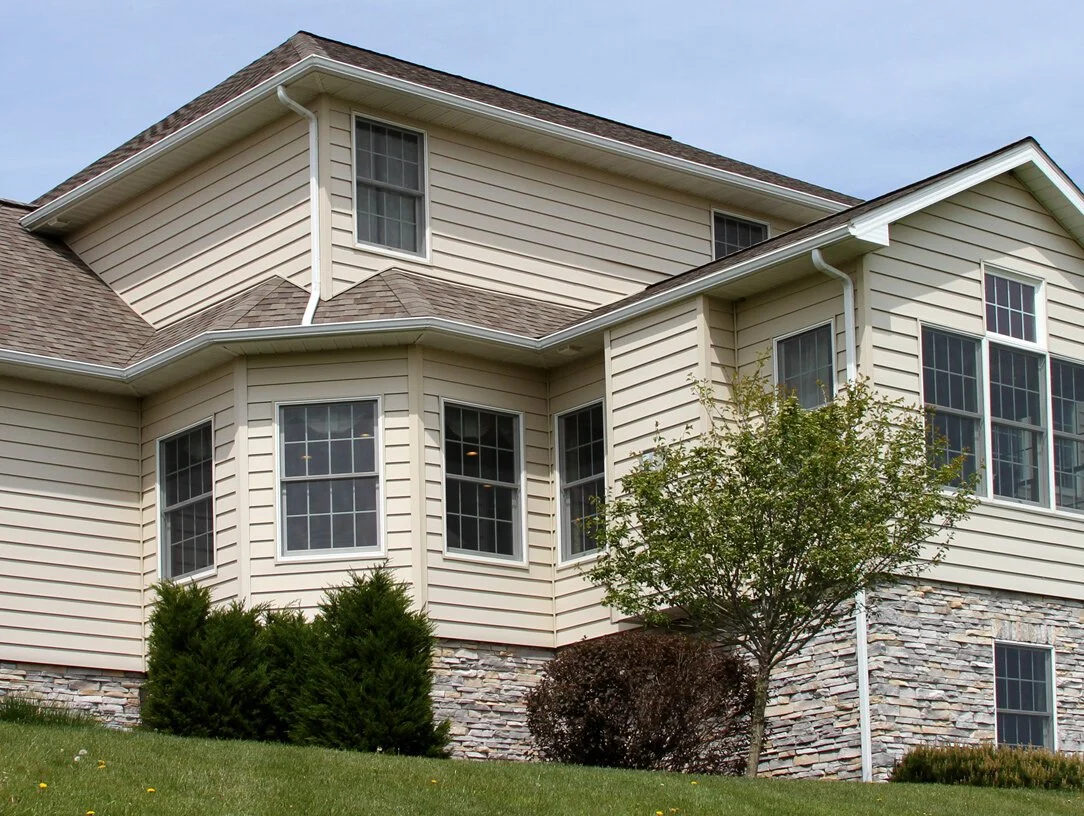
If your home was built between 1980 and 2010, there's a good chance you have at least one cantilever—a section of floor that extends beyond the foundation wall. Common locations include bay windows, breakfast nooks, second-floor master bathrooms, and front entry bump-outs.
Cantilevers are architectural features that add visual interest and interior space. They're also thermal disasters in most Michigan homes.
Why Cantilevers Are Cold
A cantilevered floor is essentially a floor system hanging in the air, exposed to outdoor temperatures on three sides: bottom, front, and both ends. The only thing between your warm interior and the cold air is whatever insulation was installed in that floor cavity—if any was installed at all.
In our experience working on homes in Bloomfield Hills and Grosse Pointe Farms, cantilever insulation is inconsistent at best. We've opened up soffits on cantilevers and found:
- No insulation at all (more common than you'd think)
- Fiberglass batts that have fallen down and are hanging in the cavity
- Insulation that stops short of the cantilevered section
- Insulation installed but no air barrier, allowing wind washing through the fiberglass
The result is cold floors, cold walls, and a room that never quite feels comfortable no matter how high you turn up the thermostat.
The Fix
Proper cantilever insulation requires access to the cavity (usually from below, through the soffit) and a combination of air sealing and insulation. Spray foam is ideal here because it provides both functions. Alternatively, rigid foam board can be installed on the exterior of the soffit, sealed at all edges, with dense-pack cellulose or fiberglass in the cavity.
This isn't a DIY job. It requires understanding of building science, proper materials, and often working at height on ladders. When we handle exterior services in Detroit and surrounding areas, cantilever insulation is part of a comprehensive approach to thermal performance.
Wall Cavities (Not What You Think)
Most people assume their walls are insulated. In Michigan, building codes have required wall insulation since the 1970s, so if your home was built after that, it probably has something in the walls—typically R-13 or R-15 fiberglass batts.
But here's what we find when we open up walls during siding replacement projects: the insulation is often there, but it's not doing its full job because of gaps, compressions, and air leakage paths that were never sealed.
Electrical Boxes and Penetrations
Every electrical outlet, switch, and junction box in your exterior walls is a hole in your thermal envelope. The metal or plastic box itself conducts heat, and there are gaps around the box where it penetrates the drywall and the exterior sheathing.
In a typical Michigan home, you might have 30-40 electrical boxes on exterior walls. Each one is a small thermal bridge and air leakage point. Multiply that by the temperature difference on a cold January night, and it adds up.
Code now requires foam gaskets behind outlet and switch covers on exterior walls, but older homes don't have these. Adding them is a simple, inexpensive upgrade that makes a measurable difference.
Window and Door Rough Openings
When we do window replacement in Detroit, we always check the rough opening insulation. The gap between the window frame and the rough framing is supposed to be insulated, but we frequently find:
- No insulation (just an air gap)
- Poorly installed fiberglass that's compressed or fallen out
- Gaps at the top or bottom of the opening
- No air sealing between the window frame and the interior drywall return
Modern window installation uses low-expansion spray foam or backer rod with sealant to properly insulate and air-seal these openings. If your windows were installed before 2000, there's a good chance this wasn't done correctly.
Why "Full Wall Insulation" Often Isn't
Even homes that were insulated when built often have gaps. Insulation batts get compressed around wiring and plumbing. They don't fill the cavity completely at the top and bottom plates. They're cut short around windows and doors.
Building science research shows that a 5% gap in insulation coverage can reduce overall wall R-value by 25% or more due to convective air loops within the wall cavity. That's why dense-pack cellulose or spray foam—which completely fills the cavity—performs better than batts in real-world conditions.
The Places Everyone Thinks About (But Often Overemphasize)
Let's talk about the usual suspects—the things every homeowner knows about when they think about heat loss.
Windows and Doors
Yes, windows lose heat. But unless your windows are single-pane or have broken seals, they're probably not your biggest problem. A modern double-pane window with low-E coating has a center-of-glass R-value around R-3 to R-4. That's not great, but it's also not terrible.
For perspective: if windows make up 15% of your wall area (typical for Michigan homes), and your walls are R-15, the windows are bringing down your overall wall assembly R-value—but not dramatically. The bigger issue with windows is air leakage around the frames, which we covered above.
Should you replace old, drafty windows? Absolutely. We do window replacement in Southeast Michigan regularly, and it makes a noticeable comfort difference. But if you're prioritizing energy upgrades, air sealing and insulation in attics, basements, and cantilevers will give you better return on investment.
Attic Hatch and Pull-Down Stairs
This one's real. An unsealed attic hatch is like leaving a window open—literally. The hatch itself is typically just a piece of thin plywood with no insulation, and the gaps around the frame let air flow freely.
The fix is straightforward: weatherstripping around the frame, rigid foam insulation glued to the back of the hatch, and ideally a cover box built over the hatch on the attic side. Total cost: under $100 in materials. Payback: less than a year in most Michigan homes.
Recessed Lighting
Older recessed can lights (the kind installed before 2000) are major heat loss points. Each one is a 6-inch hole in your ceiling, and the heat from the bulb creates a convective loop that pulls warm air from your living space into the attic.
Modern IC-rated airtight cans solve this problem, and retrofitting old cans with airtight covers is a smart upgrade. But here's the thing: if you have 10 recessed lights in your home, they're collectively a problem. If you have 50 bypasses in your attic (plumbing chases, dropped soffits, partition walls), the lights are a smaller piece of the puzzle.
We're not saying ignore them. We're saying prioritize based on total impact.
What Actually Works in Michigan Homes
After 35 years of insulation work in Southeast Michigan, here's what we know works:
Air Sealing First, Insulation Second
This is the foundational principle of building science, and it's backed up by decades of research from organizations like the Building Science Corporation and the U.S. Department of Energy.
Air sealing stops convective heat loss—warm air physically leaving your home and being replaced by cold outdoor air. Insulation stops conductive heat loss—heat moving through materials. Both matter, but air sealing has to come first because air movement through insulation dramatically reduces its effectiveness.
In practical terms, this means:
- Seal attic bypasses with expanding foam, caulk, or rigid foam before adding more attic insulation
- Insulate and air-seal rim joists with spray foam, not fiberglass batts
- Use spray foam or dense-pack cellulose in cantilevers and wall cavities, not batts
- Weatherstrip and insulate attic hatches
- Add foam gaskets behind electrical outlets and switches on exterior walls
Spray Foam vs. Blown-In: The Right Tool for the Job
We use both spray foam and blown-in insulation, depending on the application. Here's when each makes sense:
Spray foam (closed-cell): Best for rim joists, cantilevers, and any location where you need both air sealing and insulation in one step. Closed-cell spray foam has an R-value around R-6 to R-7 per inch and creates a complete air barrier. It's more expensive than other options, but in the right locations, it's worth every penny.
Blown-in cellulose or fiberglass: Best for attics and dense-pack wall insulation. Once you've air-sealed the attic floor, adding blown-in insulation on top is cost-effective and achieves high R-values (R-49 to R-60 is standard for Michigan attics). Dense-pack cellulose in walls fills every gap and reduces air movement within the cavity.
The key is matching the material to the application. We see a lot of homes where someone added attic insulation without air sealing first, or stuffed fiberglass batts in rim joists without addressing air leakage. It's wasted money.
R-Value Expectations for Southeast Michigan
Michigan is in Climate Zone 5, which means we have cold winters and moderate cooling loads. Current energy code recommendations for our climate are:
- Attic: R-49 to R-60
- Walls: R-20 to R-21 (cavity insulation plus continuous insulation)
- Basement walls: R-15 to R-19
- Rim joists: R-15 minimum
- Floors over unconditioned space: R-30
Most homes built before 2000 fall short of these targets, especially in attics and basements. Upgrading to current standards makes a measurable difference in comfort and energy bills.
When we do roofing work in Detroit, we often coordinate with attic insulation upgrades. It's the perfect time to address both, since we're already working at the roof deck and can ensure proper ventilation and insulation work together.

Cost Reality and ROI
Let's talk numbers, because Michigan homeowners are practical people who want to know what things actually cost and whether they're worth it.
What Proper Insulation and Air Sealing Costs
Prices vary based on home size, access, and existing conditions, but here are typical ranges for Southeast Michigan in 2026:
- Attic air sealing and insulation upgrade (1,500 sq ft attic): $2,500-$4,500
- Rim joist spray foam insulation (typical basement perimeter): $1,800-$3,200
- Cantilever insulation (per cantilever): $400-$800
- Dense-pack wall insulation (per wall cavity, requires access): $3-$5 per square foot
- Attic hatch insulation and weatherstripping: $150-$300 (often DIY-able)
These aren't small numbers, but they're investments that pay back over time through lower energy bills and increased comfort.
Energy Savings You Can Actually Expect
The U.S. Department of Energy estimates that proper air sealing and insulation can reduce heating and cooling costs by 15-30% in most homes. In Michigan, where heating is the dominant energy use, the savings skew toward the higher end of that range.
For a typical Michigan home spending $2,000-$3,000 per year on heating, a comprehensive insulation upgrade could save $400-$900 annually. At those savings rates, most projects pay for themselves in 4-8 years—and then continue saving money for the life of the home.
But here's what the numbers don't capture: comfort. A properly insulated and air-sealed home feels different. Floors aren't cold. Rooms heat evenly. There are no drafts. The furnace doesn't run constantly. That quality-of-life improvement is hard to quantify, but every homeowner who's done it notices.
When to DIY vs. Hire a Professional
Some insulation work is DIY-friendly:
- Adding weatherstripping and insulation to an attic hatch
- Installing foam gaskets behind outlet covers
- Sealing visible gaps with caulk or expanding foam
But most of the high-impact work requires professional equipment, training, and experience:
- Spray foam installation (requires specialized equipment and safety training)
- Dense-pack insulation (requires access and proper technique)
- Comprehensive attic air sealing (requires identifying all bypasses and using the right materials)
- Cantilever insulation (requires working at height and understanding building science)
A professional energy audit (often available through utility rebate programs) can identify your biggest opportunities and help you prioritize. Then you can decide which work to tackle yourself and which to hire out.
At NEXT Exteriors, we've been doing this work since 1988. We're not the cheapest option in Southeast Michigan, but we're the option that shows up on time, does the job right, and stands behind our work. We're also happy to work with homeowners who want to DIY some portions—we'd rather see you get the work done correctly, even if we're not doing all of it.
The integrated approach: Insulation work often overlaps with other exterior projects. If you're getting new siding installed, it's the perfect time to add exterior rigid foam insulation or dense-pack the wall cavities. If you're getting a roof replacement, coordinate with attic insulation upgrades. If you're replacing windows, make sure the rough openings are properly insulated and air-sealed. We handle all of these exterior services under one roof, which means we can coordinate the work and ensure everything works together as a system.
Even smaller projects like gutter replacement or exterior painting give us the opportunity to inspect your home's thermal envelope and identify issues that might be costing you money.
Ready to Stop Losing Heat?
NEXT Exteriors has been protecting Michigan homes since 1988. We'll give you an honest assessment of where your home is losing heat and what makes sense to fix first—no pressure, no gimmicks. Just straight talk from people who've been doing this work through 35 Michigan winters.
Get Your Free QuoteOr call us: (844) 770-6398
Frequently Asked Questions
For Michigan (Climate Zone 5), current energy code recommends R-49 to R-60 in attics. That translates to about 16-20 inches of blown fiberglass or 13-16 inches of blown cellulose. Most homes built before 2000 have R-19 to R-30, so there's often room for improvement. But remember: air sealing comes first. Adding more insulation on top of air leaks doesn't solve the fundamental problem.
Both, ideally, but rim joists are the higher priority. Rim joists are wood (low R-value) and often have significant air leakage. Insulating them with spray foam gives you immediate comfort and energy improvements. Basement walls are concrete or block (higher thermal mass) and lose less heat, but insulating them to R-15 or higher still makes sense if you use your basement as living space. If budget is tight, do rim joists first.
It depends on what you're replacing. If you have single-pane windows or double-pane windows with broken seals, yes—new windows will make a noticeable difference in comfort and energy use. If you have functioning double-pane windows from the 1990s or later, the improvement will be modest. Windows are a worthwhile upgrade for comfort, noise reduction, and curb appeal, but they're not typically the highest-ROI energy upgrade. Air sealing and insulation in attics, basements, and walls usually give you better bang for your buck.
You can, but you shouldn't—not without air sealing first. If your existing attic insulation is in good shape (not wet, compressed, or contaminated), you can add more on top. But if you haven't sealed attic bypasses—plumbing chases, dropped soffits, recessed lights, partition walls—adding more insulation won't solve your heat loss problem. Air moves through insulation via convection, carrying heat with it. Seal the air leaks first, then add insulation. That's the proper sequence.
Closed-cell spray foam is denser, has a higher R-value per inch (R-6 to R-7), and acts as both insulation and a vapor barrier. It's more expensive but ideal for rim joists, cantilevers, and anywhere you need maximum performance in limited space. Open-cell foam is less dense, has a lower R-value per inch (R-3.5 to R-4), and is vapor-permeable. It's less expensive and works well in attics and interior walls. For Michigan basements and rim joists, we typically use closed-cell because of its superior air sealing and moisture resistance.
The best way is a professional energy audit with a blower door test and thermal imaging. But you can do a basic check yourself: on a cold, windy day, go into your attic and look for areas where the insulation is dirty or discolored—that's a sign of air movement. Look for gaps around plumbing stacks, furnace flues, recessed lights, and dropped soffits. Feel for drafts. If you see light coming up from below around any penetrations, that's an air leak. Most Michigan homes have multiple bypasses that were never sealed during construction.
Yes, often. Federal tax credits for energy-efficient home improvements (including insulation) have been extended and expanded in recent years. Many Michigan utilities also offer rebates for insulation upgrades, especially if you do an energy audit first. DTE Energy and Consumers Energy both have programs. The specifics change, so check current federal tax credit rules and contact your utility for their latest rebate programs. We can help you navigate the paperwork—we've been doing this long enough to know what qualifies and what doesn't.