

Are Impact-Resistant Shingles Worth It in Rochester Hills?

If you've been shopping for a roof replacement in Rochester Hills, you've probably heard the pitch: impact-resistant shingles can save you money on insurance, protect your home from hail, and last longer than standard asphalt shingles. But is that actually true in Southeast Michigan, where severe hail isn't exactly a weekly occurrence?
We've been installing roofs across Oakland County since 1988, and we've seen what works and what's just marketing noise. Here's what you need to know about impact-resistant shingles before you commit to the upgrade.
What Makes a Shingle "Impact-Resistant"?
Impact-resistant (IR) shingles earn their name by passing the UL 2218 Class 4 rating test. That's the highest impact resistance classification available for roofing materials, and it's not just a marketing label — it's a standardized performance benchmark.
The test involves dropping steel balls of increasing diameter (up to 2 inches) from 20 feet onto the shingle surface. To earn a Class 4 rating, the shingle can't crack, split, or show tears after two impacts in the same spot. Standard architectural shingles typically earn a Class 3 rating (1.75-inch ball), while basic 3-tab shingles often land at Class 2 or lower.
How They're Built Differently
IR shingles achieve this toughness through material engineering. Most use a modified asphalt formula with higher polymer content (usually SBS rubber-modified asphalt), which gives the shingle more flexibility and impact absorption. The fiberglass mat underneath is also heavier and more tightly woven than standard shingles.
Brands like CertainTeed's Integrity Roof System, GAF's Timberline HDZ IR, and Owens Corning's Duration Storm all use variations of this construction. The result is a shingle that flexes under impact rather than cracking, which is critical when a 2-inch hailstone hits at terminal velocity.
Real-World Context: We've inspected roofs after severe summer storms in Rochester Hills and Troy. Homes with Class 4 shingles showed minimal damage — maybe a few bruised granules. Neighboring homes with standard shingles had cracked tabs and exposed fiberglass mat. That's not theory. That's what we documented on insurance claims.
Rochester Hills Weather Reality: Do We Get Enough Hail?
Here's the honest answer: Southeast Michigan doesn't see the kind of frequent, golf-ball-sized hail that Texas or Colorado deal with. But we're not immune, either.
Oakland County experiences hail events roughly 2-4 times per year, according to NOAA storm data. Most are small (pea to dime-sized), but every few years, we get a severe storm that drops quarter to golf-ball-sized hail. The summer of 2021 brought multiple hail events across Metro Detroit, with Rochester Hills, Troy, and Bloomfield Hills seeing significant roof damage claims.
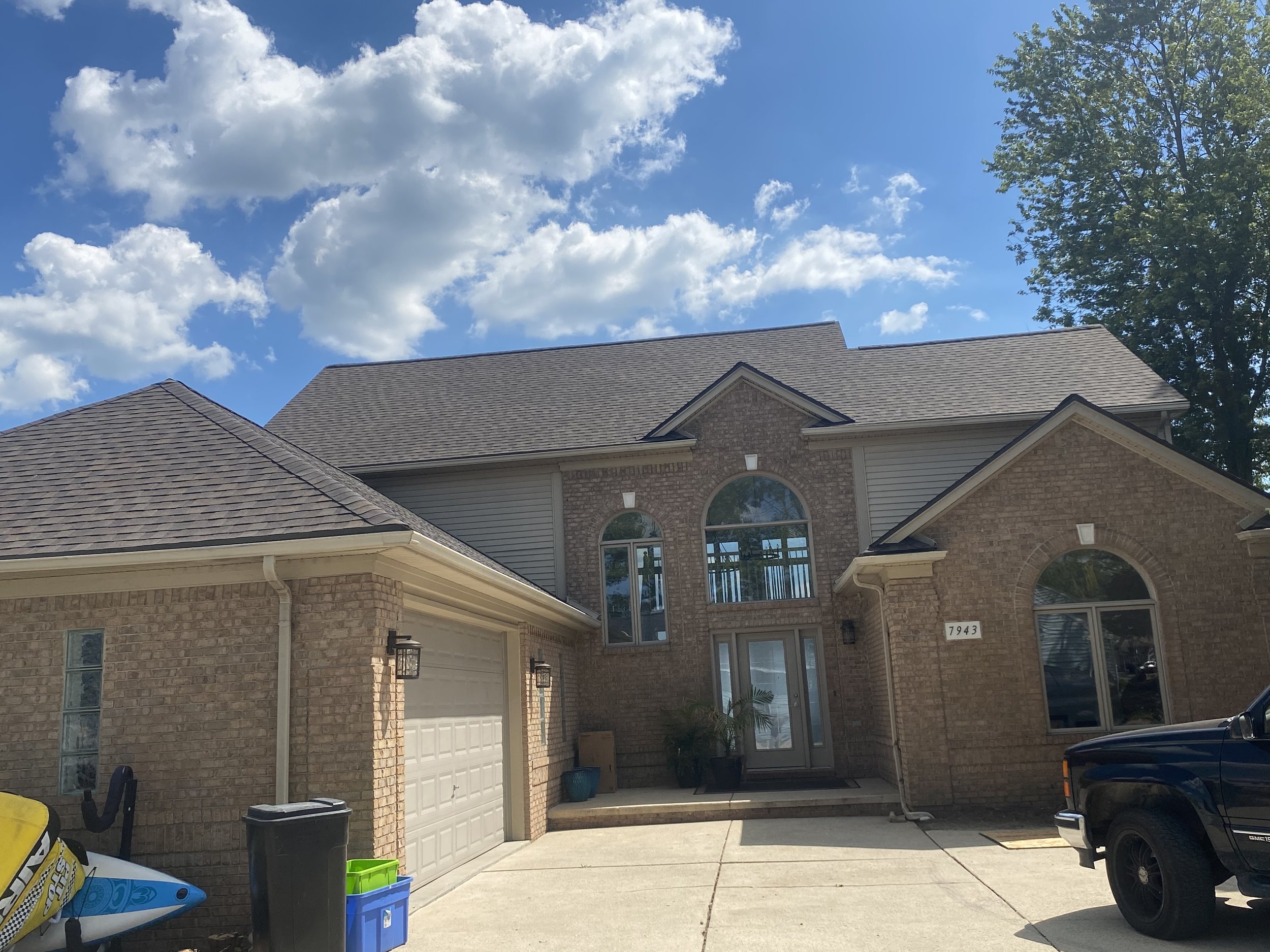
Frequency vs. Severity
The question isn't whether Rochester Hills gets hail — it's whether you're willing to bet your roof replacement budget on avoiding the next severe storm. A standard asphalt roof might last 20-25 years here. If you experience one major hail event in that window, you're filing a claim, paying a deductible, and dealing with the headache of repairs or replacement.
Impact-resistant shingles shift that equation. They're designed to survive the kind of storm that would damage a standard roof, which means you're less likely to need emergency repairs or premature replacement. For homeowners planning to stay in their Rochester Hills home long-term, that peace of mind has real value.
When we handle Detroit roofing services, we always walk homeowners through their local weather history and help them weigh the probability of storm damage against the upfront cost difference. It's not a one-size-fits-all decision.
The Insurance Discount Question
This is where the math gets interesting. Many Michigan insurance carriers offer premium discounts for homes with Class 4 impact-resistant roofing — typically between 10% and 35% off your annual homeowners insurance cost.
The exact discount varies by carrier. Auto-Owners, Citizens, and State Farm all offer IR roof discounts in Michigan, but the percentage depends on your policy, location, and claims history. We've seen discounts as low as 7% and as high as 30% for Rochester Hills homeowners.
How to Verify Your Discount
Before you commit to impact-resistant shingles based on insurance savings, call your agent and ask these specific questions:
- Does your company offer a discount for UL 2218 Class 4 roofing?
- What's the exact percentage reduction on my current premium?
- Do I need to provide documentation (manufacturer cert, contractor invoice)?
- Is the discount permanent, or does it phase out over time?
Get the answer in writing. Some carriers require proof of installation from a licensed contractor (like NEXT Exteriors' CertainTeed Master Shingle Applicator certification) before they'll apply the discount. Others need the manufacturer's product certification showing the Class 4 rating.
Long-Term Savings Calculation
Let's run the numbers for a typical Rochester Hills home:
- Annual homeowners insurance premium: $1,800
- IR roof discount: 15%
- Annual savings: $270
- Cost premium for IR shingles: $2,000-$3,500 (depending on roof size)
At $270/year savings, you'd recoup the upgrade cost in 7-13 years. If you're planning to stay in your home for 15-20 years, the discount alone can justify the investment — and that's before factoring in avoided repair costs from storm damage.
Of course, insurance savings are just one piece of the equation. The real value is in what doesn't happen: the roof damage you avoid, the claims you don't file, and the headaches you skip.
Cost Comparison: IR Shingles vs. Standard Architectural
Impact-resistant shingles cost more than standard architectural shingles — no way around it. But the gap isn't as wide as some homeowners expect, especially when you're already investing in a full roof replacement.
For a typical 2,000-square-foot Rochester Hills home (roughly 20-22 squares of roofing), here's what we see in 2026:
- Standard architectural shingles (GAF Timberline HDZ, CertainTeed Landmark): $8,500-$11,500 installed
- Impact-resistant shingles (GAF Timberline HDZ IR, CertainTeed Integrity): $10,500-$14,000 installed
The difference is typically $2,000-$3,500, depending on roof complexity, pitch, and material choice. That's roughly 20-30% more than standard shingles, but you're getting a product engineered for significantly better performance.
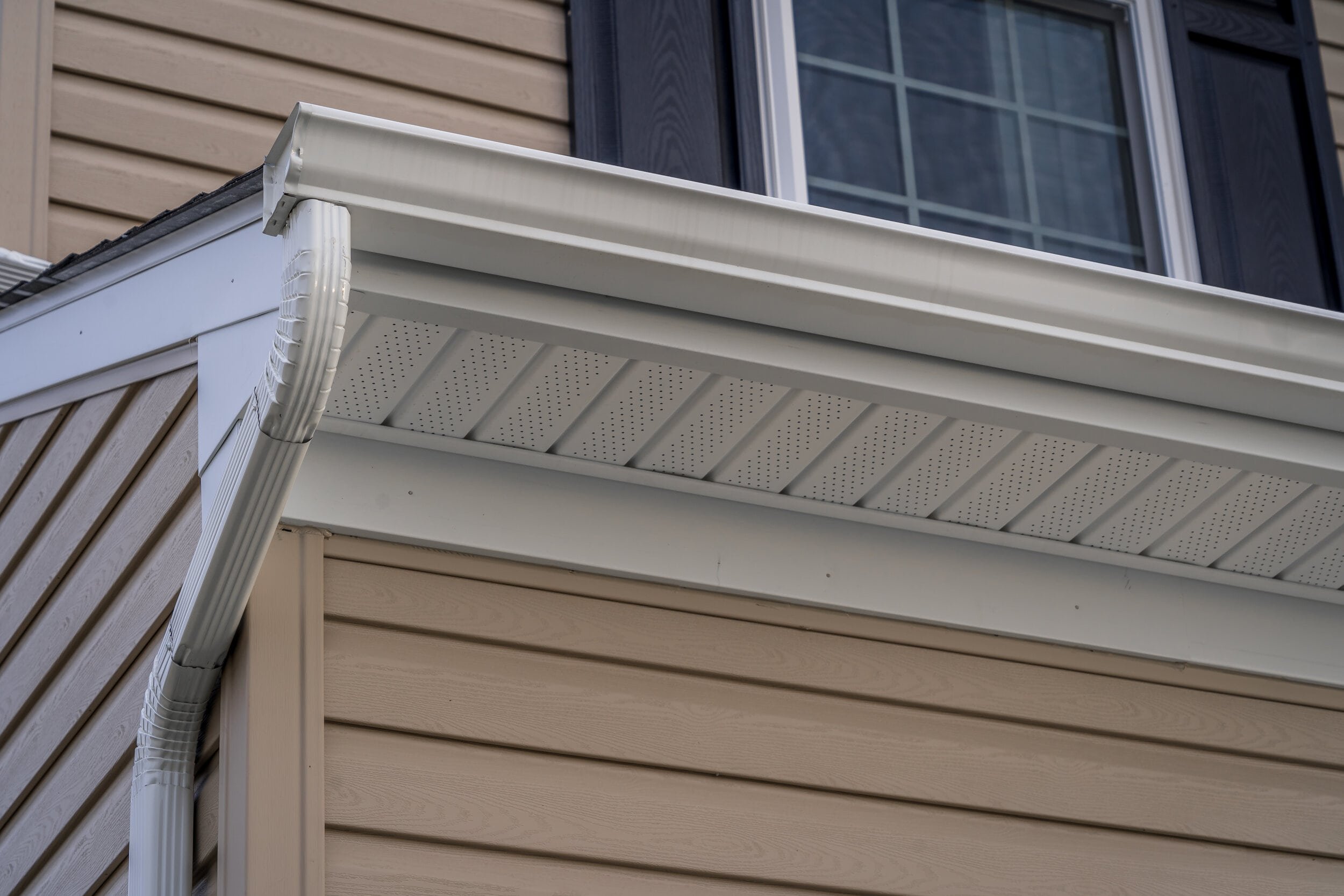
Material Cost Breakdown
The material cost difference is smaller than the total project difference. IR shingles run about $15-$25 more per square than standard architectural shingles. The rest of the cost increase comes from slightly longer installation time (IR shingles are heavier and require more careful handling) and the fact that most IR products come with upgraded warranty packages.
For example, CertainTeed's Integrity Roof System includes a 15-year SureStart warranty (covers material and labor defects) and a 10-year workmanship warranty when installed by a CertainTeed Master Shingle Applicator like NEXT Exteriors. Standard shingles typically come with a 10-year SureStart and no workmanship coverage.
When you're already spending $8,500-$11,500 on a roof, adding $2,000-$3,500 for impact resistance, better warranties, and potential insurance savings is a smaller leap than starting from zero. That's why we see more Rochester Hills homeowners choosing IR shingles in 2026 than we did five years ago.
Durability Beyond Hail: Wind, Algae, and Longevity
Impact resistance is the headline feature, but IR shingles often deliver better performance across the board. That's because manufacturers engineer these products as premium offerings, which means they get upgrades beyond just hail protection.
Wind Resistance
Most Class 4 impact-resistant shingles also carry higher wind ratings. GAF's Timberline HDZ IR is rated for 130 mph winds with proper installation (using GAF's LayerLock technology). CertainTeed's Integrity shingles offer similar performance. Standard architectural shingles typically max out at 110-120 mph wind ratings.
That matters in Southeast Michigan, where summer storms can produce straight-line winds exceeding 70 mph. We've seen plenty of roofs lose shingles in severe thunderstorms — usually on the edges and ridges where wind uplift is strongest. Higher wind ratings mean better adhesion and less risk of blow-offs.
Algae Resistance
Michigan's humidity and tree cover create ideal conditions for algae growth on roofs. Those black streaks you see on older roofs? That's Gloeocapsa magma, an algae that feeds on the limestone filler in asphalt shingles.
Most IR shingles include algae-resistant copper granules (usually marketed as "Scotchgard" or "StainGuard" technology). These granules release copper ions when it rains, which inhibit algae growth. Standard architectural shingles sometimes include this feature, but it's not universal. IR shingles almost always have it.
The result? Your roof stays cleaner longer, which matters if you're in a neighborhood with strict HOA standards or if you're planning to sell in the next 5-10 years. Curb appeal starts with the roof, and a clean roof looks newer than one covered in black streaks.
Expected Lifespan
IR shingles typically last 25-30 years in Michigan's climate, compared to 20-25 years for standard architectural shingles. The heavier construction, modified asphalt, and better granule adhesion all contribute to longer service life.
That extra 5 years might not sound like much, but it's another replacement cycle you avoid. If you're 50 years old and planning to age in place, a 30-year roof means you're done with roofing decisions for the rest of your homeownership. A 20-year roof means you're doing this again in your 70s.
Beyond roofing, NEXT Exteriors also provides comprehensive exterior services in Detroit and throughout Southeast Michigan, including siding, windows, and insulation — all designed to work together for long-term home protection.
When Impact-Resistant Shingles Make Sense
Not every Rochester Hills homeowner needs impact-resistant shingles. Here's when the upgrade makes the most sense:
You're Planning to Stay 10+ Years
The insurance discount and durability benefits compound over time. If you're planning to sell in 2-3 years, the upfront cost probably won't pay off. But if you're in your forever home, the math works in your favor.
Your Neighborhood Has Hail History
If your neighbors have filed hail damage claims in the past 5-10 years, you're in a higher-risk zone. Rochester Hills, Troy, and Bloomfield Hills all saw significant hail damage in recent summers. If you're in one of those pockets, IR shingles are cheap insurance.
Your Insurance Discount Is 15% or Higher
The higher your discount, the faster you recoup the upgrade cost. If your carrier offers 20-30% off (some do for homes in high-value areas), the payback period drops to 5-8 years, which makes the decision much easier.
You're Already Upgrading Other Exteriors
If you're replacing your roof and also planning house siding in Detroit or upgrading to energy-efficient windows in Detroit, the incremental cost of IR shingles becomes a smaller percentage of your total project budget. You're already investing in long-term home protection — why not go all the way?

You Value Peace of Mind
Some homeowners just don't want to worry about storm damage. If you travel frequently, own rental properties, or simply prefer to eliminate potential problems before they happen, IR shingles deliver that peace of mind. You're not gambling on whether the next hailstorm will hit your street.
When Standard Shingles Are Fine
If you're on a tight budget, planning to sell soon, or your insurance carrier doesn't offer a meaningful discount, standard architectural shingles from a quality manufacturer (CertainTeed Landmark, GAF Timberline HDZ, Owens Corning Duration) will serve you well. They're still a massive upgrade over old 3-tab shingles, and they'll last 20+ years with proper installation.
The key is working with a licensed contractor who installs to manufacturer specs. We've seen too many "budget" roof jobs fail early because the installer skipped steps or used substandard underlayment. Whether you choose IR or standard shingles, proper installation matters more than the product name on the wrapper.
NEXT Exteriors Perspective: We install both standard and impact-resistant shingles, and we're honest about when the upgrade makes sense. If your budget is tight, we'll show you how to get a quality roof with standard shingles. If you've got the room and want maximum protection, we'll walk you through the IR options and help you verify your insurance discount before you commit. No pressure, no upselling — just the information you need to make the right call for your home.
Beyond roofing, we also specialize in seamless gutters in Detroit, MI, top-rated insulation services in Detroit, and Southeast Michigan painting professionals — all designed to work together for a complete exterior protection system.
Ready to Get Started?
NEXT Exteriors has been protecting Michigan homes since 1988. Get a free, no-pressure estimate from a team that shows up on time and does the job right.
Get Your Free QuoteOr call us: (844) 770-6398
Frequently Asked Questions
They don't prevent all damage, but they significantly reduce it. Class 4 IR shingles are engineered to withstand impacts that would crack or split standard shingles. In severe hail events (golf-ball-sized or larger), IR shingles typically show bruising or granule loss but remain intact, while standard shingles often crack and require replacement. We've documented this difference on insurance claims across Oakland County.
Michigan carriers typically offer 10-35% discounts for Class 4 roofing, but the exact amount varies by company and policy. Call your insurance agent before you commit to the upgrade and get the discount percentage in writing. Some carriers also require documentation (manufacturer cert or contractor invoice) to activate the discount. At NEXT Exteriors, we provide all necessary documentation to help you claim your discount.
They're slightly heavier and require more careful handling, which can add a day to the installation timeline for larger roofs. But any experienced contractor should be able to install them without issues. The bigger factor is following manufacturer specs for nailing patterns and underlayment — that's where quality installation makes the difference, regardless of shingle type.
No. IR shingles are available in the same colors, profiles, and architectural styles as standard shingles. GAF, CertainTeed, and Owens Corning all offer their Class 4 products in multiple color options that match their standard lines. Your neighbors won't know the difference unless you tell them.
Expect 25-30 years with proper installation and maintenance. The heavier construction and modified asphalt formula help them withstand Michigan's freeze-thaw cycles, UV exposure, and summer storms better than standard shingles, which typically last 20-25 years here. Regular inspections and keeping your gutters clean will help maximize lifespan.
Most manufacturers void the Class 4 rating and warranty if you install over old shingles. To get the impact resistance and insurance discount, you need a full tear-off and proper underlayment installation. Michigan building code also limits roof layers to two in most cases, and we strongly recommend tear-off for any premium shingle product. Proper installation starts with a clean deck.
CertainTeed Integrity, GAF Timberline HDZ IR, and Owens Corning Duration Storm are all excellent choices. We're a CertainTeed Master Shingle Applicator, so we install a lot of Integrity systems, but we also work with GAF and Owens Corning products depending on homeowner preference and budget. The key is proper installation by a licensed contractor who follows manufacturer specs — that matters more than brand loyalty.